Aceclofenac+Paracetamol / Acetaminophen
SHARE
Molecule Summary
| Uses | Pain and Inflammation |
| Therapy | Analgesic/Antipyretic |
| Side Effects | Stomach Pain, Indigestion, Nausea |
Assurance
available
Regulated
Molecule Description
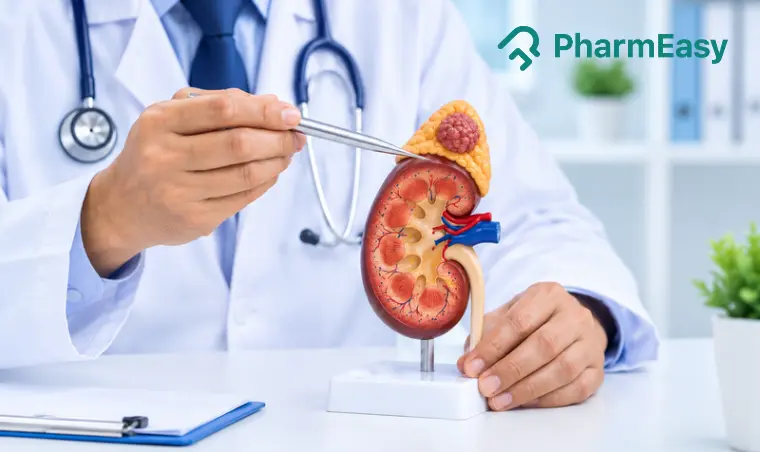
Aceclofenac plus paracetamol is a combined medication used to relieve pain, swelling, and inflammation in adults. Both Aceclofenac and paracetamol work by blocking certain chemicals that cause these symptoms. They are available in tablet, capsule, syrup, and suspension forms. Most patients can safely use Aceclofenac plus paracetamol, but some may experience common side effects like nausea, vomiting, stomach pain, heartburn, and diarrhea, along with less common and rare side effects. If you are taking this medication for long-term pain, continue as directed by your doctor. It can be stopped if used for short-term relief. Long-term use of Aceclofenac plus paracetamol can damage the kidneys, as they normally produce prostaglandin chemicals that protect them from harm. Painkillers lower prostaglandin levels, which can lead to kidney damage over time. Use of painkillers is not recommended for patients with pre-existing kidney disease.
Uses
For relieving pain, inflammation and swelling in various forms of arthritis.
It is also useful in gynaecological pain, dental pain, low backache, pain and swelling in the ear, nose and throat.
Contraindications
When should one not use Aceclofenac+Paracetamol / Acetaminophen
If you are allergic to paracetamol and aceclofenac.
If you have a history of ulcer or bleeding in the stomach or any part of your digestive tract.
If you have experienced an allergic reaction due to the use of other pain-relieving medicines such as aspirin, ibuprofen.
If you have any heart-related problems, high blood pressure, kidney or liver-related problem.
If you are pregnant, especially in the last trimester of pregnancy.
Side effects
Common side effects of this drug are:
- Dizziness
- Drowsiness
- Dyspepsia
- Abdominal pain
- Nausea
- Diarrhoea
Precautions and Warnings

Pregnancy

Breast Feeding

Driving

Alcohol

Other General Warnings
Talk to your doctor if
- You have a kidney or liver problem or blood clotting disorder.
- You have a bleeding problem in the stomach, ulcers in the intestine (perforation) or Crohn's disease.
- You have asthma, as this medicine can worsen the symptoms of asthma.
- You have an autoimmune disease called systemic lupus erythematosus.
- You are an alcoholic, as concomitant use of this medicine can affect the liver.
- You experience skin rashes & lesions after taking this combination.
- You are an elderly patient or taking water pills or have kidney disorders; this medicine can affect the risk of kidney failure. Your doctor may ask you to do renal function tests for the same.
Mode of Action
How Does It Work?
Paracetamol works by interfering with the formation of an inflammatory mediator, prostaglandin. Prostaglandin is responsible for pain and swelling.
Aceclofenac acts by inhibiting certain enzymes responsible for the formation of prostaglandin, thus helping in relieving pain and reducing swelling.
Interactions
Interactions with other medicines
- Some medicines affect the way aceclofenac+paracetamol works or this combination itself reduces the effectiveness of other medicines taken at the same time.
- Inform the doctor about the medicines, supplements, or herbals you are taking or might take to avoid possible interaction.
- Especially if you are taking medicines for a heart condition, steroids, blood pressure-lowering medicines, certain antibiotics, immunomodulators, blood thinners, antidiabetics, mifepristone and medicines that contain lithium.
- Avoid concomitant use of other pain-relieving medicines while taking this combination.
Frequently Asked Questions (FAQs)
Articles
View All








Did you find this helpful?
References:
Explore More at Pharmeasy
Why trust PharmEasy?
# ONE OF INDIA'S MOST TRUSTED HEALTHCARE PLATFORM

CODAvailable
100%Genuine Medicine
30 DAYReturn Policy
 Making medicines affordable, authentic, and easily accessible across India
 700+100% Genuine & verified medicines
 70,000+Medicine orders everyday
 70 MillionTotal customer served
 70 MillionDelivery hubs & fulfillment centre
 7000Trained & trusted delivery partners