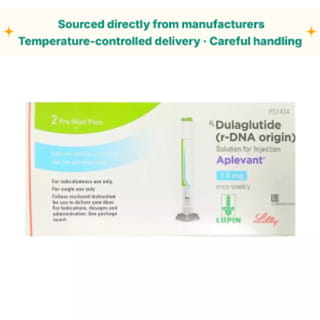
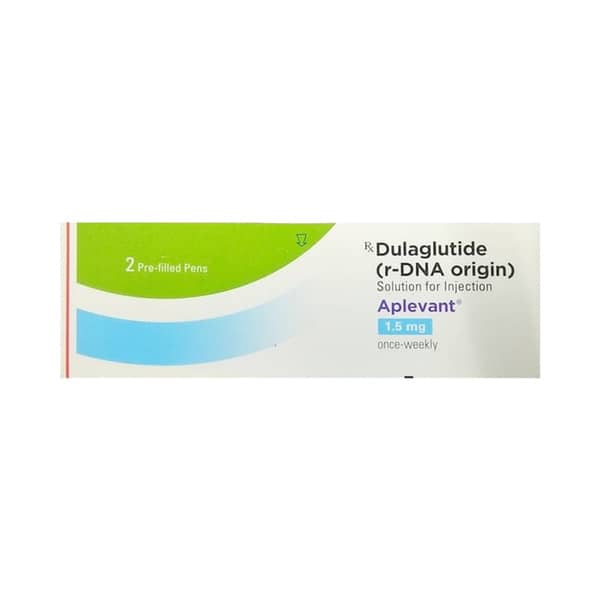
Aplevant 1.5mg Pre-Filled Pen
0.5ml Solution For Injection in Pre Filled PenMRP ₹5154.19
₹4329.52
16% OFF
Made by
LUPIN
Dosage
SOLUTION FOR INJECTION
Expiry
Product Summary
| Therapy | Anti-diabetic |
| Salt Content | Dulaglutide(1.5 Mg/0.5Ml) |
Assurance
available
Regulated
Medical Description
Aplevant 1.5mg Pre-Filled Pen is an anti- diabetic medicine. It contains dulaglutide as an active ingredient. It is used for controlling blood sugar levels in type 2 diabetes along with diet and lifestyle modification. It can be used by individuals aged 10 and above. It is also used to reduce the risk of heart attack, stroke, or death in patients with type 2 diabetes with heart conditions. It works by stimulating the release of insulin from the pancreas, thereby helping reduce blood sugar.
The dosage of Aplevant 1.5mg Pre-Filled Pen will depend on your specific condition and whether you are taking other diabetes medications. You may use it at any time of day, with or without food; however, it is advisable to use it on the same day each week to maximize its effectiveness. Your doctor or nurse will instruct you on how and where to inject the medicine, so be sure to follow their instructions carefully.
Do not stop taking this medication without consulting your doctor, as this could result in increased blood glucose levels and expose you to serious complications. Aplevant should be used alongside an appropriate diet and exercise plan to help control high blood glucose.
Store the Aplevant 1.5mg Pre-Filled Pen in the refrigerator until you need it; do not freeze it. The most common side effects include nausea, diarrhea, abdominal pain, and loss of appetite. It can also lead to hypoglycemia (low blood sugar), particularly if you are taking other medications to lower blood sugar. Be sure to recognize the signs of hypoglycemia and know how to manage it.
Before using this medication, discuss with your doctor if you have a history of liver or kidney disease, pancreatitis, or any stomach issues. Inform your doctor about any other medications you may be taking that could interact with this medicine. If you are pregnant or breastfeeding, consult your doctor to determine if it is safe for you to use Aplevant 1.5mg Pre-Filled Pen.
Uses
Contraindications
- If you are allergic to insulin or any of the ingredients of this medicine
- If you are suffering from hypoglycemia (low blood sugar level).
Side effects
- Low blood sugar (Hypoglycaemia)
- Lightheadedness
- Dizziness
- Anxiety
- Nervousness
- Tiredness
- Feeling hungry
- Visual disturbances
- Headache
- Shaking
- Sweating
- Pale skin
- Skin rashes
- Pain, redness, swelling at injection site.
Precautions and Warnings

Pregnancy

Breast Feeding

Driving

Alcohol

Other General Warnings
- You have recurrent low blood sugar levels
- Be very careful about symptoms of low blood sugar like sweating, anxiety, fast heartbeat, headache, intense hunger, restlessness, dizziness, irritability. If you experience these, immediately have sugar (Do not consume artificial sweeteners). Eat something as soon as possible. Do not take insulin in such a scenario. If still the symptoms persists, seek emergency medical help
- You have frequent fever and infections
- You have diseases related to liver and kidney
- You have thyroid disorders
- You are switching to different insulin medicine brand
- You have pain, itching and swelling at the injection site, you should continuously change the site of injection
- Avoid doing heavy exercise
- You are planning to change your diet preferences
- You should always carry sugar candy with you
- You are taking insulin but not taking adequate meals, your blood glucose can drop drastically.
Directions for Use
- Take this injection as per the technique suggested by your doctor or nurse
- This injection is to be taken under the skin of the thigh or upper arm or abdomen
- Do not take this injection in vein or in muscles
- Pull a skin, fold up to take this injection
- Wait for at least 6 sec before removing the needle from the injection site
- Always rotate the site of injection, do not take concurrent injections at the same site.
Storage and disposal
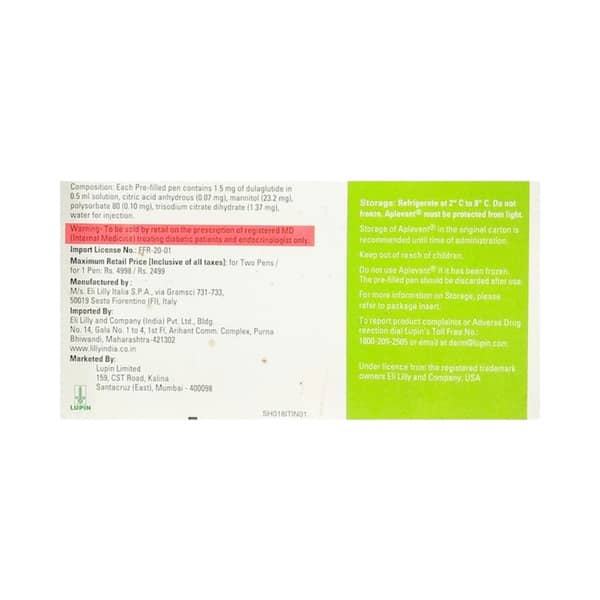
- Store between 2°C to 8°C in the refrigerator
- Do not freeze it
- Keep it out of the reach of children
- Do not open the carton of vials to protect it from light
- Any unused portion should not be stored and should be appropriately discarded.
Quick Tips
- Use Aplevant 1.5mg Pre-Filled Pen once weekly on the same day each week, at any time of day, with or without food, to maintain consistent blood glucose control. Administer the injection subcutaneously into the abdomen, thigh, or upper arm, and rotate injection sites each week to reduce the risk of skin irritation.
- Do not mix Aplevant with insulin in the same injection; never inject it into a vein or muscle.
- Always follow the injection technique demonstrated by your healthcare provider.
- Common side effects, such as nausea, vomiting, diarrhea, or reduced appetite, are more likely in the first few weeks and usually improve as the body adjusts to the medication.
- Store the prefilled pen in a refrigerator (2°C–8°C). If needed, it can be stored at room temperature (below 30°C) for up to 14 days; do not freeze or expose it to direct heat.
- Aplevant is most effective when used alongside a healthy diet, regular physical activity, and routine blood sugar monitoring, as advised by your physician.
- Individuals with high blood sugar or diabetes are at risk of getting various health complications, such as eye, kidney, and nerve problems, heart diseases, and stroke. Therefore, it is advisable to take your diabetes medications regularly, make lifestyle changes, exercise regularly, and maintain a healthy weight to control your blood sugar better. You should also regularly check your blood sugar levels.
Dosage
Overdose
- Excess insulin will lead to low blood sugar levels, called hypoglycemia
- Symptoms like dizziness, fainting, sweating and tremors may be seen
- If you have the blood glucometer with you, test immediately and confirm
- Whether or not you test your levels, it is important to take some glucose water/juice/eat sugar or chocolates immediately and then rush to your doctor.
Missed a Dose
- Missed dose may lead to high blood sugar levels which can cause symptoms like feeling thirsty, excessive urination, loss of appetite, drowsiness, fruity smell from breath, etc.
- If you missed any dose of medicine take it as soon as you remember
- If it's time for your next dose then skip the missed dose and continue with your regular dose schedule
- Do not take a double dose of medicine to compensate the missed one as taking double dose can cause a drastic fall in blood glucose which can be dangerous.
How does this medicine work?
- Insulin is crucial to allow entry of blood glucose into each cell of the body
- Inside the cell, this glucose is used as fuel
- In type 1 diabetes mellitus, the body fails to produce adequate insulin
- This leads to glucose accumulating in the blood and cause high blood glucose
- This medicine lowers blood sugars by stimulating glucose uptake by cells, tissue and muscles, especially by skeletal muscles and fat and by inhibiting glucose production by the liver.
Interactions
Interactions with other drugs
Interactions with food items
- This medicine is to be taken 15 mins before meals or after meals
- Maintaining a constant meal pattern is advisable when you are taking insulin
- Avoid skipping or delaying meals when you are taking insulin.
Frequently Asked Questions (FAQs)
References:
Articles
View All








Chronic Condition Articles
View All







Did you find this helpful?
Explore More at Pharmeasy
Manufacturer Details
Brand:APLEVANT
Manufacturer Name:LUPIN
Address:Eli Lilly Italia S.p.A., via Gramsci 731-733, 50019 Sesto Fiorentino (FI), Italy
Country of Origin:Italy
Vendor Details
Fulfillment Information: Aplevant 1.5 MG/0.5ML Solution For Injection (0.5) will be delivered by a licensed retail pharmacy nearest to your location. Order acceptance and fulfillment are dependent upon the verification of your doctor's valid prescription (where applicable) and the current stock of this medicine.
In Case of Any Issues Contact Us
Email Id:care@pharmeasy.in
Phone Number:7666100300
Address:D-37/1, Opp. Sandoz, TTC Industrial Area, MIDC Industrial Area, Turbhe, Navi Mumbai, Maharashtra 400703
Disclaimer
The information provided herein is supplied to the best of our abilities to make it accurate and reliable as it is published after a review by a team of professionals. This information is solely intended to provide a general overview on the product and must be used for informational purposes only. You should not use the information provided herein to diagnose, prevent, or cure a health problem. Nothing contained on this page is intended to create a doctor-patient relationship, replace or be a substitute for a registered medical practitioner's medical treatment/advice or consultation. The absence of any information or warning to any medicine shall not be considered and assumed as an implied assurance. We highly recommend that you consult your registered medical practitioner for all queries or doubts related to your medical condition. You hereby agree that you shall not make any health or medical-related decision based in whole or in part on anything contained in the Site. Please click here for detailed T&C.