Insulin Glargine
SHARE
Molecule Summary
| Uses | Diabetes Mellitus |
| Therapy | Anti-Diabetic |
| Side Effects | Low Blood Glucose Level, Injection Site Reactions, Rash, Allergic Reactions |
Assurance
available
Regulated
Molecule Description
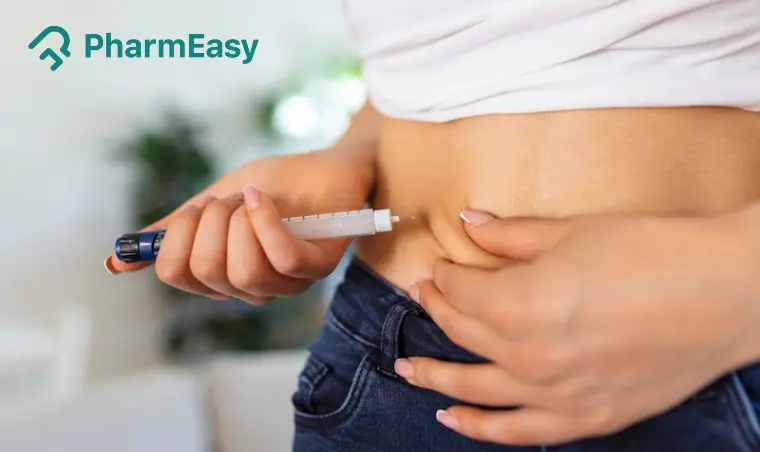
Insulin Glargine is a type of insulin medication used to control high blood sugar.
Uses
It is used in the treatment of diabetes mellitus Type 1.
Contraindications
When should one not use Insulin Glargine
If you are allergic to Insulin Glargine.
Side effects
Common side effects of this drug are:
- Low blood sugar (hypoglycaemia)
- Drowsiness
- Fast heartbeat
- Headache
- Anxiety
- Nausea
- Injection site side effects like skin thickening and shrinking
- Skin allergic reactions like itching, swelling, pain
- Fatigue
- Dysgeusia (taste disorders)
- Muscular pain
Precautions and Warnings

Pregnancy

Breast Feeding

Driving

Alcohol

Other General Warnings
Talk to your doctor if
- You are breastfeeding
- Your blood sugar is too low (hypoglycaemia)
- You have any plans to travel abroad
- You are ill or having any major injury
Mode of Action
How Does It Work?
The primary activity of Insulin Glargine is the regulation of glucose metabolism. Insulin is crucial to allow entry of blood glucose into each cell of the body. In Type 1 diabetes mellitus, the body fails to produce adequate insulin. This leads to glucose accumulating in the blood and causes high blood glucose. Insulin Glargine lowers blood sugars by stimulating glucose uptake by cells, tissue and muscles (especially by skeletal muscles and fat) and by inhibiting glucose production by the liver.
Interactions
Interactions with other medicines
- All other medicines to treat diabetes
- Medicines used to treat certain heart conditions or high blood pressure
- Medicines used to treat certain heart conditions (Disopyramide)
- Medicines used to treat depression (Fluoxetine)
- Medicines used to lower high levels of blood lipids like Fibrates
- Medicines used to treat depression
- Medicines used to relieve pain and lower fever such as Aspirin
- Sulphonamide antibiotics
- Glucagon (pancreas hormone used to treat severe hypoglycaemia)
- Medicines used to treat tuberculosis (Isoniazid)
- Contraceptive pill used for birth control
- Medicines used to treat psychiatric disorders (Phenothiazine derivatives)
- Somatropin (growth hormone)
- Medicines used to treat asthma (Salbutamol, Terbutaline)
- Medicines used to treat thyroid gland disorders
- Antipsychotic medicines (like Clozapine, Olanzapine)
Interactions with food items
No information is available on interactions of Insulin Glargine when taken with food, consult your doctor or pharmacist for further information.
Dosage
Overdose
Excess Insulin Glargine will lead to low blood sugar levels called hypoglycemia. Symptoms like dizziness, fainting, sweating and tremors may be seen. If you have the blood glucometer with you, test immediately and confirm. Whether or not you test your glucose levels, it is important to take some glucose water/ juice/ eat sugar or chocolates immediately and then rush to your doctor (since it is generally less dangerous to have high blood glucose levels than have very low blood glucose levels).
Missed a Dose
If you missed any dose, take it as soon as you remember. Skip the missed dose if its almost time for the next dose and do not take extra medicine to compensate for the missed dose.
Frequently Asked Questions (FAQs)
Articles
View All








Did you find this helpful?
References:
- Ema.insulin glargine. [Accessed 9 June 2026] (online)
- Lactmed.insulin glargine. [Accessed 9 June 2026] (online) Drugs and Lactation Database (LactMed) [Internet]. Bethesda (MD): National Library of Medicine (US); 2006-. Insulin. [Updated 2018 Oct 31]:
- Dailymed.insulin glargine. [Accessed 9 June 2026] (online)
Explore More at Pharmeasy
Why trust PharmEasy?
# ONE OF INDIA'S MOST TRUSTED HEALTHCARE PLATFORM

CODAvailable
100%Genuine Medicine
30 DAYReturn Policy
 Making medicines affordable, authentic, and easily accessible across India
 700+100% Genuine & verified medicines
 70,000+Medicine orders everyday
 70 MillionTotal customer served
 70 MillionDelivery hubs & fulfillment centre
 7000Trained & trusted delivery partners