
Thrabis Vial Of 0.5Ml Vaccine
0.5ml Vaccine in VialMRP ₹1028.00
₹771.00
25% OFF
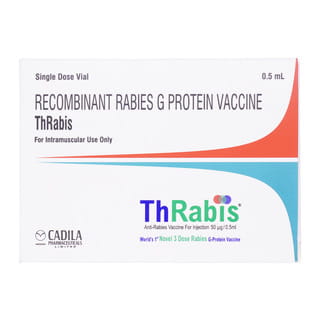
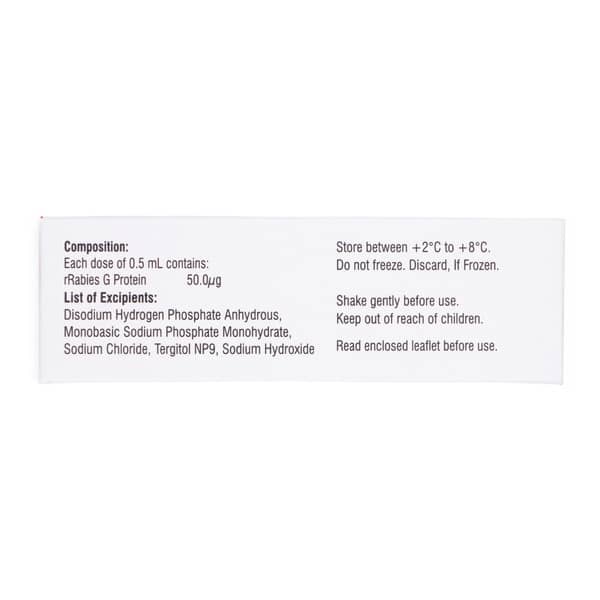
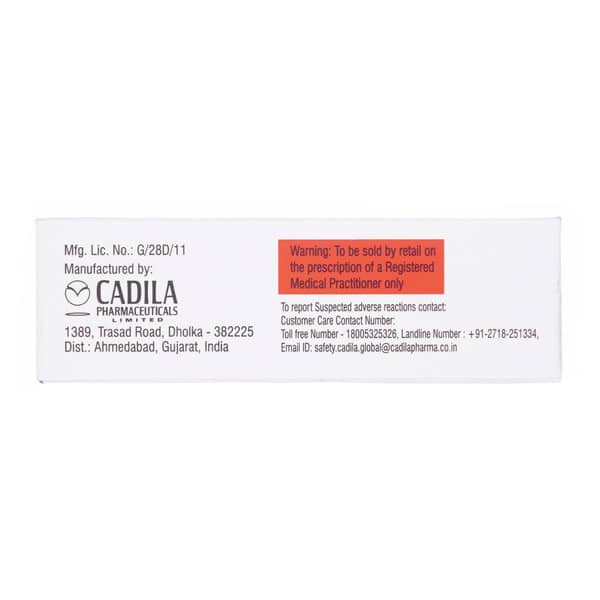
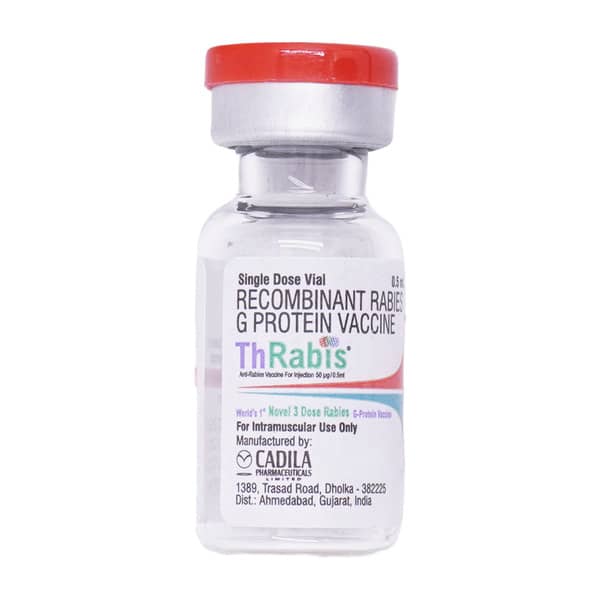
Made by
CADILA PHARMACEUTICALS LIMITED
Dosage
VACCINE
Expiry
Product Summary
| Uses | Prevention of rabies |
| Therapy | Vaccine |
| Side effects | Headache, dizziness, rashes |
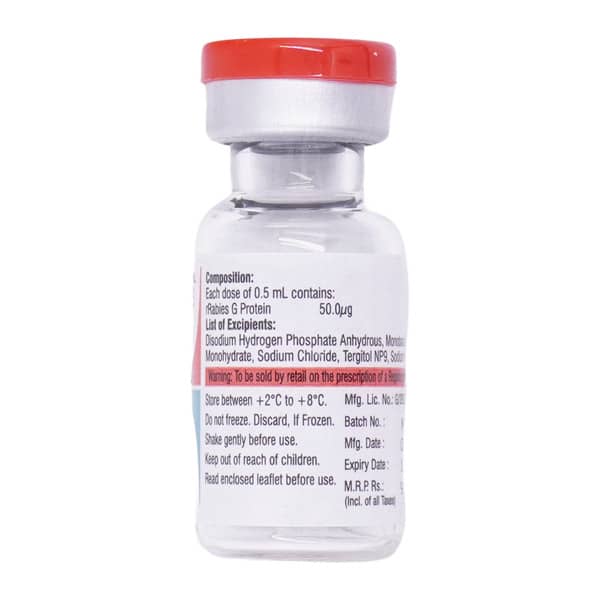
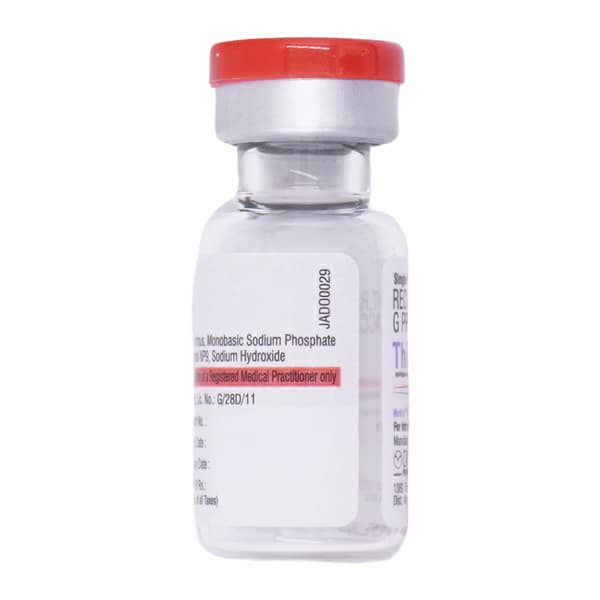
| Salt Content | Recombinant Rabies G Protein(50.0 Mcg/0.5Ml) |
Assurance
available
Regulated
Medical Description
Thrabis vaccine is used for post-exposure prevention of rabies after contact with an animal that is rabid or suspected of having rabies. Thrabis contains the rabies virus G protein, made by recombinant technology. It contains no live or whole rabies virus and cannot cause rabies.
Rabies is a viral disease that spreads through bites, scratches, or saliva from an infected animal entering broken skin or the eyes, nose or mouth. This vaccine stimulates the body's immune system to produce antibodies against the rabies virus. Your doctor will determine the appropriate treatment based on the type of exposure and your previous rabies vaccination history.
Do not wait for symptoms or for confirmation that the animal has rabies. Wash the wound immediately with soap and running water for at least 15 minutes and seek urgent medical attention. Depending on the type of exposure and your vaccination history, your doctor may also recommend rabies immunoglobulin or another suitable treatment.
Common side effects include pain, joint pain, redness at the injection site, and swelling at the injection site. If any side effects persist or cause concern, consult your doctor. Before receiving the injection, inform your doctor if you have ever had an allergic reaction to a vaccine. Please inform your doctor about all the medications you are currently taking, as some may interact with the rabies vaccine.
Thrabis is given as an injection by a doctor or nurse. It must never be self-injected and must never be given into a vein. It is given as a course of doses, and completing the whole course on the days your doctor sets is what makes it work. If you have previously received rabies vaccination, tell your doctor because the treatment required after a new exposure may differ.
Uses
Contraindications
Side effects
- Pain, tenderness, redness, swelling, itching or hardening at the injection site
- Headache
- Muscle pain and joint pain
- Nausea or abdominal pain
- Dizziness
- Rash or itching away from the injection site
- Nausea, vomiting or abdominal pain
- Swollen glands near the injection site
- Fainting or feeling faint around the time of the injection, usually related to the injection procedure rather than the vaccine itself
- Severe allergic reaction, with swelling of the face, lips, tongue or throat, difficulty breathing or swallowing, a widespread rash, a sudden drop in blood pressure or collapse
- A fit or seizure, or new or progressive weakness, numbness or tingling, requires urgent medical assessment.
- A fever that is high or that is not settling
- Report any side effect to your doctor. Do not stop or delay the prescribed post-exposure vaccination course because of a mild reaction without medical advice.
Precautions and Warnings

Pregnancy

Breast Feeding

Alcohol

Driving

Other General Warnings
- You or your child has a history of allergies, such as asthma or hay fever, or has had a severe allergic reaction to a vaccine or any of its ingredients.
- You or your child has experienced any reaction to a previous rabies vaccine.
- You or your child has a bleeding disorder or bruises easily.
- You have previously experienced symptoms like feeling faint, fainting, or other stress-related reactions before or after any injection with a needle.
- You develop symptoms such as swelling of the lip, tongue, or throat, or rashes with red, itchy bumps after receiving the vaccine.
- You have a weakened immune system, or take medicines that suppress it, as your response to the vaccine may be weaker and your doctor may want to check it after the course.
- You are taking an antimalarial medicine such as chloroquine, which can reduce the response to the rabies vaccine.
- If you have had a rabies vaccine before, you may need a different treatment after a new exposure.

Liver
Kidney

Children

Heart

Geriatrics

Allergy
Directions for Use
- This vaccine will be given in the hospital by your doctor or nurse.
- Do not self-inject this medicine. Follow any aftercare instructions your doctor or nurse gives.
- Thrabis is administered as an intramuscular injection by a healthcare professional. It must not be administered subcutaneously, intradermally or into a vein.
- AFTER A POSSIBLE RABIES EXPOSURE, ACT IMMEDIATELY. Wash the wound with soap and running water for several minutes, apply an antiseptic if you have one, and go to a doctor or hospital straight away. Do not wait to see whether symptoms develop, and do not wait to see whether the animal falls ill.
- Take it as a course of doses on set days. Attend every appointment. An incomplete course may not protect you.
- Tell the doctor whether you have been vaccinated against rabies before, as this changes what treatment you need after a new exposure, and whether you have a weakened immune system.
- Stay where you were vaccinated for a short observation period afterwards, so you can treat any immediate reaction.
- Keep the vaccination record you receive and bring it to every appointment.
Storage and disposal
- Store in a refrigerator (2°C-8°C). Do not freeze.
- Keep out of reach of children and pets.
- Discard the vaccine if it has been frozen, even if it has thawed and looks normal.
- Store it in the original carton to protect it from light, and shake it before use if the leaflet directs.
- Do not use the vaccine after its expiry date, or if the packaging is damaged or the contents look unusual.
- Do not dispose of it in household waste or down a drain. The clinic or pharmacy disposes of vaccines and used syringes.
Quick Tips
- Always have a healthcare professional (doctor or nurse) administer the vaccine. It is administered subcutaneously (under the skin) or intramuscularly (into the muscle), depending on the specific vaccine and protocol.
- Rabies vaccines are temperature-sensitive. Store them strictly as directed (usually refrigerated between 2 °C and 8 °C). Do NOT freeze. Freezing can damage the vaccine.
- Never administer the vaccine yourself.
- If bitten or exposed to a potentially rabid animal, immediately wash the wound thoroughly with soap and water for at least 15 minutes. Then seek medical attention immediately. Depending on the exposure, you might need both the vaccine and Rabies Immune Globulin (antibodies).
- Inform your doctor about any severe or persistent side effects after vaccination.
- If you travel to high-risk areas or work with animals, discuss pre-exposure prophylaxis with your doctor.
- Nothing should delay or interrupt a post-exposure course. Heavy drinking is best avoided around the time of any vaccination, mainly because it makes it harder to tell a hangover from a reaction, but do not miss an appointment for any reason.
- Complete every dose on the scheduled days. Protection depends on finishing the course, and this is the most common point of failure.
- Tell the doctor whether you have ever had a rabies vaccine. Previous vaccination usually means you need less treatment after a new exposure.
- A small or unbroken-skin contact still needs assessment. Let a doctor decide whether treatment is needed rather than judging it yourself.
- This vaccine contains no live or whole rabies virus and cannot give you rabies.
- Seek help immediately for swelling of the face or throat, difficulty breathing, a widespread rash or fainting.
Dosage
Overdose
Missed a Dose
How does this medicine work?
Interactions
Interactions with other medicines
- Tell your doctor about all medicines you take, especially medicines that suppress the immune system or may affect your response to vaccination.
- Immunosuppressive treatment: corticosteroids at higher doses, chemotherapy, transplant medicines, radiotherapy and biological treatments may reduce the immune response, so protection may be weaker.Tell your doctor if you take these medicines. Do not delay or withhold urgent rabies post-exposure treatment without medical advice. Your doctor may recommend checking your antibody response.
- Antimalarial medicines : tell your doctor if you take medicines such as chloroquine, as they may affect the response to rabies vaccination. Your doctor will advise on the appropriate treatment.
- Blood-thinning medicines and low platelet counts: these can increase bleeding or bruising at the injection site. Tell the doctor or nurse before vaccination.
Interactions with food items
Frequently Asked Questions (FAQs)
References:
- THRABIS recombinant rabies G protein vaccine: Summary of Product Characteristics. Cadila Pharmaceuticals Limited, hosted by the Central Drugs Standard Control Organisation (CDSCO). [cited 2026 Oct 12]
- World Health Organization. Rabies vaccines: WHO position paper - April 2018. Weekly Epidemiological Record 2018;93(16):201-220. Geneva: World Health Organization. [cited 2026 Oct 12]
- World Health Organization. Rabies: fact sheet. Geneva: World Health Organization. [cited 2026 Oct 12]
- World Health Organization. Rabies vaccinations and immunization. Department of Control of Neglected Tropical Diseases. Geneva: World Health Organization. [cited 2026 Oct 12]
- World Health Organization. WHO position papers on rabies. Geneva: World Health Organization. [cited 2026 Oct 12]
- World Health Organization. Immunization, Vaccines and Biologicals: rabies. Geneva: World Health Organization. [cited 2026 Oct 12]
- Central Drugs Standard Control Organisation (CDSCO). Drugs@CDSCO - rabies vaccine records searched for this product; no record exists for Thrabis or for any recombinant rabies G protein vaccine as at the date cited. New Delhi: Directorate General of Health Services, Ministry of Health & Family Welfare. [cited 2026 Oct 12]
- Cadila Pharmaceuticals Limited. Corporate site. [cited 2026 Oct 12]
Articles
View All









Chronic Condition Articles
View All






Did you find this helpful?
Explore More at Pharmeasy
Manufacturer Details
Brand:THRABIS
Manufacturer Name:CADILA PHARMACEUTICALS LIMITED
Address:Cadila Pharmaceutical Limited, 1389, Trasad road, Dholka, Ahmedabad, Gujart, Inda. Pin - 382225
Country of Origin:India
Vendor Details
Fulfillment Information: Thrabis 50 MCG/0.5ML Vaccine (0.5) will be delivered by a licensed retail pharmacy nearest to your location. Order acceptance and fulfillment are dependent upon the verification of your doctor's valid prescription (where applicable) and the current stock of this medicine.
In Case of Any Issues Contact Us
Email Id:care@pharmeasy.in
Phone Number:7666100300
Address:D-37/1, Opp. Sandoz, TTC Industrial Area, MIDC Industrial Area, Turbhe, Navi Mumbai, Maharashtra 400703
Disclaimer
The information provided herein is supplied to the best of our abilities to make it accurate and reliable as it is published after a review by a team of professionals. This information is solely intended to provide a general overview on the product and must be used for informational purposes only. You should not use the information provided herein to diagnose, prevent, or cure a health problem. Nothing contained on this page is intended to create a doctor-patient relationship, replace or be a substitute for a registered medical practitioner's medical treatment/advice or consultation. The absence of any information or warning to any medicine shall not be considered and assumed as an implied assurance. We highly recommend that you consult your registered medical practitioner for all queries or doubts related to your medical condition. You hereby agree that you shall not make any health or medical-related decision based in whole or in part on anything contained in the Site. Please click here for detailed T&C.


