




Back Acne (Bacne): Why It Happens and Natural Ways to Clear It
By Dr. Raina N. Nahar +2 more

Medically reviewed by Dr. Raina N. Nahar
Last updated: Oct 22, 2026 Published on: Oct 22, 2026


Get,

to manage your symptom
Get your,

4 Cr+ families
benefitted

OTP sent to 9988776655



You’ve successfully subscribed to receive
doctor-approved tips on
Whatsapp

Get ready to feel your best.


Register to Avail the Offer
Send OTPBy continuing, you agree with our Privacy Policy and Terms and Conditions
Hi There,
Sign up on PharmEasy now!!


Trusted by 4 crore+ families

OTP sent to 9988776655
You have unlocked 25% off on medicines


Code: NU25

By Dr. Raina N. Nahar +2 more
Table of Contents
When we think of acne, we usually think of the face. But similar breakouts can happen on the back and other body parts as well.
Sweat, excess oil, and dead skin cells can sometimes build up and clog the skin pores present on your back. This leads to back acne. We understand that it can be frustrating and often goes ignored1,2. In this blog, we will explain what back acne is, what causes it, some natural ways to care for your skin, and how to reduce the chances of future breakouts.
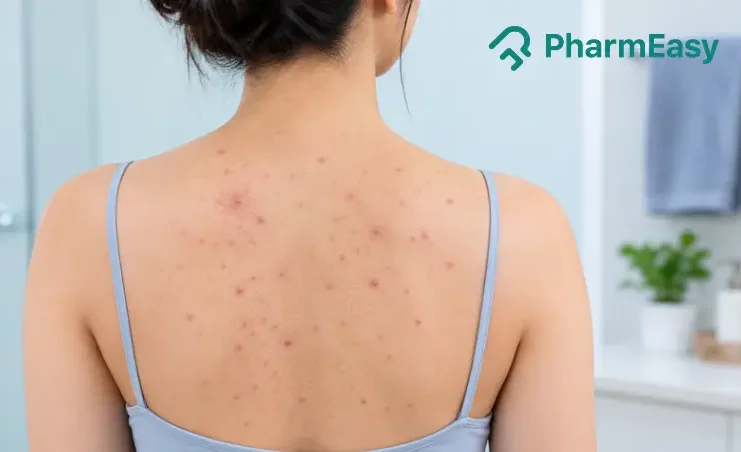
Acne can occur on different parts of the body, including the face, back, chest, and shoulders1.
Back acne (also called bacne) is a common skin problem. It happens when the hair follicles on your back become clogged with oil (sebum), dead skin cells, and bacteria, causing inflammation1,3.
Did You Know?
Back acne can look different depending on how severe it is. It may appear as blackheads and whiteheads (comedones), red bumps (papules), pus-filled spots (pustules), or larger, painful bumps called nodules. These spots are often seen on the upper back, although they can also appear on the lower back, shoulders, and chest. In some people, the breakouts may be clustered around the middle of the back1,2.
Note: Severe back acne can sometimes leave permanent scars if the inflammation damages the deeper layers of the skin3.
Just like facial acne, back acne can appear in different forms. It usually depends on how clogged or inflamed the pores are. Common types include1,4:
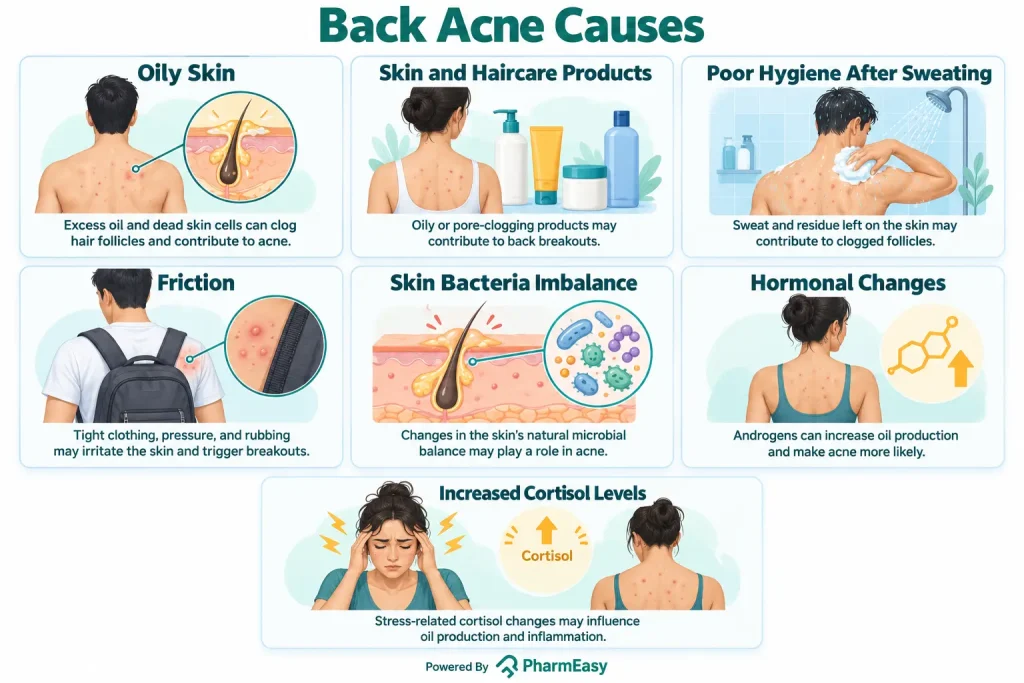
As discussed earlier, back acne develops when hair follicles become clogged and inflamed. Several factors can contribute to this. Some common reasons for back acne include:
Back acne can cause a range of skin changes. Some common symptoms include1,2:
Treatment for back acne depends on how mild or severe the acne is. Common back acne treatment and management options include2:
These simple home remedies for back acne may help soothe the skin and support healing:
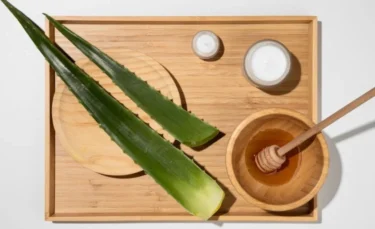
Pure aloe vera gel may help to soothe irritated and inflamed skin on your back11. You can apply a thin layer of pure and fragrance free aloe vera gel to clean and dry skin. Then leave it on for a few minutes and wash it off (you can also use it like a moisturiser and leave it on your skin). Always choose a product intended for topical use and stop using it if you notice burning, itching, or redness.
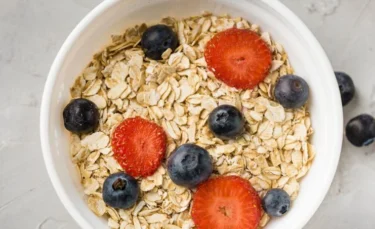
Oatmeal is known to have a soothing effect on irritated skin12. To make a lotion, add a colloidal oatmeal product to a lukewarm bath and soak for about 10 to 15 minutes. Then wash off with plain water. Avoid hot water and rough scrubbing while using this lotion.
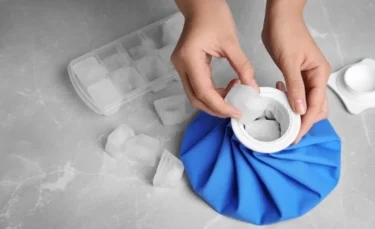
A clean and cool compress can help temporarily reduce swelling, redness, and tenderness from inflamed acne spots13. You can place a clean and soft cloth dampened with cool water over the affected area for 5 to 10 minutes. Do not apply ice directly to your skin, as it may irritate the skin. Also, try to use a clean cloth each time.
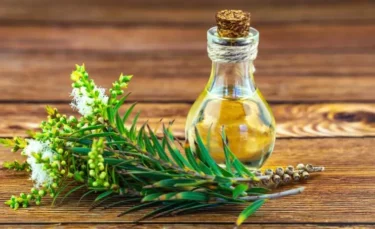
Tea tree oil has antimicrobial and anti-inflammatory properties. So, it may help reduce acne14. If you want to try it, choose a product specifically formulated for acne and follow its label instructions. Do not apply undiluted tea tree essential oil directly to your skin as your skin may not be able to tolerate it and may cause irritation or allergic reactions. If a rash or burning develops stop using it.
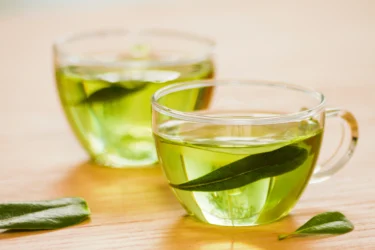
Topical green tea may provide some benefit in reducing inflammatory acne15. If you want to try it, use a formulated skincare product (like a cream or gel) and follow the manufacturer’s directions. You should avoid applying homemade mixtures because they may irritate the skin. If irritation occurs, discontinue using it.
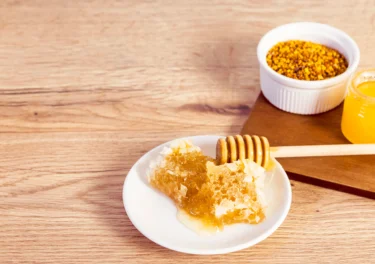
Honey has demonstrated antibacterial activity against acne-associated bacteria16. However, it is not a necessary part of an acne care routine. If you wish to try it, use plain honey on a small area to test first. Then if it suits you, use it as a skin-soothing mask. Wash it off gently after a short period. Stop if irritation occurs after using it.
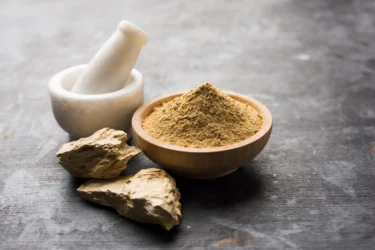
Fuller’s earth (Multani mitti) may help absorb excess oil but it can also dry out your skin17. When using it, follow the directions of a product intended for skin. Keep it on for a few minutes and rinse it off before it becomes excessively dry or uncomfortable. Avoid scrubbing it onto acne spots, and also avoid frequent use, particularly if your skin feels flaky or irritated.
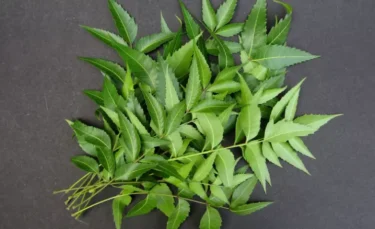
Neem has antimicrobial and anti-inflammatory properties that may help support acne-prone skin18. If you want to try neem, choose a commercially formulated body wash or skincare product and use it according to the label. Test it on a small area first then start using it. Avoid applying concentrated neem oil or homemade pastes directly to inflamed or broken skin. And if irritation develops, stop using the product.
Note: These remedies may help soothe the skin but they should not replace established acne treatments. When trying these remedies, avoid harsh scrubbing, and consult a dermatologist if acne becomes painful and is not improving.
The following few simple changes to your daily skincare and lifestyle habits may help prevent back acne and reduce the chances of future breakouts:
Also Read: Simple Home Remedies For Acne Scars
It is a good idea to see a dermatologist if back acne is:
You should also see a doctor if you are unsure whether the bumps are acne, as other skin conditions might sometimes look similar.
Back acne or bacne is a common skin problem that can affect people of all ages.
Clogged pores, hormones, bacteria, sweat, and friction can contribute to breakouts, but simple skincare and lifestyle changes can help manage them. However, if your back acne is painful, severe, keeps coming back, or is leaving scars, consult a dermatologist for the right treatment.
Bacne can be triggered by sweat, friction, bacteria, pollutants, and stress1,2. Tight clothing, backpacks, and some skincare or hair products may also contribute to breakouts1,4.
Back acne can have many causes and does not automatically mean you have PCOS. However, acne can occur with hormonal conditions such as PCOS, particularly when other signs of hormonal imbalance are present2.
Back acne is usually not a sign of poor health. It is a common skin condition caused by clogged and inflamed hair follicles. However, severe acne can be painful and may cause permanent scars if not managed3,20.
Hormones can play a role in back acne. Androgens can increase oil production and cause changes in the hair follicles. This may contribute to acne2. However, hormones are not the only cause.
Having back acne does not necessarily mean that your testosterone levels are high. Acne can develop due to several factors, including how sensitive your skin is to hormones, along with clogged pores, bacteria, and inflammation2.
1. Acne. National Institute of Arthritis and Musculoskeletal and Skin Diseases. September 1, 2016. Accessed September 14, 2026. https://www.niams.nih.gov/health-topics/acne
2. Woo YR, Kim HS. Truncal Acne: An Overview. J Clin Med. 2022;11(13):3660. doi:10.3390/jcm11133660 https://pubmed.ncbi.nlm.nih.gov/35806952/
3. Acne – vulgaris on the back. MedlinePlus. Accessed September 14, 2026. https://medlineplus.gov/ency/imagepages/2357.htm
4. Acne. NHS. October 19, 2017. Accessed September 14, 2026. https://www.nhs.uk/conditions/acne/
5. Are your hair care products causing breakouts? AAD. Accessed October 5, 2026. https://www.aad.org/public/diseases/acne/causes/hair-products
6. Choi K, Liu H, Zhu Y, Jiang Z, Lu S. A Case-Control Study Exploring the Association Between Cosmetic Use and Acne Risk: Implications for Prevention and Clinical Practice. Clin Cosmet Investig Dermatol. 2025;18:1833-1843. doi:10.2147/CCID.S533950 https://pubmed.ncbi.nlm.nih.gov/40765696/
7. Is sports equipment causing your acne? AAD. Accessed September 14, 2026. https://www.aad.org/public/diseases/acne/causes/sports-equipment
8. Bobok N, Taskesen T. Stress-Induced Changes of the Skin: A Narrative Review. Cureus. 17(11):e96285. doi:10.7759/cureus.96285 https://pubmed.ncbi.nlm.nih.gov/41362509/
9. Lolis MS, Bowe WP, Shalita AR. Acne and systemic disease. Med Clin North Am. 2009;93(6):1161-1181. doi:10.1016/j.mcna.2009.08.008 https://pubmed.ncbi.nlm.nih.gov/19932324/
10. Borzyszkowska D, Niedzielska M, Kozłowski M, et al. Evaluation of Hormonal Factors in Acne Vulgaris and the Course of Acne Vulgaris Treatment with Contraceptive-Based Therapies in Young Adult Women. Cells. 2022;11(24):4078. doi:10.3390/cells11244078 https://pubmed.ncbi.nlm.nih.gov/36552842/
11. Zhong H, Li X, Zhang W, Shen X, Lu Y, Li H. Efficacy of a New Non-drug Acne Therapy: Aloe Vera Gel Combined With Ultrasound and Soft Mask for the Treatment of Mild to Severe Facial Acne. Front Med. 2021;8:662640. doi:10.3389/fmed.2021.662640 https://pubmed.ncbi.nlm.nih.gov/34095172/
12. Reynertson KA, Garay M, Nebus J, et al. Anti-inflammatory activities of colloidal oatmeal (Avena sativa) contribute to the effectiveness of oats in treatment of itch associated with dry, irritated skin. J Drugs Dermatol JDD. 2015;14(1):43-48. https://pubmed.ncbi.nlm.nih.gov/25607907/
13. Rho NK. Revisiting the Role of Local Cryotherapy for Acne Treatment: A Review and Update. J Clin Med. 2022;12(1):26. doi:10.3390/jcm12010026 https://pmc.ncbi.nlm.nih.gov/articles/PMC9821281/
14. Nascimento T, Gomes D, Simões R, da Graça Miguel M. Tea Tree Oil: Properties and the Therapeutic Approach to Acne—A Review. Antioxidants. 2023;12(6):1264. doi:10.3390/antiox12061264 https://pubmed.ncbi.nlm.nih.gov/37371994/
15. Kim S, Park TH, Kim WI, Park S, Kim JH, Cho MK. The effects of green tea on acne vulgaris: A systematic review and meta‐analysis of randomized clinical trials. Phytother Res. 2021;35(1):374-383. doi:10.1002/ptr.6809 https://pubmed.ncbi.nlm.nih.gov/32812270/
16. Julianti E, Rajah KK, Fidrianny I. Antibacterial Activity of Ethanolic Extract of Cinnamon Bark, Honey, and Their Combination Effects against Acne-Causing Bacteria. Sci Pharm. 2017;85(2):19. doi:10.3390/scipharm85020019 https://pubmed.ncbi.nlm.nih.gov/28398231/
17. Iqbal MJ, Loren P, Burgos V, Salazar LA. Multi-Target Anti-Aging Mechanisms of Multani Mitti (Fuller’s Earth): Integrating Enzyme Inhibition and Molecular Docking for Cosmeceuticals. Cosmetics. 2025;12(3):124. doi:10.3390/cosmetics12030124 https://www.mdpi.com/2079-9284/12/3/124
18. Gopinath H, Karthikeyan K. Neem in Dermatology: Shedding Light on the Traditional Panacea. Indian J Dermatol. 2021;66(6):706. doi:10.4103/ijd.ijd_562_21 https://pubmed.ncbi.nlm.nih.gov/35283494/
19. Is your workout causing your acne? AAD. Accessed September 14, 2026. https://www.aad.org/public/diseases/acne/causes/workouts
20. Back acne: How to see clearer skin. AAD. Accessed September 14, 2026. https://www.aad.org/public/diseases/acne/diy/back-acne
Disclaimer: The information provided here is for educational/awareness purposes only and is not intended to be a substitute for medical treatment by a healthcare professional and should not be relied upon to diagnose or treat any medical condition. The reader should consult a registered medical practitioner to determine the appropriateness of the information and before consuming any medication. PharmEasy does not provide any guarantee or warranty (express or implied) regarding the accuracy, adequacy, completeness, legality, reliability or usefulness of the information; and disclaims any liability arising thereof.
Links and product recommendations in the information provided here are advertisements of third-party products available on the website. PharmEasy does not make any representation on the accuracy or suitability of such products/services. Advertisements do not influence the editorial decisions or content. The information in this blog is subject to change without notice. The authors and administrators reserve the right to modify, add, or remove content without notification. It is your responsibility to review this disclaimer regularly for any changes.


Comments

Leave your comment...
You may also like







Comments