Lasix Injection
4ml Injection in Ampoule


Product Summary
Lasix Injection is a loop diuretic from Emcure Pharmaceuticals used to treat excess fluid associated with heart failure, liver or kidney disease, and acute pulmonary oedema. It contains furosemide 10 mg/ml. This medicine increases kidney removal of salt and water, resulting in increased urination.
Medically Reviewed by Dr. Ritu Budania
Last updated on: 13 October 2026 | 7:20 PM (IST)
 Save % with Trusted Branded Substitutes ➜
Made by
EMCURE PHARMACEUTICALS LTD
Dose Form
INJECTION
Expiry
General Information
| Therapy | Diuretic |
| Composition | Frusemide / Furosemide(10.0 Mg/Ml) Frusemide / Furosemide 10.0 Mg/Ml |
Frusemide / Furosemide 10.0 Mg/Ml
 ℞


 100% Genuine
Medicines
Safe & SecurePayments
Cash on DeliveryAvailable
15 days easy return policy
*Offer applicable on orders above ₹1000About Lasix 10
Lasix 10 injection is a diuretic medicine that helps your body get rid of excess water or fluid. It is used to manage conditions like heart failure, pulmonary oedema (excess fluid in the lungs), and diseases affecting the kidneys or liver, by removing the extra fluid that accumulates. This injection contains the active ingredient furosemide, which is often referred to as a "water pill." It works by decreasing the absorption of sodium, chloride, and water in your kidneys, promoting their excretion through urine. This process reduces swelling and the overall fluid content in your body by secreting extra salt and water.
When you are given Lasix 10 injection, healthcare providers closely monitor your fluid and electrolyte levels. This is crucial because removing too much fluid too quickly can lead to electrolyte imbalances and dehydration. It is important to inform your healthcare provider if you notice any side effects, such as drowsiness, headaches, nausea, or electrolyte problems.
You should not take this medicine if you are allergic to it, any of its ingredients, or to sulfonamide medicines. Also, inform your doctor if you have low blood volume, are dehydrated, or have been told you have low sodium or potassium levels in your blood. Other contraindications include having a rare hereditary blood disorder called porphyria, kidney failure due to certain medicines, or if you are a lactating woman. Caution is also advised if you have pre-existing conditions like liver or kidney disease, low blood pressure, diabetes, or gout.
Before and after starting this treatment, your doctor may ask you to check your electrolyte levels. It is not recommended to consume alcohol while on this medicine, as it can lower your blood pressure. This medicine may make you feel dizzy or sleepy; you should be cautious when driving or operating heavy machinery.
Uses
Contraindications
- If you are allergic to this medicine or any of the other ingredients of the Lasix 10 injection.
- If you have an underlying medical condition.
- If you are allergic to sulfonamide medicine.
- If you have low blood volume and dehydration.
- If your doctor tells you that you have low sodium and low potassium level in your blood.
- If the patient has a coma or is in the initial stage of coma.
- If you have kidney failure due to some medicines.
- If you are a lactating woman.
- If you have a rare hereditary blood disorder called porphyria.
Side effects
- Injection site reactions
- Dizziness
- Headache
- Blurring of vision
- Lightheadedness
- Dehydration
- Electrolyte imbalance
- Fast/irregular heartbeat
Precautions and Warnings

Alcohol
WITH CAUTIONIt is advised not to consume alcohol during the treatment with Lasix injection, as it may lower your blood pressure and may lead to side effects like dizziness or drowsiness.

Pregnancy
WITH CAUTIONIt is not recommended to be used during pregnancy and should not be given during pregnancy unless there are compelling medical reasons.

Breastfeeding
WITH CAUTIONThis injection should not be taken by a pregnant woman as it passes into breast milk and may inhibit lactation.

Driving
WITH CAUTIONLasix injection may make you dizzy and feel sleepy, which can influence your ability to drive. Hence caution is advised while driving.

Other General Warnings
- You have an pre-existing medical condition such as, liver or kidney disease, low blood pressure, diabetes or gout, etc.
- You are already on certain medications like painkillers, other anti-hypertensive medicines etc.
- You have dizziness, fainting or loss of consciousness.
- You have difficulty in urination.
- You have low protein level in the blood, high blood calcium level. You may be asked to check the electrolyte levels before and after initiation of treatment.
Directions for use
- Lasix 10 injection will be given to you by a doctor or nurse in a clinical set up.
- Follow any aftercare instructions given by your doctor or nurse.
Storage and disposal
- Store Lasix injection at a temperature below 25°C in a cool and dry place.
- Keep it out of the reach of children and pets.
Quick tips
- Lasix 10 injection is a diuretic medicine. It is used to remove excess water or fluid from the body due to various medical conditions such as heart failure, pulmonary oedema (excess fluid in the lungs), and kidney and liver disease.
- This injection will be administered in a hospital or clinic setting by a doctor or nurse. Do not self-inject.
- Before starting Lasix 10 injection, inform your doctor if you are pregnant, planning on becoming pregnant, or breastfeeding. Also, inform your doctor about all other medicines that you take and your complete medical history.
- Lasix injection should be used with caution in patients with diabetes, as it can increase blood sugar levels.
- Headache, injection site reactions, dehydration, and fast/irregular heartbeat may occur in some individuals with the use of this medicine. Inform your doctor if these effects bother you or do not go away
- If you experience dizziness or sleepiness after the use of Lasix 10 injection, it is recommended to avoid driving, operating heavy machinery, or performing any such tasks that require mental alertness.
- This injection may cause dehydration. Drink plenty of fluids and follow your healthcare provider's instructions on fluid intake.
Dosage
Overdose
Missed a dose
How Lasix 10 works
Interactions
Interactions with other medicines
- Some medicines can affect the way the Lasix injection works or this medicine itself can reduce the effectiveness of other medicines taken at the same time.
- Tell your doctor about all the medicines, supplements or herbals you are currently taking or might take to avoid any possible interaction.
- Especially, if you are taking medicines to treat high blood pressure, heart failure, blood thinners, anti-infectives, anti-diabetics, anti-asthmatics, pain killers, immunosuppressants like ciclosporin, medicines for stomach-related disorders or medicines for heart and brain-related disorders, etc.
- Other medicines that should be used with caution are anti-epileptic medicines, oral contraceptives, etc.
Food interactions
Frequently asked questions
Please rate your experience
0 people found this helpful
References
- Drugs.com. Furosemide: Uses, How to Take, Side Effects, Warnings. 2025 [cited 27th Oct 2025]
- MedlinePlus. Furosemide. U.S. National Library of Medicine. 2025 [cited 27th Oct 2025]
- DrugBank. Furosemide. DrugBank Online. 2025 [cited 27th Oct 2025]
- National Center for Biotechnology Information (US). Furosemide. In: StatPearls [Internet]. Treasure Island (FL): StatPearls Publishing; 2025 [cited 27th Oct 2025]
- Cleveland Clinic. Furosemide tablets [Internet]. Cleveland Clinic; 2025 [cited 27th Oct 2025]
- U.S. Food and Drug Administration. Furosemide [Internet]. 2025 [cited 27th Oct 2025]
Need Expert Advice on Lasix 10Mg Ampoule Of 4Ml Injection?
Book a Consultation Now
Frequently bought together
 Everherb | Moringa | Immunity Booster | Natural Multivitamin | Bottle 60 Capsules (by Pharmeasy)
60 Capsule(s) in Bottle
MRP ₹562.00
₹179.84 (68%)
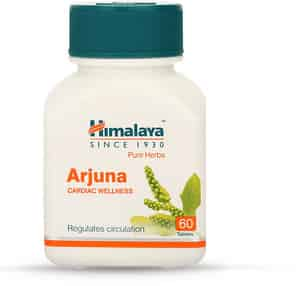 Himalaya Arjuna | Cardiac Wellness | Regulates Circulation | Bottle | 60 Tablets
60 Tablet(s) in Bottle
MRP ₹325.00
₹253.5 (22%)
 Neurobion Forte | Relief From Tingling | Numbness & Weakness | Strip Of 30 Tablets
30 Tablet(s) in Strip
MRP ₹47.53
₹38.97 (18%)
 Bjain Guatteria Gaumeri Drops 30ml | Homeopathic Cholesterol Support For Heart Health Wellness
30ml Oral Drop in Bottle
MRP ₹425.00
₹191.25 (55%)
 Dulcoflex 5mg | Suppository For Children | 5 Unit
5 Rectal Suppository(s) in Packet
MRP ₹53.59
₹43.41 (19%)
 BD Glide with TBL ULTRA-FINE INSULIN SYR U40 31G 6MM 10BG
10 Syringe(s) in Packet
MRP ₹115.00
₹95.45 (17%)
 Crocin Pain Relief Strip Of 15 Tablets
15 Tablet(s) in Strip
MRP ₹82.01
₹63.15 (23%)
 Limcee Chewable Vitamin C 500mg | Tangy Orange | Immunity | Antioxidant & Skin Support | 15 Tablets
15 Tablet(s) in Strip
MRP ₹24.84
₹20.12 (19%)
 Baidyanath Asli Ayurved Gokshuradi Guggulu 80 Tablets (pack Of 2)
160 Tablet(s) in Bottle
MRP ₹420.00
₹277.2 (34%)
 Healthyhey Nutrition Dandelion Root Extract - 10:1 Ratio - 60 Veg. Capsules
60 Softgels(s) in Bottle
MRP ₹1159.00
₹683.81 (41%)
Ask us anything about the product to understand it better
Talk to a qualified doctor about your health
Consult Cardiologist
Explore More at Pharmeasy
We provide you with reliable, authentic &
completely relevant information