Lixisenatide
SHARE
Assurance
available
Regulated
Molecule Description
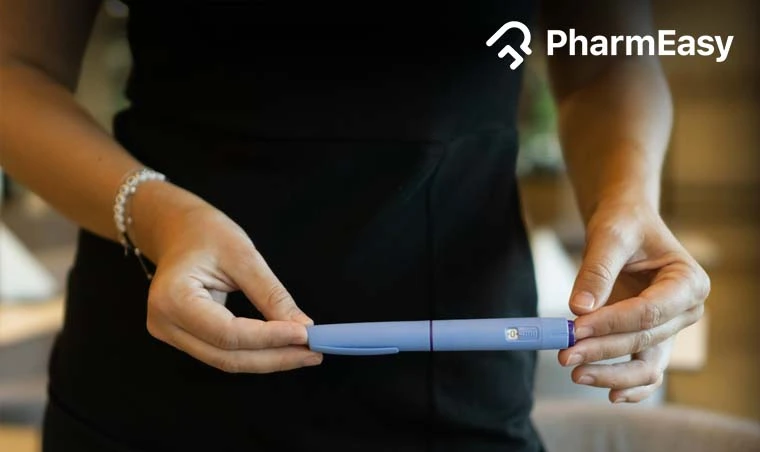
Lixisenatide is a medicine used to help manage type 2 diabetes by supporting your body in controlling blood sugar levels throughout the day. It works by mimicking a natural hormone that helps your pancreas release insulin when your blood sugar rises, slowing the movement of food from your stomach to your intestines and reducing the amount of sugar your liver makes. These actions together help prevent sudden spikes in blood sugar after meals and improve overall glucose control. It is important to use this medicine exactly as your doctor advised and to share your complete medical history, especially if you have stomach or digestive problems. If your blood sugar does not improve as expected or you develop unusual symptoms, please contact your doctor promptly.
Uses
- Lixisenatide is used to lower blood sugar levels in people with type 2 diabetes by acting like the natural incretin hormones in the body.
Contraindications
When should one not use Lixisenatide
If you are allergic to lixisenatide.
If you have diabetic ketoacidosis, you should not use lixisenatide.
If you have type 1 diabetes mellitus, avoid using lixisenatide as it is not effective for this condition.
If you have severe gastrointestinal disease (such as severe gastroparesis), you should not use lixisenatide.
If you have a history of pancreatitis, use lixisenatide with caution and inform your doctor before starting it.
If you develop symptoms of acute pancreatitis (persistent, severe abdominal pain), stop using lixisenatide immediately and seek medical care.
If you are suspected or confirmed to have pancreatitis, lixisenatide should not be restarted.
If you experience severe vomiting, nausea, or diarrhoea, take precautions to avoid dehydration and inform your doctor.
Side effects
Common side effects of this drug are:
- Hypoglycaemia (in combination with a sulphonylurea and/or a
- basal insulin)
- Headache
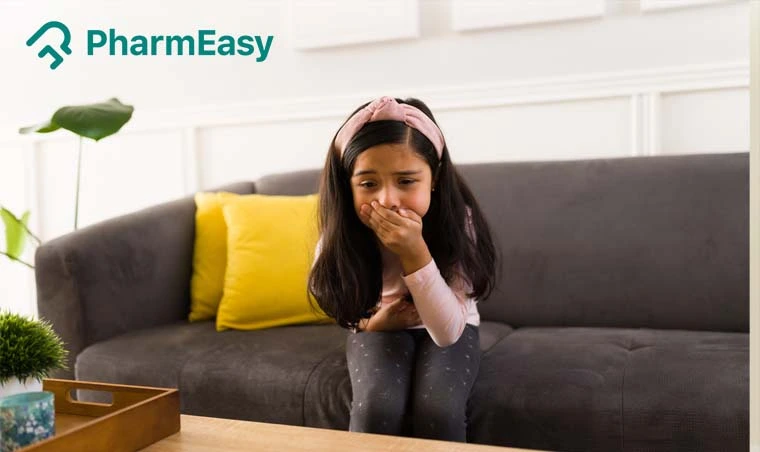
- Nausea and Vomiting
- Diarrhoea
Precautions and Warnings

Pregnancy

Breast Feeding

Driving

Alcohol

Other General Warnings
Talk to your doctor if
- You experience persistent, severe abdominal pain, as this may be a sign of pancreatitis.
- You have a history of pancreatitis before starting Lixisenatide.
- You notice signs of dehydration, such as dizziness, dry mouth, or reduced urination, especially if you have gastrointestinal side effects.
- You have type 1 diabetes or diabetic ketoacidosis, as Lixisenatide should not be used in these conditions.
- You are planning to become pregnant, or if you become pregnant while taking Lixisenatide.
- You have kidney or liver problems before starting this medicine.
- You experience severe nausea, vomiting, or diarrhea that may affect your hydration or electrolyte balance.
- You are taking other anti-diabetic medications to monitor for potential low blood sugar (hypoglycemia).
Mode of Action
How Does It Work?
Lixisenatide works by mimicking a natural hormone in your body called GLP-1 (glucagon-like peptide-1). After meals, this hormone helps lower blood sugar by increasing the release of insulin, reducing the amount of sugar released by the liver, and slowing down the movement of food from your stomach to your intestines. By acting like GLP-1, lixisenatide helps control post-meal sugar spikes, improves overall blood sugar levels, and supports better diabetes management in people with type 2 diabetes.
Interactions
Interactions with other medicines
- Lixisenatide may slow down the movement of food in the stomach, which can affect how other oral medicines are absorbed. Always inform your doctor if you take tablets that must be absorbed quickly.
- It can increase the effect of other diabetes medicines, especially insulin or sulfonylureas, which may lead to low blood sugar. Your doctor may adjust doses to prevent hypoglycaemia.
- Medicines that cause stomach irritation or delayed gastric emptying (like certain painkillers or anticholinergic drugs) may increase nausea when taken with Lixisenatide.
- If you take oral contraceptive pills, use them at least one hour before or 11 hours after Lixisenatide to ensure proper absorption.
- Avoid combining with other GLP-1 receptor agonists unless advised, as this may increase side effects without additional benefit.
- Always inform your doctor if you are taking medicines for high BP, heart problems, stomach problems, antibiotics, or thyroid issues, so they can check if any adjustments are needed.
Dosage
Overdose
- Overdose with lixisenatide is uncommon, but if it happens, it can cause symptoms like severe nausea, vomiting, dizziness, or very low blood sugar, especially if taken along with other diabetes medicines. If you have taken more than the prescribed amount, monitor your symptoms closely, take quick sugar if you feel shaky or weak, and seek medical help immediately. Always follow the dose recommended by your doctor to avoid such effects.
Missed a Dose
If you forget to take your Lixisenatide dose at the usual time, take it as soon as you remember on the same day, provided it is at least 1 hour before your next meal. If you remember very late or are close to your next dose, skip the missed dose and continue with your regular schedule. Do not take an extra dose to make up for the one you missed. If you frequently forget doses, speak with your doctor for guidance.
Frequently Asked Questions (FAQs)
Articles
View All





Did you find this helpful?
References:
- Bedfordshire, Luton and Milton Keynes Integrated Care Board. Lixisenatide (Lyxumia®) — Prescribing Information Sheet, Updated November 2020 [Internet]. UK: BLMK ICB; 2020 [cited 2025 Dec 8].
- Central Drugs Standard Control Organization (CDSCO). Drugs: Approved Drugs / Vaccines / r-DNA / Blood Products [Internet]. Government of India; [cited 2025 Dec 8].
Explore More at Pharmeasy
Why trust PharmEasy?
# ONE OF INDIA'S MOST TRUSTED HEALTHCARE PLATFORM

CODAvailable
100%Genuine Medicine
30 DAYReturn Policy
 Making medicines affordable, authentic, and easily accessible across India
 700+100% Genuine & verified medicines
 70,000+Medicine orders everyday
 70 MillionTotal customer served
 70 MillionDelivery hubs & fulfillment centre
 7000Trained & trusted delivery partners