Carvedilol
SHARE
Molecule Summary
| Uses | Congestive Heart Failure |
| Therapy | Anti-Hypertensive |
| Side Effects | Low Blood Pressure, Fatigue, Dizziness, Headache, Weight Gain |
Assurance
available
Regulated
Molecule Description
Carvedilol is a Cardiovascular medicine used to treat high blood pressure and chest pain due to reduced blood flow to the heart caused by the narrowing of arteries (blood vessels). It belongs to a class of medicines called ‘beta-blockers.’
Uses
Treatment of high blood pressure with no known cause (essential hypertension), chest pain while walking or any activity which has a definite pattern (chronic stable angina). Add-on treatment for prolonged standing heart failure (moderate to severe chronic heart failure).
Contraindications
When should one not use Carvedilol
- Allergy to Carvedilol or any components of the medicine
- History of asthma or other lung diseases
- If you are suffering from any heart or liver problem
- If you are suffering from severe disturbances in the body’s acid-base balance (metabolic acidosis)
Side effects
Common side effects of this drug are:
- Dizziness, low blood pressure, headache, tiredness
- Heart failure (inadequacy of the heart to pump blood efficiently)
- Lung problems, urinary infections
- Decreased red blood cells
- Weight gain
- Poorly controlled blood sugar and cholesterol levels
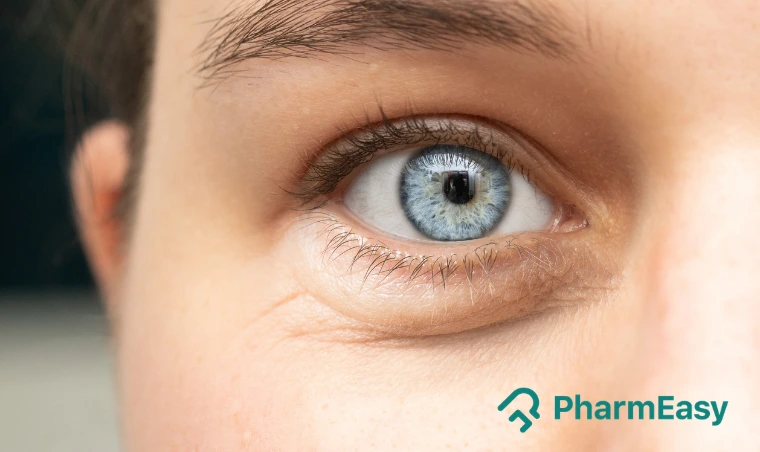
- Visual problems, dry eyes
- Slow heart rate, swelling of hands and feet (edema)
- Breathing problems, blood circulation problems (coldness and pain of hands and legs)
- Breathing problems, asthma
- Loose motions, stomach pain, indigestion, discomfort
- Kidney problems, difficult to urinate
- Sleep disturbances, confusion, chest pain, abnormal sensations, allergic skin reactions (itching, rashes, redness), hair loss, impotence, fainting (uncommon)
- Low platelets, dry mouth, stuffy nose (rare)
Precautions and Warnings

Pregnancy

Breast Feeding

Driving

Alcohol

Other General Warnings
Talk to your doctor if
- Heart, liver, kidney, or thyroid problems
- Diabetes, poor circulation affecting feet, hands, lower legs (Raynaud phenomenon)
- Allergic reactions for which you have taken treatment
- Wearing contact lenses (as Carvedilol can cause drying of eyes)
Mode of Action
How Does It Work?
It relaxes and widens the blood vessels and makes it easier for your heart to pump blood throughout the body. Hence, it reduces blood pressure and strain on your heart.
Interactions
Interactions with other medicines
- Medicines used for irregular heartbeats (Diltiazem, Verapamil, Amiodarone)
- Medicines for chest pain and heart failure (Isosorbide Mononitrate or Glyceryl Trinitrate, Digoxin)
- Antihyperstensives (Doxazosin, Amlodipine, Reserpine, Indoramin)
- Antidepressants (Fluoxetine, Amitryptiline, Imipramine, etc.)
- Immunosuppressants (Cyclosporine, Prednisolone)
- Painkillers, Ergot medicines (to treat migraine)
- Antibiotics (Rifampicin, Erythromycin)
- Antifungals (Ketoconazole etc.)
- Medicines for cough and cold (Ephedrine, Pseudoephedrine)
Interactions with food items
Take the tablet with a meal or right after a meal along with a glass of water.
Dosage
Overdose
Unintentional overdose may not be life-threatening. But,a high overdose can be harmful. If you experience symptoms such as low blood pressure, slow heart rate, chest pain, difficulty in breathing or any disturbed consciousness then seek medical attention without delay.
Missed a Dose
It is ideal not to miss a dose. If you remember a missed dosage, take it instantly. However, if it is almost time for the next dose, skip the missed dose and continue as per your regular dosage schedule. Do not take a higher dose or a double dose to compensate for the missed dose.
Frequently Asked Questions (FAQs)
Articles
View All






Did you find this helpful?
References:
Explore More at Pharmeasy
Why trust PharmEasy?
# ONE OF INDIA'S MOST TRUSTED HEALTHCARE PLATFORM

CODAvailable
100%Genuine Medicine
30 DAYReturn Policy
 Making medicines affordable, authentic, and easily accessible across India
 700+100% Genuine & verified medicines
 70,000+Medicine orders everyday
 70 MillionTotal customer served
 70 MillionDelivery hubs & fulfillment centre
 7000Trained & trusted delivery partners