Dr. Aishwarya Joshi
Internal Medicine
9+ years • MD Internal Medicine, MBBS
Speaks: English, Kannada, Hindi, Marathi, Marwari, Odia
Talk to certified cardiologists via video or audio call. Get expert advice for heart health, symptoms, reports, and treatment from the comfort of your home.
50K+ HAPPY
PATIENTS
35+ CERTIFIED
DOCTORS
98% PATIENT
SATISFACTION
<15 mins AVG
WAIT TIME
Internal Medicine
9+ years • MD Internal Medicine, MBBS
Speaks: English, Kannada, Hindi, Marathi, Marwari, Odia
Cardiology
11+ years • MBBS, MD General Medicine, DM Cardiology
Speaks: Hindi, English
General Physician
12+ years • MBBS
Speaks: Hindi, English, Marathi
General Physician
8+ years • MBBS
Speaks: Hindi, English, Punjabi
General Physician
4+ years • MBBS
Speaks: Hindi, English, Gujarati
General Physician
1+ years • MBBS
Speaks: Hindi, Marathi, English
General Physician
14+ years • MBBS
Speaks: Hindi, English, Marathi
General Physician
4+ years • MBBS
Speaks: Hindi, English, Bhojpuri
General Physician
1+ years • Mbbs
Speaks: English, Hindi
General Physician
4+ years • MBBS
Speaks: Hindi, English, Assamese
General Physician
1+ years • MBBS
Speaks: Hindi, English, Marathi
General Physician
6+ years • MBBS
Speaks: Hindi, Rajasthani
General Physician
1+ years • MBBS
Speaks: Hindi, English, Bengali, Nepali
General Physician
3+ years • MBBS
Speaks: English, Hindi, Kannada
Trained at Top Medical Institutes
Cardiologists qualified from reputed medical institutes and trained in managing heart-related concerns.
Experience from Leading Hospitals
Experienced in managing a wide range of heart conditions and cardiovascular concerns.
Choose a doctor from our list of specialists.
Choose a time that works best for you
Join the consultation easily from your device.
Receive your prescription right after the call.
These are the top lab tests recommended by top cardiologists
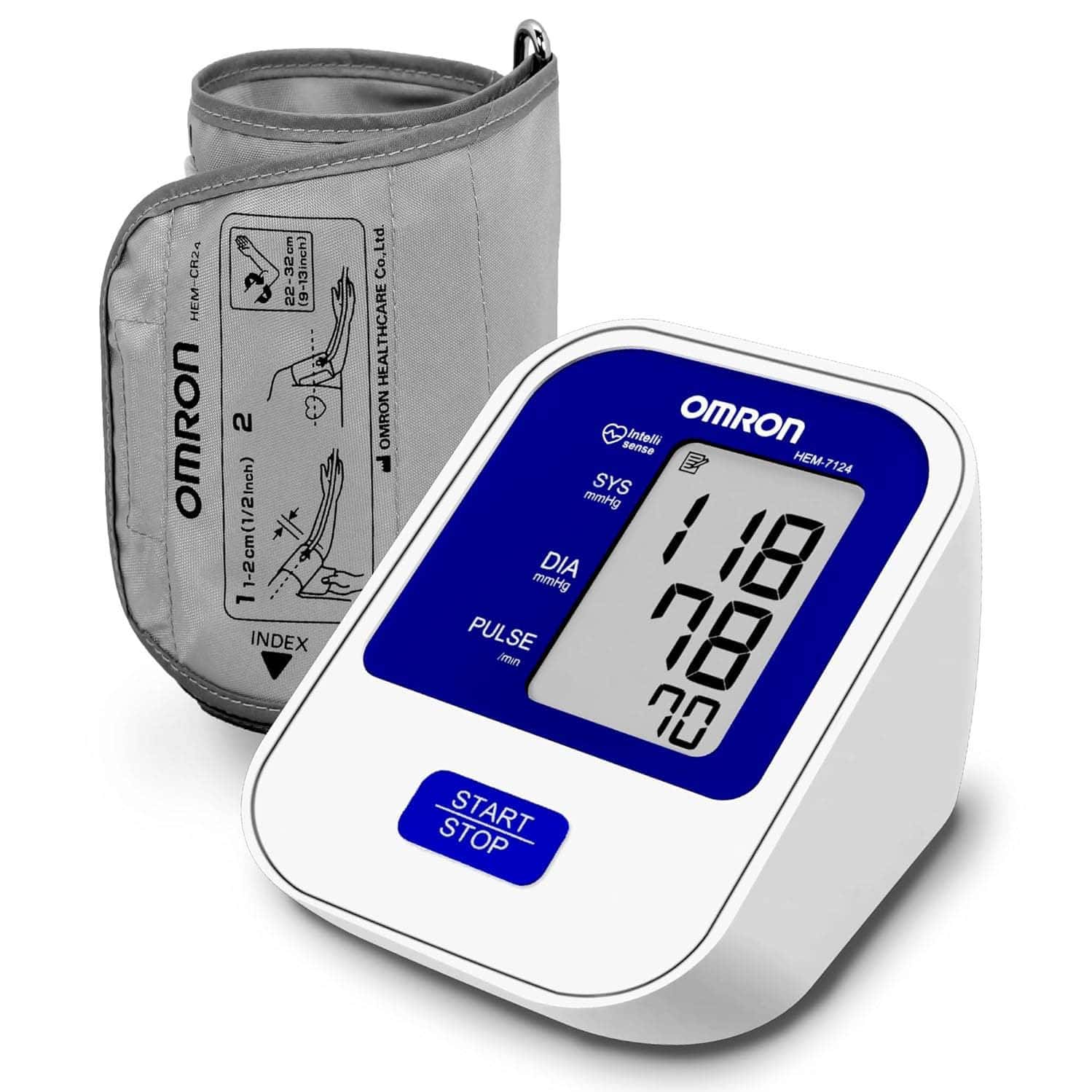
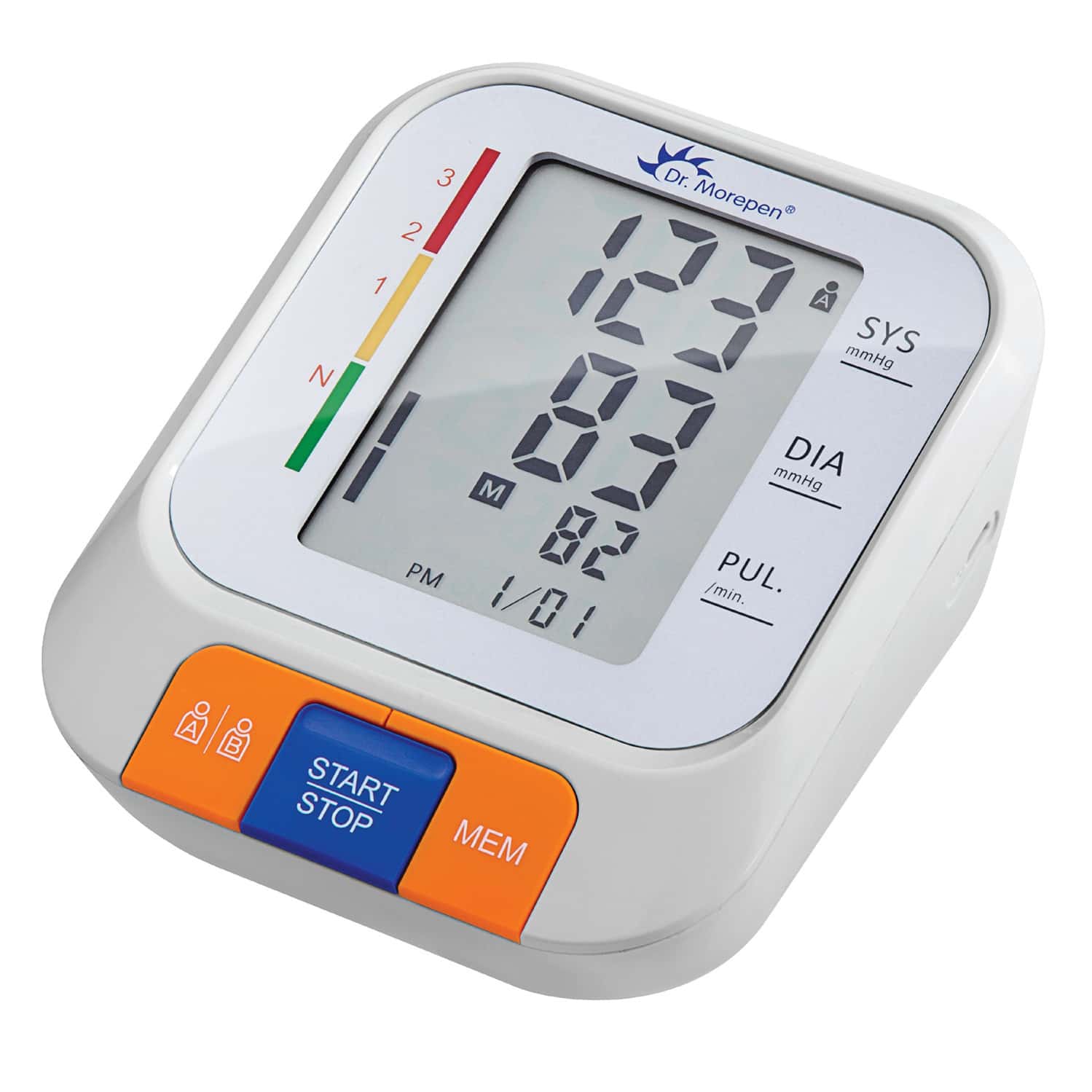
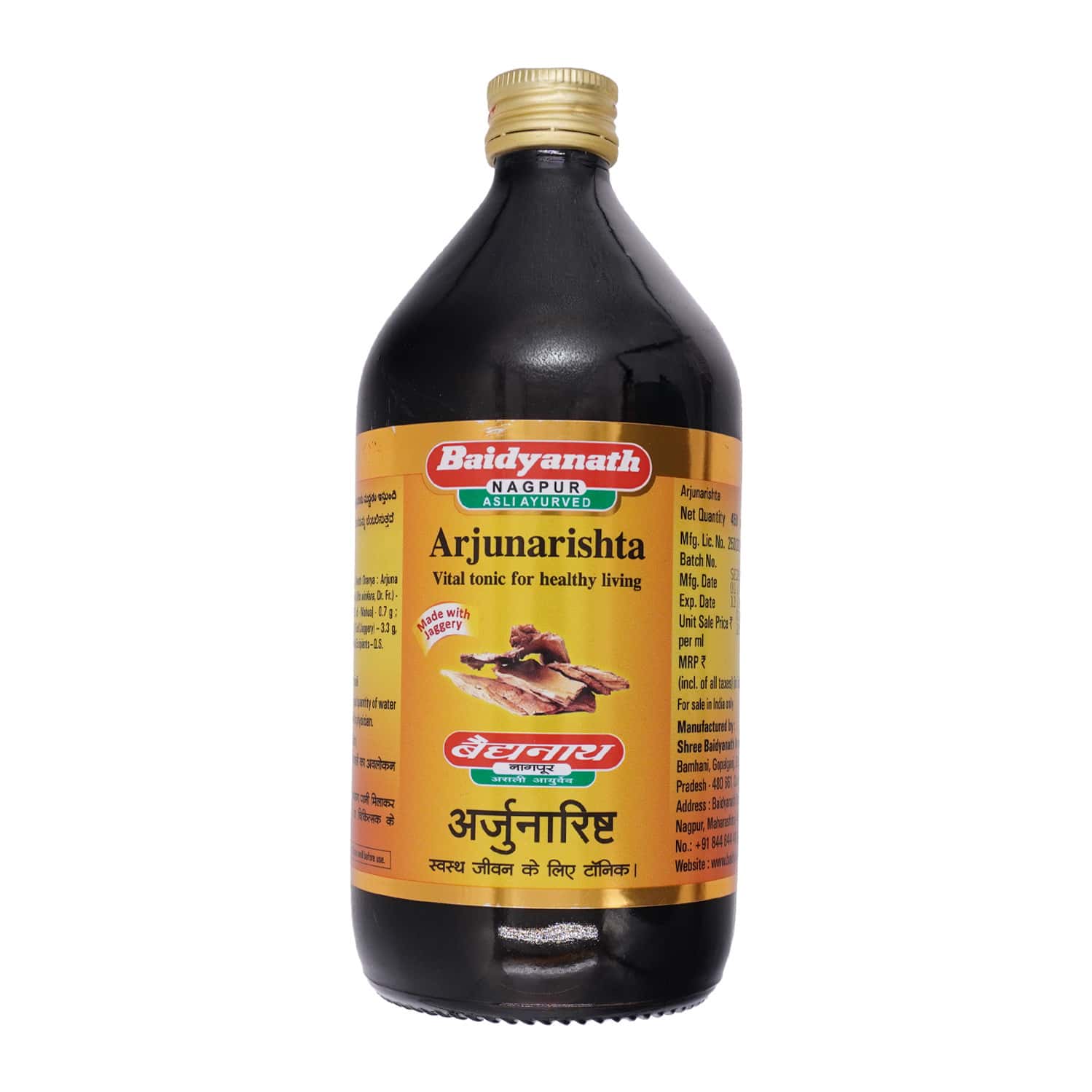
These are the top otc products recommended by our Cardiologists
No Prescription Required
Use as directed. Consult a doctor if symptoms persist.
Cardiology is the branch of medicine that focuses on the heart and blood vessels. Cardiologists diagnose and treat heart-related problems, such as heart disease, abnormal heart rhythms, and problems with blood flow. They also help reduce the risk of heart disease by assessing risk factors and advising on heart-healthy lifestyle changes.
Cardiology covers heart conditions at different stages of life, including some conditions present from birth and those that develop with age. Doctors may use tests such as ECGs, echocardiograms, and other heart tests to diagnose and monitor these conditions.
A cardiologist is a specialist doctor who is trained to diagnose and treat diseases of the heart and blood vessels. In India, this typically involves completing an MBBS, followed by postgraduate training in general medicine or another eligible specialty, and then advanced training in cardiology through DM or DrNB.
Cardiologists are trained to manage various heart conditions, including heart emergencies, abnormal heart rhythms, heart failure, and problems with blood flow. They may also perform specialised tests and procedures to diagnose and treat heart conditions.
A cardiologist is a specialist in the heart and cardiovascular system. Their responsibilities include:
You should not wait for a crisis to see a specialist. Consult a cardiologist if you experience:
Note: Do not ignore persistent or recurring heart-related symptoms. Online consultation can provide initial medical guidance for suitable concerns, but symptoms such as chest pain, severe breathlessness, fainting, or other emergency warning signs require prompt in-person or emergency medical care.
Heart attack symptoms can sometimes feel like acidity or indigestion. Upper abdominal burning or discomfort may occur during a heart attack. If these symptoms occur with chest discomfort, sweating, breathlessness, nausea, dizziness, or pain in the jaw, back, or arm, seek emergency medical care immediately.
Hypertension usually has no symptoms—that is why it is called the "silent killer." Prescribed medication helps control blood pressure and reduce the risk of complications such as heart attack and stroke. Do not stop or change blood pressure medication without consulting your healthcare professional.
A silent heart attack occurs without typical or noticeable symptoms. Symptoms, when present, may be mild or mistaken for indigestion, fatigue, or other problems. People with diabetes may have a higher risk of atypical or less noticeable symptoms, although silent heart attacks can occur in others as well.

Cardiologists can use non-invasive tests such as coronary CT angiography and, in selected people, coronary artery calcium scoring to assess coronary artery disease. These tests may help evaluate coronary plaque or narrowing, but they do not replace invasive coronary angiography in every situation.
Severe emotional or physical stress can sometimes trigger Takotsubo cardiomyopathy, also called stress cardiomyopathy or "broken heart syndrome." It can temporarily weaken the heart and may resemble a heart attack. Chest pain or breathlessness should always be treated as an emergency until serious causes have been ruled out.
Yes. An online consultation can help you discuss symptoms, blood pressure readings, medical history, medicines, and test reports with a cardiologist. The doctor can advise whether further tests or an in-person evaluation are needed.
Yes. You can share ECG reports, blood tests, echocardiography reports, scans, and other relevant medical records to help the cardiologist assess your condition and guide the next steps.
Talk to our support and they'll help you out!
Contact supportDid you find this helpful?
Please rate your experience
Why trust PharmEasy?
# ONE OF INDIA'S MOST TRUSTED HEALTHCARE PLATFORM