
Dr. Dhanashri Kudal
Pain Management
8+ years • MD, MBBS
Speaks: Hindi, English, Marathi
Get expert guidance for chronic pain, nerve pain, back pain, joint pain, and other persistent pain concerns from home.
50K+ HAPPY
PATIENTS
35+ CERTIFIED
DOCTORS
98% PATIENT
SATISFACTION
<15 mins AVG
WAIT TIME
Pain Management
8+ years • MD, MBBS
Speaks: Hindi, English, Marathi
General Physician
33+ years • MBBS, MD pharmacology
Speaks: English, Marathi, Hindi, Gujarati
General Physician
2+ years • MBBS
Speaks: Hindi, English
General Physician
4+ years • MBBS
Speaks: Hindi, English
General Physician
5+ years • MBBS
Speaks: Hindi, English, Marathi, Marwari
General Physician
3+ years • MBBS
Speaks: English, Hindi, Kannada
Trained at Top Medical Institutes

Pain specialists trained in evaluating and managing different types of acute and persistent pain.
Experience from Leading Hospitals
Experienced in managing back, joint, nerve, muscle, and other persistent pain concerns.
Choose a doctor from our list of specialists.
Choose a time that works best for you
Join the consultation easily from your device.
Receive your prescription right after the call.
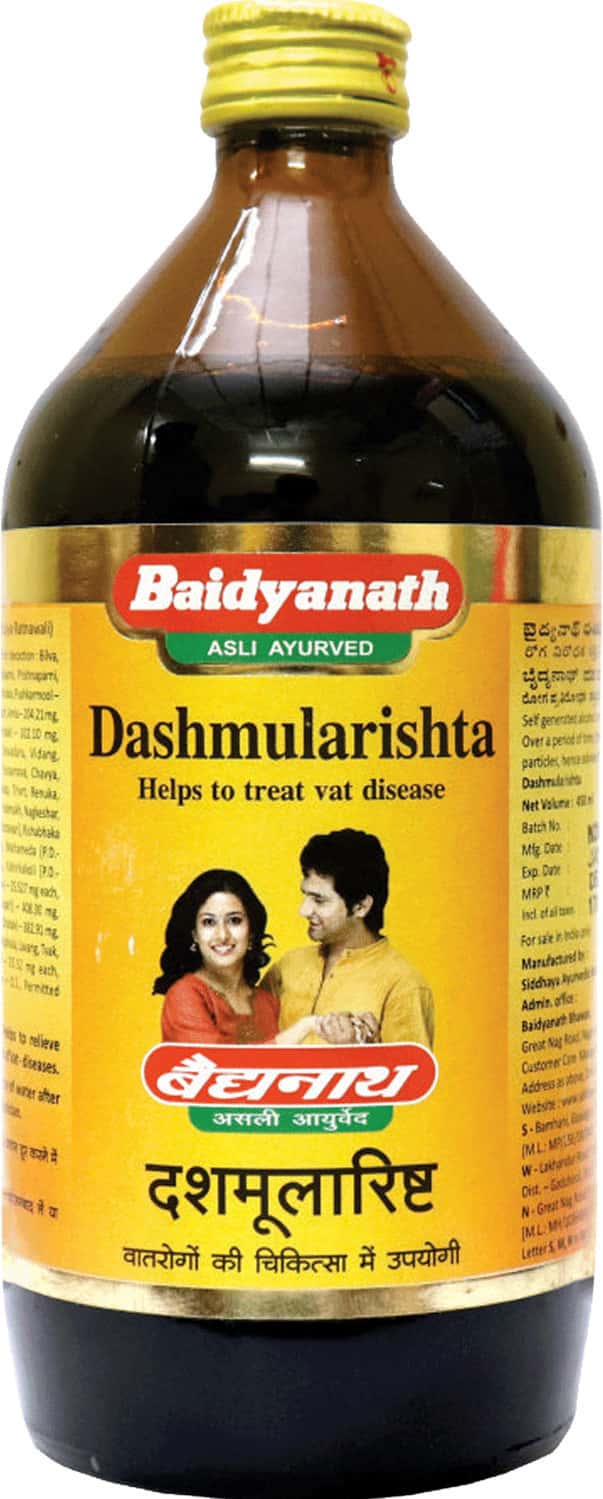
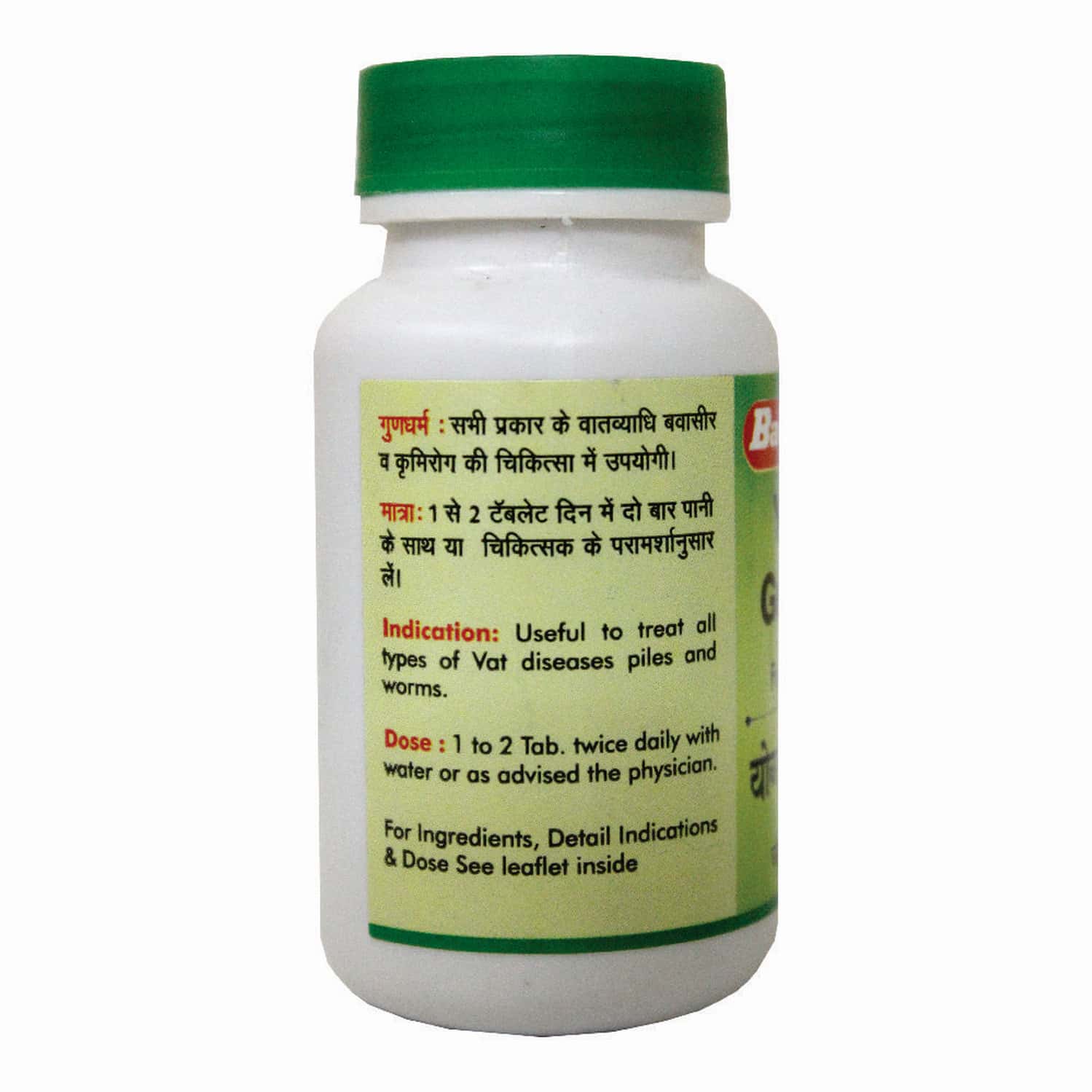
These are the top otc products recommended by our Pain Management
No Prescription Required
Use as directed. Consult a doctor if symptoms persist.
Pain management (or algology) is a branch of medicine that employs an interdisciplinary approach to help ease the suffering and improve the quality of life for those living with chronic or acute pain. This field bridges the gap between simple medication and major surgery. It combines medication, physiotherapy, minimally invasive procedures, and lifestyle guidance to reduce pain and improve daily function, particularly for pain that has lasted longer than the usual healing period.
Pain specialists may sometimes provide interventional pain therapies that utilise advanced techniques like nerve blocks, radiofrequency ablation, spinal cord stimulation, and other procedures, when required. The goal is not just "zero pain," which is often unrealistic for people with chronic pain, but the improvement of function and the reduction of the psychological burden of long-term discomfort.
A pain management specialist assesses the underlying cause of pain through examination and relevant diagnostic tests, then builds a treatment plan that may include medication, nerve blocks, physiotherapy, or minor procedures as and when required. Usually, a pain management specialist starts as an MBBS doctor who may further specialise as an anesthesiologist or a physiatrist (Physical Medicine and Rehabilitation specialist). After completing their 3 years of residency (MD or MS), they may undergo a rigorous one-to-two-year fellowship in Pain Medicine if needed.
They are trained to perform high-precision interventional pain procedures such as injections near the spinal cord or nerves under X-ray or ultrasound guidance.
A pain specialist is trained in diagnosing and managing acute and chronic pain conditions. Their scope includes:
You should seek a consultation if your pain is no longer a "warning light" and has become the primary problem:
Note: Serious symptoms require in-person consultation with a pain management specialist. You may choose to consult a pain specialist online for day-to-day problems, queries, and second opinions.
No. Modern pain management aims to reduce reliance on opioids by using targeted injections, physical therapies, and non-addictive medications to help manage underlying pathology.
Migraines usually last hours to days and make you want to lie in a dark room. Cluster headaches are shorter (15-180 minutes) but significantly more intense, referred to as suicidal pain, often occurring around the eyes.
Yes, ongoing pain management, including medication review and lifestyle guidance, can often be handled online.
Describe the location, duration, and intensity of pain, along with any prior reports or scans. If you are already on some medications, inform the doctor.
Stress triggers the release of stress hormones such as cortisol, which increases systemic inflammation. More importantly, chronic stress activates the nervous system, a process called central sensitisation, making your brain more sensitive to pain signals.

A diagnostic block might only last a few hours, but a therapeutic steroid injection can provide relief for several weeks to months. For long-term relief, procedures like radiofrequency ablation (RFA) can "turn off" a nerve for 6-12 months (until nerve regeneration occurs).


Yes, certain conditions may need a hands-on examination or procedure, which the doctor will recommend if needed.
Yes, routine follow-ups to check recovery and adjust treatment are often suitable online.
Talk to our support and they'll help you out!
Contact supportDid you find this helpful?
Please rate your experience
Why trust PharmEasy?
# ONE OF INDIA'S MOST TRUSTED HEALTHCARE PLATFORM