Get,

Free Doctor Tips

to manage your symptom

Get your,

FREE Doctor Tips Now!!

4 Cr+ families

benefitted

Enter your Phone Number

+91

|

Enter a valid mobile number

Send OTP

Verify your mobile number

OTP sent to 9988776655

CONGRATULATIONS!!!

You’ve successfully subscribed to receive

doctor-approved tips on Whatsapp


Get ready to feel your best.

Hi There,

Download the PharmEasy App now!!

AND AVAIL

AD FREE reading experience
Get 25% OFF on medicines
Banner Image

Register to Avail the Offer

Send OTP

By continuing, you agree with our Privacy Policy and Terms and Conditions

Success Banner Image
Verify your mobile number

OTP sent to 9988776655

Comments

Subscribe
Notify of
guest
0 Comments
Inline Feedbacks
View all comments

Leave your comment here

Your email address will not be published. Required fields are marked *

25% OFF on medicines

Collect your coupon before the offer ends!!!

COLLECT

Rosemary (Gulmehendi): Uses, Benefits, Side Effects, Nutrition & More

By Dr Smita Barode +2 more

Join Health Talk by PharmEasy on WhatsApp

Introduction

Rosemary (Rosmarinus officinalis) is a common household herb grown in many regions of the world. It belongs to the Lamiaceae family. It’s a dense evergreen bush with long, leathery needle-like leaves. The plant can be used to flavour food and beverages. Caffeic acid and rosmarinic acid are the most significant components of rosemary. These chemicals in rosemary are responsible for its medicinal and health-promoting properties1.

Rosemary can be ingested. The use of rosemary in food preparations is restricted due to its colour, taste and odour. The chemicals like cyclic diterpene diphenols, carnosol, carnosolic acid, carnosic acid, epirosmanol, methylcarnosate, rosmanol, and isorosmanol have been identified in the rosemary extract. Some of these constituents have antioxidant properties2.
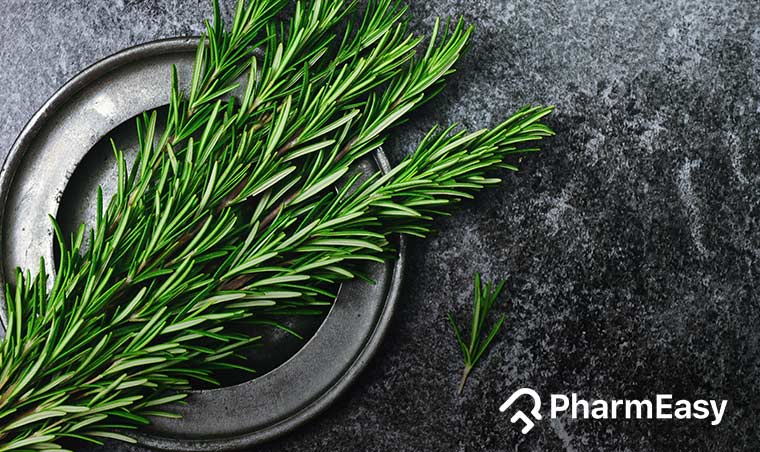
rosemary uses

Did you know?

  • Rosemary extract can scavenge free radicals and reduce oxidative stress in the body. source: PMC
  • Rosemary extract has been shown to improve gastrointestinal health by reducing oxidative stress and inflammation in the gastrointestinal tract. source: PMC
  • Rosemary extract has been used to improve the shelf life and sensory qualities of meat and poultry products, including odor and color. source: PMC
Advertisement

Nutritional Value of Rosemary

The nutritional value of rosemary is as shown below: 

  • Folates: 27% 
  • Vitamin C: 36%
  • Pantothenic acid: 16%
  • Pyridoxine: 26%
  • Calcium: 32%
  • Thiamin: 3%
  • Vitamin A: 97%
  • Niacin: 6%
  • Manganese: 42% 
  • Potassium: 14%
  • Copper: 33%
  • Riboflavin: 12%
  • Iron: 83%
  • Magnesium: 23%
  • Sodium: 2% 
  • Zinc: 8.5%

I have observed that rosemary may have the ability to neutralise food-borne pathogens as indicated by several studies24. These studies have demonstrated that rosemary may exhibit inhibitory effects on common food-borne pathogens such as Listeria monocytogenes, B. cereus, and S. aureus25. This highlights the potential of rosemary as a natural and effective means of combating harmful bacteria in food.

Dr. Siddharth Gupta, B.A.M.S, M.D (Ayu)

Properties of Rosemary

It is well-known for its essential oil1. Rosemary has a wide range of medicinal applications due to its following properties. 

properties of rosemary
  • It may have anti-inflammatory activity  
  • It might show antioxidant activity  
  • It may posses neuroprotective activity  
  • It may exhibit antidepressant activity  
  • It may have antimicrobial property  
  • It may potentially have anticancer activity  
  • It may have antidiabetic activity  
  • It may show anti-obesity activity4,5  

In light of what I have observed, studies have suggested that rosemary extract may have the ability to inhibit tumour growth by restricting cancer cells from multiplying26. For instance, one study showed that rosemary alone or combined with curcumin, may help against breast cancer26. Another study found similar effects of rosemary on colon cancer cells. These findings highlight the potential of rosemary as a natural remedy in the fight against cancer.

Dr. Rajeev Singh, BAMS

Potential Uses of Rosemary

1. Potential Uses of Rosemary for Stress

stress

Rosemary oil’s antistress properties make it useful for stress management. Inhaling rosemary essential oil decreases cortisol (the stress hormone) while increasing dopamine (a neurotransmitter). This helps in the reduction of stress and prevention or cure of mental disorders6.

2. Potential Uses of Rosemary for Mental Fatigue 

fatigue

Aromatherapy with rosemary essential oil can relieve mental weariness and exhaustion7.

Advertisement

3. Potential Uses of Rosemary for Opioid Withdrawal

opioid withdrawal
Image Source: freepik.com

Rosemary can help with the symptoms of opioid withdrawal. Because of its anti-inflammatory and psychostimulant properties, rosemary may show to help with opioid withdrawal symptoms such as muscle jerks, convulsions, and musculoskeletal discomfort8. However, these effects are yet to be proven, so you must follow your doctor’s advice before using rosemary for this purpose.

4. Potential Uses of Rosemary for Enhancing Memory

enhancing memory
Image Source: freepik.com

Rosemary’s memory-enhancing qualities can help you with your memory. It might boost the production of specific molecules in the brain, and potentially improving memory and cognitive performance9.  However you must visit your doctor and follow their advice before consuming rosemary for these benefits.

5. Potential Uses of Rosemary for Arthritis 

Arthritis
Image Source: freepik.com

Due to its anti-inflammatory properties, rosemary may have been utilised as an anti-arthritic agent. It might work by inhibiting the mediators that cause inflammation, allowing arthritic symptoms to be managed10.  You must consult a doctor before consuming any herb for its benefits for arthritis.
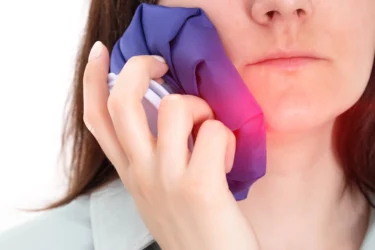
6. Potential Uses of Rosemary for Gum Inflammation 

Rosemary has long been used as a toothpaste ingredient because of its antibacterial and anti-inflammatory characteristics, which aid in treating gum problems, including gingivitis. It lowers gum inflammation by inhibiting the activity of oral bacteria11

7. Potential Uses of Rosemary for Hair Loss 

hair loss
Image Source: freepik.com

Topical application of rosemary oil on the scalp can increase hair growth by boosting blood circulation in the scalp12.

Also Read: 5 Ayurveda Herbs for Hair Growth

8. Potential Uses of Rosemary for Indigestion  

good for digestion
Image Source: freepik.com

Due to its digestive properties, rosemary may be beneficial for treating indigestion. It might help to manage dyspepsia by improving meal absorption by promoting digestion. It may reduces flatulence by preventing gas production and assisting in the outflow of excess gas from the gastrointestinal system14.  These effects of rosemary are yet to be proven thus follow the advice of your doctors for any digestive issues.
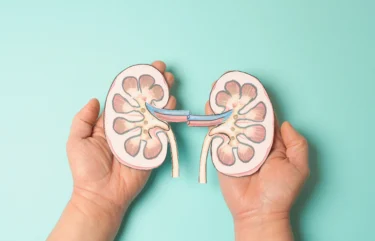
9. Potential Uses of Rosemary for Diabetic Kidney Disease 

kidney health
Image Source: freepik.com

Rosemary can aid in preventing diabetic kidney disease, also might be known as diabetic nephropathy, which is frequent among people with diabetes. Rosemary may have antioxidant and anti-inflammatory qualities due to its components. These antioxidants might aid to protect kidney cells from free radical damage, reducing inflammation and kidney damage15.  Since the studies and evidence available here is insufficient, you must consult a doctor and consume any herb only under their supervision.

10. Potential Uses of Rosemary for low Blood Pressure  

controls blood pressure
Image Source: freepik.com

Rosemary’s may have anti-hypotensive properties can aid in the management of low blood pressure16.

I usually recommend avoiding rosemary for anybody with high blood pressure, ulcers, Crohn’s disease, or ulcerative colitis as a precaution27. It’s always best to consult with a doctor for personalised advice and guidance regarding the use of rosemary or any other herbal remedies, especially if you have any underlying health conditions.

Dr. Smita Barode, B.A.M.S, M.S.

Although studies show the benefits of rosemary in different health conditions, this information is insufficient. Hence, there is a need for further studies to establish the true extent of the benefits of rosemary on human health. Furthermore, every person may respond differently to these herbs. Therefore, it is important to consult a doctor before using rosemary for any medical condition.

How to Use Rosemary?

  • Rosemary tea17 
  • Rosemary extract18 
  • Rosemary essential oil
  • Rosemary infusion19 

Fresh rosemary leaves to be used in daily diet

Rosemary is available in five different formulations. Your doctor will prescribe you the appropriate form based on your requirement.  

You must consult a qualified doctor before taking any herbal supplements. Do not discontinue or replace an ongoing treatment of modern medicine with an ayurvedic/herbal preparation without consulting a qualified doctor.  

Side Effects of Rosemary

The majority of studies have determined that rosemary is safe to eat and has no harmful effects. However, excessive rosemary consumption can cause skin allergy20, 21.  Therefore, kindly consult a doctor and do not use it to self-medicate.

Also Read: Gokshura – Uses, Benefits, Side Effects & Precautions

Precautions to Take with Rosemary

Before consuming rosemary, seek medical advice if you have one or more of the following conditions. 

  • Pregnancy: It is not suggested to take rosemary during pregnancy22.
  • Allergy: Rosemary can produce allergic reactions like contact dermatitis, even though the herb does not generally cause sensitivity reactions20, 21.

Interactions with Other Drugs

It is critical to remember that none of the following medications should be used with rosemary. 

  • Angiotensin-converting enzyme (ACE) inhibitors: The herb may counteract the effects of ACE inhibitors that are used to treat high blood pressure. 
  • Antidiabetic Drugs: Rosemary can cause blood sugar levels to rise. So, it’s best to avoid it if you’re taking diabetes medication. 
  • Diuretics: Rosemary is a diuretic, which means it might cause dehydration and decrease electrolyte levels. 
  • Anticonvulsant drugs: Rosemary may aggravate seizures. So, it is best to avoid it if you’re on anticonvulsant medication. 
  • Antiplatelet or anticoagulant medication: Rosemary should be avoided with these drugs because of its antithrombotic properties, which may cause bleeding22

Conclusion

Rosemary is a powerful herb with wide-ranging benefits including stress relief, memory support, anti-inflammatory effects, and hair growth. Incorporating it through tea, oil, or fresh leaves can be a simple addition to a healthy lifestyle. However, pregnant women and those on medications should exercise caution. Knowing the right way to use rosemary and choosing suitable forms matters. A balanced diet along with proper medical guidance can help you make the most of rosemary’s benefits and support long-term health.

Frequently Asked Questions (FAQs)

Can goats eat rosemary? 

Yes, goats can eat rosemary. According to a study, rosemary was added to the diets of nursing Damascus goats at a rate of 10 g/goat/day. This improved nutrient digestibility and milk output23.

How quickly does rosemary grow? 

It takes at least four to seven years for rosemary to reach its mature height. 

Can you grow rosemary from a cutting? 

Cuttings are the most common technique of growing rosemary. Remove the leaves from the bottom two-thirds of a 10 to 15 cm rosemary cutting, leaving at least five or six leaves. Place the rosemary cuttings in a potting medium that drains properly. 

Does rosemary promote hair growth? 

Yes, rosemary essential oil is very popular for hair growth and alopecia treatment12.  these effects are yet to be supported by evidence. Therefore, kindly consult a doctor and do not use it to self-medicate.

How to use fresh rosemary for memory enhancement? 

Aromatherapy with rosemary oil helps in memory enhancement9.  Since the studies and evidence available here is insufficient, you must consult a doctor and consume any herb only under their supervision.

References

  1. Andrade JM, Faustino C, Garcia C, et al. Rosmarinus officinalis L.: an update review of its phytochemistry and biological activity. Future science OA. 2018; 4(4): FSO283. Available from: https://pubmed.ncbi.nlm.nih.gov/29682318/
  2. Nieto G, Ros G, Castillo J. Antioxidant and antimicrobial properties of rosemary (Rosmarinus officinalis, L.): A Review. Med. 2018; 5(3): 98. Available from: https://www.ncbi.nlm.nih.gov/pmc/articles/PMC6165352/
  3. Lixandru M. Properties and Benefits of Rosemary. Nat World. June 20, 2020. Available from: https://www.natureword.com/properties-and-benefits-of-rosemary/
  4. Rahbardar MG, Hosseinzadeh H. Therapeutic effects of rosemary (Rosmarinus officinalis L.) and its active constituents on nervous system disorders. Iran J Basic Med Sci. 2020; 23(9): 1100. Available from: https://pubmed.ncbi.nlm.nih.gov/32963731/
  5. Rafie H, Soheila H, Grant E. Rosmarinus Officinalis (Rosemary): A Novel Therapeutic Agent for antioxidant, Antimicrobial, Anticancer, Antidiabetic, Anidepressant, Neuroprotective, Anti-inflammatory and Anti-Obesity treatment. Herbal Medicine: Open Access. 2017; 3(2.8): 1-6. Available from: https://biomedres.us/fulltexts/BJSTR.MS.ID.000371.php
  6. Villareal MO, Ikeya A, Sasaki K, et al. Anti-stress and neuronal cell differentiation induction effects of Rosmarinus officinalis L. essential oil. BMC Complement Altern Med. 2017; 17(1): 549. Available from: https://pubmed.ncbi.nlm.nih.gov/29273038/
  7. Solhi H, Salehi B, Alimoradian A, et al. Beneficial effects of Rosmarinus officinalis for treatment of opium withdrawal syndrome during addiction treatment programs: a clinical trial. Addiction Health. 2013;5(3-4):90. Available from: https://www.ncbi.nlm.nih.gov/pmc/articles/PMC3905473/
  8. Pengelly A, Snow J, Mills S, et al. Short-Term Study on the Effects of Rosemary on Cognitive Function in an Elderly Population. J Med Food. 2011; 15(1): 10-17. Available from: https://pubmed.ncbi.nlm.nih.gov/21877951/
  9. Ghasemian M, Owlia S, Owlia MB. Review of Anti-Inflammatory Herbal Medicines. Adv Pharmacol Sci. 2016. Available from: https://pubmed.ncbi.nlm.nih.gov/27247570/
  10. Valones MAA, Silva ICG, Gueiros LAM. Clinical Assessment of Rosemary-based Toothpaste (Rosmarinus officinalis Linn.): A Randomized Controlled Double-blind Study. Braz Dent J. 2019; 30(2). Available from: https://pubmed.ncbi.nlm.nih.gov/30970057/
  11. Hosking AM, Juhasz M, Mesinkovska NA. Complementary and Alternative Treatments for Alopecia: A Comprehensive Review. Skin Appendage Disord. 2019; 5: 72-89. Available from: https://www.karger.com/article/fulltext/492035
  12. Tahoonian-Golkhatmy F, Abedian Z, Emami SA, et al. Comparison of rosemary and mefenamic acid capsules on menstrual bleeding and primary dysmenorrhea: A clinical trial. Iran J Nurs Midwifery Res. 2019; 24(4): 301. Available from: https://www.ncbi.nlm.nih.gov/pmc/articles/PMC6621500/pdf/IJNMR-24-301.pdf
  13. Hameed IH, Mohammed GJ.Phytochemistry, Antioxidant, Antibacterial Activity, and Medicinal Uses of Aromatic (Medicinal Plant Rosmarinus officinalis).2016. Available from: https://www.intechopen.com/chapters/53507
  14. Fernandez L, Palomino O, Gloria F. Effectiveness of Rosmarinus officinalis essential oil as antihypotensive agent in primary hypotensive patients and its influence in Health-Related Quality of Life. J Ethnopharmacol.2013; 151(1): 509-516. Available from: https://pubmed.ncbi.nlm.nih.gov/24269249/
  15. Ferlemi AV, Katsikoudi A, Kontogianni VG et al. Rosemary tea consumption results to anxiolytic- and anti-depressant-like behavior of adult male mice and inhibits all cerebral area and liver cholinesterase activity; phytochemical investigation and in silico studies. Chem Biol Interact. 2015; 237:47-57. Available from: https://pubmed.ncbi.nlm.nih.gov/25910439/
  16. Borges RS, Ortiz BL, Pereira AC, et al. Rosmarinus officinalis essential oil: A review of its phytochemistry, anti-inflammatory activity, and mechanisms of action involved. J Ethnopharmacol. 2019; 229: 29-45. Available from: https://pubmed.ncbi.nlm.nih.gov/30287195/
  17. Miroddi M, Calapai G, Isola S, et al. Rosmarinus officinalis L. as cause of contact dermatitis, Allergologia et Immunopathologia. 2014; 42(6): 616-619. Available from: https://pubmed.ncbi.nlm.nih.gov/23827646/
  18. Igarashi T. Physical and psychologic effects of aromatherapy inhalation on pregnant women: a randomized controlled trial. J Altern Complement Med.2013.;19(10):805-10. Available from: https://pubmed.ncbi.nlm.nih.gov/23410527/
  19. Kassahun BM. Cultivation, Processing and Utilization of Rosemary (Rosemarinus officinalis L). Dec 2016. Available from: https://www.researchgate.net/publication/313030290_Cultivation_Processing_and_Utilization_of_Rosemary_Rosemarinus_officinalis_L
  20. Rahbardar MG, Hosseinzadeh H. Toxicity and safety of rosemary (Rosmarinus officinalis): a comprehensive review. Naunyn Schmiedebergs Arch Pharmacol. 2025 Jan;398(1):9-23. doi:10.1007/s00210-024-03336-9. Epub 2024 Aug 3. PMID: 39096378 Available from: https://pubmed.ncbi.nlm.nih.gov/39096378/
  21. Fiume MM, Bergfeld WF, Belsito DV, Hill RA, Klaassen CD, Liebler DC, et al. Safety assessment of Rosmarinus officinalis (rosemary)-derived ingredients as used in cosmetics. Int J Toxicol. 2018;37(3 Suppl):12S-50S. doi:10.1177/1091581818800020. Available from: https://www.cir-safety.org/sites/default/files/rosmar122013TR.pdf
  22. de Macedo LM, dos Santos EM, Militão L, Tundisi LL, Ataide JA, Souto EB, et al. Rosemary (Rosmarinus officinalis L., syn Salvia rosmarinus Spenn.) and Its Topical Applications: A Review. Plants (Basel). 2020 May 22;9(5):651. doi:10.3390/plants9050651. PMID: 32455585; PMCID: PMC7284349. Available from: https://pmc.ncbi.nlm.nih.gov/articles/PMC7284349/
  23. Boutoial K, Ferrandini E, Rovira S, García V, López MB. Effect of feeding goats with rosemary (Rosmarinus officinalis spp.) by-product on milk and cheese properties. Small Rumin Res. 2013 May;112(1-3):147-153. doi:10.1016/j.smallrumres.2012.12.002. Available from: https://www.researchgate.net/publication/235901469_Effect_of_feeding_goats_with_rosemary_Rosmarinus_officinalis_spp_by-product_on_milk_and_cheese_properties
  24. Veenstra JP, Johnson JJ. Rosemary (Salvia rosmarinus): Health-promoting benefits and food preservative properties. Int J Nutr. 2021;5(2):1-13. PMID: 34651071; PMCID: PMC8513767 Available from: https://pmc.ncbi.nlm.nih.gov/articles/PMC8513767/
  25. Abd-Elhalim BT, Mohamed ES, Gamar GM, Moawad H. Biological activities and application of Rosmarinus officinalis extract to improve the preservation and microbial qualities of some local meat products. PMID: 40841413; PMCID: PMC12371085 Available from:https://pmc.ncbi.nlm.nih.gov/articles/PMC12371085/
  26. Moore J, Yousef M, Tsiani E. Anticancer effects of rosemary (Rosmarinus officinalis L.) extract and rosemary extract polyphenols. Nutrients. 2016 Nov 17;8(11):731. doi:10.3390/nu8110731. PMID: 27869665; PMCID: PMC5133115. Available from: https://pmc.ncbi.nlm.nih.gov/articles/PMC5133115/
  27. Minaiyan M, Ghannadi AR, Afsharipour M, Mahzouni P. Effects of extract and essential oil of Rosmarinus officinalis L. on TNBS-induced colitis in rats. Res Pharm Sci. 2011 Sep;6(1):13-21. PMID: 22049274; PMCID: PMC3203268. Available from: https://pmc.ncbi.nlm.nih.gov/articles/PMC3203268/

Disclaimer: The information provided here is for educational/awareness purposes only and is not intended to be a substitute for medical treatment by a healthcare professional and should not be relied upon to diagnose or treat any medical condition. The reader should consult a registered medical practitioner to determine the appropriateness of the information and before consuming any medication. PharmEasy does not provide any guarantee or warranty (express or implied) regarding the accuracy, adequacy, completeness, legality, reliability or usefulness of the information; and disclaims any liability arising thereof.

Links and product recommendations in the information provided here are advertisements of third-party products available on the website. PharmEasy does not make any representation on the accuracy or suitability of such products/services. Advertisements do not influence the editorial decisions or content. The information in this blog is subject to change without notice. The authors and administrators reserve the right to modify, add, or remove content without notification. It is your responsibility to review this disclaimer regularly for any changes.

Advertisement

Comments

Leave your comment...