



Alcohol Vs Soft Drinks- Which Is Really Worse?
By Dr. Malavika Athavale +2 more

Medically reviewed by Dr. Malavika Athavale
Last updated: Sep 28, 2026 Published on: Feb 14, 2022


Get,

to manage your symptom
Get your,

4 Cr+ families
benefitted

OTP sent to 9988776655



You’ve successfully subscribed to receive
doctor-approved tips on
Whatsapp

Get ready to feel your best.


Register to Avail the Offer
Send OTPBy continuing, you agree with our Privacy Policy and Terms and Conditions
Hi There,
Sign up on PharmEasy now!!


Trusted by 4 crore+ families

OTP sent to 9988776655
You have unlocked 25% off on medicines


Code: NU25
Comments
Leave your comment here

By Dr. Malavika Athavale +2 more
Table of Contents
You may have read or heard health advisories that caution you against consuming too much alcohol and even soft drinks of your choice. But are they equally harmful to your health or is one more dangerous than the other? This blog will compare the risks of these two.
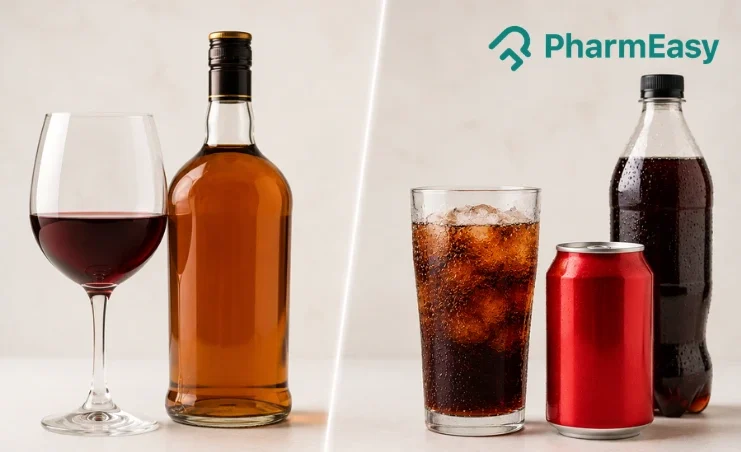
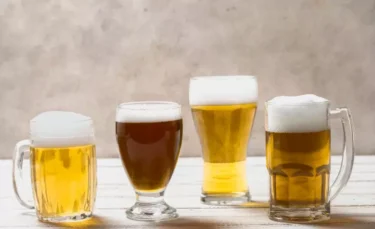
When you consume a particular food or drink, it raises the level of sugar in your blood. This is known as the glycaemic index, which is a score between 0-100 ascribed to all foods and drinks according to the sugar boost.
Distilled alcoholic drinks such as vodka, rum, brandy or whiskey have a negligible glycaemic index. In that sense, they’re not very harmful.
But soft drinks are packed with sugar. They can cause a dramatic surge of sugar levels in your body. This could eventually cause insulin resistance and lead to Type-2 diabetes1.
On that score, probably alcohol is less damaging than soft drinks. However cocktails, which are sugary alcoholic drinks, have the same effect on your body as soft drinks. So, let’s move on and compare them on some other parameters.
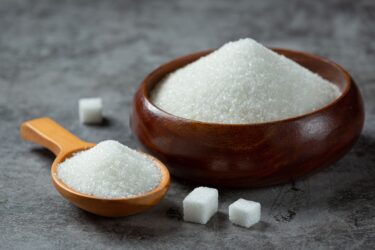
It’s well known that both alcohol and soft drinks can be fattening. Moreover, people tend to consume both with fried, unhealthy snacks that do your weight-loss goals no favours.
Alcohol is a hunger stimulant. However, drinking in moderation, that is, one drink if you’re a woman and two if you’re a man, will not lead to substantial weight gain.
A standard can (330 ml) of cola contains as much as 6 or more teaspoons of sugar!2. This much added sugar in soft drinks directly lead to drastic weight gain and eventually, obesity3. And obesity, in turn, can be a magnet to a host of lifestyle ailments such as diabetes, heart disease and arthritis.
So, weight wise both are a no but excessive soft drink consumption can be worse.
Soft drinks contain high amounts of sugar or other artificial sweeteners. It has enough caffeine to perhaps even elevate your blood pressure levels. It may promote obesity, digestive issues, bone issues, etc. For these reasons, it is always recommended to avoid drinking soft drinks10.
Dr. Rajeev Singh, BAMS

There’s not much to choose between alcohol and soft drinks when it comes to nutritional benefits. Neither drink has any dietary value.
Though, some forms of alcohol like the red wine are found to contain antioxidants that can help fight infections and scavenge free radicals and have positive effects on lipid levels and gut microbiome4. However, overall excessive alcohol consumption may negatively impact appetite that may in turn lead to deficiencies.
Soft drinks in fact do not have any nutritional value and it is even found that individuals who consume excessive soft drink are deficient in calcium and other nutrients possibly associated with an unhealthy diet low in milk, fruits and fiber and high in carbohydrates5.
Alcohol and soft drinks both actually have no nutritional value. Hence, it is best to consume them in moderation.

Now, coming to the last and the most important deciding factor, that is a comparison of their overall ill effects on health.
Drinking too much alcohol over a prolonged period of time can:
As mentioned earlier, soft drinks are full of sugar. Drinking them in excess can:
So, while soft drinks have their own set of ill effects, alcohol usually has more troubling implications on your health than soft drinks.
Though soft drinks can harm your body more, overconsumption of alcohol might lead to various health problems such as liver diseases, stroke, heart diseases, etc. It is always recommended to drink alcohol in moderation7.
Dr. Siddharth Gupta, B.A.M.S, M.D (Ayu)
A healthier option for both soft drinks and alcohol would be sugar-free, antioxidant-rich drinks that are beneficial for your health. Here are some of the healthy drinks you can try instead of sugar-laced soft drinks or alcoholic beverages:
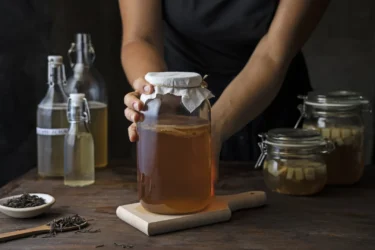
Made with black or green tea with a sprinkling of bacteria, this fermented and naturally sparkling drink has become a favorite among people who want to drink something bold and is yet a healthy option. Kombucha is said to have probiotic and antioxidant properties and no sugar content making it a good choice for health conscious drinkers.

According to reports from USDA, unsweetened coconut water is full of vitamins and minerals, containing about 6 grams of sugar per cup9. Coconut water also contains electrolytes like potassium and sodium that help in regaining strength after a long, strenuous day. Coconut water is a refreshing and hydrating drink that you can add to your everyday healthy drink list.
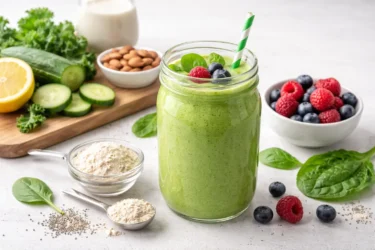
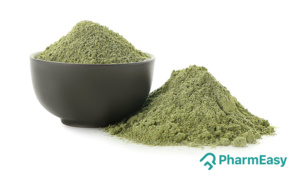
Whether homemade or pre-mixed green juices available in the market, they are a great alternative if you wish to switch to healthy drinks as opposed to alcohol or soft drinks. Home-made green juices require vegetables to be chopped roughly and put in the blender and pre-mixed ones available in the market can either be in juice form or powdered form that needs to be liquefied. However, before buying these, it is recommended that you check the ingredient list as a lot of these green juices have added sugar content.
Also Read: Black Coffee with Ghee: Benefits, How to Make It & Side Effects
Both alcohol and soft drinks are not healthy when consumed in excess. While alcohol risks such as impaired judgment, addiction, liver damage and cancer potential are frequently warned about, the consumption of sugary soft drinks has its own set of ill effects on health such as weight gain, type 2 diabetes, heart disease, and poor dental health. Which is worse depends on the quantity and frequency of consumption as well as an individual’s overall health and lifestyle. Instead of choosing between these two, a better approach is to limit both and make water or other low-sugar beverages your everyday choice.
Also Read: Why Does Alcohol Make You Pee? Here’s The Science Behind It
They remove sugar-related risks but aren’t entirely risk-free. Artificial sweeteners may affect gut health and cravings. While they may be a better option than alcohol, they shouldn’t be considered a health drink.
Yes. Combining the two increases the overall calorie and sugar intake. Sugary mixers can also mask the taste of alcohol, leading to higher consumption without realising it.
Because they are socially normalised and marketed as harmless refreshments. There’s no stigma attached to drinking multiple soft drinks a day, unlike alcohol. This perception gap leads people to overlook the cumulative effects of daily sugar intake, which can also be extremely damaging over time.
Alcohol directly damages liver cells and can cause cirrhosis. Soft drinks, especially high in fructose, contribute to fatty liver overtime. Both can harm the liver, but through different mechanisms.
Soft drinks drive weight gain through constant sugar spikes and fat storage. Alcohol adds empty calories and increases appetite. Daily soft drink intake often has a more consistent impact.
Soft drinks cause sharp spikes and crashes in blood sugar. Alcohol can initially raise levels but may later cause drops, especially without food, making its effect more unpredictable.
Alcohol has a stronger chemical dependency risk. Soft drinks, however, create habitual cravings due to sugar and caffeine, making them easy to consume daily without noticing.
Disclaimer: The information provided here is for educational/awareness purposes only and is not intended to be a substitute for medical treatment by a healthcare professional and should not be relied upon to diagnose or treat any medical condition. The reader should consult a registered medical practitioner to determine the appropriateness of the information and before consuming any medication. PharmEasy does not provide any guarantee or warranty (express or implied) regarding the accuracy, adequacy, completeness, legality, reliability or usefulness of the information; and disclaims any liability arising thereof.
Links and product recommendations in the information provided here are advertisements of third-party products available on the website. PharmEasy does not make any representation on the accuracy or suitability of such products/services. Advertisements do not influence the editorial decisions or content. The information in this blog is subject to change without notice. The authors and administrators reserve the right to modify, add, or remove content without notification. It is your responsibility to review this disclaimer regularly for any changes.
 54
54  17
17Comments

Leave your comment...

View all comments(1)
You may also like

















Nice article , I will not drink soft drinks from now onwards