
Introduction
Amidst the winter chill, India is experiencing an unexpected climate change with rains, as Mumbai, Gujarat, Kerala, Tamil Nadu, MP, and many more regions face an unusual downpour. The cosy winter vibes now mingle with raindrops, increasing the probability of mold-related allergies and the risk of infections and other illnesses.
Seasonal allergies like hay fever that result from exposure to spores or pollen released into the atmosphere by fungi, grasses, trees, and other plants are on a rise1. These happen when such airborne particles are inhaled, and the body’s IgE antibodies attack them, triggering a typical allergic reaction.
Although usually not a medical emergency, these allergies can be distressing and affect life quality, nonetheless. But don’t worry, we’ve got you covered! In this blog, we’ll explore 8 easy home remedies for seasonal allergies. So, say goodbye to sneezes and sniffles and embrace the changing seasons with these simple solutions. But before that, let’s see the types and symptoms of allergies and why these occur.
Advertisement
What Are the Different Types of Allergies?
Here are a few types of allergies that are common2:
- Pollen allergy (This is the most common cause of Allergic rhinitis or hay fever)
- Drug allergy
- Food allergy
- Insect allergy
- Pet allergy
Monsoon-Specific Allergens
The rainy season can worsen allergy symptoms in susceptible individuals. Increased indoor humidity, dampness, and poor ventilation encourage the growth of allergens such as mould and house dust mites, while seasonal pollens may also contribute in some regions. For many, this seasonal shift causes a sudden spike in frustrating symptoms like continuous sneezing, watery eyes, a stuffy nose, and asthma
Here are four common monsoon-specific allergens that thrive inside damp homes:
1. Indoor Mold
Mold is a type of fungus that reproduces by releasing tiny, invisible spores into the air. During the monsoon, these spores settle and rapidly multiply on damp surfaces like water-stained drywall, wet carpets, and bathroom tiles. Inhaling mould spores may trigger sneezing, nasal congestion, coughing, wheezing, or asthma symptoms in people who are sensitive to them.
2. House Dust Mites
These microscopic, insect-like pests live in household fabrics like mattresses, pillows, and carpets. They do not bite, but they thrive by absorbing moisture directly from humid air; when indoor humidity crosses 60%, their numbers can increase substantially, and their droppings become a major trigger for morning sneezing fits17.
3. Volatile Organic Compounds (VOCs) from Microbes
Moulds and certain bacteria growing on damp materials can release small amounts of volatile organic compounds (VOCs). These compounds contribute to the characteristic musty odour of damp buildings and may irritate the eyes, nose, or throat in some individuals, although they are not allergens themselves.
Advertisement
4. Wild Grass and Weed Pollen
In some regions, grasses and weeds release pollen during the rainy season. People with pollen allergies may experience worsening symptoms, particularly on windy days or after thunderstorms, which can disperse allergenic particles into the air. To stop these allergens from taking over your home, keeping indoor humidity below about 50% can significantly reduce dust mite growth and make mould growth less likely, especially when combined with good ventilation and prompt drying of damp areas.
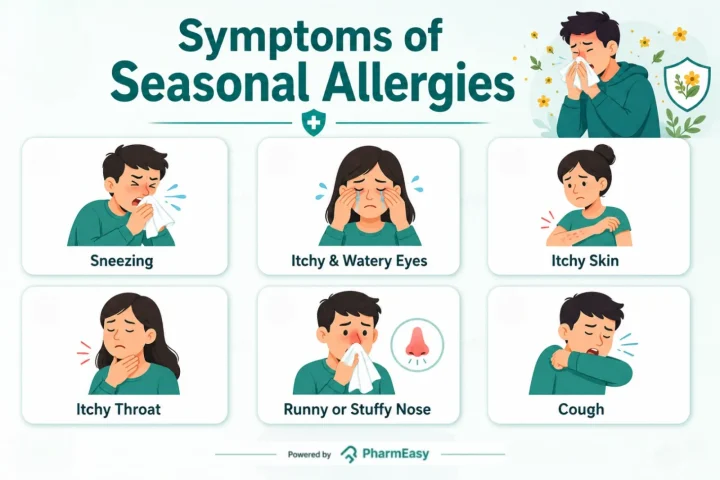
What Are the Symptoms of Seasonal Allergies?
Why Do Allergies Occur?
Pollen grains or other allergens are mistakenly recognized by your body’s immune system as harmful agents, leading to activation of special cells in our body called mast cells which further release histamine. Histamine release leads to the above-mentioned symptoms2. Starting precautionary anti-allergy medications along with prevention of outdoor activity in the early morning can help a person to avoid or reduce the severity of seasonal allergies.
Home Remedies for Seasonal Allergies
Here are simple measures you can follow at home to keep yourself protected from seasonal allergies:
1. Hydration
- Proper hydration helps thin mucus, improves breathing, and boosts immunity.
- Try to drink 2 to 3 cups of plain warm water upon awakening. You can also drink clear soups or juices to refill your body’s requirements4.
2. Red Onion Water
- When you are exposed to the allergen, your body releases histamine. Onion contains a compound- quercetin that helps to control the production of histamine. Hence it is useful in reducing symptoms of allergies.
- Onion is a natural antihistamine that helps to decrease allergic symptoms. It can also be helpful as a bronchodilator to open up the contracted airways5,6.
3. Citrus Fruit Drinks
- Citrus fruits are rich in vitamin C, antioxidants, minerals, and vitamins. In the spring season, the sun gets harsher every passing day. It makes our bodies weak and dehydrated.
- Citrus fruits are very refreshing. They also help to boost immunity and fight against seasonal change symptoms.
Stick to eating more citrus fruits than drinking their juice as this is healthier due to high fibre and lower sugar content7,8.
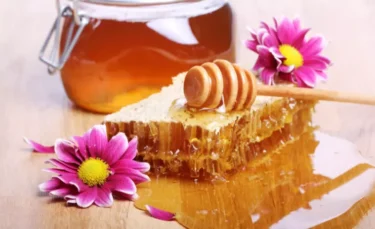
4. Local Honey
- Honey is known for its anti-inflammatory and anti-microbial properties. Some research has found the beneficial effect of honey in allergies too.
- Honey is rich in phytochemicals that can help in stabilizing mast cells and lowering IgE response. It may also be helpful in dealing with symptoms of allergic asthma9.
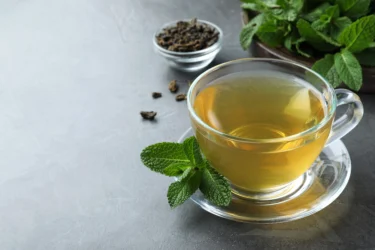
5. Peppermint Tea
- Peppermint is a natural remedy to relive nasal congestion caused by dust allergies, pollen allergies or other respiratory allergies. It contains a type of flavonoid called luteolin-7-O-rutinoside, which helps inhibit the activity and secretion of anti-inflammatory enzymes.
- You can add a teaspoon of dried peppermint leaves to a glass of water, boil it to make peppermint tea, and drink when it is mildly warm10.
6. Hot and Spicy Food
- Hot and spicy foods contain capsaicin which can give a temporary relief from nasal congestion as they can promote clearance of blocked nasal and throat passage.
- Spicy and hot food includes soup, curries, and chilli pepper, which loosen the mucus and phlegm that clogs your body11.
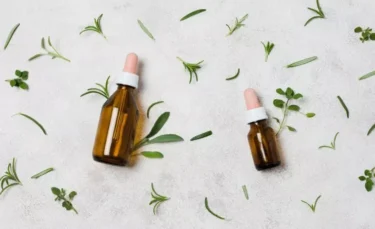
7. Eucalyptus Oil
- Eucalyptus oil can help you in seasonal allergies. You can add a few drops of oil to hot water and inhale the steam. Its ability to provide a cooling effect and reduce swelling makes it a potential therapy for sinusitis.
- Some research12 suggests that eucalyptus oil has anti-inflammatory and antibacterial properties also.
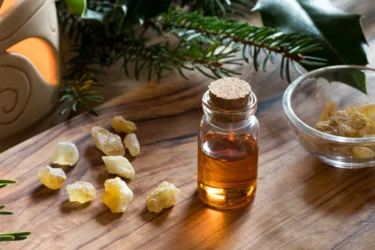
8. Frankincense Essential Oil
- Frankincense oil is obtained from Boswellia tree and is commonly used in aromatherapy. It contains monoterpenes which have anti-inflammatory and immune regulatory properties. In a 2016 study, it was seen that frankincense oil may help against perennial allergic rhinitis as it contains anti-inflammatory properties13.
- Although initial studies have found these home remedies to be beneficial for allergic symptoms, further large-scale human trials are needed to confirm these benefits. It’s best to try them in moderation and seek medical advice if symptoms don’t improve or worsen.
9. Saline Nasal Rinse
- A saline nasal rinse helps wash away mucus, allergens (such as pollen), and other irritants from the nasal passages, which may help relieve nasal congestion and allergy symptoms. It also moisturizes the nasal lining, making breathing easier during seasonal allergies.
- A saline nasal rinse uses a neti pot or squeeze bottle to gently pass a sterile saline solution into one nostril so it drains out the other. This helps remove mucus, allergens (such as pollen and mould spores), and other airborne irritants from the nasal passages15.
- To prevent dangerous sinus infections, you must always use distilled, sterile, or previously boiled and cooled water, and do not use untreated tap water as it may contain microorganisms that are safe to swallow but not safe to introduce into the nasal passages
Antihistamine for Seasonal Allergies
When monsoon allergens trigger persistent sneezing, a runny nose, or watery, itchy eyes, antihistamines are commonly used to help relieve these symptoms. They work by blocking histamine, the chemical your immune system releases during an allergic reaction.
The most suitable antihistamine depends on your symptoms, age, other medical conditions, and how sensitive you are to drowsiness.
Non-Drowsy vs. Less-Drowsy Options
- Loratadine: This is a true second-generation antihistamine16 and is the least likely to cause drowsiness. It provides a steady, 24-hour shield against symptoms, making it often a suitable option for daytime use, work, or driving.
- Cetirizine: Cetirizine is another second-generation antihistamine that often starts working relatively quickly and provides 24-hour relief16. However, it may cause mild drowsiness in some people, so it may be preferable to take it in the evening if sleepiness occurs.
- Levocetirizine: Levocetirizine is the active form of cetirizine and provides 24-hour relief from allergy symptoms16. Like cetirizine, it may cause drowsiness in some individuals, although the likelihood and severity vary from person to person. If it makes you feel sleepy, your doctor or pharmacist may recommend taking it at bedtime.
Note: Even antihistamines that are considered “non-drowsy” can occasionally cause sleepiness. Until you know how the medicine affects you, avoid driving or operating machinery if you feel drowsy. Always follow the recommended dose or your doctor’s advice.
Precautions to Be Taken While Using Home Remedies for Allergies
- If you have a severe allergic reaction or anaphylaxis, avoid using home remedies and seek immediate medical advice, as it needs medical attention right away. Some symptoms of anaphylaxis are trouble breathing, chest pain, wheezing, chest tightness, change in blood pressure, fainting, spells of dizziness, or rash. If you experience any of these symptoms, immediately seek medical attention14.
- While using essential oils, perform a patch test before applying, especially if you are prone to having allergic reactions to the essential oils.
- Discuss with your healthcare provider before resorting to any home remedies if you are pregnant, lactating, or have any medical issues. Avoid self-medication and always use the correct dose and duration of anti-allergic medication that you have been prescribed.
When to Consult a Doctor?
While seasonal allergies can often be managed with allergen avoidance, home remedies, and over-the-counter medications, some situations require medical attention. Consult a doctor if:
- Your allergy symptoms persist for several weeks despite avoiding known triggers and using appropriate self-care measures.
- Nasal congestion, sneezing, or coughing significantly interferes with your sleep, work, school, or daily activities.
- You experience frequent sinus infections, ear infections, or recurring headaches associated with allergy symptoms.
- Your symptoms worsen during specific seasons or after exposure to mold, dust mites, pollen, or other allergens and are difficult to control.
- You develop wheezing, shortness of breath, chest tightness, or worsening asthma symptoms along with your allergies.
- You are unsure whether your symptoms are due to allergies, a common cold, influenza, or another respiratory condition.
- You develop swelling of the face, lips, tongue, or throat, or have difficulty breathing. Seek immediate medical attention if these symptoms occur, as they may indicate a severe allergic reaction.
Your doctor may recommend an allergy test to pinpoint your exact triggers and create a targeted treatment plan.
Conclusion
There are various kinds of allergies that people may suffer from, such as seasonal allergies, food allergies, and medication allergies. However, seasonal allergies are a common type of allergy many people suffer from at least once in their lifetime. Commonly presenting as sneezing, itching and eye watering, these allergies can be quite disturbing for the patients. Following some simple home remedies like staying hydrated, consuming citrus or hot, spicy drinks and using essential oils like eucalyptus or Frankincense oil may help ease some symptoms. However, exercising caution while using these remedies is important and when relief is not observed, medical management may be necessary.
Also Read: Delhi Chokes From Severe Air Pollution Levels!
Frequently Asked Questions (FAQs)
How to get rid of seasonal allergies fast?Relief may come from avoiding known allergens and using appropriate medicines, such as over-the-counter oral antihistamines (e.g., cetirizine or loratadine). Intranasal corticosteroid sprays are among the most effective treatments for allergic rhinitis, although they usually take several days to reach their full effect. Saline nasal rinses may also help by flushing pollen, dust, and mucus from the nasal passages.
What drink may help with seasonal allergies?There is no specific drink that treats seasonal allergies. However, plain water can be effective because staying hydrated thins out mucus and eases congestion. Warm liquids like green tea or peppermint tea may also soothe an irritated throat and provide steam to help open up blocked nasal passages.
What causes seasonal allergies?Seasonal allergies occur when your immune system mistakenly identifies harmless airborne particles, predominantly tree, grass, or weed pollen, and outdoor mold spores as dangerous invaders. This triggers the release of histamine, a chemical that causes local inflammation and classic allergy symptoms.
How to avoid pollen at home?Keep your windows closed during peak pollen seasons and use air conditioning to cool your space instead. Additionally, run a high-efficiency particulate air (HEPA) purifier, vacuum regularly, and change out of outdoor clothes immediately when returning home.
How do you know if you have seasonal allergies?Seasonal allergies commonly cause repeated sneezing, a runny or blocked nose, itchy or watery eyes, and nasal itching that occur during particular times of the year or after exposure to allergens. Unlike the common cold or influenza, allergies do not usually cause fever or body aches. However, because symptoms can overlap with other illnesses, consult a doctor if you are unsure of the cause
Are seasonal allergies harmful?While rarely life-threatening on their own, untreated chronic allergies can significantly impair your quality of life by disrupting sleep and causing fatigue. Over time, they can also increase your risk of developing secondary complications like sinus infections, ear infections, or worsening asthma.
References
- Hay Fever [Internet]. medlineplus.gov. Available from: https://medlineplus.gov/hayfever.html
- Akhouri S, House SA. Allergic Rhinitis [Internet]. PubMed. Treasure Island (FL): StatPearls Publishing; 2023. Available from: https://www.ncbi.nlm.nih.gov/books/NBK538186/
- Allergies: MedlinePlus Medical Encyclopedia [Internet]. medlineplus.gov. Available from: https://medlineplus.gov/ency/article/000812.htm
- Yibala Ibor Oboma, Bassey Okon Ekpenyong, Igwe MC, Chelimo JJ, Bot YS, Mohammed SO, et al. Seven Steps in Seven Days to Managing Allergy in the Tropics. Research and Reports in Tropical Medicine [Internet]. 2025 Apr 1; Volume 16:31–41. Available from: https://pmc.ncbi.nlm.nih.gov/articles/PMC11973120/
- Seo MY, Kim KR, Lee JJ, et al. Therapeutic effect of topical administration of red onion extract in a murine model of allergic rhinitis. Sci Rep. 2019;9(1):2883. Available from: https://pmc.ncbi.nlm.nih.gov/articles/PMC6393461/
- Jafarinia M, Sadat Hosseini M, kasiri N, Fazel N, Fathi F, Ganjalikhani Hakemi M, et al. Quercetin with the potential effect on allergic diseases. Allergy, Asthma & Clinical Immunology. 2020 May 14;16(1). Available from: https://pmc.ncbi.nlm.nih.gov/articles/PMC7227109/
- Miles EA, Calder PC. Effects of Citrus Fruit Juices and Their Bioactive Components on Inflammation and Immunity: A Narrative Review. Frontiers in Immunology [Internet]. 2021 Jun 24;12. Available from: https://www.ncbi.nlm.nih.gov/pmc/articles/PMC8264544/
- Mavadiya HB, Roh D, Ly A, Lu Y. Whole Fruits Versus 100% Fruit Juice: Revisiting the Evidence and Its Implications for US Healthy Dietary Recommendations. Nutrition Bulletin. 2025 May 7; Available from: https://pmc.ncbi.nlm.nih.gov/articles/PMC12398644/
- Aw Yong PY, Islam F, Harith HH, Israf DA, Tan JW, Tham CL. The Potential use of Honey as a Remedy for Allergic Diseases: A Mini Review. Frontiers in Pharmacology [Internet]. 2021 Jan 26;11:599080. Available from: https://www.ncbi.nlm.nih.gov/pmc/articles/PMC7870997/
- Nataliia Hudz, Lesya Коbylinska, Katarzyna Pokajewicz, Vladimíra Horčinová Sedláčková, Fedin R, Mariia Voloshyn, et al. Mentha piperita: Essential Oil and Extracts, Their Biological Activities, and Perspectives on the Development of New Medicinal and Cosmetic Products. Molecules. 2023 Nov 6;28(21):7444–4. Available from: https://pmc.ncbi.nlm.nih.gov/articles/PMC10649426/
- Saketkhoo K, Januszkiewicz A, Sackner MA. Effects of drinking hot water, cold water, and chicken soup on nasal mucus velocity and nasal airflow resistance. CHEST Journal. 1978 Oct 1;74(4). Available from: https://pubmed.ncbi.nlm.nih.gov/359266/
- El A, Atwa AM, Elgindy AM, Mustafa AM, Senna MM, Mahmoud Abdelrahman Alkabbani, et al. Therapeutic applications of eucalyptus essential oils. Inflammopharmacology. 2024 Nov 5;33. Available from: https://pmc.ncbi.nlm.nih.gov/articles/PMC11799053/
- Choi SY, Park K. Effect of Inhalation of Aromatherapy Oil on Patients with Perennial Allergic Rhinitis: A Randomized Controlled Trial. Evidence-based Complementary and Alternative Medicine : eCAM [Internet]. 2016;2016. Available from: https://www.ncbi.nlm.nih.gov/pmc/articles/PMC4808543/
- MedlinePlus. Anaphylaxis: MedlinePlus Medical Encyclopedia [Internet]. Medlineplus.gov. 2018. Available from: https://medlineplus.gov/ency/article/000844.htm
- Head K, Snidvongs K, Glew S, Scadding G, Schilder AG, Philpott C, Hopkins C. Saline irrigation for allergic rhinitis. Cochrane Database Syst Rev. 2018 Jun 22;2018(6):CD012597. doi:10.1002/14651858.CD012597.pub2. PMID: 29932206. Available from: https://pubmed.ncbi.nlm.nih.gov/29932206/
- F Estelle R Simon, Keith J Simons. H1 Antihistamines: Current Status and Future Directions. World Allergy Organ J. 2008 Sep 15;1(9):145–155. doi: 10.1186/1939-4551-1-9-14. PMCID: PMC3650962 PMID: 23282578. Available from: https://pmc.ncbi.nlm.nih.gov/articles/PMC3650962/
- Su B, McPherson P, Jadresin Milic R, Wu L. Field study of relationships between indoor thermal conditions and two major causes of allergies—dust mites and mould—in New Zealand houses. Buildings. 2025;15(17):3074. doi:10.3390/buildings15173074. Available from: https://www.mdpi.com/2075-5309/15/17/3074
Disclaimer: The information provided here is for educational/awareness purposes only and is not intended to be a substitute for medical treatment by a healthcare professional and should not be relied upon to diagnose or treat any medical condition. The reader should consult a registered medical practitioner to determine the appropriateness of the information and before consuming any medication. PharmEasy does not provide any guarantee or warranty (express or implied) regarding the accuracy, adequacy, completeness, legality, reliability or usefulness of the information; and disclaims any liability arising thereof.
Links and product recommendations in the information provided here are advertisements of third-party products available on the website. PharmEasy does not make any representation on the accuracy or suitability of such products/services. Advertisements do not influence the editorial decisions or content. The information in this blog is subject to change without notice. The authors and administrators reserve the right to modify, add, or remove content without notification. It is your responsibility to review this disclaimer regularly for any changes.
 7
7 











































Comments