




Home Remedies For Flu By Dr. Rajeev Singh
By Dr Rajeev Singh +2 more

Medically reviewed by Dr. Avinav Gupta
Last updated: Sep 15, 2026 Published on: Sep 7, 2022


Get,

to manage your symptom
Get your,

4 Cr+ families
benefitted

OTP sent to 9988776655



You’ve successfully subscribed to receive
doctor-approved tips on
Whatsapp

Get ready to feel your best.


Register to Avail the Offer
Send OTPBy continuing, you agree with our Privacy Policy and Terms and Conditions
Hi There,
Sign up on PharmEasy now!!


Trusted by 4 crore+ families

OTP sent to 9988776655
You have unlocked 25% off on medicines


Code: NU25

By Dr Rajeev Singh +2 more
Table of Contents
We have all suffered from flu at some point in our lives. The fever, chills, and headache can make life difficult.
Flu, otherwise known as influenza, is caused by the influenza virus. It is a highly contagious disease. Although all age groups can catch this disease, it has serious effects on babies and the elderly particularly. Flu spreads through the body fluids such as saliva, mucous, etc., of the infected person. It is generally transferred when the infected person coughs or sneezes. The flu is a disease of the respiratory system, but it can affect the whole body1,2.

However, there are some simple remedies to manage your symptoms and be more comfortable. Continue reading to find out!
Flu is an infection caused by a virus called influenza. It occurs mostly in the winter season and is highly contagious. Flu can infect people of all ages. However, the following people are more prone to getting hospitalized with flu.
Star anise which is traditionally used as a spice in food, and also acts as a medicine in flu because it’s seeds contain chemicals that might have antibacterial effects. It also contains a chemical called shikimic acid, which is used to make oseltamivir (Tamiflu), a flu treatment.
Dr. M.G. Kartheeka, MBBS, MD(Pediatrics)
If you have flu, you may experience the following symptoms.
Pain in the chest or abdomen, confusion, vomiting or difficulty breathing or shortness of breath, if you experience any of these symptoms along with flu, it is recommended to visit a physician as soon as possible.
Dr. Ashish Bajaj, M.B.B.S., M.D. in Clinical Pharmacology and Toxicology
These herbs and remedies have properties to ease flu symptoms, but more research is still required to consolidate their use. Nevertheless, here are some remedies to help with flu symptoms at home.

Using honey may help strengthen your immune system and fight viral infections. Honey may help kill the flu virus and protect the person against flu symptoms4. There are several recipes to try with honey. You can mix honey in a warm cup of green tea. Another remedy is drinking honey and lemon tea. Drinking warm water mixed with honey may help with a sore throat. However, avoid giving honey to children below one year.
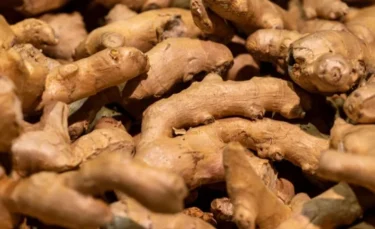
Ginger is a widely used medicinal plant across the world. It is included in the Ayurvedic, Chinese and Unani systems of traditional medicine. Using fresh ginger may help eliminate flu symptoms like a sore throat, fever and body ache5. One of the ways to use ginger for flu is to boil freshly sliced ginger in water. Let it simmer for some time. Drinking warm ginger water may help flu symptoms.
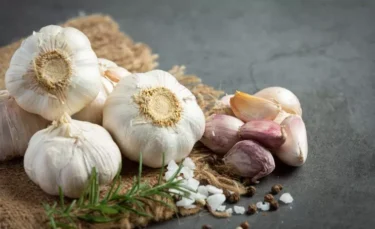
Garlic is known to help the body fight off infections and help destroy viruses by boosting immunity. This property may indicate that garlic might have a soothing effect on flu. Garlic may also help build lost strength. This acquired strength may help to fight off flu symptoms and counter fatigue associated with flu6. You can take garlic as a dietary supplement and add it to your food.
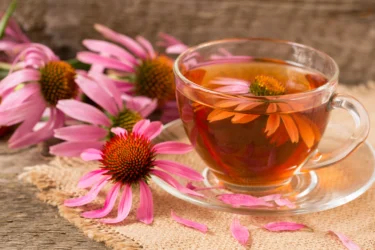
Echinacea is a medicinal plant commonly known as coneflower or American coneflower. It is often used as a nutritional supplement to help boost the immune system7. You can use fresh echinacea root or other parts to make tea. Drinking this tea may help you get some relief from flu symptoms. To prepare echinacea tea, you can place the leaves, flowers, and roots of an echinacea plant in a teacup and add boiling water to it. Let this mixture steep the tea as desired, then strain to remove the roots, flowers, and leaves.
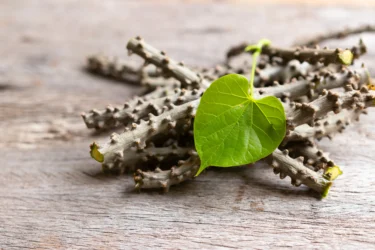
Guduchi juice may help with enhancing the immune system and defence mechanism. Together these properties may help fight off the flu symptoms. You can drink fresh guduchi juice to help get rid of flu symptoms8. You can make guduchi juice at home. Peel some fresh guduchi, and chop it into pieces. Blend the chopped guduchi with a glass of water. Strain this mixture and your guduchi juice is ready.

You need to get plenty of rest during flu recovery. Make sure to stay at home and get enough sleep and keep warm. It may help you recover sooner from the flu2,9. Resting may also help you regain your strength.

Make sure to drink plenty of fluids, especially water, to replace fluids lost through fever and sweating and to help prevent dehydration. Aim to drink enough to stay well hydrated, and increase your fluid intake if you have fever, vomiting, or diarrhoea, unless your doctor has advised you to restrict fluids2,9. Warm fluids, such as soup or herbal tea, may help soothe a sore throat and provide comfort during recovery. You can also include water-rich foods, such as fruits, vegetables, and broths, which contribute to your overall fluid intake.

A deficiency of vitamin C may make you prone to infections due to impaired immunity. Likewise, vitamin C supplements may help fight infection by boosting the immune system10. You can involve foods in your diet that are rich in vitamin C, such as lemons, oranges, strawberries, tomatoes, kiwis, and grapefruit11.

Some people find that steam inhalation helps ease flu symptoms by introducing warm, moist air into your nasal passages, which loosens thick mucus and temporarily clears a stuffy nose. While it provides excellent soothing relief for your respiratory tract, it is crucial to remember that steam does not cure or shorten the duration of the influenza virus itself. To practice this safely and avoid severe facial burns, place a bowl of hot water on a stable surface, lean over it at a safe distance with a towel draped over your head, and breathe deeply through your nose for no more than 10 to 15 minutes per session12.
If nasal congestion is severe, persistent, or accompanied by worsening symptoms, consult your doctor for appropriate advice.

A warm salt water gargle may help soothe a flu-induced sore throat and ease discomfort. To make it, dissolve 1/4 to 1/2 teaspoon of salt into 8 ounces of warm water. Gargle a mouthful for 15 to 30 seconds before spitting it out, repeating 3 to 4 times a day as needed; always spit the liquid out to avoid swallowing excess sodium. Avoid swallowing the salt water, particularly if you have been advised to limit your sodium intake. While salt water gargles may help relieve symptoms, they do not treat the influenza virus or shorten the duration of the illness.
Though studies show the benefits of the given herbs and home remedies for the flu, these are insufficient. Therefore, there is a need for large-scale human studies to establish the true extent of the benefits of these home remedies on human health. Thus, these should only be taken cautiously and never as a substitute for medical treatment.
A traditional kadha made with ginger, honey, and tulsi may provide temporary comfort during flu symptoms such as a sore throat, cough, and congestion13. While these ingredients are traditionally used during colds and flu, they do not treat the influenza virus or shorten the duration of the illness.
Note: Never give honey to infants under 12 months old due to the risk of infant botulism.

When caring for a child with the flu, the following measures may help relieve symptoms and support recovery:
Also Read: Common Cold vs Flu: Symptoms, Causes, Treatment, and Key Differences
You must contact your healthcare provider as soon as you experience flu symptoms and are at higher risk of complications, have severe or worsening symptoms, or are concerned about your illness. Antiviral medicines work best when started within 48 hours of symptom onset, so early medical assessment is important if antiviral treatment is being considered.
Consult a professional if the symptoms fail to improve with home remedies. A healthcare professional may recommend oseltamivir, an antiviral medicine used to treat influenza. Oseltamivir works best when started as soon as possible, ideally within 48 hours of symptom onset, and may help shorten the duration of illness and reduce symptom severity.
For temporary relief of symptoms such as cough, sore throat, runny nose, or nasal congestion, some people may also use over-the-counter cold and cough medicines.
Home remedies may help relieve symptoms, but they do not treat influenza. . Instead, you should consult a qualified doctor for advice on the condition if the symptoms do not improve with home remedies.
You may suffer from flu symptoms from time to time. Flu symptoms can hinder your work and daily activities and make life difficult. However, these herbs and home remedies like ginger, honey, garlic, guduchi and echinacea can help you manage your symptoms at home. If the home remedies don’t work out and you continue experiencing the symptoms, you need to reach out to your healthcare provider. Avoid relying solely on home remedies for flu treatment at home, and don’t hesitate to seek medical help.
Also Read: What Is Hantavirus? Symptoms, Causes, & Effective Prevention
You can use many herbs to get rid of flu symptoms at home. Natural remedies like ginger, honey, garlic, echinacea and guduchi may be used at home to help manage flu4,8. However, if the symptoms don’t improve with home remedies and you continue to experience symptoms, don’t hesitate to consult a healthcare provider.
You can manage your flu symptoms and speed up your recovery by getting plenty of rest and sleep. Hydrating yourself well may play a key role in helping you recover2,9. However, you can also reach out to your healthcare provider for help if the symptoms don’t improve.
You may use ginger to help with your flu symptoms. Ginger is a commonly found herb used as a remedy for several conditions. For example, ginger may help you with a sore throat, body ache, fever and pain5. However, more studies are needed to evaluate the usefulness of ginger in humans. You should consult your healthcare provider if your symptoms don’t improve after using ginger.
Herbs like ginger, garlic, and echinacea may help fight off cold and cough symptoms such as a sore throat. In addition, these herbs may boost the immunity that helps fight the infection causing cold and flu symptoms. Honey is also one of the natural ingredients that may help boost immunity and help overcome flu-related symptoms4,7. However, before using natural herbs for coughs and colds, you must consult your healthcare provider.
1. Flu (influenza) | Australian Government Department of Health and Aged Care [Internet]. [cited 2022 Jul 8]. Available from: https://www.health.gov.au/diseases/influenza-flu
2. Influenza (Flu): Treatment, Prevention, Symptoms vs Cold [Internet]. [cited 2022 Jul 8]. Available from: https://my.clevelandclinic.org/health/diseases/4335-influenza-flu
3. Influenza | Johns Hopkins Medicine [Internet]. [cited 2022 Jul 8]. Available from: https://www.hopkinsmedicine.org/health/conditions-and-diseases/influenza
4. P. Saranraj, S. Sivasakthi, Glaucio Dire Feliciano. Pharmacology of Honey: A Review. Advances in Biological Research [Internet]. 2016;10(4):271–89. Available from: https://www.researchgate.net/publication/308694961_Pharmacology_of_Honey_A_Review
5. Ali BH, Blunden G, Tanira MO, Nemmar A. Some phytochemical, pharmacological and toxicological properties of ginger (Zingiber officinale Roscoe): a review of recent research. Food Chem Toxicol [Internet]. 2008 [cited 2022 Jul 10];46(2):409–20. Available from: https://pubmed.ncbi.nlm.nih.gov/17950516/
6. Garlic – Health Encyclopedia – University of Rochester Medical Center [Internet]. [cited 2022 Jul 11]. Available from: https://www.urmc.rochester.edu/encyclopedia/content.aspx?contenttypeid=19&contentid=Garlic
7. Echinacea | NCCIH [Internet]. [cited 2022 Jul 11]. Available from: https://www.nccih.nih.gov/health/echinacea
8. Ayush Division. Ayurveda offering Herbal healing. Available from: https://esic.gov.in/attachments/publicationfile/7d11b02e5abb4717d53b4ce05efabd21.pdf
9. Flu – NHS [Internet]. [cited 2022 Jul 8]. Available from: https://www.nhs.uk/conditions/flu/
10. Carr AC, Maggini S. Vitamin C and Immune Function. Nutrients [Internet]. 2017 Nov 1 [cited 2022 Jul 11];9(11). Available from: https://pubmed.ncbi.nlm.nih.gov/29099763/
11. Vitamin C | The Nutrition Source | Harvard T.H. Chan School of Public Health [Internet]. [cited 2022 Jul 11]. Available from: https://www.hsph.harvard.edu/nutritionsource/vitamin-c/
12. Ophir D, Elad Y. Effects of steam inhalation on nasal patency and nasal symptoms in patients with the common cold. Am J Otolaryngol. 1987;8(3):149-153. doi:10.1016/S0196-0709(87)80037-6. PMID: 3303983. Available from: https://pubmed.ncbi.nlm.nih.gov/3303983/
13. Vanve MV, Hingane LD. Essence of Ocimum sanctum (Tulsi kadha) to boost immunity to cope with COVID-19. Int J Curr Sci. 2022;12(2):551-553. ISSN: 2250-1770. Available from: https://rjpn.org/ijcspub/papers/IJCSP22B1279.pdf
Disclaimer: The information provided here is for educational/awareness purposes only and is not intended to be a substitute for medical treatment by a healthcare professional and should not be relied upon to diagnose or treat any medical condition. The reader should consult a registered medical practitioner to determine the appropriateness of the information and before consuming any medication. PharmEasy does not provide any guarantee or warranty (express or implied) regarding the accuracy, adequacy, completeness, legality, reliability or usefulness of the information; and disclaims any liability arising thereof.
Links and product recommendations in the information provided here are advertisements of third-party products available on the website. PharmEasy does not make any representation on the accuracy or suitability of such products/services. Advertisements do not influence the editorial decisions or content. The information in this blog is subject to change without notice. The authors and administrators reserve the right to modify, add, or remove content without notification. It is your responsibility to review this disclaimer regularly for any changes.
 4
4 
Comments

Leave your comment...
You may also like






















Comments