




How Long Should You Wait Before Going To Bed After Dinner?
By Dr. Ritika Singh +2 more

Medically reviewed by Dr. Ritika Singh
Last updated: Oct 16, 2026 Published on: Feb 12, 2022


Get,

to manage your symptom
Get your,

4 Cr+ families
benefitted

OTP sent to 9988776655



You’ve successfully subscribed to receive
doctor-approved tips on
Whatsapp

Get ready to feel your best.


Register to Avail the Offer
Send OTPBy continuing, you agree with our Privacy Policy and Terms and Conditions
Hi There,
Sign up on PharmEasy now!!


Trusted by 4 crore+ families

OTP sent to 9988776655
You have unlocked 25% off on medicines


Code: NU25

By Dr. Ritika Singh +2 more
Table of Contents
Eating a late dinner may keep you awake and interfere with the quality of your sleep. Many times, eating at the wrong hour can also result in digestive problems and related signs like heartburn, indigestion, etc. It can also lead to sudden weight gain. Over time, consistently eating late at night may contribute to unhealthy weight gain by increasing overall calorie intake and disrupting your body’s natural metabolic rhythm. Knowing the right gap between dinner and sleep can support better digestion, improve sleep quality, and promote overall health.
In this blog, we’ll discuss why you shouldn’t sleep immediately after dinner, how long you should wait between your last meal and bedtime, and the best foods to eat and avoid before sleep.

Going straight from the dinner table to the mattress forces your body into a physiological conflict. While sleep is meant for rest and repair, digestion is an active, energy-consuming process. Crashing right after a meal sabotages both your digestive health and your sleep quality in several key ways:
Note: To protect your sleep and stomach, aim to finish your last major meal at least 2-3 hours before your head hits the pillow (close to 3-4 hours if you have GERD or frequent heartburn). This allows the stomach to partially empty, letting your metabolism safely wind down for the night
Did you know?
It is generally recommended to wait 2–3 hours after dinner before going to bed. This gives your body enough time to digest food and allows the stomach contents to move into the small intestine. Your body is most comfortable digesting food in an upright position, as it allows for easy digestion. Lying down immediately after eating, even a light meal for dinner, can cause the stomach contents to reflux into the oesophagus, triggering symptoms of GERD and heartburn, especially if the stomach hasn’t had time to empty.
Waiting a couple of hours before bedtime may also support better sleep and, when combined with healthy eating habits, may help reduce the risk of weight gain.
The foods you eat can have a significant impact on your sleep quality.Certain food items containing tryptophan, an amino acid the body converts into serotonin and melatonin, may support sleep. Good sources include fatty fish, almonds, eggs, and poultry generally8.
On the other hand, regularly eating unhealthy snacks late at night, such as chips, doughnuts, cookies, and sugary soft drinks, can disrupt healthy eating habits and increase your overall calorie intake. Over time, this may contribute to weight gain and can also interfere with restful sleep. Choosing lighter, nutritious snacks or avoiding late-night eating when possible can help support both better sleep and overall health9.
Certain foods and beverages consumed close to bedtime can make it harder to fall asleep or reduce sleep quality. For example, caffeine blocks adenosine, a brain chemical that helps promote sleepiness. To support better sleep, it is best to limit the following foods and drinks before bedtime6:

Many people suffering from insomnia or sleep disorders believe a glass of wine or whiskey helps them fall asleep faster. However, experts recommend not relying on this for the following reasons:

Meals that take a while to digest, such as fried foods, and cheesy and meat-based dishes should be avoided for dinner or even late-night snacking. Choose a lighter, balanced dinner instead, especially if you’re eating within a few hours of bedtime.
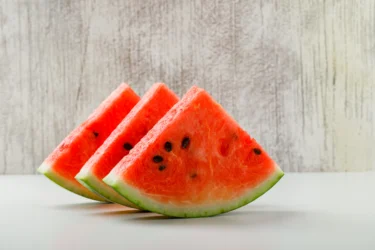
Foods with high water content, such as watermelon, cucumber, and celery, along with drinking a lot of fluid right before bed, can increase the need to urinate during the night, disrupting sleep. Similarly, avoid drinking large amounts of water close to bedtime.

Spicy foods can trigger heartburn and indigestion, particularly when eaten close to bedtime. These symptoms may make it more difficult to fall or stay asleep. This can also lead to a mild rise in body temperature which works against the natural temperature drop your body needs for sleep.

Acidic foods are also responsible for causing acid reflux, which can make getting quality sleep quite difficult. Citrus fruits or their juices, and tomatoes are genuinely acidic and are common reflux triggers. Onion is also a well-known reflux trigger, but through a different mechanism, it relaxes the lower esophageal sphincter rather than adding acidity.

Aside from coffee, many soft drinks and chocolates contain caffeine which acts as a stimulant and can keep you awake longer. Because caffeine’s half-life ranges from about 2 to 12 hours depending on the person, current sleep-medicine guidance recommends stopping caffeine at least 6–8 hours before bedtime, longer if you’re sensitive to it.

Sugary drinks, desserts, candies, and cereals should not be consumed before bedtime or for dinner.
Moreover, you should also avoid eating sugary, high-glycemic foods at night before going to bed as it can cause a blood sugar spike followed by a dip a few hours later, which, as noted above, can trigger stress-hormone release and fragment sleep. Chocolate also contains a small amount of caffeine, which can add to its stimulating effect, though the amount is modest compared to coffee.
Eating time and sleep habits are important modifiable behaviors that affect metabolic health, but the relationship between food intake and sleep remains incompletely understood. Observational data suggest that late food intake is associated with impaired sleep quality. It is advisable to wait at least 2-3 hours after food before sleeping.
Dr. M.G. Kartheeka, MBBS MD(Pediatrics)
In case you find yourself hungry a few hours after having your meal, choose a light, nutritious snack rather than a large or heavy meal. Foods that are easy to digest and contain nutrients such as tryptophan, magnesium, melatonin, or complex carbohydrates may help promote restful sleep while preventing hunger from disrupting it7.
Having an early dinner and eating light can be helpful to assist lowering blood pressure, improve digestion, better metabolism and reduce the risk of obesity.
Dr. Ashish Bajaj, M.B.B.S. M.D. in Clinical Pharmacology and Toxicology
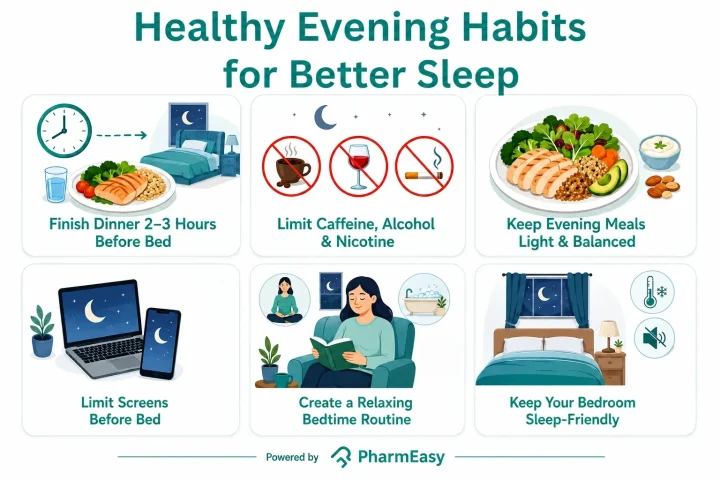
Adopting a few healthy habits in the evening can improve both your sleep quality and overall well-being. Here are some evidence-based practices to include in your nightly routine:
Occasional difficulty falling asleep after eating certain foods is common. However, if sleep problems or digestive symptoms occur frequently or begin to affect your daily life, it is important to seek medical advice. You should consult a doctor if you:
Early evaluation and management can help improve both your sleep quality and overall health.
Good health is built on consistent daily habits, and your evening routine is no exception. Finishing your dinner 2–3 hours before bedtime and choosing a light, balanced meal can support healthy digestion and help you enjoy more restful sleep. Pairing mindful eating with healthy sleep habits can also contribute to better energy levels, improved metabolic health, and overall well-being. While occasional late dinners are unlikely to cause lasting harm, making healthier choices most days of the week can have a positive impact over time. After all, quality sleep is one of the cornerstones of a healthy body and mind.
Also Read: 11 Foods to Avoid Before Sleeping!
Eating late at night may make blood sugar management more difficult for some people with diabetes, especially if the meal is large or high in carbohydrates. Maintaining consistent meal timings and following your doctor’s advice is generally recommended.
Yes. For most people, waiting at least 2–3 hours after a meal before lying down is considered appropriate and may help reduce the risk of acid reflux and indigestion.
If symptoms persist, consult a doctor immediately.
Yes. A 10–15 minute gentle walk after dinner may support digestion, help regulate post-meal blood sugar levels, and contribute to better overall metabolic health. Avoid vigorous exercise immediately after eating.
Yes, if you tolerate dairy well. A small glass of milk before bedtime is generally safe and may be part of a healthy evening routine, but those with lactose intolerance, acid reflux, or milk allergies should choose suitable alternatives or avoid it.
Yes. A short nap of 10–30 minutes after lunch can improve alertness and reduce fatigue. However, long or late-afternoon naps may interfere with nighttime sleep.
Sleeping immediately after eating does not directly cause weight gain, but regularly eating large meals or excess calories close to bedtime may contribute to weight gain over time by increasing total daily calorie intake and promoting unhealthy eating habits.
Disclaimer: The information provided here is for educational/awareness purposes only and is not intended to be a substitute for medical treatment by a healthcare professional and should not be relied upon to diagnose or treat any medical condition. The reader should consult a registered medical practitioner to determine the appropriateness of the information and before consuming any medication. PharmEasy does not provide any guarantee or warranty (express or implied) regarding the accuracy, adequacy, completeness, legality, reliability or usefulness of the information; and disclaims any liability arising thereof.
Links and product recommendations in the information provided here are advertisements of third-party products available on the website. PharmEasy does not make any representation on the accuracy or suitability of such products/services. Advertisements do not influence the editorial decisions or content. The information in this blog is subject to change without notice. The authors and administrators reserve the right to modify, add, or remove content without notification. It is your responsibility to review this disclaimer regularly for any changes.
 105
105  9
9Comments

Leave your comment...
You may also like

























Comments