




Best Vegetable Sources of Vitamin A
By Dr. Malavika Athavale +2 more

Medically reviewed by Dr. Malavika Athavale
Last updated: Sep 11, 2026 Published on: Sep 11, 2020


Get,

to manage your symptom
Get your,

4 Cr+ families
benefitted

OTP sent to 9988776655



You’ve successfully subscribed to receive
doctor-approved tips on
Whatsapp

Get ready to feel your best.


Register to Avail the Offer
Send OTPBy continuing, you agree with our Privacy Policy and Terms and Conditions
Hi There,
Sign up on PharmEasy now!!


Trusted by 4 crore+ families

OTP sent to 9988776655
You have unlocked 25% off on medicines


Code: NU25

By Dr. Malavika Athavale +2 more
Table of Contents
Vitamin A is a fat-soluble vitamin, which is an essential nutrient for several other body functions. It enhances our immune system, supports reproductive health, and supports growth1. According to one study, vitamin A deficiency during pregnancy can affect lung formation in foetus and may be associated with an increased risk of respiratory conditions such as asthma later in life2. Vitamin A is vital for maintaining strong teeth and muscles, and healthy skin and mucus membranes. More importantly, it is crucial for the eyes because it plays a significant role in maintaining our vision3. For good eye and overall health, we must include various foods in our diet, especially foods rich in Vitamin A4.
Also, the human body cannot produce vitamin A, so you must obtain it from your diet. Vitamin A can be obtained from food, either in retinol form, which is present in animal foods, or in beta-carotene form, which is present in plant products. Beta-carotene is an antioxidant that helps protect your cells from harmful free radicals. Your body converts beta-carotene into vitamin A as required. Thus, beta-carotene is a safer source of vitamin A1.
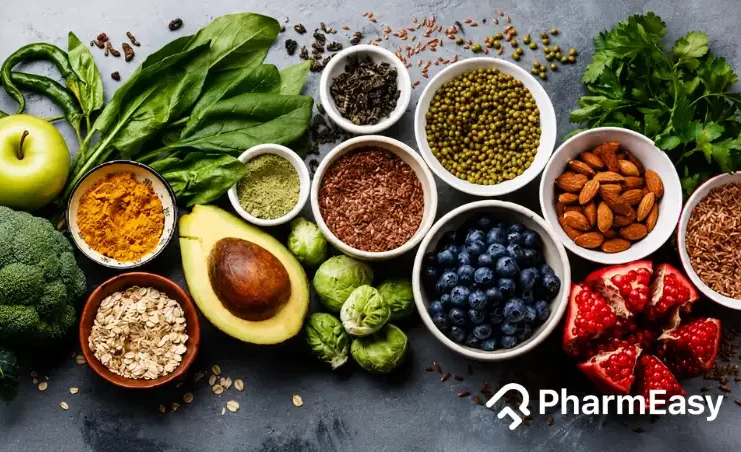
The recommended daily dose is 900 mcg for men, 700 mcg for women, and 300 to 600 mcg for children1.
Vitamin A is available in various natural food sources mainly in leafy greens, orange-yellow coloured vegetables and fruits, etc1,2. Here is a list of plant-based vitamin A-rich foods:
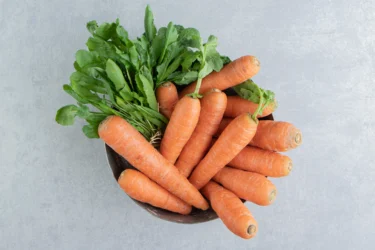
Carrots are the best source of vitamin A, particularly beta-carotene. It is loaded with antioxidants that boost your immunity5 and improve your vision. Carrots also contain vitamins B and C, and fibres which might help reduce constipation and improve your gut health5.
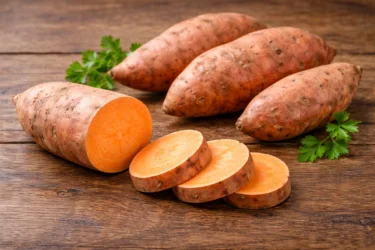
This root vegetable is loaded with vitamin A in the form of beta-carotene6. Bioactive compounds in it have shown anticancer properties in experimental models. It is also filled with carbohydrates, fibres, vitamin C, and potassium, which may help to stabilise blood sugar levels6.
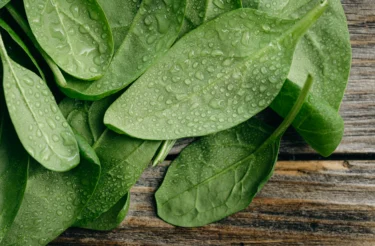
The green leafy vegetable spinach is packed with various essential nutrients. It is an excellent source of vitamin A, iron, and magnesium. Research suggests that spinach can help manage diabetes, improve heart health and more7. You can make a sautéed tasty side dish or soup of spinach.
Also Read: Health Benefits of Green Leafy Vegetables

Pumpkin is another good source of vitamin A. This orange vegetable is rich in beta-carotene and antioxidants, which can help improve your vision and manage eye problems such as age-related macular disease (AMD) and cataract8. You can use it to make soup, pies, and snacks.
A sweet that is high in vitamin A is pumpkin pie. Beta carotene (a form of vitamin A) is abundant in pumpkins. According to a source, consuming large amounts of these nutrients may help protect vision and fend off common eye illnesses. I recommend eating pumpkin pie in moderation to avoid getting too much sugar because it is obviously less healthy than pure pumpkins18.
Dr. Rajeev Singh, BAMS
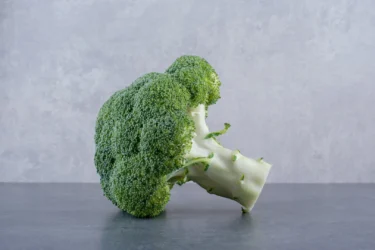
Broccoli is also a rich source of several nutrients including vitamin A. Half a cup of broccoli will provide you with the required amount of vitamin A. It is also rich in vitamin K and vitamin C that are essential to maintain bone health and boost your immunity, respectively9.
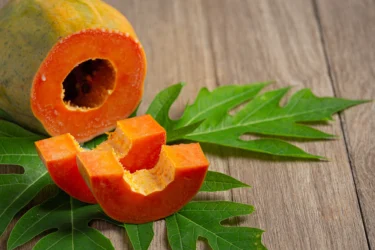
Papaya is great for your vision and skin because of the presence of vitamin A in it. Raw or ripped, both types of papaya provide you with vitamins, minerals, enzymes, and antioxidants10.
Researchers have found that our human body can convert good sources of beta-carotene into retinol hence one can obtain vitamin A by consuming foods that have the most beta-carotene fruits that are yellow, like apricots, papayas, and mangoes17.
Dr. Siddharth Gupta, B.A.M.S, M.D (Ayu)
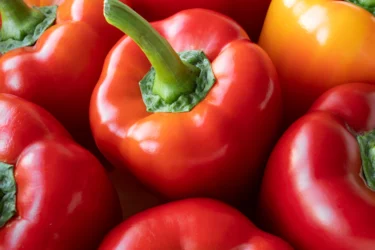
Bell peppers are delicious vegetable full of vitamin A and vitamin C11. They are a good source of antioxidants named capsanthin, which is known to have anti-inflammatory properties and antioxidant properties12 that help keep your body healthy.

This orange-yellow-coloured vegetable is rich in beta-carotene. Squash is nutty and sweet in flavour and can be eaten raw or in cooked form. It also contains potassium, magnesium, sodium, manganese and dietary fibre13.

Milk is a complete food, as it is full of nutrients such as vitamins, calcium, protein, and magnesium14. A glass of milk daily is sufficient to provide you the required vitamin A.
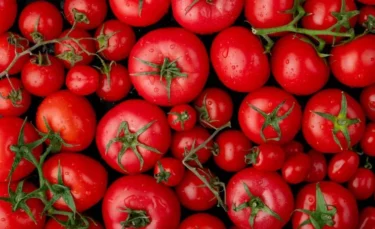
It is a great source of vitamins and antioxidants. They are rich in vitamin A, vitamin C, and lycopene15. They might restrict the cancer cell growth and help lower blood sugar levels16.
Also Read: Cherry Tomatoes: Nutritional Value, Benefits, Uses & More
Vitamin A is an essential nutrient to support eye health and overall well-being. It plays a key role in maintaining vision, strengthening immunity, supporting reproductive growth, and protecting the body from several diseases. Since the body cannot produce it, including a variety of vitamin A-rich foods in your daily diet is important to ensure proper body function and long-term health.
Also Read: Purple Cauliflower: Benefits, Uses, Side Effects & More!
Vitamin A from vegetables is safer and easier for the body to regulate. Plant sources provide beta carotene, which converts to vitamin A only as needed. Supplements can cause excess intake if not used carefully.
Light cooking can actually improve absorption of vitamin A from vegetables. Methods like steaming or sautéing help release beta carotene. Overcooking at very high heat may reduce nutrient levels.
Vitamin A is fat-soluble, so pairing vegetables with healthy fats improves absorption. Adding a little oil, nuts, or seeds to meals helps the body use the nutrients more effectively.
Vitamin A is the active form used directly by the body. Beta carotene is a plant pigment that the body converts into vitamin A as needed. Most vegetables provide beta carotene rather than active vitamin A.
Bright orange, yellow, and dark green vegetables are usually richest in vitamin A. Their natural pigments indicate high beta carotene content. The deeper the colour, the higher the nutrient density in most cases.
Adult men generally need about 900 micrograms, and women about 700 micrograms, per day. Requirements may vary during pregnancy and breastfeeding. A balanced diet usually meets daily needs without supplements.
Vitamin A from vegetables is considered safe because the body converts only what it needs. Excess beta carotene may cause slight yellowing of the skin, but it is harmless. Toxicity is mainly linked to high-dose supplements.
Disclaimer: The information provided here is for educational/awareness purposes only and is not intended to be a substitute for medical treatment by a healthcare professional and should not be relied upon to diagnose or treat any medical condition. The reader should consult a registered medical practitioner to determine the appropriateness of the information before consuming any medication. PharmEasy does not provide any guarantee or warranty (express or implied) regarding the accuracy, adequacy, completeness, legality, reliability, or usefulness of the information; and disclaims any liability arising thereof.
Links and product recommendations in the information provided here are advertisements of third-party products available on the website. PharmEasy does not make any representation of the accuracy or suitability of such products/services. Advertisements do not influence the editorial decisions or content. The information in this blog is subject to change without notice. The authors and administrators reserve the right to modify, add, or remove content without notification. It is your responsibility to review this disclaimer regularly for any changes.
 11
11  2
2Comments

Leave your comment...
You may also like























Comments