




Top 10 Food Sources Rich in Vitamin K
By Dr. Malavika Athavale +2 more

Medically reviewed by Dr. Malavika Athavale
Last updated: Oct 19, 2026 Published on: Mar 16, 2022


Get,

to manage your symptom
Get your,

4 Cr+ families
benefitted

OTP sent to 9988776655



You’ve successfully subscribed to receive
doctor-approved tips on
Whatsapp

Get ready to feel your best.


Register to Avail the Offer
Send OTPBy continuing, you agree with our Privacy Policy and Terms and Conditions
Hi There,
Sign up on PharmEasy now!!


Trusted by 4 crore+ families

OTP sent to 9988776655
You have unlocked 25% off on medicines


Code: NU25

By Dr. Malavika Athavale +2 more
Table of Contents
Vitamins are essential nutrients that perform various roles in our bodies. Each vitamin has properties that support body functions and overall health1. Among them, vitamin K is a fat-soluble vitamin, which is known for its role in blood-clotting, managing excessive bleeding, and supporting bone health2.
In addition to these functions, vitamin K is involved in the activation of proteins that are important for cardiovascular health and plays a key role in several physiological functions. As the body cannot produce sufficient amounts of the vitamin on its own, we need to obtain it through dietary sources, such as green leafy vegetables, fermented foods, and certain animal products2.
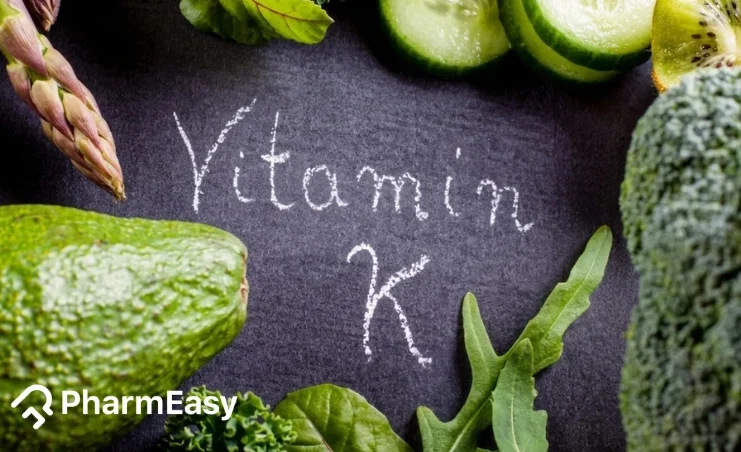
Although vitamin K is essential for our health and well-being, awareness about it is low. Understanding its functions, daily requirement, and food sources is important for maintaining health and managing its deficiency. This article may help you understand why vitamin K is important and which foods can help you meet your vitamin K needs.
Vitamin K is a nutrient that helps in the synthesis of various proteins, for example, prothrombin. Prothrombin helps with blood clotting and healthy bone metabolism. This vitamin activates another protein named osteocalcin, which may help strengthen the bones and regulate blood calcium levels2.
Daily Requirement: According to the National Institutes of Health (NIH), 122 mcg of vitamin K is required for women and 138 mcg for men per day2.
There are a total of three types of vitamin K, but only two are essential for the human body.
Drumstick is a good source of many nutrients and contains multiple health benefits. Along with other nutrients, it is a good source21 of vitamin K.
Dr. Siddharth Gupta, B.A.M.S, M.D (Ayu)
Vitamin K is available in many foods that we regularly add to our diet. While the vitamin is found in many vegetables, fruits, meat, and fermented food, leafy green vegetables are its richest source. Here is a list of some of the best sources of vitamin K:
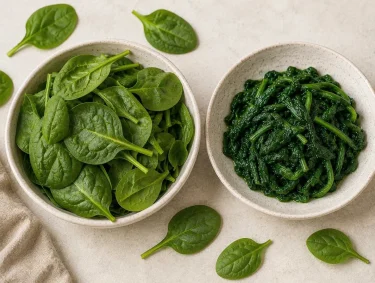
Dark green spinach is considered to be one of the richest sources of many vitamins, minerals, and iron. Spinach is also rich in vitamin K2,3. About 100 grams of raw spinach can give you 482 mcg of vitamin K4. Try to eat spinach in raw form or you can boil it strictly for 1 minute to prevent the loss of nutrients.
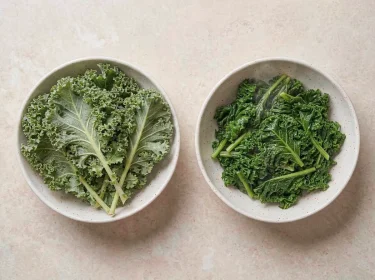
Kale is also one of the best sources of plant-based vitamins, such as vitamin K2,3. A cup of cooked kale can give you 418 mcg of vitamin K5. For better flavour and nutrition, cook the kale for 5 minutes before consumption.
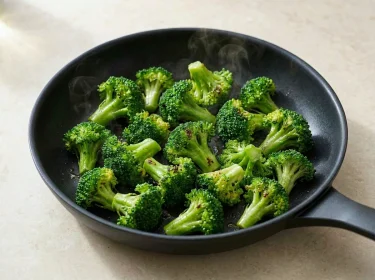
Broccoli is packed with vitamins and antioxidants. It may help strengthen your immunity and help protect the cells from damage caused by free radicals6. The vitamin K content in one cup of cooked broccoli is 162 mcg7. Avoid overcooking the broccoli, as it can reduce its flavour and nutritional value.
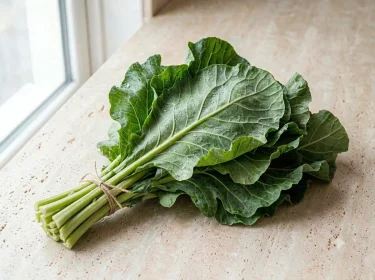
Collard greens are an excellent source of vitamin K, fibre, iron, calcium, and magnesium3. They are low in calories, high in fibre, and are considered to have anti-inflammatory and antioxidant properties3,8. One cup of cooked collard greens provides around 773 mcg of vitamin K9.
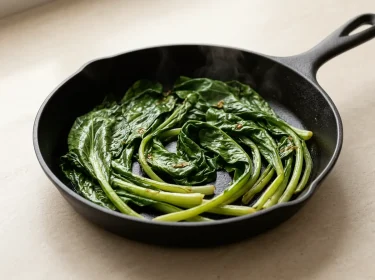
It is one of the best sources of vitamin K3. For best results sauté this vegetable rather than steaming or boiling to prevent the leaves and stems from getting watery and soft. One cup of cooked mustard greens contains 830 mcg of vitamin K10.
Also Read: Know About 20 Super Healthy Leaves You Must Eat!
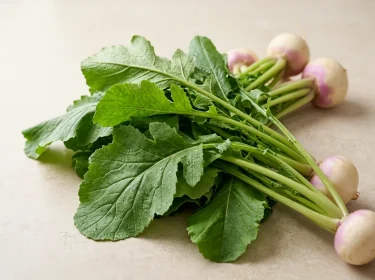
Turnip greens are also a good source of vitamin K2,3. They contain phytonutrients that help lower inflammation and help reduce the risk for cancer11. One cup of cooked turnip greens contains about 676 mcg of vitamin K12.
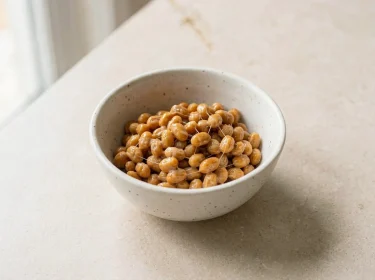
Natto is a sticky, fermented Japanese food made from fermented soybeans. As it is fermented, it is full of probiotics that help to produce vitamin K in your gut2,13. Natto is also a good source of fibres and proteins which may help keep your digestion as well as bones healthy13. About 100 grams of natto contain 23.1 mcg of vitamin K14.
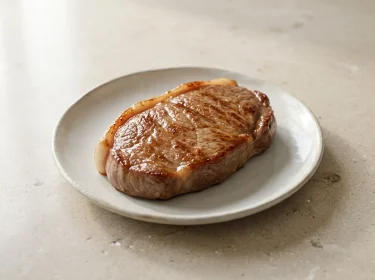
Lamb contains high-quality proteins, essential fatty acids, minerals, and vitamins, and might help strengthen your bones and improve your metabolism. About 100 g of lamb contains 4.3 mcg of vitamin K15,16.
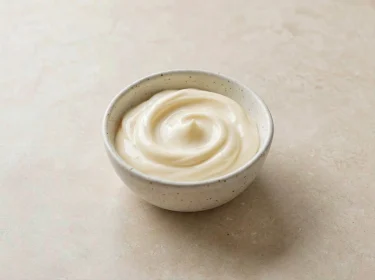
Mayonnaise, which is usually used as a salad dressing, also contains vitamin K. One hundred grams of mayonnaise contains approximately 163 mcg of vitamin K. Mayonnaise also contains vitamin E, which is good for your hair and skin17.
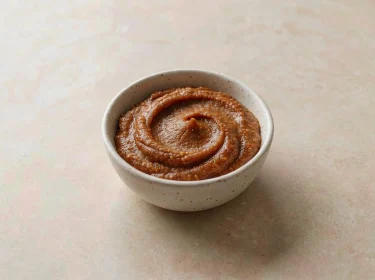
Miso is another Japanese food that is made from fermented beans. It enhances probiotic growth in the gut, which boosts nutrient absorption. About 100 g of miso contains 29.3 mcg of vitamin K18,19.
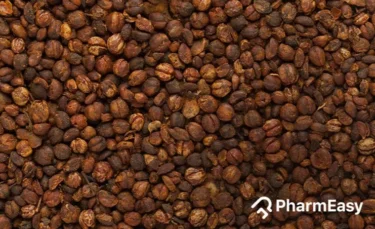
There are many dietary sources21 of vitamin K. One such source is curry leaves. Half a cup of curry powder can give you 2 mcg of vitamin K.
Dr. Rajeev Singh, BAMS
Despite several natural food sources of the vitamin, vitamin K deficiency may occur in some individuals. Untreated vitamin K deficiency may lead to serious issues, such as:
Vitamin K deficiency in newborns can be a life-threatening condition if not corrected immediately.
Although rare, the excessive consumption of supplements may lead to toxicity. Vitamin K may also interact with many medications, for example, blood thinners (e.g., Warfarin)20 and cholesterol-lowering medications. Therefore, it is essential to consult your physician before you start vitamin K supplementation.
Also Read: Best Vitamin D3 Rich Foods for Vegetarians
Vitamin K is an essential fat-soluble vitamin that is mainly known for its role in blood clotting and bone health. It is found in many food sources, such as leafy greens, natto, and lamb, and provides many health benefits. However, you should take vitamin K only after approval from your physician as it may interact with some medications and its excessive supplementation may lead to toxicity.
Mustard greens and collard greens are among the highest sources, followed closely by spinach. One cup of cooked mustard greens provides about 830 mcg, one cup of cooked collard greens about 773 mcg, and 100 g of raw spinach about 482 mcg4,9,10.
Adults need an Adequate Intake of about 90 mcg/day for women (including pregnant and lactating women) and 120 mcg/day for men2. Requirements are lower for children and vary according to age.
Vitamin K deficiency can show up as easy bruising, unusually heavy bleeding from minor cuts, bleeding gums, or dark, blood-tinged stool or urine2. It is rare in healthy adults but can be serious in newborns, and persistent bruising or bleeding should be evaluated by a doctor.
Cooking does not significantly destroy vitamin K in most vegetables, it’s fairly heat-stable compared to water-soluble vitamins like vitamin C. Research measuring vitamin K retention after boiling, steaming, and blanching found levels in vegetables often stayed the same or even appeared higher after cooking, likely because heat breaks down plant cell walls and makes the vitamin easier to extract22.
Yes, mainly through fermented foods. Natto is one of the richest sources of vitamin K2 (specifically menaquinone-7), and regular intake has been shown to raise circulating MK-7 levels in the body. Sauerkraut contains smaller, more variable amounts, and vegetarians who eat dairy can also get K2 from fermented cheeses23,24.
Disclaimer: The information provided here is for educational/awareness purposes only and is not intended to be a substitute for medical treatment by a healthcare professional and should not be relied upon to diagnose or treat any medical condition. The reader should consult a registered medical practitioner to determine the appropriateness of the information and before consuming any medication. PharmEasy does not provide any guarantee or warranty (express or implied) regarding the accuracy, adequacy, completeness, legality, reliability, or usefulness of the information; and disclaims any liability arising thereof.
Links and product recommendations in the information provided here are advertisements of third-party products available on the website. PharmEasy does not make any representation of the accuracy or suitability of such products/services. Advertisements do not influence the editorial decisions or content. The information in this blog is subject to change without notice. The authors and administrators reserve the right to modify, add, or remove content without notification. It is your responsibility to review this disclaimer regularly for any changes.
 25
25  2
2Comments

Leave your comment...
You may also like























Comments