




9 Essential Monsoon Hair Care Tips For You!
By Dr. Raina N. Nahar +2 more

Medically reviewed by Dr. Avinav Gupta
Last updated: Oct 21, 2026 Published on: Mar 9, 2022


Get,

to manage your symptom
Get your,

4 Cr+ families
benefitted

OTP sent to 9988776655



You’ve successfully subscribed to receive
doctor-approved tips on
Whatsapp

Get ready to feel your best.


Register to Avail the Offer
Send OTPBy continuing, you agree with our Privacy Policy and Terms and Conditions
Hi There,
Sign up on PharmEasy now!!


Trusted by 4 crore+ families

OTP sent to 9988776655
You have unlocked 25% off on medicines


Code: NU25
Comments
Leave your comment here

By Dr. Raina N. Nahar +2 more
Table of Contents
After the long hot summer passes, the refreshing monsoon welcomes us, making us feel alive and bringing relief from the scorching heat of the summer season. However, this is also the season in which our bodies need some extra care. We probably do take excellent care of our body and skin, but our hair is often neglected, leading to issues like frizziness, hair fall etc. In short, monsoon hair care is essential!
In this blog, we’ll share some simple tips that you can follow to keep your tresses healthy and shiny even during the rainy season.

It is known that monsoons can cause hair damage as the climate is sticky due to excessive humidity1. This increases the probability of dandruff, hair fall, and other problems too. So, your hair needs utmost care.
Follow the below-mentioned tips to keep your hair problems to a minimum this monsoon.

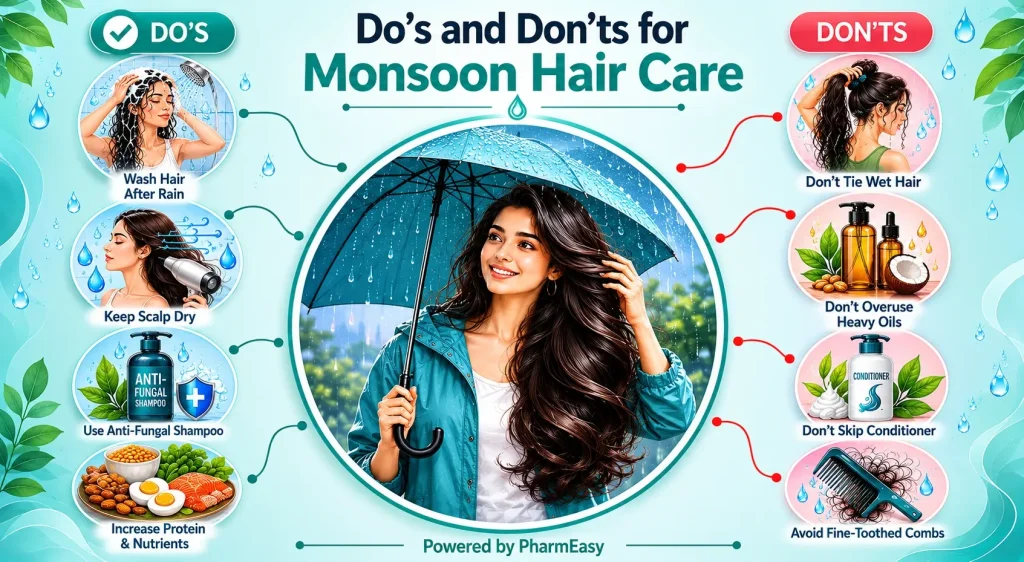
One of the most useful and straightforward hair care tips is to protect your hair and scalp from getting drenched in the rain. If this happens, dry your hair well and wash it when possible. Use a soft microfiber towel that absorbs water rapidly and reduces friction between the hair and the towel, decreasing hair fall.

Applying coconut oil 15 minutes before shampoo helps in preconditioning your hair. A pre-shampoo treatment with coconut oil reduces hair porosity and lessens the water your hair soaks up during washing2. However, in humid monsoon conditions, heavy oiling for long durations may worsen scalp oiliness or dandruff in some individuals. Instead, lighter oils such as argan oil, jojoba oil, or almond oil may be better suited for humid weather as they are less barrier-forming and easier to wash out9. It also helps deal with scalp problems in men and women, although these could be due to several reasons and may need a dermatologist’s consultation.

Diet plays a significant role in keeping your hair healthy. Nutrients protect your hair from damage and help promote hair growth3. Add protein-rich foods like eggs, walnuts, dairy products, and whole grains, along with green vegetables, to your regular diet as they provide shine to your hair. And berries, nuts, spinach, and sweet potatoes are some of the best food for hair growth.
It’s important not to Shampoo hair daily, as there are some oils produced by scalp itself which should not be washed away daily.
Dr. M.G. Kartheeka, MBBS, MD(Pediatrics)
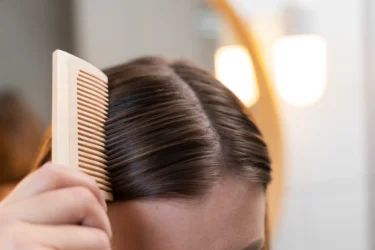
Hair is weaker when wet and more prone to breakage. To protect your strands, avoid rough combing on wet hair; instead, opt for tapered cuts that reduce snapping at the ends, and gently detangle after drying. The key hack: check how your hair breaks during both wet and dry combing to truly understand its strength4.
Choose the right comb (wide-tooth), so it can easily detangle your hair. Make sure the teeth of the comb have enough space in between so that the hair does not break while combing. Also, sharing of combs must be avoided to prevent fungal infections. Clean your comb frequently to avoid hair and scalp infections.
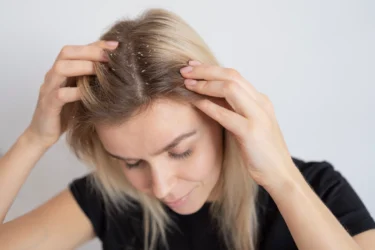
Low ultraviolet index and low humidity might lead to a higher prevalence of dandruff5. Dandruff is a very common cause of hair fall in men and women. Thus, to get rid of dandruff in the monsoon season, try using over-the-counter antifungal shampoos. You can also try some natural ways to get rid of dandruff. If these don’t work, consult a dermatologist as dandruff can occur due to several scalp issues.

One of the simple tips to stop hair breaking during this season is to keep your hair short. This will reduce your hair fall problems by a lot since you won’t be exerting on your roots by pulling down on longer hair. Short hair also reduces the hassle of maintaining it.
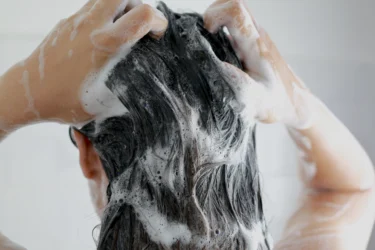
During the monsoon season, our hair turns dry, brittle, and frizzy. Due to the extra humidity, hair loses its lustre and volume. Choosing the right shampoo and conditioner, depending on your hair type, will help a great deal to keep your mane manageable6. After shampoo, it is pertinent that you use conditioner to give an added volume and bounce to your hair. Conditioner will also keep your hair shinier and bouncier for a longer time. To finish it all off, use a good hair serum on damp hair that will protect your hair from frizz and roughness.
Monsoon usually causes the scalp to produce more oil and hair may appear oilier than usual, and you may experience more hair fall, washing 3 times per week usually helps.
Dr. Ashish Bajaj, M.B.B.S., M.D. in Clinical Pharmacology and Toxicology.

When stepping outside, always tie your hair in a ponytail or a bun to protect it from getting drenched. This will also prevent frizz and rule out all the additional hair and scalp problems, like itching and bacterial accumulation on the scalp, that may happen if rainwater keeps getting settled on your hair repeatedly.
Also Read: Can Wegovy Cause Hair Loss? Here’s What You Should Know
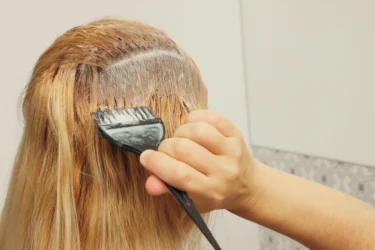
If your hair is prone to breakage, being dry and brittle, steer clear of colouring your hair during the monsoons. Getting your hair coloured or highlighted can make it even drier and lifeless. Colouring and hairstyling expose your hair to a lot of heating, chemicals, and other treatments that tend to make your hair look dull7,8. However, if you plan on taking good post-colouring hair care, you may consider colouring. Also, minimise the use of hair styling products and heat.
Also Read: Natural Home Remedies for Ringworm
DIY masks are known to support scalp health, reduce dandruff-related irritation, and improve hair shaft strength during humid monsoon conditions. These are some of the popular DIY masks that you can try this monsoon:
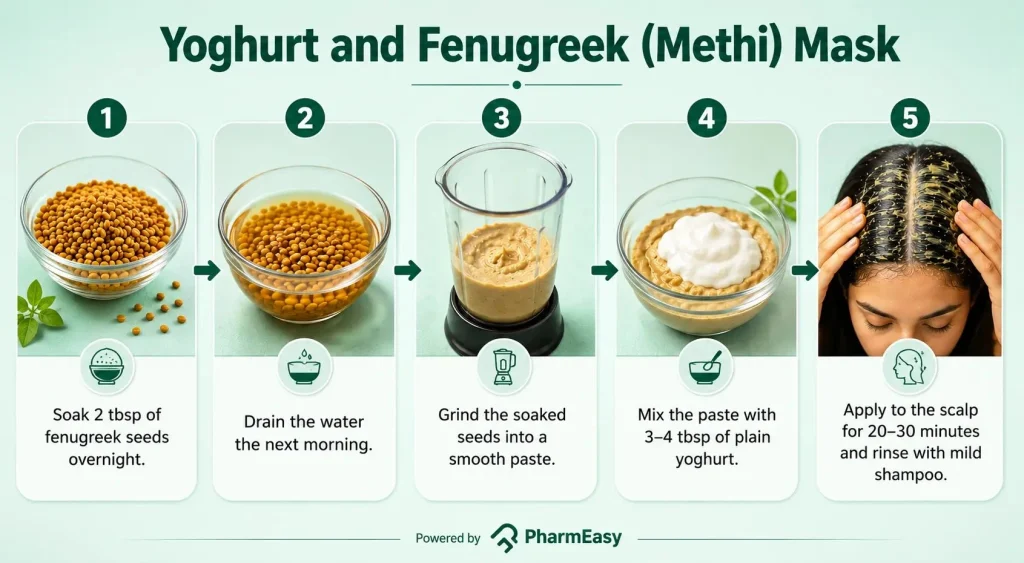
Yoghurt contains lactic acid that may help gently exfoliate the scalp10, while fenugreek has proteins and anti-inflammatory properties that may support scalp health11.
How to Use:
Benefits: May help to reduce dandruff, mild scalp inflammation, and dryness-related hair fall12
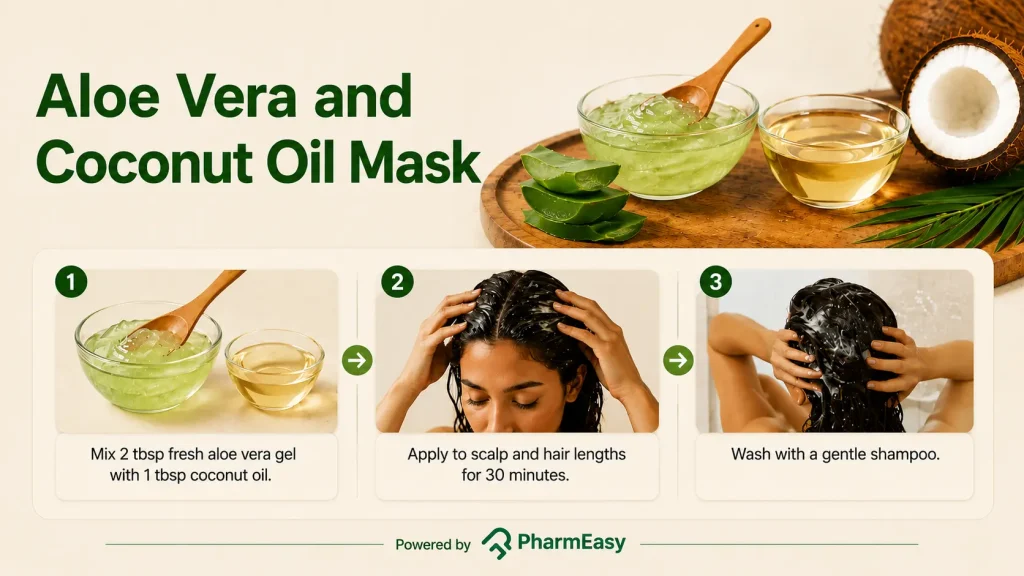
Aloe vera has soothing and anti-inflammatory effects that may help repair dead skin cells13, while coconut oil may help to reduce protein loss from hair shafts and provide shiny hair.
How to Use:
Benefits: May help to soothe an itchy scalp and reduce hair breakage due to dryness or humidity stress.
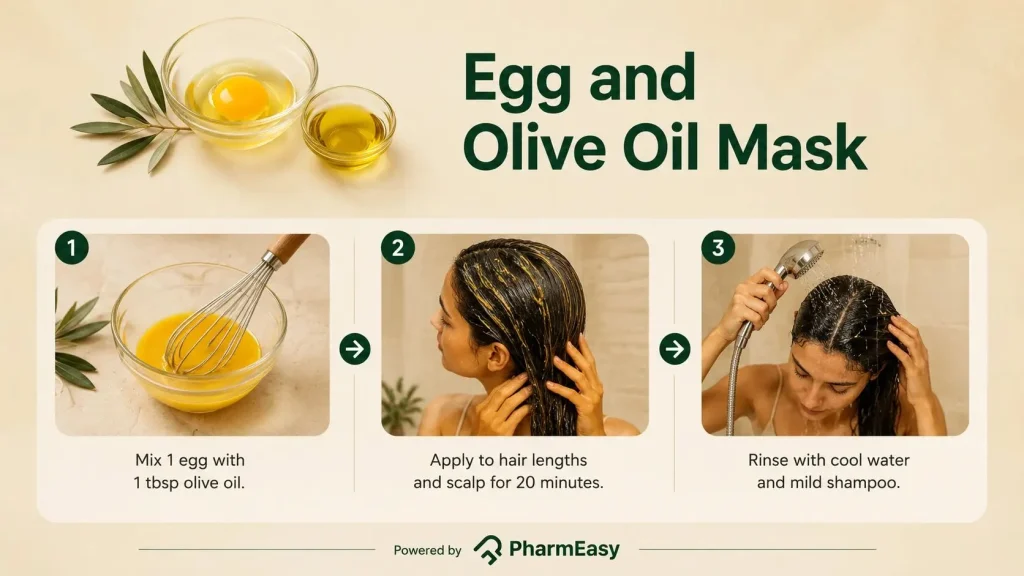
Eggs provide proteins, biotin and amino acids, while olive oil, on the other hand, is packed with fatty acids and vitamin E, which may help to improve hair shaft lubrication and reduce breakage14.
How to Use:
Benefits: It may support hair strength and volume, and reduce brittleness.
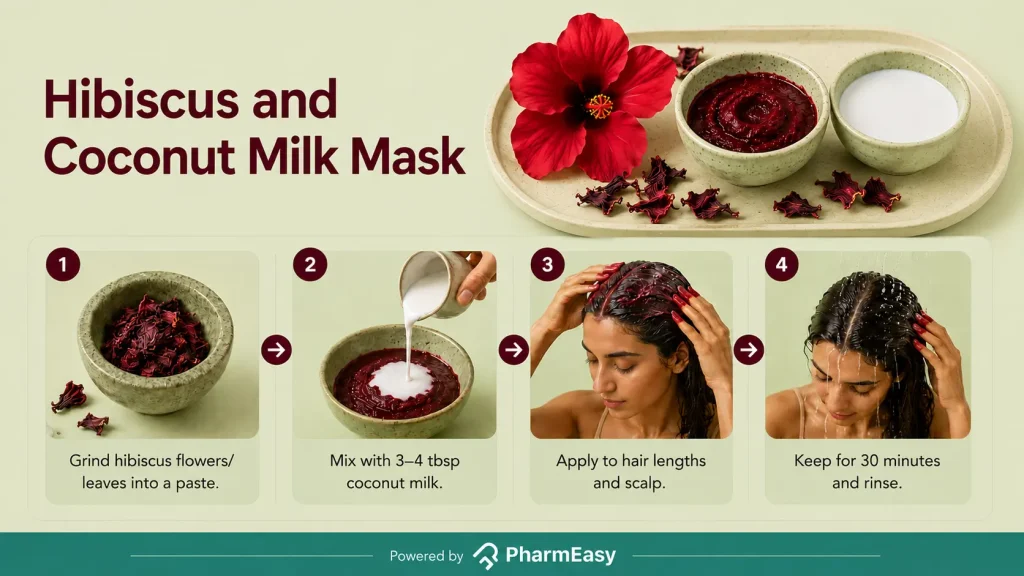
Hibiscus contains natural antioxidants and amino acids15 and coconut milk may provide healthy fats that help to moisturise and soften the hair16.
How to Use:
Benefits: May support scalp nourishment and reduce hair fall due to breakage.
Note: Do a patch test before applying any mask to check for allergic reactions. Persistent or severe hair loss should be evaluated by a dermatologist, as it may be due to hormonal, nutritional, or other medical causes.
Also Read: Simple Home Remedies For Fungal Infections!
You should consult a dermatologist if your seasonal shedding exceeds 100 strands a day or if you develop persistent signs of a scalp fungal infection. Watch out for signs such as intense, itching, stubborn yellowish flakes that stick to the scalp, circular bald patches, or painful, pus-filled bumps (folliculitis)22. These symptoms may indicate a medical issue that over-the-counter anti-frizz serums and regular shampoos cannot fix, and it requires prescription anti-fungals to manage permanent hair loss.
Also Read: Blood Test for Hair Loss: Who Should Get Tested, Types and Prevention
The monsoon season may bring relief from heat, but it also brings unique challenges for your hair. The above hair care tips can be followed during monsoons to keep your hair healthy, safe and lustrous even during the rains. With a little extra care and consistency, you can enjoy the rain with your hair at its best.
Also Read: How to Get Rid of Static Hair Naturally: Home Remedies and Tips
During the monsoon, washing hair 2–3 times per week is generally sufficient. Over-washing can strip natural oils and make hair dry, while under-washing may increase scalp oiliness and fungal growth due to humidity.
Losing about 50-100 hairs per day is considered normal, including during the monsoon. A temporary mild increase can occur due to humidity, scalp sweating, and fungal irritation, but excessive or patchy hair loss is not normal.
Yes, monsoon can contribute to increased hair fall due to higher humidity, increased risk of scalp infections (like dandruff or fungal growth), increased sweating, and weakened hair roots from environmental changes.
In most cases, monsoon-related hair fall is temporary (telogen effluvium) and hair regrows once scalp health improves and the triggering factors are controlled. Persistent hair loss beyond a few months should be evaluated by a doctor.
Yes, high humidity during monsoon causes hair strands to absorb moisture from the air, leading to frizz, dryness, and loss of smoothness. Proper conditioning and anti-frizz care can help manage it.
Disclaimer: The information provided here is for educational/awareness purposes only and is not intended to be a substitute for medical treatment by a healthcare professional and should not be relied upon to diagnose or treat any medical condition. The reader should consult a registered medical practitioner to determine the appropriateness of the information and before consuming any medication. PharmEasy does not provide any guarantee or warranty (express or implied) regarding the accuracy, adequacy, completeness, legality, reliability or usefulness of the information and disclaims any liability arising thereof.
Links and product recommendations in the information provided here are advertisements of third-party products available on the website. PharmEasy does not make any representation on the accuracy or suitability of such products/services. Advertisements do not influence the editorial decisions or content. The information in this blog is subject to change without notice. The authors and administrators reserve the right to modify, add, or remove content without notification. It is your responsibility to review this disclaimer regularly for any changes.
 3
3  2
2Comments

Leave your comment...

View all comments(3)
You may also like
























Thank you, glad you liked it.
Thank you for sharing these amazing tips with us!
You are most welcome. Hope you found it useful.