




Constipation in Kids: A Research-Based Guide for Parents
By Dr. Anmol Batra +2 more

Medically reviewed by Dr. Anmol Batra
Last updated: Sep 15, 2026 Published on: Jan 23, 2024


Get,

to manage your symptom
Get your,

4 Cr+ families
benefitted

OTP sent to 9988776655



You’ve successfully subscribed to receive
doctor-approved tips on
Whatsapp

Get ready to feel your best.


Register to Avail the Offer
Send OTPBy continuing, you agree with our Privacy Policy and Terms and Conditions
Hi There,
Sign up on PharmEasy now!!


Trusted by 4 crore+ families

OTP sent to 9988776655
You have unlocked 25% off on medicines


Code: NU25

By Dr. Anmol Batra +2 more
Table of Contents
Constipation, although common in children, is often missed or not given much thought. However, parents need to understand the issue at hand so that they can avoid long-term struggles for their child. This article brings you research-backed advice to understand and deal with constipation in children.
The article delves into the symptoms, causes, and risk factors linked to constipation in kids. We are providing an overview of different methods to avoid and manage it. This includes home remedies and medical treatment. We will also share some tips on how to get ready for a doctor’s visit and answer some typical queries parents often have about their child’s gut health.
Did you know?
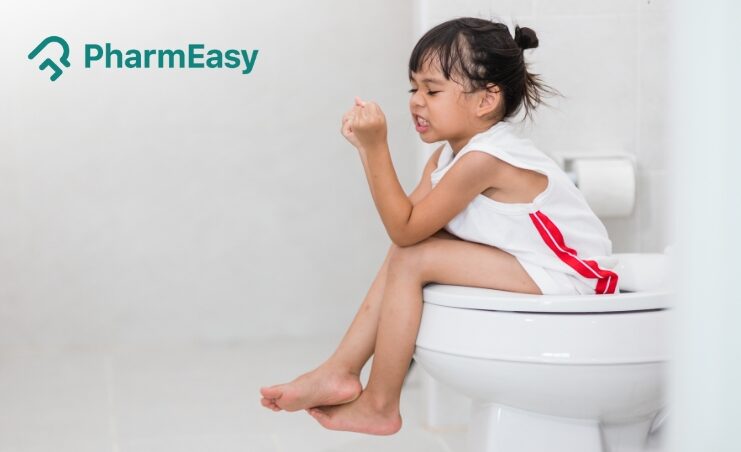
Constipation refers to passing stool less than three times a week1. If your child is constipated, they might find it difficult to pass dry and hard stools, as it causes discomfort and even pain1. Despite causing discomfort, constipation is temporary and can be fixed. Dietary changes, more exercise, and good toilet habits may help prevent constipation.
Although adults and children display similar symptoms when constipated, there are some differences2. In children, constipation can occur due to early toilet training, diet changes, withholding for different reasons, and certain medical conditions1. Knowing these triggers may help parents manage their child’s condition better.
Other than the hard, dry stools characteristic of constipation, children may show different symptoms depending on their age.
Several factors can cause constipation in kids. Here are a few.
In my experience, toddlers often get constipation as a result of holding their poop. This leads to the absorption of too much fluid in their colon, which makes their excrement dry and difficult to move. Young children may withhold their stools because of a desire to continue doing whatever it is they’re doing, like playing, feel ashamed to use restrooms in public, are concerned that it will hurt to poop, are anxious about using the loo for the first time, aren’t developmentally prepared to use the toilet9.
Dr. Siddharth Gupta, B.A.M.S, M.D
Risk factors that may make a child prone to constipation include:
If ignored, constipation can lead to issues, such as:
To avoid constipation in kids, you may try the following.
Some simple home remedies may help relieve constipation in children. These approaches are supportive and may help ease symptoms; however, it is advisable to consult a doctor if constipation persists or worsens. The following measures may be helpful:
Ensuring adequate fluid intake is one of the most important steps. Water helps keep stools soft and easier to pass. When a child does not drink enough fluids, stools can become hard and dry, making bowel movements difficult. Along with water, fluids such as soups or diluted fruit juices (as appropriate for age) may also support hydration1,2.
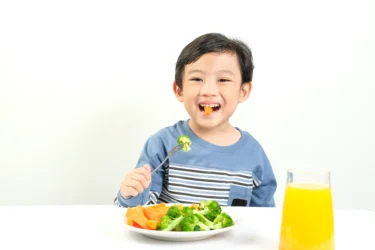
Dietary fibre plays a key role in maintaining healthy bowel movements. It adds bulk to the stool and helps it move more easily through the intestines. Include a variety of fibre-rich foods in your child’s diet, such as fruits (papaya, banana, pears), vegetables (beans), and whole grains (oats, whole-grain cereals or breads). It is advisable to increase fibre gradually and ensure adequate fluid intake alongside it, as a sudden increase may cause bloating or discomfort1.
Certain foods have a gentle, natural laxative effect and may help stimulate bowel movements. Prunes and pear juice are commonly used options and may be helpful in children older than 6 months. These foods contain natural sugars and fibre that can help soften stools. They should be given in moderation and under medical guidance1.

Regular physical activity can help stimulate the natural movement of the intestines (bowel motility), which supports regular bowel habits. Encourage your child to stay active through play, walking, or age-appropriate exercises. Even simple daily movement may help reduce the likelihood of constipation2,5.
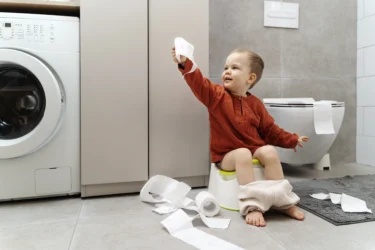
Healthy toilet habits are essential in preventing and managing constipation. Encourage your child to use the toilet at the same time each day, preferably after meals, when the body’s natural urge to pass stools is stronger. Avoid rushing the child and ensure they are comfortable. Proper potty training helps prevent stool withholding (when a child avoids passing stools), which can worsen constipation over time2,5.
These home-based measures may help in mild cases and support overall bowel health, but they are not a substitute for medical care. Seek medical advice if your child has symptoms like persistent constipation, severe abdominal pain, vomiting, or reduced appetite.
In my opinion, when a toddler is constipated, they should avoid meals that have little to no fibre, like ice cream; rice, fast food, chips, foods that have been processed, and large quantities of whole milk9.
Dr. Rajeev Singh, BAMS
You should talk to your child’s doctor if their constipation lasts for more than 2 weeks or, if it’s accompanied by fever, weight loss, refusal to eat, a bloated stomach, blood or mucus in the stools, and constant abdominal pain or rectal protrusion4.
Doctors use several ways to find the root cause of constipation in children. They might take a detailed history, conduct a physical examination, or order tests like an abdominal X-ray, anorectal manometry, barium enema X-ray, transit study, or rectal biopsy1,2.
Your healthcare provider may suggest the following medical management options to help address your child’s constipation.
Note: Seek your doctor’s opinion before using laxatives and enema.
Other therapies may also help manage constipation in kids. They include:
Also Read: Stomach Pain in Kids: Causes, Home Remedies, and Treatment Options
Constipation in children is a common issue. It can lead to discomfort for them and cause worry for their loved ones. Knowledge is power. With the right insights, parents may spot symptoms, know the risks, and address the causes to ensure a healthy lifestyle for the child. A balanced diet, physical activity, and good bathroom habits may help avert constipation. Medical help and other management options can be sought for severe or ongoing cases.
The signs of severe constipation include fewer trips to the toilet, hard and dry stools, discomfort and pain while passing stools, wet spots in underwear from backed-up stool, and avoiding the toilet.
The frequency changes for each child. But generally, if a child hasn’t passed stools for more than 3 days, it’s considered constipation.
Laxatives may cause some side effects like bloating, gas, loose stools, belly cramps, or feeling sick. Always check with a healthcare provider before giving your child a laxative.
If not treated on time, constipation can lead to problems like withholding of stool, soiling of underwear, anal tears, or rectal prolapse. It can also affect a child’s emotions and social interactions.
To motivate your child to drink more water, present it in fun cups or with bright straws. Also, if they are more physically active, they will naturally feel thirsty and drink more water.
Disclaimer: The information provided here is for educational/awareness purposes only and is not intended to be a substitute for medical treatment by a healthcare professional and should not be relied upon to diagnose or treat any medical condition. The reader should consult a registered medical practitioner to determine the appropriateness of the information and before consuming any medication. PharmEasy does not provide any guarantee or warranty (express or implied) regarding the accuracy, adequacy, completeness, legality, reliability or usefulness of the information; and disclaims any liability arising thereof.
Links and product recommendations in the information provided here are advertisements of third-party products available on the website. PharmEasy does not make any representation on the accuracy or suitability of such products/services. Advertisements do not influence the editorial decisions or content. The information in this blog is subject to change without notice. The authors and administrators reserve the right to modify, add, or remove content without notification. It is your responsibility to review this disclaimer regularly for any changes.


Comments

Leave your comment...
You may also like





















Comments