Falls in the Elderly: Life expectancy, Causes, Prevention, & Safety Tips
Introduction
The World Health Organisation defines fall as “an event which results in a person coming to rest inadvertently on the ground or floor or other lower level.” About 684,000 falls are reported each year worldwide involving all ages1. However, accidental falls are more common in the elderly (over the age of 65 years). An estimated 30% of the elderly population have one or more falls each year, increasing up to 50% in adults over 80 years, worldwide2. By 2050, there are expected to be about 200 crore (2 billion) people over the age of 60 years worldwide.In India, the percentage of elderly people is estimated to be 12.4% of the entire population by the end of 20263. About 10 lakh (1 million) elderly people die in India annually, and almost twice as many are injured due to accidental falls. About 10% of the elderly experience recurrent falls4.This can lead to increased health care costs, especially out-of-pocket expenses. Accidental falls in the elderly are fast becoming a major health concern, leading to mental health issues in them and impacting their quality of life5. Fall prevention in the elderly and management of related injuries is a critical challenge for health care personnel globally.
Who is at Most Risk?
Although anyone can fall anytime, certain groups of people are at a higher risk of experiencing a fall, such as:
Increasing age, women, more than men of the same age
People with a previous episode of accidental falls
People with special socioeconomic factors like poor nutrition or individuals staying alone (single individuals)
People with certain medical conditions like:
Parkinson’s disease
Osteoporosis (women are more prone to osteoporosis)
Cataracts
Incontinence of urine
Joint pain, arthritis, osteoarthritis
Dementia
Orthostatic or postural hypotension
Numbness in the feet (peripheral neuropathy as seen in diabetes
Stroke
Diabetes
Cardiac arrythmias (heart rate disturbances) and other heart conditions
Dehydration
Orthostatic hypotension (a condition where there is a sudden fall in blood pressure when you change positions quickly, like sitting to standing)
Sarcopenia (muscle weakness)
Labyrinthitis and vestibular dysfunction (ear problems that can lead to poor balance)6,7,8
There is no one specific reason why the elderly fall. However, there are several factors which can increase the risk of falls and injury in the elderly. Some of these include:
1. Extrinsic or environmental factors
Uneven flooring, stairs, bunched up carpets, wet and slippery floors
Inadequate lighting, cramped spaces, clutter
2. Intrinsic or personalised factors
Improper footwear
Poor vision
Age-related balance or mobility issues
People with certain medical conditions that can cause impaired balance, unsteady gait (way of walking), cognitive impairment (forgetfulness, poor thinking and judgment and inability to make decisions), disabilities, joint and muscle problems, hearing disability, and vision problems
People taking certain medicines (mentioned in the section above)
3. Factors involving special circumstances
Rushing to the bathroom or to answer the phone or doorbell
Doing multiple things at a time causes distraction, for example, talking while walking
Most falls are the result of a combination of one or more factors.
Symptoms of Falls in the Elderly
Symptoms such as dizziness or light-headedness often precede some accidental falls. Many accidental falls may not cause major injuries. However, it is best to watch out for the following symptoms after a fall that may lead to serious complications:
Dizziness or light-headedness
Headache
Vision disturbances
Pain around the joints and the muscles
Difficulty in walking, moving, or getting up
Unconsciousness, strange behaviour
Bruises and bleeding cuts
Clear fluid or bleeding coming out of the nose or ears
Fits or seizures
Contact your doctor immediately if you have any serious symptoms after a fall10,11.
Falls in elderly can be a component of Frailty syndrome. Frailty includes unintentional weight loss, exhaustion, weak grip, low strength, slow gait, low physical activity, poor balance etc. A fall occuring due to this condition can be difficult to manage and have more serious consequences.
There are no specific mandatory tests to be performed after a fall. However, doctors follow standard guidelines and may advise testing depending on the suspected cause of the fall, the type of injuries and your physical condition. These may include:
A thorough physical examination to evaluate the risk and assess the cause of the fall. Blood pressure measurement (to rule out orthostatic hypotension), vision and hearing assessment, and an electrocardiogram.
Doctors may perform one or more of the following tests to assess the balance and determine overall cognitive status in their clinics:
Comprehensive Geriatric Assessment (CGA), involving 5 domains of health, when combined, also assesses the risk of falls
Timed Up-and-Go Test for checking the gait
30-second Chair Stand test to check balance and strength
4-stage balance test for balance while standing in 4 different positions
Berg balance test involving 14 tasks with scores allocated to each task (the lower the score, the higher the risk)
Falls Efficacy Scale does not assess the risk of falls directly. It involves 16 activities with scores allocated to each activity on how concerned/fearful they are about falling (the higher the score, the greater the fear of falling)9,12.
Blood tests for measuring blood glucose levels, electrolytes, haemoglobin, vitamin D levels, etc, to determine the cause of the fall.
Imaging tests like X-rays, Ultrasound, CT scans, and/or MRIs to assess the damage, like broken bones, brain bleeds, etc., depending on your condition9,11.
Treatment of Falls in the Elderly
Treatment of falls in the elderly depends on the cause of the fall, the injuries caused by the fall and the physical condition. Broadly, they can be categorised as:
Treatment of injuries, like casting for fractures, physiotherapy for sprains, dressing and care for cuts and wounds. Only pain medication may be given for minor injuries, while surgical management may be needed for major ones. Treatment for some injuries requires a specialised setting (especially head and neck injuries, and fractures). For instance, in case of head injuries, neuroimaging and monitoring for intracranial bleeding are done, and neurosurgical care may be needed.
Treatment of the cause, like a change in medications, treatment of heart disease or muscle weakness, etc
Prevention of recurrence with exercises for improving balance and muscle strength
Every treatment should be tailored to each case, specifically involving multiple specialists like doctors, nurses, physiotherapists, social and community workers, etc. It is best to discuss the treatment options with your doctor13,14.
How to Prevent Falls in the Elderly?
Although it may not be realistically possible to prevent falls completely, steps may be taken to reduce the chances of falling and fall-related injury in elderly. Fall prevention in the elderly requires a multidimensional approach, for example:
Besides medical or clinical interventions, lifestyle changes and exercise programs should be incorporated in routine. Environmental or home modifications may be required to make the surroundings safer13,15.
Let’s have a look at these in detail in the next section.
In my clinical experience, I have observed elderly people responding well with proprioceptive training which involves exercises like single leg balance on stable or unstable surface, weighted activities like crawling etc which challenges the joints and muscle awareness. These have an advantage of improving stability and body awareness in space, which are useful to avoid falls in them.
Making the elderly feel safe and building their confidence is of prime importance. Adopting certain lifestyle changes and following some safety guidelines can help reduce the risk of accidental falls, such as:
Installing grab bars wherever necessary, especially in the bathroom and toilets
Making things accessible easily, like light switches, telephones, cupboards, and cabinets
Maintaining good and adequate lighting, and installing night lights wherever possible
Removing clutter and making the furniture stable by removing wheels and rickety legs
Using non-slip mats under the carpets, in the bathtubs or showers, on the stairs, in areas where it can be wet and slippery
Keeping corridors and passageways clear of wires, cables, and cords
Removing crumpled or folded carpets, floor rugs and such from the floors and hallways
Replacing locks that can be opened from both sides to have access to a family member or medical team in case of an emergency.
Using a cane or a walker of optimal height for support
Using a personal alarm, emergency telephone or medical alert button, like a necklace or bracelet, with you always so that you can reach out for help in an emergency
Wearing comfortable footwear with anti-slip soles
Being mindful of your movements and surroundings. Get up or stand up slowly, taking enough time to adjust to the new position
Switching to comfortable, functional, and adaptive clothing. Sit down and dress. Keep your ankles clear of fabrics to avoid tripping over them
Resistance and/or strength training to improve balance and muscle strength
Endurance training, like treadmills, bicycles
Doing specific exercises focused on flexibility, functionality, and gait improvement, including Yoga and Tai Chi
Being regular with general checkups, eye exams, and hearing tests
Discussing with your doctor and being aware of the side effects of your medications, especially sleep medications like benzodiazepines (drowsiness), blood pressure medication (orthostatic hypotension), and medications used to treat mental health conditions like psychotropic medications Your doctor may prescribe safer combinations of medications or reduce the dosage of existing medications whenever possible to reduce your fall risk.
Carrying a list of emergency contacts with you if someone else needs to contact your loved ones or caregivers
Eating a balanced, nutritious diet and getting enough sleep
Avoiding smoking and alcohol
Supplementation with vitamin D and calcium (if advised), under medical supervision16, 17,18
Many falls may cause only a slight injury or discomfort. However, if you do not recover from the mild symptoms within a couple of weeks, you should consult your doctor5,10. If you or someone around you is not feeling well or is uncomfortable after a fall, contact your doctor immediately. Seek medical help if you experience worsening of symptoms or developing new serious symptoms like:
Vomiting
Headaches
Dizziness, sleepiness, or drowsiness
Problems with vision, speech, orientation (like places and people), and balance
Seizures or fits
Clear fluid or blood from the nose or ears or worsening of bleeding
Weakness in thelimbs, unsteady walking or losing balance.
Falls in elderly are common and can be dangerous. A single fall can lead to a domino effect of health issues ranging from minor injuries to prolonged hospitalisations, immobility, and loss of independence. Fortunately, avoiding a fall or reducing the chances of a fall is frequently possible with the certain proactive measures. Fall prevention in the elderly is achievable by adopting a multidimensional approach of early recognition and reduction of the risk factors, regular health check-ups, and making optimal lifestyle changes. The responsibility of fall prevention is shared by health care professionals, family members, caregivers, the elderly themselves, and the wider community. Together, with a multidisciplinary, holistic approach, our elderly can not only avoid falls, but also enjoy a life of dignity, independence, and vitality that they deserve in their golden years.
Doctors can assess your risk of falling with the help of STEADI (Stopping Elderly Accidents, Deaths, and Injuries) protocol, which is developed by the Centres for Disease Control and Prevention in three stages: -Screening: A detailed history of previous falls, medical conditions, and problems with movement, like unsteadiness, imbalance, etc –Assessment: Your doctor can perform a series of tests to assess your fall risk. Ask your doctor if you want to know more about them. –Intervention: By helping you to make decisions on your health and implement strategies to reduce fall risk19.
What types of injuries are common with falls in the elderly?
Depending on the force of the fall and how you fall, different parts of the body may be involved, such as bones, joints, muscles, nerves, ligaments, tendons, and blood vessels. A fall can cause fractures of the bones or inside the joints, dislocations, sprains, muscle pulls, nerve damage, cuts, and bruises3,15.
How long does it take to recover from a fall?
The recovery process is slow in the elderly. The recovery time depends on the nature of the fall, injuries caused and the physical condition of an individual. Minor injuries may take a few days to heal. Major injuries like fractures, brain injuries, etc, may take a few months to more than a year. Ask your doctor about the recovery plan and how long it might take in your specific case20.
What is Tai Chi? How does it help reduce the risk of falls??
Tai Chi is a type of exercise routine used in China. It involves several `poses´ that use body weight and gravity to improve balance and strength. Movements like twisting of the torso, shifting of weight, squatting, and controlling the posture help with cognitive improvement. Tai Chi exercises may reduce the risk of falls by improving balance and strength21,22.
Which yoga exercises can help reduce my risk of falls?
Work under the supervision of a certified yoga teacher to learn `asanas´ or poses that improve balance and strength. Follow a simple yoga routine that is tailored to your fitness level and health conditions. To begin with, start with slow and simple exercises, gradually increasing in complexity to achieve the optimal benefits of yoga, and to reduce the risk of falls. Some such poses are: Tree pose Dancer pose Crescent warrior pose Warrior III pose Side plank Figure 4 pose Upward and downward facing dog poses23,24.
Vaishya R, Vaish A. Falls in Older Adults are Serious. Indian J Orthop. 2020 Jan 24;54(1):69-74.[Cited 2025 Aug 15]. doi: 10.1007/s43465-019-00037-x. PMID: 32257019; PMCID: PMC7093636. Available from: https://pmc.ncbi.nlm.nih.gov/articles/PMC7093636/
Amaljith A, Marzo RR, Lekamwasam S, Kisa A, Behera A, S P, Saravanan PB, Shah PB, Mahapatra SS, Gopi K, P V, Swathika R, Baddar NU, John DM, Rajagopal V, Prevalence of fall and its associated factors among elderly population in India: Evidence from the Longitudinal Aging Study of India (LASI). The Evi. 2024:2(2):1-. DOI:10.61505/evidence.2024.2.1.47 [Cited 2025 Aug 15]. Available From https://the.evidencejournals.com/index.php/j/article/view/47
Biswas I, Adebusoye B, Chattopadhyay K. Risk factors for falls among older adults in India: A systematic review and meta-analysis. Health Sci Rep. 2022 Jun 21;5(4):e637. [Cited 2025 Aug 15]. doi: 10.1002/hsr2.637. PMID: 35774830; PMCID: PMC9213836. Available from: https://pubmed.ncbi.nlm.nih.gov/35774830/
Joseph A, Kumar D, Bagavandas M. A Review of Epidemiology of Fall among Elderly in India. Indian J Community Med. 2019 Apr-Jun;44(2):166-168. [Cited 2025 Aug 15]. doi: 10.4103/ijcm.IJCM_201_18. PMID: 31333298; PMCID: PMC6625258. https://pmc.ncbi.nlm.nih.gov/articles/PMC6625258/
Lee AK, Juraschek SP, Windham BG, Lee CJ, Sharrett AR, Coresh J, Selvin E. Severe Hypoglycemia and Risk of Falls in Type 2 Diabetes: The Atherosclerosis Risk in Communities (ARIC) Study. Diabetes Care. 2020 Sep;43(9):2060-2065. doi: 10.2337/dc20-0316. Epub 2020 Jul 1. PMID: 32611607; PMCID: PMC7440903. Available from: https://pubmed.ncbi.nlm.nih.gov/32611607/
Appeadu MK, Bordoni B. Falls and Fall Prevention in Older Adults. [Updated 2023 Jun 4]. In: StatPearls [Internet]. Treasure Island (FL): StatPearls Publishing; 2025 Jan- [Cited 2025 Aug 15]. Available from: https://www.ncbi.nlm.nih.gov/books/NBK560761/
Burns E, Kakara R, Moreland B, Centers for Disease Control and Prevention, National Center for Injury Prevention and Control. A CDC COMPENDIUM OF EFFECTIVE FALL INTERVENTIONS: What Works for Community-Dwelling Older Adults [Internet]. Centers for Disease Control and Prevention; 2022. [Cited 2025 Aug 15]. Available from: https://www.cdc.gov/falls/pdf/Steadi_Compendium_2023_508.pdf
Biswas I, Adebusoye B, Chattopadhyay K. Health Consequences of Falls among Older Adults in India: A Systematic Review and Meta-Analysis. Geriatrics [Internet]. 2023 Apr 18;8(2):43. [Cited 2025 Aug 15]. Available from: https://doi.org/10.3390/geriatrics8020043
Jindal HA, Duggal M, Jamir L, Sharma D, Kankaria A, Rohilla L, Avasthi A, Nehra R, Grover S. Mental health and environmental factors associated with falls in the elderly in North India: A naturalistic community study. Asian J Psychiatr. 2019 Jan;39:17-21. doi: 10.1016/j.ajp.2018.11.013. Epub 2018 Nov 15. PMID: 30472349 Available from: https://pubmed.ncbi.nlm.nih.gov/30472349/
Tillou A, Kelley-Quon L, Burruss S, Morley E, Cryer H, Cohen M, Min L. Long-term postinjury functional recovery: outcomes of geriatric consultation. JAMA Surg. 2014 Jan;149(1):83-9. doi: 10.1001/jamasurg.2013.4244. PMID: 24284836; PMCID: PMC3947094.[Cited 2025 Aug 20]. Available from: https://pubmed.ncbi.nlm.nih.gov/24284836/
Chen W, Li M, Li H, Lin Y, Feng Z. Tai Chi for fall prevention and balance improvement in older adults: a systematic review and meta-analysis of randomized controlled trials. Front Public Health. 2023 Sep 1;11:1236050. doi: 10.3389/fpubh.2023.1236050. PMID: 37736087; PMCID: PMC10509476. [Cited 2025 Aug 20]. Available from: https://pubmed.ncbi.nlm.nih.gov/37736087/
Disclaimer: The information provided here is for educational/awareness purposes only and is not intended to be a substitute for medical treatment by a healthcare professional and should not be relied upon to diagnose or treat any medical condition. The reader should consult a registered medical practitioner to determine the appropriateness of the information and before consuming any medication. PharmEasy does not provide any guarantee or warranty (express or implied) regarding the accuracy, adequacy, completeness, legality, reliability or usefulness of the information; and disclaims any liability arising thereof.
Links and product recommendations in the informationprovided here are advertisements of third-party products available on the website. PharmEasy does not make any representation on the accuracy or suitability of such products/services. Advertisements do not influence the editorial decisions or content. The information in this blog is subject to change without notice. The authors and administrators reserve the right to modify, add, or remove content without notification. It is your responsibility to review this disclaimer regularly for any changes.
Prostate Cancer: Causes, Early Signs, Treatment Options & How to Lower Your Risk
Introduction
The prostate is a small gland in the male reproductive system, which is located below the bladder and in front of the rectum. It surrounds the urethra, the tube that carries urine and semen out of the body. The main function of the prostate is to produce a white, milky fluid called semen that helps carry sperm. The prostate muscles push out the semen during ejaculation through the urethra1.
So, what is prostate cancer? When the cells in the prostate start growing abnormally, it can turn into prostate cancer. In the early stage, these cells grow in a confined place within the prostate gland. But in advanced stages, the cancer spreads beyond the prostate to nearby tissues, adjacent lymph nodes, and to other parts of the body2.
Among men, prostate cancer ranks as the second most common type of cancer worldwide. The risk of developing prostate cancer is higher in men over the age of 50, and this risk continues to increase as men grow older3,4.
In this blog, we will explore the causes, early symptoms, available prostate cancer treatments, and ways to reduce the risk of developing prostate cancer.
Causes & Risk Factors
Prostate cancer develops due to various causes and risk factors. The reasons for prostate cancer include:
Family History: If there is someone in your family who got prostate cancer, there is a risk of you getting it because of a genetic or inherited factor that causes it. Especially if the relative who got cancer is young, the risk is higher.
Genetics: When certain inherited gene changes occur in the BRCA1 and BRCA2 genes (which cause breast or ovarian cancer) it could cause prostate cancer. Men with Hereditary Non-Polyposis Colorectal Cancer (HNPCC), also called Lynch syndrome (a genetic condition that increases the risk of several types of cancer), have a higher chance of getting prostate cancer due to these genetic alterations.
Age: As you age, the risk of getting prostate cancer increases. It is rare below 40 years, but after 50, the risk increases rapidly.
Race: The risk is higher in African Black men than in others, and they may also get more aggressive, advanced-stage cancer. The risk is less in Asian American and Hispanic men than in non-Hispanic white men5.
Diet: Another prostate cancer cause could be your diet. Those who eat a lot of red meat and processed meat have a high risk of getting prostate cancer.
Other factors like obesity and chronic inflammation of the prostate gland, may also contribute to an increased risk of prostate cancer5,6.
How to Recognise Early Signs & Symptoms
The signs of prostate cancer don’t usually show in the early stage, but if they do appear, they can be like
Weak urine flow, starting and stopping in between
Pain or burning while urinating
Sudden urge to urinate
Frequently urinating at night
In advanced stages, the prostate cancer symptoms may include:
Blood in semen
Blood in urine (rarely)
Bone pain
Pain in the hip
Loss of bladder or bowel control due to cancer growth pressing on the spinal cord
Weak or numb legs and feet
The urinary symptoms are seen when the prostate is enlarged and pressing on the urethra, which affects the flow of urine. But these symptoms can also be seen in conditions other than cancer. Therefore you need to visit a doctor, who will do certain tests and find out if you have prostate cancer5,7.
An important point to note while undergoing diansotic tests is that PSA levels will come falsely elevated if done within one week of trans rectal sonography. Thus PSA levels should be done first followed by transrectal sonography. PSA levels increase in various conditions such as BPH, Prostatitis, urinary catheter insertion, ejaculations.
Since early-stage prostate cancer does not show symptoms, it is usually detected only through screening. When symptoms are seen in advanced prostate cancer stages, certain tests are done to diagnose prostate cancer, including:
Doctor taking history and doing physical exam: Your doctor will ask about your urinary symptoms, sexual problems, and bone pain.
Digital rectal exam: The doctor will do this examination by inserting a gloved finger into the rectum to feel if the prostate is hardened. Based on this, the doctor may ask you to take blood tests.
PSA blood test: The prostate produces prostate-specific antigen (PSA). The normal level should be less than 4. If it goes above the range of 4 to 10, then the chance of having prostate cancer is about 50%. This PSA test is done as a screening test for those without symptoms and also for those with symptoms it helps to confirm diagnosis.
Transrectal ultrasound: If your PSA levels are abnormal, this scan is done. A probe is inserted into your rectum and pictures of your prostate are viewed on a computer. This shows the size of the prostate and any changes.
Prostate biopsy: Based on symptoms and blood tests, if your doctor suspects you may have prostate cancer, he will ask you to get a biopsy done. A small area of tissue is taken from the prostate and examined under a microscope to check for cancer cells and to stage your cancer.
Other tests: If cancer is suspected to have spread to the bones, tests like bone scan, CT scan, or MRI scan may be needed in advanced stages, when the cancer has spread outside the prostate to lymph nodes or other parts of the body.
Based on these blood tests, scans, and biopsy reports, prostate cancer is classified into stages. There are 5 main things they look at to stage prostate cancer:
T category: This measures the size of the tumour and whether it has grown outside the prostate, based on exams, scans, and biopsy results.
N category: This shows whether the cancer has spread to nearby lymph nodes.
M category: This indicates whether the cancer has spread to other distant parts of the body.
PSA level: This assesses the risk of cancer spreading, with higher levels suggesting greater risk.
Grade Group (Gleason score): This is based on biopsy results and determines how quickly the cancer may grow or spread.
Based on these five factors, the table below shows the stage of prostate cancer, where the cancer is located, the TNM basics, and its category5,8.
Stage
Cancer characteristics
TNM basics
PSA level
Extent of cancer
Stage I
Cancer is only in the prostate. May be very small, may not be felt or seen on imaging.
T1 (tumour is small, only in prostate), N0 (no lymph node spread), M0 (no spread to other organs)
Low (less than 10)
Localised
Stage II
Cancer is only in the prostate, larger or faster-growing
T2 (tumour larger but still in the prostate), N0 (no lymph node spread), M0 (no spread to other organs)
Moderate (between 10 and 19)
Localised
Stage III
Cancer has grown through the outer layer of the prostate into nearby tissues (such as seminal vesicles) but has not spread to distant organs.
T3–T4 (tumour has grown outside prostate), N0 (no lymph node spread), M0 (no spread to other organs)
High (20 or more)
Locally Advanced
Stage IV
Cancer has spread to nearby lymph nodes and/or distant parts of the body such as bones, lungs, or liver.
Any T (any tumour size), N1 (spread to lymph nodes) and/or M1 (spread to distant organs)
High (20 or more)
Metastatic
Staging of prostate cancer is important because it shows how far the cancer has spread and how the patient is likely to recover over time. It also helps doctors choose the best treatment plan for managing the disease8.
Is Prostate Cancer Curable?
Prostate cancer can often be cured especially when detected early. The treatment for prostate cancer depends on which stage the cancer is in and the overall health of the person. The type of treatment given also plays an important role in how long a patient can survive after treatment.
The average five-year survival rate of prostate cancer, that is the percentage of patients who are likely to survive the effects of cancer until or after 5 years of diagnosis, is about 97%. This also depends on the stage upon diagnosis.Most prostate cancers (about 69%) are found when the cancer is still inside the prostate. At this stage, nearly everyone (100 out of 100) lives at least 5 years after diagnosis. If the cancer has spread to nearby areas, the chances are still very good (also 100 out of 100). But if the cancer has spread to other parts of the body, the chances go down, with about 38 out of 100 individuals living 5 years or more9,10.
Please note that PSA is organ specific that is specific to prostate gland but not cancer specific. Prostrate cancer is a very slow growing cancer and many men die with prostate cancer and not mainly because of prostate cancer.
Based on the stage of prostate cancer, the treatment is planned by the doctor. For stages 1 to 3, the doctor classifies them into risk groups. Cancers in low-risk groups are less likely to grow or spread than those in high-risk groups. Other factors like age, general health, and life expectancy are also considered when choosing treatment.
1. Stage 1 and 2 (Localised)
The low-risk groups do not always need treatment, as the cancer is less likely to grow or spread. Doctors often suggest active surveillance, which means having regular check-ups and tests to keep an eye on the cancer.
In those groups where there is a slight chance that cancer can grow or spread faster, the prostate cancer treatment options include:
Surgery (radical prostatectomy, sometimes with removal of nearby lymph nodes)
Radiation therapy (external beam or brachytherapy)
Focal therapy: freezing the tumour (cryotherapy) or destroying it with focused ultrasound (HIFU); used only in special cases and not usually the first choice
If surgery shows aggressive features, follow-up radiation therapy may be advised and hormone therapy if needed.
2. Stage 3 (Locally advanced)
If prostate cancer is more aggressive and has a higher chance of growing and spreading quickly, treatment options often include:
Radiation therapy (external beam, sometimes with brachytherapy) given along with hormone therapy for 1–3 years.
Surgery (radical prostatectomy) with removal of nearby lymph nodes.
Hormone therapy to stop the body from producing testosterone. This can be medical (androgen deprivation therapy, LHRH agonists and anti-androgens) or surgical (orchiectomy- removal of testicles).
If surgery shows the cancer is aggressive, doctors might recommend follow-up radiation to the area where the prostate used to be, possibly with hormone therapy.
3. Stage 4 (Advanced stage)
If cancer spreads to nearby lymph nodes but not to distant organs, radiation is given along with hormone therapy, if needed. Surgery of the prostate and lymph nodes may also be an option.
If the cancer has spread to distant organs, treatment options include:
Chemotherapy with drugs like docetaxel (first line) or mitoxantrone along with steroids (prednisolone)
Drugs like bisphosphonates if cancer spreads to bones
For very high-risk cancers, doctors may add newer hormone drugs like abiraterone.
Other treatments to help manage symptoms like bone pain include external radiation, sometimes in a precise form called stereotactic body radiation therapy (SBRT). Bone-strengthening medicine like denosumab or zoledronic acid may help, and radioactive drugs such as radium-223, strontium-89, or samarium-153 can also be used.
If the cancer comes back or keeps growing, treatments like immunotherapy, targeted drugs, chemotherapy, or more hormone therapy may be given as the doctor advises5,11.
There are some side effects from prostate cancer treatment, based on the type of treatment used that can include the following:
Surgery: It may cause urine leaks, trouble getting or keeping an erection, bleeding from the bottom, blood clots, lung problems, and infections.
Radiation: Some may experience trouble with erections, pain or irritation near the bottom, diarrhoea, and bladder problems like burning, blood in pee, or leaks.
Hormone Therapy: It can lower male hormones and cause weak erections, less interest in sex, muscle loss, weight gain, weak bones, hot flashes, sweating, and breast swelling. Sometimes, it can also affect blood sugar and fats5.
If you have side effects from prostate cancer treatment, talk to your doctor who will guide you on how to manage them.
How to Avoid or Lower Your Risk?
You can lower the risks of getting prostate cancer by making a few lifestyle changes which include:
Maintain healthy weight and stay active: There is a high risk of getting advanced prostate cancer for men with increased body weight. Therefore, maintaining a healthy weight is important. It’s good to indulge in physical activity regularly.
Eat healthy diet: Eating a lot of colourful fruits and vegetables can provide vitamins and antioxidants that protect your cells. Whole grains are much better than processed food. Try to limit eating red meats like beef or processed meats like sausages and bacon, as these can increase the risk of cancer. Don’t consume excessive sugary drinks and junk food as it can lead to weight gain and increase the risk.
Limit calcium intake: Too much calcium from supplements or diet may increase prostate cancer risk. For those with high risk, it is better to avoid high doses unless your doctor has advised it12.
Quit smoking: Cigarette smoke contains many harmful chemicals which can cause different types of cancer including prostate cancer. Therefore, it is advised to stop smoking to lower the risk13.
Get regular screening: Men above age 50 or those with family history of prostate cancer should get regular screening. PSA test is commonly used for screening. High PSA levels don’t always mean cancer, but your doctor will do further evaluation to confirm7,14.
Supplements: Folic acid-rich food such as green vegetables, beans and orange juice may lower risk of prostate cancer, but high-dose folic acid supplement may not help. Lycopene and soy protein may show benefit to reduce risk, although further studies are needed12,15.
Apart from these lifestyle changes, some medicines like finasteride and dutasteride may help lower prostate cancer risk by blocking hormones that make the prostate grow. But you must only take these if advised by your doctor12.
When to See a Doctor
Any man aged about 50 years or above needs to talk to a doctor about getting a prostate cancer screening test to check prostate health. You need to see a doctor if you have any of these prostate cancer symptoms, including14,16:
Prostate cancer is common in men over fifty but catching it early with regular screenings makes it easier to treat and manage well. You can also lower your risk by living healthy, staying active, eating right, quitting smoking, and getting regular prostate check-ups. Knowing the early signs and getting prompt medical attention can make a huge difference in its preventing spread and enhancing treatment outcome.
If prostate cancer is found early, it can be treated very well. Most men (about 7 out of 10) are diagnosed when the cancer is still inside the prostate. At this stage, almost everyone lives for 5 years or more after diagnosis10.
Does prostate cancer always require surgery?
Not always. If the cancer is slow-growing or you’re older with no symptoms, doctors may just watch it closely. Surgery is usually done only if the cancer grows or spreads outside the prostate7.
Can young men get prostate cancer?
Yes, young men between 25 and 40 can get prostate cancer, but it is rare. Cases are rising because doctors are finding them more frequently through screening tests. Younger men often have more advanced cancer when diagnosed17.
How fast does prostate cancer spread?
Prostate cancer often grows slowly and stays inside the prostate for many years. Some mild types stay local and don’t spread. About 69% of cases stay local, 14% spread nearby, and 8% spread to distant parts. The types that spread fast can do so within 3 to 5 years10,18.
Huncharek M, Haddock KS, Reid R, Kupelnick B. Smoking as a Risk Factor for Prostate Cancer: A Meta-Analysis of 24 Prospective Cohort Studies. American Journal of Public Health. 2010 Apr;100(4):693–701. Available from: https://pmc.ncbi.nlm.nih.gov/articles/PMC2836346/
Bleyer A, Spreafico F, Barr R. Prostate cancer in young men: An emerging young adult and older adolescent challenge. Cancer [Internet]. 2019;10.1002/cncr.32498. Available from: https://www.ncbi.nlm.nih.gov/pubmed/31553489
Van EL, McKinley MA, Washington SL, Cooperberg MR, Kenfield SA, Cheng I, et al. Trends in Prostate Cancer Incidence and Mortality Rates. JAMA Network Open [Internet]. 2025 Jan 27;8(1):e2456825–5. Available from: https://jamanetwork.com/journals/jamanetworkopen/fullarticle/2829547
Moreira DM, Howard LE, Sourbeer KN, Amarasekara HS, Chow LC, Cockrell DC, et al. Predictors of Time to Metastasis in Castration-resistant Prostate Cancer. Urology [Internet]. 2016 Jun 22 [cited 2025 Jun 14];96:171–6. Available from: https://pmc.ncbi.nlm.nih.gov/articles/PMC5536963/
Disclaimer: The information provided here is for educational/awareness purposes only and is not intended to be a substitute for medical treatment by a healthcare professional and should not be relied upon to diagnose or treat any medical condition. The reader should consult a registered medical practitioner to determine the appropriateness of the information and before consuming any medication. PharmEasy does not provide any guarantee or warranty (express or implied) regarding the accuracy, adequacy, completeness, legality, reliability or usefulness of the information; and disclaims any liability arising thereof.
Links and product recommendations in the informationprovided here are advertisements of third-party products available on the website. PharmEasy does not make any representation on the accuracy or suitability of such products/services. Advertisements do not influence the editorial decisions or content. The information in this blog is subject to change without notice. The authors and administrators reserve the right to modify, add, or remove content without notification. It is your responsibility to review this disclaimer regularly for any changes.
Cervical Cancer: What is it, Symptoms, Causes & Treatment
Introduction
Cervical cancer remains a major public health challenge, ranking as the fourth most common cancer among women worldwide1. In India, it is the second most common cancer in women. By 2025, the burden of this cancer in India projected to reach 1.5 million Disability-Adjusted Life Years (DALYs), a measure that combines years of life lost due to premature death and years lived with illness or disability2.
This highlights the urgent need for action. Therefore, understanding what is cervical cancer, along with adopting preventive measures, ensuring early detection, and providing effective treatment, is essential for reducing its impact on women’s health.
Understanding the Cervix
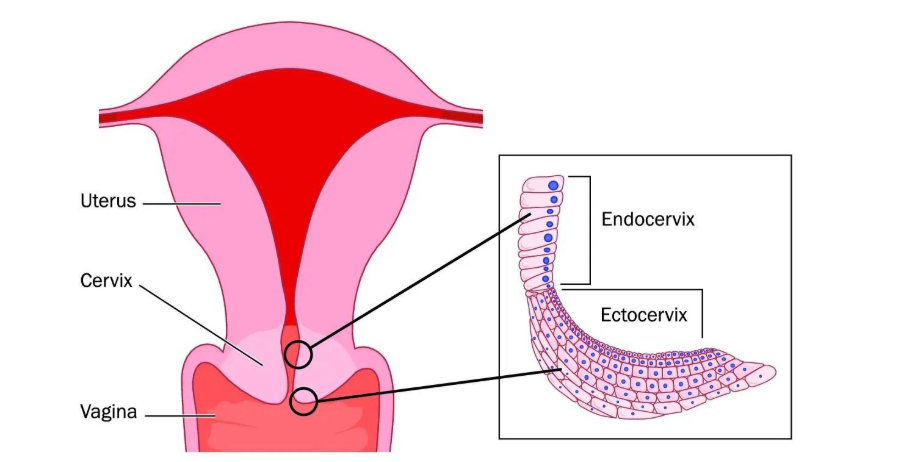
The cervix is the narrow, lower portion of the uterus (womb) that connects it to the vagina (birth canal). It allows fluids (like menstrual blood and mucus) to flow from the uterus into the vagina, and it also widens during childbirth to allow the baby to pass through3.
Ectocervix: The outer part that can be seen during a pelvic exam.
Endocervix: The inner part that forms a canal linking the vagina to the uterus.
The junction/zone where these two parts of the cervix meet is called the squamocolumnar junction (or transformation zone). This is where the thin, flat squamous cells are found, and where most abnormal cell changes and cervical cancers originate.
What is Cervical Cancer?
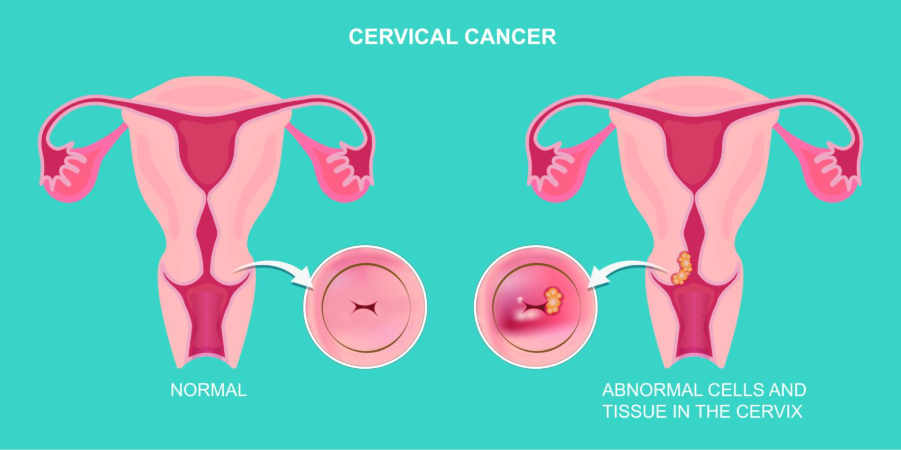
Cervical cancer starts in the cells of the cervix. It usually develops slowly over time. Before cancer forms, the cells in the cervix may undergo changes (dysplasia) and abnormal cells appear in the cervical tissue3.
If these abnormal cells are not detected and treated, these abnormal changes may turn into cancer and grow deeper into the cervix or spread to nearby areas3.
HPV and Cervical Cancer
Human papillomavirus (HPV) is the primary cause of cervical cancer. It is a common sexually transmitted infection that can affect the skin, genital area, and throat. Certain high-risk types of HPV strains (such as HPV 16 and HPV 18) are responsible for about 70% of all cervical cancer cases worldwide4,5.
These viruses can infect the cells of the cervix and cause changes in their DNA. Over time, if the infection does not clear on its own or is left undetected, these changes can lead to dysplasia, which may eventually turn into cancer4.
However, it is important to note that HPV infections are extremely common, often transient, and only persistent infections with high-risk subtypes can lead to cancers. Presence of cofactors like smoking and poor immunity increase the progression risk.
In the early cervical cancer stages, cancer often develops without any noticeable symptoms. This makes it difficult to detect early. Symptoms typically appear only after the cancer has started to spread. Possible early-stage cervical cancer symptoms may include6:
Pelvic pain (especially in the lower abdomen)
Pain during sexual intercourse
Bleeding (vaginal) between periods or unusually heavy/extended periods
Bleeding (vaginal) after sexual intercourse or menopause
Watery vaginal discharge (accompanied by a strong odour or blood)
Postcoital bleeding (bleeding after intercourse) is sometimes the first and the only sign
When cervical cancer becomes advanced (spreading beyond the cervix), symptoms can include those listed above, along with6:
Constant fatigue
Persistent dull backache or abdominal pain
Swelling in the legs
Painful or difficult bowel movements, or rectal bleeding during bowel movements
Painful or difficult urination
Blood in the urine
Foul smelling discharge
Note: It is important to remember that these symptoms can be caused by conditions other than cervical cancer. However, the only way to know for sure is to consult a doctor.
As per my experience, one of the important signs of cervical cancer to be wary of is bleeding after sexual intercourse within 24 hours. If you notice this,consult your doctor immediately.
As discussed earlier, the main cause of cervical cancer is persistent infection with high-risk types of HPV1.
Almost all sexually active individuals may get HPV at some point (often without symptoms), and in most cases, the immune system clears the virus naturally. However, if the infection with a high-risk HPV type does not go away or is left unaddressed (for around 10 to 15 years), it can cause abnormal cell changes in the cervix that may eventually develop into cervical cancer1.
Cervical Cancer Risk Factors
Risk factors that increase the chance of developing cervical cancer include4:
Infection with high-risk HPV types (e.g., HPV 16 and 18)
Smoking
Early age of first sexual intercourse
Multiple sexual partners
High number of births or high parity (due to increased risk of HPV exposure or hormonal/immune influences)
Long-term use of hormonal contraceptives
Weakened immune system (e.g., HIV infection)
Co-infection with other sexually transmitted infections (e.g., Chlamydia trachomatis or herpes simplex virus)
Types of Cervical Cancer
Cervical cancers are classified based on the type of cell where the cancer begins. The main types include:
Squamous Cell Carcinoma: The most common type, accounting for up to 90% of cervical cancer cases. It develops from the squamous cells found in the ectocervix3.
Adenocarcinoma: This type develops in the glandular cells of the endocervix3.
Clear cell carcinoma or mesonephroma: A rare subtype of cervical adenocarcinoma, characterised by abundant clear, glycogen-rich cytoplasm and distinct cell membranes3,7.
Mixed Carcinoma (Adenosquamous Carcinoma): This type contains features of both squamous cell carcinoma and adenocarcinoma and although rare, it is usually more aggressive3.
Note: Very rarely, cervical cancer can even start in other cell types within the cervix3.
Cervical Cancer Stages
Cervical cancer staging describes how far the cancer has grown or spread. Stages include8:
Stage I: Cancer is confined only to the cervix.
Stage II: Cancer has spread beyond the cervix to the upper two-thirds of the vagina or surrounding tissue, but not to the pelvic wall.
Stage III: Cancer involves the lower third of the vagina, pelvic wall, causes kidney issues, and/or has spread to lymph nodes.
Stage IV: Cancer has spread beyond the pelvis or to nearby organs like the bladder or rectum, or distant organs.
Note: The staging now incorporates imaging and pathology findings also.
Diagnosis of Cervical Cancer
If symptoms suggest cervical cancer, further tests are done to confirm the diagnosis. The process often starts with a colposcopy, where the cervix is examined using a magnifying device after applying acetic acid and Lugol’s iodine solution to highlight abnormal areas. If suspicious areas are seen, a biopsy is performed to collect tissue for examination under a microscope. These tests are a crucial part of visual screening in resource-limited areas.
Punch biopsy: Removes small tissue samples from the cervix.
Endocervical curettage: Scrapes cells from the cervical canal.
Loop electrosurgical excision procedure (LEEP): Utilises a thin wire (with an electrical current) to remove tissue. It can also treat early changes.
Cone biopsy (conisation): Surgically removes a cone-shaped section of tissue from the cervix, often under general anaesthesia.
If cervical cancer is confirmed, you will be referred to a gynaecologic oncologist (a specialist in staging and treating cancers of the female reproductive system). They will order tests to determine the stage of the cancer, whether it is confined to the cervix or has spread to other parts of the body.
Note: Excisional biopsy (biopsy where the entire suspicious tissue is removed) can be both diagnostic or therapeutic in very early stages.
Imaging tests: PET-CT scan, MRI, ultrasound, or chest X-ray to locate tumours and detect spread.
Lab tests: Complete blood count and blood chemistry studies to assess overall health and organ function.
Visual examinations: Cystoscopy (to check the bladder) and sigmoidoscopy (to check the rectum and lower colon).
Cervical Cancer Treatment
Cervical cancer treatment depends on the stage of the disease, overall health, and personal preferences. Most patients receive a combination of therapies to remove or destroy cancer cells and prevent recurrence. Common treatments include10:
Radiation therapy: Kills cancer cells using high-energy rays. It can be external (known as external beam radiation) or internal (known as brachytherapy).
Chemotherapy: Kills or stops cancer cells from dividing. It is often combined with radiation in advanced cervical cancer stages. Some common drugs include:
Sentinel Lymph Node Biopsy: Removal of the first lymph node(s) that cancer is most likely to spread to, to check for cancer cells.
Conisation (Cone Biopsy): Surgical removal of a cone-shaped section of the cervix containing abnormal or cancerous tissue.
Radical Trachelectomy (Fertility-Sparing): Removes the cervix and surrounding tissues but preserves the uterus to allow future pregnancy. This along with pelvic lymph node assessment is a valid option for selected early-stage cases.
Bilateral Salpingo-Oophorectomy: Removal of both fallopian tubes and ovaries.
Hysterectomy: Surgical removal of the uterus.
Total Hysterectomy: Removes the uterus and cervix.
Radical Hysterectomy: Removes the uterus, cervix, upper vagina, and a wide area of surrounding tissues, often including pelvic lymph nodes.
Modified Radical Hysterectomy: Removes the uterus, cervix, part of the vagina, and surrounding tissues, but less extensively than a radical hysterectomy.
Total Pelvic Exenteration: Removal of the uterus, cervix, vagina, bladder, rectum, and part of the colon in advanced cancer cases.
Note: A treatment plan is tailored to each patient and may also consider fertility preservation, pregnancy, and follow-up care. It is therefore essential to discuss all available options with your doctor.
Side Effects of Cancer Treatment
Cervical cancer treatment (such as radiation therapy, chemotherapy, targeted therapy, or surgery) can cause a range of side effects. These may vary depending on the type, stage of cancer, and individual response to treatment.
Skin changes (especially in areas exposed to radiation)
Hair loss (mainly with certain chemotherapy drugs)
Vaginal dryness or narrowing
Decrease in sexual drive
Other than these, with radiation treatment, premature ovarian failure and early menopause may occur in premenopausal women. Also, after radical hysterectomy, possible bladder dysfunction can happen due to autonomic nerve damage.
Complications of Cervical Cancer
In advanced stages, cervical cancer and its treatments may lead to several serious complications, similar to those seen in other cancers. These may include4:
Chronic pain
Hydronephrosis (swelling of the kidneys)
Lymphedema (swelling in the legs)
Fistulas (abnormal openings between organs)
Bleeding disorders
Renal failure
Infertility
Besides the above-mentioned, there are concerns which impact quality-of-life such as sexual dysfunction, psychological effect and body image issues and unfortunately these are often under-addressed.
Can Cervical Cancer be Cured Completely?
Cervical cancer can often be cured if it is detected and treated in its early stages1.
Recognising cervical cancer causes and obtaining an early diagnosis through regular screening, such as Pap smears and HPV testing, could greatly improve the chances of cure4. Additionally, when caught early, treatments like surgery, radiation therapy, or a combination of radiation and chemotherapy can be highly effective. However, the likelihood of a cure may decrease if the cancer is diagnosed at an advanced stage, as it may have spread to other parts of the body.
Therefore, regular screening, HPV vaccination, and prompt treatment of precancerous changes are advised for improving long-term survival rates.
Living With Cervical Cancer
Living with cervical cancer can be physically and emotionally challenging, but with the right support, care, and mindset, many women are able to maintain a good quality of life during and after treatment. Coping strategies may include:
Eating small, frequent, nutrient-rich meals and drinking plenty of fluids.
Getting adequate rest while staying moderately active to fight fatigue.
Joining support groups, talking to a counsellor, or leaning on friends and family.
Discussing any intimacy-related concerns with your doctor for advice and solutions.
Attending all scheduled follow-up tests and appointments for monitoring and managing side effects10.
Always keep in mind that managing side effects is an important part of treatment, and your doctor can provide medications, therapies, and lifestyle guidance to help you cope effectively.
Prevention tips focus on reducing cervical cancer risk factors, protecting against HPV infection, and ensuring early detection through regular screening. Some proactive steps include:
Get vaccinated against HPV: The HPV vaccine protects against high-risk HPV strains (especially HPV 16 and 18). It is most effective when given before becoming sexually active (9-14 years) but can be given up to 26 years.In India, the bivalent (Cervarix), quadrivalent (Gardasil), and nonavalent (Gardasil 9) vaccines are available13.
Attend regular screening tests: Pap smears and HPV tests help detect abnormal cervical changes early, when they could be treated before turning into cancer. According to latest WHO recommendations13, HPV DNA testing should be done every 5–10 years for women aged 30–49, or Pap smear every 3 years where HPV testing isn’t available14.
Practice safe sex: Using condoms and limiting the number of sexual partners can reduce the risk of HPV transmission13.
Avoid smoking: Smoking weakens the immune system and increases the risk of cervical and other cancers1.
When to See a Doctor?
You should seek medical attention promptly if you notice any signs or symptoms that could indicate cervical cancer. These may include6:
Unusual vaginal bleeding (between periods, after sex, or after menopause)
Persistent pelvic pain or discomfort
Unexplained vaginal discharge, especially if foul-smelling or blood-stained
Pain during sexual intercourse
Changes in menstrual patterns that are unusual for you
Note: Even if your symptoms seem mild, early evaluation can help detect problems sooner and improve treatment outcomes. Additionally, regular gynaecological check-ups and screenings are equally important, even if you have no cervical cancer symptoms.
Cervical cancer can often be prevented and is highly treatable if found early.
Regular screening, HPV vaccination, and adopting healthy lifestyle habits can greatly reduce the risk of developing the disease. Additionally, early detection enables timely treatment, which improves the chances of a complete cure and helps maintain a good quality of life. Therefore, by staying aware of cervical cancer symptoms, attending routine checkups, and following cervical cancer prevention measures, individuals can take proactive steps to protect themselves.
Frequently Asked Questions (FAQs)
Can men get cervical cancer?
Cervical cancer occurs only in individuals with a cervix. However, men can carry and transmit the human papillomavirus (HPV), which is the primary cause of cervical cancer. Moreover, in men high risk HPV can cause cancers such as penile, anal or oropharyngeal cancer. This is why HPV vaccination is recommended for both males and females1,4.
Can cervical cancer go unnoticed until it reaches the later stages?
Cervical cancer in its initial stages may not always cause any noticeable symptoms. That is why regular Pap smears or HPV testing are essential for early detection4,6.
Can diet or lifestyle changes cure cervical cancer?
While a healthy lifestyle can boost overall immunity and reduce cancer risk, it cannot cure cervical cancer15. Medical treatment is necessary for managing the disease.
Does obesity increase the risk of cervical cancer?
Obesity does not directly cause cervical cancer, but it can make screening more challenging4,16.Excess body weight may make pelvic examinations and Pap smears technically harder, which may lead to missed or delayed detection of precancerous changes. This delay could therefore increase the risk of cervical cancer being diagnosed at a later stage16.
Ramamoorthy T, Kulothungan V, Sathishkumar K, et al. Burden of cervical cancer in India: estimates of years of life lost, years lived with disability and disability adjusted life years at national and subnational levels using the National Cancer Registry Programme data. Reprod Health. 2024;21:111. Available from: https://rdcu.be/ezV6c
Fowler JR, Maani EV, Dunton CJ, et al. Cervical Cancer. StatPearls [Internet]. StatPearls Publishing; [cited 2025 Aug 09]. Available from: https://www.ncbi.nlm.nih.gov/books/NBK431093/
Ahmed HG, Bensumaidea SH, Alshammari FD, Alenazi FSH, ALmutlaq BA, Alturkstani MZ, Aladani IA. Prevalence of Human Papillomavirus subtypes 16 and 18 among Yemeni Patients with Cervical Cancer. Asian Pac J Cancer Prev. 2017 Jun 25;18(6):1543-1548. Available from: https://pmc.ncbi.nlm.nih.gov/articles/PMC6373819/
Cue L, Martingano DJ, Mahdy H. Clear cell carcinoma of the cervix. StatPearls [Internet]. StatPearls; [Publishing cited 2025 Aug 09]. Available from: https://www.ncbi.nlm.nih.gov/books/NBK546591/
Palagudi M, Para S, Golla N, Meduri KC, Duvvuri SP, Vityala Y, Sajja DC, Damineni U. Adverse Effects of Cancer Treatment in Patients With Cervical Cancer. Cureus. 2024 Feb 13;16(2):e54106. Available from: https://pmc.ncbi.nlm.nih.gov/articles/PMC10938271/
Hajiesmaeil M, Mirzaei Dahka S, Khorrami R, Rastgoo S, Bourbour F, Davoodi SH, Shafiee F, Gholamalizadeh M, Torki SA, Akbari ME, Doaei S. Intake of food groups and cervical cancer in women at risk for cervical cancer: A nested case-control study. Caspian J Intern Med. 2022 Summer;13(3):599-606. Available from: https://pmc.ncbi.nlm.nih.gov/articles/PMC9348217/
Maruthur NM, Bolen SD, Brancati FL, Clark JM. The association of obesity and cervical cancer screening: a systematic review and meta-analysis. Obesity (Silver Spring). 2009 Feb;17(2):375-81. Available from: https://pmc.ncbi.nlm.nih.gov/articles/PMC3008358/
Disclaimer: The information provided here is for educational/awareness purposes only and is not intended to be a substitute for medical treatment by a healthcare professional and should not be relied upon to diagnose or treat any medical condition. The reader should consult a registered medical practitioner to determine the appropriateness of the information and before consuming any medication. PharmEasy does not provide any guarantee or warranty (express or implied) regarding the accuracy, adequacy, completeness, legality, reliability or usefulness of the information; and disclaims any liability arising thereof.
Did you know that leukaemia (a type of blood cancer) is the most common cancer diagnosed in children? It accounts for approximately 30.8% of all cancer cases in this age group1.
Blood cancer, also referred to as haematological cancer is defined as cancer originating in the blood-forming tissues such as the bone marrow, lymph nodes and other parts of the lymphatic system1,2. Common types of blood cancer include leukaemia (cancer of the blood cells and bone marrow, characterised by uncontrolled proliferation of abnormal or immature white blood cells), lymphoma (cancer of the lymphatic system), myeloma (cancer of plasma cells in the bone marrow), and rare types of blood cancers such as myelodysplastic syndromes (MDS), and myeloproliferative neoplasms (MPNs)3,4.
Early recognition of symptoms and diagnosis can help to improve your treatment outcomes and increase your chances of long-term survival5.
What Are the Types of Blood Cancer?
Blood cancers can be classified into different types depending on the cells of the blood, bone marrow or lymphatic system affected. The blood cancer types include:
1. Leukaemia
Leukaemia is a cancer that affects your blood cells. It begins in the bone marrow and affects the white blood cells, red blood cells, and platelets. In this condition, your bone marrow produces a large number of abnormal cells, especially white blood cells. Leukaemia can be classified into four types – acute lymphocytic leukaemia (ALL), acute myeloid leukaemia (AML), chronic lymphocytic leukaemia (CLL), and chronic myeloid leukaemia (CML). Broadly, based on how quickly it develops, leukaemias can be classified into two types6:
Acute leukaemia: This type of leukaemia develops and progresses rapidly. Hence, prompt treatment is needed.
Chronic leukaemia: This type of leukaemia progresses slowly and the individual’s condition worsens over a longer period of time, if not treated.
Based on the type of cells affected, leukaemia blood cancer types include6:
Myeloid leukaemia: The myeloid cells (immature cells that develop into granulocytes, monocytes, red blood cells or platelets) are affected.
Lymphoid leukaemia: Lymphocytes, a type of white blood cell, are affected.
2. Lymphoma
Lymphomas are cancers of the immune system that account for approximately 5% of all cancers. Lymphomas occur due to the abnormal growth and multiplication of lymphocytes at different stages of their maturation. Lymphomas can be classified as Hodgkin’s and non-Hodgkin’s lymphomas7.
Hodgkin’s Lymphoma: Defined by the presence of abnormal cells known as Reed Sternberg cells. In most cases, no causative agent has been detected, however, studies have shown many a link between Epstein Barr Virus and Hodgkin’s lymphoma (especially mixed cellularity subset and in immunosuppressed individuals).
Non Hodgkin’s Lymphoma: This is a heterogeneous group with several subtypes where there are no Reed Sternberg cells present. Each of these subtypes differ greatly in prognosis and treatment.
3. Multiple Myeloma
Multiple myeloma is a cancer that causes the abnormal proliferation of plasma cells in your bone marrow. These plasma cells are responsible for forming some of the proteins found in your blood. If not treated, the cancer can damage organs such as bones, kidneys, blood (anaemia), and immune system in your body. This can be summarised by CRAB criteria (high calcium levels [hypercalcaemia], renal [kidney] problems, anaemia [low red blood cell count], and bone pain)8.
Rare Types of Blood Cancer
These include:
Myelodysplastic syndrome (MDS): This is a condition where the bone marrow doesn’t produce enough healthy blood cells. Often seen in older adults (above 65 years of age), this condition can cause symptoms like fatigue, frequent infections, and easy bruising or bleeding. In some cases, MDS can progress to AML9.
Myeloproliferative neoplasms (MPNs): Stem cells in the bone marrow can potentially develop into many types of blood cells. Sometimes, the body overproduces certain cells, causing disorders like MPNs. The four classical types of MPNs include essential thrombocythemia, CML, primary myelofibrosis, and polycythemia vera (PV)10.
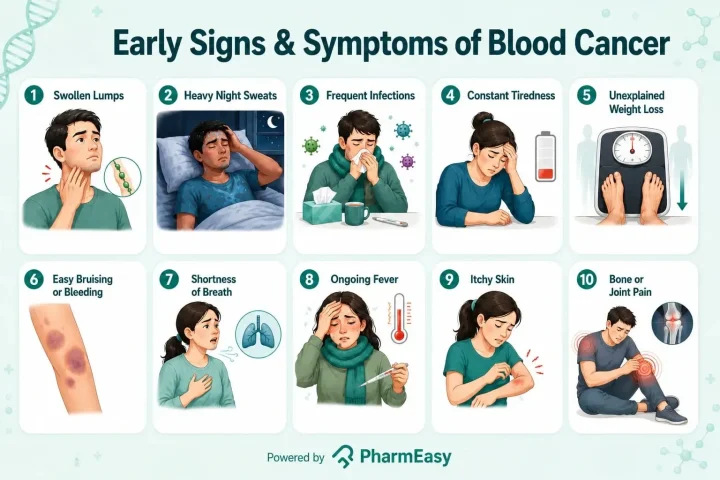
A lump or swelling in the lymph tissues due to the abnormal proliferation of lymphocytes, causing swollen lymph nodes. This can be commonly noticed in your armpit, neck, or groin region.
Profuse night sweats that can soak clothes and sheets.
Infections that are persistent, severe and recur frequently.
Fatigue or tiredness that does not improve after sleeping or resting.
Persistent or recurrent fever. Some blood cancers, such as lymphomas, may present with low-grade fevers or intermittent fever referred to as B symptoms7.
Itchiness is more common in Hodgkin’s lymphoma and certain leukaemias. While rashes may appear in leukaemias, they are not a universal sign12.
Pain in the bones, abdomen or joints.
If you are facing any of these signs and symptoms, it is recommended that you speak to your doctor and seek prompt medical care.
What Causes Blood Cancer?
Blood cancer is believed to be caused due to damage to the DNA of a single haematopoietic stem (blood-forming cell) or progenitor cell. While this is sometimes triggered by one key event, it may also develop gradually through several genetic changes over time. These abnormal cells multiply and eventually collect in the bone marrow, blood, or lymphatic system. This process interferes with the normal production and functioning of the normal healthy cells leading to anaemia, increased bleeding risk due to thrombocytopenia (low platelets) and an inability to fight infections1.
Although the exact causes of blood cancer remain unclear, many genetic and environmental risk factors are identified, which include13,14:
Previous exposure to cancer treatments (chemotherapy)
Exposure to intense radiation
Exposure to certain chemicals, such as benzene
Family history of leukaemia
Exposure to certain viral infections, for example, Epstein Barr virus is linked to some lymphomas, while human T-cell leukaemia virus type 1 (HTLV-1) is associated with adult T-cell leukaemia and certain subtypes of ALL7,13,14.
Age and gender
Syndromes that have a genetic origin, such as Down syndrome and Fanconi syndrome.
Understanding these risks is essential for the early detection of blood cancers.
As per my experience, any persistant bony swelling in individuals aged above 60 years which doesn’t get relieved with pain killers or physiotherapy rather worsens with it and restricts movement, should be evaluated for blood cancers like Multiple Myeloma etc.
Although most blood cancers are not curable, some can be cured based on the stage and type of blood cancer15.
Acute lymphoblastic leukaemia: Children with ALL show high cure rates, though certain individuals may present with a high risk of relapse16.
Chronic myeloid leukaemia: Treatment of CML with tyrosine kinase inhibitors (TKIs) may help to keep the condition under control for many years and is associated with a high survival rate. Advances with modern TKIs have made it possible for some patients to reach a deep level of remission, making it possible to stop treatment while still staying in long-term remission without medication17.
Non-Hodgkin’s lymphoma: Aggressive forms of Non-Hodgkin’s lymphoma can be cured in more than 50% of cases with intensive chemotherapy. Diffuse large B-cell lymphoma often responds well to R-CHOP (chemotherapy regimen), but cure rates depend on the type and the patient’s overall health. Although slower-growing forms of the lymphoma respond well to treatment, (especially in the early stages), advanced stages may relapse despite good long-term survival. Studies18 have shown that modern therapy has improved 5-year survival rates to over 60%.
Multiple myeloma: Although multiple myeloma is considered an incurable disease, treatment with high-dose therapy followed by autologous stem cell support ensures that 3-10% of individuals with multiple myeloma remain free of active disease for more than 10 years after treatment19.
Your treatment outcomes can vary depending on the stage of the disease, your age, your health conditions, and the response of cancer to treatment.
Blood Cancer Stages and Classification
Staging is incorporated to help in the classification based on how much cancer is present in your body. The blood cancer stages include20:
Leukaemias: Leukaemias usually do not use a defined staging method and most leukaemias are classified based on the disease subtype, severity and its effect on your body. However, ALL and AML use risk stratification systems (grouping patients by their risk level). CML uses a staging system (Rai, Binet, and CLL-IPI systems). These systems provide the staging based on lymph node involvement, organ enlargement, anaemia, and platelet levels20.
Lymphomas: Both Hodgkin and most Non-Hodgkin lymphomas use the Ann Arbor staging system. It describes how far the cancer has spread ranging from stage I (single node region) to stage IV (widespread organ involvement), with A indicating the absence or B indicating presence of symptoms like persistent fevers, unexplained weight loss, and night sweats21,22.
Multiple myeloma: Uses the International Staging System (ISS), and the Revised ISS (R-ISS), which relies on blood levels of β2-microglobulin, albumin, serum lactate dehydrogenase and high-risk cytogenetics23.
Understanding staging and grading of blood cancers helps in the treatment planning and determining your prognosis.
How Is Blood Cancer Diagnosed?
After a careful assessment of your symptoms, family history, and a physical examination, your doctor may suggest certain tests which will help in making an accurate diagnosis24:
Blood Tests: These include:
Complete blood count: This test helps to count the number of red blood cells, white blood cells and platelets in your blood.
Blood differential test: This test helps to check the amount of each type of white blood cell (lymphocytes, neutrophils, monocytes, eosinophils, and basophils) present in your blood25.
Biopsy: This is a definitive method of diagnosing blood cancer. Your doctor may suggest bone marrow biopsy or lymph node biopsy to accurately diagnose the type of cancer you have:
Lymph node biopsy: If you present with swollen lymph nodes, your doctor may remove a part of the affected lymph tissue for examination. This method can be used to diagnose certain lymphomas without marrow involvement26.
Bone marrow biopsy: Involves the removal of a sample of bone marrow to check for blood cancer. Can be used to diagnose many leukaemias and myelomas14.
Peripheral blood flow cytometry: This test can help diagnose certain leukaemias, such as CLL, if many cancer cells are present in the blood.
Tumour marker tests: These tests help to check and measure the substances that are produced by the body in response to cancer, for example, LDH can be used for lymphoma prognosis. These tests have a limited role in blood cancers7.
Imaging Tests: These tests are mainly done to assess the extent of your disease. They include:
Nuclear scan: Uses a small amount of radioactive material or tracer to indicate how organs or tissues are functioning.
PET-CT scan: Preferred imaging tool for lymphomas. It helps in the initial staging, assessing treatment response, and detecting potential recurrence27.
Ultrasound: Uses high-frequency sound waves to create real-time images of organs and tissues without radiation.
X-rays: Uses low-dose radiation to capture quick, simple images of bones and certain body structures.
MRI: Rarely used. Uses a strong magnet and radio waves to produce detailed cross-sectional images that are sometimes enhanced with a contrast agent, for example, in cases of central nervous system involvement or spinal cord compression.
Bone scan: Rarely used. This is a nuclear scan that detects any abnormal bone changes.
Immunophenotyping: Mainly done on blood or bone marrow samples, this test uses antibodies to identify cells based on the antigens or markers that are present on its surface. This test can be used for the identification and staging of leukaemias, lymphomas, myelodysplastic syndromes, and myeloproliferative disorders.
Cytogenetic Analysis (Karyotyping, FISH): Helps to detect chromosomal abnormalities, such as translocations and deletions, that are crucial for diagnosis. It also guides risk stratification (understanding a person’s risk level) and influences treatment decisions, such as eligibility for targeted therapies28.
Molecular Testing (e.g., PCR for BCR-ABL and JAK2): Identifies specific gene mutations that confirm the diagnosis and enable targeted therapy selection29.
There are many subtypes of blood cancers, each requiring different treatment. The correct identification can directly impact your prognosis, treatment choice, and expected outcomes.
In my opinion, regular 6 monthly or annual blood check ups should include not just CBC but also peripheral smear. Peripheral smear is the first thing which may reveal early signs of blood cancer (Leukemia).In my opinion, regular 6 monthly or annual blood check ups should include not just CBC but also peripheral smear. Peripheral smear is the first thing which may reveal early signs of blood cancer (Leukemia).
Blood cancer treatment depends on the type of blood cancer, its extent, and other factors such as the individual’s age and overall health. Treatment options typically include chemotherapy (medicine given through a vein to kill the cancer cells or slow their growth), radiation therapy (uses radiation to damage cancer cells to prevent their multiplication), targeted therapies (medications that are designed to act more specifically on cancer cells, though some may also affect healthy cells), immunotherapy (medications that boost your immunity so that your body can fight the cancer), and stem cell or bone marrow transplantation (involves placement of healthy stem cells after chemotherapy)14.
Leukemias (ALL, AML, CLL, CML) are often managed with combinations of chemotherapy, targeted therapies, and sometimes bone marrow transplantation14.
Lymphomas frequently use chemotherapy combined with immunotherapy7.
Multiple myeloma is treated with targeted drugs, immunomodulators, and, in eligible patients, transplant8.
Newer blood cancer treatments include CAR-T cell therapy (indicated for cancers such as ALL, non-Hodgkin lymphomas, advanced B cell malignancies and relapsed or refractory leukaemias), antibody–drug conjugates (such as Gemtuzumab ozogamicin for AML), and menin inhibitors (mainly used for AML subtypes with specific genetic abnormalities), offering better treatment results for patients with resistant or relapsed disease30,31.
Can Cancer Spread From One Person to Another Through Blood?
Blood cancer cannot be transmitted from one person to another. In other words, blood cancers are not contagious. They cannot spread by sharing needles, meals, or close contact. Even if cancer cells enter your body, your immune system recognises these cells and destroys them as you have a healthy immune system, although in rare cases, they can evade detection. Transmission of cancer is also unlikely because cancer cells are fragile and do not survive well outside the body32,33. While blood contact and sharing needles can lead to an increased risk of infectious diseases such as HIV and hepatitis, cancer cannot be transmitted from one person to another in this way32,34.
When to See a Doctor
You should see a doctor if your symptoms, such as unexplained fever, fatigue, night sweats, or swelling, persist for more than a few weeks. If routine tests show abnormal blood counts, or if you experience sudden weight loss, unexplained bleeding, or frequent infections, it is best to consult your doctor for prompt medical treatment11,13.
Blood cancers include leukaemia, lymphoma, myeloma, and rarer forms, each with distinct signs such as fatigue, swollen lymph nodes, night sweats, and unexplained bleeding. Early detection allows timely initiation of appropriate treatment like chemotherapy, targeted therapy, immunotherapy, and stem cell transplant, improving cancer control and survival. Always consult your doctor for accurate diagnosis and prompt medical care.
Frequently Asked Questions (FAQs)
How fast does blood cancer progress?
The progression of blood cancer varies depending on the type of blood cancer. Acute blood cancers can worsen within days or weeks, while chronic forms may develop slowly over months or years6.
Can diet or lifestyle help cure blood cancer?
Diet and lifestyle cannot cure blood cancer, but eating nutritious foods, staying active, and avoiding smoking or excessive alcohol can support your overall health and recovery during treatment35.
Is blood cancer contagious?
No, blood cancer is not contagious and cannot spread from person to person. It develops from changes in a person’s own blood-forming cells, not from contact or sharing bodily fluids with a person who has cancer32,33.
What’s the survival rate of blood cancer?
Survival rates for blood cancer vary widely by type, stage, and your body’s response to the treatment. For example, children with AML often respond well to treatment and can achieve high survival rates compared to individuals with more aggressive, advanced cancers15.
Is blood cancer hereditary?
Most cases of blood cancer are not directly inherited, but certain genetic syndromes and family history can increase their risk12,13.
What are the cancer screening tests that help find cancer early?
Cancer screening tests that may help early detection of cancer and improve the chances of survival include mammograms for breast cancer; HPV tests and Pap smears for cervical cancer; colonoscopy, sigmoidoscopy, and stool tests for colorectal (bowel) cancer; and low-dose CT scans for lung cancer5.
Chennamadhavuni A, Lyengar V, Mukkamalla SKR, Shimanovsky A. Leukemia [Internet]. PubMed. Treasure Island (FL): StatPearls Publishing; 2023. Available from: https://www.ncbi.nlm.nih.gov/books/NBK560490/
Howell DA, McCaughan D, Smith AG, Patmore R, Roman E. Incurable but treatable: Understanding, uncertainty and impact in chronic blood cancers—A qualitative study from the UK’s Haematological Malignancy Research Network. Soundy A, editor. PLOS ONE [Internet]. 2022 Feb 10;17(2):e0263672. Available from: https://pmc.ncbi.nlm.nih.gov/articles/PMC8830712/
Bhojwani D, Howard SC, Pui CH. High-Risk Childhood Acute Lymphoblastic Leukemia. Clinical Lymphoma and Myeloma [Internet]. 2009 Sep;9:S222–30. Available from: https://pmc.ncbi.nlm.nih.gov/articles/PMC2814411/
Osman AEG, Deininger MW. Chronic Myeloid Leukemia: Modern therapies, current challenges and future directions. Blood Reviews [Internet]. 2021 Mar;49:100825. Available from: https://pmc.ncbi.nlm.nih.gov/articles/PMC8563059/
National Library of Medicine. Adult Non-Hodgkin Lymphoma Treatment (PDQ®): Health Professional Version [Internet]. PubMed. Bethesda (MD): National Cancer Institute (US); 2002. Available from: https://www.ncbi.nlm.nih.gov/books/NBK66057/
Palumbo A, Avet-Loiseau H, Oliva S, Lokhorst HM, Goldschmidt H, Rosinol L, et al. Revised International Staging System for Multiple Myeloma: A Report From International Myeloma Working Group. Journal of Clinical Oncology [Internet]. 2015 Sep 10;33(26):2863–9. Available from: https://pmc.ncbi.nlm.nih.gov/articles/PMC4846284/
Kaur H, Palot Manzil FF. Nuclear Medicine PET/CT Lymphomas Assessment, Protocols, and Interpretation [Internet]. PubMed. Treasure Island (FL): StatPearls Publishing; 2023. Available from: https://www.ncbi.nlm.nih.gov/books/NBK585116/
Ozkan E, Lacerda MP. Genetics, Cytogenetic Testing And Conventional Karyotype [Internet]. PubMed. Treasure Island (FL): StatPearls Publishing; 2023. Available from: https://www.ncbi.nlm.nih.gov/books/NBK563293/
Barcelos MM, Santos-Silva MC. Molecular approach to diagnose BCR/ABL negative chronic myeloproliferative neoplasms. Revista Brasileira de Hematologia e Hemoterapia [Internet]. 201;33(4):290–6. Available from: https://pmc.ncbi.nlm.nih.gov/articles/PMC3415756/
An ZY, Zhang XH. Menin inhibitors for acute myeloid leukemia: latest updates from the 2023 ASH Annual Meeting. Journal of Hematology & Oncology [Internet]. 2024 Jul 19;17(1). Available from: https://pmc.ncbi.nlm.nih.gov/articles/PMC11264855/
Vishwasrao P, Li G, Boucher JC, Smith DL, Hui SK. Emerging CAR T Cell Strategies for the Treatment of AML. Cancers [Internet]. 2022 Feb 27;14(5):1241. Available from: https://pmc.ncbi.nlm.nih.gov/articles/PMC8909045/
Disclaimer: The information provided here is for educational/awareness purposes only and is not intended to be a substitute for medical treatment by a healthcare professional and should not be relied upon to diagnose or treat any medical condition. The reader should consult a registered medical practitioner to determine the appropriateness of the information and before consuming any medication. PharmEasy does not provide any guarantee or warranty (express or implied) regarding the accuracy, adequacy, completeness, legality, reliability or usefulness of the information; and disclaims any liability arising thereof.
Links and product recommendations in the informationprovided here are advertisements of third-party products available on the website. PharmEasy does not make any representation on the accuracy or suitability of such products/services. Advertisements do not influence the editorial decisions or content. The information in this blog is subject to change without notice. The authors and administrators reserve the right to modify, add, or remove content without notification. It is your responsibility to review this disclaimer regularly for any changes.
Lobar Pneumonia: What Is It, Causes, Symptoms & Treatment
Introduction
Did you know that pneumonia, a respiratory infection causing inflammation in your lungs, is one of the leading causes of hospitalisation and death in the world1,2?
It is important to remember that early identification of your infection can lead to complete recovery with minimal complications3.
What Is Lobar Pneumonia?
Pneumonia is an infection of the lung tissue causing inflammation in the air sacs (alveoli) of your lungs2,3. Lobar pneumonia is a type of pneumonia in which there is a rapid involvement of an entire section or lobe of your lung by the inflammatory process. However, clinically, the involvement may not always include the entire lobe and may be seen as patchy areas to confluent consolidation (replacement of air with fluid/pus cells in lungs).Typically caused by the bacterium Streptococcus pneumoniae, the condition usually presents in a severe form with a greater possibility of complications4,5.
Note: Lobar pneumonia is a type of pneumonia according to an earlier classification system used for infections of the lower respiratory tract based on X-ray patterns. The current clinical classifications, however, are usually based on the aetiology (causative organism) or whether the infection is community or hospital acquired4.
Causes of Lobar Pneumonia
Are you wondering what causes lobar pneumonia? The causative agents include1,5:
Bacteria: Pneumonia can be caused by gram positive, gram negative, and atypical bacteria1,5.
Gram negative bacteria: Haemophilus influenzae, Klebsiella pneumoniae, and Escherichia coli
Atypical bacteria: Mycoplasma pneumoniae, Chlamydophila pneumoniae, or Legionella species. Results in a patchy or interstitial infiltration but not true lobar consolidation in most cases6.
Viruses: This includes Influenza Type A virus, RSV (Respiratory Syncytial Virus), SARS-CoV-2 (COVID-19) and adenovirus1.
Fungi: While fungal causes of lobar pneumonia are less common than bacterial or viral causes, they mainly occur in immunocompromised individuals. Common organisms include Cryptococcus neoformans, Histoplasma capsulatum, Blastomyces dermatiditis, and Aspergillus fumigatus1.
Persistent cough with or without sputum (Bloody sputum is a classic sign of lobar pneumonia caused by Streptococcus pneumoniae)
High-grade fever with chills
Confusion or delirium
Pleuritic chest pain (sharp pain in your chest which worsens during deep inspiration due to pleural involvement).
Shortness of breath
Vomiting
Abdominal pain
Tiredness or fatigue
Complications such as acute heart failure, shock and meningitis can occur in patients with lobar pneumonia and mortality is also higher4. Thus. if you are facing any of the above-mentioned symptoms, it is ideal to seek medical care and get prompt lobar pneumonia treatment.
In my practise, I advise people aged above 65 years to take pneumonia vaccination every year in the month of October-February. I recommend spirometer exercises for those who are susceptible to prevent pneumonia and those who’ve had the infection to improve their respiratory health.
You are more likely to develop pneumonia if you are8,9,10:
Suffering from any chronic conditions such as diabetes, chronic lung disease, heart disease, etc.
Smoking regularly as smoking impairs your mucociliary clearance and damages epithelial defences.
Consuming alcohol regularly as this is associated with impaired cough reflex, aspiration, and neutrophil dysfunction.
Immunocompromised due to HIV / AIDS or bone marrow transplant.
Exposed to metal fumes (for ex: welder) as this inhalable fume may cause damage to lung defences or the iron in the fume may facilitate the growth of the microorganisms.
Under 5 years of age or above 65 years of age. (Although a study reported men between 40-50 to be more susceptible to lobar pneumonia)4
These risk factors also indicate a higher likelihood of developing lobar pneumonia when you are exposed to causative organisms like Streptococcus pneumoniae.
Congestion (Initial stage): In this stage, the lung becomes swollen and heavy due to an increased blood flow and fluid accumulation. Microscopically, this condition involves vascular engorgement with the alveoli containing proteinaceous fluid, few bacteria and some immune cells.
Red Hepatisation: Due to capillary damage, your red blood cells and white blood cells called neutrophils leak into the alveolar spaces. The lung becomes firm like liver due to the increased neutrophils, fibrinous exudate, and red blood cells. Hence, this stage is referred to as hepatisation (liver-like).
Grey Hepatisation: The characteristic grey appearance in this stage is due to the breakdown of the red blood cells and the accumulation of fibrin, neutrophils and special immune cells known as macrophages.
Resolution (Recovery): The body starts to clean up the infection. The macrophages are the main cells in this stage and help to remove the leftover debris. The lung may return to normal, however, in some cases, a small amount of scar tissue remains.
Diagnosis of Lobar Pneumonia
To diagnose lobar pneumonia, your doctor may suggest3,11:
Chest X-ray: Key diagnostic tool for lobar pneumonia. Your chest X-ray may show segmental, homogenous consolidation of one or more lobes with visible air bronchogram (air-filled bronchi visible within the consolidated lung)1.
Computed Tomography: Helpful in cases which are unclear.
Blood Tests: These include:
Complete blood count: Elevated creatinine and white blood cells count indicates infection. Elevated erythrocyte sedimentation rate and C-reactive protein suggest inflammation. Although these are non-specific markers and cannot confirm pneumonia, they can support the diagnosis when elevated.
Arterial blood gases: Useful in severe cases such as hypoxia (low oxygen supply to tissues) and respiratory acidosis (acidic blood due to the presence of carbon dioxide).
Sputum Culture: Maybe advised in severe or hospitalised cases to identify the bacteria causing your illness. However, it is not always reliable, and confirmation of pneumonia requires correlation with clinical history and gram staining.
Liver function tests: Abnormal liver function tests are common in cases of community acquired pneumonia12.
Urinary Antigen Test: Can help to identify Streptococcus pneumoniae and Legionella pneumophila, the main causative organisms of lobar pneumonia13.
Gram Staining: To identify the causative organism. For example: Gram positive cocci may indicate Streptococcus pneumoniae, whereas gram-negative bacilli may indicate Haemophilus influenzae.
Respiratory Viral Panel: A secondary bacterial infection is common following a viral infection. This test is done by collecting a sample from your respiratory tract (nasopharyngeal swab) and helps to check for viral pathogens such as influenza, RSV or SARS-CoV-2.
A timely and accurate diagnosis of lobar pneumonia is necessary to guide appropriate treatment.
Treatment Options
The main treatment for lobar pneumonia involves the use of antibiotics.
For healthy individuals without any underlying health issues, the commonly prescribed antibiotics include3,11:
Amoxicillin(preferred for Streptococcus pneumoniae)
Doxycycline and macrolides may be preferred for atypical pathogens such as Mycoplasma pneumoniae, Chlamydophila pneumoniae and Legionella species.
For individuals with chronic conditions, such as diabetes or heart disease, the treatment often involves3,11:
Combination of beta lactam antibiotic (high dose amoxicillin or amoxicillin-clavulanate, cefuroxime) along with a macrolide (such as azithromycin or clarithromycin) or doxycycline
Alternatively, your doctor may recommend a single stronger antibiotic like respiratory fluoroquinolone (such as levofloxacin or moxifloxacin). While respiratory fluoroquinolones are acceptable alternatives, it is important to note that overuse may lead to resistance and increased risk of Clostridium difficile infection14.
For hospitalized patients with moderate illness, doctors may recommend3,11:
A beta lactam antibiotic (such as ceftriaxone) along with a macrolide (such as azithromycin).
Your doctor may alternatively suggest the use of a single respiratory fluoroquinolone (such as levofloxacin).
If you are admitted to the hospital and your pneumonia is severe, your treatment will be more intensive and usually includes3,11:
A beta lactam antibiotic plus a macrolide
Empirical treatment may also require coverage for Methicillin Resistant Staphylococcus aureus (MRSA) or pseudomonas. In these cases, adding vancomycin or linezolid for suspected MRSA or anti-pseudomonal beta-lactams for high-risk patients15.
Alternatively, your doctor may recommend a beta lactam antibiotic along with a respiratory fluoroquinolone.
Note: Macrolide monotherapy is not recommended in areas with high macrolide-resistant Streptococcus pneumoniae.
Timeline for Recovery
Most people with lobar pneumonia symptoms start to show signs of recovery within 5 to 7 days, if they respond well to treatment (fever is gone for 2-3 days, no longer need oxygen, and their breathing and blood pressure have returned to normal)16.
However, depending on the causative agent, you may require a longer treatment time. For example, your lobar pneumonia is generally severe when caused by Legionella pneumonia, so you would require approximately 10-14 days to recover. Similarly for Staphylococcus aureus infection, a longer treatment duration of 14-21 days approx. will be required, especially in cases of MRSA infection16.
Moreover, if you develop any complications such as fluid buildup in your lungs (empyema), lung abscess, or lung tissue damage (necrosis), your treatment may take longer to complete. Hence, your total treatment time and recovery is dependent on how fast your symptoms improve, the causative organism and any complications3,11:
Managing Lobar Pneumonia at Home
Home management of pneumonia is appropriate for non-severe, stable patients. If pneumonia follows a viral infection like influenza or due to a pathogen with potential spread like Mycoplasma, it might be ideal to isolate from early on. Simple self-care measures that you can follow to manage lobar pneumonia at home include2:
Getting plenty of rest: Try to stay and rest at home and avoid contact with other people, and if you do not feel well enough.
Staying hydrated: It is important to drink plenty of fluids and stay hydrated.
Following good hygiene practices: Wash your hands regularly with warm water and soap, throw used tissues in the bin, and cover your mouth while sneezing or coughing.
Isolating yourself: Following social distancing or isolating early in the course of illness can be helpful in preventing spread especially if pneumonia is associated with a viral infection or due to an atypical organism.
Using over-the-counter pain relievers: You may take paracetamol or ibuprofen if you are having pain or a very high temperature. But ideally consult your doctor before prolonged use, particularly if you have any condition where the renal function may be affected.
Taking medications: Use your medications exactly as prescribed by your doctor.
If your symptoms worsen or do not improve after a few days of treatment, consulting your doctor is important2.
Lobar Pneumonia in the Elderly
Lobar pneumonia in elderly individuals can be a serious condition as they have a higher risk of complications due to age-related weakening of immune system and chronic medical conditions.
Moreover, elderly individuals may not even show symptoms or have atypical ones like increasing confusion, loss of consciousness, and low blood pressure along with high-grade fever and increased heart rate. Hence, it is important to promptly and correctly diagnose pneumonia in these individuals and start treatment early, following medical guidelines closely to reduce further complications.
Simple steps, such as getting vaccinated against pneumonia, flu, and quitting smoking, can help to lower the risk and reduce the severity of infection in elderly people17.
Prevention Strategies
Prevention strategies to reduce your risk of pneumonia include3,11,18,19:
Get Vaccinated:
Pneumococcal vaccination: PCV 15/PCV20 are conjugate vaccines while PPSV23 is a polysaccharide vaccine. It provides vaccination against Streptococcus pneumoniae, the main aetiological agent of lobar pneumonia. It is recommended in all children under 5 years of age, and in individuals with chronic conditions like diabetes, chronic lung disease, etc.In immunocompetent adults above 65 years or adults with comorbidities, vaccination with either a single dose of PCV20 or PCV15 is recommended, followed by PPSV23 after 1 year20,21.
Pertussis vaccination (DTaP / Tdap Vaccination): The pertussis vaccine helps to protect against pertussis, a highly contagious bacterial infection that causes severe coughing fits24.
Good hand hygiene practices Follow simple steps like regularly washing your hands with warm water and soap.
Avoiding smoking By smoking you not only damage your lungs but also weaken your immune system, thereby increasing your risk of lobar pneumonia.
Management of chronic conditions such as asthma, diabetes, or heart disease by ensuring prompt medical care and taking medications as directed.
Strengthening your immune system by staying physically active and following a healthy diet.
Avoiding close contact with sick individuals, avoiding crowds and practicing sneezing or coughing into a tissue or your elbow.
By following these steps, you can reduce your risk of developing lobar pneumonia.
One important type of pneumonia, Legionnaires pneumonia, is caused by legionella pneumophilia bacteria which breeds in aerosolised water source such as Air Conditioners, Water coolers, water fountains, Humidifiers, Shower Heads. Hence it is necessary to get these devices cleaned/serviced at regular intervals,maintain hygiene and cleanliness at above mentioned possible sources of pneumonia infection.
You should visit your doctor if you are experiencing cough for more than three weeks, or if you have shortness of breath which is getting worse, or if you are coughing up blood or if you are experiencing chest pain (especially increased pain when you breathe or cough)2.
Early diagnosis and treatment of lobar pneumonia are important to reduce complications and support recovery2.
Lobar pneumonia is a serious lung infection that can affect an entire lobe of your lung. Early recognition and timely treatmentare essential to avoid complications. Simple measures like vaccination, good hygiene, and managing chronic conditions can reduce your risk of developing lobar pneumonia. If your symptoms worsen or persist, you should seek prompt medical attention.
Frequently Asked Questions (FAQs)
What are the complications of lobar pneumonia?
Lobar pneumonia can cause complications such as pleural effusion (fluid around the lungs), empyema (pus in the pleural space), lung abscess (pus-filled cavity), or respiratory failure. In severe cases, it may lead to spread of infection to other organs1.
What is the difference between lobar pneumonia and bronchopneumonia?
Lobar pneumonia affects an entire lobe of the lung with uniform consolidation, while bronchopneumonia involves patchy inflammation around the bronchi and may affect multiple lobules of your lungs9.
Is lobar pneumonia more common in any specific season?
Yes, lobar pneumonia is more common during the winter and early spring seasons. Respiratory infections are more common during this season and presence of crowds increases the risk of transmission8.
Can lobar pneumonia be contagious?
Yes, as lobar pneumonia is caused by bacteria or viruses that spread through inhalation of infected respiratory droplets from coughing, sneezing, or close contact with an infected person25.
References
Franquet T. Imaging of Community-acquired Pneumonia. Journal of Thoracic Imaging [Internet]. 2018 Sep;33(5):282–94. Available from: https://pubmed.ncbi.nlm.nih.gov/30036297/
Zinserling VA, Swistunov VV, Botvinkin AD, Stepanenko LA, Makarova AE. Lobar (croupous) pneumonia: old and new data. Infection [Internet]. 2021 Sep 1;50. Available from: https://pmc.ncbi.nlm.nih.gov/articles/PMC8409273/
Bradley SF. Alcohol Use Disorder and Risk of Pneumonia. JAMA Network Open [Internet]. 2019 Jun 7 [cited 2019 Oct 17];2(6):e195179. Available from: https://pubmed.ncbi.nlm.nih.gov/31173114/
Pahal P, Rajasurya V, Sharma S. Typical Bacterial Pneumonia [Internet]. National Library of Medicine. StatPearls Publishing; 2023. Available from: https://www.ncbi.nlm.nih.gov/books/NBK534295/
Jinks MF, Kelly CA. The pattern and significance of abnormal liver function tests in community-acquired pneumonia. European Journal of Internal Medicine [Internet]. 2004 Nov 1;15(7):436–40. Available from: https://www.ejinme.com/article/S0953-6205(04)00191-8/pdf
Kim P, Deshpande A, Rothberg MB. Urinary Antigen Testing for Respiratory Infections: Current Perspectives on Utility and Limitations. Infection and Drug Resistance [Internet]. 2022 Apr;Volume 15:2219–28. Available from: https://pmc.ncbi.nlm.nih.gov/articles/PMC9058651/
Shea KM, Hobbs ALV, Jaso TC, Bissett JD, Cruz CM, Douglass ET, et al. Effect of a Health Care System Respiratory Fluoroquinolone Restriction Program To Alter Utilization and Impact Rates of Clostridium difficile Infection. Antimicrobial Agents and Chemotherapy [Internet]. 2017 Jun;61(6). Available from: https://journals.asm.org/doi/10.1128/aac.00125-17
VanEperen AS, Segreti J. Empirical therapy in Methicillin-resistant Staphylococcus Aureus infections: An Up-To-Date approach. Journal of Infection and Chemotherapy [Internet]. 2016 Jun 1;22(6):351 Available from: https://pubmed.ncbi.nlm.nih.gov/27066882/
Dimitra Dimopoulou, Moschopoulos CD, Konstantina Dimopoulou, Dimopoulou A, Berikopoulou MM, Ilias Andrianakis, et al. Duration of Antimicrobial Treatment in Adult Patients with Pneumonia: A Narrative Review. Antibiotics [Internet]. 2024 Nov 12;13(11):1078–8. Available from: https://pmc.ncbi.nlm.nih.gov/articles/PMC11591184/
National Heart, Lung, and Blood Institute. Pneumonia: What needs to be considered in older people? [Internet]. NCBI. Institute for Quality and Efficiency in Health Care (IQWiG); 2018. Available from: https://www.ncbi.nlm.nih.gov/books/NBK525776/
Gilsdorf JR. Hib Vaccines: Their Impact on Haemophilus influenzae Type b Disease. The Journal of Infectious Diseases [Internet]. 2021 Sep 30;224(Supplement_4):S321–30. Available from: https://pmc.ncbi.nlm.nih.gov/articles/PMC8482018/
Disclaimer: The information provided here is for educational/awareness purposes only and is not intended to be a substitute for medical treatment by a healthcare professional and should not be relied upon to diagnose or treat any medical condition. The reader should consult a registered medical practitioner to determine the appropriateness of the information and before consuming any medication. PharmEasy does not provide any guarantee or warranty (express or implied) regarding the accuracy, adequacy, completeness, legality, reliability or usefulness of the information; and disclaims any liability arising thereof.
1
Pneumonia in the Elderly: Causes, Symptoms, Treatment, and Prevention
Introduction
As people get older, they become more susceptible to infections, and a common one is the lung infection called pneumonia. It happens when bacteria, viruses, fungi or other uncommon germs enter the lungs. In the elderly, the body’s defence system becomes weak, so germs can easily enter the airways1,2. This leads to infection in the lungs where a thick fluid called inflammatory exudate, made up of immune cells, proteins and germs build up in the air spaces, causing trouble in breathing and symptoms like cough and chest pain2,3.
It is a serious concern in older people because the illness can get worse quickly, and recovery becomes more difficult. They are more likely to get a severe form of pneumonia and need hospital admission4. There are chances of death also, seen in about 5 to 15% of people admitted to the hospital, and it can rise to 30 to 50% in those who are seriously ill and need intensive care1.
But it can be managed better if we know about symptoms of pneumonia in elderly, how it is treated, and how it can be prevented, which we will discuss further in this blog5.
Types of Pneumonia in the Elderly
Pneumonia in elderly is grouped based on where and how they catch the infection. The common types are:
Community-acquired pneumonia: This happens outside hospitals, when bacteria or viruses spread through coughing or sneezing. It could also include places like old age homes, rehab centres, or other care facilities. In some elderly people, it may also occur when food, drink, or saliva accidentally enters the lungs instead of the stomach (known as aspiration pneumonia).
Hospital-acquired pneumonia: When pneumonia is seen in a person has after they have stayed in a hospital or healthcare setting for at least 2 days, it is called hospital-acquired pneumonia. This means the infection started in the hospital and was not present when the person was first admitted.
Ventilator-associated pneumonia: This develops in patients who are put on a breathing support machine like a ventilator. If pneumonia starts 48 hours or more after the tube is placed into the windpipe, it is called ventilator-associated pneumonia.
All these types of pneumonia in elderly may be caused by either a bacterium, a virus, a fungus, or a parasite that has infected the lungs2,6. Let us see what causes these types of pneumonia in the next section.
What Causes Pneumonia in the Elderly?
Bacteria are the most common cause of pneumonia in elderly population. It can happen mainly in two ways: • By accidentally breathing in food or stomach contents (aspiration pneumonia) • By catching the infection from air or people around (airborne pneumonia)
Here is a table that shows what causes pneumonia in elderly and how they spread6,7:
Among these, Streptococcus pneumoniae is the most common bacteria seen in elderly patients.
Some elderly people may get infected with strong germs that do not respond to certain antibiotics. These are hard to treat and are often seen in those who had pneumonia earlier, are admitted to the hospital often, or received injectable antibiotics in the last 90 days6.
There are other risk factors that make elderly people more likely to get pneumonia, which will be discussed in detail in the next section.
In old age, food pipe (oesophagus)and wind pipe (trachea) tend to shrink and come very close to each other thus increasing the chances of aspiration. Also food regurgitation in the old age is very common due to slower digestive system hence after consumption of any solids or liquids, elderly should sit upright for atleast 10-15 minutes.
As the body ages, the immune system becomes slower, and other health issues and some medicines can increase the risk of pneumonia, as given below:
Weak immune system: With age, the body can’t make strong immune cells to fight infections. At risk are those with weak immunity, those having cancer, kidney problems, or taking medicines that lower immunity, or those without a spleen (typically due to Streptococcus pneumoniae, Haemophilus influenzae, and Neisseria meningitidis)5,8.
Health issues: Problems like COPD, heart disease, liver issues, or diabetes can make the lungs weak. In COPD, damaged airways, excess mucus, and changes in lung bacteria make it easier for infections to grow5,9.Liver disease alters the immune system and affects the body’s ability to clear lung infections. In heart disease, fluid gets built-up in the lungs, which may slow down the removal of bacteria and affect the lung’s defence system10,11.
Lifestyle: Being male, poor diet, not drinking enough water, pollution, alcohol, smoking, or staying in old-age homes can add to the risk.
Medicines: Drugs for mental health, sleep, acidity, allergy, or steroids can raise the risk. Some mental health medicines (like antipsychotics) and sleeping pills (like opioids or benzodiazepines) can make the body slow down and increase the chance of food or fluid entering the lungs. This can lead to a type of lung infection called aspiration pneumonia. Acidity medicines like PPIs (e.g., omeprazole, lansoprazole) may also weaken the body’s defence by affecting immune cells, making it harder to fight infections5,1
Elderly people who lie flat for long periods, have trouble swallowing, use feeding tubes, are very drowsy, or have poor mouth hygiene are at risk of getting aspiration pneumonia. Tumours in the mouth or airways can also raise the risk5.
Symptoms of Pneumonia in the Elderly
Symptoms of pneumonia in elderly individuals may not always be typical, and only some may have common signs like:
Cough
Breathing difficulty
Mild fever (occasionally)
Others may just show vague symptoms. These include:
Sometimes, other signs like sudden falls may be seen. These are not direct symptoms of pneumonia, but when the infection spreads in the body, it can cause weakness, dizziness, or low blood pressure, leading to falls.
In people with existing heart or lung conditions, pneumonia can make those illnesses worse, even if they are not symptoms of pneumonia itself5,15.
If such symptoms appear, doctors may suspect pneumonia. A fast breathing rate (over 25 per minute) or low oxygen (below 90%) may suggest infection. However, low oxygen is not specific to pneumonia, it shows that the lungs are not working properly, and the illness may be severe. To confirm, imaging tests like X-ray or CT scan and blood tests may be done. Treatment will be started early5,13.
Treatment for Pneumonia in the Elderly
Treatment for pneumonia in older people is planned based on how severe the condition is and where the person is being treated, either at home or in the hospital. The table below shows common treatments depending on the patient’s condition5,13.
Patient Condition
Medicines Commonly Given
Treated at home with no other health problems
Antibiotics like amoxicillin are commonly used, especially if Streptococcus pneumoniae is expected. Azithromycin or doxycycline may also be used, but azithromycin alone is not preferred in areas where resistance is high.
Treated at home but has other health issues
Combination of two antibiotics like amoxicillin with azithromycin can be given. Or a single broad antibiotic like levofloxacin may also be given.
Admitted to hospital but not in ICU
Same as above but given through a vein (IV) and under close watch. Usually a beta-lactam antibiotic like ceftriaxone with azithromycin, or just a strong one like levofloxacin.
Admitted to ICU but no risk of severe infections
Strong antibiotics like ceftriaxone or cefepime, with azithromycin or levofloxacin. Doctors also check if any resistant organisms like MRSA or Pseudomonas are possible.
Lungs have pus or fluid buildup like abscess or empyema
Strong antibiotics or special ones like clindamycin may be added, especially if food or fluid accidentally entered the lungs.
Along with antibiotics, in severe cases, steroids are given to calm the immune system. Oxygen and IV fluids help with breathing and hydration. Patient is watched closely to see if they get better or have any issues. Recovery depends on how well they respond to the treatment5,13.
Recovery from Pneumonia in the Elderly
Recovery from pneumonia in older people is often slower compared to younger people. If the treatment for pneumonia in elderly is in the hospital, it may take up to 8 weeks or longer to fully recover, while people treated at home may feel better sooner. Even after the person feels better, the chest X-ray may still show signs of infection. This is common in older people and does not always mean the pneumonia is still active13.
Avoid smoke or wood fires, as they can irritate the lungs.
Do breathing exercises as advised by doctor. Chest physiotherapy is usually recommended only in people with lung conditions like COPD or when it is hard to clear mucus1,3.
Recovery also depends on the person’s ability to do daily activities. Those who are weak or have other health issues may take longer to recover and may face complications1,13.
In people who are very old and frail and have other diseases like heart or kidney problems, pneumonia recovery can be hard, and complications may occur.
The infection can spread and cause sepsis, which could be seen as one of first signs of pneumonia in elderly
Lung damage such as pus collection (empyema) or severe tissue damage (necrotizing pneumonia) or abscess can occur
Heart failure or clots in the legs/ lungs can occur due to low oxygen, poor movement, or inflammation
Some may eat less and face a nutritional drop
These problems are common in elderly pneumonia when not treated early. Symptoms like confusion or delirium may lead to poor outcomes2,6.
How to Prevent Pneumonia in Older Adults
Pneumonia in elderly individuals can be dangerous with complications, but by preventing it, you can make sure you’re ageing healthily and maintain your quality of life. Here are some ways how to prevent pneumonia in elderly:
Vaccines: Get vaccinated against pneumococcal bacteria, flu virus, and COVID-19. Flu vaccine is for all ages, but people above 65 should take it every year. Pneumococcal vaccine (PCV) may be given to people above 65 as either one shot (PCV20) or two shots (PCV15 followed by PPSV23).
Lifestyle changes: Quit alcohol and smoking. Take care of problems like trouble swallowing, poor nutrition, and oral hygiene. Also, get your medicines checked to see if they increase pneumonia risk. Do breathing exercises and keep your body moving as physical activity helps reduce risk.
Good hygiene: Wash your hands with soap and water regularly. Cover your mouth and nose while coughing or sneezing.
Manage ongoing health problems: Conditions like COPD, heart failure, and diabetes should be treated well to prevent pneumonia3,15.
So, by getting vaccines, following infection control, and managing chronic illnesses, you can reduce the risk of pneumonia.
As per my experience, it is very important for anyone especially elderly individuals to keep themselves mobile to avoid pneumonia. Taking a walk in the surroundings or just in the room itself is enough as many bed ridden eldery in a room with air conditioners tend to develop legionnaires pneumonia.
The following symptoms of pneumonia in elderly people require medical attention:
Fever
Cough
Breathing difficulty
Chest pain
Feeling confused or very tired
Signs like trouble breathing, bluish lips, or low blood pressure need urgent care.
Especially those who have heart disease, diabetes, or kidney problems should not wait but see the doctor early so they can avoid complications and recover faster3,16.
Pneumonia in older people can be serious and even life-threatening if not treated early. However, with the right medicines, along with good nutrition, proper care for existing health problems, and support for any complications, pneumonia in elderly can show good recovery. Closely watch for symptoms like cough, fever, breathing trouble, or confusion. So, knowing the signs and risks helps you visit the doctor in time and start appropriate treatment to avoid any complications of pneumonia from occurring.
If you are older and have poor dental hygiene, you may be at risk of getting pneumonia. When you do not brush properly, bacteria can build up in the mouth. These bacteria can accidentally enter the lungs and cause pneumonia6.
Is my nutrition affected when I get pneumonia?
Yes, pneumonia can affect your nutrition. The illness causes your body to use up nutrients faster, and many people eat less when they are sick. This can lead to poor nutrition, which may slow recovery and lead to worse outcomes6.
Why do some older people get aspiration pneumonia?
People who have trouble swallowing, lie down for long hours, use feeding tubes or oxygen, take painkillers, or have poor mouth hygiene are more likely to get aspiration pneumonia5.
What does a geriatrician do for an older person with pneumonia?
Yes, a geriatrician checks for problems that can make pneumonia worse, like poor nutrition, weakness, memory loss, or confusion. They address these issues early, give the right support and medical care, and help reduce the risk of getting pneumonia6.
References
Chebib N, Cuvelier C, Malézieux-Picard A, Parent T, Roux X, Fassier T, et al. Pneumonia prevention in the elderly patients: The other sides. Aging Clinical and Experimental Research. 2019 Dec 31;33(1). https://link.springer.com/article/10.1007/s40520-019-01437-7
Li W, Ding C, Yin S. Severe pneumonia in the elderly: a multivariate analysis of risk factors. International Journal of Clinical and Experimental Medicine [Internet]. 2015 Aug 15;8(8):12463. Available from: https://pmc.ncbi.nlm.nih.gov/articles/PMC4612842/
Restrepo MI, Sibila O, Anzueto A. Pneumonia in Patients with Chronic Obstructive Pulmonary Disease. Tuberculosis and Respiratory Diseases [Internet]. 2018;81(3):187–97. Available from: https://www.ncbi.nlm.nih.gov/pmc/articles/PMC6030662/
Xu L, Ying S, Hu J, Wang Y, Yang M, Ge T, et al. Pneumonia in patients with cirrhosis: risk factors associated with mortality and predictive value of prognostic models. RESPIRATORY RESEARCH. 2018 Dec;19(1). Available from: https://pmc.ncbi.nlm.nih.gov/articles/PMC6280505/
Shen L, Jhund PS, Anand IS, Bhatt AS, Desai AS, Maggioni AP, et al. Incidence and Outcomes of Pneumonia in Patients With Heart Failure. Journal of the American College of Cardiology [Internet]. 2021 Apr 27 [cited 2021 Sep 18];77(16):1961–73. Available from: https://pubmed.ncbi.nlm.nih.gov/33888245/
Manian FA, Hsu F, Huang D, Blair A, Mosarla R, Mulugeta W, et al. Coexisting Systemic Infections in Patients Hospitalized Because of a Fall: Prevalence and Risk Factors. The Journal of Emergency Medicine. 2020 May;58(5):733–40. Available from: https://www.sciencedirect.com/science/article/abs/pii/S0736467920300214
Antje Häder, Nilay Köse-Vogel, Schulz L, Lucja Mlynska, Hornung F, Hagel S, et al. Respiratory Infections in the Aging Lung: Implications for Diagnosis, Therapy, and Prevention. Aging and Disease. 2024 Jan 1;14(4):1091–104. Available from: https://pmc.ncbi.nlm.nih.gov/articles/PMC10389836/#sec11
Institute for Quality and Efficiency in Health Care. Pneumonia: What needs to be considered in older people? [Internet]. Nih.gov. Institute for Quality and Efficiency in Health Care (IQWiG); 2018. Available from: https://www.ncbi.nlm.nih.gov/books/NBK525776/
Disclaimer: The information provided here is for educational/awareness purposes only and is not intended to be a substitute for medical treatment by a healthcare professional and should not be relied upon to diagnose or treat any medical condition. The reader should consult a registered medical practitioner to determine the appropriateness of the information and before consuming any medication. PharmEasy does not provide any guarantee or warranty (express or implied) regarding the accuracy, adequacy, completeness, legality, reliability or usefulness of the information; and disclaims any liability arising thereof.
1
Is HPV Herpes? Our Doctor Explains the Difference
Introduction
“Is HPV herpes?” Well, it’s common to get confused between the two because both are sexually transmitted infections (STIs). But HPV is not herpes.
Although both commonly affect the genital area and may not always show symptoms, they are caused by different viruses and differ in their characteristics1,2.
HPV is caused by the Human Papillomavirus (HPV), a DNA virus belonging to the papilloma virus family. The low-risk type HPV may lead to genital warts, and high-risk types can sometimes lead to cancers in the cervix, anus, penis and some parts of the throat1,3. Herpes, on the other hand, is caused by the Herpes Simplex Virus (HSV), a DNA virus from the herpesvirus family. Herpes infection leads to painful sores or blisters in the genital area and the mouth2.
In this blog, we will see more details to clear the doubt: is HPV the same as herpes?
What is human papillomavirus (HPV)?
HPV is the most common STI in sexually active men and women. Nearly 90% of men and approximately 50% to 80% of women who are sexually active are likely to get it at some point in life. This can vary based on the population and how the test is done. There are about 200 types of this virus, and they fall into two main groups: low-risk types (HPV 6 and 11) and high-risk types (like HPV 16 and 18). Low-risk types are not that serious. They usually cause warts on the skin, genital area, mouth, or throat. High-risk types are more serious, as they can lead to cancers of the cervix (lower part of the womb), private parts like the anus, penis, vulva, vagina and certain areas of the throat (especially the area at the back of the mouth)1,3,4.
What is herpes simplex virus (HSV)?
There are currently 8 types of human herpes viruses. Herpes simplex virus (HSV) is a subtype of this human herpes virus family belonging to the subfamily Alphaherpesvirinae and genus Simplexvirus. They are of two main types: HSV-1 and HSV-2.
HSV-1 mostly affects the mouth, causing cold sores, but it can also cause genital herpes, which is common in young people through oral sex (mouth-to-genital contact). It mainly spreads through saliva or contact with infected body fluids2,5,6.
HSV-2 more commonly affects the genital region and is mainly spread through sexual contact2,7.
Once the virus enters the body, it travels to the nerves and goes into a sleeping or quiet stage (called latency), where it can stay without showing any symptoms.
HSV-1 usually stays latent in the nerve cells in skull, near the face (called the trigeminal ganglia).
HSV-2 stays latent in the nerves in the lower back, near the genital area (called the sacral ganglia)5,7,8.
Herpes virus can stay in the body for a lifetime. The immune system keeps the virus under control, but it cannot fully remove it, as virus stays hidden in the nerves without showing symptoms. The virus can get reactivated when there is weakening of immune system or factors such as stress, exposure to sunlight or hormonal changes5,6,7.
The HSV infections are commonly confused with HPV as they can both be sexually transmitted and may present similarly, affecting the mouth and genitals. So, when we say herpes virus infections, we will be referring to these two subtypes of herpes virus only, that is HSV.
HPV vs Herpes
HPV and herpes have some common but also different features, so let us compare them side by side as seen in this table HPV vs Herpes:
Clinical examination, Pap/anal smear, or PCR test for virus DNA9.
Swab from blister or PCR blood test to detect virus. If no visible sores are present, blood test (serology) may be done to check for presence of HSV antibodies5,7.
Treatment
No cure; warts removed by medicines or surgery. Cancer treated if found1.
Managed with antiviral medicines like valacyclovir and acyclovir5,7.
Long term effects
May return. Some types cause cancer in weak immunity10.
HSV-1 mild but may affect brain/eye. HSV-2 may cause brain infection and nerve problems if untreated5,7.
HSV-1 mild, HSV-2 recurs more often but manageable with treatment5,7.
Both viruses can stay in the body for long time, but regular care and management helps in recovering well.
I’ve commonly seen in my practise that people get confused between Herpes simplex virus and Human Papilloma virus. But these are completely different viruses. Painful genital lesion think about Herpes. Painless cauliflower-like growth think HPV. While Human Papilloma Virus has a Vaccine and can clear off spontaneously in 2 years, herpes simplex virus is a life long infection and remians dormant in our nervous system.
The main mode of transmission of HPV is by having vaginal, anal, or oral sex with an infected person. But you can also get it through skin-to-skin contact where even if your skin rubs on to any part of the person infected with HPV, you contract the infection.
You can have HPV without symptoms and unknowingly pass it to another partner later by these types of spread11.
Herpes also spreads through sexual and skin contact. If you touch a herpes sore, saliva, or genital fluids of an infected person, or if your skin touches their mouth or genital area, you can get herpes.
Some infected people may not have visible sores but can still pass it to a partner, called asymptomatic shedding. Genital herpes can also spread to mouth through oral sex12.
By knowing the spread of HPV vs herpes, you can stay careful and protect yourself and your partner from these infections.
Who’s at Risk?
Anyone sexually active is at risk of HPV, especially those with multiple partners or who started sexual activity early, have not got vaccinated for HPV, do not use condoms consistently, smoke, or use birth control long-term7. Herpes risk is higher with unprotected sex, multiple partners, or during childbirth from infected mothers13.People with weak immunity like those who received organ transplants, people living with HIV, and cancer patients are at risk of severe herpes5.
These individuals who are at high risk need to stay safe and plan to get regular check-ups depending on what infection they have and based on personal risk factors as advised by their doctor.
Symptoms of HPV and Herpes
Most HPV cases do not show many symptoms and clear on their own, within 1 to 2 years. But in some people with multiple sexual partners, smoking habits, or weak immunity, the infection may stay longer and become persistent13,14.
For those who do have symptoms, small lumps or warts that look like cauliflower may appear in the genital area. Warts in the mouth or throat are rare but can happen in some people, including children or adults after oral sex. Some HPV types may lead to cancer without clear symptoms10,15.
HSV-1 commonly causes blisters or cold sores in the mouth, often affecting the gums, palate, cheeks and tongue (herpetic gingivostomatitis) in children. In some cases, it may affect the eyes, leading to mild conjunctivitis causing pain redness and light sensitivity. Recurrent infection can cause sores on the lips (herpes labialis) or severe eye problems (herpes keratitis).
HSV-2 often causes painful genital sores, swelling, and burning during urination (sometimes due to infection in the urinary tube). Other general symptoms like fever, tiredness, body pain, and headache, can occur especially during the first outbreak. Later outbreaks tend to be milder5,6,7.
This mix of symptoms often makes people wonder Is HPV Herpes? But remember, HPV usually does not cause blisters, which is seen in herpes. If you experience any of these symptoms, you need to get tested early by seeking proper medical care to avoid complications.
One important point I would like to mention here is that in conditions where our immune system goes down as in common flu, stress etc., herpes simplex virus gets reactivated and causes painful blisters. No vaccinations are available at present for this but they are currently in research and trial phases.
This section about the difference between HPV and herpes, especially in how they are diagnosed using different methods. Mostly diagnosed clinically, testing for both may be done if symptoms are present or in high-risk populations.
HPV is usually diagnosed by checking visible warts. A wart may be removed and sent to a lab to check for cell changes. But testing warts is not done always, as most are harmless. Genital warts are mostly diagnosed by how they look, but HPV itself may not be confirmed just by seeing warts.
A Pap smear can be done to detect changes linked to high-risk HPV, such as a cervical or anal Pap smear for cancer screening. These tests are mainly done in people who are at risk or as advised. PCR tests help confirm infection by detecting HPV’s genetic material and may be done if needed1,16.
Herpes is diagnosed by examining ulcers or sores. A swab may be taken from a blister and sent to a lab to identify the virus type. PCR testing can also be done to detect herpes simplex virus DNA. When visible sores are not present, blood tests may be done. For HSV-1, the gold standard is serology, where the presence of HSV-1 antibodies is detected in the blood. Even for HSV-2, blood tests can be used to detect antibodies. But these blood tests may not always be reliable, as they can sometimes give false-positive results and cannot tell exactly where the infection is in the body5,7,17.
Routine HSV testing is usually not advised unless symptoms are present or a partner has/had herpes18.
Treatment for HPV and Herpes
HPV and herpes do not have a specific medicine that can fully cure them. Most medicines and medical care help manage the symptoms. That is why it is important to know the difference and confusing between the two can be misleading when it comes to treatment approaches.
For HPV:
Most people clear the virus on their own within 1 or 2 years.
Warts caused by HPV may be removed by freezing them or by using creams or ointments.
If HPV leads to cancer, then depending on the condition, surgery, radiotherapy, or chemotherapy may be needed9,10.
For mouth herpes:
Antiviral medicines like valacyclovir or acyclovir may be given. These may be given as topical creams or as tablets. Valacyclovir may be given as 2 grams twice a day for one day, or acyclovir may be given at 15 mg/kg doses, 3 to 5 times a day.
For people who have repeated infections, acyclovir 400 mg can be given 3 times daily for 5 days.
For genital herpes:
Usually, it gets better on its own in about 2-3 weeks without medicine.
Antiviral medicines like acyclovir may be given as tablets, taken by mouth, applied as a cream on the affected area, or given as an injection, based on your condition. (The dose may vary for mild and severe cases and for preventing future recurrences.)
For milder cases like cold sores, a doctor may suggest a short course of oral tablets (e.g., acyclovir 400 mg three times daily for 5 days).
In severe cases, acyclovir may be given as an IV injection (15 mg/kg every 8 hours).
If someone keeps getting herpes again and again, or has other health concerns, doctors may suggest long-term antiviral treatment like valacyclovir (usually 500 mg or 1 g daily) to help reduce the chances of future episodes and lower the risk of passing it to a partner5,7.
Note: Antivirals do not cure HSV, and continuous treatment is usually given to those who get this infection frequently or to prevent spreading it to their partners.
So always check with your doctor if you unsure of your condition. They will diagnose properly and prescribe the treatment based on your needs.
Most people recover well after herpes, but medicines may not fully remove the virus. Although Herpes virus HSV-1 usually does not cause serious problems, but it can stay in the body for a long time and, in some cases when it gets reactivated, may cause inflammation in brain (herpes encephalitis) or eyes (herpetic keratitis) affecting vision5.
HSV-2 mainly causes genital herpes, but in severe cases it can affect the brain, causing meningitis. HSV-2 can also cause eye problems like redness, pain, and vision loss, and in rare cases, can lead to brain infections7.
On the other hand, high-risk type HPV may also lead to cancers of the cervix, vagina, vulva, penis, anus, or certain areas of mouth and throat, especially in people with weak immunity like HIV patients. Also, most people with HPV have a risk of developing other sexually transmitted infections because of shared risk factors like unprotected sex or having multiple partners10.
The overlap of symptoms between the two has led many to ask, “is herpes a HPV virus?”, but the answer is no; their complications clearly differ. HPV is associated with risk of cancers while HSV usually not very severe, can lead to some serious health issues. So, despite their risks, they are not the same disease.
The risk of HPV transmission may be reduced by using condoms and avoiding anal or oral sex. Vaccination can also help protect against certain types of HPV, including those linked to genital warts and some high-risk cancer-causing types. The HPV vaccine is recommended for young individuals aged 9 to 25 years, those with weakened immunity, and men who have sex with men, as they may benefit from its protection1,9.
The risk of herpes transmission may be reduced by avoiding sexual contact during active outbreaks (when sores or blisters are present) and by using condoms or dental dams during sexual activity19.
In addition, quitting smoking and maintaining good nutrition can help keep your immune system working to fight these infections. These preventive steps, along with appropriate medical guidance, help lower the risk of infections.
Conclusion
HPV and herpes are not the same, but both are long-term infections that can return. There is no cure for these, but symptoms and complications can be managed with timely medical care. By knowing the difference between HPV and herpes, you can take the right preventive steps like regular screening, practicing safe sex, and getting vaccinated for HPV to help prevent serious health risks. Always consult a doctor early to stay protected and keep your partner safe.
Those who have allergy to yeast, pregnant women, people with bleeding disorders, or anyone who had an allergic reaction to a past vaccine should not get it. Your doctor can help you decide on this9.
How many days after getting herpes will it show symptoms?
Usually, symptoms may not show for some individuals, but if they do, it can appear in 2 to 12 days after getting infected.
Herpes blisters are causing a lot of discomfort. What to do?
A salt bath or applying an ice pack may help. Betadine, which contains iodine, is a good antiseptic and may help in drying the blister and prevent other infections. But always use as advised by your doctor.
Does herpes virus infect children?
Yes, primary outbreaks of HSV-1 are more common in childhood while HSV-2 usually occur later as associated with sexual activity.
A. Garolla, Graziani A, Grande G, Ortolani C, Ferlin A. HPV-related diseases in male patients: an underestimated conundrum. Journal of endocrinological investigation. 2023 Sep 28;47(2):261–74. Available from: https://pmc.ncbi.nlm.nih.gov/articles/PMC10859347/
Soheili M, Keyvani H, Soheili M, Nasseri S. Human papilloma virus: A review study of epidemiology, carcinogenesis, diagnostic methods, and treatment of all HPV-related cancers. Medical Journal of The Islamic Republic of Iran. 2021 Apr 30;35(35). Available from: https://pmc.ncbi.nlm.nih.gov/articles/PMC8278030/
60.Maroui MA, Callé A, Cohen C, Streichenberger N, Texier P, Takissian J, et al. Latency Entry of Herpes Simplex Virus 1 Is Determined by the Interaction of Its Genome with the Nuclear Environment. Benedict CA, editor. PLOS Pathogens. 2016 Sep 12;12(9):e1005834. Available from: https://journals.plos.org/plospathogens/article?id=10.1371/journal.ppat.1005834
Brown DR, Weaver B. Human Papillomavirus in Older Women: New Infection or Reactivation? Journal of Infectious Diseases. 2012 Dec 12;207(2):211–2. Available from: https://pmc.ncbi.nlm.nih.gov/articles/PMC3532821/
Huber J, Mueller A, Sailer M, Regidor PA. Human papillomavirus persistence or clearance after infection in reproductive age. What is the status? Review of the literature and new data of a vaginal gel containing silicate dioxide, citric acid, and selenite. Women’s Health. 2021 Jan;17:174550652110207. Available from: https://pmc.ncbi.nlm.nih.gov/articles/PMC8785287/
Soheili M, Keyvani H, Soheili M, Nasseri S. Human papilloma virus: A review study of epidemiology, carcinogenesis, diagnostic methods, and treatment of all HPV-related cancers. Medical Journal of The Islamic Republic of Iran. 2021 Apr 30;35(35). Available from: https://pmc.ncbi.nlm.nih.gov/articles/PMC8278030/
Disclaimer: The information provided here is for educational/awareness purposes only and is not intended to be a substitute for medical treatment by a healthcare professional and should not be relied upon to diagnose or treat any medical condition. The reader should consult a registered medical practitioner to determine the appropriateness of the information and before consuming any medication. PharmEasy does not provide any guarantee or warranty (express or implied) regarding the accuracy, adequacy, completeness, legality, reliability or usefulness of the information; and disclaims any liability arising thereof.
Is Bronchitis Contagious? Causes, Transmission, Symptoms & Treatment
Introduction
Bronchitis is a condition where the large airways in your lungs get inflamed (swollen), and they produce more mucus, which makes you cough. It can be short-term, lasting a few days or weeks, called acute bronchitis, which is mostly caused by viruses and rarely by bacteria (occurring as secondary infections)1. Around 50 to 60 per 1,000 people get affected every year2.
Sometimes, bronchitis becomes a long-term issue that may continue for months or even years, known as chronic bronchitis. This may occur due to smoking, air pollution, or in people who already have lung problems. Chronic bronchitis is more often seen in people over the age of 40 and tends to affect women more than men, even at times causing more severe symptoms in them1,2.
In this blog we’ll discuss in detail about bronchitis, its causes, how it spreads, is bronchitis contagious, its symptoms, and treatment.
What Is Bronchitis?
Our respiratory system that includes the nose, pharynx (throat), trachea (windpipe), bronchi and lungs, work together to help us breathe in oxygen and expel carbon dioxide. When the two main tubes which connect the windpipe to lungs, called bronchi, become inflamed, it can cause bronchitis3.
There are 2 types of bronchitis:
Acute bronchitis is a short-term infection that affects the bronchi. It is mostly caused by viral infection and lasts for about 1 to 3 weeks. The main symptom is cough with mucus. Other signs like feeling tired, having body aches, or a slight fever may also be seen. Based on these symptoms usually the doctor diagnoses acute bronchitis and performs other checks if needed to rule out conditions like pneumonia.
Chronic bronchitis is a long-term lung condition, usually a component of Chronic obstructive pulmonary disease or COPD (conditions causing airway obstruction). This condition causes cough with mucus that lasts more than 3 months for at least 2 years in a row. In this case, the airways become narrow or blocked, making it hard to breathe. This happens when irritants like cigarette smoke, polluted air, or repeated lung infections keep affecting the airways. The lining inside the bronchi produces too much mucus to protect themselves, but the mucus becomes thick and hard to clear. Over time, this can make it harder to breathe and may cause damage to the lung tissues, especially if associated with emphysema (a condition where the tiny air sacs in the lungs get damaged, making it harder to take in oxygen)1,2.
So, bronchitis can be short-term or long-term, but both affect your breathing and often cause excessive mucus. Let’s now look at what causes bronchitis in the first place.
One medical condition I would want to discuss here is Chronic Asthamatic Bronchitis. This is a special type of bronchitis in which symptoms are mixed of bronthitis and asthma such as breathlessness, wheeze and coughing, but it is associated with the inhalation of some irritant in the setting of bronchitis16.
The causes of acute and chronic bronchitis vary, as acute is mostly due to infection with viruses, but chronic may be due to other factors like irritants or underlying lung problems.
The causes of acute bronchitis include:
Viruses are the most common cause. These include influenza, RSV, rhinovirus, coronavirus, parainfluenza, human metapneumovirus (hMPV), adenovirus, measles, and enteroviruses.
Atypical bacteria like Mycoplasma pneumoniae, Chlamydia pneumoniae, and Bordetella pertussis cause around 10% of cases and are often linked with prolonged cough and bronchitis-like illness in young adults.
Co-infections with more than one virus can occur, and newer viruses like bocavirus and parainfluenza type 4 have also been linked to acute bronchitis.
Rare causes in those with weak immunity may include herpes simplex virus and Bordetella bronchiseptica (a canine germ), though these are not typical causes4.
Chronic bronchitis may be caused by:
Cigarette Smoke (main cause), active or passive exposure
Environmental exposure to air pollution, gas, dust, fumes, cooking fire, or dung for a long time
Asthma, allergies and frequent respiratory infections can increase the risk of chronic bronchitis5.
Now, coming to the question is: Is bronchitis contagious? Let’s find out in the next section.
Is Bronchitis Contagious?
While bronchitis itself doesn’t spread directly, acute bronchitis is contagious, especially because it is mostly caused by viruses like influenza, rhinovirus, coronavirus, RSV, and others. These viruses usually spread from one person to another during winter and early spring, when outbreaks are common2.
Even bacterial infections like Mycoplasma pneumoniae, Chlamydia pneumoniae, and Bordetella pertussis seen in acute bronchitis can be contagious through close contact1,4.
Chronic bronchitis, however, is usually not contagious because it mainly develops when exposed to smoke, air pollution, dust, or chemical fumes for a long time. Even passive smoking can increase risk.
While chronic bronchitis can worsen when infected with influenza or rhinovirus, the chronic condition doesn’t usually spread from person to person1,5.
So, whether bronchitis is contagious or not depends upon its type or more importantly the cause.
How Is Bronchitis Spread?
Acute bronchitis caused by viruses or bacteria can be spread in various ways6,7:
When droplets are breathed in during coughing, sneezing, talking, or even breathing out
When you touch your nose, eyes, or mouth after touching contaminated surfaces
If you stay in poorly ventilated, crowded indoor spaces (poor airflow allows virus particles to stay in the air longer and spread more easily) or in close contact with someone who’s sick.
Chronic bronchitis may not spread, but it’s important to be careful to avoid getting an infection with a virus or bacteria, as it can worsen the condition.
How Long Is Bronchitis Contagious?
How long is bronchitis contagious depends on the type of infection.
Some infections like the flu spread quickly, with symptoms starting in 2 to 4 days.
Others, like Mycoplasma pneumoniae, take longer (7 to 21 days) to show symptoms and spread slowly from person to person.
Acute bronchitis caused by virus can spread to other people in the first few days when you have symptoms like cough and fever.
When you are recovering from acute bronchitis symptoms and have 1 day without fever, without using any fever medicine, and symptoms are reducing, then you are likely less contagious. But as the body may take some time to clear the virus, you may still spread it to others, especially in the first week. Also, cough alone can still spread germs, even after the fever is gone. Moreover, some viruses like respiratory syncytial virus or adenovirus can continue to spread for an even longer time, especially in those with weak immune system4,8. So, even until a week after your symptoms subside, it’s best to take precautions like covering your mouth and avoiding close contact to reduce the risk.
When Will I Know I Have It?
You will know you have bronchitis by observing the symptoms, which differ slightly between acute and chronic types.
Runny nose, sore throat, and mild fever commonly in the first 1 to 5 days.
Cough with sputum, usually clear or yellowish, lasting 10–20 days but sometimes continues for 4 weeks or more
Tiredness
Mild breathing difficulty or wheezing (severe breathing difficulty commonly seen in asthma or pneumonia)
In chronic bronchitis, symptoms are similar but last longer5:
Cough with or without sputum and wheezing that lasts for at least 3 months in a year, for 2 consecutive years.
Breathing difficulty on exertion, chest tightness, and wheezing are common.
Weight gain can happen due to reduced activity in early stages.
In advanced stages, weight loss or muscle wasting may occur due to reduced activity.
When you notice these symptoms, addressing them early is important to help manage the condition better.
How Long Does Bronchitis Last?
The duration of bronchitis depends on whether you have the short-term acute type or the long-term chronic type.
Usually, acute bronchitis starts suddenly and may last for 7 to 10 days in healthy young adults. In some cases, the cough can stay for up to 3 weeks.
Influenza virus: Most symptoms clear up in 5 to 7 days, but cough and tiredness may last longer4,10.
Mycoplasma pneumoniae: Incubation period is 10–21 days; cough may persist with minimal sputum, but chest discomfort can be significant.
In elderly or those with heart/lung disease: If infected with RSV or HMPV, it may last for 16 to 27 days4.
In chronic bronchitis, a cough for 3 months continuously for 2 consecutive years is seen. Symptoms may come and go, but often last for months to years, especially if the cause like smoking, is not removed11.
Can Bronchitis Go Away on Its Own?
Yes, acute bronchitis often goes away on its own, especially if it is caused by a virus. You can try to follow these tips for relief from symptoms and faster recovery12:
Get good rest
Consume lots of water and fluids
If you have a stuffy nose, you can use a clean humidifier or vaporiser or saline spray
For babies, you may use a rubber suction bulb to remove mucus
Inhaling steam from hot water or during a shower
Cough drops or throat lozenges help, but not for children below 4 years
Honey (only for children 1 year or older) may relieve cough
The tips can also help relieve symptoms of chronic bronchitis sometimes, but other medicines may be needed to manage symptoms in serious cases.
Treatment of Bronchitis
Acute bronchitis usually goes away on its own, but certain medicines may help relieve symptoms:
Cough medicines like dextromethorphan or expectorants like guaifenesin may be useful to reduce cough or loosen mucus.
Bronchodilators like salbutamol inhaler may be advised by a doctor to open the airways if breathing difficulty is present.
Antibiotics are generally not needed unless the doctor suspects a bacterial infection, which is more common in children1.
Chronic bronchitis often needs long-term care to manage symptoms and improve breathing:
First step is to stop smoking and avoid exposure to second-hand smoke.
Medicines like bronchodilators help relax airway muscles to make breathing easier (can be inhaled).
Sometimes given in combination with steroids to reduce inflammation.
Antibiotics may be given when the symptoms, such as more mucus production, change in colour of mucus or breathing difficulty worsen, and if a bacterial infection is present.
Oxygen therapy may be needed when oxygen levels go low in severe cases (based on tests which show blood oxygen level less than 55-60 mmHg).
Pulmonary rehab with exercises may help in long-term breathing issues.
In rare cases, if symptoms don’t improve with medicines, lung transplant may be the last option5,13.
You should always inform your doctor about any medicine you are taking or any other health condition and avoid trying to take antibiotics or any other medicine by yourself. Always consult a doctor if anyone is showing symptoms of bronchitis and know how to prevent bronchitis which we will be discussing in the next section.
One precaution to be taken while giving high flow oxygen to chronic bhronitis patients at either home or hospital is to give it in a controlled manner. Chronic bronchitis patients are carbon dioxide (CO2) retainers and may develop a condition called CO2 narcosis if given uncontrolled oxygen. Day time sleepiness with confusion is a feature of CO2 narcosis.
By following a few simple hygiene steps, you can prevent spreading infectious bronchitis to others.
Washing your hands regularly
Don’t touch your face with your fingers
When you cough or sneeze, do it on your elbow, not on your hand as elbow sneezing/ coughing helps reduce droplet spread
Tissues used must be discarded immediately
Social distancing can help
When having cold, don’t hug or shake hands with kids or those with weak immunity, especially if you’re showing symptoms.
Cover your nose and mouth with a mask
For those at risk of chronic bronchitis, getting flu or pneumococcal vaccine may be helpful in reducing the occurrence of respiratory infections that trigger bronchitis.
Even if your symptoms are mild, by taking these steps, you can protect your family from getting sick from bronchitis13,14.
Bronchitis is a common condition. It can be short-term (acute) or long-term (chronic). Acute is often due to viruses and can spread. Chronic bronchitis is not contagious as it is caused by long-term exposure to smoke or pollutants. Most acute cases get better with good rest and proper care. Vaccines may help reduce risk of lung infections which can trigger bronchitis, especially those who are at high risk. By knowing what causes bronchitis, its symptoms, and how it spreads, you can treat it early and stop it from spreading.
Can I get any complications because of bronchitis?
Yes, some people may get pneumonia, a lung infection, as a complication of bronchitis. Sometimes, bronchitis symptoms may not go away for a long time, with cough lasting up to 8 weeks. Flu and COVID vaccines may reduce the risk of getting complications with such infections3.
How do doctors find out if I have bronchitis?
The doctor first asks about your symptoms and medical history and then does a physical check-up to detect if you have bronchitis. Then they may order blood tests to confirm any signs of infection. A chest X-ray may be suggested to see if the lungs and airways are normal. They also do other tests to rule out pneumonia, COVID, or asthma, as these also have cough as a common symptom1.
Can I go to a pharmacy and get cough or cold medicine for my child with bronchitis?
No. For kids under 4 years, you should not buy medicine yourself without a doctor’s prescription. Using over-the-counter (OTC) medicine on your own can cause serious side effects. Even for individuals above 4 years, always discuss with the doctor before using any medicine.
Can I take antibiotics if I have acute bronchitis?
No. Acute bronchitis usually does not need antibiotics. If you take antibiotics when not needed, it may harm your body, causing side effects like rashes or severe diarrhoea. Your doctor may prescribe antibiotics only if they suspect a bacterial infection, like pneumonia12.
Marie-Hélène Blanchet Zumofen, Frimpter J, Hansen SA. Impact of Influenza and Influenza-Like Illness on Work Productivity Outcomes: a Systematic Literature Review. Pharmacoeconomics. 2022 Dec 14;41(3):253–73. Available from: https://pmc.ncbi.nlm.nih.gov/articles/PMC9748403/
Information NC for B, Pike USNL of M 8600 R, MD B, Usa 20894. Acute bronchitis: Overview [Internet]. www.ncbi.nlm.nih.gov. Institute for Quality and Efficiency in Health Care (IQWiG); 2017. Available from: https://www.ncbi.nlm.nih.gov/books/NBK458291/
Disclaimer: The information provided here is for educational/awareness purposes only and is not intended to be a substitute for medical treatment by a healthcare professional and should not be relied upon to diagnose or treat any medical condition. The reader should consult a registered medical practitioner to determine the appropriateness of the information and before consuming any medication. PharmEasy does not provide any guarantee or warranty (express or implied) regarding the accuracy, adequacy, completeness, legality, reliability or usefulness of the information; and disclaims any liability arising thereof.
Links and product recommendations in the informationprovided here are advertisements of third-party products available on the website. PharmEasy does not make any representation on the accuracy or suitability of such products/services. Advertisements do not influence the editorial decisions or content. The information in this blog is subject to change without notice. The authors and administrators reserve the right to modify, add, or remove content without notification. It is your responsibility to review this disclaimer regularly for any changes.
Is Pneumonia Contagious? Causes, Transmission, Symptoms & Treatment
Introduction
Did you know that you have an increased risk of developing pneumonia if you are above 65 years of age or under 2 years of age1? Pneumonia is one of the leading causes of death worldwide2.
While pneumonia itself is not contagious, the causative agents (bacteria, virus) generally are. Understanding how pneumonia spreads, what causes it, how to recognise whether your infection is contagious and knowing about the right treatment are essential to protect yourself1.
What Is Pneumonia?
Pneumonia is a serious infection that can affect either one or both of your lungs, causing the air sacs of your lungs or alveoli to be filled with fluid or pus3,4.
Pneumonia is a clinical syndrome with multiple aetiologies and classifications, which include5:
Community-Acquired Pneumonia: Pneumonia acquired outside of hospital settings or in a community setting.
Hospital-Acquired Pneumonia: Pneumonia acquired 48 hours or more of admission in any hospital.
Ventilator-associated Pneumonia: Pneumonia acquired more than 48 hours after endotracheal intubation.
What Causes Pneumonia?
Pneumonia is the inflammation of alveoli in your lungs mostly caused by bacteria, viruses or fungi. These include6,7,8:
Bacterial Pneumonia: Bacteria are a common cause of pneumonia in adults. The most commonly noticed bacterium is Streptococcus pneumoniae while others like Haemophilus influenzae, Bordetella pertussis etc may also be the cause. Atypical bacteria such as Mycoplasma pneumoniae, Chlamydophila pneumoniae, or Legionella are also causes of pneumonia, especially in younger individuals.
Viral Pneumonia: Viruses such as influenza virus, SARS-CoV-2, respiratory syncytial virus (RSV), and rhinovirus can also cause pneumonia.
Fungal Pneumonia: Not as common as bacterial and viral pneumonia, but fungi such as Pneumocystis jirovecii, cryptococcus, histoplasma and blastomyces may also lead to the development pneumonia, especially in individuals with weak immune systems.
Aspiration Pneumonia is one subtype of pneumonia, which occurs when food, liquids, or vomit are inhaled into the lungs, and is not caused by infectious organisms per se9.
Understanding the cause of pneumonia can help to identify whether it is contagious and prevent its spread.
Is Pneumonia Contagious?
This depends upon the underlying cause of pneumonia. Certain types can be contagious based on the causative organism, while others may not spread directly6.
Contagious pneumonia is generally caused by bacteria or viruses, which can be transmitted through respiratory droplets when an infected person coughs, sneezes, or talks6.
Non-contagious pneumonia does not spread from person-to-person. This type of pneumonia occurs due to inhalation of foreign substances (aspiration pneumonia) and is not caused by an infectious agent so cannot spread to others9.
Another type of pneumonia that is less likely to be contagious is that caused by fungal infections, which typically affect people with weakened immune systems. While these are not transmitted between individuals, they can occur in clusters due to shared environmental exposure10,11.
Let’s have a look at the contagious ones in detail.
Which Pneumonia Types are Contagious?
Are you wondering which pneumonia is contagious? Well, as mentioned, not all pneumonias are contagious. Some can spread from person to person, while others do not.
Bacterial pneumonia: Bacteria such as Streptococcus pneumoniae can cause infections that can spread through cough, sneezes, or close contact.
Atypical pneumonia: Some bacteria may cause pneumonia with different symptoms which are usually milder that those in typical pneumonia (referred to as walking pneumonia or atypical pneumonia). This is mostly caused by Mycoplasma pneumoniae, Chlamydia pneumoniae, or Legionella pneumophila and generally affects younger populations. This is contagious and spreads through inhalation of infected respiratory droplets or aerosolised contaminated water.
Viral pneumonia: Viruses such as influenza virus, RSV, or SARS-CoV-2 are also highly contagious and spread similarly via airborne droplets or contact with contaminated surfaces.
Fungal pneumonia: These are acquired from environmental exposure, and person-to-person transmission is exceedingly rare or non-existent, except sometimes in transplant settings (e.g., organ donation from infected donor)12.
One important point about pneumonia occurrence is that after alcoholic intoxication, chances of aspiration pneumonia are high. This is because of slowing of reflexes and epiglottis that lead to entry of stomach/oral bacteria into lungs causing a severe life threatening pneumonia.
Pneumonia can spread in several ways, which includes9,10:
Airborne Droplets: This occurs when an individual affected with pneumonia coughs, sneezes or talks. This causes the release of respiratory droplets (infectious as they may contain bacteria or viruses). When you inhale these droplets, you may develop pneumonia.
Contact with Contaminated Surfaces: When an individual touches a surface that is contaminated with bacteria and viruses, and then touches their nose or mouth, they may develop pneumonia.
Aerosols or water droplets: Some organisms which cause pneumonia (such as Histoplasma, Blastomyces, Legionella) are present in the aerosolised soil particles or contaminated water droplets. Hence, when an individual is exposed to these factors, they may inhale an infectious organism and develop pneumonia.
Aspiration: This is not actually a mode for person-to-person transmission, rather a mechanism of entry of oropharyngeal or gastric contents into the lungs. It is a non-infectious event, though it can lead to secondary infection.
Despite these, developing pneumonia depends on host factors, virulence, and exposure dose. Not everyone exposed develops pneumonia. Certain factors may increase risk of pneumonia such as a weakened immune system (this includes HIV, or any chronic diseases like asthma, diabetes, etc). It’s important to be especially vigilant of pneumonia symptoms if you have any preexisting conditions8.
How Long is Pneumonia Contagious?
The contagious period can vary based on the type of pneumonia you are suffering from. The table below lists when pneumonia is contagious6,9:
Type of Pneumonia
Contagious Period
Bacterial Pneumonia
Contagious for approximately 48 hours after starting antibiotics and until fever reduces
Walking Pneumonia
Contagious for several weeks (2-4 weeks before your first symptoms appear and until symptoms resolve)
Viral Pneumonia
Several days to over a week (until fever reduces and symptoms subside)
Fungal Pneumonia
Generally, not contagious
Aspiration Pneumonia
Not contagious
Is Pneumonia Contagious After Antibiotics?
An individual infected with bacterial pneumonia is said to be contagious for approximately 48 hours after starting effective antibiotics, while viral pneumonia may remain contagious longer (several weeks). You are likely to be contagious until your symptoms subside and fever resolves. It is always best to consult your doctor and follow instructions to reduce the spread of infection6.
Symptoms of Pneumonia
The signs and symptoms of pneumonia may include4,13,14:
Fever and chills
Headache
Chest pain (pleuritic pain, which is a sharp pain on breathing and coughing)
Muscle pain or myalgia
Productive cough (may be associated with greenish, yellow or even bloody mucus)
If you are facing any of these symptoms, consult your doctor and seek immediate medical care.
I have come across many stroke patients are also developing aspiration pnuemonia. Proper chest physiotherapy along with incentive spirometer exercises can help prevent the risk of aspiration pneumonias in them.
A cough can indicate any infection from a common cold, bronchitis, to pneumonia. The below table summarises the key differences in these 3 infections and helps you to understand if your cough might be pneumonia14,16,17.
Common Cold
Bronchitis
Pneumonia
Duration of Cough
Short duration
Short duration
Persistent Cough
Type of Cough
Productive / nonproductive cough
Productive cough (Clear or yellow-green mucous)
Productive cough (greenish, yellowish or blood stained mucous)
Symptoms
Sore throat, runny nose, sneezing, coughing and headache
Chest discomfort, productive cough, tiredness, low-grade fever, shortness of breath
Rest, fluids, and over-the-counter pain or cold or cough medicines
Rest, fluids, and over-the-counter pain or cold or cough medicines
Antibiotic treatment
Diagnosis
After a careful assessment of your symptoms, your doctor will be able to diagnose your condition with the help of18,19:
Chest X-ray: If you present with clinical symptoms, your chest X-ray may show infiltrates, consolidation, or opacities in your lungs which maybe a sign of pneumonia.
Blood Tests: Your doctor may recommend laboratory tests such as:
Complete blood count: To check for any infections, such as leucocytosis with neutrophilia (bacterial) or lymphocytosis (viral).
Arterial blood gases: Used only in severe cases. It can be used to help assess the oxygenation and acid-base balance in cases of hypoxia or when any other respiratory compromise is expected.
Pulse Oximetry: To measure your oxygen level in your blood. Pneumonia fills air spaces in lungs with fluids, impairing gas exchange, which leads to hypoxemia. If you are suffering from pneumonia, it can prevent your lungs from getting enough oxygen into your blood.
Sputum Test: To identify the organism causing your illness.
Blood Culture Test: To identify the causative agent and to check for bacterial infection in your blood which has prognostic implications in severe CAP or suspected sepsis.
Polymerase Chain Reaction (PCR) Test: To identify the DNA of the causative agent
Bronchoscopy: A tube is inserted into your airway and your doctor may collect samples of the tissue and fluid from your lungs to identify the cause of your pneumonia. This method is only done in complicated cases, cases of unresolved pneumonia or immunocompromised patients.
Chest Computed Tomography (CT) Scan: This tool can help to identify the extent to which your lungs are affected by pneumonia and can also identify abscesses and other lung disorders.
Based on these tests, your doctor will be able to accurately diagnose your condition and will suggest the appropriate treatment for your condition18.
Treatment for Pneumonia
Depending on the type of pneumonia you have, your doctor may suggest the following treatments20,21:
Bacterial pneumonia: Antibiotics may be prescribed. You should start to notice a reduction in your symptoms in 48-72 hours. However, complete recovery can take a much longer time in elderly patients (several weeks). Take your medications as prescribed by your doctor and do not discontinue your medication.
Viral pneumonia: While in most cases, viral pneumonias clear up by itself, Influenza, RSV and SARS-CoV-2 can cause severe disease, especially in children, elderly individuals and individuals who are immunocompromised. Oseltamivir may be prescribed for managing influenza, ribavirin may be prescribed for RSV, parainfluenza virus, adenovirus, and measles virus22.
Fungal pneumonia: Treatment prescribed is dependent on the causative organism. For example, if your infection is caused by Pneumocystis jirovecii, your doctor may prescribe a combination of trimethoprim-sulfamethoxazole, or if your infection is caused by Histoplasma, your doctor may prescribe itraconazole or amphotericin B for the management of your condition22.
Apart from these medications, it is important to get plenty of rest, drink plenty of fluids, and you may take over-the-counter medications for pain, cough, cold and fever.
In cases of severe pneumonia, you may have to be a hospitalised to receive medications (antibiotics and fluids) through an intravenous (IV) line. Your doctor may also recommend oxygen therapy to increase the amount of oxygen in your blood. If you are suffering from a serious infection, you may need ventilator support20,21.
Prevention Tips
Taking a few proactive steps and getting vaccinated, can reduce your chances of developing pneumonia. This includes23:
Apart from getting vaccinated, certain simple tips that you can follow to protect yourself against pneumonia include23,25:
Avoid close contact with infected and sick individuals.
If you are sick, stay at home to prevent the spread of infection.
When in a public place, cover your nose and mouth with a tissue while sneezing and coughing or cough or sneeze into your elbow followed by good hand hygiene.
Quit smoking and avoid alcohol consumption.
Make sure you wash your hands regularly with warm water and soap for at least 20 seconds.
It is important to clean and disinfect frequently contacted surfaces to reduce the risk of infection.
Consult your doctor for any medical issues such as heart disease, diabetes and take medications as directed. These conditions can lead to secondary pneumonia and managing them is essential for pneumonia prevention.
You should consult a doctor if you experience symptoms of pneumonia. If you face difficulty in breathing, high fever, difficulty breathing, chest pain, and a productive cough, seek immediate medical care26.
Moreover, it is important to get immediate medical care in high-risk individuals (adults over the age of 65, children below the age of 2 and adults with any underlying health condition such as diabetes, heart disease) or weakened immune system (immunocompromised individuals) as the disease can progress quickly in these individuals. Moreover, if you notice symptoms such as bluish lips or nails (cyanosis), confusion, and rapid breathing, it is best to seek prompt medical care26,27.
Talking about the main question – is pneumonia contagious in adults? Well, it may or may not be, depending on its underlying cause. It is important to recognise the type of pneumonia you have and how it may be transmitted. Taking appropriate precautions such as getting timely vaccinations and promoting good hygiene can help prevent its spread. Early diagnosis and treatment are essential for a quick recovery.
What are the complications of pneumonia, if left untreated?
The complications of untreated or incompletely treated pneumonia include respiratory failure, accumulation of pus in between the lung and the lining of the chest wall (empyema), lung abscess, sepsis and may also lead to multi organ failure5.
Is pneumonia more dangerous during pregnancy?
Yes, pregnant individuals are at higher risk of complications of pneumonia such as low weight at birth and increased risk of preterm birth due to weakened immunity28.
Can pets transmit pneumonia to humans?
Yes, this can occur, though rarely. Certain infections such as Q fever (caused by Coxiella burnetii) and Psittacosis (caused by Chlamydophila psittaci) may occur in individuals working closely with animals or livestock29,30.
What is the difference between bronchitis and pneumonia?
Bronchitis affects your bronchial tubes (airways), while pneumonia affects the air sacs (alveoli) in the lungs. The symptoms of pneumonia tend to be more severe and may involve high-grade fever, chest pain, and shortness of breath14,17.
Troeger C, Blacker B, Khalil IA, Rao PC, Cao J, Zimsen SRM, et al. Estimates of the global, regional, and national morbidity, mortality, and aetiologies of lower respiratory infections in 195 countries, 1990–2016: a systematic analysis for the Global Burden of Disease Study 2016. The Lancet Infectious Diseases [Internet]. 2018 Nov;18(11):1191–210. Available from: https://pmc.ncbi.nlm.nih.gov/articles/PMC6202443/
Smith DJ, Williams SL, Benedict KM, Jackson BR, Toda M, Adame G, et al. Surveillance for Coccidioidomycosis, Histoplasmosis, and Blastomycosis — United States, 2019. MMWR Surveillance Summaries [Internet]. 2022 Aug 19;71(7):1–14. Available from: https://www.cdc.gov/mmwr/volumes/71/ss/ss7107a1.htm
José RJ, Periselneris JN, Brown JS. Opportunistic bacterial, viral and fungal infections of the lung. Medicine [Internet]. 2020 Jun 1;48(6):366–72. Available from: https://pmc.ncbi.nlm.nih.gov/articles/PMC7206443/
Disclaimer: The information provided here is for educational/awareness purposes only and is not intended to be a substitute for medical treatment by a healthcare professional and should not be relied upon to diagnose or treat any medical condition. The reader should consult a registered medical practitioner to determine the appropriateness of the information and before consuming any medication. PharmEasy does not provide any guarantee or warranty (express or implied) regarding the accuracy, adequacy, completeness, legality, reliability or usefulness of the information; and disclaims any liability arising thereof.
Links and product recommendations in the informationprovided here are advertisements of third-party products available on the website. PharmEasy does not make any representation on the accuracy or suitability of such products/services. Advertisements do not influence the editorial decisions or content. The information in this blog is subject to change without notice. The authors and administrators reserve the right to modify, add, or remove content without notification. It is your responsibility to review this disclaimer regularly for any changes.
Bacterial Pneumonia: What Is It, Causes, Symptoms & Treatment
Introduction
Pneumonia is one of the leading causes of mortality in the world, making it a global health concern1. It is a serious infection that affects your lungs by causing inflammation and fluid or pus accumulation in the alveoli (air sacs) of your lungs2. Bacterial pneumonia, especially from Streptococcus pneumoniae or Haemophilus influenzae type b, is a common cause of pneumonia-related deaths. However, viral pneumonia, caused by viruses like respiratory syncytial virus (RSV) and influenza, also contributes significantly to pneumonia cases and fatalities1,3.
What Is Bacterial Pneumonia?
Bacterial pneumonia, as the name suggests, is caused by various bacteria that invade your lungs. Your body’s natural defence system tries to fight these bacteria as a part of the immune response, leading to inflammation of the air sacs of your lungs and the accumulation of fluid and pus in them4. Inflammation occurs as part of the immune response, but sometimes pathogenic bacterial factors also directly damage tissue, e.g., inflammation caused by the toxin pneumolysin from S. pneumoniae5. Bacterial pneumonia can be of different types, including3:
Community-acquired Pneumonia: Occurs in individuals who acquire the infection outside of hospital settings or within 48 hours of admission.
Hospital-acquired Pneumonia: This type of pneumonia occurs in individuals who develop the infection 48 hours after admission to any hospital.
Atypical Pneumonia: This type of pneumonia is generally caused by bacteria that are less commonly associated with pneumonia, e.g., Mycoplasma pneumoniae, Chlamydia pneumoniae, and Legionella spp. These organisms are not generally identified by the traditional staining methods (Gram stain), but the pneumonia often presents with symptoms that occur outside the lungs. Though atypical bacterial pneumonia is mostly bacterial in origin, it may not be categorised as typical bacterial pneumonia6.
Ventilator-associated Pneumonia: This type of pneumonia occurs 48 hours or more after a person has been placed on a ventilator to help them breathe.
Community-acquired Pneumonia: The main organisms that cause this infection include S. pneumoniae, H. influenzae, M. pneumoniae, Legionella spp., Moraxella catarrhalis, and Staphylococcus aureus (especially methicillin-resistant S. aureus), which is commonly associated with severe cases or following a viral infection like influenza.
Hospital-acquired Pneumonia: The main organisms that cause this infection include S. aureus, Pseudomonas aeruginosa, and Acinetobacter baumannii.
Atypical Pneumonia: The main organisms that cause this infection include M. pneumoniae, C. pneumoniae, or Legionella pneumophila.
Ventilator-associated Pneumonia: The main organisms that cause this infection include S. aureus, P. aeruginosa, enterobacter species (such as Klebsiella, E. coli) and gram-negative bacilli8.
In 50% of pneumonia cases, the etiological factor remains unknown. Identifying the causative organism is essential for appropriate treatment7.
How Does Bacterial Pneumonia Spread?
Bacterial pneumonia is contagious and can spread from person to person. This infection is transmitted through contact with infected surfaces. It can also spread when the droplets released when an infected person coughs or sneezes are inhaled by another person3,7.
It is always recommended to avoid close contact with infected individuals, wear a mask and practice proper hand hygiene to reduce your risk of infection9.
As per my experience, I have noticed that health care workers like doctors, nurses, ward boys etc are at the greatest risk of developing pneumonias. I feel consuming immunity boosting foods/supplements like Vitamin C can help in lowering the risk of getting these infections.
Productive cough with mucus that can be clear, yellow/green, or contain blood. Dry cough is more common with viral and atypical pneumonia6,11.
Systemic symptoms of bacterial pneumonia may include3,7:
Headache
Sweaty and clammy skin or chills
Altered mental status or confusion
Hypotension
Cyanosis due to low oxygen levels
Increased heart rate (tachycardia). Decreased heart rate (bradycardia) is uncommon and may be associated with pneumonia caused by Chlamydia sp, Legionnaire’s disease, and typhoid12.
In children under 5 years of age, the signs and symptoms of bacterial pneumonia may include rapid breathing, chest pain, abdominal pain, and pale colour of the face3,7.
Leptospirosis, a disease caused by urination of rodents mixed into stagnant water can cause life threatening pnuemonia. Thus, utmost care should be taken to avoid travel through stagnant waters. Calf and thigh pain with blood in sputum should raise suspicion of leptospirosis21.
After a careful assessment of your symptoms, your doctor will be able to diagnose your condition with the help of3,7:
Chest X-ray: If you present with symptoms of pneumonia, your chest X-ray serves as a first-line imaging tool for the diagnosis of bacterial pneumonia. Your chest X-ray may show pulmonary infiltrates and may suggest the type of pneumonia present (for example, lobar or interstitial pneumonia). However, it cannot accurately distinguish between bacterial and non-bacterial pneumonia (such as viral pneumonia).
Computed Tomography: Helpful in unclear cases or when other conditions may be present.
Blood Tests: Your doctor may recommend laboratory tests such as:
Complete blood count: Creatinine levels and complete white blood cell count (for the diagnosis and detection of severity of infection)
Liver function tests: Abnormalities on the liver function tests may be observed in cases of severe or complicated pneumonia or Legionella infections13.
Inflammatory biomarkers (e.g., erythrocyte sedimentation rate and C-reactive protein): Supportive markers for inflammation and severity. Elevated levels of C-reactive protein are suggestive of bacterial pneumonia. However, this result is not definitive, and these tests cannot distinguish between bacterial and viral pneumonia.
Arterial blood gases: Used in severe cases where hypoxia (low oxygen supply to tissues) and respiratory acidosis (acidic blood due to the presence of carbon dioxide) are present.
Sputum Culture: May be advised in severe cases or hospitalised cases to identify the bacteria causing your illness.
Gram Staining: To identify the bacteria and guide your treatment. For example, Gram-positive cocci, such as S. pneumoniae, and Gram-negative bacilli like H. influenzae.
Respiratory Viral Panel (including influenza): Done by collecting a sample from your respiratory tract (nasopharyngeal swab) to check for viral pathogens such as influenza, RSV or SARS-CoV-2. The results may indicate a secondary bacterial infection, which is common after a viral infection.
Based on these tests, your doctor will be able to diagnose your condition accurately and will suggest the appropriate treatment for your condition. A definitive diagnosis, especially in hospitalised cases or complicated cases will always require identification of the organism.
Bacterial vs. Viral Pneumonia
While bacterial and viral pneumonia are two common types of lung infections that share similar symptoms, the table below highlights the key differences between the two types of pneumonia3,7,11.
Bacterial Pneumonia
Viral Pneumonia
Aetiology
Bacterial (e.g., Streptococcus pneumoniae, Haemophilus influenzae, and Staphylococcus aureus)
Viral (for example, Respiratory syncytial virus or RSV, influenza virus, adenovirus and coronaviruses like SARS-CoV-2)
Onset
Sudden onset and more severe symptoms
Gradual onset and symptoms may not be severe initially
Nasal or throat swab (PCR), Chest X-ray, and patient’s history
Treatment
Antibiotics
Supportive care (rest, fluids, fever control); antivirals in some cases (e.g., influenza)
Complications
Abscess, empyema, and sepsis
Respiratory failure, liver failure, heart failure, and secondary bacterial infection
If you are suffering from any lung infection and are unsure whether it is a bacterial or viral infection, it is best to consult your doctor and get appropriate medical treatment.
The main treatment of bacterial pneumonia involves the use of antibiotics. If you are healthy and do not have any other chronic medical conditions, the treatment may include antibiotics like3,7:
If you have any chronic medical conditions such as diabetes or heart disease, the treatment may include combination treatments like3,7:
Amoxicillin/clavulanate or cephalosporins (such as cefpodoxime or cefuroxime) along with a macrolide (such as azithromycin or clarithromycin) or doxycycline.
Alternatively, your doctor may recommend a single stronger antibiotic like levofloxacin or moxifloxacin.
If you are admitted to the hospital but your pneumonia is not too severe, your doctors may recommend3,7:
A beta-lactam antibiotic (such as ceftriaxone) along with a macrolide (such as azithromycin or doxycycline).
Alternatively, a single respiratory fluoroquinolone (such as levofloxacin) may be used. However, it is important to note that overuse of these respiratory fluoroquinolones may lead to resistance to the antibiotic and an increased risk of Clostridium difficile infection14.
If you are admitted to the hospital and your pneumonia is severe, your treatment will be more aggressive and usually includes3,7:
A beta-lactam antibiotic plus a macrolide
Alternatively, your doctor may recommend a beta-lactam antibiotic along with a respiratory fluoroquinolone.
Prevention of Bacterial Pneumonia
Certain tips that you can follow to reduce your risk of pneumonia include3,7,9:
Ensure good hand hygiene by washing your hands regularly with warm water and soap.
Avoid smoking and alcohol consumption.
Maintain good oral hygiene, as poor oral hygiene is a risk factor for bacterial pneumonia.
Ensure prompt medical care if you have chronic conditions such as asthma.
Consult your doctor regarding the following vaccinations for infants and children to prevent pneumonia:
H. influenzae type b vaccination (Hib Vaccination): Recommended for infants and children under 5 years of age. The vaccination schedule can be a 3-dose series with doses taken at 2, 4, and 6 months plus a booster dose at 12-15 months or a 2-dose series with doses taken at 2 and 4 months plus a booster dose)15,16
Pertussis vaccination (DTaP / Tdap Vaccination): The DTaP vaccine is administered during childhood, while the Tdap booster is advised for adolescents and adults, especially for pregnant women. However, this vaccination does not directly prevent bacterial pneumonia17.
Pneumococcal vaccination (PCV 15/PCV20 and PPSV23): Helps protect against S. pneumoniae. This vaccination is recommended for all children under 5 years of age and for children and adults with chronic conditions like diabetes and chronic lung disease18.
By following these steps, you can reduce your risk of developing bacterial pneumonia and improve your overall health3,7.
If left untreated, bacterial pneumonia can lead to complications like7:
Fluid buildup around the lungs (pleural effusion)
Pus collection in the lung area (empyema)
Infection in the lung (lung abscess)
Breathing difficulty due to lung damage
Residual lung scarring after severe pneumonia or acute respiratory distress syndrome (ARDS)19
Widespread infection in the body (sepsis)
Bacteria in the bloodstream (bacteraemia)
Low oxygen levels in the blood (hypoxemia)
Early diagnosis and proper treatment of bacterial pneumonia can help prevent serious and potentially life-threatening complications7.
When to See a Doctor
You should consult a doctor for bacterial pneumonia if you experience symptoms like a persistent cough, chest pain, difficulty breathing, or a high fever3,7.
You should seek immediate medical attention if you are at an increased risk of developing bacterial pneumonia (if you are an adult over 65 years of age, a child under 5 years of age, or if you are facing any other chronic medical conditions)3,7.
Bacterial pneumonia is a serious infection that continues to pose a major global health challenge. Understanding its causes, risk factors, symptoms, and the importance of timely diagnosis and appropriate antibiotic treatment is key to improving outcomes. Preventive measures such as good hygiene, vaccination, and lifestyle modifications play a crucial role in reducing the risk of bacterial pneumonia. Most importantly, early medical attention, especially for high-risk individuals, can significantly lower the chances of complications and ensure better recovery.
Yes, bacterial pneumonia can recur after treatment. The chances of recurrence are increased in individuals with underlying health conditions, weakened immunity, or poor lung function. Recurrence may also happen if the initial infection wasn’t completely treated3,7.
When will my symptoms start to improve?
Most patients show improvement in 48 to 72 hours. If there is no improvement, an alternative cause should be suspected3.
Can bacterial pneumonia develop as a complication of viral pneumonia?
Yes, bacterial pneumonia can often develop as a secondary infection following viral illnesses like COVID-19 or influenza, often worsening the clinical outcome11.
What benefits does walking have for individuals with bacterial pneumonia?
Mild physical activity like walking can aid recovery; however, strenuous exercise should be avoided until your doctor confirms full recovery and lung function is stable. Consult your doctor to understand if exercises are suitable for your condition20.
References
Troeger C, Blacker B, Khalil IA, Rao PC, Cao J, Zimsen SRM, et al. Estimates of the global, regional, and national morbidity, mortality, and aetiologies of lower respiratory infections in 195 countries, 1990–2016: a systematic analysis for the Global Burden of Disease Study 2016. The Lancet Infectious Diseases [Internet]. 2018 Nov;18(11):1191–210. Available from: https://pmc.ncbi.nlm.nih.gov/articles/PMC6202443/
Miyashita N. Atypical pneumonia: Pathophysiology, diagnosis, and treatment. Respiratory Investigation [Internet]. 2021 Nov;60(1). Available from: https://pubmed.ncbi.nlm.nih.gov/34750083/
Pahal P, Rajasurya V, Sharma S. Typical Bacterial Pneumonia [Internet]. National Library of Medicine. StatPearls Publishing; 2023. Available from: https://www.ncbi.nlm.nih.gov/books/NBK534295/
Kohbodi GA, Rajasurya V, Noor A. Ventilator-associated Pneumonia [Internet]. PubMed. Treasure Island (FL): StatPearls Publishing; 2023. Available from: https://www.ncbi.nlm.nih.gov/books/NBK507711/
Ostergaard L, Huniche B, Andersen PL. Relative bradycardia in infectious diseases. The Journal of Infection [Internet]. 1996 Nov 1;33(3):185–91. Available from: https://pubmed.ncbi.nlm.nih.gov/8945708/
Patterson CM, Loebinger MR. Community acquired pneumonia: assessment and treatment. Clinical Medicine [Internet]. 2012 Jun;12(3):283–6. Available from: https://pmc.ncbi.nlm.nih.gov/articles/PMC4953496/
Shea KM, Hobbs ALV, Jaso TC, Bissett JD, Cruz CM, Douglass ET, et al. Effect of a Health Care System Respiratory Fluoroquinolone Restriction Program To Alter Utilization and Impact Rates of Clostridium difficile Infection. Antimicrobial Agents and Chemotherapy [Internet]. 2017 Jun;61(6). Available from: https://journals.asm.org/doi/10.1128/aac.00125-17
Gilsdorf JR. Hib Vaccines: Their Impact on Haemophilus influenzae Type b Disease. The Journal of Infectious Diseases [Internet]. 2021 Sep 30;224(Supplement_4):S321–30. Available from: https://pmc.ncbi.nlm.nih.gov/articles/PMC8482018/
Matthay MA, Zemans RL, Zimmerman GA, Arabi YM, Beitler JR, Mercat A, et al. Acute Respiratory Distress Syndrome. Nature Reviews Disease Primers [Internet]. 2019 Mar 14;5(1). Available from: https://pmc.ncbi.nlm.nih.gov/articles/PMC6709677/
Ikeda T, Inoue S, Konta T, Murakami M, Fujimoto S, Iseki K, et al. Can Daily Walking Alone Reduce Pneumonia-Related Mortality among Older People? Scientific Reports [Internet]. 2020 May 22;10. Available from: https://www.ncbi.nlm.nih.gov/pmc/articles/PMC7244731/
Wang S, Dunn N. Leptospirosis. [Updated 2024 Sep 10]. In: StatPearls [Internet]. Treasure Island (FL): StatPearls Publishing; 2025 Jan-. Available from: https://www.ncbi.nlm.nih.gov/books/NBK441858/
Disclaimer: The information provided here is for educational/awareness purposes only and is not intended to be a substitute for medical treatment by a healthcare professional and should not be relied upon to diagnose or treat any medical condition. The reader should consult a registered medical practitioner to determine the appropriateness of the information and before consuming any medication. PharmEasy does not provide any guarantee or warranty (express or implied) regarding the accuracy, adequacy, completeness, legality, reliability or usefulness of the information; and disclaims any liability arising thereof.