




Early Warning Signs of Cancer You Should Know
By Dr. Vishesh Bharucha +2 more

Medically reviewed by Dr. Vishesh Bharucha
Last updated: Sep 15, 2026 Published on: Apr 24, 2026


Get,

to manage your symptom
Get your,

4 Cr+ families
benefitted

OTP sent to 9988776655



You’ve successfully subscribed to receive
doctor-approved tips on
Whatsapp

Get ready to feel your best.


Register to Avail the Offer
Send OTPBy continuing, you agree with our Privacy Policy and Terms and Conditions
Hi There,
Sign up on PharmEasy now!!


Trusted by 4 crore+ families

OTP sent to 9988776655
You have unlocked 25% off on medicines


Code: NU25

By Dr. Vishesh Bharucha +2 more
Table of Contents
For any big disease, early detection plays a crucial role in improving the chances of successful treatment and survival. One such disease is cancer, where abnormal body cells grow and multiply uncontrollably, and can invade and damage nearby healthy tissues1.
There are several types of cancer, and a lot of them develop gradually and may show only mild signs in the early stages2. These signs are often ignored or mistaken for other health conditions. Being aware of these early warning signs can help individuals seek medical advice at the right time and take appropriate action2.
In this article, we will discuss more early warning signs of cancer, why they are important and when to seek medical attention. The aim here is not to create fear, but to encourage awareness and regular health monitoring for early detection of diseases like cancer.
In addition to recognising symptoms, regular screening programmes such as tumour marker tests, mammography, colonoscopy, and Pap smear also play a key role in the early detection of certain cancers2,3 often before symptoms appear.
Warning signs of cancer are unusual or unexpected changes in the body which may indicate that something is not functioning normally1. These can be visible physical symptoms (lumps, bleeding, etc.) or internal symptoms (fatigue, digestive problems, etc.)1,4.
In many cases, early-stage cancer may not cause any noticeable symptoms for months or even years1. Symptoms often appear later, as the disease progresses and begins to affect surrounding tissues or body functions. However, it is important to remember that these symptoms are not always caused by cancer they may also result from common illnesses or temporary health issues.
Still, persistent, recurring, or worsening symptoms should not be ignored. In addition, certain symptoms, such as unexplained bleeding2, coughing up blood5, or bleeding after menopause, require immediate medical attention, even if they occur only once. In such cases, it is important to consult a doctor for proper diagnosis, as early detection can improve the survival rate.
The following are some early warning signs of cancer in your body that you should not ignore.

Sudden weight loss without any changes in diet is a warning sign. This is a common sign in both men and women. Cancer causes the way your body burns energy leading to weight loss. Lack of appetite during this time is also a contributing factor. This is usually seen in cancers related to the pancreas, head, neck, lungs, and upper digestive system6.

Extreme tiredness that does not improve with rest may be a sign. Fatigue in cancer is often due to anaemia, inflammation in the body or changes in the metabolism and energy levels in the body. It can also affect the mind and emotions. It is common in both men and women. It can make you feel exhausted, lazy, and weak. This is common in breast cancer, ovarian cancer, lung cancer, etc7.

A new lump or thickened area under the skin, especially in the breast, neck, armpit, or groin, should be checked. These may indicate abnormal cell growth or swollen lymph nodes. Commonly, swollen lymph nodes are caused by infections in which case they are usually soft and tender. However, lymph nodes that are hard, non-tender, fixed, and continue to grow may be a sign of cancer8. Lumps can be seen in both men and women. A lump in the breast, related to breast cancer, is more likely to occur in women than in men3.

Unusual bleeding, even if you are not hurt, can be a sign of cancer. It can occur in different parts of the body and can be seen in both men and women. Bleeding may appear as vomiting blood (haematemesis), coughing up blood (haemoptysis), or blood in the stool (melena or haematochezia), depending on where it comes from in the body. In women, abnormal bleeding from the vagina or breast may be seen in vaginal or breast cancer9,10. In men, blood in the urine or semen may be associated with prostate cancer11. The blood can appear red, brown or black.
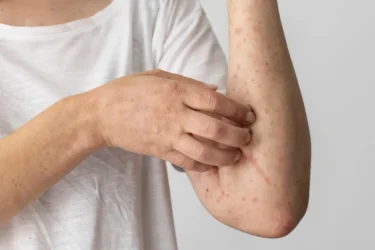
Developing new moles or changes in existing moles, such as in their size, shape, colour (also yellowing of the skin) or texture, or itching, oozing or bleeding from them, are all signs to note. Any non-healing ulcers, skin or nail changes, should not be ignored9. These can be seen in both men and women. These changes are normally signs of skin cancer12.

Ongoing pain without a clear cause that does not improve over time may sometimes indicate cancer, especially if the pain continues for a long period, keeps coming back or gets worse9. Younger people have greater chances of developing more pain compared to adults13. It can be seen in men and in women.

A cough lasting for weeks, coughing up blood, or persistent hoarseness should not be ignored5,14. Coughing up blood (haemoptysis) alone is a serious warning sign and requires prompt medical evaluation. These symptoms can be seen in both men and in women. Such symptoms are normally seen in lung and throat cancer5,14.
Persistent changes in bowel movements are also warning signs to note. These include changes in bowel habits such as diarrhoea, constipation, or more frequent bowel movements, which lasts more than a few days (above 2-3 weeks). These habits are more seen in colorectal (bowel) cancer, as it affects the parts of the digestive system, colon and rectum15 and are seen in men and in women.
Persistent problems such as a sudden urge to urinate, differences in urine stream, frequent urination (particularly at night), pain or burning while urinating, etc., should not be ignored. These signs are common in men. They can occur in prostate cancer11.
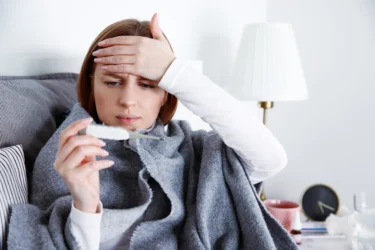
Unexplained fever or sweats, particularly at night, may be the warning signs of cancer. These can occur in certain types of cancers, such as lymphoma (particularly night sweat), bone cancer, prostate cancer, leukaemia, etc16. However, these symptoms are not specific and can also be related to certain medications or infections9. In women, increased sweating may also be seen during menopause16.

A persistent feeling of heartburn or discomfort, or pain in the chest, and difficulty in swallowing, causing pain and burning, are the signs that should be taken into consideration9. They can occur in both men and women. These are the signs suggestive of throat cancer, lung cancer and bowel cancer5,14,15.
Early detection of cancer is very important because:
The following are some blood tests that can help detect cancer19:
Note: Screening and early detection methods have certain limitations, including false-positive results (when a test indicates cancer that is not present in real), false-negative results (when cancer is missed), and overdiagnosis (detection of cancers that may not cause harm). A combination of tests, including imaging and blood tests, is generally needed for confirmation.
Also Read: Types of Cancer: Symptoms, Early Signs, Diagnosis & More
You should consider consulting a doctor in the following situations:
People with higher risk factors, including older age, family or personal history of cancer, long-term tobacco or alcohol use, or chronic illnesses, specifically should seek timely medical advice if they notice any unusual or persistent changes18,19.
Also Read: Breast Cancer: Foods to Have and Avoid During and After Treatment
Cancer can often be treated more effectively when detected early. Warning signs like unexplained weight loss, fatigue, lumps, or unusual bleeding should not be ignored. Although these symptoms may not always mean cancer, they can still indicate changes in the body that need attention. Early medical consultation helps in timely diagnosis, better treatment, and improved recovery chances.
Also Read: Is Cancer a Genetic Disease? Hereditary Risk & Genetic Testing Guide
Only about 5-10% of cancer cases are caused by inherited genetic defects. About 90-95% are linked to environmental and lifestyle factors such as smoking, unhealthy diet, alcohol use, excessive sun exposure, pollution, infections, stress, obesity, etc20.
Cancer starts when normal cells in the body undergo changes (mutations) in their DNA. These changes cause the cells to grow and divide uncontrollably instead of following normal growth patterns. Over time, these abnormal cells can form a mass (tumour) and may spread to other parts of the body4.
Cancer lumps are usually poorly defined, irregular in shape, and may have lobulated edges. They may be me hard, fixed to tissues below and can gradually grow in size over time21.
Cancer often first shows up as small, unusual changes in the body such as a lump, unexplained weight loss, or persistent fatigue. These early signs are usually mild and may slowly worsen over time4,9.
The best anti-cancer foods, or cancer-fighting foods, include berries (raspberries, blackberries, blueberries, etc.), other fruits (bananas, citrus fruits, etc.), whole grains (whole-wheat pasta, raisin bran, barley, oatmeal, etc.), legumes (lentils, black beans, split peas, lima beans, baked beans, etc.) and vegetables (broccoli, spinach, dark green leafy vegetables, peas, etc.)22.
Disclaimer: The information provided here is for educational/awareness purposes only and is not intended to be a substitute for medical treatment by a healthcare professional and should not be relied upon to diagnose or treat any medical condition. The reader should consult a registered medical practitioner to determine the appropriateness of the information and before consuming any medication. PharmEasy does not provide any guarantee or warranty (express or implied) regarding the accuracy, adequacy, completeness, legality, reliability or usefulness of the information and disclaims any liability arising thereof.
Links and product recommendations in the information provided here are advertisements of third-party products available on the website. PharmEasy does not make any representation on the accuracy or suitability of such products/services. Advertisements do not influence the editorial decisions or content. The information in this blog is subject to change without notice. The authors and administrators reserve the right to modify, add, or remove content without notification. It is your responsibility to review this disclaimer regularly for any changes.
 1
1 
Comments

Leave your comment...
You may also like
























Comments