Many men notice small but frustrating changes as they grow old. This may include a constant feeling of tiredness despite adequate rest, a drop in energy levels, reduced muscle strength, or unexpected weight gain (particularly around the abdomen)1,2. But these changes are often overlooked (or not paid attention to) as a normal part of ageing or attributed solely to lifestyle factors.
Testosterone levels are known to decline naturally with age, at an average rate of about 1% per year after 30 to 40 years3. In most men, this age-related decline does not result in a clinically significant disease, however, the condition may often go under-recognized even in cases where symptoms are more pronounced, mostly relating them to aging or lifestyle factors, while an underlying hormonal imbalance, specifically low testosterone (Low T) may play a significant role in these cases1,2.
Therefore, through this article, we aim to examine the causes and symptoms of low testosterone, its impact on weight gain, and discuss management tips, available treatment options, and some preventive strategies.
Testosterone is the primary male sex hormone (produced mainly by the testicles and small amounts by the adrenal glands)4. It plays a central role in the physiology of numerous organs and tissues, including reproductive organs, muscle, bone, and the central nervous system. It works by binding to androgen receptors in target tissues and influences much more than sexual health alone5.
In men, testosterone alone and after converting to estradiol is essential for4,5:
It is also responsible for primary sexual development before birth and during puberty, as well as secondary male characteristics such as facial hair growth and voice maturity4.
Low testosterone could result from several medical and lifestyle related factors. Common causes include:
Some men with low testosterone may not experience any noticeable symptoms, while others may develop a range of physical, sexual, and psychological changes. Common low testosterone symptoms in men include4:
It is important to note that some of these changes can occur as part of normal ageing. For example, a mild decline in sexual interest with age is common. However, a complete loss of interest in sex is not considered normal. Additionally, similar symptoms may arise from other medical conditions, such as diabetes or high blood pressure, or from certain medications. Therefore, if any of these symptoms are persistent or troubling, it is advisable to consult a doctor for proper evaluation.
Testosterone plays an important role in regulating body composition, energy balance, and metabolic health in men. This raises the common question: Does low testosterone cause weight gain?
Evidence shows that low testosterone levels are frequently observed in men with obesity, and the decline often becomes more common as body weight increases13,14.
Low testosterone causes a decline in energy levels and physical inactivity that may lead to weight gain in men. Moreover, it affects blood sugar control, insulin utilisation and fat metabolism causing a hormonal shift that further contributes to fat accumulation13. The excess adipose tissue releases metabolic and inflammatory mediators that interfere with normal hypothalamic–pituitary–testicular (HPT) axis function (the hormonal control system that regulates testosterone production in men), creating a self-reinforcing cycle2.
The disruption in hypothalamic signalling causes a reduction in the release of gonadotropin-releasing hormone (GnRH), leading to decreased secretion of luteinizing hormone (LH) and follicle-stimulating hormone (FSH) from the pituitary gland, which ultimately leads to lowered testosterone production by the testes. Low testosterone further leads to weight gain by promoting increased fat storage and reducing lean muscle mass13,14.
At the same time, excess adipose tissue enhances the conversion of testosterone into estrogen (estradiol). Elevated estrogen levels suppress GnRH release from the hypothalamus, further reducing LH (major impact) and FSH (minimal impact) secretion and aggravating testosterone deficiency.
Additionally, obesity-related insulin resistance lowers levels of sex hormone-binding globulin (SHBG), the protein responsible for transporting testosterone in the bloodstream. Reduced SHBG results in lower circulating total testosterone levels15
Further, leptin, a hormone produced by adipose tissue, is often elevated in obesity but accompanied by reduced hypothalamic sensitivity due to leptin resistance. Under normal conditions, leptin has a stimulatory effect on the HPT axis and supports testosterone synthesis. However, in obesity, leptin resistance disrupts this signalling, so elevated leptin levels fail to enhance testosterone production and may further contribute to suppression of the reproductive axis16.
Obesity is linked to higher levels of inflammation in the body, including increased TNF-alpha and IL-6, as well as oxidative stress. These inflammatory substances can interfere with the normal functioning of Leydig cells in the testes, which are responsible for producing testosterone. As a result, the testes respond less effectively to LH. Inflammation can also disrupt the HPT axis, further lowering testosterone levels16.
Together, these factors contribute to the hypogonadal–obesity cycle, in which excess body fat lowers testosterone levels and testosterone deficiency accelerates fat accumulation. This cycle contributes to metabolic dysfunction and makes sustained weight management more challenging in affected men.
Weight reduction plays an important role in improving testosterone levels in men with low testosterone and obesity. The close link between testosterone and weight loss has been well documented, with reductions in body fat and body mass index (BMI) associated with significant increases in testosterone levels. Some practical tips include:
Note: Weight loss can help improve testosterone levels in men with obesity-related secondary (functional) hypogonadism, but it is unlikely to be effective in cases of primary testicular failure or genetically determined hypogonadism.
Also Read: Does Ashwagandha Increase Testosterone?
Treatment for low testosterone aims to restore testosterone levels to the normal range and relieve symptoms. Please note that testosterone replacement therapy (TRT) is recommended only in men with confirmed hypogonadism and related symptoms, after appropriate evaluation. The main goal of TRT is to alleviate symptoms while maintaining testosterone in the mid-normal physiological range and avoiding supraphysiological levels.
Several formulations, such as the following, are available20:
TRT may suppress the body’s natural testosterone production and sperm formation, and can worsen acne, untreated sleep apnoea or increase red blood cell levels. Therefore, regular monitoring of testosterone levels, haematocrit, and prostate health is generally recommended by the doctor and should not be used for men desiring fertility. Keep in mind that TRT is not recommended solely for age-related testosterone decline or obesity without low testosterone symptoms in men20.
Maintaining healthy testosterone levels depends largely on lifestyle and metabolic health. So, adopting the following habits may help reduce the risk of low testosterone and support overall hormonal balance.
Note: Age-related decline in testosterone cannot be prevented. Lifestyle interventions may improve functional or obesity-related suppression of testosterone but do not prevent normal physiological ageing or primary hypogonadism. Also, exercise improves body composition and insulin sensitivity, but sustained increases in basal testosterone levels may need additional support under medical guidance.
Also Read: Is It Possible to Increase Penis Size? Myths vs. Medical Facts
Low testosterone can sometimes be managed through lifestyle changes, but medical evaluation is important when symptoms are persistent or affecting daily life. You should consider seeing a doctor if you experience24:
Note: Men should also seek medical advice if symptoms occur at a younger age, worsen rapidly, or are accompanied by conditions such as obesity, diabetes, or sleep apnea. A doctor can evaluate symptoms, order blood tests to measure testosterone levels, identify underlying causes, and recommend appropriate treatment or lifestyle interventions.
Low testosterone and obesity are closely interconnected through a complex, bidirectional relationship that adversely affects metabolic and reproductive health in men. Excess body fat suppresses testosterone production through multiple mechanisms, including disruption of the hypothalamic–pituitary–testicular axis, increased conversion of testosterone to estrogen, reduced sex hormone-binding globulin levels, and hormonal dysregulation associated with insulin resistance and leptin resistance. In turn, testosterone deficiency promotes fat accumulation and loss of lean muscle mass, reinforcing the hypogonadal–obesity cycle.
The connection between testosterone and weight loss explains why many men struggle to lose weight when testosterone levels are low. Evidence consistently demonstrates that weight loss, particularly reductions in body fat and BMI, may lead to significant improvements in testosterone levels. To achieve this, lifestyle interventions such as regular exercise (especially resistance training), balanced nutrition, adequate sleep, and stress management remain the cornerstone of prevention and management. While testosterone replacement therapy may be beneficial in selected individuals, these approaches require careful patient selection and medical supervision.
Low testosterone reduces muscle mass and slows metabolism, which makes the body burn fewer calories at rest. It also promotes fat storage and worsens insulin sensitivity, which might make weight loss more difficult13. However, weight loss is still possible with a consistent diet and exercise, especially strength training.
It can help, but it should not be considered as a magic solution. Improving testosterone levels through weight loss, exercise, or medically supervised therapy can support fat loss by increasing muscle mass, energy levels, and motivation17,21. Testosterone replacement therapy may improve body composition in men with confirmed hypogonadism, but lifestyle changes remain essential25.
Low testosterone is strongly associated with increased visceral (abdominal) fat. Testosterone helps regulate fat distribution, and when levels fall, fat tends to accumulate around the abdomen, increasing the risk of metabolic disorders14,15.
There is an indirect connection. Low testosterone, especially in the presence of obesity, increases the conversion of testosterone to estrogen15. Higher estrogen relative to testosterone could stimulate breast tissue growth, which may lead to gynecomastia in some men26.
Disclaimer: The information provided here is for educational/awareness purposes only and is not intended to be a substitute for medical treatment by a healthcare professional and should not be relied upon to diagnose or treat any medical condition. The reader should consult a registered medical practitioner to determine the appropriateness of the information and before consuming any medication. PharmEasy does not provide any guarantee or warranty (express or implied) regarding the accuracy, adequacy, completeness, legality, reliability or usefulness of the information; and disclaims any liability arising thereof.
Links and product recommendations in the information provided here are advertisements of third-party products available on the website. PharmEasy does not make any representation on the accuracy or suitability of such products/services. Advertisements do not influence the editorial decisions or content. The information in this blog is subject to change without notice. The authors and administrators reserve the right to modify, add, or remove content without notification. It is your responsibility to review this disclaimer regularly for any changes.


Assisted reproductive technology (ART) has advanced rapidly over the past few decades, transforming the landscape of infertility treatment worldwide. India, in particular, has witnessed one of the fastest-growing ART sectors, with a significant rise in the number of fertility centres and ART cycles performed each year1.
ART includes a range of medical techniques designed to help couples conceive by manipulating reproductive cells outside the human body2. Among these techniques, in vitro fertilization (IVF) stands out as the most widely used and well-established method2. And over the years, IVF has evolved with improvements in laboratory technology, culture systems, and embryology practices, leading to higher success rates and safer procedures3.
Through this article, we aim to explore what is IVF, how the procedure works, the detailed steps involved, its indications and benefits. We will also cover IVF side effects, potential risks, and what individuals or couples can expect throughout the process.
IVF is a specialised fertility treatment in which a woman’s egg and a man’s sperm are combined/fertilized outside the body. This is typically achieved in a controlled laboratory environment4.
Under normal circumstances, an egg and sperm meet inside the woman’s fallopian tube after intercourse. And if fertilization (fusion of egg and sperm) occurs, the resulting embryo travels to the uterus and implants in the uterine lining. This leads to a natural conception/pregnancy.
However, when this process does not occur on its own, IVF provides an alternative path to conception4. The term in vitro literally means “in glass,” referring to fertilization that occurs outside the natural reproductive system5.
IVF is one of the most widely practised forms of ART. The IVF process involves retrieving mature eggs from the ovaries, fertilizing them with sperm in a laboratory to create embryos, and then either2:

IVF offers several important benefits that help individuals and couples overcome infertility and improve their chances of having a healthy pregnancy. Benefits of IVF include2:
IVF involves a series of carefully planned steps that help eggs and sperm come together outside the body. This is followed by placing a healthy embryo into the uterus. The following outlines the IVF procedure step by step4:
Several medications are used during an IVF cycle to help the ovaries produce eggs, control hormone levels, and prepare the uterus for embryo transfer. The main types include:
Before starting an IVF cycle, individuals undergo several important evaluations to ensure the treatment is safe, appropriate, and has the best chance of success. These assessments help identify any factors that may affect egg quality, sperm health, or embryo implantation.
Tests are done to understand how many good-quality eggs the woman may be able to produce. Common tests include2:
If the results show poor ovarian reserve, IVF is still possible, but the woman may need to consider options such as donor eggs.
The male partner provides a semen sample to assess2:
These results help determine if standard IVF is suitable or if ICSI (Intracytoplasmic Sperm Injection) is needed.
Imaging tests help identify structural issues that may interfere with embryo implantation, such as2:
Addressing these problems beforehand improves the chances of a successful pregnancy.
Both partners are screened for infections such as2:
This ensures patient safety and prevents transmission during treatment.
IVF requires a multidisciplinary team, including doctors, nurses, embryologists, counsellors, and lab staff2.
Important: Alcohol and smoking may negatively influence ART/IVF outcomes8. Therefore, individuals undergoing ART should follow a balanced diet and avoid alcohol and smoking to support better treatment outcomes.
Different approaches may be used during an IVF cycle depending on the couple’s fertility issues, age, and medical history. The most commonly used treatment options include:
IVF can bring both emotional and physical challenges, but support is available throughout the process. Your team of doctors, counsellors, and fertility support groups can help you navigate this journey.
Joining support groups and connecting with others going through similar experiences can be reassuring during this phase12.
Women taking fertility medicines may experience4:
These symptoms are usually temporary and related to the hormonal changes during treatment.
IVF is generally safe, but like all medical treatments, it carries certain physical, emotional, and financial risks. These may vary from mild to more serious.
Mild cases may improve with rest, but severe cases may require draining fluid or hospitalisation.
IVF success varies widely and depends on several factors, such as maternal age, egg quality, embryo type (fresh or frozen), and the underlying cause of infertility. Although effective, the chance of pregnancy from a single fresh embryo transfer remains modest.
For women (under 35), general success rates are:
Note: Success rates may decline with advancing maternal age, especially after 40 years16.
Also Read: What Is Ovulation? Understanding The Ovulation Process and Symptoms
After IVF, it is important to watch for symptoms that may indicate complications. Contact your doctor immediately if you experience4,12:
Urgent medical help may be required in the following cases12:
These symptoms may indicate severe OHSS or an ectopic pregnancy and require urgent medical attention.
Also Read: 6 Essential Vitamins For Women That You Need To Know About
IVF is a widely used and effective fertility treatment, but its success depends on many factors, including age, egg and embryo quality, and underlying medical conditions. The process involves several steps, requires careful preparation, and may come with emotional, physical, and financial challenges. Thus, understanding the procedure, potential risks, and expected outcomes can help individuals make informed decisions.
As you consider or undergo IVF, it is important to maintain realistic expectations, seek strong emotional support, and work closely with an experienced medical team. Many individuals and couples can achieve a successful and rewarding outcome with the right guidance and care.
Also Read: Best Guide to Breast Pumping For New Mothers
The five basic steps of IVF are: ovarian stimulation (fertility medicines to produce multiple eggs), egg retrieval, fertilization (standard IVF or ICSI), embryo culture, and finally embryo transfer4.
An IVF pregnancy lasts the same duration as a natural pregnancy, which is about 9 months after fertilization4.
Gender selection may be done through preimplantation genetic testing17. However, under the Pre-Natal Diagnostic Techniques (Regulation and Prevention of Misuse) Act of 1994, gender testing is strictly prohibited in India18.
The most significant risks include ovarian hyperstimulation syndrome (OHSS) and multiple pregnancy (twins or more)11. Other risks include ectopic pregnancy and emotional/financial stress12.
Women who are postmenopausal no longer produce eggs. However, the uterus can still carry a pregnancy with hormonal support and donor embryos19.
Women with polycystic ovarian syndrome (PCOS) often respond well to IVF and may have good success rates. However, they have a higher risk of OHSS, so careful monitoring is required20.
IVF bypasses the fallopian tubes entirely21. So, it is a common option for women who have had their tubes tied.
Current research shows no clear evidence that IVF or fertility medications increase the risk of cancer22. So, we can say that studies so far have been reassuring.
IVF children are just as healthy as those conceived naturally. There is no increased risk of major congenital anomalies, and the slightly higher chance of prematurity is mostly linked to parental age and underlying infertility factors, not IVF techniques themselves23.
Disclaimer: The information provided here is for educational/awareness purposes only and is not intended to be a substitute for medical treatment by a healthcare professional and should not be relied upon to diagnose or treat any medical condition. The reader should consult a registered medical practitioner to determine the appropriateness of the information and before consuming any medication. PharmEasy does not provide any guarantee or warranty (express or implied) regarding the accuracy, adequacy, completeness, legality, reliability or usefulness of the information; and disclaims any liability arising thereof.
Links and product recommendations in the information provided here are advertisements of third-party products available on the website. PharmEasy does not make any representation on the accuracy or suitability of such products/services. Advertisements do not influence the editorial decisions or content. The information in this blog is subject to change without notice. The authors and
Have you ever wondered why the same foods you ate effortlessly in your teenage years now seem to “sit” in your stomach a little longer, or why losing even a couple of kilos feels harder than it used to? You are not alone!
Metabolism (the process your body uses to convert food into energy) naturally slows down with age as the body loses muscle mass and other tissues1,2. In fact, it is believed that the energy you spend in your resting state (known as resting energy expenditure (REE)) begins to decline by 1 to 2% per decade as you grow older2.
Adding to this, the load of busy schedules, stress, irregular eating habits, and long hours of sitting! So, it is no surprise that many people feel their digestion and energy levels are not what they used to be1.
The good news? A slow or sluggish metabolism is not permanent. In this article, we will answer your queries, such as how to boost metabolism, improve digestion, and feel more energetic with simple, science-backed lifestyle changes.
Metabolism is the sum of all chemical reactions happening inside our body cells that keeps us alive. These reactions help our body convert the food we eat into energy, support vital functions, and allow growth, repair, movement, and overall development. Metabolism also involves processes that don’t directly produce energy, such as creating DNA, hormones, and other vital components needed for cell function3.
All of these metabolic processes rely on enzymes that are special proteins that help carry out chemical reactions in the body through two processes (catabolism and anabolism). Catabolism produces energy and basic building blocks, while anabolism uses that energy to create new molecules3.
A key part of metabolism is your metabolic rate, which refers to how quickly your body produces and uses energy3. The basal metabolic rate (BMR) is the minimum amount of energy your body needs to function at rest, just to keep your heart beating, lungs working, and cells alive4.
Note: Everyone’s BMR is different because it is influenced by many factors, including age, sex, genetics, body composition, physical activity, and certain medical conditions3. This is the reason why some people naturally burn energy faster than others.
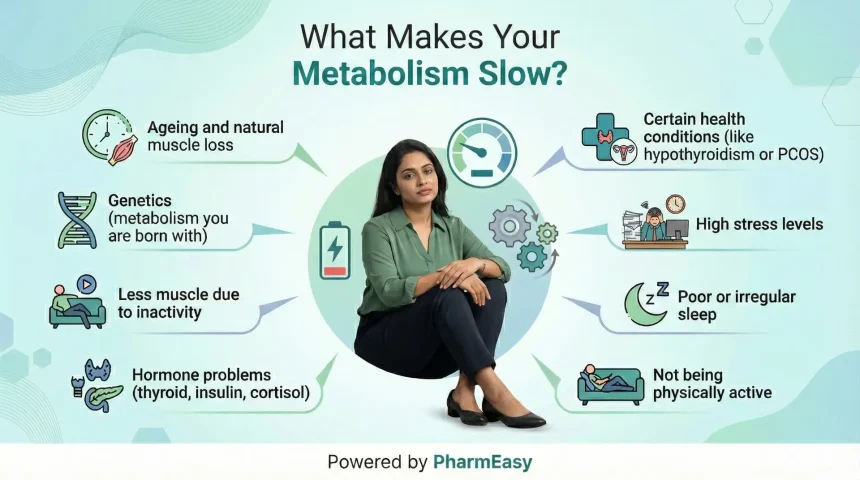
A slow metabolism does not happen overnight. It is usually the result of several lifestyle, biological, and health-related factors. Here are some of the most common reasons your metabolic rate may decline:
If you are wondering how to improve metabolism with natural food items, we are here to help. Certain everyday foods, such as the following, contain natural compounds that can gently boost your metabolism:

Caffeine (a key ingredient in coffee) temporarily raises REE. This helps your body use more fat when it needs energy. However, actual fat oxidation is modest and varies based on exercise and individual metabolism. Also, caffeine does not reliably promote significant fat loss on its own, and its effects may diminish with habitual use. Most adults should also avoid excessive intake, with around 400 mg/day considered a common safe upper limit.

Green tea contains catechins that combine with caffeine and slightly increase fat oxidation. This helps your body burn slightly more calories and fat. However, these benefits are small (and observed in short-term studies) and very high-dose extracts can upset the stomach.

Capsaicin (the compound that makes chillies spicy) can slightly increase heat production and calorie burn. Even small amounts added to meals may help. However, higher doses may be uncomfortably spicy for many, so moderation is the key.

Cocoa contains natural stimulants and antioxidants (such as caffeine and theobromine) that may help your body burn a few extra calories. But try and choose high-cocoa sugarfree dark chocolate and keep portions small because of excess calories.

Ginger may support metabolism by promoting thermogenesis (heat production) and the breakdown of fat. This suggests it may provide mild metabolic benefits, making it a healthy addition to a balanced diet. However, human evidence is limited, so ginger should not be taken in excess.

Apple cider vinegar may influence fat metabolism, showing potential benefits on body weight, satiety, and fat oxidation. However, more research is needed before definitive conclusions can be drawn, so it should be taken in moderation.

Cinnamaldehyde, a compound that gives flavour to cinnamon, may slightly raise energy expenditure and help control appetite. Small dietary amounts are generally safe (prefer Ceylon cinnamon to avoid excess coumarin from cassia varieties)12.

Protein-rich foods play a key role in supporting metabolism because protein has a higher thermic effect of food, meaning the body uses more energy to digest and metabolise it compared to carbohydrates or fats. Protein also helps preserve lean muscle mass, which is important for maintaining resting metabolic rate during weight loss. So, including foods such as eggs, fish, lean meat, poultry, dairy, pulses, legumes, and soy products can help support metabolic function as part of a balanced, calorie-controlled diet13.

These vegetables contain unique plant compounds that may support fat burning and overall metabolic health. However, human data is limited, but these veggies are nutrient-dense and safe to include regularly12.

Adequate water intake supports metabolism by increasing energy expenditure and promoting fat oxidation. Studies show that drinking water can temporarily boost metabolic rate through heat generation, as the body expends energy to warm and process the fluid14. Thus, regular water consumption can aid metabolic function and support weight management as part of a healthy diet.
Note: These metabolism boosting foods can gently support your metabolism, but they work best when eaten in moderation. Overconsuming caffeine or spicy foods that increase metabolism can cause discomfort, and relying too heavily on any single food will not lead to major changes.
Thinking about how to increase metabolism with exercise? Let us walk you through it.
Just a few smart exercise choices, such as the ones below, can make a big difference in how your body burns energy:

Brisk walking increases your heart rate, boosts calorie burn, and helps reduce fat. Plus, it is safe for all fitness levels and easy to maintain long term15.

Jogging as well as running raises your energy expenditure modestly, which keeps your metabolism elevated for a few hours (even after the workout). It improves insulin sensitivity and supports cardiovascular health17.

HIIT creates a strong afterburn effect, meaning your body continues burning calories even after the session ends. It improves fat oxidation, endurance, and metabolic markers such as blood pressure and insulin resistance13,16.

Strength training builds muscle and muscle burns more calories than fat (even at rest). So, increasing lean mass can help raise BMR slightly. Strength training also improves insulin sensitivity, glucose metabolism, and the ability to perform daily physical activities, which is essential for long-term metabolic health15.

Cycling is a great aerobic workout that increases calorie burn and improves lower-body muscle strength15,19.

Swimming engages almost every major muscle group while providing a full-body calorie burn. It improves cardiorespiratory fitness and enhances flexibility20.
Your daily habits play a major role in how efficiently your body uses energy, making lifestyle choices key to maintaining a healthy metabolism. Thus, it is important to adopt healthy lifestyle habits, such as the following, to support a well-functioning metabolism and improve overall health.
Improving metabolism is not about quick fixes but about creating sustainable, health-promoting habits.
Metabolism boosting foods such as green tea, coffee, chilli peppers, and other options provide small but meaningful boosts in energy expenditure and help regulate appetite and boost metabolism. Building on this foundation, regular physical activity plays an equally essential role. Complementary habits such as consistent meal timing, quality sleep, avoiding smoking, and limiting alcohol further strengthen metabolic balance.
Together, these nutrition and activity strategies support long-term metabolic efficiency, reduce the risk of chronic disease, and promote overall health and vitality.
Metabolism can begin improving within a few weeks of consistent lifestyle changes such as eating a balanced diet, exercising regularly, staying hydrated, and getting good sleep24. Building muscle through strength training creates more lasting changes, which may take 4 to 8 weeks to show measurable effects25.
Yes, metabolism naturally slows as you age due to loss of muscle mass, hormonal changes, reduced physical activity, and changes in cellular processes1,2,5. However, strength training, good nutrition, and regular activity can significantly counteract this decline15,21.
Some options (like green tea extract, caffeine, or capsaicin) may offer small, temporary metabolic boosts, but their effects are modest. They cannot replace exercise, balanced nutrition, or sleep12. Please keep in mind that many supplements also lack strong long-term evidence, and some may have side effects if consumed in excess.
You can assess your metabolism through blood tests like a basic metabolic panel (BMP) or a comprehensive metabolic panel (CMP). These tests measure important markers such as blood glucose, electrolytes, kidney function, liver enzymes, and protein levels, which together show how your body processes energy, handles nutrients, and maintains metabolic balance. They are commonly used to detect metabolic issues or monitor overall metabolic health26,27.
A slow metabolism can be due to low muscle mass, ageing, hormonal issues (thyroid, insulin resistance, PCOS), sedentary lifestyle, chronic stress, poor sleep, inconsistent eating patterns or genetics1,11. Often, multiple factors combine, but most are modifiable with diet, exercise, and proper medical evaluation.
The 2 2 2 method often refers to a simple habit-building approach for healthier metabolism:
2 litres of water/day, 2 servings of fruits or vegetables/day, 2 walking sessions/day
This method is more of a wellness guideline than a scientifically validated metabolic protocol.
Disclaimer: The information provided here is for educational/awareness purposes only and is not intended to be a substitute for medical treatment by a healthcare professional and should not be relied upon to diagnose or treat any medical condition. The reader should consult a registered medical practitioner to determine the appropriateness of the information and before consuming any medication. PharmEasy does not provide any guarantee or warranty (express or implied) regarding the accuracy, adequacy, completeness, legality, reliability or usefulness of the information; and disclaims any liability arising thereof.
Links and product recommendations in the information provided here are advertisements of third-party products available on the website. PharmEasy does not make any representation on the accuracy or suitability of such products/services. Advertisements do not influence the editorial decisions or content. The information in this blog is subject to change without notice. The authors and administrators reserve the right to modify, add, or remove content without notification. It is your responsibility to review this disclaimer regularly for any changes.
Medohar Guggulu, a classic ayurvedic formulation, is based on the traditional use of guggul (an oleogum resin) that is obtained from the Commiphora mukul tree1,2.
Medohara in Sanskrit means ‘fat-eliminating’ and in Ayurveda, Medohar Guggulu has been used to manage a wide range of metabolic and inflammatory conditions1,3. Modern research identifies guggulsterone as one of the major bioactive constituents of guggul, which supports the growing relevance of guggul-based formulations in contemporary health care2.
And with increasing interest in plant-based and mechanism-driven therapies, Medohar Guggulu remains a well-known classical formulation that continues to be explored for its potential benefits, active constituents, and mechanisms of action. Therefore, through this article, we aim to explore scientifically backed evidence for Medohar Guggulu uses, benefits, side effects, and more.
Medohar Guggulu is a traditional Ayurvedic formulation that contains Shuddha Guggulu (purified Guggulu) as its base, which is combined with other synergistic herbs. These may include
1. Sunthi (dry ginger)
2. Pippali (long pepper)
3. Marich (black pepper)
4. Chitraka (leadwort)
5. Haritaki (chebulic myrobalan)
6. Vibhitaki (beleric myrobalan)
7. Amalaki (Indian gooseberry)
8. Musta (nutgrass)
9. Vaividanga (embelia).
This herbal blend containing guggul is traditionally crafted to support balanced metabolism and healthy fat processing in the body4.
According to Ayurveda principles, descriptions and traditional beliefs, Medohara Guggulu acts through several mechanisms4:
Through these combined traditional actions, Medohara Guggulu is used in Ayurveda to support metabolic balance and healthy processing of lipids. However, clinical evidence confirming these effects and benefits is still limited.
Although Medohara Guggulu is primarily valued for its metabolic and lipid-modulating actions, an understanding of the nutritional and techno-functional properties of its key constituent, which is guggul (Commiphora mukul gum), will help provide insight into its broader relevance as a functional ingredient.
A recent analytical study investigating the nutritional profile of C. mukul gum powder reported the following5:
| Parameter | Value |
| Moisture | 2.07% |
| Fat | 17.43% |
| Protein | 9.77% |
| Ash (mineral content) | 6.73% |
According to this study, the gum exhibits a bulk density of 0.63 g/cm³, which indicates good compressibility and ease of incorporation into various formulations. It also possesses notable phytochemical richness, containing 6.91 mg GAE/g of total phenolics and 1.68 mg QE/g of total flavonoids, both contributing to its antioxidant potential.
Together, these characteristics position C. mukul gum as a nutritionally valuable and bioactive component, reinforcing Medohara Guggulu’s uses in obesity and metabolic disorders.
Medohar Guggul demonstrates several key advantages for metabolic and systemic well-being by combining traditional Ayurvedic principles with modern biochemical insights. Common Medohar Guggulu benefits include:

Medohar Guggulu helps improve digestion, boost metabolism, break down fat, and improve insulin function4,6. In a study on 58 obese adults, those taking Medohar Guggul with diet and exercise lost more weight than those on lifestyle changes alone, especially people weighing over 90 kg7. This suggests it may enhance weight reduction efforts in heavier individuals.

Medohar Guggulu shows anti-inflammatory properties which may help ease joint discomfort in osteoarthritis patients. A study showed that guggul extract may facilitate improvement in osteoarthritis of the knee by reducing knee pain, stiffness and enhancing mobility8.

Guggulsterone, the active compound in guggul, may help lower cholesterol. It does so by improving how the liver removes cholesterol and by reducing inflammation1. This supports healthier lipid levels and overall cardiovascular wellness.

Guggulipid has shown benefits in reducing nerve-related pain in animal studies by easing burning sensations and sensitivity9. These effects may be due to guggulipid’s action on nerve inflammation. This suggests it could help support the management of neuropathic pain.
Guggul (guggulsterone) may help support diabetes management. It helps to reduce high blood glucose levels by improving glucose tolerance and supporting better insulin function, suggesting it’s potential as adjunct in diabetes management10.

Due to the presence of bioactive compounds like phenolics and flavonoids, Guggul may help regulate inflammatory mediators and support immune health. This helps to balance the body’s immune response11.

Guggulsterone may help support healthy thyroid function. It can increase thyroid hormone activity and boost metabolic processes (as seen in animal models)12. This points towards its potential support to manage hypothyroid symptoms

Lab studies indicate that guggulsterone may slow the growth of cancer cells and help harmful cells self-destruct13. While more human research is needed, early evidence suggests guggulsterone may have protective, anti-tumour benefits.
While initial studies have shown positive results, more high-quality human research is needed to confirm the above-mentioned Medohar Guggulu benefits.
Note: Medohar Guggulu is an Ayurvedic formulation that may offer supportive health benefits, but it should never replace modern medical treatment for conditions like cancer, nerve disorders, diabetes, or heart disease.
Medohar Guggulu is traditionally taken in tablet or powder (churna) form, usually under the guidance of an Ayurvedic physician. The general approach focuses on supporting digestion, fat metabolism, and overall balance of Kapha and Vata.
Below mentioned are typical usage guidelines (general Ayurvedic practice):
As per Ayurvedic practice, certain foods and habits are said to support Medohar Guggulu’s benefits. These include4:
While Medohar Guggulu is generally well-tolerated when taken in recommended doses, modern clinical and toxicological studies show that some individuals may experience mild to moderate side effects. Possible Medohar Guggulu side effects include:

The most common side effects reported include stomach upset, loose stools, belching, and hiccups. These were noted in human studies of guggul resin and extracts and not directly with Medohar Guggulu14.

Higher doses may occasionally cause skin reactions such as redness or itching in some individuals14,15.

Hepatotoxicity has been documented in case reports following use of concentrated guggul extracts14,16. While uncommon, liver-related adverse events have been described and should prompt immediate medical review.

Animal studies show that guggul might stimulate thyroid hormone activity11,14. This may cause adverse symptoms in sensitive individuals.
Like with any natural product, if you consider including Medohar Guggulu in your routine diet, the following should be kept in mind:
Also Read: Tejpatta (Bay Leaf): Benefits, Side Effects, Nutritional Value & More
Guggul and its active compound, guggulsterone, influence liver enzymes, cholesterol pathways, and hormone receptors. And because of this, Medohar Guggulu may interact with some modern medicines. Possible drug interactions include:
Always consult a qualified doctor before starting Medohar Guggulu, especially if you have any medical conditions or are on medication.
Usually, 1-2 tablets per day after meals, often used for 6 to 12 weeks may be suggested, but the recommendation varies depending on the individual’s condition and the doctor’s advice4,7.
Also note that commercially available Medohar Guggulu tablets differ significantly in potency due to varying formulation, purification methods, and resin content. So, Medohar Guggulu dosage can vary depending on your needs and also the brand used.
Important: Since Medohar Guggul has metabolic and digestive effects, dosage should be personalised. Always consult a qualified Ayurvedic practitioner to know the right dosage based on your overall health and needs.
Also Read: Guggul: Uses, Benefits, Side Effects and More!
Medohar Guggulu is an Ayurvedic formulation enriched with the therapeutic benefits of guggul and other metabolism-supporting herbs. Both classical Ayurvedic texts and modern scientific research highlight its helpful role in supporting healthy weight management, improving metabolism, regulating lipids, promoting joint comfort, and enhancing overall systemic wellness. Research on guggulsterone (the active compound in Commiphora mukul) further reinforces its pharmacological value due to its antioxidant, anti-inflammatory, and cholesterol-balancing properties.
However, its effectiveness and safety depend greatly on product quality and correct dosing. More well-designed, long-term clinical studies are needed, and Medohar Guggulu should be used only as a supportive measure and not as a substitute for modern medical treatment.
When taken responsibly, along with a balanced lifestyle, a wholesome diet, and proper medical guidance, Medohar Guggulu has the potential to provide meaningful support for metabolic health and overall well-being.
Also Read: Kanchanar Guggulu: Benefits, Side Effects, Precautions & More!
Weight reduction varies from person to person. In a small clinical trial, people who used Medohar Guggulu along with diet and walking showed slightly more weight reduction, especially those above 90 kg, who were all able to reduce some weight6. However, Medohar Guggulu cannot cause major weight loss on its own; it works best as a supportive aid when combined with a healthy diet and regular exercise.
Medohar Guggulu is generally taken after meals with warm water, as this helps digestion and enhances its metabolic effect4. However, dosing may vary by brand and practitioner, so it is best to follow your doctor’s/manufacturer’s instructions.
To use Medohar Guggulu effectively, it should be combined with a balanced lifestyle. Most brands recommend taking 1 to 2 tablets, once or twice daily after meals, depending on the tablet strength and guggulsterone content. For best results, you may pair it with a light diet, regular physical activity, warm water intake, and controlled meal timings4. The formulation works by improving digestion, boosting metabolism, and helping the body burn excess fat more efficiently, but it is not a standalone weight-loss treatment. Always consult an Ayurvedic doctor (especially if you have existing medical conditions or take other medications) to determine the correct dose and suitability for your body type.
Yes, it is generally safe for prolonged use if consumed as and when recommended by a certified ayurvedic practitioner. Although it’s ideal to consult the specialist at regular interval in between to monitor progress.
Disclaimer: The information provided here is for educational/awareness purposes only and is not intended to be a substitute for medical treatment by a healthcare professional and should not be relied upon to diagnose or treat any medical condition. The reader should consult a registered medical practitioner to determine the appropriateness of the information and before consuming any medication. PharmEasy does not provide any guarantee or warranty (express or implied) regarding the accuracy, adequacy, completeness, legality, reliability or usefulness of the information; and disclaims any liability arising thereof.
Links and product recommendations in the information provided here are advertisements of third-party products available on the website. PharmEasy does not make any representation on the accuracy or suitability of such products/services. Advertisements do not influence the editorial decisions or content. The information in this blog is subject to change without notice. The authors and administrators reserve the right to modify, add, or remove content without notification. It is your responsibility to review this disclaimer regularly for any changes.
Sexual health is an essential component of overall well-being, but many individuals face challenges that can significantly impact their quality of life. These common sexual health problems are quite diverse, ranging from issues like sexually transmitted infections (STIs), and difficulties with sexual function. One such male sexual dysfunction is Erectile Dysfunction, a most common issue particularly prevalent as men age.
Erectile dysfunction means, persistent inability to achieve or maintain a penile erection rigid enough for satisfactory sexual intercourse. It can affect men at any age but becomes more prevalent as age increases; it affects about 40% of men at age 40, and this rate rises to 70% by age 701. The good news is that lifestyle choices like diet, play a crucial role in managing this condition. Interestingly, the same foods that support a healthy heart also promote healthy blood flow to all parts of the body, including the penis1,2.
In the following sections, we will explore the best and worst foods for this condition based on scientific evidence, helping you understand how simple dietary adjustments can potentially improve vascular health and, consequently, your erectile function, and when to consult a doctor for the same.
The causes of erectile dysfunction are often multifactorial, involving psychological and physical issues:
These causes often involve mental and emotional factors, and they can exist even when physical causes are present:
While psychological issues like depression or the medications used to treat them, such as antidepressants can certainly trigger erectile problems, even vice-a-versa can happen. Erectile Dysfunction itself can, in turn become a significant cause of depression, anxiety, and performance related stress1,3.
These are physical conditions that directly affect the systems responsible for achieving and maintaining an erection:
Yes, just as healthy food is crucial for your overall health, it also plays a vital role in your sexual function. Research suggests that adopting a healthy diet can lower the risk of erectile dysfunction to a certain extent and also lead to improvement in symptoms for those already affected4. Healthy diet benefits erectile dysfunction by optimizing fat and sugar metabolism, increasing antioxidants, and raising nitric oxide, which are essential for erections5.
Note: A variety of factors contribute to erectile dysfunction, including neurological problems, hormonal imbalances, psychological distress, medication side effects, or structural abnormalities. Thus, although a good diet may be helpful, it cannot prevent the condition from occurring completely.
Diet plays a supporting role in dealing with erectile dysfunction, especially that is vascular-related. It aids in improving blood flow and boosting cardiovascular and sexual health. The foods listed below are rich in nutrients that help relax blood vessels, reduce inflammation, and improve circulation throughout the body including the blood vessels vital for an erection.

Foods like beets and dark leafy greens are great because they contain natural nitrates. These nitrates are converted by mouth bacteria into nitrite, which your body then uses to create nitric oxide (NO). Nitric oxide (NO) triggers the widening of blood vessels (vasodilation) in the penis by initiating a chemical chain reaction inside the muscle cells, specifically, it activates a pathway that ultimately lowers calcium levels, causing the smooth muscles to relax and allowing increased blood flow necessary for an erection7,8.

These fruits are rich with flavonoids. Research suggests that certain plant compounds called flavonoids can help with penile erection by restoring the balance between signals that widen blood vessels and signals that constrict them. They act by reducing oxidative stress, improving vessel wall function and increasing nitric oxide availability6,9.

Legumes are rich in flavonoids and minerals like magnesium, zinc and copper that offer antioxidant support, help improve blood circulation, maintain testosterone levels and boost overall sexual health, thereby improving erectile dysfunction6,10.
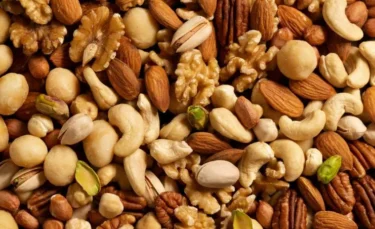
Nuts are rich in the nonessential amino acid arginine, which the body uses to produce Nitric Oxide (NO). By consuming foods rich in arginine, you provide the body with the building blocks it needs to produce more nitric oxide, further supporting the vasodilation effect needed for erections6,11.

These are a rich source of Omega-3 fatty acids, which contribute to lowering triglyceride levels and reducing clotting risks. They also help in reducing inflammation and improve endothelial function. By promoting a healthy blood lipid profile, they help improve health of your arteries, facilitating unrestricted blood flow12.

Honey is a rich source of natural antioxidants including flavonoids which are beneficial in erectile dysfunction. Moreover, studies13 in male rats have shown that consuming a honey solution can lead to increased testosterone levels. Since, erectile dysfunction may be linked to low testosterone levels that often come with aging, this may be a potentially active natural remedy.

When you eat watermelon, your body produces more nitric oxide. This nitric oxide helps relax and widen the blood vessels, resulting in improved blood circulation to the testes13.
While these foods have shown to contain compounds that are beneficial for blood vessel health, studies assessing their direct relationship with erectile dysfunction are limited. Thus, further large-scale human trials are needed to confirm their benefits in this condition.
While some foods can support sexual health, certain food items can also cause harm to your blood vessels or disrupt hormone balance, which are key to healthy erectile function, and thus, potentially worsen the condition. These include:

Red meat contains high amount of saturated fat. High intake of saturated fats leads to increased cholesterol and plaque build-up in the arteries (atherosclerosis). This clogging restricts blood flow throughout the body, including to the penis, which can contribute to erectile dysfunction14.

Excessive sugary drinks can spike up your blood glucose levels, promoting insulin resistance and increasing the risk of developing diabetes. Diabetes is one of the major risk factors for erectile dysfunction because high blood sugar damages blood vessels and nerves, impairing the ability to achieve and maintain an erection14.

Fried items are often high in fat oils, leading to high levels of saturated and trans fats. These fats contribute to developing high cholesterol and certain heart diseases. High levels of cholesterol can accumulate within the artery walls causing atherosclerosis, leading to arterial narrowing and reduced blood flow to vital organs16.

High sodium content food can lead to high blood pressure, which is a significant risk factor of erectile dysfunction. Hypertension damages the artery walls, reducing the blood vessel’s ability to expand and properly supply blood16.

Excessive alcohol consumption can elevate blood pressure and increase the risk of heart disease, it also raises level of triglycerides, a type of fat found in the blood, which can narrow blood vessel further leading to reduced blood supply16.

Here, we’ll bust some common myths about food and erectile dysfunction.
Myth 1: A specific miracle food will instantly cure erectile dysfunction.
Fact: Certain food can help to reduce the symptoms of erectile dysfunction, like berries, watermelon, nuts, legumes etc. But it does not provide an instant cure from erectile dysfunction.
Myth 2: Lifestyle factors are the only contributors to the development of erectile dysfunction.
Fact: While lifestyle choices are key contributors to erectile dysfunction, the condition is not solely responsible, medical issues such as diabetes, hypertension, and hormonal fluctuations also play significant roles1.
Myth 3: For boosting erections, a low-fat diet is the best.
Fact: Low-fat diets are generally good for heart health and improving circulation, but a very low-fat diet may be associated with low testosterone. Consuming a balanced diet containing omega-3 fats such as the Mediterranean diet is usually more heart heathy and aids in improving erectile dysfunction6.

Apart from making dietary changes, certain other lifestyle modifications can also help reduce the impact of erectile dysfunction. These include:
Also Read: Does Low Testosterone Cause Weight Gain?
If you experience any of the following situations, a consultation with your healthcare provider is necessary to determine the underlying cause and explore effective treatment options21:
Also Read: Worst Foods for Oedema You Should Be Aware Of
We know that talking about Erectile Dysfunction can be difficult, but please understand that it’s a common, treatable condition often rooted in vascular health. The path to better sexual health and erections is the same good habits that lead to a healthy heart. By prioritizing a diet rich in nitrates, flavonoids, and omega-3s (found in vegetables, fruits, nuts, and fish) and limiting foods high in saturated fats, sugar, and sodium, you can directly improve your blood flow and sexual function. Take these manageable steps today and remember that when diet and lifestyle changes aren’t enough, professional medical help is available and highly effective. You are not alone in this, and positive change is absolutely within your reach.
Also Read: STDs in Men: Symptoms, Causes, Diagnosis & Treatment
Foods that are rich in compounds and nutrients which naturally enhance blood flow, such as nitrate-rich foods like beetroot and green leafy vegetables, flavonoid- rich fruits like berries, apple and orange, omega-3 sources like fishes (salmon, mackerel, sardines), all these foods can increase the overall blood flow in the body, including penis7,9,12.
A specific timeframe for how long a healthy diet takes to improve erectile dysfunction symptoms cannot be exactly determined. However, a lot of research indicates that adopting a healthy eating pattern offers supportive benefits in lowering the risk of erectile dysfunction and managing its symptoms6.
Erection problems are a very common issue, affecting nearly every adult male at some point. While these temporary difficulties often resolve on their own without much intervention, for some men, the condition can become a persistent or ongoing concern. If one has trouble to keep an erection for more than 25% of the time, it means you need to consult a health care provider21.
Following are the symptoms that characterize an erection problem, which may include trouble getting an erection, difficulty keeping an erection, and having an erection that isn’t firm enough for intercourse. Additionally, men experiencing erection problems may also report less interest in sex21.
Yes, even though erectile dysfunction can affect you at any age, if it occurs at an early age, it could be a warning sign of blood vessel problem like diabetes, hypertension or any other cardiovascular disease. Thus, it is important to keep a watch on your symptoms and report it to your health care provider15.
The effect of these oral medicines is most often seen within 15 to 45 minutes. And yes, there are certain risks associated with erectile dysfunction medications. Specifically, men who take nitrates for heart disease should consult their doctor before taking any erectile dysfunction medicines. Common side effects may include headache, upset stomach, nasal congestion, back pain, and dizziness19.
Disclaimer: The information provided here is for educational/awareness purposes only and is not intended to be a substitute for medical treatment by a healthcare professional and should not be relied upon to diagnose or treat any medical condition. The reader should consult a registered medical practitioner to determine the appropriateness of the information and before consuming any medication. PharmEasy does not provide any guarantee or warranty (express or implied) regarding the accuracy, adequacy, completeness, legality, reliability or usefulness of the information; and disclaims any liability arising thereof.
Links and product recommendations in the information provided here are advertisements of third-party products available on the website. PharmEasy does not make any representation on the accuracy or suitability of such products/services. Advertisements do not influence the editorial decisions or content. The information in this blog is subject to change without notice. The authors and administrators reserve the right to modify, add, or remove content without notification. It is your responsibility to review this disclaimer regularly for any changes.
Did you know that almost 99% of the world’s population breathes air that is polluted enough to harm their health1? This widespread exposure to unsafe air has made air pollution one of the most urgent global health challenges of our time.
Within this broader crisis, smog has emerged as one of the most visible and harmful forms of air pollution. However, smog itself is not a single pollutant. It is a combination of substances like ozone, fine particles, and nitrogen gases. And because of these different substances, it affects different groups of people differently2
As urbanisation, traffic emissions, and industrial activities continue to rise, smog has become an increasingly common (and dangerous) part of the air we inhale every day3,4. It is a public health concern that not only causes discomfort like coughing or eye irritation but also worsens existing heart and lung conditions and increases long-term health risks2.
As smog episodes become more frequent and intense, understanding their causes, effects, and the ways we can protect ourselves is essential for safeguarding our health and well-being.
The word smog is a combination of two other words5:
Under certain environmental conditions (such as sunlight), these two components (smoke and fog) interact and result in a thick and hazy layer suspended close to the ground. This is how smog is formed2,5.
Fact: The term smog was first introduced by H. A. Des Voeux in 1905 to describe the polluted atmospheric conditions in several British towns. It gained widespread public attention in 1911, when Des Voeux reported over 1,000 deaths in Edinburgh and Glasgow caused by this dense and dangerous “smoke-fog”2.
Smog develops when various air pollutants are released into the atmosphere from natural and human activities.
Smog is caused due to2:
Broadly, there are two types of smog:
This type of smog is high in sulphur oxides (SOx)2.
This type of smog is high in NOx, ozone, hydrocarbons, and VOCs2.
Note: The modern smog in most cities (including India) is photochemical smog, formed when sunlight reacts with NOx and VOCs, producing ozone. And when this ozone mixes with fine particulate matter (such as PM2.5), it creates the thick, harmful smog we commonly see today7.
Smog is particularly alarming because of its adverse impact on health. It can seriously affect health both in the short and long term. Even brief increases in smog levels can lead to more hospital visits and even deaths2.
The most common adverse smog effects on human health include:
Other adverse effects of smog include:
When smog levels rise, small choices can make a big difference. Here’s how to protect your health and stay safe.






Reducing smog means cutting emissions at the source. The following practical tips show how commuters, households, and policymakers can act together to reduce smog.





You should seek medical attention if smog exposure leads to worsening of existing conditions or any of the following symptoms20,21:
Important: Individuals with lung disease, heart disease, children, elderly people, and pregnant women should be especially cautious and seek care promptly if symptoms worsen, as they are more vulnerable to adverse health effects of air pollution20,22.
Smog remains a significant public health threat, but its impact can be greatly reduced through awareness, prevention, and timely action.
Understanding what is smog, how smog forms, recognising its health risks, and staying informed about air quality are essential steps in protecting oneself. Remember, small but consistent lifestyle changes, such as modifying outdoor activities on high-smog days, improving indoor air quality, reducing personal emissions, and supporting cleaner community practices, can collectively lower exposure and protect long-term health.
For high-risk individuals (children, older adults, and those with asthma, COPD, or cardiovascular disease), even mild symptoms may warrant medical attention, making early evaluation especially important. For others, seeking prompt medical care when symptoms worsen ensures timely intervention and minimises complications.
Smog is harmful because it contains pollutants like particulate matter, nitrogen oxides, sulphur dioxide, ozone, and volatile organic compounds. These can irritate the eyes and airways, worsen asthma and respiratory infections, and increase the risk of heart and lung diseases. It can also contribute to long-term health issues such as reduced lung function and even death2.
Yes, smog can irritate the lining of the throat due to pollutants and lead to symptoms such as soreness, dryness, or a burning sensation2.
Smog does not directly cause asthma, but it can trigger asthma symptoms, worsen existing asthma, and even increase the frequency and severity of attacks2,8.
Smog and acid rain share some of the same pollutants (particularly sulphur dioxide and nitrogen oxides). While smog itself does not cause acid rain, these pollutants can react with water vapour in the atmosphere and form acids, which may contribute to acid rain2.
Yes, long-term exposure to smog (especially fine particulate matter) has been associated with an increased risk of lung cancer. Some pollutants in smog are even classified as carcinogens23.
Disclaimer: The information provided here is for educational/awareness purposes only and is not intended to be a substitute for medical treatment by a healthcare professional and should not be relied upon to diagnose or treat any medical condition. The reader should consult a registered medical practitioner to determine the appropriateness of the information and before consuming any medication. PharmEasy does not provide any guarantee or warranty (express or implied) regarding the accuracy, adequacy, completeness, legality, reliability or usefulness of the information; and disclaims any liability arising thereof.
Links and product recommendations in the information provided here are advertisements of third-party products available on the website. PharmEasy does not make any representation on the accuracy or suitability of such products/services. Advertisements do not influence the editorial decisions or content. The information in this blog is subject to change without notice. The authors and administrators reserve the right to modify, add, or remove content without notification. It is your responsibility to review this disclaimer regularly for any changes.
Blocked nose is when there is difficulty in breathing through the nose. It can happen due to an obstruction in the nasal passage or more commonly due to swelling in the lining of the nose (occurring due to several reasons).
Blocked nose can be very distressing as it can interfere with breathing. In babies, it can further lead to sleep disturbance, irritation and poor feeding1. Sadly, as the little ones cannot even express what they are going through, they just tend to cry, become irritated or even miserable at times. Moreover, when it comes to babies, blocked nose can be difficult to manage as only very few medications can be prescribed by doctors to these young ones.
Well, following some simple measures at home can help you ease your little one’s discomfort, but it is also important to know when to take medical advice.
In this blog, we will discuss about the signs of a blocked nose in babies, share certain tips that can help avoid your baby from getting a stuffy nose, some simple measures you can take at home to ease their symptoms and when you must check with a doctor. So, let’s get started!
Common causes of blocked nose can include some external and internal factors. These are1,2:
External factors lead to nasal congestion, commonly known as a stuffy nose, by irritating the membrane of nasal mucosa. In response to this, the nasal lining swells and increases its mucus production, leading to the sensation of a blocked or congested airway. The excessive mucus may sometimes start oozing out of the nose causing a runny nose2.
A blocked nose can present with a variety of symptoms, including7,8.
While nasal congestion symptoms in babies can vary from one to the other, it’s important for parents to keep a close eye on all the signs, no matter how minor they seem.
I feel it is important for parents to understand the distinction between true congestion and physiological noisy breathing, which occurs simply because newborns have very narrow nasal passages. If your baby is making snuffle sounds but is feeding well and sleeping comfortably, this is normal and requires no treatment, as using drops or suction on a healthy nose will only cause unnecessary irritation.
Dr. Sarthak Soni, MBBS, MD (Pediatrics)
Dealing with a stuffy baby nose is never easy, but you can help them feel better with these simple, natural methods you can use right at home2,9,10.

A saline nasal wash is beneficial for cleansing and moisturizing nasal passages. It works by flushing out irritants like pollen, dust and other debris. This will also help to remove extra mucus in the nasal cavity. Normal saline drops or spray are available in all pharmacy stores. Some nasal washing devices like neti pots, rubber nasal bulb are also available at the stores11,18.

For this, firstly moisten the nasal cavity with a saline spray and squeeze the bulb of suction to expel the air. Then gently insert its tip into the nose and release the bulb to suction out the mucus. If the mucus is properly moistened it will be easily expelled using the bulb. Make sure to do this before feeding because a clearer airway will help the baby feel better, leading to more successful feeds12.

This helps to moisten the air and clear the nasal cavity. Place the unit 2 meter away from the bed. Avoid running the vaporizer continuously and keep humidity between 40% to 50% to prevent mould and mildew (type of fungus) growth because it can cause breathing issue. Use distilled water instead of tap water, minerals in the tap water can cause harmful white dust and breathing problems. Make sure to clean and dry the vaporizer before and after each use to prevent from bacterial infection13.

Giving direct steam for babies is not safe as it can cause burn so, create a steamy environment by running a hot shower and sitting with your baby in the bathroom for some time before bed.

Make sure your baby stays well-hydrated. Continue breastfeeding or formula feeding and if you feel child is struggling to eat try offering smaller amounts more frequently. Giving them plenty of warm fluids helps thin out mucus and prevents dehydration.

To reduce nasal congestion and to help your child breathe easier, you can raise the head of their bed. Try placing a pillow under the head of the mattress or putting some blocks under the bed’s legs at the head.

To reduce their fussiness and irritation it’s important to have a good sleep and rest. Following the above steps should help the baby feel better to a certain extent and promote proper sleep and rest.
When your baby has a stuffy nose, these simple, natural tricks can make some difference. By helping them breathe easier, they will be more comfortable and will be able to get the rest they need to feel better.
Note: You must not rely only on these home remedies for the treatment of the condition.
Finding out how to treat congestion depends on what is causing it. Your baby’s doctor can help you find out what is going on and suggest the best ways to help your little one feel better.
An important point I would want parents to know is that Infants are “obligate nasal breathers” for at least the first 3–4 months. This means they primarily breathe through the nose rather than the mouth. Their nasal passages are much narrower than older children and adults, so even small amounts of mucus cause relatively large airflow obstruction.
Dr. Kathak Shah, MBBS, DDV, Fellowship in lasers & aesthetics, Fellowship in Dermatosurgery
Preventing frequent nose blocks in babies is often a matter of taking a few simple, proactive steps. By focusing on some points mentioned below, you can help your little one breathe easier and stay more comfortable14,15,16.
Taking these few simple precautions, you can make a big difference in preventing frequent nose blocks in your baby. By focusing on good hygiene and creating a healthy environment, you can help them stay healthy.
Also Read: A Complete Guide to Baby Care and Newborn Hygiene
It’s natural to worry when your baby is sick. Knowing when to call a doctor or seek emergency care can make a big difference. You should call your primary care provider if they have any of the following symptoms15,16,18 :
Seek emergency care if you see below symptoms:
Knowing these important signs gives you an idea of what action to take. Like when to call a doctor for a persistent problem and when to rush to the emergency room for breathing trouble. This will ensure your little one gets exactly the right care when they need it.
Also Read: Baby Rash: Causes, Types, Home Remedies & Prevention
A stuffy nose can be tough on the little one but remember that it’s a very common hurdle for parents. The good news is that, by staying calm and trying some simple, gentle home remedies, you can help your baby feel a lot more comfortable. Look out for signs that need medical attention, and if you have any concerns or questions, remember that your doctor is always there to provide guidance and reassurance. With a little care and patience, your baby will be breathing easy and be back to their cheerful self in no time.
Using a suction bulb and normal saline drops is the better way to reduce nasal congestion. If mucus is too thick and dry, moisten the nasal cavity first and then use suction bulb to remove out the mucus2.
There are many over the counter (OTC) medicine available in pharmacy for blocked nose and cold, but doctors do not recommend any medicine before the age of 2 years. If in case of any emergency, it’s always better to consult doctor before giving any medicines19.
Sleeping on their back (supine position) with slightly elevated head will help to drain out the mucus from nose. This can be done either by placing pillow below the mattress or by lifting head end of the cot with the help of blocks. Please note: Do not place any pillow or stuffed toys on their crib or bed; this can increase the chance of suffocation during sleep time2,19.
Yes, blocked nose can affect a child’s oxygen levels. Since babies mostly breathe through their noses for the first few months, a blocked nose can make it hard for them to get enough oxygen. When that happens, their body has to work much harder to breathe, a condition called respiratory distress. If you observe symptoms like bluish discoloration, decreased urine output, nasal flaring, rapid or shallow breathing and unusual chest movements, seek immediate medical attention20,21.
Some people believe that applying Vicks to a baby’s chest, neck, back, and the soles of their feet can help with congestion. However, since babies are sensitive, you should always check with your doctor before using any topical medicine.
As per the Chinese medicine trial, giving circular pressure in LI-20 and LI-4 will help to breathe easier
LI-20: It is located at the base of the nose, both side near the wing of nostrils.
Use index finger and give slight pressure bilaterally for 4 minutes.
LI-4: It is located between the thumb and index finger
Compress for 2 minutes on both right and left hand22.
It’s a common practice for many parents to rub Vicks on their baby’s feet. However, it is always safest and best to check with your paediatrician before using any topical product on your child.
Disclaimer: The information provided here is for educational/awareness purposes only and is not intended to be a substitute for medical treatment by a healthcare professional and should not be relied upon to diagnose or treat any medical condition. The reader should consult a registered medical practitioner to determine the appropriateness of the information and before consuming any medication. PharmEasy does not provide any guarantee or warranty (express or implied) regarding the accuracy, adequacy, completeness, legality, reliability or usefulness of the information; and disclaims any liability arising thereof.
Links and product recommendations in the information provided here are advertisements of third-party products available on the website. PharmEasy does not make any representation on the accuracy or suitability of such products/services. Advertisements do not influence the editorial decisions or content. The information in this blog is subject to change without notice. The authors and administrators reserve the right to modify, add, or remove content without notification. It is your responsibility to review this disclaimer regularly for any changes.
If your little one cries for hours despite being fed, changed, and cuddled, you are not alone. Many parents experience this in the first few months of their baby’s life. It can be confusing and exhausting, especially when nothing seems to calm your baby down. The good news is that this phase is temporary and usually resolves on its own1.
In this blog, we will help you understand what colic is in babies, what signs to look out for, what might cause it, and the simple ways you can comfort your baby and care for yourself during this period.
Colic is a common, yet puzzling condition seen in healthy babies during their first few months. It’s defined as repeated episodes of intense, inconsolable crying that lasts more than 3 hours a day, occurs on more than 3 days a week, and continues for at least 3 weeks2.
Colic usually begins when a baby is about 2 to 3 weeks old, peaks around 6 weeks, and gradually settles by about 3 to 4 months of age3.
It is very important to understand that this is not caused by poor parenting or any serious illness. In fact, colic affects up to 3 to 28% babies worldwide, regardless of whether they’re breastfed or formula-fed3.
These episodes can last anywhere from a few minutes to several hours, and during these, your baby may be hard to soothe despite your best efforts.
The exact cause of colic is not fully understood, which is what makes it so confusing for parents. However, an important thing to understand is that it is not your fault, and in most cases, it is not a sign of any serious illness. It is usually triggered by a combination of factors involving the baby’s digestion, development, and environment.
Here are some of the possible reasons your baby may have colic4:
A common yet overlooked cause behind crying in babies could be a Hair torniquet i.e. a strand of hair wrapping around a finger or toe causing pain and swelling. Thus, it is very important to look at all the fingers to prevent any tissue damage. Also, if it is a male child, then genitals must to examined to rule out torsion of testes which is very common scenario in clinical practice.
Dr. Sarthak Soni, MBBS, MD (Pediatrics)
While colic can happen to any baby, certain factors may make it more likely. Babies with the following characteristics had a higher chance of developing colic1,3,5:
Colic is a clinical diagnosis based on a detailed history and physical exam to rule out other causes of excessive crying. The doctor reviews the infant’s feeding, stooling, sleeping patterns, and growth chart, and observes crying behaviour if possible.
Typical colic presents as sudden, high-pitched crying with abdominal discomfort, but the baby otherwise appears healthy and gains weight normally.
Abnormal findings suggesting other causes include a bulging fontanelle, thrush, otitis media, hernia, testicular torsion, blood in stools, diaper rash or signs of obstruction, infection, or injury.
The Rome IV criteria define colic as3:
If the exam is normal, no lab tests or imaging are needed. Additional evaluation is done only if symptoms suggest sepsis, reflux, cow’s milk allergy, or other medical conditions.
Also Read: Constipation in Kids: A Research-Based Guide for Parents
Although infantile colic is self-limiting, it can have several emotional and behavioural consequences for both infants and caregivers. Here are some possible effects of colic3,6,7:
Here, I would like to add a crucial insight about parental mental health and the bidirectional impact of stress on the condition. Research shows that infants are highly attuned to caregivers emotional states and tension in them can inadvertently heighten a baby’s distress, creating a cycle that is hard to break and mostly translates into these colic episodes becoming more frequent and increasing day by day. So the important crux of this is that parents being calm during these episodes is very important. They should be counselled regarding the benign nature of the condition and what red flags to look out for.
Dr. Sarthak Soni, MBBS, MD (Pediatrics)
Infantile colic usually resolves on its own, but various comforting and feeding strategies could help soothe the baby and support caregivers during this stressful period. While no single remedy works for every infant, caregivers may try different infantile colic treatment approaches to see what helps.



Remember: Colic does not indicate illness and usually resolves by 3 to 4 months of age1,3.
While colic cannot always be prevented, certain feeding practices and lifestyle adjustments might help reduce its occurrence or severity1,3:
With time, patience, and proper support, colic typically resolves spontaneously by 4 to 5 months, leaving no lasting effects on the child’s health or development.
Also Read: Baby Loose Motion: Causes, Home Remedies, and Effective Ways to Stop It Fast
You should contact your doctor if1,10:
Further, seek immediate medical attention if your baby10:
Note: If you feel overwhelmed or unable to cope, seek support right away. Remember, help is available for both you and your baby.
Also Read: 11 Signs of Type 1 Diabetes in Children You Must Not Ignore
Infantile colic is a common, benign (not harmful), and self-limiting condition, yet it can cause significant distress for both infants and caregivers. While its exact cause remains unclear, factors such as feeding patterns, gut microbiota, and parental stress may contribute. Thus, early recognition, reassurance, and supportive care are key to management.
In most cases, newborn colic symptoms resolve by 3 to 4 months of age without long-term effects. However, persistent or severe crying should prompt medical evaluation to exclude underlying illness. Keep in mind that providing emotional support to caregivers is equally important to ensure the well-being of both the baby and the family.
Also Read: Why Your Baby Isn’t Sleeping and How to Help Them Sleep Through the Night
There is no clear evidence that colic is genetic. However, some studies suggest that a family history of migraine may increase the likelihood of colic in infants11.
Colic drops, such as those containing simethicone, are generally considered safe for short-term use in newborns when used as directed. However, they may not work for all babies, and it is best to consult a paediatrician before starting any drops.
Yes, breastfed babies can develop colic. It is not related to the type of feeding but may be influenced by factors such as an imbalance between foremilk and hindmilk, swallowed air, maternal diet, or the baby’s immature digestive system1,4.
The “Rule of 3” (or 3-3-3 rule) describes colic as crying for more than 3 hours a day, at least 3 days a week, for 3 weeks or longer in an otherwise healthy, well-fed baby3.
Disclaimer: The information provided here is for educational/awareness purposes only and is not intended to be a substitute for medical treatment by a healthcare professional and should not be relied upon to diagnose or treat any medical condition. The reader should consult a registered medical practitioner to determine the appropriateness of the information and before consuming any medication. PharmEasy does not provide any guarantee or warranty (express or implied) regarding the accuracy, adequacy, completeness, legality, reliability or usefulness of the information; and disclaims any liability arising thereof.
Links and product recommendations in the information provided here are advertisements of third-party products available on the website. PharmEasy does not make any representation on the accuracy or suitability of such products/services. Advertisements do not influence the editorial decisions or content. The information in this blog is subject to change without notice. The authors and administrators reserve the right to modify, add, or remove content without notification. It is your responsibility to review this disclaimer regularly for any changes.
Sometimes your little one’s sleep pattern may seem unpredictable. Despite the late-night rocking and the endless lullabies, your baby just wouldn’t sleep through the night, leaving you stressed and exhausted. You know this is temporary, and you’re living with the hope that soon your child would finally sleep long enough, but the current phase seems endless!
Well, research shows that sleep patterns in infants and young children vary widely across ages, with newborns sleeping in short stretches and older babies gradually settling into longer, more consolidated sleep1. For instance, infants typically sleep about 12 to 16 hours a day, while toddlers average around 11 to 14 hours, but how and when those hours happen can differ greatly from one child to another2.
In this article, we will try to answer some common questions related to this topic like why my baby is not sleeping deeply and how to make my baby sleep better. We will also explain how you can recognise early signs before overtiredness sets in, and share some simple, comforting strategies that can help your little one sleep comfortably for longer periods.
Sleep is one of the most essential functions of life, especially during infancy, when rapid growth and brain development are taking place. From the time a baby is born, sleep plays a vital role in supporting healthy physical, emotional, and cognitive development3.
Newborns and young infants spend much of their day sleeping, though their sleep is often fragmented and occurs in short cycles4. In the early weeks of life, babies do not yet have an established circadian rhythm, meaning they are not able to differentiate much between day and night. However, by around 10 to 12 weeks of age, the first signs of a regular sleep–wake cycle begin to appear, and many babies gradually start sleeping for longer stretches at night3.
Experts like the National Sleep Foundation (NSF) recommend the following sleep durations as general guidelines5:
Ultimately, your baby’s sleep needs are unique and evolve quickly during the first few years of life. Therefore, if you are wondering why my baby is not sleeping deeply, understanding these natural changes can help you respond more confidently to your baby’s cues and create gentle, effective sleep routines.
Sleep disturbances are a normal part of infancy, and every baby’s sleep pattern is different. Some babies sleep for long stretches, while others wake frequently during the night, and both can be completely normal.
Here are some of the most common reasons:
Note: Remember, occasional sleep struggles are part of normal development. With patience, gentle reassurance, and a consistent routine, most babies eventually learn to sleep for longer stretches as they grow. However, in some cases medical illnesses may be the cause of sleep disturbances. They need to be evaluated thoroughly and managed appropriately.
In clinical practice, it is very common for parents to miss out on a disturbed sleep of babies which could be due to teething. In such cases, oral cavity should be checked regularly to look for erupting teeth. Taking a clean gauze piece soaked in ice cold water and compressing that gently over the gums helps in soothing and hence promotes sound sleep. if teething is the reason18.
Dr. Kathak Shah, MBBS, DDV, Fellowship in Lasers & Aesthetics, Fellowship in Dermatosurgery
Every baby has their own way of showing when they are ready for sleep. Thus, learning to spot these cues can make a big difference in helping your baby settle more easily and avoid becoming overtired. In the first few months, babies tire quickly13.
Common signs of tiredness include13,14:
Note: Sometimes, babies may show similar cues when they are bored (for example, staring or fussing). In those cases, a gentle change of activity or environment can help. But if your baby has been awake for a while and starts showing multiple sleepy cues, it’s best to create a calm environment and help them drift off to sleep before overtiredness sets in13,14.
An important point I would want to emphasize here is about “cortical surge”. If you miss your baby’s natural sleep window by even 20 minutes, their body releases cortisol and adrenaline, that again stimulates their brain and makes them alert. This is why a baby who seems wide awake and hyperactive is actually severely overtired, not energetic, and requires a dark, low-stimulation rather than more activity17.
Dr. Sarthak Soni, MBBS, MD (Pediatrics)
Every baby is different, but most can be gently guided toward better sleep with a mix of routine, comfort, and consistency. So, if you want to know how to make a baby sleep, here are some practical ways to help your little one sleep more peacefully.

Establish a consistent bedtime and wake-up routine to help your baby develop healthy sleep habits and feel secure13.

After a feed, enjoy brief playtime (like cuddles, floor play, or a short walk) so your baby does not always fall asleep right after feeding. This helps prevent a strong feed–sleep association that can lead to frequent night wakings15.

Yawning, rubbing eyes, or becoming fussy are early signs that it’s time to sleep. Try settling your baby before they become overtired14.

Offer 2 to 3 naps a day, each around 1 to 2 hours. Avoid very long or late-afternoon naps, which can disrupt night-time sleep14.
Always place the baby on their back on a firm, flat surface for safe sleep. Neck should be well supported while keeping baby down16.

If your baby cannot yet roll over, wrapping them snugly can provide comfort. Ensure the swaddle allows free chest and hip movement and stop swaddling once rolling begins13.

Keep the daytime environment bright and interactive. At night, dim lights, lower noise, and keep feeds calm and quiet to signal it’s sleep time15.

Soft singing, lullabies, or white noise can help some babies relax13.

A warm bath, gentle massage, and dim lights can make bedtime calm and reassuring13.

While holding or rocking is comforting, gradually letting your baby fall asleep in their own space can support better sleep habits over time14.
Parenting through sleepless nights can be exhausting, and your well-being matters, too. So, don’t forget to look after yourself15:
Creating a safe sleep environment is one of the most important steps you can take to protect your baby. The Center for Disease Control and Prevention (CDC) supports the 2022 American Academy of Pediatrics (AAP) recommendations for safe infant sleep. Here’s how you can help reduce the risk of sleep-related infant deaths, including Sudden Infant Death Syndrome (SIDS)16:
Also Read: Rickets in Children: Causes, Symptoms, Types & Treatment
While sleep challenges are common in babies, sometimes persistent problems may need extra attention. You should consider speaking with your paediatrician or a child sleep specialist if13,15:
Keep in mind that early intervention can make a big difference, both for your baby’s rest and your own peace of mind. A doctor can help rule out underlying medical issues, provide practical sleep strategies, and support your baby’s healthy development.
Also Read: Oral Thrush in Babies: Why It Happens and How to Manage It Safely at Home
Sleep challenges are a normal part of your baby’s growth and development. From recognising tired cues and establishing a calming bedtime routine to creating a safe, nurturing sleep environment, each small step helps your baby learn when and how to rest. Remember, there’s no one “right” way to help your baby sleep; what matters most is finding what works best for your family. Be patient with yourself and your little one as you navigate sleepless nights and ever-changing routines. Over time, consistent habits, gentle reassurance, and a safe sleep space will lead to better rest for everyone.
Also Read: Baby Rash: Causes, Types, Home Remedies & Prevention
Newborns (0 to 3 months) typically sleep 14 to 17 hours a day, waking every few hours to feed. By 4 to 6 months, babies usually sleep 12 to 16 hours, including 2 to 3 daytime naps. From 6 to 12 months, most need around 11 to 14 hours of total sleep with longer night stretches5. Remember, every baby is different; some may sleep a little more or less and still be healthy.
Night waking is completely normal in infants. Common reasons include6,12:
Hunger or a growth spurt
Needing comfort or reassurance
Discomfort (wet diaper, too hot or cold, teething or medical illness like blocked nose or gastric reflux)
Overtiredness or overstimulation before bed
As your baby grows and learns to self-soothe
To help your baby sleep comfortably at night, here’s what you can do13,15:
Establish a consistent bedtime routine (bath, massage, lullaby, dim lights).
Keep nighttime quiet and dark to help them learn the difference between day and night.
Encourage daytime play after feeds and short naps to avoid overtiredness.
Put your baby down drowsy but awake so they learn to fall asleep on their own.
Newborns may need frequent feeds, including at night. But as babies grow, not every waking means hunger. Therefore, try to check other causes first, such as comfort, diaper, or temperature6,7. If your baby settles without feeding, they may not need it. However, always follow your paediatrician’s advice, especially for newborns or if your baby isn’t gaining weight as expected.
Disclaimer: The information provided here is for educational/awareness purposes only and is not intended to be a substitute for medical treatment by a healthcare professional and should not be relied upon to diagnose or treat any medical condition. The reader should consult a registered medical practitioner to determine the appropriateness of the information and before consuming any medication. PharmEasy does not provide any guarantee or warranty (express or implied) regarding the accuracy, adequacy, completeness, legality, reliability or usefulness of the information; and disclaims any liability arising thereof.
Links and product recommendations in the information provided here are advertisements of third-party products available on the website. PharmEasy does not make any representation on the accuracy or suitability of such products/services. Advertisements do not influence the editorial decisions or content. The information in this blog is subject to change without notice. The authors and administrators reserve the right to modify, add, or remove content without notification. It is your responsibility to review this disclaimer regularly for any changes.
1
Blue Baby Syndrome is a condition where an infant’s skin, lips, or nails appear bluish because the blood cannot carry enough oxygen. This can happen from birth (congenital) or develop later (acquired) in life. In this condition, haemoglobin (the oxygen-carrying part of red blood cells) gets converted into methaemoglobin, which cannot deliver oxygen efficiently to the tissues and leads to the bluish skin colour. Babies under six months are especially vulnerable to this because their organ systems are still developing.
It is important for parents to understand this condition because early detection can prevent serious complications such as breathing difficulties or loss of consciousness. If left untreated, reduced oxygen supply to the brain and other vital organs can quickly make the condition life-threatening. By knowing the warning signs, causes, and available treatments, parents can respond quickly and ensure their baby receives the right care1,2.
Blue Baby Syndrome, also called infant methemoglobinemia, happens when a baby’s blood cannot carry enough oxygen to the body. This is because normal haemoglobin in red blood cells changes into methaemoglobin, which cannot transport oxygen like regular haemoglobin does. Even if the baby is breathing normally, the body’s tissues and organs may not get enough oxygen. In healthy blood, haemoglobin picks up oxygen from the lungs and carries it to all parts of the body. In Blue Baby Syndrome, some haemoglobin becomes methaemoglobin and loses its ability to carry oxygen. Babies are more sensitive to this because their red blood cells are still developing, and they have lower levels of certain enzymes that can convert methaemoglobin back into normal haemoglobin.
When enough haemoglobin is affected, the body receives less oxygen than it needs. This is why the lips, skin, and sometimes nails can turn blue or purple. The colour change is a sign that oxygen delivery is reduced, which can affect important organs like the brain and heart if it continues for too long. The main issue in Blue Baby Syndrome is not with breathing itself but with the blood’s ability to carry oxygen properly. This can affect organs such as the brain and heart if oxygen delivery remains low for a long period1,3.
Since Blue Baby Syndrome carries serious risks, we need to understand what causes it and address it early to prevent serious problems for the baby.
Blue Baby Syndrome is caused by various factors, and each cause plays a role in reducing the amount of oxygen reaching the baby’s body. These are:
Blue Baby Syndrome in infants is mainly caused by congenital heart defect, where a baby is born with a heart problem. This means the heart did not form normally before birth. Because of this, oxygen-rich blood and oxygen-poor blood may mix, or less blood may reach the lungs to pick up oxygen. Both situations lower the amount of oxygen reaching the body. A common example is Tetralogy of Fallot (TOF). This includes four heart issues together:
These changes reduce oxygen delivery and can make the baby’s skin look bluish1.
As per my experience, when an infant with a cardiac cause like Tetralogy of Fallot develops a sudden, severe hypercyanotic spell, the critical initial maneuver is placing the baby in a knee-chest position, which drives more blood to the lungs. This should be followed by prompt administration of supplemental oxygen to break the cycle1.
Dr. Sarthak Soni, MBBS, MD (Pediatrics)
Another important reason babies can get Blue Baby Syndrome is when drinking water has too many nitrates. These come naturally from rain, plants, or animal waste, but the main problem is from chemical fertilisers, manure, or human and industrial waste. When there is too much nitrate, it can seep into wells, especially in villages where people use well water for drinking or making baby formula. If a baby drinks formula made with this water, the nitrates can change into nitrites, which stop the blood from carrying oxygen properly. Babies are more at risk because their blood had more affinity towards nitrates, their bodies are small, their digestive systems and enzymes are still developing, and they cannot handle this change well. Since nitrate contamination is not visible, the only way to know if water is safe is by testing it regularly3,4.
Breathing problems can also cause Blue Baby Syndrome because they stop enough oxygen from reaching the blood. Some babies are born with blocked airways, such as choanal atresia (back of the nose is closed), Pierre Robin sequence (small jaw pushes the tongue back), laryngomalacia (soft voice box that collapses while breathing), tracheal stenosis (narrow windpipe), vocal cord paralysis (voice box does not move), or vascular rings (blood vessels pressing on the windpipe). Lung problems like pneumonia (lung infection), lung malformations (abnormal lung growth), underdeveloped lungs or conditions like Respiratory Distress Syndrome can also reduce oxygen saturation. Unlike nitrates, these problems do not change the blood itself but make it harder for oxygen to reach the blood, causing the baby to look blue5.
When the baby is born with a weak or missing enzyme called CYB5R or with a special type of haemoglobin called haemoglobin M, these changes stop the blood from carrying enough oxygen. In one form, only the red blood cells are affected, while in a more serious form, all the body’s cells are affected. Because the blood cannot deliver enough oxygen, the baby’s body may not get enough oxygen for normal functioning6.
These conditions lower the amount of oxygen reaching the baby’s body. As a result, certain signs and changes in the skin, lips, and nails often appear, which help identify Blue Baby Syndrome.
Symptoms of Blue Baby Syndrome can appear in different ways depending on how much oxygen the baby’s blood is carrying. Normally, only a tiny part of the blood has methaemoglobin, about 1%. If this increases, the blood cannot carry enough oxygen, and the baby starts showing signs like:
Even a small rise in methaemoglobin can make the baby’s skin look bluish, which is called cyanosis. Cyanosis can occur when methaemoglobin reaches 1.5 g/dL compared to 5 g/dL of normal deoxygenated haemoglobin, showing the body is not getting enough oxygen1,7.
Other common signs may include
Detecting signs early and restoring oxygen can help prevent serious complications in the baby.
Blue baby syndrome cannot be confirmed just by looking at a baby’s skin colour. A proper medical check-up is needed. Doctors begin with a physical examination (a careful body check-up), checking the baby’s skin, lips, and tongue for bluish colour. They also listen to the heart and lungs (breathing organs) and look for signs of trouble such as rapid breathing (very fast breathing), nasal flaring (widening of the nose while breathing), or chest retractions (chest pulling in while breathing). These help them understand if the problem is linked to the heart, lungs, or blood1,3.
Doctors may use a pulse oximeter (a small clip device put on finger or toe) to measure oxygen in the blood. If oxygen is low, they may order an arterial blood gas (ABG) test (a blood test to check oxygen and carbon dioxide levels). If methemoglobinemia is suspected, it can be detected by ABG along with other special tests like co-oximetry (a test that measures different forms of haemoglobin) or a direct methaemoglobin test can confirm it.
When heart defects are suspected, doctors may suggest a chest X-ray (picture of chest), electrocardiogram/ECG (a test to check heartbeats), or echocardiogram (heart scan using sound waves). These tests show how the heart is working and whether blood is flowing normally1,6.
It is important to remember that only a doctor can confirm the diagnosis. Parents should seek care quickly if their child shows blueness or breathing problems.
As suggested by American Academy of Peadiatrics, Pulse oximetry screening it an important test to be performed in all newborns at 48 hours of life to rule out major congenital cardiac defects. It rules out many causes of cyanotic as well as acyanotic heart disease in babies14.
Dr. Sarthak Soni, MBBS, MD (Pediatrics)
The treatment of blue baby syndrome depends on the underlying issue (main reason for the blueness). Doctors carefully assess the cause of the problem and then decide on the safest treatment.
When the blueness is due to a heart defect (a problem in the structure of the heart), babies may be given medicines like prostaglandins (medicines that help keep certain blood vessels open) soon after birth. This allows more oxygen-rich blood to reach the body. Many babies will also require oxygen therapy (extra oxygen supply through a mask or tube) to improve breathing. In most cases, surgery (an operation to repair the heart problem) is needed during infancy so the baby’s heart can pump blood effectively1,3.
If blue baby syndrome is caused due to nitrate poisoning (exposure to contaminated water or food), the treatment is different. The main medicine used is methylene blue (a hospital injection that helps blood carry oxygen properly again). In cases where methylene blue cannot be used, such as in babies with G6PD deficiency or those who react badly to the medicine, vitamin C (ascorbic acid) can help lower methaemoglobin and restore normal oxygen levels in the blood. Babies usually recover quickly once this is given. In mild cases, removing the contaminated source of water or food is often enough, as the blood slowly returns to normal within a few days1,3,10.
For babies with lung problems causing cyanosis (bluish skin or lips), doctors may help the baby breathe using assisted ventilation if there is trouble breathing. Oxygen can be given through a nasal tube (nasal cannula) or a small hood over the head. The oxygen amount is carefully controlled to keep blood oxygen at a safe level (around 90–95%).5 In very severe cases, rarely, doctors may use treatments such as exchange transfusion (replacing some of the baby’s blood with healthy blood) or provide high-flow oxygen (a stronger supply of oxygen in emergencies). These are only done in a hospital under strict medical supervision1,3.
It is very important to remember that treatment is always chosen carefully for each baby’s condition. Parents should never attempt home remedies or give medicines on their own. Only trained doctors can decide the correct treatment and ensure the baby’s safety.
Blue baby syndrome may be prevented by safe water use, careful feeding, and proper maternal care during pregnancy. These measures help lower the chance of the condition in infants.

Formula for babies should be prepared only with water tested safe for nitrates. Private wells need yearly testing for nitrates and other impurities. If nitrate levels are higher than 10 mg/L, the water is unsafe for preparing infant formula or food4,11. In such cases, it is safer to use bottled water, public water supply, or deeper wells that usually have lower nitrate levels. Boiling water does not remove nitrates and may make the problem worse by concentrating them2,4.

Regular check-ups during pregnancy may help to find early risk for blue baby syndrome, like heart problems. Folic acid tablets help in the baby’s brain and heart growth. Smoking, alcohol and second-hand smoke reduce oxygen for the baby. Rubella vaccine before pregnancy lowers the chance of a baby’s heart defect. Good sugar control in the mother with diabetes also reduces the risk of the blue baby problem1.
Following the above-mentioned can provide initial protection against blue baby syndrome. Parents also need to recognise warning signs in the baby and take them to the doctor on time.
Also Read: Green Poop in Babies: Causes, When to Worry, and What Parents Should Know
Blue baby syndrome can become serious quickly, so recognising warning signs is very important.
When these warning signs appear, parents should not delay taking the baby to a doctor1,3.
Also Read: Super Easy Yoga Poses for Kids to Try at Home
Blue baby syndrome is rare but can become serious fast. Understanding causes like heart problems, nitrate in water, blood or lung issues helps parents take care. Using safe water for formula, and proper care during pregnancy can lower the risk. Yet, it’s important to watch out for warning signs like blue skin, hard breathing, or excessive sleepiness if a child is unwell. Parents should take the baby to a doctor immediately when these signs appear so the baby can get the right treatment in hospital and stay safe. Being aware and following the care measures properly can help prevent serious problems and protect your baby’s health.
Also Read: Normal Body Temperature for Babies: A Complete Guide for Parents
It mostly comes from nitrate in drinking water. These nitrates change to nitrites inside the body and block oxygen in the blood. This lowers oxygen supply and makes baby’s skin turn bluish or greyish3,4.
Blue baby syndrome is rarely caused by drugs. The main medicine responsible is dapsone. Others that can sometimes lead to it include benzocaine, nitrate-containing solutions, and certain strong antibiotics. These medicines change the blood’s iron from working (ferrous) to non-working (ferric), reducing oxygen and making the baby appear blue12,13.
No specific blood type by itself causes a baby to turn blue. A baby may appear bluish if there is Rh incompatibility, when an Rh-negative mother carries an Rh-positive baby. This can lead to haemolytic disease of the newborn (HDN) and low oxygen, making the skin, lips, or nails look blue. However, this blood type-related Rh incompatibility does not lead to blue baby syndrome, which usually refers to babies who are blue due to heart problems or other oxygen-related conditions5.
Disclaimer: The information provided here is for educational/awareness purposes only and is not intended to be a substitute for medical treatment by a healthcare professional and should not be relied upon to diagnose or treat any medical condition. The reader should consult a registered medical practitioner to determine the appropriateness of the information and before consuming any medication. PharmEasy does not provide any guarantee or warranty (express or implied) regarding the accuracy, adequacy, completeness, legality, reliability or usefulness of the information; and disclaims any liability arising thereof.
Links and product recommendations in the information provided here are advertisements of third-party products available on the website. PharmEasy does not make any representation on the accuracy or suitability of such products/services. Advertisements do not influence the editorial decisions or content. The information in this blog is subject to change without notice. The authors and administrators reserve the right to modify, add, or remove content without notification. It is your responsibility to review this disclaimer regularly for any changes.