
HPV (Human Papillomavirus) infection is a sexually transmitted infection commonly affecting both men and women. Some types of HPV are considered low-risk and may cause warts, while others are high-risk types and that can even lead to cancer.
HPV is more often discussed in women due to the risk of cervical cancer. However, there a 90% probability of men too being infected with HPV through their lifetime. Though not always serious, it can sometimes cause cancer of the penis, anus, or certain parts of the throat, such as the base of the tongue and tonsils1.
In this blog, we will focus on HPV in men, how to get tested and manage this infection.
HPV is a virus that infects the surface layers of the skin and mucus membranes (thin linings) of the body areas like the genitals, anus, and parts of the throat, commonly spread through sexual contact. It can cause infections in these areas of skin with minor or sometimes even no symptoms, especially in cases of genital infection. The rate of HPV in men is high throughout their lives, while in women, the infection rate reduces as they age.
There are over 200 HPV types and are mainly classified as: the low-risk type (like HPV-6, 11) the high-risk type (like HPV-16, 18) of HPV. Women are infected more often with the high-risk type, while in men, both the high- and low-risk types are equally common1,2.
In my practice, I have noticed that a lot of cases of oropharyngeal cancers in men occur due to HPV-16, after smoking. These men are at a life long risk of cancer, not just younger age groups.
Dr. Kathak Shah, MBBS, DDV, Fellowship in lasers & aesthetics, Fellowship in Dermatosurgery
HPV is easily spread from one person to another in different ways, such as:
The risk is higher in men who have sex with men, in those who are HIV-positive, or in those with infected partners. In rare cases, HPV can also pass to a unborn children through sperm or egg, leading to infection3.
HPV infections can be concerning for men because they often have no symptoms, and many are unaware that they have an infection which can easily pass to their partners.
In men, the low-risk type HPV can cause warts (growths on skin) on gentiles or mouth/throat, but the high-risk type can lead to more serious health issues like cancers affecting the skin around the penis and anus and some mouth/throat cancers. Some research studies also suggest that HPV may affect sperm quality in men, although a clear link has not been proven yet.
Moreover in men, the immune response to HPV is often less effective in clearing the virus completely, and it may remain in the body or come back later. This means the virus can stay for a long time in the body or become active again, causing reinfection and unintentional spread to their partner.
Unlike for women who have HPV related cervical cancer screening, there is no regular screening for the HPV test for men. However, the risk of HIV infections is higher in some categories of men such as those who have sex with other men or those with HIV3,4.
Therefore, though HPV is commonly spoken about in women, men may also have serious health issues when infected with HPV and need regular HPV-related cancer screening using anal smears or HPV DNA testing, especially in certain groups4,5.
HPV is not always dangerous and often goes away without causing much trouble5. But in some cases, it can lead to various health issues like:
These risks show that it is important for men to be aware of HPV, identify the symptoms and take steps to manage it early.
Usually, men with HPV do not show many symptoms. But when symptoms are present, they depend on the type of HPV and the location of the infection. Some possible symptoms include:
These symptoms may also occur in other conditions. While there is no standard test for HPV in men, a specific test like the anal pap smear test may be advised for those who have sex with men or HIV patients. So, it is better to consult a doctor who may advise you to get the HPV test male and accordingly manage the condition based on the results1,6.
Several cancers in men are linked to the high-risk HPV type, especially HPV-16 and HPV-18. HPV is a major cause of certain throat cancers, especially those in the oropharynx (like the base of the tongue and tonsils), often seen in men with a history of oral sex. It also causes 40–50% of penile cancers and about 90% of anal cancers, particularly in men who have sex with men or in HIV-positive men. These cancers may start as small precancerous growths and progress to become cancerous1,2.
But how do men test for HPV to reduce the risk of getting these cancers? We will find it in the next section.
As of now, there are no standard HPV test for men that are approved for screening. In males without any symptoms, it is hard to test for HPV. However, HPV testing may be recommended in the following situations:
Most of the time, warts are checked by doctors just by looking at them and are diagnosed based on how they appear. Testing is usually done on warts or visible spots only if the doctor thinks it could be a serious type of HPV.
While not routinely done, anal cytology (Pap smear) can be advised for detecting HPV in men who may have weakened immune systems or those who engage in anal intercourse (high-risk categories). Here, a soft swab is used to collect cells from the anal region to check for early signs of cancer4.
Male HPV tests, particularly for high-risk categories, also include molecular tests like PCR, used to detect HPV DNA (genetic material of virus) and identify its type. Samples can be taken from areas like the penis, throat, mouth, or skin growths2.
For men who had cancer linked to HPV, their follow-up after treatment involves regular check-ups, scans, or cytology. HPV DNA test may be done only if the doctor recommends it2,6.
HPV infection cannot be cleared by any specific antiviral medicine, and there is no standard management plan. In most cases, the immune system clears the HPV virus on its own7,8,9. However, for HPV related growths and cancers, especially genital warts and early signs of cell changes that could turn into cancer, there are clear treatment options available10.
The focus is mainly on addressing visible growths and related health problems. For growths around the penis, topical creams like imiquimod may stimulate an immune response and clear the warts, though they do not remove the virus completely in that area.
Surgery, radiation, or cancer-related medicines may be suggested in cases where cancer has developed due to HPV8,9.
Immunotherapy medicines such as nivolumab, and pembrolizumab help the body’s immune system fight cancer and are used in some HPV-related cancers of certain areas of the throat11.
Managing HPV should include both partners to help reduce the chance of passing the virus back and forth8,9.
An important point to note here is that HPV doesn’t behave the same at all anatomical sites. In males, there is no particular test to detect early HPV like Pap smear in females. Clearance may be faster in men than in women, but men generate weaker long-lasting antibody responses, meaning reinfection is common.
Dr. Kathak Shah, MBBS, DDV, Fellowship in lasers & aesthetics, Fellowship in Dermatosurgery
HPV vaccines may help reduce the chances of getting HPV and may lower the risk of HPV-related cancers by up to 90%. Though vaccines are often focused more on women, men may also benefit, as they experience more than 90% of certain HPV-related cancers. HPV vaccines help protect against the many high-risk types of the virus (like types 16 and 18), which can cause cervical cancers and many other cancers in the genital and throat areas.
HPV vaccines have shown strong benefits with good efficacy and immune response. In India, in 2021, Gardasil 9, a vaccine that may be given to both men and women, was introduced8.
The HPV vaccine can be given to males aged 9 to 26 years. It may also be given up to age 45, based on a person’s health and risk factors, as advised by a doctor.
For boys aged 9 to 14 years, two doses are given. The second dose is given 6 to 12 months after the first. If the second dose is given too early (less than 5 months apart), a third dose is needed.
For males aged 15 to 45 years, three doses are given. The second dose is given after 2 months, and the third dose after 6 months from the first8,12.
Getting vaccinated is one way you may help reduce the risk of spreading HPV and avoid the health risks associated with HPV.
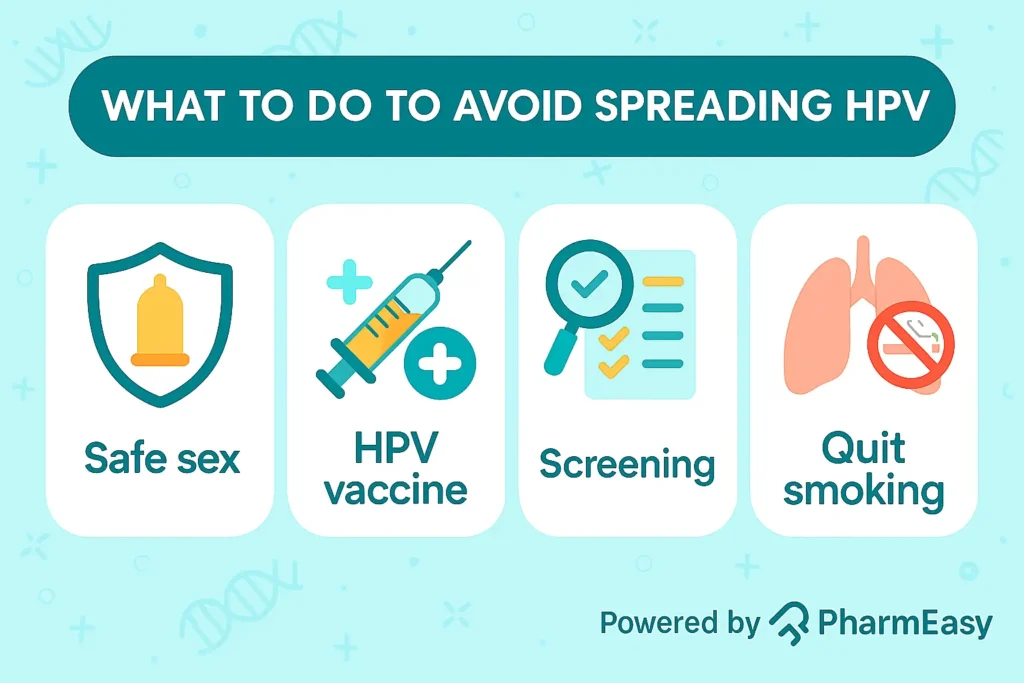
You can reduce the chances of getting HPV and its related complications by following these tips13,14:
By taking timely action and staying aware, you and your partner may be safeguarded from serious health risks related to HPV.
Also Read: HPV in Women: Causes, Symptoms, and Treatment Options
You need to see a doctor if you observe any changes in your body or any symptoms that are unusual. This could include a new growth or lump in the genital or anal area, sometimes with pain or bleeding. If you come to know that your partner has HPV, you may ask the doctor if you can get the HPV testing for men and, also get guidance on whether the vaccine can be taken to reduce the risk of exposure6,13.
Also Read: Is HPV Herpes? Our Doctor Explains the Difference
HPV cannot be taken lightly in men, as it may lead to cancer in some cases. The symptoms may not always be visible, but being aware, taking necessary precautions, getting vaccinated, and seeking medical advice can help you and your partner stay healthy and safe.
Also Read: Mouth Ulcers and HIV: Symptoms, Causes, Diagnosis & More
HPV symptoms do not appear immediately after getting infected with HPV. It may take weeks, months, or even years for signs to show up6.
Genital warts are usually non-cancerous. They are typically caused by low-risk HPV and resolve on their own. However, in case of persistent lesions, it’s best to consult your doctor. They will examine the lesion and advise HPV testing if needed1.
HPV can cause genital warts and, in some cases, lead to cancers in the anus, penis, mouth, or throat, even in men. You may get your son vaccinated before the start of sexual activity. Consult your doctor to know more about the HPV vaccine and prevention strategies.
Disclaimer: The information provided here is for educational/awareness purposes only and is not intended to be a substitute for medical treatment by a healthcare professional and should not be relied upon to diagnose or treat any medical condition. The reader should consult a registered medical practitioner to determine the appropriateness of the information and before consuming any medication. PharmEasy does not provide any guarantee or warranty (express or implied) regarding the accuracy, adequacy, completeness, legality, reliability or usefulness of the information; and disclaims any liability arising thereof.
Links and product recommendations in the information provided here are advertisements of third-party products available on the website. PharmEasy does not make any representation on the accuracy or suitability of such products/services. Advertisements do not influence the editorial decisions or content. The information in this blog is subject to change without notice. The authors and administrators reserve the right to modify, add, or remove content without notification. It is your responsibility to review this disclaimer regularly for any changes.


Are you wondering what is walking pneumonia? Walking pneumonia or atypical pneumonia is an infection of the lower respiratory tract1. This condition is generally a milder form of pneumonia where the patient may be well enough to walk around, that’s why it’s called “walking pneumonia2”.
This type of pneumonia is usually acquired outside of hospital or healthcare settings and caused by pathogens that are not commonly associated with pneumonia and not easily detectable by common staining and culture methods1. The most common organisms associated with walking pneumonia include the bacteria Mycoplasma pneumoniae, Chlamydia pneumoniae, or Legionella pneumoniae3.
Bacterial atypical pneumonia comprises around 15% of the total pneumonia cases acquired outside of hospital and healthcare settings4. Although, usually these infections are not very severe, the mortality of walking pneumonia among the elderly is 8.0%, while in younger, healthy individuals, the mortality is 0.5-2.0%5.
Walking Pneumonia, scientifically referred to as atypical pneumonia, is a milder form of lung infection, often caused by Mycoplasma pneumoniae, that generally does not require hospitalisation.
As this pneumonia usually has a mild course , most affected individuals can still continue their routine without any interruption to your daily activities and hence, this condition is commonly referred to as walking pneumonia2.
However, it is important to note that the severity of pneumonia can range from mild to life-threatening depending on factors such as age, the type of organism causing the infection, and when the walking pneumonia treatment is started1.
You may be wondering what causes walking pneumonia. Actually, walking or atypical pneumonia is caused by an invasion of bacteria (most commonly), and viruses or fungi (less commonly), that leads to inflammation of your air sacs or alveoli in your lungs1.
Walking pneumonia is typically acquired from the community (outside a hospital setting), most often by inhalation of respiratory secretions that contain the causative organism.
Based on what causes walking pneumonia, the different types of atypical pneumonia include:
An important difference between viral and atypical pneumonia is that viral pneumonia settles after a week but atypical takes more time and needs to be treated using antibiotics like macrolides, doxycycline, and fluroquinolones.
Dr. Kathak Shah, MBBS, DDV, Fellowship in Lasers & Aesthetics, Fellowship in Dermatosurgery
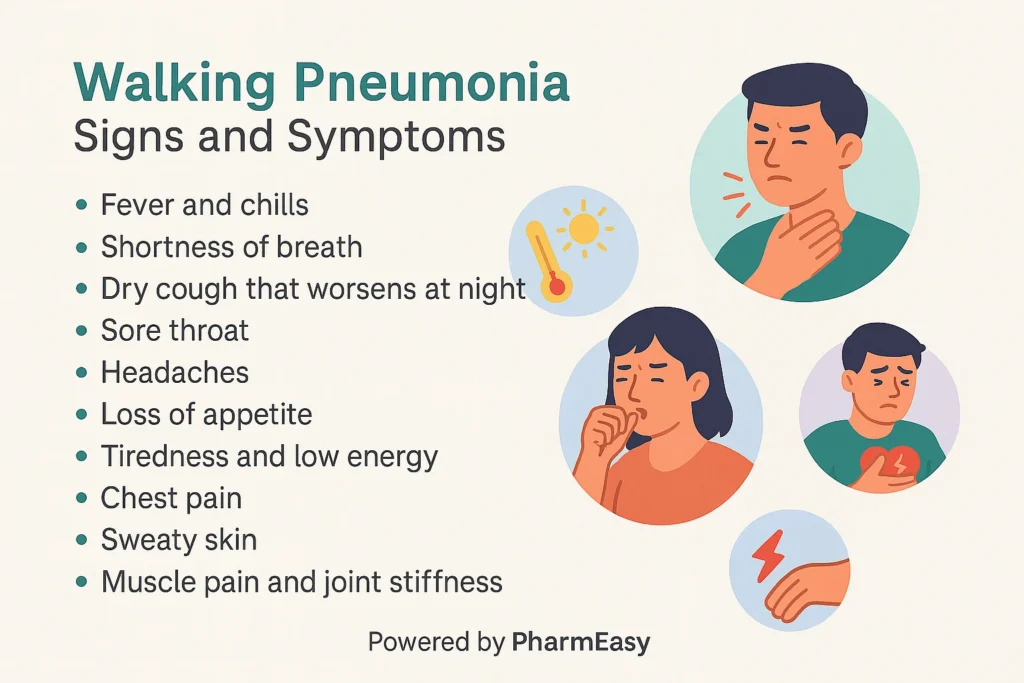
Though walking pneumonia is a mild infection, it does not always mean that you may be asymptomatic or fully functional. The walking pneumonia symptoms are generally mild and mainly include1,7:
Less common signs of walking pneumonia that may be noticed in the different types of walking pneumonia include7:
General risk factors include7,14
You may pose an increased risk of developing specific types of atypical pneumonia if you are:
Yes, it is contagious and walking pneumonia symptoms can spread from person to person. However, infections caused by Legionella pneumonia and Coxiella burnetii (Q fever) are not spread from person-to-person1.
The most common type of walking pneumonia caused by Mycoplasma pneumonia is highly contagious and spreads through infected droplets of affected individuals especially when they cough and sneeze. The disease spreads when you inhale these infected droplets15.
Hence, close proximity with an infected individual over an extended period of time causes the spread of infection. The symptoms are generally noticed two to three weeks post exposure to the causative agent (Mycoplasma pneumonia). However, it is important to note that you may be contagious before any symptoms appear and generally, once infected, the contagious period is around 10 days and may be longer, if not treated15.
As per my experience, I suggest that if there’s long standing dry cough in almost every family member spreading from one to another without any allergies triggering it, along with other symptoms like headaches and low grade fever, you should think of atypical pneumonia and consult your doctor immediately.
Dr. Kathak Shah, MBBS, DDV, Fellowship in Lasers & Aesthetics, Fellowship in Dermatosurgery
Your doctor will be able to diagnose walking pneumonia with certain examinations and laboratory tests such as7:
Based on these tests, your doctor will be able to accurately diagnose your condition and will suggest the appropriate walking pneumonia treatment.
After a careful assessment of your condition, your doctor will be able to suggest the best walking pneumonia treatment suitable for you.
Delayed treatment in individuals suffering from Legionella or weakened immune systems can worsen treatment outcomes. While delayed treatment may not always lead to severe disease in cases of Mycoplasma infections, early treatment is key for good recovery and prognosis1,11.
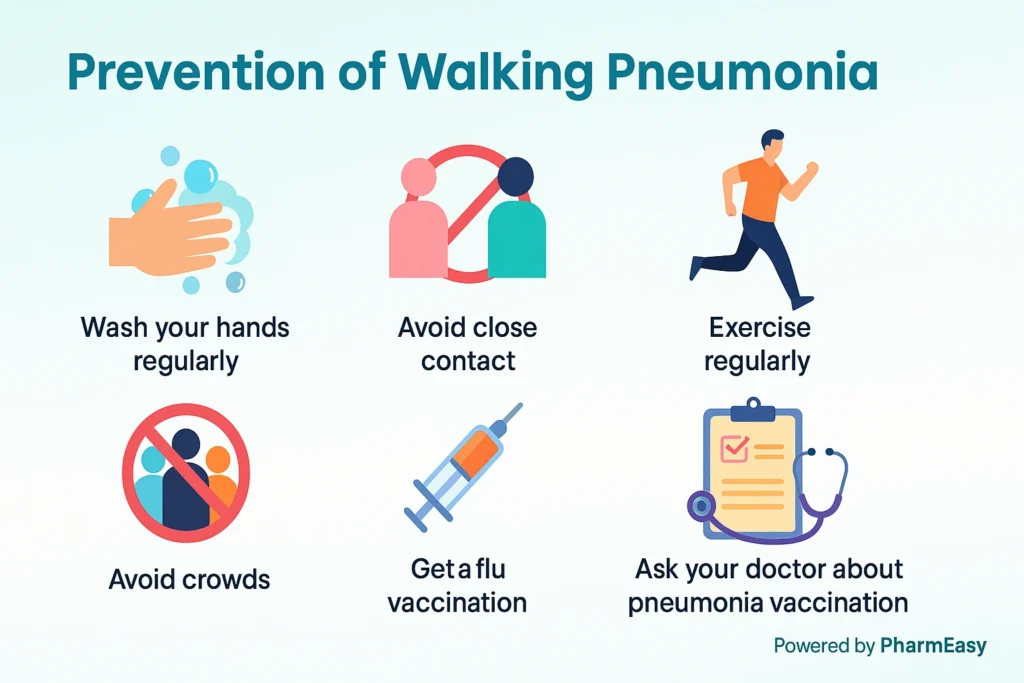
To reduce your risk of infection, you can follow these steps2,7:
By following these simple methods, you can avoid catching pneumonia especially if you are at high risk and protect your overall health2.
Also Read: Is Bronchitis Contagious? Causes, Transmission, Symptoms & Treatment
While individuals with walking pneumonia may be able to carry on with routine activities, certain self-care and hygiene measures can aid in a faster recovery. These include2,7,17:
Remember, if you are walking around with pneumonia, it’s your responsibility to prevent its spread to others. Avoid any unnecessary contact with other individuals. Avoid going to public places and always cover your mouth while sneezing and coughing or wear a protective mask. Wash your hands with soap and water regularly. Following these simple measures can have a huge public health impact.
Also Read: Bacterial Pneumonia: What Is It, Causes, Symptoms & Treatment
You should consult your doctor if you develop signs of walking pneumonia such as fever, shortness of breath, or cough. Your doctor will thoroughly assess your condition and will advise you on the best method to manage your condition.
You should also consult your doctor if you have been diagnosed with pneumonia and if your walking pneumonia symptoms get worse after an initial improvement7.
Also Read: Is Pneumonia Contagious? Causes, Transmission, Symptoms & Treatment
Walking pneumonia, or atypical pneumonia, is generally a mild respiratory infection commonly caused by atypical bacteria such as Mycoplasma pneumoniae, Chlamydia pneumoniae, and Legionella pneumoniae. While walking pneumonia symptoms are not very severe, it still requires proper medical care. With timely diagnosis, appropriate walking pneumonia treatment, and good hygiene, you can recover smoothly and avoid complications. Tips like handwashing, vaccinations, and avoiding smoking play a key role in reducing your risk and promoting your overall health.
Also Read: What Is Hantavirus? Symptoms, Causes, & Effective Prevention
Although not very common, walking pneumonia can recur after treatment. The chances of recurrence are increased if the infection is not completely removed with antibiotics or if you face any antibiotic resistance1.
If not diagnosed and treated properly, complications may arise and may include brain and nervous system infections (such as meningitis, encephalitis), severe lung damage, haemolytic anaemia (a condition in which the body destroys its own red blood cells) and respiratory failure7.
Walking pneumonia may not be detected on a routine physical exam alone and your doctor may require a chest X-ray or other laboratory tests to confirm the diagnosis7.
Exercise may be beneficial in pneumonia. A study18 has shown lower mortality rate in elderly individuals having pneumonia who walk daily compared to individuals who did not walk or exercise in any other form. However, you doctor will guide you best if exercising or walking is suitable for you if you have pneumonia.
Disclaimer: The information provided here is for educational/awareness purposes only and is not intended to be a substitute for medical treatment by a healthcare professional and should not be relied upon to diagnose or treat any medical condition. The reader should consult a registered medical practitioner to determine the appropriateness of the information and before consuming any medication. PharmEasy does not provide any guarantee or warranty (express or implied) regarding the accuracy, adequacy, completeness, legality, reliability or usefulness of the information; and disclaims any liability arising thereof.
Links and product recommendations in the information provided here are advertisements of third-party products available on the website. PharmEasy does not make any representation on the accuracy or suitability of such products/services. Advertisements do not influence the editorial decisions or content. The information in this blog is subject to change without notice. The authors and administrators reserve the right to modify, add, or remove content without notification. It is your responsibility to review this disclaimer regularly for any changes.
Good nutrition plays a crucial role in helping the body recover from any illness, and pneumonia is no exception1,2. Studies2,3,4 show that undernutrition in children can significantly increase the risk of contracting pneumonia and worsen its outcomes, as a weakened immune system makes them more vulnerable to respiratory infections.
Pneumonia can spread through droplets, inhalation, or in newborns, through the bloodstream during or just after birth. Although it isn’t always contagious (as its spread depends on the cause), more research is needed to understand the transmission of pneumonia better2.
While precise numbers may vary, evidence consistently demonstrates that good nutrition can play a vital role in supporting pneumonia recovery5. In fact, targeted dietary interventions in malnourished older adults led to a 77% reduction in pneumonia-related hospital readmission, highlighting the importance of improved nutrition for recovery, immune function, and long-term management of pneumonia6.
If you’ve been diagnosed with pneumonia, adhering to your prescribed treatment plan, which typically includes antibiotics (for bacterial pneumonia only), and respiratory support is essential for recovery7. While it is not the primary treatment, a balanced, nutrient-rich diet can help promote the healing process by strengthening your immune system5,7. Additionally, monitoring your symptoms and maintaining good hygiene can help prevent the infection from spreading to others.
Following a nutritionally supportive diet during pneumonia helps ensure your body receives all the essential nutrients needed to fight the infection and recover quickly. In this article, we’ll share valuable tips on what to avoid during pneumonia recovery to help support a faster, safer, and more complete healing process.
A well-balanced nutritious diet plays a crucial role in recovering from pneumonia. When the body is fighting an infection, it needs extra nutrients to repair tissues, restore energy, and strengthen the immune system. A proper diet can support recovery from pneumonia by:
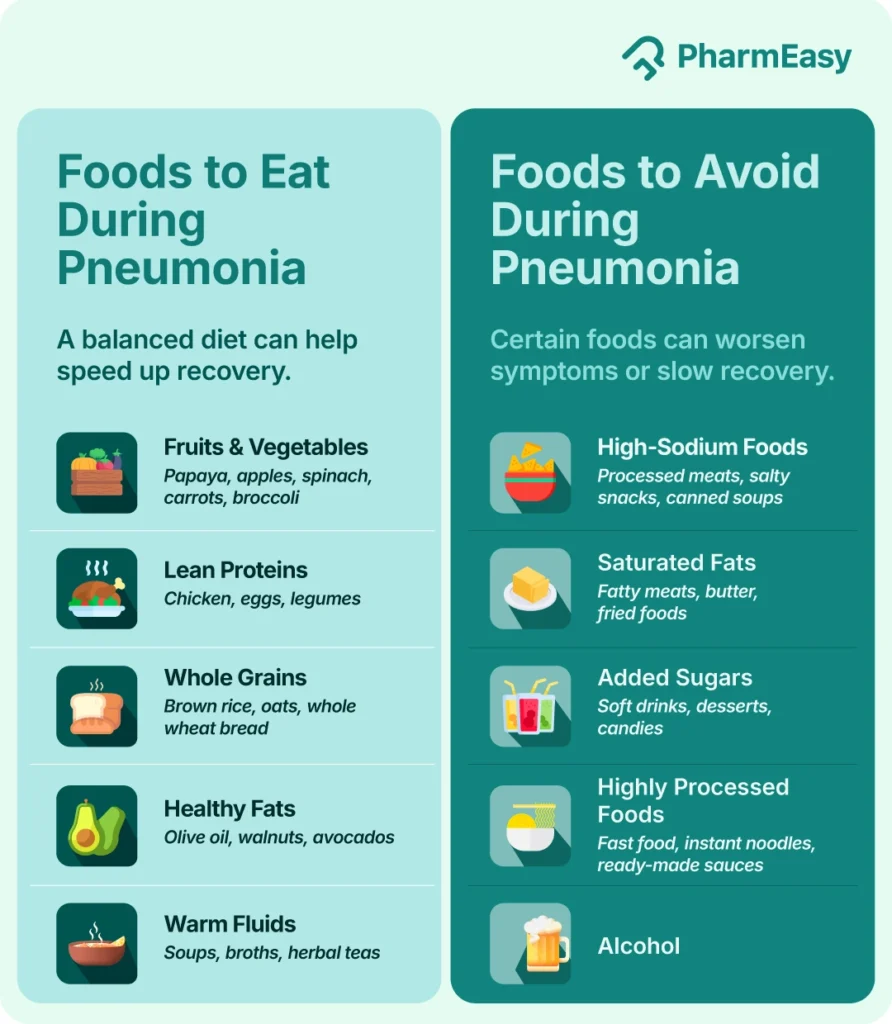
A balanced diet for pneumonia patients plays a crucial role in speeding up recovery by providing essential nutrients. In individuals with pneumonia, diet that includes the following five types of foods is beneficial:
In patients with pneumonia, foods to avoid include certain food products that may increase mucus production. Here’s what to limit or avoid and why:
Note: Some people report increased mucus production after consuming dairy, but scientific evidence on this is inconclusive. Thus, the focus should instead be on avoiding foods that may impair immunity or promote inflammation. Always consult a doctor or a registered dietitian for personalised dietary advice, especially during illness.
Many people still consider that dairy products increase mucus production. Diary products may form a coating on the throat giving a feeling of excessive mucous but they do not actually increase its production or infection risk. Pneumonia is caused by infections, not by eating or drinking something in particular.
Dr. Vishesh Bharucha, MBBS, MD
The ideal diet for pneumonia patients includes warm fluids, soft foods, and meals high in vitamins A, C, and E to support lung health. You can follow the below-mentioned pneumonia diet chart to help with pneumonia recovery7,12:
| Mealtime | Options |
| Breakfast | Mixed fruits (apple, grapes, prunes), A handful of almonds or sunflower seeds 100% fruit or vegetable juice |
| Mid-Morning Snack | Mixed fruits (apple, grapes, prunes), A handful of almonds or sunflower seeds, 100% fruit or vegetable juice |
| Lunch | Brown rice or whole-grain bread, Stir-fried tofu or lean turkey with kale, Mixed legume soup, Steamed carrots or beans |
| Afternoon Snack | Brown rice or whole grain roti, Steamed vegetables (carrot, broccoli, spinach) Grilled salmon or skinless chicken, Low-fat yoghurt |
| Dinner | Brown rice or whole-grain bread, Stir-fried tofu or lean turkey with kale, Mixed legume soup Steamed carrots or beans |
Tip: Stay hydrated by consuming plenty of water throughout the day.
A recent meta-analysis found limited but some benefit of zinc supplementation in reducing hospital stay in pediatric pneumonia, though there’s no strong evidence for routine use of single micronutrient supplements21.
Dr. Vishesh Bharucha, MBBS, MD
Also Read: Walking Pneumonia: What Is It, Causes, Symptoms, Diagnosis & Treatment
A pneumonia diet chart helps plan meals that are light, nutritious, and rich in essential vitamins to support better health. Along with dietary guidance, adopting a few lifestyle tips can further speed up the healing process:
Also Read: Bacterial Pneumonia: What Is It, Causes, Symptoms & Treatment
Choosing the right diet for a pneumonia patient may help reduce inflammation and support lung function. Nutrient-rich foods that may support recovery include warm soups, fruits rich in vitamin C, and leafy green vegetables. Additionally, knowing which foods may hinder recovery or worsen inflammation can help prevent complications and promote faster healing.
By providing essential nutrients, staying hydrated, getting adequate rest, and avoiding harmful substances like tobacco smoke and alcohol, you can support your immune system and significantly enhance your healing process. Also, staying up to date with vaccines, especially the pneumococcus vaccine and the flu vaccine, can help reduce the risk of developing pneumonia or experiencing severe complications.
Also Read: Pneumococcal Vaccine: Types, Side Effects, and Who Needs It
A pneumonia patient should aim for at least 1.5 litres of fluids per day unless advised otherwise by a doctor17,19. Staying hydrated helps thin mucus and ease coughing.
Yes, supplements like vitamin C may help strengthen the immune response18,20. However, they should be taken under medical supervision, especially if the patient is already on medication.
It’s best to avoid restaurant food during recovery, as it may contain excess salt, sugar, oil, and preservatives. Home-cooked, hygienic, and freshly prepared food is safer and more nourishing for pneumonia patients7.
Yes, warm herbal teas like black tea, green tea, peppermint tea, sage tea, and thyme tea can soothe the throat, reduce coughing, allow mucus clearance, and may boost the body’s anti-inflammatory processes16.
Also Read: Natural Home Remedies for Pneumonia
Disclaimer: The information provided here is for educational/awareness purposes only and is not intended to be a substitute for medical treatment by a healthcare professional and should not be relied upon to diagnose or treat any medical condition. The reader should consult a registered medical practitioner to determine the appropriateness of the information and before consuming any medication. PharmEasy does not provide any guarantee or warranty (express or implied) regarding the accuracy, adequacy, completeness, legality, reliability or usefulness of the information; and disclaims any liability arising thereof.
Links and product recommendations in the information provided here are advertisements of third-party products available on the website. PharmEasy does not make any representation on the accuracy or suitability of such products/services. Advertisements do not influence the editorial decisions or content. The information in this blog is subject to change without notice. The authors and administrators reserve the right to modify, add, or remove content without notification. It is your responsibility to review this disclaimer regularly for any changes.
4
Human papillomavirus (HPV) is one of the most common sexually transmitted infections (STIs) prevalent globally. This virus primarily affects the skin and mucous membranes of the genital area, mouth, and throat, causing asymptomatic infections or growths called as warts. While most HPV infections resolve on their own without medical intervention, persistent infection with certain high-risk strains can lead to serious health issues, including certain cancers such as cervical, oropharyngeal (tonsils, base of tongue), anal, and penile cancers1,2.
In India, HPV-related cancers pose a significant public health challenge. Projections for 2025 estimate approximately 121,302 new HPV-related cancer cases, accounting for 7.7% of the total cancer burden in the country (3.3% among males and 12.0% among females)3. Therefore, understanding the causes, symptoms, and prevention methods for HPV infections is crucial for reducing the risk of diseases caused by this virus and promoting public health. In this article, we will discuss what is HPV, and why is it something we should all be aware of!
HPV belongs to a group of small, non-enveloped, double-stranded DNA viruses known as papillomaviruses. It mainly infects the basal cells of the skin or mucous membranes, usually entering through tiny cuts or tears on the surface3.
Once inside the basal layer of the skin (stratified squamous epithelium), the virus begins its life cycle. As the infected skin cells mature and move toward the surface, HPV replicates along with them.
In some cases (especially with high-risk types like HPV 16 and 18) the virus can interfere with normal cell functions. These high-risk types may integrate with the DNA of host cells, leading to the continuous production of proteins that block the body’s natural control over cell growth. Over time, this uncontrolled cell growth can lead to cancer, such as cervical cancer.
On the other hand, low-risk HPV types (like types 6 and 11) are not linked to cancer occurrence, though they can cause conditions like genital warts3.
Scientists have made major progress in understanding HPV, especially through genetic research, but there is still more to learn about how the virus behaves and changes over time4.
There are over 200 types of HPV viruses, and they are classified based on where they infect and the level of risk they pose. These types are broadly divided into:
These infect the skin rather than the mucosal (tissue lining of organs) areas5,6,7:
These infect the mucosal (tissue lining of organs) areas and are classified into two types:
Low-risk HPV types: These conditions are non-cancerous but can be recurrent or obstructive and may require ongoing medical treatment:5,6,7
High-risk HPV types: These types can cause pre-cancerous changes and cancers, especially5,6,7:
The HPV virus is mainly spread when a healthy person comes in direct contact with an infected person. Common human papillomavirus causes/modes of transmission include:
HPV is mostly transmitted sexually, in very few instances it is non-sexual for example when an infected person shares certain personal items ( like towel etc.). In such cases educating masses on maintaining personal hygiene is of paramount importance.
Dr. Nayana S Shetty, MBBS, MD
In most cases, human papillomavirus infection causes no symptoms and goes unnoticed, especially in the early stages. However, in some cases, HPV symptoms may appear due to warts or long-term complications of persistent infection:
Note: Vaginal or anal bleeding may occur in advanced cervical/anal disease; however, this is not an early or direct symptom of HPV itself.
HPV can lead to several serious health complications, particularly when caused by high-risk strains of the virus. While many human papillomavirus infections are asymptomatic and clear on their own, persistent infections can result in the following complications:
Since human papillomavirus infections are often asymptomatic, routine screening and specific diagnostic tests are essential, especially for women. While there is no general screening test for HPV in men, several tests can help identify HPV-related complications in both sexes. Common methods of HPV diagnosis include:
There is currently no cure for human papillomavirus infection itself, but various treatment options are available for HPV-related conditions, including genital warts and HPV-associated cancers.
Warts caused by HPV can be managed using various methods, depending on their location, size, and the patient’s immune response. However, it’s important to note that there is no antiviral cure to eliminate the HPV virus itself. Most HPV infections are cleared naturally by the immune system within 1 to 2 years. Treatment focuses on removing visible warts and relieving symptoms, not eradicating the virus. Common treatment options include2,4:
If HPV infection progresses to cancer (such as cervical, anal, vulvar, penile, or mouth cancer), management involves2:
Note: HPV-positive cancers, especially oropharyngeal cancers, generally have a better prognosis and may respond differently to therapy, which can influence treatment planning.
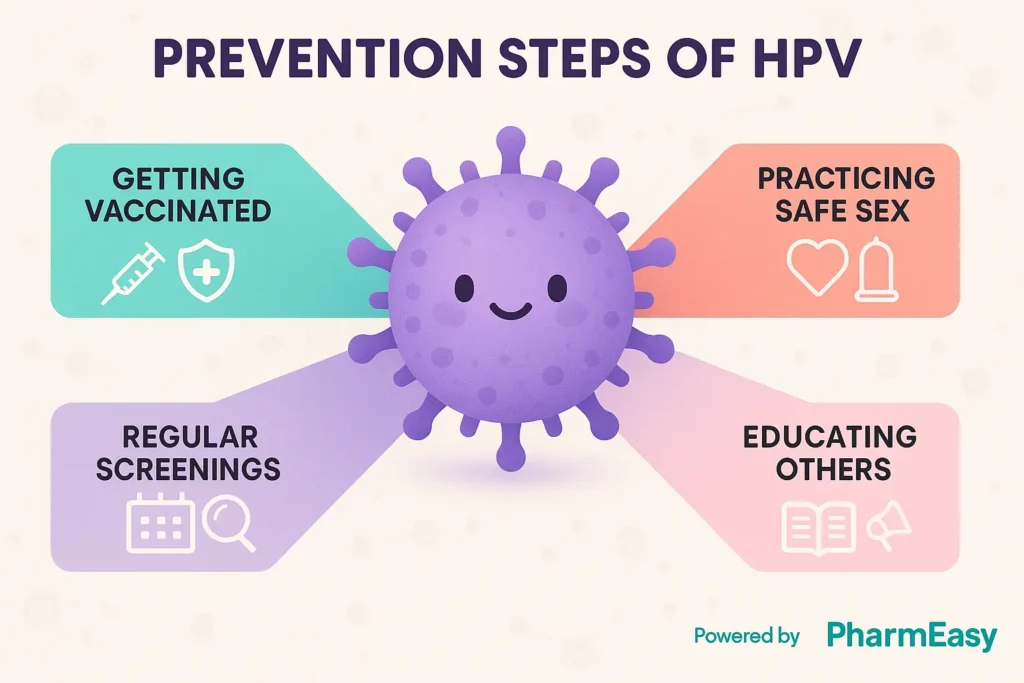
While HPV is a quite common virus, several steps can significantly reduce the risk of infection and its complications. These measures include:
The HPV vaccine is the most effective way to avoid infection from the most harmful types of HPV virus, including those that cause genital warts and cancer. It is ideally given before the onset of sexual activity, typically recommended for children aged 9 to 14, with a 2-dose schedule. Older individuals (aged 27 to 45) may also benefit from vaccination based on risk factors and in consultation with their doctor11.
HPV vaccine should be taken by all boys as well as girls. Talk to your doctor about the right age to take vaccine for your daughter/sister/ wife.
Dr. Nayana S Shetty, MBBS, MD
Using condoms and protection during vaginal, anal, and oral sex also helps to reduce the risk of HPV transmission1. Additionally, limiting the number of sexual partners can also decrease the risk of exposure.
Routine cervical cancer screening is recommended for women aged 21 to 65 years. This includes a Pap test every 3 years, or for women aged 30 and above, a combination of Pap test plus HPV co-testing every 5 years12. These screenings help detect early abnormal cell changes caused by HPV, allowing for timely intervention and prevention of cervical cancer.
Increasing awareness about HPV transmission, symptoms, and prevention methods helps reduce stigma and encourages initiative-taking healthcare. Parents should also be informed about the benefits of HPV vaccination for their children.
Also Read: HPV in Men: What It Is, Causes, Symptoms & Treatment
Although many HPV infections clear on their own without causing symptoms, it’s important to seek medical attention if you:
Also Read: HPV in Women: Causes, Symptoms, and Treatment Options
Human papillomavirus causes an cause warts and serious cancers, but most infections have no symptoms and clear on their own. Therefore, understanding what HPV is, what are the common HPV symptoms, and how to protect yourself through vaccination, testing, and awareness, are key to preserving long-term health and reducing the risk of serious complications.
Vaccines protect against the high-risk cancer-causing types (like HPV 16 and 18) and some low-risk types that cause warts (like 6 and 11), but they do not treat existing infections. Additionally, regular testing helps detect early changes caused by HPV for timely treatment. Together, vaccination, testing, and awareness are key to reducing HPV-related health problems and protecting public health.
Also Read: HPV Vaccine: What is It, When to Be Taken, Importance & Side Effects
It can take several years, often 15 to 20 years, for a persistent HPV infection to develop into cancer1.
Several factors can increase the risk of HPV infection, including early age at first sexual intercourse, having multiple sexual partners, smoking, long-term use of oral contraceptives (over 5 years), chewing betel nut, and exposure to radiation or ultraviolet (UV) light4.
There is no cure for the virus itself, but most infections clear naturally. Treatments are available for warts and precancerous changes2.
HPV is unique because many infections cause no symptoms and clear on their own, but some types can lead to cancer, unlike many other STIs1.
Disclaimer: The information provided here is for educational/awareness purposes only and is not intended to be a substitute for medical treatment by a healthcare professional and should not be relied upon to diagnose or treat any medical condition. The reader should consult a registered medical practitioner to determine the appropriateness of the information and before consuming any medication. PharmEasy does not provide any guarantee or warranty (express or implied) regarding the accuracy, adequacy, completeness, legality, reliability or usefulness of the information; and disclaims any liability arising thereof.
Your blood can reveal a lot about what’s happening inside your body, and there are several parameters which help detect the same. One such commonly used indicator is the ESR or Erythrocyte Sedimentation Rate, which helps assess the presence of inflammation or infection in the body. ESR measures how quickly your red blood cells (erythrocytes) settle at the bottom of a test tube. When there is inflammation in the body, the red blood cells tend to clump with each other and settle more quickly, resulting in a higher ESR value.
In this blog, let’s explore the causes of high ESR, what does high ESR indicates, how it’s diagnosed, and how to reduce ESR. But before that, let’s understand what ESR is, what the normal range looks like, and which values are considered abnormal.
ESR is a measure of how quickly your red blood cells settle to the bottom of a test tube, which is related to the presence of inflammation in your body. Inflammation is how your body reacts to injury, infection, or other health issues like immune disorders, certain cancers, or blood problems.
Normally, red blood cells fall slowly, but when there’s inflammation, they stick together. These clusters are heavier, so they settle more quickly. The speed at which they fall helps doctors assess the level of inflammation. The faster the cells settle, the more inflammation is likely present. However, the ESR values do not reveal the exact cause of the inflammation2.
ESR values along with a detailed history, physical examination and other investigations can help diagnose and monitor conditions that cause inflammation such as infections or autoimmune conditions. It can also help doctors track how well treatment is working2.
ESR is recorded in millimeters per hour (mm/hr). Its normal values are:
Please note the normal values can differ based on factors like age, sex, overall health, and even the lab conducting the test3.
Your ESR value gives information about the inflammation in your body. However, a value outside the typical range doesn’t always mean something is wrong. It’s best to talk to your doctor to understand what your results mean for you.
A high ESR may point to several underlying conditions. It can be associated with infections, such as osteomyelitis (bone infection) or septic arthritis (joint infection), autoimmune conditions like rheumatoid arthritis, or Inflammatory disorders, such as systemic lupus erythematosus (SLE) and inflammatory bowel disease (IBD). It may also be elevated during flares or relapses of chronic inflammation4, and specific conditions like pregnancy, diabetes mellitus, end-stage kidney disease, heart disease, and certain cancers3.
However, a high ESR is not always due to inflammation. Certain non-inflammatory conditions can also affect it. For example, anaemia (low red blood cell count) makes RBCs clump more easily, which increases ESR4.
While ESR is a helpful clue, it’s a non-specific test, meaning it doesn’t pinpoint the exact cause. Your doctor will consider it along with other tests and symptoms to understand what’s going on in your body.
If your ESR is higher than normal, your body might be telling you something. Below are some common signs and symptoms that may be present along with a raised ESR:
While the symptoms associated with high ESR may seem non-specific at first, it is always advisable to seek medical help when you experience the earliest symptoms to diagnose your condition.
ESR can be influenced by a variety of factors. For instance, women generally have slightly higher ESR values compared to men, and factors like aging and pregnancy can also contribute to an increase. However, certain medical conditions may also cause ESR levels to rise due to increased inflammation in the body. These illnesses may include3:
While an elevated ESR can indicate the presence of underlying conditions, it is not a definitive diagnosis on its own. It is important to look at your full health picture, such as symptoms, history, and other tests to identify the cause of the inflammation.
If you’re wondering what happens if erythrocyte sedimentation rate is high for long, note that it means there is active inflammation in your body, especially when the underlying cause is undiagnosed and untreated. This can indicate an increased risk of certain medical conditions or higher chances of complications from persistent infections and inflammatory conditions, also possibly having a poorer prognosis (treatment outcome) in some cases. Let’s have a detailed look at these.
It is important to receive timely high ESR treatment to manage the underlying causes and reduce the risks associated with high ESR.
Adopting lifestyle changes to reduce high ESR is advisable as these are beneficial practices with no harm that is preferable to incorporate even if the ESR is normal. But if you are considering any kind of supplementation to reduce high ESR or prevent rise of ESR like vitamin D or omega-3-fatty acid supplements and OTC anti-inflammatory drugs, don’t do so without the advice of your registered medical doctor.
Dr. Nayana Shetty, MBBS, MD
To measure the sedimentation rate of red blood cells, an ESR test is done. This test makes use of a small sample of your blood which is placed in a test tube and watched for the settling of your red blood cells. There are several methods to perform the ESR test:
While the ESR test helps doctors check if there is inflammation in the body, it doesn’t point to any specific condition. When checking your ESR results, do remember the following:
Doctors always look at your ESR result along with your symptoms, physical examination results and other test findings. This helps them decide the right next steps for your care.
Also Read: High Platelet Count: Causes, Symptoms, Management and More!
If your ESR levels are high, it is important to identify the cause, which could be related to infection, autoimmune disorders, or other medical conditions. If you are wondering how to reduce ESR, here are some tips that can help reduce ESR levels:
It’s important to talk to your doctor before making lifestyle changes to understand how to reduce high ESR and inflammation in your body.
Consuming foods high in antioxidants can help fight inflammation over time. This may be helpful in reducing markers of inflammation like ESR. Few such anti-inflammatory foods are yogurt, avocado, berries, broccoli, chia seeds, etc24.
Dr. Nayana Shetty, MBBS, MD
High ESR is an indicator of underlying inflammation in the body. It is linked to conditions like infections, autoimmune diseases, and certain cancers. While ESR is a non-specific tool that cannot be used for diagnosis on its own, it helps doctors detect inflammatory and certain non-inflammatory conditions in the body, as well as monitor the response to ongoing treatments. You can manage your ESR levels through a healthy diet, regular exercise, and lifestyle changes such as quitting smoking and limiting alcohol intake. But remember, if your results show abnormal levels of ESR, it is important to contact your doctor for a proper diagnosis and management plan.
Also Read: Can You Check Thyroid at Home
Just like ESR, C-reactive protein (CRP) is a test that shows there might be inflammation in the body4.
No. ESR is a non-specific test. This means it must be interpreted along with clinical symptoms and other diagnostic tests to know the actual cause of symptoms. CRP is more sensitive and specific for detecting acute inflammation compared to ESR1.
Yes. Anti-inflammatory medications like NSAIDs22 or corticosteroids23 may lower ESR values, even if inflammation is present in the body, and other medications like biologics or immunosuppressants can elevate it. You must always take medication for managing your ESR as prescribed by your doctor. Never self-medicate.
Low ESR levels can happen in conditions where there are too many red blood cells (like polycythaemia) and in blood disorders like sickle cell anaemia3.
Yes, ESR can be elevated in healthy individuals during pregnancy, aging, periods, or even due to lab errors3.
24. Yu X, Pu H, Voss M. Overview of anti-inflammatory diets and their promising effects on non-communicable diseases. Br J Nutr. 2024 Oct 14;132(7):898-918. doi: 10.1017/S0007114524001405. Epub 2024 Oct 16. PMID: 39411832; PMCID: PMC11576095. Available from: https://pmc.ncbi.nlm.nih.gov/articles/PMC11576095/
Disclaimer: The information provided here is for educational/awareness purposes only and is not intended to be a substitute for medical treatment by a healthcare professional and should not be relied upon to diagnose or treat any medical condition. The reader should consult a registered medical practitioner to determine the appropriateness of the information and before consuming any medication. PharmEasy does not provide any guarantee or warranty (express or implied) regarding the accuracy, adequacy, completeness, legality, reliability or usefulness of the information; and disclaims any liability arising thereof.
Links and product recommendations in the information provided here are advertisements of third-party products available on the website. PharmEasy does not make any representation on the accuracy or suitability of such products/services. Advertisements do not influence the editorial decisions or content. The information in this blog is subject to change without notice. The authors and administrators reserve the right to modify, add, or remove content without notification. It is your responsibility to review this disclaimer regularly for any changes.
104
21
Penis size is a common concern for many men, but it’s important to understand that size does not necessarily correlate with sexual satisfaction or performance3. While there are no exercises that can significantly increase the size of the penis, some practices can improve blood flow and contribute to better sexual health. It’s essential to approach any claims of penis enlargement with caution, as many are not supported by scientific evidence. Prioritizing general sexual health and fitness is the most reliable way to support sexual function.
What is the average penis size? How to get a bigger penis? If you are trying to find answers for these frequently searched questions- this article can help you with medically correct information.
You need some privacy, a clean ruler, a clean measuring tape or a non-stretchable string (for measuring the girth of penis).

Penis stretching exercises have gained popularity over the years. People often search online- how to increase penis size? and start following the remedies and exercises given on the internet. But do not set your expectations high if you are planning to try exercises to make your penis big. Let’s read more about different exercises known to increase penis size and understand the scientific logic behind them-
In this type of manual exercise, a safe lubricant is applied to the penis and massaged gently. This exercise is intended to stretch the skin of your penis which may aid in the enlargement of the penis.
Caution: Vigorous massaging can lead to tissue injury.
This stretching device can be attached to the penis and it tends to create immediate erection. The device creates a vacuum and increases the blood flow to penis with the help of suction2,8.
Steps:
Caution: There are limited studies around the long-term effectiveness of such devices. Always consult your doctor before using any such device around your sensitive areas.
This is the most common form of exercise among men. It may help in improving the blood circulation to penis1.
Steps:
There is no scientific evidence that stretching exercises can increase penis size. This exercise is similar to milking a cow. This is a kind of jelqing exercise, but it uses only your thumb and index finger.
Steps:
Kegel exercises help strengthen the pelvic floor muscles and may support performance. Stay focused throughout the exercise9.
How To Do?
Note: Before implementing any exercise or technique mentioned in this article, it is important to consult a urologist to understand the pros and cons of performing any exercise for penis. Incorrect practices may injure the penis.
Penoscortal rings are devices that may help in keeping an erection for a longer period and create the appearance of a larger penis. These rings fit around the base of the scrotum and penis, helping to keep the blood in the penis, which might make make it look bigger during sexual activities. However, it should be worn cautiously and after consulting a doctor, as it may also cause discomfort and injury.
Dr. Nayana Shetty, MBBS, MD
While many products and techniques claim to increase penis size, there is little scientific evidence supporting their effectiveness. However, maintaining a healthy lifestyle can contribute to better overall sexual health, which might indirectly influence penis function and appearance.

A balanced diet rich in macro and micro nutrients, such as fresh fruits, vegetables, whole grains, lean proteins, and healthy fats, is essential for overall health, including sexual health10. Proper nutrition supports blood flow and hormone levels, which are crucial for sexual function.

Regular physical activity improves cardiovascular health, which is vital for maintaining proper blood flow. Exercises like Kegels specifically target the pelvic floor muscles, potentially improving sexual performance and penile function.

Maintaining a healthy weight can prevent conditions like obesity and diabetes, which are known to negatively impact sexual health. Excessive body fat can also reduce testosterone levels, leading to potential issues with libido and erectile function11.

Adequate sleep is crucial for hormonal balance, including testosterone production. Poor sleep can lead to lower energy levels and reduced sexual desire, affecting overall sexual health.

Chronic stress can lead to hormonal imbalances, including reduced testosterone levels, which may impact sexual function. Techniques such as meditation, deep breathing, and yoga can help manage stress, promoting better overall and sexual health12.

Smoking13 and excessive alcohol intake can impair blood flow and lead to erectile dysfunction. Quitting smoking and moderating alcohol consumption are important steps in maintaining sexual health and overall well-being.
Various products are marketed as remedies for increasing penis size naturally. These can be dangerous to your health. Never consume or use anything for penis enlargement without consulting a doctor. Here are some popular examples that you need to be cautious about-
People often ask if Penis enlargement pills increase penis size? Often marketed as natural supplements, these pills claim to increase penis size by boosting blood flow or enhancing hormone levels. However, there is little scientific evidence to support their effectiveness, and some may contain harmful or unregulated ingredients.
These topical products claim to enlarge the penis by improving circulation or stimulating tissue growth. However, there is no reliable proof that they work, and they can sometimes cause skin irritation or serious allergic reactions.
Vacuum pumps create temporary swelling by drawing blood into the penis, which can make it appear larger temporarily. While they can help temporarily with erectile dysfunction, they do not result in permanent size increase and overuse can lead to tissue damage.
Also Read: Does Masturbating Increase Risk of Prostate Cancer or Vice Versa?
Penis-enlargement surgery (phalloplasty)2 is rarely needed and is usually reserved for cases where the penis doesn’t function properly due to a congenital issue or injury. Some surgeons offer cosmetic procedures to enlarge the penis, but these are controversial and often deemed unnecessary by experts. There is a lack of sufficient research to fully understand the risks and benefits of these procedures.
A penis enlargement surgery can be involve any one of the following :
To know more about the risks and benefits associated with surgery to increase penis size, consult a urologist and plastic surgeon.
Many people are not aware that filler injections might also help in increasing penis size. Studies have shown that using these fillers may lead to a modest increase in some, especially in the initial months. These injections may also improve erectile dysfunction in the long run. However, more studies are needed to validate these treatments for their effectiveness and safety.
Dr. Nayana Shetty, MBBS, MD
Consult a psychiatrist and a urologist first. Many-a-times it’s not the size but the self doubt related to the normal size of penis that creates the entire problem. Consulting an expert can solve the problem. They may help you in understanding the following-
Also Read: Things You Shouldn’t Do Before And After Sex
Worrying about penis size is common, but it’s crucial to remember that size doesn’t determine masculinity or sexual ability. Confidence in and acceptance of your natural size is key to a fulfilling and healthy sexual life. If you are constantly looking for options to increase penis size, if concerns about penis size are affecting your mental health or relationships, consulting a sexologist (MBBS, MD Psychiatry) can help address these issues and provide guidance on managing anxiety and self-esteem.
Also Read: Is Daily Sex Good for Health?
Your penis stops growing once you finish your puberty phase. However, it may vary from person to person. Usually, by the time you are 16 years old, your body and its parts should be close to your adult size.
You can have foods such as spinach, apples, avocados, carrots, oats and tomatoes, nuts and seeds along with a balanced diet. Good nutrition is known to support overall sexual wellness.
A penis enlargement surgery may add half an inch to the penis but does not change the actual length of the penis. Surgery can result in complications such as infection, scarring, and loss of sensation or function. A plastic surgeon can help you understand the risks vs benefits of undergoing a penis enlargement surgery after assessing your health.
No, height does not have a direct impact on penis size. Penis size is primarily determined by genetic and hormonal factors during fetal development and puberty, while height is influenced by different genetic and environmental factors. The growth of the penis is mainly governed by hormones like testosterone, whereas height is influenced by hormones like growth hormone and IGF-1. Therefore, variations in height do not correlate with variations in penis size, and each individual’s body proportions are unique and unrelated to one another.
Penis size alone does not determine sexual performance. Sexual satisfaction involves various factors, including emotional connection, communication, technique, and understanding a partner’s needs and desires.
Some individuals may experience performance anxiety or low self-esteem related to their perceived penis size. These concerns can affect sexual confidence and satisfaction. Open communication with a partner and seeking professional support, such as counselling or therapy, can be helpful.
Penis size generally does not affect fertility or sexual health. Fertility is determined by factors such as sperm quality and reproductive health. Sexual health is influenced by overall well-being, emotional connection, and practising safe and consensual sexual behaviours.
The size of the penis generally remains stable throughout adulthood. However, with age, men may experience a decrease in testosterone levels, which can lead to reduced sexual desire and erectile function. These changes are typically unrelated to actual penis size.
Losing weight may not directly increase penis size, but it can affect the visibility of the penis. As excess weight is lost, the pubic fat pad may become less prominent, making the penis appear more visible and potentially giving the illusion of increased size.
Yes, penis size has a genetic component, with factors such as genetics and hormonal influences playing a role in determining an individual’s natural size. However, environmental factors and overall health can also influence development.
There is no scientific evidence to suggest that creatine supplementation has any impact on penis size. Penis size is primarily determined by genetic and hormonal factors, while creatine is commonly used to enhance athletic performance and muscle strength.
There is no scientific evidence to support the idea that apple juice can influence penis size. Penis size is primarily determined by genetic and hormonal factors, and no specific food or drink has been proven to affect its growth.
Penis size is primarily determined by genetic factors, including the influence of hormones during fetal development. While genetics play a crucial role, environmental factors and overall health can also contribute to individual variations in penis size.
To measure penis size accurately, use a ruler or measuring tape to measure from the base to the tip along the top side. Ensure the measurement is taken when the penis is fully erect for more reliable results.
While testosterone plays a crucial role in sexual development, its impact on penis size during adulthood is limited. The growth of the penis primarily occurs during puberty, and testosterone influences overall sexual function rather than significant changes in size.
Penis pumps temporarily increase blood flow to the genital area, causing a temporary and modest size increase. However, the effects are not permanent, and the size change is typically temporary, diminishing after disuse.
Achieving a larger penis size is challenging and often involves accepting one’s natural dimensions. Be cautious of products or methods claiming rapid results, as many lack scientific support. If concerned, consult a healthcare professional for advice on safe and evidence-based approaches.
Disclaimer: The information provided here is for educational/awareness purposes only and is not intended to be a substitute for medical treatment by a healthcare professional and should not be relied upon to diagnose or treat any medical condition. The reader should consult a registered medical practitioner to determine the appropriateness of the information and before consuming any medication. PharmEasy does not provide any guarantee or warranty (express or implied) regarding the accuracy, adequacy, completeness, legality, reliability or usefulness of the information; and disclaims any liability arising thereof.
115
24
Chamomile tea has been loved for its potential health benefits for many years. It comes from daisy-like flowers. The tea has a lovely smell that tea lovers all over the world enjoy. Its taste is just as delightful. Apart from being tasty, it’s also packed with nutrients.
In this article, we’ll take a closer look at the story behind chamomile tea and the different varieties available, each with its own unique qualities. We’ll also explore its nutritional profile and the potential health benefits it may offer; from promoting better sleep and supporting digestion to contributing to heart health. You’ll learn how to brew the perfect cup and understand the precautions to keep in mind. By the end, you’ll have a clearer idea of why chamomile tea has remained so popular and how it can gently support your overall well-being.
Did you know?
The history of chamomile tea dates back to notable civilizations like Egypt, Greece, and Rome. Being a favoured natural remedy, its use became embedded in many cultural customs and traditions.
Chamomile holds high regard in many cultures in history. In ancient Egypt, it was used in paying tribute to the gods and in managing various health issues. The Romans and Greeks loved chamomile tea for its calming effects. It was their go-to natural remedy for many health concerns.
German chamomile (Matricaria recutita) is one widely known type of chamomile. It’s often chosen by tea lovers because of its honey-sweet flavour and pleasing aroma. It’s native to Europe and Asia but can be found in different regions.
Roman chamomile (Chamaemelum nobile) and German chamomile have some common traits, but they differ slightly in taste and smell. Although it is not that common, Roman chamomile has many potential health benefits too. Much like the German version, it serves as an effective natural remedy.
Chamomile tea is a rich source of important nutrients that lend to its various potential health benefits. These vital elements include vitamins, minerals, potent antioxidants, and essential oils.
Recently, I read in a study that chamomile tea can help in healing after wisdom tooth extraction due to its natural anti-inflammatory and antibacterial properties. Drinking the tea or using it as a gentle rinse may soothe pain and reduce swelling, promoting quicker recovery. Just ensure to cool the tea before using it to avoid irritating the extraction site13,14.
Dr. Siddharth Gupta, BAMS, M.D (Ayu)
A blend of essential oils, potent antioxidants, and nutrients makes chamomile tea an alternative remedy for various health concerns. These include improved sleep, better digestion, strong heart health, and reducing the risk of cancer.

Many studies suggest that chamomile tea improves sleep3,4. Specifically, it may help reduce the number of times people wake up at night and improve functioning in the daytime. This effect is particularly helpful for individuals suffering from insomnia or other sleep troubles. Chamomile tea is proposed to enhance sleep quality, due to the antioxidant apigenin. It is said to help soothe and to reduce insomnia4. But always remember not to overdo the consumption.

Besides improving sleep, this tea is proposed to help reduce anxiety and stress. It has been found that regular intake of chamomile tea may help deal with depression, leading to a better mood and decreased feelings of sadness5.
However, further research is required to compare the effects of tea with other management options available for sleep disorders, stress, and anxiety.

Chamomile tea is said to be good for the gut. Its key features, like its ability to reduce inflammation, may help improve gut health by avoiding the growth of harmful gut bacteria and mitigate digestive issues like indigestion, diarrhoea, and flatulence6. It is also shown to be helpful in reducing the chances of stomach ulcer by balancing gastric acid secretion7, although studies are needed to further explore this benefit.

Chamomile tea might help avoid the risk of certain cancers. It’s rich in antioxidants particularly apigenin which may help fight some types of cancer cells8.
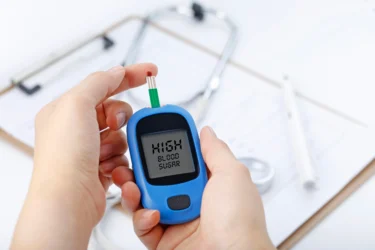
Additionally, chamomile tea may aid in controlling blood sugar levels. This can make it a valuable addition to the diet plans of those with diabetes or who are at risk.

This tea, thanks to its antioxidants and anti-inflammatory compounds, is thought to support heart health. Some studies have shown that it may help lower blood pressure and LDL cholesterol2,9. However, more research is required.
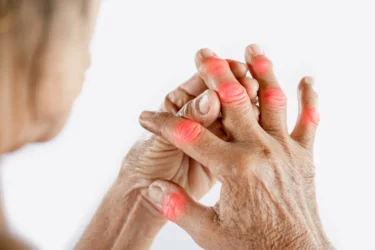
It is proposed that chamomile tea may also relieve period symptoms and improve bone and skin health.
These are some suggested health benefits of chamomile tea based on initial studies. Further large-scale human studies are needed to confirm these benefits. So, it’s best to always discuss with your doctor before incorporating the tea into your daily routine.
Chamomile tea may help reduce inflammation and pain in rheumatoid arthritis (RA) patients. A study showed that drinking chamomile tea twice daily significantly lowered inflammation markers and reduced the number of tender joints. This suggests that chamomile tea might be a beneficial addition to traditional RA treatments, offering a natural way to ease symptoms12.
Dr Rajeev Singh, BAMS
It’s important to know how to prepare and enjoy it the right way. You can follow these simple guidelines to get the most out of your chamomile tea.
While chamomile tea is generally safe, some people may experience side effects and need to be extra careful.
If you are you allergic to plants from the daisy family such as ragweed or chrysanthemums. Chamomile tea can trigger allergies. Stop using it immediately if you notice any adverse reactions and seek medical help.
Pregnant women should be cautious with chamomile tea as there is limited data about its safety in pregnancy. Similarly, nursing mothers should avoid it and seek advice from a healthcare professional before consuming this tea.
Some drugs might interact negatively with chamomile tea. These include blood thinners, sedative medications, and diabetes medications. Always discuss with your healthcare professional before starting chamomile tea, especially if you have any medical conditions/are on any medications.
So, if you belong any of the following categories, it’s best to avoid chamomile tea due to the potential side effect:
Also Read: Lemongrass Tea: Benefits, Side Effects, How to Make It & More
Chamomile tea has been loved for years and remains popular. It’s rich in health-promoting nutrients, antioxidants, and essential oils. By enjoying this soothing herbal tea, you’re not only sipping on a tasty drink but also nourishing your body and promoting general health. However, remember moderation in consumption is key and it’s ideal to take a heads up from your doctor before including it in your routine diet to be safe, just like any other natural remedy.
Also Read: Chamomile (Matricaria Recutita): Uses, Benefits, Side Effects & More!
Generally, it is safe for most people to have chamomile tea daily. However, those with allergies to plants in the daisy family, pregnant, or breastfeeding women, and individuals using certain medications should avoid chamomile tea.
The best time to drink chamomile tea is any time you feel like it. However, thanks to its calming effect, many people prefer having it at night or before bed.
Chamomile tea contains antioxidants that can help reduce oxidative stress. However, don’t count only on this tea for detoxification. Living a balanced diet and maintaining a regular exercise schedule helps.
While there is no strong evidence that chamomile tea causes weight loss, it may be a healthy choice because it’s caffeine-free and low-calorie. This can make it a good alternative to sugary drinks as part of a balanced diet.
Older children can generally drink chamomile tea safely. However, always introduce it cautiously to avoid potential allergies. The safety of chamomile tea has not been confirmed for pregnant women, nursing mothers, and individuals with liver or kidney problems. Always give it to children under the guidance of a healthcare professional. Never self-administrate.
1. USDA. Food Central Data (Internet) (cited on 20th Feb 2026). Availabe from: https://fdc.nal.usda.gov/food-details/174156/nutrients.
2. Gupta. Chamomile: A herbal medicine of the past with a bright future (Review). Mol Med Rep. 2010;3(6). doi:10.3892/mmr.2010.377. Available from: https://pmc.ncbi.nlm.nih.gov/articles/PMC2995283/
3. Chang S, Chen C. Effects of an intervention with drinking chamomile tea on sleep quality and depression in sleep disturbed postnatal women: a randomized controlled trial. J Adv Nurs. 2016;72(2):306-315. doi:10.1111/jan.12836. Available from: https://pubmed.ncbi.nlm.nih.gov/26483209/
4. Zick SM, Wright BD, Sen A, Arnedt JT. Preliminary examination of the efficacy and safety of a standardized chamomile extract for chronic primary insomnia: a randomized placebo-controlled pilot study. BMC Complement Altern Med. 2011;11:78. doi:10.1186/1472-6882-11-78. Available from: https://pubmed.ncbi.nlm.nih.gov/21939549/
5. Amsterdam JD, Shults J, Soeller I, Mao JJ, Rockwell K, Newberg AB. Chamomile (Matricaria recutita) may provide antidepressant activity in anxious, depressed humans: an exploratory study. Altern Ther Health Med. 2012;18(5):44-49. Available from: https://pubmed.ncbi.nlm.nih.gov/22894890/
6. Sebai H, Jabri MA, Souli A, et al. Antidiarrheal and antioxidant activities of chamomile (Matricaria recutita L.) decoction extract in rats. J Ethnopharmacol. 2014;152(2):327-332. doi:10.1016/j.jep.2014.01.015. Available from: https://pubmed.ncbi.nlm.nih.gov/24463157/
7. Gohar AA, Zaki AA. Assessment of some Herbal Drugs for Prophylaxis of Peptic Ulcer. Iran J Pharm Res IJPR. 2014;13(3):1081-1086. Available from: https://pubmed.ncbi.nlm.nih.gov/25276211/
8. Shukla S, Gupta S. Apigenin: a promising molecule for cancer prevention. Pharm Res. 2010;27(6):962-978. doi:10.1007/s11095-010-0089-7. Available from: https://pubmed.ncbi.nlm.nih.gov/20306120/
9. Rafraf M, Zemestani M, Asghari-Jafarabadi M. Effectiveness of chamomile tea on glycemic control and serum lipid profile in patients with type 2 diabetes. J Endocrinol Invest. 2015;38(2):163-170. doi:10.1007/s40618-014-0170-x. Available from: https://pubmed.ncbi.nlm.nih.gov/25194428/
10. Khalesi ZB, Beiranvand SP, Bokaie M. Efficacy of Chamomile in the Treatment of Premenstrual Syndrome: A Systematic Review. J Pharmacopuncture. 2019;22(4):204-209. doi:10.3831/KPI.2019.22.028. Available from: https://pubmed.ncbi.nlm.nih.gov/31970017/
11. Raja A, Singh GP, Fadil SA, Elhady SS, Youssef FS, Ashour ML. Prophylactic Anti-Osteoporotic Effect of Matricaria chamomilla L. Flower Using Steroid-Induced Osteoporosis in Rat Model and Molecular Modelling Approaches. Antioxidants. 2022;11(7):1316. doi:10.3390/antiox11071316. Available from: https://pubmed.ncbi.nlm.nih.gov/35883807/
12. Pirouzpanah S, Mahboob S, Sanayei M, Hajaliloo M, Safaeiyan A. The effect of chamomile tea consumption on inflammation among rheumatoid arthritis patients: randomized clinical trial. Prog Nutr. 2017 Oct 23;19(1-S):27–33. doi:10.23751/pn.v19i1-S.5171. Available from: https://www.academia.edu/63825150/The_effect_of_chamomile_tea_consumption_on_inflammation_among_rheumatoid_arthritis_patients_randomized_clinical_trial
13. U.S. National Library of Medicine. Green tea and cardiovascular health. In: Tea and tea products: chemistry and health-promoting properties. Bethesda (MD): National Center for Biotechnology Information (US); 2015. Available from: https://www.ncbi.nlm.nih.gov/books/NBK279590/
14. Abo Rokbah M, Al-Khanati N, Al-rshoudi A, Al-Zaben F, Al-Abdallat Y. Effects of German chamomile on symptoms and healing after mandibular third molar surgeries: a triple-blind split-mouth randomized controlled trial. Int J Surg Open. 2023;56:100639. doi:10.1016/j.ijso.2023.100639. Available from: https://journals.lww.com/ijsopen/fulltext/2023/56000/effects_of_german_chamomile_on_symptoms_and.6.aspx
Disclaimer: The information provided here is for educational/awareness purposes only and is not intended to be a substitute for medical treatment by a healthcare professional and should not be relied upon to diagnose or treat any medical condition. The reader should consult a registered medical practitioner to determine the appropriateness of the information and before consuming any medication. PharmEasy does not provide any guarantee or warranty (express or implied) regarding the accuracy, adequacy, completeness, legality, reliability or usefulness of the information; and disclaims any liability arising thereof.
Links and product recommendations in the information provided here are advertisements of third-party products available on the website. PharmEasy does not make any representation on the accuracy or suitability of such products/services. Advertisements do not influence the editorial decisions or content. The information in this blog is subject to change without notice. The authors and administrators reserve the right to modify, add, or remove content without notification. It is your responsibility to review this disclaimer regularly for any changes.
1
Keeping your eyes healthy is essential as it supports not just good eyesight but also overall health. Eye yoga (ocular yoga) exercises, which are believed to help relax and strengthen the eye muscles, have been gaining attention in recent years. These exercises may help improve your vision and support eye health1.
In this article, we will explore eye yoga by discussing its origins, potential benefits, and what current research suggests. We will also outline some common eye yoga exercises and address some frequently asked questions on this topic.
Did you know?
Eye yoga is an old yogic practice that may help give your eye health a natural, gentle boost.
Eye yoga involves simple eye movements, such as focusing on objects near and far and moving the eyes in different directions, without moving the head or neck. These movements may help strengthen the eye muscles and may also promote relaxation and better focus.
Eye yoga is rooted in traditional Indian practices, like Hatha yoga, and focuses on physical poses, breathing techniques, and mental relaxation2.
In today’s digital world, more time is spent looking at screens, due to which an increase in problems like eye strain (digital eye strain) is observed. As a result, eye yoga has recently made a comeback. Modern approaches to eye yoga are based on traditional practices, but have been adapted to address the new issues arising from prolonged screen use.
Eye yoga may have many benefits ranging from helping improve eyesight to helping manage eye strain and promoting relaxation.
Eye yoga is believed to help improve eyesight by strengthening and nourishing the eye muscles1. It could also help reduce the dependency on glasses or contacts. It is also believed that techniques like focus-shifting or pencil push-ups might improve eyesight, especially near vision, which in turn may contribute to better focusing (accommodation) and coordination (convergence) of the eyes3.
Doing eye yoga regularly may stop your vision from getting worse1. It might do this by helping keep the eye muscles flexible and strong. This may lead to fewer vision issues like being nearsighted, farsighted, or having astigmatism.
Eye yoga might help improve how well the eyes focus naturally1. This might make you less dependent on glasses or contacts. While evidence is limited and further research is needed, some individuals report benefits from practicing eye yoga regularly.
Glaucoma occurs due to high pressure inside the eye (intraocular pressure or IOP) and can lead to loss of vision. Eye yoga is believed to help provide some relief for individuals with glaucoma4:
One study hinted that eye yoga might help lower IOP4 and might also help slow down its progression.
As undetected glaucoma can cause loss of vision, you should get your IOP checked regularly for glaucoma. Eye yoga may be used as an add-on to the management options recommended by your eye doctor. More scientific studies are needed to corroborate the proposed benefits of eye yoga for glaucoma4,5.
Dry eyes occur when your eyes don’t make enough tears or they evaporate too fast6. Eye yoga may help in several ways described below.
Eye exercises like eye yoga might help soothe dry eyes by allowing the proper functioning of tear film in the eyes, thus helping keep the eyes moist and giving short-term relief from dryness7,8.
Some studies suggest that eye exercises like eye yoga may lead to an increase in tear volume and help provide relief for dry eye symptoms. However, further research is necessary8.
Eye yoga might help in recovery after cataract surgery however, more research is needed to confirm this effect.
Doing eye yoga after cataract surgery might help strengthen eye muscles. It may also tone them, aid stability, and provide comfort.
It is believed that doing eye yoga after cataract surgery could help speed up the recovery period. However, it’s crucial to consult an eye doctor before trying any new exercise after surgery.
Eye yoga mainly works on the eye muscles. However, it may also help improve blood flow around the eyes1, which in turn may improve the appearance of dark under-eye circles or under-eye bags.
Eye yoga movements may help improve blood flow around the eyes. It might lower dark circles or bags caused by fluid buildup1,9.
Eye yoga may help reduce puffiness under the eyes by helping lower inflammation and fluid collection under the eyes.
However, further research is needed in this area.
Eye strain is an increasing issue in recent years due to the increased use of digital screens. Eye yoga might help in several ways:
Eye yoga may help reduce digital eye strain as it helps you give your eyes a break and exercise the eye muscles1.
Doing eye yoga exercises with care and intent might help improve focus and relaxation7. This balance could ease eye strain. It may also reduce related problems like headaches, blurred vision, and dry eyes by reducing eye fatigue1,10.
Recently I came across a study that stated patients who practised Trataka Yoga Kriya, a simple and inexpensive relaxation exercise, noticed a slight improvement in their ability to see, distinguish contrasts, and see fine details, compared to those who did not practise the exercise. Though more research is needed in this area, this suggests that such non-drug methods can help improve vision and slow down eye problems.
Dr. Siddharth Gupta, B.A.M.S, M.D
Research on eye yoga or exercises is still limited. However, it may benefit certain eye issues3,5.
Studies have shown mixed results on eye yoga and its impact on eye health. Some studies have shown that it may help manage eye strain, improve focus, and help you relax by reducing eye fatigue1,10. However, further research is needed for its effect on vision improvement and other eye issues.
Research on eye yoga suggests that it may help manage eye strain; however, existing studies are limited by small sample sizes and lack of control groups. Larger, well-designed studies are needed to confirm these findings.
Though eye exercises may help some conditions, it may not reduce myopia or short-sightedness. Studies have found that eye yoga or exercises were not successful in reducing nearsightedness (myopia). After trying these methods, there wasn’t any noticeable improvement in vision or refractive errors for either group.
Dr. Rajeev Singh, BAMS
You can practice these eye yoga exercises at home or in the office with ease.

This move may improve flexibility, balance, and teamwork of eye muscles. It may reduce eye fatigue and strain during near vision and middle-distance tasks.

This movement may help ease tightness in the eye muscles and relieve eye strain.

Palming may help create a calming and relaxing effect. It may also help improve focus and ease eye strain.

Blinking may help moisten the eyes by stimulating tear production, thus reducing the discomfort of dry eyes7. It may also help in the even spreading of the tear film to the eye surface.

The figure-of-eight exercise helps improve the flexibility and teamwork of the eye muscles. It may be an excellent way to reduce eye strain.

This exercise is believed to strengthen eye muscles and improve focus. It can be helpful for near vision and long-distance visual tasks.

This eye exercise might improve the accuracy of near and distant vision by training the eyes to focus more effectively.

Trataka involves focusing on a single point until the eyes start watering.

Nose tip gazing involves focusing on the thumb near the nose tip. This is known to help improve focus.
Apart from eye yoga, there are other ways to support eye health and help with vision-related issues.
Regular eye exams can detect eye problems early and ensure your glasses or contacts are well-suited to your needs. Consult an eye care expert for how often to have an eye exam.

Protect your eyes from harmful UV rays by wearing sunglasses that block out all UVA and UVB rays. Always wear protective eyewear during risky activities or jobs15.

Remember the 20-20-20 rule for every 20 minutes, look at an object that’s 20 feet away for 20 seconds. This can lower eye strain caused by prolonged screen time or close-up tasks16.

Smoking increases the chance of issues like age-linked macular degeneration (which affects central vision) and cataracts. Consider stopping smoking to lower your risks6,17.

Eating a diet rich in nutrients like vitamins A, C, and E, zinc, and omega-3 fatty acids may help improve eye health18. Stay well hydrated to maintain adequate moisture levels in your eyes.
Eye yoga exercises may help ease eye strain, improve focus, and promote relaxation. Although stronger scientific evidence is needed to support these benefits, the exercises are simple, easy to include in your daily routine, and may offer benefits for overall eye health.
By performing eye yoga, getting regular eye exams, wearing sunglasses and protective gear, eating a healthy diet, staying hydrated, and quitting smoking, you may be able to maintain your eye health for a longer duration. Always discuss with your eye doctor before starting these exercises.
Also Read: Eye Pain: Causes, Treatment & Home Remedies
How quickly you see changes with eye yoga differs from person to person. Some people might see changes in weeks, while others may need to do it often for months or more to see any change. Some may not see any changes, so then it is advisable to consult your eye doctor before you start eye yoga..
Eye yoga is generally considered safe and poses low risks. But if you have eye pain, worsening visual symptoms, or other discomfort while doing eye yoga, stop the exercises and consult an expert immediately.
Performing eye yoga exercises daily may maximise any potential benefits. Begin by adding a few exercises to your routine. Then slowly add more exercises and increase their repetitions as they become easier.
Yes, kids and elderly people can do eye yoga. But they should be observed and guided while doing so. Eye yoga is a low-impact activity suited to most ages. But be sure to ask an eye care expert before starting any new eye exercises.
No. Although eye yoga may support normal management methods, it does not replace medical care for any eye issues. Always consult an eye care expert for a full check-up and management of eye issues.
Disclaimer: The information provided here is for educational/awareness purposes only and is not intended to be a substitute for medical treatment by a healthcare professional and should not be relied upon to diagnose or treat any medical condition. The reader should consult a registered medical practitioner to determine the appropriateness of the information and before consuming any medication. PharmEasy does not provide any guarantee or warranty (express or implied) regarding the accuracy, adequacy, completeness, legality, reliability or usefulness of the information; and disclaims any liability arising thereof.
Links and product recommendations in the information provided here are advertisements of third-party products available on the website. PharmEasy does not make any representation on the accuracy or suitability of such products/services. Advertisements do not influence the editorial decisions or content. The information in this blog is subject to change without notice. The authors and administrators reserve the right to modify, add, or remove content without notification. It is your responsibility to review this disclaimer regularly for any changes.
18
1
In recent years, air fryers have emerged as a popular kitchen appliance, offering a seemingly healthier way to enjoy the taste and texture of fried foods without the guilt. People believe that by using considerably less cooking oil than traditional frying methods, air frying may provide a similar taste and texture while significantly reducing the amount of fat and calories consumed. In this article, we aim to delve into the world of air frying and unveil the facts behind the link of air fryers with cancer.
Air fryers are liked due to their low oil usage. They still give that fried food texture2,3. Grasping the technology of air frying can help us weigh its health effects.

Air fryers cook by moving hot air around the food. This crisps the outside, while the inside stays soft. A heating piece at the top starts this process. A fan then moves the hot air and oil bits all through the cooking room.

Deep frying soaks food in hot oil, which leads to high fat and calorie counts. Air frying only needs a small bit of oil for similar results. So, air frying reduces your overall fat and calorie intake. It seems a much healthier choice15.
Did you know?
To find out if air frying is indeed more healthy, we need to consider a couple of things. One, how much fat and calories it does reduce, and two, if it lessens the production of harmful compounds as we cook.

One big factor is its ability to bring down the fat in the food we fry.

Beyond being low on fat and calories, air frying may reduce the formation of harmful compounds1,11,16.
Though air frying may not replace roast, grill, or steam methods, it does have some potential benefits. These make them a solid pick for a health-focused kitchen.
For healthier veggies, air-frying may be a good option. Air-frying retains more of the good substances like phenolic and flavonoid content compared to other cooking methods, making your food better for you. It’s a smart way to cook that helps keep the nutrients in your veggies19.
Dr. Siddharth Gupta, B.A.M.S, M.D
While air fryers do have potential benefits, there are some negatives too.
Understanding the impact of cooking temperature and food choices on health is key in assessing if air frying may indeed reduce cancer risk.
While air frying may bring some health and safety benefits in comparison to deep frying, it’s crucial to see this cooking method as part of a larger picture. A balanced diet rich in whole, unprocessed foods alongside a variety of cooking methods is key for overall health.
Also Read: Early Warning Signs of Cancer You Should Know
In conclusion, air fryers may be a valuable addition to the health-conscious kitchen, offering the taste and texture of deep-fried foods with fewer adverse health effects. By reducing fat and calorie content and minimizing the formation of harmful compounds, air frying may contribute to a healthier lifestyle, but it’s essential to remember that it’s just one piece of the puzzle. Emphasizing a balanced diet and employing a variety of cooking methods is the key to maintaining good health and reducing cancer risk. Armed with this knowledge, you may now make informed decisions regarding air frying and your health.
No, they do not. They cook by moving hot air around the food, which is not like ionizing radiation from microwaves.
Yes, it can be seen as a healthier option. Air frying uses much less oil, so it reduces fat and calorie content and lessens the formation of harmful compounds like acrylamide and PAHs.
Air frying can give a similar taste and texture to deep-fried foods, with a crispy outside and moist inside. But, the texture might not be the same, as it uses much less oil2,3.
Some tips are use minimal oil or a spray bottle for control, follow cooking times and temperature guides from the manufacturer, and clean the air fryer regularly to keep it working well10.
To lessen the risk when using an air fryer, try to use different cooking methods, have a balanced diet, focus on whole, unprocessed foods, and reduce processed and sugary foods. Air frying may help reduce some risks, but a full approach is needed to reduce the risk of cancer17.
Disclaimer: The information provided here is for educational/awareness purposes only and is not intended to be a substitute for medical treatment by a healthcare professional and should not be relied upon to diagnose or treat any medical condition. The reader should consult a registered medical practitioner to determine the appropriateness of the information and before consuming any medication. PharmEasy does not provide any guarantee or warranty (express or implied) regarding the accuracy, adequacy, completeness, legality, reliability or usefulness of the information; and disclaims any liability arising thereof.
Links and product recommendations in the information provided here are advertisements of third-party products available on the website. PharmEasy does not make any representation on the accuracy or suitability of such products/services. Advertisements do not influence the editorial decisions or content. The information in this blog is subject to change without notice. The authors and administrators reserve the right to modify, add, or remove content without notification. It is your responsibility to review this disclaimer regularly for any changes.
2
Platelets are small, colourless cells fragments in your blood1. They play a crucial role in blood clot formation and repairing wounds2. They are created in the bone marrow and then enter the bloodstream3. The mean platelet volume (MPV) blood test can help monitor platelets levels.
In this article, we’ll explore the world of MPV blood tests. We’ll learn what MPV is, how to get ready for the test, analyse the results, and see what happens when the levels are not right. Lastly, we will answer some questions associated with this topic.
In this section, we will try to understand MPV and its role in maintaining our health.
The MPV test is a laboratory test that measures the average size of platelets in your blood. This helps check how well the platelets are working in your body. It also helps in identifying conditions related to bone marrow and bleeding4.
An MPV test is important as it can:
Did you know?
The procedure involved in conducting the MPV test is quite simple, as stated below.
For an MPV blood test, you don’t need to prepare anything special. Have a discussion with your doctor in case they advise any other test along with MPV that might require any special preparation like fasting4. Also, you need to disclose your current health conditions, habits, and any medications that you may be currently on, as they may influence the results of the test6.
Your MPV blood test results can show high or low MPV. The causes and possible issues due to abnormal MPV are discussed below.
If your MPV result shows higher than the normal range (more than 12 fl), it might be due to the following.
A low MPV indicates that your platelets are mostly old or small in size. This is because the production of new platelets in your bone marrow has slowed down4. Some common causes of low MPV are as follows.
High MPV can occur when the body produces or destroys platelets more than usual15. This may increase the risk of blood clots16. Conversely, a low MPV can be linked to a higher chance of bleeding due to fewer platelets being produced17.
However, MPV levels alone cannot confirm a diagnosis. Your healthcare provider will consider the results of your other tests results and your health history, to find the cause of the abnormal MPV levels.
Certain studies19 indicate that MPV may be higher in COVID-19-positive people than in COVID-19-negative people. However, more research is needed to completely understand the association between the results of an MPV blood test and the severity of COVID-19 infection.
Dr. Siddharth Gupta, B.A.M.S, M.D
Thrombocytopenia is a low platelet count4.
Thrombocytopenia occurs when your blood has fewer platelets than normal. Since platelets help in clotting, a low count of platelets can cause excess bleeding17.
To find out if you have thrombocytopenia, doctors conduct a complete blood count (CBC) test with clotting test, platelet count, and MPV. If needed, a bone marrow biopsy or aspiration (taking a small sample from your bone marrow) may also be included18.
The management for thrombocytopenia depends on how severe it is and its causes. If needed, doctors may advise platelet transfusion to stop or avoid the bleeding18.
Research19 has indicated that stress, both emotional and physical, might have an impact on platelet count. Heavy exercise for an extended period of time can raise MPV. Higher-than-normal MPV is possible in people with panic disorders.
Dr. Rajeev Singh, BAMS
At your appointment, your healthcare provider will go over your past health, current symptoms, and test results. They may order more testing if needed. You should be ready to discuss any concerns, answer questions about your lifestyle, medicines you are currently taking, and your family medical history.
It’s a good plan to prepare a list of questions for your healthcare provider. These could include the following.
Getting to know your MPV blood test results is key for maintaining health. This article gives a complete and easy-to-understand guide to help you understand the MPV test, its importance, and what it means when results are not normal.
While a low or high MPV can indicate health issues, it’s always important to consult with a healthcare expert to help put the results in context and order more tests if needed.
If your MPV is high, it suggests that your platelets are larger than normal. This might be due to many reasons such as cancer, recovering from injuries, heart disease, and more. Your healthcare provider will consider all factors to find out the cause of high MPV level.
A low MPV indicates that most of your platelets are old and the production of new platelets in your bone marrow has reduced. The reason for this could be bone marrow failure, lupus, chemotherapy, hypothyroidism, iron-deficiency anaemia, or HIV/AIDS among others.
For women, usual MPV levels are between 8-12 fl. However, you should always consult a healthcare expert to correctly understand your MPV result and what it means for your health.
Some cancers that affect the bone marrow, such as leukaemia or lymphoma, might cause low MPV. They disrupt the normal process of producing platelets. Remember, only measuring MPV cannot diagnose the cancer. An in-depth examination by a healthcare expert is needed.
An MPV of 9.3 is generally within the normal range. However, the interpretation of blood test results can vary depending on the reference range provided by the laboratory and the individual’s medical history. It’s advisable to consult a healthcare professional for a comprehensive evaluation of blood test results.
Disclaimer: The information provided here is for educational/awareness purposes only and is not intended to be a substitute for medical treatment by a healthcare professional and should not be relied upon to diagnose or treat any medical condition. The reader should consult a registered medical practitioner to determine the appropriateness of the information and before consuming any medication. PharmEasy does not provide any guarantee or warranty (express or implied) regarding the accuracy, adequacy, completeness, legality, reliability or usefulness of the information; and disclaims any liability arising thereof.
Links and product recommendations in the information provided here are advertisements of third-party products available on the website. PharmEasy does not make any representation on the accuracy or suitability of such products/services. Advertisements do not influence the editorial decisions or content. The information in this blog is subject to change without notice. The authors and administrators reserve the right to modify, add, or remove content without notification. It is your responsibility to review this disclaimer regularly for any changes.


