
Introduction
Hantavirus is a serious viral infection that can affect the lungs, heart, and other organs. It is mainly spread through contact with infected rodents (like mice, rats etc), usually when a person breathes in tiny airborne particles contaminated with rodent urine, saliva, or droppings. Although hantavirus infections are relatively uncommon worldwide, they can be extremely dangerous. The fatality rate of hantavirus varies by region, ranging from less than 1% to 15% in Asia and Europe and reaching up to 50% in the Americas. Globally, experts estimate that between 10,000 and 100,000 hantavirus infections occur each year, with the highest burden reported in Asia and Europe1,2.
Recently, hantavirus has gained global attention following a deadly outbreak reported on a cruise ship in the Atlantic Ocean on May 2, 2026. According to the World Health Organization (WHO), the outbreak was linked to the Andes virus, known to cause hantavirus pulmonary syndrome (HPS), a severe respiratory illness that can rapidly progress and become life-threatening3. The incident has raised concerns about awareness, early diagnosis, and preventive measures against this dangerous infection.

In this blog, we will discuss what hantavirus is, its symptoms, causes, modes of transmission, risk factors, and the most effective ways to prevent infection.
Advertisement
What is Hantavirus?
Hantaviruses are a family of viruses that are commonly associated with rodents belonging to the Cricetidae family, which includes voles, lemmings, and New World mice and rats, as well as Muridae rodents such as Old World mice and rats1.
Did You Know?
- Hantavirus was first discovered in 1978 near the Hantan River in South Korea after scientists isolated the virus from a field rodent (Apodemus agrarius). The virus was later named ‘Hantaan virus’ after the river.
- Hantaviruses have existed for millions of years and evolved naturally alongside rodents.
- Today, scientists recognise more than 21 hantavirus species and over 30 genotypes worldwide1.
- The Andes virus is one of the very few hantavirus strains known to spread from person to person in rare cases4.
- Early hantavirus symptoms often resemble the flu, including fever, fatigue, and muscle aches, which may delay diagnosis3.
Types of Hantavirus Infections
Hantavirus infections can cause different types of serious illnesses, depending on the strain of the virus and the part of the body it affects. The two major hantavirus infections mentioned below mainly impact the lungs or the kidneys:
- HPS: This is a severe respiratory illness mainly found in North and South America. It is commonly caused by the Sin Nombre type of hantavirus, which is usually spread by deer mice in North America, although different rodents may spread the virus in other regions. The infection can cause capillary leakage (leakage of fluid from small blood vessels), leading to fluid buildup in the lungs, severe breathing difficulties, and respiratory failure. The Andes virus is one of the viruses causing HPS2,5.
- Hemorrhagic Fever With Renal Syndrome (HFRS): This disease is more commonly seen in Europe and Asia and mainly affects the kidneys and blood vessels. Severe cases could lead to bleeding complications due to capillary leakage and kidney failure5.
Causes of Hantavirus
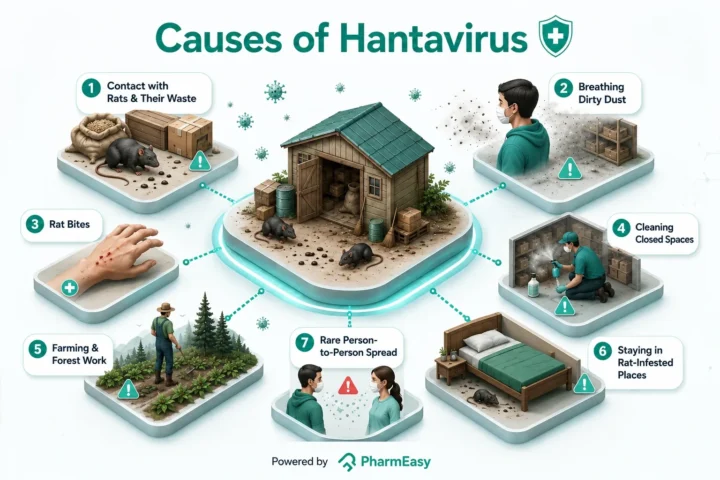
Hantavirus infection mainly spreads through contact with infected rodents and their body fluids. People are at a higher risk when they are exposed to contaminated environments or rodent-infested areas. Common causes and transmission sources of hantavirus include2:
- Contact with infected rodents and their body fluids: Humans can become infected after coming into contact with contaminated urine, droppings, or saliva of infected rodents.
- Breathing contaminated air: The virus may spread when dust particles contaminated with rodent excreta become airborne, especially while cleaning enclosed or poorly ventilated spaces.
- Rodent bites: Although less common, hantavirus infection can also occur through bites from infected rodents.
- Cleaning rodent-infested areas: Activities such as cleaning cabins, storage rooms, or enclosed spaces with rodent activity can increase exposure risk.
- Farming and forestry work: Outdoor occupations that involve contact with rodents or their habitats may increase the chances of infection.
- Sleeping in rodent-infested dwellings: Staying or sleeping in places where rodents are present can increase the risk of exposure to the virus.
- Rare human-to-human transmission: Human-to-human spread has only been documented with the Andes virus in the Americas and remains uncommon. It is mainly associated with close and prolonged contact, especially among household members or intimate partners during the early stage of illness.
Symptoms of Hantavirus
Hantavirus symptoms can vary depending on the type of disease and the organs affected. The two major forms, HPS and HFRS, often begin with flu-like symptoms that may worsen over time5.
Early Symptoms of HPS
Symptoms typically develop within 1 to 8 weeks after coming into contact with infected rodents and include:
Advertisement
- Fatigue and weakness
- Fever
- Muscle aches (especially in the thighs, hips, back, and shoulders)
- Headache
- Dizziness
- Chills
- Nausea and vomiting
- Diarrhoea
- Abdominal pain
Early Symptoms of HFRS
Symptoms of HFRS generally develop within 1 to 2 weeks after exposure and include:
Diagnosis of Hantavirus
Diagnosing hantavirus infection in the early stages can be difficult because its initial symptoms are similar to many other illnesses, including influenza, COVID-19, malaria, bacterial pneumonia, viral pneumonia, dengue, leptospirosis, other viral hemorrhagic fevers, and sepsis2.
For diagnosing a hantavirus infection, doctors carefully review the patient’s symptoms, recent travel history, occupational exposure, environmental risks, and possible contact with rodents or rodent-infested areas.
- Physical examination: A doctor may look for signs of respiratory distress, low blood pressure, or kidney-related complications depending on the type of hantavirus infection.
- Blood tests (serological testing): Laboratory tests are commonly advised to detect hantavirus-specific antibodies, including:
- IgM antibodies: These indicate a recent infection.
- Rising IgG antibody levels: These help confirm ongoing or past infection.
- Laboratory findings that support the diagnosis of hantavirus infection include increased white blood cell count (with high neutrophils), abnormally low platelet count, higher concentration of cells in the blood, elevated hematocrit, increased creatinine levels, presence of blood and protein in urine.
- Reverse Transcription Polymerase Chain Reaction (RT-PCR): RT-PCR testing may be used during the early stage of illness to detect viral RNA in the blood.
- Repeat testing may be needed: Diagnosing hantavirus within the first 72 hours of infection can be challenging due to delayed antibody response or because the virus may not yet be detectable. In some cases, repeat testing is recommended after symptoms progress1,2,5,6.
Treatment of Hantavirus
There is currently no specific antiviral treatment or approved vaccine for hantavirus disease. Although the antiviral medicine ribavirin is not effective against HPS, it may provide some benefit in selected cases of HFRS if started early. However, management primarily focuses on supportive care, symptom management, and close medical monitoring to avoid serious complications. Common hantavirus treatment/management approaches include1,2,5:
- Supportive care: Most patients require rest, cautious hydration with monitoring, and treatment to relieve symptoms such as fever, pain, and breathing discomfort.
- Close medical monitoring: Doctors closely monitor lung, heart, and kidney function, especially in severe cases.
- Hospitalisation and intensive care: Patients with serious symptoms may require hospitalisation or intensive care for better monitoring and emergency support.
- Breathing support for HPS: HPS can cause severe breathing difficulties and fluid buildup in the lungs. Some patients may need oxygen therapy, mechanical ventilation (where a machine moves breathable air in and out of the lungs), or extracorporeal membrane oxygenation (ECMO-a machine that works like an artificial heart and lung in patients with life-threatening heart or lung failure). In critical cases, intubation may be required to help the patient breathe properly.
- Kidney support for HFRS: HFRS can affect kidney function. Severe cases may require dialysis to remove toxins and maintain proper fluid balance when the kidneys are not functioning well.
Complications of Hantavirus Disease
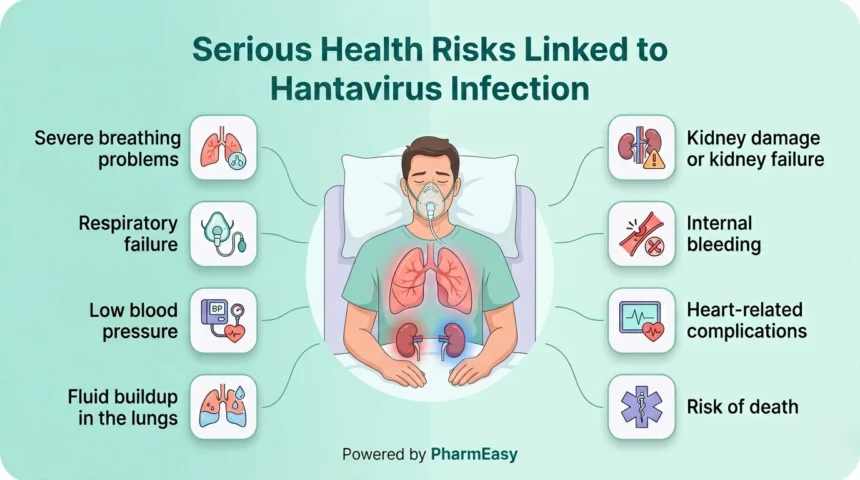
Hantavirus disease may lead to serious and potentially life-threatening complications, especially if diagnosis and management are delayed. The severity of complications depends on the type of hantavirus infection and the organs affected. Possible complications of hantavirus disease include:
- Severe breathing problems: In HPS, the lungs can fill with fluid, leading to serious breathing difficulties and respiratory failure5.
- Respiratory failure: Severe lung involvement may reduce oxygen levels in the body and require emergency breathing support or mechanical ventilation1.
- Low blood pressure and shock: Hantavirus infection can cause a sudden drop in blood pressure, which may lead to shock and poor blood circulation5.
- Fluid buildup in the lungs (pulmonary edema): Leakage of fluid into the lungs may lead to severe difficulty in breathing and worsen respiratory symptoms5.
- Kidney damage or kidney failure: In HFRS, the kidneys may become severely affected, sometimes requiring dialysis5.
- Internal bleeding: Damage to blood vessels may lead to bleeding complications in severe cases of HFRS5.
- Heart-related complications: Severe infections may affect heart function and circulation, particularly in advanced HPS cases1,5.
- Death: Severe hantavirus infection can be fatal, especially when respiratory or kidney complications are not addressed promptly5.
How to Prevent Hantavirus?
Preventing a hantavirus infection mainly depends on reducing contact between people and rodents. Proper hygiene, rodent control, and safe cleaning practices can help lower the risk of infection. Below are some ways to avoid hantavirus infection2,5,7:
- Use disinfectant or bleach to safely clean rodent-contaminated areas.
- Seal openings and gaps that allow rodents to enter a building.
- Store food securely to avoid attracting rodents.
- Place traps in and around homes to reduce rodent infestation.
- Avoid direct contact with rodents and rodent-infested areas.
- Use safe cleaning practices, such as wearing gloves, in contaminated spaces.
- Open the windows and doors for a minimum of 30 minutes before cleaning an enclosed area.
- Avoid dry sweeping or vacuuming rodent droppings.
- Dampen contaminated areas before cleaning.
- Practice proper hand hygiene regularly.
- Take precautions to reduce contact with rodents at home, work, or campsites.
During outbreaks, the following precautions should be followed:
- Identify suspected cases early.
- Isolate infected individuals to help limit the spread.
- Monitor close contacts to reduce transmission risk.
- Follow standard infection prevention measures.
In healthcare settings, the spread of infection can be avoided by:
- Following standard precautions for all patients
- Maintaining proper hand hygiene and environmental cleaning
- Handling blood and body fluids safely
- Using transmission-based precautions for suspected or confirmed cases
- Applying airborne precautions during procedures that may generate aerosols
When to Consult a Doctor?
You should seek immediate medical attention if symptoms worsen or if you experience5:
- Coughing
- Shortness of breath
- Chest tightness
- Difficulty breathing
- Low blood pressure
- Signs of internal bleeding
- Reduced urine output or kidney problems
- Severe weakness or shock symptoms
Note: If you develop flu-like symptoms after possible rodent exposure, seek medical attention immediately and inform your doctor about any contact with rodents, rodent droppings, or rodent-infested environments. Keep in mind that early diagnosis can significantly help improve outcomes and reduce complications.
Conclusion
Hantavirus is a rare but potentially life-threatening viral infection that could affect the lungs and kidneys. Although rare, hantavirus infection can worsen quickly and cause serious complications if not identified and managed early. Since there is currently no specific antiviral treatment or approved vaccine for hantavirus, prevention remains the most effective way to reduce the risk of infection.
Avoiding contact with rodents, maintaining proper hygiene, practicing safe cleaning methods, and seeking timely medical attention for flu-like symptoms after possible rodent exposure are essential steps in protecting against hantavirus disease. In addition to this, increased awareness and early diagnosis can play a crucial role in improving outcomes and preventing severe complications.
Also Read: Smog: What Is It, Causes and Ways To Protect Yourself From It
Frequently Asked Questions (FAQs)
How does hantavirus spread?Hantavirus primarily spreads through contact with the urine, droppings, or saliva of infected rodents. People can become infected by breathing contaminated air, touching contaminated surfaces, or, in rare cases, through rodent bites2.
Is hantavirus dangerous?Yes, hantavirus can be very dangerous. Severe infections may affect the lungs or kidneys and can become life-threatening if not addressed early5.
Is hantavirus easily transmitted?Hantavirus is not considered highly contagious between humans. Most hantavirus infections occur after exposure to infected rodents or their contaminated waste. Human-to-human transmission is rare and has mainly been reported with the Andes virus1,4.
Can the hantavirus be airborne?The virus can become airborne when dust contaminated with rodent urine, droppings, or saliva is disturbed, especially during cleaning in enclosed spaces8.
Can hantavirus go away on its own?Mild cases may improve with supportive care, but severe hantavirus infection requires immediate medical attention. Delaying treatment can increase the risk of serious complications2,5.
Is there a vaccine for hantavirus?Currently, there is no approved vaccine available for hantavirus infection. Prevention mainly focuses on avoiding contact with rodents and contaminated areas2.
References
- Mir M. Hantaviruses. Clin Lab Med. 2010;30(1):67-91. doi:10.1016/j.cll.2010.01.004: https://pmc.ncbi.nlm.nih.gov/articles/PMC2880890/
- Hantavirus. Accessed May 12, 2026. https://www.who.int/news-room/fact-sheets/detail/hantavirus
- CDC. Hantavirus: Current Situation. Hantavirus. May 10, 2026. Accessed May 12, 2026. https://www.cdc.gov/hantavirus/situation-summary/index.html
- CDC. About Andes Virus. Hantavirus. May 10, 2026. Accessed May 12, 2026. https://www.cdc.gov/hantavirus/about/andesvirus.html
- CDC. About Hantavirus. Hantavirus. May 9, 2026. Accessed May 12, 2026. https://www.cdc.gov/hantavirus/about/index.html
- Koehler FC, Di Cristanziano V, Späth MR, et al. The kidney in hantavirus infection—epidemiology, virology, pathophysiology, clinical presentation, diagnosis and management. Clin Kidney J. 2022;15(7):1231-1252. doi:10.1093/ckj/sfac008: https://pubmed.ncbi.nlm.nih.gov/35756741/
- You Can Prevent Hantavirus—How to Protect Yourself and Your Family from Hantavirus Pulmonary Syndrome in the United States. https://www.lung.org/lung-health-diseases/lung-disease-lookup/hantavirus-pulmonary-syndrome/treatment
- Hantavirus Disease Fact Sheet. Accessed May 12, 2026. https://www.health.ny.gov/diseases/communicable/hantavirus/fact_sheet.htm
Disclaimer: The information provided here is for educational/awareness purposes only and is not intended to be a substitute for medical treatment by a healthcare professional and should not be relied upon to diagnose or treat any medical condition. The reader should consult a registered medical practitioner to determine the appropriateness of the information and before consuming any medication. PharmEasy does not provide any guarantee or warranty (express or implied) regarding the accuracy, adequacy, completeness, legality, reliability or usefulness of the information and disclaims any liability arising thereof.
Links and product recommendations in the information provided here are advertisements of third-party products available on the website. PharmEasy does not make any representation on the accuracy or suitability of such products/services. Advertisements do not influence the editorial decisions or content. The information in this blog is subject to change without notice. The authors and administrators reserve the right to modify, add, or remove content without notification. It is your responsibility to review this disclaimer regularly for any changes.
Comments