
Dengue: The Silent Threat of the Monsoon Season
Understanding dengue patterns, demographics, and seasonal trends using PharmEasy Labs data and global research insights.
Study Duration
Lab Tests
States Covered
Peak Season
Why Dengue Deserves Your Attention?
We look forward to the monsoon, including the cool breeze, the scent of fresh rain, and a much-needed break from the summer heat. However, these are not the only things that monsoon brings!
In the case of dengue, taking action early is not only sensible, but it also saves lives.
Global Trend
WHO reports increasing infections
Risk Level
During monsoon season
How Dengue Trends Have Shifted Over the Years
Key Findings
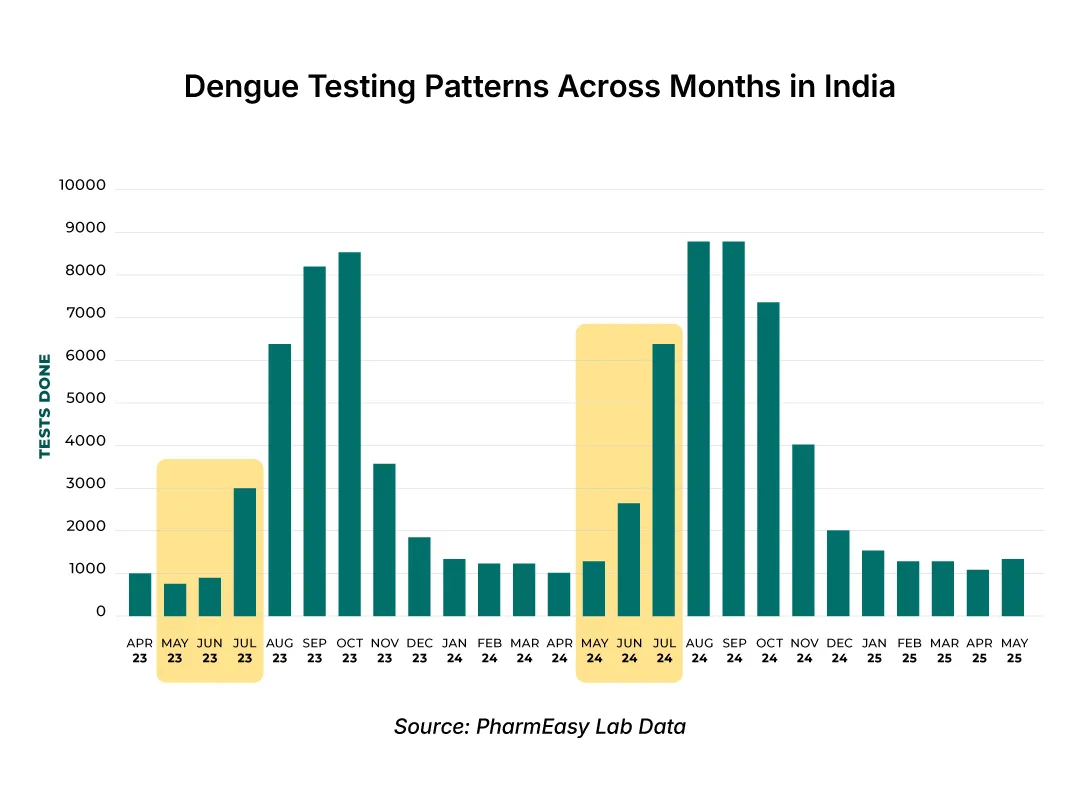
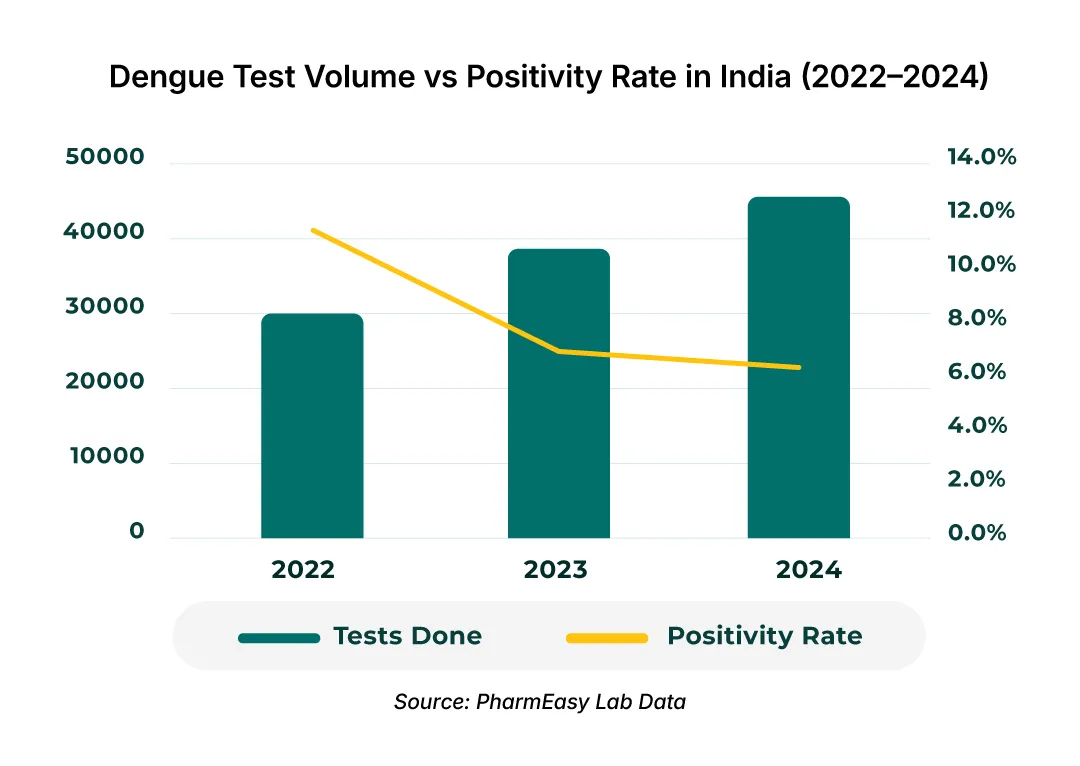
- Tests increased annually, with earlier seasonal testing (May vs June)
- Positivity rate is steadily decreasing due to increased awareness
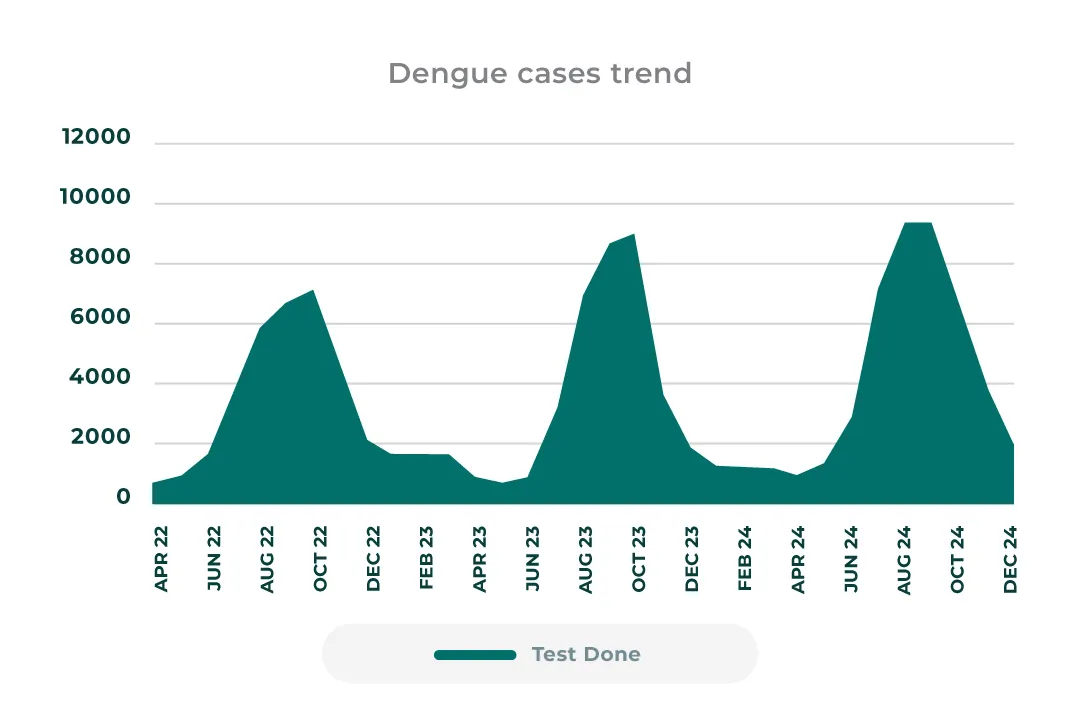
Our lab data reveals a clear shift in dengue testing patterns. Over the past few years, not only has the total number of dengue tests increased annually, but people are also getting tested earlier in the season. For example, in 2024, we observed a notable rise in dengue test bookings starting as early as May, compared to June in previous years.
At the same time, as you can see, the dengue positivity rate has been steadily decreasing. This trend, in fact, reveals that increased public awareness is leading to more proactive testing. As more people are tested to determine the cause of their fever, the lower percentage of positive results suggests that other causes of fever, such as typhoid, influenza, and chikungunya, may be at play.
The Monsoon-Dengue Link
Weather Conditions for Dengue
Temperature
Ideal for mosquito breeding
Humidity
Perfect breeding conditions
Dengue doesn't just coexist with the monsoon season; it shapes how the disease spreads.
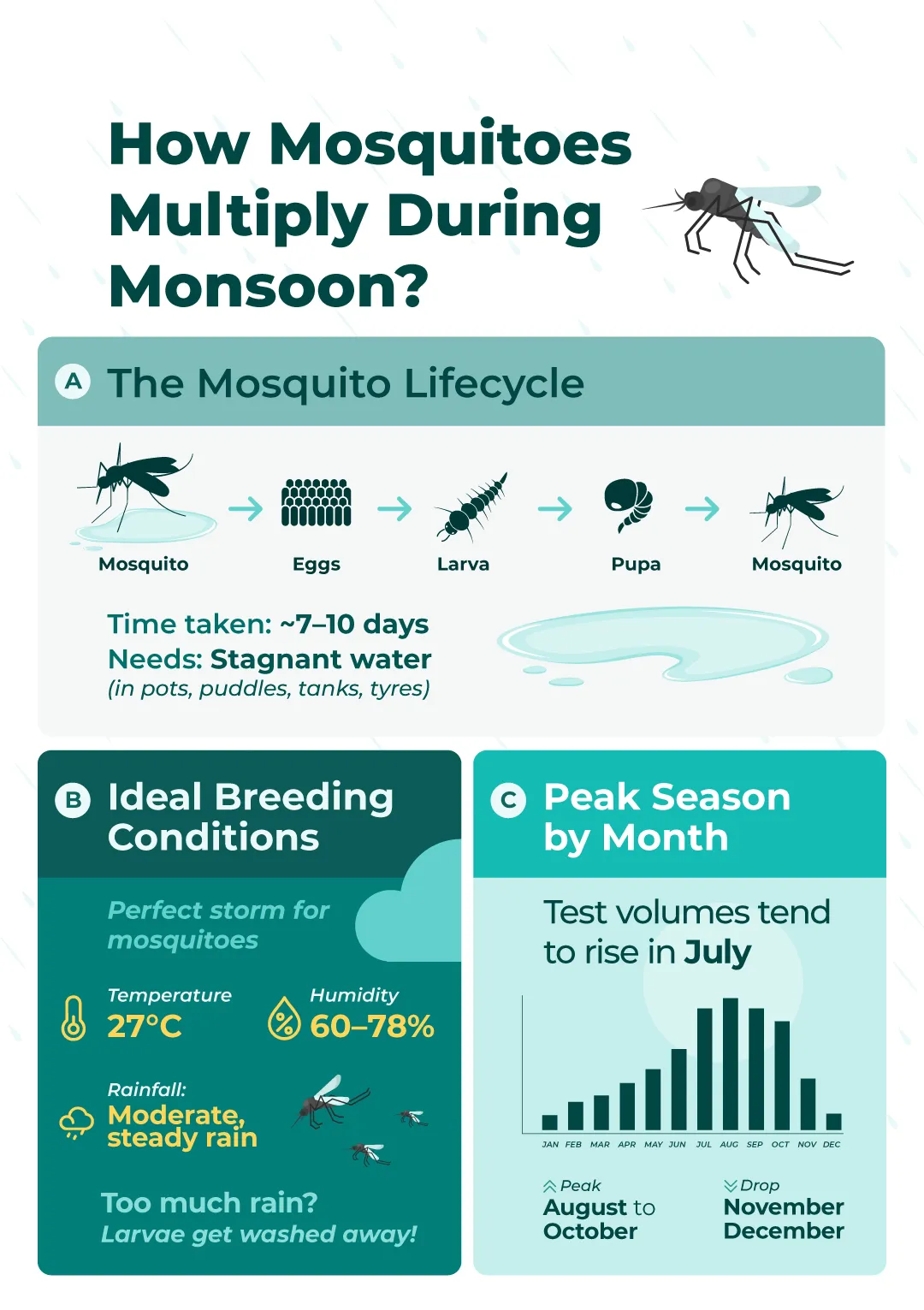
Dengue follows a clear pattern tied to the Indian monsoon. Every year, when the rains begin in June, the humidity increases, creating an ideal breeding ground for mosquitoes, particularly in stagnant water. This also raises the risk of outbreaks. Lab data shows that dengue cases begin to rise in July, peak from August to October, and decline by December.
Warm temperatures above 27°C, combined with humidity levels between 60% and 78%, and steady rainfall, create ideal conditions for the Aedes mosquito to thrive. Therefore, it’s fair to say that the weather plays a crucial role. Interestingly, very heavy rainfall can sometimes reduce mosquito numbers by washing away their larvae.
Doctor's Suggestion
"In India, we observe a significant surge in dengue cases during the monsoon season (June to September), primarily due to stagnant water becoming breeding grounds for mosquitoes. People must be particularly careful in this weather to avoid contact with the female Aedes mosquito responsible for dengue, which can be identified by the distinct white lines it has on its legs and thorax."
Who is More Likely to be Affected?
High-Risk Age Groups
Most Affected
Highest dengue positivity rates
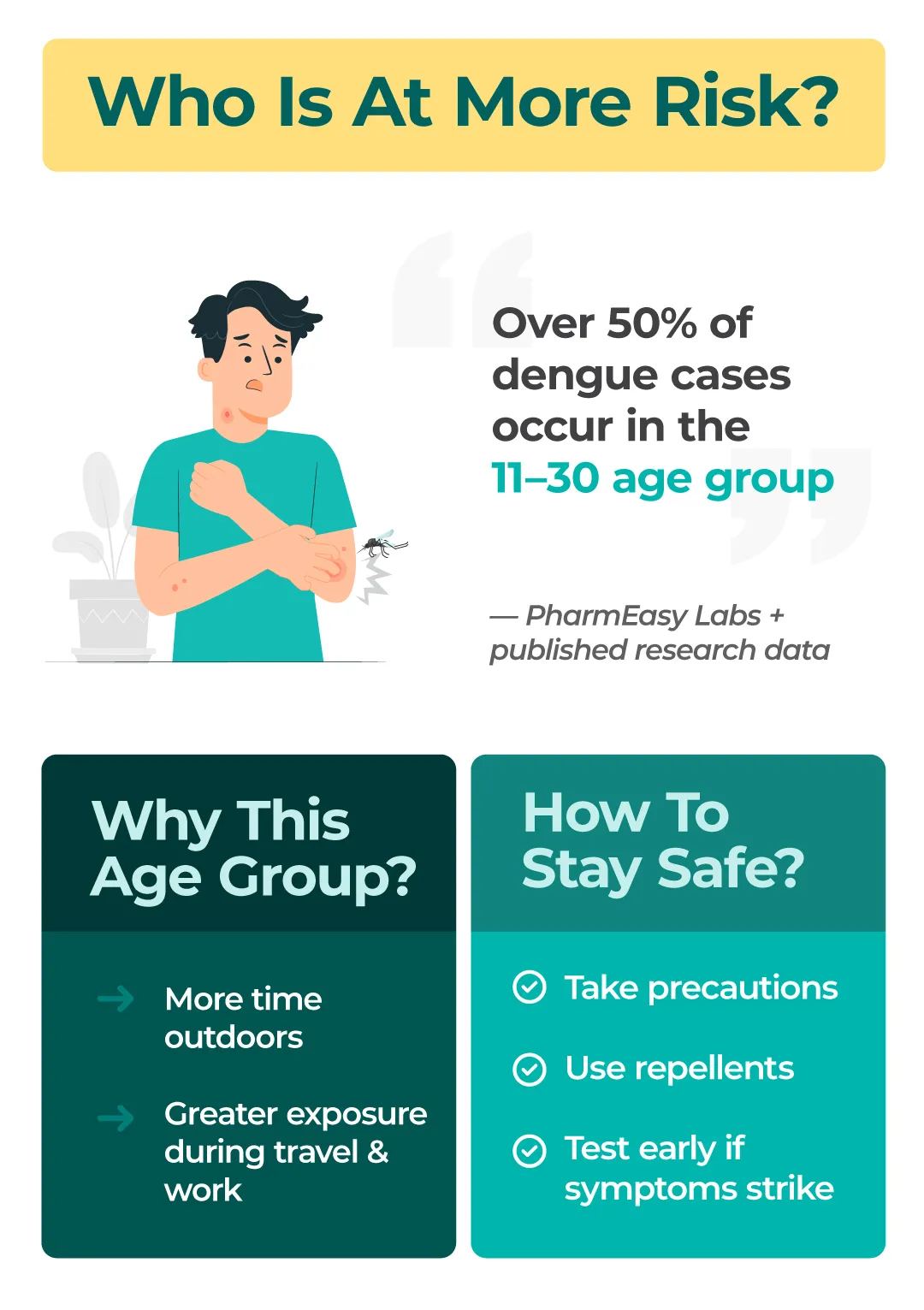
PharmEasy Labs data shows that individuals aged 11 to 30 have the highest dengue positivity rates when compared to other age groups. This trend likely reflects more outdoor activity and exposure3.
Doctor's Suggestion
"Children most often play outside in fields, exposing themselves to risk; likewise, individuals of the working age (18 to 60 years) who do physical work for a living, especially in outdoor settings, also get exposed, thus increasing their risk of infection."
How Is It Spreading Across Demographics?
Higher Risk
More likely to test positive
Severe Cases
Higher positivity & severity
Most Affected
Highest positivity rates
Overview
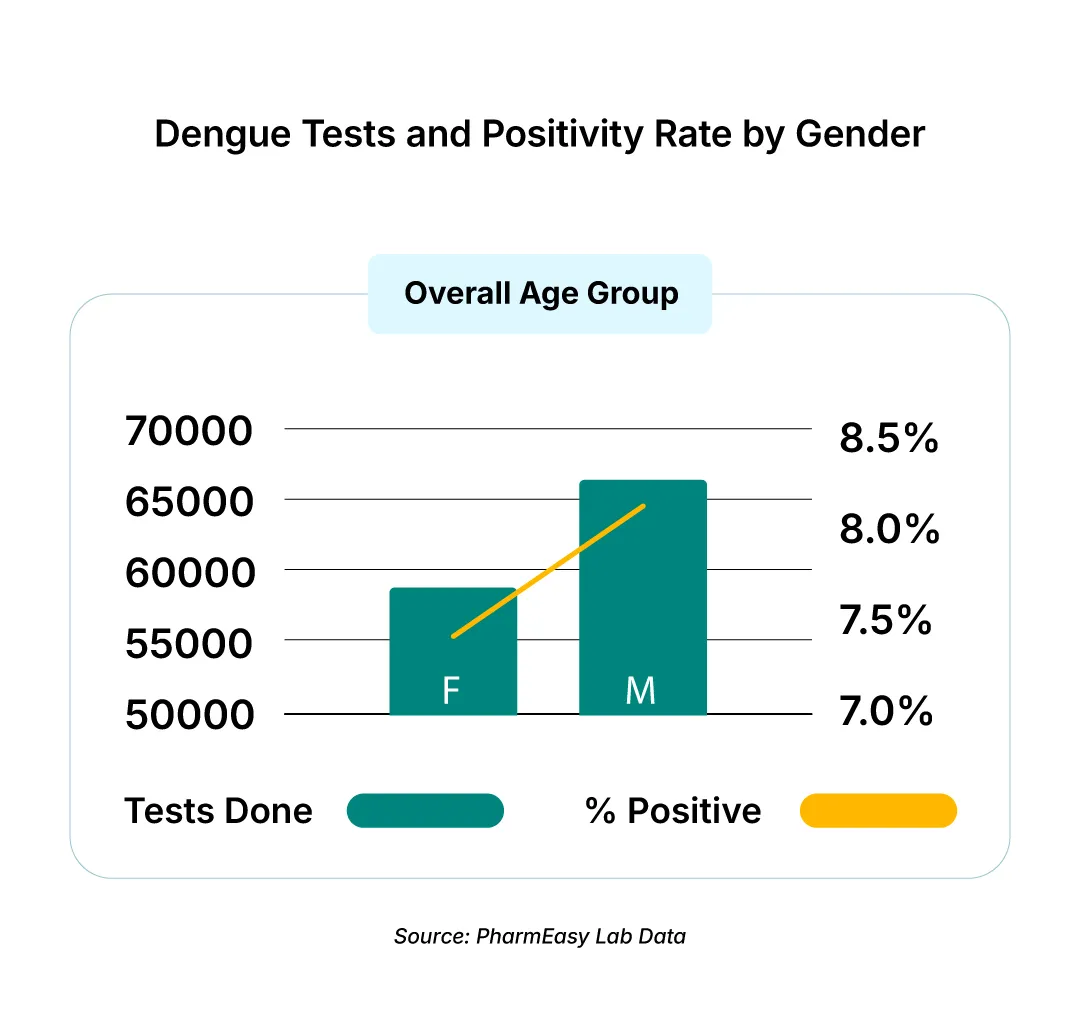
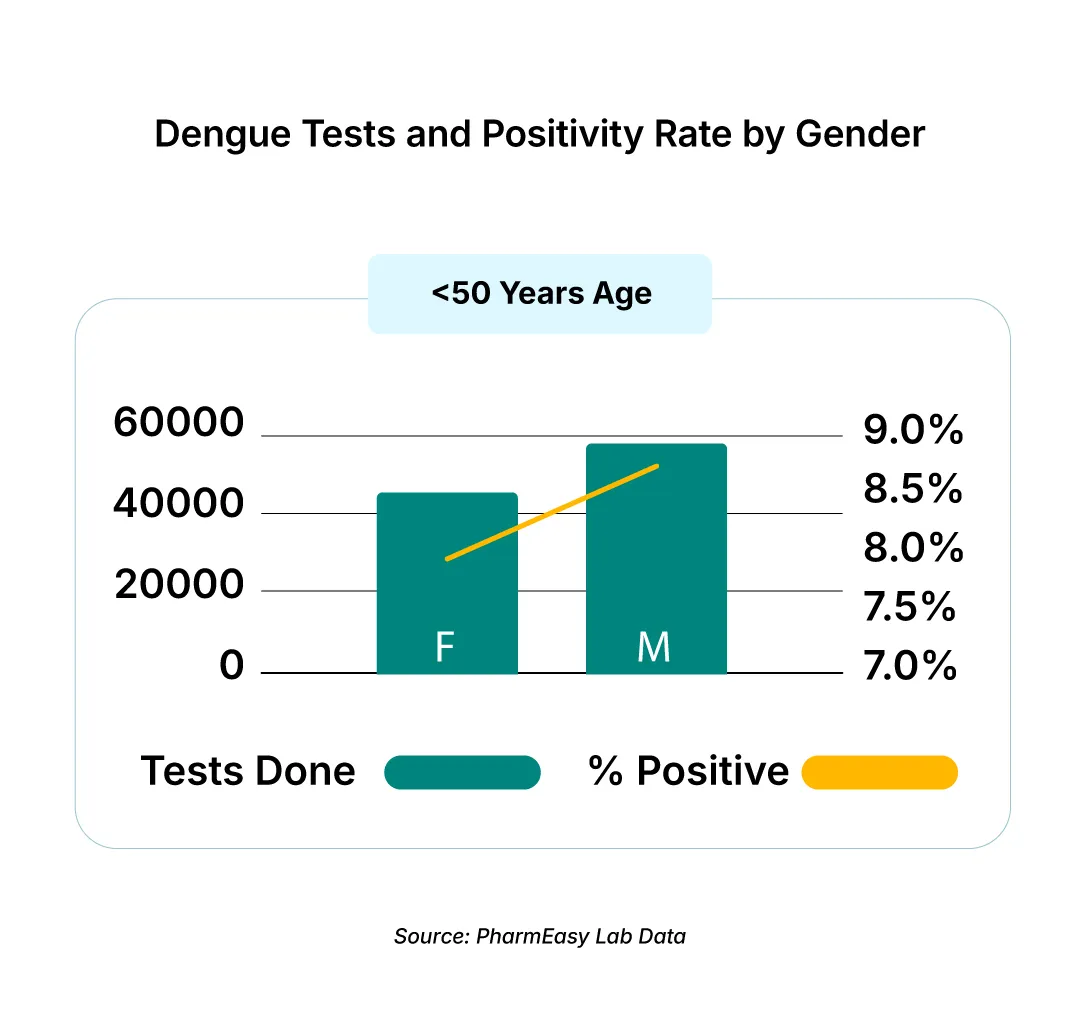
In this research, we analyse how dengue impacts people of different ages and genders. Our lab data shows that more men are infected with dengue than women. In the following sections, we will explore this variation in detail and understand how platelet count plays a key role in dengue-related complications.2
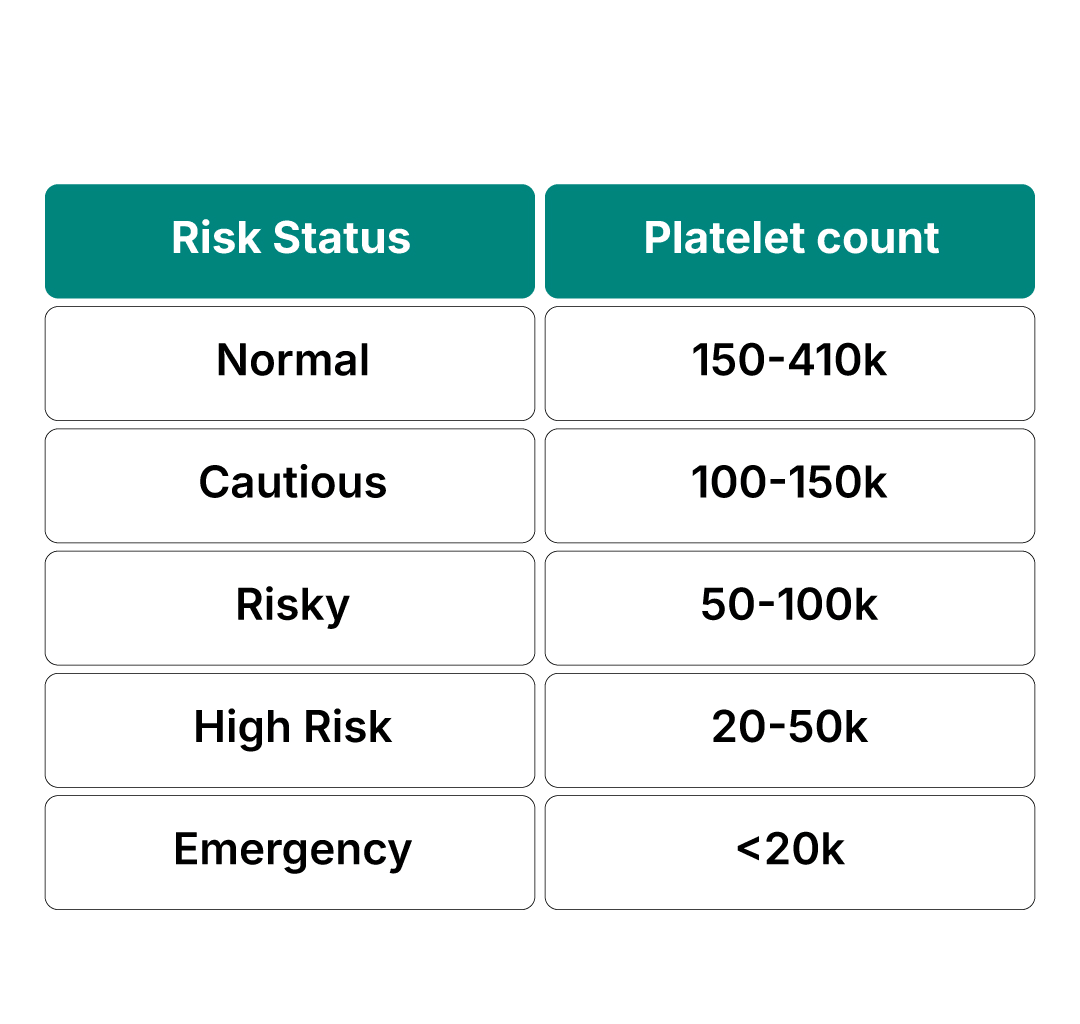
Please note: At times, the risk status depends on the platelet count and clinical condition of the patient, which will be determined by the doctor.
Women Over 50 At Greater Risk
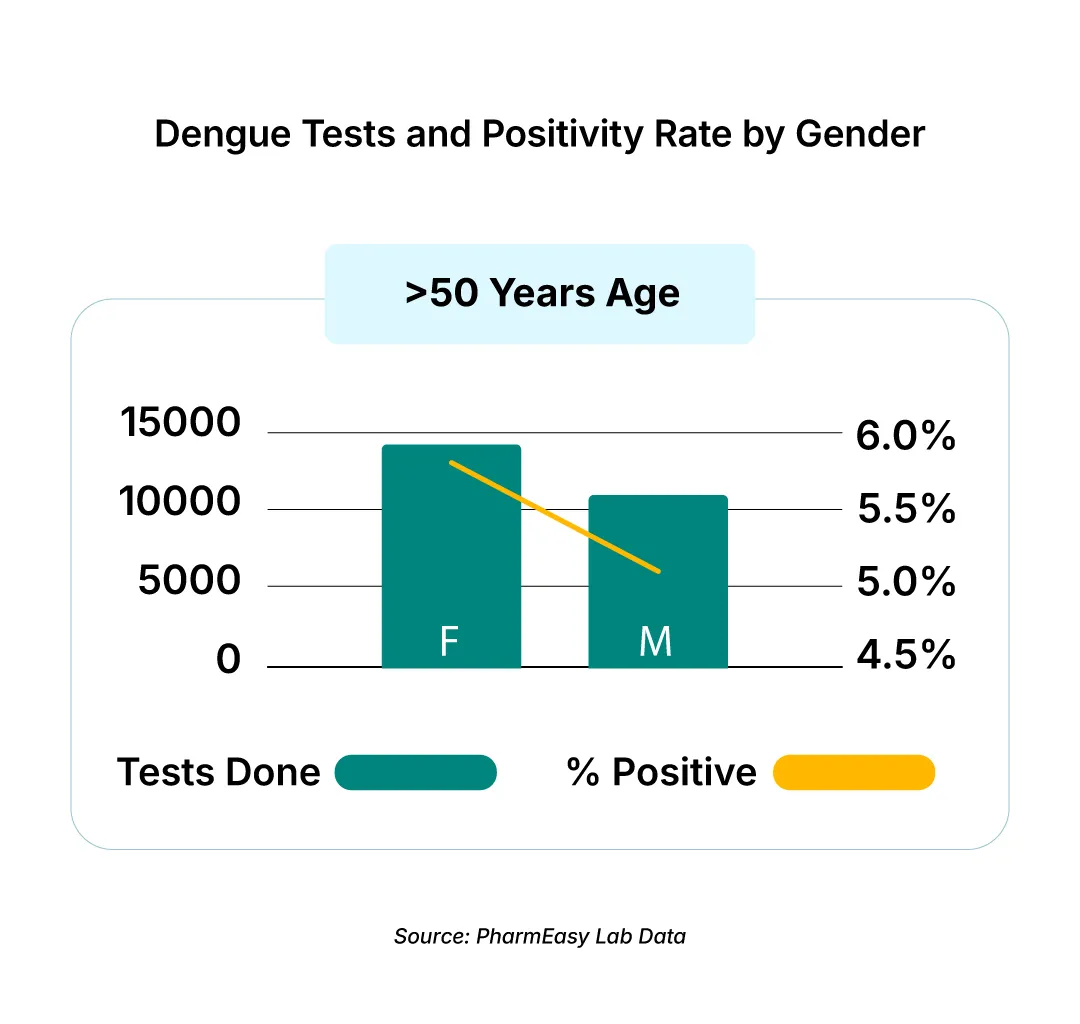
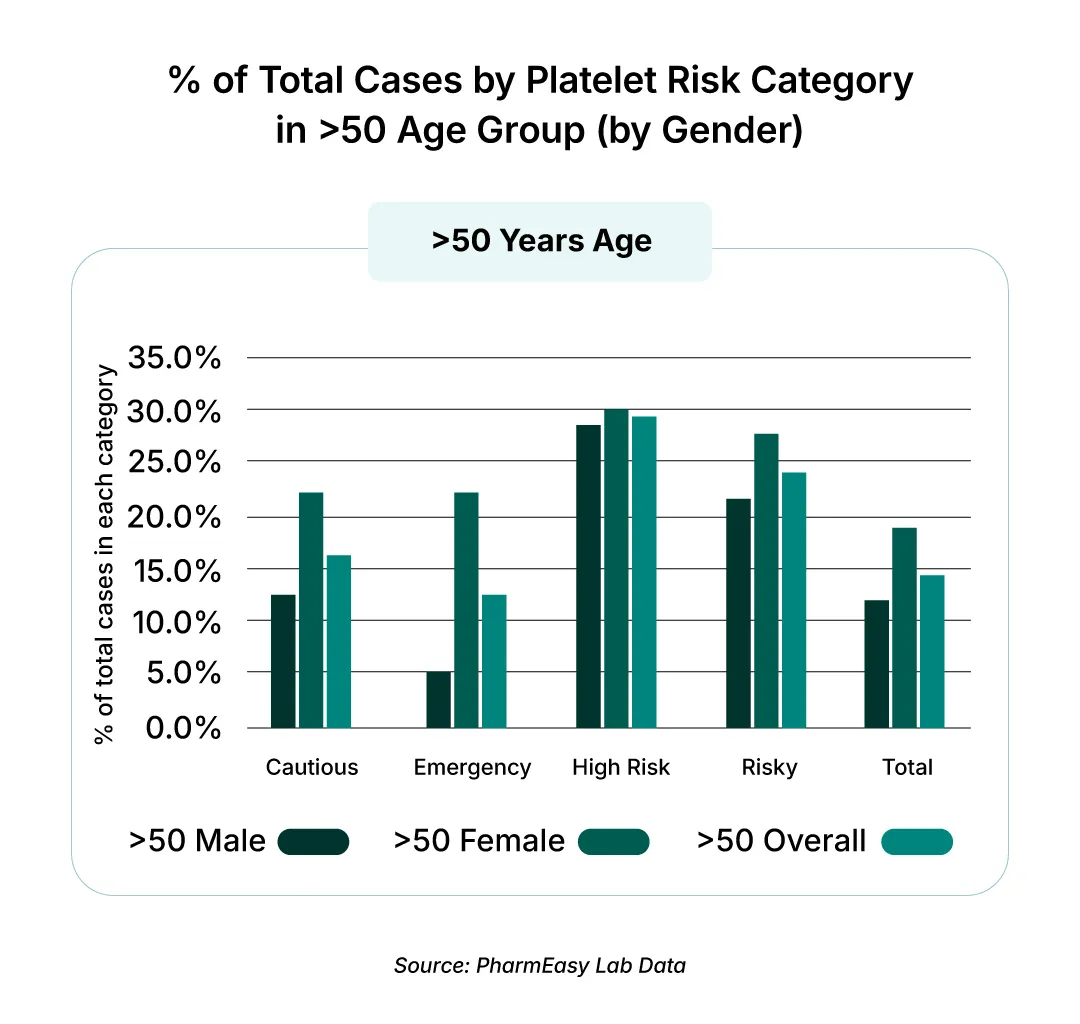
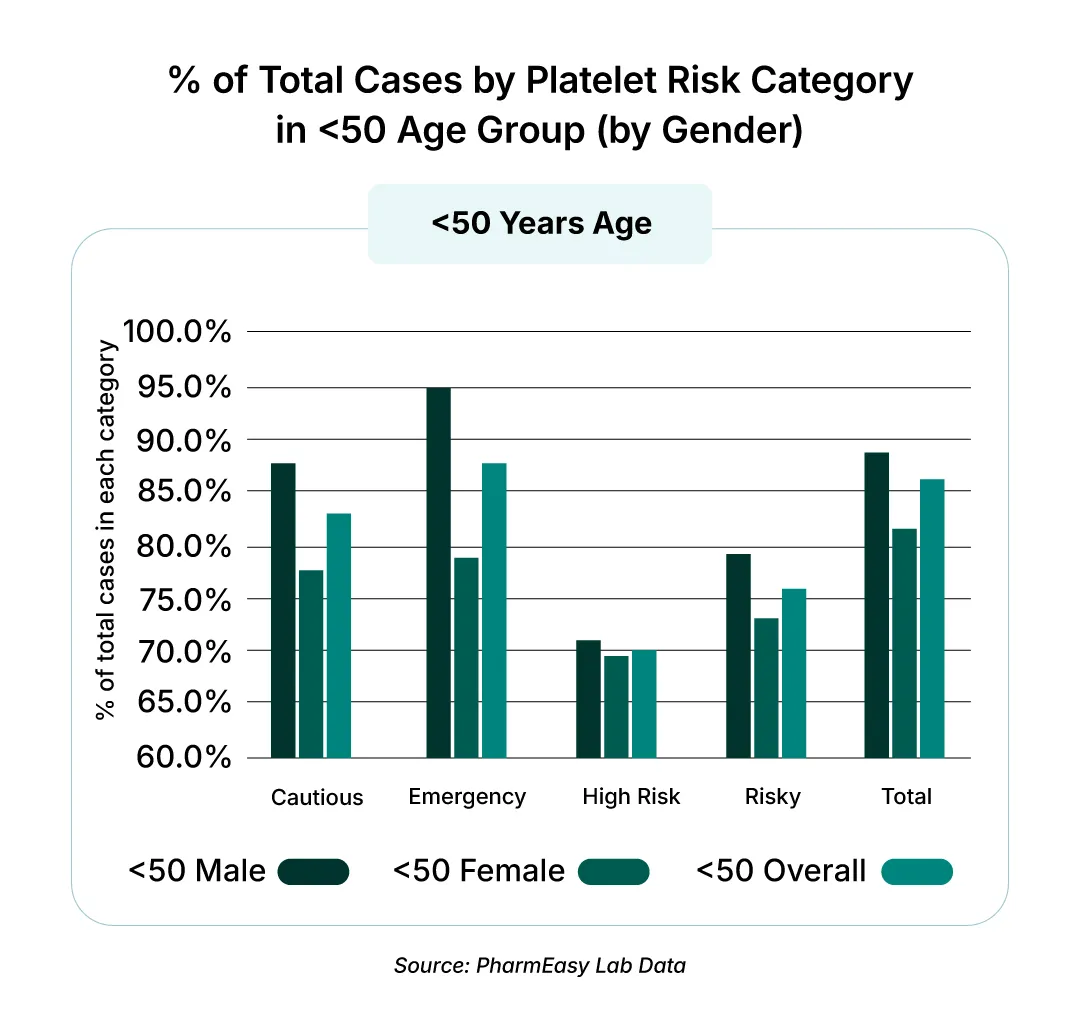
However, in those over 50, females have a higher positivity rate than males and show greater disease severity. Our lab data indicates that women over 50 not only test positive more often but also experience more severe platelet depletion. This includes significantly higher rates in the "Emergency," "High Risk," and "Risky" platelet count categories.
Men Under 50 & Dengue
Our analysis of PharmEasy Labs data reveals clear patterns. Overall, men are more likely to test positive for dengue than women, especially those under 50. These findings align with Indian studies that say younger men get more infections and serious illnesses because they spend more time outside or have jobs that expose them to more risks1.
Symptoms to Look Out For
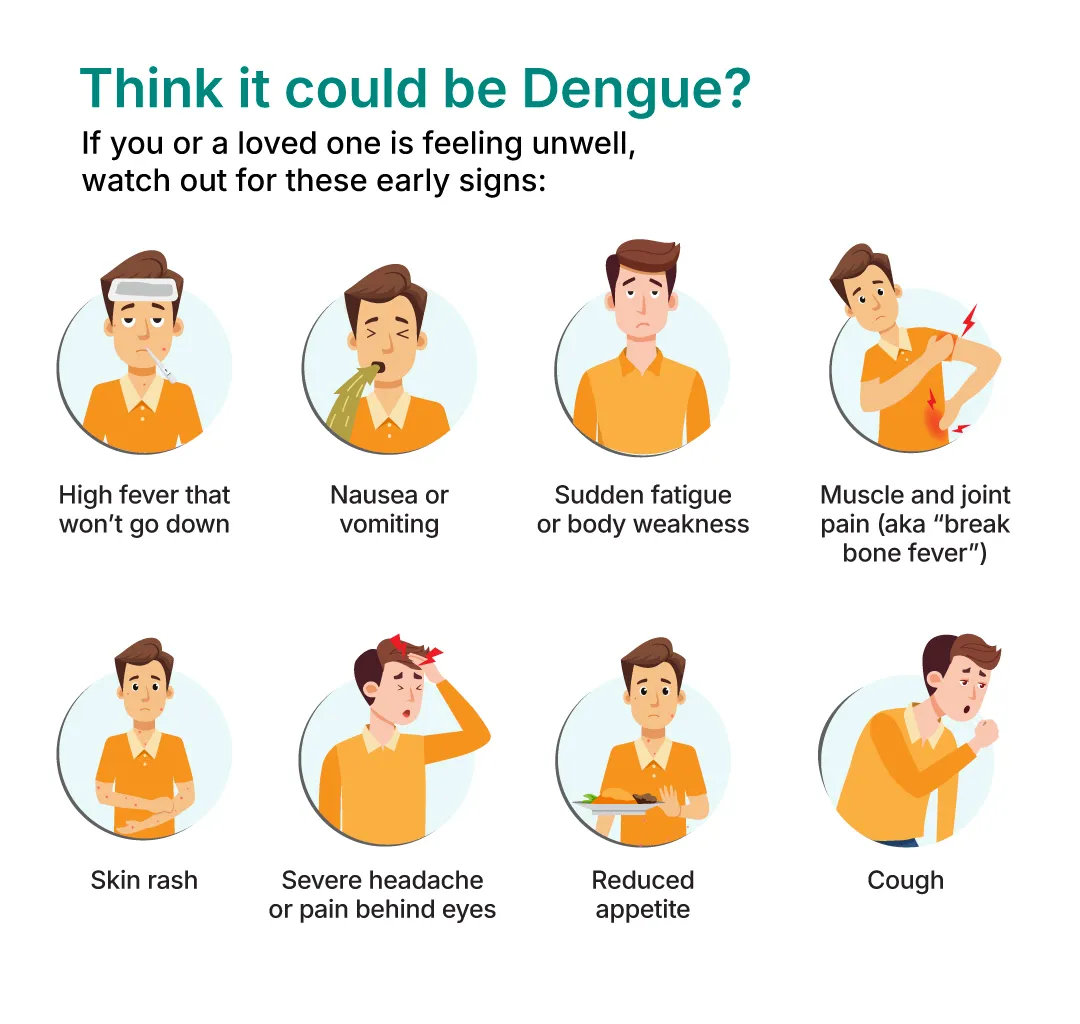
According to the National Guidelines for Clinical Management of Dengue Fever5, here are some of the warning signs to watch for.
National Guidelines: Warning Symptoms
When Dengue Turns Severe
The severity of symptoms in dengue fever varies from person to person. While most people recover after a short illness, some experience severe complications due to leakage of plasma, bleeding, and a drop in BP.
Serious cases of dengue or dengue haemorrhagic fever (DHF) can progress to dengue shock syndrome (DSS),thrombocytopenia or plasma leakage if not managed promptly in a hospital.
Doctor's Suggestion
"In my practice, I notice gender differences in dengue severity. Younger men often come late due to work and ignore early signs, leading to issues like low platelets and dehydration. Postmenopausal women over 50, even when diagnosed early, tend to have sharper platelet drops and liver changes likely due to age and immune changes after menopause. These patients need closer monitoring, even if their vitals look fine initially."
Where Dengue Hits the Hardest?
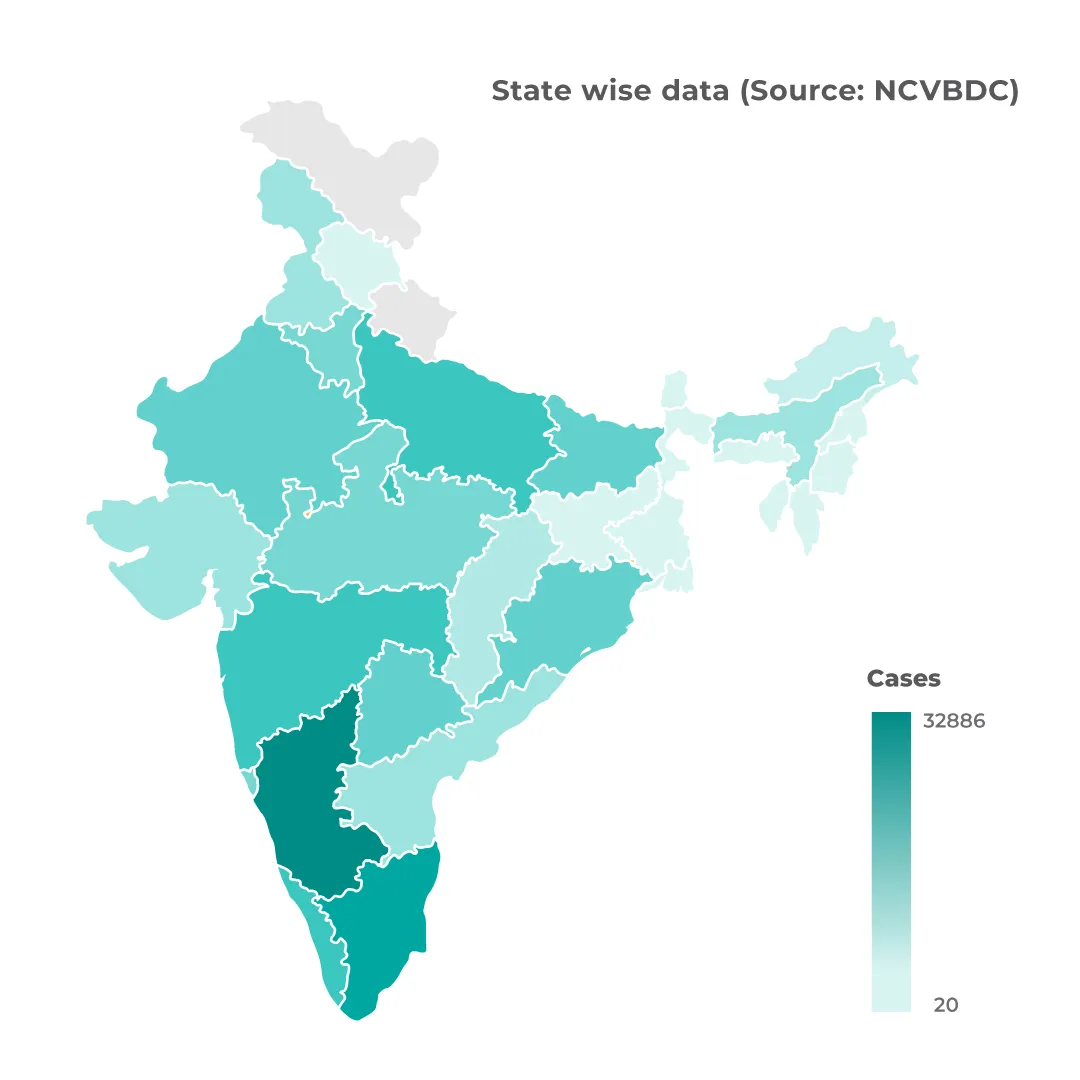
Over 40 regions reported cases in 2024. While dengue is widespread, the most severe cases were reported in parts of South and West India.
2024 State-wise Impact
Highest Cases
32,886 cases
Most Deaths
128 fatalities
Total Regions
Regions with reported cases
Southern States
Karnataka, Tamil Nadu, Kerala
Western States
Maharashtra major contributor
Northeastern States
< 100 cases per state
Seasonal Trends in Dengue: Lab Data and Public Interest
Peak Season
Consistent yearly pattern
Google Searches
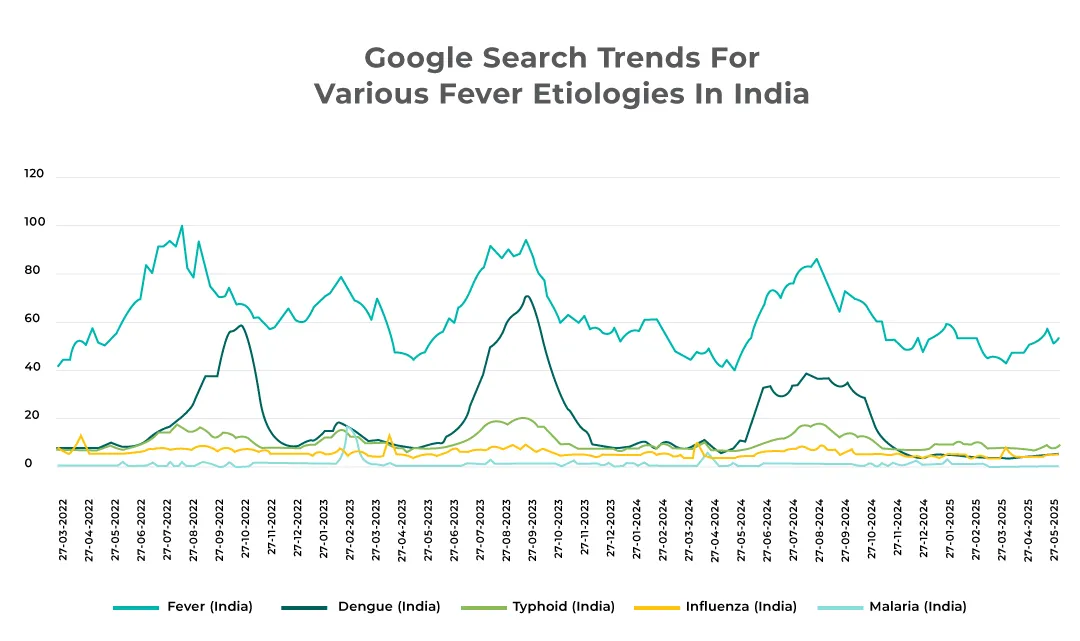
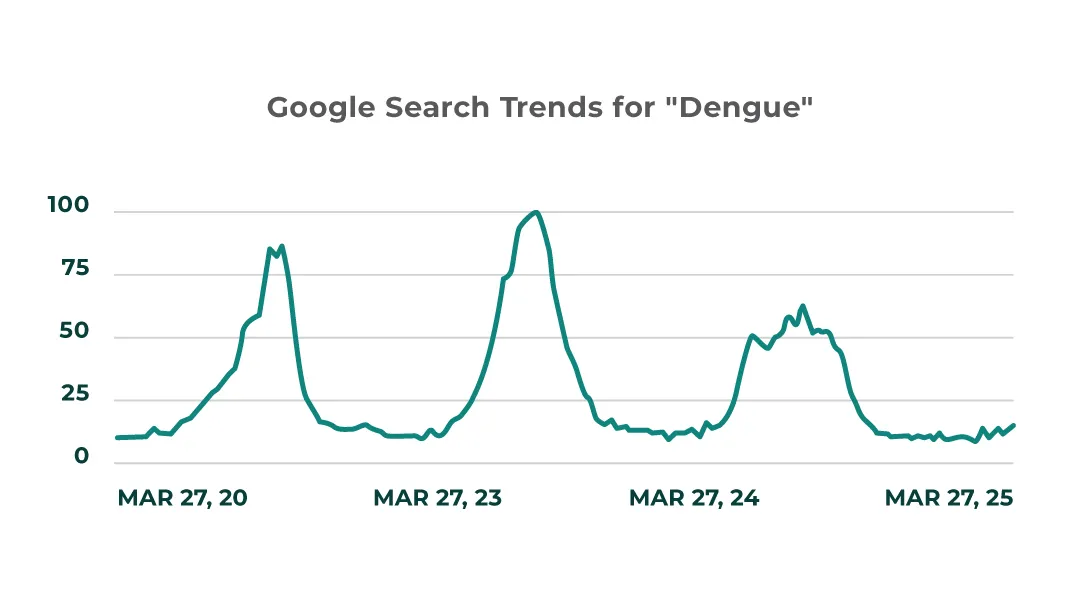
Spike along with real cases
Fever Testing
Of all the fever tests, which are for dengue
Our PharmEasy Labs data reveals a clear pattern in dengue testing, where cases surge between August and October every year. This trend has remained consistent over the past few years, showing that dengue cases peak during the monsoon and post-monsoon season.
What People Search When They're Worried About Dengue
During dengue season, millions of people in India search online for help. We analysed Google search data and identified the top 10 dengue-related keywords.
Total Searches
Top 10 dengue keywords
Top Search Terms:
People want to:
Essential Tips to Protect Yourself From Dengue
Dengue cases tend to increase during the rainy season. However, a few simple habits can help keep you and your loved ones protected and safe.
Prevention Focus
Your daily shield
Minimize Exposure
Wear full-sleeved clothing
Mosquito-Free Zones
Stop them before they spread
Use Mosquito Repellents
Mosquitoes thrive during the monsoon, so use repellents to keep yourself protected.
Maintain hygiene
Eliminate breeding spots by clearing stagnant water from coolers, flower pots, and trays.
Protect your home
Keep doors and windows closed in the evenings, and install screens to prevent mosquitoes from entering.
Act Early. Stay Ahead.
Dengue has become a significant public health concern and is no longer limited to a seasonal worry. Although the numbers indicate that awareness is increasing, the threat remains serious and should not be overlooked.
Dismissing early symptoms or self-medicating can lead to serious complications, especially when platelet levels and/or BP start to drop.
However, the good news is that you can stay ahead of it.
Recognise the early signs. Get tested promptly if you have a fever and follow the treatment prescribed by your doctor. With awareness and early action, we can protect ourselves and our families and work together for a healthier tomorrow.
Key Message
Action Required
Prevention
Outcome
References
- Gupta S, Shakya A, Mishra N, Islahi S, Singh S, Nag S, Dwivedi A, Shukla M, Sen S, Dwivedi P, Agarwal M, Mukherjee A. Investigating the clinico-demographic characteristics of dengue fever and its seroprevalence at a tertiary care hospital in Northern India. Cureus [Internet]. 2024 Apr 5 [cited 2025 Jul 18];16(4):e57640. doi:10.7759/cureus.57640. PMID: 38707003; PMCID: PMC11070059. Available from: https://pmc.ncbi.nlm.nih.gov/articles/PMC11070059/
- Khare K, Imran M, Ravi V, Mohite R, Halder S, Mishra P, Tarai B, Budhiraja S, Sethi T, Pandey R. Inter-host diversity associated with age, sex, and menstrual cycle modulates clinical manifestations in DENV-2 patients. iScience [Internet]. 2025 Apr 17 [cited 2025 Jul 18];28(5):112478. doi:10.1016/j.isci.2025.112478. PMID: 40395667; PMCID: PMC12090246. Available from:https://pmc.ncbi.nlm.nih.gov/articles/PMC12090246/
- Savargaonkar D, Sinha S*, Srivastava B, Nagpal BN, Sinha A, Shamim A, Das R, Pande V, Anvikar AR, Valecha N. An epidemiological study of dengue and its coinfections in Delhi. Int J Infect Dis [Internet]. 2018 Sep [cited 2025 Jul 18];74:41–46. doi:10.1016/j.ijid.2018.06.020. Available from: https://www.sciencedirect.com/science/article/pii/S1201971218344552
- World Health Organization. Dengue and severe dengue [Internet]. Geneva: World Health Organization; 2024 Apr 23 [cited 2025 Jul 18]. Available from: hhttps://www.who.int/news-room/fact-sheets/detail/dengue-and-severe-dengue
- Ministry of Health & Family Welfare (India). National Guidelines for Clinical Management of Dengue Fever 2023 [Internet]. New Delhi: Government of India; 2023 [cited 2025 Jul 18]. Available from: https://ncvbdc.mohfw.gov.in/Doc/National%20Guidelines%20for%20Clinical%20Management%20of%20Dengue%20Fever%202023.pdf
Disclaimer: This article is based on data patterns observed from dengue testing conducted by PharmEasy Labs during the period of April 2022 to December 2024. The insights presented are derived solely from PharmEasy’s internal data and may not be representative of broader national or regional trends. This content is intended for general informational purposes only and should not be construed as medical advice.