




Natural Laxatives: Your Guide to Safe and Effective Remedies for Constipation
By Dr. Nayana Shetty +2 more

Medically reviewed by Dr. Nayana Shetty
Last updated: Oct 15, 2026 Published on: Oct 20, 2023


Get,

to manage your symptom
Get your,

4 Cr+ families
benefitted

OTP sent to 9988776655



You’ve successfully subscribed to receive
doctor-approved tips on
Whatsapp

Get ready to feel your best.


Register to Avail the Offer
Send OTPBy continuing, you agree with our Privacy Policy and Terms and Conditions
Hi There,
Sign up on PharmEasy now!!


Trusted by 4 crore+ families

OTP sent to 9988776655
You have unlocked 25% off on medicines


Code: NU25

By Dr. Nayana Shetty +2 more
Table of Contents
Constipation impacts millions of people worldwide. It’s a painful and uncomfortable condition that does not have a one-size-fits-all solution. Relief may be found through lifestyle and dietary changes and natural remedies. Understanding different types of laxatives, including their benefits and risks, is key to finding the right approach.
In this guide, we explore what natural laxatives are, how they may help relieve constipation, and how to safely include them in your daily routine. This will allow you to make the best decision when it comes to dealing with constipation1,3.

Let us understand what laxatives are, how they function, the types of laxatives, and their pros and cons4,5.
Laxatives are substances that may help relieve constipation by encouraging bowel movements or softening stools. They are available in various forms, including tablets, powders, and liquids. Some laxatives are found naturally in foods such as certain oils and fibre-rich items.
Laxatives work in different ways, but their goal is the same, to stimulate bowel movements. Some increase the bulk of stools or soften them, making them easier to pass. Others help by lubricating the gut lining or triggering the colon muscles to contract, helping the stools move through the digestive tract more smoothly.
The types of laxatives include:
Do you know why these laxatives are referred to as ‘natural’? This is because these laxatives are a by-product of plants. Plants are used as raw materials to formulate these laxatives that aid constipated patients41.
Dr. Siddharth Gupta, B.A.M.S, M.D (Ayu)
Some natural laxative alternatives may also work similarly to relieve constipation.
Let’s look at how natural laxatives, such as certain oils, dietary changes, fermented foods, and herbal remedies, can be used at home to support bowel movements. The best choice depends on individual needs and preferences.
Foods rich in fibre are among the most effective natural laxatives. They may help improve digestion and ease constipation when included regularly in your diet. Below are some high-fibre foods that can be beneficial:
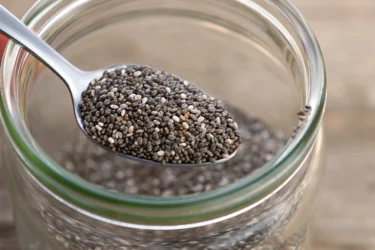
Chia seeds are high in fibre and have about 10 grams of fibre per 28 grams (1 ounce). When soaked, they absorb water and form a gel-like substance, which may help soften stools and promote regularity in bowel movements6,7.

Berries such as strawberries, blueberries, and blackberries are good sources of fibre. Including them in your diet may support bowel movement frequency and improve stool consistency8.

Legumes including beans, chickpeas, lentils, and peas are packed with fibre. They can help add bulk to stools and may encourage the growth of healthy gut bacteria9.

Flaxseeds provide both soluble and insoluble fibre, which may help maintain regular bowel movements. One tablespoon of flaxseeds contain around 3 grams of fibre. They can be easily added to smoothies, salads, or baked dishes10,12.

Leafy greens such as spinach, kale, and collard greens are high in fibre and magnesium. Magnesium helps draw water into the intestines which may soften stools13.
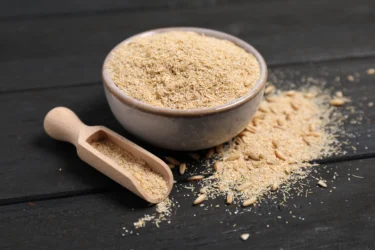
Oat bran is extracted from the outer layer of oat grains. It contains about 5.3 to 8.4 grams of fibre per 100 grams and may help support digestive health9.

Prunes are known for their fibre and natural sorbitol content. They may support regular bowel movements and improve stool consistency14.

Kiwis contain fibre and natural enzymes that may aid digestion. One kiwi offers approximately 2.3 grams of fibre, which may help support healthy bowel movements and overall digestive health15.
Staying well-hydrated plays a key role in supporting healthy bowel movements. Drinking enough water can help soften stools, making them easier to pass. It also supports the natural process of waste elimination from the body.
In addition to plain water, other fluids may support digestion and relieve constipation. Warm water or herbal teas, such as ginger or peppermint, may help stimulate gut movement. However, it is best to limit drinks high in sugar or caffeine, as they may worsen constipation in some individuals16,17.
Your gut health may also get a boost from probiotics and fermented foods. They may help your digestion and serve as natural laxatives18,22.

Kefir, a fermented drink, is packed with probiotics. This may do wonders for your digestive health. Regularly drinking kefir may lead to improved stool shape and frequency, less need for laxatives, and better bowel function.

Another probiotic-rich food is Greek yogurt. The “live and active cultures” in Greek yogurt may assist digestion and lessen constipation by fostering the growth of beneficial gut bacteria.

Other probiotic food choices include sauerkraut, kimchi, miso, tempeh, and kombucha. Adding these to your diet may enhance your digestive health.
Some oils may have laxative properties and could help with constipation.

Olive oil may help soften stools and support smoother bowel movements. Taking a spoonful on an empty stomach or adding it to meals is a simple way to include it in your routine11.

Castor oil, made from castor beans, contains ricinoleic acid, a compound that may help digestion and aid bowel movements. However, it should be used with caution and in moderation23.

Coconut oil contains medium-chain fatty acids that may support digestion and help soften stool consistency. It can be added to food in small amounts as part of a balanced diet24.
According to me, both natural laxatives (derived from plants) and synthetic laxatives (made by man using chemical compounds) have similar potential uses and side effects, as both work as stimulant laxatives. Therefore, one may avoid the use of laxatives in general by following other measures such as drinking plenty of water, eating a healthy diet, and exercising regularly41.
Dr. Rajeev Singh, BAMS
Several herbal remedies and supplements may support digestive health and encourage regular bowel movements. Below are some options to consider:

Senna, a plant-derived laxative, is commonly found in over-the-counter products. Sennosides in senna make the nerves in your colon active. This may aid in bowel movements25.

Rhubarb contains sennoside A and may act as a natural stool softener and ease bowel movement regularity26.
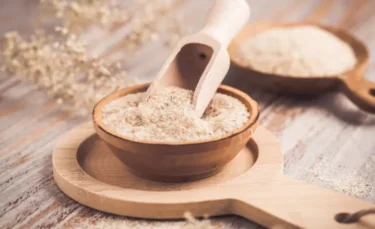
Psyllium husk, made from the Plantago ovata plant, is a source of soluble fibre. It may help by increasing stool bulk and easing its passage through the intestines27.

Magnesium citrate, available as an over-the-counter supplement, is an osmotic laxative that pulls water into the intestines, which can soften stools and make bowel movements easier28,30.

Aloe vera, particularly its juice, contains natural compounds called anthraquinones that may have a laxative effect. It should be used with caution and in moderation31.
In addition to dietary and herbal support, certain lifestyle changes may also help constipation, as follows:

Regular moderate physical activity, such as walking, swimming, or cycling, may stimulate intestinal movement and reduce the risk of constipation32.

For some people, coffee may help trigger bowel movements due to its stimulating effect on the digestive system33,35.
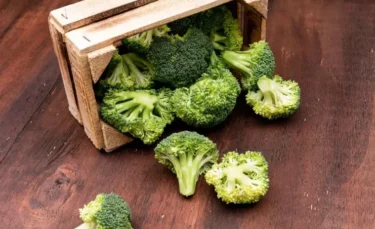
Fruits and vegetables that are high in fibre, like apples, pears, broccoli, and carrots, may help in digestion and relieve constipation. They also offer essential nutrients as an added benefit9,36,38.
Also Read: Right-Sided Abdominal Pain: Understanding Causes and Treatment Options
Although natural laxatives may offer relief from occasional constipation, they should be used wisely5,39.
If your constipation is ongoing, severe, or accompanied by pain or bleeding, consult a healthcare provider. This may help rule out more serious underlying issues.
Some natural laxatives can cause bloating, cramps, or gas. Always check with your doctor before trying herbal or supplement-based remedies, especially if you’re on other medications.
Regular or excessive use of any laxative, natural or otherwise, may lead to dependency or disrupt normal bowel function. Use these remedies in moderation and under medical advice when needed.
Also Read: Simple Home Remedies to Help Ease PCOS Symptoms
Constipation is a common issue that can affect your comfort and quality of life. Various natural approaches, such as dietary changes, hydration, physical activity, and some herbal options, may offer relief. However, it’s important to use these remedies cautiously and consult your healthcare provider for guidance, especially if symptoms persist. Being informed about potential risks and benefits can help you make safe and effective choices.
Also Read: Natural Home Remedies For Constipation By Dr. Siddharth Gupta
The fastest way to relieve constipation is to eat fibre-rich foods, such as prunes, chia seeds, legumes, and flaxseeds40.
Natural laxatives work by promoting bowel movements through various mechanisms. High-fibre foods, such as fruits and vegetables add bulk to the stool, while certain plants that contain compounds like anthraquinones stimulate intestinal contractions, facilitating smoother bowel function and relieving constipation.
The frequency of taking laxatives depends on the specific product and individual tolerance. It’s advisable to follow the recommended dosage on a product’s label and consult a healthcare professional for personalised guidance.
Natural laxatives are generally considered safe when used as directed. However, it’s essential to consult with a healthcare professional before incorporating them into your routine, especially for individuals with underlying health conditions or those taking medications, to ensure compatibility and avoid potential risks.
Certain drinks, such as prune juice, aloe vera juice, and warm water with lemon can act as natural laxatives. These beverages may help promote bowel movements by either providing fibre or hydration or having a mild stimulant effect on the digestive system.
Natural laxatives for kids include fruits like prunes, pears, and apples, as well as vegetables like spinach and broccoli. Additionally, increasing water intake and encouraging physical activity can help promote regular bowel movements in children.
Disclaimer: The information provided here is for educational/awareness purposes only and is not intended to be a substitute for medical treatment by a healthcare professional and should not be relied upon to diagnose or treat any medical condition. The reader should consult a registered medical practitioner to determine the appropriateness of the information and before consuming any medication. PharmEasy does not provide any guarantee or warranty (express or implied) regarding the accuracy, adequacy, completeness, legality, reliability or usefulness of the information; and disclaims any liability arising thereof.
Links and product recommendations in the information provided here are advertisements of third-party products available on the website. PharmEasy does not make any representation on the accuracy or suitability of such products/services. Advertisements do not influence the editorial decisions or content. The information in this blog is subject to change without notice. The authors and administrators reserve the right to modify, add, or remove content without notification. It is your responsibility to review this disclaimer regularly for any changes.
 3
3 
Comments

Leave your comment...
You may also like

























Comments