
The PDW blood test is a medical test that checks for size differences in blood platelets. The main function of platelets includes clotting and ensuring smooth blood flow in the body3.
In this article, we will cover the basics of a PDW blood test. We’ll discuss why it’s done, how it’s done, and what the results mean. We will also touch on the connection between PDW and blood disorders tied to platelets. Lastly, we’ll share ways to get ready for a doctor’s visit for a PDW test.
The role of a PDW (platelet distribution width) blood test is to assess how well a person’s platelets are working whose main function is to create clots and aid in wound repair and stop blood loss3.
PDW test measures the size differences in platelets in a person’s blood. High PDW means that there is a range of platelet sizes, and low PDW suggests more similar sized platelets3. Knowing these variations helps doctors understand how a person’s platelets are functioning.
The purpose of doing a PDW blood test is as follows.
A PDW blood test needs a blood sample from a vein in your arm or hand. Below we have described how to get ready for the test and what happens during the process.
Typically, no unique preparations are needed for a PDW blood test. But if you’re also doing other tests on the same day, your healthcare provider may suggest some things. Always let your provider know about any drugs, vitamins, supplements, or herbal products you’re taking. This avoids an unexpected impact on test results.
During the test, a medic places a small needle into a vein in your arm or hand to take blood. Once they get the sample, it’s sent to a laboratory for study. Though the test is quick and mostly painless, some people might feel dizzy or sick. Deep, slow breaths help lessen these feelings. Also, some people may feel slight pain or see bruises where the needle went in4.
Normal PDW levels fall between 8 to 12 femtoliters. This indicates that your platelets are at peak performance and no medical action is needed3.
Low PDW levels (below 8 femtoliters) could mean that a majority of your platelets are old or that your bone marrow is making fewer platelets than usual3.
High PDW levels (above 12 femtoliters) show higher levels of young platelets in the blood3.
With PDW blood tests, doctors can check for blood disorders tied to platelets. Two common types include thrombocytopenia (low platelet count) and essential thrombocythaemia (high platelet count).
Thrombocytopenia means you have too few platelets in your blood, which raises the risk of bleeding and bruising. Likely causes include problems with the immune system, some medications, and inherited diseases5. Doctors can diagnose it through blood tests, physical exams, and by looking at your medical history.
In essential thrombocythaemia, the bone marrow makes too many platelets. This overproduction could be due to gene changes or conditions like cancer. With too many platelets, your risk of forming blood clots increases. This could lead to serious issues like strokes or heart attacks6.
After finding a blood disorder through PDW blood tests or other ways, it’s time to look at management choices. These help control symptoms and avoid likely issues.
Diagnosing blood disorders often involves several steps. It starts with looking at your medical past, physical examination findings, and laboratory test results that matter. Depending on the suspected disease, you may need more blood or imaging tests.
Step-by-Step Process:
A typical way to diagnose blood disorders might include the following steps.
Additional Blood Tests:
Doctors may recommend extra blood tests. These tests could be coagulation tests, complete blood count (CBC), or specialised tests like peripheral blood smear or quantitative immunoglobulins.
The type of blood disorder, how severe it is, and its causes shape the management choices. Possible options could include the ones below.
Platelet disorders may bring forth different complications. These depend on the person and the exact disorder.
Also Read: What Happens if Erythrocyte Sedimentation Rate (ESR) is High?
If your PDW blood test results are not normal, or you have symptoms that hint at a bleeding or clotting issue, it’s vital to book an appointment with your healthcare provider.
Here’s what to take to your doctor’s visit.
Try to ask these questions during your visit.
Also Read: Natural Blood Thinners: Benefits, Risks, and Precautions
Knowing why PDW blood tests are done and what their results mean provides information on how a person’s platelets are working and the overall health of their blood. Noticing abnormal PDW levels is the key to finding possible blood disorders and their management options.
Also Read: High Platelet Count: Causes, Symptoms, Management and More!
PDW test results can be affected by some drugs, temporary health issues, and age. Also, factors like low or high altitude, smoking, and high glucose levels can change PDW test results.
PDW checks for size differences in platelets, while MPV tells the average platelet size in a blood sample. While both give vital information on how platelets are working, they show different sides of blood health.
High or low PDW levels alone may not mean much. But if these levels are not normal over time, or you have other symptoms, they could hint at a basic health issue that needs more tests and potential therapy. Talk to a healthcare provider if your PDW test results or symptoms tied to a platelet-related disorder worry you.
Eating a balanced diet full of vitamins, minerals, and anti-inflammation items may boost overall blood health. Regular physical activities, reducing or stopping alcohol and tobacco use, may also help make blood cells healthier.
Key risks tied to PDW blood tests include slight pain or bruises at the needle site and brief feelings of dizziness or sickness in some people. But these risks are few and don’t last long.
Disclaimer: The information provided here is for educational/awareness purposes only and is not intended to be a substitute for medical treatment by a healthcare professional and should not be relied upon to diagnose or treat any medical condition. The reader should consult a registered medical practitioner to determine the appropriateness of the information and before consuming any medication. PharmEasy does not provide any guarantee or warranty (express or implied) regarding the accuracy, adequacy, completeness, legality, reliability or usefulness of the information; and disclaims any liability arising thereof.
 5
5
 1
1
Hair, being one of the essential aspects of an individual’s appearance, plays a significant role in boosting one’s self-esteem and confidence. Maintaining the health of our hair is crucial, but daily exposure to environmental stressors, unhealthy lifestyles, and genetic factors can often lead to various hair problems, including hair loss. There are several natural remedies proposed to promote hair growth and improve overall hair health. One such herb is fenugreek which is believed in many cultures as an effective ingredient to deal with hair problems.
This article aims to explore fenugreek benefits on hair growth, supported by scientific studies and traditional applications. We will delve into the nutritional composition of fenugreek and its impact on possibly reducing hair loss and promoting hair regrowth. We will also provide insights on the effective use of fenugreek seeds in hair care routines and potential risks that must be taken into consideration while using them. Lastly, we will guide you through a holistic approach to maintaining the general health of your hair while using fenugreek.
Did you know?
Fenugreek, scientifically known as Trigonella foenum-graecum, is a versatile herb native to the Mediterranean region and South Asia. It has been used for centuries in traditional medicine and culinary practices. Fenugreek seeds are rich in essential nutrients, including proteins, vitamins, minerals, and antioxidants8. These seeds also contain compounds such as flavonoids, alkaloids, and saponins, which contribute to their potential benefit to hair health10.
Fenugreek is a herb native to Southern Europe, the Mediterranean, and Western Asia. It looks similar to clover and has seeds that taste and smell like maple syrup. Many cultures use fenugreek in medicine and cooking. In Asian, Southern European, and North African traditions, it’s been used to manage diabetes and help with breastfeeding. In Ayurvedic and Chinese medicine, fenugreek has been used to boost digestion and induce labour. It’s also been used to improve overall health and metabolism.
Today under alternative medical sciences, fenugreek is still used by some as a dietary supplement for menstrual cramps, diabetes3, and promoting milk production for breastfeeding.
The nutritional composition of fenugreek seeds includes the following.
These nutrients provide the foundation for fenugreek’s potential benefits in hair growth and overall health.
Fenugreek has been traditionally used in various hair care applications, which are described below.

Fenugreek seeds are said to stimulate hair growth by nourishing the hair follicles and increasing blood circulation to the scalp9. The proteins present in fenugreek seeds are supposed to strengthen the hair shaft, reducing hair fall and promoting the growth of new, healthy strands.
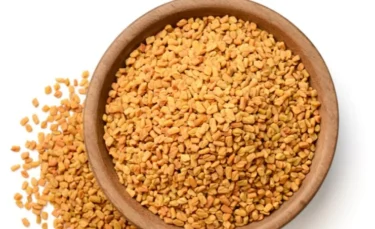
The proposed mechanism by which it may work is the fact that the various plant compounds in fenugreek may interact with a chemical in the body known as dihydrotestosterone (DHT). If DHT attaches itself to your hair follicles, the result, sooner or later, would be hair loss. Fenugreek may slow down the ability of DHT to attach to your hair follicles9.
A small study13 involving 53 people found that a 300 mg daily oral dose of fenugreek seed extract over six months led to improvements in hair volume and thickness for more than 80% of the participants compared to those given a placebo.

Fenugreek seeds contain hormone-regulating compounds that may help in reducing hair loss caused by hormonal imbalances. Additionally, the seeds have antimicrobial properties that may help protect the scalp from infections, reducing the risk of hair loss due to scalp conditions.

Fenugreek seeds possess conditioning properties that help in reducing dryness and frizz. Regular use of fenugreek seeds as a hair mask or rinse may make your hair soft, smooth, and manageable. They also provide hydration to the scalp, reducing flakiness and itching.
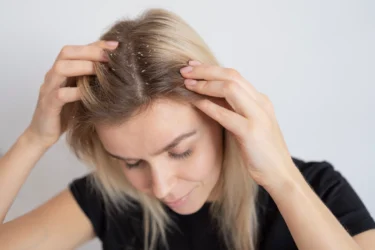
The antifungal and antibacterial properties of fenugreek seeds may be responsible for anti-dandruff effects4. Regular application of fenugreek seed paste or oil may help reduce scalp inflammation, itching, and flaking associated with dandruff5.
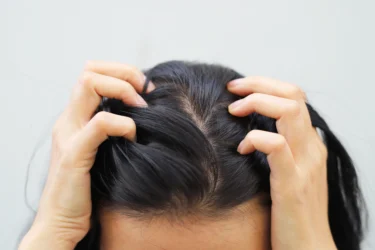
Fenugreek’s anti-inflammatory properties may help reduce scalp inflammation and alleviate itchy, red, or irritated skin1. This may aid in improving overall scalp health and promote healthy hair growth.
There are medical conditions also that may affect your hair and scalp, causing scalp issues and hair loss. If you are unsure, it is best to consult a dermatologist before initiating any home remedy.
For most people, fenugreek seeds are safe. However, in my opinion, one should avoid them before the 37th week of pregnancy as they may cause early labour. If you have a peanut or chickpea allergy, you are advised to stay away from fenugreek12.
Dr. Siddharth Gupta, B.A.M.S, M.D (Ayu)
Fenugreek can be incorporated into your hair care routine in multiple ways, which are described below.
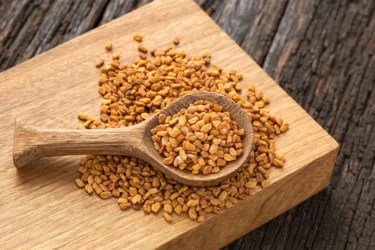
You can use raw fenugreek seeds as a natural hair mask or hair oil. Simply grind the seeds, create a paste, and apply it to your hair and scalp. Leave the paste on for a few minutes before rinsing it off.
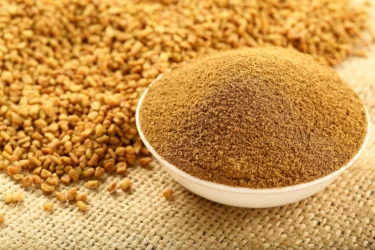
Fenugreek powder can be used as a hair mask or mixed with other ingredients, such as yogurt, honey, or oils, to create a nourishing paste. Apply the paste to your scalp and hair, focusing on the roots, and leave it on for about 30 minutes before rinsing thoroughly with lukewarm water.
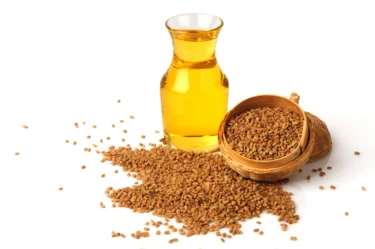
You can make your own fenugreek oil by heating fenugreek seeds with a carrier oil, such as coconut or olive oil. Let the seeds infuse the oil for a few minutes, then strain the oil and store it in a clean container. Massage the fenugreek seed oil onto your scalp and hair, leave it on for an hour or overnight, and shampoo as usual.

Fenugreek supplements are available in the form of capsules, powders, and extracts, making it easy to incorporate this natural remedy into your daily routine. Consult with your healthcare provider before starting fenugreek supplementation, as it may interact with certain medications.

Fenugreek can be applied topically to your hair and scalp in the form of hair masks, hair rinses, shampoos, and conditioners11.
Fenugreek can be consumed in various forms to incorporate its benefits internally, which are described below.
While fenugreek is generally considered safe for most individuals, there are some possible side effects and risks associated with its use, which are as follows.
Overconsumption of fenugreek may cause the following:
Moderate your fenugreek intake and monitor your body’s reaction to ensure a safe experience.
Like any other herb, people allergic to legumes, peanuts, chickpeas, or related plants might be sensitive to fenugreek, causing inflammation, itchiness, or redness on the skin. If you notice any unusual reactions after consuming or applying fenugreek, discontinue its use and consult your healthcare provider.
Fenugreek might interfere with certain medications, including those used to control diabetes, blood clotting, thyroid disorders, and high cholesterol levels2. Consult with your doctor before taking fenugreek orally if you are on any medication.
When consuming fenugreek, it is crucial to adhere to the recommended dosages. A high dose of fenugreek may cause a sudden drop in blood sugar and may have hepatotoxic effects. Pregnant women should avoid fenugreek supplementation, as it may increase the risk of birth defects.
Also Read: Minoxidil for Hair Growth: What Is It, How It Works, Benefits & More
A holistic approach to hair growth addresses not only the application of topical remedies and supplements for hair health but also considers various factors that can influence hair growth.

Consume a balanced diet rich in hair-friendly nutrients, such as protein, iron, zinc, vitamins, and healthy fats. Ensure that you are getting enough essential amino acids, vitamins, and minerals through your diet to support optimal hair growth6. Focus on a variety of whole foods, such as green leafy vegetables, lean protein sources, dairy products, and healthy fats.

Stress is known to affect hair growth negatively. Try incorporating stress management techniques such as breathwork, meditation, yoga, or exercise into your daily routine to help reduce stress and support better hair health7.

Certain lifestyle choices, such as smoking, excessive alcohol consumption, and poor sleep hygiene, can adversely impact hair health. Make a conscious effort to adopt healthier habits and prioritize restorative sleep to support your hair growth journey.

Choose hair care products suited for your hair type and avoid harsh chemicals, sulfates, parabens, and silicones. Adopt a gentle haircare routine, including regular scalp massages to stimulate blood circulation and promote hair growth.

Genetic factors play a significant role in hair loss and hair growth patterns. If you suspect a hereditary pattern of hair loss, consult your healthcare provider to discuss suitable options.
Also Read: How to Stop Receding Hairline: Research-Based Prevention Strategies
Fenugreek seeds offer remarkable benefits in hair growth and hair health, supported by scientific research and traditional practices. Incorporating fenugreek seeds into your hair care routine may help reduce hair loss, stimulate hair growth, address dandruff, scalp inflammation, and reviving damaged hair.
While using fenugreek may be beneficial, it’s essential to consider possible side effects, allergies, and medication interactions. Utilizing a holistic approach that encompasses proper nutrition, stress management, lifestyle modifications, and appropriate hair care products is crucial for promoting healthy hair growth.
Also Read: 5 Ayurveda Herbs That Are Great for Hair Growth!
It is not necessary to use fenugreek on your hair every day. Applying it 2-3 times a week as part of a hair mask or oil massage may provide sufficient benefits. Daily use may risk increasing Pitta dosha levels on your scalp.
There is no specific recommended amount of fenugreek for hair growth, as it may vary based on individual experiences and conditions. However, some studies suggest that a daily oral dose of 300 mg of fenugreek seed extract may significantly improve hair growth and thickness. Always consult your doctor before deciding to consume fenugreek.
Typically, you can leave a fenugreek mask on your hair for about 30-45 minutes before rinsing it off with warm water. If you have severely dry hair and dandruff issues, you may leave the mask overnight and wash it off the next morning.
Apart from providing essential nutrients for hair growth, fenugreek water is said to help flush out toxins from your body, improving digestion and bowel movement. As a result, fenugreek contributes to maintaining the harmony of your Ayurvedic doshas in the body, which in turn, is said to promote voluminous hair growth and avoid dryness and dandruff issues5.
Studies suggest that significant improvements in hair growth can be observed after using fenugreek consistently for 3-4 months. However, the duration to achieve desired results may vary among individuals, depending on their unique hair needs and conditions. You may try fenugreek, after using it if you feel there isn’t much improvement then there may be some other reason for hair loss, and it is better to consult a dermatologist. Also, if you want to consume fenugreek then before doing so always discuss it with your doctor first.
Disclaimer: The information provided here is for educational/awareness purposes only and is not intended to be a substitute for medical treatment by a healthcare professional and should not be relied upon to diagnose or treat any medical condition. The reader should consult a registered medical practitioner to determine the appropriateness of the information and before consuming any medication. PharmEasy does not provide any guarantee or warranty (express or implied) regarding the accuracy, adequacy, completeness, legality, reliability or usefulness of the information; and disclaims any liability arising thereof.
Links and product recommendations in the information provided here are advertisements of third-party products available on the website. PharmEasy does not make any representation on the accuracy or suitability of such products/services. Advertisements do not influence the editorial decisions or content. The information in this blog is subject to change without notice. The authors and administrators reserve the right to modify, add, or remove content without notification. It is your responsibility to review this disclaimer regularly for any changes.
6
White hair is a normal part of the ageing process, primarily caused by a gradual loss of melanin, the pigment responsible for hair colour. However, some individuals may experience white hair at an earlier age due to factors beyond ageing, including genetics, stress, and certain health conditions. In this article, we will examine the possible reasons for premature greying and explore measures that may help slow or partially reverse this process. Understanding the underlying causes empowers you to manage early white hair more effectively. Finally, we will address some frequently asked questions on the subject1.
Below, we will explore the factors that can contribute to the early onset of white hair.
A family history of early white hair, such as that of your parents or grandparents, may indicate a genetic predisposition. The way these genes influence your body determines when the pigment-producing cells in your hair begin to decline, leading to the appearance of white hair1.
Stress is a common aspect of modern life and may have an impact on hair health. It is believed that stress can affect the pigment-producing cells in hair follicles, potentially contributing to premature greying2.
Autoimmune conditions arise when the immune system mistakenly attacks healthy cells. In coditions such as alopecia and vitiligo, the immune response can affect the pigment-producing cells in hair follicles. Managing these autoimmune conditions may help limit further loss of hair colour and, in some cases, support partial restoration2.
Hormonal changes from thyroid conditions like hyperthyroidism or hypothyroidism could also trigger premature greying of hair. The thyroid gland regulates various bodily functions, including those affecting hair pigmentation. When thyroid function is disrupted, melanin production may decrease, potentially leading to a loss of hair colour2,3.
A deficiency of vitamin B12 may contribute to premature greying of hair. This essential vitamin supports the production of healthy red blood cells, which deliver oxygen to body cells, including those in the hair follicles. Insufficient levels of vitamin B12 can impair the health of hair cells, potentially disrupting melanin production and leading to early whitening4.
Smoking tobacco has been associated with premature greying of hair, with research indicating a link between smoking and greying before the age of 30. In addition to its well-known risks for serious health conditions such as lung cancer and heart disease, long-term tobacco use may contribute to the early onset of white hair1.
If you feel you have started to get white hair before its time, always consult a healthcare professional to rule out the presence of any medical condition that may be causing it.
The science behind white hair involves multiple factors, with melanin production and hair follicle function playing central roles.
Melanin is a pigment made by special cells called melanocytes. It gives colour to our skin, hair, eyes, and also protects our skin from harmful UV rays.
We have two types of melanin, namely, eumelanin and pheomelanin. Eumelanin is responsible dark hair colours while pheomelanin gives a red or yellow tint. Your unique hair colour is determined by the balance of these pigments2.
Melanocytes, the cells responsible for producing pigment, reside within the hair follicles where hair growth occurs. These cells generate melanin, which is incorporated into the growing hair fibre to give it colour. Over time, melanocytes gradually become less active, resulting in a reduction of melanin production and subsequent loss of hair colour.
Hair colour is influenced not only by age and genetics but also by several other factors that are described below.
The chemicals used in hair dyes and products can harm your hair. This can result in loss of colour and white hair. Switching to natural, gentle alternatives may help retain your hair colour2.
Oxidative stress leads to premature white hair. It occurs when there is an imbalance between free radicals and the body’s natural antioxidant defences, potentially leading to damage of hair follicles and a reduction in pigment production. While it cannot guarantee the prevention of greying, adopting a lifestyle that supports overall health, such as consuming antioxidant-rich foods, managing stress levels, and avoiding smoking may help reduce oxidative stress and support the natural condition of the hair2.
Sun rays and pollution can harm your hair and lead to early greying. The key to protecting your hair is to limit sun exposure and include more antioxidants in your diet and hair care routine.
While complete reversal is not generally possible, in certain cases it may be slowed or, to a limited extent, partially reversed, particularly if it is linked to underlying factors such as nutritional deficiencies or stress. Below are some approaches that may help slow the progression of greying or reduce its risk. These should be considered as part of a broader strategy for supporting overall hair health.
Make sure you get enough vitamins and minerals to nourish your hair. Key nutrients to focus on include B vitamins, copper, and antioxidants2.
Natural remedies may help. Using these along with a healthy diet and strong hair care habits may help keep your hair colourful.
While these are a common folk remedy, scientific evidence supporting its effectiveness is limited, and individual results may vary.
Changing your lifestyle in simple ways may boost hair health and colour. To slow down early white hair, focus on stress management, give up smoking, eat a balanced diet, and practice good hair care habits.
A hair care routine may keep your hair healthy and colourful. Using gentle, high-quality hair products may help preserve its natural texture and colour. Additionally, protecting your hair from environmental stressors such as ultraviolet (UV) rays and pollution is important in preventing premature damage1.
Ad* You May Also Explore: Pharmeasy Biotin Tablets
In some cases, medical help may be required for early signs of greying. Based on your specific needs, your healthcare provider may suggest management options.
Hair dyes and colouring can hide white hair and give the desired hair colour. Choose hair dyes that are soft on your hair and contain nurturing ingredients to keep it healthy and vivid.
Also Read: What Causes Fingernails to Split Down the Middle?
For a more long-lasting solution, you might consider professional hair care like scalp micropigmentation or hair transplantation7.
Also Read: Does Masturbation Cause Weight Loss? Debunking Sexual Health Misconceptions
White hair at an early age can be unsettling. However, understanding the underlying causes and exploring available management strategies may help you take a proactive approach to maintaining your hair’s health and appearance. From addressing nutritional deficiencies and making lifestyle adjustments to trying natural remedies or seeking professional advice, various options may support hair vitality. Ultimately, caring for your hair both internally and externally is key to promoting its overall well-being.
Also Read: How To Increase Melanin In Hair Naturally
White hair at an early age can be caused by genes, stress, autoimmune diseases, thyroid disorders, vitamin deficiencies, and damage from UV rays and pollution.
Yes, stress is linked to early white hair since it negatively affects hair follicles’ pigment cells, leading to less melanin.
The average, the onset of greying hair follows a general pattern: by the age of 50, approximately half of the population will have developed some degree of grey or white hair.
In certain cases, if the underlying cause of hair greying is identified and properly addressed—such as a vitamin deficiency or an autoimmune condition, there may be a possibility of some natural pigment returning to the hair. However, if greying is primarily due to genetic factors or the natural ageing process, it is generally considered irreversible.
Yes, white hair is often genetic. It occurs when melanocytes in hair follicles produce less melanin and this reduction is typically inherited through genes.
White hair is generally not reversible through natural means, as it results from a decrease in melanin production. Some treatments may temporarily cover or colour the hair, but they don’t restore the natural pigment.
Yes, white hair is a natural part of aging. It occurs when the production of melanin, the pigment responsible for hair colour, decreases or stops, leading to the loss of colour.
Yes, it is possible to be born with white hair, though it is rare. This condition can be due to genetic factors or albinism, which affects melanin production from birth.
Dandruff itself does not cause white hair. However, persistent dandruff can lead to scalp irritation and inflammation, which might affect hair health, but it does not directly change hair colour to white.
You can pluck white hair, but it’s not recommended as a long-term solution. Plucking can damage the hair follicle and lead to potential issues with hair regrowth.
Disclaimer: The information provided here is for educational/awareness purposes only and is not intended to be a substitute for medical treatment by a healthcare professional and should not be relied upon to diagnose or treat any medical condition. The reader should consult a registered medical practitioner to determine the appropriateness of the information and before consuming any medication. PharmEasy does not provide any guarantee or warranty (express or implied) regarding the accuracy, adequacy, completeness, legality, reliability or usefulness of the information; and disclaims any liability arising thereof.
Links and product recommendations in the information provided here are advertisements of third-party products available on the website. PharmEasy does not make any representation on the accuracy or suitability of such products/services. Advertisements do not influence the editorial decisions or content. The information in this blog is subject to change without notice. The authors and administrators reserve the right to modify, add, or remove content without notification. It is your responsibility to review this disclaimer regularly for any changes.
2
2
Beautiful, glowing skin not only boosts our confidence but also reflects good overall health. However, achieving a radiant complexion takes effort, care, and consistency. This article will explore research-backed strategies that may help you maintain healthy, glowing skin. From the basics of a daily skincare routine to the importance of using sun protection, we’ll explore essential tips and habits that cater to different skin types.
We will provide you with actionable advice on how to potentially achieve and maintain healthy, glowing skin, discussing the role of nutrition, stress management, and skincare regimens. Lastly, we will answer some frequently asked questions regarding the same.
Before diving into specific tips for achieving healthy skin, it’s essential to understand the importance of a consistent skincare routine and identify your unique skin type. These two factors will set the foundation for choosing the right products and practices tailored to your skin’s specific requirements.
A consistent and well-rounded skincare routine is crucial for keeping your skin clean, clear, and protected. The three fundamental steps in a daily skincare routine are cleansing, toning, and moisturising.
Remember, a well-balanced skincare routine may help promote healthy skin function and combat common skin issues like acne, dryness, and signs of ageing.
Understanding your skin type is vital for selecting appropriate skincare products tailored to your skin’s specific requirements. There are five primary skin types:
Knowing your skin type allows you to customise your skincare routine to address specific concerns and maintain a healthy, balanced complexion.
Now that we’ve covered the basics, it’s time to delve into more targeted tips and strategies for maintaining a healthy skin. These are described below.

Protecting your skin from the harm caused by the sun is very important3.Too much sun can lead to early ageing, sunburn, and even skin cancer.
Smoking has a detrimental effect on skin health, causing premature ageing, wrinkles, and an increased risk of skin cancer.

Establishing a consistent and suitable skincare routine tailored to your skin type is instrumental in promoting healthy skin.

A well-balanced, nutrient-rich diet plays a significant role in maintaining healthy skin. Proper hydration and a diet rich in antioxidants, proteins, and healthy fats may improve skin quality and appearance.

Stress has a significant impact on skin health, exacerbating existing skin conditions and causing skin sensitivity and breakouts9. Increased stress levels can trigger hormone imbalances, leading to increased oil production, inflammation, and impaired skin barrier function. Below, we have described ways in which you may try to reduce stress.
Also Read: Amazing Benefits of Moringa for Your Skin!
Now that you’re equipped with essential skin health strategies, let’s explore some advanced skincare tips that may help you truly optimise your skin’s appearance and health.
Once you’ve identified your skin type from the five primary skin types mentioned earlier, you can customise your skincare routine. Choose products specifically formulated for your skin’s unique requirements. This may include targeted management options, specific moisturisers, or serums catering to your skin’s concerns.
Considering the vast array of skincare products available, it’s essential to know which ingredients are most beneficial for your skin type and concerns.
In addition to your skincare routine, adopt healthy lifestyle habits that possibly promote optimal skin health.
Also Read: 8 Beauty Benefits of Using Ice Cubes On The Skin
Everyone’s skin is unique, and special skin requirements may arise depending on factors such as age, skin condition, and even personal preferences. Here are some helpful tips to address these specific concerns.
With age comes the challenge of combating fine lines, wrinkles, and the loss of firmness. Use products containing ingredients like retinol and vitamin C that are said to boost collagen production and reduce the appearance of wrinkles12. Also, ensure consistent sun protection.
For individuals who frequently experience acne breakouts, choose non-comedogenic products (products that do not block pores). Use targeted therapy, such as salicylic acid or benzoyl peroxide, to combat acne-causing bacteria13.
Those with sensitive skin should opt for gentle, fragrance-free products that do not cause irritation or redness. Stick with a minimalistic skincare routine and do a patch test for new products before using them.
Darker skin tones can be more prone to hyperpigmentation and require a diligent sun protection routine. Choose broad-spectrum sunscreen with SPF 30 or higher, along with skincare products that help address uneven skin tone or dark spots.
Lighter skin tones are often more sensitive to sun exposure and prone to sunburn. Prioritise maintaining an effective sun protection routine with broad-spectrum sunscreen with SPF 30+ and minimise sun exposure during peak hours.
Also Read: Natural Home Remedies for Oily Skin
Achieving and maintaining healthy, glowing skin requires diligence, care, and consistency. By understanding the fundamental principles of skincare, knowing your skin type, and implementing a personalised skincare routine, you may improve your complexion and maintain its health for years to come.
Additionally, don’t underestimate the importance of a balanced diet, proper hydration, adequate sleep, stress management, and regular exercise as a part of a healthy lifestyle. When combined with your daily skincare regimen, these habits can help you achieve healthy and radiant skin.
Also Read: Natural Home Remedies for Hyperpigmentation
By consistently performing a gentle skincare routine, protecting your skin from the sun, maintaining a balanced diet, and practicing healthy lifestyle habits like exercise and proper sleep, you may achieve a healthy, glowing complexion.
To make your skin look healthier, be gentle when cleansing your skin, exfoliate once or twice a week, moisturise daily, and always apply sun protection when exposed to sunlight.
hile “perfect” skin may remain an unattainable standard, natural approaches to maintaining healthy skin include consuming nutrient-dense fruits and vegetables, staying hydrated, getting sufficient sleep, managing stress, exercising regularly, and practicing sun-safe habits.
To keep moisture in your skin, drink plenty of water, use lukewarm water while washing and bathing, apply a moisturiser suitable for your skin type, and utilise a humidifier to maintain indoor air humidity levels.
Yes, UV rays can penetrate the clouds, so using sunscreen daily is essential for preventing skin damage.
Disclaimer: The information provided here is for educational/awareness purposes only and is not intended to be a substitute for medical treatment by a healthcare professional and should not be relied upon to diagnose or treat any medical condition. The reader should consult a registered medical practitioner to determine the appropriateness of the information and before consuming any medication. PharmEasy does not provide any guarantee or warranty (express or implied) regarding the accuracy, adequacy, completeness, legality, reliability or usefulness of the information; and disclaims any liability arising thereof.
Links and product recommendations in the information provided here are advertisements of third-party products available on the website. PharmEasy does not make any representation on the accuracy or suitability of such products/services. Advertisements do not influence the editorial decisions or content. The information in this blog is subject to change without notice. The authors and administrators reserve the right to modify, add, or remove content without notification. It is your responsibility to review this disclaimer regularly for any changes.
3
Vitamin B complex refers to a group of eight essential water-soluble vitamins that play interconnected roles in energy metabolism, nervous system function, red blood cell production, and cellular repair. Rather than working in isolation, these nutrients act as coenzymes that help the body convert food into usable energy and support critical biochemical processes that keep organs functioning efficiently1,2,3,5.
Despite their importance, vitamin B levels can be influenced by factors such as age, dietary habits, stress, pregnancy, digestive health, and certain medications9,14,15. Understanding how each B vitamin functions and when additional intake may be necessary can help individuals make informed decisions about diet and supplementation.
This article explores the individual roles of the eight B vitamins, research-supported health benefits, potential links with specific health conditions, dietary sources, and situations where supplementation may be considered under medical supervision.
Did you know?
Vitamin B complex includes eight key vitamins. They help our bodies grow and work well33. Below are the 8 vitamins that comprise the vitamin B complex, along with their actions are elaborated.
Different B vitamins have various proposed health benefits. They are discussed below.

B vitamins such as B1, B2, B3, and B5 help enzymes convert nutrients into ATP1,2,3, the body’s primary energy molecule. Adequate intake may help reduce fatigue associated with deficiency, although supplementation does not increase energy beyond normal physiological levels in individuals with adequate nutrition34.

The B vitamins, especially vitamin B6, B9, and B12, are vital for brain health10,11,42. They play a part in producing chemicals that let nerve cells communicate to each other. A good intake of B vitamins may mean better memory and focus10,42.

To keep your skin, hair, and nails healthy, you need enough vitamin B3, B5, and B73,4,33. B7 as they are said to help make your hair and nails stronger, while B3 is said to work on the skin and B5 slows down aging.
Especially vitaminB5 and B6 are needed to produce certain hormonesthat help manage stress, keep mood steady, and maintain well-being25,33.

B vitamins, particularly vitamin b6, are vital for the immune system. They are proposed to aid in the production of white blood cells, which provides immunity12,33.

Several B vitamins help make chemicals that affect mood29. Getting enough of these vitamins may help reduce stress and boost mental well-being25,26,27,28,34.
The potential benefits of using vitamin B complex in certain situations are described below.

During pregnancy, women may need more vitamin B complex. As it is said to supports the baby. Certain B vitamins (especially B9 and B12) help with the growth of a baby’s brain and nerves7,8,30,35. Taking these vitamins during pregnancy may lead to better health for the baby. Also, folic acid is essential in reducing the risk of neural tube defects35 in the foetus, and around 400mcg per day should be given to a pregnant woman. It is of great significance to not start these vitamins on your own when you get pregnant always consult your medical doctor and they will guide you through it.

Studies show a link between low levels of certain B vitamins and feeling sad or down26,27,28,29. More so, the link is particularly associated with vitamin B1211,38. Some studies showed that individuals with low mood or sadness started feeling better after taking vitamin B12. The research regarding this is still ongoing. Thus, if any person is experiencing low mood or sadness for extended periods, it is advised to consult a psychiatrist.

B vitamins (like B2 and B12) may help reduce the risk of and manage strong head pain. Some studies found that vitamin B2 may help stop strong head pain from happening37. This is because they think B2 may affect problems with cells. Some studies found large doses of B2 (400 mg each day) may help reduce the frequency of attacks and their intensity37. Some also believe that B12 may help ease pain as well. More research is needed to corroborate this.

Vitamin B6 plays a role in producing serotonin26,38. This chemical helps control mood and may help ease feelings of worry or fear. By this logic taking enough B6 is proposed to support healthy serotonin levels and keep anxiousness at bay. More research is needed regarding this.

Vitamin B12 is important for the production of red blood cells6,34 Without it, you can end up with low red blood cells, which are unusually large in size, also known as megaloblastic anemia13,34,5. This can make you feel tired, weak, and short of breath, and your skin may look pale. One carrying out blood tests if they find a low RBC count with large-sized RBCs, then it is suspected that there might be B12 and folate deficiency and your doctor will give supplements to manage it. Do not self-medicate. Always keep your doctor in the loop.
You probably won’t get too many of these nutrients from food because vitamin B is water-soluble.
Dr. Siddharth Gupta, B.A.M.S, M.D
On the other hand, taking supplements that are overly rich in unneeded amounts of vitamin B may cause major adverse effects. Excessive amounts of supplemental B3 (niacin) may cause flushing of the skin, nausea, elevated blood sugar, and potentially liver damage31.
Eating a balanced diet should give you enough of all eight B vitamins. But, some people might need more. Below we will discuss the food sources rich in vitamin B.

Animal-based foods are full of various B vitamins32,33. They are as follows.
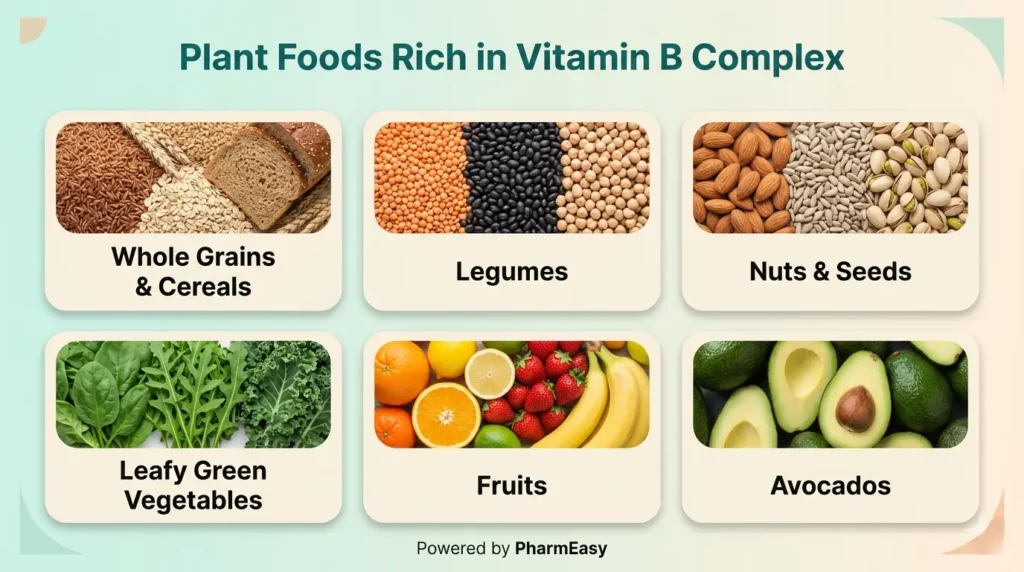
Though most B vitamins are in animal foods, you can still find them in plant-based foods21,32,33. They are as follows.
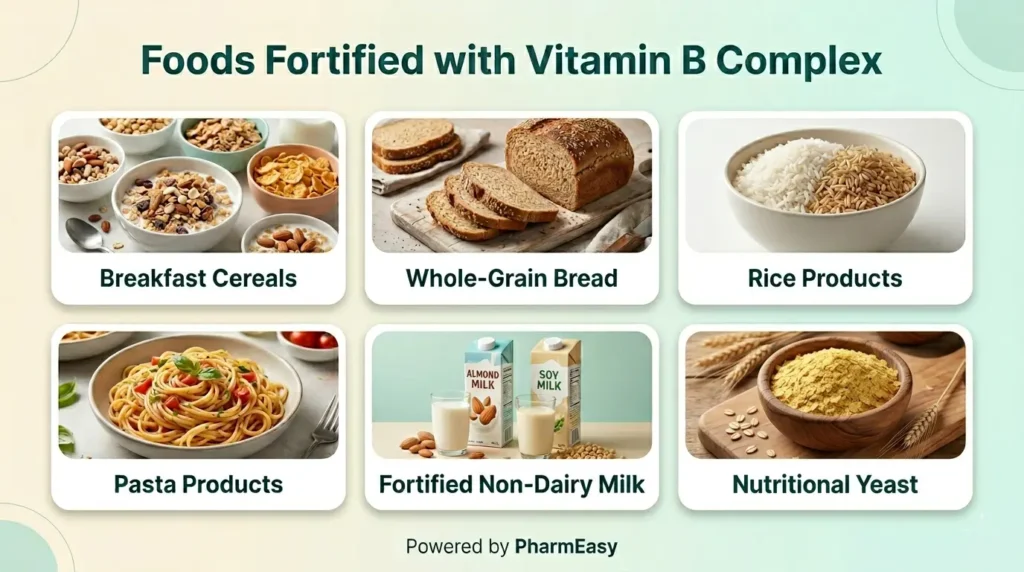
Many food makers add B vitamins to their products32. They are as follows.
The body needs B-group vitamins in order to utilize foods that provide energy, such as protein, fat, and carbs, as fuel. It need more B-group vitamins to support cell division through DNA synthesis44.
Dr. Rajeev Singh, BAMS
While most people get enough B vitamins through diet, some factors might raise the risk of vitamin B complex deficiency.
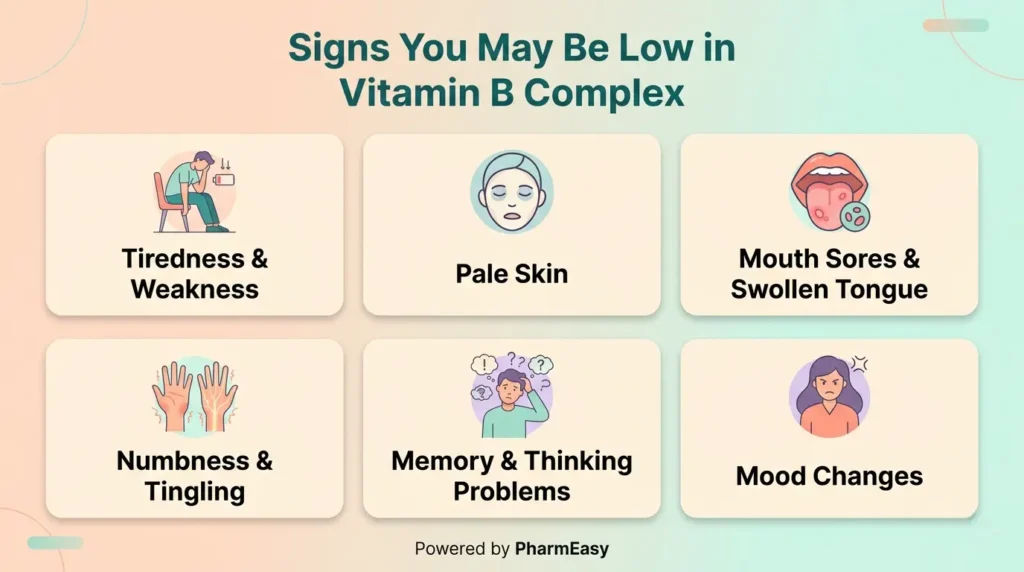
If you don’t get enough of a certain B vitamin, you might see the following symptoms.
Some factors make it more likely to be deficient in B vitamins. They are as follows.
If your doctor tells you that you don’t have enough vitamin B complex, here are some steps you may take.
Even if you eat a varied diet, you might still need more B vitamins.
B vitamin supplements could be a good idea in these cases, in accordance to your doctor’s guidance.
If you’re taking a B vitamin supplement, always discuss it with a doctor before starting. They will guide you on how much to take according to your health needs.
Taking B vitamins is usually safe. But if you take too much, you might get a headache, feel sick to your stomach, throw up, have diarrhea, feel tired, or have tingling hands and feet31,32.
Also, B vitamins might cause problems with certain drugs or in people with certain health problems. Always check with a doctor before starting any new supplement22,23,24.
Also Read: What Causes High Vitamin B12 Levels & How to Manage It
Vitamin B complex is a nutrient we need to keep healthy. B vitamins are proposed to be good for producing energy, helping the brain work well, and controlling mood33. Most people get enough B vitamins by eating a balanced diet. But older people, pregnant women, and people with certain needs may need to take more7,30,9,21.
Knowing about B vitamins allows you to get enough of these key nutrients. That maybe through diet or even supplements, which may support your overall health and avoid some health problems. Be sure to double-check with your healthcare provider before starting new supplements.
The main job of vitamin B complex is to keep the body working well. It helps produce energy, produce cells like RBCs, neuronal development, maintain mood, and many more things.
You may usually take vitamin B complex every day without harm, but only after discussing it with your doctor. Do not self-medicate as excess consumption can cause harm.
Vitamin B complex, especially folic acid (vitamin B9) and vitamin B12, helps pregnant women. It’s crucial for the growth of the baby’s brain and may reduce the risk of birth problems.
Foods with vitamin B complex include animal-based foods (meat, poultry, fish, dairy, eggs), plant-based foods (whole grains, legumes, nuts, seeds, fruits, veggies), and foods with added vitamins (breakfast cereals, bread, rice, pasta, non-dairy milk).
Yes, if you don’t get enough B vitamins, you could have issues with your blood, brain, skin, gut, mood, and more. So, it’s important to get enough B vitamins through diet or supplements.
Common at-risk groups include vegetarians and vegans (especially for B12), older adults with reduced absorption, people with digestive disorders, individuals on long-term antacids or metformin, pregnant women, and those with high alcohol intake.
Whole foods remain the best primary source because they provide fiber, minerals, and other nutrients that work synergistically. Supplements can be useful when dietary intake is insufficient, during pregnancy, or when medical conditions affect absorption.
Many people prefer taking it in the morning with food because B vitamins play a role in energy metabolism. Taking them later in the day may feel stimulating for some individuals, although this varies from person to person.
Testing typically involves blood tests measuring levels such as vitamin B12, folate, or markers like homocysteine and methylmalonic acid. Assessment often combines lab values with clinical symptoms and dietary history.
Disclaimer: The information provided here is for educational/awareness purposes only and is not intended to be a substitute for medical treatment by a healthcare professional and should not be relied upon to diagnose or treat any medical condition. The reader should consult a registered medical practitioner to determine the appropriateness of the information and before consuming any medication. PharmEasy does not provide any guarantee or warranty (express or implied) regarding the accuracy, adequacy, completeness, legality, reliability or usefulness of the information; and disclaims any liability arising thereof.
Links and product recommendations in the information provided here are advertisements of third-party products available on the website. PharmEasy does not make any representation on the accuracy or suitability of such products/services. Advertisements do not influence the editorial decisions or content. The information in this blog is subject to change without notice. The authors and administrators reserve the right to modify, add, or remove content without notification. It is your responsibility to review this disclaimer regularly for any changes.
Millions across the globe suffer from diabetes. This health issue calls for a life change, mainly in the diet. A large proprotion of packaged drinks available in the market are either full of sugar or contain artificial sweeteners which may be harmful for health. The hunt for natural drink swaps aiding blood sugar control is thus continual and coconut water seems to be a standout1.
This blog aims to shed light on the potential health benefits of coconut water and its role in diabetes. We will dive into its nutrient profile, its effect on blood sugar, and how to safely add it to your diet.
Coconut water is a health-packed drink from the core of young, green coconuts. This section explains what makes it special, its nutrient content, and why it’s good for you11.
A cup (240 ml) of raw coconut water gives you:
Sweetened versions have more sugar. So, plain coconut water is a better pick1.
Our bodies need vital minerals called electrolytes. They keep our body fluids balanced. Coconut water is rich in them, providing a good part of your daily needs in just one cup8.
Coconut water can help you manage weight while staying hydrated. Plus, it adds a sweet twist to your water intake1.
Nature has packed coconut water with antioxidants. These substances fight harmful free radicals, which makes it a good choice to drink4.
Diabetes is a condition that leads to high blood sugar levels in the blood due to insulin-related issues. There are two key types of the disease:
Signs of diabetes can be unquenchable thirst, passing urine often, sudden weight loss, tiredness, and blurry vision. Managing health and lifestyle changes are key in handling diabetes.
We’ll explore in this section how does coconut water falls into diabetes control, looking at how it can be a good addition to a diabetes-friendly meal plan10.
Consumed wisely, coconut water is said to be helpful for diabetics. This section dives into some likely plus points.
Diabetes often worsens blood flow. Having coconut water may help in widening blood vessels, helping better circulation2. But further research is needed to prove this.

Coconut water makes weight management easier. It’s a low-calorie drink packed with nutrients. This can help keep weight in check and health on track1.
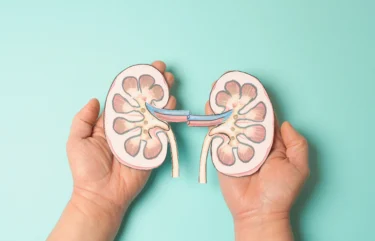
Regular coconut water consumption might be good for kidney health . Research hints that it lowers kidney damage caused by diabetes, although more long-term studies are needed to prove this3.

Coconut water can prove to be a heart-friendly choice. It’s rich in nutrients like potassium9 and magnesium which are good for heart5,7. More research is required to confirm this benefit.
As coconut water has natural sugars, people with diabetes might be concerned. Drawing a line between natural and added sugars can bring clarity.
The sugar found in whole foods is natural. Added sugar is what food processors add to food items and drinks. In coconut water, the sugar is natural. That’s ok if you don’t overconsume it1.
Put next to other drinks, coconut water seems much better. It boasts less carbohydrates and sugar than most sugary drinks, potentially making it a safer pick1.
While coconut water may offer perks for diabetics, they must tread carefully. Below are a few things to remember before adding it to your routine.
Also Read: 10 Best Carbohydrates To Help Manage Blood Sugar!
Knowing when and how to have coconut water can help you get the most out of it. Let’s look at some strategies:
Also Read: Juice for Diabetics: What Research Says About Blood Sugar and Beverages
When consumed wisely, coconut water may have potential perks for diabetics. Its nutrient-rich, low calorie, and electrolyte-packed profile makes it a worthy swap for sugary drinks. As always, talk to your doctor before you introduce anything new to diet, keep a check on blood sugar levels, and eat balanced meals for the best diabetes control.
Also Read: Diabetes: The Silent Killer Sweeping Across India
Stick to 8 ounces or less of raw coconut water daily. However, it’s advisable to discuss with your healthcare provider first if you have diabetes.
People with high potassium levels, kidney problems or those taking antibiotics should always check with a healthcare professional before having coconut water.
While raw coconut water has natural sugars, it still trumps most sugary drinks. Always choose plain and unsweetened varieties to cut down on sugar intake.
For diabetics, plain coconut water, herbal teas, and water infused with fresh fruit or cucumber slices are smart picks. But if are a diabetic, its best to discuss with your doctor before you introduce anything new to diet.
Plain, unsweetened coconut water wins over other types. Always read labels and aim for pure, natural options.
Disclaimer: The information provided here is for educational/awareness purposes only and is not intended to be a substitute for medical treatment by a healthcare professional and should not be relied upon to diagnose or treat any medical condition. The reader should consult a registered medical practitioner to determine the appropriateness of the information and before consuming any medication. PharmEasy does not provide any guarantee or warranty (express or implied) regarding the accuracy, adequacy, completeness, legality, reliability or usefulness of the information; and disclaims any liability arising thereof.
Links and product recommendations in the informationprovided here are advertisements of third-party products available on the website. PharmEasy does not make any representation on the accuracy or suitability of such products/services. Advertisements do not influence the editorial decisions or content. The information in this blog is subject to change without notice. The authors and administrators reserve the right to modify, add, or remove content without notification. It is your responsibility to review this disclaimer regularly for any changes.
3
1
Everyone walks every day. Walking to the store, walking for exercise, maybe even walking just to clear your head. We often take forward walking for granted, skipping past its many health rewards. But trying to walk backward is not much known.
In this article, we’ll unpack the science-backed gains of this unique walking style1. We will also be answering many frequently asked questions regarding this topic.
Did you know?
Retro walking isn’t your average walk in the park. Whilst it may seem odd, this little twist on walking can spice up your routine. Athletes, injury recoverees, or those bored with their workouts can try it. This technique may help sharpen memory and focus, increase muscle buildup, improve balance, burn more calories, and ease knee pain1.
One standout potential merit of retro walking is that it may help enhance mental well-being.

Your brain health may get a boost from including backward marches into your regime. Studies2 have shown that walking backward helps sharpen short-term recall.
While it needs more study, some tell us that walking backward may help soothe your stress3. It engages parts of the brain that help your mood and create a sense of calm.
Reverse walking is said to make your brain work differently. This method may unclog new paths in your brain and boost your overall cognitive state4. Your brain pathways grow as your coordination and spatial awareness are challenged. Walking backward makes you be ‘in the moment’. Because you’re alert to your movements and what’s around you, you might find workouts to be fun.
Walking backward is good for the body too in the following ways.

Retro walking may help to build muscle strength as it uses a different set of mechanics. It focuses on muscles not usually used in forward walks. It may help fix bodily imbalances5.

Reverse walking may also aid in better balance and gait by making your posture stronger. Some studies show that by improving balance it may help reduce falls6.

Reverse walking may help you burn more calories as it requires greater effort. More effort equals more energy expenditure. According to health studies7, reverse walking at 3.5 mph burns 40% more calories than brisk forward walks.

Backward marching may also improve heart and lung health. As it needs more oxygen and triggers the circulatory system more. For athletes, particularly runners, reverse walking might be useful. It stretches the hip flexors to use a full range of hip extension, strengthening the backside muscles8.
Beyond the potential mental and body benefits, backward walking has other beneficial points which are as follows.

Retro walking could help if you have knee pain. This happens due to the reduced pressure or stress on the knees. Some research9 suggests that reverse walking may enhance muscle strength in individuals with issues like runner’s knee and knee osteoarthritis.

Reverse walking may help improve the flexibility and mobility of certain joints, like hips, knees, and ankles7. By engaging different muscles and adding new challenges, backward walking may decrease muscle stiffness.

Adding backward walking to your routine can add some uniqueness to your workouts and make them more engaging. Staying alert during reverse walks can make for a much more enjoyable workout experience.
You can fit reverse walking into your routine in the following way.
Select a safe open space outdoors like a park or a quiet neighborhood.
Walking on treadmills is safer. The rails and the stable deck provide support.
Running backward may yield bigger rewards. But remember, it comes with its risks.
Not everyone should try walking backward unaided without advice.
Those with severe imbalance issues, fall risks, or medical conditions for example people suffering from vertigo, etc. hindering exercise should not try reverse walking without professional help.
To walk backward safely and effectively, here are some tips:
Also Read: Benefits of Doing the Plank Exercise Every Day
Walking backward is an exciting way to mix up your workout. It offers possible brain benefits, muscle strength gains, improved balance/flexibility, and even makes workouts more fun.
Remember to put safety first. With the right approach, you could be joining the growing league of people who enjoy this fresh, unique way of exercising.
Your goal should be to insert 10 to 20 minutes of reverse walking into your routine to enjoy its benefits. With time, you can increase intensity and distance.
Walking backward can pose risks, especially for certain people. Thus, always tread with caution and seek a healthcare provider’s advice.
While reverse walking offers unique benefits, it shouldn’t entirely replace your traditional walking or running. Instead, insert a few minutes of reverse walking into your existing workouts.
Walking backward might aid those recovering from injuries or surgeries as a rehabilitation tool. Still, always ask your healthcare provider first and heed their advice.
You can try backward walking outdoors or on a treadmill to acclimatize to the movement. Start slow, take note of these safety tips, and gradually increase your intensity and coverage as you grow comfortable.
Disclaimer: The information provided here is for educational/awareness purposes only and is not intended to be a substitute for medical treatment by a healthcare professional and should not be relied upon to diagnose or treat any medical condition. The reader should consult a registered medical practitioner to determine the appropriateness of the information and before consuming any medication. PharmEasy does not provide any guarantee or warranty (express or implied) regarding the accuracy, adequacy, completeness, legality, reliability or usefulness of the information; and disclaims any liability arising thereof.
Links and product recommendations in the information provided here are advertisements of third-party products available on the website. PharmEasy does not make any representation on the accuracy or suitability of such products/services. Advertisements do not influence the editorial decisions or content. The information in this blog is subject to change without notice. The authors and administrators reserve the right to modify, add, or remove content without notification. It is your responsibility to review this disclaimer regularly for any changes.
12
1
Bowel leakage impacts millions of individuals around the globe. It’s often not a cancer indicator, but a link may exist with colon cancer1. This fact should not be overlooked. Recognizing this link empowers patients. They can keep an eye out for cancer signs. Catching cancer early can be life-saving.
This blog helps explain what bowel leakage involves. We uncover its causes and accompanying symptoms. We’ll also delve into its connection to colon cancer. We’ll go over when you need to see a doctor. There’s a section on beneficial steps towards accurate diagnosis and management. Lastly, we offer tips on keeping yourself safe and answer some routinely asked questions.
Did you know?
Bowel leakage means you accidentally pass stool or gas from the rectum. Some experience gentle, infrequent leakage while others suffer constant, severe loss of bowel control. It is also called faecal incontinence2.
There are three different types of faecal incontinence. These are as follows.
Bowel leakage can have several root causes. These range from muscle or nerve damage to gastrointestinal disorders.
Muscle or nerve damage may cause bowel leakage. Damage to muscles and nerves controlling bowel movements can result in leakage. Some common things causing muscle or nerve damage are as follows.
Bowel inflammation and infections can disrupt normal bowel function. This can result in faecal incontinence. Some common causes are as follows.
Gastrointestinal disorders affecting bowel function can trigger leakage. These are as follows.
To my knowledge, treatment options for bowel leakage may involve dietary modifications, bowel training (biofeedback), medication, or surgery, depending on the underlying cause of the condition4.
Dr. Siddharth Gupta, BAMS, MD (Ayu)
Bowel leakage doesn’t just show up as lost bowel control. It also brings other symptoms with it which are as follows.
It’s vital we discuss colon cancer risks and symptoms before delving into whether a link between bowel leakage and colon cancer exists.
There are many risk factors that can increase your odds of developing colon cancer. These are as follows.
Colon cancer symptoms often include the following.
Bowel leakage is usually not indicative of cancer. But in certain instances, it can be a sign of colon cancer, especially when it’s present for a long duration or gets worse. The presence of bowel leakage with other risks and symptoms of colon cancer warrants consultation with a healthcare professional in order to receive the best guidance and assistance.
There are many handy tests to diagnose bowel leakage. These are as follows.
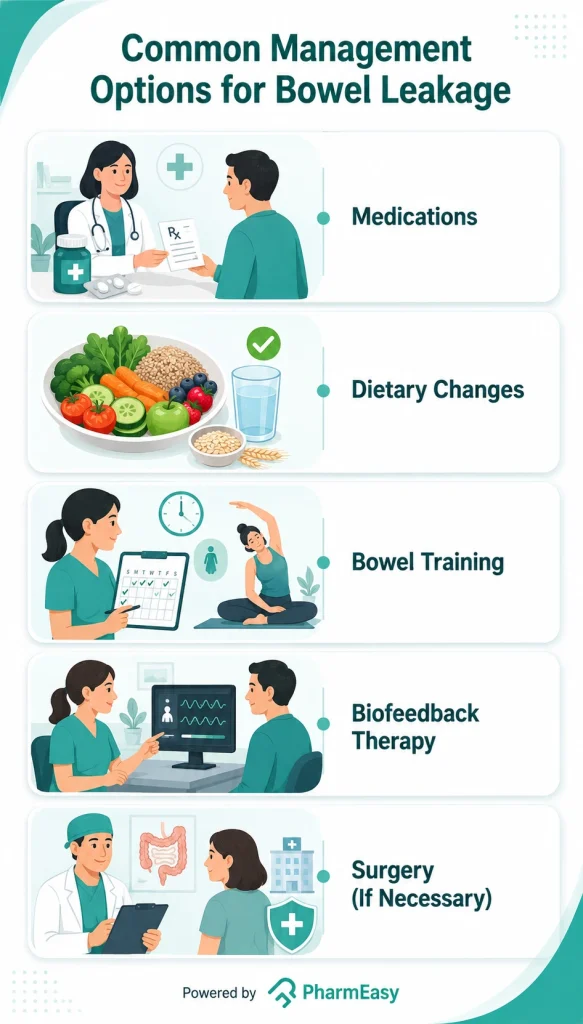
The types of management options that are available based on the severity and causes of bowel leakage are as follows:
Typically, doctors will prescribe anti-diarrhea medications and fibre supplements. These drugs thicken the stools and reduce their transit through the intestines. I recommend you consult your doctor before taking any over-the-counter drugs4.
Dr Smita Barode, B.A.M.S, M.S.
You could possibly take steps to cut your risk of bowel leakage and colon cancer. Here are a few tips.
Here are some lifestyle changes that may be implemented.
Here are some useful tips that may be implemented.
Also Read: What Level of Eosinophils Indicates Cancer?
Know what to do when bowel leakage signs surface. Seeing a doctor early may lead to a different outcome due to receiving therapy on time.
Also Read: Early Warning Signs of Cancer You Should Know
Understanding the link between bowel leakage and colon cancer is vital for anyone with these symptoms. While bowel leakage doesn’t always signify cancer, knowing about this possible link could prompt necessary steps toward early detection and management.
Educating yourself about bowel leakage and colon cancer empowers you to recognize the signs of these conditions effectively and seek the right care. Plus, taking measures to reduce the risk of bowel leakage and colon cancer is also key to help protect your health and quality of life.
Nope, bowel leakage does not always mean cancer. But it may tie in with colon cancer in some cases. If you notice bowel leakage, it’s wise to consult with your healthcare provider for the right advice and guidance.
Yes. Bowel leakage can be a sign of several other health issues. These can range from muscle or nerve damage, inflammation, or infection in the bowel, to gastrointestinal disorders. It’s important to find out what’s causing bowel leakage to decide on the right management.
Bowel leakage may be managed at home by adopting lifestyle changes. Regular exercise, healthy eating, stress management, and weight control may help. Also, using incontinence products, pads, or disposable briefs may help deal with leakage and keep you clean.
Please seek medical help if your bowel leakage is persistent or getting worse. If you see blood in your stool, lose weight for no reason, or have consistent belly pain or discomfort, see a doctor. Your healthcare provider can help uncover the cause and suggest the right management choices.
Regular exercise, a healthy diet rich in fiber, fruits, and veggies, stress management, and weight control may help ward off bowel leakage and colon cancer. To reduce the risk of colon cancer, get regular screenings, limit your alcohol intake, and quit smoking.
Disclaimer: The information provided here is for educational/awareness purposes only and is not intended to be a substitute for medical treatment by a healthcare professional and should not be relied upon to diagnose or treat any medical condition. The reader should consult a registered medical practitioner to determine the appropriateness of the information and before consuming any medication. PharmEasy does not provide any guarantee or warranty (express or implied) regarding the accuracy, adequacy, completeness, legality, reliability or usefulness of the information; and disclaims any liability arising thereof.
Links and product recommendations in the information provided here are advertisements of third-party products available on the website. PharmEasy does not make any representation on the accuracy or suitability of such products/services. Advertisements do not influence the editorial decisions or content. The information in this blog is subject to change without notice. The authors and administrators reserve the right to modify, add, or remove content without notification. It is your responsibility to review this disclaimer regularly for any changes.
3
Creatinine is a metabolic waste product naturally produced in the body and is commonly used as an indicator of muscle function. Understanding creatinine and the factors that may lead to low levels is important for maintaining overall health1.
The body uses creatine as a source of energy, particularly within skeletal muscles2. Creatinine is the waste product formed when creatine is broken down during this process1,3.
Our skeletal muscles create creatinine after metabolising creatine phosphate. The primary function of creatinine is to be filtered out from the blood by the kidneys, after which it is excreted from the body in the urine. This process helps to maintain a consistent level of creatinine in the blood4.
Several factors influence the level of creatinine in the blood. These include age, gender, muscle mass, and ethnic background4. The common range for adult men is 0.74 to 1.3 mg/dL and for adult women, 0.4 to 1.0 mg/dL5. These values may change from person to person, depending on the laboratory conducting the test and the individual’s body composition.
A variety of factors may contribute to low creatinine levels. These can include reduced muscle mass, liver conditions, dietary factors, certain medical conditions, and pregnancy.
Reduced skeletal muscle mass may lead to lower creatinine levels, as creatinine is a by-product of the breakdown of skeletal muscle tissue.
Liver conditions, such as liver disease or liver failure, may affect the production of creatine. This can subsequently lead to reduced creatinine levels6.
Diet can also influence creatinine levels. A diet low in protein, as well as vegetarian or vegan diets, may be associated with lower creatinine levels.
Pregnant women may experience lower creatinine levels during pregnancy. This occurs due to an increased blood flow to the kidneys and typically returns to normal after childbirth8.
Certain medical conditions may also cause low creatinine levels. These include muscular dystrophy, hyperthyroidism, and anaemia2.
Several factors may contribute to lower creatinine levels, which can cause your estimated glomerular filtration rate (eGFR) to appear higher than it truly is. These factors include following a vegetarian or vegan diet, having low muscle mass, pregnancy, a history of muscular atrophy or amputation, and severe liver cirrhosis. It is essential to consult your healthcare provider if you have any questions about interpreting your eGFR or serum creatinine results1.
Dr. Rajeev Singh, BAMS
The symptoms and signs vary depending on the underlying cause of the low creatinine level.
Symptoms of low creatinine levels can be difficult to identify and may include9:
It is essential to undergo a comprehensive medical evaluation. Discuss any symptoms you are experiencing with your healthcare provider, who will review your full medical history and arrange any necessary laboratory tests.
Studies3 suggest that since the liver produces creatine, decreased liver function may result in a decrease in the body’s production of creatinine. Overall liver functioning can be affected by liver disease and liver failure caused by various medical conditions.
Dr. Siddharth Gupta, B.A.M.S, M.D (Ayu)
Low creatinine levels can be detected through blood and urine tests, a physical examination, and a thorough review of your medical history. These assessments will be conducted by your healthcare provider.
Your healthcare provider will also review your medical history, including any chronic conditions, medication use, and family history of kidney disease. Alongside a physical examination, this helps to determine the possible causes of low creatinine levels.
Your healthcare provider may recommend blood and urine tests to assess how well your kidneys are functioning.
Your healthcare provider will recommend appropriate treatment options if a cause for your low creatinine levels is identified. Managing this condition may involve addressing underlying health issues, modifying medications, and making lifestyle adjustments.
The management of low creatinine levels depends on the underlying cause.
Modifying your daily habits may help to improve your creatinine levels.
Cigarette smoking has several negative effects on the body, including a significantly increased risk of chronic kidney disease. Research suggests that quitting smoking may help reduce the risk of kidney-related issues, which could otherwise contribute to fluctuations in creatinine levels16.
Dr. Smita Barode, B.A.M.S, M.S.
To help prevent low creatinine levels, you may consider adopting the following measures:
Ensuring a balanced diet, one that includes a variety of protein sources and an appropriate intake of calories may help support healthy creatinine levels2.
Making sure that you eat a balanced diet, including using different sources of proteins and taking in the right amount of calories, may help keep normal creatinine levels14.
Maintaining proper hydration supports kidney function, which in turn may help to keep creatinine levels within the normal range15.
Engaging in regular physical activity and exercises that support the maintenance or development of muscle mass may help in sustaining normal creatinine levels12.
Low creatinine levels can arise from various underlying causes and may pose certain health risks. The implications largely depend on the specific reason behind the decrease. Early identification of the cause significantly improves the chances of effectively managing the condition and maintaining healthy creatinine levels.
Low creatinine levels result from various factors, including reduced muscle mass, liver conditions, dietary habits, and pregnancy. Symptoms can differ depending on the underlying cause. Diagnosis typically involves blood and urine tests, along with a thorough review of the individual’s overall health. By identifying the root cause, healthcare professionals can develop personalised management plans tailored to the patient’s specific needs.
Low creatinine levels may indicate muscle loss, liver problems, poor nutrition, or increased elimination during pregnancy. Proper management begins with identifying the underlying cause.
Low creatinine levels may indicate a range of health issues, from milder concerns such as inadequate nutrition to more serious conditions like liver disease or muscle disorders. It is important to consult a healthcare provider if you have concerns about your creatinine levels.
To naturally increase creatinine levels, you may consider incorporating more protein into your diet, engaging in regular exercise to maintain or build muscle mass, and ensuring adequate hydration.
Yes, older adults, individuals with muscle disorders, those experiencing liver problems, people with inadequate nutrition, and expectant mothers may be at a higher risk of low creatinine levels.
If you notice that your creatinine levels frequently exceed the normal range, or if you experience symptoms associated with low creatinine levels, such as muscle weakness or persistent fatigue, it is important to consult a healthcare professional. They can conduct a thorough evaluation and recommend appropriate management options.
To support healthy creatinine levels, it is advisable to include protein-rich foods such as meat, fish, and dairy products in your diet, alongside maintaining proper hydration. However, it is important to consult a healthcare professional for personalised guidance and to exclude any underlying medical conditions.
Low creatinine levels can indicate potential kidney issues, muscle loss, or pregnancy. However, context is crucial as it may be normal for pregnant women. Always consult a healthcare professional for accurate interpretation.
Low creatinine levels can indicate reduced muscle mass, malnutrition, or potential kidney dysfunction. It’s essential to consult a healthcare provider for proper evaluation and diagnosis to determine the underlying cause and appropriate management.
Low creatinine levels can sometimes indicate kidney disease, particularly if accompanied by other symptoms like fatigue or swelling. However, it is essential to consult a healthcare provider for proper diagnosis and treatment.
Yes, low creatinine levels are considered normal during pregnancy due to the increase in blood volume and changes in kidney function. However, it’s essential for expecting mothers to consult their healthcare provider for proper monitoring and guidance.
Disclaimer: The information provided here is for educational/awareness purposes only and is not intended to be a substitute for medical treatment by a healthcare professional and should not be relied upon to diagnose or treat any medical condition. The reader should consult a registered medical practitioner to determine the appropriateness of the information and before consuming any medication. PharmEasy does not provide any guarantee or warranty (express or implied) regarding the accuracy, adequacy, completeness, legality, reliability or usefulness of the information; and disclaims any liability arising thereof.
Links and product recommendations in the information provided here are advertisements of third-party products available on the website. PharmEasy does not make any representation on the accuracy or suitability of such products/services. Advertisements do not influence the editorial decisions or content. The information in this blog is subject to change without notice. The authors and administrators reserve the right to modify, add, or remove content without notification. It is your responsibility to review this disclaimer regularly for any changes.
6
Dealing with a receding hairline can be difficult. It’s a problem that many face, both men and women. As we get older, our hairlines tend to change. For some, this leads to visible thinning at the hairline and other scalp areas. This issue can take a toll on a person’s self-esteem. Thus, knowing about some research-based prevention methods can help. It allows one to slow a receding hairline down.
This article will talk about what causes a receding hairline. We will delve into proven prevention and coping strategies. We will also look at how dropping DHT levels can safeguard your hairline. We’ll discuss when it’s time to see a doctor for severe hair loss. With the tips in this article, you’re taking steps toward keeping a healthy hairline and self-esteem.
A receding hairline is when the hair along the hairline gradually becomes thin or lost. That’s what a receding hairline is. The hair at the temples is often the first to go, forming an “M” shape. Both men and women can experience this, but it’s more common in men.
Many factors contribute to this, including age, hormonal changes, family history, and lifestyle choices. In this part, we’ll discuss the causes in detail. This will help you understand what risks you may be facing. It will also help you learn what those dealing with a receding hairline go through.
What leads to a receding hairline? Several factors do. The most common causes include:
One key way to prevent and manage a receding hairline is to address the root cause. Good hair care practices are also vital. So, what are the ways to maintain hair health and slow a receding hairline down? That’s what we’ll discuss in this part.
A balanced and nutritious diet plays a crucial role in overall hair and scalp health. Foods rich in antioxidants, vitamins, and minerals can improve hair quality5. Besides, it may slow down hair loss.

Here are the important nutrients for keeping your hair healthy6:
To determine whether you are deficient in any vitamins, your doctor might do a number of tests. Your hair loss may be due to deficiency of specific vitamins and minerals, such as iron, zinc, and vitamins A, B, C, D, and E. I’ve had good results with the supplement biotin forte with zinc, which supports the maintenance of healthy skin, hair, and muscle tissue. I advise you to speak with your physician before adopting any treatment16.
Dr. Rajeev Singh, BAMS

Leafy greens, nuts, seeds, whole grains, lean proteins and healthy fats like avocados and olive oil can help promote hair growth. On the other hand, processed foods, bad fats, sugar and alcohol should be limited to maintain a healthy scalp and hairline.

There are drugs that can slow hair loss down and promote hair regrowth in some cases.
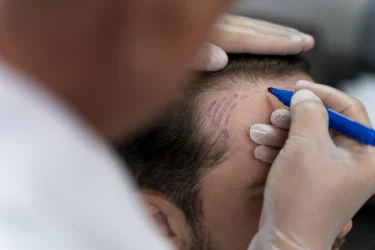
What does a hair transplant do? It involves a doctor moving hair from a dense area, like the back of the head, to a scanty area, like a receding hairline. This method can effectively restore a full-looking hairline11.

Platelet-rich plasma (PRP) therapy works by stimulating hair growth by injecting a strong solution of the patient’s own blood platelets into their scalp.

Using a gentle shampoo free of harsh components can help protect hair follicles. It may be helpful to reduce the damage and potentially promote hair growth. Aim for products designed for hair with a receding hairline.

Low-level light therapy uses laser or LED light devices. These help stimulate blood flow to the scalp. This, in turn, may be helpful to promote hair growth in some13.

Some essential oils may be helpful for hair growth in some people. These include rosemary, peppermint and lavender. When applying these to the scalp, mix them with a carrier oil first. Without this, they could cause skin irritation. Always do a patch test before using these.

Massaging the scalp on a regular basis can help stimulate blood flow. This, in turn, promotes hair health and growth. For a few minutes each day, use your fingertips to massage the scalp gently. Do not apply excessive pressure. Do this, especially in areas where hair is thinning or receding.

The way you style your hair has a significant impact on hairline health. Going for styles that reduce tension on the hairline and provide gentle care can slow down a receding hairline. A tight ponytail or use of weighted hair accessories may add up to the traction and facilitate hair fall and breakage.

Stress and anxiety are usual causes of a temporary lack of hair. This is known as telogen effluvium. Finding ways to manage stress through relaxation methods, regular exercise and professional help can protect hair health. It can also slow the progression of a receding hairline.
In my experience, losing hair may impact your confidence and self-esteem. If you’re a vegetarian or vegan, in particular, you might need to up your protein intake. You may meet your daily protein needs by consuming Greek yoghurt, beans, pulses and lentils16.
Dr. Siddharth Gupta, BAMS, MD (Ayu)
One main part of stopping and managing a receding hairline is lowering DHT, a hair loss-causing hormone. That’s what we’ll look at in this section.
Dihydrotestosterone (DHT) is a male sex hormone that comes from testosterone. It plays a crucial role in the development of male traits. Still, it can cause hair follicles to shrink. This leads to hair loss and a receding hairline14.
There are several natural substances and food sources that can help block the conversion of testosterone to DHT in the body. By doing so, they reduce the impact of DHT on hair loss.
While hair loss is a common part of aging, recognizing the signs of severe hair loss is essential. You should also know when to seek medical help. Consulting a doctor ensures that you receive the right diagnosis and treatment advice.
Knowing the signs that point to more serious hair loss is crucial. Signs that warrant medical attention include:
Diagnosing hair loss may involve examining you physically, taking blood tests, having a scalp biopsy and carrying out an in-depth evaluation of your medical history. Your healthcare provider will determine what’s causing your hair loss and advise one or more ways to treat it. These can include medications, hair growth topicals, lifestyle changes, or surgical treatments.
Also Read: Is Hair Transplant Safe? Here’s What Experts Say
Coping with a receding hairline can be tough, both on the body and the mind. But there are several research-based ways to manage this problem effectively. These can also slow down a receding hairline’s progress. By understanding the possible causes, adopting good hair care habits and taking advice from healthcare professionals, you are taking conscious measures to keep a healthier hairline. You are also maintaining your self-confidence against the face of hair loss.
Lastly, early action is very key. Acting fast to any changes in your hair health can maximize prevention methods’ benefits. Discussing promptly with a dermatologist and adopting the right management path will ensure the best results in dealing with receding hairlines, thereby reducing its negative impact on quality of life.
It is extremely normal for every person to lose about 50-100 strands of hair every day. This happens due to the hair growth cycle, which requires the hair to be shed in the end so that new hair can grow in its place. However, if the hair fall is beyond this number, or if you notice that your hair doesn’t seem to be growing back at all, this could be a sign of excessive hair fall.
Hair thinning is often visible to the person witnessing it. There are multiple signs one might notice if they are experiencing this issue. Signs you should look for are Bald Patches, Hair Clumps, Reduced Ponytail size, Visible Scalp and even lighter-weight hair.
Your hair growth cycle consists of three stages.
i) Anagen: Your hair begins to grow
ii) Catagen: Your hair stops growing
iii) Telogen: Your hair falls off
No matter what your age is, your hair growth cycle remains the same. However, after 30, different factors such as age, stress, styling, colouring, etc., can cause your hair to enter the telogen stage faster, thereby causing hair fall.
What happens to your hair as you age is related to the factors in the environment around it. What you eat, the hours you sleep and even the stress levels you go through. With age, your hair begins to get affected by these factors, causing its melanin production to reduce or stop. This, in turn, triggers your hair to become lifeless and loosen itself from the roots hence, this may be causing an increased hair fall rate.
Combining and brushing is a very stimulating experience for your hair roots and your scalp. It can up blood circulation and affect hair growth. However, activities like combing and brushing also involve basically pulling your hair slightly. So, while this is a pleasant activity in short bursts, overdoing this might lead to excessive hair fall.
Every person requires a certain amount of sleep for their body and mind to function properly. Lack of sleep is known to cause some complications in the normal functioning of the body. It also causes an increase in stress levels, which is, in turn, known to cause hair fall.
Hair fall caused by genetics is also called pattern baldness. It usually happens with age and is inherited by blood, also known as androgenic alopecia. It is the most common cause of hair loss and while it cannot be prevented completely, it can be temporarily halted or significantly slowed down. Maintaining a balanced diet with lots of protein and vitamins can help in this scenario.
Depending on the cause and severity of the hair loss, a receding hairline might be able to return with the right treatment in some cases. However, consulting a healthcare professional for the correct diagnosis and personalised treatment plan is always important.
No, a receding hairline does not always mean baldness. Many factors can contribute to a receding hairline, including age, genetics and lifestyle choices. Some individuals may experience a naturally receding hairline without progressing to complete baldness.
Hair loss can begin at any age, including teenagers and young adults. Factors such as genetics, hormonal changes and lifestyle choices may contribute to a receding hairline at a young age. If you are concerned, consult a healthcare professional for evaluation and potential treatment options.
1. Men’s Hair Loss. American Hair Loss Association. Accessed August 6, 2026. https://www.americanhairloss.org/mens-hair-loss/
2. Ustuner ET. Cause of Androgenic Alopecia: Crux of the Matter. Plast Reconstr Surg Glob Open. 2013;1(7):e64. doi:10.1097/GOX.0000000000000005. https://pmc.ncbi.nlm.nih.gov/articles/PMC4174066/
3. Wikramanayake TC, Haberland NI, Akhundlu A, Laboy Nieves A, Miteva M. Prevention and Treatment of Chemotherapy-Induced Alopecia: What Is Available and What Is Coming? Curr Oncol. 2023;30(4):3609-3626. doi:10.3390/curroncol30040275. https://pubmed.ncbi.nlm.nih.gov/37185388/
4. Telogen Effluvium – StatPearls – NCBI Bookshelf. Accessed August 6, 2026. https://www.ncbi.nlm.nih.gov/books/NBK430848/
5. Rajput RJ. Influence of Nutrition, Food Supplements and Lifestyle in Hair Disorders. Indian Dermatol Online J. 2022;13(6):721-724. doi:10.4103/idoj.idoj_175_22. https://pubmed.ncbi.nlm.nih.gov/36386748/
6. Vitamins: MedlinePlus Medical Encyclopedia. Accessed August 6, 2026. https://medlineplus.gov/ency/article/002399.htm
7. Kim J, Song SY, Sung JH. Recent Advances in Drug Development for Hair Loss. Int J Mol Sci. 2025;26(8):3461. doi:10.3390/ijms26083461. https://pubmed.ncbi.nlm.nih.gov/40331976/
8. Ahmed A, Alali AM, Abdullah E, Alharbi MN, Alayoubi HM. Herbal Remedies for Hair Loss: A Review of Efficacy and Safety. Skin Appendage Disord. 2025;11(4):360-371. doi:10.1159/000542876. https://pubmed.ncbi.nlm.nih.gov/40771449/
9. Alharbi AE, AlHussaini AM, Alshami I. A Comprehensive Review of the Antimicrobial Effects of Hibiscus Species. Cureus. 16(11):e73062. doi:10.7759/cureus.73062. https://pmc.ncbi.nlm.nih.gov/articles/PMC11619808/
10. Patel DP, Swink SM, Castelo-Soccio L. A Review of the Use of Biotin for Hair Loss. Skin Appendage Disord. 2017;3(3):166-169. doi:10.1159/000462981. https://pubmed.ncbi.nlm.nih.gov/28879195/
11. Hair Transplantation – StatPearls – NCBI Bookshelf. Accessed August 6, 2026. https://www.ncbi.nlm.nih.gov/books/NBK547740/
12. Gentile P, Garcovich S, Bielli A, Scioli MG, Orlandi A, Cervelli V. The Effect of Platelet-Rich Plasma in Hair Regrowth: A Randomized Placebo-Controlled Trial. Stem Cells Transl Med. 2015;4(11):1317-1323. doi:10.5966/sctm.2015-0107. https://pubmed.ncbi.nlm.nih.gov/26400925/
13. Avci P, Gupta GK, Clark J, Wikonkal N, Hamblin MR. Low-Level Laser (Light) Therapy (LLLT) for Treatment of Hair Loss. Lasers Surg Med. 2014;46(2):144-151. doi:10.1002/lsm.22170. https://pubmed.ncbi.nlm.nih.gov/23970445/
14. Kinter KJ, Amraei R, Anekar AA. Biochemistry, Dihydrotestosterone. In: StatPearls. StatPearls Publishing; 2026. Accessed August 6, 2026. http://www.ncbi.nlm.nih.gov/books/NBK557634/
15. Zhou JR, Yu L, Zhong Y, Blackburn GL. Soy Phytochemicals and Tea Bioactive Components Synergistically Inhibit Androgen-Sensitive Human Prostate Tumors in Mice. J Nutr. 2003;133(2):516-521. doi:10.1093/jn/133.2.516. https://pubmed.ncbi.nlm.nih.gov/12566493/
16. Cleveland Clinic. What can you do to stop your hair from thinning and falling out? [Internet]. Cleveland Clinic; 2024 [cited 2026 Aug 28]. https://health.clevelandclinic.org/how-to-stop-hair-thinning-and-falling
Disclaimer: The information provided here is for educational/awareness purposes only and is not intended to be a substitute for medical treatment by a healthcare professional and should not be relied upon to diagnose or treat any medical condition. The reader should consult a registered medical practitioner to determine the appropriateness of the information and before consuming any medication. PharmEasy does not provide any guarantee or warranty (express or implied) regarding the accuracy, adequacy, completeness, legality, reliability or usefulness of the information; and disclaims any liability arising thereof.
Links and product recommendations in the information provided here are advertisements of third-party products available on the website. PharmEasy does not make any representation on the accuracy or suitability of such products/services. Advertisements do not influence the editorial decisions or content. The information in this blog is subject to change without notice. The authors and administrators reserve the right to modify, add, or remove content without notification. It is your responsibility to review this disclaimer regularly for any changes.


