




Creatine Rich Foods: How Your Body Uses It, Daily Needs & Food Sources
By Dr. Mrunal Shirodkar +2 more

Medically reviewed by Dr. Mrunal Shirodkar
Last updated: Oct 19, 2026 Published on: Apr 16, 2026


Get,

to manage your symptom
Get your,

4 Cr+ families
benefitted

OTP sent to 9988776655



You’ve successfully subscribed to receive
doctor-approved tips on
Whatsapp

Get ready to feel your best.


Register to Avail the Offer
Send OTPBy continuing, you agree with our Privacy Policy and Terms and Conditions
Hi There,
Sign up on PharmEasy now!!


Trusted by 4 crore+ families

OTP sent to 9988776655
You have unlocked 25% off on medicines


Code: NU25

By Dr. Mrunal Shirodkar +2 more
Table of Contents
Creatine has always been associated with athletes and sports people, but its popularity is extending beyond the use of supplements now. Creatine, which is a naturally occurring compound, plays a key role in several body processes, such as energy production and muscle function, making it important for people of all ages1. Understanding that creatine can be obtained from dietary sources, not just supplements, has become increasingly relevant as more research highlights its broader benefits.
This article explores what creatine is, its health advantages, recommended daily intake, safety considerations, and the best creatine-rich foods to include in your diet. By learning about both natural sources and proper usage, you may be able to make informed choices to support your overall health.

Creatine is a natural substance found in the body, especially in the muscles, and is produced from amino acids like arginine and glycine with the help of nitrogen. It is also found in some foods, especially animal-based foods like meat and fish. It acts as a quick source of energy that your body can use during short, intense activities such as running, lifting, or even sudden movements in daily life.
Creatine helps the body produce energy more quickly by supporting the production of adenosine triphosphate (ATP), a key energy molecule. In the form of phosphocreatine, it helps rapidly restore ATP, allowing muscles to continue working efficiently1.
Creatine supports the body through several important mechanisms. These include:
The body needs a small amount of creatine every day to keep muscles working well and to provide energy, but how much creatine per day?
Most adults need about 3-5 grams of creatine per day4. The body makes some creatine on its own, and the rest comes from foods like meat and fish1. According to some studies, more creatine intake may not provide any additional benefits rather, it might put stress on the kidneys4.
People who consume animal products may get sufficient creatine however, vegetarians and vegans may have lower creatine levels2. In most cases, creatine made by the body and a proper diet might be enough to meet its daily requirements, although requirements may vary depending on diet and physical activity.
Here are some natural creatine rich foods:

Red meat like beef, pork, and lamb are some of the richest natural sources of creatine1,5. Beef contains a good amount of creatine along with other nutrients, such as vitamin B12, protein, and iron6. The regular consumption of red meat in moderate amounts can help maintain creatine levels in the body.

Fatty fish like salmon, tuna, and herring are excellent sources of creatine5. They also provide omega-3 fatty acids, which support heart7 and brain health, making them a nutritious addition to the diet.

This group includes chicken, turkey, and duck5, which are moderate sources of creatine. They are also lean sources of protein and essential amino acids, which may support muscle growth and help meet the body’s energy needs8.

Eggs contain small amounts of creatine compared to meat, fish, or poultry2, but they are rich in protein and other nutrients, which are essential for the body. While not a major creatine source, they may still contribute to overall nutrient intake and support muscle health9.
Plant-based foods generally do not contain creatine because creatine is primarily stored in animal muscle tissues. However, vegetarians can support the body’s natural creatine production by consuming foods rich in amino acids like arginine, glycine, and methionine, which are required for creatine synthesis. Here are a few food groups rich in these amino acids:

These include milk, cheese, cream, and butter5. In addition to creatine, dairy products also contain other nutrients like protein, vitamin D, and calcium, which may help improve muscle strength and maintain bone health, especially in the elderly10.
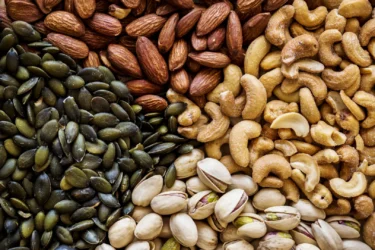
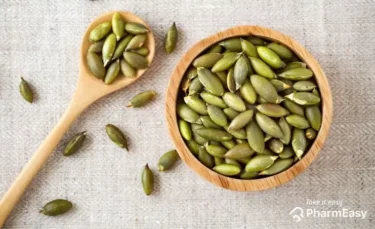
These include Brazil nuts, walnuts, almonds, and pine nuts1,11. Moderate consumption of nuts can improve blood fat levels and lower the risk of heart disease, stroke, type 2 diabetes, and inflammation11.
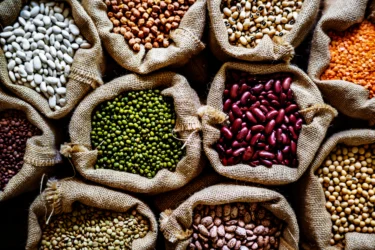
These include beans, lentils, chickpeas, and peas1,2,12. Moderate, regular consumption of legumes can help manage blood sugar levels, blood pressure, and body weight13.
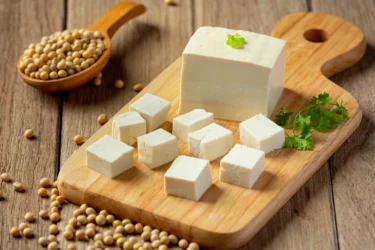
These include soy milk, tofu, and soy yoghurt1,2,14. Consuming soy products might help manage chronic inflammatory diseases (e.g., heart disease, diabetes, and arthritis), support gut health, and reduce cholesterol levels14.
Creatine can be obtained from foods or supplements. The table below compares both, showing their main benefits and drawbacks.
| Factor | Creatine From Food | Creatine From Supplements | Summary |
| Absorption | Absorbed naturally during digestion total intake is relatively low | Absorbed efficiently, enters muscles quickly raises muscle creatine more effectively2 | Supplements generally increase creatine levels in the body more effectively than food |
| Safety | Very safe for most people provides additional nutrients (protein, vitamins, minerals)6,9 | Small amounts (3-5 g per day) are generally considered safe4 can cause stomach discomfort, bloating, and water retention2 | Both are safe for most people, but supplements require proper dosing and awareness of health status |
| Convenience | Foods are familiar but require large portions very little creatine in vegetarian/vegan diets1 | Easy to mix no need for large food intake ideal for athletes1,2 | Supplements are more convenient, especially for people with higher creatine needs or restricted diets |
Creatine can be obtained from both food and supplements, but the source affects how much the body can absorb. Foods like meat and fish provide adequate creatine for overall health, along with protein and other nutrients1.
However, to achieve higher creatine levels needed to support muscle strength and exercise performance, supplements like creatine monohydrate work better. Supplements provide a consistent dose and quickly raise creatine levels in muscles, making them a better choice for athletes and people aiming to improve performance1,2.
In vegetarians and vegans, supplementation may be more effective, as there are very few plant-based creatine sources that could help meet the daily creatine need2.
Note: Although creatine supplements are generally considered safe, daily intake should not exceed 5 grams. Higher doses do not provide additional benefits and may put unnecessary stress on the kidneys.
Creatine is generally considered safe within a recommended range (3-5 grams per day). However, taking too much can cause several side effects, such as:
For most healthy individuals, moderate creatine supplementation is considered safe. Researchers are studying the effects of creatine supplementation on heart failure, neuromuscular disorders, and stroke however, its long-term effects are unknown. Therefore, children, pregnant or nursing women, and people with kidney problems should avoid creatine supplements15.
Although people belonging to all age groups may benefit from consuming creatine-rich foods, it is particularly important for older adults and individuals who may be at risk of muscle loss or low energy levels. As people age, they experience muscle loss, reduced muscle strength, and reduced functional capacity, contributing to conditions like sarcopenia. This might lead to reduced physical performance1.
Consuming creatine-rich foods such as meat, fish, and poultry can help maintain muscle strength, daily energy, and overall functional capacity of muscle and bone2. Some studies also suggest that creatine might improve thinking and memory, especially in the elderly1.
Also Read: What Are Electrolytes and Why Are They So Important for Your Body?
Individuals who should consult a doctor before starting creatine include:
Individuals who are taking creatine should consult a doctor if they experience:
Also Read: Top Foods That May Help With Muscle Cramps
Creatine is a natural compound that helps with energy, muscle function, and overall health. It is found in foods like meat, fish, and eggs; however, supplements like creatine monohydrate may help increase creatine levels more effectively and may be convenient in individuals like athletes, vegetarians, and older adults. Taking 3-5 g of creatine per day is generally considered safe, but higher doses may cause side effects. Eating creatine-rich foods and using supplements carefully can support muscle strength, performance, and healthy ageing however, it is advisable to consult a doctor before using it.
Also Read: 17 Protein-Rich Foods For a Healthy Life
Yes. Milk, especially cow milk, contains creatine in small amounts5.
Creatine is considered safe and effective for supporting athletic performances, building muscle, and improving short, intense exercise. When taken in recommended doses (3-5 g daily), it is generally considered safe for healthy people, including older adults, and may also help with recovery from injuries1.
Natural creatine is produced by the body with the help of nitrogen and amino acids. The body produces it in a two-step process: first, the amino acids arginine and glycine are combined to make a substance called guanidinoacetate (GAA). Then, GAA is converted into creatine with the help of another enzyme. Most of this process happens in the kidneys and liver, and some occurs in the brain and pancreas1.
Eggs are not considered high in creatine when compared to other animal-based foods like meat, poultry and fish5.
Creatine is generally considered safe, but no supplements assure 100% safety. Its excess consumption can cause several side effects and even place stress on the kidneys (rare)15.
Some studies say that creatine may help people manage sleep loss, improve balance, reaction time, mood, and movement, helping the body and brain work better even with less sleep1.
Disclaimer: The information provided here is for educational/awareness purposes only and is not intended to be a substitute for medical treatment by a healthcare professional and should not be relied upon to diagnose or treat any medical condition. The reader should consult a registered medical practitioner to determine the appropriateness of the information and before consuming any medication. PharmEasy does not provide any guarantee or warranty (express or implied) regarding the accuracy, adequacy, completeness, legality, reliability or usefulness of the information; and disclaims any liability arising thereof.
Links and product recommendations in the information provided here are advertisements of third-party products available on the website. PharmEasy does not make any representation on the accuracy or suitability of such products/services. Advertisements do not influence the editorial decisions or content. The information in this blog is subject to change without notice. The authors and administrators reserve the right to modify, add, or remove content without notification. It is your responsibility to review this disclaimer regularly for any changes.


Comments

Leave your comment...
You may also like






















Comments