Get,

Free Doctor Tips

to manage your symptom

Get your,

FREE Doctor Tips Now!!

4 Cr+ families

benefitted

Enter your Phone Number

+91

|

Enter a valid mobile number

Send OTP

Verify your mobile number

OTP sent to 9988776655

CONGRATULATIONS!!!

You’ve successfully subscribed to receive

doctor-approved tips on Whatsapp


Get ready to feel your best.

Hi There,

Download the PharmEasy App now!!

AND AVAIL

AD FREE reading experience
Get 25% OFF on medicines
Banner Image

Register to Avail the Offer

Send OTP

By continuing, you agree with our Privacy Policy and Terms and Conditions

Success Banner Image
Verify your mobile number

OTP sent to 9988776655

Comments

Subscribe
Notify of
guest
0 Comments
Inline Feedbacks
View all comments

Leave your comment here

Your email address will not be published. Required fields are marked *

25% OFF on medicines

Collect your coupon before the offer ends!!!

COLLECT

High Creatinine: Symptoms, Causes, Diagnosis & Treatment

By Dr. Aniket Hase +2 more

Join Health Talk by PharmEasy on WhatsApp

Introduction

You got your blood test back, and creatinine is flagged. You are not sure what it means or whether to worry. Most people have never heard of creatinine until a report puts it in front of them. The good news is that a high reading does not always mean something serious. But it does deserve attention. In this blog, we will understand high creatinine meaning, causes, possible high creatinine symptoms, and treatment options to manage the effects of high creatinine. 
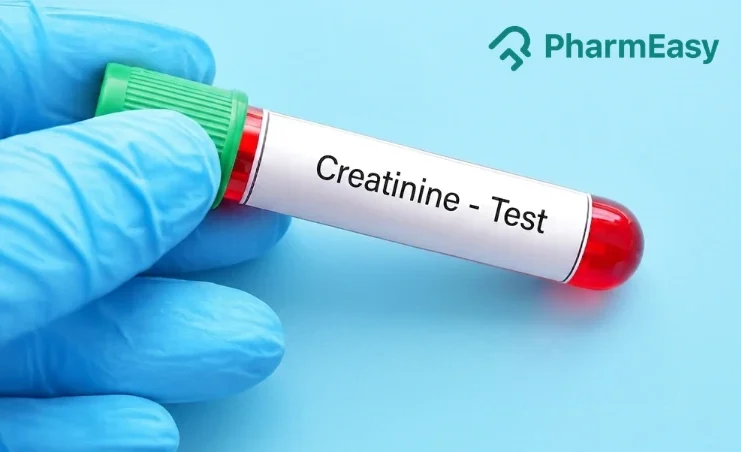
High Creatinine

What Is Creatinine and What Do Its Levels Indicate?

Creatinine is a waste product, usually produced during the breakdown of muscles. Healthy kidneys filter creatinine out of the blood through the urine. Traces of some creatinine can be found in everyone; however, it becomes concerning when creatinine levels are high1

Advertisement

High creatinine levels may indicate impaired kidney function, while low levels are usually associated with low muscle mass, poor nutrition, or certain medical conditions and rarely indicate kidney disease2

What Are Normal and High Creatinine Levels?

Creatinine levels are assessed through a blood test and expressed in milligrams per decilitre (mg/dL). The normal range can vary depending on factors such as age, sex, and muscle mass3. Generally, the following values are considered normal for creatinine: 

  • 0.6 – 1.1 mg/dL for females3
  • 0.7 – 1.3 mg/dL for males3

Serum creatinine levels may show minor variations depending on factors such as the time of the day, time in the menstrual cycle, and dietary intake. Very high or persistently high creatinine levels may be associated with abnormal kidney function4. Creatinine levels above 1.1 mg/dL in females and above 1.3 mg/dL in males are considered high. Let’s understand the causes of high creatinine levels. 

Causes of High Creatinine Levels

There are several causes of high creatinine levels, ranging from eating certain foods to conditions like underlying kidney disorders. Reasons for high creatinine levels include: 

  • A diet high in meat1,2
  • Intense exercise1,2
  • Creatine supplementation1 
  • Some pregnancy-related health conditions2.
  • Dehydration2,5 
  • Chronic kidney disease (CKD)1
  • Acute kidney injury (AKI)1
  • Glomerulonephritis5 
  • Polycystic kidney disease5 
  • Injuries2
  • Diabetes2
  • Acute tubular necrosis5 
  • Hypertension2,5 
  • Muscle disorders2
  • Taking medications such as trimethoprim, fenofibrate, cobicistat, ritonavir, dolutegravir, or cimetidine1
  • Urine tract obstruction due to stones / prostate. 
  • Secondary to heart disease 
  • Radio-iodine contrast use 

Symptoms of High Creatinine Levels

High creatinine levels may not cause any symptoms in some individuals and may only be detected through blood tests. When symptoms do occur, they are usually due to the underlying condition affecting the kidneys and not the direct effects of high creatinine or signs of high creatinine itself. These include:2 

  • Puffy eyelids along with swelling on the feet and hands 
  • Fatigue 
  • Numbness, itching or dry skin 
  • An increased urge to urinate 
  • Foamy urine 
  • Weight loss or loss of appetite 
  • Shortness of breath 
  • Nausea 
  • Vomiting 
  • Muscle cramps 
  • Difficulty concentrating2

These symptoms can vary depending on the underlying cause and the severity of kidney impairment. 
Advertisement

Risk Factors for Elevated Creatinine

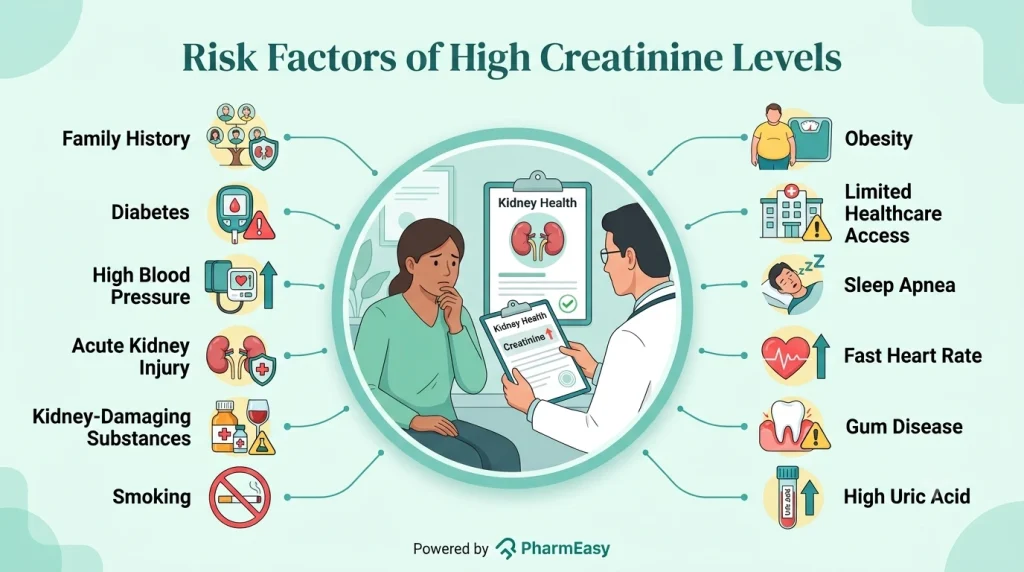
Risk Factors of High Creatinine Levels

High creatinine levels are commonly associated with kidney damage or reduced kidney function. The following health conditions and lifestyle factors may increase the risk of developing elevated creatinine levels: 

  • Family History: People with a family history of CKD are at a higher risk of developing kidney problems6
  • Diabetes: This is one of the leading causes of kidney problems worldwide. In individuals with diabetes, high blood sugar levels can damage the tiny blood vessels and filtering units in the kidneys, causing scarring, inflammation, and further kidney damage6
  • Hypertension: High blood pressure can damage the tiny blood vessels and filtering units inside the kidneys. Over time, this can cause scarring of the kidneys and gradually reduce their ability to function properly6
  • Acute Kidney Injury: Even a single episode of AKI can leave lasting damage, as the kidneys may not heal completely. This can lead to scarring of kidney tissue, which gradually reduces kidney function6
  • Exposure to Nephrotoxins (substances that can damage the kidneys): Long-term misuse or overuse of certain medications, especially painkillers, as well as excessive alcohol consumption, recreational drug use, and exposure to toxic substances, can increase the risk of kidney damage6
  • Smoking: Smoking increases the risk of CKD by damaging the blood vessels and promoting inflammation and oxidative stress in the body. Over time, there is reduced blood flow and deterioration of the kidneys6
  • Obesity: Research has shown that people who are overweight or obese have a significantly higher risk of developing CKD compared with those who maintain a healthy weight6
  • Socioeconomic Status: Factors such as lower income, unemployment, lower educational attainment, limited access to healthcare and poor living conditions have also been associated with a higher risk of CKD6
  • Obstructive Sleep Apnea: People who have obstructive sleep apnea are at a higher risk of developing CKD. Sleep apnea occurs in conditions like diabetes, obesity, and high blood pressure. It can contribute to kidney damage by reducing oxygen supply to the body with an increase in inflammation6
  • Increased Heart Rate: Studies have found that people with higher heart rates are more likely to experience a decline in kidney function and develop proteinuria (protein in the urine), an early sign of kidney damage6
  • Periodontal Diseases: Chronic periodontal disease can trigger ongoing inflammation in the body, which may contribute to kidney damage, leading to high creatinine levels6
  • High Uric Acid Levels: Research indicates that elevated uric acid levels may increase the risk of kidney problems6

Diagnosis

High creatinine levels can result from a variety of conditions. Diagnosing the underlying condition may need a combination of blood tests, urine tests, and, in some cases, imaging studies to get a clear picture of any health issues. Common diagnostic tests for conditions associated with high creatinine levels may include: 

  • Serum Creatinine TestThis is the primary test, which measures creatinine levels in the blood. This test is often considered a routine health screening for kidney function evaluations2.
  • Estimated Glomerular Filtration Rate (eGFR): Creatinine levels in the blood are often used to calculate eGFR using information such as age and sex. eGFR is considered to be one of the most accurate ways of measuring kidney health2.
  • Creatinine Clearance Test: This compares creatinine levels in the blood and urine. Although eGFR is usually preferred to assess how well the kidneys filter the waste, creatinine clearance may be MNuseful in people with very high or low muscle mass, where eGFR estimates may be less accurate2.
  • Urine Albumin-to-Creatinine Ratio (UACR): This measures the amount of albumin (a protein) in the urine relative to creatinine. Albumin is one of the main proteins in blood and the earliest marker of structural kidney damage. If large amounts of albumin pass through urine, it may indicate kidney damage2.
  • Blood Urea Nitrogen (BUN)This test measures the amount of urea nitrogen in the blood, which is a waste product formed from normal metabolic processes and when the body breaks down proteins from food. Healthy kidneys filter this waste from the bloodstream and remove it through urine. Small amounts of urea nitrogen are normal; however, elevated BUN levels may indicate that the kidneys are not working well7

Treatment for High Creatinine Levels

Creatinine is usually a marker and not a disease. Therefore, the treatment is directed towards the underlying cause that may have led to the high creatinine levels. Depending on the lab reports, treatment may involve: 

  • Treatment of underlying conditions: Managing causative conditions like high blood pressure and diabetes may help preserve kidney function and reduce further kidney damage. 
  • Treating infections and injuries: If high creatinine is caused by a kidney infection or injuries, appropriate medication can help resolve them, thereby helping restore kidney function. 
  • Managing urinary tract obstruction and AKI: When elevated creatinine results from urinary tract obstruction caused by kidney stones, an enlarged prostate, or other structural problems, relieving the blockage is a key component of treatment8. In cases of AKI, management focuses on correcting fluid and electrolyte imbalances, treating the underlying cause, and closely monitoring kidney function9
  • Fluid management: Dehydration may lead to high creatinine levels. Adequate fluid management is very important in individuals with dehydration. In mild cases, oral rehydration works well, whereas, in severe cases, intravenous fluid administration may be necessary. 

How to Prevent High Creatinine Levels?

One may be able to avoid high creatinine levels by effectively managing conditions that may damage the kidneys, such as diabetes and high blood pressure. Some simple steps could be: 

1. Control Blood Pressure

controls blood pressure
Image Source: freepik.com

This is one of the most effective ways of protecting kidney function and delaying the onset of kidney disease. The blood pressure goal should be less than 130/80 mmHg or as discussed with your doctor. Eating healthy, quitting smoking, having an active lifestyle, and getting adequate sleep are some ways that can help to maintain the blood pressure10

2. Manage Blood Glucose Levels

why happens if ESR is high
Image Source: freepik.com

Regular monitoring of blood glucose levels can help guide decisions about diet, medications, and physical activity. This allows better day-to-day diabetes management. Keeping blood glucose and HbA1c levels within the target range can help reduce the risk of diabetic kidney disease10

3. Regular Kidney Monitoring

kidney health
Image Source: freepik.com

Regular kidney function tests are important not only for diagnosing kidney disease in individuals at risk of kidney disease but also for monitoring its progression over time. Since kidney disease often progresses gradually, eGFR and urine albumin levels help to track changes in the kidneys10

4. Avoid Unnecessary Medication

medications
Image Source: freepik.com

Some over-the-counter (OTC) and prescription medications, particularly non-steroidal anti-inflammatory drugs (NSAIDs), can affect kidney function if used for prolonged periods. These medicines are commonly found in products used to relieve pain, fever, headaches, and cold symptoms. Before using pain relievers regularly, it is advisable to consult a doctor10

5. Follow a Balanced Diet

vegetable and fruits
Image Source: freepik.com

Diet plays an important role in maintaining kidney health. A balanced, kidney-friendly eating plan can help support kidney function, manage blood pressure and blood sugar levels, and reduce the risk of complications associated with kidney disease10

6. Exercise Regularly

exercise
Image Source: freepik.com

About 30 minutes of moderate-intensity physical activity a day can help regulate blood sugar levels, support cardiovascular health, and aid in weight management10

7. Quit Smoking

Image Source: freepik.com

Cigarette smoking may be associated with impaired kidney function. Quitting smoking may help to maintain blood pressure, which in turn is good for the kidneys and overall health10

8. Get Adequate Sleep

sleep
Image Source: freepik.com

This is important for overall health. Adequate sleep can help regulate blood pressure, improve blood sugar levels, and contribute to better physical and mental well-being10

9. Manage Stress and Mental Well-Being

mental health
Image Source: freepik.com

Chronic stress can negatively affect overall health by contributing to high blood pressure, poor blood sugar control, and other factors that may impact kidney function. Finding healthy ways to manage stress can support both physical and emotional well-being10

Also Read: Kidney Failure: Symptoms, Causes, Treatment & Prevention

When to See a Doctor?

While mildly elevated creatinine may resolve with hydration or dietary adjustments, certain symptoms require prompt medical attention. You should visit a doctor if you have: 

  • Persistent swelling of the face, ankles, legs and hands1,2
  • Fatigue1,2
  • Shortness of breath1,2
  • Changes in urine1,2
  • Nausea and vomiting1,2
  • High creatinine levels on repeated tests1,2

Conclusion

Creatinine levels are an important indicator of kidney health and can provide valuable insights into kidney function. While high creatinine levels may occur due to factors such as dehydration or taking certain medicines, they may also indicate kidney conditions. Early detection and management of these issues can help the management of these conditions and reduce the risk of complications. Regular health checkups, healthy lifestyle habits, and timely treatment of conditions such as diabetes and high blood pressure can go a long way in protecting kidney function. 

Frequently Asked Questions (FAQs)

What happens if your creatinine is high? 

High creatinine levels may indicate that the kidneys are not functioning effectively. While mildly elevated creatinine levels may be reversible, high levels may indicate conditions such as CKD and AKI1

What level of creatinine is alarming? 

A creatinine level above 1.3 mg/dL in men or 1.1 mg/dL in women may be higher than the normal range and could indicate reduced kidney function. This normal range may vary between laboratories. As creatinine levels vary based on factors such as age, muscle mass, medical history, and changes in creatinine levels over time, they should be interpreted with the help of a doctor3.

Can drinking water lower your creatinine levels? 

If dehydration is the cause of elevated creatinine, adequate hydration may help normalise creatinine levels1.

Are high creatinine levels reversible? 

In many cases, yes. If the cause of high creatinine levels is dehydration, medication use, or a temporary condition such as AKI, creatinine levels may return to normal with appropriate management. If elevated creatinine levels are caused by CKD, treatment usually focuses more on slowing the progression of CKD rather than reversing high creatinine levels1,2.

Can protein shakes cause high creatinine?

Yes, protein shakes may temporarily increase creatinine levels in some individuals, however, it may not indicate kidney disease in healthy individuals. However, in individuals with kidney disease, high protein intake can accelerate kidney damage1.

Can kidney stones cause high creatinine?

Yes, kidney stones may cause high creatinine levels. Treating kidney stones may help improve creatinine levels11

References

  1. Creatinine. [Internet]. National Kidney Foundation. Available from: https://www.kidney.org/kidney-topics/creatinine 
  1. Creatinine Test. [Internet]. Medline Plus. Available from: https://medlineplus.gov/lab-tests/creatinine-test/ 
  1. Serum creatinine test for kidney disease. [Internet]. The American Kidney Fund. Available from: https://www.kidneyfund.org/all-about-kidneys/tests/serum-creatinine-test 
  1. Samra M, Abcar AC. False estimates of elevated creatinine. Perm J. 2012 Spring;16(2):51-2. doi: 10.7812/tpp/11-121. PMID: 22745616; PMCID: PMC3383162. Available from: https://pmc.ncbi.nlm.nih.gov/articles/PMC3383162/
  1. Shahbaz H, Rout P, Gupta M. Creatinine Clearance. 2024 Jul 27. In: StatPearls [Internet]. Treasure Island (FL): StatPearls Publishing; 2026 Jan–. PMID: 31334948. Available from: https://pubmed.ncbi.nlm.nih.gov/31334948/
  1. Kazancioğlu R. Risk factors for chronic kidney disease: an update. Kidney Int Suppl (2011). 2013 Dec;3(4):368-371. doi: 10.1038/kisup.2013.79. PMID: 25019021; PMCID: PMC4089662. Available from: https://pubmed.ncbi.nlm.nih.gov/25019021/
  1. BUN (Blood Urea Nitrogen). [Internet]. Medline Plus. Available from: https://medlineplus.gov/lab-tests/bun-blood-urea-nitrogen/ 
  1. Obstructive Uropathy. [Internet]. Medline Plus. Available from: https://medlineplus.gov/ency/article/000507.htm 
  1. Acute Kidney Injury. [Internet]. National Kidney Foundation. Available from: https://www.kidney.org/kidney-topics/acute-kidney-injury-aki 
  1. Managing Chronic Kidney Disease. [Internet]. National Institute of Diabetes and Digestive and Kidney Diseases. Available from: https://www.niddk.nih.gov/health-information/kidney-disease/chronic-kidney-disease-ckd/managing  
  1. Haley WE, Enders FT, Vaughan LE, Mehta RA, Thoman ME, Vrtiska TJ, et al. Kidney Function After the First Kidney Stone Event. Mayo Clin Proc. 2016 Dec;91(12):1744-1752. doi: 10.1016/j.mayocp.2016.08.014. Epub 2016 Oct 21. Available from: https://pmc.ncbi.nlm.nih.gov/articles/PMC5140038/

Disclaimer: The information provided here is for educational/awareness purposes only and is not intended to be a substitute for medical treatment by a healthcare professional and should not be relied upon to diagnose or treat any medical condition. The reader should consult a registered medical practitioner to determine the appropriateness of the information and before consuming any medication. PharmEasy does not provide any guarantee or warranty (express or implied) regarding the accuracy, adequacy, completeness, legality, reliability or usefulness of the information; and disclaims any liability arising thereof.

Links and product recommendations in the information provided here are advertisements of third-party products available on the website. PharmEasy does not make any representation on the accuracy or suitability of such products/services. Advertisements do not influence the editorial decisions or content. The information in this blog is subject to change without notice. The authors and administrators reserve the right to modify, add, or remove content without notification. It is your responsibility to review this disclaimer regularly for any changes.

Advertisement

Comments

Leave your comment...