
Do you ever have days when your mouth tastes rusty? This strange taste is linked to dysgeusia, a term used to describe altered taste. Metallic taste can be rather worrying, especially if it hangs around. But there’s no need to panic. The metallic taste is usually not a big deal. It’s often due to common factors we’ll explore here.
We’ll look at the reasons why you may have a metallic taste in your mouth and what does metallic taste in mouth means. We’ll also look at common causes of metallic taste in the mouth, its diagnosis procedures, and talk about when you should see a doctor. Alongside this, we’ll share ways in which you may handle this weird taste. Lastly, we’ll answer some common queries regarding a metallic taste in the mouth.
Did you know?
The aim is clear. To investigate what causes a metallic taste in the mouth? Let’s find out the usual suspects behind metallic taste in the mouth11.
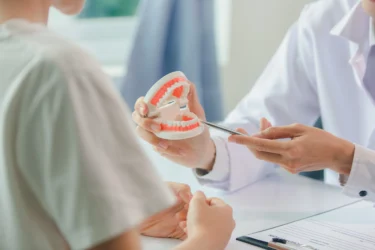
Your mouth care routine could be hiding the reason for your metallic taste. Many oral health issues can cause this.
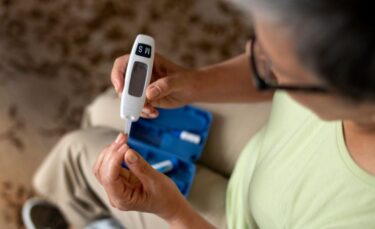
Certain health issues can tamper with your sense of taste. This can result in a metallic flavor in your mouth.

If you’re thinking, why do I have a metallic taste in my mouth while pregnant? Well, hormonal changes might be messing with your taste and smell. It often results in a metallic taste, more so during early pregnancy7.
Dysgeusia, also known as an altered taste in the mouth, often complained of as a metallic taste, happens during the first trimester of pregnancy and goes away by the second trimester as the hormonal levels settle down, rarely extending till child birth.
Dr. Ashish Bajaj, M.B.B.S., M.D. in Clinical Pharmacology and Toxicology
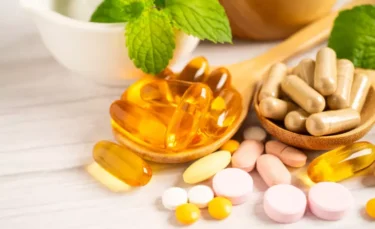
Certain meds and supplements may leave a metallic taste in your mouth1. These include:

Cancer treatments like chemo or radiation may alter taste. This may bring about a metallic taste in your mouth2.
Coming in touch with toxins like mercury or lead can irritate your taste buds. This could give you a metallic taste.

Food allergies can bring a metallic taste to your mouth. More severe reactions may show anaphylaxis symptoms. This calls for urgent medical help8.
A metallic taste can indicate a serious illness, such as kidney or liver problems, undiagnosed diabetes or certain cancers. But these reasons are uncommon and typically accompanied by other symptoms. If you’re otherwise healthy, the cause for that metallic tang typically is benign.
Dr. M.G. Kartheeka, MBBS, MD(Pediatrics)
The metallic taste may come and go for some. It might be harmless. But it’s wise to know when it’s time to see a healthcare professional.
Once the cause of the metallic taste is clear, you can work out a game plan with your healthcare provider on how to get rid of metallic taste in mouth. The aim is to tackle the issue and avoid a relapse.
Getting to the root of the metallic taste is crucial. So is making yourself comfortable as you navigate it.
Also Read: Best Home Remedies for Wisdom Tooth Pain
The metallic taste in your mouth can be a bother. But don’t worry, it could be managed and potentially resolved. Knowing the cause is half the battle. Seeking medical ideas for diagnosing and treating it is crucial. A healthy lifestyle goes a long way too. If the metallic taste comes from an underlying health issue or medication, work with your healthcare provider. Find the best course of action and take charge of wellness.
Always listen to your body. Keep your eyes open for changes. Don’t shy away from discussing them with your doctor. The metallic taste may just be a passing phase. It could also hint at a larger issue needing a doctor’s attention. To ensure great health, stay aware, and stay proactive.
Yes, some COVID-19 patients have reported a metallic taste. This is only one among many symptoms. The exact cause for this taste change isn’t completely clear.
No exact deficiency causes a metallic taste. But end-stage liver failure might cause it. Wherein you may see low levels of B vitamins, vitamin C, zinc, and copper.
Usually, a metallic taste isn’t serious, but it can be. If it’s persistent, it’s best to check with a healthcare provider.
Start with looking after your oral hygiene. Stay hydrated. Eat non-metallic-tasting foods. Use flavor enhancers and mouth rinses. If needed, your healthcare provider can help you tackle any underlying health issues or medication-related side effects1.
The duration of the metallic taste depends on the cause. Short-term causes like a common cold will clear up when the infection does. If it’s medicine-related or due to a health issue, it takes longer.
See a healthcare provider if the metallic taste doesn’t leave. It’s particularly important if it’s coupled with bad symptoms.
Yes, adopting certain lifestyle changes such as maintaining good oral hygiene, staying hydrated, focusing on a well-balanced diet, and avoiding triggers like smoking and alcohol may help alleviate a metallic taste in the mouth.
A metallic taste can be an early symptom of anaphylaxis, a severe allergic reaction associated with certain foods or substances. However, it may also be a natural response to specific food allergens like shellfish or tree nuts8.
Some foods, like pine nuts, may cause a temporary metallic taste in the mouth – a condition known as “pine nut syndrome” or “pine mouth.” Additionally, the consumption of vitamins and supplements containing metals, such as zinc, copper, or iron, may also create a metallic taste.
A metallic taste upon waking can stem from various factors such as dehydration, oral health issues like gingivitis, or even acid reflux during sleep. Ensuring proper hydration and maintaining good oral hygiene can help alleviate this sensation. If it persists, consulting a healthcare provider is recommended.
The duration of a metallic taste during pregnancy varies among individuals. Typically, it may last throughout the first trimester due to hormonal changes, but it can subside sooner or persist longer for some women. If concerns arise, consulting a healthcare provider is advisable7.
Experiencing a metallic taste in the mouth can be a symptom of pregnancy7, particularly in the early stages due to hormonal changes. However, it’s not definitive proof of pregnancy and can also be caused by other factors such as certain medications1 or oral health issues. A pregnancy test or consultation with a healthcare provider can provide clarity.
A metallic taste in the mouth can sometimes indicate low iron levels, known as iron deficiency anemia. However, it’s essential to consider other potential causes as well, such as medication side effects1 or oral health issues. Consulting a healthcare professional for proper evaluation and testing is recommended.
A metal taste in mouth can indicate infection, particularly in cases like sinusitis or respiratory infections where postnasal drip can affect taste sensations. However, it’s essential to consider other symptoms and consult a healthcare professional for proper diagnosis and treatment.
While influenza (flu) itself typically doesn’t directly cause a metallic taste in the mouth, certain medications used to manage flu symptoms or complications may lead to this sensation as a side effect. If experiencing a metallic taste during flu, consulting a healthcare provider for evaluation and appropriate management is advisable.
Yes, antibiotics can sometimes lead to a metallic taste in the mouth as a side effect. This sensation typically resolves once the course of antibiotics is completed, but if it persists or becomes bothersome, consulting a healthcare provider is advisable.
Allergies can potentially cause a metallic taste in the mouth due to postnasal drip or sinus congestion affecting taste sensations. However, it’s essential to consider other factors and consult a healthcare professional for proper evaluation and management of allergies and related symptoms8.
Yes, vaping can cause a metallic taste in the mouth, often due to the ingredients in e-liquids or the heating coils used in vaping devices. This sensation may indicate irritation or inflammation in the mouth and respiratory tract, and reducing or quitting vaping is advisable if experiencing this symptom.
Yes, stress can lead to a metallic taste in the mouth as a result of changes in saliva composition and increased acidity levels. This sensation is often temporary and can be managed by practicing stress-reduction techniques such as mindfulness or deep breathing exercises.
Yes, a metallic taste can come and go during pregnancy7. This phenomenon, known as dysgeusia, is often experienced in the first trimester and can be influenced by hormonal changes, typically improving as pregnancy progresses.
The duration of a metallic taste after chemotherapy varies for each individual. It can last from a few days to several months after treatment ends, with some patients experiencing it intermittently during their entire chemotherapy course.
Yes, dry mouth can cause a metallic taste. Reduced saliva production affects taste perception and can lead to the development of unusual tastes, including a metallic flavor.
Yes, detoxing can cause a metallic taste. This occurs as the body releases and processes toxins, which can temporarily alter taste perception and result in a metallic flavor.
The metallic taste from metformin often diminishes over time as the body adjusts to the medication. If the taste persists, discussing it with a healthcare provider may help find a solution or alternative treatment.
A metallic taste can start as early as the first trimester of pregnancy7. This change in taste perception is often due to hormonal fluctuations, particularly increased levels of estrogen and progesterone.
Disclaimer: The information provided here is for educational/awareness purposes only and is not intended to be a substitute for medical treatment by a healthcare professional and should not be relied upon to diagnose or treat any medical condition. The reader should consult a registered medical practitioner to determine the appropriateness of the information and before consuming any medication. PharmEasy does not provide any guarantee or warranty (express or implied) regarding the accuracy, adequacy, completeness, legality, reliability or usefulness of the information; and disclaims any liability arising thereof.
Links and product recommendations in the information provided here are advertisements of third-party products available on the website. PharmEasy does not make any representation on the accuracy or suitability of such products/services. Advertisements do not influence the editorial decisions or content. The information in this blog is subject to change without notice. The authors and administrators reserve the right to modify, add, or remove content without notification. It is your responsibility to review this disclaimer regularly for any changes.
 3
3

Mullein tea is a popular herbal beverage consumed due to its many proposed health benefits. It’s made from mullein plant leaves and flowers and has no caffeine. This tea is traditionally consumed for its potential health benefits.
In this post, we will delve deep into mullein tea’s health benefits. We’ll learn how it may help manage respiratory illnesses, viral infections, sleep, relaxation, and much more. We will also look at how to make and use this herbal brew.
Mullein has been a staple in traditional medicine due to the numerous potential health benefits it offers. This section gives an insight into mullein’s botanical traits, historical usage, and chemical makeup.
Mullein is a plant genus with over 200 species. These plants primarily grow in Europe, Asia, and North America. The most common species used in mullein tea is Verbascum thapsus L., also called common mullein. This perennial plant has big, woolly leaves and pretty yellow flowers that bloom from June through September1.
Common mullein is easy to spot. It towers between 0.5 and 1.8 metres with a straight stem1. In its first year of growth, it develops a low-lying basal rosette with large woolly leaves. In the second year, it displays a tall stem studded with yellow flowers on top.
Mullein has a rich history in herbal treatments. Different parts of the plant, such as the leaves, flowers, and roots, have been utilised for various health issues. It was believed to help manage respiratory problems, digestive issues, and skin discomforts. It was also believed to be a possible management option for colds, coughs, and even tuberculosis1.
Mullein contains a significant amount of active compounds, including saponins, glycosides, flavonoids, and minerals. One of the key bioactive compounds found in mullein is verbascoside. This compound is well researched for its possible antioxidant, anti-inflammatory, and antineoplastic (anti-cancer) properties1.
Here’s a quick glimpse at some of the compounds in mullein and their properties:
With its rich past and unique chemical makeup, mullein tea promises a range of seemingly beneficial health perks. Let’s discover how drinking mullein tea benefits and powers up your health.
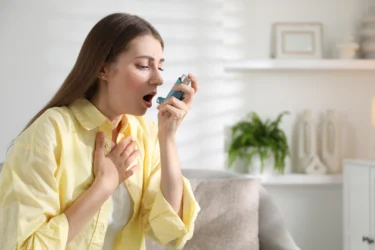
In the past, mullein tea has been used in different respiratory conditions like colds, coughs, bronchitis, and asthma2, probably due to its potential expectorant properties, which can help in removing mucus and phlegm and ease your breathing3. In addition, it may help improve inflammation in the airways owing to its possible anti-inflammatory properties.

Mullein tea is supposed to have antiviral properties that are attributed to the flavonoids and phenylethanoid glycosides in it. This might make it useful in certain viral infections3. In laboratory settings, mullein extracts have been shown to attack the influenza virus and herpes simplex virus4. Thus, drinking mullein tea may help protect you against viral infections by helping strengthen your immune system. However, more research is necessary to confirm these findings.

Mullein tea has long been proposed to be an immune system supporter. Making this tea a part of your wellness routine may strengthen your body’s natural defences, helping you avoid diseases and stay healthy.

Mullein tea is known to have antibacterial properties that might be effective in managing certain bacterial infections like lung (e.g., pneumonia and bronchitis), ear, and skin infections1,3. It is proposed to be beneficial in reducing acne, eczema, and other inflammatory disorders of the skin when applied as a lotion/oil due to its antibacterial properties. In laboratory studies, mullein extracts were useful against infection-causing bacteria, such as Klebsiella pneumoniae, Staphylococcus aureus, and Escherichia coli5.

Traditionally, people have turned to mullein tea to help promote calmness and relaxation. These effects may be associated with the flavonoids in it, which can help soothe the nervous system and promote a sense of peace or calmness6. Therefore, it may potentially be helpful in individuals with insomnia, i.e., difficulty in falling asleep. However, it should be used under the supervision of a healthcare professional.
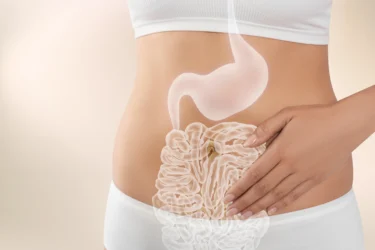
Mullein tea may also help heal your gut by helping in a range of gastrointestinal ailments. It is probably able to soothe gastrointestinal inflammation and encourage regular bowel movements due to its proposed anti-inflammatory and demulcent properties3. Although this tea may help your gastrointestinal issues, having a well-balanced diet is necessary for sustained relief.
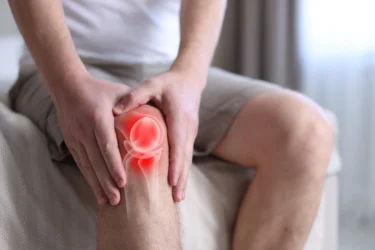
Do you know mullein tea may have other additional potential health benefits? Besides its key merits, mullein tea may help in relieving joint pain, easing muscle spasms, and managing ear infections.
To my knowledge, mullein has anti-inflammatory properties and is used in various preparations of the herb that can be employed to enhance lung health and alleviate respiratory illness symptoms. It has minimal side effects11.
Dr. Siddharth Gupta, B.A.M.S, M.D (Ayu)
While mullein tea is largely safe to drink, there are some possible side effects of mullein tea and some precautionary measures one should be aware of, as follows:
Mullein, to my knowledge, is a herbal remedy for serious conditions like pneumonia, tuberculosis, and whooping cough. However, its prevalent use nowadays is directed towards less severe issues, including allergies, sore throats, and tonsillitis11.
Dr. Rajeev Singh, BAMS
If you plan to take mullein tea, here are some potential risks to consider:
If you wish to try mullein tea, follow these simple steps to prepare this delicious infusion:
Here is the step-by-step process for preparing a cup of mullein tea:
Ingredients
Procedure
OR
When buying mullein tea or dried leaves, choose good-quality products from trusted brands. Be sure to check the expiration date as the potency of the leaves may fade over time.
Also Read: Hibiscus Tea: Uses, Benefits, Side Effects By Dr. Smita Barode
Mullein tea may offer a range of health benefits, making it an option for those who prefer natural approaches. Its benefits range from support for respiratory issues to better relaxation and digestion.
As with any herbal supplement, it’s vital to consult with your healthcare provider before trying mullein tea, especially if you have any medical conditions or are on any medicines. By staying alert about its potential risks and side effects, you can safely and effectively enjoy the multitude of benefits mullein tea has to offer.
There is no specific dosage for mullein tea. However, many find that having 2 to 3 cups of mullein tea per day may offer optimal benefits.
While there are no specific contraindications for mullein tea, those who have plant allergies, women who are pregnant or nursing, or those with liver health concerns should discuss with their healthcare provider before drinking the tea.
Yes, you can grow mullein at home and make your own tea. Just be sure that you are growing the correct species (V. thapsus) and follow proper harvesting and preparation tricks for a safe and effective final brew.
Mullein tea may interact with certain medications. It’s essential to consult a healthcare professional before consuming mullein tea, especially if you’re taking medications, as it could potentially interfere with their effectiveness or cause adverse reactions.
1. Riaz M, Zia-Ul-Haq M, Jaafar HZE. Common mullein, pharmacological and chemical aspects. Revista Brasileira de Farmacognosia. 2013;23(6):948-959. doi:10.1590/S0102-695X2013000600012. Available from: https://www.sciencedirect.com/science/article/pii/S0102695X13701261
2. Taheri M, Salehi M, Mohammadi S, et al. The effects of hyssop and mullein tea on the clinical symptoms of COVID-19 patients. 2023;11. Doi: https://www.researchgate.net/profile/Mohammad-Taheri-49/publication/375369270
3. Blanco-Salas J, Hortigón-Vinagre MP, Morales-Jadán D, Ruiz-Téllez T. Searching for Scientific Explanations for the Uses of Spanish Folk Medicine: A Review on the Case of Mullein (Verbascum, Scrophulariaceae). Biology. 2021;10(7):618. doi:10.3390/biology10070618. Available from: https://pubmed.ncbi.nlm.nih.gov/34356473/
4. Abiri R, Abdul-Hamid H, Sytar O, et al. A Brief Overview of Potential Treatments for Viral Diseases Using Natural Plant Compounds: The Case of SARS-Cov. Molecules. 2021;26(13):3868. doi:10.3390/molecules26133868. Available from: https://www.mdpi.com/1420-3049/26/13/3868
5. Turker AU, Camper ND. Biological activity of common mullein, a medicinal plant. Journal of Ethnopharmacology. 2002;82(2-3):117-125. doi:10.1016/S0378-8741(02)00186-1. Available from: https://pubmed.ncbi.nlm.nih.gov/12241986/
6. The Science Behind Taking the Right Green Supplements. PSSRP. Published online August 18, 2021. doi:10.56831/PSSRP-04-132. Available from: https://primerascientific.com/pssrp
7. Rodriguez-Fragoso L, Reyes-Esparza J, Burchiel SW, Herrera-Ruiz D, Torres E. Risks and benefits of commonly used herbal medicines in Mexico. Toxicology and Applied Pharmacology. 2008;227(1):125-135. doi:10.1016/j.taap.2007.10.005. Available from: https://pubmed.ncbi.nlm.nih.gov/18037151/
8. Terzioglu Bebitoglu B. Frequently Used Herbal Teas During Pregnancy – Short Update. MMJ. Published online 2020. doi:10.5222/MMJ.2020.69851. Available from: https://pubmed.ncbi.nlm.nih.gov/32733750/
9. Teschke R, Andrade R. Drug, Herb, and Dietary Supplement Hepatotoxicity. IJMS. 2016;17(9):1488. doi:10.3390/ijms17091488. Available from: https://pubmed.ncbi.nlm.nih.gov/27608014/
10. Mullein milk/chai for happy lungs. Doi. Available from: https://www.thc.texas.gov/public/upload/historic_sites/caddo_mounds/lessons/week_8/Mullein%20milk%20%281%29.pdf
11. Cleveland Clinic. How Mullein Benefits Your Lungs. Health Essentials [Internet]. 2022 Dec 19 [cited 2026 Feb 25]. Available from: https://health.clevelandclinic.org/mullein-benefits
Disclaimer: The information provided here is for educational/awareness purposes only and is not intended to be a substitute for medical treatment by a healthcare professional and should not be relied upon to diagnose or treat any medical condition. The reader should consult a registered medical practitioner to determine the appropriateness of the information and before consuming any medication. PharmEasy does not provide any guarantee or warranty (express or implied) regarding the accuracy, adequacy, completeness, legality, reliability or usefulness of the information; and disclaims any liability arising thereof.
Links and product recommendations in the information provided here are advertisements of third-party products available on the website. PharmEasy does not make any representation on the accuracy or suitability of such products/services. Advertisements do not influence the editorial decisions or content. The information in this blog is subject to change without notice. The authors and administrators reserve the right to modify, add, or remove content without notification. It is your responsibility to review this disclaimer regularly for any changes.
10
Most of the time, we don’t feel our heartbeat. And this is because, when our heart’s rhythm is normal, we usually don’t notice it. But, when it changes, we start to feel it. This is known as heart palpitation. It could be your heart beating too slow or too fast or even feeling like it stopped. Heart palpitations often feel like a fluttering, rapid, or irregular heartbeat. Individuals may feel that their heart is pounding, racing, or experiencing a skipped beat. Palpitations usually aren’t harmful, but they can be uncomfortable causing worry. Sometimes, they may be associated with underlying medical conditions.
Palpitations can arise for many reasons. These might be stress, heavy doses of caffeine or nicotine, excessive alcohol, hormones changing in women, certain medications or anaemia. Other heart palpitations reasons can be hyperactive thyroid, low potassium, or hypoglycaemia, irregular heartbeat or serious heart disease. In rare cases, a heart attack might also cause them1.
Did you know?
To effectively manage heart palpitations, you first need to diagnose the underlying cause. You must know when to get help and understand what your doctor may suggest.
If heart palpitations come with chest pain, shortness of breath, intense dizziness or a feeling of doom, it needs immediate medical attention. These heart palpitations symptoms could mean severe issues like arrhythmias or heart disease1.
Your healthcare provider will give you a physical check-up, listen to your heartbeats and look at your medical history. They may suggest some additional tests1.
The following cardiovascular assessments may be advised:
Dealing with heart palpitations requires multiple simultaneous approaches. Medical procedures, home remedies, and changes in diet can all come into play.
If heart palpitations are arising due a heart condition, medical procedure or medicine use may not be needed. In case of other underlying causes too such as hormonal issues or anaemia, medical management may be necessary. Your doctor can advise you best based on your condition1.
At home, you can also take some steps for managing heart palpitations. Avoiding things that spike palpitations can help. Controlling stress is also important. Yoga, meditation, and deep breathing can assist in this. Be sure not to use drugs like cocaine as they can cause palpitations too1.
Vagal maneuvers can slow your heart rate by stimulating the vagus nerve. This can involve putting cold water on your face, trying to gag, or dunking your face in cold water. But before trying these steps, consult your healthcare provider5.
Changing your diet can help avoid foods causing palpitations and increase those calming them.
Caffeine might potentially exacerbate heart palpitations in susceptible individuals. Therefore, if you experience heart palpitations, I strongly advise avoiding drinks or foods that contain caffeine, such as cola12.
Dr. Siddharth Gupta, B.A.M.S, M.D (Ayu)
Did you ever think about how much our diet influences heart palpitations? Some foods can lead to palpitations, while others can lessen them.
If you’re wondering what foods to avoid if you have heart palpitations, these are some of the foods that can actually set off or intensify palpitations in people prone to them.

Caffeine and energy drinks can stimulate the nervous system causing heart palpitations. Even though occasional use is safe, too much caffeine can cause palpitations6,7.

Excessive alcohol use can also cause heart palpitations. Cutting down or avoiding alcohol can help manage them1,6.

Red meat, high in saturated fats, can raise cholesterol and trigger palpitations. Swapping red meat for plant-based protein can aid in reducing this risk8.

Highly processed foods such as canned soups or packaged meals often contain too much salt and preservatives. These could disturb the heart rhythm causing palpitations. Opting for fresh foods instead of processed ones is a more heart-healthy option6.

Excessive sugar intake can contribute to heart palpitations, as it may lead to sudden spikes and crashes in blood sugar levels. Limiting high-sugar foods can help manage blood sugar and lowers risk of heart diseases, thereby reduce the likelihood of associated palpitations6.
More salt means increased risk of high blood pressure thus more chance of palpitations. So, cut down on salt and keep palpitations in check6.
It’s ideal to avoid or consume the above-mentioned food items in limited quantity if you suffer from palpitations. However, for a more personalized plan, it’s best to discuss with a certified nutritionist.
But it’s not all doom and gloom. Some foods could help reduce frequent heart palpitations and support overall heart health.

Fresh fruits are heart-healthy. They contain essential vitamins and potent antioxidants. Their soluble fibre can also lower bad cholesterol levels decreasing palpitations9.
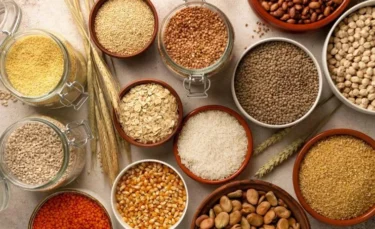
Whole grains support heart health through ample fibre content. This removes harmful cholesterol types, thus reducing the chance of heart disease and palpitations9.
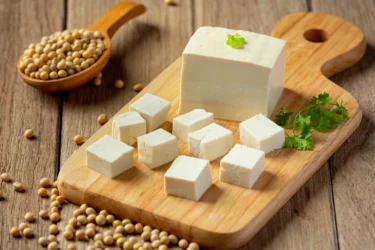
Soy foods are rich plant-based proteins. They offer various heart benefits like reducing blood pressure and cholesterol levels, helping in reducing palpitations10.

Magnesium is a mineral that helps proper functioning of heart. Magnesium administration has been shown to be beneficial in certain heart rhythm disoorders7. Thus, consuming foods rich in magnesium such as dark chocolate, avocado and nuts can help lower palpitations6.
Although further research is needed, some studies have found the benefits of a plant-based diet to help support normal heart rhythm7. It’s a good idea to follow a balanced diet and include the above-mentioned foods in your diet if you suffer from palpitations. But discuss with your doctor before including anything new in your routine diet if you suffer from underlying medical conditions.
Based on my understanding gained over the years, it is worth noting that certain foods, such as salami, and aged cheeses might potentially contribute to heart palpitations. These foods may contain a compound called tyramine, which has been associated with increased blood pressure13.
Dr. Rajeev Singh, BAMS
Also Read: What Your Troponin Levels Reveal Before a Heart Attack?
Lifestyle changes can have a big role in managing heart palpitations and keeping your heart healthy. Let’s see on how to do that.
I may suggest to stay away from consuming spicy foods, particularly when it comes to conditions such as heart palpitations. In my experience, I have observed that spicy foods might potentially trigger heart palpitations in certain individuals14.
Dr. Smita Barode, B.A.M.S, M.S.
Knowing more about heart palpitations, triggers, and effective management helps you lead a healthier life. Keeping active, having a balanced diet, getting enough rest and reducing stress can manage palpitations. Avoid food items like caffeinated drinks, excessive alcohol, red meat, processed or sugary foods and too much salt. But don’t forget that medical issues can also cause palpitations. So, always stay alert and seek medical help when needed.
Also Read: Food Items To Include In Your Diet If You Have Varicose Veins
A diet containing less known cardiac irritants and good amount of exercise, sleep and stress management can care for your heart.
If changing diet doesn’t ease heart palpitations, reach out to your healthcare provider. The palpitations might point to a hidden health issue needing medical attention.
While most palpitations are harmless, they can be discomforting. If they come with chest pain, loss of consciousness, uncommon sweating, dizziness or light-headedness, it’s serious. Seek medical help right away in such cases.
While occasional heart palpitations while sleeping can be normal, persistent or disruptive cases may indicate an underlying issue and should be evaluated by a healthcare professional for a comprehensive assessment.
In some cases, excessive gas and bloating may lead to increased pressure on the heart, causing palpitations. If symptoms persist or worsen, it’s advisable to consult a healthcare professional for a thorough evaluation.
To alleviate heart palpitations, try practicing deep breathing exercises, staying hydrated, and avoiding stimulants like caffeine. If symptoms persist or worsen, seek medical advice for a proper diagnosis and personalized treatment plan.
Yes, dehydration can contribute to heart palpitations by reducing blood volume and affecting electrolyte balance. Maintaining adequate hydration is important for cardiovascular health and may help prevent palpitations.
Vaping may contribute to heart palpitations, as certain substances in e-cigarettes can impact cardiovascular function. The long-term health effects of vaping, including its impact on heart health, are still being studied. Consultation with a healthcare professional is recommended for individuals experiencing palpitations related to vaping.
Yes, hormonal changes during menopause, particularly the decrease in oestrogen levels, can lead to heart palpitations in some women. While usually temporary, persistent or severe symptoms should be discussed with a healthcare professional.
Yes, gastro oesophageal reflux disease (GORD) can be associated with heart palpitations. The irritation of the oesophagus due to reflux may stimulate the vagus nerve, impacting heart rhythm. Consultation with a healthcare professional is advised for a proper evaluation.
The duration of heart palpitations varies, and they may last for a few seconds to several minutes. If palpitations persist or are accompanied by other concerning symptoms, it is advisable to consult a healthcare professional for a thorough evaluation.
Heart palpitations after eating can be triggered by various factors, such as the release of digestive hormones, increased blood flow to the digestive system, and consumption of stimulants like caffeine or high-sugar foods. Additionally, overeating or underlying medical conditions may contribute to this phenomenon.
Certain vitamins like magnesium and potassium play a role in maintaining heart rhythm, and deficiencies may contribute to palpitations. Ensuring a balanced diet with adequate levels of these vitamins can help support heart health and reduce the occurrence of palpitations.
For minimizing heart palpitations during sleep, lying on your left side is often recommended. This position can help reduce pressure on the heart and promote better blood flow, potentially decreasing the likelihood of palpitations.
Factors like anxiety, hormonal fluctuations, or sleep apnoea can contribute to heart palpitations at night; managing stress, maintaining a consistent sleep schedule, and addressing underlying health issues may help alleviate nighttime palpitations.
Disclaimer: The information provided here is for educational/awareness purposes only and is not intended to be a substitute for medical treatment by a healthcare professional and should not be relied upon to diagnose or treat any medical condition. The reader should consult a registered medical practitioner to determine the appropriateness of the information and before consuming any medication. PharmEasy does not provide any guarantee or warranty (express or implied) regarding the accuracy, adequacy, completeness, legality, reliability or usefulness of the information; and disclaims any liability arising thereof.
Links and product recommendations in the information provided here are advertisements of third-party products available on the website. PharmEasy does not make any representation on the accuracy or suitability of such products/services. Advertisements do not influence the editorial decisions or content. The information in this blog is subject to change without notice. The authors and administrators reserve the right to modify, add, or remove content without notification. It is your responsibility to review this disclaimer regularly for any changes.
3
Fluctuations in a woman’s sex drive are natural and often influenced by various physical, emotional, and lifestyle factors. However, a noticeable or persistent decline in sexual desire can sometimes indicate an underlying concern that may benefit from professional attention. Understanding female libido, what affects it, and how to support it is an important part of maintaining overall well-being.
This article aims to provide evidence-based information from a gynaecological perspective to help you better understand the factors that may influence female libido. We will discuss potential causes such as hormonal changes, stress, mental health, medical conditions, and lifestyle habits. Additionally, we will explore general wellness strategies and when it may be appropriate to consult a qualified healthcare provider.
Recognising the underlying reasons for a decrease in sexual desire is an important step towards addressing it effectively. Female libido is influenced by a range of physical, emotional, hormonal, and psychological factors. By understanding what may be contributing to low libido, individuals and healthcare professionals can work together to identify safe, appropriate, and personalised approaches that support overall well-being and quality of life.
Several medical conditions can affect female libido. In such cases, a comprehensive clinical assessment by a qualified healthcare professional is essential.
Stress, anxiety and depression can significantly influence a woman’s interest in sexual activity. These conditions often reduce energy levels, affect mood, and interfere with the ability to feel emotionally connected or relaxed, factors that are important for a healthy libido. In some cases, the medications used to treat these conditions may also impact sexual desire4.
Post childbirth, hormonal changes, and fatigue could lead to a decline in libido. The demands of caring for a newborn, combined with fatigue and sleep deprivation, can also affect libido.
Breastfeeding may play a role by lowering oestrogen levels, which can lead to vaginal dryness and reduced interest in sexual activity. In addition, concerns related to body image, healing after delivery, and adapting to new parenting responsibilities may further influence a woman’s sexual well-being during the post-partum period5.
Certain medications may contribute to a decrease in sexual desire. For example, some antidepressants, particularly selective serotonin reuptake inhibitors (SSRIs), are known to affect libido in some individuals. These medications can influence the brain’s chemical balance, which may in turn impact sexual interest and responsiveness.
Additionally, the use of combined oral contraceptive pills may lower libido in some women. This is thought to be due to a reduction in free testosterone levels, a hormone that plays a role in sexual desire6.
It is important not to stop or adjust any prescribed medication without consulting a qualified healthcare professional. If low libido is suspected to be a side effect of medication, a healthcare provider may be able to recommend alternatives or supportive strategies.
Adopting healthy habits is vital for good sexual health. Unhealthy habits like lack of exercise, a poor diet, excessive alcohol, and smoking can decrease libido7.
Mood disorders and the associated medications, high blood pressure, diabetes or simply changing a medicine that you usually take for medical conditions can cause a change in female sex drive (libido). Talk to your gynaecologist or general physician to find out a cause for change in the libido and find a suitable solution for the same.
Dr. Ashish Bajaj, M.B.B.S., M.D. in Clinical Pharmacology and Toxicology
A decline in sexual desire can be concerning, but it is important to remember that support is available. Several evidence-based approaches can help address the underlying causes of low libido and improve overall sexual well-being. The most suitable treatment will depend on individual circumstances and should ideally be guided by a qualified healthcare professional.
Counselling and education around sexual health can be highly beneficial, especially when no underlying medical condition is present. Speaking with a qualified mental health professional, such as a psychiatrist or psychologist, can help address emotional, psychological, or relational factors contributing to low libido.
Sexual health counselling may involve exploring communication within relationships, managing stress, improving body image, and understanding sexual response. In many cases, these interventions can significantly enhance intimacy and sexual satisfaction.
Hormone therapy may help improve sexual desire in women with confirmed hormonal imbalances. Oestrogen treatment can relieve symptoms such as vaginal dryness, which may support libido. In select cases, testosterone or DHEA therapy may be considered particularly for postmenopausal women diagnosed with hypoactive sexual desire disorder (HSDD). These treatments should only be used under specialist medical supervision8.
Adopting healthy lifestyle habits can positively influence sexual desire. Regular physical activity, a balanced diet, and stress management all contribute to overall well-being and may support libido. Ensuring adequate levels of nutrients such as iron and vitamin B12 is also important, as deficiencies particularly anaemia can lead to fatigue and reduced sexual interest.
When conventional approaches are not effective, some individuals explore complementary options.
L-arginine, DHEA, maca root, ginseng, black cohosh, red clover, chasteberry fruit, and ginkgo are some natural supplements that may help increase libido10. Herbal remedies should be used cautiously and only under medical supervision, many lack FDA approval, and some may interfere with medications or hormone-sensitive conditions.
Positive body image and self-esteem can support sexual well-being. Feeling confident and comfortable with oneself may contribute to improved libido.
Foods like honey and coffee are sometimes linked to increased arousal, though evidence is mostly anecdotal. Such foods may complement a healthy lifestyle but should not be relied upon as primary treatments11. While no solution offers instant results, seeking medical advice is advised for improvement in sexual health.
If low libido is causing distress, affecting the quality of life, or impacting your mental health or relationships, you should consult a doctor.
We cannot improve libido instantly. However, Ginseng, L-arginine, gingko biloba, and maca are a few ingredients that have been studied for their ability to improve female libido and sexual function. Certain practices like yoga and acupuncture may also be beneficial when paired with a healthy lifestyle.
Dr. M.G. Kartheeka, MBBS, MD(Pediatrics)
Also Read: Blue Waffle: Separating Fact from Fiction in Women’s Health
Each person’s libido varies and so do the factors affecting it. Improving libido requires understanding of both medical and emotional factors. From hormone imbalances to lifestyle habits, multiple contributors may be at play. Begin with healthy habits, open communication with your partner, and timely consultation with your gynaecologist. Tailored treatments, ranging from counselling to hormonal or vaginal therapies can offer safe and sustainable solutions.
Also Read: IVF (In Vitro Fertilization): What is It, Procedure, Steps, Side Effects & More
DHEA, maca root, ashwagandha, vitamin E with ginseng, and zinc are some. But their effectiveness varies and scientific proof backing their claims is limited. So, it is advised to consult with a healthcare provider before starting any supplement regimen.
Female libido booster foods like truffles, coffee, dark chocolate, bananas and avocados have been linked to increased arousal. But the extent to which these foods can specifically boost libido can vary and is yet to be confirmed scientifically.
FDA has approved a drug called flibanserin (Addyi) and bremelanotide (Vyleesi) for premenopausal women with HSDD. These are not female versions of Viagra and work differently
Women can follow good dietary habits, exercise regularly, sleep enough and manage stress. Having honest communication and focusing on foreplay in a relationship can also help. In case these measures don’t work, consult with a healthcare provider about medical treatments
Yes, female libido can often be restored through a combination of addressing underlying physical or psychological factors, adopting a healthy lifestyle, and exploring appropriate therapeutic interventions. Consulting with a healthcare professional can help identify personalized strategies for restoring and enhancing female libido.
While testosterone plays a role in female sexual function, its impact on libido is complex and varies. Some studies13 suggest that testosterone therapy may enhance female libido in certain cases, but it’s essential to consult with a healthcare professional to assess individual needs and potential risks before considering such interventions.
The effectiveness of hypnosis in enhancing female libido is not firmly established, and its impact varies among individuals. Consultation with a healthcare professional is advised to explore evidence-based approaches and address underlying factors contributing to changes in female libido.
While some studies12 suggest fenugreek may have potential benefits in boosting female libido by influencing hormonal levels, more research is needed to establish its effectiveness. It’s advisable to consult with a healthcare professional before incorporating fenugreek or any supplements into one’s routine.
Various factors can impact female libido, including hormonal changes, stress, relationship issues, medical conditions, and certain medications. Identifying and addressing these underlying factors, with guidance from a healthcare professional, can help improve female libido.
Vitamin D is associated with female libido, as it plays a role in hormone regulation. Ensuring adequate vitamin D levels through sunlight exposure, diet, or supplements may positively influence female sexual health, but individual needs vary.
Disclaimer: The information provided here is for educational/awareness purposes only and is not intended to be a substitute for medical treatment by a healthcare professional and should not be relied upon to diagnose or treat any medical condition. The reader should consult a registered medical practitioner to determine the appropriateness of the information and before consuming any medication. PharmEasy does not provide any guarantee or warranty (express or implied) regarding the accuracy, adequacy, completeness, legality, reliability or usefulness of the information; and disclaims any liability arising thereof.
Links and product recommendations in the information provided here are advertisements of third-party products available on the website. PharmEasy does not make any representation on the accuracy or suitability of such products/services. Advertisements do not influence the editorial decisions or content. The information in this blog is subject to change without notice. The authors and administrators reserve the right to modify, add, or remove content without notification. It is your responsibility to review this disclaimer regularly for any changes.
4
1
Living in a stressful world is a fact of life. Work, personal issues and daily challenges can upset our body’s cortisol balance. Cortisol, also known as the ‘stress hormone,’ is key to this process. But what is the best way to keep cortisol levels in check? Let’s explore.
This guide will give you a fresh look at cortisol and offer ways to keep it balanced. Plus, it will answer common questions about cortisol.
Did You Know?
Cortisol is a steroid hormone made by our adrenal glands. Usually labelled as the “stress hormone”, it has more to it. Let’s explore its role and the impact of its ups and downs on us.
Cortisol works as follows1:
Balance is the key here. Both high and low cortisol levels can cause problems2.
Patients commonly presenting with frequent headaches, unexpected weight gain, irritability, and hypertension may be diagnosed to have increased cortisol levels. Having a correct cortisol balance is essential for your health, and producing too much or too little cortisol can cause health problems.
Dr. Ashish Bajaj, M.B.B.S., M.D. in Clinical Pharmacology and Toxicology
What disrupts the cortisol balance? Cortisol levels can get out of sync for several reasons. Common disruptors include:
High cortisol3 may lead to
As mentioned, cortisol has a hand in many vital functions of the body4,5. So if its levels go haywire, our health could take a hit, ranging from minor to severe issues.
L-theanine is an amino acid found in black tea, green tea, and some brands of dark chocolate. Research suggests it produces a state of calmness for up to three hours by reducing cortisol levels and blunting cortisol responses.
Dr. M.G. Kartheeka, MBBS, MD(Pediatrics)
Now that we know why it’s essential to keep cortisol levels in check, let’s look at ways to manage and regulate them better.

Stress and cortisol are linked. A consistent daily routine of stress-management is key to regulating cortisol, as controlling stress directly influences your body’s hormone levels.

As much as activity matters, so do periods of rest. These ‘rest’ sessions allow your body to relax and cut back on cortisol release.

“We are what we eat.” This phrase holds true for cortisol, too. The foods you consume can either contribute to a rise in cortisol or help regulate it6,7.
Although initial studies have shown that these food items may be helpful, further large-scale human trials are needed to prove this. It is best to consume them in moderation.
Following a healthy diet and lifestyle is beneficial. But cases of high cortisol levels in lab reports must be evaluated and treated by an endocrinologist. Very high cortisol levels will not respond merely by diet and lifestyle changes.
Dr. Arpit Verma, MBBS, MD (Pharmacology)

Caffeine might perk you up, but it’s a cortisol buster. Drinks with caffeine like coffee can kick up cortisol, leading to a brief spike in its levels. Try cutting back on caffeine, especially before bedtime, to avoid throwing off the sleep pattern4.

There’s nothing like a good night’s sleep to revitalize body and mind. Good, consistent sleep lets cortisol levels reset, leaving you fresh for the next day6. Create a calming pre-sleep routine, try to wake and sleep at the same time each day, and make sure your resting space invites sleep.

Physical activity lifts your mood naturally. Regular exercises at moderate intensity can reduce cortisol and up the levels of endorphins, nature’s happy hormones6,8.

Good times with loved ones and social activities are key to warding off stress. Strong bonds and positive social events breed joy and provide necessary emotional support, all of which help manage stress and, in turn, cortisol levels6,8.
Dealing with cortisol requires a full-picture approach rather than piecemeal solutions. Choosing a lifestyle that includes more calming activities could bring bigger rewards.
Also Read: High Prolactin Levels (Hyperprolactinemia): Causes, Symptoms, Diagnosis, and Treatment
Dealing with life’s stresses can be challenging and affect our health. Understanding cortisol’s impact on health, and how to manage it can seem intimidating, but it’s achievable. It’s essential to recognize that cortisol itself is not the problem; the imbalance is. Stress management, a balanced diet, sufficient sleep, exercise, and nurturing relationships are essential for managing cortisol levels. Additionally, simple lifestyle adjustments and the use of scientifically-supported supplements can help maintain a healthy cortisol balance.
Several factors can cause abnormal cortisol levels. Chronic stress, poor sleep, unhealthy diet, and certain medical conditions like Cushing Syndrome, Addison’s disease, and adrenal insufficiency could all disrupt normal cortisol regulation. Some medications, particularly corticosteroids, can increase cortisol levels as well.
There are no magic tricks to drop cortisol levels instantly. However, long-term lifestyle changes like stress management, regular exercise, and a healthy diet can help manage cortisol levels effectively over time. Methods like deep breathing or meditation can also bring quick calming effects.
Certain foods such as green tea, dark chocolate (in moderation), bananas, and garlic can lower cortisol levels. Citrus fruits and strawberries, which are rich in Vitamin C, may help stabilize cortisol, although long-term studies are needed to corroborate this.
Yes, there are some natural ways. Controlling stress, ensuring enough sleep, regular exercise and a balanced diet are just a few natural ways to manage cortisol levels.
High cortisol over time can lead to swift weight gain mainly in the face and upper body, thinner skin that bruises easily, and mood swings. It can cause irregular menstrual cycles in women too.
If you notice physical signs of high cortisol like fast weight gain, high blood pressure, or mood swings, it’s time to see a doctor. Your healthcare provider will tell you if and when it would be appropriate to get your cortisol levels checked.
For most people, it’s possible to keep cortisol balanced by adopting healthy habits like managing stress, regular exercise, eating a nutritious diet, ensuring good sleep, and nurturing healthy relationships. But if changes in lifestyle aren’t enough to manage levels or severe symptoms show up, it’s important to seek advice from a healthcare provider as it may be an underlying health issue.
Disclaimer: The information provided here is for educational/awareness purposes only and is not intended to be a substitute for medical treatment by a healthcare professional and should not be relied upon to diagnose or treat any medical condition. The reader should consult a registered medical practitioner to determine the appropriateness of the information before consuming any medication. PharmEasy does not provide any guarantee or warranty (express or implied) regarding the accuracy, adequacy, completeness, legality, reliability, or usefulness of the information; and disclaims any liability arising thereof.
Links and product recommendations in the information provided here are advertisements of third-party products available on the website. PharmEasy does not make any representation of the accuracy or suitability of such products/services. Advertisements do not influence the editorial decisions or content. The information in this blog is subject to change without notice. The authors and administrators reserve the right to modify, add, or remove content without notification. It is your responsibility to review this disclaimer regularly for any changes.
1
Emerging research and traditional health systems suggest that what we eat may play a role in supporting sexual health. This article explores how certain dietary habits and lifestyle adjustments might contribute to improved sexual well-being in both men and women. While diet is not a standalone cure, it can be one part of a broader, medically informed approach to enhancing sexual health.
This article also highlights the importance of open communication with partners, attention to mental health, and regular medical check-ups. Sexual health is influenced by a complex interplay of physical, psychological, hormonal, and relational factors, far beyond just performance.
Reminder: The information shared here is for educational purposes only and the reader should consult a registered medical practitioner before implementing any changes to their health routine.
To support sexual well-being, it is important to understand common conditions such as premature ejaculation and erectile dysfunction. These issues can affect individuals of various ages and may be linked to a range of physical, psychological, and lifestyle factors.
Premature Ejaculation refers to a condition in which ejaculation occurs sooner than desired, often shortly after sexual activity begins, and with minimal stimulation. Erectile Dysfunction is the persistent difficulty in achieving or maintaining an erection sufficient for satisfactory sexual intercourse1.
A whole lot of things can lead to these conditions, these include, stress, worry, sadness, guilt, or certain physical illnesses2.
Brain chemistry and healthy blood flow to the genital area play a significant role in sexual function. Disruptions in hormone levels, imbalances in neurotransmitters (the brain’s chemical messengers), and impaired circulation can all contribute to conditions such as erectile dysfunction and premature ejaculation1.
There are several natural approaches that may help improve sexual stamina and overall satisfaction. Making certain lifestyle modifications, such as managing stress, maintaining a balanced diet, engaging in regular physical activity, and seeking appropriate therapeutic support can contribute positively to sexual health. However, it is important to note that individual results may vary, and such measures should not be viewed as guaranteed solutions.
Sexual stamina may be supported through small yet consistent adjustments to one’s daily routine. Incorporating healthier habits, such as improved sleep, balanced nutrition, regular exercise, and stress reduction can have a beneficial impact on overall sexual well-being2.
Smoking has been shown to impair blood circulation, increase the risk of erectile dysfunction, and reduce sperm quality and count. Quitting tobacco use can significantly improve vascular health and may contribute to better sexual function and fertility outcomes3.
Engaging in regular physical activity supports cardiovascular health, which is essential for maintaining adequate blood flow throughout the body, including the genital area. Improved heart health can, in turn, enhance sexual stamina and overall physical endurance4.
According to Ayurvedic medicine10, the tuberous roots of Chlorophytum borivilianum, also known as safed musli, have immunomodulatory and adaptogenic properties. These properties are thought to support overall well-being and, in some traditional contexts, have been associated with improved male reproductive health, including enhanced vitality and sexual function.
Dr. Siddharth Gupta, B.A.M.S, M.D (Ayu)
Some of the different therapies that may help improve sexual stamina are as follows:
Acupuncture is a traditional therapy that may stimulate the nervous system and influence hormone release, potentially supporting sexual stamina. However, current evidence is limited, and it should be considered a complementary approach under professional guidance5.
Seeking professional support, such as counselling, can provide valuable guidance and strategies to address challenges related to sexual health6.
Finally, it is important to consult a healthcare professional to exclude any underlying medical conditions that may be affecting your sexual health2.

Oysters are traditionally regarded as an aphrodisiac, largely because they are rich in zinc. Zinc plays an important role in testosterone production, which may contribute to supporting sexual health and stamina. However, it is important to note that scientific evidence linking oyster consumption directly to improved sexual performance is limited7.
Dark chocolate contains flavonoids that help improve blood flow and boost mood. It also contains a chemical called phenylethylamine which can stimulate the release of endorphins, thereby, promoting feelings of pleasure and well-being7.

Watermelon is a refreshing fruit that contains an amino acid called citrulline which relaxes blood vessels and improving circulation. Improved blood flow can potentially enhance sexual performance7.

Spinach is rich in nutrients, such as folate, magnesium, and vitamins, which help increase blood flow and promote overall cardiovascular health. These benefits may help boost energy and support vitality7.

Bananas are rich in potassium, which supports muscle function, including the muscles involved in sexual activity. They also contain bromelain, an enzyme that some traditional sources suggest may enhance libido. However, scientific evidence supporting this effect is limited and inconclusive7.
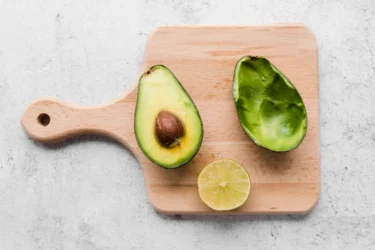
Avocados are a source of healthy fats, vitamin E, and potassium. These nutrients support cardiovascular health, enhance blood flow, and promote energy levels, potentially helping sexual stamina7.

Strawberries are not only delicious but also contain high levels of antioxidants, vitamins, and minerals. They can improve blood flow and promote heart health, potentially contributing to sexual stamina7.
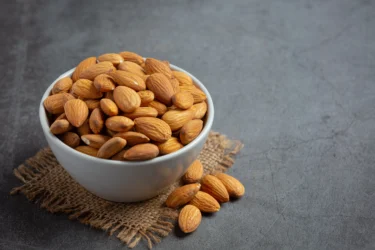
Almonds are a nutrient-dense snack that provides essential fatty acids, vitamins, and minerals. They contribute to cardiovascular health and provide sustained energy, which may help support physical endurance, including sexual stamina7.

Ginseng is an adaptogenic herb that has been used traditionally to boost energy levels and enhance sexual performance. Some preliminary studies suggest that it may help improve stamina and reduce feelings of fatigue7.

Fatty fish like salmon, mackerel, and sardines are rich in omega-3 fatty acids, which promote cardiovascular health and improve blood flow. These benefits may contribute positively to overall sexual vitality7.
Based on traditional use and preliminary observations, Tribulus terrestris (commonly known as Gokharu) is believed to support libido and sperm production. It is thought that extracts of this plant may influence androgen metabolism, potentially increasing levels of testosterone, luteinising hormone, and related hormones. These hormonal effects are proposed to contribute to improved sexual function and reproductive health in men10.
Dr. Smita Barode, B.A.M.S, M.S.
Many over-the-counter products claim to treat premature ejaculation and erectile dysfunction; however, in the absence of rigorous scientific evidence, these remedies may be ineffective or potentially unsafe. It is essential to consult a healthcare professional before using such products.
Although some treatments are available without a prescription, they may carry significant risks, including side effects, allergic reactions, or dangerous interactions with other medications. It is important to exercise caution and seek medical advice before using any such products2.
Avoid using treatments that have not been approved or recommended by a qualified healthcare professional. Always consult your doctor before commencing any therapy for sexual health concerns.
Also Read: Top 18 Zinc-Rich Foods For Vegetarians
While nutrition plays an important role in supporting sexual health, it is only one part of a broader picture. Other crucial factors include mental well-being, hormonal balance, physical fitness, and open communication with one’s partner.
Discussing concerns and strategies to enhance sexual well-being with your partner can strengthen emotional intimacy and improve relationship satisfaction.
Engaging in extended foreplay and exploring a variety of sexual techniques can enhance mutual satisfaction and reduce performance-related anxiety, contributing to a more fulfilling and relaxed sexual experience9.
In some cases, medical devices or prescribed medications may be necessary to address sexual health concerns. It is essential to consult a qualified healthcare professional before initiating any such treatment.
Based on traditional use, Mondia whitei, commonly known as White’s ginger has been used in some cultures to help manage erectile dysfunction and enhance libido. It is also traditionally believed to support sperm production and male reproductive health10.
Dr. Rajeev Singh, BAMS
It is important to recognise that psychological well-being plays a significant role in sexual performance. Factors such as stress, anxiety, and self-esteem can greatly influence one’s sexual experience and satisfaction2.
Chronic stress can significantly reduce libido and impact overall sexual well-being. Incorporating stress-reducing practices such as deep breathing exercises, mindfulness meditation, or yoga into your daily routine may help improve mental balance and support a healthier sex life2.
Practising mindfulness can support better mental health by enhancing focus and self-awareness. This may, in turn, improve self-control and contribute to increased sexual stamina8.
Also Read: Why Does Sperm Sometimes Smell Fishy?
Experiencing challenges related to sexual health can feel overwhelming, but they are often manageable with the right support and guidance. A multifaceted approach including nutritious food choices, the inclusion of omega-3 fatty acids, mental wellness practices, and open communication with one’s partner can be beneficial.
Combining these strategies with a clear understanding of one’s condition, appropriate lifestyle modifications, professional counselling, and, where necessary, medical treatment, can lead to a more satisfying and balanced sex life.
It is essential to remember that sexual health is not solely about performance. It also encompasses comfort, consent, emotional intimacy, and mutual satisfaction. Both men and women are encouraged to consult a qualified healthcare professional for personalised advice, especially when facing issues such as chronic pain, vaginal dryness, or hormonal imbalances that may affect intimacy.
Also Read: Does Masturbation Cause Weight Loss? Debunking Sexual Health Misconceptions
Certain exercises, such as Kegel exercises, the ‘stop-start’ technique, and maintaining overall physical activity, may help support improved sexual control and stamina.
Simple but effective measures, such as quitting smoking, engaging in regular physical activity, and seeking appropriate therapeutic support can assist in managing premature ejaculation when tailored to individual needs.
A diet rich in fruits, vegetables, and foods containing omega-3 fatty acids is beneficial for overall health, including sexual well-being.
Yes, premature ejaculation refers to reaching climax sooner than desired during sexual activity. Erectile dysfunction, on the other hand, involves difficulty in achieving or maintaining an erection sufficient for satisfactory intercourse.
You should consult a healthcare professional if premature ejaculation occurs frequently or if you experience pain during sexual activity. Additionally, routine medical check-ups can help identify any underlying health issues that may be affecting your sexual well-being.
To support sexual stamina, it is advisable to limit the intake of foods high in sugar and refined carbohydrates, as these may lead to fluctuations in energy levels. Additionally, reducing alcohol consumption can have a positive impact on sexual performance and endurance.
Ashwagandha is believed to enhance sexual stamina by reducing stress and improving energy levels. Its adaptogenic properties help in balancing hormones, which can contribute to improved sexual performance.
While alcohol can reduce anxiety and delay ejaculation, it often impairs overall sexual performance and stamina. Excessive drinking can lead to difficulties in achieving and maintaining an erection.
Yes, regular exercise improves cardiovascular health, boosts stamina, reduces stress, and enhances overall physical fitness, all of which can contribute to improved and prolonged sexual performance.
Lasting longer in bed can be influenced by genetic factors, such as hormonal levels and neurological function. However, lifestyle choices, mental health, and physical fitness also play significant roles in sexual stamina.
Disclaimer: The information provided here is for educational/awareness purposes only and is not intended to be a substitute for medical treatment by a healthcare professional and should not be relied upon to diagnose or treat any medical condition. The reader should consult a registered medical practitioner to determine the appropriateness of the information and before consuming any medication. PharmEasy does not provide any guarantee or warranty (express or implied) regarding the accuracy, adequacy, completeness, legality, reliability or usefulness of the information; and disclaims any liability arising thereof.
Links and product recommendations in the information provided here are advertisements of third-party products available on the website. PharmEasy does not make any representation on the accuracy or suitability of such products/services. Advertisements do not influence the editorial decisions or content. The information in this blog is subject to change without notice. The authors and administrators reserve the right to modify, add, or remove content without notification. It is your responsibility to review this disclaimer regularly for any changes.
41
Gastro-oesophageal reflux disease, also known as GERD or GORD, is a prevalent condition where stomach acid flows back into the oesophagus, causing discomfort and unpleasant symptoms. The condition often arises from a weakened muscle at the bottom of the oesophagus and can lead to heartburn and an unpleasant taste in the mouth. While it can be a minor inconvenience for some, others may suffer from severe, long-term effects. There are many measures and medications available to manage GERD, and in some cases, surgical intervention may be necessary1. Let us further explore the causes, symptoms, and treatment options for GERD.
Here are some signs and symptoms of gastro-oesophageal reflux disease:
Gastroesophageal reflux disease (GERD) can occur when the lower oesophageal sphincter weakens or relaxes at inappropriate times. Certain factors that may cause the lower oesophageal sphincter to malfunction and lead to GERD include:
GERD (Gastroesophageal Reflux Disease) has both non-modifiable and modifiable risk factors that can lead to its symptoms. Here are some factors that can contribute to GERD:
It’s crucial to identify modifiable risk factors for GERD to prevent and manage its symptoms effectively through dietary interventions3.
Diagnosis of GERD can involve the following steps:
Diagnostic tests may be performed if:
Diagnostic procedures for GERD may include:
Diagnostic tests are necessary to evaluate the complications and rule out other serious conditions4,5.
Treatment for GERD may include the following:
GERD can be treated with medicines but it’s important to talk to your doctor first. Some of the medications may include:
Surgery is recommended if other treatments have not been effective or if you wish to stop taking long-term medications. Here are some surgical treatments for GERD:
GERD can lead to various complications, especially if left untreated. Some of the possible complications of GERD include:
It is advisable to seek medical attention from your healthcare provider if:
Also Read: Acidity Problems? 21 Home Remedies That Can Help
GERD is a common but potentially serious condition that affects the digestive system and can significantly impact daily life. Although manageable, GERD can worsen over time and lead to serious complications such as Barrett’s oesophagus and oesophageal damage if not identified and treated early. Since there is no permanent cure for GERD, a combination of lifestyle changes and appropriate medical treatment remains the most effective way to control symptoms and prevent complications.
Eating smaller meals, avoiding trigger foods, maintaining a healthy weight, quitting smoking, and seeking timely medical attention when symptoms persist are essential steps in managing GERD effectively. In addition to this, increased awareness of the risk factors and early diagnosis can play a crucial role in improving outcomes and preventing long-term damage to the oesophagus.
Also Read: Cholera: Symptoms, Causes, Treatment & Prevention
GERD symptoms can interfere with sleep, causing insomnia or poor-quality sleep. Elevating the head of the bed and avoiding lying down after eating may help improve sleep quality.
Yes, exercise is important for overall health, including managing GERD. However, it is best to wait at least two hours after eating.
Acid reflux is a symptom of GERD. GERD is a chronic condition where stomach acid flows back into the oesophagus and causes frequent symptoms.
Yes, hormonal changes and pressure on the stomach from a growing fetus can cause GERD during pregnancy.
No, GERD cannot be cured, but it can be managed with lifestyle changes and medications.
Disclaimer: The information provided here is for educational/awareness purposes only and is not intended to be a substitute for medical treatment by a healthcare professional and should not be relied upon to diagnose or treat any medical condition. The reader should consult a registered medical practitioner to determine the appropriateness of the information before consuming any medication. PharmEasy does not provide any guarantee or warranty (express or implied) regarding the accuracy, adequacy, completeness, legality, reliability, or usefulness of the information; and disclaims any liability arising thereof.
Links and product recommendations in the information provided here are advertisements of third-party products available on the website. PharmEasy does not make any representation of the accuracy or suitability of such products/services. Advertisements do not influence the editorial decisions or content. The information in this blog is subject to change without notice. The authors and administrators reserve the right to modify, add, or remove content without notification. It is your responsibility to review this disclaimer regularly for any changes.
1
0
Have you ever wondered how your body fights off infections? B-cells are a type of white blood cell (WBC) that help your body fight off infections. Burkitt lymphoma (BL) is a type of cancer that affects these B-cells and causes them to grow uncontrollably. It’s a very aggressive cancer that can spread quickly throughout the body. The exact causes of Burkitt lymphoma are still not fully understood, but we do know that certain factors like viral infections and genetic mutations can increase the risk of developing this disease.
There are three types of Burkitt lymphoma: endemic, sporadic, and immunodeficiency-related.
Let us dive deeper into what Burkitt lymphoma is, its causes and types, how it is diagnosed and treated, and the role of healthcare professionals towards it1.
Did You Know?
Burkitt lymphoma can have different signs and symptoms depending on the type of the disease. However, some symptoms may be similar to each other. They are as follows:
Here are the major causes of Burkitt Lymphoma:
Here are some risk factors for Burkitt lymphoma:
It’s important to note that having one or more of these risk factors does not necessarily mean a person will develop Burkitt lymphoma. It merely increases the chances of its occurrence.
Burkitt’s lymphoma is a rare and aggressive type of non-Hodgkin’s lymphoma that affects B-cells. The following are some diagnostic methods or tests done for Burkitt’s lymphoma:
Burkitt’s lymphoma, a type of cancer that affects the lymphatic system (the part of our body that fights off infections and keeps our fluid balance normal), can have several complications. They can be divided into three types and are discussed below:
It’s important to work closely with your healthcare team to manage these complications and maintain your overall health1,11.
Here are some treatment options for Burkitt lymphoma:

Prevention may be key in managing Burkitt lymphoma. Let us see some preventive measures to follow:
Because Burkitt lymphoma can progress rapidly, new or unexplained changes in your health should not be ignored. Consider consulting a doctor if you:
Seek urgent medical attention if you have severe abdominal pain or swelling, persistent vomiting, difficulty breathing, significant bleeding, new confusion, severe headache, seizures, or other rapidly worsening symptoms.
These symptoms do not necessarily mean you have Burkitt lymphoma, as many can occur with other conditions. However, timely medical assessment is important
Also Read: Blood Cancer: Symptoms, Causes, Types, Stages & Treatment Options
Burkitt lymphoma is a condition where timely medical care matters. Because it can progress rapidly, unexplained or unusual changes in health deserve appropriate medical evaluation rather than being overlooked or attributed to less serious causes. A confirmed diagnosis also helps the healthcare team determine the most suitable course of care for the individual.
If you or someone you know is undergoing evaluation or treatment for Burkitt lymphoma, staying in regular communication with the treating healthcare team and following the recommended care plan can help support better management of the condition.
The prognosis can vary depending on the individual case, but early diagnosis and treatment can greatly improve outcomes.
If you are experiencing symptoms that could be related to Burkitt’s lymphoma, see a doctor as soon as possible.
If you are experiencing symptoms that could be related to Burkitt’s lymphoma, see a doctor as soon as possible.
Yes, Burkitt lymphoma can affect the bone marrow, leading to symptoms such as anaemia, fatigue, and easy bruising or bleeding.
Yes, Burkitt lymphoma can recur after treatment, particularly if the initial treatment was not completely effective or if the disease has spread to other organs.
Disclaimer: The information provided here is for educational/awareness purposes only and is not intended to be a substitute for medical treatment by a healthcare professional and should not be relied upon to diagnose or treat any medical condition. The reader should consult a registered medical practitioner to determine the appropriateness of the information and before consuming any medication. PharmEasy does not provide any guarantee or warranty (express or implied) regarding the accuracy, adequacy, completeness, legality, reliability or usefulness of the information; and disclaims any liability arising thereof.
Links and product recommendations in the information provided here are advertisements of third-party products available on the website. PharmEasy does not make any representation on the accuracy or suitability of such products/services. Advertisements do not influence the editorial decisions or content. The information in this blog is subject to change without notice. The authors and administrators reserve the right to modify, add, or remove content without notification. It is your responsibility to review this disclaimer regularly for any changes.
1
0
Discussing the pleasures and health benefits of certain solo endeavours may raise many eyebrows, such as in the case of masturbation and its association with prostate cancer. It is a malignant tumour of the prostate gland and is one of the main causes of death due to cancer in men worldwide. It is the third most common cancer in Indian men and has been linked to risk factors like vasectomy procedures, obesity, diabetes mellitus, and poor BMI1. Men will be glad to know that studies suggest that frequent ejaculation through intercourse or masturbation has health benefits, and lowering the risk of prostate cancer is one of them2. Contrary to popular belief, masturbation, if done in moderation, does not increase the risk of prostate cancer.
Masturbation is a common sexual act that has been misunderstood and seen as taboo by society. It involves self-stimulation of the genitalia to achieve sexual release, orgasm, or ejaculation and feel sexual pleasure. People of all genders and sexual orientations can engage in this private activity. It can be both self or partner-assisted.
The ejaculate in men is essentially semen, which contains a large portion of the seminal fluid, a sperm-nourishing liquid. The prostate gland, which is found in men just below the urinary bladder, is responsible for producing this seminal fluid. Hence, the close link between masturbation and prostate cancer cannot be ignored2.
Regular masturbation can be beneficial for the prostate’s health, which can thereby reduce the risk of prostate cancer. Here are a few benefits of masturbation:
One of the most extensive studies was published in European Urology in 2016, in which over 31,000 males were followed for over 20 years. The researchers concluded that frequent ejaculators (irrespective of masturbation or intercourse) had lower prostate cancer rates than other males4.
The precise reason for the positive relationship between masturbation and prostate cancer is not entirely understood since the cancer of the prostate gland is multifactorial. Studies show prolonged contact between the cells of the prostate gland and their secretions, such as seminal fluid, which contains sufficient levels of zinc, phosphates, citric acid, and the male hormone di-hydrotestosterone (DHT), may accelerate the growth of cancer5. Hence, it may be derived that masturbation reduces the contact between the cells and fluids of the prostate gland. However, this fact has yet to be proven.
There are several factors as mentioned below that affect the risk of developing prostate cancer. While some of these factors are beyond our control, knowing them can still help men make wise choices regarding their health6.
Also Read: Penile Cancer: Symptoms, Diagnosis & Treatment
While the research on the specific benefits of masturbation for prostate health is still developing, several studies have been conducted to provide an overview of the psychological and physiological health advantages of masturbation and other sexual behaviours that cause ejaculation in men5,7.
The following are a few potential advantages of masturbation for prostate health:
Masturbation and prostate cancer have an intricate relationship. As explained, prostate cancer risk can be decreased by ejaculations through sexual acts like masturbation5,7.
Masturbation involves external genital stimulation, which indirectly affects the prostate gland. This stimulation may keep the gland active, induce the healthy formation of seminal fluid, and drain the fluid periodically. All of these processes are natural and necessary to maintain the health of a secretory gland5,7.
Sexual activity, including masturbation, improves blood flow to the genital area. An increase in blood flow can help the prostate gland function optimally by supplying it with oxygen and other vital nutrients5,7.
Masturbation is a private, intimate, fulfilling, and pleasurable sexual activity that can help people unwind and reduce stress. Prostate difficulties and other health problems have been related to chronic stress. Masturbation may indirectly improve prostate health by lowering stress levels5,7.
Masturbation gives people a chance to know their bodies, sexual preferences, and reactions. Understanding sexual desires and pleasure can help with sexual self-awareness. Accepting your own sexuality and engaging in sexual behaviours that are pleasurable and satisfying, can both be beneficial for your sexual well-being5,7.
Studies suggest that infrequent ejaculation can improve sperm count and volume, while frequent ejaculation can often enhance sperm quality, morphology, and DNA fragmentation (breakages and patterns in the genetic material of the sperm)8.
Following an orgasm, your body releases oxytocin, a stress-reducing hormone, and blocks cortisol, a stress-inducing hormone. Research9 says that orgasms shorten the time it takes to fall asleep and enhance the quality of sleep.
Also Read: How Exercise Can Help You Deal with Breast Cancer
The inverse relationship between masturbation and prostate cancer clearly requires more scientific studies. In a country like India, it is still difficult for physicians to record a detailed history of self-stimulation or masturbation. There is a long way to go before doctors start prescribing ‘masturbation’ for better sexual health. The majority of factors that increase the chances of prostrate cancer, such as age and family history of the illness, are unchangeable. Hence, if there exists a natural and pleasurable way of reducing the risks of prostate cancer, then why not try it?
Also Read: Is Daily Sex Good for Health?
The frequency of ejaculations varies greatly from person to person and is affected by factors like age, health, and sexual choices. There is no set quota or suggested frequency for ejaculation. However, excessive acts of masturbation could be bad.
An infection or inflammation of the prostate gland, known as prostatitis, is caused by bacteria or other elements. In some people, excessive intercourse, including many ejaculations, may cause momentary pain or annoyance in the prostate or pelvic region. A proposed reason for the symptoms of chronic Prostatitis/Chronic pelvic pain syndrome is frequent ejaculation-associated free radical and lactic acid accumulation, which results in noninfectious inflammation and muscle weakness, not prostatitis10.
Age, sedentary lifestyle, chronic stress, and processed food/ red meat are a few aggravating factors in prostate cancer. If you have a family history of prostate cancer, it is best that you stay away from these.
Maintain a healthy weight, avoid processed foods with preservatives, hydrate yourself better, exercise regularly and avoid self-medicating with hormonal supplements that may derange the levels of testosterone to keep your prostate healthy
-Difficulty in the start of urination
-An interrupted flow of urine
-The desire to urinate multiple times, especially at night
-Pain while urinating
-Mild specks of blood in the urine and the semen
Disclaimer: The information provided here is for educational/awareness purposes only and is not intended to be a substitute for medical treatment by a healthcare professional and should not be relied upon to diagnose or treat any medical condition. The reader should consult a registered medical practitioner to determine the appropriateness of the information and before consuming any medication. PharmEasy does not provide any guarantee or warranty (express or implied) regarding the accuracy, adequacy, completeness, legality, reliability or usefulness of the information; and disclaims any liability arising thereof.
Links and product recommendations in the information provided here are advertisements of third-party products available on the website. PharmEasy does not make any representation on the accuracy or suitability of such products/services. Advertisements do not influence the editorial decisions or content. The information in this blog is subject to change without notice. The authors and administrators reserve the right to modify, add, or remove content without notification. It is your responsibility to review this disclaimer regularly for any changes.
42
1
Blood cells known as platelets help stop bleeding by the formation of blood clots. In adults, an ordinary platelet count or level is between 150,000 and 450,000 platelets per microliter of blood. However, sometimes these levels might differ and get reduced due to certain conditions.
Insufficient platelet count known as thrombocytopenia, causes easy bruising and bleeding tendencies. It lead to lack of blood clot formation making it difficult for the bleeding to stop after an injury1. In this blog, we will discuss about low platelet counts in detail- their causes, presentation and management.
One of the initial signs, when they do occur, is a cut that will not stop bleeding. Additional signs include2,3:
Symptoms of low platelet count2:
Some patients with moderately low platelet count do not exhibit any symptoms. They may also report nonspecific symptoms like easy bruising, skin rashes and bleeding from gums and other areas of mouth1,2.
There are three primary causes of reduced platelets:
Insufficient platelets are produced in the bone marrow
If you suffer from either of the following kinds of disorders, your bone marrow might not produce enough platelets.
In aplastic anaemia, the bone marrow fails to produce enough blood cells. This might be due to1:
In the case of myelodysplastic syndrome, the bone marrow either produces insufficient or faulty blood cells. This might be due to1:
The factors that contribute to a low platelet count are crucial for identifying individuals who may be at risk4:
Diagnostic methods for low platelet count:
Healthcare providers can often improve platelet counts by addressing the underlying cause, which may involve changes in medication. Additional treatment options may include:
Also Read: How To Increase Platelet Count Naturally
It is important for your doctor to know if you have any medical conditions or take medications that increase your risk of developing thrombocytopenia. If you are not sure, consult your doctor to find out if there are any prescription drugs or activities you should avoid.
Severe low platelet count can make patients more prone to1,8:
Thrombocytopenia symptoms can develop suddenly or over the years. It might also cause bleeding in more than one part of your body. Seek immediate medical help if1:
Low platelet count, or thrombocytopenia, can arise from various causes ranging from infections and medications to chronic health conditions. Therefore, recognising symptoms such as easy bruising, prolonged bleeding, or unexplained fatigue is crucial for timely diagnosis.
With proper medical evaluation and treatment, whether through lifestyle changes, medications, or targeted therapies, most cases can be effectively managed. Keep in mind that early detection and appropriate care play a key role in preventing complications and ensuring better health outcomes.
Complete Blood Count test, blood clotting time test, and peripheral blood cells test1.
Based on the root cause of low platelet count, doctors help improve the count of platelets1.
Low platelet count is also called thrombocytopenia2.
In a healthy, normal person, the platelet count is between 150 and 450 thousand per microliter of blood1.
Mild, moderate, and severe are the three levels of thrombocytopenia1.
1. Jinna S, Khandhar PB. Thrombocytopenia. [Internet]. StatPearls Publishing; [cited 2025 Sep 16]. Available from: https://www.ncbi.nlm.nih.gov/books/NBK542208/
2. National Heart, Lung, and Blood Institute. Platelet Disorders – Thrombocytopenia [Internet]. NHLBI, NIH; [cited 2025 Sep 16]. Available from: https://www.nhlbi.nih.gov/health/thrombocytopenia
3. Wilson ID. Hematemesis, Melena, and Hematochezia. In: Walker HK, Hall WD, Hurst JW, editors. Clinical Methods: The History, Physical, and Laboratory Examinations. 3rd ed. Boston: Butterworths; 1990. Chapter 85. Available from: https://www.ncbi.nlm.nih.gov/books/NBK411/
4. National Heart, Lung, and Blood Institute. Platelet Disorders – Causes and Risk Factors [Internet]. NHLBI, NIH; [cited 2025 Sep 16]. Available from: https://www.nhlbi.nih.gov/health/platelet-disorders/causes
5. Mangla A, Hamad H. Thrombocytopenia in Pregnancy [Internet]. StatPearls Publishing; [cited 2025 Sep 16]. Available from: https://www.ncbi.nlm.nih.gov/books/NBK547705/
6. Hernáez Á, Lassale C, Castro-Barquero S, Ros E, Tresserra-Rimbau A, Castañer O, et al. Mediterranean Diet Maintained Platelet Count within a Healthy Range and Decreased Thrombocytopenia-Related Mortality Risk: A Randomized Controlled Trial. Nutrients. 2021 Feb 8;13(2):559. Available from: https://pubmed.ncbi.nlm.nih.gov/33567733/
7. Izak M, Bussel JB. Management of thrombocytopenia. F1000Prime Rep. 2014 Jun 2;6:45. Available from: https://pmc.ncbi.nlm.nih.gov/articles/PMC4047949/
8. Ashworth I, Thielemans L, Chevassut T. Thrombocytopenia: the good, the bad and the ugly. Clin Med (Lond). 2022 May;22(3):214-217. Available from: https://pmc.ncbi.nlm.nih.gov/articles/PMC9135082/
Disclaimer: The information provided here is for educational/awareness purposes only and is not intended to be a substitute for medical treatment by a healthcare professional and should not be relied upon to diagnose or treat any medical condition. The reader should consult a registered medical practitioner to determine the appropriateness of the information and before consuming any medication. PharmEasy does not provide any guarantee or warranty (express or implied) regarding the accuracy, adequacy, completeness, legality, reliability or usefulness of the information; and disclaims any liability arising thereof.
Links and product recommendations in the information provided here are advertisements of third-party products available on the website. PharmEasy does not make any representation of the accuracy or suitability of such products/services. Advertisements do not influence the editorial decisions or content. The information in this blog is subject to change without notice. The authors and administrators reserve the right to modify, add, or remove content without notification. It is your responsibility to review this disclaimer regularly for any changes.
18
1


