




10 Foods to Include in Your Diet for Lowering Your Cancer Risk
By Dr. Malavika Athavale +2 more

Medically reviewed by Dr. Malavika Athavale
Last updated: Aug 27, 2026 Published on: May 19, 2022


Get,

to manage your symptom
Get your,

4 Cr+ families
benefitted

OTP sent to 9988776655



You’ve successfully subscribed to receive
doctor-approved tips on
Whatsapp

Get ready to feel your best.


Register to Avail the Offer
Send OTPBy continuing, you agree with our Privacy Policy and Terms and Conditions
Hi There,
Sign up on PharmEasy now!!


Trusted by 4 crore+ families

OTP sent to 9988776655
You have unlocked 25% off on medicines


Code: NU25
Comments
Leave your comment here

By Dr. Malavika Athavale +2 more
Table of Contents
Cancer affects people across every age, race, and background, and despite enormous progress in research, it remains a disease we haven’t found a way to eliminate. What often gets overlooked, though, is how much of our risk is shaped by our day-to-day choices.
Health experts point to a number of contributing factors behind cancer’s occurrence and spread, including exposure to toxins, deficiency of certain nutrients, genetic factors and a poor diet.
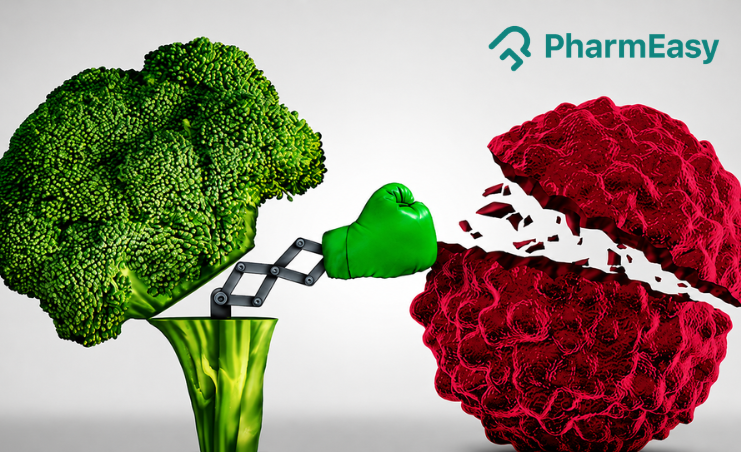
Of these, diet is the one we have the most control over. It also cuts both ways: alongside eating more of the foods research associates with lower cancer risk, it’s worth being mindful of the foods that are linked to a higher risk of cancer.
One thing worth saying plainly before the list: no single food, and no diet, can guarantee that you won’t get cancer, or treat it if you already have it. What the article discusses below shows is association, not an exact prevention or cure. Diet is one part of a much bigger picture that includes genetics, screening, and medical care.
Before getting to what to add, it’s worth knowing what to cut back on. Processed meat and red meat are both classified as carcinogenic (cancer causing) to humans1. In addition to this, the foods mentioned below may also add to the risk2:
Some foods are naturally rich in nutrients and antioxidants that may help strengthen immunity and fight free-radical damage. This can help to lower the risk of cancer occurrence. However, note that as with the section above, the evidence here is about association and risk reduction, not guaranteed prevention.
Here are some foods you can include in your diet:
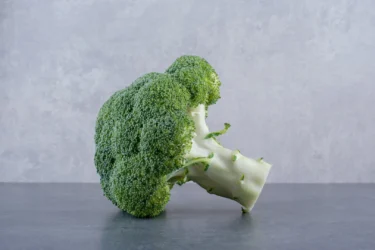
Diets higher in cruciferous vegetables like broccoli are associated with lower rates of certain cancers in population studies, an effect researchers partly attribute to a compound called sulforaphane. It has shown to act through several mechanisms to provide prevention against prostate cancer in a preclinical study3. While further human studies are needed, including broccoli in your routine diet can be beneficial. Steaming it or eating it raw (well cleaned in warm water) generally preserves more of its beneficial compounds than microwaving does.
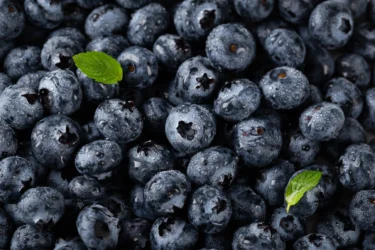
Blueberries, along with other berries like raspberries, cherries, and strawberries, are rich in antioxidant compounds that help neutralize free radicals, the unstable molecules linked to cell damage over time4. It’s worth knowing that antioxidants from whole foods and antioxidants from concentrated supplements haven’t shown the same results in clinical research. In one large trial, high-dose beta-carotene and retinol supplements were actually linked to a higher lung cancer risk in smokers5. Thus, getting antioxidants through diet rather than supplements can be a better-supported approach. However, your doctor can guide you best if supplementation is required.
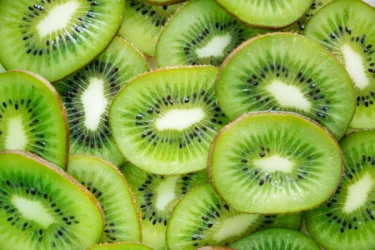
Kiwi is a good source of vitamin C and vitamin E, both of which support normal immune function and act as antioxidants6. Consuming them as part of an overall balanced diet may have additional benefits.

Walnuts contain a compound called pedunculagin, which the body converts into compounds known as urolithins. Laboratory research suggests urolithins may interact with oestrogen receptors in ways relevant to breast tissue, and early animal studies have looked at walnuts in relation to cancer prevention7. This research is still developing and hasn’t been established in humans, but walnuts are a reasonable addition to a balanced diet for general health.
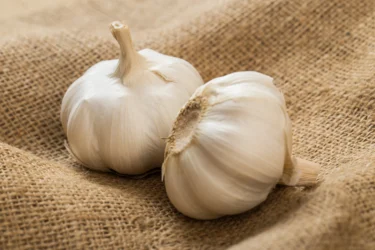
Garlic’s sulfur compounds are believed to support immune function, and researchers have studied these compounds in relation to tumour growth in laboratory settings8. That research is still at an early stage and hasn’t been established at the doses used in typical home cooking, but garlic remains a healthy addition to most diets.
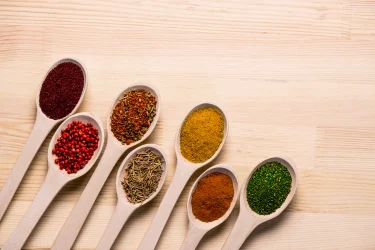
Turmeric tops this list, largely because of curcumin, a compound studied for its anti-inflammatory and antioxidant properties, including in laboratory research on colon and breast cancer cells. Human clinical evidence is still developing, partly because curcumin on its own is poorly absorbed by the body9. Yet, it’s a reasonable spice to cook with regularly. Other herbs and spices worth including for general immune support are basil, parsley, ginger, thyme, cayenne pepper, and oregano.
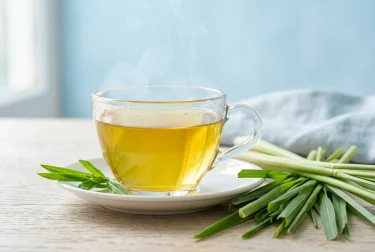
A meta-analysis of population studies found that women who regularly drink black tea have somewhat lower rates of ovarian cancer10. As with other observational findings, this shows an association rather than a guarantee, and more research is needed to understand why.
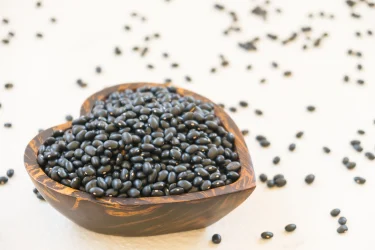
Black beans are a good source of fiber, which ferments in the gut and produces a fatty acid called butyrate. Butyrate has been studied for its role in colon health, and higher overall fiber intake is associated with lower rates of colon cancer in population research11.
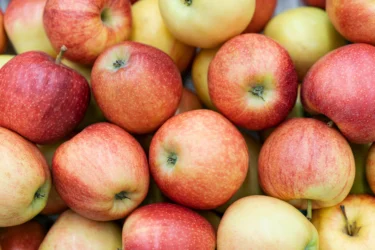
Apples are also rich in fiber. The natural fiber in apples ferments in the colon, and diets higher in fiber are generally associated with better colon health in population studies12.
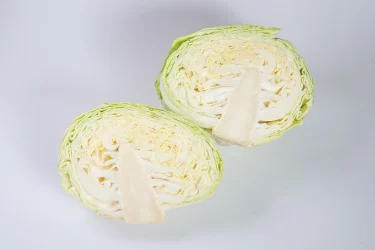
Bean sprouts and cabbage are both part of the cruciferous vegetable family, along with broccoli, and contain sulforaphane and bioflavonoids, plant compounds studied for their potential role in protecting cells from damage and supporting lower cancer risk in population research, including for ovarian cancer13,14. As with other isolated compounds on this list, whole-food intake and laboratory studies don’t always show the same effect. Yet, consuming diet rich in cruciferous vegetables can be beneficial overall dut to their rich nutrient profile and fiber content.
While preclinical studies have shown cancer protective effects of these foods, human evidence is still evolving. Nonetheless, these are still worth a try. However, if you have any medical conditions or are on any medications, it is best to discuss with your doctor or a certified nutritionist about what you can include and what you shouldn’t include in your routine diet and in how much quantities. Moderation in consumption is important.
Including more of these foods in your diet is a reasonable, low-risk way to support your overall health, and the research behind many of them is genuinely encouraging. But it’s worth being honest about what that research can and can’t tell you. None of these foods prevent, treat, or cure cancer, and none of them are a substitute for regular screening, medical checkups, or a doctor’s advice if something feels off. Remember that diet is just one piece of a much much larger picture when it comes to cancer.
Also Read: Does Air Fryer Cause Cancer? What the Science Actually Says
No. A healthy diet is linked to lower cancer risk in population studies, which is a different thing from treating cancer that already exists. Dietary changes can support overall wellbeing during treatment, but they should complement, not replace, the treatment plan set by an oncologist.
Possibly, particularly when they’re taken as concentrated supplements or extracts rather than eaten as part of a normal diet. Certain plant compounds and antioxidants have been studied for potential interactions with chemotherapy drugs. Anyone undergoing cancer treatment should tell their oncology team about any supplements or extracts they’re taking, since supplement doses are usually much higher than what’s found naturally in food.
Research hasn’t established a specific target amount for cancer risk reduction from any single food, and eating unusually large quantities of one item isn’t known to add extra protection. A varied diet with a mix of fruits, vegetables, and whole foods is the more consistent, evidence-backed approach compared to concentrating on any one food.
In some cases, yes. Heat, water, and cooking time can all affect how much of a beneficial plant compound survives in a dish, and steaming or eating vegetables raw generally preserves more of these compounds than boiling or microwaving does. How foods are combined can also affect how well the body absorbs certain compounds.
Diet is one factor among several, and for cancers with a strong genetic or hereditary component, diet may matter less than genetics does. General healthy eating patterns are still worth following regardless of family history, but people with a family history of cancer should discuss personalised screening and risk-reduction options with a doctor rather than relying on diet alone.
1. Red Meat and Processed Meat. International Agency for Research on Cancer; 2018. Accessed August 18, 2026. https://www.ncbi.nlm.nih.gov/books/NBK507972/
2. Abnet CC. Carcinogenic Food Contaminants. Cancer Invest. 2007;25(3):189-196. doi:10.1080/07357900701208733. https://pmc.ncbi.nlm.nih.gov/articles/PMC2782753/
3. Amjad AI, Parikh RA, Appleman LJ, Hahm ER, Singh K, Singh SV. Broccoli-Derived Sulforaphane and Chemoprevention of Prostate Cancer: From Bench to Bedside. Curr Pharmacol Rep. 2015;1(6):382-390. doi:10.1007/s40495-015-0034-x. https://pubmed.ncbi.nlm.nih.gov/26557472/
4. Skrovankova S, Sumczynski D, Mlcek J, Jurikova T, Sochor J. Bioactive Compounds and Antioxidant Activity in Different Types of Berries. Int J Mol Sci. 2015;16(10):24673-24706. doi:10.3390/ijms161024673. https://pubmed.ncbi.nlm.nih.gov/26501271/
5. Middha P, Weinstein SJ, Männistö S, Albanes D, Mondul AM. β-Carotene Supplementation and Lung Cancer Incidence in the Alpha-Tocopherol, Beta-Carotene Cancer Prevention Study: The Role of Tar and Nicotine. Nicotine Tob Res. 2019;21(8):1045-1050. doi:10.1093/ntr/nty115. https://pubmed.ncbi.nlm.nih.gov/29889248/
6. Richardson DP, Ansell J, Drummond LN. The nutritional and health attributes of kiwifruit: a review. Eur J Nutr. 2018;57(8):2659-2676. doi:10.1007/s00394-018-1627-z. https://pubmed.ncbi.nlm.nih.gov/29470689/
7. Sánchez-González C, Ciudad CJ, Noé V, Izquierdo-Pulido M. Walnut polyphenol metabolites, urolithins A and B, inhibit the expression of the prostate-specific antigen and the androgen receptor in prostate cancer cells. Food Funct. 2014;5(11):2922-2930. doi:10.1039/c4fo00542b. https://pubmed.ncbi.nlm.nih.gov/25214070/
8. Jiang X, Zhu X, Huang W, et al. Garlic-derived organosulfur compound exerts antitumor efficacy via activation of MAPK pathway and modulation of cytokines in SGC-7901 tumor-bearing mice. Int Immunopharmacol. 2017;48:135-145. doi:10.1016/j.intimp.2017.05.004. https://pubmed.ncbi.nlm.nih.gov/28501767/
9. Sharifi-Rad J, Rayess YE, Rizk AA, et al. Turmeric and Its Major Compound Curcumin on Health: Bioactive Effects and Safety Profiles for Food, Pharmaceutical, Biotechnological and Medicinal Applications. Front Pharmacol. 2020;11:01021. doi:10.3389/fphar.2020.01021. https://pubmed.ncbi.nlm.nih.gov/33041781/
10. Zhan X, Wang J, Pan S, Lu C. Tea consumption and the risk of ovarian cancer: A meta-analysis of epidemiological studies. Oncotarget. 2017;8(23):37796-37806. doi:10.18632/oncotarget.16890. https://pubmed.ncbi.nlm.nih.gov/28445129/
11. Oncel S, Safratowich BD, Lindlauf JE, et al. Efficacy of Butyrate to Inhibit Colonic Cancer Cell Growth Is Cell Type-Specific and Apoptosis-Dependent. Nutrients. 2024;16(4):529. doi:10.3390/nu16040529. https://pubmed.ncbi.nlm.nih.gov/38398853/
12. Fabiani R, Minelli L, Rosignoli P. Apple intake and cancer risk: a systematic review and meta-analysis of observational studies. Public Health Nutr. 2016;19(14):2603-2617. doi:10.1017/S136898001600032X. https://pubmed.ncbi.nlm.nih.gov/27000627/
13. Ağagündüz D, Şahin TÖ, Yılmaz B, Ekenci KD, Duyar Özer Ş, Capasso R. Cruciferous Vegetables and Their Bioactive Metabolites: from Prevention to Novel Therapies of Colorectal Cancer. Evid Based Complement Alternat Med. 2022;2022:1534083. Published 2022 Apr 11. doi:10.1155/2022/1534083. https://pubmed.ncbi.nlm.nih.gov/35449807/
14. Kaiser, A. E., Baniasadi, M., Giansiracusa, D., Giansiracusa, M., Garcia, M., Fryda, Z., Wong, T. L., & Bishayee, A. (2021). Sulforaphane: A Broccoli Bioactive Phytocompound with Cancer Preventive Potential. Cancers, 13(19), 4796. https://doi.org/10.3390/cancers13194796. https://pubmed.ncbi.nlm.nih.gov/34638282/
Disclaimer: The information provided here is for educational/awareness purposes only and is not intended to be a substitute for medical treatment by a healthcare professional and should not be relied upon to diagnose or treat any medical condition. The reader should consult a registered medical practitioner to determine the appropriateness of the information and before consuming any medication. PharmEasy does not provide any guarantee or warranty (express or implied) regarding the accuracy, adequacy, completeness, legality, reliability or usefulness of the information; and disclaims any liability arising thereof.
Links and product recommendations in the information provided here are advertisements of third-party products available on the website. PharmEasy does not make any representation on the accuracy or suitability of such products/services. Advertisements do not influence the editorial decisions or content. The information in this blog is subject to change without notification. It is your responsibility to review this disclaimer regularly for any changes.
 10
10  1
1Comments

Leave your comment...

View all comments(1)
You may also like




















[…] agents that help to reduce the risk of cancer. Studies suggest that selenium from pulse helps to decrease the rate of tumor growth. It also helps to stimulate the immunity of our body and keep our body […]