
Anxiety is often described as the feeling of constant worry that prevents an individual from relaxing. From the point of view of evolution, anxiety is a normal emotion as it has helped humans avoid dangerous situations and eventually adapt, evolve and survive. A thin line exists between this anxiety at the level of just adaptation and distressful morbid anxiety, which requires clinical judgement to diagnose1,2.
The level at which a person experiences anxiety can range from just a fleeting anxiety as one feels before any surgery, to a constant feeling of nervousness that defines an anxiety disorder1.
A person is said to have anxiety disorder when the constant feeling of worry just doesn’t go away. Instead, it gets worse as time passes and interferes with routine life.
Anxiety disorders can be of many types, particularly panic disorders, generalized anxiety disorders and phobias3.
The exact cause of anxiety is not known. But there are many reasons:
Anxiety can be of various types:
While anxiety can manifest in various ways depending on the type, there are certain symptoms which can overlap and are commonly seen in all the types:
Natural remedies for anxiety have fewer side effects than conventional medicines used to treat anxiety. Read along to know about some natural home remedies to combat anxiety5.
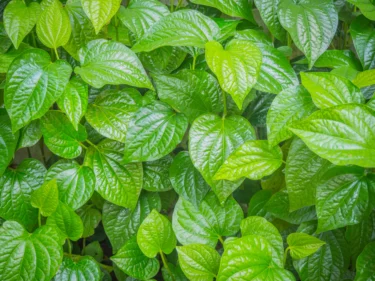
Kava is known to be an anxiety reliever since many years. It is a drink that is prepared from the Piper methysticum plant. Though it relives anxiety, it does not cause a sedative effect. But one must exercise caution while consuming it, as liver poisoning is one of its rare, but serious side effects1.
How to use it?
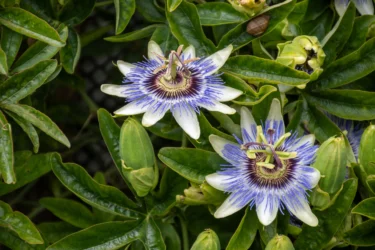
It is commonly known as Passionflower. Its anxiolytic effect is attributed to its aerial sections, that is the flowers, fruit and the bark. It works by modifying the GABA system6. GABA is an amino acid present in our nervous system and is responsible for neural relaxation7. No side effects have been reported on passionflower consumption.
How to use it?
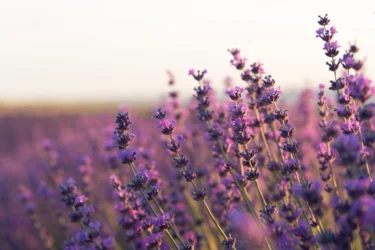
Lavender has been used traditionally to relieve anxiety. It has over 100 active ingredients, but it’s linalool and linalyl acetate that give lavender the anxiolytic quality. Consult your healthcare provider before you consume lavender as research8 also shows that use of lavender has many side effects like throbbing heartbeats, headaches and gastric issues like diarrhoea, stomach upsets, belching and foul breath.
How to use it?
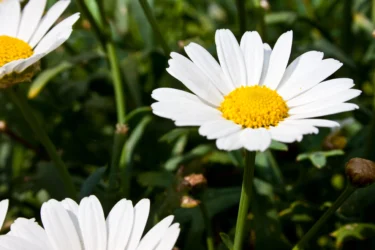
Studies9 have shown chamomile tea to be effective even in cases of generalised anxiety disorder. It is said that the flavonoids present in Chamomile give a calming effect by influencing the transmission of GABA , dopamine, noradrenalin and serotonin or by modifying the hypothalamo-pituitary-adrenal axis in the body, which is integral to the way one reacts to stress10.
How to use it?
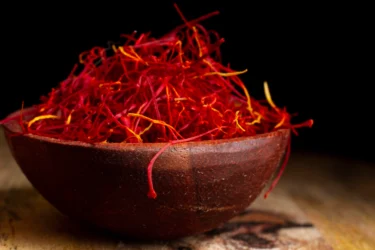
Saffron contains Safranal, the chief bioactive constituent which imparts anxiety relieving properties to saffron. It also gives the saffron its typical fragrance11.
How to use it?
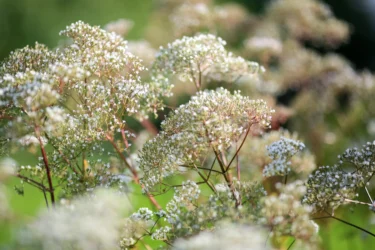
The valerian root has anti-anxiety properties. It contains valerenic acid and valepotriates which imparts anxiolytic and sedative properties to the root12.
How to use it?
Daily intake of Ashwagandha also reduces anxiety and findings14 suggest that high-concentration full-spectrum Ashwagandha root extract improves an individual’s resistance towards stress and thereby improves self-assessed quality of life.
Dr. M.G. Kartheeka, MBBS, MD(Pediatrics)
Also Read: How To Build Self Esteem At Workplace?
If you feel your anxiety might be connected to some physical problems, get in touch with your physician who will help you cure the physical issue.
If you experience severe anxiety, seek out a mental health expert who will evaluate your symptoms and treat you accordingly.
Consultation with a psychiatrist, psychologist, management with allopathic medicines, mind body techniques and exercise are well known to help reduce anxiety.
Dr. Ashish Bajaj, M.B.B.S., M.D. in Clinical Pharmacology and Toxicology
Home remedies for anxiety are good nonpharmacological therapies to try out at home. However, one must exercise caution and inform your physician before consuming any of the herbal medicines for anxiety as some of them do cause side effects.
Symptoms of extreme anxiety require treatment by a mental health professional and one must not hesitate to seek help if required.
Also Read: Mental Health In India – Things You Must Know!
Yes, lifestyle changes also have a significant impact on anxiety levels. Few things that you can do at home to manage anxiety are:
Get enough sleep
Avoid leisure drugs and alcohol
Stop smoking and cut back on the intake of caffeinated drinks
Learn healthy techniques of managing stress
Have a healthy, balanced diet13
Treatment for anxiety involves both medications and psychotherapy. Depending on your symptoms, a mental health expert may use either one or a combination of both of the above options. Medications involve anxiolytics, sedatives or anti-depressant drugs.
In psychotherapy, you will be working actively along with a professional to manage your anxiety symptoms. Cognitive Behavioural therapy (CBT) is the most effective type of psychotherapy to manage anxiety13.
Your mental health professional will best know what therapies to use to treat your anxiety.
While the risk factors for each type of anxiety disorder are different, there are some risk factors that are common to all types:
Persons who are reserved in nature, especially when meeting strangers or facing an unfamiliar situation.
Distressing incidences in childhood or after growing up.
History of anxiety or other mental issues in the family.
Physical problems like irregular heartbeats or thyroid issues3.
Yes.
Keeping a diary of your symptoms and what provokes your anxiety helps.
Work with your therapist to know all the techniques of managing anxiety and practice them diligently.
Be consistent with your treatment protocol.
Do not hesitate to ask for the support of your friends and family. You may also join any local anxiety support group13.
Disclaimer: The information provided here is for educational/awareness purposes only and is not intended to be a substitute for medical treatment by a healthcare professional and should not be relied upon to diagnose or treat any medical condition. The reader should consult a registered medical practitioner to determine the appropriateness of the information and before consuming any medication. PharmEasy does not provide any guarantee or warranty (express or implied) regarding the accuracy, adequacy, completeness, legality, reliability or usefulness of the information; and disclaims any liability arising thereof.
Links and product recommendations in the information provided here are advertisements of third-party products available on the website. PharmEasy does not make any representation on the accuracy or suitability of such products/services. Advertisements do not influence the editorial decisions or content. The information in this blog is subject to change without notice. The authors and administrators reserve the right to modify, add, or remove content without notification. It is your responsibility to review this disclaimer regularly for any changes.
 1
1

Burping is a normal body process. It is the act of expelling air from the stomach through the mouth. Whenever you swallow food or any fluid, you swallow air as well. This air is accumulated in the stomach, and it stretches the muscles. This air escapes from the food pipe through the mouth, and this process is known as burping or belching1. Accumulation of gas is another reason that people burp. This gas is produced by breaking down undigested carbohydrates by bacteria in the large intestine2.
Belching is usually not a sign of any severe health condition3. It is a minor problem that can be solved by making lifestyle changes and following some home remedies.
Burping is usually caused due to eating or drinking too quickly, swallowing too much air, smoking, carbonated or caffeinated drinks and nervous habits3.
Burping is a normal body process, but abnormal burping may be due to:
An average person may burp around 3-6 times after meals but it depends on the type and quantity of the consumed food. If you experience severe burping with diarrhoea, you should visit a physician to get it checked.
Dr. Ashish Bajaj, M.B.B.S., M.D. in Clinical Pharmacology and Toxicology
Burping itself can be a symptom of conditions such as acid reflux disease, gas or any other digestive system disease1,2. In most cases, burping is normal. People expel the air accumulated in the stomach through the mouth. Depending on the cause, it can occur more often, forcefully, or last longer1.
Burping is a normal consequence of air and gas accumulating in the stomach. However, it is important to deal with its causes to get rid of excessive burping. The remedies mentioned below can help you to take care of digestive issues that might be causing you to burp.
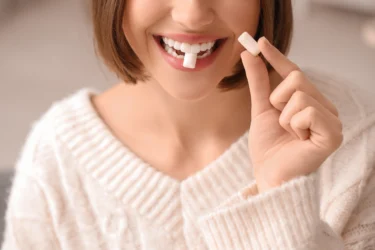
Swallowing less air might help you to ease burping, especially if you burp a lot. You can follow these steps to limit your air swallowing:
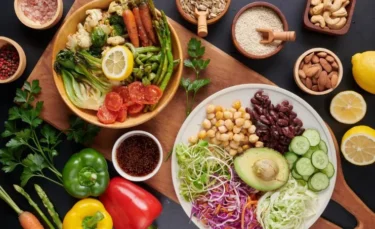
Making changes in your dietary habits help to minimize the formation of gas in the stomach. It can also help you to minimize burping. For example, consuming certain carbohydrates can create gas in the stomach because the stomach cannot digest them properly. Therefore, you can avoid such foods to reduce gas production in the stomach.
A few examples of foods and drinks that can contribute to the production of gas in the stomach are:
Natural herbs and remedies for burping are given as follows.
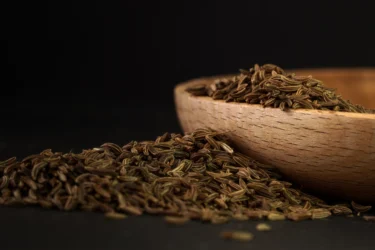
Caraway offers many health benefits for the stomach. It improves the digestive system and helps to remove the gas accumulated in the digestive tract6. Caraway is a common herb used in Indian kitchens. There are numerous ways to make use of caraway seeds. To use caraway seeds, you can put them in your foods and dishes. The seeds can also be used as a seasoning in your salads and soups. You can also use caraway seeds as appetizers.
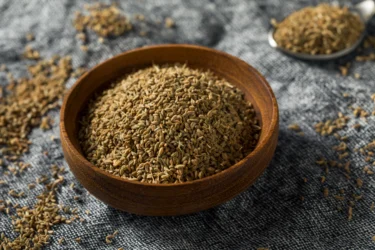
Ajwain is helpful in many gastrointestinal disorders, including gastric reflux. Ajwain is also beneficial in various stomach troubles, and it can also be used to get rid of gas7.
To get the benefits of ajwain, you can chew some ajwain seeds directly. It is a spice used in many Indian dishes. You can also make a decoction using ajwain, ginger, fennel and cumin. Put all these ingredients in water and let the water boil. Cool the decoction and sip on this drink whenever required.
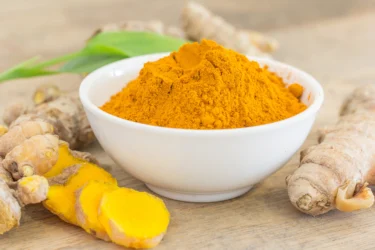
Turmeric provides many health benefits for the stomach. It helps in poor digestion and also helps in people who experience indigestion. Turmeric also helps by getting rid of gas present in the stomach and intestine8.
You can take a teaspoon of turmeric powder and a glass of milk. Turmeric is also added to numerous foods and curries. You can also drink turmeric with warm water.
Walking after food for 15-20 minutes is very effective to improve burping along with the usage of foods mentioned in blog.
Dr. M.G. Kartheeka, MBBS, MD(Pediatrics)
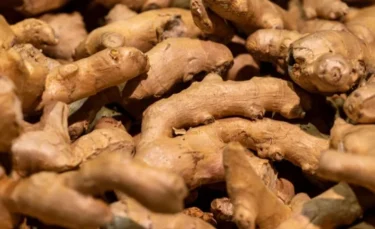
Ginger has many health benefits. It can enhance digestion and is very helpful in digestive problems like indigestion and gas9. Ginger is a common kitchen ingredient in every Indian household. There are many ways to incorporate ginger into your diet. For example, you can use fresh ginger or ginger powder to make yourself a ginger tea.
You can also mix ginger, lemon juice and some honey in a glass of warm water. Another ginger recipe is to grate some fresh ginger and add some lemon juice. You can take this mixture whenever required.
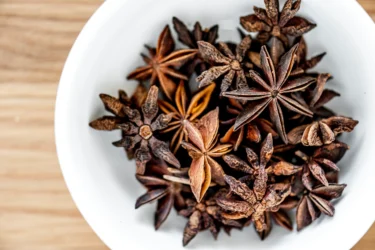
An important benefit of anise is that it helps in digestion and aids in the removal of the gas from the stomach (carminative properties)10. You can use anise as a spice and add it to foods and dishes. You can also take anise powder directly to prevent burping.
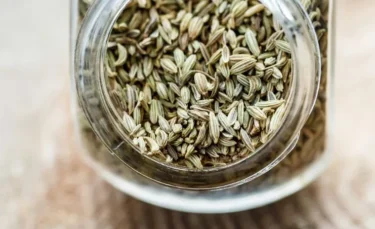
Fennel is a well-known and widely used plant for its digestive benefits. It also helps to eliminate gas from the stomach and manages other digestive disorders11. There are many ways to use fennel seeds because of their diverse applications.
You can add fennel seeds to various foods and dishes as a flavouring agent. You can also chew some fennel seeds after dinner. You can make simple fennel tea by crushing some fennel seeds and putting them in hot water. Let the water simmer, and the fennel tea is ready. Drinking fennel tea will help you to get rid of gas and burping.
Also Read: Simple Home Remedies For Indigestion
In most cases, burping is a minor issue and not a sign of anything serious. But, if the burping does not stop and you experience other symptoms, such as weight loss, bleeding, or fever, you need to contact your healthcare provider immediately1,3.
Also Read: Home Remedies For Gas
Burping is a natural body process of expelling air and gas from the stomach through the mouth. It is quite prevalent in people of all age groups. In most cases, burping does not signify anything serious. There are various remedies for you to help with burping and fighting its causes. These home remedies help by improving digestion and getting rid of gas from the stomach, the leading cause of burping. Seeds and spices such as caraway, ajwain, fennel, turmeric and ginger are readily available and effective remedies for you to use. However, if the burping does not stop and these home remedies do not work out, contact your healthcare provider immediately for advice.
Also Read: Effective Home Remedies For Hiccups
You can try making lifestyle changes like dietary habits and following precautions that limit air swallowing. The home remedies for burping help by managing the causes of burping. Examples of herbs and spices that can be used to get relief from burping are turmeric, ginger, fennel, caraway, anise and ajwain4,11.
Yes. Burping refers to expelling gas from the stomach through the mouth. It is a normal process for people of all age groups. If burping does not stop and you experience other symptoms, you must contact your healthcare provider immediately1.
Yes. Belching is also known as burping. Belching or burping is expelling air from the stomach through the mouth1.
You should avoid frizzy and carbonated drinks, chewing gum and talking when you eat or drink. These precautions will help you to minimise swallowing air. Swallowing less air can help you to minimise burping4.
Burping is a normal response to the gas and air accumulated in the stomach. You swallow air whenever you eat or drink; this air gets trapped in the stomach. Also, the gas produced in the stomach due to indigested food gets accumulated in the stomach itself. A person burps to expel this air and gas entrapped in the stomach1,2.
Yes. Burping can be a symptom of gas in the digestive tract. You might also have associated symptoms like bloating and passing gas12.
Disclaimer: The information provided here is for educational/awareness purposes only and is not intended to be a substitute for medical treatment by a healthcare professional and should not be relied upon to diagnose or treat any medical condition. The reader should consult a registered medical practitioner to determine the appropriateness of the information and before consuming any medication. PharmEasy does not provide any guarantee or warranty (express or implied) regarding the accuracy, adequacy, completeness, legality, reliability or usefulness of the information; and disclaims any liability arising thereof.
Links and product recommendations in the information provided here are advertisements of third-party products available on the website. PharmEasy does not make any representation on the accuracy or suitability of such products/services. Advertisements do not influence the editorial decisions or content. The information in this blog is subject to change without notice. The authors and administrators reserve the right to modify, add, or remove content without notification. It is your responsibility to review this disclaimer regularly for any changes.
2
3
Kidney stones can be extremely painful and impact your daily life if not addressed in time. These tiny, hard deposits can form anywhere in your urinary system, such as kidneys, ureters, bladder, or even the urethra. When your urine is overloaded with certain minerals or salts, like oxalate, uric acid, or struvite, they can crystallize and clump together, eventually forming stones.
Contact your doctor immediately if you notice any common signs of kidney stones like pain, dark or bloody urine, fever, and nausea. Your doctor will recommend the best measures to take care of your kidney stones, such as medications, surgery (usually minimally invasive), some non-invasive procedures (shockwave lithotripsy, ureteroscopy), and certain dietary changes. As you read on, you’ll find some of the top dietary recommendations that you may get from your doctor.
Friendly Reminder: The information shared here is for educational purposes only and the reader should consult a registered medical practitioner before implementing any changes to their health routine.
Studying the stone type can help your doctor understand why you have it and how to reduce the risk of having it in future. Given below are the four types of kidney stones:
Oxalates are produced in the body as well as absorbed from the food we eat. Calcium can bind to oxalate and form calcium-oxalate stones, this is one of the most common types of kidney stones. Certain factors may encourage calcium-oxalate stone formation, such as low intake of water, excessive amounts of oxalate in the body and urine, and high salt levels in your diet[3]. To combat this, you need to:
Uric acid is a waste product that is made when your body breaks down purines. Purines are found in nearly all plants and meats but some foods have higher concentrations. These include red meats[4], organ meats, seafood and alcohol. Purines get broken down into uric acid and this uric acid ends up in the kidneys or other parts of the urinary tract in the process of elimination from the body. When there is too much uric acid in the urine, crystals can form, leading to uric acid kidney stones. Here are some dietary recommendations for people with uric acid stones[2]
Struvite stones are caused due to infection. Good hydration and intake of citrus juices like orange and cranberry juice are said to be helpful for these cases[2].
People with or at risk of cystine stones are advised to increase their fluid intake, mainly through water[2].
When the type of stone is not known, you may consider the following points helpful:

It is very important to stay hydrated when you have kidney stones. Your doctor may recommend a fixed amount of water that you need to drink daily, try to stick to this recommendation[5].
In my experience, I have found that ensuring an adequate intake of fluids, especially water, is crucial in avoiding kidney stones. Drinking enough liquid helps to dilute urine and reduce the concentration of substances that can form stones. By staying well-hydrated, you can promote healthy kidney function and decrease the risk of kidney stone formation.[2]
Dr. Siddharth Gupta, B.A.M.S, M.D (Ayu)
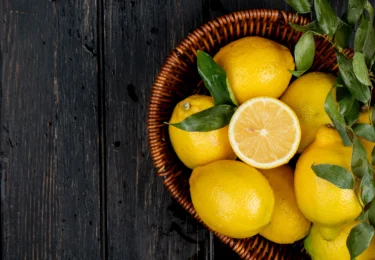
Lemons are a great source of citrate which is believed to make urine less acidic. Uric acid stones can form and grow when urine is acidic hence lemons and limes are great for dissolving these stones if they form. Lemon juice should be diluted with water and can be taken[7].
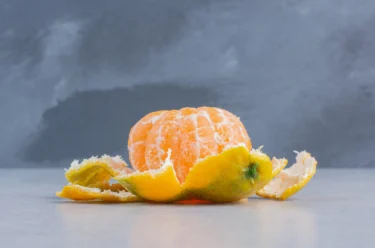
Oranges, like lemons and limes, are citrus fruits with citrate present in them. This has the same benefits as lemon juice and also lowers the acidic level of urine. High acidity in urine is linked with some common types of kidney stones.
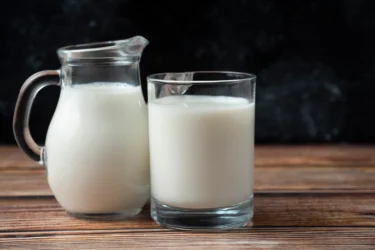
Milk is a great source of dietary calcium. While taking calcium through supplements is linked to higher rates of kidney stones, consuming it from food sources like milk is linked to a lower risk of calcium oxalate stones[11].
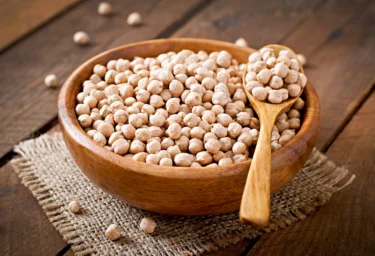
Everyone needs protein to stay healthy and these three vegetarian sources are good for those with kidney stones. Non-vegetarian protein foods can increase your risk of kidney stones, so try to increase your intake of lentils, peas, and beans instead. People with high uric acid levels may need to reduce protein intake.
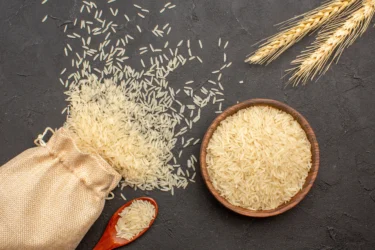
Cooked white rice and oats are also low in oxalates. If you want to lower your risk of developing kidney stones, you can either cut down your oxalate levels or increase your calcium levels to bind the oxalate. Rice and oats can be part of a low-oxalate diet.
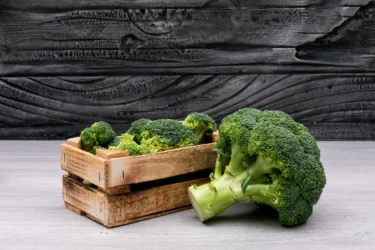
Broccoli contains low levels of oxalates, which is not only good for a lower risk of calcium oxalate stones, but also a great source of potassium. Potassium is important because it binds to calcium which decreases the chance of a stone forming. Potassium may also be involved in dissolving calcium oxalate and calcium phosphate kidney stones[8].
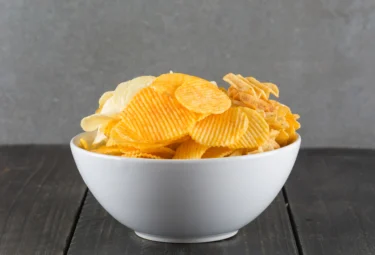
High sodium levels are linked to a higher risk of kidney stones and more calcium being passed through the urine. This increases the risk of stones developing so you should avoid salty foods since these can increase your sodium levels. Processed, prepackaged, fast foods and canned foods are high in salt. Always check the sodium content on the food label before you eat pre-made foods[9].
Based on my experience, I always advise my patients to inquire about the sodium content of the food when dining out. It’s important to be mindful of your sodium intake as excessive sodium consumption can contribute to high blood pressure and other health issues. By asking about the sodium content, you can make more informed choices and opt for lower-sodium options to support your overall health.
Dr. Smita Barode, B.A.M.S, M.S.

Vitamin C can get converted into oxalate in the body if it is taken in excessive amounts, such as a supplement[12]. Avoid using vitamin C supplements unless prescribed by a doctor and try to get your daily intake of this nutrient from natural sources only.
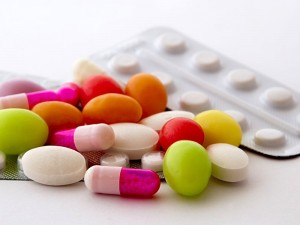
Taking calcium through food sources does not increase the amount of calcium in your urine. However, excessive intake of calcium supplements provides your body with much more calcium than you need. This leads to more calcium being passed out of the body through the urine, which can increase the chances of a stone forming[13]. If you need to maintain your calcium levels, talk to your doctor and find out what dietary options can be opted for instead of calcium supplementation.
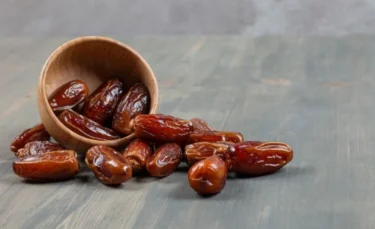
Fruits like rhubarb, dates, and raspberries may worsen your kidney stones since they are high in oxalate content[14]. Try to eat fruits like bananas, apples, and cherries instead
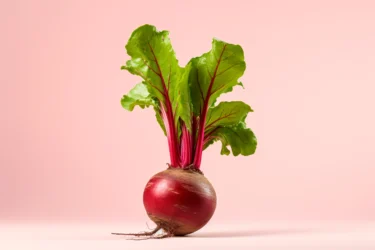
Veggies like spinach, potatoes, beetroots, and carrots are also high in oxalates[14]. Since these are healthy foods, you should not avoid them entirely. Instead, you can eat calcium-rich foods during the same meal to balance out your oxalate levels.

Caffeine can cause your body to pass more urine, which may lead to dehydration. Low levels of water in the body increase the risk of kidney stones. You should speak with your doctor and ask them if you can still drink coffee when you have kidney stones.

Eating too much protein from animal sources can lead to uric acid building up in your body. Apart from calcium oxalate, uric acid is another substance that can form kidney stones. If you only get your protein from non-vegetarian foods, you may risk a higher chance of uric acid kidney stones. Try to avoid animal-based proteins and use vegetarian sources instead.
Did you know that men are more prone to developing kidney stones compared to women? If you have a family history of kidney stones, your risk of developing them further increases. Additionally, once you’ve had kidney stones in the past, you are more likely to experience them again.
Dr. Rajeev Singh, BAMS
Here are a few recipes to try in case you currently have kidney stones. These recipes include low oxalate ingredients to curb the growth of stones as well as ingredients that may dissolve existing stones. Speak with your doctor before trying out any new diet plan.
Also Read: Natural Home Remedies For Kidney Stone By Dr. Siddharth Gupta
Also Read: 8 Types Of Food That Can Help You Fight Anaemia!
Kidney stones can be managed with timely medical care, so it’s important to consult your doctor as soon as you suspect their presence. If left untreated, these stones can grow larger and cause more complications. A balanced diet can play a significant role in prevention and management. In some cases, surgical removal might be necessary. To tailor your diet and treatment plan, consult your doctor and refer to the list above for foods to include and avoid.
Also Read: Potassium-Rich Fruits to Boost Your Potassium Levels Naturally
No, calcium is an important nutrient and is required for a healthy body. You do not need to avoid calcium-rich foods unless your doctor specifically tells you to do so. In most cases, they will recommend avoiding calcium supplements instead.
Fruits high in citrates, such as lemons and oranges are great for kidney stones.
Milk contains calcium which will bind with the oxalates in your digestive system and lowers the risk of calcium-oxalate forming in the urinary tract. Too much calcium-oxalate in your kidneys and urine can result in kidney stones forming.
Also Read: 13 Immunity-Boosting Foods To Build A Healthy Life
1. National Kidney Foundation. Kidney Stones. Available from: https://www.kidney.org/kidney-topics/kidney-stones
2. National Institute of Diabetes and Digestive and Kidney Diseases. Eating, Diet, & Nutrition for Kidney Stones. Available from: https://www.niddk.nih.gov/health-information/urologic-diseases/kidney-stones/eating-diet-nutrition
3. National Kidney Foundation. Six Easy Ways to Prevent Kidney Stones [Internet]. New York: NKF; [cited 2025 Feb 25]. https://www.kidney.org/kidney-topics/six-easy-ways-to-prevent-kidney-stones
4. National Kidney Foundation. Kidney Stone Diet Plan and Prevention [Internet]. New York: NKF; [cited 2025 Feb 25]. https://www.kidney.org/kidney-topics/kidney-stone-diet-plan-and-prevention.
5. Gul Z, Monga M. Medical and dietary therapy for kidney stone prevention. Korean J Urol. 2014 Dec;55(12):775-9. [cited 2025 Feb 25].https://pmc.ncbi.nlm.nih.gov/articles/PMC4265710/
6. MedlinePlus. Kidney stones – self-care. Accessed 2025 Feb 25. https://medlineplus.gov/ency/patientinstructions/000135.htm.
7. Ruggenenti P, Caruso MR, Cortinovis M, et al. Fresh lemon juice for recurrent calcium oxalate stones: A PROBE trial. EClinicalMedicine. 2021 Dec 14;43:101227. [cited 2025 Feb 25]. https://pmc.ncbi.nlm.nih.gov/articles/PMC8683665/
8. National Kidney Foundation. Broccoli. Accessed February 25, 2025. https://www.kidney.org/kidney-topics/broccoli.
9. Sakhaee K, Harvey JA, Padalino PK, Whitson P, Pak CY. Salt abuse and kidney stone risk. J Urol. 1993 Aug;150(2 Pt 1):310-2. [cited 2025 Feb 25]. https://pubmed.ncbi.nlm.nih.gov/8326549/
10. Eating, Diet, & Nutrition for Kidney Stones https://www.niddk.nih.gov/health-information/urologic-diseases/kidney-stones/eating-diet-nutrition
11. Calcium Oxalate Stones https://www.kidney.org/kidney-topics/calcium-oxalate-stones
12. Effect of vitamin C supplements on urinary oxalate and pH in calcium stone-forming patients https://www.sciencedirect.com/science/article/pii/S0085253815489768
13. Calcium intake and urinary stone disease https://pmc.ncbi.nlm.nih.gov/articles/PMC4708574/
14. Oxalate Content of Foods.xls https://ucikidneystonecenter.com/wp-content/uploads/2020/06/Oxalate-Content-of-Foods.pdf
Disclaimer: The information provided here is for educational/awareness purposes only and is not intended to be a substitute for medical treatment by a healthcare professional and should not be relied upon to diagnose or treat any medical condition. The reader should consult a registered medical practitioner to determine the appropriateness of the information and before consuming any medication. PharmEasy does not provide any guarantee or warranty (express or implied) regarding the accuracy, adequacy, completeness, legality, reliability or usefulness of the information; and disclaims any liability arising thereof.
188
15
Period pains, also called dysmenorrhoea, are common in many women, especially in adolescents and young adult women. While most cases are mild and self-limiting, severe or sudden onset period pain may indicate an underlying gynaecological condition and should be evaluated by a gynaecologist.
Period pains affect the majority of women at some point in their lives1. The pain is typically felt as muscle cramps in the stomach that can spread up to the thighs and back2. This pain can feel like intense spasms at times or like a dull but constant ache.
The pain can also differ from one period to the other. Some periods can cause little or no pain, while others cause intense pain. Period pains are caused due to uterine contractions2.
Secondary dysmenorrhea occurs when you have painful periods as a result of a disorder or underlying inflammatory disease in your female reproductive organs, while primary dysmenorrhea refers to common menstrual cramps that reoccur and are not caused by other diseases2.
Primary dysmenorrhea (recurrent period pain) is more common than secondary dysmenorrhea and does not usually occur due to any other diseases2. Contraction of the uterine muscles and release of a chemical called prostaglandin from the body is what results in pain during periods1.
Secondary dysmenorrhea is a condition more common in older women aged 30 to 45 years. This can be the result of an underlying medical condition, some of which are listed below:
Most women experience some pain during their periods. The pain is felt as muscle spasms in the stomach, which can spread to the thighs and the back. For some women, period pains can be severe and are accompanied by other symptoms such as nausea, diarrhoea, vomiting, dizziness, and headache2.
These home remedies are simple and can help you ease the menstruation (period) pain.
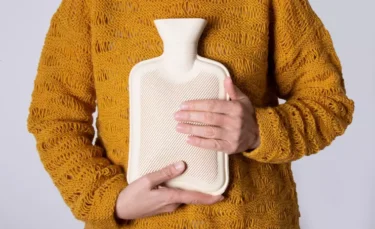
You can place a heating pad or a warm water bottle (wrapped in a towel) on your abdomen to relieve period pains3. Heat can help in the relaxation of abdominal muscles and reduce muscle tension. Heat can also improve blood circulation and reduce congestion and swelling. This helps in relieving pain caused by muscle spasms and nerve compression during periods4.

Exercising may seem difficult during painful periods, but it can help relieve pain. Exercise helps in pain relief by increasing the production of chemicals that block pain. You can try mild exercises such as include yoga or pilates (to improve physical strength), swimming, walking, or cycling to help reduce period pains5.
Also Read: PCOS Belly Fat: Why It Happens and How to Manage It the Right Way

You can try taking a warm shower or bath. Heat is known to help reduce pain and soothe the muscles. The heat from a warm bath or shower can help relax and reduce period pains. The warmth from a bath or shower can also improve pelvic blood flow, which may reduce fluid retention, minimise swelling, and consequently ease pain. This simple method can be a soothing, natural way to manage period-related discomfort6.
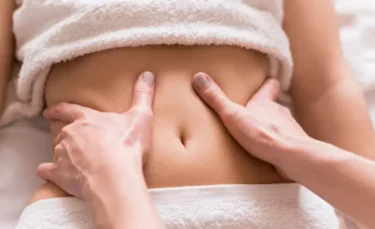
Light, circular massages around your abdomen may help reduce period pains. It is a simple and effective self-help measure7.
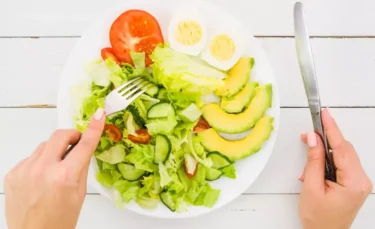
Apart from these home remedies, you can also try making some lifestyle changes to help alleviate period pain and the associated symptoms. These include:
Before making any of these lifestyle changes, consult with a doctor as making significant lifestyle changes without proper consultation might harm your health.
If you encounter longer than usual and irregular and severely painful menstrual cycles, you should consult your gynaecologist as it may be a cause of underlying endometriosis, which is a commonly reported and clinically diagnosed condition in females around the middle ages.
Dr. Ashish Bajaj, M.B.B.S., M.D. in Clinical Pharmacology and Toxicology
Also Read: How to Increase Female Libido Safely and Effectively
For many women, some pain during their period can be expected. However, you should see your doctor if:
Systematic reviews and randomised clinical trials of herbal and dietary supplements have shown that thiamine, pyridoxine, magnesium, and fish oil may be effective in relieving dysmenorrhoea. Heat therapy has been a traditional home remedy for dysmenorrhoea.
Dr. M.G. Kartheeka, MBBS, MD(Pediatrics)
Also Read: How To Know If You’re Pregnant?
Mild menstrual cramps are common, especially in teenagers and women in their 20s. However, if the pain is sudden, worsening, or not responding to over-the-counter pain relief or lifestyle changes, a gynaecologist’s evaluation is essential to rule out underlying causes like endometriosis or fibroids. While heat, exercise, and certain dietary changes can help manage pain, treatment may also involve medications, hormonal therapy, or surgical options depending on the diagnosis.
Also Read: Natural Home Remedies for Malaria
Period pains are common but manageable. Some home remedies that may be helpful include heating pads, taking warm showers, and exercising. You can also try relaxing and yoga techniques to help with the pain.
Yes, period pains are common. Some women may feel mild to moderate pain, while others have severe pain. Make sure to consult with a doctor in case you have severe pain.
Yes, warm showers might help in easing period pain. The heat from warm showers or baths can help to relax the muscles of the abdomen and reduce the pain of periods. Heat can provide many helpful benefits like increasing pelvic blood flow, reducing fluid retention, and swelling, which may reduce period pain.
Yes, period pain can worsen over time. If you feel your period pain worsening, you should contact your doctor for assistance.
Period pain, to some extent, is expected. However, if you have a fever, sudden worsening of pain, and pain even when you are not on your period, and if the pain medication and self-help techniques don’t provide any improvement, you should contact your doctor.
Period pains or primary dysmenorrhea may not be preventable, but its severity can be reduced through regular exercise, stress management, and, if needed, medical treatment. Secondary dysmenorrhea may improve once the underlying condition is treated.
Yes, you can use heating pads for period pain relief. Make sure you wrap the heating pad or warm water bottle in a towel before keeping it on your skin. The application of heat can reduce muscle tension and relax abdominal muscles. Avoid sleeping with heating pads on and never apply directly to bare skin.
Disclaimer: The information provided here is for educational/awareness purposes only and is not intended to be a substitute for medical treatment by a healthcare professional and should not be relied upon to diagnose or treat any medical condition. The reader should consult a registered medical practitioner to determine the appropriateness of the information and before consuming any medication. PharmEasy does not provide any guarantee or warranty (express or implied) regarding the accuracy, adequacy, completeness, legality, reliability or usefulness of the information; and disclaims any liability arising thereof.
Links and product recommendations in the information provided here are advertisements of third-party products available on the website. PharmEasy does not make any representation on the accuracy or suitability of such products/services. Advertisements do not influence the editorial decisions or content. The information in this blog is subject to change without notice. The authors and administrators reserve the right to modify, add, or remove content without notification. It is your responsibility to review this disclaimer regularly for any changes.
6
2
The most unpleasant part of getting acne is its after-effects, which are acne scars. If you are searching for some home remedies to get rid of acne scars, this blog is for you! Acne scars are very common, and you should not be ashamed of them. However, acne scars are not permanent. There are certain treatments available. Some treatments almost completely remove the scars, while others assist the skin in healing itself with its collagen. Around 80% of the population between the ages of 11 and 30 years will have acne, and one in every five will have scarring. Acne scars can affect your self-esteem, cause psychological distress, and interfere with your social life1. However, you can try some of these home remedies to get rid of acne scars.
The causes of acne include:
Acne forms when bacteria, dead skin, and oils clog the skin pores, which leads to inflammation (swelling). Acne can appear more on the skin areas with sebaceous (oil) glands, mainly on the face, chest, and back.
Acne scars are formed due to the inflammation of acne. Some scars are superficial, while others are deep. Superficial scars are shallow and can heal quickly. Acne swells and then breaks, and the contents leak into the surrounding tissue, causing deeper scars. The skin heals the scar by generating new collagen (a type of protein) fibers1. Scar occurs when the body tries to fix and cure acne1.
Acne causes visible symptoms like depressed (also called atrophic) or raised (also called hypertrophic) scars that appear on your skin in the following way:
The depressed/ atrophic scars usually appear on the face, like an ice pick, boxcar, and rolling scar1,2.
Raised/hypertrophic scars protrude from the skin and are caused when collagen overgrows on the skin. These scars are usually found on the jawline, shoulders, chest, and back2. They can be itchy or painful.
There are different grades of acne scars, including macular, mild, moderate, and severe.
Some of these home remedies might be helpful for macular and mild scars.
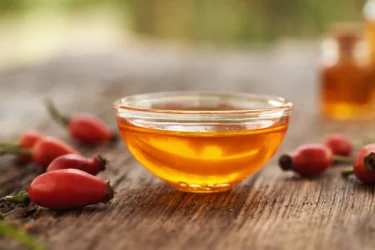
Rosehip is rich in vitamin C, which helps in dealing with acne scars3. Rosehip seed oil (RHO) is one of the compounds that is used in cosmetics for the improvement of skin scarring. It has been used for years to manage scars. It contains a high level of essential fatty and unsaturated fatty acids that play a significant role in penetrating the skin and dealing with acne scars4. You can apply the rosehip seed oil directly to the scar area.
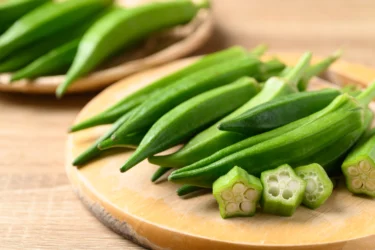
Ladyfinger has several health benefits and is a nutritious food. It is rich in vitamin A and C and has various antioxidants. In addition, it has beneficial effects for dealing with acne scars. It also lowers skin irritation5. You can take some ladyfinger, cut it into small pieces, and grind it. Also, you can add honey, lemon juice, and tea tree oil to it. Now, you can apply this paste to your face and leave it for 30 mins. As the paste dries, wash your face with cold water.
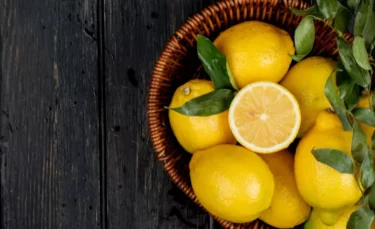
Lemon helps in lowering the risk of developing acne scars. It acts as a disinfectant (destroys bacteria), exfoliant (removes dead skin), and skin lightener and also helps in preventing the formation of new pimples. You can squeeze some lemon, and the lemon juice obtained can be applied to the face with the help of cotton. You can dab some lemon juice on your face and wash your face with cold water later6.
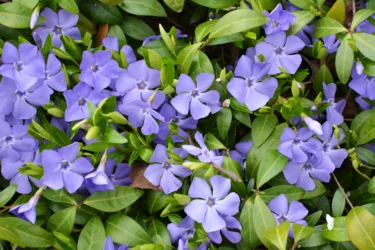
Periwinkle paste might be helpful for acne scars. You can make a paste with fresh leaves of periwinkle, neem, and turmeric and apply it over skin scars. This paste gives excellent results when used regularly7.
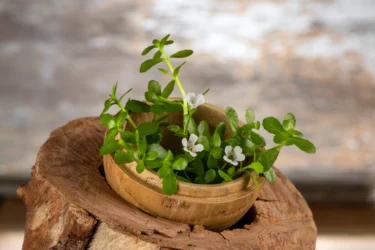
Brahmi is a well-known medicinal herb known to have anti-inflammatory and antioxidant properties8. You can take a few leaves of brahmi, mash them, and mix with some turmeric and lemon juice. This paste can be applied to the face. It has the potential to remove scars and acne.
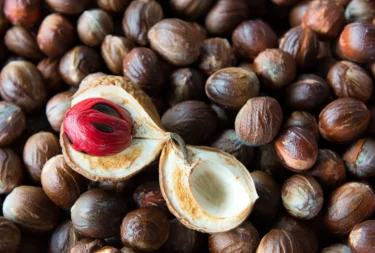
Nutmeg has anti-inflammatory and antioxidant properties. A nutmeg paste made with milk or water can be applied to acne scars. You can also take nutmeg and cinnamon powder and mix it with honey. This paste can be used on the face. Later, you can rinse your face with cold water. This will help you manage acne and also reduce scars7.
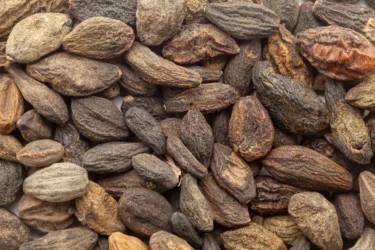
Haritaki has medicinal properties like anti-inflammatory and antioxidant activities. You can apply the paste of haritaki to manage acne. It not only benefits acne but also helps to prevent scarring7.

Also Read: Home Remedies For Tanned Skin
Although acne scars are common, the longer you wait for your acne to heal on its own, the more likely the scarring will occur. Therefore, it is advisable to consult your dermatologist (skin doctor) as early as possible to avoid the further worsening of the condition1. Remember to consult your doctor and not self-medicate.
Also Read: Natural Home Remedies for Stretch Marks
Acnes are very common, and so are the scars caused by them. This article provides you with home remedies that may be useful in dealing with acne scars. These home remedies include rosehip seed oil, periwinkle, brahmi, nutmeg, okra, lemon, and haritaki. However, it is best to consult your doctor to prevent these scars from worsening further.
Also Read: Natural Home Remedies for Ringworm
Yes, acne scars are very common. However, acne scars are not permanent. There are various treatments available now1. You can also try the home remedies mentioned above; they might benefit you in dealing with acne scars.
It is best to consult your skin doctor to diagnose the type of scar before the scar worsens. They will recommend you treatments that will help you get rid of those acne scars.
There are many home remedies that you can try and that might be beneficial for you to manage your acne scar. Home remedies like rosehip seed oil, ladyfinger, lemon, periwinkle, brahmi, nutmeg, and haritaki might help with acne scars. First, however, consult your doctor to know more about your acne scars.
Yes, rosehip seed oil might benefit you to manage the acne scars. Rosehip is rich in vitamin C, which helps in healing acne scars3. You can apply the rosehip seed oil directly to the scarring area.
Yes, ladyfinger helps in dealing with acne scars. Ladyfinger is rich in vitamin A and C and has various antioxidants. It has beneficial effects on acne scars and acne and reduces skin irritation. Hence, ladyfinger might be helpful for managing acne scars5.
Disclaimer: The information provided here is for educational/awareness purposes only and is not intended to be a substitute for medical treatment by a healthcare professional and should not be relied upon to diagnose or treat any medical condition. The reader should consult a registered medical practitioner to determine the appropriateness of the information and before consuming any medication. PharmEasy does not provide any guarantee or warranty (express or implied) regarding the accuracy, adequacy, completeness, legality, reliability or usefulness of the information; and disclaims any liability arising thereof.
Links and product recommendations in the information provided here are advertisements of third-party products available on the website. PharmEasy does not make any representation on the accuracy or suitability of such products/services. Advertisements do not influence the editorial decisions or content. The information in this blog is subject to change without notice. The authors and administrators reserve the right to modify, add, or remove content without notification. It is your responsibility to review this disclaimer regularly for any changes.
5
0
People of all ages can complain about chest congestion from time to time. Chest congestion might cause chest tightness and occurs because of swelling of the airways and accumulation of mucus in the lungs, which makes breathing difficult. It is the result of bacterial or viral infection. These infections affect the lungs, either in larger airways (bronchitis) or smaller air sacs (pneumonia). People of all ages may experience chest congestion, but the elderly, children, smokers, and people who suffer from long-term illnesses are more at risk1,2. If you are wondering about chest congestion home remedies or how to remove cough from the chest, there are many natural remedies that can help you get rid of chest congestion within the comforts of your home. Continue reading to find out.
Did you know?
Chest congestion can be a symptom of chest infections. There are several types of chest infections, like bronchitis and pneumonia. These infections are caused by:
These infections are contagious and spread rapidly when the infected person coughs or sneezes and tiny droplets in the air are inhaled by other people. The infection can also spread if the infected person coughs or sneezes onto his or her hand, any surface, or object, and other people get in touch with these surfaces2.
The most common sign of chest congestion is the swelling of the airways and the buildup of mucus in the lungs, making breathing difficult1. If you have chest congestion, you might also experience:
Children may also experience:
Some home remedies for managing chest congestion that you can try are:

Drinking plenty of fluids will help loosen up the chest mucus and also prevent dehydration. A loose mucus is easier to cough out2. You can increase your fluid intake by drinking plenty of warm water. You can also drink soups to help loosen up the mucus.

You can try steam inhalation with a bowl of hot water. This steam will ease your cough. Do not use hot water for kids, as the kids might get hurt2.
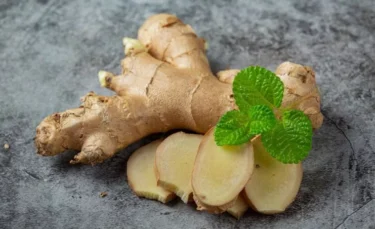
Ginger is a widely used herb that helps in various ailments, including cough, cold, bronchitis, and respiratory problems. To use ginger,
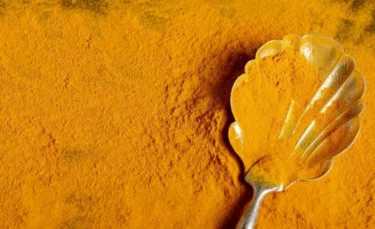
Turmeric presents many health benefits for humans. Turmeric is also good for managing cough and chest congestion. There are many ways by which you can make use of turmeric.

Thyme can be used to manage a lot of respiratory problems, including cough and bronchitis. Flavonoids present in thyme leaves also help by reducing inflammation (swelling). It also relaxes the muscles of the lungs and opens up the airways. To use thyme, you can make thyme tea by boiling crushed leaves of thyme. After boiling, the cup of thyme water is covered, left for some time, and strained afterward. You can drink this tea to get the benefits3.
Lemon is a valuable fruit with many health benefits. It contains vitamin C in ample amounts. Vitamin C helps in fighting infections. Lemon also helps in reducing swelling and inflammation. You can make a syrup using lemon juice to help fight cough. To use lemon juice, you may combine it with honey to make a syrup. You can drink this solution for chest congestion relief3.

Jaggery is helpful in relieving cough and chest congestion. The buildup of mucus is responsible for causing the feeling of congestion in the chest. Jaggery helps by aiding the expulsion of the mucus. To use jaggery, you can boil black pepper in water and put cumin and jaggery. You can drink this solution to get the benefits3.

Liquorice root possesses properties like expectorant (expulsion of sputum) and demulcent (relieving inflammation, irritation, and swelling). It aids in dealing with chest congestion by thinning the mucus and soothing the airways. To use licorice, you can make herbal tea. You can drink this tea to get the benefits of liquorice3.
Also Read: What Is Hantavirus? Symptoms, Causes, & Effective Prevention

You can use lavender oil by inhaling its vapours. You can directly put a few drops of lavender oil in hot water and inhale its vapours. If you have lavender flowers, go ahead, and put the flowers in a bowl of steaming water and inhale those vapours. Lavender oil vapor inhalation is an effective remedy for cold cough, bronchitis, and asthma. Therefore, it can be used to manage chest congestion3.
Also Read: Natural Home Remedies For Neck Pain

Peppermint leaves have healing properties. Peppermint contains menthol, which helps in breaking down the mucus. To get the benefits of peppermint, you can drink peppermint tea or inhale peppermint vapors by putting a few drops of peppermint oil in a bowl of hot water3.
Also Read: Best Home Remedies for Upset Stomach
If you are still confused about how to get rid of chest congestion fast, even after trying home remedies, it may be time to seek medical help. You should seek medical help if you:
All these may signify something severe and require immediate medical intervention.
Also Read: Fight Dry Hair By Using These 8 Home Remedies
Having chest congestion is quite common in people of all age groups. It is primarily a result of viral or bacterial infection. People at higher risk of developing chest infections need to take extra precautions. Also, if you are someone suffering from any chronic illness, you must take extra care. Although there are many remedies that you can try at home, natural herbs like thyme, lavender, and peppermint are quite effective in relieving chest congestion. Commonly found kitchen ingredients like ginger, turmeric, lemon, and jaggery can also be used. However, if your symptoms don’t improve even after using these remedies, you should immediately contact your healthcare provider.
Also Read: Home Remedies For Asthma By Dr. Siddharth Gupta
Some of the home remedies to relieve chest congestion are steam inhalation and, drinking lots of fluids to ease the cough, using natural ingredients such as turmeric, ginger, jaggery, lemon, thyme, and essential oils like lavender and peppermint2,3.
Chest congestion is a common occurrence in people of all ages. But certain groups are more at risk; these groups are the elderly and children. Also, people suffering from long-term illness and smokers have a higher chance of having chest congestion1.
Chest infections are the leading cause of chest congestion. To avoid chest infections, you need to maintain good personal hygiene, have a proper diet, and avoid alcohol misuse and smoking2.
Yes, you can use jaggery to relieve the symptoms of chest congestion. Jaggery provides several health benefits like aiding the expulsion of sputum that helps in dealing with chest congestion3.
Chest congestion is often more prevalent during colder months when respiratory infections are more common, but it can occur year-round due to various factors.
It’s generally advisable to avoid strenuous exercise while experiencing chest congestion, as it can worsen symptoms. Light activities and rest are recommended until congestion improves.
In some cases, untreated or severe chest congestion can lead to respiratory complications like pneumonia, especially if the underlying cause is a bacterial infection.
Disclaimer: The information provided here is for educational/awareness purposes only and is not intended to be a substitute for medical treatment by a healthcare professional and should not be relied upon to diagnose or treat any medical condition. The reader should consult a registered medical practitioner to determine the appropriateness of the information and before consuming any medication. PharmEasy does not provide any guarantee or warranty (express or implied) regarding the accuracy, adequacy, completeness, legality, reliability or usefulness of the information; and disclaims any liability arising thereof.
Links and product recommendations in the information provided here are advertisements of third-party products available on the website. PharmEasy does not make any representation on the accuracy or suitability of such products/services. Advertisements do not influence the editorial decisions or content. The information in this blog is subject to change without notice. The authors and administrators reserve the right to modify, add, or remove content without notification. It is your responsibility to review this disclaimer regularly for any changes.
48
Swollen gums might feel abnormally bulging and protruding. It is a common problem where one or many triangle-shaped areas of gum between teeth swell. Gum diseases, also called periodontal diseases, affect the gums supporting the teeth. Swelling in the gums can be a symptom of underlying gum diseases, like gingivitis1.
If you have swollen gums, you should get help from a dentist to get a diagnosis and treatment. You can also try home remedies to take care of the swelling at home. Read on to find some herbs and remedies to help take care of swollen gums at home.
The most common cause of swollen gums is bacterial plaque, a thin layer of bacteria. Plaque results in various conditions of the gums, like gingivitis and periodontitis. These conditions can give you red and swollen gums3.
Swollen gums can also be a result of1:
Swollen gums can be a symptom of an underlying health condition like gingivitis. Features of swollen gums include:
Periodontitis is the progressive stage of gingivitis, which occurs if gingivitis is left untreated. Periodontitis is characterised by symptoms like2:
Here are some natural remedies that you can use to take care of your swollen gums at home. You should try the one that works best for you. These remedies involve some commonly found herbs that you can easily find in your house.
Turmeric has anti-inflammatory activity, which might help in reducing gum swelling. Turmeric is also a good pain-relieving agent, which might aid in pain relief. You can use haldi or turmeric to take care of your gums. Make a paste using turmeric, salt, and some mustard oil. You can apply this paste to teeth and gums to get rid of dental problems5. However, if you feel any irritation after using it, you should immediately rinse it off.
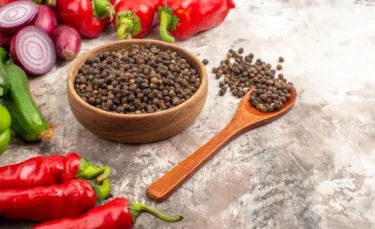
You can grind some black pepper to make powder and use this powder with mustard oil to make a paste. This paste can be used to massage the teeth and gums to steer clear of dental problems like swollen gums5.
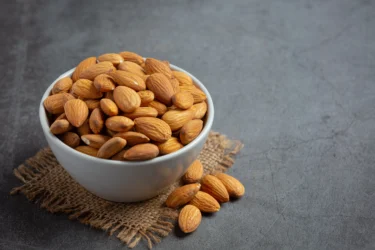
Almonds can be used as a remedy for gum problems. You can use the shell powder of almonds to take care of gum diseases. To make the powder, you can burn the shells of almonds, powder them and use them as and when required as a tooth powder5.
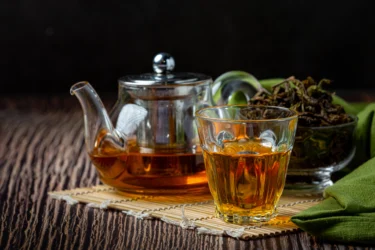
The antibacterial properties of green tea might help get rid of swollen gums4. You can try adding a few cups of green tea to your diet to help with swollen gums. However, avoid using this remedy if you are allergic to caffeine.
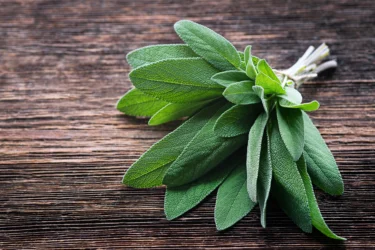
Sage is known to have antioxidant benefits, which might help soothe swollen gums8. You can use sage to make a mouthwash of your own by putting some fresh sage leaves into boiling water. Boil the leaves for some time before straining them. You can store this solution and use it as a mouth rinse. If you don’t find fresh leaves, you can use dried leaves as well.
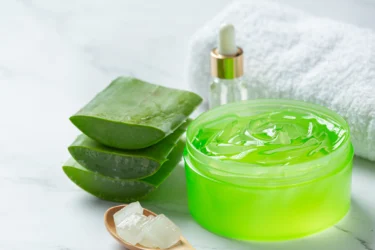
The inflammation-reducing benefits of aloe vera make it an excellent natural remedy for swollen gums8. You can directly use pure aloe vera juice as a mouth rinse. You can also massage aloe vera gel onto the gums. Make sure to buy the aloe vera juice from a good source. Also, check if you have any allergic reaction to aloe vera; in such cases, avoid using it.
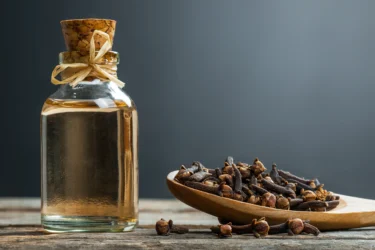
Clove oil helps prevent the growth and formation of bacteria, thereby preventing infections. Clove is also a good pain reliever and might help with pain associated with swollen gums8.To use clove for gums, mince some cloves, and use a cotton swab or cotton ball to apply the powder to your gums. Let the powder sit on the gums for some time. Rinse the clove off your gums once done.
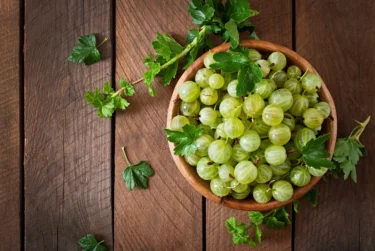
Amla fruits contain vitamin C in ample amounts. Vitamin C is a potent antioxidant beneficial in many health conditions. You can include one fresh amla fruit in your everyday diet to help with swollen gums. You can also use amla powder by mixing it with some water. You can drink this water to take care of your swollen gums.
If you are suffering from allergies to the remedies mentioned above, you should avoid using them. Instead, choose a remedy that works best for you.

Here are some simple tips that can help you manage gum problems:
Also Read: Causes and Home Remedies for Shortness of Breath
Swollen gums are a common problem that some people may ignore. However, if the changes in your gums, the redness and swelling last for more than two weeks, you need to seek medical help.
Also, visit your dentist if your gum problems are associated with:
Also Read: Best Home Remedies for Burning Feet
Swelling in the gums is a common problem and can occur at any age. Most people often neglect gum problems, as sometimes there is no pain involved. However, timely management is necessary to prevent the problem from worsening. Some common household ingredients like turmeric, black pepper, clove, and amla can be used to take care of swollen gums at home. You can also make herbal mouthwashes at home using dried or fresh leaves of sage. Make sure to take into consideration any allergies before using such home remedies. Also, if the swelling in the gums becomes painful and is accompanied by bleeding when you eat or drink, make sure to get a consultation from a dentist.
Also Read: Simple Home Remedies For Dry Throat
Natural home remedies that you can make use of to take care of swollen gums are black pepper powder, turmeric powder, clove, and amla. You can also use aloe vera, sage leaves, and green tea to relieve swelling in the gums.
Yes, swollen gums can also bleed. This bleeding might become more evident when you eat or brush your teeth3. You can contact a dentist to get a better diagnosis of your problem.
Gum problems can be prevented by maintaining good oral hygiene. Practices like brushing the teeth two times a day, using a good toothpaste, and using dental floss might help prevent gum problems from developing7.
Yes, swollen gums can signify health conditions like gingivitis, but you need to consult with a doctor or dentist to get a proper diagnosis.
If your swollen gums do not heal within two weeks and cause bleeding and pain, you should immediately contact a dentist.
Yes, you can use turmeric for swollen gums. You can use turmeric powder and apply it to your gums to get rid of swollen gums. Turmeric is known to reduce inflammation and swelling as it has anti-inflammatory benefits. However, if you are allergic to turmeric, you should avoid its use. Also, if turmeric use does not work out and the swelling persists, seek medical help.
The antioxidant properties in sage leaves are helpful in many health problems. You can make a herbal mouthwash using sage leaves. Drop some fresh or dried sage leaves in boiling water, and let them simmer for some time. Cool it and store it. Use this mouthwash to take care of swollen gums.
Yes, salt water can help swollen gums. Rinsing the mouth with warm salt water (saline solution) can reduce inflammation and soothe gum tissues. The saltwater rinse can also help to cleanse the area and promote healing. However, it’s essential to maintain regular dental care and consult a dentist if the swelling persists or worsens.
Yes, certain foods high in sugars or acids can contribute to gum irritation and inflammation. Smoking or using tobacco products can also lead to gum problems. Adopting a balanced diet and avoiding harmful habits can promote good gum health.
Yes, certain vitamin deficiencies, particularly vitamin C deficiency, can lead to gum problems, including swollen gums. Vitamin C plays a crucial role in maintaining gum health, and inadequate intake can weaken gum tissues. A balanced diet rich in vitamins and minerals is essential for gum health.
1. Gums – swollen: MedlinePlus Medical Encyclopedia [Internet]. [cited 2022 May 6]. Available from: https://medlineplus.gov/ency/article/003066.htm
2. Healthdirect Australia. Gingivitis. Symptoms, Treatments, Complications and Prevention | Healthdirect. [cited 2025 May 19]. Available from: https://www.healthdirect.gov.au/gingivitis
3. Gum disease – Better Health Channel [Internet]. [cited 2022 May 6]. Available from: https://www.betterhealth.vic.gov.au/health/conditionsandtreatments/gum-disease
4. Agarwal G, Chatterjee A, Saluja M, Alam M. Green tea: A boon for periodontal and general health. Journal of Indian Society of Periodontology. 2012 [cited 2025 May 19]. Available from: https://pmc.ncbi.nlm.nih.gov/articles/PMC3459493/
5. Ayush Division. Ayurveda offers Herbal healing. Available from: https://www.esic.nic.in/attachments/publicationfile/7d11b02e5abb4717d53b4ce05efabd21.pdf
6. Gum disease – NHS [Internet]. [cited 2022 May 6]. Available from: https://www.nhs.uk/conditions/gum-disease/
7. Gingivitis: MedlinePlus Medical Encyclopedia [Internet]. [cited 2022 May 6]. Available from: https://medlineplus.gov/ency/article/001056.htm
8. Rani N, Singla RK, Narwal S, Tanushree N, Kumar N, Rahman MdM. Medicinal plants used as an alternative to treat gingivitis and periodontitis. Evidence-based Complementary and Alternative Medicine. 2022 [cited 2025 May 19]. Available from: https://pmc.ncbi.nlm.nih.gov/articles/PMC10630018/
Disclaimer: The information provided here is for educational/awareness purposes only and is not intended to be a substitute for medical treatment by a healthcare professional and should not be relied upon to diagnose or treat any medical condition. The reader should consult a registered medical practitioner to determine the appropriateness of the information and before consuming any medication. PharmEasy does not provide any guarantee or warranty (express or implied) regarding the accuracy, adequacy, completeness, legality, reliability or usefulness of the information; and disclaims any liability arising thereof.
18
2
Hiccups are nothing but repeated spasms of contractions of your diaphragm (muscle of respiration located below the lungs) accompanied by a hic sound from your vocal cords. Hiccups are a common phenomenon in people of all age groups. Anyone can get hiccups, and they are usually not a sign of something serious. Hiccups usually settle on their own after a few minutes. But if you experience hiccups for a prolonged period, it can be a symptom of underlying disorders.
Hiccups are mostly harmless and stop without treatment. But if your hiccups are bothering you, you can use simple home remedies to get rid of them. Hiccups don’t affect the quality of your life1,2.
The reason why people get hiccups is not clear. However, several factors might trigger hiccups, including irritated nerves and low carbon dioxide levels in the blood.
Hiccups can happen if you:
Did You Know?
If you have hiccups, you might experience:
Generally, hiccups stop after a few minutes
Generally, hiccups will resolve on their own, but you can try these home remedies to get quick relief.

Breathing into a paper bag might help you stop hiccups. You can use a paper bag or any other bag available and breathe into it to get the benefits1.

It is recommended to hold your breath for some time to get rid of hiccups1. You can start by taking a deep breath and holding it in for some time (as long as you comfortably can) to help you stop hiccupping.
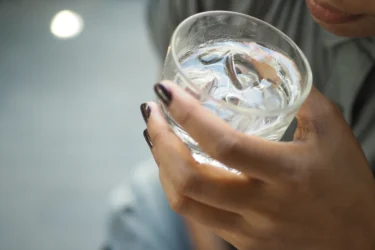
You can try gargling with ice-cold water to help you deal with hiccups3. Drinking iced water is also equally effective in getting rid of hiccups. You can also swallow some crushed ice to get rid of hiccups1.
Here are some common household ingredients that you can use as a remedy to manage your hiccups.
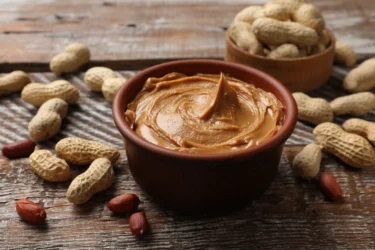
You can eat a spoonful of peanut butter to help with hiccups. It is a commonly found ingredient that can help with managing hiccups. So, if you have peanut butter in your house, you can try this remedy to get the benefits2,3.
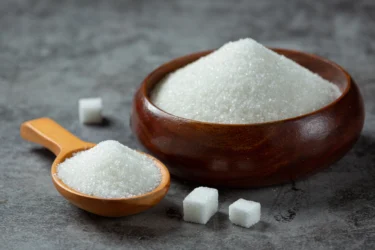
This is a simple and helpful home remedy for you to try. Granulated sugar is a common kitchen ingredient in every Indian household. You can try swallowing a spoonful of sugar to get rid of your hiccups2,3.
You can easily find a lemon in your kitchen; else, you can buy one as they are readily available in the market. You can take a lemon, cut it in half, and bite on it. You can also try sucking on a lemon wedge to help you stop the hiccups2,3.
Ginger is also a common ingredient that you can find in your house. You can use fresh ginger by chopping it and eating some pieces. Consuming ginger is known to stop the hiccups2,3.
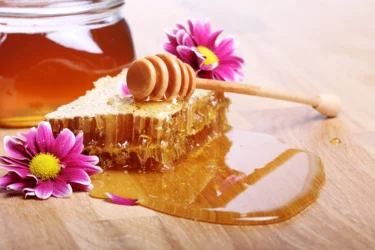
Honey is a common ingredient used in many Indian households. Honey is an effective remedy to deal with hiccups. To use honey, you can mix it in a glass of warm water. You can drink this water to stop the hiccups2,3.

You can also try some simple steps like:
Because the cause of hiccups may vary, not all these remedies will work out for everyone. However, these home remedies are simple and harmless, and you can try them unless you are allergic to any of the ingredients mentioned above. If you are allergic to any of the ingredients, don’t use them. You can try something else.
Hiccups are often benign and self-limiting. Patients with acute hiccups should be advised to try some aforementioned physical manoeuvres and should receive reassurance. In healthy patients with no overt cause for intractable and persistent hiccups, treatment of reflux may provide relief.
Dr. M.G. Kartheeka, MBBS MD(Pediatrics)
Also Read: Home Remedies For Tonsillitis
If your hiccups last for a few minutes or a couple of hours, a meeting with a healthcare provider might not be required. However, you should visit your healthcare provider immediately if you experience the following symptoms, as they might be a sign of a serious health condition
Also Read: Home Remedies For Throat Infection By Dr. Siddharth Gupta
People of all ages can get hiccups at various points in their life. Hiccups are usually not a sign of anything serious and resolve on their own without any treatment. However, if your hiccups are bothering you, you can use simple home remedies to get rid of them. Some easily found ingredients like honey, ginger, lemon, and sugar can help you stop the hiccups. Breath-holding and breathing into a bag are also some tips that you can follow to help with hiccups.
However, if your hiccups last more than a few days, and if your hiccups are accompanied by numbness, headache, and trouble balancing, you need to contact your healthcare provider immediately.
Also Read: Simple Home Remedies For Bloating
Drinking honey with warm water, eating fresh pieces of ginger, swallowing some granulated sugar, and sucking on lemons are some home remedies you can use to stop hiccups. You can also try holding your breath, breathing into a bag, and drinking or gargling with ice-cold water to help get rid of hiccups. You can choose a remedy that works best for you2,3.
Yes, you can try holding your breath for a while to get rid of hiccups. Take a deep breath and hold it in for as long as you comfortably can. It might help you to get rid of hiccups.
Some factors that might cause hiccups are stress, inhaling toxic fumes, fizzy drinks, cigarette smoking, spicy or hot food, eating food quickly, indigestion, and overconsumption of alcohol. Pregnancy can also cause hiccups2.
Avoiding specific triggers that cause hiccups might help you prevent them. You can avoid eating or drinking too fast, fizzy and carbonated drinks, overeating, overconsumption of alcohol, hot and spicy food, and cigarette smoking1,2.
Hiccups can last for a few minutes to a couple of hours, and you don’t need to take medical treatment. However, if your hiccups last for more than two days without improving, you need to visit your healthcare provider. Long-lasting hiccups can be a sign of a severe health condition1.
Hiccups that last for more than a few days can be a symptom of some underlying disease. But you need to visit a healthcare provider to know the cause. Some of the conditions that may lead to long-term hiccups are kidney diseases, brain damage, pneumonia (inflammation of the lungs), pleurisy (inflammation of the lung membrane), and oesophagitis (inflammation of the esophagus)2. If you feel your hiccups are due to something serious, you should visit your doctor immediately.
Yes, pregnancy can cause women to experience hiccups, provided they occur for a short period of time and resolve on their own2.
1. Hiccups: Causes & Treatment [Internet]. Lasted updated on: 2021 Jan 6. Available from: https://my.clevelandclinic.org/health/diseases/17672-hiccups
2. Hiccups – Better Health Channel [Internet]. [cited 2022 Apr 29]. Available from: https://www.betterhealth.vic.gov.au/health/conditionsandtreatments/hiccups
3. Chang FY, Lu CL. Hiccup: Mystery, Nature and Treatment. Journal of Neurogastroenterology and Motility [Internet]. 2012 [cited 2022 Apr 29];18(2):123. Available from: https://www.ncbi.nlm.nih.gov/pmc/articles/PMC3325297/
Disclaimer: The information provided here is for educational/awareness purposes only and is not intended to be a substitute for medical treatment by a healthcare professional and should not be relied upon to diagnose or treat any medical condition. The reader should consult a registered medical practitioner to determine the appropriateness of the information and before consuming any medication. PharmEasy does not provide any guarantee or warranty (express or implied) regarding the accuracy, adequacy, completeness, legality, reliability or usefulness of the information; and disclaims any liability arising thereof.
Links and product recommendations in the information provided here are advertisements of third-party products available on the website. PharmEasy does not make any representation on the accuracy or suitability of such products/services. Advertisements do not influence the editorial decisions or content. The information in this blog is subject to change without notice. The authors and administrators reserve the right to modify, add, or remove content without notification. It is your responsibility to review this disclaimer regularly for any changes.
7
1
Do you feel like a balloon in your stomach? This is because you have the issue of stomach bloating! And if you are looking for some home remedies to help with your bloating, then yes, you have visited the right place. Bloating is a condition that causes the abdomen to feel tight and full, as well as the stomach to appear swollen1. The feeling of bloating can range from slightly uncomfortable to extremely painful. It usually goes away in some time, but it can be a recurring issue for some people2.
Excessive intestinal gas is the most common cause of bloating2. Other common causes of bloating include the following:
Bloating can sometimes be caused by more serious medical conditions that include:
It might be a serious problem if your bloating is accompanied by abdominal pain, cramps, nausea or vomiting. Persistent bloating that doesn’t improve with lifestyle changes, such as eating smaller meals or avoiding certain foods, may also point to a more serious issue.
Dr Ashish Bajaj, M.B.B.S M.D. in Clinical Pharmacology and Toxicology
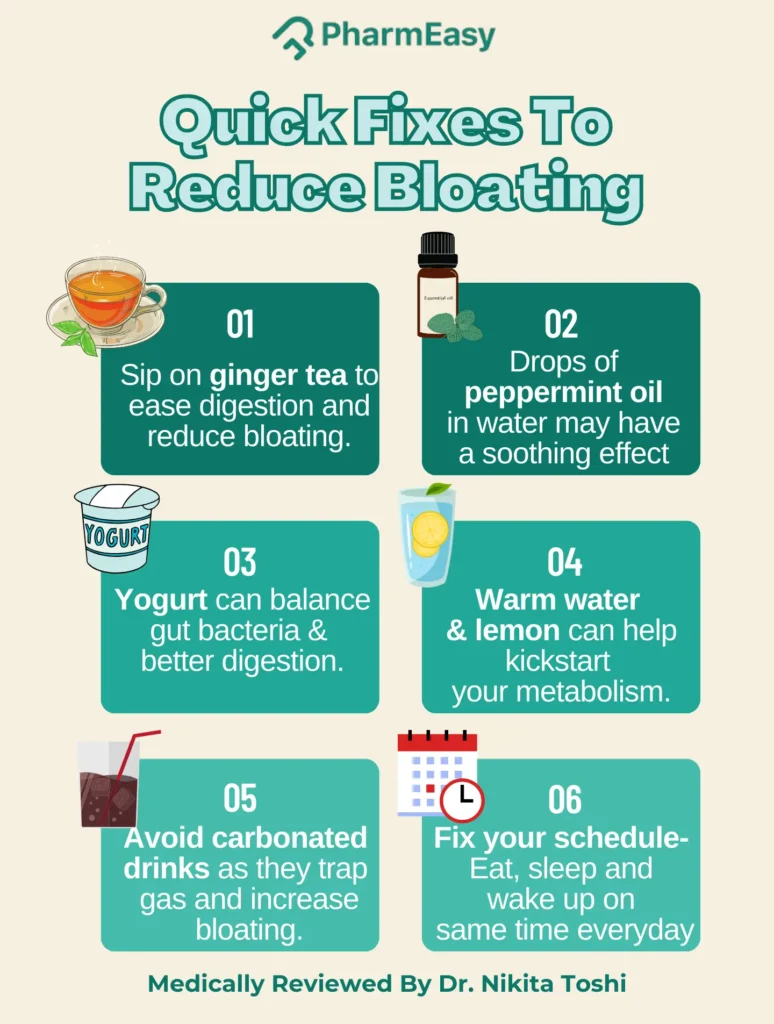
The following are some of the home remedies that may help you relieve bloating:
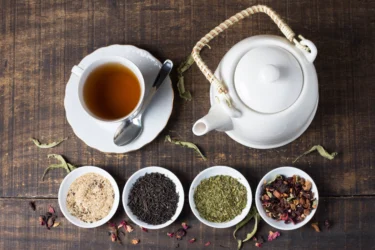
Herbal teas may aid in digestion and relieve gas. Some of the herbal teas that might benefit you for bloating are chamomile, peppermint, turmeric, ginger, and fennel tea. Dandelion tea may help to relieve water retention, thereby reducing bloating2.
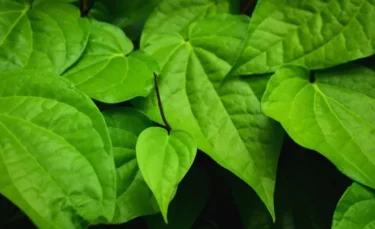
According to Ayurveda, pan is a post-meal digestive stimulant4. You can chew betel leaves after meals; this can help with digestion. It may stimulate the secretion of digestive juices, relieve constipation and aid in reducing stomach bloating5.
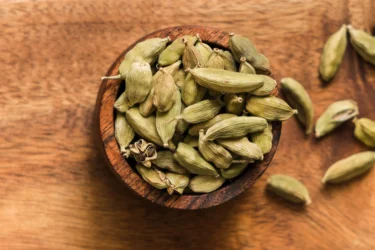
Traditionally, cardamom was used as a stomachic (helps digestion and promotes appetite), anti-flatulent (prevents gas accumulation) and for managing indigestion6. You can take some cardamom, shunti (dry ginger), and rock salt and make a fine powder of it. You can take this with warm water. This might be helpful in bloating and indigestion5.
The star anise fruit acts as a carminative (to relieve gas from the intestine) and is used for indigestion and to relieve bloating7. You can take some anise powder and mix it with honey. It helps with digestive issues like bloating, flatulence, stomach pain, and colic (abdomen pain)5. The fruits of this tree are also used for making tea and might be helpful in stomach bloating and indigestion.
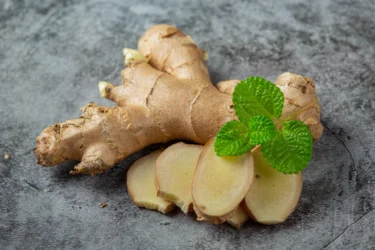
Ginger is an essential dietary agent that has carminative properties. It has been used for a long time to manage digestive issues like bloating, constipation, indigestion, discomfort, etc8. You can prepare ginger tea by adding ginger to the water and boiling it. This may help manage stomach bloating.
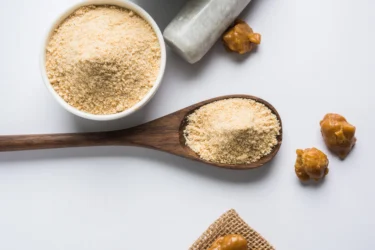
Hing is a popular ingredient in several foods. Its health benefits are that it helps to reduce bloating, menstrual pain, and indigestion9. You can take warm water with some hing in it. This may help with bloating.
In Iran, ajwain has been used as an herbal remedy for a variety of gastrointestinal conditions, including bloating. It also has anti-inflammatory properties that also might be beneficial for bloating10. You can chew some ajwain seeds. You can also boil some ajwain in water, allow it to cool and then drink it.
Also Read: Natural Home Remedies For Constipation By Dr. Siddharth Gupta
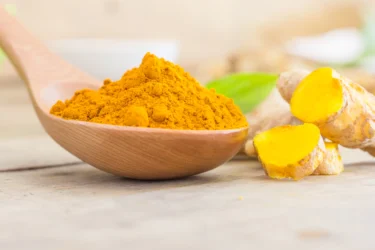
Turmeric is considered one of nature’s most potent healing agents. It acts as a digestive stimulant as well as a carminative. It is added to a variety of dishes to improve digestion and reduce gas and bloating. You can take turmeric as a dry powder mixed in plain water or buttermilk, which is highly beneficial for stomach issues11.
It is essential to educate patients on the benign course of this disorder, to establish long-term care and expectations for treatment. If red flag signs like unintentional weight loss, persistent vomiting, or dysphagia are present, further evaluation is recommended.
Dr. M.G. Kartheeka, MBBS MD(Pediatrics)
For more tips to reduce bloating CLICK HERE
Also Read: Natural Home Remedies for Loose Motion
Seek medical help if your stomach bloating:
You must also seek medical help if you notice other symptoms along with bloating, like:
Also Read: Natural Laxatives: Your Guide to Safe and Effective Remedies for Constipation
Bloating is a common experience and a very unpleasant feeling. However, it can be managed using some of the above-mentioned tips that may help to prevent stomach bloating from worsening. Additionally, home remedies such as herbal teas, elaichi, pan, star anise, ginger, hing, ajwain, and turmeric may be beneficial in reducing bloating. However, if the bloating persists for more than a week and you have other symptoms, which are worsening your condition, then in such cases, you must consult your doctor.
Also Read: 5 Instant Home Remedies For Gastric Problem
Yes, turmeric is an excellent healing agent and acts as a carminative and digestive stimulant. You can mix turmeric powder in plain water or buttermilk; this helps manage bloating11.
If you have been experiencing stomach bloating for more than a week, you must seek medical help2. There could be some condition that is causing the bloating. Your doctor will examine you properly and will suggest you the treatment accordingly.
Yes, herbal teas may help you to get rid of bloating. Herbal tea includes chamomile, peppermint, turmeric, ginger, and fennel. Even dandelion tea may help relieve bloating caused by water retention2.
Yes, ajwain has been used as a herbal remedy for various gastrointestinal conditions, including bloating. It has anti-inflammatory properties as well10. You can chew some ajwain seeds and boil some ajwain in water, allow it to cool and then drink it.
Yes, hing has several health benefits and also helps in reducing bloating9. You can mix some hing in warm water and drink it. This could help you manage your bloating problem.
1. Abdominal bloating. [Internet]. MedlinePlus National Library of Medicine. 2022. Available from: https://medlineplus.gov/ency/article/003123.htm
2. Bloated Stomach [Internet]. Cleveland Clinic. 2021. p. 1–13. Available from: https://my.clevelandclinic.org/health/symptoms/21740-bloated-stomach
3. Bloating [Internet]. American Academy of Family Physicians. 2021. p. 1–4. Available from: https://familydoctor.org/condition/bloating/
4. Toprani R, Patel D. Betel leaf: Revisiting the benefits of an ancient Indian herb. South Asian J Cancer. 2013 Jul-Sep;2(3):140–141. doi: 10.4103/2278-330X.114120. PMCID: PMC3892533. PMID: 24455591. Available from: https://pmc.ncbi.nlm.nih.gov/articles/PMC3892533/
5. AYUSH. Ayurveda Offering Herbal Healing [Internet]. 1–128 p. Available from: https://agritech.tnau.ac.in/horticulture/pdf/Aayush_AyurvedaOffering_HerbalHealing.pdf
6. Sengottuvelu S. Cardamom (Elettaria cardamomum Linn: Maton) Seeds in Health [Internet]. Nuts and Seeds in Health and Disease Prevention. Elsevier Inc.; 2011. 285–291 p. Available from: https://www.researchgate.net/publication/286335251_Cardamom_Elettaria_cardamomum_Linn_Maton_Seeds_in_Health
7. Gonzalez-Stuart AE, McCallum RW. Medicinal Plants Used for Digestive Disorders- What the Gastroenterologist Needs to Know. Pract Gastroenterol [Internet]. 2015;39(9):12–25. Available from: https://practicalgastro.com/wp-content/uploads/2019/11/Medicinal-Plants-for-Digestive-Disorders-What-Gastroenterologist-Needs-to-Know.pdf
8. Nikkhah Bodagh M, Maleki I, Hekmatdoost A. Ginger in gastrointestinal disorders: A systematic review of clinical trials. Food Sci Nutr [Internet]. 2019 Jan 1 [cited 2022 Mar 25];7(1):96. Available from: https://www.ncbi.nlm.nih.gov/pmc/articles/PMC6341159/
9. Shahrajabian MH, Sun W, Cheng Q. Asafoetida, Natural Medicine for Future. Curr Nutr Food Sci [Internet]. 2021;17(9):922–6. Available from: https://www.ingentaconnect.com/content/ben/cnf/2021/00000017/00000009/art00005
10. Yazdian M, Agah S, Minaii B, Ansari R, Hosseini H, Vazifekhah S, et al. Evaluation of Efficacy of Carum Copticum on Gaseous Symptoms in Patients With Abdominal Bloating. Int J Biosci [Internet]. 2014;5(9):372–8. Available from: https://www.cabidigitallibrary.org/doi/full/10.5555/20153063575
11. Bhowmik D, Chiranjib, Kumar KPS, Chandira M, B. Jayakar. Turmeric: A Herbal and Traditional Medicine. Sch Res Libr [Internet]. 2009;1(2):86–108. Available from: https://www.researchgate.net/profile/Debjit-Bhowmik-3/publication/268268687_Turmeric_A_Herbal_and_Traditional_Medicine/links/5552dedf08aeaaff3bf001f1/Turmeric-A-Herbal-and-Traditional-Medicine.pdf
Disclaimer: The information provided here is for educational/awareness purposes only and is not intended to be a substitute for medical treatment by a healthcare professional and should not be relied upon to diagnose or treat any medical condition. The reader should consult a registered medical practitioner to determine the appropriateness of the information and before consuming any medication. PharmEasy does not provide any guarantee or warranty (express or implied) regarding the accuracy, adequacy, completeness, legality, reliability or usefulness of the information; and disclaims any liability arising thereof.
Links and product recommendations in the information provided here are advertisements of third-party products available on the website. PharmEasy does not make any representation on the accuracy or suitability of such products/services. Advertisements do not influence the editorial decisions or content. The information in this blog is subject to change without notice. The authors and administrators reserve the right to modify, add, or remove content without notification. It is your responsibility to review this disclaimer regularly for any changes.
4
1
We have all experienced a red, itchy eye at some point in our lives. A red eye is generally used to describe irritated, red, and bloodshot eyes. Eye redness can be painful and extremely uncomfortable. A red eye is the first sign of eye inflammation1. Red eyes may be relatively harmless and can easily improve with home remedies. However, if the red eye is accompanied by swelling, eye pain, light sensitivity, or blurry vision, you must immediately seek medical help. A red eye is the result of a reaction to something that irritates your eye. It can affect one or both eyes and might appear suddenly or progress with time; it can be due to eye injury or an allergic reaction to some foreign substance that entered your eyes2.
Red eyes can occur due to several reasons. Sometimes, they can occur even due to daily habits like staring at your computer screen for too long without any break or wearing contact lenses for a prolonged hours. Other causes of red eyes include the following underlying conditions:
Red eyes is a common symptom but Eye infection and foreign body should be ruled out by consulting an Ophthalmologist.
Dr. M.G. Kartheeka, MBBS, MD(Pediatrics)
Redness of eyes is itself a symptom as a result of some irritation. Signs and symptoms that may accompany a red eye include:
Red eyes are very common and can be caused by allergies, viral infections, or dry eyes. But sometimes they are the result of more serious conditions that need medical attention. If they persist with a change in vision, consult your ophthalmologist.
Dr. Ashish Bajaj, M.B.B.S., M.D. in Clinical Pharmacology and Toxicology
There are various home remedies for red eyes that you can use before rushing to a doctor. Sometimes gently washing the eyes, resting them, lightly massaging the eyelids, or using a compress for closed eyes might be enough to settle redness of eyes2. Here are some hacks that you can use as home remedies for red eyes:

A warm compress might be beneficial for a red eye1. You can place a damp, warm cloth over your eyes for a few mins. For this, soak a clean cloth in warm water and remove all the excess water from the cloth. Then place this damp cloth over your eyes and let it rest until the cloth becomes cool3.

Placing a cold compress over closed eyelids might be beneficial to lessen eye redness2. You can soak a cloth in cold water and apply it gently over your eyes. You can also freeze a wet cloth and gently apply it over your eyes till it gets warm. The cold water reduce the inflammation along with providing a cooling effect.
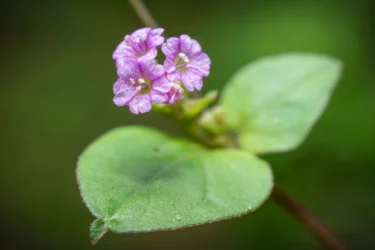
Take a few fresh leaves of punarnava and grind them into a fine paste. Now, apply this paste over closed eyes. This gives a cooling effect to the eyes4, and may be beneficial for reducing the inflammation and redness of eyes.
When we work on the computer screen for too long, our blinking rate tends to decrease. That results in eye dryness that could manifest as red, fatigued eyes. Therefore I always recommend computer professionals to take frequent screen breaks.
Dr. Gitanjali Sharma Bose, MBBS, MS Ophthalmology
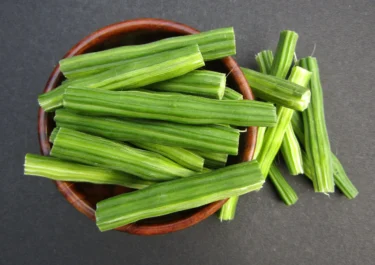
The leaves of the drumstick tree are mainly used for cooking and medicinal purposes, as they are rich in antioxidants and other nutrients. The tree has anti-inflammatory properties and may be beneficial in eye problems5. You can take the leaves of the drumstick tree and grind them to make a fine paste. You can apply this paste around closed eyes4. The anti-inflammatory properties of drumstick might be beneficial to alleviate the redness.
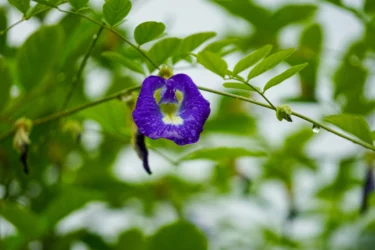
Aparijita, also called butterfly pea, is widely used as a medicinal plant in Indonesia. It is believed to have beneficial effects on health, particularly in conjunctivitis. It contains anthocyanins (flavonoid pigment found in plants) that might be a potential antibacterial agent6. Also, the tree has anti-inflammatory properties7, which might help reduce inflammation. You can smash aparajita flowers with cow milk. Apply this paste over closed eyes4. The anti-bacterial and anti-inflammatory properties might help quickly overcome an eye infection and lower the inflammation.
You can also try these to get rid of a red eye:
If redness is accompanied by pain, watering or photophobia, one must avoid self- treating it and immediately consult an ophthalmologist.
Dr. Gitanjali Sharma Bose, MBBS, MS Ophthalmology
Also Read: Simple Home Remedies For Puffy Eyes
You must seek medical help when you:
Also Read: Surge In Eye Infections During Monsoons
Inflammation of the eye is the cause of a red eye. The eye inflammation may be relieved using some common home remedies easily available in your kitchen or garden compound. You can use home remedies like warm and cold compresses, or a paste of punarnava, shigru, and aparijita. These home remedies might help you get rid of red eyes. However, it is advisable to consult your doctor if the redness lasts beyond 1 or 2 days, or new symptoms develop.
Also Read: Natural Home Remedies for Food Poisoning
Red eyes can occur due to several reasons; it can be the smallest cause (contact lenses) to some severe conditions (blepharitis, allergies, dry eyes, glaucoma, conjunctivitis, eye injury). It can also be caused due to whitening eye drops, excessive alcohol use, or smoking2.
Red eyes can occur due to several reasons, some serious, but most of them are nothing to be alarmed about. If the symptoms continue for more than 1 to 2 days, you must seek medical help and get an accurate diagnosis8.
If the redness does not alleviate within 1-2 days8, you must seek medical help from a general phyisician or an ophthalmologist, who is a specialist eye doctor, as there might be some underlying medical condition responsible for the redness of your eyes.
Yes, you can use a warm compress for red eyes1. For this, soak a clean washcloth in warm water, remove all the excess water from the cloth, lay this damp cloth over your eyes, and let it rest3.
Yes, a cold compress may be used to relieve the redness in your eye2. You can soak a cloth in cold water or freeze a wet cloth and gently apply it over your eyes.
Home remedies for subsiding the redness in the eyes include warm or cold compresses, paste of punarnava leaves, or shigru leaves, or aparijita flower with cow milk1,7.
If you experience red eyes for more than 1-2 days, along with symptoms like nausea and vomiting, headache with confusion or blurred vision, rings around lights, an eye injury, have vision changes, eye pain, sensitivity to light, greenish or yellowish discharge from your eye, or any foreign body in your eye8, you must immediately seek medical help.
Yes, there are chances that the redness in your eye is due to a contact lens3. Avoid using contact lenses for too long and consult your doctor if the redness doesn’t settle in a 1-2 hours.
1. Cronau H, Kankanala RR, Mauger T. Diagnosis and management of red eye in primary care. Am Fam Physician. 2010;81(2):137–44. Available at: https://pubmed.ncbi.nlm.nih.gov/20082509/
2. Red Eye [Internet]. Cleveland Clinic. 2018. p. 1–9. Available from: https://my.clevelandclinic.org/health/symptoms/17690-red-eye
3. Gudgel dan T. Pink Eye Home Remedies [Internet]. American Academy of Opthalmology. 2021. Available from: https://www.aao.org/eye-health/diseases/pink-eye-quick-home-remedies
4. AYUSH. Ayurveda Offering Herbal Healing [Internet]. 1–128 p. Available from: https://agritech.tnau.ac.in/horticulture/pdf/Aayush_AyurvedaOffering_HerbalHealing.pdf
5. Vergara-Jimenez M, Almatrafi MM, Fernandez ML. Bioactive components in Moringa oleifera leaves protect against chronic disease. Antioxidants. 2017;6(4):1–13. Available at: https://www.ncbi.nlm.nih.gov/pmc/articles/PMC5745501/
6. Anthika B, Kusumocahyo SP, Sutanto H. Ultrasonic Approach in Clitoria ternatea (Butterfly Pea) Extraction in Water and Extract Sterilization by Ultrafiltration for Eye Drop Active Ingredient. Procedia Chem. 2015;16(6):237–44. Available from: https://www.researchgate.net/publication/289998595_Ultrasonic_Approach_in_Clitoria_ternatea_Butterfly_Pea_Extraction_in_Water_and_Extract_Sterilization_by_Ultrafiltration_for_Eye_Drop_Active_Ingredient
7. Mukherjee PK, Kumar V, Kumar NS, Heinrich M. The Ayurvedic medicine Clitoria ternatea-From traditional use to scientific assessment. J Ethnopharmacol. 2008;120(3):291–301. Available at: https://pubmed.ncbi.nlm.nih.gov/18926895/
8. Eye Redness [Internet]. MedlinePlus Medical Encyclopedia. 2020. p. 1–4. Available from: https://medlineplus.gov/ency/article/003031.htm
Disclaimer: The information provided here is for educational/awareness purposes only and is not intended to be a substitute for medical treatment by a healthcare professional and should not be relied upon to diagnose or treat any medical condition. The reader should consult a registered medical practitioner to determine the appropriateness of the information and before consuming any medication. PharmEasy does not provide any guarantee or warranty (express or implied) regarding the accuracy, adequacy, completeness, legality, reliability or usefulness of the information; and disclaims any liability arising thereof.
Links and product recommendations in the information provided here are advertisements of third-party products available on the website. PharmEasy does not make any representation on the accuracy or suitability of such products/services. Advertisements do not influence the editorial decisions or content. The information in this blog is subject to change without notice. The authors and administrators reserve the right to modify, add, or remove content without notification. It is your responsibility to review this disclaimer regularly for any changes.
7
0


