
You might have heard a wind instrument playing; it sounds beautiful, right? But when you hear a similar sound coming from someone’s body, while they breathe, it might be alarming. The shrill whistle or the coarse rattle like sound that we hear on breathing is called wheezing. It can be caused when a part of the air passage is blocked due to conditions like asthma, bronchitis, allergies, etc. Depending on the part of the airway that is blocked, the type of sound that is heard varies. All wheezes are not audible to the human hear some can only be heard using a stethoscope. Generally, wheezing can be heard when we breathe out (exhale), but sometimes it can be heard when we breathe in (inhale) as well1. You might not find a way for how to stop wheezing immediately without consulting a doctor, but there are various home remedies that you can try that may help relieve wheezing.
Did you know?
There is a network of tubes in our body starting from the nose and leading to the lungs called as bronchi. When there is a blockage or obstruction in the smaller tubes (bronchioles) we can hear wheezing. The blockage can be in one of the larger tubes as well. A wide range of medical underlying conditions can cause wheezing, such as1:
Wheezing itself is a symptom of an underlying medical condition that is causing a partial blockage of the airway. A sound comparable to that of a whistle, rattle or like that of a clarinet (a wind instrument) is a wheeze. You can hear it mainly when you breathe out, but sometimes wheezing can be heard even while breathing in1.
There can be several reasons that can case wheezing, therefore the treatment options also range widely. The use of certain naturally occurring substances that can be easily found in our homes can be used as a remedy for the treatment of wheezing. A few of them are as follows.
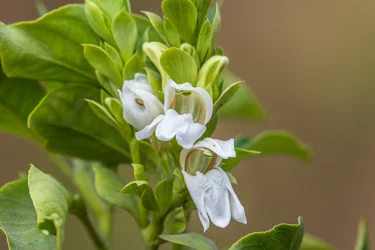
It is also known as Vasa in Sanskrit and Malabar Nut in English. The vasaka leaf decoction/tea helps in widening or opening up of the tubes in the airway and easing breathing. Thus, it is used for treating breathing problems. It is used as a remedy by people for wheezing due to lung issues. The leaves of vasaka can be used to make a decoction and be consumed. To counteract the bitterness, sugar or honey can be added to the decoction2.
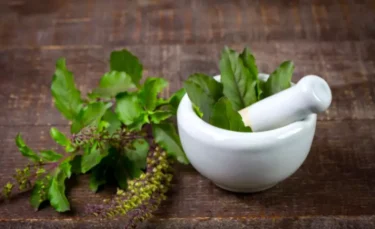
In many Ayurvedic cough syrups, tulsi is a common ingredient. In conditions like bronchitis and asthma, mucus gets stuck in the airway tubes and blocks them partially tulsi helps in moving the mucous, thus clearing the blockage. We can make a decoction using the leaves of tulsi, along with some ginger and honey and enjoy it at the end of a long day. This remedy provides relief in case of bronchitis, influenza, cough, cold and allergies, which may be the reason for wheezing2.

This is also known as Janglibhata in Hindi and Brihati in Sanskrit. In the preparation of cough syrups, it is one of the main ingredients used. It functions by thinning the mucus that is responsible for blocking the airways. Owing to this function, it is helpful when wheezing occurs due to inflammation of bronchus and trachea due to infection by bacteria (bacterial tracheobronchitis)2. It can be used as a remedy by using the leaves of nightshade to make a tea or decoction and drinking it.
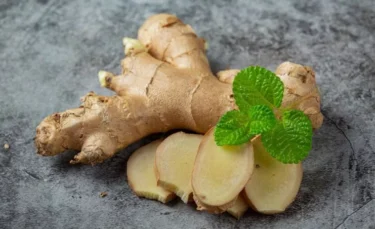
Ginger or adrak is medicinally extremely valuable, especially the rhizome. It is used in reliving many conditions. For the treatment of asthma, a common cause of wheezing, a little bit of ginger juice with pomegranate juice and honey can be consumed. A decoction made by boiling ginger or ginger powder in water and adding honey can be useful in soothing the throat when we have allergies, which is another common cause of wheezing. Thus, ginger can be used in various preparations to relieve wheezing2.
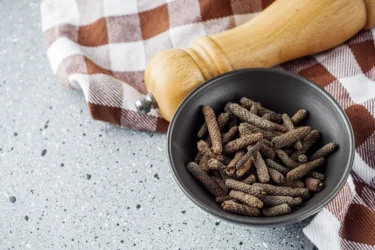
Pipli is the Hindi name of Long Pepper. It is also referred to as Chapla in Sanskrit. The fruit of this tree is of medicinal value. Asthma is a common reason behind wheezing and Pipli can be used to relieve Asthma, thus also an effective wheezing treatment. A little bit of the dried powder of pipli can be consumed along with jaggery. It can be consumed twice in a day, after food, for receiving its beneficial effects2.
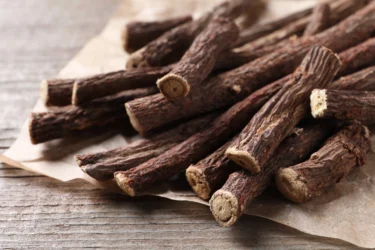
Mulethi is also known as liquorice in English. When wheezing is the cause of bronchial asthma, or due to any other irritation caused in the bronchus, mulethi can be used in the form a tea to relieve it. An herbal tea can be made using mulethi and ginger, this tea can be sipped to feel relief from wheezing. However, it is advised not to drink more than 2-3 cups of this herbal tea in a day2.

Breathing exercises help in expanding the lung and increasing the lung capacity by relaxing our airways. Pranayama is a yoga form of breathing exercises. Practicing Pranayama or any other deep breathing exercises may be helpful in relieving wheezing. It is advised to practise these exercises in a moist environment to gain more benefits1.
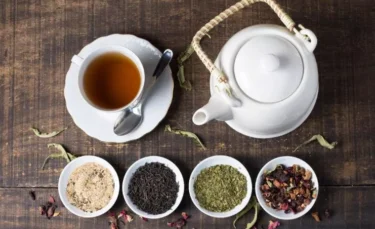
Drinking hot herbal tea provides relief to the throat and helps in relaxing the blocked air passages. This may be due to warmth and moisture of the herbal tea. Green tea is also said to have antibacterial properties, which might have an added advantage. Therefore, drinking hot herbal tea can be a delicious way to overcome your wheezing1.
All these home remedies can be used to limit the severity and control the wheezing, but when there is a severe excerbation it’s always important to take inhalers
Dr. M.G. Kartheeka, MBBS, MD(Pediatrics)
Also Read: How to Avoid Asthma Attacks During Winter
You should contact a doctor if you notice wheezing for the first time, if it keeps returning, or if you notice any of the following:
Wheezing associated with fever and cough should be examined by a physician to diagnose the underlying cause as if left untreated it may be a cause of pneumonia and may cause long-term damage to the lungs in the form of scarring of the airways.
Dr. Ashish Bajaj, M.B.B.S., M.D. in Clinical Pharmacology and Toxicology
Also Read: What Is Hantavirus? Symptoms, Causes, & Effective Prevention
Wheezing is an indicator of an underlying medical condition and it is not the kind of music that you want to hear. As there can be a number of reasons responsible for wheezing, it is advisable to consult a doctor and identify its exact cause. It can be due to allergies, cold and cough or can be the indicator of heart diseases as well. It can be uncomfortable and irritating. You can try out ginger, mulethi, tulsi, etc., which might be effective wheezing home remedies. Ensure you do not ignore severe wheezing or symptoms that are worsening and consult a doctor for wheezing treatment.
Also Read: 6 Simple Exercises to Improve Your Lung Health
No. The whistling sound that you hear while breathing is called wheezing and it can occur due to certain underlying conditions like asthma, allergies, bronchitis, etc. when our airway is partly blocked1.
Yes. Wheezing can occur due to allergies, due to blockage of a part of the tubes in the airway. It can also be cause due to bronchitis, smoking, asthma, etc1.
No. There are no reports of wheezing being caused by arthritis.
Yes. Ginger can be used to make a decoction with honey and pomegranate juice, is helpful in reliving asthma and wheezing caused due to it. It can also be used to relieve cough and soothe the throat, which might also relieve wheezing2.
Yes, Brihati is the Sanskrit name for black nightshade. It is beneficial in the treatment of wheezing caused due to inflammation of bronchus and trachea2. We can make use of the leaves of brihati to make a decoction and drink it to gain relief from wheezing.
No. There are no reports of wheezing being caused by kidney disease.
1. Cleveland Clinic. What is wheezing? [Internet]. Clevelanad clinic,ohio. [cited 2022 May 13]. Available from: https://my.clevelandclinic.org/podcasts/health-essentials/simple-ways-to-stop-wheezing
2. Dash Gyanesh , Mohanty KT Kumar Goura Ranjan , Sahoo Diptiman MG and PS. Traditional medicinal plants used for the treatment of asthma in Bhubaneswar, Odisha. Int J Herb Med [Internet]. 2018;12(3):27–40. Available from: https://www.researchgate.net/publication/328630427_Traditional_medicinal_plants_used_for_the_treatment_of_asthma_in_Bhubaneswar_Odisha
Disclaimer: The information provided here is for educational/awareness purposes only and is not intended to be a substitute for medical treatment by a healthcare professional and should not be relied upon to diagnose or treat any medical condition. The reader should consult a registered medical practitioner to determine the appropriateness of the information and before consuming any medication. PharmEasy does not provide any guarantee or warranty (express or implied) regarding the accuracy, adequacy, completeness, legality, reliability or usefulness of the information; and disclaims any liability arising thereof.
Links and product recommendations in the information provided here are advertisements of third-party products available on the website. PharmEasy does not make any representation on the accuracy or suitability of such products/services. Advertisements do not influence the editorial decisions or content. The information in this blog is subject to change without notice. The authors and administrators reserve the right to modify, add, or remove content without notification. It is your responsibility to review this disclaimer regularly for any changes.
 17
17
 0
0
Do you see blue or purple veins bulging out of your skin? These spiraling lines can make people conscious of their appearance. The presence of swollen and prominent veins on the feet and legs is called varicose veins. Varicose veins are primarily dark purple or blue in colour and appear twisted, lumpy or bulging. Varicose veins usually do not cause any serious issues or discomfort. If you suffer from varicose veins and they do not cause any pain or discomfort, you might not require consultation from your doctor1. Varicose vein is a common problem, chances of which increase with the increase in age, if you are female, do not exercise, have obesity or have a family history of varicose veins. It is also more common in pregnancy2.
In some cases, if the varicose veins, often called as spider veins, become too noticeable, They might cause discomfort and embarrassment to people3.
An increased blood pressure in the veins is the primary cause of varicose veins. The mechanism of how a varicose vein is formed is given below:
The valves can become weakened or damaged due to many reasons such as:
Also Read: Natural Home Remedies for Leg Pain
Did You Know?
The primary symptom of varicose veins is the appearance of dark purple- or blue-colored veins under the skin surface. Other symptoms of the varicose vein are:
The saphenous veins are in your legs, they become significantly larger and swollen than normal. This makes them clearly visible as they will push the skin and protrude like mini-ropes. They can have some colour or be colourless.
These are smaller in size but spread in a network of reddish, greenish or purplish colors. They cover large sections of the body and although they do not stick out as much as saphenous veins, they can be very obvious against your skin.
These are thinner and smaller compared to the previous types and also spread in a web-like fashion. They can be reddish or bluish in colour.
Varicose veins are frequently complicated by varicose ulcers which may take many months or years to heal and treatment for them is aimed at preventing infection and speeding up healing.
Dr. Ashish Bajaj, M.B.B.S., M.D. in Clinical Pharmacology and Toxicology
If the varicose veins on your body bother you, you can take these steps at home to enhance your blood circulation in the legs and improve varicose veins.

Elevating your feet above the level of your heart several times a day can help you reduce the symptoms of varicose veins. You can do this by lying down and putting some pillows below your feet. For mild-to-moderate varicose veins, leg elevation will help you improve the blood flow back to the heart and reduce the swelling of the varicose vein3.
Varicose veins are often complicated by pain in the legs, ankles and knees, which usually get better as you allow your legs to rest, and keep them in an elevated position, thus reducing the pooling of the blood in the lower limbs.
Dr. Ashish Bajaj, M.B.B.S., M.D. in Clinical Pharmacology and Toxicology
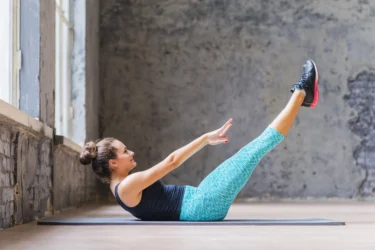
You can try any physical exercise that works the muscles in your legs. The muscles of the legs help your veins push the blood back to the heart against the gravitational force. By exercising your leg muscles, you will also prevent new varicose veins from forming5.
Gently massaging the affected areas can help to keep the blood moving through the veins. A person can use gentle massage oils or moisturizer for optimal effects. It is crucial to avoid pressing directly onto the veins, however, as this may damage fragile tissues.
Dr. M.G. Kartheeka, MBBS, MD(Pediatrics)

Being overweight or obese is one of the major risk factors for varicose veins. When you are overweight, veins have difficulty in pushing the blood back to the heart, which might lead to varicose veins in the long run. Losing weight will help the veins move the blood back. It will also prevent the formation of newer varicose veins5.
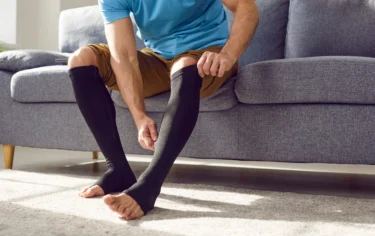
Compression stockings are designed in such a way so that they help to squeeze your legs and improve blood circulation. As the blood circulation improves, it encourages the flow of blood to your heart. In addition, compression stockings relieve the pain, swelling and discomfort associated with varicose veins. Pregnant women who also have varicose veins can use compression stockings for the duration of their pregnancy. But, pregnant women should consult their doctor before using compression stockings.
Compression stockings are available in different colours, sizes, foot styles, pressures and lengths that can be bought from chemists or directly available from manufacturers6.
Wearing tight-fitting clothes can restrict blood flow. A person may find that their circulation is improved by wearing loose-fitting clothes that do not restrict the blood supply to the lower body. Wearing flat shoes instead of high heels may also help with varicose veins in the legs.
Dr. M.G. Kartheeka, MBBS, MD(Pediatrics)

If you have a sedentary lifestyle and if your work involves sitting or standing for a long time, you can take small breaks every 30 minutes to stand up and walk around. Walking will allow the muscles of your legs to move the blood back to your heart. You can do this at your home or workplace to improve the blood circulation in your legs5.
Natural remedies are also effective in relieving varicose veins. Many natural remedies that might help to improve varicose veins are:
Prolonged sitting and standing usually makes the varicose veins worse and this condition doesn’t usually get cured on its own and usually requires compression stockings, medical and at times surgical management, if severe and painful.
Dr. Ashish Bajaj, M.B.B.S., M.D. in Clinical Pharmacology and Toxicology
Ginger possesses many health benefits like improving the flow of body fluids and stimulating blood circulation in the body. It also helps in lowering high blood pressure too7. You can use ginger to get relief from varicose veins8. You can add fresh ginger to your diet to get rid of varicose veins. You can also make fresh ginger tea to relieve varicose veins.
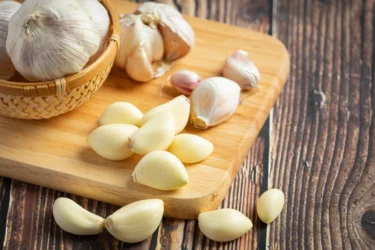
You can take garlic to get relief from varicose veins. Garlic can help to improve blood circulation and reduce blood pressure, improving the swelling and blood circulation associated with a varicosed vein8. You can involve fresh garlic in your diet by adding it to various dishes.

Cayenne pepper prevents the formation of blood clots and helps in breaking down existing blood clots. This improves blood circulation and helps to get relief from varicose veins8. You can put cayenne pepper in your dishes.
Also Read: Natural Home Remedies for Blood Clots
Varicose veins are not dangerous and do not cause any severe health problems. However, if your varicose veins make you uncomfortable about your appearance, you can meet your healthcare provider or doctor for an examination. Also, if you notice these symptoms along with varicose veins, contact your healthcare provider immediately.
Also Read: Effective Home Remedies for Swollen Legs
A varicosed vein appears swollen or bulging beneath the skin surface and is blue or purple in colour. If you are suffering from varicose veins, you are not alone. There are many people suffering from varicose veins who do not experience any complications. In most cases, they do not cause any pain. However, some people might find the presence of varicose veins uncomfortable and concerning. If your varicose veins are causing you any discomfort, you can reach out to your healthcare provider and get a diagnosis and treatment. You can even follow simple steps at home like exercising, walking, elevating the legs and wearing compression stockings.
However, if your varicose veins do not improve with home remedies and you feel other symptoms like bleeding, discolouration and pain, you should immediately contact your healthcare provider.
Also Read: Best Home Remedies for Burning Feet
There are many home remedies to relieve a varicose vein. You can start by physical exercise, wearing compression stockings and doing leg elevation whenever you have time. Weight loss can also help in relieving varicose veins symptoms. There are some common ingredients like ginger, garlic and cayenne pepper that you can involve in your diet in relieving varicose veins3,5,6,8.
Varicose vein does not cause complications most of the time. However, in rare cases, people may develop complications like inflammation of veins and the formation of blood clots3. If you experience these complications, you should contact your healthcare provider immediately
You can start by maintaining healthy body weight and regular exercise. You should avoid wearing tight clothing, raising your feet while sitting and sitting cross-legged. These steps might help you to prevent varicose veins3.
The herbal remedies for varicose veins include ginger, garlic and cayenne pepper. You can involve these remedies in your diet to relieve from varicose veins8.
Ginger offers several health benefits in relieving varicose veins. Ginger improves blood circulation, enhances the flow of body fluids and reduces high blood pressure7,8.
If your varicose vein is not causing you pain or discomfort, you might not require medical intervention1. However, some people may feel uncomfortable due to the appearance of varicose veins. You can contact your healthcare provider and get proper treatment in such conditions. Also, if the varicose vein is accompanied by bleeding, swelling, pain and discolouration, you should immediately contact your healthcare provider4.
Disclaimer: The information provided here is for educational/awareness purposes only and is not intended to be a substitute for medical treatment by a healthcare professional and should not be relied upon to diagnose or treat any medical condition. The reader should consult a registered medical practitioner to determine the appropriateness of the information and before consuming any medication. PharmEasy does not provide any guarantee or warranty (express or implied) regarding the accuracy, adequacy, completeness, legality, reliability or usefulness of the information; and disclaims any liability arising thereof.
Links and product recommendations in the information provided here are advertisements of third-party products available on the website. PharmEasy does not make any representation on the accuracy or suitability of such products/services. Advertisements do not influence the editorial decisions or content. The information in this blog is subject to change without notice. The authors and administrators reserve the right to modify, add, or remove content without notification. It is your responsibility to review this disclaimer regularly for any changes.
24
4
Do you snore and are embarrassed about it? Do you know someone who snores, and it gets difficult for their loved ones to sleep around them? Wondering how to stop snoring? Read along to know simple home remedies that will help you get relief.
Snoring is an unpleasant sound that occurs when air flows through a partially obstructed airway. Snoring occurs when the tissues at the top of your airway rub against each other and vibrate. Snoring is usually a common problem usually experienced by middle-aged adults2. People who snore often experience an unrefreshing sleep, frequent awakening from sleep, choking sensations, daytime weakness or personality changes they can develop potentially life-threatening conditions. It can sometimes lead to a serious health condition called obstructive sleep apnoea. Obstructive sleep apnoea is characterised by periodic episodes of full or partial upper airway obstruction while sleeping. Simple lifestyle measures like losing weight and quitting smoking and alcohol can be the answers for how to stop snoring naturally1,4.
There can be various causes that could lead to snoring. Some factors that can affect your airway and result in snoring include:
Chronic nasal congestion due to rhinitis (inflammation affecting the nose) or sinusitis (inflammation of the sinuses) is a common cause of snoring. You may visit your doctor to undergo a thorough physical examination along with tests like X-ray, MRI or CT scan to rule out other causes.
Dr Ashish Bajaj, M.B.B.S, M.D. in Clinical Pharmacology and Toxicology
Some of the symptoms associated with snoring are:
There could also be other symptoms like:
However, a few people do not realise that they have been snoring during sleep.
Snoring is a common manifestation of obstructive sleep apnea.Obstructive sleep apnea (OSA) is characterized by episodes of a complete (apnea) or partial collapse (hypopnea) of the upper airway with an associated decrease in oxygen saturation or arousal from sleep1. This disturbance results in fragmented, nonrestorative sleep. Seek a ENT specialists help.
Dr. M.G. Kartheeka, MBBS, MD(Pediatrics)
The following home remedies can help to manage snoring:
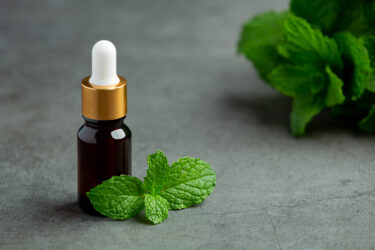
This oil contains anti-inflammatory properties. It might help clear your nose and respiratory tract and help you minimise snoring and mild sleep apnoea related symptoms7. Few drops of peppermint oil can be taken with water and gargled before sleeping. It will help if you remember not to swallow this solution. This can be done until the desired result is obtained.
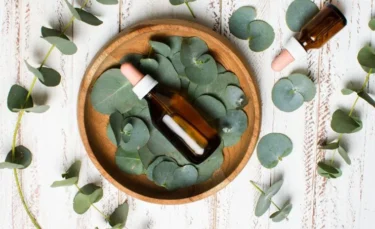
This essential oil has demonstrated the ability to break down mucus accumulated in the respiratory tract and sinuses. Thus, it is helpful to clear the sinuses and airways, aiding in much easier breathing7. Few drops of eucalyptus oil can be taken in a bowl of hot water, and the stream can be inhaled. Your head can be covered with a towel to make this remedy more effective.

Palash has properties to relieve nasal congestion significantly. Nasal congestion may be a reason for snoring; thus, it may benefit and relieve you from snoring. Decoction of the bark can be consumed with some salt for benefits and relief3,8.
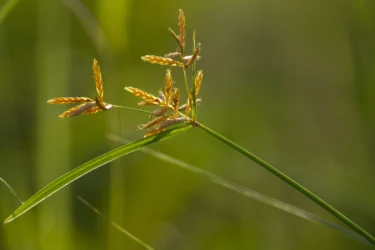
It helps adults and children to get relief from cold-related congestion that may be the reason behind snoring. Coarse powder of musta boiled and reduced in milk when consumed regularly will help gain benefits5,8.
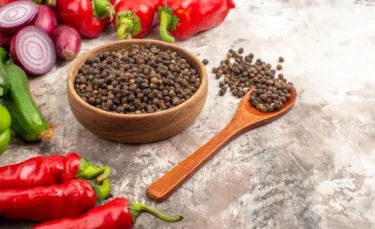
Black pepper helps open the nasal blockage, which is the prime reason behind snoring. Mix an equal quantity of black pepper, cardamom, cumin seeds, and cinnamon and grind into fine powder. Sniffing this powder a few times a day may help get relief from snoring3,8.
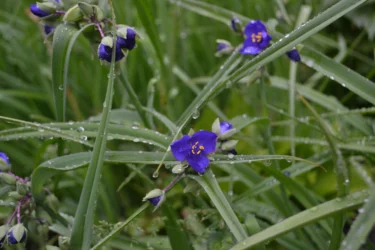
The whole spider wort plant crushed and boiled in water can be inhaled in the form of steam. It enables you to get relief from nasal congestion, cold and cough, a few of the significant causes of snoring3,8.
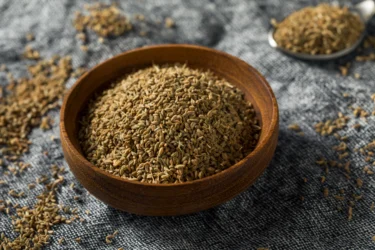
Ajwain has benefits in relieving nasal block when inhaled, especially as steam. The nasal blockage has been identified as a significant cause of snoring; thus, taking steam using ajvain water may help you get relief from snoring due to nasal congestion. Take some ajvain seeds and crush them. Keep these crushed seeds tied in a cloth and sniff them. You can also add ajvain into boiling water and inhale the steam before going to bed to get benefits and relief from snoring3,8.

Some bedtime remedies that can help to manage snoring include:
Some lifestyle changes that can prevent snoring include:
Also Read: Simple Home Remedies for Sneezing
Usually, snoring is associated with a sleep disorder known as obstructive sleep apnoea. Not all people who snore have this condition. Moreover, many medical problems can cause snoring. It may even be a sign of underlying issues thus, you must visit your doctor and discuss your concerns. You must pay immediate attention and consult your health care provider if:
Also Read: Home Remedies To Cure Bad Breath Naturally
Snoring is an uncomfortable, disturbing, and irritating condition that may impact one’s personal life and health. Snoring occurs for several reasons like obesity, allergies, cold, anatomy of your mouth and sinuses, structural changes in your mouth etc. Snoring is observed in people of all ages, even in children, and it tends to worsen with age. You can follow some home remedies like peppermint oil and eucalyptus oil, ajvain, and black pepper, using anti-snore mouth appliances and nasal strips to help you get rid of snoring. There are several lifestyle changes like losing weight, quitting smoking and limiting alcohol consumption that might be helpful in the management of snoring. Still, you must consult a physician if snoring persists or worsens.
Also Read: Natural Home Remedies For Chest Congestion
Yes, snoring gets worse with age. Due to ageing, there is a weakening of the muscle around the tongue and throat, resulting in increased snoring10.
For diagnosis of snoring and related issues, the doctor observes the heart, blood pressure, mouth, throat and nose. Then the doctors might assess your sleeping patterns by using a polysomnogram, which studies sleep patterns. This study will help them understand your brain wave activity, heart rate and oxygen levels, movements while sleeping like changing positions and breathing patterns, cessation of breathing or gasping for air. This helps the doctor diagnose the issues that cause snoring6.
Some surgical options that can be considered to manage snoring include radiofrequency ablation (using radiofrequency energy to reduce excess tissues present in the tongue and soft palate), laser-assisted uvulopalatoplasty (LAUP- This surgery is done to shrink tissue in the soft palate and enhance airflow), tonsillectomy and adenoidectomy (surgical reduction of excess tissue from behind the throat-tonsillectomy or the nose-adenoidectomy)6.
Some non-surgical treatment options for snoring include medications that may relieve nasal congestion and aid in easy breathing, nasal strips that are flexible bands that can be stuck outside your nose, which keeps nasal passages open, and lifestyle changes (like avoiding alcohol, maintaining an average weight and changing your sleep position) and oral appliances (also called mouth guard, this can keep your jaw in the correct place while you sleep such that there is proper flow of air)6.
Snoring occurs when the airway narrows or becomes partially blocked during sleep, causing the tissues in the throat to vibrate. Common causes include nasal congestion, relaxed throat muscles, excess weight, alcohol consumption and sleep position.
Snoring can disrupt sleep patterns, leading to daytime fatigue and decreased cognitive function. In some cases, it can be a symptom of sleep apnea, a potentially serious sleep disorder associated with breathing pauses during sleep. It is essential to address chronic snoring to improve sleep quality and overall health.
Yes, sleeping on your back can worsen snoring as it may cause the tongue to relax back into the throat, obstructing the airway. Sleeping on your side or using pillows to elevate your head can help improve airflow and reduce snoring.
Yes, for individuals who are overweight or obese, losing weight can often reduce snoring. Excess weight can lead to extra tissues in the throat, contributing to airway obstruction during sleep.
Disclaimer: The information provided here is for educational/awareness purposes only and is not intended to be a substitute for medical treatment by a healthcare professional and should not be relied upon to diagnose or treat any medical condition. The reader should consult a registered medical practitioner to determine the appropriateness of the information and before consuming any medication. PharmEasy does not provide any guarantee or warranty (express or implied) regarding the accuracy, adequacy, completeness, legality, reliability or usefulness of the information; and disclaims any liability arising thereof.
Links and product recommendations in the information provided here are advertisements of third-party products available on the website. PharmEasy does not make any representation on the accuracy or suitability of such products/services. Advertisements do not influence the editorial decisions or content. The information in this blog is subject to change without notice. The authors and administrators reserve the right to modify, add, or remove content without notification. It is your responsibility to review this disclaimer regularly for any changes.
7
1
The circulatory system transports blood throughout the body and delivers oxygen to the tissues for functioning. It is important for the circulatory system to be healthy and work in sync with the digestive system, the endocrine system and the other organ systems of the body to maintain optimum health. A properly functioning circulatory system may increase the rate at which wounds heal, may keep you intellectually sharp, improve your heart health and even give you a clearer complexion1,2.
Along with a healthy diet, physical activity plays an important role in maintaining good blood circulation throughout the body3,4 . In this blog, we will discuss some simple exercises that can help improve circulation.
Did you know?
Many specialists refer to the calf muscle as ”the secondary heart” because it plays a crucial role in our body’s circulatory system. The blood circulation in your legs may be improved through several exercises4 . Some of them can be performed while standing, some while sitting at your desk and some can even be performed while lying down. The 5 best leg exercises that may improve blood circulation and are easy and convenient to perform include the following:

Walking or brisk walking is greatly beneficial in increasing the body’s flexibility. Be it walking outdoors or on a treadmill, walking is a convenient and easily accessible form of activity that can help lower blood pressure and improve blood circulation5.
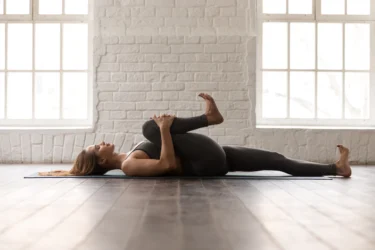
This exercise can be done while lying down. Fold one knee while lying down and aim to touch it to your chest. Try as much as you can. Do it with both legs alternatively for 20 times in total. This can be great workout to pump our heart and improve circulation even while lying down on the bed.
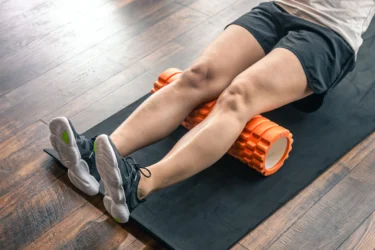
This exercise can be done while sitting. This exercise is great for toning and conditioning your leg muscles. While sitting, put a soft foam roller under the ankles and roll it. Alternatively, you can even place the roller under your thighs to strengthen your hamstrings. You can also roll it under your feet to reduce the problem of excessively cold feet during wintertime6. There are several types of foam rollers available. For seated exercise, a rolling pin-style roller is generally used.
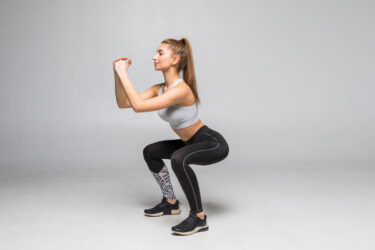
This exercise can be done while standing. Stand with your hands stretched straight in front of you. Get into a chair-like position with your knees slightly bent, your back should be straight and the pressure should be felt in your core and thigh muscles. After retaining this position for a few seconds go back to the initial position. Repeat this a few times7. Squats are a great way to activate several muscle groups together and pump up the circulation.
Among these, squats are the best exercise as squats strengthen the quads, hamstrings, glutes and lower back, improve overall leg and core strength, and help with balance and stability.
Dr. M.G. Kartheeka, MBBS, MD(Pediatrics)
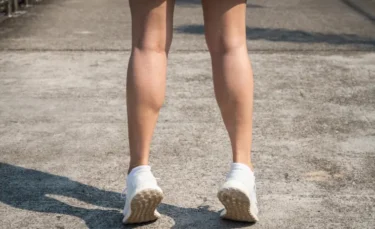
Stand straight and slowly lift your heels so that you are standing on tiptoes. Lower your heels slowly and repeat a few times. Hold onto steady support like a sturdy chair if you are not confident of your balance8. Stretching your feet regularly not only helps in strengthening the feet but also improves blood circulation.
While these exercises promote a good circulatory system, it’s important to maintain an overall healthy lifestyle to avoid the risk of cardiovascular and other organ system disorders.
Proper leg workout although is an essential part of body exercise, allowing 2-3 days post leg workout with macronutrient supplementation is very crucial for an adequate muscle recovery.
Dr. Ashish Bajaj, M.B.B.S., M.D. in Clinical Pharmacology and Toxicology
Let us explore some life choices which may improve blood circulation and help lead a healthy life.
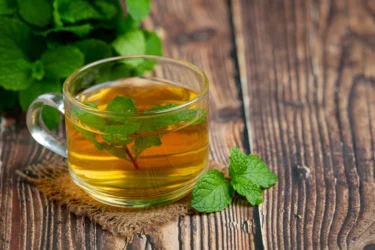
Green tea is packed with antioxidants which help fight against the harmful free radicals of the body and neutralize their effect. This may improve blood circulation and promote overall health9.

Consuming food containing all the nutrients essential for living a healthy life through a balanced diet may help boost blood circulation. Especially foods rich in omega-3 fatty acids such as fatty fish, avocados and nuts promote healthy blood circulation3.
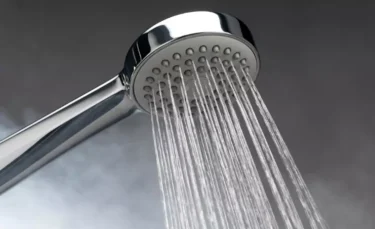
Warm water on your skin helps widen the blood vessels thereby promoting the circulation of blood. However, this effect may be variable and for limited time10.

Keeping yourself hydrated by drinking plenty of water and other fluid items ease the heart’s job of pumping blood through the veins and arteries. This may in turn improve the flow of blood in your body11.
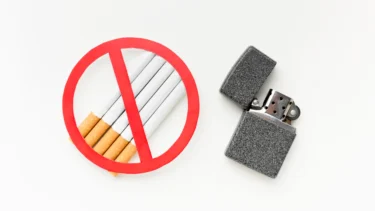
Smoking involves breathing in several chemicals and toxins such as nicotine. Nicotine has a tightening effect on the blood vessels which restricts the flow of blood through them and can cause high blood pressure12. Quitting smoking can have a positive effect on blood vessels by helping them relax and improve circulation.

Consuming alcohol on a regular basis may affect heart rate, blood pressure and cause arterial inflammation which may, in turn, affect the blood circulation13. Avoiding alcohol can reverse these processes, reducing strain on blood vessels and improving circulation.
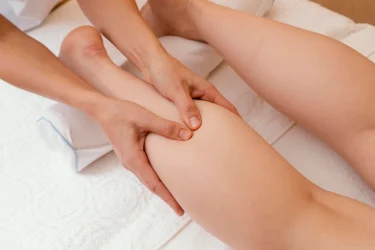
Getting a comforting massage or even doing it yourself, particularly in the legs, may help improve the flow of blood through your blood vessels by relaxing your body. It is also great for stress reduction14.
Also Read: Plantar Fasciitis Stretches: Best Exercises, Benefits & How to Do Them
Below is a list of items or supplements which may improve the circulation of blood apart from working out.
Also Read: Best Exercises for Knock Knees (Genu Valgum) You Should Try
Exercises such as squats, walking, foam roller stretch, and heel lifts may improve the circulation of blood in your legs. Elevating your legs when sitting for prolonged periods of time and eating a balanced diet are some other ways you can support healthy blood circulation. Following a healthy lifestyle and even performing some basic physical activities can help maintain a properly functioning circulatory system and keep up with good overall health.
Yes. Remaining seated for long periods may reduce blood flow, especially to the legs. Standing up, stretching, or taking short walks every 30–60 minutes can help keep blood moving.
Compression stockings may improve blood flow in the legs and reduce swelling in certain people. They should be used based on a healthcare professional’s recommendation, especially if you have an underlying medical condition.
Vitamins B12, C, D, and E, along with minerals such as iron, contribute to normal blood vessel function and red blood cell health. It’s best to obtain these nutrients through a balanced diet unless supplementation is medically advised.
Yes. Smoking damages blood vessels and reduces blood flow, increasing the risk of cardiovascular disease. Quitting smoking is one of the most effective ways to support healthy circulation.
Some spices, such as cayenne pepper and ginger, may temporarily increase blood flow by promoting blood vessel dilation. However, more research is needed, and they should be consumed as part of a balanced diet rather than as a treatment.
Citrus fruits, berries, pomegranates, and watermelon contain vitamins, antioxidants, and plant compounds that support blood vessel health as part of a balanced diet.
1. Definition of circulatory system – NCI Dictionary of Cancer Terms – NCI. February 2, 2011. Accessed July 22, 2026. https://www.cancer.gov/publications/dictionaries/cancer-terms/def/circulatory-system
2. Guo S, DiPietro LA. Factors Affecting Wound Healing. J Dent Res. 2010;89(3):219-229. doi:10.1177/0022034509359125 https://pubmed.ncbi.nlm.nih.gov/20139336/
3. Calder PC. Omega‐3 polyunsaturated fatty acids and inflammatory processes: nutrition or pharmacology? Br J Clin Pharmacol. 2013;75(3):645-662. doi:10.1111/j.1365-2125.2012.04374.x https://pubmed.ncbi.nlm.nih.gov/22765297/
4. Circulation Issues? Embrace Exercise | The Well by Northwell. Accessed July 22, 2026. https://thewell.northwell.edu/healthy-living-fitness/blood-circulation-exercise
5. Walking for Exercise • The Nutrition Source. December 8, 2020. Accessed July 22, 2026. https://nutritionsource.hsph.harvard.edu/walking/
6. Cheatham S, Kolber M, Cain M, Lee M. The Effects of Self-Myofascial Release on Joint Range of Motion, Muscle Recovery, and Performance: A Systematic Review. Int J Sports Phys Ther Accept. Published online January 11, 2015. https://pubmed.ncbi.nlm.nih.gov/26618062/
7. The lowdown on squats. Harvard Health. March 1, 2019. Accessed July 22, 2026. https://www.health.harvard.edu/healthy-aging-and-longevity/the-lowdown-on-squats
8. Foot exercises for functional fitness. Harvard Health. October 9, 2024. Accessed July 22, 2026. https://www.health.harvard.edu/healthbeat/foot-exercises-for-functional-fitness
9. By. Drinking green tea is a healthy habit | Harvard T.H. Chan School of Public Health. March 7, 2024. Accessed July 22, 2026. https://hsph.harvard.edu/news/green-tea-healthy-habit/
10. Warisyu B, Nurrachmah E, Maria R. Foot Bath with warm water for hypertension therapy : A narrative review. J Ber Ilmu Keperawatan. 2023;16(1):135-142. doi:10.23917/bik.v16i1.1512 https://www.researchgate.net/publication/368339257_Foot_Bath_with_warm_water_for_hypertension_therapy_A_narrative_review
11. Hydration and heart health – Heart Research UK. February 28, 2024. Accessed July 22, 2026. https://heartresearch.org.uk/information/health-and-lifestyle-tips/hydration-and-heart-health/
12. Anonymous. The Many Dangers of Tobacco Use | UC Davis Biotechnology Program. December 31, 2022. Accessed July 22, 2026. https://biotech.ucdavis.edu/blog/many-dangers-tobacco-use
13. Alcohol: Balancing Risks and Benefits • The Nutrition Source. September 18, 2012. Accessed July 22, 2026. https://nutritionsource.hsph.harvard.edu/healthy-drinks/drinks-to-consume-in-moderation/alcohol-full-story/
14. Monteiro Rodrigues L, Rocha C, Ferreira HT, Silva HN. Lower limb massage in humans increases local perfusion and impacts systemic hemodynamics. J Appl Physiol. 2020;128(5):1217-1226. doi:10.1152/japplphysiol.00437.2019 https://pubmed.ncbi.nlm.nih.gov/32191595/
15. Cho JH. USING AN UNDER DESK BIKE IN THE OFFICE WORKPLACE: A PILOT STUDY. https://etda.libraries.psu.edu/catalog/12132jvc5439
16. Corkery L. Sitting to Standing Workstations | Safety Services. November 19, 2019. Accessed July 22, 2026. https://www.researchgate.net/publication/258042561_The_impact_of_sit-stand_office_workstations_on_worker_discomfort_and_productivity_A_review
17. Complementary Health Approaches for Hypertension : What the Science Says. NCCIH. Accessed July 22, 2026. https://www.nccih.nih.gov/health/providers/digest/complementary-health-approaches-for-hypertension-science
Disclaimer: The information provided here is for educational/awareness purposes only and is not intended to be a substitute for medical treatment by a healthcare professional and should not be relied upon to diagnose or treat any medical condition. The reader should consult a registered medical practitioner to determine the appropriateness of the information and before consuming any medication. PharmEasy does not provide any guarantee or warranty (express or implied) regarding the accuracy, adequacy, completeness, legality, reliability or usefulness of the information; and disclaims any liability arising thereof.
Links and product recommendations in the information provided here are advertisements of third-party products available on the website. PharmEasy does not make any representation on the accuracy or suitability of such products/services. Advertisements do not influence the editorial decisions or content. The information in this blog is subject to change without notice. The authors and administrators reserve the right to modify, add, or remove content without notification. It is your responsibility to review this disclaimer regularly for any changes.
102
6
Many of us today have skincare goals that might be lightening dark spots or circles, preventing acne breakouts, wrinkled skin, or obtaining flawless clear skin. There are various lotions, creams, serums, and other products on the market to help achieve this skincare goal. However, it takes more than just these products to obtain clear, healthy skin. Simple lifestyle measures like eating the right foods, getting an ample amount of sleep and quitting smoking can help in the process of obtaining clear skin1.
Some skin issues that lead to dark spots on your face or sometimes result in scars include2:
The following remedies can be used to relieve acne and promote healthy, clear skin:
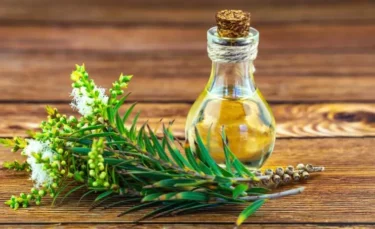
Tea tree oil is an essential oil that is known to be effective against acne, thereby helping promote clear skin. It also helps in faster wound healing9. To use tea tree oil, you first need to dilute it with some carrier oil, for example, olive, coconut or almond oil and apply it to the skin. Also, avoid using tea tree oil if you are allergic to it. You can do an allergy test by first applying it to a small area.
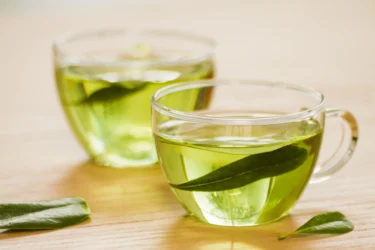
The extracts of green tea are helpful in the management of acne, thus helping in achieving clear skin. According to studies10, skin lotions containing green tea extracts proved to be efficient in the management of acne. You can make a green tea face mask using honey, green tea and baking soda. Mix these ingredients to make a paste. You can apply this paste as a face mask to get clear skin.
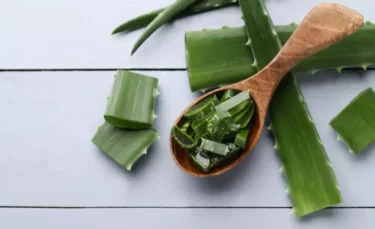
This herb can be used to manage acne, resulting in clear skin. Moreover, it helps soothe skin and clean up outbreaks. Aloe vera also helps to deal with inflammatory conditions like boils and cysts11. You can apply aloe vera gel directly on your face by massaging gently. Aloe vera gel can be added to your homemade face masks and face packs as well.
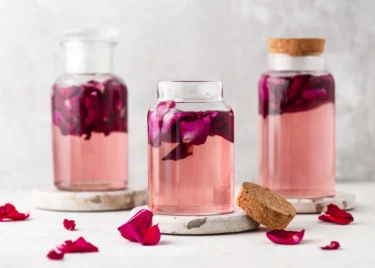
Rosewater is helpful in the management of acne and blackheads, thereby helping to attain clear skin12. To use rosewater, take some in your palms and massage gently on the face. You can also use cotton to gently dab the rose water on the skin.
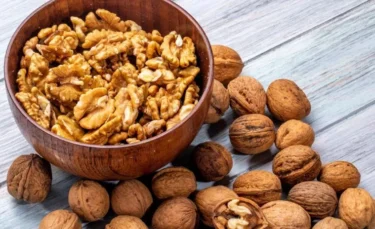
This herb is used to produce a great wash for a variety of skin issues, including worst cases of acne, thereby helping improve skin health and helping to obtain clear skin. To make walnuts a part of your skincare routine, you can use a walnut face mask and face scrubs. To make the walnut face mask, mix honey, besan (gram flour) and ground walnuts together to make a smooth paste. Apply this paste to the face as a face mask. To make walnut scrub, ground some walnuts and add some olive oil. Apply this scrub by gently massaging it on your skin.
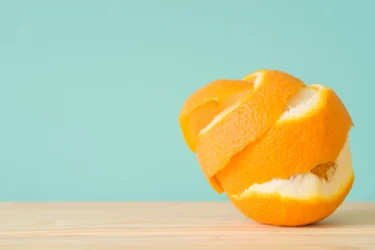
The juice and milk paste obtained from the orange peel is known to be effective in the management of acne. Therefore, it helps in promoting clear skin13. You can use orange peel powder to make face packs. Mix orange peel powder and yoghurt to make a paste. You can apply this orange peel and yoghurt face pack for clear and healthy skin.
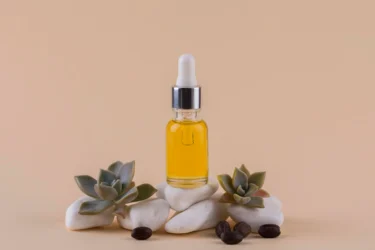
This essential oil has been used for dealing with acne and psoriasis, thereby resulting in clear skin14. Jojoba oil can be applied directly to the skin as a serum. But before using the oil, make sure you are not allergic to it by doing a patch test first. You can also put jojoba oil in other face packs to get clear and healthy skin.
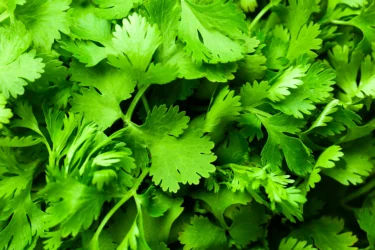
The oil of coriander has antibacterial and antifungal properties. Thus, it is helpful in managing acne, which in turn helps promote healthy and clear skin15. You can use freshly ground coriander leaves by mixing them with aloe vera gel. Apply it evenly on the face and massage gently for clearer skin.
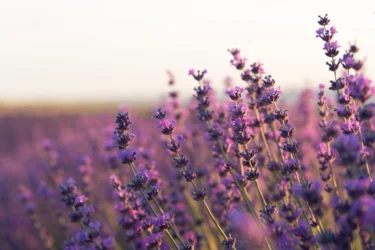
The extracts obtained from lavender have been used to deal with acne and help obtain clear skin16. Lavender oil can be applied to the skin after mixing it with carrier oils like olive or coconut oil. Gently massage this mixture on the face to get clear skin. You can also use a cotton ball to gently dab it on the skin.
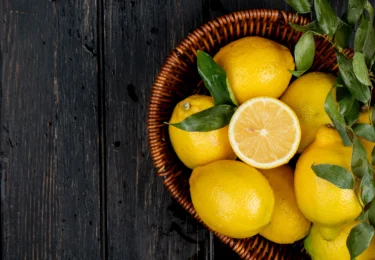
This fruit has been used for various skin conditions like acne, warts, sunburns, and scars17. To use lemon juice, mix a small quantity with honey and apply it to the face. You can also put lemon juice in your face pack recipes. If you feel any irritation after using lemon juice, wash it immediately.
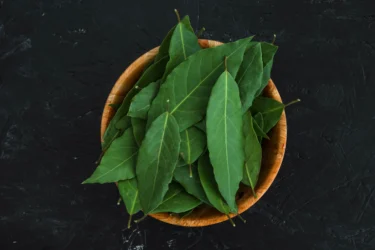
A few neem leaves can be taken and crushed to get a paste. This paste can be applied on the face where there is acne to get clear skin18. Making a neem face pack is easy. Start by boiling some neem leaves and orange peels. When they become soft, take them out. Grind them to make a smooth paste. Apply this paste to get clear skin.

At times, a poor diet that includes carbohydrates and sugars can lead to inflammation (swelling), redness, puffiness, and breakouts. To obtain glowing, clear skin, you can change to a diet that includes vegetables, fruits, seeds, nuts, and fish. A diet comprising tomatoes, spinach, salmon, and avocados contains various minerals and vitamins that help boost your skin health.
Pro Tip: A consistent skin care routine is the key to healthy, glowing skin. You may explore the benefits of products like topical Niacinamide serum, mild cleansers and moisturisers that suit your skin. Consume a balanced diet, stay hydrated and don’t mess up with your sleep schedule.
Also Read: 20 Foods To Eat For A Healthy Skin!
It is essential to visit a dermatologist (skin and hair specialist) when:
Also Read: Wonderful Home Remedies for Skin Tightening
Having clear, flawless skin is a dream for everyone. Conditions like acne, folliculitis, sun allergy, melasma, heat rashes and sunburns can result in marks on the face. Several home remedies like green tea, tea tree oil, rose water, lemon, lavender, jojoba oil, coriander, walnut, orange peel and aloe vera can be used to manage acne and other skin conditions and obtain clear, flawless skin. However, it is important to visit a doctor if your condition doesn’t improve or if you are anxious and want clear, flawless skin.
Also Read: Natural Home Remedies for Hyperpigmentation
Walnut husks can be boiled with sufficient water, strained and then stored in a corked jug. It can then be used on the face to manage acne and obtain clear skin.
Orange peels can be taken and dried. The dried peels can be powdered and sieved. This powder can be combined with milk to obtain a paste. This paste can be applied to the face before going to bed at night. The peels of an orange or lemon can be put in a blender, and this juice can be used on the face to manage acne and obtain clear skin.
Rose petals can be dried and added to boiling water. This mixture is allowed to cool down and then can be consumed as a drink. It can also be used as a face wash or wet pack.
Poplar buds are used to manage acne, resulting in clear skin.
Disclaimer: The information provided here is for educational/awareness purposes only and is not intended to be a substitute for medical treatment by a healthcare professional and should not be relied upon to diagnose or treat any medical condition. The reader should consult a registered medical practitioner to determine the appropriateness of the information and before consuming any medication. PharmEasy does not provide any guarantee or warranty (express or implied) regarding the accuracy, adequacy, completeness, legality, reliability or usefulness of the information; and disclaims any liability arising thereof.
Links and product recommendations in the information provided here are advertisements of third-party products available on the website. PharmEasy does not make any representation on the accuracy or suitability of such products/services. Advertisements do not influence the editorial decisions or content. The information in this blog is subject to change without notice. The authors and administrators reserve the right to modify, add, or remove content without notification. It is your responsibility to review this disclaimer regularly for any changes.
15
4
Do you hesitate to talk to someone because of your bad breath? Are you searching for some home remedies to cure your bad breath? Then we welcome you to a blog, where you can get to know the causes and a few home remedies that will help you deal with your bad breath. Bad breath, also called halitosis, is mostly a sign of bad dental hygiene, dry mouth, or other mouth conditions. It can also be a sign of other conditions, such as diabetes and liver and kidney diseases1.
Following are some of the reasons for bad breath:
It is important to educate the patient about the need for good dental hygiene. While most people would associate bad dental hygiene and resulting halitosis with toothaches and unsightly stains, a major deterrent would be to emphasize the links between bad oral hygiene and serious medical issues like cardiovascular diseases, including myocardial infarction, stroke or endocarditis, which are precipitated by periodontitis, or periodontitis.
Dr. M.G. Kartheeka, MBBS, MD(Pediatrics)
Bad breath itself is a symptom of various conditions mentioned above. It may be worse in the morning or after drinking coffee, smoking, or eating food items like garlic2.
However, you may also notice some other symptoms like:
Some home remedies that might help you get rid of bad breath are:
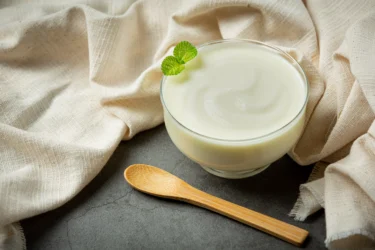
Yoghurt decreases the bacteria that produce bad/foul breath. In a human study, the results indicated that yoghurt might reduce harmful bacteria and oral malodour (unpleasant smell)4. Therefore, you may eat yoghurt to fight bad breath.
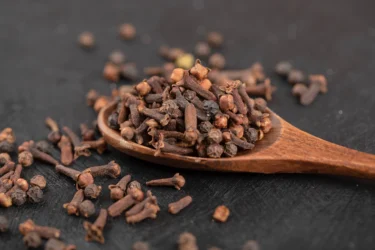
Chewing some lavang reduces bad breath. It inhibits the growth of microorganisms responsible for producing bad breath and helps fight bad breath5. You can chew some lavang to get rid of bad breath6.
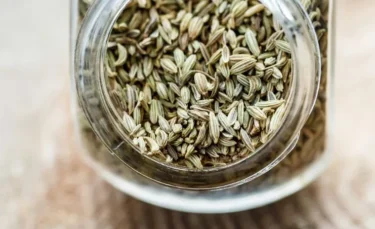
Fennel seeds are chewed by the people of India to deal with bad breath. It is considered beneficial for teeth and is known to clean teeth7. You can chew some fennel seeds. Also, you can gargle with warm fennel water. For this, you can boil some fennel seeds in water6.
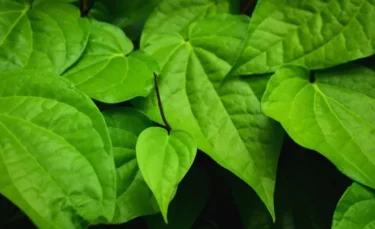
Chewing paan has several medicinal benefits. It inhibits bad breath, sweetens the breath, toughens the gums, and protects the teeth8. You can chew some paan/betel leaves after a meal to reduce the bad breath. It also cleans the oral cavity6.
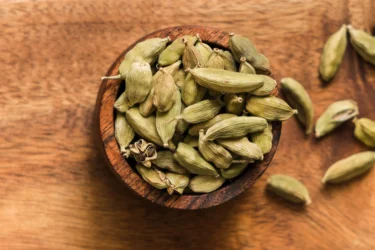
Elaichi is known as one of the best remedies for managing bad breath. Simply chewing some elaichi seeds helps in removing bad mouth odour9. You can also put some elaichi powder in hot water and use it to gargle. This might help you get rid of bad breath6.
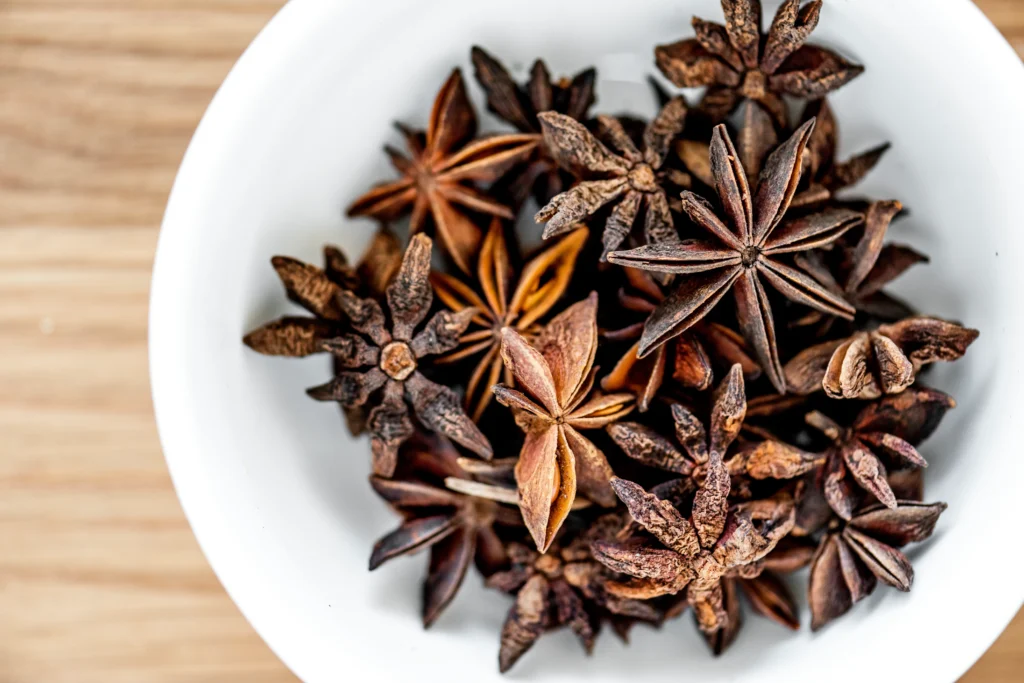
Star anise is used as a natural breath freshener and helps in refreshing the breath10. You can chew the seeds of chakra phool after a meal to refresh your breath6.
In Ayurveda, it is mentioned that tulsi has several medicinal uses. Chewing some tulsi leaves may help cure infection and ulcers in the mouth. The sun-dried tulsi leaves powder may be used for brushing teeth. It helps remove the foul breath and manage the disorders of gums11.You can chew a few tulsi leaves to get rid of bad breath6.
You can also follow these tips to control bad breath:
Also Read: Simple Home Remedies For Swollen Gums
Bad breath that just wouldn’t go away in spite of appropriate oral hygiene may be a warning sign of advanced gum disease Or dental plaques apart from multiple other medical conditions which should ideally be examined by a dentist.
Dr Ashish Bajaj, M.B.B.S, M.D. in Clinical Pharmacology and Toxicology
If you have persistent bad breath, even after following a good dental hygiene routine and preventing your mouth from dryness, you must consult a doctor1.
Also Read: Simple Home Remedies to Help Ease PCOS Symptoms
Due to bad breath, you may feel uncomfortable talking to someone and may lose self-esteem and confidence. However, you can try some of the home remedies such as lavang, yoghurt, paan, saunf, elaichi, tulsi, and chakra phool to deal with your bad breath. You must also follow good oral hygiene practices. However, if you still feel your breath is persistently smelling bad and not improving, you must consult a doctor.
Also Read: Home Remedies For Strep Throat By Dr. Rajeev Singh
Yes, you can use saunf to reduce the foul smell from your mouth. Fennel seeds are known to be beneficial for teeth and help clean teeth. They are commonly used in India for dealing with bad breath7. You can chew some fennel seeds or gargle with warm fennel water6.
Yes, paan is good for breath odours. Paan inhibits bad breath, sweetens the breath, toughens the gums, and protects the teeth8. You can chew some paan after a meal to reduce the bad breath. Also, paan cleans the oral cavity6. Therefore, eating paan might benefit you.
Yes, there are several home remedies such as saunf, elaichi, paan, tulsi, yoghurt, lavang, and star anise that might help you get rid of bad breath4,11.
Elaichi might help in dealing with bad breath. Simply chewing some elaichi seeds helps in removing bad breath9. You can also put some elaichi powder in hot water and use it to gargle. This might help you get rid of bad breath6.
Yes, brushing twice a day and flossing daily might be helpful in preventing bad breath. However, if your bad breath situation is continuously worsening, then in such a case, you must consult your doctor1.
1. Bad Breath (Halitosis) [Internet]. Cleveland Clinic. 2018. p. 1–7. Available from: https://my.clevelandclinic.org/health/symptoms/17771-bad-breath-halitosis
2. Halitosis (Bad Breath) [Internet]. John Hopkins. 2022. Available from: https://www.hopkinsmedicine.org/health/conditions-and-diseases/halitosis-bad-breath
3. Halitosis or bad breath. [Internet]. BetterHealth Channel. 2012. Available from: https://www.betterhealth.vic.gov.au/health/conditionsandtreatments/halitosis-or-bad-breath
4. Put culture in your life and reduce bad breath : Eat yogurt ! [Internet]. INTERNATIONAL & AMERICAN ASSOCIATIONS FOR DENTAL RESEARCH. 2005. Available from: https://www.eurekalert.org/news-releases/800154
5. Verma SK, Garg AK, Singh M, Panwar N, Meena M, Singh C. Evaluation of analgesic activity of Syzygium aromaticum W.S.R. to painful tooth. World Journal of Pharmaceutical Research. 2018;7(5):827-34. DOI:10.20959/wjpr20185-11212. Available from : https://www.researchgate.net/publication/357766992_EVALUATION_OF_ANALGESIC_ACTIVITY_OF_SYZYGIUM_AROMATICUM_WSR_TO_PAINFUL_TOOTH_Corresponding_Author
6. AYUSH Division, Head Quarters, Employees’ State Insurance Corporation, New Delhi. Ayurveda Offering Herbal Healing [Internet]. [place unknown]: AYUSH Division; [date unknown] [cited 2025 Sep 17]. Available from: https://agritech.tnau.ac.in/horticulture/pdf/Aayush_AyurvedaOffering_HerbalHealing.pdf
7. Sterer N, Rosenberg M. Breath Odors [Internet]. Cham: Springer International Publishing; 2020. Available from: http://link.springer.com/10.1007/978-3-030-44731-1
8. Fazal F, Mane PP, Rai MP, Thilakchand KR, Bhat HP, Kamble PS, et al. The phytochemistry, traditional uses and pharmacology of Piper Betel. linn (Betel Leaf): A pan-asiatic medicinal plant. Chin J Integr Med [Internet]. 2014 Aug 26; Available from: http://link.springer.com/10.1007/s11655-013-1334-1
9. Jesylne P, Soundarajan S, Murthykumar K, Meenakshi M. The Role of Cardamom Oil in Oral Health: A Short Review. Res J Pharm Technol. 2016 Mar;9(3):272. doi:10.5958/0974-360X.2016.00050.0. Available from: https://www.researchgate.net/publication/301508760_The_Role_of_Cardamom_Oil_in_Oral_Health_A_Short_Review
10. Shahrajabian MH, Sun W, Cheng Q. Chinese star anise and anise, magic herbs in traditional Chinese medicine and modern pharmaceutical science. Asian J Med Biol Res [Internet]. 2019 Oct 15;5(3):162–79. Available from: https://www.banglajol.info/index.php/AJMBR/article/view/43584
11. Sharma K, Acharya S, Verma E, Singhal D, Singla N. Efficacy of chlorhexidine, hydrogen peroxide and tulsi extract mouthwash in reducing halitosis using spectrophotometric analysis: A randomized controlled trial. J Clin Exp Dent [Internet]. 2019;11(5):e457–63. Available from: http://www.medicinaoral.com/medoralfree01/aop/55523.pdf
Disclaimer: The information provided here is for educational/awareness purposes only and is not intended to be a substitute for medical treatment by a healthcare professional and should not be relied upon to diagnose or treat any medical condition. The reader should consult a registered medical practitioner to determine the appropriateness of the information and before consuming any medication. PharmEasy does not provide any guarantee or warranty (express or implied) regarding the accuracy, adequacy, completeness, legality, reliability or usefulness of the information; and disclaims any liability arising thereof.
Links and product recommendations in the information provided here are advertisements of third-party products available on the website. PharmEasy does not make any representation on the accuracy or suitability of such products/services. Advertisements do not influence the editorial decisions or content. The information in this blog is subject to change without notice. The authors and administrators reserve the right to modify, add, or remove content without notification. It is your responsibility to review this disclaimer regularly for any changes.
13
3
As we grow older, all the organs of the body begin to age and start showing signs of aging. This includes our skin too, which is the largest organ of our body. Though all parts of our body age, it is the aging of the skin that gains maximum attention because it is clearly visible. We always seek out different ways to delay this visible skin again[1].
Aging skin, especially on the face, affects self-image and has many social and emotional implications[2]. The signs of aging skin are clearly visible, like wrinkling, sagging, and a blotchy, uneven skin tone[3].
There are many reasons why skin becomes saggy as we age. These reasons may be internal (Intrinsic aging) or external (Extrinsic aging)[2].
Intrinsic aging develops over the years as time passes. The speed at which intrinsic aging occurs can vary from one individual to another. Let’s see what exactly happens in intrinsic aging[2].
Extrinsic aging happens due to the external factors as follows[3]:
Several natural home remedies that can help firm up loose skin are as follows:
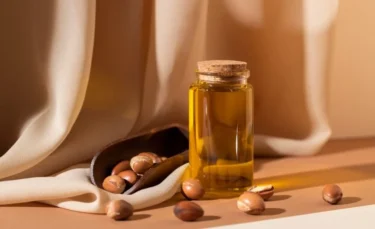
Traditionally, Argan oil has been used in hair and skin care products. It helps improve skin hydration and elasticity, thus giving the skin a young and supple look[7].
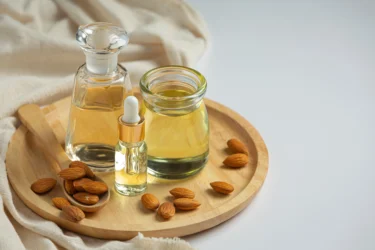
Almond oil softens the skin and helps improve skin tone and complexion. It also helps prevent skin damage caused by UV radiation, which is one of the most important causes of extrinsic aging.
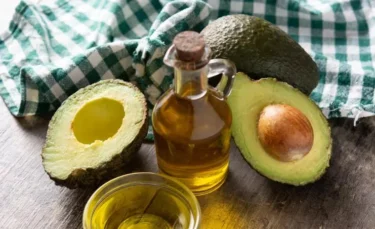
Avocado oil is known to increase the production of collagen, the main component that helps maintain the tightness of skin, thus preventing sagging and loose skin[9].
In addition to oils, there are certain natural ingredients that may offer mild skin-firming effects, though results can vary and are usually temporary.
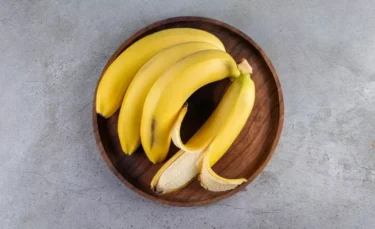
Bananas are rich in potassium, vitamins, and natural oils. They may help reduce the appearance of wrinkles, preventing a saggy look.
How to use it?
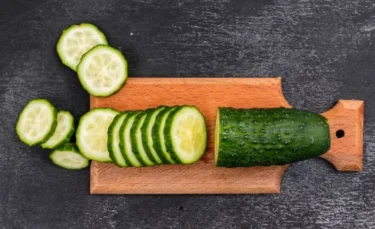
Cucumber helps retain elastin and hyaluronic acid, which are necessary to maintain firm skin[8].
How to use it?

Pineapple contains a range of ingredients, including an enzyme that not only helps improve skin elasticity but also removes dead and damaged skin cells. It also enhances skin hydration, contributing towards giving a clear look to the skin[10].
How to use it?
The gel found in an aloe vera leaf tightens the skin by improving its elasticity. It also stimulates collagen and hyaluronic acid production, thus preventing wrinkles[11].
How to use it?
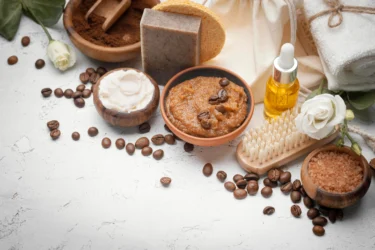
Coffee contains caffeine, which helps protect the skin from aging due to oxidative stress[12].
How to use it?
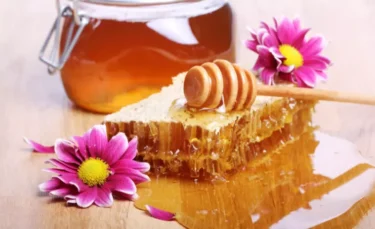
Honey helps in the detoxification of the skin. It also helps improve skin elasticity and smooths out wrinkles[13].
How to use it?
Also Read: Best Home Remedies For Smelly Armpits
Also Read: White Patches On Skin: Causes, Symptoms And Home Remedies
With these tips and simple home remedies, there’s no need to rely on artificial or expensive cosmetics to manage saggy skin. Just take a look in your kitchen, and you’ll find fresh, natural ways to keep your skin smooth and supple!
Also Read: Beauty Benefits of Using Ice Cubes On The Skin
While surgery for sagging skin (‘surgical lift ‘) can give the most radical results, one might not be the ideal candidate for it. For example, skin tightening procedures are not recommended for expecting mothers, people on certain medications and if someone has skin infection. Consult a skin specialist to know if you can go for surgery for sagging skin.
There are no scientific studies available which show that the effect of skin tightening by home remedies is permanent. However, since there are no side effects, if you see results, you can continue them regularly.
Yes, you may opt for commercially available skin-tightening lotions and creams or for non-invasive skin-firming procedures like laser treatment, ultrasound or radiofrequency after consulting a skin specialist.
Yes, to be cautious about not breaking out into an allergy due to any of the remedies mentioned here, you may ask your doctor to conduct a skin patch test for you. The skin patch test is a simple, non-invasive test that can detect allergic reactions to any substance1[16].
Disclaimer: The information provided here is for educational/awareness purposes only and is not intended to be a substitute for medical treatment by a healthcare professional and should not be relied upon to diagnose or treat any medical condition. The reader should consult a registered medical practitioner to determine the appropriateness of the information and before consuming any medication. PharmEasy does not provide any guarantee or warranty (express or implied) regarding the accuracy, adequacy, completeness, legality, reliability or usefulness of the information; and disclaims any liability arising thereof.
184
21
Gel-like collections of blood that form in our veins or arteries are known as blood clots. The blood changes its form, going from liquid to partially solid, jelly-like. Clotting is a normal body function that helps the body from excessive blood loss when we suffer from injuries or wounds. Nevertheless, when these blood clots are formed in places where they do not get dissolved, or on their own, they can cause serious threats to your health1.
A blood clot is usually initiated as a response to a wound on a blood vessel. An unwanted blood clot is called a thrombus. When a blood clot is stationary it is called thrombosis, while when this blood clot moves through the body, it is identified as a dangerous condition called thromboembolism or embolism. Blood clots can form both in the arteries (arterial clots) or the veins (venous clots).
Knowledge of your condition and the risk factors involved may help you identify and prevent this potentially life-threatening condition.
Did you know?
There can be several reasons for blood clot formation. You may also get a blood clot if you2:
Symptoms of blood clots may depend on its location in your body. Some people may experience no symptoms at all.
Read along further for a few home remedies for blood clot treatment for you to try at home. You must always consult your doctorbefore trying any of these on your own. Please note these might give momentary relief and not treat your clot permanently.
Garlic is known as an effective anti-coagulant food as it might prevent clotting of blood3. Garlic might help in blood thinning and reduces blood clot formation in the arteries. It further might help to prevent atherosclerosis. You may eat a few raw garlic cloves on an empty stomach in the morning.
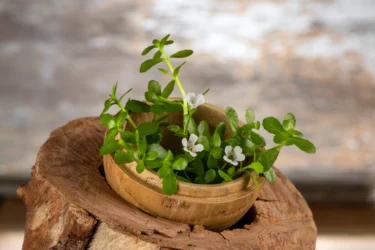
Brahmi has been traditionally used since long in both traditional Ayurvedic and Chinese medicine. It may help prevent formation of blood clots4. Bramhi can be consumed in the form of herbal juice, tea and powder at bed time for benefits.
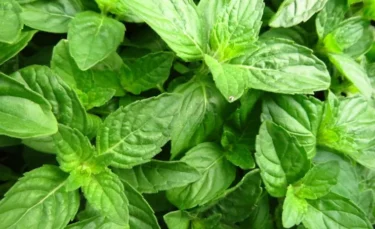
Tulsi has been used since ancient times to cure vascular diseases (disease that affects your circulatory system ) & other conditions. Tulsi extract has shown moderate to good activity in studies5 for breaking down clots. Since the preliminary studies make this claim, you must consult your doctor before using tulsi to manage blood clots. You can chew fresh tulsi leaves or drink tulsi tea for its benefits. You can prepare tulsi tea by boiling fresh or dried tulsi leaves in some water and straining the leaves.
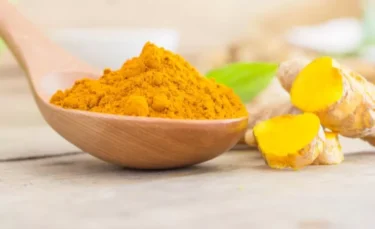
Turmeric extract has shown its benefits in dissolving blood clots in some studies5. Further studies are required to confirm this property of turmeric, therefore one must consult their doctor before using it to manage blood clots at home. You can add turmeric to food items like curries and soups or add it to hot water to make tea. You may also have turmeric by adding it to a glass of warm milk and consuming it immediately.
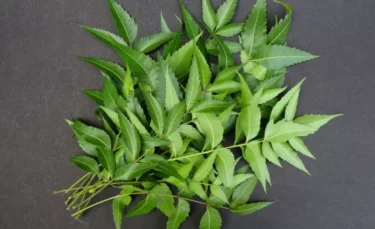
Neem extract was studied5 and found effective as it demonstrated good or moderate clot-breaking activity. To experience the benefits of neem, you can consume neem leaf extract or neem tablets.
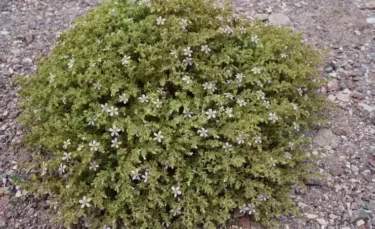
Dhamasa has been studied6 in vitro to possess thrombolytic properties that may dissolve blood clots. The best way to have fagonia or dhamasa powder is to mix it with heated desi ghee and consume it immediately.
You can prevent blood clots by following the simple measures given below:
Do not neglect any symptoms associated with blood clots, as they can pose a life-threatening risk. Increased clotting time, elevated platelet levels, fluctuating blood pressure and abnormal coagulation profiles serve as indicators that aid in recognizing the potential for clotting. Seek immediate medical attention for accurate diagnosis and effective management of such conditions.
Dr. Arpit Verma, MBBS, MD (Pharmacology)
Also Read: Natural Home Remedies for Tooth Decay
In case you suspect a blood clot, you should call your doctor right away. You should seek immediate medical attention if any blood clots form in your veins (venous clots) or arteries (arterial clots) as it can be very dangerous.
Also Read: Natural Blood Thinners: Benefits, Risks, and Precautions
Generally, a blood clot forms in response to an injury on a blood vessel. The formation of an unwanted blood clot needs to be attended immediately as it may be a serious condition. Symptoms of a blood clot depends on the place where the clot is formed while in some people the clot may not exhibit any symptoms. Natural remedies for blood clots can help you get relief from the condition and knowledge of the risks behind the condition will help you make the right decisions. You can also help yourself by keeping active and following your doctor’s suggestions and making necessary lifestyle changes.
Also Read: The Best Home Remedies For Hernia
Yes, blood clots are a life-threatening medical condition. In the condition where blood clots move in the body, also known as embolism, the blood clots formed in the legs, arms, and groin can move to other parts of your body such as lungs leading to pulmonary embolism2. If you suspect a blood clot, rush to the doctor or visit the emergency room right away.
Several home remedies like neem, bramhi, turmeric, garlic, tulsi etc. may help you get some relief from blood clots and may even dissolve the clots4,5, but you should always consult your doctor in case you feel you may have a blood clot as it is a very serious condition and can put your life in danger.
Yes, several lifestyle changes and preventive measures such as wearing compression socks, staying active, raising your legs 6 inches above the level of your heart from time to time, consuming low salt diet, and following the doctor’s advice can help you prevent blood clots2.
Yes, some factors are based on lifestyle choices that make you at higher risks of getting clots, such as smoking cigarettes.
Disclaimer: The information provided here is for educational/awareness purposes only and is not intended to be a substitute for medical treatment by a healthcare professional and should not be relied upon to diagnose or treat any medical condition. The reader should consult a registered medical practitioner to determine the appropriateness of the information and before consuming any medication. PharmEasy does not provide any guarantee or warranty (express or implied) regarding the accuracy, adequacy, completeness, legality, reliability or usefulness of the information; and disclaims any liability arising thereof.
51
3
Cancer is a disease that not only makes a person suffer physically but also mentally. It affects the lives of both the patients and those closely associated with them. While there are several treatment options available with the onset of modern medicine, taking some precautionary measures and adopting certain healthy habits may help reduce the risk of developing some cancers. However, it should be noted that no lifestyle change can guarantee that a person will not develop cancer.
Cancer develops when abnormal cells begin dividing at an unusually fast rate, eventually damaging or destroying the normal, functioning tissue around them. These abnormal cells sometimes multiply into lumps called tumours1. Tumours aren’t always malignant (cancerous); many are benign (non-cancerous) and don’t spread. Cancer can affect almost any part of the body and, if left untreated, can spread to other parts over time.
Although our DNA is set at birth, it may mutate over a person’s lifetime. Most of these mutations are identified and corrected by the body’s own repair processes. However, if a mutation cannot be repaired by the body and the resulting abnormal cells multiply and spread, that uncontrolled spread is what is called cancer.
External factors known to cause cancer are called carcinogens. It isn’t always possible to pin down a single cause behind a person’s cancer, but research has identified several factors that are known to increase cancer risk2,3:
The genetic and viral risk factors on this list aren’t within a person’s control, but many of the others are. Reducing exposure to the modifiable factors and staying physically active are two of the more practical levers available for lowering personal risk.
Regular physical activity is one of the more consistently studied lifestyle factors linked to lower rates of certain cancers, largely through its effect on body weight, hormone levels, and inflammation4,5. Here’s a range of activities worth building into a routine.

Simple habits like sweeping the house manually, cycling to the local market instead of driving, or taking the stairs instead of the lift add up to meaningful activity without requiring a dedicated workout.
Walking briskly supports heart health and joint flexibility, and it doubles as an easy mental break from work6.

Swimming, cycling, and dancing all raise your heart rate while keeping you engaged and are effective ways to help manage body weight over time7.

Skipping rope is an efficient way to fit in a solid dose of activity in a short amount of time, useful if time is the main obstacle to exercising regularly8.

Strength training, whether with weights or resistance bands, doesn’t require expensive equipment to start9. Lifting filled one-litre water bottles is a reasonable starting point, and it’s worth working with a fitness professional before progressing to heavier weights.
Cancer takes a toll on both physical and mental health, for patients and the people around them. No lifestyle change, including exercise, can guarantee that someone won’t develop cancer. But staying physically active, alongside managing the modifiable risk factors covered above, is one of the more evidence-backed ways to work on lowering personal risk over time.
Also Read: 10 Foods to Include in Your Diet for Lowering Your Cancer Risk
No. Regular physical activity is associated with a lower risk of certain cancers in research studies, but it doesn’t eliminate the risk. Genetics, environmental exposures, and other factors outside a person’s control also play a role in the development of cancer; therefore, exercise is best considered as one part of an overall cancer risk-reduction approach rather than a guarantee of preventing cancer.
Health authorities generally recommend at least 150 to 300 minutes of moderate-intensity activity, or 75 to 150 minutes of vigorous activity, spread across the week1,3. That said, some activity is better than none, and benefits appear to start accumulating well before someone reaches that full range.
For many people, exercising during cancer treatment may be safe; however, it also depends on the individual’s diagnosis, treatment stage, and overall health. Light-to-moderate activity is often encouraged during treatment when a person feels able to do it, but the type, intensity, and timing should be discussed with the treating oncology team rather than deciding it independently.
Most research points to overall activity level mattering more than any single best type of exercise. Both aerobic activity and strength training have been linked to benefits, and a mix of the two, done consistently, tends to be more sustainable than focusing on one form alone.
No. Increasing activity at any age or stage of life is associated with health benefits compared with remaining sedentary. Starting later still counts, and consistency going forward matters more than past inactivity.
1. Cooper GM. The Development and Causes of Cancer. Accessed August 18, 2026. https://www.ncbi.nlm.nih.gov/books/NBK9963/
2. Cancer Causes and Risk Factors and the Elements of Cancer Control. National Academies Press (US); 2007. Accessed August 18, 2026. https://www.ncbi.nlm.nih.gov/books/NBK54025/
3. Cancer Risk Factors. CDC. Accessed August 18, 2026. https://www.cdc.gov/cancer/risk-factors/index.html
4. McTiernan A, Friedenreich CM, Katzmarzyk PT, et al. Physical Activity in Cancer Prevention and Survival: A Systematic Review. Med Sci Sports Exerc. 2019;51(6):1252-1261. doi:10.1249/MSS.0000000000001937. https://pmc.ncbi.nlm.nih.gov/articles/PMC6527123/
5. Feng Y, Feng X, Wan R, Luo Z, Qu L, Wang Q. Impact of exercise on cancer: mechanistic perspectives and new insights. Front Immunol. 2024;15:1474770. doi:10.3389/fimmu.2024.1474770. https://pmc.ncbi.nlm.nih.gov/articles/PMC11427289/
6. Stein MJ, Baurecht H, Bohmann P, et al. Usual walking Pace and risk of 28 cancers– results from the UK biobank. BMC Cancer. 2025;25:869. doi:10.1186/s12885-025-14258-x. https://www.researchgate.net/publication/391740187_Usual_walking_Pace_and_risk_of_28_cancers-_results_from_the_UK_biobank
7. Jia N, Zhou Y, Dong X, Ding M. The antitumor mechanisms of aerobic exercise: A review of recent preclinical studies. Cancer Med. 2021;10(18):6365-6373. doi:10.1002/cam4.4169. https://pmc.ncbi.nlm.nih.gov/articles/PMC8446393/
8. Tang Z, Ming Y, Wu M, et al. Effects of Caloric Restriction and Rope-Skipping Exercise on Cardiometabolic Health: A Pilot Randomized Controlled Trial in Young Adults. Nutrients. 2021;13(9):3222. doi:10.3390/nu13093222. https://pmc.ncbi.nlm.nih.gov/articles/PMC8467906/
9. Mazzilli KM, Matthews CE, Salerno EA, Moore SC. Weight Training and Risk of 10 Common Types of Cancer. Med Sci Sports Exerc. 2019;51(9):1845-1851. doi:10.1249/MSS.0000000000001987. https://pmc.ncbi.nlm.nih.gov/articles/PMC6697215/
Disclaimer: The information provided here is for educational/awareness purposes only and is not intended to be a substitute for medical treatment by a healthcare professional and should not be relied upon to diagnose or treat any medical condition. The reader should consult a registered medical practitioner to determine the appropriateness of the information and before consuming any medication. PharmEasy does not provide any guarantee or warranty (express or implied) regarding the accuracy, adequacy, completeness, legality, reliability or usefulness of the information; and disclaims any liability arising thereof.
Links and product recommendations in the information provided here are advertisements of third-party products available on the website. PharmEasy does not make any representation on the accuracy or suitability of such products/services. Advertisements do not influence the editorial decisions or content. The information in this blog is subject to change without notice. The authors and administrators reserve the right to modify, add, or remove content without notification. It is your responsibility to review this disclaimer regularly for any changes.
Bleeding gums are a common oral health issue and often an early symptom of gum disease. They mainly occur due to plaque accumulation in the gums. This in turn can lead to inflammation and swelling of the gums known as gingivitis1. When plaque is not removed from the gums, it will harden leading to the formation of a substance called tartar. As a result, there will be increased bleeding and the development of periodontitis (a serious gum infection that affects the soft tissue and bone that anchors the tooth)2.
When gum bleeding is evident during brushing or flossing, it might be ignored thinking it is normal. However, bleeding gums can sometimes indicate a serious underlying medical condition. Sometimes, bleeding gums can occur when you brush your teeth very hard or when you wear ill-fitted dentures. Bleeding gums can be remedied by taking simple measures like maintaining good oral hygiene, consulting the dentist regularly, quitting smoking, and consuming a healthy, well-balanced diet3.
Gum bleeding can occur due to local (oral) problems or systemic (underlying medical conditions) factors.
Local factors include:
Systemic factors include:
Did you know?
While examining your oral cavity, when looking for a cause for bleeding gums, the dentist might find signs like3
These signs can help your dentist diagnose the cause of gum bleeding.
Simple measures can be taken at home to prevent bleeding gums. Some measures include3:
Gum bleeding is a sign of poor oral hygiene. Gums bleed or become swollen when there is plaque accumulation at the gum line. For pregnant women, good oral hygiene is extremely important3.
A diet rich in vitamin C can boost the functioning of your immune system. It can also help prevent gum infections that lead to bleeding gums. A deficiency of vitamin C can make your bleeding worse if you have gum disease. Some sources of vitamin C include sweet potatoes, carrots, red peppers, and oranges.
Consuming vitamin K supplements can help relieve bleeding gums. Vitamin K is necessary to make your blood clot. The deficiency of vitamin K can result in easy bleeding. Some sources of food rich in vitamin K that you can easily include in your daily meals are kale, green cabbage, mustard leaves, and spinach3.
When you smoke, your body’s immune system weakens. This makes it difficult for your body to combat plaque bacteria which leads to gum disease. Quitting smoking can aid in the healing of your gums and the cessation of bleeding.
Hydrogen peroxide helps eliminate dental plaque, stops bleeding gums, and also leads to healthy gums. You can rinse your mouth gently with hydrogen peroxide when your gums are bleeding. You must take caution not to swallow the solution.
A cold compress when applied at the gum line can control swelling and restrict bleeding. It also helps control inflammation. You can apply an ice pack to your gums several times a day to reduce bleeding3.
Also Read: Home Remedies For Sensitive Teeth By Dr. Rajeev Singh
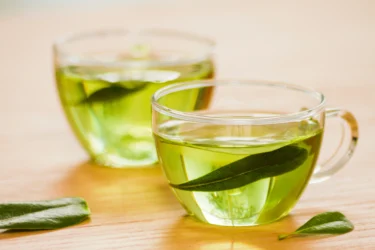
Having green tea daily can help relieve gum bleeding as it contains a natural antioxidant called catechin. Catechin can decrease the body’s inflammatory reaction to bacteria in the mouth3.
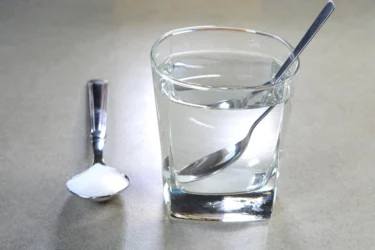
Since gum diseases are caused mainly due to bacterial growth and inflammation in the mouth, rinsing your mouth with warm saltwater daily can help decrease bacteria in the gums and help you get relief from bleeding gums. Add salt to tepid water and rinse your mouth for a few seconds throughout the day at regular intervals to get respite from bleeding gums.
Also Read: Home Remedies For Throat Infection By Dr. Siddharth Gupta
It is essential to visit your dentist if2:
Also Read: Home Remedies For Teeth Whitening By Dr. Siddharth Gupta
Gum bleeding can occur while brushing or even on its own. You will know if you have bleeding gums when you notice a pink tinge in the sink during brushing. This may be associated with swollen or painful gums. Gum bleeding could occur due to many reasons like bleeding disorders, brushing forcefully, improper flossing, hormonal changes during pregnancy, or some vitamin deficiencies. The main reason for bleeding gums is plaque accumulation at the gum line. If proper oral hygiene is not maintained by regular brushing and flossing, there might be tartar formation. Tartar can only be removed by a dental professional. Taking simple home care measures like maintaining good oral hygiene, quitting smoking, using a cold compress, taking vitamin supplements, and visiting your dentist regularly can help prevent gum bleeding and take appropriate remedial measures in time.
Also Read: 12 Natural Remedies For Mouth Ulcers
The soft tissue lining the inner surface of the mouth is referred to as gingiva or gums. Gum bleeding can indicate anything from a minor problem like brushing too hard that can be easily corrected to something much more serious, like diabetes4.
Having a healthy diet comprising of various fresh fruits and vegetables, avoiding eating too much processed foods and foods containing sugars, can help treat bleeding gums3.
Gingivitis (inflamed gums) can result in red, swollen and bleeding gums. This can cause a bad breath4.
Yes, you might present with symptoms like red, swollen or bleeding gums when you have diabetes. Due to high blood glucose levels, there is an increase in glucose in the saliva. When there is an increase in glucose, the bacterial count increases. When bacteria combine with food, there is formation of plaque. When this plaque hardens and develops near your gum line, it can result in gum disease5.
Disclaimer: The information provided here is for educational/awareness purposes only and is not intended to be a substitute for medical treatment by a healthcare professional and should not be relied upon to diagnose or treat any medical condition. The reader should consult a registered medical practitioner to determine the appropriateness of the information and before consuming any medication. PharmEasy does not provide any guarantee or warranty (express or implied) regarding the accuracy, adequacy, completeness, legality, reliability or usefulness of the information; and disclaims any liability arising thereof.
Links and product recommendations in the information provided here are advertisements of third-party products available on the website. PharmEasy does not make any representation on the accuracy or suitability of such products/services. Advertisements do not influence the editorial decisions or content. The information in this blog is subject to change without notice. The authors and administrators reserve the right to modify, add, or remove content without notification. It is your responsibility to review this disclaimer regularly for any changes.
12
1


