




What Type of Cancer Causes Low Hemoglobin Levels?
By Dr. Vishesh Bharucha +2 more

Medically reviewed by Dr. Vishesh Bharucha
Last updated: Aug 28, 2026 Published on: Aug 8, 2023


Get,

to manage your symptom
Get your,

4 Cr+ families
benefitted

OTP sent to 9988776655



You’ve successfully subscribed to receive
doctor-approved tips on
Whatsapp

Get ready to feel your best.


Register to Avail the Offer
Send OTPBy continuing, you agree with our Privacy Policy and Terms and Conditions
Hi There,
Sign up on PharmEasy now!!


Trusted by 4 crore+ families

OTP sent to 9988776655
You have unlocked 25% off on medicines


Code: NU25

By Dr. Vishesh Bharucha +2 more
Table of Contents
A routine blood test can sometimes point to something more serious than a simple deficiency. One of the most commonly checked parameters, haemoglobin, is a good example. In some cases, low haemoglobin is an early clue that leads a doctor to look further, including for underlying conditions such as cancer. Understanding this connection can help you have a more informed conversation with your doctor and support earlier diagnosis where it’s needed.
This article explains what haemoglobin is, why it matters, and how certain cancers and cancer treatments can affect haemoglobin levels. It also covers when low haemoglobin needs medical attention, how doctors investigate it, and what treatment generally involves. None of this is meant to help you diagnose yourself. Low haemoglobin has many possible causes, and only a doctor, using proper testing, can tell you which one applies to you.

Haemoglobin is a tetrameric protein composed of four globin chains, each containing a haem prosthetic group with iron (Fe²⁺). Its role is to carry oxygen from the lungs to every tissue in the body and carry carbon dioxide back to the lungs which is exhaled out. Without adequate haemoglobin, your organs don’t get enough oxygen to function properly1, which is why persistently low levels are worth investigating rather than ignoring.
Anaemia is defined as haemoglobin concentration below the appropriate reference threshold for age, sex and physiological state. Anaemia means you don’t have enough healthy red blood cells, or enough haemoglobin in those cells, to carry oxygen effectively. It can result from reduced RBC production, blood loss, or increased RBC destruction.
Anaemia and cancer are linked in more than one way, and it helps to understand the mechanism rather than just the association. Some cancers, particularly those of the blood and bone marrow, directly interfere with how red blood cells are made. Others cause chronic blood loss or renal dysfunction, which depletes the body’s iron stores over time2,3. Cancer treatment itself, especially chemotherapy, can also suppress the bone marrow’s ability to produce new blood cells, which is a separate cause of anaemia from the cancer itself4. Other cancer treatments like radiotherapy, immunotherapy, targeted therapy may also be associated with anaemia.
Anaemia is very common across many solid and haematological malignancies.
Leukaemia, Hodgkin’s lymphoma, and multiple myeloma are among the cancers commonly associated with low haemoglobin, largely because they originate in or affect the bone marrow, where blood cells are produced. It’s worth being clear that anaemia is common and usually has a non-cancer cause. Cancer is one possibility among many, and it’s the pattern of symptoms and test results, not a single low reading, that helps a doctor narrow things down.
Also Read: Haemolytic Anaemia: Causes, Symptoms, Diagnosis, Treatment & More
Low haemoglobin doesn’t automatically mean something serious is going on. A mild dip is common and often has a straightforward explanation. Women who are menstruating or pregnant, for instance, often run lower than the standard reference range, and this is typically managed with diet and, if needed, iron supplementation prescribed by a doctor after appropriate testing.
Other common, non-cancer causes include5:
The cancers below are associated with low haemoglobin through different mechanisms. This section explains those mechanisms for educational purposes. It is not a checklist for self-diagnosis, and having low haemoglobin does not mean you have any of these cancers. If your levels are low and don’t have an obvious explanation, the right next step is a doctor’s evaluation, not matching your symptoms against this list.

These cancers directly affect the bone marrow, where blood cells are produced. When bone marrow function is disrupted, it can produce fewer, or lower-quality, red blood cells, which leads to anaemia3.

Abnormal cell growth in the cervix can cause bleeding. Over time, that blood loss can lead to iron deficiency and anaemia6.
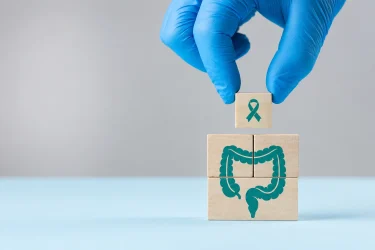
Tumours in the colon or rectum can bleed, sometimes without obvious symptoms, and chronic blood loss of this kind is a recognised cause of anaemia in colorectal cancer patients7.
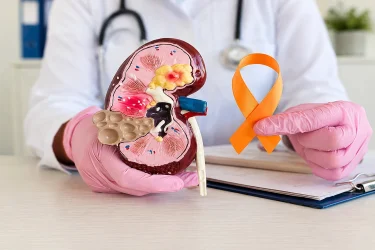
The kidneys produce a hormone called erythropoietin, which signals the bone marrow to make red blood cells. Kidney cancer can disrupt this process and lead to anaemia8. Renal carcinomas can affect erythropoietin production causing anaemia, however, rarely, some tumors may also produce excess erythropoietin, which raises haemoglobin instead of lowering it. Which way it goes depends on how the specific tumour behaves, which is one of many reasons this needs to be assessed by a doctor rather than inferred from a blood count alone.

Prostate cancer can cause bleeding that leads to anaemia. If it spreads to the bones, it can also interfere with red blood cell production directly9. However, prostate cancer is not typically a major cause of chronic blood-loss anaemia. Anaemia in advanced prostate cancer is more commonly multifactorial, including chronic inflammation, advanced disease, marrow infiltration, renal dysfunction, treatment effects, and nutritional factors.
Cancer and its treatment are common causes of inflammation-related anaemia, which lowers red blood cell counts and haemoglobin. On the other end, kidney cancer, liver cancer, and polycythemia vera, a rare blood cancer, can sometimes raise haemoglobin levels instead. Both unusually low and unusually high results on a complete blood count are worth discussing with a doctor.
The starting point for diagnosing either anaemia or cancer is a medical consultation, usually including a blood test such as a complete blood count. Depending on what that shows, your doctor may order further tests, imaging, or a referral to a specialist. There’s no shortcut to this process, and no combination of symptoms or online information should substitute for it.
If a doctor identifies anaemia, treatment depends entirely on the underlying cause, which is why self-treating with supplements bought on your own isn’t recommended, particularly if cancer is a possibility your doctor is investigating. A haematologist or your physician may prescribe iron, folic acid, or vitamin B12, depending on what blood tests show is actually deficient. In more severe cases, a blood transfusion may be necessary10.
If cancer is suspected, your primary doctor will typically refer you to an oncologist or a specialist cancer centre. Treatment approaches vary widely depending on the type, stage, and location of the cancer, and often combine more than one of the following11.

Surgery is used to remove tumours or affected tissue. Depending on the cancer, this can range from a minimally invasive procedure to a more extensive operation, and it may be curative or aimed at relieving symptoms.

Chemotherapy uses drugs to kill or slow the growth of rapidly dividing cancer cells throughout the body, including cells that have spread beyond the original site. It’s given intravenously, orally, or by injection depending on the drug and cancer type. Because chemotherapy also affects healthy fast-growing cells, including those in the bone marrow, side effects like fatigue, nausea, hair loss, and anaemia are common. The frequency of these depends heavily on the drug, dose, schedule, cancer type and patient factors.

These treatments are designed around the specific genetic or molecular features of a person’s cancer and are usually used alongside other treatments. They work by interfering with processes the cancer cells specifically depend on to grow. Targeted therapies may be used alone or in combination with chemotherapy, immunotherapy, surgery, radiotherapy or endocrine therapy, depending on the cancer and molecular alteration.
Immunotherapy works by helping the body’s own immune system recognise and attack cancer cells, often using checkpoint inhibitors or monoclonal antibodies to counter the ways cancer cells evade immune detection.
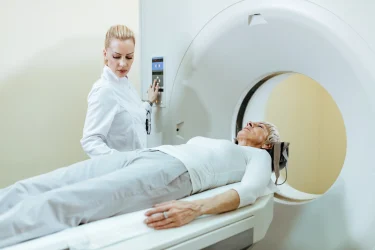
Radiotherapy uses targeted radiation to destroy cancer cells in a specific area of the body.
Treatment should be based on the suspected cause. In some situations, empirical treatment may be appropriate before definitive confirmation, particularly when clinical and laboratory findings strongly suggest deficiency. Your oncologist is the right person to determine which of these, if any, applies to your situation, based on the type and stage of cancer and your overall health.
Abnormal haemoglobin and other values on a complete blood count often play a role when it comes to leading to a cancer diagnosis, particularly for blood and bone marrow cancers. Any unusually low or high blood count result should be discussed with a doctor promptly rather than monitored on your own.
Cancer treatment, chemotherapy in particular, can itself lower haemoglobin levels. This is a separate issue from anaemia caused by the cancer itself, and it’s worth understanding as a distinct effect of treatment.
Chemotherapy affects all cells that divide quickly, and that includes the blood-producing cells in bone marrow. Slower production of new red blood cells during treatment is a common and expected side effect, not a sign that treatment isn’t working.
Recovery often involves your care team monitoring blood counts, adjusting diet or supplementation where a deficiency is confirmed, and using transfusions if levels drop significantly. This should be managed by your oncology team as part of your overall treatment plan, not addressed independently.
Chemotherapy-associated anaemia does not by itself indicate treatment failure, but worsening anaemia can sometimes reflect disease progression, bleeding, marrow involvement, treatment toxicity, or another complication. Therefore, a new or worsening haemoglobin decline still warrants assessment.
Note: Transfusion decisions depend on haemoglobin level plus symptoms, active bleeding, haemodynamic status, cardiovascular disease, planned treatment and overall clinical context. There is no single haemoglobin threshold applicable to every oncology patient.
Managing anaemia alongside a cancer diagnosis is an ongoing process rather than something resolved in a single visit. Diet, regular monitoring, and staying closely engaged with your care team all play a role, and it’s reasonable to expect this to take sustained effort over time. Outcomes vary widely depending on the underlying cause, the type and stage of cancer, and how early treatment begins, which is part of why regular follow-up with your doctor matters more than any single test result.
Because low haemoglobin has so many possible causes, it’s more useful to know when to get checked than to try to work out the cause yourself. Consider speaking to a doctor if you notice:
None of these symptoms confirm cancer on their own. They’re reasons to get evaluated, and a doctor will decide what testing, if any, is appropriate based on your full history and examination.
Also Read: Types of Cancer: Symptoms, Early Signs, Diagnosis & More
Low haemoglobin and cancer are connected in ways that are easy to overlook, since the two aren’t always discussed together. Understanding that connection doesn’t mean treating every low blood count as a cancer scare. It means knowing when a result is worth a proper medical follow-up, and leaving the interpretation to a doctor who can look at your full picture rather than one number in isolation.
Regular check-ups and, where appropriate, cancer screenings remain the most reliable way to catch problems early, when treatment tends to be most effective. If you or someone you know has persistently low haemoglobin without a clear explanation, the right step is a conversation with a doctor, not a self-assessment based on this or any other article.
Also Read: 10 Foods to Include in Your Diet for Lowering Your Cancer Risk
Not necessarily. Some cancers can cause low haemoglobin, but far more cases of low haemoglobin are due to non-cancerous causes, such as nutritional deficiency, infection, or blood loss.
Certain cancers are more strongly associated with anaemia than others, including cancers of the blood and bone marrow, cervical cancer, colorectal cancer, and kidney cancer. That said, a low haemoglobin result alone can’t tell you which, if any, applies to you. That requires further testing.
Heavy menstrual bleeding, autoimmune conditions, chronic illness, nutritional deficiencies of iron or vitamin B12, and inherited blood disorders are all common, non-cancerous causes of low haemoglobin.
Leukaemia can cause anaemia, but a slightly low haemoglobin reading on its own doesn’t indicate leukaemia. An accurate diagnosis requires a doctor’s evaluation and appropriate testing.
Yes. Chemotherapy in particular affects fast-growing cells, including those responsible for producing new blood cells, which commonly results in anaemia during treatment.
1. Ahmed MH, Ghatge MS, Safo MK. Hemoglobin: Structure, Function and Allostery. Subcell Biochem. 2020;94:345-382. doi:10.1007/978-3-030-41769-7_14 https://pubmed.ncbi.nlm.nih.gov/32189307/
2. Natalucci V, Virgili E, Calcagnoli F, et al. Cancer Related Anemia: An Integrated Multitarget Approach and Lifestyle Interventions. Nutrients. 2021;13(2):482. doi:10.3390/nu13020482 https://pubmed.ncbi.nlm.nih.gov/33535496/
3. Is Anemia a Sign of Cancer? American Cancer Society. Accessed August 18, 2026. https://www.cancer.org/cancer/diagnosis-staging/signs-and-symptoms-of-cancer/anemia.html
4. Bozzini C, Busti F, Marchi G, et al. Anemia in patients receiving anticancer treatments: focus on novel therapeutic approaches. Front Oncol. 2024;14:1380358. 2024 Apr 2. doi:10.3389/fonc.2024.1380358 https://pubmed.ncbi.nlm.nih.gov/38628673/
5. Suprapti E, Hadju V, Ibrahim E, Indriasari R, Erika KA, Balqis B. Anemia: Etiology, Pathophysiology, Impact, and Prevention: A Review. Iran J Public Health. 2025;54(3):509-520. doi:10.18502/ijph.v54i3.18244 https://pubmed.ncbi.nlm.nih.gov/40330196/
6. Obeagu EI. Anemia and hematocrit decline in cervical cancer: unveiling clinical consequences and management strategies. Ann Med Surg (Lond). 2025;87(9):5784-5791. 2025 Jul 18. doi:10.1097/MS9.0000000000003620 https://pubmed.ncbi.nlm.nih.gov/40901092/
7. Almilaji O, Parry SD, Docherty S, Snook J. Colorectal cancer and the blood loss paradox. Frontline Gastroenterol. 2021;13(5):381-385. 2021 Oct 21. doi:10.1136/flgastro-2021-101959 https://pmc.ncbi.nlm.nih.gov/articles/PMC9380756/
8. Jelkmann W. Physiology and Pharmacology of Erythropoietin. Transfus Med Hemotherapy. 2013;40(5):302-309. doi:10.1159/000356193 https://pmc.ncbi.nlm.nih.gov/articles/PMC3822280/
9. Nalesnik JG, Mysliwiec AG, Canby-Hagino E. Anemia in Men with Advanced Prostate Cancer: Incidence, Etiology, and Treatment. Rev Urol. 2004;6(1):1-4. Accessed August 18, 2026. https://pmc.ncbi.nlm.nih.gov/articles/PMC1472681/
10. Jimenez K, Kulnigg-Dabsch S, Gasche C. Management of Iron Deficiency Anemia. Gastroenterol Hepatol (N Y). 2015;11(4):241-250. Accessed August 18, 2026. https://pmc.ncbi.nlm.nih.gov/articles/PMC4836595/
11. Exploring treatment options in cancer: tumor treatment strategies | Signal Transduction and Targeted Therapy. Accessed August 18, 2026. https://www.nature.com/articles/s41392-024-01856-7
Disclaimer: The information provided here is for educational/awareness purposes only and is not intended to be a substitute for medical treatment by a healthcare professional and should not be relied upon to diagnose or treat any medical condition. The reader should consult a registered medical practitioner to determine the appropriateness of the information and before consuming any medication. PharmEasy does not provide any guarantee or warranty (express or implied) regarding the accuracy, adequacy, completeness, legality, reliability or usefulness of the information; and disclaims any liability arising thereof.
Links and product recommendations in the information provided here are advertisements of third-party products available on the website. PharmEasy does not make any representation on the accuracy or suitability of such products/services. Advertisements do not influence the editorial decisions or content. The information in this blog is subject to change without notice. The authors and administrators reserve the right to modify, add, or remove content without notification. It is your responsibility to review this disclaimer regularly for any changes.


Comments

Leave your comment...
You may also like
























Comments