
Often referred to as the “queen of herbs,” tulsi (Holy Basil) holds an important place in Ayurvedic and naturopathic systems, where it is valued for its potential to support the body’s natural healing processes. Not only do Tulsi leaves benefit people, but their flowers do too1. Tulsi can help you manage many health problems ranging from fever to kidney stones2. Ayurvedic texts have also categorised the wonder herb as a stimulant, antipyretic, and aromatic3.
In Hindu tradition, holy basil holds both spiritual and medicinal importance. It is commonly worshipped by Hindus across India during morning and evening rituals, and in Ayurveda, it has long been used as a natural remedy for various everyday health concerns.
Tulsi, also called Ocimum sanctum or holy basil, is a medicinal herb in the mint family and occurs in about 150 varieties worldwide. When applied to a wound, it emits a spicy scent. It is traditionally said to help clear mucus and phlegm from the respiratory tract, which is one reason it is often referred to as the “wonder herb”. The plant usually tastes bitter, and its roots, leaves and seeds are reported to contain several medicinal constituents3.
Tulsi tea is traditionally believed to support weight management and may help reduce anxiety. It has also been used in Ayurveda as a supportive herb for thyroid and diabetes care. The leaves are regarded as being as potent as the flowers, and adding tulsi leaves to hot water for steam inhalation is a common home remedy for a bad cold or sinus4.
From my perspective, Tulsi has a flavour profile that is both hot and bitter, and according to Ayurveda, it might be able to deeply penetrate the body’s tissues. It is believed to help dry up excess secretions in the tissues and may bring balance to the Kapha and Vata doshas, two of the three primary energies in the body according to Ayurvedic principles4.
Dr. Siddharth Gupta, B.A.M.S, M.D (Ayu)
There are three different types of tulsi or holy basil, namely.
Rama Tulsi is also called green leaf tulsi and this tulsi breed has light purple flowers and a clove-like scent to it. It contains eugenol, which is usually found in cloves and has a mellow flavor5.
This type of Tulsi is called purple leaf tulsi and has a clove-like aroma. It tastes like pepper in the mouth. This variety of tulsi is traditionally used to manage infections such as throat and respiratory issues, earaches, and certain skin conditions. The oil extracted from Krishna Tulsi has also been used as ear drops in traditional practices. It is also traditionally used to help in the managing malaria, indigestion, insomnia, and cholera5.
Vana Tulsi is a native to India, Sri Lanka, and the Northeastern parts of Africa. This type of tulsi is usually grown for medicinal purposes and it is imbibed into Indian religious beliefs. This type of tulsi grows in sunny and dry conditions. It has light green leaves that are accompanied by a lemony aroma and flavor. Vana Tulsi leaves increase immunity. It is usually used for preparing tea, which may provide health benefits such as increased physical and mental endurance and is believed to improve energy and vitality5.
I have a secret for you! If you’re looking for a natural boost to your overall charm and inner beauty, Tulsi might just be your weapon! According to Ayurveda, Tulsi might provide a radiant glow to your complexion, add sweetness to the voice, and promote beauty, intelligence as well as stamina4.
Dr. Rajeev Singh, BAMS
Tulsi is widely available in local markets. However, it is important to note that not all products may be fully organic, as the herb is sometimes cultivated in soil that may contain chemical residues from previous farming activities.
Traditionally, tulsi is considered beneficial and is believed to have minimal side effects. However, the quality of the soil and growing conditions can influence the purity of the final product.
Exposure to environmental pollutants can often contribute to common ailments such as cold, cough, and fever6. Tulsi has long been valued in traditional practices for supporting respiratory health. Today, organic tulsi tablets are easily available in many stores, and consuming herbal tulsi in this form may help support the body in managing common cold, cough, and fever.
In my experience, Tulsi isn’t just beneficial when consumed internally, but it may also have remarkable topical applications. When combined with black pepper, Tulsi paste might be effective in conditions like ringworm, eczema, and hives. Tulsi has been traditionally applied to wounds and even challenging skin diseases such as leprosy due to its antiseptic properties10.
Dr. Smita Barode, B.A.M.S, M.S.
Tulsi tablets consist of tulsi extract and the powder of tulsi leaves, which may help in managing conditions like common cold, cough, and some other respiratory tract conditions. Tulsi also helps in managing cold-related problems such as sneezing and runny nose7. Tulsi tablets can help you with all of these problems. The benefits of tulsi tablets include:
In my viewpoint, Tulsi might have some antiulcer properties! In experiments conducted on rats, it was observed that the plant extract protected the rats from developing gastric ulcers caused by substances like histamine, aspirin, reserpine, serotonin, aspirin, and indomethacin. These findings suggest that Tulsi may have potential benefits in protecting against gastric ulcers10.
Dr. Anuja Bodhare, B.A.M.S, M.D (Ayu)
It is important to follow the dosage and advice provided by a qualified healthcare professional when taking tulsi tablets. Tablets made from organically sourced tulsi can be a convenient way to include this traditional herb in your routine. These tablets are traditionally believed to support respiratory health and may help in managing common issues such as cold and cough. Always consult your physician before starting any new supplement7.
Let me tell you a secret, Tulsi might also be your heart’s best friend! It may have a beneficial effect on cardiac diseases and the weakness that comes with them. And guess what? Tulsi doesn’t stop there! It might also be a superhero for your cholesterol levels, helping to keep them in check12.
Dr. Ashok Pal, BAMS
Tulsi tablets are generally considered safe for most people when consumed in moderate amounts. However, some individuals may experience mild side effects like upset stomach or allergic reactions9. If you experience such side effects, consult your doctor immediately. If you have any pre-existing medical conditions or are taking medications, it’s essential to consult a healthcare professional before using Tulsi tablets.
Also Read: Lavender: Uses, Benefits, Side Effects, Precautions & More!
In Ayurveda, tulsi is considered an “elixir of life,” as it is known for its healing power and for managing various diseases8. It is also known for its spiritual use in Hinduism9. Tulsi leaves may also be used to reduce high blood glucose, blood pressure, lipid levels, and stress. However, further research is needed to understand the proper utilisation of tulsi in our day-to-day life and for any health conditions.
Also Read: Rhubarb: Uses, Benefits, Side effects and More By Dr. Smita Barode
Tulsi is known to have blood-thinning properties and should not be taken by people who are already on anti-blood-clotting medications. You must inform your doctor about your health condition and the medications you take so that he or she can guide you well.
You may not see the results immediately after taking holy basil but you will notice improvements after a week. It may take a little more time to show good results in some people. If you are taking holy basil to manage anxiety, stress and depression, you may see improvements after about 2 months of taking the medicine.
Yes, consuming holy basil on an empty stomach is believed to enhance its potential benefits. Tulsi is an integral part of Ayurveda, and it has multiple benefits when consumed in the right way for the right effects.
Yes, Tulsi tablets are believed to enhance immunity due to the presence of natural compounds like flavonoids and essential oils that have immunomodulatory effects. The regular consumption of Tulsi tablets is believed to help strengthen the body’s defense against certain health conditions.
Yes, Tulsi tablets can be taken as a daily supplement to support overall health. However, it’s advisable to follow the recommended dosage and consult a healthcare professional before starting any new supplement regimen.
Disclaimer: The information provided here is for educational/awareness purposes only and is not intended to be a substitute for medical treatment by a healthcare professional and should not be relied upon to diagnose or treat any medical condition. The reader should consult a registered medical practitioner to determine the appropriateness of the information and before consuming any medication. PharmEasy does not provide any guarantee or warranty (express or implied) regarding the accuracy, adequacy, completeness, legality, reliability or usefulness of the information; and disclaims any liability arising thereof.
Links and product recommendations in the information provided here are advertisements of third-party products available on the website. PharmEasy does not make any representation on the accuracy or suitability of such products/services. Advertisements do not influence the editorial decisions or content. The information in this blog is subject to change without notice. The authors and administrators reserve the right to modify, add, or remove content without notification. It is your responsibility to review this disclaimer regularly for any changes.
 67
67
 4
4
Proteins are an important part of our daily diet. They provide our muscles, cells, and vital tissues with the growth factors that are required to keep them healthy and functioning normally1.
In India, a large proportion of individuals prefer to follow a vegetarian diet. While this is a highly nutritious diet, it can sometimes be low in certain elements such as vitamin B12 and proteins. In clinical practice it is common to see vegetarians with low vitamin B12 levels, but clinical evidence also suggests that people who follow vegetarian diets have a lower incidence of developing heart disease and related complications1,2.
Proteins are made of building blocks called amino acids. Amino acids are essential for cell growth and development throughout our lifetime. Proteins form the basic structure of not just our vital organs, but also our skin, hair, and numerous other important parts of our body. If we consume lesser quantities of protein, we could lose muscle strength and muscle mass and become weaker. For individuals who are recovering from a medical illness, may find it beneficial to have a high protein diet to help in faster recovery3.
The following is a rough summary of daily protein requirements based on weight3,4.
Note that protein requirements will vary on the basis of sex, age, level of physical activity, and other factors like whether you are pregnant or breastfeeding3,5.
Let’s take a look at some of the protein-rich foods that are available to the vegetarians.
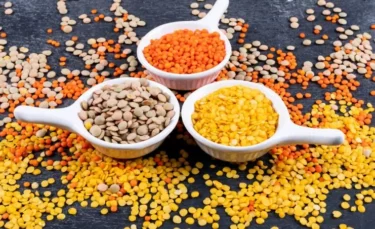
Lentils, also called daal, is a popular addition to an everyday meal in India. Each cup of lentils contains about 18 g of protein making it an excellent source of vegetarian protein2,5. Lentils can be had in the form of curries, soups, and are eaten with rotis or rice.
In addition to protein, lentils also contain a good quantity of fibre which can help maintain healthy bacteria within the gut. There is some understanding that regular consumption of lentils may also reduce the risk of developing heart disease and cancer6. However, a small number of individuals who consume lentils on a regular basis may notice excessive flatulence. This is not unique to lentils but is generally seen with a high protein diet7.
Lentils also contain quality antioxidants and numerous minerals which can help protect the cells. You may benefit from having a cup full of lentils every day to get your required dietary amount of protein, but make sure you plan your meals with a healthcare professional to attain maximum benefit.
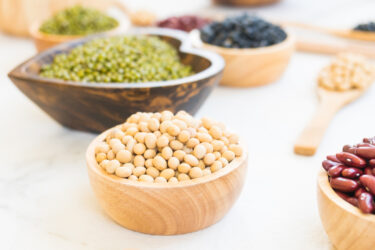
Legumes include varieties of beans such as kidney beans, black beans, chickpeas, and others which are widely considered to be a powerhouse of proteins. Chickpeas contain about 14 g of protein per serving and also contain numerous other elements and minerals that can keep you healthy, strong, and fit2. Clinical studies6 also found that regular consumption of legumes can help keep cholesterol levels low. Chickpeas and other legumes are great in salads or in the form of low-fat, low salt curries5.
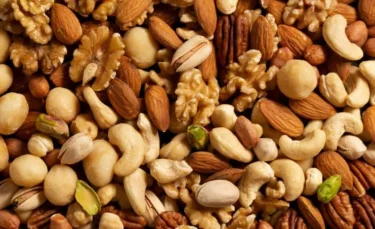
Nuts are superfoods. If follow a good veg protein diet, you should strongly consider adding nuts to the cavalry. Nuts such as almonds and cashew nuts are an excellent source of protein and are always included in the protein foods veg list1.
On average, eating about 20 to 25 whole almonds every day can give you about 6 g of protein2. However, this can be a lot to eat in one go so having a handful of mixed nuts every day may give you the protein boost your body requires. Nuts also contain a good amount of dietary fibre and vitamin E.
If you are looking for a heart-healthy snack and protein-rich food for vegetarians, you can include unsalted nuts as a part of your daily diet after consulting with a healthcare provider1.
We’re about to uncover a fascinating fact about protein one that sets it apart from fats and carbohydrates. Your body relies on protein to build and repair tissues, but unlike the others, protein cannot be stored as a reserve. This means that you may need to provide a continuous supply of protein through your diet to meet your body’s repair and maintenance needs.
Dr. Rajeev Singh, BAMS
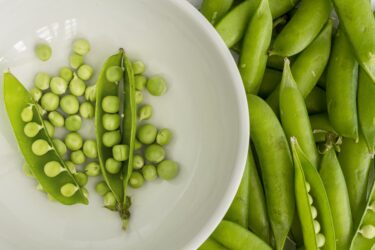
Green peas are an excellent source of protein. A cup full of green peas gives you nearly 8 g of protein2. In addition to this, they are rich in vitamins A, K, and C and also contain numerous minerals and a high quantity of fibre. Simply including green peas in your daily vegetarian diet can help give you the additional protein your body requires1.
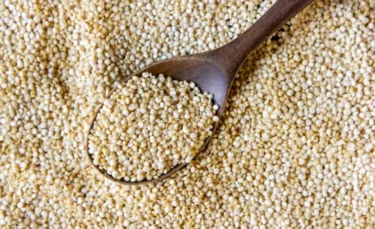
Quinoa is considered a food that is healthy, low in fat, and high in protein. Each cup of quinoa can provide around 9 grams of protein and can be beneficial for those who have diabetes2. They are rich in dietary fibre, which can help in keeping the blood sugar levels under control. Their glycaemic index (GI) is 53. Keeping in mind that GI of 55 or below is considered low, quinoa is an ideal food that can be included in a diabetic diet plan. You may refer to the Glycemic Index Food Chart to find out the GI of other foods. Besides these, quinoa also contains a high quantity of complex carbohydrates and numerous minerals. Quinoa is definitely one for the protein foods vegetarian list.
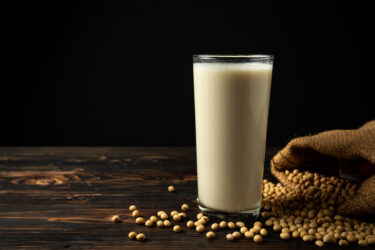
In recent years, soy milk has gained considerable attention as a valuable source of plant-based protein. It is particularly beneficial for individuals with lactose intolerance who require non-dairy protein alternatives. A single cup of soy milk contains approximately 8 grams of protein, making it a nutritionally significant option2. In addition to its protein content, soy milk is also a good source of calcium, vitamin B12, and vitamin D. However, the latter vitamins are usually present in soy milk that has been fortified.
Soy milk can be incorporated into the diet in various ways, such as an additive to tea or coffee, or consumed on its own. It is advisable to opt for unsweetened versions, as sweetened versions, as sweetened varieties may contribute to excess caloric intake and potentially decrease the health benefits of regular consumption.
Additionally, there are several products made from soy other than milk, which are also protein-rich. These include tofu (made from the curd of soy milk), edamame (a preparation made from immature soybeans, boiled or steamed) and tempeh (a fermented preparation native to Java, made in a cake form). These products have similar health benefits to soy milk as they retain their high protein content, and they also provide additional nutrients which are more filling than liquid soy milk. These products not only help to provide your daily requirement of protein but also help manage weight1.
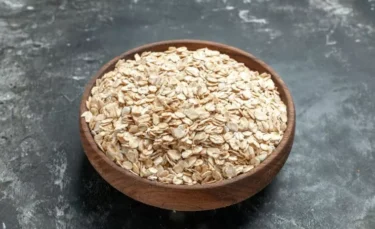
There is no doubt that oats are superfoods. Not only are they high in protein but they are a powerhouse of soluble fibre and clinically proven to help reduce the risk of developing heart disease and to lower cholesterol. A small cup of oats can provide you with nearly 6 g of protein and a quarter of your daily requirement of fibre2. They also help regulate blood sugar levels, owing to their high fibre content and low glycaemic index. You can take a look at the diabetes food chart to find other foods that can help control diabetes better.
Try to avoid masala oats or ready to eat meals as these contain higher quantities of salt or sodium and may not be the healthy start to the day that you hope you will get from them. Instead, buy regular oats and consume them with milk and a spoonful of honey sprinkled with almonds. You could even chop some fruit up into them or add a fistful of berries. You can make the same oats savoury too with a bowl of yoghurt and herbs for taste. A cup full of oats in the morning is a great way to start your day.
Also Read: 8 Most Effective Foods To Fight Thyroid!
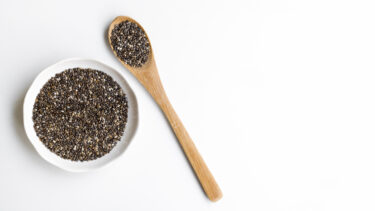
Chia seeds have recently caught on in India and are being used more and more in our country as a superfood. A 35 g serving of Chia seeds contains 6 g of protein and a whopping 13 g of fibre 2. In addition to this, they are also high in nutrients such as calcium, magnesium, and iron and also contain omega-3 fatty acids and numerous antioxidants that can help you stay fit.
Chia seeds are easy to use but make sure that you consume the organic variety. Also, don’t confuse them with basil seeds as they look quite similar to chia seeds. Simply soaking chia seeds in water for a short time and then having them with your favourite beverage can give you the nutritional boost your body deserves. Chia seeds are a great protein source for vegans3.
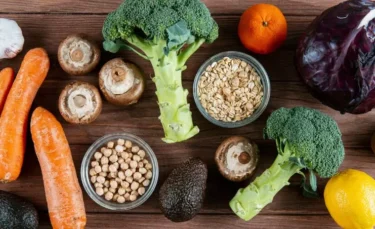
Vegetables are widely considered to just contain vitamins and minerals with a small number of carbohydrates and proteins. However, there are some vegetables that have a greater quantity of protein such as spinach, potatoes, broccoli, asparagus, and even sweet potatoes9. Though the quantity of protein each of these is not comparable to non-vegetarian sources, it still has a significant value of around 5 g of proteins for one cup of cooked vegetables.
It’s time to debunk a common misconception that you need to be non-vegetarian to fulfil your protein requirements. Contrary to popular belief, you can absolutely meet your protein needs through a vegetarian or plant-based diet. Explore the vast array of protein-rich plant foods available and create delicious, nutrient-dense meals that support your health and fitness goals.
Dr. Smita Barode, B.A.M.S, M.S.
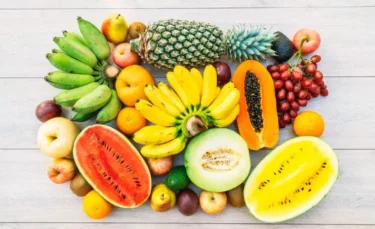
Fruits are generally poorer sources of protein. That being said, fruits such as bananas, guava, and certain berries have a significant amount of protein in them2. However, do not rely on fruits as your primary source of protein instead, choose from one of the options listed earlier in this article.

Edamame is soybeans that have not been fully matured, typically eaten as a side dish in the eastern countries of Asia. Edamame may be found in popular dishes like sushi or can be consumed as a standalone snack/meal. This form of soybean may be cooked and eaten either in the pods or as beans. Due to its simplistic preparation, edamame is a protein-rich vegetarian food that can be easily added to any diet3. Edamame has about 12g of protein per 100g of beans8.
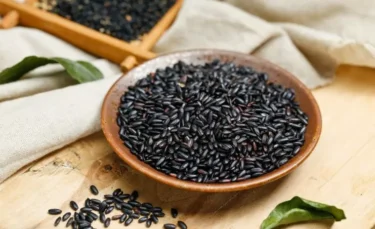
Although not really a species of rice, wild rice is a grain found and grown by the native people of North America and in certain parts of China. This grain is slightly chewy with an almost vegetable-like taste and provides a lot of nutrition including 15%-20% of your daily required zinc and manganese. Wild rice has a protein content of about 14g per serving of 100g, keep in mind that you may eat more than just 100g of wild rice in each meal8. Wild rice may be a great staple protein-rich vegetarian food to add to your diet since it can be consumed regularly (even multiple times a day). You can get diet chart made by a healthcare professional to help you pair wild rice with other dishes to make it more nutritious.
Also Read: Top 18 Zinc-Rich Foods For Vegetarians
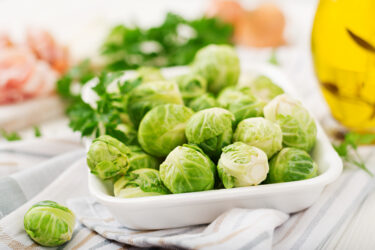
Brussels sprouts are also a good source of protein, in addition to being high in fibre and packed with nutrients, While its protein content of 3-4g per 100g does not make it a competitor to meats and eggs, it is still a high protein-rich option among vegetarian foods8. Add brussels sprouts to your salads for a protein boost, or simply steam or roast them to make it as a wholesome midday meal.
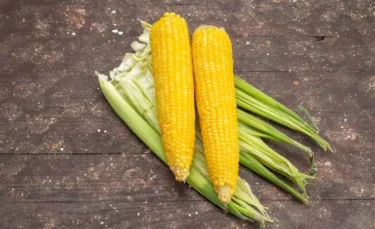
Corn is one of the most cultivated crops today. Corn is used for the production of corn syrup, and cornflour and can also be used as a food source by itself. Sweet corn is a tasty snack to try, whether boiled, steamed or roasted with a delicious slathering of butter on top. Sweet corn has 3.3g of protein content in every 100g serving, with negligible fat and zero cholesterol8.

Avocado is a fruit native to North America that has gained popularity as a superfood due to its highly nutritious nature, both in macronutrients and the vitamins and minerals it contains. Although it was initially popularised in Mexican cuisine, avocado is fast becoming a protein-rich vegetarian food for bodybuilding and fitness routines. Avocados can be eaten as is, just sliced up or added to salads and other preparations like guacamole10.
Did you know that approximately one-fifth of your body weight is made up of protein? Yes, you heard it right! Protein is not just a nutrient but a building block for your very existence. It plays a crucial role in the structure and function of every cell and tissue of the body, from your luscious locks and sturdy nails to your life-sustaining blood, resilient skin and robust bones.
Dr. Siddharth Gupta, B.A.M.S, M.D (Ayu)
Also Read: Natural Home Remedies To Reduce Belly Fat
Yes, eating too much protein can put you at risk of developing kidney stones. Those who eat a higher quantity of saturated fat and red meat on a weekly basis are at risk of suffering from various kinds of heart disorders and colon cancer. Ideally, the recommended daily protein intake for men is 56 grams and for women is 46 grams. However, this can vary depending upon your height and weight.
Summer in India can sometimes be uncomfortable. But there are ways to maintain a healthy diet and fitness regime without having to compromise on food. When the heat gets too much, here are some ‘cool’ ways to include protein in your diet:
Chilled homemade protein shakes
Raita with your meals
Watermelon seeds
Have more lentil soup
To keep yourself fit, warm, and well-cared for during the cold winter months, you may find it benefitting to eat the following protein items:
> Eggs
> Nuts and seeds
> Lentil soup
> Soy
> Chickpea curry
In order to ensure that you are getting your ‘complete protein source’ through your daily meals, you may find it beneficial to add these foods to your diet:
> Amaranth: A type of pseudocereal (a plant that produces seeds or fruits and are used and consumed like cereal grains) that act as an alternative to gluten-free grain originally a staple in Mayan and Aztec cultures.
> Buckwheat: A plant-based pseudocereal that is a good source of manganese, magnesium, iron, copper, and phosphorus.
> Ezekiel Bread: A highly nutritious bread that contains the goodness of nine essential amino acids because it is made from a combination of soybeans, millet, spelt, lentils, wheat and barley.
> Spirulina: A type of algae-based supplement which are commonly available in health food stores, pharmacies, and online marketplaces.
> Hemp Seeds: Comes from the plant cannabis sativa and is rich in alpha-linolenic acid and essential fatty acid omega 6.
> Nutritional Yeast: a deactivated strain of saccharomyces cerevisiae with a characteristic umami flavour that imparts a cheese-like flavour to pasta, mashed potatoes, and popcorn. Sold in the market as flakes or yellow powder.
> Hummus & Pita bread: Hummus in combination with pita bread is a classic Middle-Eastern dish that provides you with all nine essential acids. This is because hummus is made from ground chickpeas and the dough of pita bread is made from a type of wheat that is low in lysine.
Yes, protein-rich food can contribute to weight gain if consumed in excess, as proteins provide calories similar to other macronutrients. However, protein intake in moderation promotes muscle growth and can enhance satiety, potentially helping in weight management by reducing overall calorie intake.
Yes, consuming high amounts of protein-rich foods, especially those containing purines like mushrooms and green peas, can increase uric acid levels in the body. This is because purines are metabolised into uric acid, which can lead to elevated uric acid levels and potentially contribute to conditions like gout.
A protein-rich diet can cause constipation, particularly if it is low in fibre. Many protein-rich foods, such as meat and dairy, do not contain fibre, which is essential for healthy digestion and regular bowel movements. To prevent constipation, it’s important to balance a protein-rich diet with plenty of fibre from fruits, vegetables, and whole grains.
The body needs protein-rich food to build and repair tissues, produce essential enzymes and hormones, and support immune function. Proteins also play a crucial role in muscle development and overall cellular health.
Yes, you can eat protein-rich foods at night. Consuming protein before bed can help with muscle repair and growth during sleep and may promote feelings of fullness, potentially aiding in weight management. However, it’s important to choose easily digestible protein sources and avoid overeating to ensure a good night’s rest.
After eating protein-rich food, you might feel more satisfied and full, as protein promotes satiety. You could also experience a stable energy level since protein helps regulate blood sugar. Additionally, you might notice improved muscle recovery if you engage in physical activity, as protein supports muscle repair and growth.
Yes, protein-rich food is beneficial for hair growth. Proteins, especially keratin, are essential components of hair structure. Consuming adequate protein supports the production of keratin and promotes strong, healthy hair. A diet low in protein may lead to hair thinning and loss.
Mushrooms are not typically considered a high-protein food. While they do contain some protein, their protein content is relatively low compared to other sources like meat, dairy, legumes, and nuts. However, they are a nutritious addition to a balanced diet, offering vitamins, minerals, and fiber.
Yes, rice does contain protein, but in relatively small amounts compared to other protein-rich foods. For instance, a cup of cooked white rice has about 4-5 grams of protein, while brown rice contains slightly more8. While rice can contribute to your overall protein intake, it is not a primary source of protein in most diets.
Disclaimer: The information provided here is for educational/awareness purposes only and is not intended to be a substitute for medical treatment by a healthcare professional and should not be relied upon to diagnose or treat any medical condition. The reader should consult a registered medical practitioner to determine the appropriateness of the information and before consuming any medication. PharmEasy does not provide any guarantee or warranty (express or implied) regarding the accuracy, adequacy, completeness, legality, reliability or usefulness of the information; and disclaims any liability arising thereof.
251
8
Indians are food lovers, and their love for fennel seeds (Saunf) as a post-food refreshment is also well-known. Fennel has been valued in India for the longest time, particularly as a post-meal digestive aid. However, these tiny seeds are not just useful as a mouth freshener; they are also essential for their important medicinal and culinary value. India is among the largest exporters of fennel seeds today1.
These aromatic seeds come from the herb Foeniculum vulgare Miller. They are known to offer a wide range of nutritional properties that support health, emphasising the health benefits of fennel seeds2. Fennel is mainly grown in India, USA, Russia, Germany, and the Mediterranean areas1.
Dried fennel seeds are low in calories and a storehouse of various micro- and macronutrients3. Nutrients in 100g of dried fennel seeds are as follows3:
Minerals
Vitamins
Lipids
Amino acids
Based on my experience, I have observed that fennel extract might possess antifungal properties. Fennel extract might effectively combat different types of fungi, including those causing skin infections and candidiasis11.
Dr. Siddharth Gupta, B.A.M.S, M.D (Ayu)
Fennel seeds are traditionally valued for properties, such as:
In my experience, crude fennel extract may have anxiolytic properties, which could potentially help reduce anxiety. This is because fennel contains phytoestrogens, which are plant compounds that can mimic the effects of oestrogen in the body11.
Dr. Rajeev Singh, BAMS
The benefits of fennel seeds are numerous. They contain essential oils with anti-inflammatory and antibacterial properties that may help neutralise the bacteria that cause bad breath. Fennel seeds also increase the secretion of saliva, which may help reduce bad breath caused by dryness of the mouth. Fennel seeds can also be used to prepare an antibacterial mouthwash by adding them in warm water. The daily use of fennel may help improve your overall oral cavity health by helping you avoid bad breath and neutralising the bacteria in the mouth4.
The goodness of fennel seed oils helps stimulate the secretion of digestive juices and enzymes that support digestion. Fennel seeds contain the compounds anethole, fenchone, and estragole that have an antispasmodic (helping ease spasms) and anti-inflammatory effect. They also help provide relief from constipation, indigestion, and bloating. For better results, fennel tea can be consumed5. Research suggests that fennel may support digestive issues such as easing flatulence, and may protect against ulcers by reducing acidity6. Fennel seeds also contain a high amount of fibre7, which may contribute to better heart health as fibre-rich diets are often linked to a lower risk of heart disease.
Fennel seeds are a good source of potassium, a mineral known to balance the amount of fluid in the body. It also helps support healthy heart rate and blood pressure. Research also suggests that fennel seeds may increase nitrite levels in the saliva. Nitrite is believed to play a role in maintaining normal blood pressure levels5.
The health benefits of fennel seeds extend to respiratory health as well. The high amount of phytonutrients in fennel seeds help to clear the sinuses. These tiny seeds are believed to have expectorant properties, which may help in individuals with asthma, bronchitis and congestion5.
The compound anethole in fennel seeds is believed to support milk secretion. Traditionally, fennel has been used to help nursing mothers, as it is thought to have mild estrogenic (oestrogen-like) effects that may support lactation3.
Fennel seeds are known for their anti-inflammatory and anti-septic properties8. They are also abundant in minerals such as potassium, selenium and zinc that play an important role in balancing hormones and oxygen regulation in your bloodstream5. Fennel seeds are traditionally used for skin ailments like acne, wrinkles, pigmentation, puffiness of the face, and irritation and may improve the overall skin tone8.
Fennel seeds may support detoxification by helping digestion and elimination of waste from your body, which supports purification of blood5.
Fennel seeds contain vitamin A, which is an essential vitamin for the eyes. Traditionally, fennel seed extract was used for conditions like glaucoma5.
Fennel seeds are thought to influence the absorption of glucose and fats due to their estrogenic properties. This may help decrease the levels of bad cholesterol and triglycerides. Some studies also suggest that fennel may affect the secretion of leptin, which is known for its appetite-suppressing properties. As a result, fennel seeds may help improve your metabolism and help manage appetite, which could be useful in weight management9.
Taking fennel seeds daily may help in removing excess water and flushes out waste from your body. Fennel seeds are also known for its diaphoretic properties, which increase the production of sweat and removes the toxins out. This may reduce the risk factor for urinary tract infection5.
The contractions of the uterus during menstrual periods leads to severe pain. While many women take medicines for pain relief, they may not be always effective. Research suggests that fennel seeds may help ease menstrual discomfort in some women5.
Now that you know all essential information about fennel seeds, you may want to start including them in your regular diet. We’ve assembled a few easy fennel seed recipes to help you do just that and get started on your health journey with fennel seeds!
| How To Use Fennel Seeds | Preparation Method |
| Salad | – Toast fennel seeds in a pan while moving them constantly, then crush them into a powder after cooling. Mix it in with molasses, olive oil, lemon juice, garlic, salt and pepper. Drizzle this over a salad of kale, mint, parsley, orange, dates and radishes. |
| Bread | – Toast fennel seeds and crush them into a powder. Mix the dry ingredients (flour, yeast, fennel powder and salt) in a bowl and add olive oil. Knead into a dough, let it rise, then section it for baking. Bake, cool and slice to enjoy. |
| Soup | – Add olive oil, onion, celery, and fennel seeds to a pot. Add garlic, thyme, and salt to taste. Add in your broth of choice along with potatoes, and simmer until the potatoes are tender. At the end, add kale, cream, and additional salt and pepper. Serve warm. |
| Fennel tea | – To make fennel tea, start by toasting a teaspoon of fennel seeds. Add them to a cup of boiling water and let it steep for about 10 minutes. Strain the tea, sweeten it with honey or lemon if desired, and enjoy the soothing and aromatic fennel seeds tea. It’s a simple and natural way to benefit from its digestive and calming properties. |
Over the years, I have observed that the fennel herb may have a liver-protective function. It contains certain compounds that can help support and protect the liver from damage. These compounds work by promoting the detoxification processes in the liver and reducing oxidative stress, which is beneficial for maintaining liver health11.
Dr. Smita Barode, B.A.M.S, M.S.
Also Read: Hemp Seed: Uses, Benefits and Side Effects by Dr. Smita Barode
While fennel seeds are generally considered safe, their concentrated extracts or oils may have adverse effects if taken in excess. Here are a few cautions to keep in mind5:
May not be suitable for individuals with oestrogen-sensitive conditions, such as certain breast cancers10.
Also Read: 10 Best Foods For A Healthy Gut System
The tiny and aromatic fennel seeds are rich in nutrients, including vitamin C, vitamin A, antioxidants, minerals, and fibres3 Consuming a tablespoon of fennel seeds daily may help support overall well-being5. Although scientific evidence is limited for some of fennel seeds’ health benefits, they may contribute positively to your overall health.
Also Read: Aloe Vera: Uses, Benefits & Side Effects
Yes, you can add ground or powdered fennel seeds to an array of dishes to enhance flavour and also improve digestion. You can incorporate the seeds in desserts, soups, sauces, cakes, pancakes, drinks, bread and pickles.
If you are suffering from constipation problems, you can soothe your digestive tract by making fennel tea at home. Ground your fennel seeds and boil water with the powder. You can either add your regular tea leaves and have it as flavoured tea, or you can drink up the saunf water by itself.
Fennel seeds may support weight management as they can help curb appetite and aid in digestion, potentially leading to reduced calorie intake. However, they should be part of a balanced diet and a healthy lifestyle for effective weight management9.
Fennel seeds are considered safe in pregnancy when consumed in moderate amounts as a spice or flavouring. However, it’s advisable for pregnant individuals to consult their healthcare provider before incorporating any new herbs or spices into their diet to ensure safety and suitability for their specific circumstances5.
Fennel seeds may support liver health due to their potential liver-protective and anti-inflammatory properties. However, it’s important to consult a healthcare professional for personalised advice.
Fennel seeds may be beneficial for diabetes as they can help regulate blood sugar levels and provide antioxidants. However, individuals with diabetes should monitor their intake and consult a healthcare provider to ensure it aligns with their overall treatment plan3.
Fennel seeds can be beneficial for hair health as they are a rich source of nutrients, including antioxidants and essential vitamins. They may help promote hair growth and maintain hair strength when incorporated into a balanced diet or used in hair treatments.
Fennel seeds are generally considered kidney-friendly as they can act as a diuretic, potentially promoting urine production and supporting kidney function. However, it’s crucial to consume them in moderation and consult a healthcare professional for personalised guidance, especially if you have existing kidney issues.
Fennel seeds are traditionally believed to have a cooling effect on the body and are not typically associated with increasing body heat. In fact, they are often used to alleviate heat-related digestive issues.
Fennel seeds do not directly induce periods. However, they are believed to have properties that may help regulate menstrual cycles and alleviate menstrual discomfort when consumed5. The impact can vary from person to person, and it’s recommended to consult a healthcare professional for guidance on managing menstrual health.
Fennel seeds may benefit male health by helping regulate testosterone levels due to their zinc content, aiding digestion, and contributing to heart health through their fibre and nutrient content. However, while they can be a valuable addition to a balanced diet, they should not be relied upon as the sole solution for specific health concerns. Consulting a healthcare professional is recommended for personalised advice.
Disclaimer: The information provided here is for educational/awareness purposes only and is not intended to be a substitute for medical treatment by a healthcare professional and should not be relied upon to diagnose or treat any medical condition. The reader should consult a registered medical practitioner to determine the appropriateness of the information and before consuming any medication. PharmEasy does not provide any guarantee or warranty (express or implied) regarding the accuracy, adequacy, completeness, legality, reliability or usefulness of the information; and disclaims any liability arising thereof.
Links and product recommendations in the information provided here are advertisements of third-party products available on the website. PharmEasy does not make any representation on the accuracy or suitability of such products/services. Advertisements do not influence the editorial decisions or content. The information in this blog is subject to change without notice. The authors and administrators reserve the right to modify, add, or remove content without notification. It is your responsibility to review this disclaimer regularly for any changes.
522
8
Packed with loads of nutrients, sunflower seeds are actually fruits of the sunflower plant (Helianthus annuus). These tiny white coloured seeds are encased in greyish black shells. They have a soft texture and a mildly nutty flavour. You can roast them to increase their taste or have them as they are.
However, if you’re mindful of your calorie intake, it’s important to know the calories in sunflower seeds while appreciating their overall nutritional benefits.
There are two main types of sunflower seeds:
Large sunflower heads can yield around 2,000 seeds. These edible seeds can be enjoyed as a snack or added to:
You can even have sunflower butter made using these seeds.
Also Read: 14 Amazing Health Benefits of Pumpkin Seeds!





Also Read: Halim Seeds: Uses, Benefits, Side Effects and More By Dr. Rajeev Singh
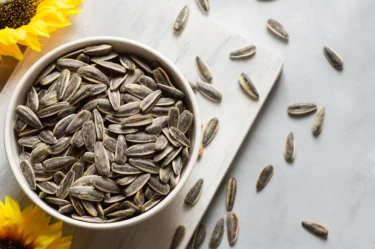


During pregnancy, the benefits of eating sunflower seeds are many as they are loaded with Vitamin E, folic acid, which are known to be extremely beneficial for prenatal health.

People suffering from chronic inflammation can find relief by consuming sunflower seeds either as part of a trail mix or by adding them to their breakfast cereal or even by sprinkling some on their soup or salad. The health benefits of sunflower seeds include anti-inflammatory properties due to the presence of flavonoids, Vitamin E and other compounds.
Recently, I came across a study2 that states sunflower seeds might promote healthy bones. Sunflower seeds are said to have a rich source of minerals such as Magnesium, Phosphorus and Calcium that might help maintain healthy bones.
Dr. Siddharth Gupta, B.A.M.S, M.D (Ayu)
From my knowledge, Sunflower seeds might be your ally in treating asthma. Tocopherols found in sunflower seeds have anti-inflammatory properties that may play a significant role in conditions involving chronic inflammation, such as bronchial asthma, osteoarthritis, rheumatoid arthritis and asthma9.
Dr. Smita Barode, B.A.M.S, M.S.
Sunflower seeds should not be consumed more than 1 small cup (around 30 grams) per day. Consult your doctor before consuming these seeds if you are suffering from a chronic or acute illness.
Sunflower seeds are a proven source of minerals, such as magnesium. I recently read in an article that Sunflower seeds may help maintain muscle tone, strengthen them and avoid muscle cramps because they are a source of magnesium9.
Dr. Rajeev Singh, BAMS
Also Read: 15 Amazing Health Benefits of Papaya Seeds That You Should Know!
Sunflower oil has more vitamin E than sunflower seeds, whereas sunflower seeds contain vitamin B6, iron, phosphorus and pantothenic acid. Additionally, sunflower seeds are more expensive than sunflower oil. Thus, both have their pros and cons.
Adding sunflower seeds to one’s diet is really easy, like any other seed. You can sprinkle on top of your salad, add to oatmeal or muesli or granola, combine into trail mix, add as one of the ingredients of energy balls for weight loss, add to burgers, stir fry vegetables or even make sunflower butter similar to peanut butter.
You can store sunflower seeds in an airtight container when kept in an environment that is cool and dry, such as a refrigerator and freezer, for up to 12 months.
Yes, in moderation, dogs can eat plain, unsalted sunflower seeds as a healthy and nutritious snack. However, it’s crucial to remove the shells to prevent digestive issues, and consulting with a vet is recommended for individual dietary considerations.
Yes, sunflower seeds may be beneficial during pregnancy as they are a rich source of essential nutrients like folate, vitamin E, and omega-3 fatty acids, which support fetal development and maternal health. However, it’s important to consult with a healthcare professional for personalised advice based on individual dietary needs.
Yes, sunflower seeds may aid in weight loss as they are a nutrient-dense snack that provides satiety with healthy fats, protein, and fibre. However, it’s important to consult with a healthcare professional for personalised advice based on individual dietary needs.
In traditional Chinese medicine, sunflower seeds are often considered ‘heaty,’ meaning they may contribute to warmth in the body. However, individual responses vary, so it’s advisable to consult with a healthcare professional or nutritionist for personalised advice based on your health condition and dietary needs regarding sunflower seeds or any specific foods.
Sunflower seeds may be beneficial for individuals with hypothyroidism due to their selenium content, which supports thyroid function. However, it’s crucial to consult with a healthcare professional for personalised dietary advice and to ensure that it align with an individual’s specific thyroid condition and overall health.
To eat sunflower seeds, crack open the shell with your teeth, extract the seed, and discard the shell. Enjoy them raw, roasted, or seasoned, and consider adding them to salads, yoghurt, or as a wholesome snack for a satisfying crunch.
While sunflower seeds are nutritious, their calorie density may contribute to weight gain if consumed excessively. For personalised advice on incorporating them into a balanced diet, it’s recommended to consult with a healthcare professional or a registered dietitian.
Sunflower seeds, with their high content of unsaturated fats and phytosterols, may contribute to lowering cholesterol levels. For personalised guidance on incorporating them into a heart-healthy diet, consulting with a healthcare professional is advisable.
No, sunflower seeds are not a significant source of vitamin D. While they contain various nutrients, vitamin D is typically obtained from sunlight exposure, fortified foods, or other dietary sources.
Yes, sunflower seeds contain a small amount of omega-3 fatty acids, but they are not a primary source. Including a variety of foods rich in omega-3s, such as fatty fish and flaxseeds, is advisable for optimal intake.
While sunflower seeds offer nutritional benefits, there’s limited evidence supporting a direct impact on testosterone levels. For personalised advice on hormonal health, consulting with a healthcare professional is recommended.
Certainly, sunflower seeds are keto-friendly due to their low net carb content and high healthy fat content. For personalised dietary recommendations, especially in the context of a ketogenic diet, consulting with a healthcare professional or nutritionist is advisable.
Yes, sunflower seeds can be consumed raw and offer a healthy snack option. However, it’s advisable to consult with a healthcare professional to ensure that raw sunflower seeds align with your individual dietary needs and health conditions.
Sunflower seeds are not typically linked to kidney stone formation and can be part of a healthy diet. However, individuals with a history of kidney stones should consult a healthcare professional for personalised advice on their dietary choices and overall kidney health.
There is no direct evidence linking sunflower seeds to acne. However, individual reactions may vary, and consulting a dermatologist or healthcare professional for personalised advice is recommended, especially for those with specific skin concerns.
Yes, many bird species can safely consume sunflower seeds as they are a rich source of energy, healthy fats, and nutrients. Offering these seeds can attract a variety of birds to your garden or feeding area, contributing to their well-being.
Sunflower seeds benefits for male health include improved heart function, better hormone balance, enhanced muscle strength, and support for fertility. They are packed with protein, zinc, selenium, magnesium, and vitamin E, that are essential for men’s overall wellness.
Disclaimer: The information provided here is for educational/awareness purposes only and is not intended to be a substitute for medical treatment by a healthcare professional and should not be relied upon to diagnose or treat any medical condition. The reader should consult a registered medical practitioner to determine the appropriateness of the information and before consuming any medication. PharmEasy does not provide any guarantee or warranty (express or implied) regarding the accuracy, adequacy, completeness, legality, reliability or usefulness of the information; and disclaims any liability arising thereof.
419
16
You may have heard several times that smoking and drinking are detrimental to health. But, there is yet another silent killer on the prowl physical inactivity. Sitting is the new smoking, experts have quoted. This is a reasonably modern concern, and the health effects of a prolonged sitting/sedentary lifestyle can prove to be lethal.
Before we speak about the ill effects of a sedentary lifestyle, we must briefly mention what it means. A sedentary or inactive lifestyle is one with absolutely no physical activity. There is very little energy utility and almost no exercise (none in most cases). Another aspect frequently associated with a sedentary lifestyle is bad eating habits eating chips, pizza, store-bought sugar drinks and all sorts of junk.
Of the many positive changes that have taken place in our generation during the 21st century, one of the negative aspects has been in the form of an emerging and increasing trend in a sedentary lifestyle. Compared to our grandparents or parents, there is a significant decrease in physical activity and an increase in health complications.
Some of the reasons why this inactivity has increased are:
Now that we have significantly discussed what a sedentary lifestyle means let us illustrate the effects of physical inactivity on health.
Approximately 2 million deaths per year are attributed to physical inactivity, prompting WHO to issue a warning that a sedentary lifestyle could very well be among the 10 leading causes of death and disability in the world. This raises alarm that one should always be physically active
Dr. M.G. Kartheeka, MBBS, MD(Pediatrics)

Obesity has struck people across the age spectrum, and it is an ailment that opens up your body to a horde of other illnesses. It is no secret that obesity rates are soaring. Inactivity, coupled with a terrible diet, is to blame.

Inactivity can make your body resistant to insulin, which makes the body susceptible to diabetes. Diabetes, too, is a lethal disease that will drastically lower your standard of living and, unless kept under check, will prove to be fatal.

A sedentary lifestyle means you are not getting the exercise your body needs to stay in prime shape. This is when plaque begins to accumulate along your blood vessels. This thickens them, and they further lose their elasticity. That is when blood has to force its way through the narrowed passages, which exerts excessive force on the blood vessels. This results in high blood pressure.
Also Read: Why Is My Upper Stomach Bigger Than My Lower?

The organ that bears most of the brunt of inactivity is the heart. When your blood vessels are narrowed and the heart does not get enough blood, its muscles begin to die gradually. This may trigger a heart attack in the future. Moreover, when you don’t engage in rigorous physical activity, the level of LDL or bad cholesterol spikes, and that has a devastating effect on your heart.
Sitting less, avoiding a sedentary lifestyle and regular moderate to vigorous physical exercise keeps you healthy, improves brain functioning, improves memory and reduces the risk of lifestyle-associated diseases.
Dr. Ashish Bajaj, M.B.B.S., M.D. in Clinical Pharmacology and Toxicology

This is yet another fallout of inactivity and high blood pressure. Blockage in the blood supply of the brain or bleeding in the region of the brain due to high blood pressure can lead to a brain stroke.
It is no new information that sedentary lifestyles have recently become more common, increasing the risk of serious health complications. Hence, it is essential to keep track of the vital parameters to detect any health problem early on. You can take these below-mentioned tests and assess your health with the help of a doctor.
Also Read: How to Reduce Cortisol Levels for Better Health
Research suggests that excessive sitting increases your risk of chronic diseases similar to smoking. Here are some effective ways to get moving, even with a demanding desk job.

A Sedentary Lifestyle Health Checkup is recommended to help assess the damage to your body caused by a lack of physical activity. This package examines your Liver Function, Kidney Function, Lipid Profile, HbA1c, CBC, Cardiac Risk Markers, Vitamin D, and other factors to provide a clear overview of your health.
This package helps determine the damage done to your body due to a lack of physical activity. HOMA-IR test & Cardiac risk markers test are some critical tests that can indicate your risk of heart disease and diabetes. This package tests your Liver Function, Kidney Function, Lipid Profile, HbA1c, Homa Insulin Resistance Index, CBC, Cardiac Risk Markers, Vitamin B12, Vitamin D 25-OH and more to help you get an overview of your health.
Also Read: 9 Easy Ways To Boost Your Immunity!
These tests can help your doctor detect any hidden health problems before they progress and manifest symptoms.
One way to combat the health risks of a sedentary lifestyle is to work small bits of exercise into your daily routine. Modify your lifestyle and introduce healthier habits like mindful eating and exercising. Few people understand the dangerous effects of a sedentary lifestyle that inactivity poses. No matter how stressed or exhausted you are, take some time for light to medium workout.
Disclaimer: The information provided here is for educational/awareness purposes only and is not intended to be a substitute for medical treatment by a healthcare professional and should not be relied upon to diagnose or treat any medical condition. The reader should consult a registered medical practitioner to determine the appropriateness of the information and before consuming any medication. PharmEasy does not provide any guarantee or warranty (express or implied) regarding the accuracy, adequacy, completeness, legality, reliability or usefulness of the information; and disclaims any liability arising thereof.
Links and product recommendations in the information provided here are advertisements of third-party products available on the website. PharmEasy does not make any representation on the accuracy or suitability of such products/services. Advertisements do not influence the editorial decisions or content. The information in this blog is subject to change without notice. The authors and administrators reserve the right to modify, add, or remove content without notification. It is your responsibility to review this disclaimer regularly for any change
10
The monsoon season is a welcome change after four long months of scorching summer heat. However, while monsoon offers respite from the heat, it comes with its share of health risks. This is because of the weather changes (temperature and humidity), which facilitate the spread of some diseases significantly during this season. However, seasonal changes in weather and humidity may be associated with a higher occurrence of certain infections, digestive discomfort, and allergies in some individuals. But there is always a way to enjoy most of this season by following a few precautions and a healthy diet.
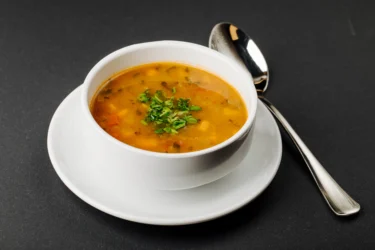
Instead of opting for unhealthy roadside snacks, consider a bowl of steamy hot soup if you are hungry. It can be filling and is packed with nutrients, and is easy to digest. A bowl of chicken soup or vegetable corn soup garnished with black pepper, garlic, and ginger can contribute to your daily fluid intake while providing a comforting and nourishing meal throughout the day2.
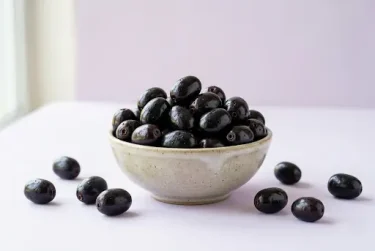
Fruits like Jamun and Plums can be a nutritious addition to a balanced monsoon diet. Jamun has a sweet but slightly tangy flavor3. Juice made of Jamun also contains bioactive phytochemicals, which can protect the liver from getting damaged and can improve your metabolism. On the other hand, tangy and sweet plums are filled with antioxidants, vitamins, and minerals that contribute to overall nutritional intake.

Sprouts are good for your health in all seasons, particularly in the monsoon. Sprouts are a nutrient-dense food option rich in plant-based proteins, vitamins, and minerals that support overall health and contribute to normal immune function. To reduce the risk of foodborne illness, ensure that sprouts are thoroughly washed and prepared hygienically before consumption.

Herbal tea, such as tulsi tea and ginger tea are popular choice for soothing comfort during the monsoon season. Consuming warm herbal teas can help maintain optimal hydration and alleviate throat discomfort often associated with seasonal transitions. Add a few drops of honey to enhance flavor and provide traditional soothing relief.” While ginger contains bioactive compounds like gingerols, which have been studied in laboratory settings for their antioxidant and anti-inflammatory properties, these beverages are intended to support overall well-being rather than prevent or treat medical conditions like the cold or flu.
During monsoons, you crave ginger tea more than often. It is scientifically proven that ginger might reduce inflammation and infections due to its anti-inflammatory and antimicrobial activities11.
Dr. Siddharth Gupta, B.A.M.S, M.D (Ayu)
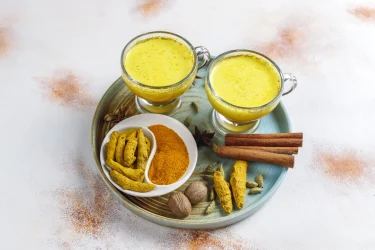
A common kitchen ingredient, turmeric can be consumed in any form during every season. It contains curcumin and other naturally occurring compounds that have been studied for their antioxidant and anti-inflammatory properties7. Integrating a moderate amount of turmeric into your diet, such as a warm milk infusion at night, serves as a comforting beverage that supports general well-being during seasonal changes. However, dietary turmeric does not function as a therapeutic shield against infections.
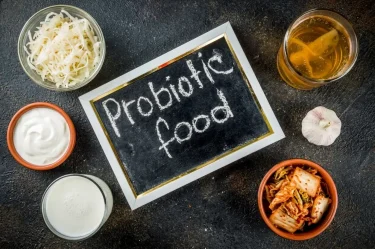
Including fermented foods like yogurt and buttermilk into your diet can support digestive health during the monsoon season. Probiotics are living microorganisms that reside in our gut or intestinal tract. Probiotics, when consumed in adequate amounts, may support digestive health in some individuals. However, their effects can vary depending on the individual, the specific strain, and the amount consumed.

Lemon is a great source of vitamin C that acts as an antioxidant and contributes to the normal function of the immune system. While the monsoon season increases the risk of exposure to food and waterborne pathogens, dietary vitamins support cellular health, which in turn can protect you from infection. Lemon is a rich dietary source of Vitamin C and citric acid, which naturally support general well-being. The citric acid in lemon can assist in maintaining a favorable digestive environment that supports optimal nutrient breakdown, while its Vitamin C content acts as an essential nutrient that can contribute to healthy bone matrix and skeletal structure. Having lemon juice or squeezing some on your food or salads is a good way to add nutrition into your body.
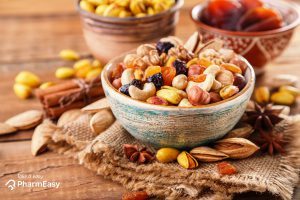
Dates, almonds, walnuts, and cashews can be nutritious snack options throughout the year, including during the monsoon season. These foods provide a variety of nutrients, including healthy fats, fiber, vitamins, and minerals, making them a valuable addition to a balanced diet. Nuts and dry fruits contain nutrients such as riboflavin ( vit B2 )and niacin (vit B3), which contribute to normal energy metabolism and overall nutritional intake. They also contain antioxidants that help protect cells from oxidative stress. Choosing nuts, dry fruits, and seeds as snacks can be a healthier alternative to highly processed foods as part of an overall balanced lifestyle.
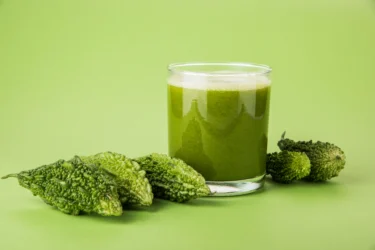
As bitter as it may taste, karela is one of the most powerful foods you can add to your monsoon diet. It is an excellent source of essential antioxidants, vitamins A, C, and folate, which contribute to the normal function of the immune system and help protect cells from oxidative stress. Some studies show Karela may help to keep your blood clean and may support normal metabolic function and digestive health. Further, karela may assist the liver’s natural detoxification processes. Try it as a stir-fry, juice, or a light sabzi13.
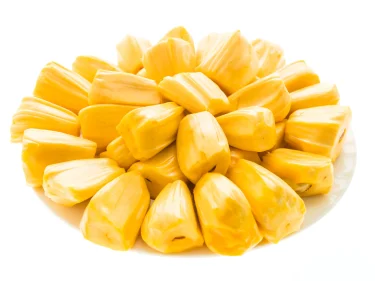
Jackfruit is a nutrient-dense whole food rich in dietary fiber, Vitamin C, potassium, and B-complex vitamins, making it a wholesome addition to a seasonal diet. Its high fiber content supports digestive regularity and assists in maintaining general gut health. Jackfruit also contains powerful antioxidants that contribute to the normal function of the immune system and help protect cells from oxidative stress. Whether enjoyed as a hearty raw jackfruit curry or as a naturally sweet ripe fruit, it is a delicious and nutritious way to stay strong through the season14.
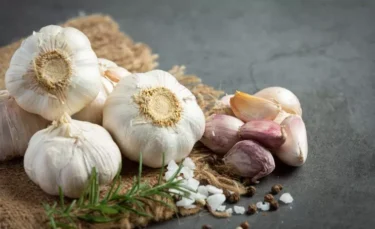
Garlic is a traditional culinary herb containing bioactive organosulfur compounds, such as allicin, which have been studied in laboratory settings for their antioxidant and antimicrobial properties. Incorporating moderate amounts of garlic into freshly prepared, warm meals during the monsoon season serves as a flavorful addition that supports general physiological well-being12.
Garlic has shown multiple effects like anti-bacterial, anti-fungal, anti-viral, and antioxidant. These medicinal actions of garlic might be beneficial in tackling cough, cold, and flu-like conditions, especially in children12.
Dr. Rajeev Singh, BAMS
Certain foods may require extra caution during the monsoon because warm and humid conditions can increase the risk of contamination if food is not stored, handled, or prepared properly. The following is a list of food items that may require extra caution to eat during the rainy season.
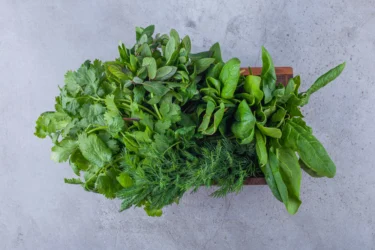
Raw leafy vegetables should be eaten with extra care during the monsoon. The damp and humid weather can make it easier for germs to stick to fresh produce. If these vegetables are not washed properly, they may cause stomach discomfort or food poisoning in some cases. To stay safe, wash leafy greens thoroughly before eating them. Whenever possible, choose cooked vegetables during the rainy season. Eg: Spinach, lettuce, cabbage, methi, and other raw salad greens15.

Street-side cut fruits may expose you to harmful bacteria and viruses, as cut fruits sold outdoors are left uncovered for long periods, they may be exposed to dust, flies, and contaminated water for long periods. The lack of proper hygiene and refrigeration makes them highly susceptible to microbial growth, which can increase the risk of stomach upset or foodborne illness. Instead, choose whole fruits that can be washed and cut fresh at home16. Eg: Cut watermelon, papaya, pineapple, guava, and mango slices sold at roadside stalls.

it is advisable to take extra care when eating street chaat during the monsoon. Street chaat can increase the risk of foodborne illnesses. During the monsoon, it is typically prepared in open, unhygienic conditions using water and ingredients that may be contaminated. The combination of raw ingredients, tamarind water, and chutneys made without proper sanitation significantly raises the risk of infections like typhoid, cholera, and hepatitis A17. Eg: Pani puri, bhel puri, dahi puri, sev puri, and other roadside chaats.

Seafood should be avoided or consumed with extra caution during the rainy season, as monsoon is the breeding season for most fish and shellfish, making them more prone to contamination and bacterial growth. Water bodies also tend to get polluted during heavy rains, which directly affects the quality and safety of seafood available in the market. Poorly stored or undercooked seafood during this season can lead to severe food-borne illness and digestive issues18. Eg: Raw or lightly cooked fish, prawns, crabs, oysters, and other shellfish.
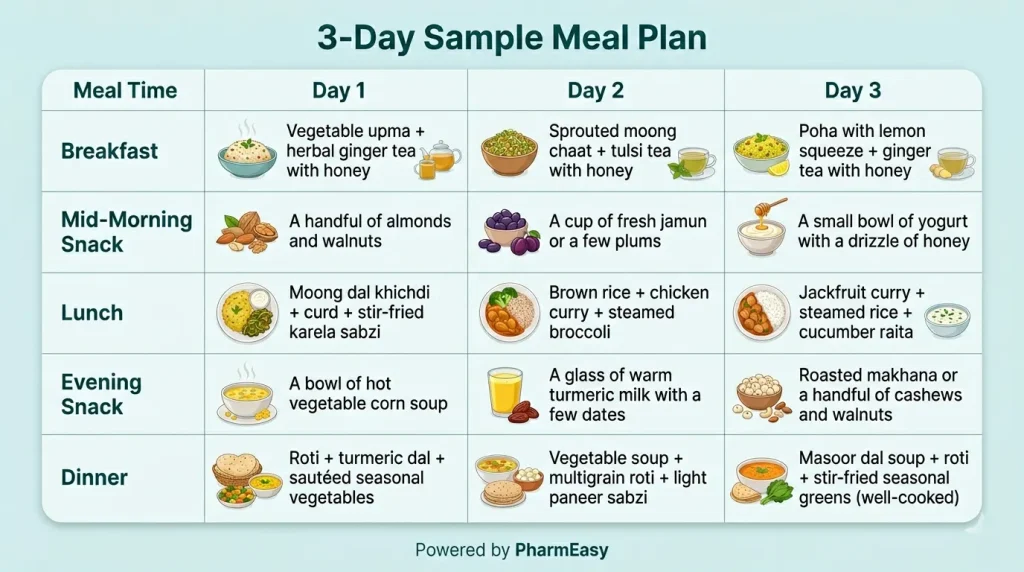
Eating right during the rainy season does not have to be complicated. Here is a simple and nutritious 3-day meal plan to help you stay healthy, energised, and infection-free this monsoon.
The monsoon season calls for a little extra care from the inside out. These time-tested, easy-to-make recipes are packed with natural ingredients that may support your body’s natural wellness, and keep you feeling warm and energised through the rainy days.
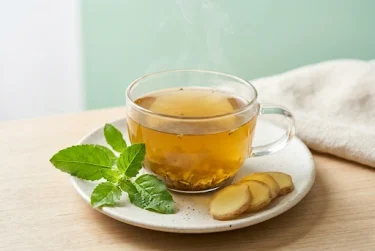
A traditional Indian home remedy, ginger-tulsi kadha has been trusted for generations, that contain natural plant compounds and antioxidants that help support overall well-being and maintain normal immune health. Sipping this warm drink is an excellent way to naturally soothe a dry or scratchy throat and provide comforting relief from seasonal dampness.
Ingredients:
Method of Preparation:
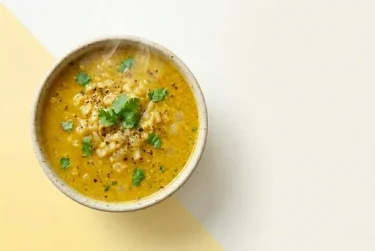
This warm, flavorful soup is made with a combination of traditional kitchen ingredients that are perfect for the rainy season. Turmeric contains natural plant compounds known for their antioxidant properties, while garlic has long been used in home cooking to support overall well-being. Together, these ingredients make this soup a nutritious addition to your diet that contributes to normal immune health. It is light on the stomach, easy to digest, and deeply comforting on a rainy evening.
Ingredients:
Method of Preparation:

Simple and comforting, this warm pepper soup is an excellent choice to help take the chill off during a damp, rainy day. Black pepper contains piperine, a natural plant compound known for its antioxidant properties that help protect your body’s cells from everyday stress. Sipping this warm, light broth provides a soothing sensation for your throat, helps keep you hydrated, and supports your natural digestive process. It is light, soothing, and perfect for days when you feel under the weather.
Ingredients:
Method of Preparation:
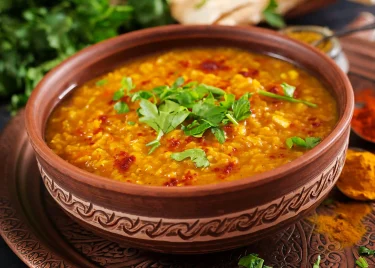
A beloved monsoon comfort food, spiced moong dal khichdi is the ultimate one-pot meal that is gentle on the stomach yet deeply nourishing. The combination of moong dal and rice provides a complete plant-based protein profile, which is easy for the body to absorb, while the spices turmeric, cumin, and ginger support your natural digestive process and contribute to overall well-being. It is wholesome, easy to prepare, and perfect for all ages.
Ingredients:
Method of Preparation:
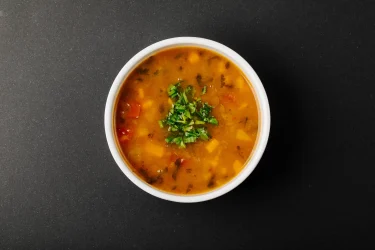
A staple of South Indian kitchens, herbal rasam is a thin, tangy, and spiced broth that is a true immunity elixir during the monsoon. Packed with the goodness of tamarind, tomatoes, black pepper, and cumin, rasam that supports your natural digestive process and contributes to overall well-being. Sipping this warm, aromatic soup provides a soothing sensation for your throat and helps keep you hydrated on damp rainy days. It can be had as a soup, drunk straight from a cup, or mixed with rice for a light and healing meal19.
Ingredients:
Method of Preparation:
Staying hydrated during the monsoon is just as important as any other season, even if you do not feel as thirsty as you would in summer. The humidity and dampness can mask your body’s need for fluids, making it easy to fall short on hydration. Plain water is always essential, but these wholesome, flavourful beverages not only keep you hydrated but also contribute to your overall well-being to help you sail through the rainy season with ease.

Jeera water is one of the simplest and most effective hydration drinks you can prepare at home during the monsoon. Cumin seeds contain natural plant compounds that support healthy digestion and help maintain gut comfort. which can be useful during the humid monsoon months when digestion sometimes slows down. Regular consumption of jeera water supports your body’s natural metabolic processes and contributes to keeping your digestive system running smoothly and predictably20.
How to Prepare:
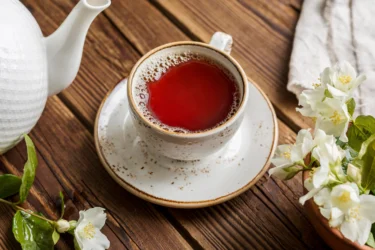
There is nothing quite like a steaming cup of ginger tea on a cold and rainy day. Ginger contains natural plant compounds that support healthy digestion and help maintain stomach comfort during the humid monsoon months, soothes an irritated throat, while supporting your body’s natural baseline immunity, and improves digestion. Drinking ginger tea regularly during the monsoon may help you stay warm, hydrated, and comfortable
How to Prepare:

Fresh coconut water is a natural electrolyte drink that replenishes minerals lost through sweating and keeps the body well-hydrated through the humid monsoon days. Rich in potassium, magnesium, and calcium, which contribute to maintaining normal fluid balance and support your body’s overall well-being. Light, refreshing, and naturally sweet, coconut water is one of the cleanest and most nourishing hydration options you can choose this season21.
How to Prepare:

A glass of lemon water is one of the easiest and most refreshing ways to stay hydrated during the monsoon. Lemon is a natural source of vitamin C, which has an essential antioxidant that contributes to the normal function of the immune system and helps maintain healthy skin. Enjoying a glass of lemon water helps maintain normal hydration levels and supports your natural digestive process
How to Prepare:
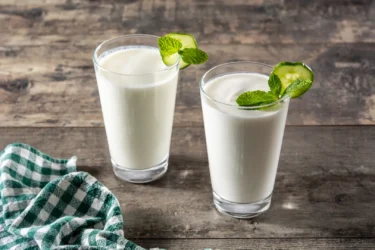
A traditional Indian drink that has stood the test of time, buttermilk is a probiotic-rich hydration powerhouse that is especially beneficial during the monsoon. Made from churned curd, buttermilk supports gut health by promoting the growth of good bacteria, aids in digestion, and helps cool the body naturally. It is light on the stomach, easy to digest, and helps prevent common monsoon digestive issues like bloating, acidity, and loose motions22.
How to Prepare:
The monsoon season brings with it a host of tempting comfort foods. For individuals managing diabetes or polycystic ovary syndrome (PCOS), maintaining balanced eating habits throughout the season can help support their overall dietary goals. The good news is that with a few simple swaps and smart additions, you can enjoy a nourishing and satisfying monsoon diet that works in your favour.
Managing blood sugar during the monsoon requires choosing foods that are low on the glycaemic index (GI), high in fibre, and easy to digest. Here is how you can modify your monsoon diet to keep your blood sugar levels stable and your immunity strong23.
A balanced and nutritious diet can play an important role in the overall management of polycystic ovary syndrome (PCOS). Choosing a variety of nutrient-dense foods, including whole grains, vegetables, fruits, legumes, nuts, seeds, and other minimally processed foods, can help support overall health and dietary goals. During the monsoon season, maintaining regular meal patterns and making mindful food choices can help you meet your nutritional needs while enjoying seasonal foods. The following suggestions focus on incorporating wholesome foods and balanced meals as part of a healthy lifestyle.
Besides healthy eating, a few health tips, such as the following, can lower your chances of being affected by a host of illnesses:
PharmEasy’s Monsoon Gastro Stomach Infection Package has 33 tests, including Complete Blood Count (CBC), Test for Typhoid, Hepatitis, liver enzymes, etc., to help your doctor detect a plethora of monsoon-related infections and diseases. Don’t take it lightly if you see any symptoms of stomach or skin infection, fever, etc.
Have a healthy and safe monsoon! These lifestyle tips can keep you healthy and safe during monsoons. Instead of binging on fast and oily foods, make these nutritional energy-giving foods a part of your lifestyle. Also, pay attention to good hygiene.
The monsoon season can increase the risk of infections, digestive issues, and seasonal illnesses due to high humidity, contaminated food and water, and changes in the environment. However, making mindful dietary choices and maintaining proper hygiene can go a long way in supporting overall health during this time. Including freshly cooked, nutrient-rich foods such as soups, probiotics, herbal teas, seasonal fruits, and nuts10 may help support immunity and digestion, while limiting oily, stale, and unhygienic foods may reduce the risk of stomach-related problems.
Also Read: What Is Hantavirus? Symptoms, Causes, & Effective Prevention
You can include warm, freshly cooked, and light foods such as:
Steamed rice, khichdi, soups, and porridges
Seasonal fruits like pomegranate, apples, pears, and bananas.
Herbal teas and warm water6
Cooked vegetables instead of raw salads
Foods rich in vitamin C and antioxidants
Probiotic foods8 in moderation if tolerated well
Spices such as ginger11, turmeric, black pepper, cumin, and garlic may also help support digestion and immunity.
It is generally recommended to avoid:
Street food and uncovered foods
Raw leafy vegetables and salads that may carry germs
Cut fruits sold outside
Excess oily, fried, or spicy foods
Stale or refrigerated leftovers
Seafood from unreliable sources during heavy rains
These foods may increase the risk of stomach infections or digestive discomfort.
Curd is not harmful for everyone during the monsoon, but some people may experience , bloating, or indigestion after consuming it in humid weather. If you are prone to cough, cold, sinus issues, or weak digestion, it may be better to consume curd in moderation and preferably during the daytime rather than at night.
Fresh homemade curd is generally safer than stale or improperly stored curd
Cucumber can be eaten during the monsoon if it is washed properly and consumed fresh. However, because it contains high water content and is usually eaten raw, it may sometimes increase the risk of stomach infections if hygiene is poor. People with sensitive digestion may prefer lightly cooked vegetables instead of raw cucumber during this season
Chicken itself is not unhealthy during the monsoon if it is fresh, hygienically handled, and thoroughly cooked. However, improperly stored or undercooked chicken may carry bacteria that can cause food poisoning. During the rainy season, food spoilage may happen faster due to humidity, so extra care with meat hygiene and cooking is important.
Avoid raw, half-cooked, or roadside meat preparations.
You can support digestion during the monsoon by:
Eating freshly cooked meals
Drinking enough clean, boiled, or filtered water
Avoiding overeating
Including ginger11, cumin, ajwain, and turmeric in meals
Limiting oily and processed foods
Eating at regular times
Staying physically active with light exercise or walking
If digestive symptoms such as severe diarrhea, vomiting, fever, or persistent stomach pain occur, medical attention may be needed.
Disclaimer: The information provided here is for educational/awareness purposes only and is not intended to be a substitute for medical treatment by a healthcare professional and should not be relied upon to diagnose or treat any medical condition. The reader should consult a registered medical practitioner to determine the appropriateness of the information before consuming any medication. PharmEasy does not provide any guarantee or warranty (express or implied) regarding the accuracy, adequacy, completeness, legality, reliability or usefulness of the information; and disclaims any liability arising thereof.
Links and product recommendations in the information provided here are advertisements of third-party products available on the website. PharmEasy does not make any representation on the accuracy or suitability of such products/services. Advertisements do not influence the editorial decisions or content. The information in this blog is subject to change without notice. The authors and administrators reserve the right to modify, add, or remove content without notification. It is your responsibility to review this disclaimer regularly for any changes.
9
2
As winter starts, late-night cravings often become harder to ignore, and changes in weather can also disturb your sleep. However, many people do not realise that the food you eat can affect how well you sleep. Some foods may negatively affect sleep quality, especially if eaten close to bedtime.
A busy lifestyle can affect your body, which in turn, affects how well you sleep. What you eat also plays a key role in your overall health and sleep quality.
Most research suggests that a night of disturbed sleep can increase cravings for unhealthy snacks and junk food the next day1. Therefore, be mindful of what you eat before bedtime, as it may interfere with your sleep and your health in the long term.
These foods may affect your sleep and are best avoided before bedtime.

Dark chocolate may not be a good food choice before bedtime as it contains caffeine and amino acids2. Both caffeine and amino acids can keep you up at night, leaving you tired the next day. Dark chocolate may give you an energy boost, which makes it an ideal afternoon snack rather than a late-night one. It also contains theobromine, which is a cardiac stimulant that might interfere with sleep2.

Ice cream is a popular dessert that many people love to eat as an after-dinner treat. A bowl full of ice cream can be tempting, but the sugar in it may interfere with your sleep3. Ice cream is high in both fat and sugar, which, when consumed frequently, may lead to unhealthy cholesterol levels and increase the chance of heart conditions4. Although gelatos are believed to be a lighter version of ice cream, they can also contain a high amount of sugar. Therefore, it is important to check their sugar content before consuming them.
Sugary treats, like candy bars, ice creams, and cakes are all best avoided at night as they may lead to poor sleep.
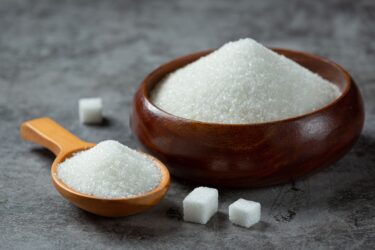
Sugar is the main culprit in most foods that may interfere with your sleep. It can increase your energy levels, making it harder to fall asleep quickly3. Foods high in sugar are more likely to disrupt sleep rather than support restful sleep.

It is common knowledge that coffee can keep you awake for a longer time at night. Caffeine can remain in your system for hours, so it’s best to avoid it for several hours before going to bed. Caffeine can stimulate the central nervous system, and its effects may last up to 12 hours. So keep your sleep in mind when you’re thinking about having a cup of coffee in the latter half of the day5,6.
I may advise you to avoid consuming certain foods before sleep, such as fast food, instant noodles, and confectionaries. Research suggests that individuals who have shorter sleep durations or poor sleep quality tend to consume more of these unhealthy food options. So, to promote better sleep and overall health, it’s recommended to avoid these food choices before bedtime.
Dr. Rajeev Singh, BAMS

Have you heard that you may get weird dreams after eating cheese at night? Yes, it might be possible7. Cheese is rich in the amino acid tyramine that might keep your brain alert for a longer time. It also has saturated fats that might contribute to reduced sleep8. So despite the fondness for a post-dinner cheese-board, remember that eating cheese at night may only make it harder for you to fall asleep.

Both red meat and chicken are rich in animal-based proteins that take a lot of energy to digest. These proteins contain tyrosine, an amino acid that may help promote brain activity and improve dopamine (hormone) synthesis. Therefore, foods containing tyrosine may make falling asleep increasingly difficult, especially in the elderly. Think twice before eating any of these foods close to your bedtime as they could disrupt your sleep schedule9.

Yes, you may feel drowsy after drinking a glass of wine or beer, but it may harm your sleep patterns. Drinking alcohol right before bed can make your sleep quality suffer. Research shows that drinking alcohol before bed can make you more likely to wake up throughout the night. Alcohol may also lead to snoring since it is a potent muscle relaxer.
Beer drinkers also tend to get up every 2 to 3 hours after going to bed to go to the bathroom due to the excess of liquids consumed after dinner10.

One of the classic midnight foods you crave should now be off your list! Eating pizza before bedtime is not advisable, no matter how much you like it. Cheese is rich in fat and tomato sauce is acidic, making this popular late-night dish harder to digest and potentially disruptive to sleep8,11.
Tomatoes may interfere with sleep because their acidity may cause heartburn or indigestion11. They also contain tyramine, an amino acid that can stimulate the brain and make it harder to fall asleep.
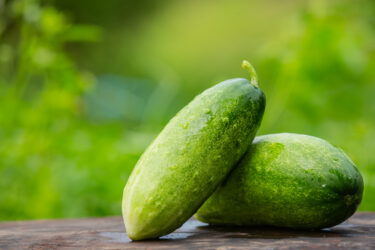
Diuretic foods mean foods that induce excess urination. Celery, carrots, cucumber, ginger, watermelons, caffeinated drinks, and alcohol have diuretic effects. Consuming these foods close to bedtime may make you wake up frequently to use the washroom12, which can affect your sleep quality.

Drinking too much water close to bedtime can interrupt your sleep significantly as you will have to wake up frequently to use the washroom13. Instead, start reducing your fluid intake around 3 hours before going to bed.
I would suggest avoiding consuming red pepper before sleep. Research has shown that red pepper might increase your body temperature, which may make it harder for your body to cool down naturally during sleep. When you’re too hot, it might interfere with the body’s ability to transition to a comfortable sleeping temperature.
Dr. Siddharth Gupta, B.A.M.S, M.D (Ayu)
Also Read: What Happens When Your Body Doesn’t Get Enough Sleep?
Now, you have a better idea of how even simple food can affect your sleep. So, be mindful of what you eat before bedtime. Another habit that could help you sleep better is having dinner at the right time! It is advisable to have your meals at least 3 hours before bedtime.
Also Read: How Long Should You Wait Before Going To Bed After Dinner?
Foods high in caffeine, sugar, fat, acidity, or stimulant amino acids like tyramine and tyrosine may delay sleep onset and disturb sleep patterns. Additionally, diuretic foods and excess fluid intake might also increase nighttime urination and interrupt sleep. Therefore, avoiding heavy, spicy, sugary, and stimulant-rich foods at night and having dinner early may help you by promoting better and uninterrupted sleep.
Also Read: Natural Home Remedies For Good Sleep
Disclaimer: The information provided here is for educational/awareness purposes only and is not intended to be a substitute for medical treatment by a healthcare professional and should not be relied upon to diagnose or treat any medical condition. The reader should consult a registered medical practitioner to determine the appropriateness of the information and before consuming any medication. PharmEasy does not provide any guarantee or warranty (express or implied) regarding the accuracy, adequacy, completeness, legality, reliability or usefulness of the information; and disclaims any liability arising thereof.
Links and product recommendations in the information provided here are advertisements of third-party products available on the website. PharmEasy does not make any representation on the accuracy or suitability of such products/services. Advertisements do not influence the editorial decisions or content. The information in this blog is subject to change without notice. The authors and administrators reserve the right to modify, add, or remove content without notification. It is your responsibility to review this disclaimer regularly for any changes.
47
1
Terminalia bellirica is found throughout the Indian subcontinent, including Pakistan, Bangladesh, Sri Lanka, Nepal and Southeast Asia. In India, it is commonly known as “Bahera” in Hindi, “Beleric Myrobalan” and “Bibhitaki” in English and Sanskrit, respectively1.
As the leaves are arranged at the tips of the stems, the genus Terminalia takes its name from the Latin word “terminus.” It is a huge deciduous tree with a buttressed trunk and thick brownish-grey bark with shallow longitudinal fissures that grows to be 20-30 metres tall when fully grown. The leaves are found at the tips of the branches and have entire margins, a rounded tip, and a prominent midrib. They are pubescent when young and glabrous as they mature1. Young leaves are copper-red, turning parrot green and eventually dark green as they grow2.
The flowers are a pale greenish-yellow colour and have an unpleasant odour1. The fruits are ovoid drupes that are round and pink in colour, turning greyish when dry. Each fruit has an ellipsoid seed in it. The bark is grey or pale brown with shallow cracks and longitudinal fissures1.
Phytochemical analysis of behada fruit extracts revealed the presence of a broad range of bioactive constituents, including flavonoids, phenolic compounds, tannins, terpenes, and glycoside derivatives. The fruit is a significant source of gallic acid and its esters, tannin and pseudo tannins, ellagitannins, chebulic, chebulagic, chebulinic and non-chebulic acid, corilagin, ellagic acid and its glycosides, triterpenes and triterpenoidal glycosides. The dried fruits of three plant species native to the Indian subcontinent, P. emblica, T. chebula, and T. bellirica, make up “Triphala,” a well-known natural formulation in Ayurvedic medicine1.
The nutritional content fount in behada/100 gm is:
Nutrients found in Behada3
Various parts of behada plant have therapeutic properties are listed below1.

The antiulcer activity of the extract of behada fruits was investigated in animal models by determining the ulcer index. In a study, the behada extract exhibited significant inhibition of stomach ulcers, decreased free acidity, total acidity, gastric volume, protein and pepsin content while increasing the mucus content, altogether lowering the ulcer index2.
Inhibition of cytoprotective prostaglandin synthesis may suppress ulcers, however the antioxidant activities of fruit extract are responsible for its antiulcer efficacy1.

In animal models of depression, the behada fruit extract demonstrated antidepressant efficacy, as it drastically reduced the mobility time. The presence of tannic acid and polyphenols in the extracts may be responsible for the antidepressant action1.
Several animal models of psychosis in Wistar rats were used to investigate the antipsychotic activity of behada fruit powder. The results showed that behada fruit powder reduced stereotyped behaviour (doing the same thing repeatedly) in rats and dopamine levels in the brain1.

In animal studies1, the diuretic efficacy of Behada fruit extract has been studied. The extract boosted salt excretion in urine, which benefits current diuretics. The anti-urolithiatic activity of behada fruit extract was investigated in animal studies. The therapy with behada fruit extract significantly reduced calcium, oxalate, and phosphate excretion, which is beneficial in reducing stone formation.

Behada fruit extract has shown antifertility and antiandrogenic properties in animal studies1. The male reproductive organs such as testis, epididymis, vas deferens, seminal vesicle, and ventral prostate significantly reduced after the administration of fruit extracts. Furthermore, extract administration significantly reduced sperm motility and density. The activity of behada fruit extract is thought to be due to selective androgen deficiency in the epididymis, which affects sperm motility and metabolism1.
The anti-obesity activity of behada fruit extract was studied in obesity models in animals. According to the findings1, behada fruit extract can prevent obesity in diabetic mice by lowering body weight, fat deposition, insulin resistance, and lowering plasma and hepatic lipid levels.
Another animal study looked at the effects of behada fruit extract on a diet-induced obesity, looking at changes in body weight, feed and water consumption, body temperature, body-mass index, organ weight, and lipid profile. The findings of the study indicated that oral administration of extract considerably improved the above parameters1.

Studies have investigated the wound healing efficacy of behada fruit extract. The extract paste was used and improved fibroblast function, glycosaminoglycan synthesis, and collagen deposition, all of which are necessary for wound healing1.

The behada fruit extract exhibited anti-inflammatory action in animal studies. The investigators suggested that inhibition of cyclooxygenase enzyme by fruit extract could be a possible mechanism behind its anti-inflammatory activity1.
The inhibitory effects of ellagic acid and gallic acid from behada were investigated on animals. The inhibition of numerous proinflammatory molecules, enzymes, and cytokines by downregulation of multiple signalling pathways might be responsible for the inflammatory response1.

The antibacterial properties of behada fruit extracts were tested on several human microbial pathogens, including Escherichia coli, Streptococcus pneumonia, Staphylococcus aureus, Salmonella typhi, S. typhimurium, Pseudomonas aeruginosa, Yersinia enterocolitica, and Candida albicans1. S. aureus was inhibited most effectively the fruit extracts. Except for E. coli and P. aeruginosa, all pathogens were susceptible to the behada fruit extract2.
The antiviral effectiveness of behada leaf extracts was tested against the human immunodeficiency virus (HIV) via cell lines assay. Extracts of behada leaf showed weak anti-human immunodeficiency virus-1 activity1.

The immunomodulatory action of behada extracts is apparent owing to the influence on T and B cell proliferation affecting cellular mediated immunity2.

The antidiarrhoeal effect of behada fruit extracts was investigated in animal models. Prostaglandins E2 caused fluid accumulation in the intestinal lumen due to sodium, chloride, and glucose absorption inhibition. The administration of behada extract reduced the incidence of diarrhoea.
Behada extract delayed defecation time in the animals as well. The behada extracts were found to inhibit the synthesis of prostaglandins E2, ricinoleic acid, and nitric oxide resulting in the prevention of diarrhoea1.

Researchers examined the liver-protective effects of behada fruit extract and its active ingredient, gallic acid, in lab animals. Biochemical parameters such as serum enzymes, lipid peroxidase, and glutathione demonstrated improvement2.

Investigators have studied behada fruit extracts for their anti-diabetic properties. With the restoration of body weight and total serum protein, the fruit extract significantly enhanced plasma insulin, C-peptide, and glucose tolerance levels. All biochemical markers, including total cholesterol, triglycerides, urea, uric acid, and creatinine, showed improvement, preventing diabetic kidney complications and dyslipidemia1.

The behada fruit extract exhibits antioxidant activity due to presence of enzymatic and non-enzymatic antioxidants. It can be potent against infections and several diseases. The antioxidant activity of behada extract fractions was demonstrated by scavenging free radicals that cause cellular damage2.

The behada crude extract was studied in animals to evaluate bronchoconstriction. It produced bronchial smooth muscle relaxation in animal trachea and thus might be helpful in lung airway diseases in humans1.
In an in-vitro model, the clot-lysing action of behada fruit extract was investigated. The study found that behada fruit extracts slowed the formation of blood clots1.

The behada fruit extract has exhibited antiproliferative action in several cancer cell lines with a high degree of selectivity1.
Skin, tongue, and pharyngeal carcinoma cell lines were used to assess the anticancer activities of behada seed extract and gallic acid. Apoptotic characteristics such as cell shrinkage, loss of cytoskeletal integrity, and DNA fragmentation were exacerbated in cell lines treated with seed extract1.
In my experience, I have come across studies2 suggesting that extracts from Terminalia bellirica fruits may possess antipyretic properties. This means that they might help reduce elevated body temperature associated with fever.
Dr. Rajeev Singh, BAMS
Over the years, I have come across studies2 suggesting that Behada, a medicinal plant, may have certain beneficial effects. Specifically, it is believed to have both antisecretory and antinociceptive properties. This means that it might help reduce excessive secretion and alleviate pain sensations.
Dr. Siddharth Gupta, B.A.M.S, M.D (Ayu)
The safety studies of behada on pregnant and breastfeeding women have not been conducted. Therefore, it should only be taken under the supervision and advice of a physician. No research has been done on the safety of behada in children.
There is not much information on how behada interacts with other medications. Hence, patients should consult a doctor before taking behada if they take any other drug or supplement.
Also Read: Suhaga: Uses, Benefits, Precautions & More!
Behada (Terminalia bellirica) is a potent Ayurvedic herb with an impressive range of therapeutic properties, spanning anti-inflammatory, antioxidant, antimicrobial, antidiabetic, and hepatoprotective benefits. Its applications extend from managing ulcers, diarrhoea, and obesity to supporting kidney health, wound healing, and even showing anticancer potential. As a key ingredient in the classical formulation Triphala, its medicinal significance is well-established in traditional medicine. However, most evidence remains confined to animal and in vitro studies, and human clinical data is still limited. Medical supervision is essential, particularly for pregnant women, children, and those on other medications.
Also Read: Vasavaleha: Benefits, Uses, Side Effects, Precautions & More!
It is a huge deciduous tree that grows to be 20-30 metres tall when fully grown1.
Tannin, pseudo-tannins, gallic acid, chebulic, chebulagic, chebulinic acids, non-chebulic acid, ellagitannins, corilagin, ellagic acid, triterpenes and triterpenoidal glycosides are among the compounds found in behada1.
Bahera, beleric myrobalan, and bibhitaki are the common names of behada1.
Behada fruit is used to treat asthma, bronchitis, hepatitis, diarrhoea, piles, dyspepsia, eye diseases, hoarseness of voice, scorpion-sting, hair tonic and menstrual disorders1.
Yes, behada is good for diabetes. The behada fruit extract anti-diabetic properties were tested in animal models. The extract restored body weight and total protein levels while increasing plasma insulin, C-peptide, and glucose tolerance1. Studies for efficacy in humans are lacking.
Yes, behada is good for the liver. Treatment of animals with behada fruit extract and gallic acid improved biochemical indicators such as serum enzymes, lipid peroxidase, and glutathione, indicating liver protection2.
Yes, behada is good for preventing kidney stones. The behada fruit extract prevented kidney stones in animal models by reducing oxalate, calcium, and phosphate excretion, which is beneficial in reducing stone formation1. However, studies are needed for efficacy in humans.
Disclaimer: The information provided here is for educational/awareness purposes only and is not intended to be a substitute for medical treatment by a healthcare professional and should not be relied upon to diagnose or treat any medical condition. The reader should consult a registered medical practitioner to determine the appropriateness of the information and before consuming any medication. PharmEasy does not provide any guarantee or warranty (express or implied) regarding the accuracy, adequacy, completeness, legality, reliability or usefulness of the information; and disclaims any liability arising thereof.
Links and product recommendations in the information provided here are advertisements of third-party products available on the website. PharmEasy does not make any representation on the accuracy or suitability of such products/services. Advertisements do not influence the editorial decisions or content. The information in this blog is subject to change without notice. The authors and administrators reserve the right to modify, add, or remove content without notification. It is your responsibility to review this disclaimer regularly for any changes.
3
1
Nagarmotha is also called Cyperus rotundus, and belongs to the family Cyperaceae. It is found throughout India. Cyperus is derived from Cypeiros, which means genus in ancient Greek, and the term rotundus means round (referring to the tuber) in Latin. It is known as nutgrass in the Southern states. It is a perennial, pestiferous weed with dark green, glabrous culms that emerge from underground tubers. The essential oil obtained from the tuber is used in making soap, perfumery, and insect repellent cream.
Nagarmotha (in Hindi) has other vernacular names like Chakranksha and Charukesara in Sanskrit; Purple nutsedge and nutgrass in English; Nagarmotha in Bengali; Nagaramothaya and Motha in Gujarati; Mushkezamin in Malaya; Saad Kufi in Urdu; Soad and Soadekufi in Arabic; Vomonniu in Burma; Korai and Muthakasu in Tamil; Tangahullu in Kannada; Muththann in Malayalam; Tungamuste in Telugu; Nagarmotha and Motha in Marathi1,2.
The major chemical components found in nagarmotha are essential oils, terpenoids, flavonoids, and monosesquiterpenes1.
In Ayurveda, the rhizomes of nagarmotha are considered to have the following properties3:
The extracts of nagarmotha were evaluated for anti-inflammatory properties in animal models. It was found that nagarmotha possesses an anti-inflammatory property beneficial in managing oedema. In another study, the ether extract of the rhizome of nagarmotha too exhibited anti-inflammatory activity against oedema in an animal model. The essential oil and the petroleum extract of nagarmotha were found to exhibit pain-relieving activity3. Human studies are needed to demonstrate if these anti-inflammatory properties may be useful in humans to relieve pain and swelling.
The alcoholic extract and a specific fraction (obtained from petroleum ether extract) were evaluated in animal models and were found to reduce fever3.
Considering what I’ve observed, using the rhizome extract of nagarmotha externally might have shown positive effects on lactation. It may help to improve milk production and relieve common issues like inflammation, itching, and clogged milk ducts. It’s incredible to see how traditional remedies like nagarmotha might provide such practical benefits for nursing mothers. However, always consult your doctor before applying5.
Dr. Smita Barode, B.A.M.S, M.S.

The ethanolic extract of nagarmotha was evaluated for anticonvulsant activity in animal models. The extract reduced the duration of convulsion and hind limb extension. The flavonoids present in nagarmotha might be responsible for this anticonvulsant activity. It might make nagarmotha a potent agent for treating epilepsy in humans, once safety studies are established3.

The extracts of the rhizome of nagarmotha were evaluated for wound healing activity in lab animals. The extract was applied as an ointment on the wound, and it was monitored. The findings suggest that the ethanolic extract of nagarmotha can be a potential source as a natural wound healing agent, which might be due to the presence of β-sitosterol, flavanol glycosides, and active terpenes in the tuber part of nagarmotha4.
The extract of rhizome of nagarmotha was tested for anti-microbial activity against E. coli, Aspergillus niger, Candida albicans, Bacillus cereus, Staphylococcus epidermidis, and Pseudomonas aeruginosa. The study found strong antibacterial activity, comparable to well-established antibiotics gentamicin and amphotericin, which were used as controls4.
The aqueous extract of tuber of nagarmotha was evaluated for anti-obesity activity in animals. The treatment significantly reduced the weight in studies4. Larger studies in humans might help establish its utility as a weight loss agent.
Nagarmotha extract demonstrated strong antioxidant activity in an in-vitro model. The antioxidant effect may be due to the presence of flavonoids, polyphenol, and ascorbic acid4.
The powder from the rhizome of nagarmotha was tested for anti-ulcer activity in gastric ulcers two different animal models: rats and guinea pigs. The rhizome powder reduced the ulcer index in both models, exhibiting significant anti-ulcer activity. This ulcer-reducing effect might be due to the antioxidant activity of nagarmotha4.
Let me tell you, nagarmotha is not only valued for its aromatic properties but also for its potential as an appetiser. Thus, including nagarmotha in your diet may help stimulate your appetite, making your meals more enjoyable6.
Dr. Siddharth Gupta, B.A.M.S, M.D (Ayu)
The ethyl acetate rhizome extract of nagarmotha was evaluated for hepatoprotective activity in rats. The levels of AST (aspartate transaminase), ALP (alkaline phosphatases), and ALT (alanine transaminase) enzymes of the liver were measured. Extract of nagarmotha exhibited remarkable protective effect on the liver4.

The essential oil of nagarmotha was tested for anti-arthritic activity in rats. The swelling of the arthritic paw significantly reduced in the test animals. This means that the essential oils of nagarmotha have anti-arthritic potential4.

The methanolic extract of nagarmotha rhizome was tested for cardioprotective and cholesterol lowering activity in rabbits. It reduced the levels of serum lipid and cardiac marker enzymes and restored levels of antioxidant enzymes. The results exhibited that nagarmotha might be beneficial in lowering high serum lipid levels and preventing heart attack4.
Nagarmotha was investigated for anti-cancer effect. The test was done on human cancer cell lines including cell lines of cervical, liver, colorectal, prostate and breast. The extract showed protection against non-cancerous cells and also exhibited anticancer effect against cancer cell lines4.

The extract of nagarmotha showed strong anti-diabetic effect in lab studies in animals, which might be due to the presence of polyphenols2,4.
From what I’ve observed, the tuber part of nagarmotha has been recognised since ancient times for addressing women’s health concerns. It might have a long history of traditional use for addressing dysmenorrhea (painful menstruation) and menstrual irregularities. Whether it’s easing menstrual pain or making periods regular, nagarmotha may be valued for its potential benefits in supporting menstrual health5.
Dr. Rajeev Singh, BAMS
Nagarmotha can be used in the following ways:
Also Read: Safed Musli: Nutrition, Benefits, Precautions and More!
Consult your doctor before consuming nagarmotha during pregnancy and breastfeeding.
Nagarmotha (Cyperus rotundus) is a medicinally rich herb with a wide range of potential benefits, including anti-inflammatory, antimicrobial, antioxidant, and wound-healing properties. It also shows promise in managing diabetes, obesity, ulcers, arthritis, liver health, and even certain cancers. Rooted deeply in Ayurvedic tradition, it remains a versatile remedy used in various forms from powders to essential oils. However, as most evidence is based on animal and lab studies, human clinical trials are still needed to confirm its efficacy and safety, and medical consultation is advised before use.
Also Read: Rosemary (Gulmehendi): Uses, Benefits, Side Effects, Nutrition & More
Nagarmotha can be used as powder, decoction, paste, pill, tablet, poultice, and as oil2.
Nagarmotha in English is termed as Nutgrass or Purple nutsedge1,2.
Yes, it might help manage diabetes as it has anti-diabetic properties. It reduced the blood sugar level in a study conducted in animals. However, testing on humans is not yet reported3.
No, nagarmotha was found to improve digestion and symptoms like bloating and flatulence3.
Avoid consuming nagarmotha in pregnancy, as there is no sufficient data to support its safety in pregnancy. It is advisable to consult your doctor before taking nagarmotha during pregnancy.
Nagarmotha may help in managing epilepsy as it has anticonvulsant activity. It was found to decrease the duration of convulsion and hind limb extension in animal models3. However, its anticonvulsant activity is not yet tested in humans.
Yes, nagarmotha was found to exhibit gastroprotective properties in an animal studies. There is no sufficient information in the case of humans.
Yes, nagarmotha was beneficial in healing wounds in animal models. It might be due to the presence of β-sitosterol, flavanol glycosides, and active terpenes in the tuber part of nagarmotha4.
Yes, it might be helpful in malaria. Nagarmotha was found to exhibit anti-malarial activity4.
Yes, it may be helpful for skin diseases3.
Nagarmotha may be beneficial for arthritis. It was found to reduce the swelling of paw in rats4. No sufficient data was found in humans.
Yes, nagarmotha may be used for obesity. In a pilot study3 of 30 obese people, nagarmotha was found to reduce weight, serum cholesterol and triglyceride in those people. Therefore, it can show beneficial effects for obesity.
Avoid consuming nagarmotha during breastfeeding, as there is no sufficient data to support its usage during breastfeeding. It is advisable to consult your doctor before taking nagarmotha during breastfeeding.
1. Imam H, Lone A, Seikh A, Sofi G, Zarnigar. The incredible benefits of Nagarmotha (Cyperus rotundus). Int J Nutr Pharmacol Neurol Dis [Internet]. 2014;4(1):23. Available from: https://www.researchgate.net/publication/305067164_The_incredible_benefits_of_Nagarmotha_Cyperus_rotundus
2. Sofia N, Walter T, Merish S, Tamizhamuthu M. AN OVERVIEW OF NUT GRASS (CYPERUS ROTUNDUS) WITH SPECIAL REFERENCE TO AYUSH. World J Pharm Res [Internet]. 2014;3(6):1459–71. Available from: https://www.researchgate.net/publication/265208985_AN_OVERVIEW_OF_NUT_GRASS_CYPERUS_ROTUNDUS_WITH_SPECIAL_REFERENCE_TO_AYUSH
3. Shivpalan R. Medicinal uses and Pharmacological activities of Cyperus rotundus Linn – A Review. Int J Sci Res Publ. 2013;3(5):2013. https://www.researchgate.net/publication/256736999_Medicinal_uses_and_Pharmacological_activities_of_Cyperus_rotundus_Linn_-_A_Review
4. Kamala A, Middha SK, Karigar CS. Plants in traditional medicine with special reference to Cyperus rotundus L.: a review. 3 Biotech [Internet]. 2018;8(7):1–11. Available from: http://dx.doi.org/10.1007/s13205-018-1328-6.
5. Kamala A, Middha SK, Karigar CS. Plants in traditional medicine with special reference to Cyperus rotundus L.: a review. 3 Biotech. 2018 Jul;8(7):309. doi: 10.1007/s13205-018-1328-6. Epub 2018 Jul 9. PMID: 30002998; PMCID: PMC6037646. https://pmc.ncbi.nlm.nih.gov/articles/PMC6037646/
6. Pirzada AM, Ali HH, Naeem M, Latif M, Bukhari AH, Tanveer A. Cyperus rotundus L.: Traditional uses, phytochemistry, and pharmacological activities. J Ethnopharmacol. 2015 Nov 4;174:540-60. doi: 10.1016/j.jep.2015.08.012. Epub 2015 Aug 20. PMID: 26297840. https://pubmed.ncbi.nlm.nih.gov/26297840/
Disclaimer: The information provided here is for educational/awareness purposes only and is not intended to be a substitute for medical treatment by a healthcare professional and should not be relied upon to diagnose or treat any medical condition. The reader should consult a registered medical practitioner to determine the appropriateness of the information and before consuming any medication. PharmEasy does not provide any guarantee or warranty (express or implied) regarding the accuracy, adequacy, completeness, legality, reliability or usefulness of the information; and disclaims any liability arising thereof.
Links and product recommendations in the information provided here are advertisements of third-party products available on the website. PharmEasy does not make any representation on the accuracy or suitability of such products/services. Advertisements do not influence the editorial decisions or content. The information in this blog is subject to change without notice. The authors and administrators reserve the right to modify, add, or remove content without notification. It is your responsibility to review this disclaimer regularly for any changes.
3
1
Dashmularishta is a widely used Ayurvedic tonic prepared using roots of ten different plants, thus the term ”dasha”, meaning ten. According to Sarngadhara Samhita1 (a well-known Ayurvedic textbook), Dashmularishta has the power to restore the body from an inflammatory condition to good health by rebuilding the tissues and revitalising the body. It is thought to be a wonderful tonic for women during the prenatal and peri-menopausal phases. We are going to discuss the various Dashmularishta uses and benefits in this blog.
Dashmularishta has been conferred with various therapeutic uses in Ayurvedic medicine due to the combined effect of the herbs. The herbs used are:
Dashmularishta is an ayurvedic tonic with a wealth of therapeutic benefits3. Some of the Dashmularishta traditional uses and properties are listed below:

Osteoarthritis is a common progressive condition of weight-bearing joints, mainly the hips and knee joints. Osteoarthritis is significantly seen in the older population, and it is regarded as the leading cause of disability among them. Dashmularishta is considered one of the best additions to osteoarthritis therapy and may help reduce the inflammation and pain caused by joint inflammation. In animal studies2, Dashmularishta was proven to significantly reduce swelling and improve the ability to take longer steps.

Dashmularishta may help reduce the pain caused due to arthritis4. Oroxylum indicum, one of the primary ingredients of Dashmularishta, is well known for its pain-relieving property3. Animal studies2 indicate Dashmularishta benefits in osteoarthritis by potentially slowing the onset of stimuli that induce pain, preventing the pain itself. On further investigations, it may also prove effective in humans.

In Ayurveda, the herbal decoction called Dashmularishta is beneficial to manage heart diseases. Some ailments, like heart attack and stroke, are caused by the clotting of blood. Dashmularishta may act against the clotting property of platelets, which makes it an excellent agent to prevent blood clots and prevent heart attack and stroke. It may be used along with allopathic medicines for heart diseases5.
In my opinion, Dashmularishta is the ultimate body superhero. This awesome tonic made from a blend of powerful herbs may work wonders for your body. It’s like a detox and nourishment combo all in one. It may help to remove toxins and might nourish your precious body tissues11.
Dr. Rajeev Singh, BAMS

In Ayurveda, Bala roga (Paediatric conditions) in breastfed babies are managed by examining both mothers and babies. It is believed that any irregularity in the mother’s diet or her physiology may manifest in the child as allergic conjunctivitis. Hence, the infant’s mother with allergic conjunctivitis is given Dashmularishta to manage the irregularities in appetite and bowel movements. The infant may be given appropriate remedies depending on the symptoms, and Dashmularishta is considered a safe remedy for nursing mothers as well6.

For mothers who are breastfeeding, I would suggest trying Dashmularishta if you’re having trouble with your milk supply. This incredible tonic might work wonders in increasing milk production in women11.
Dr. Smita Barode, B.A.M.S M.S.
Also Read: Harad: Uses, Benefits, Side Effects, and More!
Dashmularishta is an ayurvedic tonic prescribed by the physician to be taken as directed.
Your Ayurvedic physician will prescribe you the form and dosage as per your health condition.
I would recommend Dashmularishta if you’re looking to go the extra mile during physical exercises. In a study10, it was found that it might actually boost your swim endurance and help you fight off fatigue. Talk about an antifatigue superstar!
Dr. Siddharth Gupta, B.A.M.S, M.D (Ayu)
No adverse side effects have been documented due to the administration of Dashmularishta9.
Also Read: Chandraprabha Vati (Chandraprabha Gulika): Uses, Benefits, Side Effects, Precautions & More!
Dashmularishta truly stands out as a versatile herbal tonic with numerous benefits for the body and mind. Whether you’re looking to reduce inflammation, support women’s health, or boost your overall vitality, Dashmularishta offers a natural way to nourish and strengthen your body. Remember, while it has been used safely for centuries, it’s always best to check with an Ayurvedic doctor to get the right dosage and guidance tailored for you.
Also Read: Noni Fruit Juice: Uses, Benefits, Side Effects By Dr. Rajeev Singh
Yes, Dashmularishta might improve the hormonal imbalance in women and rectify the menstrual period. This can improve the period cycle to a significant extent and restore it to health.
There have been no documented benefits of Dashmularishta specifically for men.
There have been no documented benefits of Dashmularishta in weight loss.
Dashmularishta might improve ovarian function by rectifying the hormonal imbalance that prevents one from conceiving. PCOS is a major cause of infertility in women. Dashmularishta is an ayurvedic medication that is an excellent remedy for PCOS and other gynaecological disorders. Thus, Dashmularishta is found to help conceive women with gynaecological disorders by improving the hormonal levels and preventing any related metabolic disorders.
Please consult your Ayurvedic doctor for appropriate prescriptions and directions. Your doctor will prescribe you a specific dosage depending on your symptoms.
No specific benefits of Dashmularishta have been documented for hair growth.
No specific benefits of Dashmularishta have been documented for the skin.
1. Pawar Nayana, Kogje Anushri, Bhondave Prashant, Nagarkar Bhagyashri, Kulkarni Omkar, Harsulkar Abhay, et al. Comparative free radical scavenging and anti-inflammatory potential of branded market samples of Ayurvedic formulations: Dashmoolarishta. International Journal of Pharma and Bio Sciences [Internet]. 2013 Jan [cited 2022 Mar 4];4(1):789–99. Available from: https://www.researchgate.net/publication/234877712_Comparative_free_radical_scavenging_and_anti-inflammatory_potential_of_branded_market_samples_of_Ayurvedic_formulations_Dashmoolarishta
2. Shetty YC, Godbharle S, Brahma S, Salgaonkar S, Rege NN. Evaluation of oral multi-herbal preparation of Dashmoolarishta on mice model of osteoarthritis. J Basic Clin Physiol Pharmacol [Internet]. 2017 Jun 21 [cited 2022 Mar 4]; Available from: https://www.researchgate.net/profile/Yashashri-Shetty/publication/32044759
3. Ahad Amjid, Ganai Ajaz, Zeeshan Najm Mohammad. Therapeutic potential of Oroxylum indicum: A review. Journal of Pharmaceutical Research and Opinion [Internet]. 2012 [cited 2022 Mar 4];163–72. Available from: https://www.researchgate.net/publication/285800921_Therapeutic_potential_of_Oroxylum_indicum_A_review
4. Reshma R. Parekar, Kumar K. Dash, Aditi A. Apte, Nirmala N. Rege. EVALUATION OF ANTI-INFLAMMATORY ACTIVITY OF ROOT BARK OF CLERODENDRUM PHLOMIDIS IN EXPERIMENTAL MODELS OF INFLAMMATION. International Journal of Applied Biology and Pharmaceutical Technology [Internet]. 2012 [cited 2022 Mar 4];3(3). Available from: https://www.researchgate.net/publication/327931225_EVALUATION_OF_ANTI-INFLAMMATORY_ACTIVITY_OF_ROOT_BARK_OF_CLERODENDRUM_PHLOMIDIS_IN_EXPERIMENTAL_MODELS_OF_INFLAMMATION
5. Parekar RR, Bolegave SS, Marathe PA, Rege NN. Experimental evaluation of analgesic, anti-inflammatory and anti-platelet potential of Dashamoola. Journal of Ayurveda and Integrative Medicine [Internet]. 2015 Jan 1 [cited 2022 Mar 4];6(1):11. Available from: https://www.ncbi.nlm.nih.gov/pmc/articles/PMC4395922/
6. Shantala Priyadarshini, Teragundi Panaga, Gangadkar Pooja. Ayurveda Management of Allergic Conjunctivitis in 6 months old baby- A successful case study . International Journal of AYUSH Case Reports [Internet]. 2020 [cited 2022 Mar 4];4(2). Available from: https://ijacare.in/index.php/ijacare/article/view/145
7. Nagarkar B, Mohite S, Kapoor E. EVALUATION OF EFFICACY OF DASHMOOLARISHTA IN CERVIVITIS: A PROOF-OF-CONCEPT STUDY. Article in Journal of Pharmacy and Pharmaceutical Sciences [Internet]. 2014 [cited 2022 Mar 4];3(6). Available from: https://www.researchgate.net/profile/Bhagyashri-Nagarkar/publication/264252846
8. Narayan Karandikar Ashwini. PCOS WITH INFERTILITY AND ITS AYURVEDA MANAGEMENT – A CASE STUDY [Internet]. International Journal of Ayurveda and Pharma Research. 2018 [cited 2022 Mar 4]. Available from: http://www.ijaprs.com/index.php/ijapr/article/view/1040
9. Dwivedi M, Sastry JLN, Rai RK, Vedula S. Clinical Evaluation of Dashmularishta (Ayurvedic formulation) in Restoring Normal Health of Postpartum Females . Journal of research in Traditional Medicine [Internet]. 2016 [cited 2022 Mar 7]; Available from: https://tmjournal.org/fulltext/140-1505301334.pdf?1646640147
10. Gupta A, Madaan A, Srivastava R, Kumar S, Sastry JLN. Evaluation of antioxidant, immunostimulatory and antifatigue properties of Dashmularishta using in vitro and in vivo assays. Indian J Exp Biol. 2018 Aug;56(8):598–603. Available from: https://www.researchgate.net/publication/327269604_Evaluation_of_antioxidant_immunostimulatory_and_antifatigue_properties_of_Dashmularishta_using_in_vitro_and_in_vivo_assays
11. Jalwal NK, Pawan, BK. Formulation and evaluation of tablet of a classical fermented preparation of Dashmularishta. Int J Pharm Sci Res. 2015 Mar 31;6(3):123–8. Available from: https://www.semanticscholar.org/paper/Formulation-and-Evaluation-of-tablet-of-a-Classical-N.-Jalwal/8a2e9c631a4ea975f652d33cacee6aae32225318
Disclaimer: The information provided here is for educational/awareness purposes only and is not intended to be a substitute for medical treatment by a healthcare professional and should not be relied upon to diagnose or treat any medical condition. The reader should consult a registered medical practitioner to determine the appropriateness of the information and before consuming any medication. PharmEasy does not provide any guarantee or warranty (express or implied) regarding the accuracy, adequacy, completeness, legality, reliability or usefulness of the information; and disclaims any liability arising thereof.
54
4


