



Hormonal Imbalance in Women: Symptoms, Causes, Treatment & Home Remedies
By Dr. Charmi Shah +2 more

Medically reviewed by Dr. Charmi Shah
Last updated: Oct 19, 2026 Published on: Jul 29, 2026


Get,

to manage your symptom
Get your,

4 Cr+ families
benefitted

OTP sent to 9988776655



You’ve successfully subscribed to receive
doctor-approved tips on
Whatsapp

Get ready to feel your best.


Register to Avail the Offer
Send OTPBy continuing, you agree with our Privacy Policy and Terms and Conditions
Hi There,
Sign up on PharmEasy now!!


Trusted by 4 crore+ families

OTP sent to 9988776655
You have unlocked 25% off on medicines


Code: NU25

By Dr. Charmi Shah +2 more
Table of Contents
Many women experience changes such as irregular periods, sudden mood swings, persistent acne, or unexplained weight gain at some point in their lives. While these symptoms may often be dismissed as stress or part of a busy lifestyle, they may sometimes be linked to a hormonal imbalance1.
Hormones help regulate many body functions, and even small shifts in their levels can affect physical and emotional well-being2. In this article, we explain what hormonal imbalance in women means, the symptoms and causes to look out for, how it may be diagnosed and managed, and lifestyle measures that may support hormonal health.

Hormonal imbalance in women occurs when the body produces too much or too little of one or more hormones, or when hormone signals do not work as expected1,2. Hormones are chemical messengers made by glands such as the ovaries, thyroid, adrenal glands, and pituitary gland. They travel through the bloodstream and help regulate the menstrual cycle, fertility, metabolism, mood, sleep, and growth3.
Hormone levels naturally change during puberty, pregnancy, lactation, perimenopause, and menopause2. These changes are not always a cause for concern. However, when symptoms are persistent, severe, occur outside expected life stages, or interfere with daily life, they may point to a hormonal imbalance that needs medical evaluation. The type and severity of symptoms depend on which hormone is affected and the underlying cause.
Note: Hormonal imbalance is not a disease by itself; it is a sign that an underlying condition, life-stage change, medication, or lifestyle factor may be affecting normal hormone regulation.
Did You Know?
Hormonal imbalance can occur for many reasons. Some causes are a normal part of life, while others are linked to underlying medical conditions or lifestyle factors.
The symptoms of hormonal imbalance vary depending on which hormones are affected and the underlying cause. Some women experience only mild changes, while others may have symptoms that interfere with their daily lives. Common symptoms include1,12,15,17:
Your doctor will ask about your menstrual cycle, medical history, medications, lifestyle, and symptoms, and then perform a physical examination. Depending on your symptoms, your doctor may recommend one or more of the following tests:
Note: Hormone tests are not routinely recommended for every woman with suspected hormonal imbalance. Your doctor will order specific hormone tests based on your symptoms, medical history, physical examination, and suspected underlying condition.
Treatment for hormonal imbalance in women depends on the underlying cause, the hormones involved, your age, symptoms, and whether you are planning a pregnancy. In many cases, treating the underlying condition can help restore hormone balance and improve symptoms. Common management options include:
Note: Treatment focuses on identifying and managing the underlying cause of the hormonal imbalance rather than simply balancing hormones. So, the most appropriate treatment option depends on the specific condition causing the symptoms.
While lifestyle measures or home remedies for hormonal imbalance in women cannot treat the underlying cause, certain healthy habits can support overall hormonal health and help reduce symptoms. Some tips include:

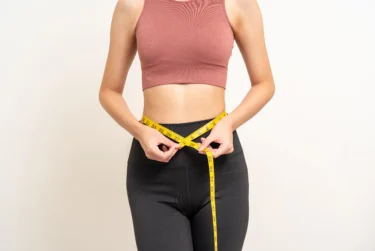


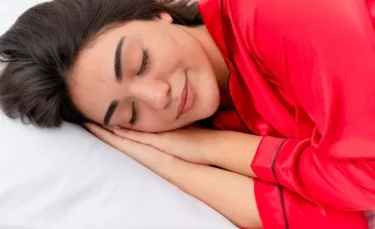
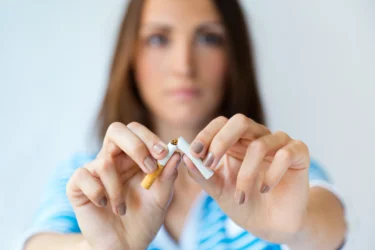

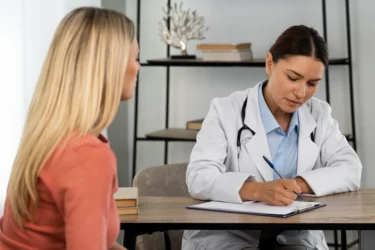
Important: Home remedies and lifestyle changes may support hormonal health, but they cannot replace medical diagnosis or treatment when an underlying condition is present.
If not addressed, some hormonal imbalances can lead to long-term health problems. The risk and type of complications depend on the underlying cause and the hormones involved. Possible complications include1,5,22:
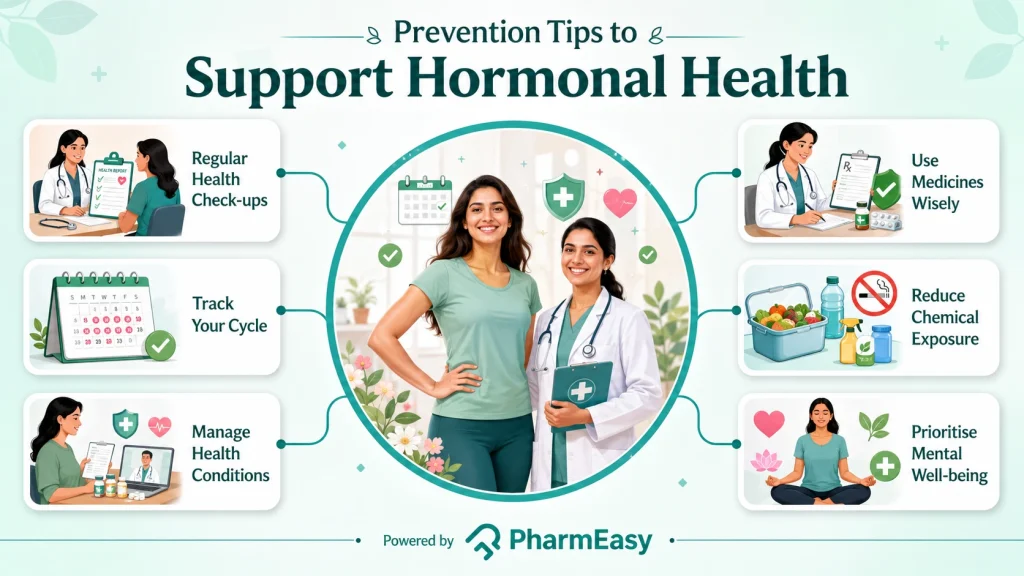
Although not all hormonal imbalances can be avoided, adopting healthy habits can help support normal hormone function and lower the risk of certain hormone-related conditions. Some tips include3,7,22:
Also Read: Hyperandrogenism (Excess Androgen in Females): Symptoms, Causes, Diagnosis & Treatment
Occasional hormonal fluctuations are normal, especially during puberty, pregnancy, lactation, perimenopause, and menopause. However, consult a doctor if symptoms are persistent, severe, worsening, or affecting your daily life. Seek medical advice if you have1,16,29,30:
Also Read: How to Store Insulin Safely During Travel: Tips, Precautions & Best Practices
Hormonal imbalance in women can affect menstrual cycles, fertility, mood, skin, weight, sleep, and metabolism. Some hormonal changes are a normal part of life, but symptoms that are persistent, severe, or disruptive should not be ignored because they may indicate an underlying medical condition.
Early evaluation, appropriate treatment, and healthy lifestyle habits can help manage symptoms and reduce the risk of complications. If you think you may have a hormonal imbalance, consult a doctor for an accurate diagnosis and a personalised treatment plan.
Hormonal imbalances can disrupt ovulation, the process in which the ovary releases a mature egg each month. This can make it more difficult to conceive naturally1,2.
This depends on the cause. Temporary hormonal changes, such as those during pregnancy or stress, may resolve on their own, while conditions like PCOS or thyroid disorders usually require ongoing management.
A doctor can evaluate your symptoms, review your medical history, perform a physical examination, and recommend tests such as blood tests, pelvic ultrasound, or other investigations to identify the underlying cause1,19,20.
Deficiencies of nutrients such as vitamin D and vitamin B12 may affect hormone production or function in some people31. However, hormonal imbalance is more commonly caused by medical conditions such as PCOS, thyroid disorders, or menopause1,2.
1. Almhmoud H, Alatassi L, Baddoura M, et al. Polycystic ovary syndrome and its multidimensional impacts on women’s mental health: A narrative review. Medicine (Baltimore). 2024;103(25):e38647. doi:10.1097/MD.0000000000038647. Available from: https://pubmed.ncbi.nlm.nih.gov/38905372/
2. Hiller-Sturmhöfel S, Bartke A. The Endocrine System. Alcohol Health Res World. 1998;22(3):153-164. Accessed July 21, 2026. https://pmc.ncbi.nlm.nih.gov/articles/PMC6761896/
3. What Is a Hormone? National Institute of General Medical Sciences. Accessed July 21, 2026. https://nigms.nih.gov/biobeat/2024/07/what-is-a-hormone
4. Kolatorova L, Vitku J, Suchopar J, Hill M, Parizek A. Progesterone: A Steroid with Wide Range of Effects in Physiology as Well as Human Medicine. Int J Mol Sci. 2022;23(14):7989. doi:10.3390/ijms23147989. Available from: https://pubmed.ncbi.nlm.nih.gov/35887338/
5. Bartkowiak-Wieczorek J, Jaros A, Gajdzińska A, et al. The Dual Faces of Oestrogen: The Impact of Exogenous Oestrogen on the Physiological and Pathophysiological Functions of Tissues and Organs. Int J Mol Sci. 2024;25(15):8167. doi:10.3390/ijms25158167. Available from: https://pubmed.ncbi.nlm.nih.gov/39125736/
6. Moolhuijsen LME, Visser JA. Anti-Müllerian Hormone and Ovarian Reserve: Update on Assessing Ovarian Function. J Clin Endocrinol Metab. 2020;105(11):3361-3373. doi:10.1210/clinem/dgaa513. Available from: https://pubmed.ncbi.nlm.nih.gov/32770239/
7. Endocrine Disruptors. National Institute of Environmental Health Sciences. Accessed July 21, 2026. https://www.niehs.nih.gov/health/topics/agents/endocrine
8. Sender R, Kedar T, Navon Y, et al. The total mass, copy number, and distribution of hormones in the human bloodstream. PLOS Biol. 2026;24(6):e3003864. doi:10.1 371/journal.pbio.3003864. Available from: https://journals.plos.org/plosbiology/article?id=10.1371/journal.pbio.3003864
9. Coussa A, Hasan HA, Barber TM. Impact of contraception and IVF hormones on metabolic, endocrine, and inflammatory status. J Assist Reprod Genet. 2020;37(6):1267-1272. doi:10.1007/s10815-020-01756-z. Available from: https://pubmed.ncbi.nlm.nih.gov/32215823/
10. Chen L, Lu Y, Zhou YF, et al. The effects of weight loss-related amenorrhea on women’s health and the therapeutic approaches: a narrative review. Ann Transl Med. 2023;11(2):132. doi:10.21037/atm-22-6366. Available from: https://pubmed.ncbi.nlm.nih.gov/36819572/
11. Valera H, Chen A, Grive KJ. The Hypothalamic-Pituitary-Ovarian Axis, Ovarian Disorders, and Brain Aging. Endocrinology. 2025;166(10):bqaf137. doi:10.1210/endocr/bqaf137. Available from: https://pubmed.ncbi.nlm.nih.gov/40884186/
12. Kaur J, Bhusal K. Hyperprolactinemia. StatPearls. November 30, 2025. Accessed July 23, 2026. https://www.ncbi.nlm.nih.gov/books/NBK537331/
13. Kapoor E. Premature Ovarian Insufficiency. Curr Opin Endocr Metab Res. 2023;28:100435. doi:10.1016/j.coemr.2023.100435. https://pubmed.ncbi.nlm.nih.gov/36936056/
14. Saadedine M, Kapoor E, Shufelt C. Functional Hypothalamic Amenorrhea: Recognition and Management of a Challenging Diagnosis. Mayo Clin Proc. 2023;98(9):1376-1385. doi:10.1016/j.mayocp.2023.05.027. Available from: https://pubmed.ncbi.nlm.nih.gov/37661145/
15. Premenstrual syndrome (PMS). Women’s Health. Accessed July 21, 2026. https://womenshealth.gov/menstrual-cycle/premenstrual-syndrome
16. Santoro N, Epperson CN, Mathews SB. Menopausal Symptoms and Their Management. Endocrinol Metab Clin North Am. 2015;44(3):497-515. doi:10.1016/j.ecl.2015.05.001. Available from: https://pubmed.ncbi.nlm.nih.gov/26316239/
17. Tarney CM, Han J. Postcoital Bleeding: A Review on Etiology, Diagnosis, and Management. Obstet Gynecol Int. 2014;2014:192087. doi:10.1155/2014/192087. Available from: https://pubmed.ncbi.nlm.nih.gov/25045355/
18. Dreisler E, Frandsen CS, Ulrich L. Perimenopausal abnormal uterine bleeding. Maturitas. 2024;184:107944. doi:10.1016/j.maturitas.2024.107944. Available from: https://pubmed.ncbi.nlm.nih.gov/38412750/
19. Hormone levels: MedlinePlus. Accessed July 21, 2026. https://medlineplus.gov/ency/article/003445.htm
20. Wang F, Liu J, Zhang R, et al. CT and MRI of adrenal gland pathologies. Quant Imaging Med Surg. 2018;8(8):853-875. doi:10.21037/qims.2018.09.13. Available from: https://pubmed.ncbi.nlm.nih.gov/30306064/
21. Healthy diet. World Health Organization. Accessed July 21, 2026. https://www.who.int/news-room/fact-sheets/detail/healthy-diet
22. Teede HJ, Tay CT, Laven JJE, et al. Recommendations From the 2023 International Evidence-based Guideline for the Assessment and Management of Polycystic Ovary Syndrome. J Clin Endocrinol Metab. 2023;108(10):2447-2469. doi:10.1210/clinem/dgad463. Available from: https://pubmed.ncbi.nlm.nih.gov/37580314/
23. Khajuria A, Kumar A, Joshi D, Kumaran SS. Reducing Stress with Yoga: A Systematic Review Based on Multimodal Biosignals. Int J Yoga. 2023;16(3):156-170. doi:10.4103/ijoy.ijoy_218_23. Available from: https://pubmed.ncbi.nlm.nih.gov/38463652/
24. Direksunthorn T. Sleep and Cardiometabolic Health: A Narrative Review of Epidemiological Evidence, Mechanisms, and Interventions. Int J Gen Med. 2025;18:5831-5843. doi:10.2147/IJGM.S563616. Available from: https://pubmed.ncbi.nlm.nih.gov/41035532/
25. Rachdaoui N, Sarkar DK. Effects of alcohol on the endocrine system. Endocrinol Metab Clin North Am. 2013;42(3):593-615. doi:10.1016/j.ecl.2013.05.008. Available from: https://pubmed.ncbi.nlm.nih.gov/24011889/
26. Tweed JO, Hsia SH, Lutfy K, Friedman TC. The endocrine effects of nicotine and cigarette smoke. Trends Endocrinol Metab. 2012;23(7):334-342. doi:10.1016/j.tem.2012.03.006. Available from: https://pubmed.ncbi.nlm.nih.gov/22561025/
27. Office of Dietary Supplements. Omega-3 Fatty Acids. Accessed July 21, 2026. https://ods.od.nih.gov/factsheets/Omega3FattyAcids-HealthProfessional/
28. Office of Dietary Supplements. Vitamin D. Accessed July 21, 2026. https://ods.od.nih.gov/factsheets/VitaminD-HealthProfessional/
29. Mazzarello S, Arnaout A. Nipple discharge. CMAJ Can Med Assoc J. 2015;187(8):599. doi:10.1503/cmaj.140633. Available from: https://pubmed.ncbi.nlm.nih.gov/25733736/
30. Unnikrishnan AG, Menon UV. Thyroid disorders in India: An epidemiological perspective. Indian J Endocrinol Metab. 2011;15(Suppl2):S78-S81. doi:10.4103/2230-8210.83329. Available from: https://pubmed.ncbi.nlm.nih.gov/21966658/
31. Aktaş HŞ. Vitamin B12 and Vitamin D Levels in Patients with Autoimmune Hypothyroidism and Their Correlation with Anti-Thyroid Peroxidase Antibodies. Med Princ Pract. 2020;29(4):364-370. doi:10.1159/000505094. Available from: https://pubmed.ncbi.nlm.nih.gov/31779003/
32. Ranabir S, Reetu K. Stress and hormones. Indian J Endocrinol Metab. 2011;15(1):18-22. doi:10.4103/2230-8210.77573. Available from: https://pubmed.ncbi.nlm.nih.gov/21584161/
Disclaimer: The information provided here is for educational/awareness purposes only and is not intended to be a substitute for medical treatment by a healthcare professional and should not be relied upon to diagnose or treat any medical condition. The reader should consult a registered medical practitioner to determine the appropriateness of the information and before consuming any medication. PharmEasy does not provide any guarantee or warranty (express or implied) regarding the accuracy, adequacy, completeness, legality, reliability or usefulness of the information; and disclaims any liability arising thereof.
Links and product recommendations in the information provided here are advertisements of third-party products available on the website. PharmEasy does not make any representation on the accuracy or suitability of such products/services. Advertisements do not influence the editorial decisions or content. The information in this blog is subject to change without notice. The authors and administrators reserve the right to modify, add, or remove content without notification. It is your responsibility to review this disclaimer regularly for any changes.


Comments

Leave your comment...
You may also like













Comments