
Nowadays, people are very health-conscious and particular about their diets. Fitness enthusiasts focus a lot on their protein intake and opt for high protein diet plans. But why a high-protein diet? Well, protein is an essential macronutrient needed for proper cell growth and functioning of your body. If you are exercising daily, your body may need extra protein to maintain and repair tissues and gain muscle mass.
In this blog, we will discuss about the protein requirements of our body and suggest some food items that you can incorporate in your diet to increase your protein intake. So, let’s get started!
The daily requirement of protein may vary according to age, weight, gender, and level of physical activity. The nutritional value of proteins is measured by the number of amino acids. The recommended daily dose of protein is 46 grams for women and 54 grams for men1.
Proteins are vital for numerous bodily functions, including growth, muscle repair, immune function and the creation of enzymes and hormones. Without enough protein, the body can’t function properly, making it an essential part of a balanced diet.
Protein-rich foods benefit in weight management and aid metabolic health. They help to:

Protein suppresses your hunger by inhibiting hormones like ghrelin which increase appetite and stimulating those that are responsible for satiety. This helps to promote a feeling of fullness and prevents you from eating unnecessarily2.

Protein-rich foods contribute to overall energy levels and help maintain strength, making them an essential part of a balanced diet, especially for individuals with active lifestyles. These foods help in preserving the fat-free mass of the body which contributes to enhanced energy levels2.

Protein is considered the building block of muscles. Consuming adequate protein is particularly important for those engaged in strength training or resistance exercises to support muscle growth and repair.

Some studies3 have revealed that a diet rich in protein, especially animal protein may have a positive effect on bone mass density. Thus, a diet rich in protein can help lower the risk of fractures and osteoporosis, however, further research is needed to confirm this benefit.

Eating protein boosts your metabolism and may help you to burn excess fat faster. It also aids in weight loss by increasing the levels of amino acids in blood and enhancing utilization of glucose and fats2.

Incorporating a variety of protein sources into your diet may help reduce the risk of high blood pressure. Studies4 have shown that diets rich in diverse proteins, especially when combined with high fibre intake, are associated with lower blood pressure levels and a reduced risk of hypertension.

Protein is the building block of organs and tissues and so it helps promote recovery after exercise and injury. However, in case of any injuries, it’s important to follow doctor’s advice and recommendations on the appropriate diet for you.

One of the many effects of ageing is sarcopenia which is responsible for bone fractures, frailty and an overall lowered quality of life. Protein slows down the process of muscle deterioration and protects you from early sarcopenia.
According to the recommendations of the National Academy of Medicine, it is important for adults to consume a minimum of 0.8 grams of protein for every kilogram of body weight per day. This means that for every 20 pounds of body weight, you should aim to consume just over 7 grams of protein14.
Dr. Rajeev Singh, BAMS
Different foods contain different proteins, which have various roles in our body. There are 9 essential amino acids (units that form proteins) which are not naturally found in the body. Hence, we need to include foods in our diet to get these proteins for our bodies. Here are some high protein food options for you.

Boneless and skinless chicken breasts are one of the common and richest sources of protein. Bodybuilders and athletes usually include chicken breasts in their diet because it does not have saturated fat. Chicken breast contains approximately 21 to 22 grams of protein per 100 grams5.

The pork tenderloin is considered as an extra-lean chop which is rich in proteins and has low-fat levels. 100 grams of pork contain approximately 20 grams of protein5.

It is one of the excellent protein sources for ‘eggetarian’ people who do not eat meat or seafood. Egg contains almost all essential amino acids which are necessary for protein formation. You always think that egg yolk is more nutritious than egg white but that’s not true. Egg white is a pure form of protein than egg yolk with less saturated fat. Four egg whites have almost 14 to 15 grams of protein6.

Seafood is a rich source of proteins with a lot of health benefits. Fish, like salmon, contain about 20 to 21 grams of proteins and usually have low fat5.
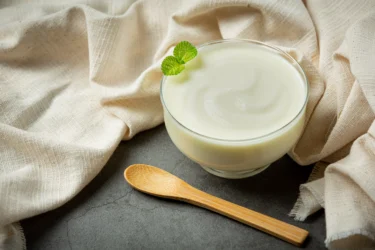
Greek yogurt is one of the tasty sources of proteins. It provides on average of 10 grams of protein in 100 grams7. Greek yogurt is more concentrated than regular yogurt hence it contains more proteins. Also, better to choose a plain Greek yogurt than a flavoured one as it may contain more carbohydrates and sugar.
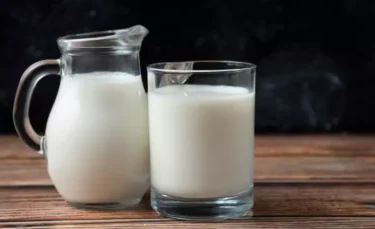
Milk is always considered as a complete food as it is full of proteins, carbohydrates, vitamins, calcium, minerals, etc. But always choose skimmed milk as it has more proteins and no fats and carbohydrates. It keeps your bones and teeth healthy and helps avoid the risk of osteoporosis. 1 cup (250 ml) of skimmed milk provides 8 to 10 grams of protein8.

Paneer is great alternative to chicken for vegetarians. It is a rich source of casein protein. Paneer has 18 to 20 grams of protein per 100 grams5.
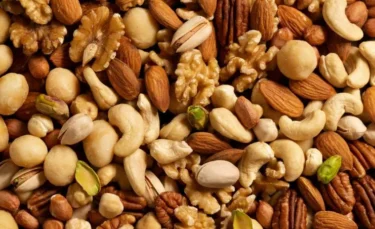
Nuts such as groundnuts, almonds, and peanuts are rich in proteins, unsaturated fats, and satiating fibres. They are slow-burning foods which keep your stomach full for a longer time and help reduce your cravings. ¼ cup (around 20 grams) of peanuts or almonds provide 5 to 6 gram of protein5,8.
Nut butters such as peanut butter and almond butter are also some newer healthy products that you can opt for. These are high in proteins, potassium, and fibres.
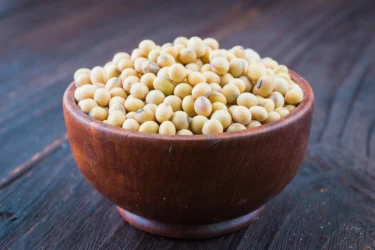
Soybean is also known as “meat without bones” because of its protein richness. It is available in various forms like soy yogurt, soya milk, roasted soybeans, etc. It is a great source of protein with very low fats. It contains 37 grams of protein per 100 grams5. Soybean is a great alternative for vegetarians and lactose-intolerant people.
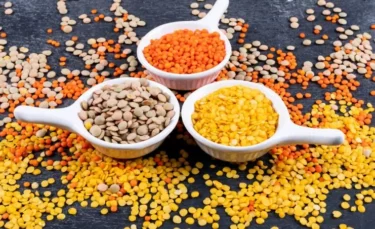
Lentils are also excellent for proteins for vegetarians. Both brown and yellow lentils contain about 22 to 24 grams of protein per 100 grams5.

Chickpea curry is a common dish on Indian plates. It is one of the easiest protein-rich food available in India. Chickpeas are low in fat and high in proteins. It offers 20 to 23 grams of protein per 100 grams of chickpeas5.
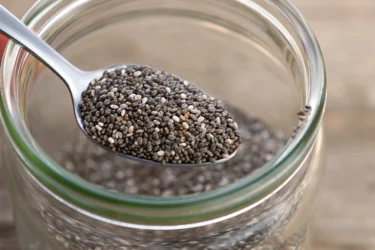
Seeds such as pumpkin seeds, sunflower seeds, chia seeds, hemp seeds, flax seeds are full of proteins. It also contains omega-3 fatty acids which are good for your immunity and heart and liver health. On an average 28g seeds provide around 6 to 9 grams of protein9.
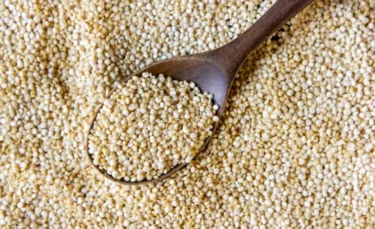
Quinoa is a gluten-free, plant food that is packed with all essential amino acids. There are 6 to 13 grams of proteins in 100 grams of Quinoa5.
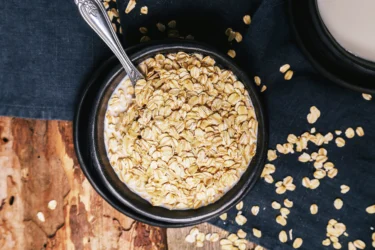
Oats are the new superfood for health-conscious people. They are an excellent source of protein. They contain 12 to 13 grams of protein per 100 grams10.
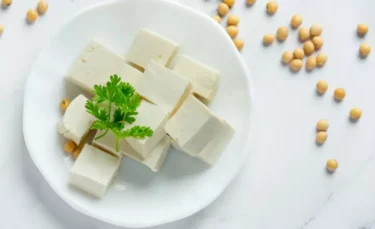
Tofu is full of proteins as it is prepared from soy milk. It also contains magnesium, copper, zinc, and vitamin B1. It is gluten-free and low in calories and helps with weight management. It contains around 8 grams of protein per 100 grams11.

Granola is a healthy cereal that helps you lose weight when you pick a version that’s high in fibre. You can either consume a granola bar or have granola like cereal by mixing it with milk or Greek yoghurt for a high-powered yet light breakfast, perfect for hot summer months. A granola bar (100 grams) provides you with around 10 grams of protein12.
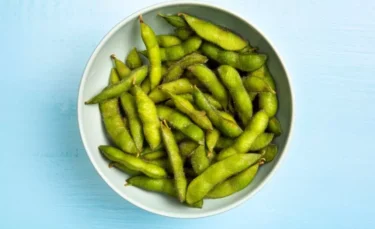
Edamame beans are high in protein and contain amino acids essential for the human body. About 100 grams of edamame beans offer around 11 to 12 grams of protein13. A medium-sized bowl of lightly cooked edamame beans pairs well with roti or rice.
Surprisingly, plant-based foods are actually the leading source of protein worldwide. They make up 57% of the daily protein intake, while meat only contributes 18%. This means that foods like legumes, grains, nuts and seeds play a significant role in meeting our protein needs15.
Dr. Smita Barode, B.A.M.S, M.S.
Also Read: 10 Health Benefits Of Black Coffee
While protein is essential for the body, excessive protein consumption, particularly from animal may have some side effects. Too much protein can cause uncomfortable digestive symptoms like constipation or diarrhoea. It may also lead to kidney strain and possibly other health problems. Additionally, a high-protein diet that includes a lot of saturated fat may cause weight gain. Therefore, balanced intake in line with individual needs is typically considered best.
Did you know that a cup of cooked lentils contains approximately 18 grams of protein and 15 grams of fibre? What’s more, lentils are low in saturated fat and sodium, making them a healthy choice for your diet. The high protein content of lentils can support muscle growth and repair, while fibre helps promote digestive health and aids in managing cholesterol levels14.
Dr. Siddharth Gupta, B.A.M.S, M.D (Ayu)
Also Read: What To Eat & Avoid During Malaria?
Protein is an important nutrient to keep your body healthy and fit. High protein foods help to keep you energetic and reduce food cravings, thus helping with weight management. There are various protein-rich food sources available around us which can easily be included in our diets, like chicken, egg whites, lentils, nuts, etc. But remember not to overdo it. Discuss with a dietician about your body’s protein needs and consume as per their advice. Also, if you have any medical conditions like kidney disease, consult your doctor about your diet, especially before incorporating any new food item in your routine.
Also Read: 11 Healthy Foods That Can Help You to Gain Weight
Yes, there are plenty of plant-based protein sources. Lentils, chickpeas, tofu, tempeh, quinoa and various nuts and seeds are great examples. By eating a varied and balanced diet, vegetarians and vegans can easily meet their protein needs.
Some healthy and high-protein snacks include Greek yogurt, cottage cheese, hard-boiled eggs, edamame, protein bars or shakes made with whole ingredients and mixed nuts.
Most people can get enough protein from whole foods and don’t need supplements. However, athletes, bodybuilders or those with specific dietary restrictions may benefit from protein supplements such as whey or plant-based protein powders.
Complete proteins contain all nine essential amino acids in the right proportions, while incomplete proteins lack one or more of these amino acids. Animal proteins are usually complete, while many plant proteins are incomplete. However, a varied plant-based diet can provide all essential amino acids, for instance, cereal and pulses combination can give you this.
While protein is indeed vital for muscle growth and repair, its role in the body is multifaceted. It’s also essential for proper immune function, enzyme and hormone production, maintaining healthy skin and hair and much more.
Disclaimer: The information provided here is for educational/awareness purposes only and is not intended to be a substitute for medical treatment by a healthcare professional and should not be relied upon to diagnose or treat any medical condition. The reader should consult a registered medical practitioner to determine the appropriateness of the information and before consuming any medication. PharmEasy does not provide any guarantee or warranty (express or implied) regarding the accuracy, adequacy, completeness, legality, reliability or usefulness of the information; and disclaims any liability arising thereof.
 93
93
 5
5
The thyroid gland helps to regulate the metabolic processes of the body. It produces thyroid hormones that regulate many biological functions and ensure proper health is maintained. When the thyroid gland becomes sluggish or overactive, it can lead to many problems1.
A healthy diet may help optimize thyroid gland function at times. Many components in our daily diet can help our thyroid gland stay balanced or achieve a state of equilibrium if it is not functioning correctly.
Before we take a look at the best foods to consume in order to fight thyroid disorders, it will be best to bust some common myths surrounding thyroid diet:
Did you know?
These vegetables include those like broccoli, cauliflower, and kale, and they might interfere with how your thyroid gland uses iodine, as it plays a role in hormone production inside the thyroid gland. The truth is that you should eat these veggies as they are a part of a healthy diet. Those having a tendency to form goitre should restrict their intake as suggested by their treating physician or Endocrinologist.
There’s no need to take these supplements if you are living in a country where other items have iodine in them, like table salt.
This is a misconception, as a gluten-free diet cannot help or cure Hashimoto’s thyroiditis in any way. Those individuals with certain medical conditions might derive benefits from such a diet
Did you know that beauty products can affect thyroid health? It is believed that plasticizers found in cosmetic products might affect the regulation of thyroid hormones and alter hormone levels2.
Dr. Smita Barode, B.A.M.S, M.S.
A weight gain of 5 to 7 pounds may be linked to an underactive thyroid, but beyond this, the thyroid has nothing to do with a significant weight gain.
Like everyone else, it is important to have a healthy and balanced diet. Diet alone cannot cause or cure thyroid-related problems.
Researchers say Goitre and/or hypothyroidism may occur as a result of eating soybeans, cauliflower, or cabbage. These are believed to be goitrogenic foods.
Dr. Rajeev Singh, BAMS

Dairy products, mainly yoghurt, are very nutritious and help to provide iodine to some extent. Iodine is needed for the optimal functioning of the thyroid gland3.
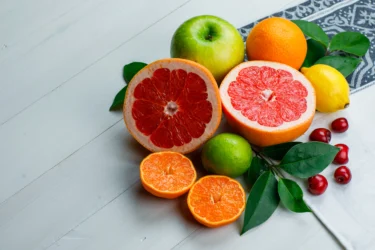
Apples, pears, plums and citrus fruits are abundant with pectins15, which might help with detoxifying the body of mercury4. It is postulated that mercury exposure from seafood might at times contribute to the disruption of thyroid gland function5.

Pumpkin seeds, sunflower seeds and nuts are rich sources of zinc6. Low levels of Zinc have been associated with thyroid problems7. Add to the salads or munch on these as snacks to replenish your body with zinc.
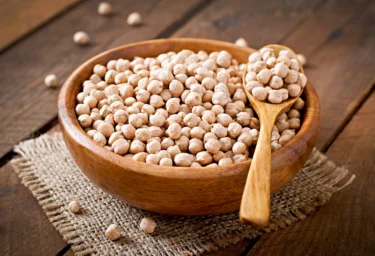
Beans and legumes are rich, not just in Zinc but fibre as well. These help to regulate the digestive system, especially bowel movement and prevent constipation8.
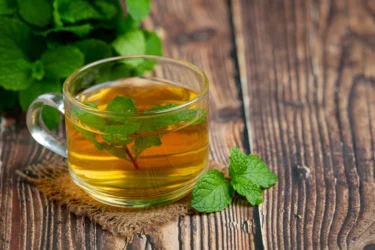
Hail the Orient. Green tea is known all over the world as an aid to boost metabolism. Green tea has catechins, a kind of antioxidant that might prompt fat cells to release the fat and help the liver burn off the excess fat9.
Also Read: 17 Protein-Rich Foods For a Healthy Life
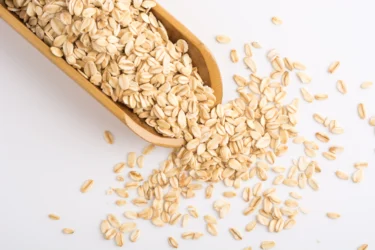
The body uses up more energy to digest whole grains. The metabolism might increase with the extra fibre as the body has to work harder to break down the whole grains. Try to eat oats, brown rice, sprouts, sprouted grain bread and quinoa as a part of a healthy diet routine.
Just like Zinc, Selenium is believed to be another micronutrient that is essential for healthy thyroid functioning. Selenium is present in food items such as eggs, fish, meat, cereals and nuts10.
Dr. Siddharth Gupta, B.A.M.S, M.D (Ayu)
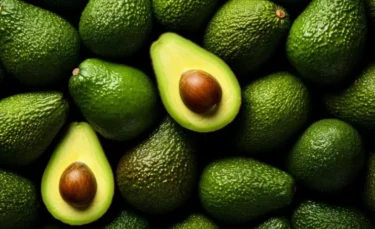
Avocados are almost the wonder food of modern nutrition. Packed with antioxidants, good fats, fibre and essential nutrients, avocado is a good choice for those who have an imbalanced functioning thyroid, to support overall health and wellbeing.

Broccoli is rich in calcium and vitamin C. It is rich in fibre. When consumed in very large amounts, broccoli can potentially contain goitrogens and might cause disturbance in those with underlying iodine insufficiency11, 12. However, when consumed in moderate amounts, it can help with a healthy metabolism pattern and overall well-being.
Consult your dietician or your doctor before you incorporate the above foods into your diet.
Also Read: Typhoid – What to Eat and What to Avoid?
Apart from the above, here are some other things to be mindful of if you have a thyroid problem:
Also Read: What to Eat and What to Avoid in Anal Fistula
Some ways to keep hypothyroidism under a healthy check are as follows:
– Include aerobic exercises that make you sweat, such as cycling, swimming and running.
– Better Stress management is essential for better overall health and thyroid hormone-related imbalances
– Follow a good power-down routine every night by ensuring 6-7 hours of quality sleep to balance hormone levels.
– Stay on track with your thyroid medications.
If you have been diagnosed with hypothyroidism, you should avoid foods like tofu, soy, fried and fatty foods, sugary foods, processed and packaged items and alcohol.
Some tell-tale signs that you might be having an underlying condition of hypothyroidism are14:
– Fatigue
– Hypersensitivity to cold
– Dry skin
– Puffy face
– Hoarseness
– Muscle weakness
– Weight gain
– Impaired memory
– Slow heart rate
Disclaimer: The information provided here is for educational/awareness purposes only and is not intended to be a substitute for medical treatment by a healthcare professional and should not be relied upon to diagnose or treat any medical condition. The reader should consult a registered medical practitioner to determine the appropriateness of the information and before consuming any medication. PharmEasy does not provide any guarantee or warranty (express or implied) regarding the accuracy, adequacy, completeness, legality, reliability or usefulness of the information; and disclaims any liability arising thereof.
Links and product recommendations in the information provided here are advertisements of third-party products available on the website. PharmEasy does not make any representation on the accuracy or suitability of such products/services. Advertisements do not influence the editorial decisions or content. The information in this blog is subject to change without notice. The authors and administrators reserve the right to modify, add, or remove content without notification. It is your responsibility to review this disclaimer regularly for any changes.
603
24
Dragon fruit, also known as pitaya fruit, is a cactus-based fruit that got its name because of the resemblance of its shape to a dragon. It is a tropical fruit with a unique appearance, soft and juicy flesh, slightly crunchy texture due to its tiny edible seeds and sweet taste. It can simply be cut and scooped to eat or can be consumed with milk as smoothies for added flavour.
Dragon fruit is a superfruit rich in antioxidants and believed to have several health benefits such as lowering risks of a blood sugar spike, aiding in digestion, etc. This can make it a great addition to your everyday diet!
In this blog, we will discuss in detail about this fruit, its types, potential benefits, any possible safety concerns and how you can include it in your diet.
Dragon fruit, also known as pitaya, comes in various vibrant colours, each with its unique characteristics and health benefits. Let’s explore different dragon fruit types and the advantages they offer1,2:
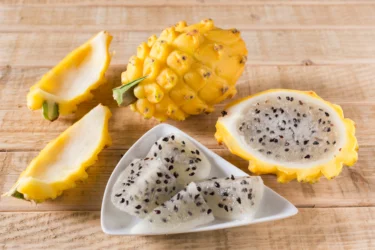
Yellow dragon fruit, with its sweet and tropical flavour, is a rich source of vitamin C, which boosts the immune system and promotes skin health. It contains dietary fibre, aiding in digestion and contributing to a sense of fullness. The antioxidants in yellow dragon fruit support overall well-being.

The visually striking purple dragon fruit is not only delicious but also nutritious. It is packed with essential vitamins and minerals, including vitamin C and dietary fibre. This type of dragon fruit is known for its antioxidant properties, helping to fight off free radicals and reduce the risk of chronic diseases.
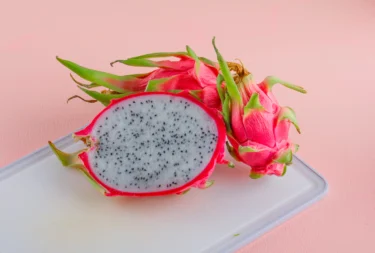
Pink dragon fruit offers a delightful combination of sweet and mildly tangy flavours. It is high in vitamin C and dietary fibre, which enhances skin health and supports digestion. The antioxidants in pink dragon fruit contribute to overall well-being.

The vibrant, red-fleshed dragon fruit contains lycopene, a powerful antioxidant known for its heart-protective properties and a potential benefit to reduce the risk of certain cancers. It is also rich in vitamin C and dietary fibre, making it a great addition to a health-conscious diet.
Each type of dragon fruit is not only delicious but also a source of various essential nutrients and health benefits. Incorporating a variety of dragon fruit types into your diet can add both flavour and nutrition to your daily meals.
What makes this fruit a superfood? Its nutritional content is rich in Vitamin C, E, Magnesium, Iron, etc. Here is a nutrition table of this super healthy fruit3.
| Amount per | 100gm | ||
| Calories | 52 | ||
| Total Fat | 0.2 g | ||
| Saturated fat | 0 g | ||
| Cholesterol | 0 mg | ||
| Total Carbohydrate | 14 g | ||
| Dietary fiber | 2.4 g | ||
| Sugar | 10 g | ||
| Protein | 0.3 g | ||
Dragon fruit is also rich in minerals like calcium, iron, phosphorus, magnesium and potassium. Plus, it contains antioxidants like betalains and flavonoids. The main benefit of antioxidants is to eliminate free radicals from the body. Free radicals can cause cell damage and destruction, which may lead to a host of issues from heart problems to cancer if left untreated.
Owing to its nutritional content, dragon fruit can provide several health benefits ranging from antioxidant protection and immune system support to digestive health improvement and blood sugar management. Let’s have a detailed look at these.
An interesting fact about this fruit is that the Chinese claim that it originated from the fire of a dragon during battle. But beyond the myth, let’s delve into the real reasons why dragon fruit benefits our health. Here is a list of 10 potential health benefits of consuming dragon or pitaya fruit.

This fruit contains high amounts of fibre that helps maintain blood sugar levels and avoid spikes among people suffering from diabetes. Regular consumption of this fruit can help balance blood sugar levels and avoid further medical consequences among diabetics4.
Dragon fruit is your friend if you have pre-diabetes, i.e. borderline diabetes. Studies9 have proved its benefits in reducing fasting blood sugar levels in persons with pre-diabetes due to its low glycaemic index. With that said, moderation is key for any food.
Dr. Anuja Bodhare, B.A.M.S, M.D (Ayu)

This fruit contains antioxidants and bioactive compounds that can reduce the risks of certain types of cancers. Some studies5 have suggested that this fruit may have a role in the prevention and treatment of breast cancer.
Did you know that dragon fruit is actually a cactus? It is high in lycopene, a substance that can lower risks of heart disease and cancer10.
Dr. Siddharth Gupta, B.A.M.S, M.D (Ayu)

This fruit contains high levels of vitamin C that boosts immunity and helps you stay healthy. More Vitamin C means that your body is capable of fighting major infections that you might be prone to. It is also rich in other antioxidants, which help avoid the risk of contracting chronic diseases such as Diabetes, Alzheimer’s, Parkinson’s, Cancer, etc6.

This fruit is a rich source of oligosaccharides (a carbohydrate), which aids in smooth digestion. Dragon fruit extracts help promote the growth of good bacteria in stomach and balance gut microflora. By its impact on gut microbes and immune system it improves the digestive health6.
Just like lentils, dragon fruit is prebiotic that, in turn, promotes probiotics such as gut-friendly bacteria lactobacilli and bifidobacteria. These bacteria improve digestion and overall gut health11!
Dr. Smita Barode, B.A.M.S, M.S.

Dragon fruit with red coloured pulp contains betalains that may reduce bad cholesterol (LDL cholesterol). The fruit is also rich in omega-3 and omega-9 fatty acids that are also good for the heart. Studies have shown that pitaya fruit can reduce the risks of cardiovascular diseases by exerting positive effects of blood vessels7.

Faster aging can be caused due to stress, pollution, and other factors such as poor diet, etc. Dragon fruit being a rich source of antioxidants may help manage dry skin, and acne. Its vitamin C content can aid in getting brighter skin.

The high source of nutrients found in this fruit extract powder reduces may help reduce hair damage caused by chemicals and improves hair texture, thus, leaving it soft and shiny.

Good bone health can contribute to many factors such as avoiding injuries, joint pain, and so forth. This superfruit is high in magnesium that aids in stronger bones and good bone health3. All you need to do is drink one glass of dragon fruit smoothie every day.

This fruit contains beta-carotene (the pigment that gives the fruit its colour) that is very good for the eyes and helps avoid eye problems such as cataracts and macular degeneration8.

Dragon fruit is a nutritious choice for expectant mothers. With essential vitamins like B, folate, and iron, it’s ideal for pregnancy. These nutrients can support proper foetal development. Moreover, its magnesium content can be beneficial for addressing postmenopausal complications in women.
Although more large-scale human studies are needed to corroborate the findings, initial studies on health benefits of pitaya (dragon) fruit show promising results. Further research can help prove that this may be a superfood for health!
Be careful, do not eat the spiky skin of a dragon fruit! Don’t be fooled by the vibrant, tempting skin of dragon fruit to encounter any unpleasant surprises10. It may look delicious, but it is not meant to be eaten!
Dr. Rajeev Singh, BAMS
Dragon fruit, known for its striking appearance and potential health benefits, is generally safe for most people when consumed in moderation. However, like many foods, it can have some side effects for certain individuals. Some common dragon fruit side effects include:
Some people may be allergic to dragon fruit, experiencing symptoms like itching, swelling, hives, or even more severe allergic reactions. If you’re prone to food allergies, exercise caution when trying dragon fruit.
Excessive consumption of dragon fruit can lead to gastrointestinal discomfort. The high fibre content may cause diarrhoea, abdominal pain, or bloating in some individuals.
Due to its fibre content, dragon fruit can have a mild laxative effect. While this can be beneficial for those with constipation, it may be problematic if consumed in excess.
Dragon fruit may interact with certain medications. If you’re taking medication for high blood pressure or diabetes, consult your healthcare provider before adding dragon fruit to your diet, as it can affect drug efficacy.
Some people with a history of kidney stones should consume dragon fruit in moderation, as it contains oxalates that could contribute to stone formation.
It’s important to remember that these side effects are not experienced by everyone, and dragon fruit can be a healthy addition to your diet when consumed in appropriate quantities. Yet, its ideal to discuss with a doctor before consuming regularly in case you have any medical conditions.
Cutting a dragon fruit is a simple process, and here’s how to do it:
Also Read: 11 Incredible Health Benefits of Coconut Water
Dragon fruit is best enjoyed freshly cut as such or can be added to a variety to dishes. When sliced, it can be dropped into a beverage of your choice. You can enjoy the health benefits of dragon fruit by adding it to several desserts like ice creams, cakes, mousse, and even just fresh slices with macarons. Its sweet, mildly tangy flavour and crunchy texture makes it a delightful addition to your diet.
Here are some healthy recipes that you can prepare at home using dragon fruit.
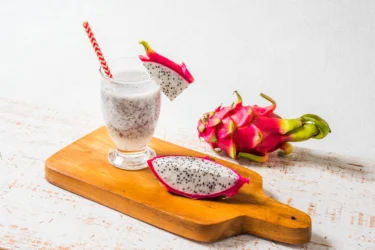
Making yourself a dragon fruit shake every breakfast can be the right choice to welcome a healthy lifestyle.
Ingredients:
How to Prepare?
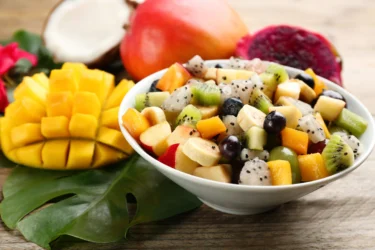
A fruit bowl can be great option to keep a good health and manage weight. The dragon fruit bowl consists of a mixture of other healthy fruits such as strawberries, bananas, watermelons, pineapple, and black grapes.
Ingredients:
How To Prepare?
Also Read: 12 Incredible Health Benefits of Bananas
Loaded with ultimate health benefits, this fruit has been gaining popularity in the country because of its unique appearance and health benefits. Since this fruit is power-packed with nutrients, vitamins, and minerals, it can be a great addition to your everyday diet! However, remember moderation is key. Also, if you have any concerns or pre-existing health conditions, always consult with a healthcare professional before incorporating it into your routine diet.
Also Read: Ice Apple: Uses, Benefits, Side Effects and More!
It’s simple. Look for fruit that is brightly coloured and without a dry stem. A fruit having a dry stem can indicate that it is over-ripened.
This fruit is a native of Central and South America but is currently cultivated in Southeast Asia.
You can make a facial mask and apply it to your face for 20 minutes. This will keep your skin nourished and glowing. All you need to do is to smash dragon fruit with some yoghurt and blend it till it becomes a paste. Gently apply it to your face and rinse it with some lukewarm water after 20 minutes. But do check if you have sensitive skin.
If you are a sweet lover, dragon fruit with white pulp and tiny black seeds taste better. If you prefer less sweetness, then you need to try the one with the red pulp.
It’s fun to add this healthy fruit to your everyday diet as it has multiple benefits that can benefit your overall health. The best time to grab a bite is during breakfast. One glass of dragon fruit smoothie is all you’ll ever want with some bread and egg. Stay healthy, live happily.
Dragon fruit can be purchased during the summer season in India between June and September. The flowering and fruiting occur successively one after the other in five staggered segments between June and November. The fruit is generally ready to be harvested after the flowering has taken place. The peak time for purchasing the varieties is in August and September.
Dragon fruit is generally considered a cooling fruit for the body. It has a hydrating and refreshing quality and is often consumed to cool down in hot weather. The fruit’s high water content and natural sugars provide a cooling effect, making it a popular choice in tropical regions to combat heat.
Dragon fruit can be beneficial for cough due to its rich vitamin C content. Vitamin C supports the immune system and may help in soothing cough symptoms. However, it is not a direct remedy, but incorporating dragon fruit into a balanced diet can contribute to overall respiratory health and may assist in managing a cough when combined with other appropriate treatments. Its best to consult your doctor to diagnosis and treatment in a chronic cough.
Dragon fruit can be a helpful addition to a weight loss diet. It is low in calories and packed with fibre, which can promote a feeling of fullness and reduce overall calorie intake. Additionally, its natural sweetness can satisfy cravings for sugary snacks, making it a nutritious and satisfying option for those looking to manage their weight.
You can determine if a dragon fruit is ripe by checking its appearance and texture. A ripe dragon fruit should have bright, vibrant skin with even colour and minimal blemishes. When gently pressed, it should give slightly, indicating a soft texture. Also, a sweet, fragrant aroma at the base of the fruit is a sign of ripeness.
Dragon fruit may help regulate bowel movements due to its high fibre content. The fibre in dragon fruit can add bulk to your stool and promote regularity. However, the effect on bowel movements varies from person to person, and consuming dragon fruit as part of a balanced diet can contribute to digestive health without causing excessive bowel movements.
Disclaimer: The information provided here is for educational/awareness purposes only and is not intended to be a substitute for medical treatment by a healthcare professional and should not be relied upon to diagnose or treat any medical condition. The reader should consult a registered medical practitioner to determine the appropriateness of the information and before consuming any medication. PharmEasy does not provide any guarantee or warranty (express or implied) regarding the accuracy, adequacy, completeness, legality, reliability or usefulness of the information; and disclaims any liability arising thereof.
181
5
Moringa is commonly known as the ‘drumstick tree’ and is found mostly in Asia, Africa, and South America. Moringa tree is also known as the ‘miracle tree’ and there is a reason why. The leaves, fruit, sap, oil, roots, bark, seeds, pod and flowers of the tree have valuable medicinal properties 1,2.
The drumstick leaves, commonly known as moringa leaves, are nutritionally very rich, surpassing carrots, oranges, and even milk in terms of nutritional value. The leaves find many ways to be used in Indian cuisine as they are versatile and can be easily incorporated by adding them to juices or smoothies and using them as stir-fried vegetables are the most common ways in which they are eaten3. When consumed in their natural form, moringa leaves usually have no side effects1. Many South Indian households also use moringa leaves as part of their food preparations2,3.

Moringa leaves are rich in vitamins A, C, B1 (thiamin), B2 (riboflavin), B3 (niacin), B6, and folate. They are also rich in magnesium, iron, calcium, phosphorus, and zinc2,5.
One cup of moringa leaves will contain 2 grams of protein, magnesium (8 percent of the RDA), Vitamin B6 (19 percent of the RDA), Iron (11 percent of the RDA), Riboflavin (11 percent of the RDA), and Vitamin A (9 percent of the RDA)2.
Moringa leaves are rich in amino acids, which are the building blocks of proteins. There are around 18 types of amino acids found in moringa and each amino acid makes an important contribution to our wellbeing2.

Inflammation is the body’s natural response to pain and injury. Moringa leaves are anti-inflammatory in nature due to the presence of isothiocyanates and the niazimicin in the leaves may provide benefits against the development of cancer cells. Inflammation is the root cause of many diseases like cancer, arthritis, rheumatoid arthritis, and many autoimmune diseases. When we have an injury or infection, increased inflammation can be found in the body.
Although inflammation is a protective mechanism against trauma, it can increase in the body because of an erratic and poor lifestyle, along with unhealthy diets. Long-term inflammation may lead to chronic health issues and eating moringa leaves may help to reduce inflammation2.
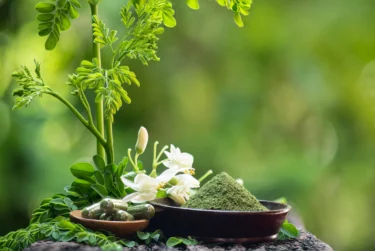
Moringa leaves have anti-oxidative properties and protect against the damaging effects of free radicals present in the environment. The damage caused by free radicals is responsible for many chronic diseases like type 2 diabetes, heart problems, and Alzheimer’s Disease.
Moringa leaves are rich in vitamin C and beta-carotene that may act against free radicals. Moringa also has quercetin which is an antioxidant that helps to lower blood pressure. Another antioxidant that is present in moringa leaves is chlorogenic acid which helps to stabilise blood sugar levels post meals2,3.
Research4 suggests that taking 7g of moringa leaf powder regularly for three months in women may show a significant increase in blood antioxidant levels.

Sustained high blood sugar levels lead to the development of diabetes in individuals. Diabetes, in turn, can cause heart problems and organ damage in the body. Moringa leaves may help stabilise blood sugar levels due to the presence of isothiocyanates and by keeping blood sugar levels in in the normal range, complications may be avoided2.
Based on my medical experience, I want to emphasise the potential Moringa leaves benefits for eye health. These leaves contain high concentrations of vitamin A, which play a vital role in warding off night blindness and maintaining optimal vision. Regular consumption of Moringa oleifera leaves, either as whole leaves or in powdered form, may beneficial in supplementing the essential vitamin A needed to support healthy eyes and potentially delay the onset of conditions like cataract.
Dr. Siddharth Gupta, B.A.M.S, M.D (Ayu)

Apart from oats, flaxseeds, and almonds, moringa leaves may be a dependable herbal supplement against high cholesterol. Cholesterol is the major contributor to heart diseases, and research2 suggests that eating moringa leaves may show considerable improvement to high cholesterol levels, and thereby protect against the risk of heart disease. Pregnant women usually experience higher levels of cholesterol, which can in turn increase the risk of developing gestational diabetes during their term. What is gestational diabetes? It is a type of diabetes that is first detected in pregnant women who did not have diabetes before they were pregnant. Moringa leaves can certainly be included in the diet for gestational diabetes under medical guidance.

Those who have tuberculosis may benefit from moringa leaves as they reduce the negative effects of anti-tubercular drugs. Moringa leaves may accelerate the repair of liver cells as these leaves have a high concentration of polyphenols that may protect against oxidative damage to the liver and may even reduce oxidative stress by activating certain proteins.
The liver is the site of blood detoxification, fat metabolism, and nutrient absorption and can only function properly if the liver enzymes are in normal levels. According to this study2, moringa leaves stabilise these liver enzymes4.

In many parts of the world, arsenic contamination is a common problem. Arsenic has found its way in our systems through many food items, particularly rice.
Long-term exposure to this element can lead to the development of cancer and heart disease. Research7 on laboratory animals have shown that moringa leaves are effective against arsenic toxicity.

Moringa leaves may be beneficial against digestive disorders. Adding moringa leaves to the diet may help individuals who have constipation, bloating, gas, gastritis, and ulcerative colitis.
Studies2 have shown that these leaves may have antibiotic and antimicrobial properties which may suggest to help in digestive disorders. The high amount of B vitamins in the leaves may also help in improving digestion.

Moringa leaves are rich sources of calcium and phosphorus and these elements are needed for bone health. Since moringa leaves are considered to be anti-inflammatory nature, they may help heal damaged bones.
Research8 shows that moringa may help with osteoporosis and also strengthen bones and teeth.
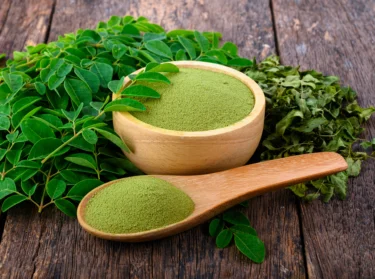
Moringa leaves may have antiseptic properties to fight off bacterial infections. They may also be beneficial towards wound healing, such as in cases of bruises, minor cuts, and burns as they may reduce the clotting time1.

Moringa leaves for pregnancy can be beneficial due to their nutrient-rich composition, potentially supporting the health of both the expectant mother and the developing baby. In traditional Ayurvedic medicine, moringa leaves were used to increase lactation in nursing mothers. Since they are a rich source of protein, important vitamins, and essential nutrients, consuming moringa leaves may be beneficial for the health of the mother and the baby1,2.

Moringa leaves increase fat burning in the body, which helps in maintaining weight loss without depleting energy reserves. Consuming moringa may help reduce cravings and boost metabolism. They may also lower cholesterol by acting as an anti-obesity agent2.
Also Read: Does Moringa Help With Weight Loss?

Due to an abundance of antioxidants and nutrients, moringa leaves may improve the health and appearance of skin and hair, providing a supple texture to skin and shine to the hair. The antioxidants present in moringa leaves reduce the appearance of fine lines and wrinkles on the skin. Moringa consists of around 30 antioxidants2.
Moringa can be applied to the scalp to help reduce dandruff and add strength and bounce to dull, lifeless hair. Moringa leaves applied on the skin may be beneficial for acne-prone skin and are part of many cosmetics as they improve the skin tone and add a glow due to their purifying nature and therapeutic properties. However, more research is required to establish these benefits1,3.

Research2 suggests that many nervous disorders show positive results with the supplementation of moringa leaves.2 These leaves can be helpful to support brain health by working as neuro-enhancers. The high concentration of vitamins E and C slow down neural degeneration and help improve brain function. Those who have a migraine or suffer from recurring headaches may benefit from eating moringa leaves regularly. These leaves also work as mood stabilisers as they regulate the production of neurotransmitters like serotonin, dopamine, and noradrenaline which are important for memory, mood, and for stimulus-response3.

Moringa leaves are considered natural cleansers and may help to detoxify the body and increases immunity against various infections. They also increase the energy levels in the body2.
Did you know that fresh Moringa oleifera leaves are not only packed with nutrients but may also provide several health benefits? They contain about 6.7 grams of protein for muscle health, 1.7 grams of fats, 12.5 grams of carbohydrates for energy, and 0.9 grams of fiber for digestion. Adding these nutrient-rich leaves to your diet can be a great way to boost your overall nutrition intake and support a healthy lifestyle.
Dr. Rajeev Singh, BAMS
Also Read: Curry Leaves (Kadi Patta): Uses, Benefits, Side Effects and More!
Over the years, I have observed that moringa leaves are truly remarkable. They contain not only 9 essential amino acids but also 7 non-essential amino acids, making them an exceptional source of protein. This unique combination of amino acids found in moringa leaf powder can have numerous benefits for your overall health and well-being. Adding moringa leaves to your diet can be a great way to ensure you’re getting a wide range of essential nutrients.
Dr. Smita Barode, B.A.M.S, M.S.
Also Read: Simple Home Remedies for Tongue Ulcers
Moringa leaves are a powerful source of nutrition and are anti-inflammatory in nature. Their antioxidative properties combined with their cellular-health protective properties make them a new ‘superfood’. They help suppress the production of inflammatory enzymes and may lower sugar levels. Consider making moringa a regular part of your diet to enjoy moringa leaves benefits with the guidance from a doctor1,2.
Also Read: Betel Leaves: Uses, Benefits, Side Effects By Dr. Smita Barode
Studies have shown that consuming moringa every day may lead to modest reductions in blood sugar and cholesterol levels. Moringa leaves are highly nutritious and consuming them on a regular basis may be highly beneficial for people who are lacking in essential nutrients.
You can take moringa and its products on its own. You may take it with other food, or on its own – it’s entirely up to your preference but a doctor’s advise is recommended.
You may not see positive results instantly after consuming moringa. You may need to take moringa for at least a month or two to see some results. It’s important to share any side effects with your local doctor or a nutritionist to help you manage your intake of moringa.
Moringa tea is an herbal tea made by steeping the moringa leaves in pure hot water. This tea can also be made using moringa leaf powder and tea bags. It is naturally caffeine-free and you can consume it any time of the day.
Moringa is good, showing a variety of health benefits. It is rich in essential vitamins, minerals, and amino acids, which can help boost energy, support immune function, and may provide overall nutrition. Moringa is also known for its potential anti-inflammatory and antioxidant properties.
Moringa may offer numerous potential benefits for women, including improved nutrition, increased energy, and support for bone health due to its rich mineral and vitamin content. It may also help address anemia and offer anti-inflammatory properties, contributing to overall well-being. However, it’s essential for women to consult a doctor before adding moringa to their diet, particularly during pregnancy or while nursing.
Moringa may offer several potential benefits for men, such as improved vitality, enhanced energy, and support for overall well-being due to its rich nutritional profile. It may also aid in addressing specific health concerns, but consulting with a healthcare professional before incorporating moringa into your diet is advisable.
Moringa leaves may be beneficial for weight loss due to their low-calorie, nutrient-rich nature, which can help support appetite and weight management. When added to a balanced diet and exercise routine, this can be a comprehensive approach to sustainable weight loss. However, please consult with your healthcare provider before adding moringa leaves to your diet.
Moringa leaves may offer beneficial properties for the eyes, as moringa is a valuable source of vitamin A. Vitamin A is essential for maintaining optimal eye health and may help prevent night blindness and cataracts.
Disclaimer: The information provided here is for educational/awareness purposes only and is not intended to be a substitute for medical treatment by a healthcare professional and should not be relied upon to diagnose or treat any medical condition. The reader should consult a registered medical practitioner to determine the appropriateness of the information and before consuming any medication. PharmEasy does not provide any guarantee or warranty (express or implied) regarding the accuracy, adequacy, completeness, legality, reliability or usefulness of the information; and disclaims any liability arising thereof.
Links and product recommendations in the information provided here are advertisements of third-party products available on the website. PharmEasy does not make any representation on the accuracy or suitability of such products/services. Advertisements do not influence the editorial decisions or content. The information in this blog is subject to change without notice. The authors and administrators reserve the right to modify, add, or remove content without notification. It is your responsibility to review this disclaimer regularly for any changes.
1745
21
Barley is one of the oldest cultivated plants globally and has been the primary food of animals and humans. The scientific name of barley is Hordeum vulgare L. It is a cereal plant species in the Hordeum genus and Poaceae family1. Hordeum vulgare, or cultivated barley, is primarily farmed for animal feed, particularly for pigs, malting and brewing in beer production, distillation in whisky production and food2.
Barley comes in several varieties, each having various grains per spike, ranging from summer to winter barley. Due to the poor quality of the grain, winter barley is mainly used in animal feed. The green barley essence is made by dehydrating fresh green barley juice at low temperatures, which keeps the enzymes active. Barley has additional importance as it may have potential properties that may be helpful in various health conditions1.
Did you know?
The nutritional value of barley is:
Various potential properties of the barley plant are listed below.
Barley might have the following potential uses.

Barley grass powder contains a high amount of gamma-aminobutyric acid (a brain chemical), calcium, potassium, and tryptophan (amino acid). It is a very good functional food and might also be a sleep promoter. Barley grass powder has a higher gamma-aminobutyric acid, calcium, and potassium concentration than polished rice. Polished rice or wheat flour and barley and their products might be effective foods for better sleep in individuals3. However, more research is required to prove it.

Barley and its extract might scavenge oxygen free radicals and may be helpful for diabetes. Its dietary fibre might help lower fasting blood sugar and blood glucose levels. Flavonoids in barley might help people with diabetes with their post-meal blood glucose levels3.
Fasting blood sugar and glycated haemoglobin might be reduced by barley grass powder. Under stress, polyamines in barley cells may increase and might have an insulin-like effect3. However, conditions like diabetes must be diagnosed and treated by a doctor. Kindly consult a doctor and do not self-medicate.
Literature suggests that whole grains high in viscous soluble fibre, such as barley, are more successful than other grains in decreasing blood lipids. The delayed intestinal absorption of lipids is one of the proposed mechanisms of cholesterol reduction after eating barley. Additionally, cholesterol absorption and reabsorption might be inhibited. The capacity of barley to increase the viscosity of the intestinal contents might be the cause of its potential lipid-lowering effects4.
Total cholesterol and low-density lipoprotein cholesterol levels might be reduced by barley grass powder, whereas high-density lipoprotein cholesterol levels might increase. Probably by lowering cholesterol production, hexacosanol in barley leaf may enhance cholesterol metabolism3. Fat, polysaccharides, protein, vitamins, minerals, and polyphenols are all found in barley sprouts, and they all might have a lipid-lowering effect3.
Green barley may help with atherosclerosis by potentially helping with lipid metabolism and resisting lipid peroxidation3. However, further research is required to ascertain these statements.

Barley grass might help lower blood uric acid and may have several health benefits for humans related to faeces metabolism, lipid metabolism, liver function, and antioxidant system. A fermented barley extract might help reduce the uric acid in the condition of gout (a form of arthritis). A fermented barley extract might boost urine excretion and may help lower the serum uric acid3. However, these claims are yet to be proved by further research.
Additionally, I recommend those who wish to increase their consumption of fibre do so gradually. This is due to the possibility that adding a lot of fibre from barley to the diet all at once may produce short-term digestive issues, such as bloating, while the body adjusts to the dietary change7.
Dr. Siddharth Gupta, B.A.M.S, M.D (Ayu)

The polysaccharide content of young barley leaves may be helpful for immunomodulation as well as a macrophage (a type of white blood cell) stimulatory function3. However, these effects need scientific backing. Therefore, kindly do not self-medicate.

The potential liver protective activity of barley sprouts containing abundant flavonoid was tested on an animal model that exhibited inhibition of inflammatory response. In in-vitro and in-vivo experiments, a flavonoid in barley sprouts showed potential liver protective and antioxidant effects against liver injury3. However, conditions related to the liver must be diagnosed and treated by a doctor. Kindly consult a doctor.
The antidepressant potential of young barley leaf has been studied. It might help regulate the brain levels of nerve growth factors (insulin-like protein, which regulates the growth and development of neurons).
Barley contains vitamins and minerals that might help with stress-related psychiatric problems, maybe even depression. Barley green leaves, rich in vitamins and minerals might show memory-enhancing effect3. More research is required to prove these effects.

By activating the gut system and decreasing the pH, young barley leaf powder with water-insoluble dietary fibre may increase faecal volume and laxative activity. Barley may be helpful for ulcerative colitis, pancreatitis, and other gastrointestinal tract problems3.
By stimulating the growth of probiotics, a germinated barley foodstuff might help ulcerative colitis. According to animal studies3, selenium-rich barley might have a positive effect on stomach ulcers. In drug-treated rats, the dietary fibre of germinated barley may help constipation by causing the proliferation of colonic crypts (glands in the colon)3. However, it needs more scientific backing.

The combined effects of high alkalinity, a powerful antioxidant, phytochemicals, flavonoids, and chlorophyll in barley might hinder cancer cell development. The phytochemical combinations of barley might be helpful against breast cancer3.
Green barley extract might exhibit anticancer potential due to its possible antiproliferative and cell-killing effects in human leukaemia (white blood cell cancer), lymphoma (lymphatic system cancer), and breast cancer cells3. Further research is required in this field. Moreover, cancer must be properly diagnosed and treated by a doctor. Therefore, kindly consult a doctor.

Barley is one of the most stress-tolerant crops producing tocopherol, glutathione, and succinate in its flag leaf. Flavonoids found in barley grass have potent antioxidant properties that might help diseases induced by oxidative stress, such as inflammation, cancer, and cardiovascular disease3.
Barley leaves extracted with methanol and ethanol could be alternative synthetic antioxidants in the food industry3.

Antioxidants present in barley may help with cardiovascular ailments. Barley may help avoid thrombosis (blocking of blood vessels due to blood clots) and cardiovascular disease by improving blood viscosity and flow3. Kindly consult a doctor as the diseases of the heart must be properly diagnosed and treated by a specialist.

Flavones found in barley might have anti-hypoxia (deficient oxygen supply to tissues) and anti-fatigue properties in humans. According to animal studies3, the barley seedling might positively affect fatigue in mice, particularly during tiring swimming and anti-anoxic time (total oxygen level depletion), reducing blood glucose and stomach ulcers. More human research is required.
Fermented barley extract and gamma-aminobutyric acid combination may have some positive effects on atopic dermatitis (red and itchy skin). Possibly by regulating the lymphocyte balance in an animal model3. However, more research is required.
In health and disease, calcium homeostasis is critical for physiological and pathophysiological reasons. Osteoporosis might be positively affected by barley due to its higher calcium content3.
Though there are studies that show the potential uses of barley in various conditions, these are insufficient and there is a need for further studies to establish the true extent of the benefits of barley on human health.
Barley Grass is incredibly alkalizing, strong in vital vitamins and minerals, and a great source of chlorophyll, a substance that helps plants turn sunlight into energy. Chlorophyll has the potential to bind to and wash out hazardous compounds and heavy metals. When it is consumed, it may release a flow of oxygen into circulation, detoxifying the body of damaging poisons and impurities. With the ability to regenerate damaged cells and tissues, barley grass may protect against radiation and cellular harm. Since it is such a strong cleaner, I advise beginning gradually to avoid the side effects from the detox including headaches, rashes, and nausea. This is a typical occurence and brought on by the tissue’s and cell’s discharge of poisons.
Dr. Rajeev Singh, BAMS
Barley can be used as:
You must consult a qualified doctor before taking any herbal supplements. Do not discontinue or replace an ongoing treatment of modern medicine with an ayurvedic/herbal preparation without consulting a qualified doctor.
Also Read: Galangal: Uses, Benefits, Side Effects and More!
Barley might have side effects which need to be further explored by more research. Therefore, do not use it without an Ayurvedic physician’s advice.
The safety of barley in pregnant and breastfeeding women has not been studied. Therefore, it should only be taken under the supervision and advice of a physician. Likewise, no research has been done on the safety of barley in children.
There is not much information available on how barley interacts with other medications. Hence, one should consult a doctor before taking barley if they take any other drug or supplement.
Also Read: Shilajit: Uses, Benefits & Side Effects
It might be helpful for diabetes. The dietary fibre and flavonoids in barley might help lower the fasting blood sugar and blood glucose levels in diabetic patients3. Please consult a doctor. Do not self-medicate.
Barley can be eaten in various forms like barley grass powder, barley biscuits, barley bread,barley water,barley tea, barley flour,and barley broth5,6.
Barley might be helpful for weight loss. Fats, polysaccharides, proteins, vitamins, minerals, and polyphenols are all found in barley sprouts and it might have a lipid-lowering effect3.
Barley might be helpful for anaemia, cystitis, rheumatism, diarrhoea, cough, haemorrhoids, flu, depression, dermatological conditions, inflammation, nausea, mouth sores, digestive problems, elevated blood sugar levels, low immunity, acne, cancer, elevated lipid levels, gout, hyperuricemia, fatigue, hypoxia, and constipation1,3. However, more research is required to prove the potential uses of barley for human health. Please consult a doctor before using it.
Water is usually added to the barley grains, and the entire mixture is boiled at a high temperature. The water is collected from the combination when it has cooled. This is known as barley water5.
No, gluten is a protein absent in barley4.
A by-product of the barley crop is barley tea. It comprises roasted kernels soaked in hot or cold beverages and then consumed as water with or without food. It has a delicious flavour and is very nutritious for humans5.
Barley grass might have properties like sleep-promoting, antidiabetic, blood pressure- lowering, immunity enhancing, liver-protecting, anti-acne, antidepressant, improving gastrointestinal function, anticancer, anti-inflammatory, antioxidant, hypolipidemic, antigout, hypoxia preventing. It is also used for managing cardiovascular diseases, fatigue, constipation, atopic dermatitis, and improving cognition3. However, more research is required. Therefore, kindly consult a doctor.
Disclaimer: The information provided here is for educational/awareness purposes only and is not intended to be a substitute for medical treatment by a healthcare professional and should not be relied upon to diagnose or treat any medical condition. The reader should consult a registered medical practitioner to determine the appropriateness of the information and before consuming any medication. PharmEasy does not provide any guarantee or warranty (express or implied) regarding the accuracy, adequacy, completeness, legality, reliability or usefulness of the information; and disclaims any liability arising thereof.
Links and product recommendations in the information provided here are advertisements of third-party products available on the website. PharmEasy does not make any representation on the accuracy or suitability of such products/services. Advertisements do not influence the editorial decisions or content. The information in this blog is subject to change without notice. The authors and administrators reserve the right to modify, add, or remove content without notification. It is your responsibility to review this disclaimer regularly for any changes.
19
0
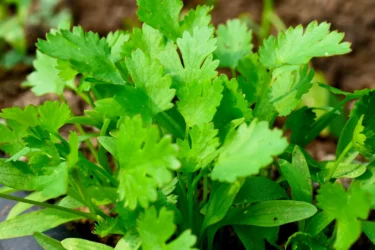
Dhania, also called coriander, is a herbal plant that might have various uses. Its botanical name is Coriandrum sativum L., and it belongs to the family Apiceae. All the parts of this plant might have potential use as a traditional remedy and flavouring agent for various diseases by different civilizations and in the folk medicine system1.
Coriander is a soft and slender plant growing up to 50 cm in height and cultivated throughout India. Dhania is one of the oldest herbs recorded and has been used for more than 5000 years. Young coriander plants are utilized in the kitchen to prepare salads, soups, curries, and sauces, while the fruit obtained from coriander is mainly used as a seasoning for pickles, mixtures, etc. The essential oil of dhania is employed in pharmaceutical formulas. Apart from being used in the kitchen, dhania is also popular for its potential healing properties and possible medicinal benefits2.
Did you know?
The main component of essential oil from coriander seeds is linalool (60%-80%). This essential oil also contains ketones, alcohols, and esters like α-pinene (0.2-8%), geranyl acetate (0.15-4.7%), γ-terpinene (1%-8%), and camphor (0.9%-4.9%)1. In 100 grams of dhania, the nutrients found are2:
In an interesting study, I read that coriander leaf extract, called CSE, was tested on human skin cells and mice to see if it might protect against UV damage. The results showed that CSE may increase collagen production, which keeps the skin healthy, and reduce an enzyme that breaks down collagen. This suggests that coriander leaf extract may help ward off skin ageing caused by the sun7.
Dr. Siddharth Gupta, B.A.M.S, M.D (Ayu)
All parts of dhania have different potential uses and has been used traditionally across the world. Dhania is known for its potential properties like:
Dhania might have the possible uses for human health.

Dhania might help with digestive problems, abdominal discomforts, and loss of appetite. The leaves of dhania may be used as an appetiser and might also help with indigestion and may help relieve stomach cramps and muscle spasms. The fruits of dhania may also be helpful for indigestion. Dhania is also known to be a good carminative (relieving gas accumulation) agent. In some parts of Pakistan, dhania has been used for flatulence, diarrhoea, stomach problems, vomiting, and jaundice. Dhania might also help enhance bowel movements and might function as a mild laxative. It may also be effective against ulcerative colitis and hepatitis2. However, kindly consult a doctor before use.

The leaves of dhania might be consumed and also applied topically for coughs and chest pains. The fruits of dhania might have a potential use against bronchitis, cough, and intermittent fevers. Dhania might also exhibit expectorant (expelling mucus) properties. Seeds of dhania might be helpful for influenza as seen in traditional Chinese medicine. Dhania might also be effective for dyspnoea (difficulty in breathing)1,2. However, respiratory diseases can be serious and must be properly diagnosed and treated by a doctor.
Dhania might help with disorders like pimples, eczema, dry skin, skin ulcers, and blackheads. It may also be helpful for allergies, hay fever, rashes, and urticaria2. However, more research is required to prove such claims.

Dhania, boiled with milk, might have positive effects on the central nervous system and may help with syncope, vertigo, and memory loss. It might also help relieve anxiety. Dhania may also be helpful for insomnia (sleeplessness). Due to its vitamin K content, dhania may be helpful for Alzheimer’s disease. The aqueous and ethanolic extracts of coriander seeds might also have a potent use against convulsions1,2. However, more research is required to ascertain such claims. Therefore, kindly consult a doctor for diseases related to the central nervous system and do not self-medicate.
From what I have seen, coriander seeds might be a potentially healthy ingredient to include in your diet. Coriander seeds, whether raw or roasted, may have beneficial properties as a functional food. They contain compounds that might show inhibitory effects on tumour cell growth8.
Dr. Rajeev Singh, BAMS

Dhania might be good for the eyes, and it may decrease the burning sensation and irritation. The antioxidants present in dhania might have a potential to help with eye diseases2. However, consult a doctor for proper diagnosis and treatment of eye problems.
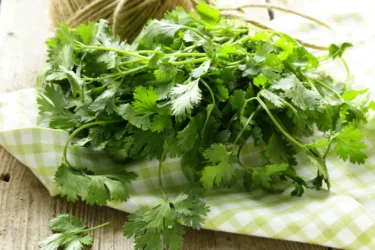
Diuresis means expelling excess fluid and salt from the body. According to studies, the seeds of dhania might help enhance diuresis, glomerular filtration rate, and might lead to excretion of electrolytes from the body in a dose related manner2. However, more research is required to confirm such potential effects of dhania.
Dhania might prove to be helpful for diabetic patients. It may help with diabetes by stimulating insulin secretion and might lower blood sugar levels in the body2. However, conditions like diabetes should be properly diagnosed and treated by a doctor. So, kindly consult a doctor and do not self-medicate.
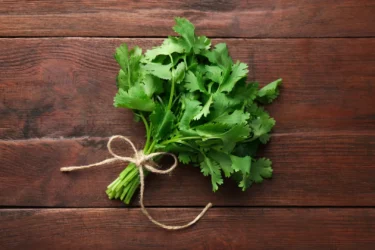
According to studies, the essential oil of dhania obtained from the seeds might exhibited potential antifungal activity against Candida albicans. Essential oil and aqueous extract of coriander leaves might exhibit inhibitory activity against Gram-positive group of bacteria like Staphylococcus aureus, Bacillus sp and Gram-negative bacteria like Escherichia coli, Salmonella typhi, Proteus mirabilis etc1. The decoction obtained from dhania leaves and seeds might also help reduce fever2.
According to animal studies, coriander seeds might exhibit potential cholesterol lowering effects. The observations made were a possible reduction in triglyceride levels, low density lipoprotein (bad cholesterol) and very low density lipoprotein. There was also a potential increase in high density lipoprotein (good cholesterol) levels1.
Though there are studies that show the potential uses of dhania in various conditions, these are insufficient and there is a need for further studies to establish the true extent of the benefits of dhania on human health.
As per my observations, coriander leaves might act as a natural detoxifier and chelation agent. It may help flush out heavy metals from the body after chemotherapy or remove mercury based dental fillings. However, more research is needed to thoroughly understand its effectiveness9.
Dr. Smita Barode, B.A.M.S, M.S.
Dhania essential oil is used in different ways like:
The green leaves of coriander, also called cilantro, are utilised in the preparation of salads, Mexican salsas, chillies, seafood dishes and different ethnic foods. The aromatic coriander fruit or seeds are used in dishes, bread, soups, stews, curry meat, and puddings3.
You must consult a qualified doctor before taking any herbal supplements. Do not discontinue or replace an ongoing treatment of modern medicine with an ayurvedic/herbal preparation without consulting a qualified doctor.
Dhania as a seasoning and spice is considered safe by the US Food and Drug Administration. Dhania and its constituent linalool have been tested for safety. Dhania and linalool did not have toxicity, denoting that dhania essential oil is safe for use. Dhania leaves and seeds have not been associated with any adverse events when used in traditional medicine.
However, there was a case report of a woman from Iran who reported endocrine toxicity when she had consumed an excess of dhania leaf extract for seven consecutive days3. Therefore, exercise caution while using dhania.
Also Read: Thyme (Banajwain): Uses, Benefits, Side Effects and More By Dr. Rajeev Singh
General precaution and a discussion with your doctor before consuming dhania is recommended, especially by pregnant women and lactating mothers.
It might have unknown reactions with drugs. However, more research is required to find out such reactions.
Dhania, also known as cilantro or coriander, is a herbal plant that might have various medicinal and culinary uses. It is used as a herbal flavouring agent in the preparation of sauces, salads, chillies, seafood dishes, Mexican salsa, and different ethnic foods. Dhania is also used to prepare herbal medicines3.
Dhania is known by various names like Chinese parsley, coriander, cilantro, coriandro, coriander, culantrillo. Its scientific name is Coriandrum sativum6.
Coriandrum sativum is a native herb of Italy and is cultivated in the Mediterranean regions like Egypt, Morocco, Malta, Asia (Bangladesh, Pakistan, China, and India), and central and eastern Europe1.
Yes, the juice obtained from fresh dhania leaves, when applied to the forehead, might help with headaches2. However, more research is required to prove these possible effects of dhania for heaaches.
Yes, dhania might have a potential to help with urethritis and urinary tract infections. It may also help with problems related to the bladder1,2. Kindly consult a doctor and do not self-medicate.
Due to its high iron content, dhania may be helpful for people suffering from anaemia2. However, more research will be required to prove these claims.
Yes, the essential oil of dhania might have antifungal potential . Dhania essential oil might exhibit fungicidal (fungi killing) properties against Candida albicans2. However , more research is required to ascertain such claims.
In India, dhania is widely cultivated in Maharashtra, Uttar Pradesh, Rajasthan, Madhya Pradesh, Karnataka, Bihar, Tamil Nadu, West Bengal, Andhra Pradesh, and Jammu and Kashmir2.
In Ayurvedic medicine, the seeds of dhania are used with caraway and cardamom seeds and might be helpful for digestion related problems1. Kindly consult a doctor before use. Do not self-medicate.
In traditional Chinese medicine, seeds of dhania may be helpful for indigestion, stomach pain, bad breath, influenza, and anorexia (loss of appetite)1. However, more research is required to prove such effects.
Yes, dhania might have potential use as an ointment to deal with arthritis (swelling of joints) and rheumatism (a condition affecting muscles, bones, and joints)1. More research is required to prove its potential use.
The potential antiseptic properties of dhania might help deal with mouth ulcers2. Please consult a doctor for proper diagnosis and treatment of mouth ulcers.
Disclaimer: The information provided here is for educational/awareness purposes only and is not intended to be a substitute for medical treatment by a healthcare professional and should not be relied upon to diagnose or treat any medical condition. The reader should consult a registered medical practitioner to determine the appropriateness of the information and before consuming any medication. PharmEasy does not provide any guarantee or warranty (express or implied) regarding the accuracy, adequacy, completeness, legality, reliability or usefulness of the information; and disclaims any liability arising thereof.
Links and product recommendations in the information provided here are advertisements of third-party products available on the website. PharmEasy does not make any representation on the accuracy or suitability of such products/services. Advertisements do not influence the editorial decisions or content. The information in this blog is subject to change without notice. The authors and administrators reserve the right to modify, add, or remove content without notification. It is your responsibility to review this disclaimer regularly for any changes.
5
1
Apricot (Prunus armeniaca L.), also known as stone fruit, belongs to the Prunus genus and is widely consumed throughout the world1. The apricot tree is grown in temperate regions and requires a cold winter and moderately high temperatures in early summer and spring. The apricot tree cannot be grown in places with a subtropical climate. Apricots are drupes (fruit that contains a single seed) like mangoes, plums, cherries, and peaches. Their outer fleshy portion covers a hard stone with a seed inside it. The colour of the fruit varies from orange to orange-red, with some varieties being greenish-white to cream white. Apricot is rich in carbohydrates and is a great source of minerals, fibres, and vitamins. Apricot kernels are also being used in Chinese medicine for cough, constipation, and asthma2.
Apricot (Khubani) has a high nutritional content in terms of proteins (8%), sugars (greater than 60%), crude fat (2%), vitamins A, C, K, and B complex, total minerals (4%), crude fibre (11.50%), and a fair percentage of organic acids (malic and citric acid)2. In 100 grams, the following nutrients are found in apricot1,2:
The ripened apricots have a better antioxidant action due to the accumulation of vitamin C and phenolic compounds through the ripening process10.
Dr. Rajeev Singh, BAMS
Apricot and its kernel might have properties like:
Apricots are a powerhouse of nutrition and they contain zinc, which is believed to sharpen your thinking process. They can be a great snack for students to sharpen their mental acuity11.
Dr. Smita Barode, B.A.M.S M.S.
Apricot might have the following potential uses for human health.
Today, cancer is the most common degenerative condition and the second leading cause of mortality in the United States, following cardiovascular disorders. Apricots have been reported to have anti-cancer potential. A compound isolated from MK615, a Japanese variety of apricot, showed potential anti-tumor activity against colon cancer cells, liver cancer cells, and human pancreatic cells in laboratory trials2. However, more research is required to prove such effects on apricots on cancer. Moreover, cancer is a serious condition and must be diagnosed and treated by a doctor.

Oxidative stress is a phenomenon that occurs due to an imbalance between the production and gathering of reactive oxygen species in cells and tissues and the inability of the body to detoxify these reactive compounds6. Oxidative stresses produce reactive oxygen species and free radicals that can lead to damage of macromolecules (lipids, nucleic acids, and proteins) and cause tissue injuries. These processes might lead to chronic diseases like cancer, ulcers, diabetes, heart-related diseases, and inflammations. Due to its rich phytochemical composition, apricot might exhibit antioxidant properties2. However, more research is required to prove such effects.
Do you know that the nutritional content of frozen apricots is more than that of fresh apricots? Freezing and storing apricots positively affects their nutritional content. There is a rise in their antioxidant levels after about 3 months of storage9.
Dr. Siddharth Gupta, B.A.M.S M.D (Ayu)

Heart diseases are one of the leading causes of death worldwide. Risk factors for heart diseases include atherosclerosis (accumulation of fats, cholesterol and other substances in the artery walls), high cholesterol levels, and other conditions. Phenolic compounds present in apricots like lycopene, chlorogenic acid, and β-carotene might help with the oxidation of low-density lipoprotein (LDL) and might help improve the antioxidative status of the human body. Apricot is also a rich source of fibre. Soluble dietary fibre is known to be efficient in decreasing LDL cholesterol (bad cholesterol)2. However, more studies are required to prove the potential use of apricot against heart diseases. Moreover, serious conditions like those related to the heart, must be diagnosed and treated by a professional. Therefore, kindly consult a doctor.
Fatty liver disease, also called hepatic steatosis, is fat accumulation in the liver. Hepatic steatosis might further lead to steatohepatitis (inflammation of the liver with fat accumulation), cirrhosis (healthy liver tissue replaced with scar tissue leading to permanent liver damage) and advanced fibrosis. Apricot might have an effect on hepatic steatosis, as seen in animal models2. However, more research is required to prove these effects. Please note that diseases of the liver are serious and must be diagnosed and treated by a doctor.

The Japanese variety of apricot might help against the colonisation of H. pylori in the digestive system, hence it might be helpful against gastritis. The ethanolic extract of apricot might exhibit great antimicrobial activity against gram-positive bacteria. It may also exhibits antibacterial activity against organisms like Staphylococcus aureus and Bacillus subtilis5.
Though there are studies that show the potential use of apricot in various conditions, but these are insufficient and there is a need of further studies to establish the true extent of benefits of apricot on human health.
Apricots can be consumed as:
Apricot kernels can be used in the production of medicines or bakery products or can be directly consumed as appetisers1.
The kernel oil obtained from apricots is used very often in the preparation of many medicines by Ayurvedic physicians and in cosmetics. Apricot oil might have a positive effect on the hair, skin, and health1.
You must consult a qualified doctor before taking any herbal supplements. Do not discontinue or replace an ongoing treatment of modern medicine with an ayurvedic/herbal preparation without consulting a qualified doctor.
Also Read: Pomelo (Chakotra): Uses, Benefits, Side Effects By Dr. Smita Barode
Normal intake of apricot fruit is not harmful to consumers. However, eating an excess of raw apricot kernels might pose risks. A compound called amygdalin is present in apricot kernels. This compound converts into cyanide after consumption. Cyanide poisoning can lead to nausea, headaches, thirst, lethargy, nervousness, fever, joint pain, muscle pain, and reduced blood pressure. It can be fatal in severe cases7. Therefore, kindly consult a doctor before consuming it for its potential uses.
Also Read: Strawberry: Uses, Benefits, Side Effects By Dr. Smita Barode
It is essential to take precautions while consuming apricot kernels, as taking excess apricot kernels poses a risk of cyanide poisoning8. Therefore, consult a doctor beforehand.
Also Read: Passion Fruit (Krishnabija): Uses, Benefits, Side Effects by Dr. Smita Barode
Apricots (Prunus armeniaca L) are small stone fruits that range in colour from yellow to orange and are mostly tinged red on their sides due to sun exposure. The surface of apricots can be either smooth or velvety with minute hair. The flesh of apricots is mostly firm, and their taste can be either sweet or sour8.
Apricot was named by Romans. It is a combination of two words: ‘praecocia’ from Latin, which means early matured and ‘albarquq’ from Arabic, which means short ripening period2.
Apricot contains various phytochemicals like aspolyphenols (flavonoids and phenolic acids) and carotenoids that add to their colour, taste, and nutritional value2.
According to Chinese medicine, the apricot is thought to be helpful in detoxification, relieving thirst, and regenerating body fluids. Its kernels, as per Chinese medicine, might be helpful for suppressing cough and strengthening the respiratory system2.
Apricot kernel is rich in oil and mainly contains fatty acids, particularly unsaturated fatty acids. This oil also contains high amounts of carotenoids, phytosterols, triterpenoids, vitamin E active compounds, and polyphenols. Apricot kernels are also a good source of essential oil, proteins, and peptides8.
Disclaimer: The information provided here is for educational/awareness purposes only and is not intended to be a substitute for medical treatment by a healthcare professional and should not be relied upon to diagnose or treat any medical condition. The reader should consult a registered medical practitioner to determine the appropriateness of the information before consuming any medication. PharmEasy does not provide any guarantee or warranty (express or implied) regarding the accuracy, adequacy, completeness, legality, reliability, or usefulness of the information; and disclaims any liability arising thereof.
Links and product recommendations in the information provided here are advertisements of third-party products available on the website. PharmEasy does not make any representation of the accuracy or suitability of such products/services. Advertisements do not influence the editorial decisions or content. The information in this blog is subject to change without notice. The authors and administrators reserve the right to modify, add, or remove content without notification. It is your responsibility to review this disclaimer regularly for any changes.
13
2
Alum is a mineral salt found in nature in both pure and impure forms. It is obtained from the soil ore found in Nepal, Bihar, Punjab, and the Kathiawar area. It is a colourless, clear, odourless, crystalline mass or granular powder with a sweetish, astringent flavour. It is found in Egypt, Italy, England, Germany and India.
In Indian households, alum is commonly known as phitkari or phatkari. Other names for alum include:
When heated, it melts at around 200 degrees1, resulting in an anhydrous salt. It is frequently contaminated with impurities in markets. It may be made suitable for potential health uses. It is found in many pharmaceutical, cosmetic and food products. It has a strong astringent quality. It comes in four different colours: white, green, yellow, and red. White is known as phitkari, green is known as heera kasees, yellow is known as kasees and red is known as surkh phitkari. The most notable quality alum, according to Unani physicians, is one that easily shatters.
Alum is composed of the following:
Various properties of alum are listed below.

Different alum concentrations were tested against Proteus mirabilis, which causes urinary tract infections. These studies4 suggested that alum may have antimicrobial properties, as it appeared to reduce the motility of the bacteria in culture media.
Using an in-vitro bioassay method5, the antibacterial activity of alum and clove extract was assessed against pathogens such as S. aureus, S. epidermidis, E. coli, and K. pneumoniae. Potential antibacterial activity was observed in the alum and clove extracts, suppressing bacterial growth isolated from various infection sites.
Using an alum mouthwash and rinsing twice a day might be efficient in lowering the level of salivary mutans Streptococci in the children.
The antifungal activity of alum was tested on yeast isolated from mouth lesions. It was concluded that alum might help control fungal isolates and it might be helpful against infections such as oral thrush and mouth ulcers. However, more studies are required to ascertain the use of alum for infections.

In an animal mode6, the antiplatelet action of alum was investigated in terms of platelet aggregation and bleeding time. After alum injection, platelet aggregation was significantly lowered. The time it took for an animal model to bleed after receiving an alum injection was also much longer. The study’s findings suggest that alum might be helpful as an antiplatelet drug. However, more studies on humans are required to prove its effectiveness.

In an obese animal model7, oral intake of potash alum showed a potential to cause a possible reduction of body weight, food intake, serum triglycerides, total cholesterol, and high-density lipoproteins. This shows the possible anti-obesity effect. However, more studies on humans are required to prove such effects.

Recurrent stomatitis is caused by antibiotics, painkillers, and other drugs. A topical application of alum can be helpful for this condition. It may help with stomatitis and may be administered along with honey. However, more research is required to prove the potential use of alum for stomatitis. Kindly consult a doctor and do not self-medicate.

Alum might show some effect on post-operative wounds. Alum may be dissolved in water and used to help with the post-operative wounds8. There is a need for more studies to prove its effectiveness for post-operative wounds. Kindly do not self-medicate, as healing of post-operative wounds is crucial.
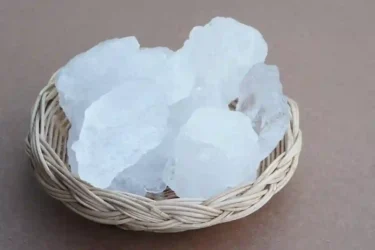
Animal studies have shown the possible anti-tumour effect of alum. An animal model was injected with alum9. The results of the study indicated potential for tumour growth reduction in the animal model. However, more research is required to prove such claims. Moreover, tumours should be diagnosed and treated by doctors. Therefore, kindly consult a doctor.
I’ve got a fascinating fun fact for you3! Trotula, a famous gynaecologist from the 12th century, wrote a book about women’s health. According to her, alum might be able to lighten blemishes on the skin and even dye those beautiful hair strands of yours.
Dr. Rajeev Singh, BAMS
Alum can be used as alum powder or dissolved in water to make a solution. Your Ayurvedic physician will prescribe you the dose and form as per your need.
You must consult a qualified doctor before taking any herbal supplements. Do not discontinue or replace an ongoing treatment of modern medicine with an ayurvedic/herbal preparation without consulting a qualified doctor.
Let me tell you a secret3 about using a surma (collyrium) made from alum. This special mixture might help relieve pain, reduce swelling, and soften hardened eyelids. Not only that, but it may also act as a cleanser for the conjunctiva, the thin membrane that covers the front of your eye. And the best part? It may even improve your vision!
Dr. Smita Barode, B.A.M.S, M.S.
Several side effects associated with alum use are listed below.
Therefore, it is advised that you do not self-medicate and take advice from a doctor before using alum.
I have read that Pliny the Elder, a Roman historian3, believed that alum could do some fascinating things. According to him, alum may have the power to possibly control and reduce perspiration, making you sweat less. Additionally, it was believed that alum might have the ability to counteract unpleasant odours, making the armpits smell more pleasant.
Dr. Siddharth Gupta, B.A.M.S, M.D (Ayu)
Also Read: Jamun (Java Plum): Uses, Benefits & Side Effects
The safety studies of alum on pregnant and breastfeeding women have not been carried out. Therefore, it should only be taken under the supervision and advice of a doctor. No research has been done on the safe use of alum in children and the elderly.
Also Read: Jaggery: Uses, Benefits, Side Effects and More
There is not much information available on how alum interacts with other medications. Hence, you should consult a doctor before taking alum and disclose to your doctor if you take any other medicine or supplement.
Also Read: Lychee: Uses, Benefits, Side Effects and More By Dr. Rajeev Singh
Alum is a mineral found in nature in both pure and impure forms, derived from alumen ore. It is a colourless, clear, odourless, crystalline mass or granular powder with a sweetish astringent flavour.
Alum might be helpful for bleeding gums, gingivitis, pyorrhoea, tonsillitis, pharyngitis, piles, vaginal inflammation, leucorrhoea (whitish or yellowish coloured discharge from the vagina), gonorrhoea, kidney and bladder abscess (swelling with pus), renal and bladder stones, conjunctivitis, ear abscess, dandruff, burns, breast hypertrophy (increase in size), stomatitis, dementia (memory loss), asthma and bleeding. However, more research is required to prove the effectiveness of alum for the above-mentioned conditions. Therefore, kindly consult a doctor. Do not self-medicate.
It can be made suitable for potential use by humans by dissolving it in boiling water, filtering the solution, and evaporating it to produce crystals, which can be preserved for future use.
Yes, alum is soluble in water. As the molecular formula of alum contains water molecule, it is water-soluble.
Yes, we can drink alum water as alum is used for water purification. There may be some reactions and side effects of alum, thus take advice from your doctor.
Yes, alum is edible. Potassium alum is an active ingredient in baking powder.
The chemical formula of potassium alum is K2SO4Al2(SO4)3.24 H2O.
Alum is used in depilatory waxes that are used for the removal of body hair or applied to freshly waxed skin as a demulcent (relieves inflammation or skin irritation). However, a doctor/specialist should be consulted before using it for the above-mentioned purpose.
It has been used to purify turbid liquids since ancient times. Alum is used to purify domestic wastewater. It is added to water to cause the aggregation of particles and form flocs.
Alum has a sweetish astringent taste.
It is known as phitkari, phatkiri, phatphadi, sambe-mani, aluminous sulphate, sulphate of alumina and potash, sulphate of aluminium and ammonium, phatkari, phitikhari, phitkiri, patikar, turati, phitki, phatki, fatkari, sphatikari, surashtraja, kamakshi, tuvari, pitki, pati-karam, padikharam, and shinacarum.
It is found in Egypt, Italy, England, Germany, and India. In India, it is primarily found in Assam, Punjab, and Bihar.
Dry skin, skin irritation, burn, dizziness, throat tightness, fluid accumulation around the eye, hives, hypersensitivity reaction, allergic reaction, puffy face from water retention, skin ulcer and throat swelling are the side effects of alum. Therefore, it should not be used without a doctor’s advice.
Yes, alum is good for obesity. The oral intake of potash alum might help in the reduction of body weight, food intake, serum triglycerides, total cholesterol, and high-density lipoproteins in an obese animal model. However, more research is required to prove such claims. Therefore, do not self-medicate. Kindly consult a doctor before using it.
Alum might be helpful for ulcers. Topical application of alum might be helpful for ulcers caused by recurrent usage of several medications like antibiotics, painkillers, etc. However, more research is required to prove such claims.
Yes, alum can be used after shaving due to its astringent properties.
Alum might be helpful for bleeding gums and gum inflammation. However, more research is required to prove the effectiveness of alum for bleeding gums. Kindly visit a dentist.
Disclaimer: The information provided here is for educational/awareness purposes only and is not intended to be a substitute for medical treatment by a healthcare professional and should not be relied upon to diagnose or treat any medical condition. The reader should consult a registered medical practitioner to determine the appropriateness of the information and before consuming any medication. PharmEasy does not provide any guarantee or warranty (express or implied) regarding the accuracy, adequacy, completeness, legality, reliability or usefulness of the information; and disclaims any liability arising thereof.
72
3
Papaya fruit is widely known for its taste, nutrition and health benefits, but not many people are aware of the immensely beneficial papaya seeds, which are usually thrown away. These tiny round seeds are actually edible and are good for our health if consumed in a limited quantity. They may help in weight management, relieve menstrual pain and possess potential anti-cancer properties. They also support cardiovascular health and, thus, are considered one of the best heart-healthy foods.
Papaya seeds are black and have a shiny, wet and slimy covering. If you remove this covering, you can feel the rough black seeds. They are slightly bitter and peppery in taste. You can consume them by drying and grinding.
Did You Know?

Papaya seeds are rich in polyphenols, flavonoids, alkaloids, tannins, and saponins. They are strong antioxidants. Antioxidants protect the body from damage by free radicals3, protecting us from a variety of diseases.
Papaya seeds benefit gut health as they are rich in fibre. They regulate our bowel movements, removing toxins from the body and thus maintaining a healthy gut. They are helpful in constipation.
Carpaine present in papaya seeds kills bacteria and parasites in our intestines and thus keeps our digestive system healthy4.
Papaya seeds are rich in fibre5. They keep our digestion on track, thus helping in the removal of toxins from our bodies. They also help in regulating our metabolism and prevent our body from absorbing fat. This helps in preventing obesity.
Papaya seeds benefit people with low cholesterol because they are rich in monounsaturated fatty acids like oleic acid. These fatty acids regulate cholesterol levels by reducing bad cholesterol (LDL cholesterol )6. Papaya seeds are also rich in fibre. Fibre helps in reducing cholesterol levels in the body. Thus, consuming papaya seeds may help in maintaining healthy cholesterol levels in our bodies.

Papaya seeds contain polyphenols that are powerful antioxidants. They have the potential to protect our bodies from different types of cancers6. Papaya seeds also contain isothiocyanate, which inhibits the formation and development of cancer cells7.

Studies suggest that papaya seeds may protect the kidneys and support their function by reducing inflammation and oxidative stress8.

Papaya seeds are rich in various antioxidants that support heart health by reducing oxidative damage3. They also help to lower blood pressure and cholesterol levels, which protects our hearts from various disorders.
Many of my patients often ask if papaya seeds can help with diabetes. Researchers suggest that, in addition to several medicinal uses, extracts from papaya seeds may help in managing blood sugar levels9.
Dr. Siddharth Gupta, B.A.M.S, M.D (Ayu)

Papaya seeds may be effective in reducing inflammation. Papaya seeds are rich in vitamin C and compounds like alkaloids, flavonoids, and polyphenols. All these compounds exhibit anti-inflammatory properties10. They are thus useful in preventing and reducing inflammation in diseases like gout, arthritis, etc.
Papaya seeds exhibit anti-ageing properties. They may help maintain the elasticity of our skin and thus prevent the development of fine lines and wrinkles10.
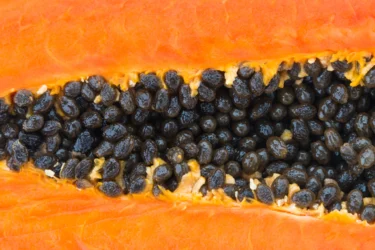
Papaya seeds may help fight off harmful bacteria like Staphylococcus aureus, Shigella dysenteriae, Salmonella typhi, Pseudomonas aeruginosa, Escherichia coli, etc11, 12.

Papaya contains carotene and this substance is essential in helping the body regulate the production of a hormone known as estrogen. While papaya seeds may help induce menstruation and also increase its frequency, they may also help, to some degree, in managing menstrual cramps13.
Papaya seeds have also been known to contain the vital nutrients that might help manage diseases like Liver cirrhosis13. Consuming 3 to 4 papaya seeds, crushed and mixed with lime juice daily, may help in the treatment and recovery of liver cirrhosis.
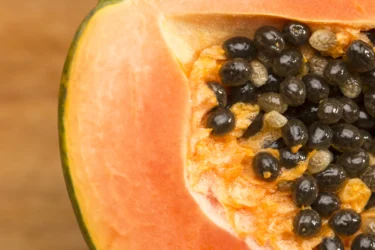
Research has shown that preparing and consuming an extract of papaya seeds may help to successfully kill bacteria like E.coli, Salmonella, Staphylococcus, etc11, 12, which are responsible for most cases of food poisoning.

Dengue is a virus transmitted by mosquitoes, it affects the platelets in your blood and begins destroying healthy platelets too. Papaya seeds have been shown to improve platelet counts14. Hence, apart from the previous health benefits of papaya seeds, they might also be helpful as a support for your dengue recovery.

Dandruff usually has a fungal origin, particularly the Malassezia fungus. The papaya fruit and seeds have been shown to have strong antifungal properties15. This may be useful when applied to the hair and scalp and reduce or prevent the development of dandruff. Use a hair pack or scrub that contains papaya seed extract to try this benefit out.
Did you know papaya seeds might help with parasitic worm infections? Papaya seed extracts are believed to have anti-helminthic properties and hence might aid in parasitic worm infections4.
Dr. Rajeev Singh, BAMS
To truly enjoy the health benefits of papaya seeds, you’ll need to make them part of your diet. Here are a few simple recipe ideas to do just that:
Also Read: Halim Seeds: Uses, Benefits, Side Effects and More By Dr. Rajeev Singh
Also Read: 14 Amazing Health Benefits of Pumpkin Seeds!
You should not consume more than 1 teaspoon of papaya seeds per day.
Also Read: Chia Seeds: Uses, Benefits, Side Effects, and More!
Papaya seeds are highly nutritious and have been associated with several health benefits, especially for kidney and cancer-related ailments. High doses may cause side effects, but these issues can easily be avoided by moderating your intake or taking small doses or servings per day.
Papaya seeds have detoxifying properties and help the liver. It increases appetite, mainly in the elderly, children and alcoholic patients. Papaya seeds prevent free radical production in the liver cells and promote new cell generation.
Pregnant women and people with stomach ailments, allergies, hypoglycemia or kidney stones should consult with a doctor before consuming.
Yes, you can eat papaya seeds in small amounts, as they are known to have several health benefits, including antimicrobial properties and potential digestive support. However, because papaya seeds contain certain compounds that might cause side effects or interact with medications, it is important to consult your doctor before using them regularly or in larger quantities10.
You can eat 1 to 2 teaspoons of papaya seeds per day. Start with a small amount (like ½ teaspoon) and increase gradually. Eating too much can cause digestive issues or affect the liver. Always consult your doctor before consumption, especially if you have any health conditions or are pregnant10.
Disclaimer: The information provided here is for educational/awareness purposes only and is not intended to be a substitute for medical treatment by a healthcare professional and should not be relied upon to diagnose or treat any medical condition. The reader should consult a registered medical practitioner to determine the appropriateness of the information and before consuming any medication. PharmEasy does not provide any guarantee or warranty (express or implied) regarding the accuracy, adequacy, completeness, legality, reliability or usefulness of the information; and disclaims any liability arising thereof.
1378
20
Sabja seeds, also called basil seeds, are widely known for their use in drinks and desserts, but these tiny black seeds have more to offer than you might expect! Sabja seeds are packed with health benefits compared to popular superfoods like flax seeds and chia seeds in their nutritional value. Extracted from sweet basil (distinct from holy basil, renowned for its immunity-boosting properties), sabja seeds are known as a wellness powerhouse.
Adding these mighty seeds to your diet can help transform your health. Here are the top health benefits of sabja seeds.
Friendly Reminder: The information shared here is for educational purposes only and the reader should consult a registered medical practitioner before implementing any changes to their health routine.
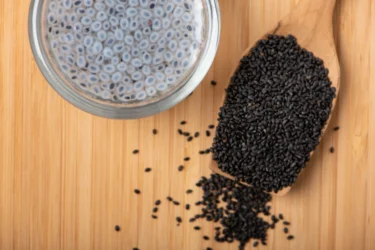
Drinks containing sabja seeds may provide relief from summer heat. Sabja seeds are known to reduce body heat and have a soothing effect on the stomach. These seeds can be part of various drinks like lemonades, coconut water, coconut milk, milkshakes, fruit-based smoothies, yoghurt etc.

People with diabetes should be particular about what they eat in order to keep their blood sugar levels steady. Sabja seeds have been found to contain anti-diabetes properties[2].

Sabja seeds are rich in soluble fibre. When these seeds are added to our diet with a good quantity of water, they absorb water and thus help draw water to our gut. This results in the softening of stools and promotes daily bowel movement. Thus, people suffering from constipation may get relief by making sabja a part of their daily diet[1].
Sabja seeds contain pectin, among many other soluble fibres. Pectin is proven to have prebiotic benefits. It helps balance gut bacteria by boosting the growth of good bacteria, which also helps in relieving acidity to a great extent.
Sabja seeds are high in soluble dietary fibre and help a person feel full. They also help regulate our bowel movement and thus help in cleansing our body from toxins.
The soluble, fermentable fibre pectin helps increase satiety and reduce caloric intake and adiposity while on a high-fat diet[3]. It also produces a fermentation environment more likely to promote hindgut health. Reduction in calorie intake thus helps people on weight loss journey.

Sabja seeds are a rich source of iron, calcium and magnesium. Calcium and magnesium are required for the optimal functioning of muscles and bones[6]. Iron is needed to maintain haemoglobin levels, which is the protein required to transport oxygen in the blood[1].

Sabja seeds contain an average of 2.5 grams of fat per 1 tablespoon. Of this fat, about half – 1,240 mg per tablespoon – is alpha-linolenic acid (ALA), an omega-3 fat.
The beneficial effects of omega-3 fatty acids include effects on lipids, blood pressure, cardiac and vascular function, eicosanoids, coagulation, and immunological responses[5]. These are known to decrease the risk of coronary heart disease, hypertension, stroke and their complications.
Sabja seeds are a good source of plant chemicals like flavonoids and polyphenols [4]. Flavonoids are the largest group of phytonutrients, known for their anti-oxidative, anti-inflammatory, anti-mutagenic and anti-carcinogenic properties along with their capacity to modulate key cellular enzyme function.

Sabja seeds have proven anti-bacterial, anti-viral and anti-fungal properties[4]. They are helpful in healing mouth ulcers. They can also be used as a mouth freshener.

Pectin, a type of soluble fibre present in sabja seeds, may help lower the cholesterol levels in our body. It may reduce the absorption of cholesterol in our gut[1].

Sabja seeds have a calming effect on the body as well as the mind. They can be helpful for people dealing with stress, tension, and anxiety in addition to prescribed treatment and therapy.
Sabja seeds are rich in flavonoids, tannins and terpenoids. Their anti-oxidant activity is also shown to have memory-enhancing effects in some[1].
Soak around 2 teaspoons of sabja seeds in a cup of warm water for around 15 minutes. They swell and a translucent grey film coating develops around each black seed as they increase in size.
You can now make these seeds a part of a variety of drinks like lemonade, milkshakes, coconut water, smoothies, buttermilk, soups and so on. You can also add them to ice creams, pasta and salads for a nice crunchy taste.
Ideally, you should not consume more than 2 teaspoons of sabja seeds a day.
Also Read: Fennel (Saunf) Seeds: Uses, Benefits, Side Effects, and more!
Also Read: Chia Seeds for Weight Loss: Benefits, How to Use Them & Best Ways to Eat Them
Also Read: 15 Amazing Health Benefits of Papaya Seeds That You Should Know!
Sabja seeds are a natural and vegetarian source of protein. You can consume these seeds daily to strengthen bones, muscles, and skin and to stimulate the production of enzymes, hormones and other body chemicals for better functioning of the body. However, if you have any medical condition, it is best to consult the doctor.
There’s no direct evidence linking sabja seeds to acne. However, excessive consumption might contribute to acne for some individuals due to potential hormonal effects or allergies. It’s best to consume them in moderation and observe reactions, if any.
Sabja seeds are believed to have a cooling effect on the body according to Ayurvedic practices. They are often used in drinks like falooda during hot weather to help cool down the body. However, scientific evidence supporting this specific claim is limited, and individual responses may vary.
Sabja seeds can aid in weight loss as they are high in fiber, which promotes feelings of fullness and helps control appetite. Additionally, their low-calorie content makes them a good addition to a weight loss diet. However, they should be consumed in moderation.
There’s no scientific evidence to suggest that sabja seeds can delay periods. However, some anecdotal claims and traditional practices exist. If you have concerns about menstrual irregularities, it’s best to consult with a healthcare professional.
Sabja seeds are generally considered beneficial for managing uric acid levels due to their anti-inflammatory properties. However, individual responses may vary, so it’s advisable to consult with a healthcare provider.
Disclaimer: The information provided here is for educational/awareness purposes only and is not intended to be a substitute for medical treatment by a healthcare professional and should not be relied upon to diagnose or treat any medical condition. The reader should consult a registered medical practitioner to determine the appropriateness of the information and before consuming any medication. PharmEasy does not provide any guarantee or warranty (express or implied) regarding the accuracy, adequacy, completeness, legality, reliability or usefulness of the information; and disclaims any liability arising thereof.
282
6


