
Noticing a lump under the armpit can be unsettling and often makes you anxious. It is extremely normal to get worried when you notice something like this in such sensitive areas. But an important thing is that not all lumps under the armpit are dangerous; many are harmless and may result from minor infections, use of certain medications or vaccines or may be a benign cyst1. Still, it is important to consult your doctor for confirmation.
This article is a guide which might help you understand what the armpit lumps actually are, how they are caused, their symptoms and diagnostic procedures, and the treatment methods followed. It will also discuss some simple home-based approaches for minor cases. So, let’s go ahead!
Armpit lumps are any bumps or swelling felt under the armpit. They can be present under the skin of your armpit or deep inside. These lumps can be soft or hard, moving or fixed at a position, and painless or painful. They can occur along with several other symptoms. A common reason behind armpit lumps is the swelling of lymph nodes in this region2.
These lumps in most cases are harmless, whereas sometimes they may also indicate underlying conditions which need medical attention1,2. Understanding their nature is the first step in knowing when to monitor them and when to seek medical advice.
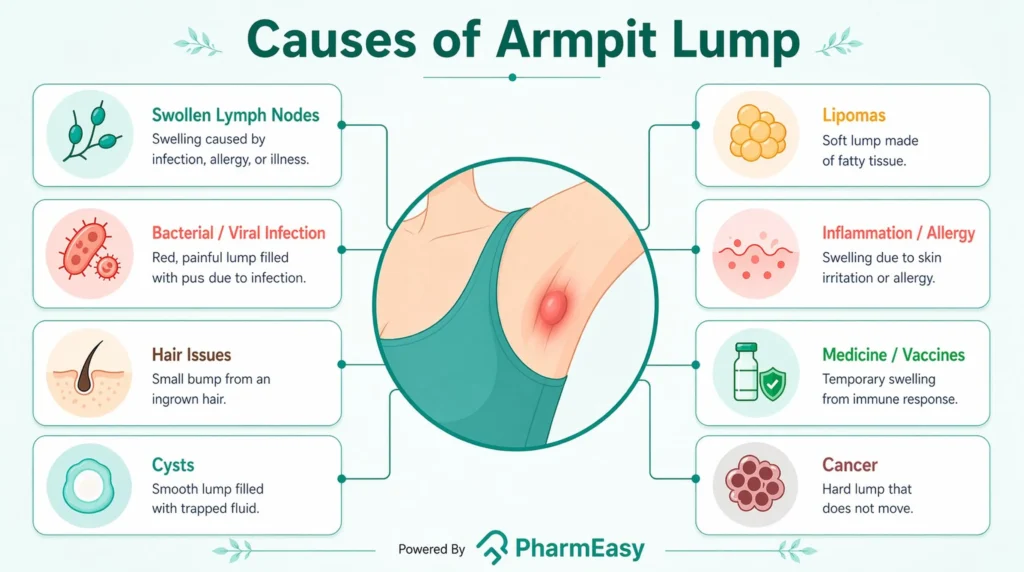
Armpits can develop lumps for various reasons. The following describes the most common armpit lump causes:
As the lump under the armpit can arise from a variety of causes, each cause can put forward different symptoms. The following are some symptoms that you may experience if you have an armpit lump
Note: The symptoms of lumps, if persisting for a while, should not be ignored, as they can also indicate dangerous conditions like HIV or certain cancers. Therefore, consult your doctor if the symptoms are not resolving or getting worse than before.
Doctors typically use a combination of clinical evaluation and tests to determine armpit lump causes. These include:
Although some types resolve themselves, certain types might require medical/surgical management. Armpit lump treatment is employed by doctors based on the causes and can include the following:
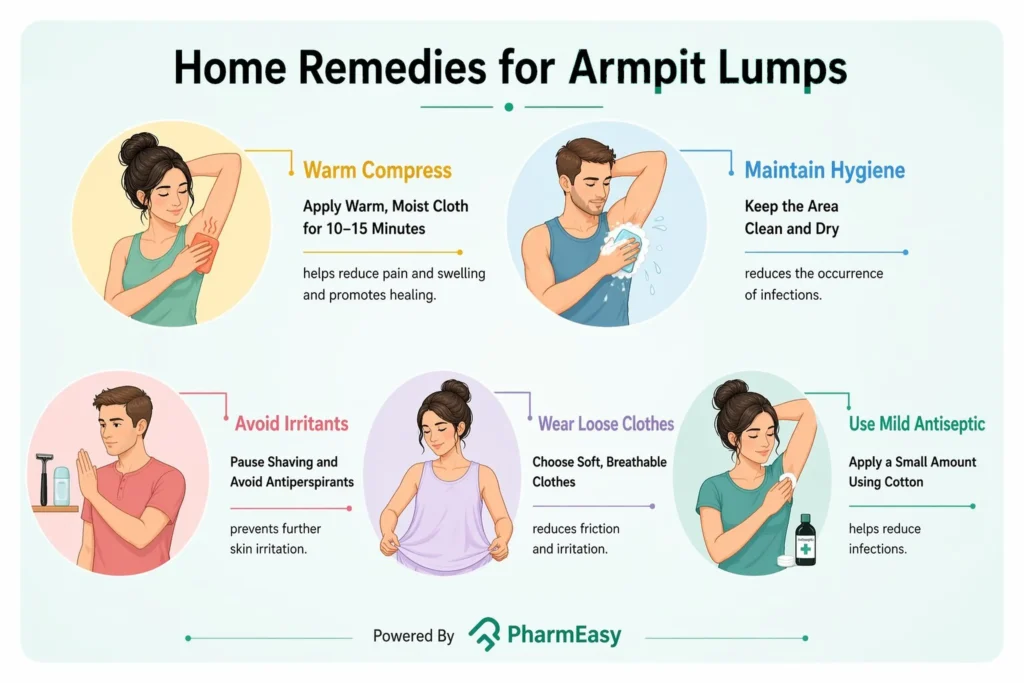
While medical treatment is the cornerstone of management for lumps that don’t resolve spontaneously or are bothersome, the following armpit lump home remedies may be tried:
Note: Home care tips should be followed only alongside medical treatment, if advised. Avoid solely relying on them as they cannot heal the problem permanently. Although some cases resolve by themselves, consulting a doctor is very important to understand how to cure an armpit lump, especially if the lump persists, grows, or becomes painful.
A lump under the armpit, if left untreated, can worsen the condition. The following are possible complications of armpit lumps.
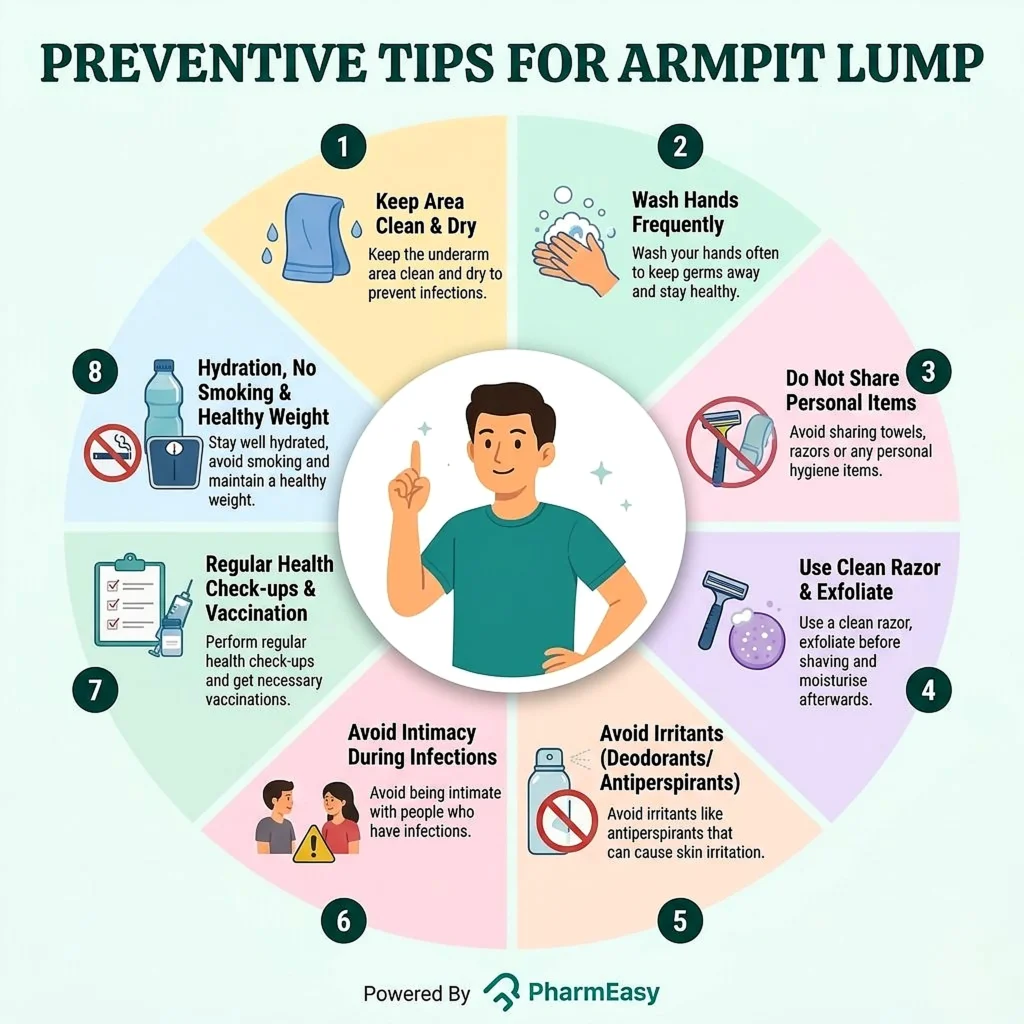
Lump under the armpit caused by conditions like infections, ingrown hair, etc., can be avoided by following certain tips such as the following:
Note: These are just general tips which might help reduce the occurrence of lumps; following these doesn’t necessarily mean that someone may not get related infections or conditions.
Armpit lumps are often surrounded by common misconceptions, but understanding the facts can help reduce unnecessary worry and ensure timely medical care. The following are a few common myths which are widespread:
| Sr No. | Myths | Facts |
| 1 | All armpit lumps are cancerous | This is not true; while lumps under the armpit may result from cancer, they can also be due to bacterial or viral infections, ingrown hair, allergic or inflammatory conditions, and certain medications. Some are just non-cancerous cysts or fatty tissue collection1,2. |
| 2 | Lumps under armpits are always painful. | This is false. Armpit lumps may not be always painful; they can be sometimes just be a painless growth, such as lipomas (fatty tissue collection)2,10. |
| 3 | Only women get armpit lumps. | There is a common belief that armpit lumps develop only in women possibly owing to their connection with breast cancer1, however, this is incorrect. There are several other causes of armpit lumps which can affect men as well. |
| 4 | If a lump is not painful, it is nothing serious. | While some of the painless lumps may not be harmful, some can indicate serious conditions like lymphoma15. Even though asymptomatic, getting any persistent lump investigated by a doctor is always the right approach. |
| 5 | Armpit lumps always need surgery | All types of armpit lumps do not demand surgery; surgeries are only done if they are bothersome and don’t go away after primary treatment methods such as local or systemic medication or are cancerous. Certain types of lumps do not even need treatment; they might go away by themselves after a while2,4,10. |
There are certain signs that you should not ignore if you have armpit lumps. Consult a doctor immediately:
Also Read: Home Remedies for Dark Underarms
Armpit lumps are a common concern and are often harmless, usually caused by infections, irritation, or swollen lymph nodes. However, some cases may indicate underlying conditions that require medical attention. Understanding the causes, symptoms, and treatment options can help you respond appropriately. While simple home care may help in minor cases, it is important to consult a doctor if the lump persists, grows, or is associated with other symptoms. Early evaluation provides peace of mind and helps get timely and appropriate treatment when needed.
Cancerous lumps are usually painless, hard and non-movable1. They can be seen growing, changing in size and shape. These lumps might also be pigmented (red or purple) or easy to bleed. Most importantly they do not heal.15,16
Lump in one armpit may mostly be associated with swollen node reaction towards infections, allergies or irritation (shaving).
Not all armpit lumps are sign of breast cancer; they may have several causes. However, someone with breast cancer can have armpit lump as an important indicator1.
Deodorants or antiperspirants may cause allergies leading to an armpit lump1.
Yes; shaving can cause armpit lumps, especially in teenagers who have just started shaving1.
1. Armpit Lump. 2025. doi: https://medlineplus.gov/ency/article/003099.htm
2. Lump Under Armpit. 2025. doi: https://www.healthdirect.gov.au/lump-under-armpit
3. Boils and Curbuncles. 2022. doi: https://www.ncbi.nlm.nih.gov/books/NBK513141/
4. Ingrown Hair. 2023. doi: https://www.healthdirect.gov.au/ingrown-hair
5. Ah-Thiane L, Ferrer L, Maucherat B, et al. Vaccine-Related Lymph Nodes: The Emerging Pitfalls of 18F-Fluorocholine and 68Ga-PSMA-11 PET/CT in the Era of COVID-19 Vaccination. Clin Nucl Med. 2022;47(7):575-582. doi:10.1097/RLU.0000000000004190. https://pubmed.ncbi.nlm.nih.gov/35675134/
6. Tests for Breast Cancer. 2023. doi: https://www.cancerresearchuk.org/about-cancer/breast-cancer/getting-diagnosed/tests
7. Computer Tomography. US FDA. https://www.fda.gov/radiation-emitting-products/medical-x-ray-imaging/computed-tomography-ct
8. MRI Scan. 2014. doi: https://www.betterhealth.vic.gov.au/health/conditionsandtreatments/mri-scan
9. X-Ray. doi: https://medlineplus.gov/xrays.html
10. Lipoma. 2025. doi: https://www.healthdirect.gov.au/lipoma
11. Hidradenitis Superativa. doi: https://medlineplus.gov/hidradenitissuppurativa.html
12. Hidradenitis suppurativa (HS). 2023. doi: https://www.nhs.uk/conditions/hidradenitis-suppurativa/
13. Weir CB, J N, Hilaire. Epidermal Inclusion Cyst. 2023. doi: https://www.ncbi.nlm.nih.gov/books/NBK532310/
14. Lymphedema. 2024. doi: https://www.cancer.gov/about-cancer/treatment/side-effects/lymphedema
15. What Are the Symptoms of Lymphoma. doi: https://www.canceraustralia.gov.au/cancer-types/lymphoma/what-are-symptoms-lymphoma
16. Skin Lumps. 2025. doi: https://medlineplus.gov/ency/article/003279.htm
Disclaimer: The information provided here is for educational/awareness purposes only and is not intended to be a substitute for medical treatment by a healthcare professional and should not be relied upon to diagnose or treat any medical condition. The reader should consult a registered medical practitioner to determine the appropriateness of the information and before consuming any medication. PharmEasy does not provide any guarantee or warranty (express or implied) regarding the accuracy, adequacy, completeness, legality, reliability or usefulness of the information; and disclaims any liability arising thereof.
Links and product recommendations in the information provided here are advertisements of third-party products available on the website. PharmEasy does not make any representation on the accuracy or suitability of such products/services. Advertisements do not influence the editorial decisions or content. The information in this blog is subject to change without notice. The authors and administrators reserve the right to modify, add, or remove content without notification. It is your responsibility to review this disclaimer regularly for any changes.


The journey to motherhood often starts before pregnancy; even slight changes in your lifestyle might bring about a major difference in fertility. Female fertility refers to a woman’s natural ability to conceive1. It depends on healthy ovulation, balanced hormones and egg quality2.
Diet is considered as one of the important factors supporting reproductive health. A diet comprised of nutritious foods might help maintain hormonal balance, support regular ovulation, and improve egg quality, hence providing a positive impact on female fertility, due to the presence of vitamins, minerals, healthy fats and antioxidants1.
On the other hand, unhealthy eating habits and highly processed foods may disrupt reproductive health and might negatively impact female fertility3. Therefore, choosing the right foods, avoiding certain unhealthy foods, and following a healthy lifestyle might help support fertility and reproductive health in females.
In this article, we will discuss more on the relation between diet and fertility. We will talk on topics such as food that increases fertility in women, foods to avoid, nutrients that support fertility and also share some dietary tips and lifestyle habits to follow for improving reproductive health.
Diet plays an important role in supporting female fertility. The nutrients you consume can affect hormone balance, ovulation, egg quality, and overall reproductive health.
Hormones play a crucial role in menstruation and ovulation1. Eating a balanced diet with fruits, vegetables, whole grains, proteins, and healthy fats helps maintain proper hormone levels. Certain nutrients such as folate, iron, zinc and antioxidants are especially important for fertility. These support egg development and protect reproductive cells from damage1.
Diet might also influence ovulation, which is the process of releasing an egg from the ovary4. An unhealthy diet might interfere with this process and can contribute to ovulation disorders1. This, in turn, can reduce the chances of conception.
Body weight plays an important role in reproductive health. Being underweight or overweight may disturb hormone levels and menstrual cycles. A proper diet can help maintain body weight and improve ovulation3,4, which in turn, improves reproductive health.
Therefore, following a healthy and balanced diet not only improves overall health but also supports hormone regulation, egg quality, and regular ovulation, all of which are essential for female fertility.
Some nutrients are especially important for female fertility because they support hormonal balance, ovulation, and reproductive health. They include:
Following are some fertility boosting foods for females.

These include kale, spinach, collard, palak, etc. They are rich in nutrients like vitamin A, folic acid, iron, calcium, etc1,7. Hence, they may be helpful in maintaining hormonal balance and healthy ovulation.
How to include in diet: Can be consumed by adding it to vegetables, salads, soups, stir-fries or by preparing it as roti, dosa, etc., as breakfast or a midday snack.

These include salmon, sardines, mackerel, etc. They are rich in nutrients like vitamin D, omega-3 fatty acids1, flavonoids, and polyphenols3. These nutrients are beneficial in improving egg quality3, supporting ovulation, enhancing hormonal balance and reducing reproductive organ inflammation6.
How to include in diet: Can be consumed by grilling or baking, by adding in salads or in curries during breakfast, dinner or lunch.

These include almonds, walnuts, Brazel nuts, etc. They are rich in nutrients like vitamin E3, iron, folate, calcium, omega-3 fatty acids, proteins, etc7. Since they are enriched with these nutrients, nuts might be helpful in reducing oxidative stress and improving egg quality3, helping ovulation, maintaining hormonal levels6, and improving blood flow to the ovaries8.
How to consume: Can be taken by adding in yoghurt, smoothies, or oatmeal during breakfast or as a midday or evening snack.

These are rich in protein, folate, vitamin D1, iron, iodine, vitamin B127, etc. These nutrients are helpful in reducing inflammation and managing reproductive health, lowering the chances of anovulation (ovaries skipping the release of eggs during a cycle) and other ovulation disorders1, and improve egg quality9.
How to include in diet: Can be consumed by boiling, by making scrambled versions, or by including in salads, sandwiches, or curries, during breakfast, lunch, or dinner.

These include oats, brown rice, quinoa, etc. They are rich in dietary fibre, carbohydrates, and some vitamins1,7. Consuming diets with low glycaemic index and whole grains can help support reproductive health by regulating the activity of insulin, which may influence female sex hormones10.
How to include in diet: Can consume as an alternative to refined grains, like brown rice instead of white rice, oatmeal, quinoa in salads and bowls, etc., as lunch or dinner.

These include strawberries, blackberries, raspberries, etc. They are rich in antioxidants like flavonoids, polyphenols3, resveratrol, lupiol5, vitamin C7, etc. These antioxidants present in the berries might help reduce oxidative damage and improve the egg quality, reduce inflammation3, support ovulation, and protect against age-related fertility decline11.
How to include in diet: Can be added to smoothies, yoghurt, cereal, or enjoy them as a healthy midday or evening snack.
Enriched with several nutrients, these can be the best fertility foods when trying to get pregnant.
The following are the foods that you should avoid if you are trying to conceive.

These include fried or processed foods such as packaged snacks, instant noodles, red or processed meat, fast foods, etc., which often contain high amounts of unhealthy fats and preservatives. They can increase the risk of ovulation disorders and cause oxidative stress, increasing the chances of infertility12.

These include candies, pastries, soft drinks, sweetened juices, etc., which might cause sudden spikes in the blood sugar level. They might contribute to insulin resistance, diabetes and abnormal levels of fat, resulting in oxidative stress, which can negatively impact fertility and reproductive health3,12.

This, especially in excess amounts, can induce menstrual disorders and might directly affect female fertility by changing natural hormone levels and affecting egg maturation, ovulation, early embryo development and implantation. It may also lead to adverse effects in the baby’s development if consumed during pregnancy1.

These include shark, king mackerel, bigeye tuna, marlin, etc. Mercury is known as an endocrine disruptor; it can cause menstrual problems and inhibit ovulation13. The FDA recommends avoiding mercury-rich fishes if trying to get pregnant14.

These include milk, yoghurt, cottage cheese, etc. According to some studies, higher consumption of these low-fat dairy products may contribute to anovulation1,15 because the fat-removal process can increase levels of a hormone-like protein called IGF-1, which may be linked to possible negative effects on ovulation15. However, a moderate consumption is considered safe.

These include coffee, tea, soft drinks, etc. While moderate consumption may have no impact on fertility, some studies suggest that when consumed in excess amounts, they might delay the chances of conception or increase risk of still birth, low birth weight etc1. In general, a caffeine intake of less than 200 mg (2-3 cups) per day is considered safe10.
These female fertility foods to avoid can help reduced infertility and support reproductive health.
Following are some tips that you may consider while on a pregnancy preparation diet.
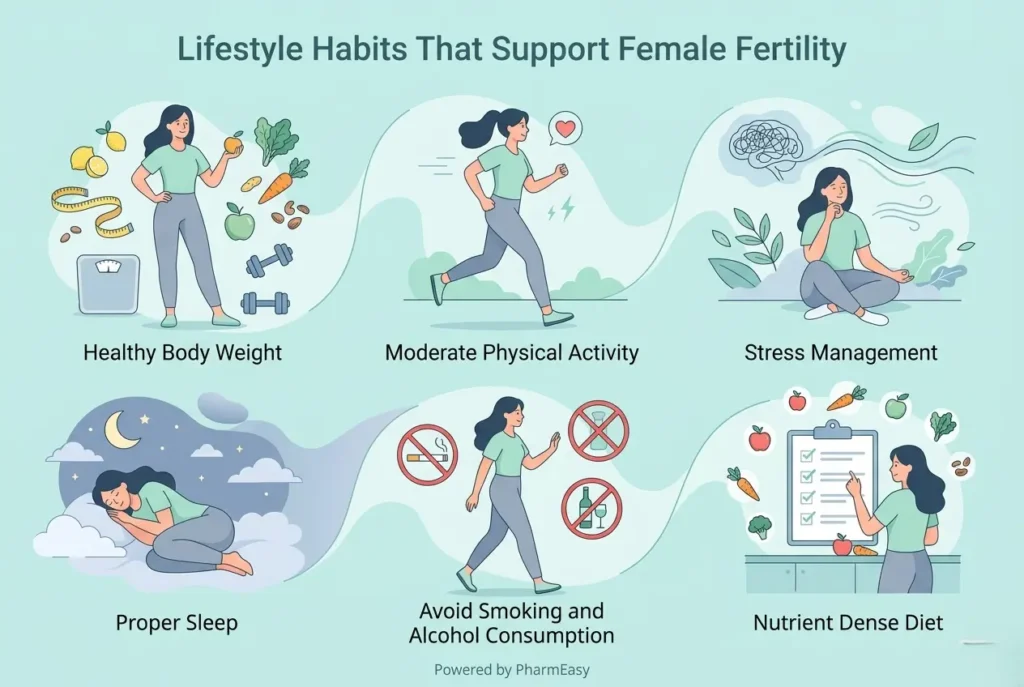
Here are some lifestyle habits that you may follow to support fertility.
If you are trying to conceive and making healthy diet and lifestyle changes but still facing difficulties, it might be better to seek medical attention.
Fertility is closely linked to overall health and nutrition. A balanced diet rich in essential nutrients, combined with healthy lifestyle habits, may support hormonal balance, improve ovulation, and enhance reproductive health. On the other hand, unhealthy foods and habits can negatively affect fertility. By making mindful dietary choices and seeking medical guidance when needed, you can take positive steps towards improving your chances of conception and a healthy pregnancy.
Consuming full fat milk or smoothies rich in fertility boosting foods such as green veggies, berries etc may help improve fertility. Some initial studies suggest that beetroot, watermelon and ginger juice might be helpful too20. However, further research is needed here and best is to seek guidance from a doctor if you are planning to conceive.
Berries are known to be the best fruits for female fertility as they are rich in antioxidants which help support reproductive health1,3.
You may eat foods like leafy greens, nuts, berries, eggs, whole grains, fatty fishes, etc.; these are known to improve reproductive health and support fertility1,3.
An Indian fertility-friendly diet can include nutritious whole foods such as leafy greens (like palak and spinach), lentils and beans for iron, antioxidant-rich foods, and healthy fats from ghee21, nuts, and seeds, which might support hormone balance and reproductive health.
According to different cultures, pomegranate is known as the fertility fruit22. However, this is not a medical fact.
1. Skoracka K, Ratajczak AE, Rychter AM, Dobrowolska A, Krela-Kaźmierczak I. Female Fertility and the Nutritional Approach: The Most Essential Aspects. Advances in Nutrition. 2021;12(6):2372-2386. doi:10.1093/advances/nmab068. Available from: https://www.sciencedirect.com/science/article/pii/S2161831322005129
2. Infertility and Fertility. Available from: https://www.nichd.nih.gov/health/topics/factsheets/infertility
3. Cristodoro M, Zambella E, Fietta I, Inversetti A, Di Simone N. Dietary Patterns and Fertility. Biology. 2024;13(2):131. doi:10.3390/biology13020131. Available from: https://pubmed.ncbi.nlm.nih.gov/38392349/
4. Ovulation and Fertility. 2022. Available from: https://www.betterhealth.vic.gov.au/health/conditionsandtreatments/ovulation
5. Silvestris E, Lovero D, Palmirotta R. Nutrition and Female Fertility: An Interdependent Correlation. Front Endocrinol. 2019;10:346. doi:10.3389/fendo.2019.00346. Available from: https://pubmed.ncbi.nlm.nih.gov/31231310/
6. Trop-Steinberg S, Gal M, Azar Y, Kilav-Levin R, Heifetz EM. Effect of omega-3 supplements or diets on fertility in women: A meta-analysis. Heliyon. 2024;10(8):e29324. doi:10.1016/j.heliyon.2024.e29324. Available from: https://pubmed.ncbi.nlm.nih.gov/38628754/
7. Healthy Eating During Pregnancy and Breast Feeding. Available from: https://www.fhs.gov.hk/english//health_info/woman/20036.pdf
8. Kapper C, Oppelt P, Ganhör C, et al. Minerals and the Menstrual Cycle: Impacts on Ovulation and Endometrial Health. Nutrients. 2024;16(7):1008. doi:10.3390/nu16071008. Available from: https://pubmed.ncbi.nlm.nih.gov/38613041/
9. Mathew AR, Selita E, Regano C, et al. Vitamin B12 and Reproductive Health: Clinical Insights, Emerging Mechanistic Understanding, and Nutritional Aspects. Molecular Reproduction Devel. 2026;93(2):e70088. doi:10.1002/mrd.70088. Available from: https://pubmed.ncbi.nlm.nih.gov/41711259/
10. Aoun A, Khoury VE, Malakieh R. Can Nutrition Help in the Treatment of Infertility? Prev Nutr Food Sci. 2021;26(2):109-120. doi:10.3746/pnf.2021.26.2.109. Available from: https://pmc.ncbi.nlm.nih.gov/articles/PMC8276703/
11. Bertoldo A, Pizzol D, Yon DK, et al. Resveratrol and Female Fertility: A Systematic Review. IJMS. 2024;25(23):12792. doi:10.3390/ijms252312792. Available from: https://pubmed.ncbi.nlm.nih.gov/39684501/
12. Łakoma K, Kukharuk O, Śliż D. The Influence of Metabolic Factors and Diet on Fertility. Nutrients. 2023;15(5):1180. doi:10.3390/nu15051180. Available from: https://pubmed.ncbi.nlm.nih.gov/36904180/
13. Dickerson EH, Sathyapalan T, Knight R, et al. Endocrine disruptor & nutritional effects of heavy metals in ovarian hyperstimulation. J Assist Reprod Genet. 2011;28(12):1223-1228. doi:10.1007/s10815-011-9652-3. Available from: https://pmc.ncbi.nlm.nih.gov/articles/PMC3241832/
14. Methylmercury in Fish. 2025. Available from: https://www.ncbi.nlm.nih.gov/books/NBK582836/
15. Salvaleda-Mateu M, Rodríguez-Varela C, Labarta E. Do Popular Diets Impact Fertility? Nutrients. 2024;16(11):1726. doi:10.3390/nu16111726. Available from: https://pubmed.ncbi.nlm.nih.gov/38892663/
16. Stress. 2022. Available from: https://www.nccih.nih.gov/health/stress
17. Lateef OM, Akintubosun MO. Sleep and Reproductive Health. Journal of Circadian Rhythms. 2020;18(1):1. doi:10.5334/jcr.190. Available from: https://pubmed.ncbi.nlm.nih.gov/32256630/
18. Trying to Conceive. 2025. Available from: https://womenshealth.gov/pregnancy/you-get-pregnant/trying-conceive
19. Infertility. 2021. Available from: https://womenshealth.gov/a-z-topics/infertility
20. Halpern G, Braga D, Setti A, Morishima C, Iaconelli Jr A, Borges Jr E. Beetroot, watermelon and ginger juice supplementation may increase the clinical outcomes of Intracytoplasmic Sperm Injection cycles. JBRA. 2023;27. doi:10.5935/1518-0557.20230012. Available from: https://pmc.ncbi.nlm.nih.gov/articles/PMC10712821/
21. Varsakiya J, Goyal M, Thakar A, Donga S, Kathad D. Efficacy of Virechana (therapeutic purgation) followed by Go-Ghrita (cow ghee) in the management of Ksheena Shukra (oligozoospermia): A clinical study. AYU. 2019;40(1):27. doi:10.4103/ayu.AYU_275_18. Available from: https://pmc.ncbi.nlm.nih.gov/articles/PMC6891991/
22. Langley P. Why a pomegranate? BMJ. 2000;321(7269):1153-1154. doi:10.1136/bmj.321.7269.1153. Available from: https://pmc.ncbi.nlm.nih.gov/articles/PMC1118911/
Disclaimer: The information provided here is for educational/awareness purposes only and is not intended to be a substitute for medical treatment by a healthcare professional and should not be relied upon to diagnose or treat any medical condition. The reader should consult a registered medical practitioner to determine the appropriateness of the information and before consuming any medication. PharmEasy does not provide any guarantee or warranty (express or implied) regarding the accuracy, adequacy, completeness, legality, reliability or usefulness of the information; and disclaims any liability arising thereof.
Links and product recommendations in the information provided here are advertisements of third-party products available on the website. PharmEasy does not make any representation on the accuracy or suitability of such products/services. Advertisements do not influence the editorial decisions or content. The information in this blog is subject to change without notice. The authors and administrators reserve the right to modify, add, or remove content without notification. It is your responsibility to review this disclaimer regularly for any changes.
Sunken eyes is a condition in which the eye socket looks sunken. It may occur due to enophthalmos, a condition in which the eyeball moves posteriorly, giving the appearance of a sunken eye1 or common causes like lack of sleep, dehydration2, ageing3, stress, poor nutrition, and sudden weight reduction. Sunken eyes may make a person look tired, dull, or older than their age and may impact their self-confidence.
Sunken eyes may also indicate underlying health conditions, such as sinus problems, chronic allergies, tumours, or injuries1. Therefore, understanding the causes of sunken eyes, their management options, and protective measures is important for better management.
Sunken eyes meaning is that the eyeballs appear to move backward into the eye socket more than normal. Eyes may also look sunken or hollow due to conditions like dehydration when the tissue surrounding the eyes loses elasticity. This may cause the upper eyelid area or the bone underneath the eyes to look more prominent.
Sunken eyes are commonly caused by loss of the fat around the eyes, a fracture of the eye socket, and tightening of the tissues around the eyes, which pulls the eyeball backward1. Let’s look at the causes of sunken eyes in detail.
Reasons for sunken eyes include the following:
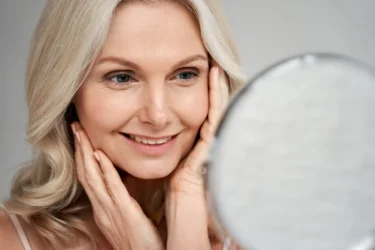
Ageing can cause the fat around the eyelids to move deep into the eye socket, making the eyes look more sunken4. Loss of body fat, including facial fat, can also contribute to sunken eyes3.

An unhealthy lifestyle may lead to sunken eyes. Lifestyle factors associated with sunken eyes may include:

Sunken eye causes can sometimes include certain underlying conditions such as:
Symptoms you may observe along with sunken eyes include:
Sunken eyes may be diagnosed as follows:
Various approaches may be used to manage sunken eyes depending on their cause. Sunken eyes treatment methods include:
These include:
If you have any underlying conditions that have caused sunken eyes, managing them may help improve sunken eyes. Such conditions and potential management options include:
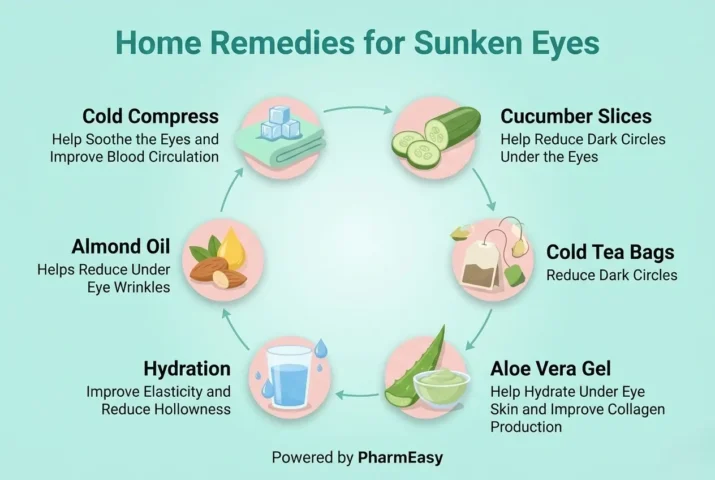
Certain home care tips may be helpful in managing sunken eyes and related symptoms, as follows:
Note: If your symptoms are not relieved or are worsening after using the sunken eyes remedy methods given above, consult a doctor immediately.
To avoid sunken eyes and related symptoms, you may:
Medical attention is recommended if sunken eyes occur along with any of the following:
Also Read: Pain Behind Eye: Causes, Symptoms, Treatment, and Home Remedies
Sunken eyes may often be seen as a harmless cosmetic concern, but they may sometimes reflect the need for lifestyle changes or treatment of underlying health issues. Poor sleep, dehydration, ageing, and nutritional deficiencies are some common causes of sunken eyes, while certain medical conditions may also contribute. Early attention to health habits and appropriate management may help improve your appearance and eye health. If sunken eyes develop suddenly or persist despite lifestyle changes, medical evaluation is recommended to rule out underlying problems.
Also Read: Burning Eyes: What Causes the Burning Sensation and How to Manage It
Sunken eyes are mainly known to indicate dehydration, nutrient deficiencies1, poor sleep or ageing3, however, sometimes they may also be caused by underlying health conditions1,8,9,15.
You may manage sunken eyes and their associated symptoms by staying hydrated, consuming nutritious food1, improving sleep patterns5, maintaining a healthy body weight1, trying out home management tips16, or managing underlying health conditions. However, severe cases may require immediate medical attention.
You may have sunken eyes if you have any of the following:
Dehydration
Nutrient deficiencies
Sudden weight reduction1
Ageing3
Lack of sleep
Underlying health conditions1
You may be able to manage sunken eyes by making lifestyle modifications and managing underlying health conditions that cause sunken eyes. You may also check yourself for any underlying health conditions that need to be managed1.
Nutrient deficiencies associated with severe malnutrition (e.g., protein deficiency), anaemia (e.g., B12 deficiency), damage to collagen (e.g., vitamin C deficiency), and dehydration (e.g., potassium or magnesium deficiency) may lead to sunken eyes.
1. Shah SS, Patel BC. Herpetic whitlow. In: StatPearls [Internet]. Treasure Island (FL): StatPearls Publishing; 2025 Dec 13. Available from: https://www.ncbi.nlm.nih.gov/books/NBK563300/
2. Hoxha T, Xhelili L, Azemi M, et al. Performance of Clinical Signs in the Diagnosis of Dehydration in Children with Acute Gastroenteritis. Med Arh. 2015;69(1):10. doi:10.5455/medarh.2015.69.10-12. Available from: https://pubmed.ncbi.nlm.nih.gov/25870468/
3. Athanasiov PA, Prabhakaran VC, Selva D. Non‐traumatic enophthalmos: a review. Acta Ophthalmologica. 2008;86(4):356-364. doi:10.1111/j.1755-3768.2007.01152.x. Available from: https://pubmed.ncbi.nlm.nih.gov/18462475/
4. Aging Changes in the Face. 2024. Available from: https://medlineplus.gov/ency/article/004004.htm
5. Sundelin T, Lekander M, Kecklund G, Van Someren EJW, Olsson A, Axelsson J. Cues of Fatigue: Effects of Sleep Deprivation on Facial Appearance. Sleep. 2013;36(9):1355-1360. doi:10.5665/sleep.2964. Available from: https://pmc.ncbi.nlm.nih.gov/articles/PMC3738045/
6. Bobok N, Taskesen T. Stress-Induced Changes of the Skin: A Narrative Review. Cureus. Published online November 7, 2025. doi:10.7759/cureus.96285. Available from: https://assets.cureus.com/uploads/review_article/pdf/429743/20251207-371204-2imigj.pdf
7. National Health Service (NHS). Dehydration [Internet]. NHS; 2022 Nov 14. Available from: https://www.nhs.uk/conditions/dehydration/
8. Hwang TN, Rofagha S, McDermott MW, Hoyt WF, Horton JC, McCulley TJ. Sunken Eyes, Sagging Brain Syndrome: Bilateral Enophthalmos from Chronic Intracranial Hypotension. Ophthalmology. 2011;118(11):2286-2295. doi:10.1016/j.ophtha.2011.04.031. Available from: https://pubmed.ncbi.nlm.nih.gov/21788080/
9. Symptoms and Causes of Chronic Diarrhoea in Children. 2017. Availabe from: https://www.niddk.nih.gov/health-information/digestive-diseases/chronic-diarrhea-children/symptoms-causes
10. Joo SP, Kim SH, Park HJ, Jung S, Han JJ, Kim TS. Sunken Eye Induced by Superior Orbital Wall Defect After Craniofacial Surgery. Journal of Craniofacial Surgery. 2016;27(7):1789-1791. doi:10.1097/SCS.0000000000002956. Available from: https://pubmed.ncbi.nlm.nih.gov/27483101/
11. Swift A, Liew S, Weinkle S, Garcia JK, Silberberg MB. The Facial Aging Process From the “Inside Out.” Aesthetic Surgery Journal. 2021;41(10):1107-1119. doi:10.1093/asj/sjaa339. Available from: https://pmc.ncbi.nlm.nih.gov/articles/PMC8438644/
12. Vrcek I, Ozgur O, Nakra T. Infraorbital dark circles: A review of the pathogenesis, evaluation and treatment. J Cutan Aesthet Surg. 2016;9(2):65. doi:10.4103/0974-2077.184046. Available from: https://pubmed.ncbi.nlm.nih.gov/27398005/
13. Park KY, Kwon HJ, Youn CS, Seo SJ, Kim MN. Treatments of Infra-Orbital Dark Circles by Various Etiologies. Ann Dermatol. 2018;30(5):522. doi:10.5021/ad.2018.30.5.522. Available from: https://pubmed.ncbi.nlm.nih.gov/33911473/
14. Sinusitis. 2024. Available from: https://medlineplus.gov/ency/article/000647.htm
15. Massey TH, Robertson NP. Spontaneous intracranial hypotension: features, diagnosis and management. J Neurol. 2021;268(4):1555-1557. doi:10.1007/s00415-021-10500-1. Available from: https://link.springer.com/article/10.1007/s00415-021-10500-1
16. Joshi M, Perera PS, Korrapati NH. Effective Home Remedies that Provide Quick Relief for Puffy Eyes. International Journal of Progressive Sciences and Technologies. 2021;28:43-51. Available from: https://www.researchgate.net/publication/354871368_Effective_Home_Remedies_that_Provide_Quick_Relief_for_Puffy_Eyes
17. Surjushe A, Vasani R, Saple D. Aloe vera: A short review. Indian J Dermatol. 2008;53(4):163. doi:10.4103/0019-5154.44785. Available from: https://pmc.ncbi.nlm.nih.gov/articles/PMC2763764/
Disclaimer: The information provided here is for educational/awareness purposes only and is not intended to be a substitute for medical treatment by a healthcare professional and should not be relied upon to diagnose or treat any medical condition. The reader should consult a registered medical practitioner to determine the appropriateness of the information and before consuming any medication. PharmEasy does not provide any guarantee or warranty (express or implied) regarding the accuracy, adequacy, completeness, legality, reliability or usefulness of the information; and disclaims any liability arising thereof.
Links and product recommendations in the information provided here are advertisements of third-party products available on the website. PharmEasy does not make any representation on the accuracy or suitability of such products/services. Advertisements do not influence the editorial decisions or content. The information in this blog is subject to change without notice. The authors and administrators reserve the right to modify, add, or remove content without notification. It is your responsibility to review this disclaimer regularly for any changes.
Eyes are among the most important sense organs, which are necessary for learning, working, and connecting with the world. Good eye health is not only important for vision but also for overall quality of life. However, in today’s digital age, our eyes face more strain than ever before.
The increased use of smartphones, laptops, and tablets has led to longer screen time for people of all ages. This may cause digital eye strain, dry eyes, headaches, blurred vision, and difficulty focusing1. Over time, recurrent strain and unhealthy habits may also increase the risk of vision problems and age-related eye conditions.
Along with regular eye check-ups and healthy screen habits, proper nutrition also plays a significant role in keeping eye health. Nutrients such as certain vitamins and antioxidants are essential for protecting eyes from damage, improving retinal function, reducing inflammation and keeping the eyes properly moisturised2. A balanced diet rich in these might help reduce the risk of common eye problems and support long-term vision health.
So, in this article we will discuss the importance of nutrients in maintaining eye health. We will learn about which vitamins are good for eyes and foods that can naturally support eye health, and understand some common eye conditions that may occur due to lack of these nutrients.
Proper nutrition is very important for eye health because each part of the eye demands different nutrients to work properly. The following says how vitamins support the different eye parts.
Therefore, proper nutrition plays an important role in the functioning of the eye and is crucial for maintaining long-term healthy vision.
Vitamin deficiencies can harm eye health, as vitamin A deficiency may cause night blindness, lack of vitamins A, C, and D may lead to dry eye syndrome, low dietary antioxidants may increase the risk of age-related macular degeneration (ARMD), etc2,3,7. We will discuss more on these in the coming sections.
Eyes require essential vitamins and nutrients to function properly. The following describes why essential nutrients and vitamins for eye health are important.
Besides vitamins, there are certain other nutrients which are known to be beneficial for eye health; these include omega-3 fatty acids, flavonoids, carotenoids (lutein, zeaxanthin), zinc, selenium, etc. These nutrients are known to protect the eye from oxidative damage, reduce inflammation, maintain retinal health, and aid in vision2,9.
There are several foods that can be included in the diet to support vision and improve eye health. Following are some food sources which might contain vitamins needed for eyes to support vision and overall eye health.

Carrots are known to be rich in vitamin A and carotenoids. Therefore, they might be helpful in promoting good vision, especially during the night3. They are also a fair source of B vitamins10. Hence, they might also support proper optic nerve functioning and maintain overall eye health8.

These include spinach, collard, turnip, kale, etc. They are known to be rich in vitamins like A, C, E and K11. Therefore, they might support eyesight by improving the production of eye pigments2, improve collagen production and maintain eye structure4, and reduce the occurrence of ARED8.
These include salmon, sardine, mackerel, trout, etc. They are known to be a good source of vitamins D and B29. Therefore, they might support the vision by improving retinal health and reducing the occurrence of dry eye disease, diabetic retinopathy and possibly, cataracts8. In addition, they are also a great source of omega-3 fatty acids.

These include oranges, tangerines, grapes, lemons, etc. They are said to have high vitamin C content. Therefore, they might help in tissue repair and reduce the occurrence of ARMD and cataract12.
Eggs are a good source of vitamins A, B12, D and E3,5,13. Therefore, they can support night vision by maintaining a healthy retina, nourish the eyes, improve optic nerve function, and reduce the occurrence of diabetic retinopathy and other ARED3,8.
These include almonds, peanuts, sunflower seeds, etc. They are known to be rich in vitamin E2,8,14. Therefore, they can help support retinal function, reduce oxidative stress by scavenging free radicals and manage ARED2. They also contain omega 3 fatty acids, which are known to be beneficial for the eye health.
Now that we know which vitamin is good for eyes, let us see what eye conditions can occur due to the deficiencies of these vitamins.
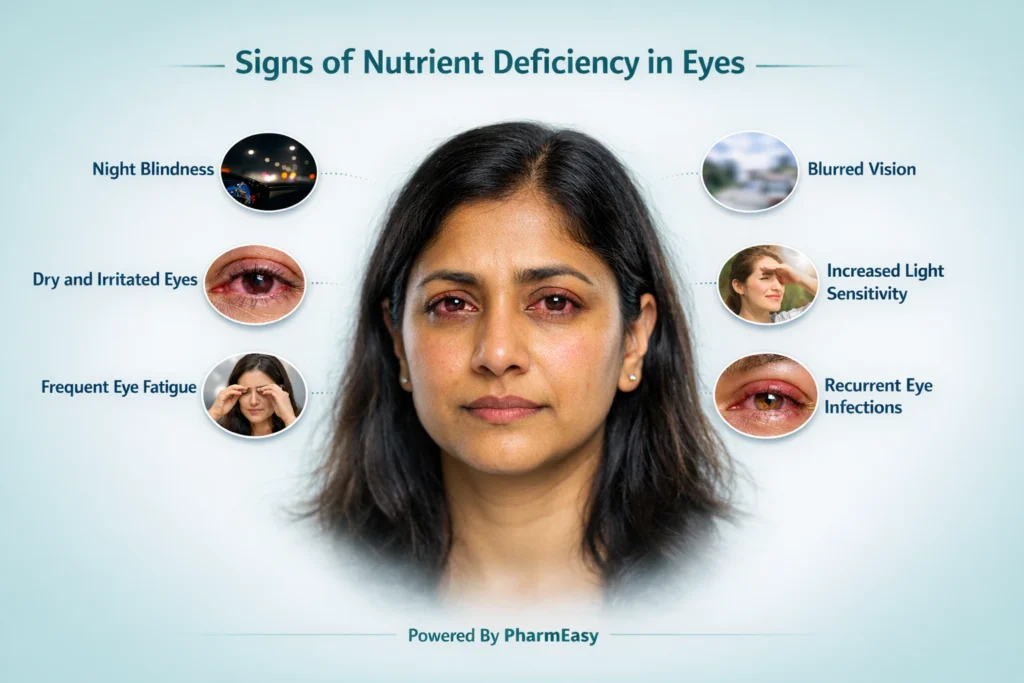
Eyes can bring about several signs regarding the nutritional deficiencies. The following are some eye signs related to nutritional deficiencies.
Night blindness causes difficulty in seeing at night or in dim light, leading to difficulty in driving at night, adjusting to darkness, or walking through a dimply lit area. This condition usually occurs when there is a deficiency in vitamin A3.
Persistent dryness and itching are signs of nutritional deficiency. This may be due to vitamin A deficiency which causes the cornea of the eye to get dry due to lack of moisture and hydration3. Also, vitamin C and D deficiencies can cause dry eyes7, contributing to itching and irritated eyes. Other nutrients like omega-3 fatty acid deficiency may also disrupt the oily layer in tears causing dry eye.
Feeling tiredness of eyes, heaviness around the eyelids, or discomfort after reading or using digital screens may be a sign of severe vitamin deficiencies, like vitamin B1, which can also contribute to a condition called Wernicke’s encephalopathy7.
Blurred vision which is not related to eyesight issues may sometimes be due to nutritional deficiencies, such as vitamin A. If not treated, it can even lead to blindness, especially in children3.
Light sensitivity is related to deficiency of antioxidants2. This can cause the eyes to become more sensitive and uncomfortable in bright conditions.
Recurrent eye infections or minor eye irritations taking time to heal may be associated with nutritional deficiencies like vitamin C, which is important for tissue repair and immune function13. Severe deficiency may cause repeated eye problems.
Note: Ageing naturally causes the eyes to become weak and lose some protection against damage. Unhealthy habits like too much screen time, poor diet, smoking, lack of sleep, and excess sun exposure might also worsen these conditions. Eating a balanced diet and maintaining a healthy lifestyle might reduce the eye damage and support long-term vision.
Proper eye nutrition is essential at every stage of life, but certain age groups require extra attention due to higher risks of vision-related changes and disorders. These include:
Research supports the idea that eye health supplements can be helpful, but primarily for conditions like AMD. The evidence shows an ageage-related eye disease study (AREDS) formula, which is a combination of vitamins A and E, beta-carotene and zinc, may reduce the risk of advanced AMD. There is limited evidence supporting the use of omega-3 supplements for dry eye disease; further research is needed to reach a conclusion. The studies don’t provide any evidence for antioxidant supplementation for conditions like cataracts and glaucoma19.
Eye supplements may be helpful for:
Eye supplements may be taken once daily along with a meal or snack.
Note: Supplements should ideally be taken only after medical advice and as suggested by your doctor, as excessive intake of certain vitamins may be harmful.
Here is a comparison between the food and supplementation:
| Aspects | Food | Supplements |
| Nutrient source | Natural, whole nutrients | Concentrated, isolated nutrients |
| Absorption | Better absorption and utilisation by body | May be less absorbed when compared with food |
| Safety | Low risk of overdose | Overconsumption might raise safety concerns |
| Additional benefits | Provides other nutrients like antioxidants, phytochemicals, etc | Provides only specific nutrients |
Therefore, vitamins from food might be more beneficial when compared to supplements, as they provide other nutrients along with them. However, in conditions where the food alone may not fulfil the requirements or in individuals with dietary restrictions, supplementation might be needed. Under such circumstances, it should be taken only under the guidance of a doctor.
The recognisable changes in your body should not be ignored, as they may be signs of severe nutritional deficiencies. Consult a doctor for the following:
Consult a healthcare professional if you are considering supplementation20 and fall in the high-risk categories mentioned below:
Every consultation might help reduce complications and protect long-term vision health.
Also Read: What Is Eye Strain and How Can You Reduce It in the Digital Age
Good eye health depends on balanced nutrition, healthy habits, and regular eye check-ups. Vitamins like A, C, E, D and B-complex help different parts of the eye function properly. Eating nutrient-rich foods might be the most cost-effective way to protect your eyes. Supplements may help in certain cases, but they should be taken only with a doctor’s advice. Starting healthy eating from an early age might help maintain good vision throughout life.
The best way by which you may improve your eye health is by following a balanced diet comprised of all essential vitamins and other important nutrients. These might keep your eyes healthy and reduce the occurrence of eye diseases or discomforts2.
Blurred vision may be a result of vitamin A or B deficiency3,8. Consuming foods rich in these vitamins might reduce blurred vision. Blurred vision may be a result of vitamin A or B deficiency3,8. Consuming foods rich in these vitamins might reduce blurred vision.
Poor eyesight may be managed by a healthy lifestyle, like following a balanced diet, quitting smoking, managing screen time, staying hydrated and managing the underlying health conditions.
For maintaining a healthy vision, you may choose juices made from citrus fruits or carrots, which might boost your eye health and provide healthy eyesight3,12.
Drinking water can affect axial length and pressure inside the eyeball22. It might be helpful in maintaining and protecting eye health by improving the tear film which reduces dry eye occurrence. This in turn might improve the eyesight. However, it might not change the innate eyesight.
Weak eyesight due to poor nutrition or lifestyle habits may be recovered. However, if it is due to conditions like myopia, hyperopia or astigmatism, it cannot be reversed naturally.
1. Computer Vision Syndrome. doi:https://www.aoa.org/healthy-eyes/eye-and-vision-conditions/computer-vision-syndrome
2. Johnson, Rasmussen H. Nutrients for the aging eye. CIA. Published online June 2013:741. doi:10.2147/CIA.S45399. Available from: https://pubmed.ncbi.nlm.nih.gov/23818772/
3. Alba-Campomanes AG de, Turbert D. What is Vitamin A Deficiency? 2024. doi:https://www.aao.org/eye-health/diseases/vitamin-deficiency
4. Cho YW, Yoo WS, Kim SJ, Chung IY, Seo SW, Yoo JM. Efficacy of Systemic Vitamin C Supplementation in Reducing Corneal Opacity Resulting from Infectious Keratitis. Medicine. 2014;93(23):e125. doi:10.1097/MD.0000000000000125. Available from: https://pubmed.ncbi.nlm.nih.gov/25415664/
5. Roda M, Di Geronimo N, Pellegrini M, Schiavi C. Nutritional Optic Neuropathies: State of the Art and Emerging Evidences. Nutrients. 2020;12(9):2653. doi:10.3390/nu12092653. Available from: https://pubmed.ncbi.nlm.nih.gov/32878163/
6. Traber MG, Stevens JF. Vitamins C and E: Beneficial effects from a mechanistic perspective. Free Radical Biology and Medicine. 2011;51(5):1000-1013. doi:10.1016/j.freeradbiomed.2011.05.017. Available from: https://pubmed.ncbi.nlm.nih.gov/21664268/
7. Serhan HA, Alma’aitah HW, Irshaidat S, Ameer MA, Asghar MS, Tahir MJ. Ophthalmic manifestations of nutritional deficiencies: A mini review. Journal of Family Medicine and Primary Care. 2022;11(10):5899-5901. doi:10.4103/jfmpc.jfmpc_790_22. Available from: https://pubmed.ncbi.nlm.nih.gov/36618247/
8. Pereira A, Adekunle RD, Zaman M, Wan MJ. Association Between Vitamin Deficiencies and Ophthalmological Conditions. OPTH. 2023;Volume 17:2045-2062. doi:10.2147/OPTH.S401262. Available from: https://pubmed.ncbi.nlm.nih.gov/37489231/
9. Health Benefits of Fish. doi: https://doh.wa.gov/community-and-environment/food/fish/health-benefits
10. Carrots. Doi: https://www.hss.gov.nt.ca/en/services/nutritional-food-fact-sheet-series/carrots
11. Dark Green Vegetables. 2023. Doi: https://www.ars.usda.gov/plains-area/gfnd/gfhnrc/docs/news-articles/2013/dark-green-leafy-vegetables/
12. Vimont C. 36 Fabulous Foods to Boost Eye Health. 2024. Doi: https://www.aao.org/eye-health/glasses-contacts/fabulous-foods-your-eyes
13. Vitamins and Minerals. 2024. Doi: https://www.betterhealth.vic.gov.au/health/healthyliving/Vitamins-and-minerals
14. Nutrition and Eye Health. Doi :https://cms.illinois.gov/benefits/stateemployee/bewell/foodforthought/august24-nutrition-and-eye-health.html
15. Ahsan M, Nizami DJ. Metformin-induced eyelid myokymia. Indian Journal of Pharmacology. 2024;56(5):358-360. doi:10.4103/ijp.ijp_284_24. Available from: https://pubmed.ncbi.nlm.nih.gov/39687960/
16. Umfress AC, Brantley MA. Eye Care Disparities and Health-Related Consequences in Elderly Patients with Age-Related Eye Disease. Seminars in Ophthalmology. 2016;31(4):432-438. doi:10.3109/08820538.2016.1154171. Available from: https://pmc.ncbi.nlm.nih.gov/articles/PMC4990069/
17. Adult Vision: 41 to 60 Years of Age. doi: https://www.aoa.org/healthy-eyes/eye-health-for-life/adult-vision-41-to-60-years-of-age
18. Benefits of Healthy Eating for Children. 2024. Doi: https://www.cdc.gov/nutrition/php/resources/healthy-eating-benefits-for-children.html
19. Dietary Supplements for Eye Conditions: What the Science Says. 2024. Doi: https://www.nccih.nih.gov/health/providers/digest/dietary-supplements-for-eye-conditions-science
20. Raiji VR. Vitamins for AMD. American Academy of Ophthalmology 2025. Doi: https://www.aao.org/eye-health/diseases/vitamins-amd
21. Niklewicz A, Smith AD, Smith A, et al. The importance of vitamin B12 for individuals choosing plant-based diets. Eur J Nutr. 2023;62(3):1551-1559. doi:10.1007/s00394-022-03025-4. Available from: https://pubmed.ncbi.nlm.nih.gov/36469110/
22. Akkara JD, Kuriakose A. Commentary: Water, water everywhere; alters eye when you drink. Indian Journal of Ophthalmology. 2022;70(4):1230-1231. doi:10.4103/ijo.IJO_3041_21. Available from: https://pmc.ncbi.nlm.nih.gov/articles/PMC9240575/
Disclaimer: The information provided here is for educational/awareness purposes only and is not intended to be a substitute for medical treatment by a healthcare professional and should not be relied upon to diagnose or treat any medical condition. The reader should consult a registered medical practitioner to determine the appropriateness of the information and before consuming any medication. PharmEasy does not provide any guarantee or warranty (express or implied) regarding the accuracy, adequacy, completeness, legality, reliability or usefulness of the information; and disclaims any liability arising thereof.
Links and product recommendations in the information provided here are advertisements of third-party products available on the website. PharmEasy does not make any representation on the accuracy or suitability of such products/services. Advertisements do not influence the editorial decisions or content. The information in this blog is subject to change without notice. The authors and administrators reserve the right to modify, add, or remove content without notification. It is your responsibility to review this disclaimer regularly for any changes.
1
With the increase in popularity of weight management medications, a new name has taken over the Indian market recently. Yes, its Yurpeak!
Yurpeak is an injection containing the drug Tirzepatide, mainly prescribed by doctors to manage blood sugar levels in people with type 2 diabetes. In addition, it is also known to support weight management, as it helps reduce appetite, slows down gastric emptying and improves insulin utilisation1,3. For a true result, Yurpeak should always be accompanied by a healthy lifestyle, balanced diet and exercise. While it is beneficial overall, patients may report some side effects related to its use.
In this article, we will discuss all essential information you need to know about Yurpeak, such as how it works, its benefits, dosage and side effects.
Yurpeak is an injection, which contains tirzepatide as its active ingredient, prescribed to manage blood sugar levels in individuals with type 2 diabetes. It is also used to support weight management in people with obesity (BMI ≥ 30) or overweight (BMI ≥ 27) with at least one weight-related health condition1,3.
Tirzepatide is a dual receptor agonist that works by activating both glucose-dependent insulinotropic peptide (GIP) and glucagon-like peptide-1 (GLP-1) receptors, which are the gut hormone receptors playing a significant role in blood sugar management4.
Yurpeak is recently launched in India and is available as a Kwick-pen device3. Here are some details:
Below is the dosing format generally followed for this medicine:
Note: Do not change the dose unless recommended by your doctor. It might reduce the effect or even cause harm to your body.
Yurpeak, which is a tirzepatide, works by mimicking the natural hormones GIP and GLP-1, which regulate insulin, reduce appetite and improve metabolic health in people with type 2 diabetes and obesity4. Following are its mechanism of action.
Yurpeak (Tirzepatide) can have multiple health benefits such as:

Tirzepatide works by slowing down the signals that regulate appetite. This helps your stomach to stay fuller for a longer period as a result of slow gastric emptying4. This in turn reduces your cravings for food and promotes a healthy eating habit.

Tirzepatide helps in reducing fat buildup in your body by stopping fat production in the cells4. This might help you in managing weight along with its effect on reducing food cravings and appetite. It might also help reduce weight by stimulating insulin production, which increases sugar utilisation by cells as energy5.
Tirzepatide stimulates the production of insulin in your body, particularly when blood sugar levels are high. This helps in maintaining normal blood glucose levels, making it more beneficial for type 2 diabetes patients4,5.

Tirzepatide helps improve overall metabolic health. It lowers insulin resistance and also aids fat breakdown which in turn help the body utilise energy more efficiently and reduce the risks associated with metabolic conditions like obesity and diabetes6.

Tirzepatide may help lower the chances of occurrence of obstructive sleep apnoea, which is caused as a result of obesity. It does this by improving the breathing while sleeping and by supporting healthy weight management7.

Tirzepatide may help support cardiovascular health by its positive effects on blood pressure and cholesterol levels8. This, along with its weight management benefit, can help reduce the strain on the cardiovascular system, thereby reducing risks of adverse cardiac events such as heart failure or stroke9.
Introducing a medicine into your body through an injection is something which should be carefully performed. Following describes the guidelines for administering these injections, injection timing and what to do if you miss a dose.
Note: The needles or pen should not be shared with others.
While the injection can be self-administered (used on doctor’s prescription), if you are not feeling confident enough to take on your own, please visit your healthcare professional for this purpose.
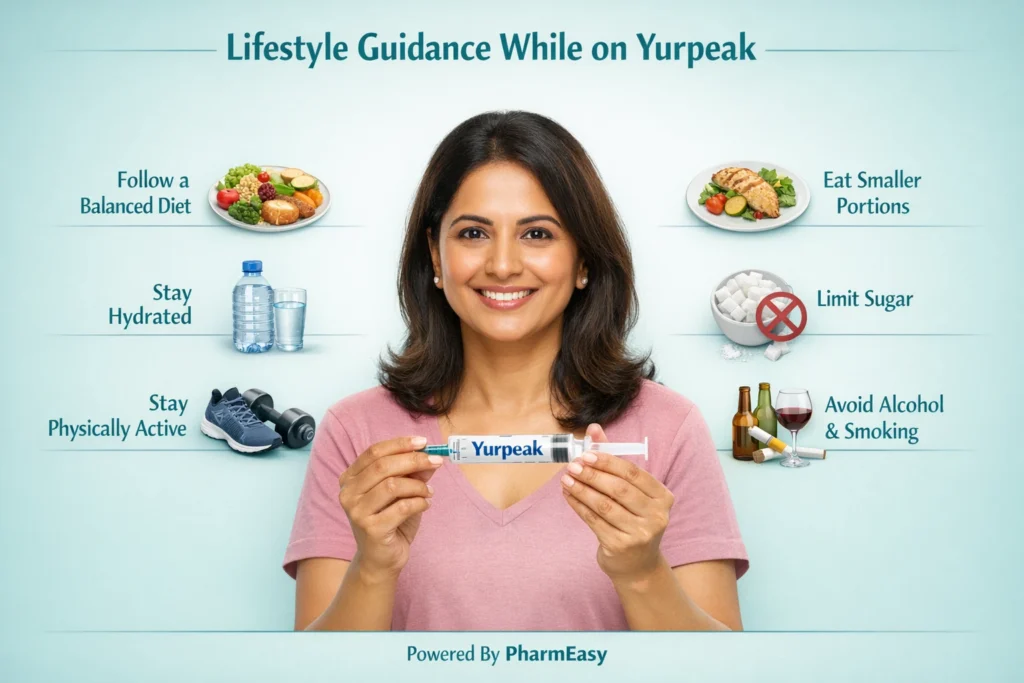
People who are on Yurpeak should strictly follow some discipline for better results. Following are some tips on lifestyle that you may follow while on a Tirzepatide medication.
Yurpeak, which has several health benefits can also bring about some side effects. Following are the common side effects with Tirzepatide.
Do not ignore these side effects if you think they are no longer under your control. Immediately seek medical attention to avoid hazards from them.
Note: Tirzepatide is contraindicated in patients with a personal or family history of medullary thyroid carcinoma (MTC) or multiple endocrine neoplasia type 2 (MEN 2).
Yurpeak may impact the effectiveness of certain other types of drugs when taken concomitantly. Tirzepatide slows stomach emptying, so it may delay the absorption of some oral medicines and reduce their effect. Hence, caution must be taken when Tirzepatide is used with drugs having a narrow therapeutic index or requiring a threshold concentration for action such as warfarin etc. Tirzepatide can also slow down the absorption of oral contraceptive pills. Moreover, when taken along with other diabetic medicines such as insulin or sulfonylurea, it might increase the risk of hypoglycaemia. Therefore, close monitoring is required these medicines are taken along with Tirzepatide13.
Also Read: How to Store Insulin Safely During Travel: Tips, Precautions & Best Practices
As mentioned earlier, Tirzepatide can cause some side effects. Following are the signs which you shouldn’t ignore and get immediate medical care.
All these can even notify serious adverse conditions like kidney issues, low blood sugar level, serious gastrointestinal problems, pancreatic injury, hypersensitivity or mental health issues13.
Also Read: Everything to Know About GLP-1 Receptor Agonist and Its Role in Weight Management
Yurpeak, which contains the drug Tirzepatide, is an injectable medicine mainly prescribed to patients with type 2 diabetes and obesity to achieve glycaemic control and manage body weight. When combined with a healthy diet, regular exercise, and proper lifestyle habits, it can provide effective long-term benefits such as improved glucose control, enhanced metabolic health and lowered cardiovascular risks. However, like any medication, Yurpeak may cause side effects and can interact with other drugs, making medical supervision essential. Therefore, it is important to use Yurpeak only as prescribed by your doctor and consult immediately if any serious symptoms or unusual reactions occur.
Yurpeak is available as a multidose prefilled injection of varying strengths. It is to be injected subcutaneously at a starting dose of 2.5mg, with specific escalation and maintenance doses. It is taken only when prescribed by a doctor and usage guidelines as given by them need to be strictly followed.
Yurpeak contains the drug tirzepatide which is prescribed by a doctor to manage blood sugar levels in individuals with type 2 diabetes. It is also used to support weight management in people with obesity or overweight with at least one weight-related comorbidity3.
Yurpeak is generally considered safe for long-term use. However, it has several side effects like all the medications. These should be addressed in time to avoid further worsening of the condition13.
Yurpeak is said to be more beneficial when used along with exercise and a balanced diet. This can improve the effect of medicine. Therefore, it is suggested to do regular physical workout along with taking Yurpeak1,4.
The most common side effects with tirzepatide are gastrointestinal issues such as nausea, vomiting, diarrhoea and constipation. It has been reported to cause some serious side effects like pancreatic issues, acute gall bladder disease, thyroid cancer, etc13. Hence, you must not ignore even the slightest sign which is new to you; this may help you from worsening these serious conditions.
Yes, Yurepaak can cause side effects like nausea and fatigue13. This may be due to delayed gastric emptying or sudden fall in blood glucose level. While these usually improve with time, you should not ignore if you feel these conditions are getting worse and seek immediate medical attention.
1. Tirzepatide injection. 2025. doi:https://medlineplus.gov/druginfo/meds/a622044.html#side-effects
2. Zepbound FDA Label. 2022. Doi: https://www.accessdata.fda.gov/drugsatfda_docs/label/2024/217806s003lbl.pdf
3. Lilly and Cipla sign a distribution and promotion agreement for Yurpeak® (tirzepatide) in India. 2025. Doi: https://www.cipla.com/sites/default/files/Lilly-and-Cipla-sign-a-distribution-and-promotion-agreement-for-Yurpeak-%28tirzepatide%29-in-India_0.pdf
4. Cai W, Zhang R, Yao Y, Wu Q, Zhang J. Tirzepatide as a novel effective and safe strategy for treating obesity: a systematic review and meta-analysis of randomized controlled trials. Front Public Health. 2024;12:1277113. doi:10.3389/fpubh.2024.1277113. Available from: https://pmc.ncbi.nlm.nih.gov/articles/PMC10864442/
5. Farzam K, Patel P. Tirzepatide. [Updated 2024 Feb 20]. In: StatPearls [Internet]. Treasure Island (FL): StatPearls Publishing; 2025 Jan-. Available from: https://www.ncbi.nlm.nih.gov/books/NBK585056/
6. Wong E, Cope R, Dima L, Nguyen T. Tirzepatide: A Dual Glucose-dependent Insulinotropic Polypeptide and Glucagon-Like Peptide-1 Agonist for the Management of Type 2 Diabetes Mellitus. Am J Ther. 2023;30(1):e26-e35. doi:10.1097/MJT.0000000000001588. Available from: https://pubmed.ncbi.nlm.nih.gov/36516422/
7. Bajpai J, Saxena M, Agarwal U, Pradhan A. Dual incretin analogue tirzepitide – SURMOUNTing the challenge of obesity induced obstructive sleep apnea. World J Exp Med. 2025;15(4). doi:10.5493/wjem.v15.i4.109762. Available from: https://pubmed.ncbi.nlm.nih.gov/41497691/
8. Kanbay M, Copur S, Siriopol D, et al. Effect of tirzepatide on blood pressure and lipids: A meta‐analysis of randomized controlled trials. Diabetes Obesity Metabolism. 2023;25(12):3766-3778. doi:10.1111/dom.15272. Available from: https://pubmed.ncbi.nlm.nih.gov/37700437/
9. Abdul‐Hafez HA, Awashra A, Bdir S, et al. Tirzepatide and Cardiovascular Outcomes: A Narrative Review of Mechanisms, Efficacy and Implications for Heart Failure Management. Endocrino Diabet & Metabol. 2026;9(1):e70152. doi:10.1002/edm2.70152. https://pubmed.ncbi.nlm.nih.gov/41566974/
10. Almandoz JP, Wadden TA, Tewksbury C, et al. Nutritional considerations with antiobesity medications. Obesity. 2024;32(9):1613-1631. doi:10.1002/oby.24067. Available from: https://pubmed.ncbi.nlm.nih.gov/38853526/
11. Emanuele NV, Swade TF, Emanuele MA. Consequences of alcohol use in diabetics. Alcohol Health Res World. 1998;22(3):211-219. Doi: https://pmc.ncbi.nlm.nih.gov/articles/PMC6761899/
12. He Z, Tabe AN, Rana S, King K. Tirzepatide-Induced Biphasic Anaphylactic Reaction: A Case Report. Cureus. Published online December 7, 2023. doi:10.7759/cureus.50112. Available from: https://pubmed.ncbi.nlm.nih.gov/38186543/
13. Tirzepatide: FDA Label. 2024. Doi: https://www.accessdata.fda.gov/drugsatfda_docs/label/2024/217806s003lbl.pdf
Disclaimer: The information provided here is for educational/awareness purposes only and is not intended to be a substitute for medical treatment by a healthcare professional and should not be relied upon to diagnose or treat any medical condition. The reader should consult a registered medical practitioner to determine the appropriateness of the information and before consuming any medication. PharmEasy does not provide any guarantee or warranty (express or implied) regarding the accuracy, adequacy, completeness, legality, reliability or usefulness of the information; and disclaims any liability arising thereof.
Links and product recommendations in the information provided here are advertisements of third-party products available on the website. PharmEasy does not make any representation on the accuracy or suitability of such products/services. Advertisements do not influence the editorial decisions or content. The information in this blog is subject to change without notice. The authors and administrators reserve the right to modify, add, or remove content without notification. It is your responsibility to review this disclaimer regularly for any changes.
1
Eye strain is when your eyes feel tired, uncomfortable, or irritated after looking at something for a long time. Many people experience it even if their vision is normal1. Today, eye strain has become very common because of our increasing use of digital devices like computers, smartphones, and tablets. Long hours spent on screens can cause symptoms such as headaches, blurred vision, dry, itchy, or watery eyes2. Other factors, like poor lighting, not blinking enough, or sitting in the wrong posture, can make it worse1. In this blog, we will see what is eye strain and what are the simple steps we can take to reduce it and protect our eyes in today’s digital world.
Eye strain is the fatigue or irritation felt in eyes because of how the eyes work and how they react to light. It usually happens when the eyes work hard for a long time, such as reading, writing, or looking at screens1,3.
It can also develop after extended periods of tasks that require continuous visual attention, such as driving or detailed reading, as well as prolonged use of electronic devices like computers, tablets, and smartphones.
Eye strain usually goes away after resting the eyes. However, it may cause tiredness and reduced alertness, which can affect work performance and daily activities, especially for individuals who cannot avoid visually demanding tasks. Although it does not cause permanent damage, it can reduce concentration and make a person feel fatigued, and may cause discomforting symptoms(discussed below)3.
Eye strain can present in different ways. Changes in vision or other signs may show that the eyes are tired or overworked. Common eye strain symptoms include:
These signs help people understand that they may have eye strain.
Eye strain can be caused by many different factors related to how we use our eyes, the lighting around us, our posture, and the health of our eyes. They include:
Other eye strain causes include dry eyes, uneven tear layers, or changes on the eye surface causing blurring and discomfort. Age, genetics, and individual differences also affect eye strain severity1.
Digital eye strain is a condition where prolonged use of digital screens causes eye and body discomfort. It can occur with computers, tablets, smartphones, and e-readers. According to the American Optometric Association, DES includes a group of vision problems and eye discomfort caused by extended screen use. Reports from The Vision Council show that nearly 70% of adults experience at least one symptom, highlighting how common this condition has become2.
Eye strain caused by screen use happens mainly because of how the eyes move and focus and problems related to dry eyes. Here are its common causes:
Digital eye strain affects both the eyes and other parts of the body. The symptoms may appear after long periods of screen use. The eye-related symptoms include:
Sometimes, excessive screen use can cause a condition called asthenopia, which just means eye fatigue. It includes eye strain symptoms like headaches, tired eyes, blurred vision, and dry eyes. Other body symptoms can include:
Digital eye strain is more likely to affect certain people because of their age, eye condition, screen habits, and environment. The main risk factors are:
Now that you understand what digital eye strain is, its causes, symptoms, and risk factors, you can take steps to protect your eyes and reduce discomfort during screen use.
Digital eye strain can be reduced by following proper eye care habits, correct screen use, and a healthy environment. They include
Following these habits can help reduce eye strain and keep the eyes comfortable. In the next section, we will see simple eye exercises for eye strain5.
Eye exercises help relax the eye muscles and improve comfort during long periods of screen use. These exercises are simple and can be done at home or school.

Sit comfortably and stretch one arm forward holding a card with an “X.” Move your arm slowly left and right while keeping your eyes on the “X.” Rest and repeat. Benefits: Improves focus, coordination, and may reduce screen-related eye strain.

Sit or stand relaxed, gently close your eyes, squeeze your eyelids tightly for five seconds, then relax. Repeat a few times. Benefits: Strengthens eye muscles, reduces tiredness, and promotes relaxation.

Keep your head still and look up, holding five seconds, then down, left, and right. Repeat slowly. Benefits: Enhances eye movement and flexibility, eases stiffness, and reduces fatigue.

Sit comfortably, open your eyes wide while raising your eyebrows. Hold for a few seconds, then relax. Repeat several times. Benefits: Activates eye muscles, boosts blood flow, and relieves discomfort6.
Practising these simple eye exercises for eye strain can support eye comfort, and in the next section, we will learn easy daily habits that can help protect the eyes from strain.
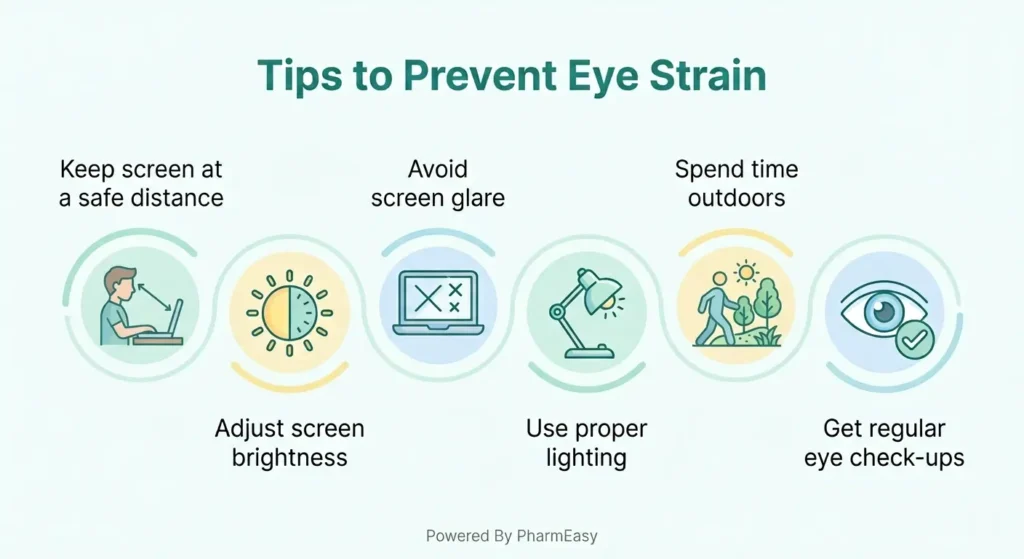
Eye strain can be prevented by following healthy habits, using screens correctly, and maintaining a comfortable environment. These include
Following these preventive steps can help protect the eyes and reduce discomfort caused by digital screens.
Eye strain usually temporary and gets better with rest and home care. But if it continues even after self-care, you should see a doctor3. Also, see a doctor if you have any of these:
Seeing a doctor makes sure there is no serious problem and helps keep your eyes healthy.
Also Read: Struggling with Dry Eyes? Causes, Symptoms, Treatments & Prevention
In today’s digital world, eye strain is common but usually goes away with rest. It happens because of long screen use, poor lighting, and dry eyes. Taking regular breaks, blinking often, keeping screens at a good distance, and doing simple eye exercises can help. Spending time outdoors and getting eye check-ups keeps eyes healthy. Persistent or severe symptoms should be checked by a doctor to rule out serious problems.
Also Read: Eye Pain: Causes, Treatment & Home Remedies
Eye strain is usually temporary. The discomfort and tiredness in the eyes often go away after resting or taking a break from screens. However, for people who use computers for long hours, these symptoms can happen frequently and last longer, sometimes affecting work or daily activities9.
Eye strain by itself does not cause floaters. Floaters are tiny spots or strings that move in your vision, caused by changes in the jelly inside your eye10. Using screens like phones, iPads, or LCDs, which can cause eye strain, may speed up these changes and make floaters more noticeable11.
Eye strain usually goes away after the eyes rest, as rest allows them to recover and symptoms gradually disappear3.
Some eye problems can have symptoms very similar to digital eye strain (DES). These include dry eye disease and uncorrected vision problems like needing glasses or having the wrong prescription. DES symptoms, such as eye irritation, tiredness, and blurred vision, can also overlap with these conditions12.
Yes, poor sleep quality can worsen digital eye strain symptoms. Being tired or having trouble sleeping makes the eyes more sensitive and easily strained during long periods of screen use13.
Eye strain alone usually does not cause vertigo and is mostly not related. Vertigo happens when the balance system in your ears and brain, which controls eye movements, is affected. Changes in eye movement, like nystagmus (rapid involuntary eye movement), show how the balance system works. Eye strain may make your eyes feel tired, but it rarely leads to actual dizziness14.
Disclaimer: The information provided here is for educational/awareness purposes only and is not intended to be a substitute for medical treatment by a healthcare professional and should not be relied upon to diagnose or treat any medical condition. The reader should consult a registered medical practitioner to determine the appropriateness of the information and before consuming any medication. PharmEasy does not provide any guarantee or warranty (express or implied) regarding the accuracy, adequacy, completeness, legality, reliability or usefulness of the information; and disclaims any liability arising thereof.
Links and product recommendations in the information provided here are advertisements of third-party products available on the website. PharmEasy does not make any representation on the accuracy or suitability of such products/services. Advertisements do not influence the editorial decisions or content. The information in this blog is subject to change without notice. The authors and administrators reserve the right to modify, add, or remove content without notification. It is your responsibility to review this disclaimer regularly for any changes.
1
In today’s environment, especially with increased screen time, our eyes are more prone to dryness, redness, strain, and fatigue1. Pollution and airborne particles can further irritate the eyes, leading to itching, watering, or discomfort2. This makes eye hygiene an essential part of daily self-care.
One simple yet effective way to maintain eye hygiene is through proper eye cleaning. Simple, safe cleaning practices combined with healthy daily habits can go a long way in protecting your vision and keeping your eyes feeling fresh and healthy. In this article, we will discuss safe methods to clean your eyes and practical tips to maintain overall eye health.
Did you know that our eyes are self-cleaning organs? This means they are naturally capable of cleaning themselves through the production of tears and the act of blinking3. A continuous layer of tears (produced by glands in and around the eyelids) spreads across the surface of the eye every time we blink. This tear film keeps the eyes moist, helps wash away dust and debris, and protects against infection3,4.
However, there might be times when the eyes may need a little extra help. Prolonged screen time, excessive eye strain, and exposure to dust or foreign particles can overwhelm this natural cleaning system, leading to irritation, dryness, or discomfort. In such situations, safe eye-cleaning practices could be beneficial. Gentle and proper eye cleaning helps remove irritants, reduces the risk of infections, and keeps the eyes feeling comfortable and clear5,6. Therefore, maintaining good eye hygiene is not just about immediate relief, it also supports long-term eye health.
Did You Know
Below is a simple, safe, and effective way to clean your eyes at home:
Note: Avoid rinsing or flushing your eyes with water too frequently throughout the day, as this can wash away natural tears. These tears are rich in electrolytes and essential nutrients that help nourish and protect the cornea, the front surface of the eye4. As a routine practice, washing the eyes once or twice a day is usually sufficient, unless there is irritation or a specific need for additional cleaning.
Here are safe, practical ways to clean your eyes for everyday situations you may encounter, like dust exposure, screen fatigue, contact lens care, and cleaning children’s eyes.

Dust, smoke, or tiny particles can irritate the eye surface and make your eyes feel uncomfortable.

Staring at screens for long periods reduces blinking and dries out the eyes, causing discomfort.
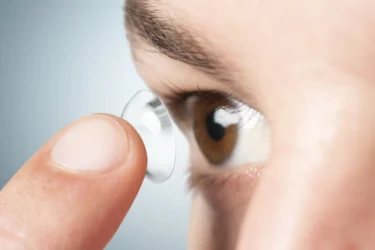
Contact lenses require careful cleaning and handling to protect your eyes from irritation and infection.

Children’s eyes are delicate and easily irritated by dust, discharge, or debris.
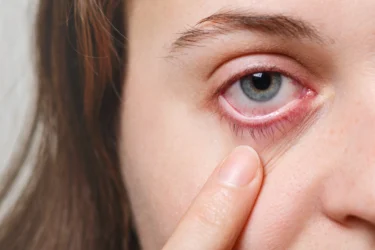
Redness or mild irritation may occur due to allergies or chemical irritants (such as those found in makeup products).
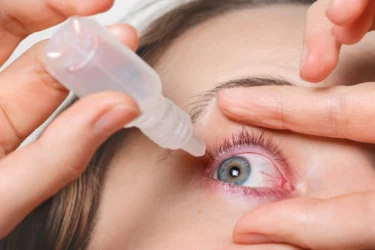
Redness accompanied by discharge, stickiness, or discomfort may indicate a mild eye infection such as conjunctivitis (pink eye).
When cleaning eyes, certain habits can actually make irritation or infection worse rather than better. Here are key things you should avoid while cleaning your eyes:
Taking care of your eyes goes hand in hand with looking after your overall health. The following eye care tips can help protect your vision and keep your eyes healthy in the long run:

Include plenty of dark, leafy green vegetables like spinach, kale, and collard greens in your diet, as they support eye health. Food items rich in omega-3 fatty acids16, such as salmon, tuna, walnuts, and flaxseed, also help maintain healthy eyes. In addition, vitamin A-rich foods like carrots and sweet potatoes play an important role in supporting good vision14,17.

Wearing sunglasses when outdoors helps shield your eyes from harmful ultraviolet (UV) rays, even on cloudy days. Choose sunglasses that block at least 99 to 100% of UVA and UVB radiation to reduce the risk of long-term eye damage15.

Prolonged screen use can cause eye strain and fatigue. Rest your eyes by following the 20-20-20 rule: every 20 minutes, look at something about 20 feet away for at least 20 seconds14.
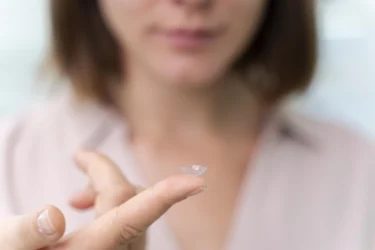
If you wear contact lenses, always wash your hands before handling them. Clean, disinfect, and replace lenses exactly as recommended to reduce the risk of eye infections5.
Also Read: Contact Lenses: Types, Uses, Safety, and Side Effects

Safety glasses or goggles should be worn during sports, home repairs, yard work, or activities where eye injury is possible. Protective eyewear helps prevent accidental eye trauma14,18.

Keeping laptops or mobile devices too close can strain the eye muscles and lead to fatigue. So, ensure your screen is at a comfortable distance (about 25 inches or an arm’s length away) to reduce eye strain9.

Eating a balanced diet and staying physically active supports not just your body but your eyes, too. A healthy lifestyle lowers the risk of conditions such as diabetes, high blood pressure, and high cholesterol, which can negatively affect vision over time18.
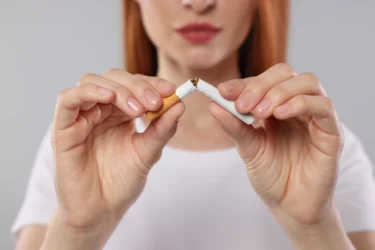
Smoking can harm eye health and increase the risk of conditions such as cataracts, macular degeneration, and optic nerve damage. Quitting smoking (or never starting) can significantly benefit your eyes14,18.
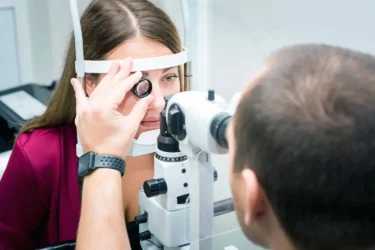
Routine comprehensive eye examinations help detect vision problems and eye diseases early, even before symptoms appear. Knowing your family’s eye health history can also help assess your risk for hereditary eye conditions14,18.
Most eye irritation is minor, but some symptoms need prompt medical care. Stay calm and seek help if you notice any of the following6:
Also Read: Importance of Eyes & Why We Should Take Care Of It
Your eyes are delicate, hardworking organs that deserve regular care and attention. While they are naturally equipped to clean and protect themselves, everyday factors like dust, pollution, screen time, and strain may sometimes slow down this system. Therefore, practising safe eye-cleaning habits, protecting your eyes from injury and irritation, and adopting healthy daily routines can go a long way in maintaining clear, comfortable vision.
It is also important to know when not to self-manage and when to seek medical help. Additionally, paying attention to warning signs and acting early can help prevent complications and protect long-term eye health.
Also Read: How to Take Care of Your Eyes?
A good eye care routine includes keeping your hands clean, avoiding frequent eye rubbing, taking regular breaks from screens, wearing sunglasses outdoors, eating a balanced diet, and getting routine eye check-ups6,14,18. These simple habits help protect your eyes from strain, irritation, and long-term damage.
Water is the best drink for eye health, as it helps keep the eyes hydrated19. Drinks rich in antioxidants, such as fresh fruit or vegetable juices, can also support overall eye health when consumed in moderation17.
Sufficient oxygen supply is needed to keep the eye cells healthy, and good blood circulation can help with this. Regular physical activity, frequent blinking, screen breaks, and spending time outdoors all help improve oxygen flow to the eyes and reduce strain9,20.
Foods high in sugar, salt, and unhealthy fats should be limited21. This is because they can contribute to conditions like diabetes, high blood pressure, and inflammation, which may affect eye health over time14.
Vitamins such as A, C, and E are important for maintaining healthy vision, while nutrients like lutein, zeaxanthin, and omega-3 fatty acids help protect the eyes from damage and support overall eye function17. However, these nutrients should ideally come from a balanced diet, and supplements should not be taken without consulting a doctor, as unnecessary or excessive supplementation may cause harm.
Fruits rich in vitamins and antioxidants, such as oranges, tangerines, grapefruit, lemons, cantaloupe and apricots, are especially beneficial for eye health17. They help protect the eyes and support long-term vision health.
1. Kaur K, Gurnani B, Nayak S, et al. Digital Eye Strain- A Comprehensive Review. Ophthalmol Ther. 2022;11(5):1655-1680. doi:10.1007/s40123-022-00540-9. Available from: https://pmc.ncbi.nlm.nih.gov/articles/PMC9434525/
2. Mandell JT, Idarraga M, Kumar N, Galor A. Impact of Air Pollution and Weather on Dry Eye. J Clin Med. 2020;9(11):3740. doi:10.3390/jcm9113740. Available from: https://pubmed.ncbi.nlm.nih.gov/33233863/
3. How Tears Work | National Eye Institute. Accessed February 3, 2026. Available from: https://www.nei.nih.gov/eye-health-information/healthy-vision/how-eyes-work/how-tears-work?
4. Facts About Tears – American Academy of Ophthalmology. Accessed February 3, 2026. Available from: https://www.aao.org/eye-health/tips-prevention/facts-about-tears
5. How to Prevent Pink Eye | Conjunctivitis (Pink Eye) | CDC. Accessed February 3, 2026. Available from: https://www.cdc.gov/conjunctivitis/prevention/index.html
6. Eye emergencies: MedlinePlus Medical Encyclopedia. Accessed February 3, 2026. Available from: https://medlineplus.gov/ency/article/000054.htm
7. Fastest human muscle | Guinness World Records. Accessed February 3, 2026. Available from: https://www.guinnessworldrecords.com/world-records/420629-fastest-human-muscle
8. All About Emotional Tears – American Academy of Ophthalmology. Accessed February 3, 2026. Available from: https://www.aao.org/eye-health/tips-prevention/all-about-emotional-tears
9. Digital Devices and Your Eyes – American Academy of Ophthalmology. Accessed February 3, 2026. Available from: https://www.aao.org/eye-health/tips-prevention/digital-devices-your-eyes
10. Sheppard AL, Wolffsohn JS. Digital eye strain: prevalence, measurement and amelioration. BMJ Open Ophthalmol. 2018;3(1):e000146. doi:10.1136/bmjophth-2018-000146. Available from: https://bmjophth.bmj.com/content/3/1/e000146
11. Eye Infections | Conjunctivitis | Stye | MedlinePlus. Accessed February 5, 2026. Available from: https://medlineplus.gov/eyeinfections.html
12. Conjunctivitis – StatPearls – NCBI Bookshelf. Accessed February 5, 2026. Available from: https://www.ncbi.nlm.nih.gov/books/NBK541034/
13. Eye burning – itching and discharge: MedlinePlus Medical Encyclopedia. Accessed February 5, 2026. Available from: https://medlineplus.gov/ency/article/003034.htm
14.Keep Your Eyes Healthy | National Eye Institute. Accessed February 3, 2026. Available from: https://www.nei.nih.gov/eye-health-information/healthy-vision/how-eyes-work/keep-your-eyes-healthy
15. Taking Care of Your Eyes | Vision and Eye Health | CDC. Accessed February 3, 2026. Available from: https://www.cdc.gov/vision-health/prevention/taking-care-of-your-eyes.html
16.Omega-3 fats – Good for your heart: MedlinePlus Medical Encyclopedia. Accessed February 5, 2026. Available from: https://medlineplus.gov/ency/patientinstructions/000767.htm
17. 36 Fabulous Foods to Boost Eye Health. American Academy of Ophthalmology. November 21, 2024. Accessed February 3, 2026. Available from: https://www.aao.org/eye-health/tips-prevention/fabulous-foods-your-eyes
18. Eye Care | Vision Care | MedlinePlus. Accessed February 3, 2026. Available from: https://medlineplus.gov/eyecare.html
19. Akkara JD, Kuriakose A. Commentary: Water, water everywhere; alters eye when you drink. Indian J Ophthalmol. 2022;70(4):1230-1231. doi:10.4103/ijo.IJO_3041_21. Available from: https://pmc.ncbi.nlm.nih.gov/articles/PMC9240575/
20. Zhang Q, Jiang Y, Deng C, Wang J. Effects and potential mechanisms of exercise and physical activity on eye health and ocular diseases. Front Med. 2024;11:1353624. doi:10.3389/fmed.2024.1353624. Available from: https://pubmed.ncbi.nlm.nih.gov/38585147/
21.WHO EMRO – Limit fat, salt and sugar intake. Accessed February 3, 2026. Available from: https://www.emro.who.int/nutrition/reduce-fat-salt-and-sugar-intake/reduce-fat-salt-and-sugar-intake.html
Disclaimer: The information provided here is for educational/awareness purposes only and is not intended to be a substitute for medical treatment by a healthcare professional and should not be relied upon to diagnose or treat any medical condition. The reader should consult a registered medical practitioner to determine the appropriateness of the information and before consuming any medication. PharmEasy does not provide any guarantee or warranty (express or implied) regarding the accuracy, adequacy, completeness, legality, reliability or usefulness of the information; and disclaims any liability arising thereof.
Links and product recommendations in the information provided here are advertisements of third-party products available on the website. PharmEasy does not make any representation on the accuracy or suitability of such products/services. Advertisements do not influence the editorial decisions or content. The information in this blog is subject to change without notice. The authors and administrators reserve the right to modify, add, or remove content without notification. It is your responsibility to review this disclaimer regularly for any changes.
Have you ever noticed lips becoming darker over time for some people and thought why? Yes, dark lips are a common concern many people face. They are usually noticed as dark patches or small dark spots on the lips. These colour changes appear on the surface of the lips and do not affect the inner areas of the lips, which are normally red or pink1,2.
The colour of lips can change for many reasons. It may include some normal body changes, skin irritation, hormonal changes, or using some medicines or products. Usually, dark lips are harmless, but since the lips and skin around them are always visible when we talk or smile, darkening of that area can affect how people feel about themselves3,4.
So, in this blog, let us explore what dark lips are, their causes, simple home remedies, dark lips treatment, and ways to prevent them.
Dark lips is a condition in which the lips appear darker or develop dark spots/areas on their surface. Medically, this is known as lip hyperpigmentation1. This happens mainly because the lips are highly exposed and have very little natural protection. They are constantly in contact with sunlight (UV rays), food, saliva, cosmetics, and products like tobacco, all of which can affect the delicate lip tissue over time and cause pigmentation changes4,5.
The area around the mouth, called the perioral region, is also highly exposed to environmental factors such as food, saliva, and cosmetic products. Pigmentation in this area is also commonly seen, especially in people with darker skin types.
Since the lips and the perioral area are always visible and play an important role in facial expressions and communication, pigmentation in these areas can sometimes cause emotional discomfort or distress for affected individuals. Moreover, in people with darker skin, extra pigmentation can sometimes hide skin irritation or inflammation1,4. Hence, lip pigmentation can become a cause of concern in some individuals.
There are several causes of dark lips. Let’s have a look at them in the following section.
Dark lips can happen due to many reasons. Lips are soft, delicate, and always exposed to sunlight and the chemicals we put on them. Along with this, some medicines, ageing, and habits like smoking can make lips darker. Here is how each of these factors can cause dark lips.
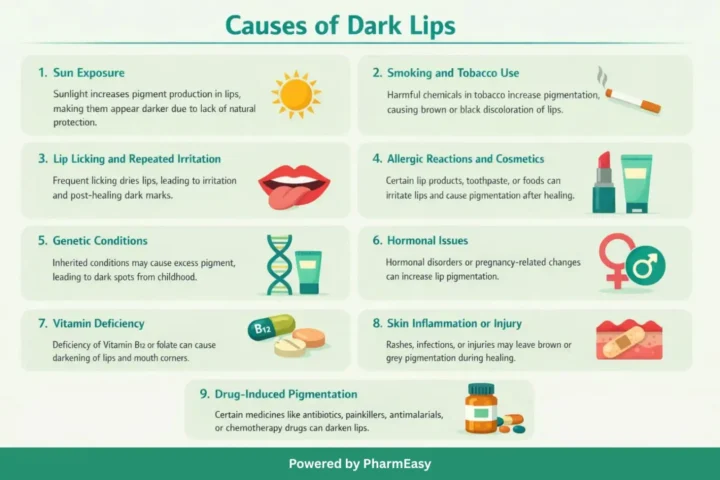
As we can see, dark lips can happen due to many reasons. However, some simple home remedies for dark lips may help reduce dark colour and keep the lips healthy.
Natural home remedies like aloe vera, lemon, and honey can help lighten dark lips gradually when used regularly.

Aloe vera helps lighten dark lips because it contains aloesin, a natural compound that reduces melanin production in the skin. Aloesin works by blocking enzymes involved in pigment formation, which lowers skin darkening. With regular use, this reduction in melanin helps improve lip colour and lower pigmentation7.
How to apply: Apply a light layer of fresh aloe vera gel to your lips.
Duration: Leave it on until it dries completely.
Frequency: Once daily.
When results appear: Visible improvement may be seen in 4 weeks with consistent use8.

It helps lighten dark lips because it contains antioxidants such as hesperidin and vitamin C, which reduce melanin (dark pigment) production. These compounds slow down the activity of tyrosinase, an enzyme needed to produce melanin. By reducing this process, lemon helps to gradually reduce hyperpigmentation and improve lip colour7.
How to apply (Method 1): Before going to bed, slice a lemon and gently rub the juicy side over your lips. Rinse with cool water the next morning.
How to apply (Method 2): Dip a lemon piece in sugar and gently scrub your lips. Wash it off the next morning using lukewarm water.
Frequency: Once daily (scrub method 2-3 times a week).
When results appear: Results may be visible in about 30 days.

Honey helps dark lips because it has antioxidant and healing properties that may repair damaged skin and improve skin tone. It also moisturises the lips and supports skin healing, which can reduce dryness and pigmentation over time9.
How to apply: Mix 1½ teaspoons of fresh lime juice, 1 teaspoon of honey, and 1 teaspoon of glycerine in a small bowl. Gently apply this mixture to your lips before bedtime.
Duration: Leave it on overnight.
Frequency: Once daily.
When results appear: Noticeable improvement can be seen in a month or so.

It is a golden spice, having antioxidant and anti-inflammatory properties. Its active compound, curcumin, can help reduce dark pigment by slowing melanin production10.
How to use: Mix 1 tablespoon of milk with turmeric powder to make a paste. Apply gently on lips for 5 minutes, then rinse with cool water and moisturise.
Frequency: 3-4 times a week.
Results: Lips may appear lighter and healthier in 4-6 weeks with regular use.

Pomegranate extract contains ellagic acid, which can reduce dark pigment by slowing melanin production and stopping extra pigment-making cells from growing11.
How to use: Mix 1 tablespoon of pomegranate seeds with 1 teaspoon rose water and 1 tablespoon fresh cream. Gently massage onto lips for 3 minutes, then rinse with cool water.
Frequency: Once daily.
Results: Lips may appear lighter and healthier with regular use over a few weeks.

It has natural pigments, antioxidants, and vitamins that help moisturize, nourish, and protect lips while giving a subtle pink tint12.
How to use: Grind fresh beetroot into a fine paste. Apply gently to lips for 5-10 minutes, then rinse with cool water. After drying, apply a thin layer of petroleum jelly.
Frequency: Twice a week.
Results: Lips may look naturally pinker, softer, and healthier with regular use.
By using these home remedies for dark lips, you may notice some improvement in lip colour and keep your lips soft and healthy. However, research on their effectiveness is limited, and results can vary, and they should not be considered a substitute for professional medical advice.
Note: Always do a patch test before using any natural product on your skin. If any discomfort, redness, or swelling is noted, discontinue use and consult a doctor.
In this section, we will see how to get rid of dark lips through medical and dermatological treatment options. Besides managing the underlying issue, the following treatments can be undertaken after doctor’s prescription/done by an expert for lightening of lip colour.
Dark lips can often be prevented by taking care of them and avoiding habits that irritate or damage the lips.
Following these steps consistently can help prevent dark lips and maintain a healthy, natural appearance.
See a doctor if your lips get darker and:
Early check-ups can detect vitamin deficiencies, hormone issues, infections, or rare conditions that can cause dark lips3,4.
Dark lips are common and usually harmless. Most cases improve with proper care, hydration, sun protection, and natural home remedies for dark lips like aloe vera, lemon, or honey. Avoiding habits like lip licking, smoking, or irritants can avoid further darkening. For persistent or stubborn pigmentation, dark lips treatments such as topical creams, laser therapy, or vitamin supplementation may be necessary. If the colour stays, spreads, or causes pain, a doctor can check for vitamin deficiencies or health problems and help with treatments.
Also Read: Best Home Remedies For Dry Lips
A lack of vitamin B12 or folate can make your lips darker. This happens because your skin makes extra pigment when these vitamins are low. Taking B12 or folate, with a doctor’s advice, may help.
Dark lips turning pink again depends on the cause. With proper lip care, avoiding triggers, or medical treatments like creams or laser, the natural lip colour may slowly improve, but results may not be the same for everyone4.
Coconut oil is mainly helpful for moisturizing and softening lips. While it may improve the look of dry or dull lips, there is no strong medical evidence that it can reduce dark lip pigmentation18.
Most babies are born with normal-coloured lips. Dark lips at birth are uncommon. Rarely, small, pigmented spots may appear due to natural skin pigment or mild birth-related changes. These spots usually do not affect health and often fade over time19.
Dark lips can sometimes be linked to family traits. Some inherited conditions, like certain genetic syndromes, may cause lip pigmentation, but most dark lips are influenced by lifestyle, environment, or health rather than genes4,20.
Low vitamin B12, which can sometimes happen with low iron or poor nutrition, may lead to darker lips. This occurs because reduced vitamin levels allow the skin to make more pigment.
Your lips can look dark for several reasons. It might be normal body changes, pigmentation due to sun damage, certain medicines, irritation, low vitamins like B12 or folate, smoking, or other health issues4.
Disclaimer: The information provided here is for educational/awareness purposes only and is not intended to be a substitute for medical treatment by a healthcare professional and should not be relied upon to diagnose or treat any medical condition. The reader should consult a registered medical practitioner to determine the appropriateness of the information and before consuming any medication. PharmEasy does not provide any guarantee or warranty (express or implied) regarding the accuracy, adequacy, completeness, legality, reliability or usefulness of the information; and disclaims any liability arising thereof.
Links and product recommendations in the information provided here are advertisements of third-party products available on the website. PharmEasy does not make any representation on the accuracy or suitability of such products/services. Advertisements do not influence the editorial decisions or content. The information in this blog is subject to change without notice. The authors and administrators reserve the right to modify, add, or remove content without notification. It is your responsibility to review this disclaimer regularly for any changes.
Have you ever noticed tiny spots, lines, or spiderweb-like shapes floating across your vision? They move as your eyes move and can be hard to ignore. These are called eye floaters, and almost everyone sees them at some point in life, especially as they get older.
Floaters are surprisingly common. Research shows that between 27% and 63% of people notice them, and one study reported that 76% of adults have experienced floaters. Most people hardly notice them, but about 76% feel worried and 33% say floaters affect their daily activities1,2.
Usually, floaters are harmless. However, a sudden increase in floaters, especially when accompanied by flashes of light or reduced side vision, can indicate a more serious eye problem. This may occur due to retinal tears or detachment, more commonly seen in individuals with high myopia (high minus power). In some cases, it may also be due to vitreous haemorrhage (bleeding in the vitreous chamber of the eye), particularly following eye trauma or in people with diabetes. Such symptoms require prompt medical attention2,4.
So, let us explore what causes eye floaters, why they happen more with age, and what you can do to keep your eyes healthy.
The eye is divided into 3 chambers, the anterior and posterior chambers and the vitreous chamber. The anterior chamber is the area right behind the cornea (the clear window of the eye). The posterior chamber is the area from the iris (the coloured part of the eye) to the anterior part of the lens of the eye. The vitreous chamber is the space behind the lens, and this is where eye floaters commonly originate. This chamber is filled with a jelly-like material called the vitreous gel, which has tiny fibres attached to the retina, the light-sensitive layer at the back of the eye that helps form the images that we see.
Floaters happen when the jelly slowly shrinks and clumps together. Some fibres break, and parts of the gel pull away from the retina. These clumps cast tiny shadows on the retina, which we see as moving shapes. Floaters can look like dots, lines, circles, cobwebs, clouds, or tiny flying shapes. They usually appear slowly and most of the time are harmless, so people hardly notice them.
Floaters move when the eyes move because they float in the gel, but they do not move exactly with the eyes. If you try to look directly at them, they seem to drift away. Blinking does not get rid of floaters2,4.
There can be many reasons for eye floaters, usually related to natural changes inside the eye, though injury or eye problems may occasionally play a role. Some of these include:
While many floaters are harmless, the way they appear and feel can differ from person to person. Let’s look at some common eye floaters symptoms.
Eye floaters can cause different visual changes, which may be mild for some people and more noticeable for others. These eye floaters symptoms often become clearer in certain lighting conditions or during eye movement and include:
To understand the cause of floaters, eye specialists ask important questions, such as how long have the floaters been present, whether they appeared suddenly, if there has been any recent eye surgery, or if there is a family history of retinal problems. The eye is examined using special lights and lenses to look for signs of bleeding, tears, or changes in the jelly inside the eye and to help identify whether the floaters are harmless or linked to retinal damage4,6.
Eye floaters can be grouped into different types based on where they come from and how they appear in the eye. This can help us understand why some floaters are mild and common, while others may be linked to eye problems.
Primary vitreous floaters are the most common type. They develop from changes within the eye jelly itself and usually appear slowly over time. These floaters are often seen as thin lines, threads, dots, or cobweb-like shapes that move when the eyes move. They are more noticeable against bright backgrounds such as a white wall or the sky. In most cases, primary floaters are harmless and become less noticeable as the brain adjusts to them.
Secondary vitreous floaters occur when materials that do not normally belong in the eye jelly appear inside it, for example, cells or blood. These floaters may look darker, larger, or appear suddenly. They are more likely to be linked with eye injury, bleeding, inflammation, or other eye conditions. Because they can be associated with damage inside the eye, secondary floaters may require medical evaluation6,7.
Based on the type of floaters, the treatment is decided.
Eye floaters are usually managed conservatively, as most floaters are harmless and do not require active treatment. Doctors often advise patients to observe the floaters and seek medical attention only if there is a sudden increase, flashes of light, or changes in vision. Treatment is considered only when floaters are severe, persistent, or significantly interfere with vision.
The methods to treat eye floaters depend on how many floaters are present, how large they are, and how much they disturb a person’s vision.
Each eye floater treatment has its own benefits and risks, and not all floaters need medical treatment. Eye specialists carefully decide when treatment for eye floaters is needed. Let’s take a look at how to reduce floaters in eyes naturally5,6.
Certain nutrients and supplements, as listed below, can help protect the jelly inside the eye and may reduce the appearance of floaters.
Including these nutrients in your diet and taking supplements safely, as part of a balanced diet, can support the health of the eye’s jelly and may help reduce the effects of floaters5,8.
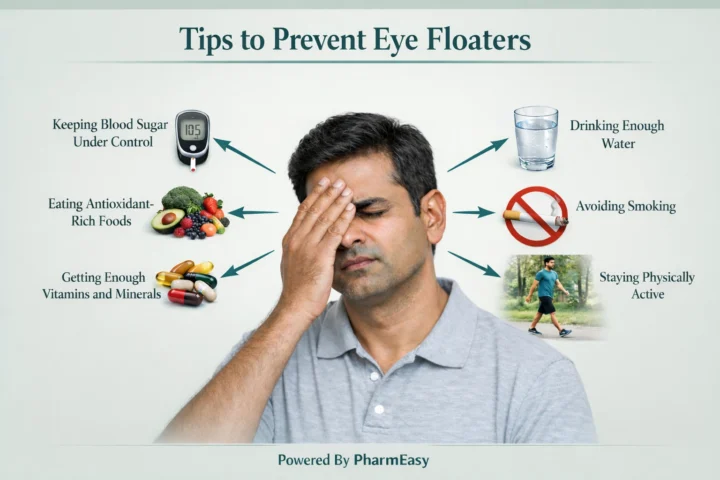
Eye floaters may be avoided by protecting the jelly inside the eye and reducing damage caused by harmful substances. The following lifestyle changes may help keep your eyes healthy and may lower the risk of floaters becoming more noticeable over time:
Floaters are usually harmless, but you should see an eye specialist immediately if you notice sudden changes like:
Eye floaters are a common part of ageing and are usually harmless. They happen when the jelly inside the eye slowly shrinks and forms tiny clumps. Most floaters settle on their own and do not affect vision. However, sudden new floaters, flashes of light, or changes in eyesight should never be ignored. Maintaining good eye health through a balanced diet, proper hydration, and regular eye check-ups can help reduce the risk and impact of eye floaters.
Also Read: Importance of Eyes & Why We Should Take Care Of It
Eye floaters cannot be completely cured in most cases. Laser treatments or vitrectomy may help reduce or remove some floaters in severe cases.
Floaters are usually harmless small shapes in your vision, such as spots or threads. However, if you suddenly see many floaters or flashes of light, it could indicate a problem with the retina, and you should have your eyes checked by an eye specialist3.
Not drinking enough water may make floaters more noticeable. The jelly inside your eye is mostly water, so when you are dehydrated, it can shrink or change, causing spots or threads in your vision8.
Blue light from phones, tablets, and computers can affect the eyes, but it may not create new floaters. However, too much exposure may speed up changes in the jelly inside the eye, making floaters more visible and noticeable in your vision9.
High blood sugar can damage the jelly inside the eye. In people with uncontrolled diabetes, the most common cause of floaters is bleeding into the jelly (vitreous haemorrhage) due to changes in the blood vessels at the back of the eye, known as proliferative diabetic retinopathy5,8.
It is usually not safe to ignore eye floaters. They can make your vision blurry, hazy, or cause glare because small clumps in the eye’s jelly move into your line of sight. This can make daily tasks like reading, driving, or close work harder2.
1. Zhang B, Liu H, Zhu H, Sun X, Gao R. Knowledge, attitudes, and practices regarding floaters among patients. Frontiers in Medicine. 2025 Jul 9;12. Available from: https://www.frontiersin.org/journals/medicine/articles/10.3389/fmed.2025.1579435/full?utm_source=chatgpt.com
2. Lumi X, Hawlina M, Glavač D, Facskó A, Moe MC, Kaarniranta K, et al. Ageing of the vitreous: From acute onset floaters and flashes to retinal detachment. Ageing Research Reviews [Internet]. 2015 May [cited 2019 Feb 28];21:71–7. Available from: https://www.sciencedirect.com/science/article/pii/S1568163715000343
3. Eye floaters: MedlinePlus Medical Encyclopedia [Internet]. Medlineplus.gov. 2020 [cited 2026 Jan 28]. Available from: https://medlineplus.gov/ency/article/002085.htm
4. Bergstrom R, Czyz CN. Vitreous Floaters [Internet]. Nih.gov. StatPearls Publishing; 2022 [cited 2026 Jan 28]. Available from: https://www.ncbi.nlm.nih.gov/books/NBK470420/
5. Skowronek J, Święch A. Vitreous floaters – etiology, diagnostics and treatment. OphthaTherapy Therapies in Ophthalmology. 2023;10(2):103108. Available from: https://www.researchgate.net/publication/373848805_Vitreous_floaters_-_etiology_diagnostics_and_treatment
6. Milston R, Madigan MC, Sebag J. Vitreous floaters: Etiology, diagnostics, and management. Survey of Ophthalmology. 2016 Mar;61(2):211–27. Available from: https://www.vmrinstitute.com/wp-content/uploads/2018/10/Floaters-Survey-Ophthalmol-2016.pdf
7. Ivanova T, Jalil A, Antoniou Y, Bishop PN, Vallejo-Garcia JL, Patton N. Vitrectomy for primary symptomatic vitreous opacities: an evidence-based review. Eye [Internet]. 2016 Mar 4 [cited 2022 May 6];30(5):645–55. Available from: https://www.ncbi.nlm.nih.gov/pmc/articles/PMC4869141/#__sec3title
8. Burakowska A, Święch A. The Role of Nutritional Supplementation and Lifestyle Modification in Patients with Vitreous Floaters. Ophthalmology [Internet]. 2025 Jul 2 [cited 2026 Jan 28];28(1):28–32. Available from: https://www.ophthalmologypoland.com.pl/pdf-207088-126689?filename=The%20Role%20of%20Nutritional.pdf
9. Chen J, Wu H. Blue light from electronic devices may be an important factor for vitreous floaters. Medical Hypotheses. 2020 Jun;139:109698. Available from: https://pubmed.ncbi.nlm.nih.gov/32244150/
Disclaimer: The information provided here is for educational/awareness purposes only and is not intended to be a substitute for medical treatment by a healthcare professional and should not be relied upon to diagnose or treat any medical condition. The reader should consult a registered medical practitioner to determine the appropriateness of the information and before consuming any medication. PharmEasy does not provide any guarantee or warranty (express or implied) regarding the accuracy, adequacy, completeness, legality, reliability or usefulness of the information; and disclaims any liability arising thereof.
Links and product recommendations in the information provided here are advertisements of third-party products available on the website. PharmEasy does not make any representation on the accuracy or suitability of such products/services. Advertisements do not influence the editorial decisions or content. The information in this blog is subject to change without notice. The authors and administrators reserve the right to modify, add, or remove content without notification. It is your responsibility to review this disclaimer regularly for any changes.
All of us need some morning fuel to start our day, don’t we? For some, it is tea and for others, it is coffee. But do you know that coffee is more than just a morning beverage? Particularly the black coffee? Black coffee has recently gained popularity among individuals trying to manage weight as it may have weight-management benefits1.
Black coffee may have several benefits that can support your weight management journey; however, it is essential to understand its effects and potential drawbacks. In this article, we will discuss aspects like black coffee benefits for weight loss, how to make it, and its side effects to help you make the right decisions.
Black coffee may be able to help with weight management, especially when combined with a healthy lifestyle. It contains bioactive compounds such as caffeine and trigonelline, which may improve body composition and metabolism in individuals who are overweight2. Some studies indicate that unsweetened caffeinated or decaffeinated coffee is linked to less weight gain over time1. Hence, the weight management effect of coffee is more prominent when it is plain and unsweetened.
In short, black coffee for weight loss may support weight management when paired with appropriate lifestyle and diet strategies and is best planned by a nutritionist to achieve good results.
Black coffee might help you support weight management through several mechanisms. Here are a few of them:

Caffeine, which is one of the main components in coffee, helps stimulate the central nervous system and improve metabolic efficiency. This may help the body burn more energy even when you are at rest3. A study published by The American Journal of Clinical Nutrition suggests that coffee/caffeine increases the calorie and fat burn in both obese and lean people4. This is because caffeine helps the body produce more heat and release stored fat, which can be used by the body for energy. This might be helpful for people who are trying to reduce or manage body fat3. However, it is recommended to consult a healthcare professional before increasing your caffeine intake.

Coffee might help reduce hunger by influencing the body’s hunger and fullness signals. It can reduce the hormones that make you hungry and enhance the signals to make you feel full, especially after a meal. It also slows down the release of sugar into the blood. Overall, although coffee might help reduce your appetite, its effects vary from person to person3.

Black coffee, when consumed without sugar, cream or milk, has very few calories5. This makes it an good replacement for high-calorie beverages like sweetened coffee, soft drinks, or packaged juice. Choosing coffee over such beverages helps with reducing unnecessary calorie intake.
Studies indicate that consuming a caffeinated drink, such as black coffee, before exercise might help you burn more fat during workouts. Along with increased fat utilisation, caffeine also improves oxygen use during moderate-intensity workouts, whether you have eaten or not. Additionally, it can also improve alertness and energy, which might help you move more or exercise longer with better focus1.
Note: Drinking coffee may cause stomach discomfort in some individuals5. Therefore, avoid drinking coffee on an empty stomach or take it with a small snack, such as biscuits or nuts, to avoid acid reflux.
Some short-term studies suggest that caffeinated coffee might help the body process blood sugar. In a small study involving obese men with higher fasting blood sugar levels, men who consumed caffeinated coffee showed better glucose control after meals compared to those who consumed decaffeinated coffee or no coffee at all. The study also showed a reduction in waist size in the caffeinated group, showing that coffee may help support metabolic health1. Hence, coffee might help control blood sugar level, which in turn might help support fat metabolism and manage weight over time.
Now that you know the black coffee benefits for weight loss, it is also important to know how to make it to get the best out of it. Here is how to make black coffee for weight loss at home.
Enjoy your coffee once it is fully ready. Note that coffee alone cannot contribute to weight loss; you will need to combine it with proper exercise, diet, and lifestyle for the best results.
Although black coffee has many potential benefits, its excess consumption might cause several side effects. Following are some common side effects of black coffee:

The caffeine in coffee stimulates the central nervous system, which in turn triggers the release of adrenaline (a hormone). This might make you feel anxious or increase the risk of anxiety if consumed in excess. Studies indicate that this is more likely to happen when caffeine intake is more than 400mg1,6.

Although moderate coffee consumption is beneficial for the heart, its brewing method is very important. Boiled or unfiltered coffee might have excess diterpenes, which can increase blood cholesterol levels and that, in turn, can increase the risk of heart disease7. In addition, excess caffeine might also cause heart palpitations (a sensation of increased heart rate)5.

Since coffee is acidic in nature, excess coffee consumption might increase stomach acid production, causing gastric issues like acid reflux and peptic ulcers. This might lead to discomfort and long-term digestive issues3.
According to some studies, coffee might significantly interfere with sleep, reducing it by approximately 30-45 minutes1. It might also cause insomnia-related symptoms like trouble falling asleep, frequent awakenings during the night, and feeling sleepy during the daytime8.

The excess consumption of coffee might cause dehydration as it has a diuretic effect. This means it can increase urine output, thus leading to fluid loss3.
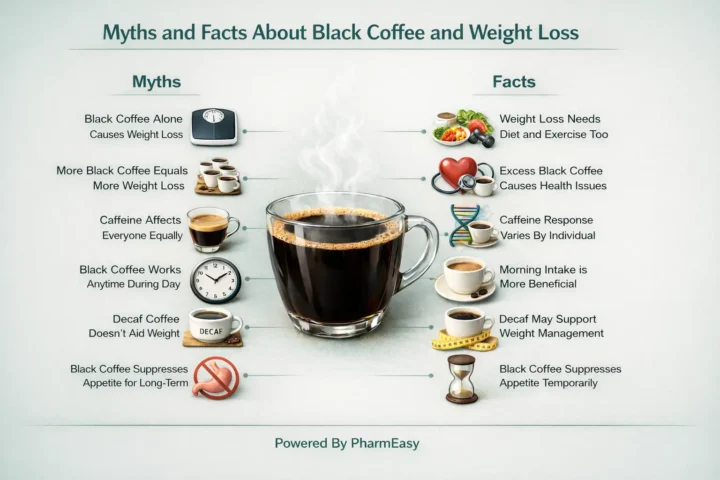
Although black coffee may offer some benefits for weight management, it is surrounded by many myths and misconceptions. Here are a few common ones, along with the facts.
1. Myth: Coffee alone is enough for weight loss.
Fact: No, coffee alone cannot significantly reduce weight. It might help increase metabolism and suppress appetite3, but effective weight management needs a balanced diet with calorie control and regular physical activity.
2. Myth: Consuming more coffee means more weight loss.
Fact: This is not true. A moderate amount of coffee consumption might help you in managing weight, while excess coffee consumption is associated with several health issues like anxiety, gastric troubles, and sleep issues3.
3. Myth: Black coffee or caffeine works the same for everyone.
Fact: This is false. Everybody processes caffeine differently; a moderate dose for one might be a high dose for someone else. Factors such as metabolism, body weight, and the use of several medicines might influence how caffeine affects an individual9.
4. Myth: Black coffee is effective at any time of the day.
Fact: No, this is not true. Consuming coffee in the morning may be more beneficial because it won’t disrupt the sleep pattern and may help reduce inflammation that occurs earlier in the morning10. Consuming coffee late at night might interfere with your sleeping patterns; therefore, studies recommend drinking coffee at least 8 hours before you sleep1.
5. Myth: Decaffeinated coffee does not play any role in weight management.
Fact: This is not true. Decaffeinated coffee, like caffeinated coffee, is linked with less weight gain, suggesting that it might help with weight management1.
6. Myth: Black coffee can suppress appetite for a long time.
Fact: No, black coffee might suppress your appetite only temporarily. This is because the caffeine in the coffee stimulates the hypothalamus, a part of the brain that regulates hunger, making you feel fuller for a short period3.
Black coffee might help you in your weight management journey by playing a role in improving functions like metabolism and appetite control. However, you can get better benefits from it when you combine it with a healthy lifestyle, regular exercise, and a proper diet. Do not forget that moderate intake of coffee is crucial, as excessive consumption may lead to serious side effects. It is best to consult a healthcare professional for personalised advice.
Also Read: Jeera Water for Weight Loss: Benefits, How to Use & Best Ways to Drink It
Drinking 1-3 cups of black coffee between morning and early afternoon is suggested to help boost metabolism and suppress appetite.
While research on caffeine’s effect on men and women has mixed opinions, it boosts exercise performance in everybody. Simply thinking that you have had caffeine might improve your performance, while some studies show men might benefit a bit more11.
Consuming coffee every day may be linked to a lower risk of health issues like diabetes, stroke, breathing issues, memory decline, and some types of cancer like liver and uterine cancer1.
Disclaimer: The information provided here is for educational/awareness purposes only and is not intended to be a substitute for medical treatment by a healthcare professional and should not be relied upon to diagnose or treat any medical condition. The reader should consult a registered medical practitioner to determine the appropriateness of the information and before consuming any medication. PharmEasy does not provide any guarantee or warranty (express or implied) regarding the accuracy, adequacy, completeness, legality, reliability or usefulness of the information; and disclaims any liability arising thereof.
Links and product recommendations in the information provided here are advertisements of third-party products available on the website. PharmEasy does not make any representation on the accuracy or suitability of such products/services. Advertisements do not influence the editorial decisions or content. The information in this blog is subject to change without notice. The authors and administrators reserve the right to modify, add, or remove content without notification. It is your responsibility to review this disclaimer regularly for any changes.
1


