



How to Take Care of Your Eyes?
By Dr. Poonam Rai +2 more

Medically reviewed by Dr. Poonam Rai
Last updated: Oct 16, 2026 Published on: Mar 11, 2022


Get,

to manage your symptom
Get your,

4 Cr+ families
benefitted

OTP sent to 9988776655



You’ve successfully subscribed to receive
doctor-approved tips on
Whatsapp

Get ready to feel your best.


Register to Avail the Offer
Send OTPBy continuing, you agree with our Privacy Policy and Terms and Conditions
Hi There,
Sign up on PharmEasy now!!


Trusted by 4 crore+ families

OTP sent to 9988776655
You have unlocked 25% off on medicines


Code: NU25
Comments

By Dr. Poonam Rai +2 more
Table of Contents
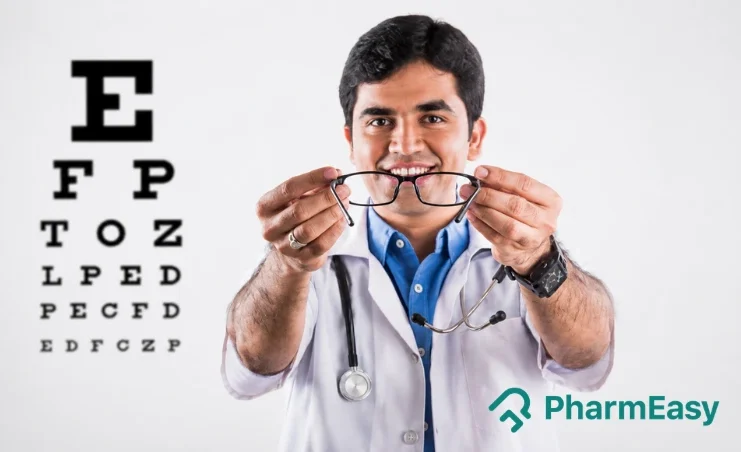
Eyes are one of the most important organs in the body, yet they are often neglected. Unlike skin or hair, there are no beauty treatments or spa therapies to rejuvenate or enhance eyesight. This means that maintaining good eye health largely depends on our daily habits and choices.
Ironically, although vision is so essential for everyday life, we often take it for granted and place significant strain on our eyes.
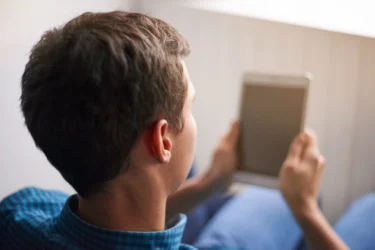
Thanks to the technological era that we live in, people spend endless hours in front of monitors, TVs, and cell phones. Doing near-distance work, such as using screens (tablets or smartphones) or reading, as well as intermediate-distance work, such as using a laptop or desktop or watching television, can lead to unnecessary strain on our eyes. This may be due to excessive convergence (inward eye movement) and accommodation (adjusting the focus)1.
It is best to take frequent breaks when reading or working on a computer screen1. Looking away and focusing on objects in the distance at intervals may help eye muscles to relax and improve eye health by reducing eye strain2.
Digital eye strain, or computer vision syndrome, is very common nowadays due to increased screen time. 20-20-20 rule, every 20 minutes, an individual should take the eye off the screen for about 20 seconds and look at a distant object (situated 20 feet away) should always be followed with good ergonomics.
Dr. M.G. Kartheeka, MBBS, MD(Pediatrics)
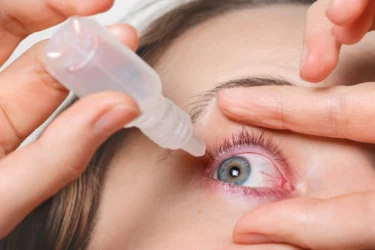
Staring at screens for too long results in dry eyes and eye strain2.The best way to overcome these problems is using eye drops that hydrate and nourish the eyes. Just as one shoe doesn’t fit all, one eye drop isn’t useful for everyone. Consult your ophthalmologist before you use any eyedrops to find the most suitable one for you2,3. Also, always check the expiry date of products before using them.
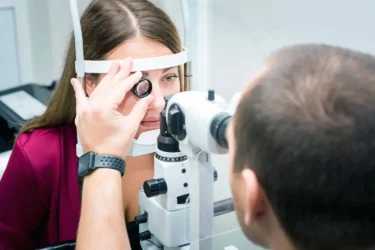
It is advisable to get an eye check-up at least once a year even if you do not have any eye-related problems, especially if you are above 40 years of age4. Eye strain, dry eyes, and other similar disorders can lead to severe eye issues if they aren’t managed on time. Consult your doctor once in 6 months or if you have any of the following:
Cataract, glaucoma and refractive errors are very common eye health problems, which are a cause of vision impairment and a frequent cause of visits to an ophthalmologist. No symptoms of eye disease should be neglected.
Dr. Ashish Bajaj, M.B.B.S., M.D. in Clinical Pharmacology and Toxicology
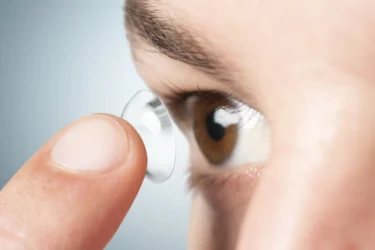
People who wear contact lenses should take extra care of their eyes. Precautions need to be taken while wearing and removing contact lenses, while applying or removing make-up or spraying deodorants, to name a few9. Do not wear lenses for too long, while sleeping, swimming, or showering, and avoid any contact with dust and foreign particles, as it may lead to infection10.
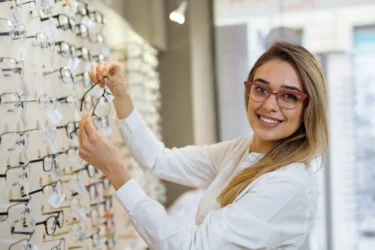
UV rays of the sun can cause considerable damage to eyesight, affecting the cornea (keratoconus/pterygium), the retina (age-related degeneration), or the lens (cataract). Therefore, people of all ages should be very careful when they step out and use UV-protecting sunglasses11. Using sunglasses might also protect the eyes from dry air and dust particles, as well as reduce the migraine attacks caused by bright light12. Plus, they add to your coolness quotient, so why not?

Our eyes need to be cared for both externally and internally. A diet rich in essential nutrients is important for maintaining optimum eye health. While eye problems associated with old age, such as cataracts, macular degeneration and glaucoma, cannot be eliminated completely, taking adequate quantities of nutrients such as zinc, omega-3 fatty acids, and antioxidants such as vitamin C and vitamin E might help reduce the chances of these problems13.
Green leafy vegetables, such as spinach and kale, and protein-rich foods, such as chicken and soybean, may help you maintain healthy eyesight13,14. A balanced diet may also give you a healthy body weight, keeping obesity at bay. Obesity is a common cause of type 2 diabetes, which is often responsible for a lot of vision-related problems15.
Also Read: Essential Vitamins That Support Eye Health
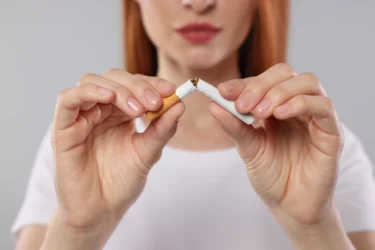
Smoking cigarettes is the leading cause of vision problems, such as macular degeneration and cataracts. The toxins inhaled while smoking are extremely detrimental to eye health, as they can damage the optic nerve. To allow the optic nerves to function efficiently, it is absolutely essential to give up smoking16.

Getting adequate sleep gives your eyes time to recover from the daily strain. Poor or insufficient sleep may lead to dry or irritated eyes, light sensitivity, or blurred vision. Over time, it may increase eye strain and increase the risk of certain eye conditions. Getting enough sleep each night is an important and simple way to support long-term eye health17.
Also Read: Surge In Eye Infections During Monsoons
Although eye health plays a major role in our daily life and overall well-being, it is often taken for granted. Adopting simple habits like taking regular screen breaks, using eye drops when advised, getting regular eye checkups, eating a healthy diet, protecting eyes from UV exposure, and avoiding smoking may help support eye health and reduce the risk of eye strain and long-term vision problems.
Also Read: LASIK Eye Surgery: Procedure, Safety and Side Effects
Disclaimer: The information provided here is for educational/awareness purposes only and is not intended to be a substitute for medical treatment by a healthcare professional and should not be relied upon to diagnose or treat any medical condition. The reader should consult a registered medical practitioner to determine the appropriateness of the information and before consuming any medication. PharmEasy does not provide any guarantee or warranty (express or implied) regarding the accuracy, adequacy, completeness, legality, reliability or usefulness of the information; and disclaims any liability arising thereof.
Links and product recommendations in the information provided here are advertisements of third-party products available on the website. PharmEasy does not make any representation on the accuracy or suitability of such products/services. Advertisements do not influence the editorial decisions or content. The information in this blog is subject to change without notice. The authors and administrators reserve the right to modify, add, or remove content without notification. It is your responsibility to review this disclaimer regularly for any changes.
 8
8  106
106
View all comments(1)
You may also like





















Nice blog! Even quitting smoking helps!