
Skin is often an unsung hero among the body’s organs. It is also one of the first to reflect internal imbalances. Nourishing the body with essential nutrients, such as antioxidants, healthy fats, water, vitamins, and other micronutrients, may help support the overall appearance and condition of the skin.
Since the process of skin ageing may begin internally, focusing on a nutrient rich diet is an important step. While a balanced diet is a key factor that may help support skin health over time, other aspects such as sun protection and a regular skincare routine also play a valuable role. Foods that are rich in vitamins and minerals may contribute to maintaining the skin’s natural vitality.
Nutrient dense foods often contain compounds like various vitamins, ellagic acid, and components that may support natural collagen levels. Collagen is present in the middle layer of the skin and plays a role in maintaining its fullness and firmness. With age, natural collagen levels may decline. However, incorporating certain foods into the diet may be beneficial in supporting skin radiance and overall glow. In particular, foods rich in vitamin C may have a positive effect on the visible signs associated with skin ageing.
Here are some foods that may be beneficial for supporting healthy looking skin and overall well-being as you age.

Avocados are a flavourful fruit that may provide a range of nutrients. They are a source of monounsaturated and polyunsaturated fats, which may help to nourish the skin and support moisture balance. These healthy fats may also demonstrate properties that support the body’s natural defences.
Avocados contain compounds such as lutein and zeaxanthin, which, according to some studies, may help to support the skin’s ability to cope with environmental stressors such as UV exposure. They also contain several vitamins, including A, B, C, E, and K, which may contribute to maintaining skin health and promoting a natural glow1. You can add avocados to salads or make healthy pudding with it.

Broccoli is a nutrient-rich vegetable that may offer valuable properties for overall health. It contains a variety of compounds that may have anti-inflammatory effects and may support the body as it ages. Broccoli is a good source of vitamin C and vitamin K, both of which may help maintain skin health.
Vitamin C plays a role in the body’s natural production of collagen, which is an important component of the skin’s structure. Consuming broccoli raw or lightly steamed may help retain its nutritional value. It can be included in salads, soups, or enjoyed as a side dish. Additionally, broccoli is high in fibre and provides a source of calcium2.
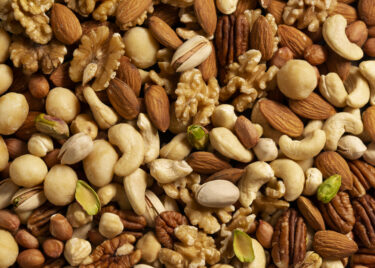
Nuts are a rich source of nutrients, including protein, vitamin E, essential oils, minerals, and antioxidants. Almonds and walnuts, in particular, contain vitamin E, which may help support the skin’s natural defences against environmental stressors such as UV exposure3. Vitamin E also helps to strengthen the skin and give a glow. You can sprinkle some nuts over salads or stir them into the soup for a little crunch.
Walnuts have the highest antioxidant content of any nut and are high in omega-3 fats. This combination may demonstrate properties that support general well-being. Additionally, walnuts may be beneficial for digestive health. Since the condition of the skin is closely associated with the balance of the gut microbiome, maintaining digestive health may help the skin function optimally, including in areas such as moisture balance and protection.
Including blueberries in your diet may be an enjoyable and simple way to support overall health. These small fruits are rich in antioxidants, particularly bioflavonoids, which may help to support the body’s natural functions. Some studies suggest that these compounds may assist in maintaining healthy circulation and may also contribute to skin health10.
Dr. Siddharth Gupta, B.A.M.S, M.D (Ayu)

Dark chocolate, when consumed in moderation, may offer antioxidant properties that support skin health. Cocoa flavanols found in dark chocolate may help protect the skin from environmental stressors and support blood flow, which may help in skin nourishment and moisture.
Dark chocolate with at least 70% cocoa also contains magnesium, which may help with stress and sleep, which are factors that can influence the skin’s appearance. Be mindful of added sugars, as excessive sugar intake may affect skin quality4.
Citrus fruits such as oranges, grapefruits, lemons, and limes are rich in antioxidants and may be excellent choices when it comes to foods rich in vitamin C, which may contribute to reducing the visible signs of ageing.
Dr. Rajeev Singh, BAMS

Sweet potatoes are a nutrient rich food that may benefit skin health. They are high in vitamin A, which plays a role in supporting collagen health and may help maintain skin appearance. Consuming sweet potatoes and other vitamin A rich foods may contribute to a healthy, radiant glow5.
To enjoy sweet potatoes, you can roast them with some extra virgin olive oil, salt, and pepper for a delicious and nutritious meal.
Tea and coffee might offer potential benefits for skin health. Studies12 suggest that polyphenols found in coffee and green tea may help manage photoaging (skin ageing due to sun exposure) and hyperpigmentation (darkening of the skin). However, it’s important to monitor your caffeine intake and consider your individual tolerance.
Dr. Smita Barode, B.A.M.S, M.S.
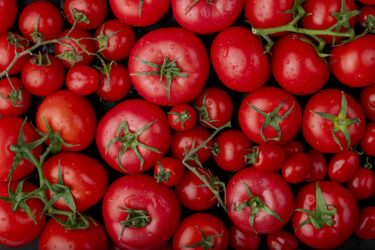
Tomato and tomato juice are rich in lycopene, a natural carotenoid that may help protect the skin from sun exposure. Cooked or processed tomatoes may offer more lycopene than raw ones, potentially enhancing their effects6.

Fatty fishes such as salmon, mackerel, and tuna are rich in omega 3 fatty acids, which may support glowing skin by helping to maintain moisture levels and reduce skin inflammation. These fish are also a good source of vitamin E and zinc, which may support skin healing and help to soothe irritation.
.Foods rich in vitamin A may support skin health and contribute to maintaining the skin’s structure. Vitamin A is found in foods such as egg yolks, carrots, pumpkin, liver, and fortified cereals, which may help maintain a youthful appearance and promote healthy skin11.
Dr. Anuja Bodhare, B.A.M.S, M.D (Ayu)

Pomegranate is considered a nutritious fruit that may offer anti-ageing properties. It may contribute to a more radiant complexion and promote overall skin health8. Incorporating pomegranate into your diet may support your well-being.
It’s also important to remember that factors like sleep, exercise, and sunscreen play a significant role in maintaining healthy skin, in addition to a balanced diet.
Also Read: 12 Proven Health Benefits Of Makhana (Fox Nuts)
This is because excessive salt intake may cause cells to lose water, which can contribute to dehydration. Inadequate hydration may affect skin appearance and is often associated with signs of ageing.
Also Read: Best Dry Fruits That Can Speed Up Your Weight Loss
Along with a healthy diet and lifestyle, it is important to follow a healthy skincare routine. Cleanser, Moisturiser, and sunscreen are important steps in skincare. You may also find it beneficial to add anti-aging serums to your skincare routine after consulting with a doctor.
Also Read: What To Eat & Avoid During Malaria?
The foods that we consume may influence the skin’s health, appearance, and how it changes with age. Diets that include foods rich in protein, healthy fats, and antioxidants may support overall skin well-being. Alongside a balanced diet that includes a variety of whole, plant-based foods, it is also helpful to adopt other supportive habits, such as wearing sunscreen, avoiding smoking, staying physically active, and using appropriate skincare products to promote healthy skin.
Disclaimer: The information provided here is for educational/awareness purposes only and is not intended to be a substitute for medical treatment by a healthcare professional and should not be relied upon to diagnose or treat any medical condition. The reader should consult a registered medical practitioner to determine the appropriateness of the information and before consuming any medication. PharmEasy does not provide any guarantee or warranty (express or implied) regarding the accuracy, adequacy, completeness, legality, reliability or usefulness of the information; and disclaims any liability arising thereof.
 127
127
 5
5
Eyes are one of the most important organs in the body, yet they are often neglected. Unlike skin or hair, there are no beauty treatments or spa therapies to rejuvenate or enhance eyesight. This means that maintaining good eye health largely depends on our daily habits and choices.
Ironically, although vision is so essential for everyday life, we often take it for granted and place significant strain on our eyes.

Thanks to the technological era that we live in, people spend endless hours in front of monitors, TVs, and cell phones. Doing near-distance work, such as using screens (tablets or smartphones) or reading, as well as intermediate-distance work, such as using a laptop or desktop or watching television, can lead to unnecessary strain on our eyes. This may be due to excessive convergence (inward eye movement) and accommodation (adjusting the focus)1.
It is best to take frequent breaks when reading or working on a computer screen1. Looking away and focusing on objects in the distance at intervals may help eye muscles to relax and improve eye health by reducing eye strain2.
Digital eye strain, or computer vision syndrome, is very common nowadays due to increased screen time. 20-20-20 rule, every 20 minutes, an individual should take the eye off the screen for about 20 seconds and look at a distant object (situated 20 feet away) should always be followed with good ergonomics.
Dr. M.G. Kartheeka, MBBS, MD(Pediatrics)
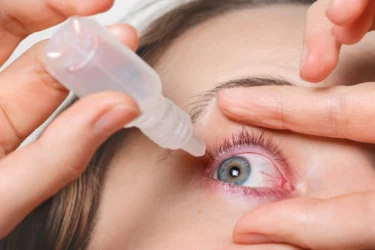
Staring at screens for too long results in dry eyes and eye strain2.The best way to overcome these problems is using eye drops that hydrate and nourish the eyes. Just as one shoe doesn’t fit all, one eye drop isn’t useful for everyone. Consult your ophthalmologist before you use any eyedrops to find the most suitable one for you2,3. Also, always check the expiry date of products before using them.
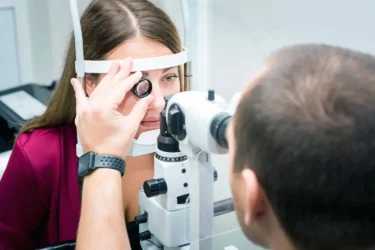
It is advisable to get an eye check-up at least once a year even if you do not have any eye-related problems, especially if you are above 40 years of age4. Eye strain, dry eyes, and other similar disorders can lead to severe eye issues if they aren’t managed on time. Consult your doctor once in 6 months or if you have any of the following:
Cataract, glaucoma and refractive errors are very common eye health problems, which are a cause of vision impairment and a frequent cause of visits to an ophthalmologist. No symptoms of eye disease should be neglected.
Dr. Ashish Bajaj, M.B.B.S., M.D. in Clinical Pharmacology and Toxicology

People who wear contact lenses should take extra care of their eyes. Precautions need to be taken while wearing and removing contact lenses, while applying or removing make-up or spraying deodorants, to name a few9. Do not wear lenses for too long, while sleeping, swimming, or showering, and avoid any contact with dust and foreign particles, as it may lead to infection10.

UV rays of the sun can cause considerable damage to eyesight, affecting the cornea (keratoconus/pterygium), the retina (age-related degeneration), or the lens (cataract). Therefore, people of all ages should be very careful when they step out and use UV-protecting sunglasses11. Using sunglasses might also protect the eyes from dry air and dust particles, as well as reduce the migraine attacks caused by bright light12. Plus, they add to your coolness quotient, so why not?

Our eyes need to be cared for both externally and internally. A diet rich in essential nutrients is important for maintaining optimum eye health. While eye problems associated with old age, such as cataracts, macular degeneration and glaucoma, cannot be eliminated completely, taking adequate quantities of nutrients such as zinc, omega-3 fatty acids, and antioxidants such as vitamin C and vitamin E might help reduce the chances of these problems13.
Green leafy vegetables, such as spinach and kale, and protein-rich foods, such as chicken and soybean, may help you maintain healthy eyesight13,14. A balanced diet may also give you a healthy body weight, keeping obesity at bay. Obesity is a common cause of type 2 diabetes, which is often responsible for a lot of vision-related problems15.
Also Read: Essential Vitamins That Support Eye Health

Smoking cigarettes is the leading cause of vision problems, such as macular degeneration and cataracts. The toxins inhaled while smoking are extremely detrimental to eye health, as they can damage the optic nerve. To allow the optic nerves to function efficiently, it is absolutely essential to give up smoking16.

Getting adequate sleep gives your eyes time to recover from the daily strain. Poor or insufficient sleep may lead to dry or irritated eyes, light sensitivity, or blurred vision. Over time, it may increase eye strain and increase the risk of certain eye conditions. Getting enough sleep each night is an important and simple way to support long-term eye health17.
Also Read: Surge In Eye Infections During Monsoons
Although eye health plays a major role in our daily life and overall well-being, it is often taken for granted. Adopting simple habits like taking regular screen breaks, using eye drops when advised, getting regular eye checkups, eating a healthy diet, protecting eyes from UV exposure, and avoiding smoking may help support eye health and reduce the risk of eye strain and long-term vision problems.
Also Read: LASIK Eye Surgery: Procedure, Safety and Side Effects
Disclaimer: The information provided here is for educational/awareness purposes only and is not intended to be a substitute for medical treatment by a healthcare professional and should not be relied upon to diagnose or treat any medical condition. The reader should consult a registered medical practitioner to determine the appropriateness of the information and before consuming any medication. PharmEasy does not provide any guarantee or warranty (express or implied) regarding the accuracy, adequacy, completeness, legality, reliability or usefulness of the information; and disclaims any liability arising thereof.
Links and product recommendations in the information provided here are advertisements of third-party products available on the website. PharmEasy does not make any representation on the accuracy or suitability of such products/services. Advertisements do not influence the editorial decisions or content. The information in this blog is subject to change without notice. The authors and administrators reserve the right to modify, add, or remove content without notification. It is your responsibility to review this disclaimer regularly for any changes.
8
106
Diabetes is a metabolic disorder that affects the manner in which the body processes blood sugar. It is a chronic disease and cannot be cured. Our genes contribute a lot towards our susceptibility to suffering from diabetes but so does our lifestyle. Unhealthy food habits coupled with a sedentary routine can increase the odds of suffering from this disease.
While anyone can get it irrespective of gender, age or social strata, the number of men suffering is high1. One has to seek immediate medical treatment for this disease as a delay in getting medical help might adversely affect your heart, eyes, blood vessels, nerves and kidneys. There are many early warning signs and symptoms of diabetes in men. In any case, consult a doctor and never take medicines on your own, as it might lead to severe complications.

Since the level of blood sugar is high, it extracts fluids from the cells making the patient feel excessively thirsty. People suffering from diabetes feel hungry frequently because of the body’s inability to efficiently utilize blood sugar to be converted to energy. If you find yourself drinking gallons of water or gorging on food suddenly, talk to your doctor2.

People who suffer from diabetes start using the washroom frequently. Excessive thirst leads to frequent urination. Most men suffer from broken sleep at night. Older patients may even experience bed-wetting. The body tries to expel the extra glucose in the blood through urine. That is another reason for frequent urination2.

If you have generally been feeling low-key and suffering from tiredness and lethargy without any obvious reasons, you may have diabetes. Unexplained fatigue and listlessness are due to inefficient usage of energy. A glucose test will provide you with clarity so get one done immediately3.
Read More: 10 Foods to Fight Fatigue

Men suffering from diabetes often present with unintentional weight loss. The body is unable to use blood sugar to transform it into energy. This leads to sudden weight loss. If you have lost weight without any reason, please consult your doctor2.

Due to high sugar levels in the blood, men suffering from diabetes fall prey to skin infections very often. This could be genital itching or even thrush. The high sugar proves to be a perfect breeding ground for fungus which causes these infections4.
Adding to the symptoms mentioned in the blog burning pain in the legs and feet are also a symptom of diabetes. Regular blood sugar screening is recommended if you are experiencing any of the above.
Dr. M.G. Kartheeka, MBBS, MD(Pediatric)

Men suffering from undiagnosed diabetes may experience blurred vision and rarely loss of eyesight. The high glucose levels in the body are harmful for most organs ,at times the eyes are the first to suffer. Seek treatment immediately if you have a sudden dip in your eyesight2.

Men who suffer from diabetes find that their cuts and wounds take longer to heal. High blood sugar reduces immunity and affects the body’s ability to heal itself. Since the situation can exacerbate gangrene and even can lead to amputation, if you have a wound that is not healing, seek expert medical guidance5.

Men suffering from diabetes experience erectile dysfunction. There are several mechanisms responsible for such kind of Erectile Dysfunction in diabetes. To name a few, impaired function of nerves, hindrance with the blood flow and psychological issues associated with diabetes are the common ones. It is important to be aware of false advertisements of many supplements and medicines that claim to cure ED. One must avoid self-medicating and always consult a doctor beforehand6.
Diabetes especially type 2 is commonly related to erectile dysfunction as high blood sugar over long periods of time can damage nerves and blood vessels causing problems with getting or keeping an erection firm enough.
Dr. Ashish Bajaj, MBBS, MD in Clinical Pharmacology and Toxicology
Want to manage your diabetes effectively? Book your free diabetes consultation from our experts!
Many factors contribute to or increase your chances for diabetes and its related complications, some of them include:
Quitting or reducing daily smoking, engaging in some amount of daily physical activity, maintaining a well-balanced diet and keeping a check on your weight are good measures to reduce the risk of diabetes. Keeping a constant check at intervals on your blood glucose level also helps.
If you have a family history of diabetes and already have been diagnosed with borderline diabetes, certain changes in lifestyle can benefit your physical and mental well-being while also keeping your diabetes in check. Balancing your meals by putting in enough protein, vitamins and leafy vegetables will improve your bodily health. An even mixture of starch, fruits, vegetables, healthy fats and protein comprises a good, balanced and well-made meal.
Avoiding excess sugar, like carbonated drinks, fizzy sugary juices, sodas, candies and sweets is the key to keeping your diabetes level low. You can indulge in one or two sugary treats once in a while, however, consuming them in moderation is important.
Also Read: Diabetes: The Silent Killer Sweeping Across India
Disclaimer: The information provided here is for educational/awareness purposes only and is not intended to be a substitute for medical treatment by a healthcare professional and should not be relied upon to diagnose or treat any medical condition. The reader should consult a registered medical practitioner to determine the appropriateness of the information and before consuming any medication. PharmEasy does not provide any guarantee or warranty (express or implied) regarding the accuracy, adequacy, completeness, legality, reliability or usefulness of the information; and disclaims any liability arising thereof.
Links and product recommendations in the information provided here are advertisements of third-party products available on the website. PharmEasy does not make any representation on the accuracy or suitability of such products/services. Advertisements do not influence the editorial decisions or content. The information in this blog is subject to change without notice. The authors and administrators reserve the right to modify, add, or remove content without notification. It is your responsibility to review this
33
1
When we are born, the very first thing we do is breathe! Breathing, comprising of inspiration (inhale) and expiration (exhale), feeds oxygen to every cell in the body and expels out waste carbon dioxide. And it is your lungs that are mainly responsible for this exchange of air, crucial for life. However, despite being a crucial body part, we don’t really work on keeping our lungs healthy unless we experience breathing problems.
As we age, the amount of air our lungs can hold, known as the lung capacity, decreases. Smoking, pollution, and other health problems such as asthma or chronic obstructive pulmonary disease (COPD) can also affect this and lead to breathing difficulties. Thus, it’s important to take care of your lungs from the beginning to help them function well.
In this blog, we will discuss some basic exercises that you can incorporate in your daily routine to improve your lung health.
Before we move onto the exercises, let’s look at the mechanics of breathing.
The diaphragm is a group of muscles attached to the bottom of your lungs and is the main apparatus that controls breathing. When it contracts (along with other muscles in your lungs and ribs), it moves down and creates space for fresh air(oxygen) to enter the lungs through the airways. Air exchange takes place within the air sacs (alveoli) of the lungs. As the diaphragm relaxes, it forces the used air (carbon dioxide) to be expelled out from lungs. Then this fresh air circulates through the body1.
Diaphragmatic breathing is supposed to be primary way of breathing, but many of us develop a habit of using neck and back muscles, which can limit the amount of air that enters and leaves our lungs.
Though a person is unable to control the amount of oxygen their lung can hold, lung exercises provide ways to help your lungs become more efficient at managing airflow and oxygen levels. Here’s how these can benefit your lungs2,3:
Now let’s have a look at some basic exercises that can help improve your lung health along with its functional capacity.

Pursed-lip breathing exercise is easy and can be done anywhere at any time. Steps to follow for pursed-lip breathing:
This exercise keeps your airway open for longer, which facilitates the airflow into and out of the lungs. These make it easier for the lungs to function and improve the exchange of oxygen and carbon dioxide4,5.This exercise can be beneficial for people who are less physically active and are not using their breathing muscles frequently.

Diaphragmatic breathing is one of the best exercises that use the diaphragm muscles for breathing. It is also known as belly breathing as the stomach rises and falls with each breath. Follow these steps to practice diaphragmatic breathing:
Diaphragm breathing helps strengthen the respiratory muscles and improves lung capacity6.

Stretching the ribs causes chest expansion that helps improve the tone of respiratory muscles and activity and enhances lung function7.

This exercise gives space to your diaphragm to expand and provides strength to the chest muscles.

Any activity that works the abdominal muscles also works the lungs. Studies8 have shown that even simple humming can help improve your respiratory health. It helps enhance sinus ventilation and increases production of nitrous oxide gas in the nose which aids in fighting inflammation. Singing can also help improve lung function by increasing your lung capacity. It forces used air out of the lungs so more fresh air can enter9. Moreover, these are great stressbusters!
Also Read: Natural Home Remedies for Sinus Problems

There are certain yoga poses that are beneficial for lung health and Simhasana is one. It is a unique pose that requires you to make a sound. The sound created during Simhasana resembles the roaring sound of a lion. To do this:
Yoga poses such as simhasana are found to improve lung capacity and have positive effects on lung function10.
While lung exercises are usually good for your health, if you have a chronic lung disease, always consult your doctor before starting an exercise regime.
Pranayama or breath regulation, another important breathing exercise, can enhance the efficiency of healthy individuals and athletes by enhancing the ventilatory functions of the lungs, especially for those who partake in aerobic-based sports and require efficient lungs to deliver sufficient oxygen uptake.
Dr. M.G. Kartheeka, MBBS, MD(Pediatrics)
Also Read: What Is Hantavirus? Symptoms, Causes, & Effective Prevention
Besides their benefits for lung health, these exercises also have a positive impact on several body functions. These are11:
Also Read: Benefits of Balasana (Child’s Pose) and How to Do it By Dr. Ankit Sankhe
Incorporating the right exercises into your routine can significantly boost your lung health, enhancing your breathing capacity, stamina, and overall well-being. But remember, you have to practice these exercises regularly for best results. Also, everybody’s threshold is different and it’s necessary to listen to your body if you feel any discomfort. Consult a doctor if you already have lung problems before incorporating any exercises in your routine.
Also Read: Exercises To Do If You Suffer From Varicocele
Disclaimer: The information provided here is for educational/awareness purposes only and is not intended to be a substitute for medical treatment by a healthcare professional and should not be relied upon to diagnose or treat any medical condition. The reader should consult a registered medical practitioner to determine the appropriateness of the information and before consuming any medication. PharmEasy does not provide any guarantee or warranty (express or implied) regarding the accuracy, adequacy, completeness, legality, reliability or usefulness of the information; and disclaims any liability arising thereof.
27
3
We first make our habits, then our habits make us! – John Dryden
This quote is so accurate and holds so much relevance in our everyday life. By just adopting the right set of practices, we can improve our overall health and well-being in massive proportions.
So, for the ones who are still contemplating where to get started, here are a few habits that you can quickly implement in your everyday life!
Our harsh lifestyles can take an immense toll on our health. Thus, it is vital to give the body adequate rest at regular intervals. While doctors recommend 7-8 hours of sleep, it is also extremely essential to regularise your sleep timetable1. Thus, ensure that you sleep on a set time and wake up at a set time, every day, regardless of weekends. This will not only regulate your sleeping pattern but also help to regularise your body clock.

Come rain, come storm, make it a point to exercise regularly. If you can’t step outdoor, perform some light exercises indoors. You can also try to accommodate a sport in your daily lifestyle. This will not only do wonders for your health but also help build a network with like-minded people2.
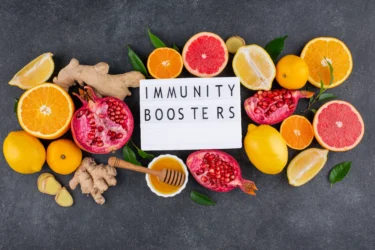
While eating healthy is a give-in, try to incorporate, a few immunity-boosting foods in your everyday diet. Below are a few that you can easily befriend3:

We all are aware of the innumerable benefits of water. Along with water, also up your fluid intake by including water-enriched foods in your daily diet. Watermelons, oranges, lettuce, and strawberries are all high on water content and taste yummy too4.

While stress is an unavoidable part of our life, we can always find effective ways to deal with it. So try to surround yourself with people who are confident and motivating, watch and read comedy, don’t take things too seriously. After all, Life is meant to be lived and lived well!

Adopting a pet makes you happy. Having pets at home not only relieves stress but also acts as great comfort for people living alone.

Put on your wandering shoes and travel. Travel helps you to unwind and relax. A change in routine and a break from the monotony help you to think freely and openly. So, go out and explore the world. You will surely come back refreshed and enlightened.
Avoid smoking, as it has been shown to increase the chances of contracting an infection5. Smoking is thought to change the balance of your immune system which can also lead to an autoimmune disease. If you drink alcohol, ensure that you reduce your intake as heavy alcohol usage is not only linked to poor health but also many other serious health issues.

Answering how to boost your immune system also means we need to think about proactive health protection. Prevention is better than cure and nothing can make you healthier than avoiding sickness in the first place. Whenever possible, take vaccines for any local or regional diseases, use the best hygiene practices (like hand washing and safe food preparation) and lastly reduce your stress levels. The best armour for your immune system is to protect it from attack rather.
Also Read: 13 Immunity-Boosting Foods To Build A Healthy Life
Disclaimer: The information provided here is for educational/awareness purposes only and is not intended to be a substitute for medical treatment by a healthcare professional and should not be relied upon to diagnose or treat any medical condition. The reader should consult a registered medical practitioner to determine the appropriateness of the information and before consuming any medication. PharmEasy does not provide any guarantee or warranty (express or implied) regarding the accuracy, adequacy, completeness, legality, reliability or usefulness of the information; and disclaims any liability arising thereof.
Links and product recommendations in the information provided here are advertisements of third-party products available on the website. PharmEasy does not make any representation on the accuracy or suitability of such products/services. Advertisements do not influence the editorial decisions or content. The information in this blog is subject to change without notice. The authors and administrators reserve the right to modify, add, or remove content without notification. It is your responsibility to review this disclaimer regularly for any changes.
22
0
There has been a drastic rise in the number of people suffering from vision impairments and eye problems due to digitalization and extreme working hours. This number is not restricted to the adult population but many kids and teenagers are also increasingly getting issues pertaining to vision.
In this health blog, we will understand all about eye care and health from Dr Leena Doshi, a leading ophthalmologist who specializes in cataracts and LASIK. She is among the panel of doctors at ONGC and is also serves as a medical officer conducting class I and II eye examinations for pilots. Dr Leena Doshi is an active participant in various live TV shows and eye health forums. She is also a part of the telemedicine team at Nanavati Super speciality Hospital.
Our eyes help us to experience the world around us, making everyday tasks like reading, working, driving, and recognizing faces possible. With digital eye strain becoming increasingly common, as highlighted by Dr Doshi, it’s more important than ever to pay attention to our eye health. Taking simple preventive measures and getting regular eye check-ups can help detect problems early and reduce the risk of vision loss.
Did You Know?
Several lifestyle, environmental, and medical factors can affect eye health over time. Factors such as lifestyle habits, ageing, underlying medical conditions, and environmental exposure can all affect your vision over time. Understanding these common causes can help you take preventive steps and seek timely eye care.
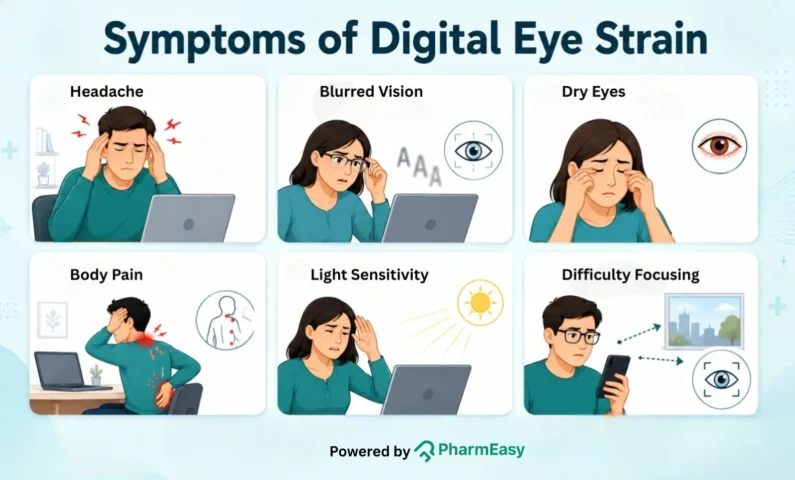
Digital eye strain doesn’t always feel dramatic at first it usually shows up as a cluster of mild but persistent symptoms after screen use2.
If these symptoms persist even after taking breaks and adjusting your screen setup, it’s worth getting your eyes checked.
In today’s active work life, digitalization has become inevitable and so has the stress on the eyes and vision. We are constantly exposed to digital gadgets and laptops on a daily basis. With even education going digital, your kids are now prone to eye impairments and vision disabilities. As a result, there has been a growth in the number of kids requiring optical assistance for their eyes as well. In order to prevent such complications at such an early stage, you need to ensure that your kids are regularly taken to an eye doctor and their eye health is constantly monitored.
The growing stress to the eyes due to excessive and prolonged exposure to laptop, tablets, mobile and computer screens leads to a condition called digital eye strain and it further complicates the computer vision syndrome. This syndrome occurs due to the repeated back-and-forth movement of your eyes as they constantly focus and refocus on the screen time2. Your eyes tend to become hypersensitive to changing images and fonts that tend to exhaust your eye muscles.
Routine eye examinations are important for everyone, even if you have no noticeable vision problems. Routine eye examinations are important for everyone, even if you have no noticeable vision problems. Regular check-ups help detect eye diseases early, allowing timely treatment and better long-term vision outcomes.
Some eye symptoms may indicate a serious underlying condition and require immediate medical attention. Seeking timely care can help prevent permanent vision loss and improve treatment outcomes. If you experience any of the following warning signs, consult an eye doctor or visit the nearest emergency department without delay.
Age related macular degeneration, glaucoma, cataract and diabetic retinopathy are very commonly diagnosed conditions in patients visiting an Ophthalmologist, identifying and reporting the symptoms like vision changes, painful eyes, and redness of the eyes is important for an early diagnosis.
Dr. Ashish Bajaj, M.B.B.S., M.D. in Clinical Pharmacology and Toxicology
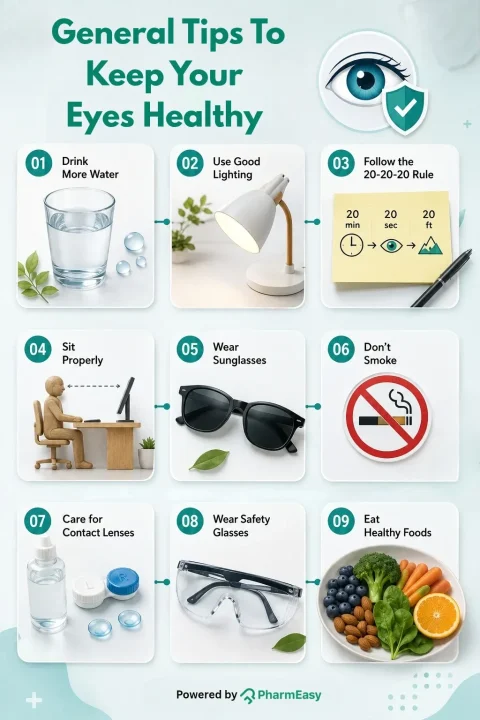
Eat at least 5 servings daily of fruits and vegetables, don’t smoke, take regular breaks while doing computer work and other tasks that mostly involve your eyes, wear your glasses, wear sunglasses when outdoors that protect your eyes from UVA and UVB rays.
Dr. M.G. Kartheeka, MBBS, MD(Pediatrics)
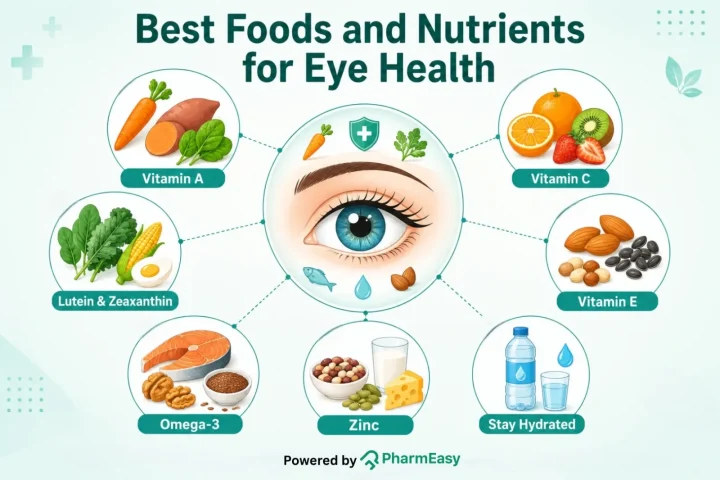
A balanced diet plays an important role in maintaining healthy vision and supporting overall eye health. Certain vitamins, minerals, and antioxidants help protect the eyes from oxidative damage and may reduce the risk of age-related eye conditions. In fact, large NIH-funded trials found that a combination of vitamin C, vitamin E, zinc, copper, and lutein/zeaxanthin can slow the progression of age-related macular degeneration by roughly a quarter5. Including a variety of nutrient-rich foods in your daily meals can help keep your eyes healthy over time.
Tip: Along with eating a nutrient-rich diet, maintain a healthy lifestyle by staying physically active, and scheduling regular eye examinations to support long-term eye health.
Your eyes are delicate, hardworking organs that deserve regular care and attention. While they’re naturally built to protect and adjust themselves, everyday factors like screen time, poor lighting, UV exposure, and long working hours can gradually wear on them. Therefore, following simple daily habits like the 20-20-20 rule, wearing UV protective sunglasses, and eating a nutrient-rich diet can go a long way in maintaining clear, comfortable vision.
It is also important to know when routine care isn’t enough and professional help is needed. Paying attention to warning signs, sudden vision changes, persistent pain, or unusual symptoms and acting early can help prevent complications and protect your long-term eye health.
Also Read: What Is Eye Strain and How Can You Reduce It in the Digital Age
Most adults should have a comprehensive eye exam once a year, even without symptoms. Children, older adults, and people with diabetes or a family history of eye disease may need more frequent check-ups6. Regular exams help catch problems early, before they affect vision.
Screen time itself doesn’t cause permanent structural damage, but it does contribute to eye strain, dryness, and fatigue10. Left unmanaged over years, poor screen habits can worsen existing conditions. Following healthy screen practices helps minimize long-term discomfort and risk1.
People blink far less often while looking at screens around 5 to 7 times a minute instead of the normal 15 according to the American Academy of Ophthalmology, and since blinking spreads a protective tear film over the eye, this drop is a major reason screens leave eyes feeling dry and fatigued1,12.
Diabetic retinopathy is the most common diabetes-related eye disease and is the leading cause of new blindness among working-age adults in the U.S., which is why regular eye exams are especially important if you have diabetes, not optional13.
Disclaimer: The information provided here is for educational/awareness purposes only and is not intended to be a substitute for medical treatment by a healthcare professional and should not be relied upon to diagnose or treat any medical condition. The reader should consult a registered medical practitioner to determine the appropriateness of the information and before consuming any medication. PharmEasy does not provide any guarantee or warranty (express or implied) regarding the accuracy, adequacy, completeness, legality, reliability or usefulness of the information; and disclaims any liability arising thereof.
Links and product recommendations in the information provided here are advertisements of third-party products available on the website. PharmEasy does not make any representation on the accuracy or suitability of such products/services. Advertisements do not influence the editorial decisions or content. The information in this blog is subject to change without notice. The authors and administrators reserve the right to modify, add, or remove content without notification. It is your responsibility to review this disclaimer regularly for any changes.
2
Did you know that 15 out of 1000 women and 1 in 1000 men experience thyroid problems?1 While it’s important to monitor your diet if you have a thyroid condition, paying attention to lifestyle factors is just as crucial.
The thyroid gland plays a key role in managing the metabolic function of the body. When the thyroid does not function properly, it can affect the entire body. Individuals with thyroid issues may experience symptoms such as depression, weight gain, fatigue, low body temperature, hair fall, sensitivity to light, and reduced stamina. It’s important to understand how to manage thyroid conditions properly, including the key dos and don’ts.
Thyroid disorders affect approximately 1-10% of the adult general population, with women being 8 to 9 times more likely to be affected than men2,3.
Before we dive into the dos and don’ts of thyroid care, it is important to recognise the signs of thyroid problems. There are two main types of thyroid conditions: hyperthyroidism, which occurs when the thyroid is overactive, and hypothyroidism, which occurs when the thyroid is underactive.
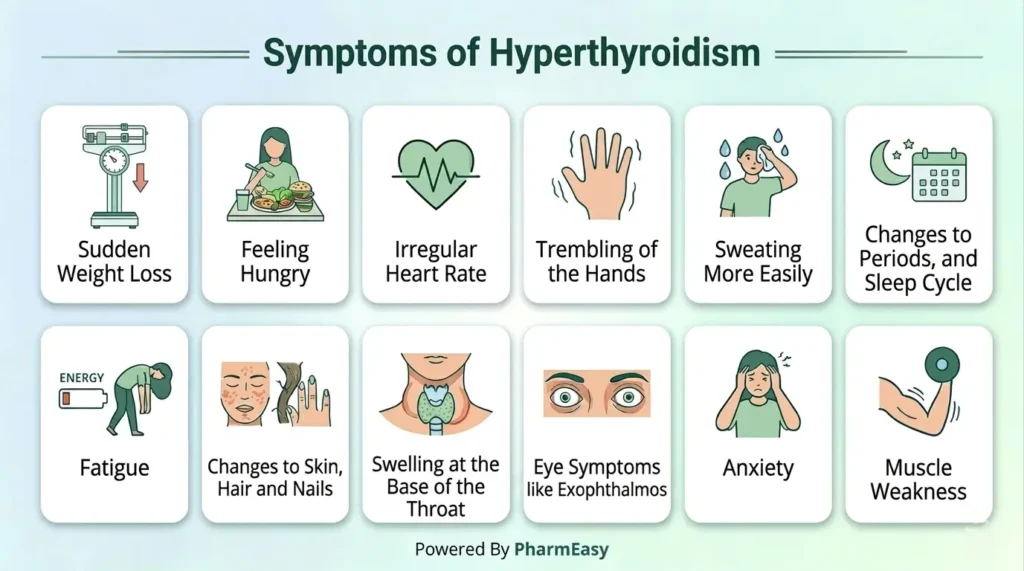
If you have hyperthyroid issues, you may experience any of the following symptoms:
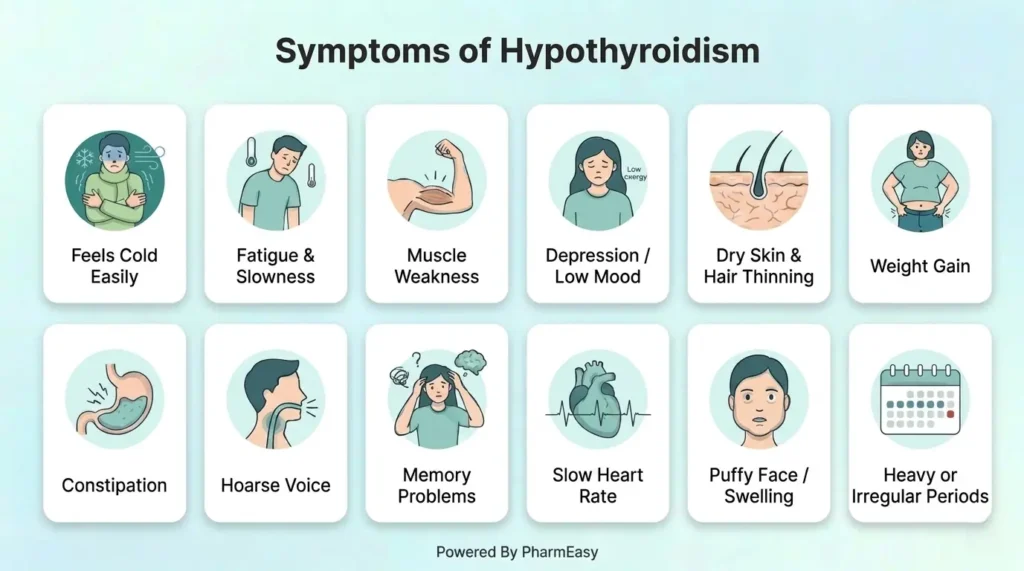
If you have hypothyroid issues, you may experience any of the following symptoms:
If you notice one or more of these symptoms, you should speak with a doctor immediately and request a blood test. Apart from confirming a diagnosis, your doctor will guide you with a list of dietary dos and don’ts for thyroid issues (some of which we’ve listed below). Note that, while dietary precautions are important for thyroid patients, it’s even more crucial to take the prescribed medication in the correct dosage.
Thyroid hormones control the basal metabolic rate in the body, hence the weight loss or gain in thyroid diseases. Regular thyroid profile testing and adjustment of dose by an endocrinologist is of paramount importance.
Dr. M.G. Kartheeka, MBBS, MD(Pediatrics)
It is important to check thyroid levels regularly, measuring TSH, T3, T4, and sometimes free T3 and T4 levels. Whether you get it done from the convenience of your home or visit a laboratory, it is up to you. If you have symptoms of a thyroid disorder, it is important to have a frank discussion with your doctor regarding your symptoms and get a physical examination done to seek clarity on the exact cause of your symptoms7.
Individuals with thyroid issues may be recommended to drink distilled water as chlorine, fluoride and bromine levels are low in distilled water and it is iodine-free, which helps the thyroid to function properly. Distilled water may also be helpful in cleaning the liver and kidneys of toxins.
Individuals with thyroid issues must have foods with vitamin B such as crabs, shellfish, and brazil nuts as these foods contain selenium, a mineral that is needed for optimal thyroid function. Tyrosine is necessary for the production of thyroid hormones. Tyrosine-based foods, such as almonds, sesame seeds, and oats may help reduce inflammation and help enhance health. Antioxidant-rich foods like fresh vegetables and fruits may also help reduce inflammation and support overall thyroid health8,9.
Smoking and drinking alcohol should be avoided in individuals with thyroid disorders. Alcohol can suppress thyroid gland function, while tobacco or smoking may interfere with iodine uptake and disrupt normal thyroid hormone synthesis. Smoking is also associated with an increased risk of Graves’ disease (hyperthyroidism) and may worsen thyroid eye disease10,11.
Caffeine is a stimulant that can temporarily increase the heart rate and blood pressure. Sugar also has detrimental effects on the body. Caffeine has antioxidant properties, so consuming it in small amounts may have an anti-inflammatory effect. However, consuming more than the recommended amount of caffeine can alter the TSH levels produced by the pituitary gland.
Many individuals with thyroid conditions may find it difficult to understand the changes happening in their body and often turn to the internet for answers. However, online sources can vary in accuracy and may lead to confusion or unnecessary concern.
It’s helpful to be aware of the common symptoms and conditions linked to thyroid issues. However, it’s important to consult a qualified doctor for an accurate diagnosis and appropriate medical guidance before starting any treatment or management plan.
By understanding the signs of thyroid problems and following the right medical advice, you can take control of your health and manage symptoms effectively. A balanced approach involving regular check-ups, the right medications, and healthy lifestyle habits is key to supporting thyroid function.
Also Read: Effective Care and Natural Masks for Acne
Disclaimer: The information provided here is for educational/awareness purposes only and is not intended to be a substitute for medical treatment by a healthcare professional and should not be relied upon to diagnose or treat any medical condition. The reader should consult a registered medical practitioner to determine the appropriateness of the information and before consuming any medication. PharmEasy does not provide any guarantee or warranty (express or implied) regarding the accuracy, adequacy, completeness, legality, reliability or usefulness of the information; and disclaims any liability arising thereof.
168
27
Winter is coming!
A cosy room, warm blankets, a cup of hot chocolate, and some pleasant music is the perfect way to enjoy this season. But winter can quickly lose its charm if you’re struggling with a cough or cold.
Cough and cold can be frustrating and debilitating, especially when coughing fits are hard to control. It is normal to clear your throat when something feels stuck, but if the irritation is severe, it may develop into a lingering cough. During winter, a weakened immune system can also make you vulnerable to infections.
Coughing is your body’s natural way of clearing your throat and airways of mucus, irritants, and blockages, such as when food accidentally goes down the wrong way. Cough is usually classified as acute or chronic based on how long it lasts12. Acute cough lasts for less than three weeks, and chronic cough lasts for more than eight weeks.
Cough can be ongoing or short-term based on the underlying cause of cough. The causes of cough range from temporary infections to long-term conditions. Some of the most common causes of cough include12:
Coughs can vary depending on their underlying cause, but are commonly classified as:
If you have a wet cough, you don’t want to suppress it as the infected mucus should drain out, but you want to ease your dry cough because it is exhausting. Here, we have listed some common foods, herbs or home remedies that will help you get relief from the dry and wet cough.

Tulsi (Holy Basil) is traditionally used to ease coughs due to its soothing, anti-inflammatory, and antimicrobial properties13. It may help loosen mucus, making it easier to expel, and can calm throat irritation. Tulsi is often consumed as a tea or in herbal remedies to support respiratory health.
In my opinion, Tulsi is the super herb in Ayurveda. When you catch a cough or a cold, guess who might come to the rescue? That’s right, Tulsi! This herb may act like the superhero of the Ayurvedic universe, fighting off germs and boosting your immune system like a champ13.
Dr. Siddharth Gupta, B.A.M.S, M.D (Ayu)

Ginger is a popular home remedy for cough and acts as an anti-inflammatory1. A cup of hot ginger tea can ease your annoying cough and sore throat. Ginger contains certain compounds that dilate the blood vessels of the lungs and relax and smoothen the muscles that lead to the opening of the airways. You can slice up fresh ginger or freshly grated ginger in hot tea for relief from cough.

Garlic can help you fight cold and flu2. It ensures faster recovery and has other health benefits as well3. You can have garlic raw or add it to your chicken or vegetable soup, dal, or broth. Garlic is rich in compounds that boost immunity, has medicinal properties, and can be a part of your daily diet.

Raw honey is versatile in its healing properties, particularly in respiratory ailments. It possesses antibacterial, antiviral, antifungal, and anti-inflammatory properties that may help reduce the intensity and duration of a cough4. For better results, make tea with two tablespoons of honey and two tablespoons of fresh lemon juice with adequate water. Lemon works as a natural antioxidant and can help revitalise your energy levels. Do check with your doctor if you have diabetes.

Turmeric milk is a popular home remedy in India, used for a myriad of ailments. It is a potent home remedy that can be helpful for sore throat and cough5. Turmeric is highly beneficial due to its active compound, curcumin, which gives the spice its yellow colour and provides anti-inflammatory properties. Curcumin helps boost the immune system and enhances the body’s antibody response to infections. Add some black pepper to the turmeric to improve the absorption of curcumin.

Packed with vitamin C and antioxidants, lemon is great for boosting your immunity. It helps to boost immunity and is also essential for DNA repair and serotonin production. Freshly squeezed lemon juice with warm water or tea can help you soothe your sore throat and cough6. If you have cold, cough or flu, eating oranges may help you recover faster, as they are rich in vitamin C and support the immune system.

It may come as a surprise, but pineapple can be a powerful natural aid for cough. Bromelain, an enzyme found in pineapple, has anti-inflammatory and mucolytic (breakdown of mucus) properties8. These two characteristics of bromelain make pineapple an excellent food to help relieve your cough.

Fresh pomegranate juice is rich in antibacterial and anti-inflammatory compounds. It contains flavonoid antioxidants that may help fight viruses and potentially shorten the length of a cold by up to 40%7. You can drink fresh pomegranate juice daily or add it in smoothies or herbal tea.
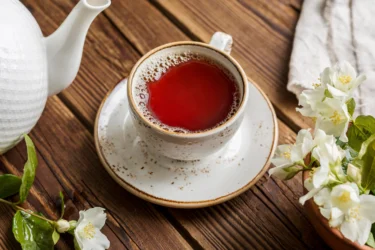
Hot tea (green, black, and regular) is one of the best remedies during a cough or cold. Rich in antioxidants, tea can help soothe your sore throat and loosen mucus, thus helping clear your nasal congestion. Chamomile tea is another helpful option, as it has antibacterial and anti-inflammatory properties. It also promotes better sleep and supports your immune system.
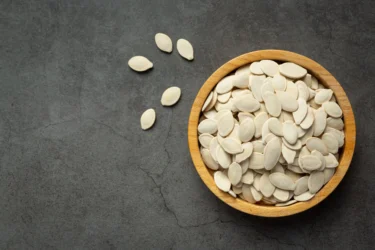
Pumpkin seeds are rich in zinc, a mineral that your body requires to support the function of white blood cells, which play a key role in fighting off pathogens like the flu virus. You can enjoy them as a snack or add them as a topping to your salad for that extra flavour and crunch.

Probiotics may help support your body’s natural defences against cold and flu11. People who regularly consume probiotics like yoghurt are overall healthier and may recover faster than those who don’t get enough probiotics. They even experience less severe flu symptoms.

Yes, your granny was right! Chicken soup or broth or Rasam (if you are a vegetarian) are excellent foods to eat when you have the flu. The steam and the herbs from soup or broth speed up the movement of mucus through the nose to relieve congestion. A healthy soup also helps reduce inflammation. Sipping hot soup can support your immune system, which plays a key role in defending the body against bacteria and viruses. If you don’t eat chicken, you can have vegetable soups flavoured with ginger, garlic, turmeric, and black pepper.

Vegetables are rich in antioxidants that help strengthen your immune system. Fresh vegetable juice can help speed up your recovery from illnesses like the flu. When you are down with flu, and your sense of taste is affected and you do not feel like eating solid foods, a glass of vegetable juice can be the perfect nourishing option for you. You can add vegetables like carrots and kale, known for their antiviral properties, to your juice. For maximum benefit, always prepare fresh juice.

Cough and cold take a toll on your immune system and make you weak. Even if you lose your appetite while sick, the right nutrition can help you spring back to normal health sooner. A turkey sandwich will provide you with the essential protein building blocks that your immune system needs to fight the flu. In India, Turkey could be replaced with any lean meat like chicken and vegetables.

Chicken stew is a comfort food that you can rely on when you have a sore throat, a bad cough or flu. The combination of ingredients that go into chicken stew (vegetables, chicken broth, salt, pepper, onion and garlic) can soothe your symptoms and support early recovery.

Bananas are nutrient-rich, easy-to-digest fruits that contain fast-acting carbohydrates and soluble fibre. When you have cough, cold or other problems like nausea or vomiting, bananas help in early recovery. Bananas are a part of the BRAT (Banana, Rice, Applesauce and Toast) diet, which is recommended for people with cough, cold and stomach ailments.
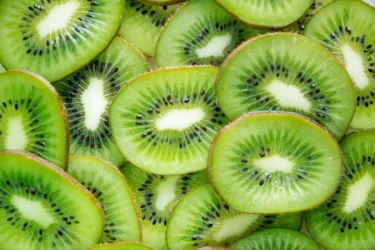
Kiwi may sound like an unusual remedy, but is one of the best foods to ease your cough9. Adults who eat kiwi when they have cold and flu symptoms may show quicker recovery in their sore throat. The micronutrients in kiwi enhance the concentration of red blood cells, which may give you a quick immunity boost.
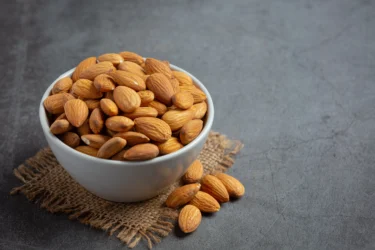
Almonds may benefit when it comes to cold and cough. Almonds skin contains polyphenols, a compound that helps to increase the disease-fighting activity of white blood cells against viruses10. Even after the almonds have been digested, this immunity boost lingers for quite some time. However, the same benefit is not seen if almonds are eaten without the skin.
| Tips | How it helps |
| Clean your nose | Blowing your nose gently (with a clean cloth) as well as using a saltwater rinse can effectively remove the phlegm building up in your nasal passages. |
| Gargle | Gargling with warm water can help clear your throat, reduce mucus as well as ease throat discomfort. Drinking warm beverages can also ease your throat pain. |
| Diet | Following the dietary recommendations given above can boost your overall health and support your immune system. |
| Steam | Steam inhalation or even simply taking a steamy shower can open up your blocked nasal passages, ease your breathing, and help you relax. |
Although your cough or cold may feel overwhelming, a healthy diet can make a big difference by boosting your immunity and keeping you healthy.
Based on my observation, neem leaf might be a natural superhero for cold and fever! It might help boost your immune system, fight inflammation, and may have antibacterial and antiviral powers. Brew some neem leaf tea or try a neem leaf supplement and ensure good health14.
Dr. Smita Barode, B.A.M.S, M.S.

A warm drink made with honey and lemon can help soothe a sore throat and ease cough symptoms naturally. Honey coats the throat, eases irritation and reduces coughing. Lemon, which is rich in vitamin C, supports your immune system and helps fight cold symptoms.
Ingredients:
Instructions:
Mix the honey and lemon juice in warm water until well combined. Sip this soothing drink to help relieve cough and soothe the throat.

This tea combines two powerful immune-boosting ingredients, ginger and turmeric. Ginger, with its anti-inflammatory properties, can help soothe the throat and reduce coughing. Turmeric contains curcumin, a compound known for its immune-supportive and anti-inflammatory effects, which can aid in managing cold symptoms.
Ingredients:
Instructions:
Boil water in a saucepan and add grated ginger and turmeric powder. Simmer for 5 minutes. Strain the tea into a cup. Add honey if desired and stir well. Enjoy this immune-boosting tea to ease cough and cold symptoms. But always remember to not overdo this drink, as it may be too heat-inducing for some individuals.

Garlic is well-known for its antibacterial and antiviral properties, which can help fight off infections that cause cough and cold. Garlic chicken soup combines the immune-boosting properties of both garlic and chicken soup, offering hydration, warmth, and nourishment from the vegetables and chicken, while providing comfort and supporting immune function during illness.
Ingredients:
Instructions:
Warm some olive oil in a pan over medium heat, then sauté minced garlic, chopped onions, carrots, and celery. Sauté until vegetables are tender. Add chicken broth and bring to a boil. Reduce heat and simmer for 15-20 minutes. Add cooked chicken and season with salt and pepper. Cook for an additional 5 minutes. Enjoy this comforting and nourishing soup for its soothing effects on cough and cold symptoms.
Also Read: 11 Incredible Health Benefits of Coconut Water

Golden milk combines the benefits of turmeric with warm milk. Curcumin, the main compound in turmeric, has inflammation-reducing properties that may ease irritated airways and suppress cough. Warm milk provides comfort and hydration, helping to alleviate cold symptoms.
Ingredients:
Instructions:
Heat milk in a saucepan over medium heat. Add turmeric, cinnamon and ginger powder. Whisk well to combine. Heat until warm but not boiling. Add honey if desired and stir until dissolved. Golden milk is known for its anti-inflammatory properties and can help relieve cough and cold symptoms.
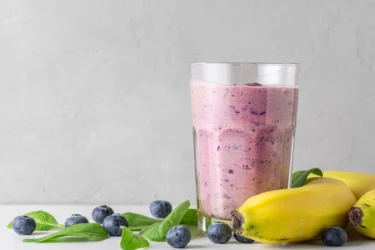
This vitamin-rich smoothie combines the goodness of ripe banana and mixed berries. . Bananas are rich in vitamin C, B6, and potassium, which help support a healthy immune system. Berries, such as strawberries and blueberries, are antioxidant-rich fruits with high vitamin C content that may ease coughing and strengthen your immune system.
Ingredients:
Instructions:
Blend all the ingredients together until smooth. You can add a few ice cubes if you’d like it chilled. This nutrient-rich smoothie supports your immune health during colds and cough.
Children often prefer milder flavours, softer textures, and lower spice levels during cough and cold.The following warm, easy-to-eat foods may help provide comfort while supporting hydration and nutrition during recovery.
Warm apple juice is a honey-free option that may help soothe an irritated throat. The warmth can provide comfort and encourage fluid intake, which is important during illness.
Ingredients:
Instructions: Warm the apple juice in a small saucepan or microwave until it is comfortably warm, but not hot. Stir in a tiny pinch of cinnamon if your child likes the flavor. Have them sip it slowly to soothe their throat and help them stay hydrated.
Note: Warm apple juice is suitable for children over 1 year of age. Avoid serving very hot drinks to prevent burns.
Chicken soup is a comforting meal during illness. The warm broth may help loosen nasal secretions, while the fluid helps maintain hydration. It also provides protein, carbohydrates, and electrolytes to support recovery.
Ingredients:
Instructions: Bring the chicken broth and diced vegetables to a boil, then reduce heat and simmer until the veggies are soft. Add the noodles and cooked chicken, cooking until the noodles are tender. Let it cool to a safe, warm temperature before serving.
A soft, warm meal such as oatmeal may be easier to swallow when a child has a sore throat. Oats provide carbohydrates and fibre, while banana adds natural sweetness and potassium.
Ingredients:
Instructions: Cook the oats in the milk or water according to the package instructions. Stir in the mashed banana and a pinch of cinnamon during the last minute of cooking. Cool thoroughly until warm and easy for a child to eat.
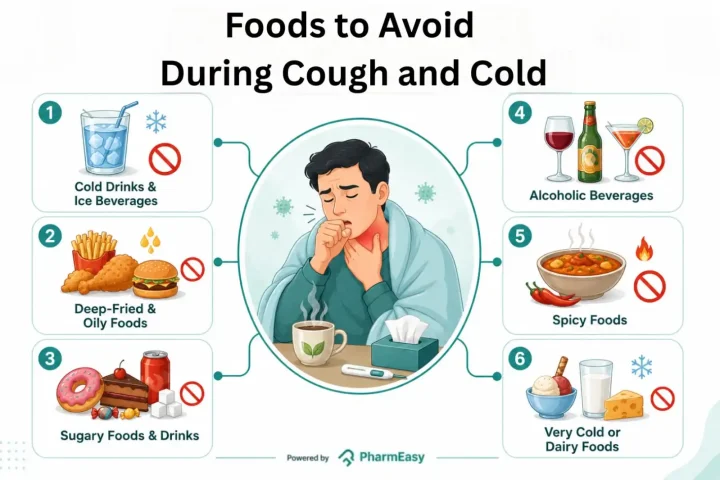
While food does not directly cause or cure a cold, certain items may worsen throat irritation, dehydration, reflux, or discomfort. Here is the list of foods that can be avoided during cough and cold.
Also Read: What is Influenza (Flu) & Its Types
Incorporating the right foods into your diet can significantly help alleviate the symptoms of cough and cold. Nutrient-rich options like honey, lemon, garlic, and ginger support immune function, soothe the throat, and reduce inflammation. Along with proper rest and hydration, these foods can help speed up your recovery. Maintaining a healthy diet during illness can ensure a quicker return to better health and comfort.
Also Read: Food for Dengue – What To Eat And What To Avoid!
No. Coughs associated with the common cold and flu are usually not contagious. However, whooping cough (pertussis) is a contagious bacterial infection that spreads through sneezing or coughing. An infected person can be contagious for about two weeks, although modern medicine and antibiotics can help reduce this period significantly.
When experiencing a cough and cold, following these personal hygiene tips will help you recover faster and reduce the risk of spreading the infection to your loved ones:
-Always cover your nose and mouth with a tissue or handkerchief when coughing or sneezing. Using a tissue is always preferable as it is easily disposable.
-Dispose of used tissues in the trash can.
-Before handling food or any surfaces in the house, wash your hands with soap and water.
The use of masks in public spaces or any social gatherings is also recommended to control the spread of infection.
Certain foods can worsen your symptoms during a cough and cold. It’s best to avoid the following foods:
Sugar: Whether in your tea, coffee, chocolates, sweets, or pastries, sugar should be avoided as it can suppress the immune system, making it harder for your body to fight off infections.
Alcohol: While some might recommend a bit of gin and tonic for relief, alcohol actually weakens the white blood cells and increases inflammation in the bronchial and lung tissues. It can also dehydrate you, which is the opposite of what you need when you’re sick.
Caffeinated Drinks: Beverages like tea, coffee, or other caffeinated drinks act as diuretics, causing your body to lose water and salts. This can lead to dehydration, making you feel worse.
Spicy food: Although spicy foods may temporarily thin out the mucus, they contain capsaicin, which can actually increase phlegm production in the long run, potentially delaying recovery.
Milk: Drinking milk can thicken the mucus and increase phlegm production, making your symptoms worse. However, a small cup of hot turmeric (haldi) milk may help some individuals due to the anti-inflammatory properties of turmeric.
Cold temperatures alone don’t cause the common cold. However, they may contribute to the spread of respiratory viruses as people tend to spend more time indoors in close proximity to each other during colder months.
Most colds can be managed at home, but you should seek medical attention if you experience severe symptoms, such as high fever, persistent or worsening cough, difficulty breathing, chest pain, or if your cold symptoms last longer than expected.
A persistent cough after a cold is commonly caused by postnasal drip, which occurs when excess mucus from the nose and sinuses drips down the throat. This can irritate the throat and lead to a lingering cough.
The duration of a common cold can vary, but most symptoms typically last for about 7 to 10 days. However, some symptoms, like cough, may persist for a few weeks.
No, antibiotics are not effective against viral infections like the common cold. Colds are triggered by viruses, and since antibiotics target bacteria, they aren’t effective for viral infections. Misusing antibiotics may also lead to resistance. Taking antibiotics unnecessarily can contribute to antibiotic resistance and should be avoided.
Disclaimer: The information provided here is for educational/awareness purposes only and is not intended to be a substitute for medical treatment by a healthcare professional and should not be relied upon to diagnose or treat any medical condition. The reader should consult a registered medical practitioner to determine the appropriateness of the information and before consuming any medication. PharmEasy does not provide any guarantee or warranty (express or implied) regarding the accuracy, adequacy, completeness, legality, reliability or usefulness of the information; and disclaims any liability arising thereof.
Links and product recommendations in the information provided here are advertisements of third-party products available on the website. PharmEasy does not make any representation on the accuracy or suitability of such products/services. Advertisements do not influence the editorial decisions or content. The information in this blog is subject to change without notice. The authors and administrators reserve the right to modify, add, or remove content without notification. It is your responsibility to review this disclaimer regularly for any changes.
620
29
We often focus on our diet to achieve glowing skin or boost immunity, but how often do we consider the health of our liver? It is time to shift our attention to this organ. Good nutrition plays a vital role in maintaining healthy liver function and supporting its essential tasks in the body.
The liver is the powerhouse and the primary filter of our body. When you eat food, it is broken down in the stomach and intestine by various enzymes, proteins, and bile which is produced by the liver. Additionally, the liver acts as a storehouse for vitamins, minerals, and carbohydrates. Below are some important functions of the liver:
To support optimal liver function, consider the following practices:
The liver is the only organ in the body that has the ability to detoxify itself. It plays a crucial role in processing everything we consume. To support the liver’s natural cleansing functions, it is important to maintain a balanced, liver-friendly diet. Below are some foods that may help support the liver’s detoxification process.

Avocado is often regarded as a modern-day superfood. It contains different vitamins and minerals which may support liver health. Avocados are also a source of glutathione, an antioxidant that may help the body neutralise and eliminate harmful substances1.

Garlic contains certain compounds that activate liver enzymes which may support the activation of liver enzymes involved in the body’s detoxification processes. It is also a source of selenium, a mineral that may help protect liver cells from damage1.

Green leafy vegetables, such as spinach and kale, are rich in vitamins A, C, and K, as well as antioxidants. Including them in the diet may support overall health and contribute to maintaining a healthy internal environment2.

Turmeric is widely regarded as a powerful spice in traditional practices. It may help support liver health by protecting liver cells and encouraging the body’s natural detoxification processes. Turmeric is also believed to help in the natural production of bile and may help in managing fat accumulation in the liver. However, further studies are needed to establish these effects in humans3.

Beetroot juice contains nitrates and acts as a source of antioxidants, which may upport heart health and reduce inflammation. Clinical studies4 also suggest that a chemical found in beetroot can help fight against fatty liver disease.

Green tea is full of antioxidants known as catechins. Catechin helps with liver detoxification and reduces inflammation of the liver2.

Olive oil and its extract can be beneficial in liver health2. Some studies5 show that its has a powerful antioxidant that protects the liver from different toxins.
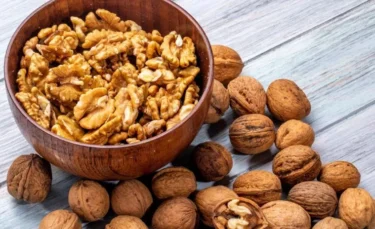
Nuts are rich in nutrients, vitamins, fats, and antioxidants, and may support overall health when included in a balanced diet. Walnuts, in particular, contain an amino acid called arginine, which may assist the body in its natural detoxification processes. They are also known to be high in plant compounds. Traditionally, black walnuts have been valued for their potential to support circulation and may contribute to maintaining liver health. However, more research is needed to establish these effects in humans6.
Fatty fish is a rich source of omega-3 fatty acids which helps to reduce liver inflammation. These healthy fats are believed to assist in reducing inflammation and may help regulate fat levels in the liver. Additionally, they may contribute to maintaining normal liver enzyme function. However, further research is required to confirm these effects in human health6.

Adding fibre-rich fruits like apples to your diet may help to remove toxins from the body. It also supports digestion8.
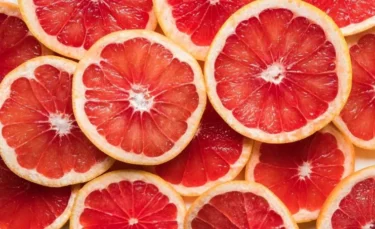
Study2 results suggest that grapefruits and its products are rich in antioxidants which may help in reducing inflammation and prevent liver injury.

Studies7 suggest that a glass of warm water with lemon juice may work as a liver detoxifier.
According to Ayurvedic literature, Pippali is believed to be a medicinal plant with potential hepatoprotective properties, which may support liver health and assist in the management of various liver conditions.
Dr. Siddharth Gupta, B.A.M.S M.D (Ayu)
Also Read: Signs You May Have Liver Stress
The following herbs may be effective in cleansing your liver:
Also Read: Natural Home Remedies for Fatty Liver
As a vital organ, the liver plays an essential role in supporting various functions within the body. Maintaining liver health through a balanced diet and healthy lifestyle choices, such as limiting alcohol intake and avoiding smoking, may contribute to its optimal functioning.
Certain foods and beverages, when included as part of a balanced diet, may support the liver’s natural detoxification processes and promote overall well-being. While these dietary choices may assist in maintaining liver health, it is important to consult a healthcare professional before making any significant changes to your diet or lifestyle, especially if you have existing health concerns2,10.
Also Read: Everything You Need to Know About the Hepatitis A Vaccine
Disclaimer: The information provided here is for educational/awareness purposes only and is not intended to be a substitute for medical treatment by a healthcare professional and should not be relied upon to diagnose or treat any medical condition. The reader should consult a registered medical practitioner to determine the appropriateness of the information and before consuming any medication. PharmEasy does not provide any guarantee or warranty (express or implied) regarding the accuracy, adequacy, completeness, legality, reliability or usefulness of the information; and disclaims any liability arising thereof.
103
2
The liver is one of the most hardworking but undervalued organs in the body. While much attention is given to heart health, weight loss, and glowing skin, it is the liver that performs approximately hundreds of essential functions. These include storing nutrients like sugar, minerals, and vitamins to fuel the body; controlling the production and excretion of cholesterol; producing bile, which is stored in the gallbladder and helps break down fats1; and filtering out harmful substances, such as alcohol, medicines, and environmental factors2.
Just like the heart, the liver can also be stressed; however, unlike heart problems that may show early signs, the symptoms of a distressed liver show up very late. The liver is stressed when it is overworked and becomes sluggish.
So, how do you understand if the liver is in distress? Here are 17 symptoms that may indicate your liver is under stress:
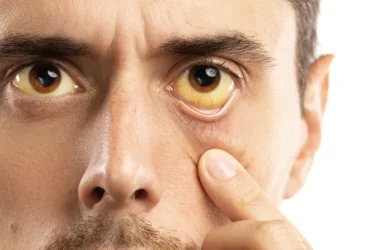
Skin discolouration may sometimes be linked to liver problems. If your skin colour changes to jaundice yellow or pale with a blue tinge, your nails or fingertips turn yellow, or you have yellowing of the eyes, it is advisable to visit a doctor. This change in colour occurs because the body is unable to flush out the toxins, which leads to bilirubin accumulating under the skin, causing skin discolouration3.

Feel bloated frequently and have constipation too? Frequent indigestion may be associated with liver issues. With bloating, you may experience stomach pain as well4. This happens because the bile is unable to break down the food during digestion.
Another important sign is Spider naevi. Spider naevi or angiomas are small clusters of blood vessels that form just beneath the skin, often spreading outward like a spider’s legs. Angiomas typically appear red or purple in colour. These are often present in excessive numbers in people with liver disease.
Dr. M.G. Kartheeka, MBBS, MD (Pediatrics)

The liver plays an essential role in filtering blood and supports the synthesis of many nutrients needed for good health. However, when the liver is stressed, it may affect the synthesis and delivery of nutrients to muscles, tissues and tendons. This may lead to symptoms such as muscle cramps, weakness, and fatigue5.

Do you feel tired all the time? Persistent fatigue may occur when the liver isn’t functioning efficiently. When the body is under continuous strain, it may place additional pressure on the liver and other organs, leading to persistent tiredness. It is best to get your liver checked at this point5.

Is your urine darker than usual? It is possible that this may be due to inadequate water intake, which may cause your stools to be darker too. If you start drinking enough water and the colour of your urine and stool lightens, all may be well. However, if your urine and stool colour are still dark, you should seek medical help as this may be caused by liver problems5.
The culture of fast foods these days is slowly damaging the liver due to non-alcoholic fatty liver disease. Avoiding refined sugar and fast foods and eating before dusk helps a lot in prevention of fat accumulation in the liver, which can allay liver stress symptoms (by promoting weight loss).
Dr. Nikhil Yadav, MBBS MD, CCEBDM

When the liver is stressed, some individuals may experience mood changes or emotional disturbances, such as irritability, anxiety, mood swings, and depression, and some may even experience cognitive impairment, meaning their memory, attention span, and decision-making may be affected6.

Another potential liver distress symptom is little-to-no interest in food. A reduced desire to eat is often caused by an underlying health issue and should be taken seriously5.

Although irregular sleep pattern is a common occurrence amongst millennials due to a stressed lifestyle, a study7 found that liver cirrhosis was responsible for unusual sleep patterns in many patients.

When you have liver problems, the liver may not be able to purify your blood adequately. When toxins are not removed from the blood, it may lead to symptoms like memory loss, difficulty thinking, and confusion5.

Abnormal skin itchiness may be a symptom of liver cirrhosis3.
Liver disease tends to develop over time, slowly replacing healthy liver tissue with scarred or damaged tissue. This affects liver function and changes the metabolism, hormonal balance, and many other factors, which may lead to weight gain8.

Experts believe that when you develop nonalcoholic fatty liver disease (liver disease not associated with alcohol), your palms start to turn reddish, an outward indicator of liver dysfunction3.

Another probable symptom of nonalcoholic fatty liver disease is the enlargement of breasts in men. Although the exact cause of this is unclear, it is speculated that this may occur due to excess production of the female hormone, oestrogen, in this condition9.

Liver damage also manifests in the form of easy and sudden skin bruises and even bleeding5.

Swelling in the ankles and feet may also be associated with liver dysfunction. There may also be abdominal swelling due to the accumulation of fluid in the abdomen5.
Liver function tests are commonly recommended blood tests for measuring different enzymes, proteins and other substances made by the liver. Changes noticed in liver function tests should be reviewed by a physician to find the cause and manage the condition.
Dr. Ashish Bajaj, M.B.B.S., M.D., in Clinical Pharmacology and Toxicology
Also Read: Liver Fibrosis: What Is It, Causes, Symptoms & Treatment

Experiencing chills is often a natural response of the body when the mercury drops or when you are developing a fever. However, if none of this fits the bill, it could indicate cholestasis (blocked or reduced bile flow) associated with liver disease10.

When the liver is under stress, it can disrupt many bodily functions and may be associated with symptoms such as ringing in the ears, sleep disturbances, dizziness, blurry vision, allergic reactions, gastrointestinal bleeding, reduced sex drive, unexplained weight changes, sensitivity to chemicals, and the appearance of spider veins11,5.
Also Read: Natural Home Remedies for Fatty Liver
A healthy liver is important for overall well-being, as it supports many essential functions like the storage of nutrients, digestion, and filtering blood. If you are experiencing any of these symptoms mentioned in this article, it is advisable to consult your doctor or a liver specialist today to identify the cause of your symptoms and support the timely management of liver issues.
Also Read: What is Hepatitis A? Causes, Symptoms, and How It Spreads
Disclaimer: The information provided here is for educational/awareness purposes only and is not intended to be a substitute for medical treatment by a healthcare professional and should not be relied upon to diagnose or treat any medical condition. The reader should consult a registered medical practitioner to determine the appropriateness of the information and before consuming any medication. PharmEasy does not provide any guarantee or warranty (express or implied) regarding the accuracy, adequacy, completeness, legality, reliability or usefulness of the information; and disclaims any liability arising thereof.
Links and product recommendations in the information provided here are advertisements of third-party products available on the website. PharmEasy does not make any representation on the accuracy or suitability of such products/services. Advertisements do not influence the editorial decisions or content. The information in this blog is subject to change without notice. The authors and administrators reserve the right to modify, add, or remove content without notification. It is your responsibility to review this disclaimer regularly for any changes.
339
10


