




What To Eat & Avoid During Malaria?
By Dr. Vishesh Bharucha +2 more

Medically reviewed by Dr. Avinav Gupta
Last updated: Oct 16, 2026 Published on: Feb 6, 2022


Get,

to manage your symptom
Get your,

4 Cr+ families
benefitted

OTP sent to 9988776655



You’ve successfully subscribed to receive
doctor-approved tips on
Whatsapp

Get ready to feel your best.


Register to Avail the Offer
Send OTPBy continuing, you agree with our Privacy Policy and Terms and Conditions
Hi There,
Sign up on PharmEasy now!!


Trusted by 4 crore+ families

OTP sent to 9988776655
You have unlocked 25% off on medicines


Code: NU25
Comments
Leave your comment here

By Dr. Vishesh Bharucha +2 more
Table of Contents
Malaria is a protozoan disease caused by Plasmodium species and is transmitted by the female Anopheles mosquito1. It is common during the monsoon season due to a rise in mosquito breeding. The disease can lead to systemic symptoms and metabolic stress, which can suppress immunity and increase nutritional needs.
Malaria typically presents with symptoms such as cyclical fever with chills, headache, muscle aches, vomiting, and fatigue1. The Anopheles mosquito transmits the Plasmodium parasite through its bite, introducing the parasite into the bloodstream of a healthy individual. To treat malaria, there is no specific diet, but one needs to ensure good supportive nutritional care to help the body fight the disease. A diet for malaria should focus on boosting the immune system without causing harm to other organs like the kidney, liver or digestive system. In this blog, we will discuss what you should eat and what to avoid during malaria, to help manage symptoms better and reduce risk of complications.

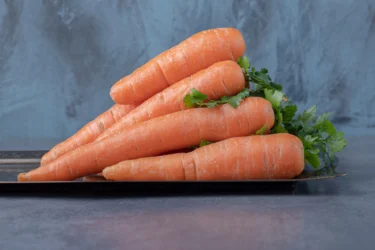
When the patient has malaria, the body’s metabolic rate increases due to fever. This means that the body’s nutritional requirements increase and also the need to intake calories.
A high-carbohydrate diet can be good. Grains are a rich source but prefer rice over wheat and millets. Rice can be digested easily and can release energy faster. Fresh fruits and vegetables can also be great for malaria patients. According to studies3, vitamin A2 and vitamin C rich fruits and vegetables like beetroot, carrot, papaya, sweet lime, grapes, berries, lemon, orange, along with zinc, can help to boost the immunity, lower some symptoms and reduce risk of complications in patients suffering from malaria.
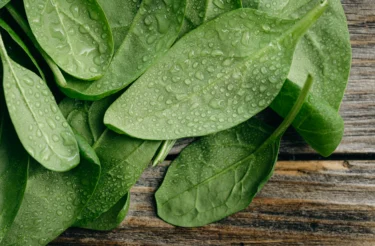
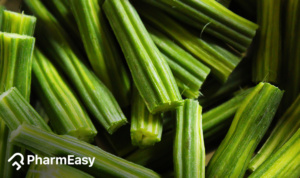
Malaria can lead to a temporary drop in haemoglobin levels due to the destruction of red blood cells11. Therefore, iron replenishment is an important part of recovery. Including iron-rich foods in your diet may help to restore energy levels and support faster recovery from weakness and fatigue.
Include foods such as:
Tip: Pair iron-rich foods with vitamin C-rich foods such as oranges, amla, guava, tomatoes, or lemons to improve iron absorption.
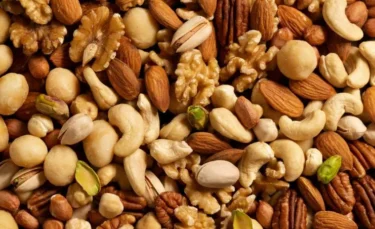
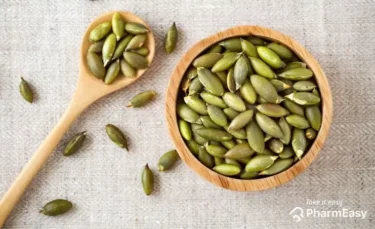
When you have malaria, you need to incorporate more phytonutrients into your diet that help to tackle antioxidative stress caused by an infection4. Nuts and seeds provide essential fatty acids, antioxidants, and protein. These nutrients help reduce oxidative stress and support healing. Choose unsalted, plain varieties and avoid commercially processed snacks.
I would like to share a helpful tip for dealing with malaria. Red palm oil contains antioxidants that might protect your body’s cells. It may reduce tissue damage and manage oxidative stress caused by malaria and other factors8. Always remember to consume it in moderation and consult with a healthcare professional for comprehensive malaria management.
Dr. Siddharth Gupta, B.A.M.S, M.D (Ayu)

Adequate hydration is essential to compensate for fluid loss due to vomiting and dehydration5. Oral rehydration solutions, fresh fruit juices, coconut water, and soups can be included. All water consumed should be boiled or filtered. Herbal remedies like ajwain water may help with bloating6, but should be used cautiously and not replace medical treatment.
While drinking water, make sure it is boiled or sterilized. Doctors usually recommend a daily fluid intake of at least 3 to 3.5 litres, if not more. Fluids will help in washing out the toxins from the body via urine and stools and help you get well sooner.

Since many antimalarial medications can place temporary stress on the liver, a liver-friendly diet can support detoxification and reduce metabolic burden during treatment and focus on early recovery13. Focus on light and freshly cooked meals such as khichdi, dal-rice, and vegetable soups and include fresh fruits like papaya, apple and citrus fruits in the diet. It is also important to stay adequately hydrated and avoid excessive consumption of alcohol during illness and recovery.

Protein is essential for tissue repair and immune function. Include well-cooked pulses, eggs, chicken, and dairy in your diet. If gastrointestinal symptoms are present, start with soups and broths. Some traditional foods like curd, lassi, and buttermilk is highly beneficial, but your doctor can guide you best on this.
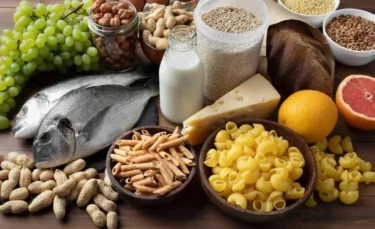
Limit fried or greasy foods, as they can worsen nausea or diarrhoea. Small amounts of healthy fats such as omega-3s from flaxseed, fish or walnuts are beneficial. They work well in reducing inflammation in the body7. Avoid trans fats and excessive dairy cream.
According to my knowledge, the seeds of the fever nut plant might be a helpful remedy for malaria10. They possess special properties that may help fight against the malaria-causing parasites. Additionally, these seeds also have anti-inflammatory effects!
Dr. Smita Barode, B.A.M.S, M.S.
Also Read: Excellent Health Benefits Of Sugarcane Juice
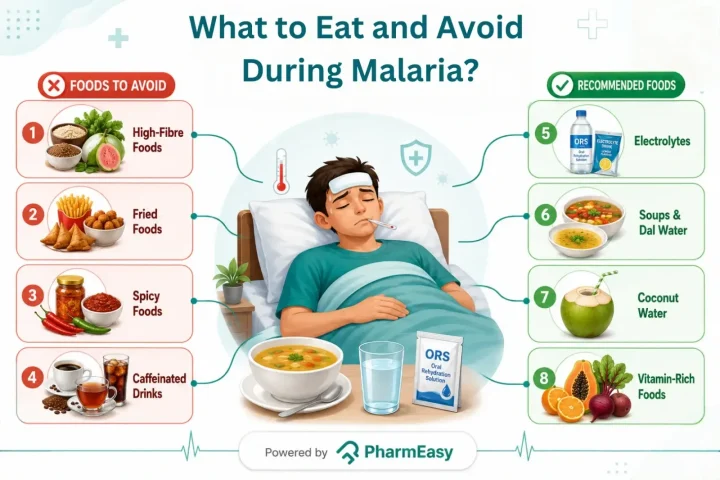
Avoid very high-fibre foods like green leafy vegetables, fruits with thick skin, and whole grain cereals, which may cause bloating or be hard to digest during acute illness. Refrain from high-fat, fried, or processed foods (e.g., chips, pastries, fast food). Also, refrain from having food that is spicy or acidic, like pickles and sauces. These can cause stomach problems and heartburn. Avoid intake of coffee, tea, cocoa, cola, or any other caffeinated beverages.
It is important to work on vitamin loss by drinking electrolytes5. Eating soups, stews, or drinking fruit juices or dal water, coconut water, etc., is important. Vitamin C and A-rich foods such as papaya, beetroots, and other citrus foods, etc., with vitamin B complex are important for a malaria patient.
I believe that it’s crucial to take precautions against mosquito bites to protect yourself from malaria. Applying mosquito repellent to exposed skin might be very helpful. Additionally, using mosquito nets over beds is highly recommended, especially while sleeping9. By following these simple steps, you may significantly lower your risk of contracting malaria.
Dr. Rajeev Singh, BAMS
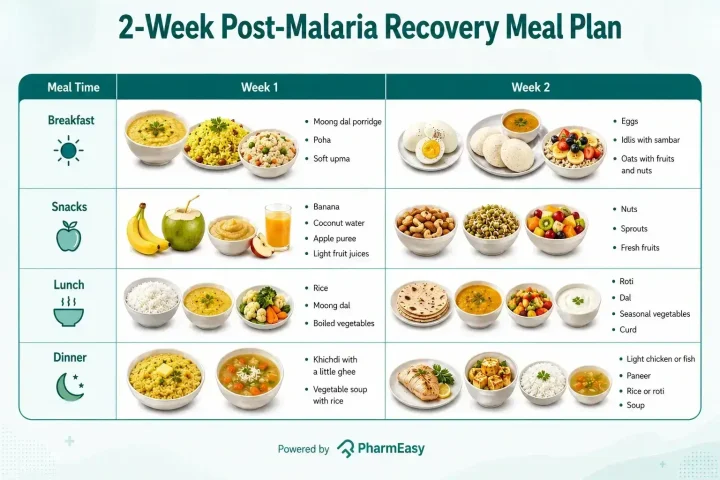
Even after fever and acute symptoms subside, the body continues to recover from internal inflammation14, nutrient depletion, and anaemia11. This recovery phase is important for restoring energy levels, rebuilding immunity, and preventing relapse or prolonged weakness. A gradual return to a balanced diet is recommended instead of immediately resuming a normal heavy diet.
The following 2-week meal plan may help your body to recover at its normal pace.
During the first week after the fever reduces, the digestive system remains sensitive. The focus should be on light, easily digestible foods.
Avoid heavy spices, fried foods, and raw salads during this phase.
In the second week, appetite and energy usually improve. This phase focuses on rebuilding strength and correcting nutritional deficiencies.
This gradual progression may help to restore haemoglobin levels, muscle strength, and overall immunity without overburdening digestion.
Also Read: 18 Best Foods to Ease Your Cough and Cold
After the acute symptoms of malaria subside and dietary recovery begins, it is important to monitor the body’s response to treatment. Malaria can cause temporary anaemia, weakness, and metabolic imbalance, and follow-up testing helps ensure complete recovery.
Routine evaluation is usually recommended if fatigue, weakness, or low-grade fever persists after treatment.
Note: Follow-up testing should be guided by your doctor based on your symptoms, malaria type, treatment received, and overall recovery.
Malaria, a parasite infection caused by mosquito bites, can adversely affect your immune system. Following the right diet during malaria can help in dealing with symptoms and avoiding risk of complications. This comprehensive list of foods to eat and avoid can help you meet the body’s unique demands during this infection. But remember, while nutritional care is essential, medical therapy must be followed as recommended by doctor. Moreover, prevention of mosquito bites through repellents, nets, and protective clothing remains the cornerstone of malaria control.
Also Read: Food for Dengue – What To Eat And What To Avoid!
To recover quickly, you must strictly finish your prescribed course of antimalarial medications, even if you start feeling better early. Pair this with absolute bed rest and high fluid intake such as water, coconut water, and fresh juices.
Yes, milk is generally safe to drink during malaria unless your doctor advises otherwise. It provides protein and other nutrients that can help support recovery. However, it should not replace fluids such as water or oral rehydration solutions if dehydration is a concern.
Yes, eggs are a good source of high-quality protein and can be included in a malaria recovery diet. They are easy to digest when cooked properly and may help support the body’s healing process. Choose boiled, poached, or lightly cooked eggs rather than heavily fried preparations.
Fruits rich in vitamins, minerals, and water content can be beneficial during malaria recovery. Options such as oranges, sweet lime, papaya, pomegranate, watermelon, and bananas can help provide hydration and essential nutrients. A variety of fruits is generally better than relying on a single fruit.
No drink can cure or stop malaria. Malaria requires treatment with prescribed antimalarial medications. However, drinking plenty of water, oral rehydration solutions, soups, and fresh fluids can help prevent dehydration and support recovery during treatment.
Yes, cucumber is generally safe to eat while being treated for malaria. Its high water content may help with hydration, especially if you have a fever. Make sure it is washed thoroughly before consumption to reduce the risk of foodborne infections.
Disclaimer: The information provided here is for educational/awareness purposes only and is not intended to be a substitute for medical treatment by a healthcare professional and should not be relied upon to diagnose or treat any medical condition. The reader should consult a registered medical practitioner to determine the appropriateness of the information and before consuming any medication. PharmEasy does not provide any guarantee or warranty (express or implied) regarding the accuracy, adequacy, completeness, legality, reliability or usefulness of the information; and disclaims any liability arising thereof.
Links and product recommendations in the information provided here are advertisements of third-party products available on the website. PharmEasy does not make any representation on the accuracy or suitability of such products/services. Advertisements do not influence the editorial decisions or content. The information in this blog is subject to change without notice. The authors and administrators reserve the right to modify, add, or remove content without notification. It is your responsibility to review this disclaimer regularly for any changes.
 266
266  13
13Comments

Leave your comment...

View all comments(2)
You may also like




















My doubt and confusion about not eating fruit during malaria treatment was cleared. Thanks
hi, I am gradually recovering from malaria/typhoid and I felt like taking
“5 alive” juice, but the thing is…a couple of it down into my tummy feels good yet suddenly, a nauseous sensation comes with it. what could be the cause?