
Ashwagandha (Withania somnifera) is a popular herb in the Ayurvedic system of medicine. It is a small shrub that belongs to the Solanaceae family. It might be useful for different diseases and mostly as a nervine tonic (has a soothing effect on nerves). Ashwagandha is commonly called Indian Ginseng or Indian winter cherry. Ashwagandha is known for its rasayana (tonic) property. Rasayana is a herbal or metallic formulation that stimulates a youthful physical and mental state of health as well as happiness1.
Ashwagandha is cultivated in dry regions of South Asia, Africa, and Central Asia. More than 50 chemical constituents have been isolated from different parts of the ashwagandha plant1.
Did you know?
In 100 grams of ashwagandha, the nutrients found are:
The potential properties of ashwagandha are2:
Ashwagandha is also called an ‘adaptogenic’ herb or a ‘royal’ herb since it helps reduce stress and helps your body adapt to changes. It rejuvenates various body systems like the immune, reproductive and endocrine systems9.
Dr. Siddharth Gupta, B.A.M.S, M.D (Ayu)
The potential uses of ashwagandha for human health are as follows:

Ashwagandha might have anxiolytic (anxiety-relieving) properties that are similar to that of the drug lorazepam. Both ashwagandha and lorazepam showed to help reduce anxiety in animal models. Ashwagandha might also exhibit potential antidepressant properties. This indicates that Ashwagandha might help with depression and anxiety1. However, more research is required. Anxiety and depression may need serious attention and one should seek medical help from a professional for it.

Ashwagandha might have potential anti-arthritic properties that may be widely accepted and reported. Ashwagandha might help relieve pain by soothing the nervous system. In an experimental study6, patients were given a formula containing ashwagandha. This herbal formulation showed the potential to reduce the severity of pain and disability1,4. However, arthritis is a serious condition and must be diagnosed and treated by a doctor.

Ashwagandha is a popular Ayurvedic rasayana and belongs to medhyarasayanas, a subgroup of rasayanas. Medhya means mental/intellectual ability. Ashwagandha might help enhance memory and intelligence. This potential of ashwagandha for cognition was seen in children with compromised memory and old age as anecdotal evidence1. However, such claims lack scientific backup. Therefore, more research is required.

The circulatory system and cardiovascular health are adversely affected due to mental stress. Stress also affects the body’s antioxidant defence system7. Ashwagandha might help the body adapt to stress. It may also be effective in improving mental and physical health5. However, more research is required to ascertain such claims.
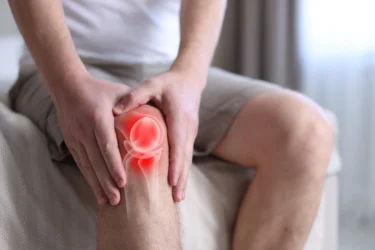
In a study8, treatment with an aqueous extract of ashwagandha showed potential to increase the pain threshold (a point beyond which a trigger produces pain) compared to that of placebo, showing that ashwagandha might be an analgesic agent. However, further research is required to state these as concrete facts.

Ashwagandha might help deal with problems related to sleep and may contain sleep-inducing properties. It might also help one fall asleep faster and have an improved sleep quality7.
Though there are studies that show the potential uses of ashwagandha in various conditions, these are insufficient and there is a need for further studies to establish the true extent of the benefits of ashwagandha on human health.
Ashwagandha may be helpful in combating hair loss and promoting hair growth. Hair loss usually occurs due to stress. The lactones present in ashwagandha can reduce the levels of cortisol hormone in the body, which relieves stress10.
Dr. Anuja Bodhare, B.A.M.S, M.D (Ayu)
The important formulations of ashwagandha include:
It is also available in the form of tea, pills, gummies, or tincture. The roots, seeds, leaves, and flowers of ashwagandha can be used for medicinal purposes.
You must consult a qualified doctor before taking any herbal supplements. Do not discontinue or replace an ongoing treatment of modern medicine with an ayurvedic/herbal preparation without consulting a qualified doctor.
Did you know ashwagandha contains high levels of polyphenols, mainly catechin, which is responsible for its antioxidant actions? All the parts of ashwagandha, including the roots, leaves and fruits, are rich in catechin, which provides potential health benefits12.
Dr. Smita Barode, B.A.M.S, M.S.
The safety of the long-term use of ashwagandha has not been fully documented. However, the most common side effects of ashwagandha are:
The less common side effects are:
Also Read: Shilajit: Uses, Benefits & Side Effects By Dr. Anuja Bodhare
Ashwagandha might also cause liver damage. It is essential to call your healthcare provider when you experience any side effects, particularly those consistent with liver damage like itchy skin or jaundice7. Therefore, kindly consult an Ayurvedic physician before using ashwagandha. They will tailor the prescription according to your health needs.
Ashwagandha may be helpful in improving the performance of swimmers as it boosts stamina. It is possible that the duration that can be covered by swimmers taking ashwagandha is longer than those not taking it1.
Dr. Ashok Pal, B.A.M.S.
Ashwagandha must be avoided in some conditions like:
Kindly do not self-medicate, alter, replace, or discontinue any ongoing treatment. Please consult a doctor.
Ashwagandha is derived from two words: ashwa, meaning ‘horse’ and gandha, meaning ‘smell’. It is named so because the fresh roots of ashwagandha emit the smell of a horse. It is believed to boost vitality and strength in your body, comparable to a horse11.
Dr. Rajeev Singh, BAMS
It is essential to take precautions when using ashwagandha with:
To make sure that ashwagandha does not interfere with other medications, it is essential to consult your physician4.
Also Read: Arrowroot Powder: Uses, Benefits, Side Effects By Dr. Smita Barode
Ashwagandha is a well-known herb used in Ayurvedic medicine. Its common names include winter cherry and Indian ginseng. It is obtained from a small evergreen shrub known as Withania somnifera. Ashwagandha might be helpful for a wide variety of ailments7.
In India, ashwagandha is cultivated in Uttar Pradesh, Gujarat, Rajasthan, Punjab and Madhya Pradesh4.
The decoction of the roots of ashwagandha might be helpful for colds and chills. The root bark might be helpful for asthma4. Kindly do not self-medicate. Consult a doctor before taking ashwagandha for the common cold.
In Ayurvedic medicine, the root of ashwagandha is used as an anti-inflammatory agent by an Ayurvedic physician for dealing with tumours, swellings, scrofula (a type of tuberculosis), and rheumatoid arthritis (a condition affecting joints and bones)4. However, you are advised not to use ashwagandha for the above-mentioned conditions by yourself. Kindly consult an Ayurvedic physician for the same.
Ashwagandha is indicated in conditions like syncope (temporary loss of consciousness associated with insufficient blood flow to the brain), piles, tumours, cervical lymphadenitis (enlargement of neck lymph nodes), gout (a type of arthritis), diseases of the skin, vitiligo (a disorder that causes the skin to lose color), lockjaw, heart failure, abscesses (a painful collection of pus), stiffness of the knee, cachexia (muscle and weight loss), bone fracture and diabetic carbuncle (cluster of painful boils)4. Kindly consult a doctor. Do not self-medicate.
Ashwagandha, an adaptogenic herb, is known to reduce stress, boost immunity, improve cognitive function, and enhance overall vitality. Its active compounds may help regulate cortisol levels, promote relaxation, and support physical endurance, making it a popular choice in traditional medicine and wellness practices.
The recommended dosage of ashwagandha typically ranges from 300 mg to 600 mg per day for most adults, divided into two or three doses. However, it’s crucial to consult with a healthcare professional to determine the appropriate dosage based on individual health factors and specific needs.
While ashwagandha is generally not associated with weight gain, some studies suggest it may support weight management by reducing stress-related overeating and regulating cortisol levels. However, individual responses may vary, and it’s advisable to consult with a healthcare provider before incorporating ashwagandha into a weight management regimen.
Ashwagandha has been studied for its potential to increase testosterone levels in men with low levels or infertility issues, attributed to its ability to reduce stress and improve overall hormonal balance. While research shows promising results, individual responses may vary, and consulting with a healthcare professional is advisable before using ashwagandha for this purpose.
Disclaimer: The information provided here is for educational/awareness purposes only and is not intended to be a substitute for medical treatment by a healthcare professional and should not be relied upon to diagnose or treat any medical condition. The reader should consult a registered medical practitioner to determine the appropriateness of the information and before consuming any medication. PharmEasy does not provide any guarantee or warranty (express or implied) regarding the accuracy, adequacy, completeness, legality, reliability or usefulness of the information; and disclaims any liability arising thereof.
Links and product recommendations in the information provided here are advertisements of third-party products available on the website. PharmEasy does not make any representation on the accuracy or suitability of such products/services. Advertisements do not influence the editorial decisions or content. The information in this blog is subject to change without notice. The authors and administrators reserve the right to modify, add, or remove content without notification. It is your responsibility to review this disclaimer regularly for any changes.
 13
13
 1
1
Noticing a white patch on your skin can be concerning, but it is important to seek medical advice right away. White patches can be of two types: hypopigmentation (lightening of the skin) or depigmentation (complete loss of pigmentation cells). The severity of the condition depends on how quickly the patches spread and which areas are affected[8].
Avoid self-medication or waiting too long to see if it improves, as this may worsen the condition. If you spot any white patches or spots, whether hypo-pigmented or de-pigmented, make sure to consult a dermatologist as soon as possible[5].
Friendly Reminder: The information shared here is for educational purposes only and the reader should consult a registered medical practitioner before implementing any changes to their health routine.
White patches, caused by the complete loss of melanocytes (skin pigmentation cells) due to an autoimmune reaction within the skin, are seen in vitiligo. Commonly referred to as “kodh” in Hindi , vitiligo is a chronic autoimmune disorder[1] that leads to discolouration of skin, ranging from small patches to generalised (all over the body) areas. In many cases, this condition also affects hair colour as well.
Researchers say that lack of melanin, a skin pigment, is what causes vitiligo[10]. Melanin, which gives your skin its colour, is produced by skin cells called melanocytes. Destruction of melanocytes and lack of functioning melanocytes does not allow your skin to produce enough melanin when you have vitiligo. Your skin may start to develop white patches as a result.
Dr. Siddharth Gupta, B.A.M.S, M.D (Ayu)
Here are some other conditions that may present as whitish patches (lesions) on the skin due to certain reasons.
This is a self-limiting skin condition that commonly affects children. It typically appears on the face but can affect other areas of the body as well. Along with hypopigmented patches, it may also cause dryness and itching[6]. Proper moisturising and a balanced, nutritious diet can help treat and prevent Pityriasis Alba[3]. This condition may indicate skin sensitivity and a tendency to develop allergies.
Sunspots are white patches that form when the skin loses its tone, typically due to an allergic reaction to sun exposure. These spots usually appear on areas exposed to the sun, like the face, forearms, and the back of the neck. To prevent sun spots, it’s important to use sunscreen whenever exposed to sunlight. One can also use umbrellas, hats, goggles, and gloves to reduce sun exposure. This condition is medically known as “polymorphic light eruption.”
Leprosy is often confused with vitiligo due to the appearance of white patches, but it is a bacterial infection, not an autoimmune disorder. Leprosy, known as “raktpitt” in Hindi, causes white patches on the skin with sensory loss. Unlike vitiligo, which only affects the skin, leprosy can impact the skin, nerves, muscles, cartilage, respiratory tract, and even bones in extreme cases. It is crucial to differentiate between vitiligo and leprosy for proper treatment.
Here are some signs of skin discolouration in vitiligo to watch for:
Vitiligo can affect the skin in different ways. These are the types of vitiligo based on their appearance:
A dermatologist can evaluate the condition and suggest the best treatment depending on the type.
While the dermatologist will prescribe medication tailored to your condition, there are a few home remedies that can help alongside the prescribed treatment:
Also Read: 16 Simple Home Remedies for Glowing Skin!
If you notice a white patch on your skin, it’s important to consult a dermatologist immediately. You should seek professional help if:
It’s important to note that while vitiligo has no cure, the treatment focuses on slowing down the spread of white patches and restoring skin colour through cosmetic procedures when possible.
Also Read: Effective Home Remedies for Scabies
White patches on the skin can have various causes. We’ve covered the causes, symptoms, and management of vitiligo in detail. Vitiligo is not just a cosmetic concern it often signals underlying autoimmune activity, which may be linked to other autoimmune disorders like autoimmune thyroiditis, IBS, and more. Hence it’s important to consult a doctor.
Additionally, counselling and family therapy can be beneficial in helping individuals with vitiligo accept their condition and build self-esteem. Raising awareness about vitiligo and educating society, especially in rural areas, is equally important for fostering better understanding and support.
Also Read: Beauty Benefits of Using Ice Cubes On The Skin
White patches, also medically termed as vitiligo, may not be cured completely in all cases but they can be managed. The treatment plan aims to stop the disease from spreading further.
It is a common myth and nothing more than that. Some people believe that the condition is caused by drinking milk or eating sour food such as lemons and oranges. The fact remains that Vitiligo is an auto-immune disease that has no direct relation to food and it is not caused by eating any specific food. The treatment is never aimed at avoiding any food, but yes, healthy eating habits are important for people with vitiligo.
Eczema, Seborrheic dermatitis and Psoriasis are some of the common causes of dry white patches on the skin, but they are different from vitiligo.
Disclaimer: The information provided here is for educational/awareness purposes only and is not intended to be a substitute for medical treatment by a healthcare professional and should not be relied upon to diagnose or treat any medical condition. The reader should consult a registered medical practitioner to determine the appropriateness of the information and before consuming any medication. PharmEasy does not provide any guarantee or warranty (express or implied) regarding the accuracy, adequacy, completeness, legality, reliability or usefulness of the information; and disclaims any liability arising thereof.
679
6
Many individuals frequently experiment with various diets to maintain an ideal body weight. For those who struggle with restrictive or complicated plans, simple, home-based dietary practices using commonly available ingredients may offer supportive benefits. These methods, when adopted sensibly and under guidance, can complement a healthy lifestyle without depending on expensive supplements or extreme regimens.
While achieving and maintaining a healthy weight is important for individuals who are overweight or obese, it is equally essential to ensure that the diet remains nutritionally balanced. Some diets excessively restrict macronutrients like fats and carbohydrates, which may adversely affect metabolism and overall physiological functions. A sustainable plan should aim for moderation rather than elimination, supporting long-term health goals
So, which diet should you follow? What home remedies can help you to control your weight? What are the best supplements for weight loss? Read on to find the answers –

Lemon and honey are widely used household ingredients and are often included in morning routines. A warm glass of lemon water with a small amount of honey may support hydration, aid digestion, and provide a refreshing start to the day. While these ingredients have traditional uses and some health benefits, there is limited scientific evidence to suggest that they directly lead to fat loss. However, when incorporated into a balanced diet and healthy lifestyle, they may support general well-being1.
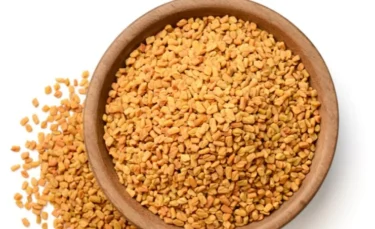
Many traditional Indian spices such as fenugreek seeds (methi), carom seeds (ajwain), and black cumin seeds (kali jeera) have been used in Ayurvedic and folk practices for digestive and metabolic support. Some preliminary studies suggest that these spices may help improve digestion and support metabolic health, which can indirectly aid in weight management. However, their role in directly reducing fat—especially in specific areas like the belly, is not conclusively proven.
A practical way to incorporate these spices is by dry roasting equal parts of fenugreek, carom, and black cumin seeds, grinding them into a fine powder, and consuming a small amount with warm water once daily. While this may help in improving digestion and metabolic support, sustainable weight loss primarily depends on balanced nutrition, physical activity, and overall lifestyle modifications.

Cinnamon (Dalchini) is a commonly used spice in Indian cooking, known for its distinct aroma and flavor. Some studies suggest that cinnamon may help improve insulin sensitivity and reduce blood sugar spikes, which could indirectly support weight management. However, it should be considered a supportive addition rather than a standalone solution for weight loss2.
A traditional method to include cinnamon in your routine is by preparing a simple infusion. Warm a glass of water, add 1–2 small cinnamon sticks, and let it steep. Once lukewarm, add a teaspoon of honey, mix, and strain. Consuming this on an empty stomach may offer digestive and metabolic support. However, this should complement a healthy diet and lifestyle, not replace them.
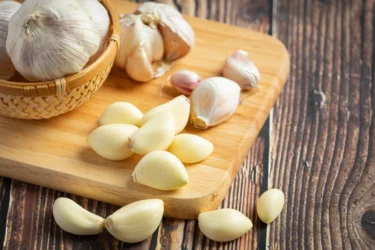
Garlic, a common kitchen ingredient, is well-known for its antimicrobial and anti-inflammatory properties. Some traditional practices suggest that consuming 1–2 raw cloves of garlic in the morning may support metabolism and overall health, which could indirectly aid in weight management. Although the strong flavor and smell may be challenging at first, regular use can become tolerable over time. It’s advisable to rinse your mouth afterward to reduce lingering odour3.
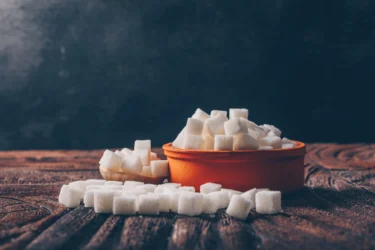
The sugars naturally found in fruits and vegetables are generally healthier than added or refined sugars. If your goal is weight loss, it is advisable to minimise your intake of processed sugars found in sweets, ice creams, and sugary beverages. Instead, focus on whole fruits and vegetables to satisfy your sweet cravings, as they come with the added benefit of fiber, vitamins, and minerals.
For example, vegetables like onions release a mild natural sweetness when sautéed slowly. This can enhance the flavour of your dishes without needing to add refined sugar. Similarly, carrots and certain types of pumpkin also contain naturally occurring sugars that contribute to a subtle sweetness. Using these ingredients creatively can help reduce your reliance on added sugars in cooking.

Drinking an adequate amount of water each day is a simple yet important factor in supporting healthy weight management. Many people do not consume enough water because they may not be aware of the recommended amounts or only drink when they feel thirsty4.

Getting adequate sleep is more of a lifestyle choice than a home remedy, but it is a simple and important step that everyone can adopt with some effort. Despite busy schedules and competing priorities, aim for at least 8 hours of sleep each night. Adequate sleep is as essential as maintaining a balanced diet for effective weight management5.
Sleep plays a critical role in regulating bodily functions, including hormone balance and digestive health. It helps maintain a healthy metabolic rate, which is important for reducing excess body fat and supporting overall weight loss.

Psychological factors play a significant role in shaping our lifestyle choices, including eating habits. The way our brain perceives our environment affects how much food we consume. For example, the size of the plate can influence portion size using a large plate may increase the risk of overeating.
This occurs because the brain associates plate size with the amount of food required. Larger plates tend to encourage larger portions, while smaller plates promote smaller servings. Eating from a smaller plate may help you feel satisfied with less food. Therefore, switching to a smaller plate can be a simple and effective strategy to support weight management6.

This eating pattern has been supported by research globally. Instead of consuming three large meals, breakfast, lunch, and dinner, try eating smaller, lighter meals every 3 to 4 hours. Consuming six lighter meals throughout the day helps prevent your stomach from being empty for long periods, which can support better digestion and energy levels7.
Eating frequent smaller meals can help prevent overeating. Long gaps between meals, such as between breakfast and lunch, can lead to excessive hunger and result in consuming larger portions. Having a small snack between meals reduces hunger and makes it easier to control portion sizes during main meals.

Meat, chicken and poultry should always be consumed only after proper cooking. However, some vegetables such as tomatoes, lettuce, spinach, carrots, and corn provide added nutritional benefits when eaten raw. Consider making a salad with these vegetables daily. Raw vegetables are an excellent source of fibre, which promotes healthy digestion. Efficient digestion is essential for the breakdown of fats and supports weight loss.
When consuming raw vegetables, it is advisable to choose organically grown produce whenever possible. Organic vegetables are free from insecticides and pesticides, which can be harmful when ingested raw. Incorporating raw organic vegetables into your diet is an effective natural strategy to support weight loss. Always ensure vegetables are thoroughly washed before consumption.
Also Read: Effective Home Remedies for Lice Removal

Proper chewing is essential for good digestion and helps prevent overeating. Studies show that people who eat slowly and chew their food thoroughly tend to consume fewer calories compared to those who eat quickly without chewing properly9.
Chewing breaks down food into smaller pieces and mixes it with saliva, which helps initiate digestion. When food is not chewed properly, the stomach takes longer to digest it, which may contribute to digestive problems and potential weight gain.
Additionally, eating slowly increases the likelihood of feeling full after consuming smaller portions.
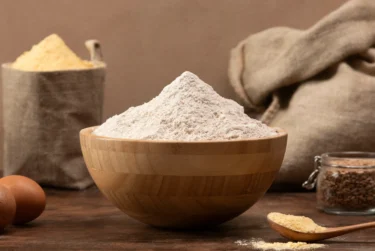
Grains are a staple food in India, consumed daily either in whole form or as flours. Whole grains offer the most health benefits. In contrast, refined grains or flours like maida are less healthy and may contribute to weight gain because they consist mainly of simple carbohydrates10. This is because the refined flours are made out of simple carbohydrates.
Whole grain flour (atta) is more beneficial as it contains a good amount of fibre along with carbohydrates. This fibre supports healthy digestion and bowel regularity. For rice, it is better to choose brown rice over white rice for the same reasons.

While this is not strictly a home remedy, quitting smoking is an important step if you want to lose weight. Smoking negatively impacts your health and can hinder your efforts to reduce excess weight. To support your weight loss and overall health, consider quitting smoking11.
Nicotine and other chemicals in cigarettes harm your body and can reduce your motivation and ability to exercise regularly. Quitting smoking can improve your overall health and make it easier to adopt an active lifestyle. Try to replace smoking with healthy habits such as a morning walk or jog.

Stress and tension are common in today’s fast-paced world, where many people juggle multiple responsibilities. While work and income are important, it is equally essential to take time to enjoy life’s simple pleasures. Studies show that individuals experiencing high stress levels may find it harder to lose weight compared to those who are more relaxed.
One effective approach is to practice meditation and breathing exercises regularly. These techniques can promote relaxation and support your weight management efforts. Breathing exercises also improve oxygen intake, which can enhance overall well-being12.
Another effective way to reduce stress is to plan family outings or vacations. Taking regular breaks throughout the year can help you feel rejuvenated and improve your overall happiness.
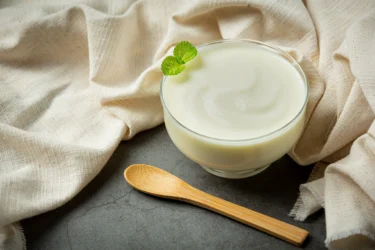
Yoghurt, a common ingredient in Indian kitchens, can be homemade or purchased from stores. It is most beneficial when consumed plain, without added sugar or flavoring. Made by fermenting milk, yoghurt contains beneficial probiotics that support gut health, along with essential nutrients found in milk13.
Yoghurt can be eaten on its own or used as a dressing for salads. It promotes the growth of healthy gut bacteria, which aid digestion. Additionally, yoghurt helps increase feelings of fullness, supporting appetite control without adding excessive calories.
In my experience of all the remedies for weight loss, Intermittent fasting for 16 hrs a day often gives good results in people who are otherwise healthy. But people with underlying conditions like diabetes, heart disease and kidney disease should not try fasting without consulting their doctor.
Dr. M.G. Kartheeka, MBBS, MD(Pediatrics)
Also Read: How To Lose Face Fat At Home Naturally

Natural fruit and vegetable juices can be a helpful way to meet your body’s nutritional needs without consuming excessive calories. These beverages are typically low in added sugars and fats, which may assist in managing your overall intake of high-calorie foods. It is important to note, however, that while such drinks are often marketed as ‘juice cleanses for weight loss’, they do not cleanse the body in a medical sense. Rather, their benefits are generally linked to reduced calorie intake and the provision of essential vitamins and minerals, which may be especially useful when following a calorie-controlled diet14.

Crash diets are extreme eating plans that often involve prolonged fasting or the exclusive consumption of fruit juices. Such approaches can be harmful, as they may lead the body to break down muscle tissue in addition to fat. Moreover, research suggests that any weight loss achieved through these methods is frequently temporary, with individuals often regaining the lost weight over time. As a result, these diets typically do not offer sustainable or long-term health benefits15.
Rather than following extreme diets, it is advisable to consume regular meals prepared with minimal oil, sugar, and salt. Incorporate a variety of vegetables and fruits into your daily routine, along with sources of protein such as eggs, poultry, or lean meats. Adopting and maintaining this kind of balanced eating pattern, alongside a healthy lifestyle, can support overall well-being and may contribute to gradual and sustainable weight management.
Also Read: Best Exercises to Lose Belly Fat That You Should Try
Consider trying these home-based suggestions and take note of how they work for you. If adopting all of them at once feels overwhelming, begin with just a few and focus on gradually integrating them into your daily routine. Consistent, steady efforts often lead to meaningful and lasting results. To make the process easier, establish a simple daily schedule that accommodates these practices without demanding too much of your time. As these tips are intended to be practical and manageable, they should fit well even within a busy lifestyle.
Also Read: Ajwain: Uses, Benefits, Side Effects, and More!
The most effective way to manage weight at home involves a combination of a calorie-controlled diet, regular physical activity, and adequate sleep. The suggestions provided throughout this article are intended to support this holistic approach. When implemented consistently, these practices can contribute to improved overall health and gradual, sustainable weight management.
Yes, a protein-rich diet would be low in fats and would contribute to increased muscle mass and fat reduction. Individuals can have a protein-rich diet to lose weight (by reducing fat consumption) and to gain weight (by increasing muscle mass).
Rapid weight loss is generally not advisable, as it often involves extreme dietary practices such as prolonged fasting or the elimination of essential macronutrients. These methods can be detrimental to your overall health and may not result in sustainable weight loss. In many cases, any weight lost through such approaches is quickly regained once the restrictive diet is discontinued. A gradual, balanced approach is far more beneficial in the long term.
Disclaimer: The information provided here is for educational/awareness purposes only and is not intended to be a substitute for medical treatment by a healthcare professional and should not be relied upon to diagnose or treat any medical condition. The reader should consult a registered medical practitioner to determine the appropriateness of the information and before consuming any medication. PharmEasy does not provide any guarantee or warranty (express or implied) regarding the accuracy, adequacy, completeness, legality, reliability or usefulness of the information; and disclaims any liability arising thereof.
149
9
You may have heard several times that smoking and drinking are detrimental to health. But, there is yet another silent killer on the prowl physical inactivity. Sitting is the new smoking, experts have quoted. This is a reasonably modern concern, and the health effects of a prolonged sitting/sedentary lifestyle can prove to be lethal.
Before we speak about the ill effects of a sedentary lifestyle, we must briefly mention what it means. A sedentary or inactive lifestyle is one with absolutely no physical activity. There is very little energy utility and almost no exercise (none in most cases). Another aspect frequently associated with a sedentary lifestyle is bad eating habits eating chips, pizza, store-bought sugar drinks and all sorts of junk.
Of the many positive changes that have taken place in our generation during the 21st century, one of the negative aspects has been in the form of an emerging and increasing trend in a sedentary lifestyle. Compared to our grandparents or parents, there is a significant decrease in physical activity and an increase in health complications.
Some of the reasons why this inactivity has increased are:
Now that we have significantly discussed what a sedentary lifestyle means let us illustrate the effects of physical inactivity on health.
Approximately 2 million deaths per year are attributed to physical inactivity, prompting WHO to issue a warning that a sedentary lifestyle could very well be among the 10 leading causes of death and disability in the world. This raises alarm that one should always be physically active
Dr. M.G. Kartheeka, MBBS, MD(Pediatrics)

Obesity has struck people across the age spectrum, and it is an ailment that opens up your body to a horde of other illnesses. It is no secret that obesity rates are soaring. Inactivity, coupled with a terrible diet, is to blame.

Inactivity can make your body resistant to insulin, which makes the body susceptible to diabetes. Diabetes, too, is a lethal disease that will drastically lower your standard of living and, unless kept under check, will prove to be fatal.

A sedentary lifestyle means you are not getting the exercise your body needs to stay in prime shape. This is when plaque begins to accumulate along your blood vessels. This thickens them, and they further lose their elasticity. That is when blood has to force its way through the narrowed passages, which exerts excessive force on the blood vessels. This results in high blood pressure.
Also Read: Why Is My Upper Stomach Bigger Than My Lower?

The organ that bears most of the brunt of inactivity is the heart. When your blood vessels are narrowed and the heart does not get enough blood, its muscles begin to die gradually. This may trigger a heart attack in the future. Moreover, when you don’t engage in rigorous physical activity, the level of LDL or bad cholesterol spikes, and that has a devastating effect on your heart.
Sitting less, avoiding a sedentary lifestyle and regular moderate to vigorous physical exercise keeps you healthy, improves brain functioning, improves memory and reduces the risk of lifestyle-associated diseases.
Dr. Ashish Bajaj, M.B.B.S., M.D. in Clinical Pharmacology and Toxicology

This is yet another fallout of inactivity and high blood pressure. Blockage in the blood supply of the brain or bleeding in the region of the brain due to high blood pressure can lead to a brain stroke.
It is no new information that sedentary lifestyles have recently become more common, increasing the risk of serious health complications. Hence, it is essential to keep track of the vital parameters to detect any health problem early on. You can take these below-mentioned tests and assess your health with the help of a doctor.
Also Read: How to Reduce Cortisol Levels for Better Health
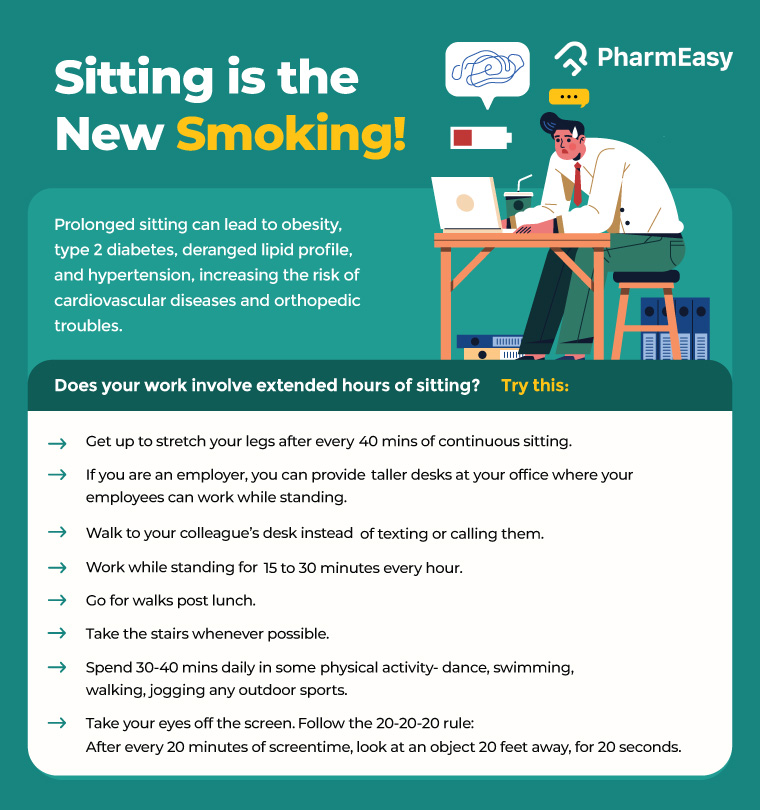
Research suggests that excessive sitting increases your risk of chronic diseases similar to smoking. Here are some effective ways to get moving, even with a demanding desk job.
A Sedentary Lifestyle Health Checkup is recommended to help assess the damage to your body caused by a lack of physical activity. This package examines your Liver Function, Kidney Function, Lipid Profile, HbA1c, CBC, Cardiac Risk Markers, Vitamin D, and other factors to provide a clear overview of your health.
This package helps determine the damage done to your body due to a lack of physical activity. HOMA-IR test & Cardiac risk markers test are some critical tests that can indicate your risk of heart disease and diabetes. This package tests your Liver Function, Kidney Function, Lipid Profile, HbA1c, Homa Insulin Resistance Index, CBC, Cardiac Risk Markers, Vitamin B12, Vitamin D 25-OH and more to help you get an overview of your health.
Also Read: 9 Easy Ways To Boost Your Immunity!
These tests can help your doctor detect any hidden health problems before they progress and manifest symptoms.
One way to combat the health risks of a sedentary lifestyle is to work small bits of exercise into your daily routine. Modify your lifestyle and introduce healthier habits like mindful eating and exercising. Few people understand the dangerous effects of a sedentary lifestyle that inactivity poses. No matter how stressed or exhausted you are, take some time for light to medium workout.
Disclaimer: The information provided here is for educational/awareness purposes only and is not intended to be a substitute for medical treatment by a healthcare professional and should not be relied upon to diagnose or treat any medical condition. The reader should consult a registered medical practitioner to determine the appropriateness of the information and before consuming any medication. PharmEasy does not provide any guarantee or warranty (express or implied) regarding the accuracy, adequacy, completeness, legality, reliability or usefulness of the information; and disclaims any liability arising thereof.
Links and product recommendations in the information provided here are advertisements of third-party products available on the website. PharmEasy does not make any representation on the accuracy or suitability of such products/services. Advertisements do not influence the editorial decisions or content. The information in this blog is subject to change without notice. The authors and administrators reserve the right to modify, add, or remove content without notification. It is your responsibility to review this disclaimer regularly for any change
10
Being healthy and fit isn’t a trend, it’s a lifestyle; and a good lifestyle is crucial not just for physical health but also mental wellness and quality of life1. Unfortunately, nowadays, maintaining a healthy lifestyle can be difficult due to changing way of living, increased expectations, and expenses. Achieving our goals with shortcuts can be stressful and it may lead to an invitation for various illnesses and disabilities.
Though various factors affect the quality of life, we can purposefully change our lifestyle & habits to live a more productive life. In this blog, we’ll share some tips for keeping a healthy lifestyle. Even these small changes in your lifestyle can impact your physical and mental health greatly.

‘The body thrives on movement. Keeping your body in movement can keep your bones and muscles strong. Regular exercise is one of the best and easiest ways to keep your lifestyle healthy. Regular exercise can help maintain weight, strengthen your bones and muscles, reduce the risk of getting diabetes, heart problems, and stroke1.
Current WHO and CDC guidelines recommend at least 150 minutes of moderate-intensity or 75 minutes of vigorous-intensity aerobic activity per week, along with 2 days of strength training. This can be broken into 30 minutes, 5 days/week2. Moreover, just taking some simple steps in your daily routine like using the stairs, walking for errands or using public transport, can add up to the physical activity required for achieving your health goals.
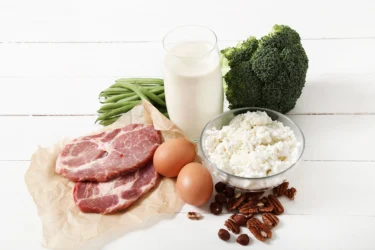
Apart from factors like genetics and environment, when it comes to lifestyle for good health, your diet plays a significant role. The habit of eating a balanced diet can help you maintain weight and keep good health. Your regular diet should include a balanced proportion of different fruits, green leafy vegetables, sprouts, pulses, whole grain, nuts, seeds and healthy oils. Your diet should be high in protein, fibres, vitamins, minerals, and low in meat, high-fat dairy, complex carbohydrates, sodium and highly processed foods3.
Also, eating mindfully is important. Play attention to what you eat and how you eat your food. You should chew your food about 20-30 times to make it digestible.
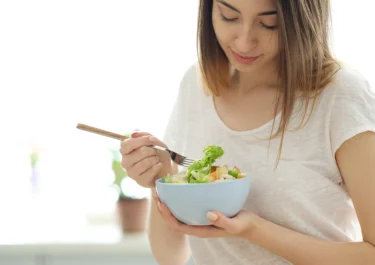
Research9 suggests that having breakfast daily can help to boost your metabolism and keep your system healthy. You should include more dietary fibres, vitamins, minerals, and less fat and carbohydrates in your breakfast. Eating the right food can keep you energised and fresh and avoid cravings for unhealthy snacking.

Water is the soul of our body and drinking the required amount of water is essential for every cell, tissue, and organ of our body. Drinking water is always a better option than drinking other beverages. It is advisable to keep a small water bottle with you and drink water at frequent intervals to stay hydrated. For adults, about 2–3 liters (8–12 cups) per day is often cited, but individualized hydration is key4.

Sleep is a crucial function of your body which helps to keep your body and mind stable. Sleep supports physical and mental health. It helps to restore the normal function of the body and recovers the nervous system.
It is recommended to sleep for 7-8 hours daily. Lack of sleep can lead to drowsiness, fatigue, loss of concentration, which directly affect your lifestyle. Chronic sleep deprivation can also lead to mood disorders (depression, anxiety), increased risk of obesity, diabetes, cardiovascular disease, lowered immunity. Severe sleep deprivation can impair brain function, leading to confusion, mood changes, and even psychotic symptoms5.
If you are having trouble getting sleep then read a book, listen to soft and calming music, try meditation, or seek medical attention.
Restricting salt (less than 5 g or one teaspoon per day) and sugar (less than 30 g per day for adults) intake is a very important step in maintaining a healthy lifestyle to reduce the chances of high blood pressure, heart disease, stroke, diabetes and multiple other health conditions.
Dr. Ashish Bajaj, M.B.B.S., M.D. in Clinical Pharmacology and Toxicology

Stress can be a major cause of physical and mental illnesses. Stress can be a major causative factor for heart disease, stroke, and high blood pressure. Live stress-free for a better life ahead. Try simple exercises, meditation, and yoga to relieve stress1.

Small habits like brushing your teeth or taking a bath regularly can not only aid in maintaining good health but also have positive effects on your mood as well as improve your social life.

Alcohol is also a risk factor for some health issues, particularly those related to the liver. So, it is advised to consume in moderation. To be specific, women can drink 1 drink per day and men can have 2 drinks per day6. However, it’s important to note that no level of alcohol is considered completely “safe”. The safest choice for health is to avoid or minimize alcohol intake
It is crucial to stop smoking as it affects your health adversely. Smoking has been related to heart diseases, lung problems and even some cancers7. Though some may find it difficult to quit smoking but it is not impossible. Consult a cessation specialist if you are unable to do this by yourself.
Yoga is best for good health. Yoga has been shown to have important psychological benefits, as the practice of yoga can help to increase alertness and positive feelings, and decrease negative feelings of aggressiveness, depression and anxiety.
Dr. M.G. Kartheeka, MBBS, MD(Pediatrics)

This is the easiest way to fill your life with positive vibes. Being around people who care for you and vice-versa brings laughter and joy. Laughter triggers the release of endorphins, which are hormones that elevate your mood and reduce stress, anxiety, and depression. Live, laugh & stay healthy!
Also Read: 7 Advantages Of Waking Up Early Every Day

Apart from managing your stress levels, taking care of your mental health is equally important as being physically fit. Mental health can affect your body and vice versa, making this one of the most vital healthy lifestyle tips. Mental well-being isn’t only about seeking help when problems arise; it’s also about proactively maintaining mental resilience8. A few things you can try:
Also Read: 12 Ways How Avocado (Butter Fruit) Can Benefit Your Overall Health And Skin
Living a healthy lifestyle is all about making smart, everyday choices. Eat well, stay active, get enough sleep, avoid smoking and alcohol and take care of your mental health. Start small, stay consistent, and enjoy the positive changes along the way!
Also Read: 5 Ways In Which Sedentary Lifestyle Affects The Body!
Disclaimer: The information provided here is for educational/awareness purposes only and is not intended to be a substitute for medical treatment by a healthcare professional and should not be relied upon to diagnose or treat any medical condition. The reader should consult a registered medical practitioner to determine the appropriateness of the information and before consuming any medication. PharmEasy does not provide any guarantee or warranty (express or implied) regarding the accuracy, adequacy, completeness, legality, reliability or usefulness of the information; and disclaims any liability arising thereof.
Links and product recommendations in the information provided here are advertisements of third-party products available on the website. PharmEasy does not make any representation on the accuracy or suitability of such products/services. Advertisements do not influence the editorial decisions or content. The information in this blog is subject to change without notice. The authors and administrators reserve the right to modify, add, or remove content without notification. It is your responsibility to review this disclaimer regularly for any changes.
96
10
Being a foodie is common among Indians and so are digestive issues. Indigestion, gas, bloating, hiccups, heartburn, stomach pain, ulcers, and nausea are some of the common features of digestive problems. These are the frequent problems arising from an unhealthy lifestyle, which includes binge eating, smoking, drinking alcohol, sleep disorders, eating junk, and stress.
The discomfort makes these problems hard to ignore, but it is also not convenient to visit the doctor or pharmacy so frequently for the recurring problems.
While some medical conditions may lead to digestive issues, some of the most common causes of digestive issues include lifestyle factors like stress, excessive dairy consumption, an inactive lifestyle, and inadequate fibre in the diet.
Gastrointestinal problems are commonly caused by:
Foods That May Cause Digestive Problems: Carbonated drinks, beans, artificial sweeteners, potatoes, pasta, eating or drinking too fast, using a straw, and swallowing excessively.
Diseases That May Cause Digestive Problems: Lactose allergy, gluten allergy, irritable bowel syndrome (IBS), Crohn’s disease, gastroesophageal reflux disease (GERD), and peptic ulcers.
Frequent episodes of digestive troubles can be attributed to various factors such as IBS, infection, neurological issues, or hormonal imbalances. Often, these symptoms are intertwined with signs of anxiety.
Dr. Arpit Verma, MBBS, MD (Pharmacology)
The symptoms of digestive problems are usually mild and short-lived and may not require medication; however, there are some simple home remedies that can help you reduce the symptoms. So, here are some home remedies that may relieve your digestive problems.

A lot can happen with a cup of tea. Although, targeting the root cause of your digestive problems is the best approach, if you need relief for minor stomach issues and temporary bouts of discomfort, then here is a warm cup of tea that may save your day.
You can prepare these teas by brewing one or more herbs commonly found in the kitchen, as listed below. You may also add honey to some of the teas.
Other ingredients, such as ajwain (carom seeds), caraway (shahi jeera), liquorice (mulethi), and holy basil (tulsi) can also be brewed along with ginger to help ease digestive issues like indigestion, gas, bloating, cramps and nausea.
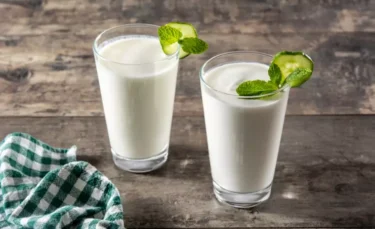
Some other drinks that may relieve digestive issues include:
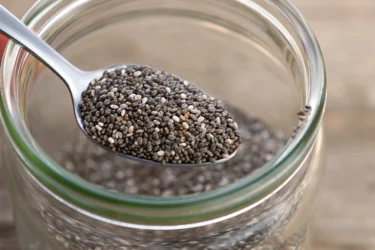
Mucilage is a slimy and slippery substance found in certain plants. The mucilaginous substance swells in water and is bland in taste. When consumed, it forms a protective layer over the inflamed lining or sore surface of the stomach that not only protects it from further damage by acid but also aids in its healing. Few examples are listed below:

People with an upset stomach, gas, acidity, heartburn and other digestive troubles may also get relief by directly consuming powders of ingredients from the kitchen, such as fennel seeds, carrom, caraway, and coriander. Few examples are listed below:

In cases, where one cannot drink or do not feel like consuming anything, the following approach may benefit in relieving the symptoms of digestive trouble.
Also Read: Causes Behind Recurring Stomach Pain
Here are a few remedies you can try apart from the ones mentioned above:
If a person has recurrent gastritis, then along with using home remedies, they should definitely visit their physician who can give them a treatment regimen for the bacteria Helicobacter pylori (one of the causes of gastritis).
Dr. Nikhil Yadav, MBBS MD,CCEBDM
Also Read: 10 Best Foods For A Healthy Gut System
As mentioned in the beginning, digestive issues are caused by a variety of dietary and lifestyle choices. The discomfort and pain of digestive problems may be mitigated by simply cutting out these harmful factors from your life. Limiting the intake of or quitting coffee, soft drinks, alcohol, tobacco, smoking, and excessive junk foods will go a long way towards curtailing the risk of stomach-related health conditions.
Healthy habits like eating regularly, avoiding binge eating, sleeping regularly, and getting some form of physical exercise daily can further lower your chances of developing a digestive problem in the long term. Stay away from foods that are hard to digest as well as acidic foods like lime and baking soda.
It should be noted that some people may experience digestive issues like GERD or other serious gastrointestinal conditions despite maintaining a healthy lifestyle. This may be unavoidable and the only solution is to seek professional medical treatment. The above-mentioned home remedies may provide relief from occasional bouts of gas and other symptoms of digestive troubles. However, if they fail to provide, relief then one must seek medical help immediately.
Also Read: Acidity Problems? 21 Home Remedies That Can Help
Some common symptoms of GERD include heartburn, chest pain, difficulty swallowing, and regurgitation of food or sour liquid. It may also cause chronic cough, disrupt sleep, or worsen asthma if you have acidity at night-time.
One should seek immediate medical care if he or she experiences chest pain, shortness of breath or jaw or arm pain. If you experience severe or frequent GERD symptoms and take over-the-counter medications frequently or if home remedies are not working for you, you must consult a doctor.
Yes, smoking contributes to many common disorders of the digestive system, such as heartburn and GERD.
Also Read: Natural Home Remedies for Food Poisoning
Disclaimer: The information provided here is for educational/awareness purposes only and is not intended to be a substitute for medical treatment by a healthcare professional and should not be relied upon to diagnose or treat any medical condition. The reader should consult a registered medical practitioner to determine the appropriateness of the information and before consuming any medication. PharmEasy does not provide any guarantee or warranty (express or implied) regarding the accuracy, adequacy, completeness, legality, reliability or usefulness of the information; and disclaims any liability arising thereof.
Links and product recommendations in the information provided here are advertisements of third-party products available on the website. PharmEasy does not make any representation on the accuracy or suitability of such products/services. Advertisements do not influence the editorial decisions or content. The information in this blog is subject to change without notice. The authors and administrators reserve the right to modify, add, or remove content without notification. It is your responsibility to review this disclaimer regularly for any changes.
127
8
Acne, medically known as Acne vulgaris, is a common skin condition that typically appears on areas such as the face, neck, shoulders, chest, and back. It is especially prevalent during adolescence due to hormonal changes but may also persist into adulthood and in some cases occur during pregnancy.
Although acne is not a serious health threat, it can cause emotional distress and may lead to scarring if left unmanaged. If you are experiencing persistent or severe acne, it is advisable to consult a qualified healthcare professional for appropriate guidance and treatment options1.
Acne is a non-contagious, chronic inflammatory condition of the skin. It occurs when hair follicles become blocked with natural skin oil (sebum) and dead skin cells. This condition is commonly associated with hormonal fluctuations, particularly during adolescence1.
Acne can present in various forms, ranging from mild to more severe types. Individuals with oily skin are generally more susceptible to acne than those with dry skin. While acne primarily affects the skin, it may also have an impact on an individual’s self-esteem and overall quality of life.
For proper management and care, it is recommended to seek advice from a qualified healthcare professional.
There are two types of acne1:
Acne can develop due to a combination of internal and external factors. It typically begins when tiny pores on the skin become blocked with excess oil (sebum), dead skin cells, and environmental impurities. The following are some common contributing factors1:
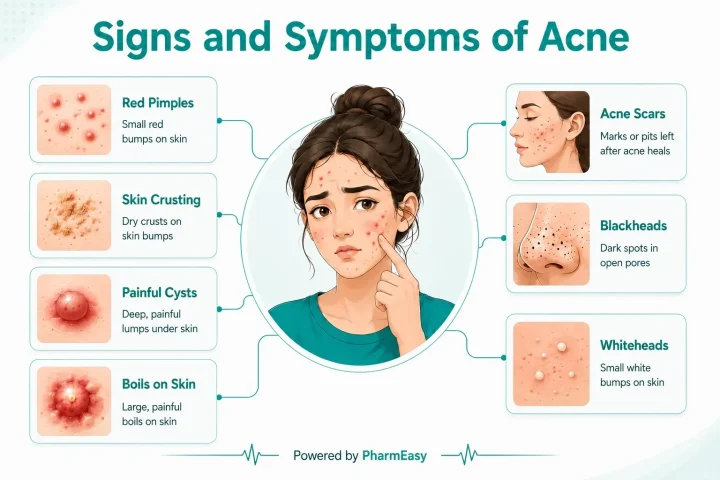
Acne may present with a range of signs and symptoms, which can vary in severity and appearance. Common features include1:
In cases of mild acne, self-care practices may help in managing symptoms and promoting healthier skin. While treatment approaches can vary depending on the underlying cause, general care focuses on minimising excess oil, keeping the skin clean, and reducing the risk of pore blockage.
Here are some recommended self-care practices2:
Acne can be classified based on its severity and ranges from mild to moderate and severe. The choice of treatment depends on the type, intensity, and persistence of the condition, as well as individual skin characteristics.
Mild acne may often be managed with over-the-counter (OTC) preparations, available in the form of creams, gels, or ointments. These treatments can help to reduce excess oil, unclog pores, and control the growth of acne-related bacteria. However, it is important to follow usage instructions carefully and consult a healthcare provider if symptoms persist.
These preparations may sometimes cause mild side effects such as skin dryness, irritation, or a burning sensation, particularly at the start of treatment. It is recommended to begin with lower strengths and apply only as directed. Always perform a patch test and consult a pharmacist or healthcare professional before starting any new treatment.
If acne becomes difficult to manage with self-care or over-the-counter products, it is advisable to seek guidance from a qualified dermatologist. Moderate to severe forms of acne, particularly those that are inflamed, painful, or leaving scars, often require medical treatment tailored to the individual’s needs.
Dermatologists may consider a range of treatment options depending on the nature and severity of the condition2:
Also Read: How to Avoid Butt Acne: Strategies and Solutions
Homemade face masks, using commonly available natural ingredients, are sometimes used to soothe the skin. Examples may include:
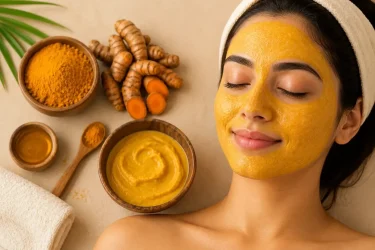
Turmeric is valued for its anti-inflammatory, antiseptic, and antioxidant properties. To prepare, mix half a cup of chickpea flour with two teaspoons of turmeric powder and a small amount of ghee or almond oil. Add enough water to make a smooth paste. Apply the mixture to the skin for five minutes before rinsing with cold water. While turmeric is popularly used in skincare, results may vary3.
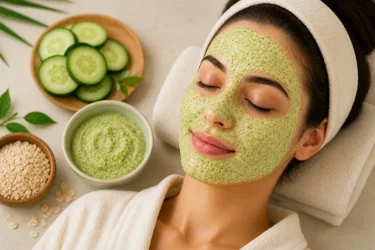
Cucumber has a soothing effect on the skin that may help reduce skin inflammation and irritation. Blend one small cucumber with one cup of oatmeal to form a paste. Apply to the affected area for approximately 30 minutes before rinsing4.

Honey is known for its antibacterial properties and has traditionally been used to support skin healing. Apply a thin layer of honey to the face for 30 minutes, then rinse with lukewarm water5.

Yogurt contains probiotics which may inhibit bacterial growth on the skin. Combine one teaspoon of yeast with plain yogurt to make a mask. Apply for 15 to 20 minutes before rinsing with cold water6.

Egg whites contain lysozyme, a natural enzyme believed to have antibacterial and astringent properties. These may help remove excess oil and impurities from the skin. Apply egg white to the face, allowing it to dry, then rinse off. This mask may also help soothe inflammation7.

Bananas are known for their gentle exfoliating effects, helping to remove dead skin cells and excess oil. Lemon may help in drying out residual oil and has antibacterial qualities. Mash a banana and mix with lemon juice to create a paste. Apply to the skin, then rinse after suitable time8.
Also Read: Best Home Remedies For Lipoma
Acne is a common yet manageable skin condition that can affect individuals at various stages of life. With proper care, lifestyle adjustments, and timely medical guidance, its impact can be minimised. For persistent or severe cases, consulting a qualified dermatologist is strongly recommended for safe and effective treatment.
Also Read: Black Spots on Skin: Causes, Types, Treatment & Prevention
Disclaimer: The information provided here is for educational/awareness purposes only and is not intended to be a substitute for medical treatment by a healthcare professional and should not be relied upon to diagnose or treat any medical condition. The reader should consult a registered medical practitioner to determine the appropriateness of the information and before consuming any medication. PharmEasy does not provide any guarantee or warranty (express or implied) regarding the accuracy, adequacy, completeness, legality, reliability or usefulness of the information; and disclaims any liability arising thereof.
136
27
In recent years, people have turned to the power of plants for healing purpose and the essential oil is one of them! It became a trending topic on the social media world.
These plant-derived extract is engaging internet viewers for their ability to do just everything be it elevating your mood, lowering anxiety, easing heartburn, etc. Essential oils can play an important role to keep your body and mind fit. So, let’s see what exactly essential oils are?
Essential oils are the essence of the plant. It is extracted from various plants. They are made by pressing or steaming different parts of plants like roots, stem, leaves, fruits, etc. It contains a high amount of active ingredients of that plant with a stronger smell.
You may add it with cream and other oils to enhance their effects. Usually, you will not get this oil in its pure form but a mixture.
There are more than 90 types of essential oils with its unique smell and use. Practitioners use them in natural and alternative health practices, such as aromatherapy and naturopathy.
Here is a list of some popular essential oils:
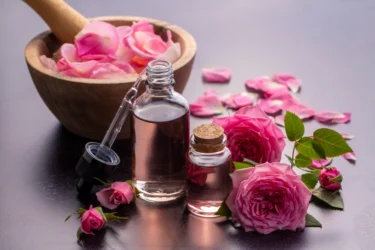
It is one of the most expensive oil for its soothing floral fragrance that may be useful for stress, anxiety. It is known to promote hair growth and is useful in treating joint pain and stiffness.
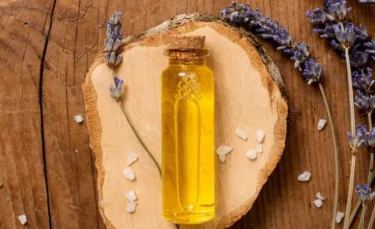
One of the widely used essential oil specifically relieve insomnia. It has pain-relieving properties and can be used in a variety of ways. Lavender oil is relaxing and rejuvenating.
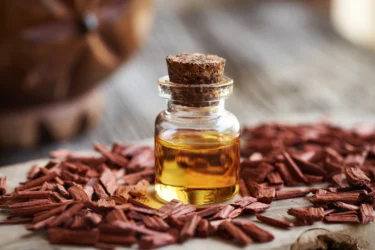
It is very popular for fragrance and also helps to relieve anxiety and improve sleep.

A sweet-smelling oil is used as a stress-reliever with the potential to help to treat dry skin, inflammation and prevent signs of ageing.
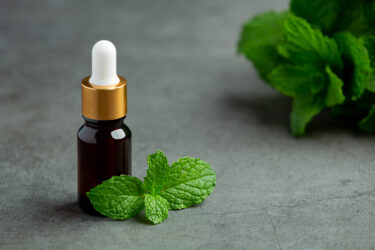
It is used for headaches and stomach issues like irritable bowel syndrome. Applying peppermint oil to the temples is known to help patients with Migraine. Peppermint oil also has mood-lifting properties.
I’m going to let you in on some fantastic news! Peppermint oil is a remarkable essential oil that might offer a range of fantastic benefits. It may help deal with fatigue, help with digestion, and even assist with memory7.
Dr. Rajeev Singh, BAMS
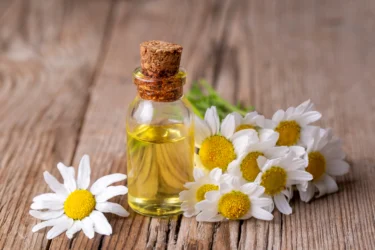
It is excellent for relaxation and to improve your mood. It is often used for treating mental illnesses such as anxiety and depression. Chamomile tea contains this essential oil, however, it should be consumed in limited quantities.
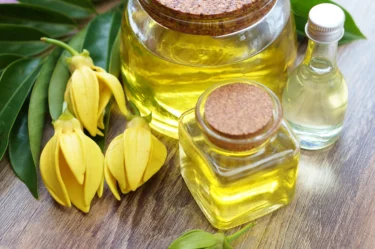
It is mainly used to relieve pain, improve mood and lower blood pressure
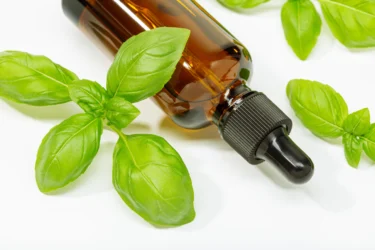
It is an essential herb to ease a cough, enhance mood, and soothe sore muscles.
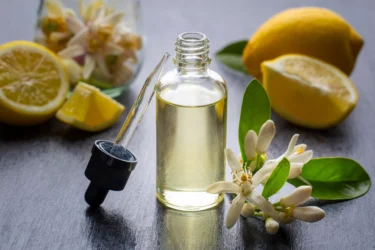
It is used to aid digestion, mood, and more. The aroma of lemon oil helps with nausea and dizziness. It is also known to reduce depression and other associated illnesses. Lemon oil has antibacterial properties and can be applied topically. The most common way of lemon oil extraction is from the peels of citrus fruits like orange, grapefruit, lime and lemongrass.
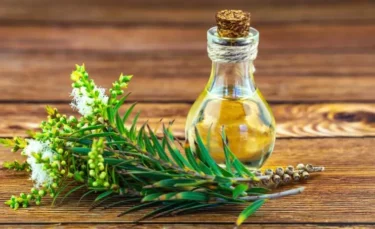
It is very effective to treat fungal infections and boosting immunity. It is an extremely potent elixir in the treatment of acne and blemishes as it reduces acne-causing bacteria present on the skin and dries out active acne. Tea tree oil is suitable for oily skin.
Over the years, I have discovered the amazing benefits of tea tree oil! It’s a fantastic essential oil that many people use for its antiseptic, antimicrobial, and antifungal properties. It might also be effective in managing common fungal infections like Athlete’s foot and ringworm. Just remember to dilute the oil properly before use and do a patch test to ensure you don’t have any adverse reactions7.
Dr. Siddharth Gupta, B.A.M.S, M.D (Ayu)
Studies1 have shown that using essential oils can help to reduce stress. By inhaling essential oils brain give a signal to certain emotions that make you feel optimistic and hopeful. Using certain essential oils for massage gives you tremendous relief from stress and anxiety.

Smelling lavender oil can improve the quality of sleep, especially after childbirth2.

Recent studies3 have observed reduced headache after applying peppermint oil with lavender oil.

Essential oils are a great substitute for hair care. Peppermint oil is effective in treating both greasy and dry hair. It helps in improving blood flow to the areas of the scalp. Lavender essential oil helps in deeply conditioning the hair, keeps it shiny and works to control dandruff4.

Essential oils heal damaged skin and provide deep nourishment. Lavender oil and tea tree oil have anti-inflammatory properties that can reduce the irritation and inflammation associated with skin conditions such as acne, eczema, burn, or insect bite. It alleviates wrinkles hence improves skin appearance5.

Some essential oils can help in reducing irritation and inflammation of the skin. Apply diluted essential oil directly to the affected area to reduce swelling and pain6.
I believe that during the cold season, having eucalyptus essential oil might be a great idea. It might soothe a stuffy nose by opening up your nasal passages, allowing you to breathe more easily. It may be a helpful remedy to have on hand when you’re feeling congested and in need of quick relief7.
Dr. Smita Barode, B.A.M.S, M.S.
Due to a lack of clinical data, some people may experience irritation or allergic reactions to specific essential oils. They may cause some side effects such as
Also Read: Tea Tree: Uses, Benefits, Side Effects, and More!
There are 3 ways to use essential oils:
From my own experience, I’ve noticed that using rosemary oil may offer some additional benefits. It seems to improve brain function, which might enhance focus and concentration. It’s also been known to promote hair growth, making it a popular choice for those looking to improve the health of their hair7!
Dr. Anuja Bodhare, B.A.M.S, M.D (Ayu)
Essential oils are used worldwide to treat a variety of physical and mental illnesses. Generally, these oils are used by inhaling them. You can also dilute them and apply them on the skin for good results. Though these oils are not approved by the FDA but have been successfully used in various disorders under proper guidance.
Also Read: 10 Amazing Benefits of Tea Tree Oil
Disclaimer: The information provided here is for educational/awareness purposes only and is not intended to be a substitute for medical treatment by a healthcare professional and should not be relied upon to diagnose or treat any medical condition. The reader should consult a registered medical practitioner to determine the appropriateness of the information and before consuming any medication. PharmEasy does not provide any guarantee or warranty (express or implied) regarding the accuracy, adequacy, completeness, legality, reliability or usefulness of the information; and disclaims any liability arising thereof.
Links and product recommendations in the information provided here are advertisements of third-party products available on the website. PharmEasy does not make any representation on the accuracy or suitability of such products/services. Advertisements do not influence the editorial decisions or content. The information in this blog is subject to change without notice. The authors and administrators reserve the right to modify, add, or remove content without notification. It is your responsibility to review this disclaimer regularly for any change.
4
1
As scientific research expands its area of interest, many food items are coming into the limelight. Flaxseeds are one such item. Considered a ‘superfood’ they have been prized for their amazing health benefits for centuries. So much so that their scientific name, Linum Usitatissimum, means the most useful Linum1.
The flax plant (also known as Linum usitatissimum) grows to reach about 2 feet tall and produces flaxseed. It was most likely first planted in Egypt, although it is now grown all over the world.
Flaxseeds contain a good amount of protein, dietary fibre, B vitamins and minerals like iron, calcium, magnesium, phosphorus and potassium. Flaxseeds also contain high levels of Omega-3 fatty acids ( mostly ALA- Alpha-Linolenic Acid)2.
Flaxseeds are your best friends when it comes to stress reduction. In addition to their omega-3 fatty acids, which have been shown to reduce stress and anxiety, flaxseeds are also high in magnesium, a mineral that can help regulate cortisol levels in the body9.
Dr. Anuja Bodhare, B.A.M.S, M.D (Ayu).

Flaxseeds are rich in both soluble and insoluble dietary fibre. Insoluble fibre absorbs a lot of water and increases the bulk of faeces. This maintains regular bowel movements and prevents constipation. They are very useful for people suffering from Irritable bowel syndrome (IBS)1.
Soluble fibre slows our digestion and reduces cholesterol and blood sugar levels. This reduces the chances of cardiovascular diseases and is helpful for people with Diabetes Mellitus.

Alpha-Linolenic Acid (ALA), the Omega-3 fatty acid present in high quantities in flaxseeds, prevents the deposition of cholesterol in the blood vessels of the heart. It is also effective in reducing inflammation in the arteries3.
Soluble fibre and proteins in Flaxseeds are also responsible for the reduction of cholesterol levels in our blood. Flaxseed consumption is also known to reduce blood pressure.

Plant compound, Lignans are present in Flaxseeds. As per research, Lignans were found to be effective in reducing the risk of breast cancer in women and prostate cancer in men4.
Flaxseeds also contain Omega-3 fatty acids and proteins in high amounts. These proteins and Omega-3 fatty acids were found to prevent the development of tumours, further reducing any risk of cancer.

The soluble fibre in flaxseeds improves blood sugar levels by slowing down digestion. Thus, it helps in the management of type 2 diabetes mellitus5.

Proteins in flaxseeds contain amino acids like Arginine, Aspartic acid and Glutamic acid. These amino acids were found to protect our body from a variety of fungal Infections, thus improving our overall immunity6.

The soluble fibre in flaxseeds slows our digestion. This makes us feel full for a long period of time7.
Satiety, thus improved, reduces hunger. It further reduces our food intake, in turn reducing the number of calories consumed by our body every day. This results in the reduction of weight
Reduction in blood pressure due to consumption of flaxseeds reduces the risk of stroke.

Hot flashes and night sweats are common symptoms observed in women, going through menopause.
Lignans, the plant compounds present in flaxseeds have a weak oestrogen effect. As per research, this oestrogen effect of Lignans was found to ease hot flashes in post-menopausal women8.
Did you know that flaxseeds may help stop excessive bone turnover, which may increase your bone density over time? That’s right – these tiny seeds are packed with nutrients that are essential for bone health, including magnesium, phosphorus and omega-3 fatty acids10.
Dr. Smita Barode, BAMS
Flaxseeds a simple ingredient to support your brain health. Flaxseeds are packed with omega-3 fatty acids, which are essential for maintaining healthy brain function. Consuming flaxseeds may improve cognitive function, memory and overall brain health11.
Dr. Siddharth Gupta, B.A.M.S, M.D (Ayu)
Ground flaxseeds are best stored by keeping them in airtight containers and refrigerating them.
If you’re looking to improve your facial appearance naturally, flaxseed oil maybe a good natural option. This oil is packed with essential fatty acids, which help hydrate and nourish the skin from within11.
Dr. Rajeev Singh, BAMS
Also Read: Chia Seeds for Weight Loss: Benefits, How to Use Them & Best Ways to Eat Them
Higher doses of flaxseeds may cause side effects like diarrhoea, nausea, stomach pain, flatulence, bloating etc.
Disclaimer: The information provided here is for educational/awareness purposes only and is not intended to be a substitute for medical treatment by a healthcare professional and should not be relied upon to diagnose or treat any medical condition. The reader should consult a registered medical practitioner to determine the appropriateness of the information and before consuming any medication. PharmEasy does not provide any guarantee or warranty (express or implied) regarding the accuracy, adequacy, completeness, legality, reliability or usefulness of the information; and disclaims any liability arising thereof.
Links and product recommendations in the information provided here are advertisements of third-party products available on the website. PharmEasy does not make any representation on the accuracy or suitability of such products/services. Advertisements do not influence the editorial decisions or content. The information in this blog is subject to change without notice. The authors and administrators reserve the right to modify, add, or remove content without notification. It is your responsibility to review this disclaimer regularly for any changes.
16
0
Is it a fruit or a vegetable? This question has always been debatable for tomatoes, especially when it comes to Indian cuisine. The reason being, tomatoes are used in almost every preparation, irrespective of any cuisine or course. No dish is complete without juicy, plump tomatoes. Scientifically known as ”Solanum Lycopersicum L.” tomatoes are commonly known as ”tamatar” in India1.
Tomatoes were native to Southern and Central America, but now India is their largest producer. Tomatoes are used for various purposes in salads, juices, vegetable curries or soups, etc. Tomatoes are naturally rich in several vitamins and minerals. Daily intake of tomatoes can provide a great lift to wellbeing, along with improving the flavor of food1.
In this blog, we will discuss their nutrient content and the health benefits they are packed with!
Every bite of ripe tomatoes would provide an ample amount of nutrients without adding many calories to your diet. As per USDA, 100 Gms of ripe tomatoes provide2:
Did you know?
There are many benefits that plump tomatoes hold, but few of them are not discussed often let’s cover those benefits today in the article.
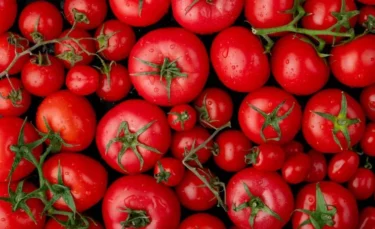
A single tomato gives an extraordinary amount of everyday vitamin C. Vitamin C is a natural antioxidant that may protect you from free radicals affecting the body’s systems. It additionally includes vitamin A, iron, and potassium. Potassium can play a crucial function in keeping nerves healthy, and iron is important for keeping ordinary blood circulation. Vitamin K can also be abundantly found in tomatoes, which is important for blood clotting1,3.

Tomatoes, when applied to the skin in the form of juice, keep the skin hydrated and may also help deal with sunburns. And daily consumption can also keep the skin healthy and glowing. This function is attributed to the presence of innumerable vitamins and minerals present in tomato3.

A recent study4 published indicates that daily consumption of tomatoes can help reduce the oxidative stress of type-2 diabetes. They are also known to reduce inflammation, tissue damage, etc., which are all complications of type-2 diabetes. A direct correlation has been shown in the animal study, but more human studies are needed to confirm this benefit.

No, tomatoes are not the latest way to quit smoking. However, tomatoes can reduce the damage caused by smoking to your body. Tomatoes contain coumaric acid and chlorogenic acid, which can protect the human body from carcinogens caused by cigarette smoke3,5.

Lycopene is the main constituent in tomatoes that can support the health of your heart. It works well with the other antioxidants present in tomatoes, like Vitamin C, Vitamin A, and Vitamin E, to provide compounding benefits. A few studies are being conducted on lycopene and its beneficial effect in reducing bad cholesterol, i.e. LDL cholesterol, and arterial plaque. Also, tomatoes are a rich source of potassium, which can reduce high blood pressure, thus providing complete protection to your heart1,3.
In my experience, I have observed that consuming lycopene-rich foods like tomatoes and tomato-based products can have significant health benefits. Studies have shown that your body can absorb around 23-24% of ingested lycopene, which then circulates and accumulates in your blood plasma, liver, and other tissues9.
Dr Rajeev Singh, BAMS

Tomatoes are rich in lycopene, which is known to bring down blood pressure to its normal level. Lycopene is also known to improve the functioning of blood vessels in general, which can help reduce blood pressure. Tomatoes are also rich in potassium, a mineral that aids in reducing high blood pressure. In fact, it is a fact the more potassium you consume, the more sodium you lose through urine. Apart from this, potassium eases the tension in the walls of your blood vessels, further aiding in the reduction of blood pressure3,6.

As per a study conducted in China, tomato juice was found to help reduce body weight, fat and waist circumference. Apart from being a great source of antioxidants, tomatoes are also rich in fibre and are low in calories7. Hence, they promote satiety and even reduce calorie intake, thereby supporting weight loss.
Over 90% of a tomato is water, making it a refreshing and thirst-quenching treat. But that’s not all! These juicy fruits also pack a punch of natural sugars in the form of glucose and fructose, giving you a quick burst of energy. So next time you bite into a tomato, remember, you’re fueling up with a delicious and low-calorie source of hydration and vitality9!
Dr. Siddharth Gupta, B.A.M.S, M.D (Ayu)

The lycopene in tomatoes is a powerful antioxidant and can help control the growth of cancer cells, especially prostate cancer, stomach cancer, and colon cancer. However, this seems to be a promising benefit, further large-scale human studies are needed in this regard3.
Remember, while tomatoes might have several health benefits, they cannot be a substitute for any medical treatment that you may be taking or requiring for your health issues.
Did you know that more than 80% of the tomatoes grown for commercial purposes are actually used in processed forms? These delicious fruits are commonly transformed into products like tomato juice, soup, and ketchup, which are widely enjoyed around the world9.
Dr Smita Barode, B.A.M.S, M.S.
You will mainly find two types of tomatoes in the Indian market: green and red varieties. The acidity varies with growth conditions and maturity at harvest. Some tomatoes have very few seeds, such as plums, while others have a lot of seeds.
In addition to fresh tomatoes, you can also find canned, diced, chopped, or pureed tomato chunks, which usually have other ingredients, such as added sodium. This can be detrimental to your health and should be avoided as much as possible8.
If tomatoes are not entirely ripened, you can store them at room temperature. Once ripe, you can keep them in the refrigerator for up to three days. Beyond that, you can preserve them by freezing or canning. But the best option would be to consume fresh tomatoes as they are the richest in potassium and can have the best blood pressure-lowering effects.
Tomatoes can be used in a variety of dishes, so try incorporating them as much as you can in your daily diet. Have them in the form of juice every morning or include as dinner soup or as salad. Or, plain, cut them into dice or slice them and enjoy them raw. You may also find small tomatoes commonly known as cherry tomatoes; consume those with pasta or cook them with olive oil and relish the juiciness of these fleshy tomatoes.
Some individuals may have gastric side effects like acidity or bloating with excessive consumption of tomatoes, hence moderation in consumption is key.
Also Read: Are Grits Healthy? Here’s What You Should Know Before Adding Them to Your Diet
Tomatoes make a huge part of Indian cuisines, be it salads, soups or curries, there are several ways these can be included in your routine diet. They do not just add flavour to your dishes but also play an important role in your health. They are a rich source of nutrients and can be great for skin and overall health. But like with any ingredient, moderation in consumption is key to reaping the maximum benefits.
1. Ali MY, Sina AAI, Khandker SS, et al. Nutritional Composition and Bioactive Compounds in Tomatoes and Their Impact on Human Health and Disease: A Review. Foods. 2020;10(1):45. doi:10.3390/foods10010045. https://pubmed.ncbi.nlm.nih.gov/33375293/
2. Tomatoes, red, ripe, raw, year-round average – Nutrients – SR Legacy | USDA FoodData Central. Accessed July 13, 2026. https://fdc.nal.usda.gov/food-details/170457/nutrients
3. Collins EJ, Bowyer C, Tsouza A, Chopra M. Tomatoes: An Extensive Review of the Associated Health Impacts of Tomatoes and Factors That Can Affect Their Cultivation. Biology. 2022;11(2):239. doi:10.3390/biology11020239. https://www.mdpi.com/2079-7737/11/2/239
4. Banihani SA. Tomato (Solanum lycopersicum L.) and type 2 diabetes. International Journal of Food Properties. 2018 Jan 1;21(1):99-105. https://pdfs.semanticscholar.org/e6be/3a25595c9327b1f1e0a3047715c4f4c792d9.pdf?skipShowableCheck=true
5. Diet Rich in Apples and Tomatoes May Help Repair Lungs of Ex-Smokers, Study Suggests | Johns Hopkins | Bloomberg School of Public Health. December 21, 2017. Accessed July 13, 2026. https://publichealth.jhu.edu/2017/diet-rich-in-apples-and-tomatoes-may-help-repair-lungs-of-ex-smokers-study-suggests
6. Hsieh MJ, Huang CY, Kiefer R, Lee SD, Maurya N, Velmurugan BK. Cardiovascular Disease and Possible Ways in Which Lycopene Acts as an Efficient Cardio-Protectant against Different Cardiovascular Risk Factors. Molecules. 2022;27(10):3235. doi:10.3390/molecules27103235. https://pubmed.ncbi.nlm.nih.gov/35630709/
7. Chen CY, Chien YW. Fresh Tomato (Lycopersicon esculentum Mill.) in the Diet Improves the Features of the Metabolic Syndrome: A Randomised Study in Postmenopausal Women. Biology. 2024;13(8):588. doi:10.3390/biology13080588. https://pubmed.ncbi.nlm.nih.gov/39194526/
8. Wu X, Yu L, Pehrsson PR. Are Processed Tomato Products as Nutritious as Fresh Tomatoes? Scoping Review on the Effects of Industrial Processing on Nutrients and Bioactive Compounds in Tomatoes. Adv Nutr. 2021;13(1):138-151. doi:10.1093/advances/nmab109. https://www.sciencedirect.com/science/article/pii/S2161831322005336
9. Collins EJ, Bowyer C, Tsouza A, Chopra M. Tomatoes: An Extensive Review of the Associated Health Impacts of Tomatoes and Factors That Can Affect Their Cultivation. Biology (Basel). 2022 Feb 4;11(2):239. doi: 10.3390/biology11020239. PMID: 35205105; PMCID: PMC8869745. Available from: https://pmc.ncbi.nlm.nih.gov/articles/PMC8869745/
Disclaimer: The information provided here is for educational/awareness purposes only and is not intended to be a substitute for medical treatment by a healthcare professional and should not be relied upon to diagnose or treat any medical condition. The reader should consult a registered medical practitioner to determine the appropriateness of the information and before consuming any medication. PharmEasy does not provide any guarantee or warranty (express or implied) regarding the accuracy, adequacy, completeness, legality, reliability or usefulness of the information; and disclaims any liability arising thereof.
Links and product recommendations in the information provided here are advertisements of third-party products available on the website. PharmEasy does not make any representation on the accuracy or suitability of such products/services. Advertisements do not influence the editorial decisions or content. The information in this blog is subject to change without notice. The authors and administrators reserve the right to modify, add, or remove content without notification. It is your responsibility to review this disclaimer regularly for any changes.
99
3


