In recent years, life has been moving at an increasingly quick speed and we can see the changes in the world around us when we pay close attention. A more attractive environment created illness, which created increased environmental pollutants, psychosocial disorders, altered food patterns, and a poor diet. Our health is being negatively impacted by the culture that we are following and the high levels of stress. Yoga is now being embraced by many individuals as a remedy to these changes1. Yoga has been practised for ages and represents the idea of a healthy way of life. It has recently grown in popularity throughout the world and is now recognized as an alternative medicine approach. Yuj, which indicates union in Sanskrit, is where the word “yoga” comes from. It represents the fusion of personal consciousness (jee-vatma) with cosmic knowledge (Paramatma). It might ultimately lead to a state of bodily and mental health1,2.
Sudarshan Kriya has its roots set in traditional yoga and is a specific form of a yogic practice called pranayama. Pranayama is a unique part of yoga which focuses on breathing. It is mainly based on balancing the nervous system and may help with the psychological stress-related disorders, which have risen in recent times1. Sudarshan kriya is a type of cyclic controlled breathing. It has distinct components in it which are as follows:
Did You Know?
To practice Sudarshan kriya, you must follow the given steps:
In my experience, Sudarshan Kriya might offer several benefits for cardiovascular health. It may help to lower heart rate and blood pressure, promoting a healthier cardiovascular system. Additionally, practising Sudarshan Kriya has been shown to potentially improve cholesterol and triglyceride profiles, which are important markers of lipid health5.
Dr. Rajeev Singh, BAMS
Sudarshan kriya may be beneficial to both mind and body in which Sudarshan kriya may reduce stress and depression. Some of the potential uses of Sudarshan kriya are:

Sudarshan kriya might help in reducing the anxiety levels in humans and may help in the stabilisation of mental activity, brain function and relief from stress. This might help relieve the common symptoms of stress such as insomnia (inability to fall asleep). It was found in studies1 that the Sudarshan kriya yoga (SKY) practice might help in attaining an improved sleep quality by reducing stress and anxiety. Furthermore, a comparison study done on various yoga practices on post-traumatic stress disorder (PTSD) showed that the practising Sudarshan kriya has better outcomes. Sudarshan kriya yoga might provide a “corrective emotional experience” for healing deep emotional wounds and might also heal cognitive distortion (negative ways of thinking), which is usually caused due to traumatic experiences1.

A group of researchers1 led by Janakiramaiah have found that Sudarshan kriya might be helpful for people with mild and melancholic depression. Noticeable differences in the reduction of depression might be observed in the people who practised Sudarshan kriya. However, more research is required to prove these claims.

A study3 conducted on cancer patients with a habit of tobacco noticed that cancer patients who completed their standard therapy may control their tobacco habit with the help of Sudarshan kriya practices. However, more research is required regarding these effects1.
According to the literature I have come across, Sudarshan Kriya might enhance your immune function. It may increase immune cell counts in both healthy and health-compromised individuals, improving your body’s defence against infections and diseases5.
Dr. Siddharth Gupta, B.A.M.S, M.D (Ayu)

Research4 has noted that psychosocial stress (stress caused due to psychological and social situations) might also lead to an increase in oxidative stress in the body. Few studies have shown that practising Sudarshan kriya yoga might lead to a decrease in oxidative stress. In a study conducted by Sharma et al., it was seen that blood lactate (indicator of oxidative stress) levels were lowered in people practising the SKY technique. It was further noted that the levels of superoxide dismutase, catalase, and glutathione were increased. This indicates a boost in the antioxidant activity, which also contributes to the lowering of oxidative stress. Therefore, Sudarshan kriya might help in reducing oxidative stress in the body. However, more research is necessary for claims1.

Gebrag and Brown found in their study that Sudarshan kriya might be helpful in certain medical conditions:
However, more research is required to prove these claims.
Yoga practice may help develop the mind and body; however, it is still not an alternative to modern medicine. You must not rely on yoga alone to treat any condition. Please consult a qualified doctor who will be able to assess your condition correctly and advise accordingly. Moreover, it is necessary to practice and learn yoga under the supervision of a trained yoga teacher to avoid any injuries.
I would suggest practising Sudarshan Kriya for your overall respiratory health. It has been found to have a possible positive impact on respiratory function. Thus by incorporating deep, rhythmic breathing patterns, Sudarshan Kriya enhances your respiratory well-being5.
Dr. Smita Barode, B.A.M.S, M.S.
There is a requirement for more research and exploration to state the effects of the Sudarshan kriya on the body, including the risks that it might have.
With the guidance of a qualified and experienced yoga teacher/yoga expert, we can access and analyse the risk factors and continue to practice exercise with precautions.
Also Read: Benefits of Linga Mudra and How to Do it By Dr. Ankit Sankhe
Sudarshan kriya is a specific form of pranayama in which cyclic breathing is performed. It might help in calming the body and mind. It mainly includes four distinct stages in the practice: Ujjayi (victorious breath), Bhastrika (Ballow Breaths), chanting of Om and Sudarshan kriya. It might be beneficial for reducing stress, anxiety, depression, and post-traumatic stress disorder (PTSD). However, it might have risks too, which need to be explored by further researchers. Kindly ensure to seek guidance from a qualified and experienced yoga expert before practising it.
Also Read: Benefits of Trikonasana (Triangle Pose) and How to Do it By Dr. Himani Bisht
Yes, Sudarshan kriya might help in reducing the symptoms of depression when practised regularly1. If you have depression problems, consult your doctor and do not self-medicate.
Yes, Sudarshan kriya might be beneficial for insomnia, which is one of the common symptoms of stress. It has been seen in studies that it might help in the attainment of improved sleeping patterns1.
There are no reports that claim the beneficial effects of Sudarshan kriya for cancer. There is a need for more research on this subject.
Sudarshan kriya is a cyclic, rhythmic, breathing yogic practice. It consists of four distinct steps such as Ujjayi, bhastrika, chanting of om and Sudarshan kriya. It is relatively easy and can be performed under proper guidance1.
Sudarshan kriya might be beneficial for people with anxiety, stress, depression, tobacco addiction, pain, and stress-related medical conditions. However, more research is required to prove the effectiveness of these exercises in detail. Kindly ensure to practice this exercise only under the expert supervision of a yoga teacher1.
Disclaimer: The information provided here is for educational/awareness purposes only and is not intended to be a substitute for medical treatment by a healthcare professional and should not be relied upon to diagnose or treat any medical condition. The reader should consult a registered medical practitioner to determine the appropriateness of the information and before consuming any medication. PharmEasy does not provide any guarantee or warranty (express or implied) regarding the accuracy, adequacy, completeness, legality, reliability or usefulness of the information; and disclaims any liability arising thereof.
Links and product recommendations in the information provided here are advertisements of third-party products available on the website. PharmEasy does not make any representation on the accuracy or suitability of such products/services. Advertisements do not influence the editorial decisions or content. The information in this blog is subject to change without notice. The authors and administrators reserve the right to modify, add, or remove content without notification. It is your responsibility to review this disclaimer regularly for any changes.
 12
12
 7
7
Yoga is a manual to living a healthy and fulfilling life. As per Yogic scriptures, yoga practice leads to the union of individual consciousness with the universal consciousness. Yoga consists of Pranayama, which are breathing exercises to develop control over the breathing action providing a sense of calmness in the body.
Easy exercises that can be done anywhere and at any time are the most effective ways to combat everyday stress or anxiety. Bhramari Pranayama might be just the thing you need. This is because Bhramari yoga does not depend on the level of your fitness and allows your mind to calm down and work more efficiently.
Continue reading to learn how to do Bhramari Pranayama, its benefits and many more that might help you gain a spiritual state of mind.
Pranayama (breathing exercise) is an important aspect of yoga. It builds a relationship between breathing patterns and emotional states. It helps to eliminate negative emotional states like anxiety, anger, agitation, frustration, fear, etc1.
Bhramari Pranayama is a breathing technique. Bhramari is derived from bhramara means black bee. While performing Bhramari yoga, a humming sound is produced at exhalation; it resembles the buzzing of a bee. Hence, Bhramari Pranayama is also referred to as Bee Breath1,2.
Bhramari Pranayama mudra is an ancient yogic breathing practice. It includes a simple and unique breathing technique which can be easily performed by all age groups, irrespective of gender. While performing, Bhramari yoga is accompanied by constant humming vibrations, creating a soothing effect on the mind and placing the body in a state of relaxation1.
There are two types of Bhramari Pranayama mudra:
Pranayama is known for its role in guided continued inhalation, retention, and exhalation. There are many types of pranayama. Bhramari pranayama is one such type of pranayama in which there is inhalation and exhalation is guided through the nostrils slowly and deeply while producing a bee-like humming sound while exhaling.
Dr. Siddharth Gupta, B.A.M.S, M.D (Ayu)
The maximum benefit of Bhramari Pranayama can be gained if it is performed with a proper technique. The following steps will guide you to obtain its full benefit.
Did You Know?
Bhramari Pranayama is a simple technique you can use anywhere, at home or workplace. It is a very simple way to release all stress3. The benefits of Bhramari Breath are described below:

If you are battling stress and anxiety, you must try Bhramari Pranayama. It may help relieve stress and increase the healing capacity of the body. Moreover, it may calm the mind and increase mental health by giving happiness and peace. Further, it may help develop self-esteem and enhance the coordination between mind and body1.
Proper blood circulation is the key feature of staying active and energetic. Research has proven that the humming sound of Bee Breath produces nitric oxide in the body. Nitric oxide is produced from sinuses and nasal mucosal cells that help in the microcirculation of blood and oxygen. The vibrations open the tiny blood vessels circulating the blood3.

The regular practice of Bhramari Pranayama may help with ear problems. The humming buzz sound works as a self-induced sound therapy that might benefit in Tinnitus (ringing in the ear due to hearing loss). Studies suggest that the produced nitric oxide may help with deafness; however, human research is required to back this claim3.

Yoga practice might help develop the relationship between mind and body; however, it is not an alternative to modern medicine. People should not rely on yoga alone to treat any condition. Please consult a qualified physician who will assess the medical condition and advise accordingly. However, it is essential to practice and learn yoga under the guidance of a yoga expert to avoid injuries.
As humming sounds are created while performing Bhramari pranayama, it might cause vibration in the brain. These vibrations send signals to the hypothalamus that can control the pituitary gland resulting in creating calmness.
Dr. Rajeev Singh, BAMS
The following are a few precautions related to Bhramari Pranayama:
With the guidance of a well-experienced yoga teacher, people might assess and analyse the risk factors and continue to practice Bhramari Pranayama with precautions.
Also Read: Benefits of Linga Mudra and How to Do it By Dr. Ankit Sankhe
Bhramari Pranayama, or Bee Breath, is a breathing exercise named after the sound of the buzzing bee. The main feature of Bee Breath is that a vibrating humming sound is sounded inwards when all six gates of sensation are closed. The simplicity of Bhramari yoga is that it can be easily practised by everyone, irrespective of age and gender. Bhramari Pranayama develops a positive connection between our body and mind.
The preferable time to do Bhramari Pranayama is early in the morning on an empty stomach3.
One round of Brahmari Pranayama mudra might be repeated 5-10 times. The longer you can exhale with a humming sound, the more relaxed you get3.
Bhramari Pranayama is called Bee Breath as the vibrating humming sound produced during exhaling is heard as the buzzing sound of a black bee. Hence, this pranayama is named Bhramari pranayama or bee breath2.
Yes. While performing Bhramari Pranayama, the humming creates a vibration in the nasal region. This effect produces nitric oxide from sinus cells and nasal mucosa. The vibration opens tiny vessels in the brain helping in increasing blood circulation3.
No, there is no age limitation to performing Bhramari Pranayama. It can be performed by all age groups including the young, middle-aged and elderly3.
The benefits of Bhramari Pranayama include providing instant calmness to the mind and boosting confidence. It removes negative thoughts and emotions such as fear, agitation, anger, frustration and anxiety and frees from headaches and migraine. With the help of scientific evidence, Bhramari Pranayama may act as a beneficial yoga practice to achieve psychological and intellectual health1.
1. Kadam M, V.Indapurkar K, Kadam M, V.Indapurkar K. BHRAMARI PRANAYAM A LITERATURE REVIEW. J of Emer Techno and Innov Res. 2019;6(6):896–9. Available from: https://www.researchgate.net/publication/362812907_Bhramari_Pranayam_A_Literary_Review
2. Basavaradd I., editor. 21 June INTERNATIONAL DAY OF YOGA Common Yoga Protocol, Ministry of Ayurveda, Yoga & Naturopathy, Unani, Siddha and Homoeopathy (AYUSH) [Internet]. 4 Revised. Ministry of AYUSH | Government of India; 2019 [cited 2022 Aug 21]. 1–54 p. Available from: http://mea.gov.in/images/attach/Booklet_English_2017.pdf
3. Chalwadi S., Kolarkar R., Sarokte A. CRITICAL STUDY OF BHRAMARI PRANAYAMA A REVIEW ARTICLE. Interna J of Appli Ayur Res. 2020;4(6):783–92. Available from: https://www.researchgate.net/publication/342674037_International_Journal_of_Applied_Ayurved_Research_ISSN_2347-6362_CRITICAL_STUDY_OF_BHRAMARI_PRANAYAMA_A_REVIEW_ARTICLE
4. 5 Ways to Practice Bhramari [Internet]. [cited 2022 Sep 9]. Available from: https://yogainternational.com/article/view/5-ways-to-practice-bhramari
5. Yoga Day 2021: Shilpa Shetty suggests Bhramari Pranayama for early Covid healing | Health – Hindustan Times [Internet]. [cited 2022 Aug 31]. Available from: https://www.hindustantimes.com/lifestyle/health/yoga-day-2021-shilpa-shetty-suggests-bhramari-pranayama-for-early-covid-healing-101624259031814.html
6. Shanmuki Mudra [Internet]. [cited 2022 Sep 8]. Available from: https://isha.sadhguru.org/in/en/program-details?id=33973
Disclaimer: The information provided here is for educational/awareness purposes only and is not intended to be a substitute for medical treatment by a healthcare professional and should not be relied upon to diagnose or treat any medical condition. The reader should consult a registered medical practitioner to determine the appropriateness of the information and before consuming any medication. PharmEasy does not provide any guarantee or warranty (express or implied) regarding the accuracy, adequacy, completeness, legality, reliability or usefulness of the information; and disclaims any liability arising thereof.
10
0
We have all had headaches, but if you feel this one is the worst, it probably is a migraine attack. Migraine symptoms start slow and gradually increase in intensity, giving you a headache so intense on one side of the head that it makes you want to throw up. Many people believe that a migraine is just a headache when in reality, it has many other symptoms. Migraine can give you nausea, vomiting, fatigue, etc. Did you know that almost half of the adult population suffers from migraine, and women are three times more likely to experience migraine1? Fortunately, like every problem that comes with a solution, there is a multitude of solutions for migraine. Your search for home remedies for migraine ends here.
With some herbs and lifestyle changes, you might be able to manage migraine symptoms at home. However, do not use these herbs and remedies as an alternative to modern medicine. Talk to your doctor if your symptoms don’t improve using home remedies.
Did you know?
Many factors may trigger a migraine. These triggers differ from person to person. Some of the triggers are:
Migraines can be debilitating and affect one’s quality of life and ability to do daily activities such as work. Many people take painkillers for an immediate reduction in pain; however, home remedies, though slow to work, are a better option.
Dr. M.G. Kartheeka, MBBS, MD(Pediatrics)
The primary symptom of migraine is a throbbing or pounding headache that can progress to mild, medium or severe1. Other common symptoms include:
These are some common kitchen ingredients that you may use as remedies to relieve migraine symptoms at home.
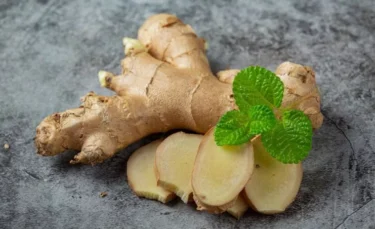
Ginger has been proven effective in preventing and managing migraine symptoms in a clinical study3 conducted by Mehdi et al. in 2014. Ginger contains many phytochemicals that might be responsible for effectively managing headaches4. You can make some ginger tea to relieve migraine symptoms. To make ginger tea, boil some freshly crushed ginger rhizome in water. Let it simmer for some time, strain it and your ginger tea is ready to serve.

Herbs like tea, coffee and guarana berries contain plenty of caffeine. Caffeine may be a double-edged sword, as it may relieve or trigger migraine symptoms. You are advised to use caffeine with caution5. Introducing caffeine in small amounts may be the best choice for you.
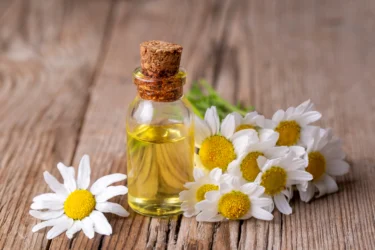
Aromatherapy with chamomile oil may help manage migraine symptoms. Chamomile may also help with nausea, a common migraine symptom. To use chamomile for migraines, take some chamomile oil, heat it and inhale the vapours using a vaporizer5. You can also make a cup of chamomile tea by boiling chamomile tea leaves in water. Strain it in a cup. Honey can be added for taste. And your chamomile tea is ready to drink.
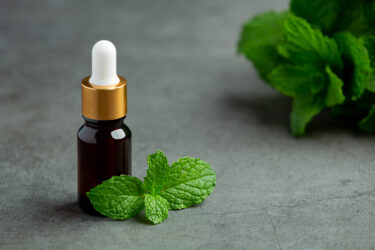
Peppermint oil, vapours and extract have shown benefits in migraine. Peppermint may help you relieve headaches during migraine. To use peppermint oil, you can heat some oil and inhale the vapours using the vaporizer5. Peppermint tea can be made by boiling peppermint leaves in water. Let the mixture simmer for some time. Pour the peppermint tea into a cup.
Here are some lifestyle changes to help prevent and relieve migraine symptoms.

You need to drink plenty of water to prevent dehydration, especially if you have vomited because of a migraine. In addition, drinking water may help manage the headache caused due to dehydration. You can also try drinking fluids other than water, such as juices and soups1,6. Make sure to steer clear of any liquid that might trigger your migraine.

You can try resting in a quiet and dark room to relieve migraine. Moreover, you might want to catch up on some sleep while resting6. This will help you cope with the migraine symptoms and wake up refreshed and relaxed.

Trying some relaxation techniques may help you reduce stress. You can try relaxing techniques like yoga, massage, mindful breathing, meditation and exercise. You may also try placing a damp towel or cool cloth over your head1,6.

You need to avoid any triggers that might be causing your migraines. Some common triggers that you can look out for are
These are some common triggers. However, you must keep track of your migraines to understand the cause and triggers. You can take help from a healthcare provider to identify triggers.
Though some studies show the benefits of the given herb and home remedies for migraine, these are insufficient. There is a need for large-scale human research to find the extent of the benefits of these home remedies on human health. Thus, these should only be taken cautiously and never as a substitute for medical treatment.
Also Read: Best Home Remedies For Hypertension By Dr. Rajeev Singh
If the headache is unbearable and does not relieve after several hours, it is best to consult a doctor for help. It can be accompanied by:
Reach out to your healthcare provider immediately.
You must not rely solely on home remedies for migraine treatment at home. You should consult a qualified doctor for any advice for the condition if the symptoms do not improve with home remedies.
Also Read: Home Remedies For Headache By Dr. Siddharth Gupta
Migraine attacks can make life difficult. The throbbing and pounding headache can make it nearly impossible for you to carry out your daily routine. There are some herbs and remedies that you can use to ease the symptoms and cope better. Herbs like ginger, tea, coffee, chamomile and peppermint have few pieces of evidence where they have effectively managed migraine symptoms. Therefore, they may be used as natural remedies for migraines. Unfortunately, a migraine headache can indicate an underlying health condition which needs a doctor visit. Therefore, contact your healthcare provider immediately if you experience a headache that is unbearable coupled with difficulty speaking and balancing, mental confusion and vision problems.
Also Read: Effective Home Remedies for Red Eyes
Some home remedies for migraines are chamomile, peppermint, tea, coffee and ginger. These herbs may be used at home to take care of a migraine. Making some lifestyle changes might also help you help with symptoms. Trying out relaxation techniques like yoga, meditation, and mindful breathing are some ways to reduce the stress that can trigger migraine. Drinking plenty of water and resting are simple and quick ways to help you manage your symptoms1,4,6. However, you are advised not to rely on home remedies alone to treat migraine. Make sure you consult your doctor or healthcare provider if you experience migraine symptoms.
There is some evidence reporting the use of caffeine in migraines. However, coffee can also induce a migraine in some people5. Therefore, you are advised to use coffee cautiously. Also, do not rely solely on herbal remedies to manage your symptoms. Seek medical help immediately if your migraine symptoms don’t improve.
Regular exercise, relaxation techniques like yoga and meditation, sufficient sleep and good water intake may help prevent migraine headaches. Maintaining a diary of your migraine attacks, including possible triggers and causes, may help you manage your symptoms better1. You can also take help from your healthcare provider as they will be able to help you identify the triggers better.
Yes, 3 out of every 4 people who have migraine are women. Women between the ages of 20 to 45 are more prone to migraine headaches7.
1. Migraine Headaches: Causes, Treatment & Symptoms [Internet]. [cited 2022 Jul 21]. Available from: https://my.clevelandclinic.org/health/diseases/5005-migraine-headaches
2. Migraine. MedlinePlus [Internet]. [cited 2022 Jul 21]. Available from: https://medlineplus.gov/migraine.html
3. Maghbooli M, Golipour F, Moghimi Esfandabadi A, Yousefi M. Comparison between the efficacy of ginger and sumatriptan in the ablative treatment of the common migraine. Phytother Res [Internet]. 2014 [cited 2022 Aug 23];28(3):412–5. Available from: https://pubmed.ncbi.nlm.nih.gov/23657930/
4. Yarnell Eric. Herbal Medicine and Migraine. https://home.liebertpub.com/act [Internet]. 2017 Oct 1 [cited 2022 Jul 21];23(5):192–201. Available from: https://www.liebertpub.com/doi/10.1089/act.2017.29131.eya
5. Levin M. Herbal treatment of headache. Headache [Internet]. 2012 [cited 2022 Jul 13];52 Suppl 2:76–80. Available from: https://pubmed.ncbi.nlm.nih.gov/23030536/
6. Migraine. Office on Women’s Health [Internet]. [cited 2022 Jul 22]. Available from: https://www.womenshealth.gov/a-z-topics/migraine
7. Rossi MF, Tumminello A, Marconi M, Gualano MR, Santoro PE, Malorni W, Moscato U. Sex and gender differences in migraines: a narrative review. Neurol Sci. 2022 Sep;43(9):5729-5734. doi: 10.1007/s10072-022-06178-6. Epub 2022 Jun 8. PMID: 35676560; PMCID: PMC9176156. Available from: https://pmc.ncbi.nlm.nih.gov/articles/PMC9176156/
Disclaimer: The information provided here is for educational/awareness purposes only and is not intended to be a substitute for medical treatment by a healthcare professional and should not be relied upon to diagnose or treat any medical condition. The reader should consult a registered medical practitioner to determine the appropriateness of the information and before consuming any medication. PharmEasy does not provide any guarantee or warranty (express or implied) regarding the accuracy, adequacy, completeness, legality, reliability or usefulness of the information; and disclaims any liability arising thereof.
Links and product recommendations in the information provided here are advertisements of third-party products available on the website. PharmEasy does not make any representation on the accuracy or suitability of such products/services. Advertisements do not influence the editorial decisions or content. The information in this blog is subject to change without notice. The authors and administrators reserve the right to modify, add, or remove content without notification. It is your responsibility to review this disclaimer regularly for any changes.
6
1
Everyone wants a perfect smile. Your smile expresses your emotions. Yellow, discoloured or stained teeth prevent you from smiling as they make you feel self-conscious. However, do not worry, as you are not alone. Teeth staining is a common problem experienced by millions of people. Stains in teeth can be superficial (extrinsic) or deep (intrinsic). Here, we will be talking about only superficial tooth discolouration.
Staining of teeth can be treated by teeth whitening procedures. Procedures can include teeth whitening done by dental professionals and teeth whitening remedies at home1.
Teeth whitening is a bleaching process to remove the yellow colour of teeth. Bleaching may also make the enamel whiter and more reflective. Teeth whitening products include chemicals like carbamide and hydrogen peroxide, which only dental professionals are certified to use. These techniques might be expensive as well as damaging to the teeth2.
In this blog, we bring you the natural ways to whiten your teeth. For this, you may use certain fruits and other ingredients readily available in your kitchen. So, continue reading to find the home remedies for teeth whitening.
Teeth discolouration may be caused due to:
Trauma or injury to teeth results in deeper stains which cannot be treated by teeth whitening.
The following signs may be observed:
Simple kitchen ingredients offer several natural ways to make teeth white at home.
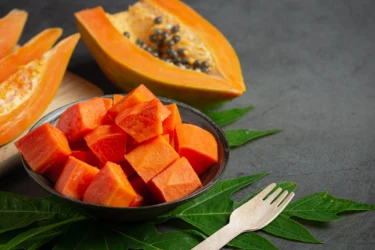
Raw papaya might be a good bleaching agent because it contains papain and chymopapain enzymes. These enzymes are found in unripe papaya more than in ripe papaya. Papain enzyme may be able to remove the superficial stains of the teeth and reduce the plaque development in the teeth4,5.
You may use unripe papaya as a home remedy for teeth whitening. Wash the papaya and remove the peel and seeds. Blend the flesh into a blender. Squeeze the pulp using a mesh cloth and use the juice obtained with hydrogen peroxide as a mouth rinse to bleach your teeth. Unripe papaya might be used as a non-abrasive (mild) whitening agent5.

Pineapple contains an enzyme called bromelain. It may act as a natural stain remover. It may help remove the dental plaque build-up and the superficial stains of the teeth4.
Pineapple may be used for teeth stain removal at home. You may eat pineapple as a raw fruit or may be used it to prepare pineapple juice. To make pineapple juice, wash it thoroughly with water, remove the peel and chop it into small pieces. Take half volume of water into the blending jar and add the chopped pineapple. Blend until a smooth puree is formed strain and discard the pulp and use the juice. Add ice cubes and a pinch of salt and sugar if needed.

Strawberries contain malic acid, which might be a natural teeth enamel whitener. It may have anti-cariogenic properties (may reduce tooth decay). It may also increase saliva production4. Crush one or two strawberries to make a puree, add half a teaspoon of baking soda and mix well. Apply this mixture to your teeth, let it sit for a while and rinse it off before brushing with your regular toothpaste.

We all eat bananas and throw away the peel. Those peels are loaded with essential minerals like magnesium, manganese and potassium. These minerals get absorbed into tooth surface, making them appear white4. So, before throwing away banana peels, use them to whiten your teeth.
You may rub your teeth with the underside of the banana peel. Once rubbed, allow it to sit for at least ten minutes. Next, take a fresh dry toothbrush and work on your teeth. Once done, brush out the peel and do your regular brushing using toothpaste. Do this routine and observe the results.

Lemon extract and peels may be used for teeth whitening. They contain a high amount of citric acid, which may have a bleaching action. Lemons may also have antibacterial properties that might help in reducing dental plaques4.
You may use lemons in two ways rubbing lemon peel onto the stained teeth, and squirting the lemon juice on the discoloured teeth.

Dairy products might act as a natural enamel whitener. Milk, cheese, yoghurt, etc., are good sources of lactic acid and might be useful for destaining the teeth and increasing saliva production in the mouth4. Thus, dairy products might be effective home remedies to whiten your teeth. So, do not skip your milk drink it daily to avoid your pearlies from turning yellow.
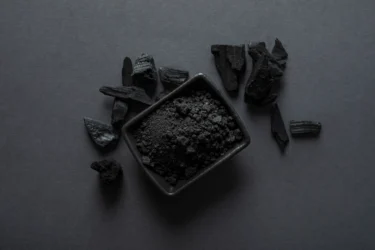
Activated charcoal may be used as a beneficial home remedy for teeth whitening. Activated charcoal may have a negative charge and bind to the positively charged dental plaque on the teeth surfaces. Hence, activated charcoal might be absorbed over the tooth surfaces resulting in the whitening of discoloured teeth4.
You may use marketed activated charcoal in the form of powder. Mix the charcoal powder with water to make a paste and use it to brush your teeth.
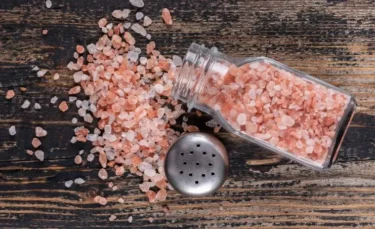
Rock salt may be used as an effective yellow teeth remedy. Rock salt might be a mild cleaning agent to remove superficial stains. These salts may increase the pH of the saliva, thus increasing antibacterial activity4. You may sprinkle a pinch of rock salt on your regular toothpaste and use it to brush your teeth. Regular brushing with rock salt might be the best remedy for teeth whitening.
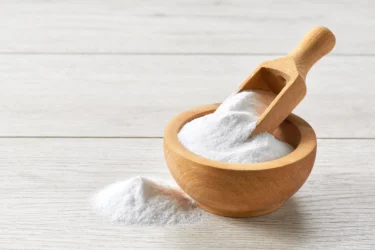
Baking soda is easily available in our kitchen. It might be a useful ingredient for teeth whitening. Baking soda is less abrasive (less harsh) to the teeth. Toothpaste made from baking soda may be the most effective home remedy for teeth whitening1.
Baking soda paste for teeth whitening might be helpful in overcoming teeth discolouration. You may combine a teaspoon of baking soda with a little amount of water to prepare a paste and then utilise it to brush your teeth with circular motions, followed by thorough rinsing with water.

Oil pulling is a traditional technique which includes swishing oil in the mouth. This technique is time-consuming and might be effective gradually. You may use coconut, sunflower or sesame oil for oil pulling. Take one teaspoon of oil and swish it around your mouth for about 20 mins a day. This process may be used to improve oral hygiene in general1.
Though various studies show the benefits of the given herb and home remedies in teeth whitening, these are insufficient. Therefore, there is a need for large-scale human studies to establish the true scope of the benefits of these home remedies on human health. Thus, these should only be taken cautiously and never as a substitute for medical treatment.
Also Read: Easy Home Remedies for Bleeding Gums
You must not rely on home remedies alone to treat teeth discolouration. Instead, you should consult a qualified doctor for advice on teeth whitening procedures if the signs do not improve with home remedies.
Also Read: Natural Home Remedies for Tooth Decay
Teeth whitening is a process that involves the bleaching of teeth. It gives dull-looking teeth a shiny and whiter appearance. However, the teeth whitening procedures are short-lived, less effective and might be risky. Therefore, it is better to try a few natural home remedies for teeth whitening. Fruits such as pineapple, papaya, strawberries and banana peel might help whiten teeth naturally. Baking soda, activated charcoal, coconut, sunflower, sesame oil, and dairy products are some other kitchen ingredients. However, you should consult a dentist if you are considering teeth whitening. They will be the best person to guide you in this process.
Also Read: Home Remedies For Toothache
Teeth whitening procedures are not recommended if you have sensitive teeth, cracks or exposed dentin, gum disease and if you are pregnant or breastfeeding2.
The alternatives for teeth whitening procedures include using teeth whitening toothpaste, frequent teeth cleaning by dentists and dental restoration such as crowns and veneers2. However, you may need a qualified dentist to carry out these procedures.
Teeth whitening procedures might help change the appearance of discoloured teeth, but it is temporary. It may be cheaper; however, it accompanies certain side effects such as irritation of gums and tooth sensitivity2. Therefore, you must consult a dentist and check if your teeth are suitable prior to considering these procedures.
Yes, you may use banana peel for teeth whitening. They contain minerals such as potassium, magnesium, manganese, etc., which get absorbed into teeth surfaces, making them look white4.
Various products such as tea, coffee, red wine, tobacco and antibiotics might cause staining of teeth. These products contain chromogens (dyeing substances) that may get attached to the teeth resulting in the formation of brown or black patches on teeth enamel5.
1. Cleveland Clinic [Internet]. How to Whiten Your Teeth: 4 Home Remedies. 2021 [cited 2022 Jul 15]. Available from: https://health.clevelandclinic.org/how-to-whiten-teeth/
2. Health direct [Internet]. Teeth whitening. 2020 [cited 2022 Jul 15]. Available from: https://www.healthdirect.gov.au/teeth-whitening
3. Cleveland Clinic [Internet]. Tooth Discoloration: Causes, Treatment & Prevention. 2022 [cited 2022 Aug 18]. Available from: https://my.clevelandclinic.org/health/diseases/10958-tooth-discoloration?view=print
4. Kalliath C, Mukunda A, Pynadath M, Venugopal V, Prethweeraj J. Comparison between the effect of commercially available chemical teeth whitening paste and teeth whitening paste containing ingredients of herbal origin on human enamel. Interna Quarter J of Resea in Ayur. 2018;39(2):113-117. Available from:https://www.ncbi.nlm.nih.gov/pmc/articles/PMC6369603/pdf/AYU-39-113.pdf
5. Choudhary M, Ratna Velugu G, Choudhary Professor E. Effect Of Hydrogen Peroxide Containing Extract Of Pineapple & Papaya As An Additive On Human Enamel During Vital Bleaching Using Reflectance Spectrophotometer: An In Vitro Study Noida. Interna J OF Scienti Resea. 2020;9(4):57–58. Available from: https://www.researchgate.net/publication/340667946_EFFECT_OF_HYDROGEN_PEROXIDE_CONTAINING_EXTRACT_OF_PINEAPPLE_PAPAYA_AS_AN_ADDITIVE_ON_HUMAN_ENAMEL_DURING_VITAL_BLEACHING_USING_REFLECTANCE_SPECTROPHOTOMETER_AN_IN_VITRO_STUDY
Disclaimer: The information provided here is for educational/awareness purposes only and is not intended to be a substitute for medical treatment by a healthcare professional and should not be relied upon to diagnose or treat any medical condition. The reader should consult a registered medical practitioner to determine the appropriateness of the information and before consuming any medication. PharmEasy does not provide any guarantee or warranty (express or implied) regarding the accuracy, adequacy, completeness, legality, reliability or usefulness of the information; and disclaims any liability arising thereof.
Links and product recommendations in the information provided here are advertisements of third-party products available on the website. PharmEasy does not make any representation on the accuracy or suitability of such products/services. Advertisements do not influence the editorial decisions or content. The information in this blog is subject to change without notice. The authors and administrators reserve the right to modify, add, or remove content without notification. It is your responsibility to review this disclaimer regularly for any changes.
11
1
Throat infection is a common symptom of viral or bacterial infection. Throat infection may feel like an irritation, inflammation, eruption or a painful scratch in your throat. The pain gets worse when you swallow. The pharynx is also called the throat. It is a hollow tube inside the neck from behind the nose to the top of the windpipe and oesophagus. Hence, a throat infection is also called pharyngitis. Pharyngitis can affect the surrounding areas including the tongue, tonsils and roof of the mouth. A throat infection is called sore throat when caused by a virus. Strep throat is an infection due to bacteria. Throat infections can quickly spread from one person to another by close contact and sharing utensils and objects. These infections occur more during the colder months1,4.
Let’s know more about the natural remedies for throat infection, which you may try at home.
Although the most common causes are bacterial and viral infections1. The causes of a throat infection may include-
Not all throat infections are the same. Knowing whether your sore throat is likely caused by a virus or bacteria can help you understand how it may be managed. However, only a doctor can confirm the exact cause5.
| Feature | Viral Sore Throat | Bacterial (Strep) Throat |
| Cough | Often present | Usually absent |
| Runny nose/congestion | Common | Uncommon |
| White patches on the tonsils | Less common | More common |
| Onset | Gradual | Often sudden |
| Antibiotics needed | No | Sometimes, if confirmed by doctor |
Because the two can look similar, it is best to consult a doctor if you are unsure, rather than assuming and self-treating.

The appearance of symptoms in people may vary in severity and duration. You might feel irritation and pain in the back of your mouth, tonsils and neck. You might also experience swollen lymph nodes, fever, earache and headache2,3. The following are the most common symptoms of throat infection:
The symptoms of a throat infection may show similarities to other health conditions; therefore, it is always better to check with your doctors for a complete diagnosis3.
You may try the following throat infection home remedies to ease your pain.

Honey may be the best home remedy for throat infections. Honey may have antibacterial and antiviral properties that might help relieve cough and cold symptoms. In addition, it may also have a soothing effect, making it a quick remedy for throat pain. Take one teaspoon of honey mixed with half a teaspoon of cinnamon powder before bedtime. This remedy might help clear up the respiratory passage. You may also use honey and clarified butter with hot fresh ginger paste to relieve sore throat and cough6.
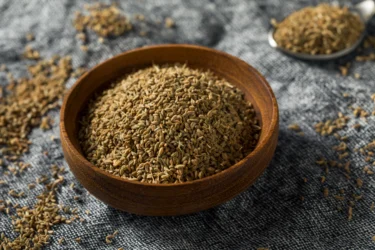
Ajwain leaves and seeds have been used in Indian cooking. Ajwain has been used in Indian home remedies for colds and coughs. It may have antimicrobial, antioxidant, antifungal and broncho-dilating properties. In addition, it may act as an expectorant (may help decongestion and remove mucous from nasal passages). It may also provide relief from coughing and sneezing6.
Ajwain seeds contain 2 to 4.4% thymol oil, which might be used for throat infections. Steep 2-3 teaspoons of ajwain in hot oil (coconut oil) for some time to allow all the nutrients to infuse in the oil. Upon cooling, use this oil to massage your chest, back and nose. It might help release the chest congestion.
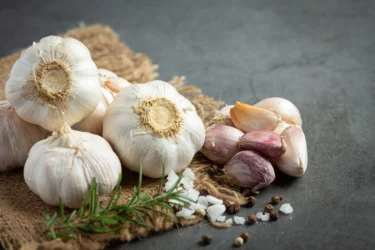
You should consider garlic for throat infections. Garlic contains a compound called allicin which might help enhance the immunity of the body and help fight against viral infection. Some laboratory studies have suggested that garlic contains an enzyme alliinase which may be associated with the antiviral activity against various types of viruses6.
Chewing raw cloves of garlic might be a good home remedy for throat infections. Take garlic along with vegetables and hot soup as it may be difficult to eat whole garlic.
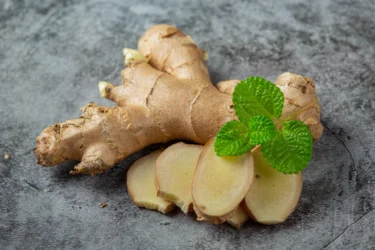
Ginger can be found in every Indian kitchen. Ginger contains unique compounds like zingerone and gingerols, which might prevent entry as well as stop the viral multiplication in the body. Fresh ginger may have antiviral activity against human respiratory viruses6.
You can make ginger tea by boiling a few slices of fresh ginger in a cup of water. Let it simmer for 3-5 minutes, then strain the water. Drink this ginger tea 2-3 times a day for relief.
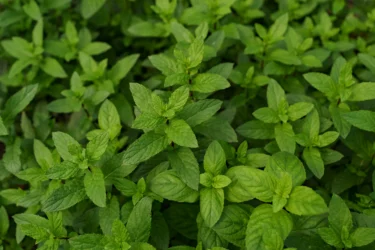
Studies have suggested that pudina may have antiviral, antioxidant, and antibacterial activities. In addition, it may enhance immunity, which may be beneficial in combating respiratory infections6.
To overcome the symptoms of throat infection, boil few mint leaves in one glass of water. Use this lukewarm water to gargle. You can also inhale the fumes; it might help with nasal congestion.
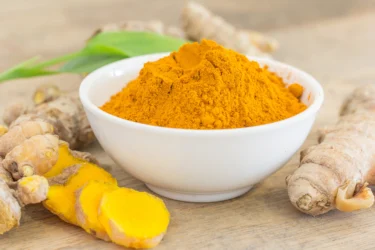
Studies showed turmeric (curcumin) had no toxic effects on humans. Turmeric contains a polyphenol called curcuminoid that may possess antiviral, anti-inflammatory, antioxidant and antifungal properties. Turmeric milk might be one of the most effective throat pain remedies. Add some turmeric powder to hot milk, stir well, and drink it 2-3 times a day. It might help boost immunity to prevent and relieve symptoms of viral infection6.
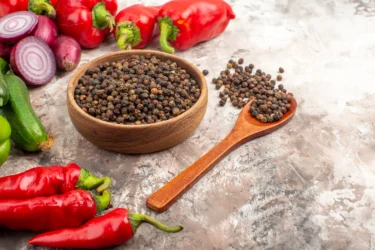
Black pepper is a traditional Indian spice. It contains quercetin which might act as an immunity enhancer for managing cold and cough symptoms. It may have antiviral, antibacterial and expectoration properties that might help break down the mucus and phlegm deposition in the respiratory tract. It may also provide relief from nasal and sinus congestion6. Take some hot water and add a bit of black pepper powder. Stir well and sip it slowly.
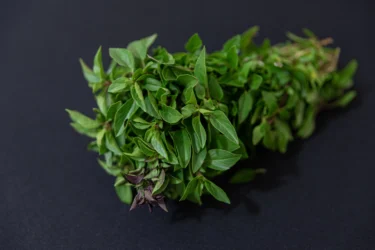
Basil or tulsi is an aromatic Ayurvedic herb. In the Ayurvedic medicine system, tulsi is called “Mother Medicine of Nature” and “The Queen of Herbs.” Studies have confirmed that tulsi may have beneficial properties such as antibacterial, antiviral, antifungal, antioxidant, anti-inflammatory, analgesic (pain-relieving), antipyretic (reduce fever), etc. Basil leaves might increase the production of natural immune cells in the body to fight viral infection6.
Tulsi tea might be an effective home remedy for throat infections. To make tulsi tea, take a handful of tulsi leaves and boil them in water. Allow the leaves to simmer for about five minutes and add ginger, cinnamon or honey if required. Drink this tea twice a day to help ease the pain.

Cinnamon may have antiviral, antioxidant, antimicrobial and antifungal properties. It may also benefit the immune system. A regular intake of cinnamon might reduce the chances of getting throat infections6.
Add a pinch of cinnamon and ginger powder and bit of honey to a small amount of milk. Drink this cinnamon milk couple of times a day to help with throat pain.
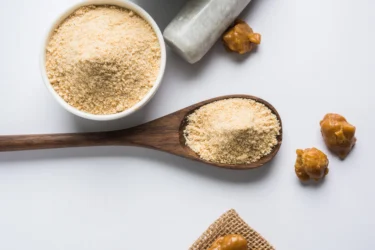
According to Taiwan Medical University, the roots of asafoetida may produce natural antiviral compounds. In laboratory studies, the antiviral activity of asafoetida has been demonstrated against the influenza A virus. Asafoetida may have sedative properties (induce sleep). It may also act as an expectorant, so may benefit in whooping cough. Asafoetida has a distinct odour which might deter or inhibit germs invasion6.
You may use asafoetida as an instant remedy for throat pain. Add a few teaspoons of asafoetida powder, ginger powder and a small quantity of honey to a glass of water. Drink this mixture twice a day to relieve sore throat.
Though there are studies that show the benefits of the given herb and home remedies in managing throat infections, these are insufficient. Therefore, there is a need for large-scale human studies to develop the true scope of the benefits of these home remedies on human health. Thus, these should only be taken with caution and never as a substitute for medical treatment.
Throat lozenges are small medicated or soothing tablets that dissolve slowly in the mouth and can provide temporary comfort for a sore throat. Common options include7:
It is important to understand that lozenges provide symptomatic relief only. They can help ease discomfort but do not treat the underlying cause of the infection. Always follow the instructions on the pack, and avoid giving lozenges to young children due to the risk of choking. If symptoms persist, consult a doctor.
When you have a throat infection, your voice box and surrounding tissues are often inflamed. Giving your voice some rest can help support recovery.
If your voice remains hoarse or does not return to normal after 2 to 3 weeks, it is a good idea to consult a doctor.
Doctors sometimes use a simple set of signs known as the Centor criteria, to estimate how likely a sore throat is to be caused by Group A Streptococcus (strep throat) rather than a virus. . You can use this easy checklist as a rough guide, though it is not a diagnosis8.
Tick the signs that apply to you:
What it means:
This checklist is only meant to help you decide whether to see a doctor. A doctor may carry out a proper examination or test to confirm whether it is strep throat before recommending treatment.
There is a common misconception that antibiotics help with every sore throat. In reality, this is not the case.
Warning signs that may point towards a bacterial infection include:
Even if these signs are present, only a doctor can decide whether antibiotics are appropriate. It is important not to self-medicate with antibiotics, as misuse can lead to side effects and contribute to antimicrobial resistance, making infections harder to treat in the future. Always complete the full course exactly as prescribed if antibiotics are given.
The throat infection may not cause any serious health conditions. However, you might need to consult a doctor if you have a sore throat that lasts for longer than a few weeks2. The following signs should guide you to visit a doctor for proper treatment.
To ensure proper treatment for throat infections, it is essential to consult a qualified doctor if the symptoms do not improve with home remedies.It is also important that one must not self-medicate with antibiotics without knowing the diagnosis and possible side effects.
Also Read: Home Remedies For Strep Throat By Dr. Rajeev Singh
Viruses and bacteria both may cause throat infections. The infection caused by viruses (flu or common cold) is called the sore throat, whereas the infection by bacteria is called strep throat. You might feel painful inflammation and irritation in your throat. The development of symptoms may vary depending on immunity. Usually, the throat infections ward off in a few weeks. Consult a doctor if your symptoms worsen or fail to improve. You may try certain home remedies for throat infections. Home remedies using kitchen ingredients might provide relief from throat infections. You can try turmeric, ginger, honey, black pepper, tulsi, garlic, cinnamon, mint, asafoetida, etc., as beneficial home remedies for throat infection.
Also Read: Simple Home Remedies for Tongue Ulcers
Throat infections are caused mainly by viruses (common cold or flu) and bacteria (group A Streptococcus). It may be called sore throat in case of viral infection and strep throat in case of bacterial infection1,2.
The treatment for throat infection will depend upon age, symptoms and general health of a person. A doctor might recommend drinking more fluids, gargling with warm salt water, throat lozenges and acetaminophen or ibuprofen to relieve pain and fever3. The doctor may suggest an antibiotic in the case of a bacterial infection. It is important to take the antibiotics in the correct way as prescribed.
Asafoetida may have antiviral activities and also act as an expectorant. It might help in breaking down the mucus during whooping cough. Asafoetida may have a unique fetid odour which might act as a deterrent to germs6. However, more research is required to know the benefits of asafoetida in humans. Therefore, you should consult a doctor before using asafoetida to manage a throat infection.
You can take a teaspoon of honey with half a teaspoon of cinnamon powder before bedtime. You can also take honey with clarified butter and hot fresh ginger paste6. However, if the symptoms of throat infection persist even after taking honey, do not rely on honey alone. Immediately contact a doctor and get appropriate treatment for your sore throat.
Common symptoms of a throat infection include sore throat, difficulty swallowing, swollen tonsils, redness or white patches in the throat, fever, headache and hoarseness.
Yes, some throat infections caused by viruses or bacteria can be contagious. For example, strep throat, which is caused by Group A Streptococcus bacteria, is highly contagious and can spread through respiratory droplets.
The duration of a throat infection depends on its cause. Viral throat infections may last for a few days to a week, while bacterial infections, like strep throat, may require antibiotics and can resolve within a week with treatment.
Yes, a throat infection can cause hoarseness and affect your voice. Inflammation in the vocal cords due to infection can lead to changes in voice quality. Resting the voice and staying hydrated can help improve vocal symptoms.
While it’s challenging to prevent all throat infections, you can reduce the risk by practising good hygiene, washing hands frequently, avoiding close contact with sick individuals and maintaining a healthy lifestyle to support your immune system.
Yes, smoking or exposure to secondhand smoke can irritate the throat and worsen a throat infection. Quitting smoking and avoiding smoke exposure can promote faster healing.
1. Harvard Health [Internet]. Sore Throat (Pharyngitis). 2020 [cited 2022 Jul 18]. Available from: https://www.health.harvard.edu/diseases-and-conditions/sore-throat-pharyngitis-a-to-z
2. Cleveland Clinic [Internet]. Sore Throat (Pharyngitis): Causes & Treatments. 2022 [cited 2022 Jul 18]. Available from: https://my.clevelandclinic.org/health/symptoms/8274-sore-throat-pharyngitis?view=print
3. Cedars-Sinai [Internet]. Pharyngitis and Tonsillitis. [cited 2022 Jul 13]. Available from: https://www.cedars-sinai.org/health-library/diseases-and-conditions/p/pharyngitis-and-tonsillitis.html
4. NCI Dictionary of Cancer Terms – NCI [Internet]. Definition of pharynx. [cited 2022 Aug 20]. Available from: https://www.cancer.gov/publications/dictionaries/cancer-terms/def/pharynx
5. Centre for Disease Control and Prevention [Internet]. Sore Throat | Antibiotic Use. 2021 [cited 2022 Aug 22]. Available from: https://www.cdc.gov/sore-throat/about/?CDC_AAref_Val=https://www.cdc.gov/antibiotic-use/sore-throat.html
6. Shrivastava R. Immunity boosters: Solutions from nature – Herbs and spices. J of Renal Nutri and Metabo. 2020;6(2):37. Available from: https://www.researchgate.net/publication/344022592_Immunity_boosters_Solutions_from_nature_-_Herbs_and_spices
7. McNally D, Simpson M, Morris C, Shephard A, Goulder M. Rapid relief of acute sore throat with AMC/DCBA throat lozenges: randomised controlled trial. Int J Clin Pract. 2010 Jan;64(2):194-207. doi: 10.1111/j.1742-1241.2009.02230.x. Epub 2009 Oct 22. PMID: 19849767; PMCID: PMC7202229. Available from: https://pmc.ncbi.nlm.nih.gov/articles/PMC7202229/
8. Centers for Disease Control and Prevention (CDC). About strep throat [Internet]. Atlanta (GA): CDC; 2026 Jan 15 [cited 2026 Jul 1]. Available from: https://www.cdc.gov/group-a-strep/about/strep-throat.html
Disclaimer: The information provided here is for educational/awareness purposes only and is not intended to be a substitute for medical treatment by a healthcare professional and should not be relied upon to diagnose or treat any medical condition. The reader should consult a registered medical practitioner to determine the appropriateness of the information and before consuming any medication. PharmEasy does not provide any guarantee or warranty (express or implied) regarding the accuracy, adequacy, completeness, legality, reliability or usefulness of the information; and disclaims any liability arising thereof.
Links and product recommendations in the information provided here are advertisements of third-party products available on the website. PharmEasy does not make any representation on the accuracy or suitability of such products/services. Advertisements do not influence the editorial decisions or content. The information in this blog is subject to change without notice. The authors and administrators reserve the right to modify, add, or remove content without notification. It is your responsibility to review this disclaimer regularly for any changes.
25
3
Do you have a stiff back? Do you find difficulties in turning or bending in one or both directions? If yes, you might have back pain problems. Back pain is recognized as a sharp pain that you may feel in your back or spine. Back pain may be categorized as neck pain (cervical spine), upper back pain (thoracic spine), lower back pain (lower part of the spine), and tailbone pain. Most people experience back pain at some point in their life. The occurrence of back pain becomes more common after twenty-five years of age in both men and women. It can be felt as a sharp pain, spasm or ache in the back. Back pain may impact different people differently. Apart from the obvious physical discomfort, it may lead to mental troubles such as irritation and short-temper1.
Therefore, we bring you a few natural remedies for back pain, which you can carry out at home. So, read along to find the natural remedies for back pain.
Most people experience generalized back pain, which might result from a range of different factors such as:
The best patient education that can be provided to prevent back pain is to maintain a healthy body weight with a body mass index (BMI) less than 25, as higher BMI correlates with worse outcomes Patients of all ages should avoid smoking as it increases rates of back pain in all ages
Dr. M.G. Kartheeka, MBBS, MD(Pediatrics)
You might experience the following symptoms if you have back pain.
Here are a few home remedies for back pain that you may try.
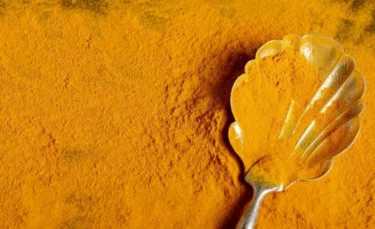
Turmeric is easily available in your kitchen and has been used in traditional medicine for centuries. The main bioactive compound of turmeric curcumin may have anti-inflammatory properties, which might be beneficial for reducing pain in the body2.
Turmeric milk might be a good home remedy for back pain. Add one teaspoon of turmeric powder to half a cup of milk (hot/cold) and mix it well. Add some honey for sweetness if needed. Drink this turmeric milk at night for possible relief from back pain.
Ginger is the most common spice found at home. It is used for culinary purposes. Ginger might be used as an instant remedy for back pain. Ginger contains bioactive chemicals such as zingerone and gingerol. These compounds may have anti-inflammatory activities that might help decrease the pain2.
Ginger tea might be a beneficial backache home remedy. To make ginger tea, take a small piece of ginger root wash and remove the peel. Next, you can slice or grate ginger and add it to boiling water. Cool and strain the ginger after letting it boil for about ten minutes. Finally, add honey or lemon juice if you need it.

Galangal may be used as a home remedy for back pain because it might have anti-inflammatory properties2. Galangal tea may provide a back pain solution at home. To make galangal tea, add a small piece of crushed galangal root to any tea of your choice, and boil them together in water for few minutes. Then, strain the tea, add sugar or honey and drink this tea in the morning and evening for quick back pain relief.

Cayenne pepper may have the ability to decrease the level of pain-causing neurotransmitters in the body. In addition, the active compound of cayenne pepper called capsaicinoids may have the ability to reduce pain. In various human trials3 conducted by Keitel et al. 2001, cayenne pepper preparations showed a reduction in pain when used in topical plaster. You can purchase the ready-to-use Cayenne plaster tapes, which might give you fast relief from back pain.
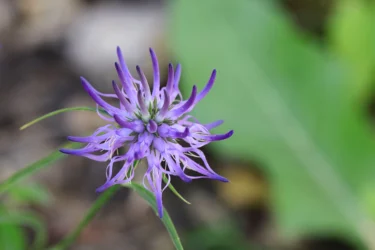
Devil’s claw may have analgesic and anti-inflammatory properties. It may be an effective painkiller and help reduce back pain3.
Devil’s claw tea might be beneficial for back pain. To make this tea, boil the dried root bark of the devil’s claw in water for 15-20 minutes. Allow this preparation to brew properly. You will notice a unique spicy aroma. Drinking the tea might give fast relief from back pain.
Also Read: Natural Home Remedies for Leg Pain
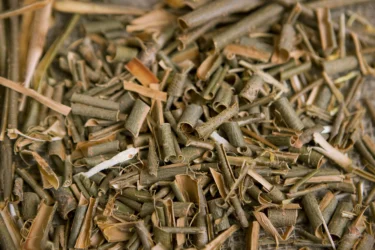
White willow bark might be considered an analgesic herb that may help relieve back pain3,4. White willow bark can be consumed in the form of tea. To prepare willow bark tea, add one to two teaspoons of white willow bark pieces in water and let it boil for five to ten minutes. Once boiled, turn off the heat and allow it to steep for about 30 minutes. Drink this tea as required.

Lavender flowers may be used as herbal sedatives (induce calmness) that help reduce stress and decrease muscle tension4. You may use lavender essential oil for back pain. Before using it, you should make sure to dilute the lavender essential oil with any other oil of your choice (coconut oil). Applying to the affected regions will provide instant relief for back pain.
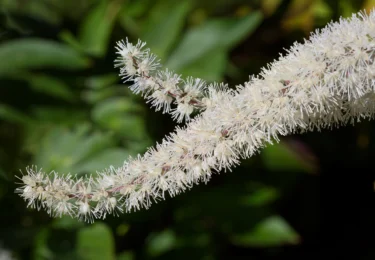
Black cohosh root may have an antispasmodic activity and may relieve muscle spasms, may reduce pain and may have a sedative (soothing) effect4. Black cohosh root tea may be a beneficial home remedy for back pain. To make this tea, take black cohosh roots and add them to boiling water and then allow it to simmer for 20-30 mins until the liquid is reduced. Drink this tea to relieve your back pain.

The best home remedies for back pain might be making changes in our daily lives,
Back pain may be reduced by heat and cold therapy (such as the application of hot water bottles and ice packs). Keeping a healthy weight may also help manage back pain1.
Though studies show the benefits of the given herb and home remedies for back pain, these are insufficient. Therefore, there is a need for large-scale human studies to establish the true extent of the benefits of these home remedies on human health. Thus, these should only be taken cautiously and never as a substitute for medical treatment.
Severe low back pain if unresolved on its own within 3-4 weeks would surely need a medical opinion and might benefit from ultrasound and interferential therapy by a physiotherapist.
Dr. Ashish Bajaj, M.B.B.S., M.D. in Clinical Pharmacology and Toxicology
Back pain might resolve in a few weeks in most people with adequate self-care. Nine out of ten people might recover from back pain after two months. However, if the condition gets worse, seek medical help. Immediate medical attention is necessary in the following conditions:
If you have osteoporosis (weak bones)1. You should not depend on home remedies alone for the treatment of back pain. You need to consult a doctor for advice if the symptoms do not improve with home remedies.
Also Read: Stabbing Pain on the Left Side Under the Ribs: Possible Causes and Solutions
Back pain is a form of pain that might result from straining joints, ligaments and muscles. The early signs of back pain may include rapid pain, stiffness, numbness, tingling and spasm. Back pain may be avoided by modifying lifestyle patterns including regular exercising which can include walking, swimming, yoga, etc. Back pain can also be prevented by maintaining a healthy weight and introducing short breaks for relaxation in the daily routine. You may also try some ayurvedic home remedies such as ginger, turmeric, etc., which might give you instant back pain relief. However, if the condition continues for longer, consult a qualified professional to avoid more complications.
Also Read: Effective Home Remedies For Heel Pain
The precautions to manage back pain include lifestyle changes. Regular exercising like walking and swimming, weight training, yoga, pilates, maintaining good posture and a healthy weight, reducing stress and muscle tension and better relaxation might be helpful to manage back pain.
Back pain may be managed by physical exercises, chiropractic, physiotherapy and acupuncture. Medications such as non-steroidal anti-inflammatory drugs (NSAIDs) might be used to reduce the pain but with its side effects. Therefore, before trying any alternative methods, it is best to consult a specialist.
Different therapies such as herbal medicine, laser therapy, ultrasound, heat and cold therapy, and electrotherapy may be used for back pain. Therefore, if you have back pain problems, consult a doctor and ask for advice before trying these therapies.
Doctors will examine your back pain and might ask you the following questions:
How would you describe the pain?
Is there tingling or numbness?
What activities were you doing before the back pain started?
When did the back pain start?
What makes the pain worse or better?
1. Back pain [Internet]. Health direct. 2020 [cited 2022 Jul 11]. Available from: https://www.healthdirect.gov.au/back-pain
2. Lakhan SE, Ford CT, Tepper D. Zingiberaceae extracts for pain: a systematic review and meta-analysis. Nutrition Journal. 2015;14(50):1–10. Available from: https://www.ncbi.nlm.nih.gov/pmc/articles/PMC4436156/pdf/12937_2015_Article_38.pdf
3. Peppin JF, Pappagallo M. Capsaicinoids in the treatment of neuropathic pain: a review. Ther Adv Neurol Disord. 2014 Jan;7(1):22-32. doi: 10.1177/1756285613501576. PMID: 24409200; PMCID: PMC3886382. Available from: https://pmc.ncbi.nlm.nih.gov/articles/PMC3886382/
4. Garner-Wizard M, Henson S, Milot B, Oliff HS, Oppel M, Rapp C, et al. Herbs in the Treatment of Back Pain. Ameri Botanic Counci. 2006;1–2. Available from: https://umb.herbalgram.org/media/kbghyimc/issue72.pdf
Disclaimer: The information provided here is for educational/awareness purposes only and is not intended to be a substitute for medical treatment by a healthcare professional and should not be relied upon to diagnose or treat any medical condition. The reader should consult a registered medical practitioner to determine the appropriateness of the information and before consuming any medication. PharmEasy does not provide any guarantee or warranty (express or implied) regarding the accuracy, adequacy, completeness, legality, reliability or usefulness of the information; and disclaims any liability arising thereof.
Links and product recommendations in the information provided here are advertisements of third-party products available on the website. PharmEasy does not make any representation on the accuracy or suitability of such products/services. Advertisements do not influence the editorial decisions or content. The information in this blog is subject to change without notice. The authors and administrators reserve the right to modify, add, or remove content without notification. It is your responsibility to review this disclaimer regularly for any changes.
22
1
After a long morning walk or heavy workout you need to restore your energy. So what’s better than a glass of tomato juice? Apart from being a good energy drink, it may be just what you need to rejuvenate your health. Tomato juice is packed with antioxidants, vitamins and essential nutrients that might help to kick start your day1.
Tomato (Tamatar) is scientifically called Solanum lycopersicum and it is a member of the Nightshade family Solanaceae. Tomato fruits are native to South America and are now grown in Central and South Asian countries too because of their high demand. Tomatoes are loved and enjoyed by people of all ages, and are also commonly known as love apples1,2.
Read to know how this tangy sweet red juice might be loaded with potential health benefits.
The most common uses of tomato juice are as an energy drink or sports drink. It helps rejuvenate your body from an intense workout because of its high water and mineral content. Tomato juice is a high source of proteins, fibre, carbohydrates, vitamins and essential minerals like potassium, phosphorous, etc., which are vital components to keep you fit1,2. Nutritional Value of Tomato juice per 100 g described below
From my knowledge, tomatoes may be beneficial for those who have asthma and may help avoid emphysema, a disorder that gradually affects the air sacs in your lungs. That might be because antioxidants like lycopene, lutein, and zeaxanthin work to combat the toxic components in cigarette smoke, which is believed to be the main cause of emphysema7.
Dr. Smita Barode, B.A.M.S M.S.
Tomato juice is loaded with potential health benefits for your body. It is a versatile fruit due to its numerous bioactive compounds which may contribute to specific biological properties1.
Tomato juice may have potential uses for various health conditions some of these are described as follows:

Tomato juice contains vitamin K and calcium, which might be useful for bone strengthening. They might help perform minor repairs on bone and bone tissue. Drinking tomato juice may provide a good amount of the daily requirement of vitamin K. Vitamin K has the ability to activate osteocalcin, which is a major non-collagen protein in bone. Osteocalcin helps mineralise calcium molecules inside the bones1. Hence, tomato juice might help keep a check on your bone density.
However, this information is insufficient and requires more human studies to suggest the benefits of drinking tomato juice for bone health.

Tomato juice might be an excellent drink for rapid skin cell repair. It contains high levels of lycopene antioxidant which works as a natural sunscreen and fights against harmful UV light. You might replace those pricy facial cleansers with a bowl of potent tomato juice. You may use tomato juice for glowing skin. It might clean your face and make it shiny. If you see facial redness, do not worry it fades away in a few minutes1.
However, this information is not sufficient for us and we require more human studies to determine the potential of tomato juice for glowing skin. Therefore, before using it on your skin, consult with your doctors.
There are no recognised upper limits that are advised for the consumption of lycopene because of its highly safety limit. On the other hand, in my experience, very high lycopene intake may occasionally result in very mild skin darkening. According to one case study, a lady who drank roughly 2 litres of tomato juice every day for several years noticed that her complexion had taken on an orange colour. The good news is that such changes are temporary. In a few weeks after cutting back on lycopene, the woman’s natural skin colour appeared6.
Dr. Siddharth Gupta, B.A.M.S M.D (Ayu)

Tomato juice is rich in vitamins and nutrients such as potassium, necessary for heart functioning. Tomato juice is free of cholesterol and contains vitamin B-3 may be effective and safe for reducing cholesterol levels in the body. Potassium decreases blood pressure, reducing the chances of heart stroke and heart attack. Vitamin B-6 and B-9 may help convert the dangerous chemicals (homocysteine) in the body. So, adding tomato or tomato juice to your regular diet may decrease the chances of developing heart-related life-threatening conditions1.
However, this data is insufficient and require large-scale human studies to produce the success of tomato juice for heart health. Therefore, if you are suffering from heart disease, take medical advice and only use it if recommended by your doctors.

Though studies show the benefits of tomato juice in various conditions, these are insufficient, and there is a need for further studies to develop the true scope of the benefits of tomato juice on human health. In addition, each person may respond differently to different herbs. Therefore, it is essential to consult a physician before using tomato juice for any medical condition.
High lycopene concentrations might not be appropriate for people with low blood pressure, patients who have stomach ulcers, ladies who are expecting or nursing, individuals who are taking medicine for cancer, heart disease, or skin disorders and patients undergoing hormone therapy. To be sure lycopene is healthy for you and won’t react with any drugs you take, I recommend one should consult their doctor before making dietary changes6.
Dr. Rajeev Singh, BAMS
Tomato juice uses are as follows:
People must consult an Ayurvedic physician before drinking tomato juice every day. Further, we advise you not to replace or discontinue your ongoing medicines with any ayurvedic or herbal preparations of tomato juice without taking the medical advice of a doctor. They will guide you with the correct form and dosage per your health condition.
Tomatoes (Tamatar) are safe to eat2. However, drinking excess tomato juice may cause a few side effects.
However, if you have kidney problems, limit your tomato juice intake. We recommend you avoid excess consumption of tomato juice. If you experience one of these rare allergic reactions, immediately rush to the hospital and get appropriate treatment for your allergies.
Also Read: Apple Juice: Uses, Benefits, Side Effects and More!
Drinking tomato juice in moderation is safe. However, general precautions should be followed.
Also Read: Ginger Juice: Uses, Benefits, Side Effects By Dr. Siddharth Gupta
There is no scientific evidence of the interaction between tomato juice and drugs. However, people should not assume that there are no interactions.
Therefore, people should consult an Ayurvedic physician. They will direct you to the better way to have tomato juice for its potential health benefits.
Also Read: Mango Juice: Uses, Benefits, Side Effects By Dr. Siddharth Gupta
Vitamins work as a potential antioxidant. It may help counter the harmful effects of free radicals in the blood. If left unchecked in the bloodstream, these free radicals might be dangerous, leading to cell damage1. Hence, drinking tomato juice might be beneficial for your health.
A cup of tomato juice offers 534 milligrams of potassium1.
Tomato juice might be a useful ingredient for your skincare. It may be used to replace commercial facial cleansers. It contains a high level of lycopene pigment, which might help clean your face and make it shiny. However, please do not use it to self-medicate on your own; first, take advice from your physician and only use it if recommended to you1.
The benefits of drinking tomato juice might be associated with hair health. It contains a good source of vitamin A which might work to keep your hair stronger and shinier1. However, we require more scientific proof to suggest the benefits of tomato juice for hair health.
Tomatoes are high in vitamin A composition. Therefore, tomato juice might be a fantastic choice for boosting your vision. In addition, drinking your tomato juice might also reduce the chances of developing night blindness1. However, this information is insufficient and requires a doctor’s consultation. Therefore, before using it, ask for a doctor’s recommendation.
Tomato juice might be a power-packed antioxidant drink. The vitamins in tomato juice include vitamin A, B-1, B-2, B-3, B-6, B-9, K, E and vitamin C3.
Disclaimer: The information provided here is for educational/awareness purposes only and is not intended to be a substitute for medical treatment by a healthcare professional and should not be relied upon to diagnose or treat any medical condition. The reader should consult a registered medical practitioner to determine the appropriateness of the information and before consuming any medication. PharmEasy does not provide any guarantee or warranty (express or implied) regarding the accuracy, adequacy, completeness, legality, reliability or usefulness of the information; and disclaims any liability arising thereof.
Links and product recommendations in the information provided here are advertisements of third-party products available on the website. PharmEasy does not make any representation on the accuracy or suitability of such products/services. Advertisements do not influence the editorial decisions or content. The information in this blog is subject to change without notice. The authors and administrators reserve the right to modify, add, or remove content without notification. It is your responsibility to review this disclaimer regularly for any changes.
118
4
Hernia is a condition that can affect anyone. It often develops when a weak spot in your muscles or fatty tissues pushes internal organs through and can lead to a noticeable bulge or swelling on the skin. Hernia can also cause severe pain. While there are various types of hernias, the most common in men is the inguinal hernia, where a portion of the intestines pushes through the inguinal canal near the groin or inner thigh area.
Managing your diet is important if you have a hernia. The right foods can help ease symptoms and prevent complications, while others may worsen your condition. This article covers the best & worst food options for better hernia management[5].
Friendly Reminder: The information shared here is for educational purposes only and the reader should consult a registered medical practitioner before implementing any changes to their health routine.

Fruits like bananas, apples [1], pears, and melons are good sources of nutrients and fibre. An increased fibre intake is necessary for smoother bowel movements and to avoid undue pressure on weak areas.

Spinach[8], green peas, methi (fenugreek), water spinach, and mustard leaves are excellent leafy green fibre options. Compared to other foods, these greens contain vitamins and minerals.

Carrots, sweet potatoes and cucumber are three high-fibre veggies to add to your diet. With more fibre, you can decrease your risk of constipation and ease the pressure your intestines undergo.

Protein is an essential nutrient for repairing and building tissues in the body. Many animal protein sources contain unhealthy fats, which can contribute to obesity. Increased weight can stress out your digestive system and strain your hernia further. Lean protein like skinless chicken, some fish, yoghurt, beans, lentils, sprouts salad, and low-fat milk can increase your protein intake without boosting your fat levels[1].

Certain oils contain high levels of trans fats that are very unhealthy for your overall health. Unhealthy cooking oils may also be involved with digestive issues and heartburn, both of which are bad news for people with a hernia. Opt for healthier oils like olive and coconut oil wherever possible.

Whole grains are the best alternative to refined grains, flour and food items. Refined grains and their flour are often called empty carbs since they bring no fibre to your diet. Whole grains, on the other hand, are rich in nutrients and fibre[8].

Oatmeal has numerous health benefits, including a high fibre content. However, oatmeal also benefits people with a hernia by being a low-acidic food. Acidic foods can increase your symptoms, but with oatmeal, you can decrease the chance of this occurring[8].

Water is required for nearly every cell in your body to function normally and is especially essential for smooth digestive function. Make sure you drink enough water every day without drinking too much at one time. Too much water in a short period can result in bloating and this may be painful if you have a hernia.

Nobody enjoys bland food, but when you have a hernia, you need to pay extra attention to the seasoning you use when preparing your food. Do not add excessive amounts of spicy, acidic powders since these can increase your pain when passing stools.
In my experience, I have observed that avoiding acidic condiments like tomato sauce can be beneficial for patients with hernia. These foods have the potential to irritate the hernia and worsen symptoms such as heartburn and regurgitation[6]. Based on what I’ve seen, I would advise you to opt for non-acidic alternatives to minimise discomfort and support your overall digestive health.
Dr. Rajeev Singh, BAMS
Eating a large portion of meals[7] puts sudden pressure inside your stomach, which may result in more pain from your hernia, particularly hiatal and umbilical hernias[2].
Did you know that eating a large meal can sometimes contribute to the occurrence of strangulated hernias? Strangulated hernias involve a segment of bowel becoming trapped and experiencing reduced blood supply, and the increased volume from a large meal can potentially aggravate this complication. So, it’s important to be mindful of portion sizes and maintain a healthy diet to minimise the risk of hernias.
Dr. Siddharth Gupta, B.A.M.S, M.D (Ayu)
Citrus foods can increase your risk of acidity and similar conditions (like GERD), which can affect hernia symptoms. Be cautious while consuming citrus and sour food[3].
Excessive consumption of alcoholic[4] beverages can lead to a host of health issues as well as digestive problems. Alcohol is a diuretic, meaning it makes your body pass more water than usual. You may end up dehydrated due to this, which can negatively impact your digestive system and any associated symptoms of hernia[3].
Although most people can benefit from more fibre in their diet, some foods contain excessive amounts of this nutrient. Mushrooms, cabbage, broccoli, onions, garlic, carbonated beverages and chewing gum may all contribute to higher levels of fibre and gas. In general, these should be avoided or limited as much as possible.
Wherever possible, saute, boil, or bake your food rather than deep-frying it. This will decrease your fat intake and be healthier for your digestive system.
Over the years, I have found that it is beneficial for patients with hernias to eat their meals at least three to four hours before lying down. I would also suggest to perhaps avoid bedtime snacks. When you lie down immediately after eating or consume snacks before bed, it can increase the pressure in the abdomen, potentially worsening the symptoms of a hernia.
Dr. Smita Barode, B.A.M.S, M.S.
Also Read: Eat These 10 Foods To Fight Fatigue!
When managing a hernia, choosing easy-to-digest, nutritious meals is key. Opt for simple recipes like khichdi, upma, dalia, dhokla, idli, and vegetable soups, all prepared with minimal oil and spices. While there aren’t many strict restrictions, focusing on healthy, easily digestible foods can help ease your symptoms. Here are two recipes you can try:

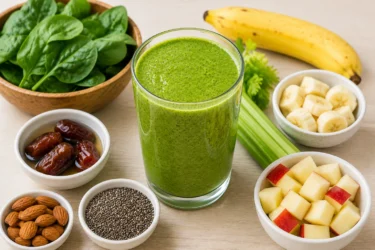
Also Read: 21 Healthy Benefits Of Almonds: Facts And FAQs
Avoiding certain food items plays a major role in managing Hernia, by reducing the risk of stomach problems, and supporting digestion. Nutrient-packed foods that support immunity and reduce inflammation can be beneficial. While diet won’t cure your hernia, it can help you manage it better. It’s always better to check with your doctor before making any changes to your diet or lifestyle.
Also Read: 10 Healthy Fat Foods That You Should Be Eating!
Alcohol, smoking and diabetes[4] have all been linked to the weakening of the cremaster muscle (which supports the testicle). This may worsen your existing hernia or increase the risk of developing one.
Yes, walking strengthens your body, especially your muscles and can encourage fewer symptoms. Walking may also be part of your recovery after hernia surgery.
Disclaimer: The information provided here is for educational/awareness purposes only and is not intended to be a substitute for medical treatment by a healthcare professional and should not be relied upon to diagnose or treat any medical condition. The reader should consult a registered medical practitioner to determine the appropriateness of the information before consuming any medication. PharmEasy does not provide any guarantee or warranty (express or implied) regarding the accuracy, adequacy, completeness, legality, reliability or usefulness of the information; and disclaims any liability arising thereof.
223
10
Vaginal dryness is more common than you might think, but it’s often overlooked because many women feel reluctant to talk about it. While it may seem like a minor issue, it can impact daily life. Addressing it can help bring back comfort and improve overall well-being.
Our intimate area has Skene’s and Bartholin’s glands, which create natural lubrication. These secretions are mildly acidic, helping to maintain healthy vaginal flora, reduce the risk of infections, and keep the vagina moist.
Several factors can disrupt this natural process, including hormonal imbalances, certain medications, issues with the lubricating glands, or improper hygiene practices. When vaginal dryness occurs, it may lead to symptoms like itching, burning, irritation, and discomfort during intercourse.
While it can happen at any age, vaginal dryness is more common during menopause1 and perimenopause due to significant hormonal changes.
Friendly Reminder: The information shared here is for educational purposes only. The reader should consult a registered medical practitioner before implementing any changes to their health routine.
Most of the time, vaginal dryness results from decreased levels of the female hormone called estrogen8. Vaginal dryness can also develop in people undergoing treatment for some other condition. Some common causes of vaginal dryness are:
Other symptoms can accompany vaginal dryness:
Here are some popular home remedies that may help with vaginal dryness. Please note that these remedies may not work for everyone. Before using any herbal remedies, it is advisable to consult with your doctor and follow their advice.
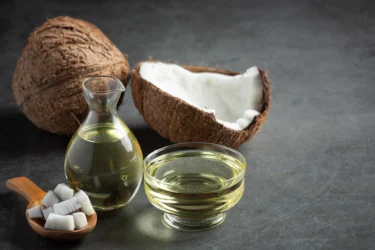
You can use natural oils like coconut oil to help relieve vaginal dryness. Cold-pressed virgin coconut oil is the purest form. It has many health benefits, and it may be used to relieve dry skin. Coconut oil is a natural emollient (skin soothing) and might help moisturise the skin.
You can apply coconut oil evenly on the outer surface of the vagina (pubis, labia majora) by massaging slowly. Make sure to clean your hands first before you touch your intimate parts. Caution to take here is not to use oil on mucosa(inner surface of the intimate area) or to apply oil inside of the vagina as it may increase the risk of a fungal infection5.
You can try non-fragrant moisturisers for dry, sensitive skin to help with vaginal dryness. Using moisturisers6 can help you lock in moisture in the skin around the vagina and aid in dealing with vaginal dryness. Applying a small quantity of moisturiser on the outer surface of the vagina helps to relieve itching due to dryness of the skin3.

You may use any water-based lubricant before intercourse to get rid of problems due to vaginal dryness. These lubricants might provide short-term moisturisation. Lubricants can be applied in and around the vagina or on your partner’s penis to avoid any discomfort during sex and help get rid of discomfort due to vaginal dryness. Make sure you or your partner is not allergic to any lubricant content. Do a patch test before using a new product on your intimate area3.

Vaginal lubrication during intercourse depends on arousal9. Before indulging in sexual intercourse, try more extended foreplay. Enjoying more foreplay could help you get more aroused during sex which leads the secretory glands to secret natural lubrication and helps in preventing problems due to vaginal dryness. Bartholin’s gland, present at the entrance of the vagina, produces moisture during sexual arousal.
Avoid using heavily perfumed soap, cleanser or lotion in and around your vagina. These chemicals can cause irritation and dryness in the vagina. Using perfumed soaps or cleansers or practising vaginal douching10 is one of the factors responsible for causing vaginal dryness. Even using intimate area cleaning solutions frequently or washing the area with soap every time after using the washroom can lead to dryness and irritation. Patting it dry is sufficient in case of any foul-smelling secretion. For any coloured discharge from the vagina, better to consult a dermatologist rather than wait for the infection to flourish.
Though there are studies that show the benefits of the given home remedies in dealing with vaginal dryness, these are insufficient. There is a need for large-scale human studies to establish the true extent of the benefits of these home remedies on human health. Thus, these should only be taken cautiously and never as a substitute for medical treatment.
Also Read: Things You Shouldn’t Do Before And After Sex
Some women might feel embarrassed to talk to their doctors about vaginal dryness. Still, vaginal dryness is a pretty common condition, and many treatment options are available. You can contact your healthcare provider if:
Also Read: Simple Home Remedies for Frequent Urination
Vaginal dryness is a common concern that can affect any woman, but it’s more common in menopausal women in their 50s. If it’s impacting your daily activities, please seek medical help.
While hormonal changes and ageing are common culprits, factors like diabetes, thyroid disorders, and even stress can also contribute to vaginal dryness.
Don’t let embarrassment hold you back from seeking the help you deserve. Take charge of your well-being and enjoy a more comfortable, happier life.
Also Read: HPV Vaccine: What is It, When to Be Taken, Importance & Side Effects
You can use cold-pressed virgin coconut oil for vaginal dryness. Do not apply oil inside the vagina; use this only on the external skin. Consult your healthcare provider before using any home remedies for dryness in private parts. Also, discontinue its use and contact your healthcare provider if you feel any itchiness or irritation.
You can use water-based lubricants6. These can be used inside and around the vagina to provide short-term lubrication. Before engaging in sexual intercourse, you can try more foreplay. Feeling more aroused during intercourse might help lubricate the vagina.
If you are experiencing vaginal dryness, you might develop complications like bacterial or yeast infections in the vagina, pain during sexual intercourse4, urinary tract infections, and sores in the vaginal wall.
If your dry vagina is causing you any discomfort or irritation in your daily activities, you should reach out to your doctor. Also, if the dry vagina is causing pain and discomfort during sexual intercourse, communicate with your partner and get medical help.
1. Women’s Health Concern. Vaginal dryness – Women’s Health Concern [Internet]. [Cited 2022 Jun 7]. Available from: https://www.womens-health-concern.org/help-and-advice/factsheets/vaginal-dryness/
2. NHS. Vaginal dryness [Internet]. [Cited 2022 Jun 6]. Available from: https://www.nhs.uk/conditions/vaginal-dryness/
3. The American College of Obstetricians and Gynecologists. Experiencing Vaginal Dryness? Here’s What You Need to Know. [Internet]. [Cited 2022 Jun 7]. Available from: https://www.acog.org/womens-health/experts-and-stories/the-latest/experiencing-vaginal-dryness-heres-what-you-need-to-know
4. MedlinePlus Medical Encyclopedia. Vaginal dryness [Internet]. [Cited 2022 Jun 7]. Available from: https://medlineplus.gov/ency/article/000892.htm
5. Albornoz MA, Burke JF, Threlfall EK. Virgin Coconut Oil in Paste Form as Treatment for Dyspareunia and Vaginal Dryness in Patients With and Without Rheumatic Autoimmune Diseases: An Efficacy and Safety Assessment Pilot Study. Cureus. 2023 Jun 16;15(6):e40501. [cited 2025 Feb 25]. https://pmc.ncbi.nlm.nih.gov/articles/PMC10350307/
6. Potter N, Panay N. Vaginal lubricants and moisturizers: a review into use, efficacy, and safety. Climacteric. 2021 Feb;24(1):19-24. doi: 10.1080/13697137.2020.1820478. PMID: 32990054. https://pubmed.ncbi.nlm.nih.gov/32990054/
7. ScienceDirect. Vaginal Dryness: Definition. In: ScienceDirect Topics [Internet]. Amsterdam: Elsevier; [cited 2025 Feb 25]. https://www.sciencedirect.com/topics/medicine-and-dentistry/vaginal-dryness#definition
8. Factors associated with developing vaginal dryness symptoms in women transitioning through menopause: a longitudinal study. Available from: https://pmc.ncbi.nlm.nih.gov/articles/PMC6136974/
9. Physiologic Measures of Sexual Function in Women: A Review. Available from: https://pmc.ncbi.nlm.nih.gov/articles/PMC2771367/
10. Vaginal Douching: Evidence for Risks or Benefits to Women’s Health. Available from: https://pmc.ncbi.nlm.nih.gov/articles/PMC2567125/
Disclaimer: The information provided here is for educational/awareness purposes only and is not intended to be a substitute for medical treatment by a healthcare professional and should not be relied upon to diagnose or treat any medical condition. The reader should consult a registered medical practitioner to determine the appropriateness of the information and before consuming any medication. PharmEasy does not provide any guarantee or warranty (express or implied) regarding the accuracy, adequacy, completeness, legality, reliability or usefulness of the information and disclaims any liability arising thereof.
Links and product recommendations in the information provided here are advertisements of third-party products available on the website. PharmEasy does not make any representation on the accuracy or suitability of such products/services. Advertisements do not influence the editorial decisions or content. The information in this blog is subject to change without notice. The authors and administrators reserve the right to modify, add, or remove content without notification. It is your responsibility to review this disclaimer regularly for any changes.
105
4
If you or someone around you is suffering from arthritis, you are already familiar with the repercussions it can have on the daily lives of people.
The term arthritis means ”joint inflammation”. It refers to the group of conditions that affect the joints. It is a common condition that causes swelling and pain in the joints. A joint is nothing but the junction where two bones connect.
Arthritis can occur in men, women, and children of all age groups. Arthritis can be of different kinds; while it primarily affects joints, it can also occur in organs like your heart, eyes, and skin. The symptoms can range from mild to severe1,2.
An early diagnosis can help you start the treatment early, which will help you prevent the condition from worsening or causing permanent joint damage. In addition, there are plenty of home remedies that you can use to manage your symptoms and live a less painful life. Some of the remedies are discussed below.
There are different types of arthritis, and for most of them, the causes are not fully known. You might develop arthritis if you
The symptoms of arthritis vary with the type of arthritis. However, there are some symptoms come to any arthritis. Common symptoms of arthritis are:
You can use these home remedies to manage and relieve the symptoms of arthritis. Some of the herbs mentioned below can be used as homemade remedies for arthritis.
Turmeric or haldi is a household remedy used for many health conditions in the country. It is an effective remedy to reduce the swelling of the joints due to its potent anti-inflammatory activity. Curcumin is the active component responsible for its anti-inflammatory activity. Turmeric is also an effective pain-relieving remedy. It is one of the most recommended remedies to relieve rheumatoid arthritis3. You can simply add a pinch of turmeric in your dishes. For example, it can be added to soups, vegetables, lentils, and other food preparations. Typically, it is used in most dishes in almost every Indian household.
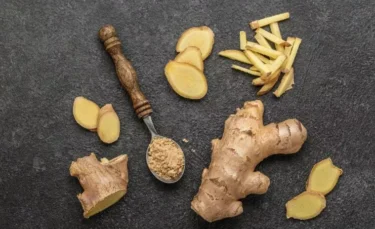
Ginger is an effective ayurvedic medicine used for thousands of years for many ailments. It is also frequently used in other traditional systems of medicine. It helps by reducing swelling and providing pain relief. You can use ginger in various soups, salads, and sauces3. Ginger has active compounds like gingerol and shogaol, responsible for the anti-inflammatory benefits4.
Aloe vera which is available as many forms for intake also has very high anti inflammatory properties. Reasearch7 shows that daily intake of aloevera orally either as juice or leaves reduces the pain in long-term.
Dr. M.G. Kartheeka, MBBS, MD(Pediatrics)
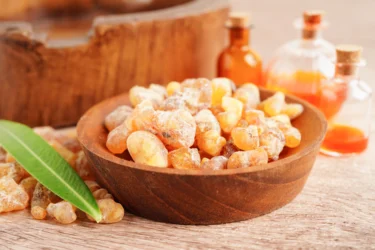
Boswellia is a herbal medicine used since thousands of years in Ayurveda for arthritis. Boswellia might help relieve swelling and pain of arthritis because of its active compound called Boswellic acid3. Boswellia is available in the form of topical creams and tablets. You must consult your healthcare provider before starting with any such health supplements.
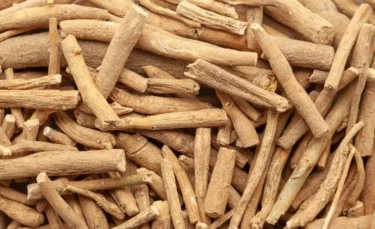
Ashwagandha, also known as Indian ginseng in English, is a potent medicinal herb with many health benefits. To relieve arthritis, mix equal amounts of ashwagandha powder, sesame, and kapikachu seeds. Mix it thoroughly. You can take this mixture with warm milk can help relieve problems like arthritis. It helps relieve tiredness and fatigue in people with arthritis because of its rejuvenating property5.
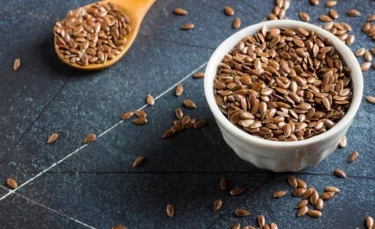
Alsi or linseed seeds can be used to ease arthritis. To use alsi seeds, soak them in buttermilk. Let them rest through the night. You can make a paste using the soaked seeds the next day. Apply this paste over the joints. Applying this paste regularly can help relieve joint pain5.
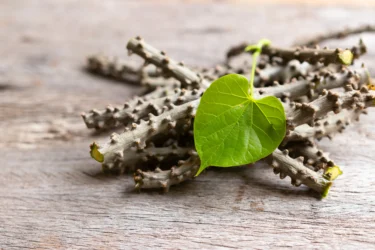
Guduchi or Indian Tinospora has numerous health benefits in conditions like diabetes, fever, and stomach illnesses. It is also a beneficial remedy for arthritis. You can drink guduchi juice regularly to relieve symptoms of arthritis5. The anti-inflammatory benefits of guduchi help reduce the swelling in the joints.
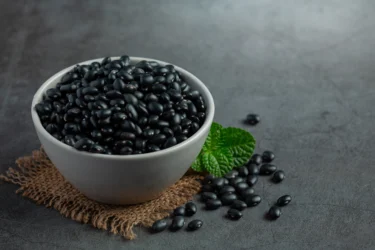
Masha or black grams offer many health benefits. You can make a paste using black gram powder and sesame oil. Mix these ingredients to make a fine paste. The paste can be applied to the joints to relieve the pain and inflammation that accompanies arthritis. It is a valuable remedy for both osteoarthritis and rheumatoid arthritis5.

Eating healthy will help you maintain the right weight for your age and height and reduce unnecessary pressure on your joints. Less pressure can relieve some pain associated with arthritis5. You can follow a healthy diet plan by involving the following in your diet practice
Avoid the following in your diet
One of the most effective ways to manage arthritis is regular exercise. It is important to find the exercise that works best for you, one which you enjoy doing, so that you regular with it. The type of arthritis can help you find suitable physical activity. Regular exercise can help you by
When you start any exercise program, you might experience some pain. Some amount of pain is normal. However, if you are experiencing pain lasting for more than two hours, you need to consult your physiotherapist or doctor before continuing with further exercise5.
For osteoarthritis, it is recommended to maintain an ideal weight, avoid overusing joints that are damaged and follow a specific plan of exercise that strengthens the muscles supporting the joint to prevent its progression.
Dr. Ashish Bajaj, M.B.B.S., M.D. in Clinical Pharmacology and Toxicology
You must consult with your doctor if you experience joint pain and stiffness for no apparent reason, which lasts for more than a few days and results in swelling, stiffness, and warmth at the joints. If you contact your healthcare provider on the first onset of symptoms, you can prevent the condition from worsening and prevent long-term damage6.
Also Read: Natural Home Remedies For Neck Pain
Arthritis is a severe yet common condition that can present with severe or mild symptoms. It can affect all age groups but is typically seen in the elderly. Arthritis has many types and different symptoms depending on the variant. If you or someone around you suffering from arthritis, you are aware of the loss of quality of life. However, it is possible to make some lifestyle changes and live a comfortable life. You can use herbs like Turmeric, Ginger, Ashwagandha, Guduchi, Alsi, and Boswellia to manage the symptoms of arthritis at home. In addition, exercise and diet changes can help you improve your quality of life.
Also Read: Doctor-Approved Home Remedies For Vertigo
Natural remedies for arthritis are turmeric, ginger, boswellia, ashwagandha, alsi, masha (black gram), and guduchi. You can use these herbs at home to relieve the symptoms of arthritis3,5.
Home treatments for arthritis are exercising regularly under the guidance of a physiotherapist, losing weight if you are overweight and making suitable diet changes to maintain your height-appropriate weight. You can also use herbs like turmeric, ginger, and ashwagandha in your diet to help with arthritis3,5.
Complications of arthritis include reduced quality of life due to pain and immobility, leading to fatigue, anxiety, and depression. Some types of arthritis can increase your risk of developing heart diseases, lung diseases, and diabetes. The loss of physical activity due to arthritis may lead to social isolation, dependence, and loss of function6.
You can reduce the risk of developing arthritis if you
Do regular, low impact exercise
Reduce joint injuries
Maintain a healthy body weight
Avoid tobacco and tobacco-related products1
Running may be difficult for people with arthritis. You can try brisk walking instead. You can consult your doctor before starting with any exercise; they will be able to suggest an exercise that works best for you6.
There are many risk factors that increase the chances of arthritis, which are
Age: Older people are more prone to arthritis.
Weight: Obesity can put stress on your joints.
Lifestyle: Lack of exercising and smoking increase the risk of arthritis.
Sex: Women are more prone to arthritis than men1.
1. Cleveland Clinic. Arthritis: Symptoms, Causes, Types & Treatment [Internet]. [cited 2022 Jun 2]. Available from: https://my.clevelandclinic.org/health/diseases/12061-arthritis
2. National Institute of Arthritis and Musculoskeletal and Skin Disease. What is Arthritis & What Causes it? [Internet]. [cited 2022 Jun 2]. Available from: https://www.niams.nih.gov/health-topics/arthritis
3. Mashhadi NS, Ghiasvand R, Askari G, Hariri M, Darvishi L, Mofid MR. Anti-Oxidative and Anti-Inflammatory Effects of Ginger in Health and Physical Activity: Review of Current Evidence. International Journal of Preventive Medicine [Internet]. 2013 [cited 2022 Jun 10];4(Suppl 1):S36. Available from: https://pubmed.ncbi.nlm.nih.gov/23717767/
4. Ayush Division. Ayurveda offering Herbal healing. Available from: https://esic.gov.in/attachments/publicationfile/7d11b02e5abb4717d53b4ce05efabd21.pdf
5. Patgiri B, Umretia BL, Vaishnav PU, Prajapati PK, Shukla VJ, Ravishankar B. Anti-inflammatory activity of Guduchi Ghana (aqueous extract of Tinospora Cordifolia Miers.). Ayu [Internet]. 2014 [cited 2022 Jun 10];35(1):108. Available from: https://pubmed.ncbi.nlm.nih.gov/25364210/
6. Healthdirect. Arthritis – causes, symptoms, and treatment. [Internet]. [cited 2022 Jun 2]. Available from: https://www.healthdirect.gov.au/arthritis
7. Hekmatpou D, Mehrabi F, Rahzani K, Aminiyan A. The Effect of Aloe Vera Clinical Trials on Prevention and Healing of Skin Wound: A Systematic Review. Iran J Med Sci. 2019 Jan;44(1):1-9. PMID: 30666070; PMCID: PMC6330525. Available from: https://pmc.ncbi.nlm.nih.gov/articles/PMC6330525/
Disclaimer: The information provided here is for educational/awareness purposes only and is not intended to be a substitute for medical treatment by a healthcare professional and should not be relied upon to diagnose or treat any medical condition. The reader should consult a registered medical practitioner to determine the appropriateness of the information and before consuming any medication. PharmEasy does not provide any guarantee or warranty (express or implied) regarding the accuracy, adequacy, completeness, legality, reliability or usefulness of the information; and disclaims any liability arising thereof.
Links and product recommendations in the information provided here are advertisements of third-party products available on the website. PharmEasy does not make any representation on the accuracy or suitability of such products/services. Advertisements do not influence the editorial decisions or content. The information in this blog is subject to change without notice. The authors and administrators reserve the right to modify, add, or remove content without notification. It is your responsibility to review this disclaimer regularly for any changes.
9