
What came first, the egg or the chicken? This question has always confused us all. Ancient China and Egypt were the first societies to domesticate hens. In India, jungle birds have been domesticated since 3200 BC for egg production. An egg contains a hard shell on the outside and a nutrient-bearing yolk on the inside. There are different varieties of eggs available in the market. Among these, chicken eggs are the most common, which can be white or brown; there is no difference in the nutritional quality between the two, the only difference being the colour and price. If you are looking for an easy and healthy food option diet that is also pocket-friendly, white chicken eggs might be your last stop! Let’s read more about the health benefits of white chicken eggs and some common considerations which you need to keep in mind before adding eggs to your diet1.
Eggs are a nutritional powerhouse, packed with the goodness of proteins, carbohydrates, vitamins and minerals and antioxidants like carotenoids.
The nutritional chart of eggs is given in the table below.
Did you know that one large boiled egg contains approximately 77 calories? Eggs are a nutritious food choice and provide various essential nutrients, including high-quality protein, vitamins, and minerals. Adding boiled eggs to your diet can be a healthy way to incorporate a nutrient-rich food into your meals8.
Dr. Siddharth Gupta, B.A.M.S, M.D (Ayu)
Eggs show numerous scientifically proven properties; some of which are mentioned below2:
Some of the potential benefits of eggs are described below.

Sarcopenia is the age-related gradual loss of muscle strength, mass and function. Puglisi conducted a review in 2022, stating that the amino acid leucine in eggs stimulates muscle formation. In addition, Bagheri et al. conducted a study3 in 2020 to show the positive effect of whole-egg intake on skeletal muscles. This shows that consuming eggs may help stimulate skeletal muscle synthesis and may help improve muscle health. Thus, eggs may have the potential to manage sarcopenia. However, further research is needed to ascertain these claims as the scientific evidence available is insufficient.

WHO defines malnutrition as the deficiency, excess or imbalance in the intake of energy and/or nutrients. The term malnutrition includes 3 major categories:
Ianannotti et al. conducted a study3 in 2017 which showed that egg supplementation in children reduced the prevalence of stunting by 47% and underweight by 74%. Sophie et al. conducted a study in 2019; the findings of this study showed that excessive consumption of eggs can result in obesity. These astonishing results show the importance of eggs in lowering the risk of malnutrition. However, we need more clinical trials to support these claims.

Hair loss or alopecia can be caused due to insufficiencies in diet, genetics or environment. Hair is mainly made up of a protein called keratin; therefore, eggs may aid hair growth because of their high protein content. Toshio et al. conducted a study4 in 2018 to assess the effect of egg yolk on hair. The findings of this study showed that egg yolk contains a key growth factor (hair growth peptide) that stimulates hair growth. This is similar to the growth factor found in minoxidil (a drug used for the treatment of alopecia). The results of this study indicate that eggs may improve hair growth and manage alopecia. However, we need more scientific evidence to support the use of eggs for managing alopecia.

In India, approximately 31.03% of elderly individuals (aged >70 years) suffer from cognitive impairment. Eggs are rich in natural cognitive enhancers like lutein, choline and tryptophan. Lee et al. conducted a study5 in 2021 to assess the impact of egg intake on memory decline in older adults. The findings of this study showed that the consumption of eggs might help reduce memory decline. Additionally, the presence of choline may help improve brain function. This indicates that consuming eggs may help improve brain function and, thus, cognitive function in the elderly. However, we need more scientific evidence to support these claims6.

Eggs are rich in antibacterial substances. The yolk and white parts are known to inhibit bacterial growth. A review carried out by Shi et al. in 2022 suggested7 that egg yolk contains trimethylamine (TMA). TMA has an antibacterial effect against E.coli (a commonly occurring harmful gut bacteria), which causes urinary tract infections, pneumonia, bloody diarrhoea, etc. Thus, the consumption of eggs may help in inhibiting the growth of E.coli and reducing the infections caused by it. However, we require more scientific studies to claim these effects in humans.
Though there are studies that show the benefits of eggs in various conditions, these are insufficient and there is a need for further studies to establish the true extent of the benefits of Eggs on human health.
You must consult a qualified doctor before taking any herbal supplements. Do not discontinue or replace an ongoing treatment of modern medicine with an ayurvedic/herbal preparation without consulting a qualified doctor.
Please note that due to their natural high cholesterol content, it is often recommended by health and nutrition professionals that adults consume fewer than three eggs per week. While eggs can be a part of a healthy diet, it’s important to moderate your intake and consider the overall balance of your dietary choices9.
Dr. Rajeev Singh, BAMS
Sophie et al conducted a study1 in 2019 which stated that egg consumption in children below five years of age can result in an egg allergy. This allergy is induced by egg proteins and includes gastrointestinal symptoms like nausea and vomiting, skin manifestations like rashes and respiratory symptoms like asthma, runny nose and nasal congestion.
Other indications of the adverse reactions of the body to eggs are described below:
However, if you experience any adverse reactions to eggs, it is advised to discontinue its intake and immediately contact a doctor or your Ayurvedic physician who has prescribed it. They will be able to guide you appropriately for your symptoms.
Including eggs in your diet can provide you with a significant amount of long chain omega-3 fatty acids, such as DHA and DPA. They contain approximately 114mg per serving, which represents 71-127% of the Adequate Intake (AI) for these essential fatty acids. This means that consuming eggs can be a valuable source of omega-3s to support your brain health and overall well-being10.
Dr. Smita Barode, B.A.M.S, M.S.
Eating eggs is okay if taken in moderate amounts. However, general precautions must be followed in the following conditions:
Also Read: Brown Egg Vs White Eggs: Decoding Nutritional Facts and Myths
There is no significant interaction of eggs with other drugs. However, you must always seek the advice of your Ayurvedic physician about the possible interaction of eggs with other drugs and follow the prescription thoroughly, as they will know your health condition and other medications you are taking.
The only difference between white and brown eggs is the colour of the shell and price, no difference is observed in the nutritional quality1.
Yes, it is best if you consume eggs fresh after buying, but if you want to store them, it is advised to refrigerate eggs as this may reduce bacterial growth and preserve them for a longer period.
Yes, eggs may help in improving thyroid function due to the presence of iodine and selenium in them. However, scientific evidence supporting these claims is limited, and we need further studies to ascertain these effects. Therefore, it is advised to consult a doctor for proper treatment in case you have an abnormal thyroid function.
Egg yolk contains antioxidants like lutein and zeaxanthin, which may have a protective role on the eyes and can reduce the risk of eye diseases. However, there is a need to conduct more studies to support these claims. It is recommended to consult a doctor for proper treatment in case you have any eye-related issues1.
Daily consumption of eggs can result in an increase in good cholesterol as well as bad cholesterol, eggs are rich in saturated fats, which can result in weight gain, and egg allergy is common in children below five years, which is characterised by respiratory and gastrointestinal symptoms1.
Disclaimer: The information provided here is for educational/awareness purposes only and is not intended to be a substitute for medical treatment by a healthcare professional and should not be relied upon to diagnose or treat any medical condition. The reader should consult a registered medical practitioner to determine the appropriateness of the information and before consuming any medication. PharmEasy does not provide any guarantee or warranty (express or implied) regarding the accuracy, adequacy, completeness, legality, reliability or usefulness of the information; and disclaims any liability arising thereof.
Links and product recommendations in the information provided here are advertisements of third-party products available on the website. PharmEasy does not make any representation on the accuracy or suitability of such products/services. Advertisements do not influence the editorial decisions or content. The information in this blog is subject to change without notice. The authors and administrators reserve the right to modify, add, or remove content without notification. It is your responsibility to review this disclaimer regularly for any changes.
 9
9
 2
2
Kale, also called “the queen of vegetables”, has received celebrity status by appearing on the menus of Michelin-star restaurants. In addition, it has become the favourite ingredient of many millennial food bloggers. Brassica oleracea or kale is a cruciferous winter vegetable available in different varieties like curly kale, dinosaur kale (lacinato kale), and Russian kale, also called Siberian kale. Curly kale is the most common of all the leaves of kale look like ruffles, are purple or deep red and have a pungent taste. Originating in the 16th century in North America and later spreading to Canada and the U.S. In India, the cultivation of kale is limited to Jammu and Kashmir, Himachal Pradesh and the Nilgiri hills. Kale is one of the healthiest foods, the perks of which have been mentioned in several books by Greek physicians and botanists. There are several reasons to add this vegetable to your diet. Let us find out more about the benefits of kale1.
Did you know?
Kale is a nutritional powerhouse; it is packed with the goodness of fibres, minerals and antioxidants like zeaxanthin and lutein, folate, tocopherols and other phytoconstituents like nitrates, sulforaphane, insole-3-carbinol, etc. The nutritional components of kale are mentioned in the table below.
The consumption of kale shows numerous scientifically proven properties; some of these properties are mentioned below:
Some of the potential benefits of kale are described as follows:
Literature suggests that consuming green leafy vegetables may have a protective effect towards cognitive decline. Morris et al. conducted a study3 in 2018 to assess the effect of the consumption of green leafy vegetables like kale on cognition. This study showed that kale consumption might help slow down age-related cognitive decline due to bioactive phytochemicals like lutein, folate, nitrate, tocopherols, etc. This indicates that the consumption of kale may have a positive impact on cognition. However, we need more studies to support these claims.

Royston et al. conducted a literature review in 2015 to assess the impact of cruciferous vegetables on cancer prevention4. The findings of this review conclude that cruciferous vegetables like kale contain chemical components like insole-3-carbinol (I3C), sulforaphane (SFN) which are regulators of microRNAs (miRNAs) and inhibitors of DNA methyltransferases (DNMTs) and histone deacetylases (HDACs) and may be helpful in chemoprevention. This indicates that the consumption of kale may positively impact chemoprevention. However, we need more studies to support these claims.

Scientific studies have supported vegetarian diets, especially green leafy vegetables, for glycemic control. Sumio et al. conducted a study5 in 2016 to assess the effect of kale intake on plasma glucose. This study’s findings showed that kale intake might help suppress blood glucose levels. This indicates that kale consumption may help manage blood glucose levels. However, we need more studies to support these claims.

Literature states that cruciferous vegetables like kale have a positive impact on the composition and health of gut microbiota (microorganisms in the gut). Shahinozzaman et al. conducted a study6 in 2021 to assess the impact of kale supplementation on gut health in mice. This study’s findings suggest that kale consumption may help improve gut microbial composition, bacterial microbial functions and, thus, gut health. This indicates that the consumption of kale may have a positive impact on gut health. However, there are no studies conducted on humans to support these claims.

Hypercholesterolemia is defined as an increase in total cholesterol, an increase in LDL (low-density lipoprotein) and a reduction in HDL (high-density lipoprotein). Consumption of kale exerts a hypo-cholesterolaemic effect by HMG-CoA inhibition, the enzyme responsible for cholesterol synthesis. To evaluate the effect of kale supplementation in diet on lipid profile, Yeon et al. conducted a study7 in 2008 on hypercholesterolemia. The findings of this study showed that kale supplementation helped increase high-density lipoprotein or good cholesterol and decreased low-density lipoprotein or bad cholesterol. This indicates that the consumption of kale may have a favourable impact on lipid profile by inhibiting HMG-CoA. However, we need more studies to ascertain these claims.

Though there are studies that show the benefits of kale in various conditions, these are insufficient, and there is a need for further studies to establish the true extent of the benefits of kale on human health.
I personally believe that kale is only nutritious but may also support your efforts to maintain a healthy weight. This leafy green vegetable is low in calories and high in fibre and protein. A mere two cups (500 mL) of raw kale have fewer than 50 calories and 4.5g of protein and fibre. This means you might enjoy a satisfying portion of kale without consuming excessive calories, making it a great choice for those looking to manage their weight while nourishing their bodies8.
Dr. Siddharth Gupta, B.A.M.S, M.D (Ayu)
You must consult a qualified doctor before taking any herbal supplements. Do not discontinue or replace an ongoing treatment of modern medicine with an ayurvedic/herbal preparation without consulting a qualified doctor.
In light of what I’ve observed, incorporating kale into your diet might be a tasty way to potentially safeguard against certain health issues. Kale might be effective in binding bile acids in the body. This unique property of kale may contribute to reducing the risk of premature degenerative diseases. By helping to bind bile acids, kale may have a positive impact on your health, potentially lowering the risk of certain conditions9.
Dr. Rajeev Singh, BAMS
A study7 conducted by Alfawaz et al. in 2021 emphasized the following facts:
However, if you experience any adverse reactions to kale, it is advised to discontinue its intake and immediately contact a doctor or your Ayurvedic physician who has prescribed it. They will be able to guide you appropriately for your symptoms.
Judging from what I’ve witnessed, kale is a surprising vegetable that is packed with vitamin C. In fact, it might have a higher concentration of vitamin C compared to other salad vegetables and even vegetables from the Brassicaceae family. It might be considered one of the best sources of vitamin C and may meet the recommended daily allowance (RDA) for both males and females10.
Dr. Smita Barode, B.A.M.S, M.S.
Eating kale is okay if taken in moderate amounts. However, general precautions must be followed in the following conditions:
Also Read: Soybean: Uses, Benefits, Side Effects By Dr. Rajeev Singh
There is no significant interaction of kale with other drugs. However, you must always seek the advice of your Ayurvedic physician about the possible interaction of kale with other drugs and follow the prescription thoroughly, as they will know your health condition and other medications you are taking.
Also Read: Health Benefits of Green Leafy Vegetables
The scientific name of kale is Brassica oleracea1.
Yes. Kale contains low levels of carbohydrates, is rich in fiber and may help in promoting weight loss. However, scientific evidence to support this claim is limited. Therefore, you should consult a doctor if you have any weight-related issues.
Yes, kale may help manage diabetes as they have the potential to reduce elevated blood glucose. However, further studies are needed to support these claims. Therefore, it is advised to consult a doctor for the proper treatment of diabetes3.
Kale is known as “the queen of vegetables”1.
Consumption of kale in excess can increase the risk of kidney stones, and iodine deficiency and can trigger an allergic reaction in allergy-prone individuals.
Also Read: Lettuce (Salad Patta): Uses, Benefits, Side Effects By Dr. Rajeev Singh
Disclaimer: The information provided here is for educational/awareness purposes only and is not intended to be a substitute for medical treatment by a healthcare professional and should not be relied upon to diagnose or treat any medical condition. The reader should consult a registered medical practitioner to determine the appropriateness of the information and before consuming any medication. PharmEasy does not provide any guarantee or warranty (express or implied) regarding the accuracy, adequacy, completeness, legality, reliability or usefulness of the information; and disclaims any liability arising thereof.
Links and product recommendations in the information provided here are advertisements of third-party products available on the website. PharmEasy does not make any representation on the accuracy or suitability of such products/services. Advertisements do not influence the editorial decisions or content. The information in this blog is subject to change without notice. The authors and administrators reserve the right to modify, add, or remove content without notification. It is your responsibility to review this disclaimer regularly for any changes.
8
Nothing feels more satisfying than tasting a batch of fresh grapes! These are not only important for curating a quality wine but are also used in refreshing fruit bowls and dishing out sinful desserts. It is because of this versatility, that grapes are also called as “Queen of fruits”. The scientific name of grapes is Vitis vinifera and it belongs to the family Vitaceae. Grapes are crunchy and juicy shots of heaven in various colours like black, green and red. They can be with or without seeds. About 8000 years ago, the cultivation of grapes began in the Middle East. They are now widely grown in Africa, Southern Europe, North and South America and Australia, India ranks among the top ten countries in the production of grapes. In India, 80% production is done in Maharashtra, Karnataka and Tamil Nadu. They are not only tasty but have several health benefits. Let us read about some evidence-based benefits which will tempt you to add grapes to your diet1,2.
Did you know?
Grapes are richly packed with various nutritional components that are given as follows3:
Grapes show numerous scientifically proven properties and some of these properties are mentioned below4:
Some of the potential benefits of grapes are described as follows:
Studies support the association of grapes with an improvement in cognitive function. Grapes contain antioxidants like resveratrol which have anti-inflammatory and antioxidant properties which may help inhibit neurodegeneration. It also increases blood flow to the brain, and along with the presence of minerals like manganese, potassium and calcium, may improve brain health. Lee et al. conducted a study5 in 2017 to assess the effect of grape consumption on cognitive function. The study was conducted on ten participants with mild cognitive decline; this study showed a positive effect of grapes on cognitive function. Thus, grapes may have a positive impact on cognitive function. However, more studies are needed to support these claims.

Literature reviews suggest that grapes contain phytochemical resveratrol, which may have hepatoprotective effects against cholestatic, chemical and alcohol-mediated damage. Asim et al. conducted a study6 in 2022 to assess the effect of the consumption of grapes on non-alcoholic fatty liver disease in mice. This study showed that grapes helped modulate hepatic gene expression, preventing oxidative damage and ameliorating NAFLD. This indicates that the consumption of grapes may help manage NAFLD. Additionally, resveratrol may help reduce liver fibrosis and steatosis, which are features of chronic liver disease and thus, may exert a hepato-protective effect. However, scientific evidence to support these claims is limited, and we need more studies to support these claims.
Polyphenol-rich food may have a favourable effect on lipid profile. Roberta et al. conducted a meta-analysis in 2020 to assess the impact of grapes on lipid profile7. This meta-analysis showed that grapes’ consumption significantly reduced low-density lipoprotein (LDL) or bad cholesterol and increased high-density lipoprotein (HDL) or good cholesterol. This reduction in LDL cholesterol is attributed to the presence of polyphenols like resveratrol in grapes. Therefore, the consumption of grapes may help in reducing bad cholesterol and increasing good cholesterol. However, we need more scientific evidence to support these claims.
Did you know that adding grapes to your diet can be a secret weapon for youthful aging? These amazing fruits are packed with antioxidants that work their magic inside your cells, fighting off harmful oxidative stress and kickstarting the production of a powerful antioxidant called glutathione10.
Dr. Rajeev Singh, BAMS

Type II diabetes mellitus is a global public health challenge affecting the majority of the population. It is characterized by an increased glucose production by the liver due to insulin resistance and beta-cell defects. Grapes have a low glycemic index, which may positively impact type II diabetes mellitus. Zunino et al. conducted a literature review in 2009 to assess the effect of grapes on type II diabetes8. The review suggested that grapes may have the potential to reduce elevated blood glucose, improve beta cell function and protect against beta cell loss due to the presence of numerous polyphenols like resveratrol, catechins, anthocyanins, etc. The results of this study indicate that grapes may exert a positive impact on type II diabetes. Additionally, the presence of resveratrol may help in managing diabetic neuropathy. However, we need more research to support these claims.

Several literature studies support the use of grapes as promising anticancer agents due to the presence of antioxidants. Zhou et al. conducted an in-vitro study9 in 2012 to assess the effect of grapefruit on small lung cancers. The results of this study supported the use of grapes for managing cancer. The anti-cancerous activity is attributed to the presence of antioxidants like proanthocyanidins which show inhibitory effects on several cancers. So, it might be possible that grapes can help in dealing with cancer. However, this finding needs further research to be applied practically.

Though there are studies that show the benefits of grapes in various conditions, these are insufficient and there is a need for further studies to establish the true extent of the benefits of Grapes on human health.
Including grapes in your diet might have a positive impact on retinal health. The antioxidants present in grapes may help protect and preserve the structure and function of the photoreceptors in the retina, promoting better vision and avoiding further damage11.
Dr. Siddharth Gupta, B.A.M.S, M.D (Ayu)
You can incorporate grapes into your dietary routine in the form of fresh, frozen or as juice2.
You must consult a qualified doctor before including grapes in your diet. Do not discontinue or replace an ongoing treatment of modern medicine with grapes without consulting a qualified doctor.
Data regarding the side effects of grapes is limited and more research is required to verify the side effects of grapes on human health. However, if you experience any adverse reactions to grapes, it is advised to discontinue its intake and immediately contact a doctor or your Ayurvedic physician who has prescribed it. They will be able to guide you appropriately for your symptoms.
Also Read: Grapefruit (Chakotra): Uses, Benefits, Side Effects and More!
Eating grapes is okay if taken in moderate amounts. However, general precautions must be followed in the following conditions:
Also Read: Durian: Uses, Benefits, Side Effects By Dr. Rajeev Singh
Grapes (Angur) are known to interact with several drugs resulting in untoward effects. Drugs known to interact adversely with grapes are mentioned below; given with them are the conditions wherein they are advised.
These interactions can result in unwanted effects on the body and may reduce the drug’s efficacy. However, you must always seek the advice of your Ayurvedic physician about the possible interaction of grapes with other drugs and follow the prescription thoroughly, as they will know your health condition and other medications you are taking.
Also Read: Buffalo Milk: Uses, Benefits, Side Effects By Dr. Rajeev Singh
The scientific name of grapes is Vitis vinifera1.
Grapes are known as “queen of fruits”1.
Yes, grapes may help manage diabetes as they have a low glycemic index. However, more studies need to be done to support these claims in humans. Therefore, it is advised to consult a doctor for proper treatment.
The presence of melatonin in grapes may help manage insomnia. The scientific evidence supporting these claims is limited and therefore, it is advised to consult a doctor if you have any sleep-related issues.
Data regarding the side effect profile of grapes is limited, and more research is required to verify the side effects of grapes on human health. However, if you experience any adverse reactions to grapes, it is advised to discontinue its intake and immediately contact a doctor or your Ayurvedic physician who has prescribed it. They will be able to guide you appropriately considering your symptoms.
Disclaimer: The information provided here is for educational/awareness purposes only and is not intended to be a substitute for medical treatment by a healthcare professional and should not be relied upon to diagnose or treat any medical condition. The reader should consult a registered medical practitioner to determine the appropriateness of the information and before consuming any medication. PharmEasy does not provide any guarantee or warranty (express or implied) regarding the accuracy, adequacy, completeness, legality, reliability or usefulness of the information; and disclaims any liability arising thereof.
Links and product recommendations in the information provided here are advertisements of third-party products available on the website. PharmEasy does not make any representation on the accuracy or suitability of such products/services. Advertisements do not influence the editorial decisions or content. The information in this blog is subject to change without notice. The authors and administrators reserve the right to modify, add, or remove content without notification. It is your responsibility to review this disclaimer regularly for any changes.
0
0
I am edible. I am green. I am yellow. I am red. Sometimes you may find me in orange too! What may this colored food item be? Capsicum! Capsicum, with the scientific name Capsicum annuum, is a member of the Solanaceae family. Capsicums are known as bell peppers in America, Shimla mirch in India, and peppers in the United Kingdom. Capsicums originated from northern Latin America and Mexico and are available in various colors ranging from green, red, yellow, and orange. These varieties are not only delicious when eaten as a topping on a pizza or cooked as a veggie, but they are also very healthy. Let us find some interesting benefits of this vegetable1.
Capsicum (Shimla Mirch) contains various nutritional components that are given in the table below. It is rich in a variety of phytochemicals like vitamins, anthocyanins, flavonoids, phenolic acid, capsaicinoids, and carotenoids.
Literature has shown capsicum to have numerous properties as those mentioned below:
In my view, it’s fascinating how modern studies are now catching up with the facts some cultures have known for ages! Capsaicin, a compound found in capsicum, has been traditionally used to ease pain. While studies have shown promising results, it’s important to note that more research on humans is needed to fully confirm its pain-relieving benefits9.
Dr. Siddharth Gupta, B.A.M.S, M.D (Ayu)
Some of the potential benefits of capsicum are described as follows:

Dyslipidemia is characterized by a reduction in good cholesterol or high-density lipoprotein (HDL) and an increase in low-density lipoprotein (LDL), total cholesterol, and triglycerides. Studies have shown that red capsicum and one of its important constituents, capsaicin, may potentially control the altered parameters in dyslipidemia. Zafar et al. conducted a study3 in 2012 on male rats to assess the effect of an aqueous extract of red pepper on the lipid profile. Rats that were administered an aqueous extract of red pepper (200mg/kg) showed a reduction in total cholesterol, low-density lipoprotein (LDL), and triglycerides and an increase in high-density lipoprotein (HDL). This may indicate that the consumption of capsicum may help in managing dyslipidemia. However, more studies on humans are needed to support these claims.
Capsicum contains phytochemicals like capsaicin and capsiate (capsaicin analogue), which may exhibit a hypoglycaemic effect (reduction in blood glucose). Sanati et al. conducted a study4 in 2017 to assess the effect of capsaicin on blood glucose in rats with Type-I DM. The rats were administered 6mg/kg capsaicin and capsiate for 28 days. The study results showed that capsaicin and capsiate might help reduce blood glucose. This may indicate that the consumption of capsicum may help manage blood glucose. However, more studies are needed to confirm these results in humans.

Capsicum has a high amount of capsaicinoids, which may help improve metabolism5. Capsaicinoids are known to stimulate vasodilatation (increased blood flow) which increases thermogenesis (heat production). An increase in thermogenesis increases the rate of metabolism. This may indicate that the consumption of capsicum may help in improving metabolism. However, more studies are needed to support these claims.

Capsaicin is a bioactive phytochemical that is abundant in capsicum. A literature review by Chapa et al. conducted in 2016 states that capsaicin can alter gene expression in various stages of cancer cell survival, angiogenesis, and metastasis6. Therefore, there is a certainty that the consumption of capsicum may help manage cancers, but we need more human studies to support these claims.
Based on my observations, the application of intranasal capsaicin might help reduce nasal problems. In a study, people who received capsaicin experienced a possible decrease in nasal symptoms, such as runny nose and nasal blockage. They also showed improvement in sensitivity to cold dry air, which lasted for up to 9 months after the treatment. Thus, intranasal capsaicin might be safe and effective in reducing nasal symptoms11.
Dr. Smita Barode, B.A.M.S, M.S.

Capsicum contains phytochemicals like capsaicin and dihydrocapsaicin, traditionally used for wound healing. However, scientific evidence for this is limited. Ekom et al. conducted a study7 in rats in 2021 to assess the antibacterial potential of capsicum extract as a support to the wound healing process. The results of this study claimed the use of capsicum as an antibacterial ingredient. However, more studies are needed to confirm these claims in humans.

Capsicum is rich in Vitamin C, a biologically active phytochemical that can help strengthen the immune system. It may be possible that regular intake of capsicum may help boost immunity. However, scientific evidence supporting these claims is limited. Therefore, more studies are needed to support these claims in humans1.

Capsicum is a good source of Vitamin B6 and magnesium, both of which play an important role in maintaining the normal function of the nervous system. Thus, this can relieve anxiety and manage panic attacks. Additionally, magnesium in capsicum may help relieve muscle tension caused by anxiety. This indicates that the consumption of capsicum might positively impact anxiety. However, scientific evidence to support these claims is insufficient, and more studies are needed to support these claims in humans1.

Though there are studies that show the benefits of capsicum in various conditions, these are insufficient and there is a need for further studies to establish the true extent of the benefits of capsicum on human health.
In my perspective, capsaicin, found in capsicum has a superpower. Capsaicin in small amounts might help protect the stomach from damage caused by alcohol or certain drugs. It does this by possibly activating the sensory nerves, which helps in case of gastric injuries12.
Dr. Anuja Bodhare, B.A.M.S, M.D (Ayu)
Capsicum can be used in the following ways:
You must consult a qualified doctor before taking any herbal supplements. Do not discontinue or replace an ongoing treatment of modern medicine with an ayurvedic/herbal preparation without consulting a qualified doctor.
I would suggest adding capsicum to your diet if you’re looking to manage your food intake. Capsaicin, found in capsicum may have short-term effects on your body. When you consume capsaicin orally (like eating spicy foods), it might make you feel more satisfied, leading to a decrease in your food intake10.
Dr. Rajeev Singh, BAMS
A few side effects related to the consumption of capsicum include:
However, if you experience any adverse reactions to capsicum, immediately contact a doctor or your Ayurvedic physician who has prescribed it to you. They will be able to guide you appropriately for your symptoms.
Like every other fruit and vegetable, intake of capsicum is okay in moderate amounts. However, general precautions must be followed while consuming capsicum, the most important of which are:
Also Read: Sweet Potatoes (Shakarkandi): Uses, Benefits, Side Effects By Dr. Smita Barode
There is a lack of data regarding the interaction of capsicum with other drugs. However, you must always seek the advice of your Ayurvedic physician about the possible interaction of capsicum with other drugs, and follow the prescription thoroughly, as they will know your health condition and other medications you are taking.
Also Read: Red Chilli: Uses, Benefits, Side Effects By Dr. Smita Barode
Capsicum may help in managing blood glucose, dyslipidemia, cancers, and healing wounds. Additionally, it may help boost immunity, and metabolism, prevent cataracts, and may provide symptomatic relief in arthritis, Crohn’s disease, and yellow fever3,7.
Capsicum is scientifically known as Capsicum annuum.
When consumed in excess, capsicum can cause stomach pain, sweating, and allergies in allergy-prone individuals8.
Capsicum is rich in capsaicin, and although animal studies have shown consumption of capsicum has a positive impact on dyslipidemia, more studies are needed to support these claims. Therefore, it is recommended to consult a doctor for proper treatment3.
Literature studies support the use of capsicum for managing cancers. However, more studies are needed to confirm these results in humans. Therefore, it is recommended to consult a doctor for a proper treatment3.
Disclaimer: The information provided here is for educational/awareness purposes only and is not intended to be a substitute for medical treatment by a healthcare professional and should not be relied upon to diagnose or treat any medical condition. The reader should consult a registered medical practitioner to determine the appropriateness of the information and before consuming any medication. PharmEasy does not provide any guarantee or warranty (express or implied) regarding the accuracy, adequacy, completeness, legality, reliability or usefulness of the information; and disclaims any liability arising thereof.
Links and product recommendations in the information provided here are advertisements of third-party products available on the website. PharmEasy does not make any representation on the accuracy or suitability of such products/services. Advertisements do not influence the editorial decisions or content. The information in this blog is subject to change without notice. The authors and administrators reserve the right to modify, add, or remove content without notification. It is your responsibility to review this disclaimer regularly for any changes.
13
0
Canola is a yellow flowering plant that belongs to the family Brassicaceae. Three different species in this family are Brassica rapa, Brassica napus and Brassica juncea. B.napus, also known as rapeseed, was identified in 2000 B.C. originally in Northern Europe and the Mediterranean. Rapeseed is a crop high in erucic acid. It is known to contain >40% erucic acid (monounsaturated omega-9 fatty acid). Animal studies showed erucic acid was unhealthy for human use and used in small quantities for industrial use in North America.
In 1976, Canadian scientists were able to improve the quality of rapeseed. In 1979, Canada registered the word “canola” for the discovery of a new seed found to produce oil, which was low in erucic acid and glucosinolates. Canola oil has now become has become one of the major oilseed crops worldwide. After palm and soyabean oil, canola oil production ranks third largest vegetable oil by volume. Let us find more exciting benefits regarding canola oil1.
Canola oil contains no traces of cholesterol and is made up of unsaturated fats, this is the reason why it is considered healthier compared to other oils. The percent composition of canola oil is given below
Scientific literature has found that the consumption of canola oil shows numerous properties as mentioned below:
Let me share something really interesting about canola oil. It contains vitamin E, including gamma-tocopherol and alpha-tocopherol. Vitamin E might play an important role in keeping your cell membranes healthy, especially those in your mucus membranes and skin. It does so by acting as a potential shield against harmful oxygen-free radicals that might damage your cells8.
Dr. Rajeev Singh, BAMS
Some of the potential benefits of Canola oil are described as follows:
Hyperlipidemia is a risk factor for most cardiovascular diseases, which might be closely linked to plasma lipid levels. Vegetable oils like canola oil may help improve plasma lipids. Ghobadi et al. conducted a systematic review in 2019 to assess the effect of canola oil consumption on lipid profile3. The review showed that consumption of canola oil significantly reduced low-density lipoproteins (LDL) and total cholesterol (TC) and did not affect high-density lipoprotein (HDL) and triglycerides. This indicates that the consumption of canola oil may improve TC & LDL. However, more studies are required to confirm these claims.

Hepatic steatosis, or fatty liver disease causes prolonged fat accumulation in the liver. It impairs hepatic metabolism and can result in inflammation of the liver. Studies show that consumption of canola oil may have a positive impact on hepatic steatosis. Maryam et al. conducted a study4 in 2021 to assess the effect of canola oil consumption on hepatic steatosis in women suffering from PCOS (Polycystic Ovarian Syndrome). The intervention included the consumption of canola oil 25g/d for 12 weeks. Results showed that women who consumed canola oil showed a reducing trend in the fatty liver grade. This indicates that canola oil may help in treating hepatic steatosis. However, more studies are needed to claim these results.

Insulin resistance and oxidative stress play an important role in the pathophysiology of Type II DM. Atefi et al. conducted a study5 in 2018 to assess the effect of canola oil on insulin resistance, oxidative stress, and inflammation in women with Type II DM. The intervention included the consumption of 30g/d canola oil for 8 weeks. The study results concluded that consumption of canola oil in type II DM might help reduce oxidative stress and inflammation. This indicates that canola oil may help manage Type II DM. However, more studies are needed to support these claims.

Central obesity is the accumulation of visceral fat or excess weight around the body’s centre. Canola oil is a cholesterol-free oil that can help in managing obesity. Liu et al. conducted a study6 in 2016 to assess the effects of diets low in saturated fatty acids or high in polyunsaturated fatty acids/ monounsaturated fatty acids on body composition. This study showed that participants who received canola oil had a reduced fat mass, especially males. Therefore, there is a certainty that canola oil may help in reducing central obesity, but we need more studies to support these claims.

Though there are studies that show the benefits of canola oil in various conditions, these are insufficient and there is a need for further studies to establish the true extent of the benefits of canola oil on human health.
Judging from what I’ve witnessed, canola oil might be a safe choice for people with food allergies. This is because it doesn’t have the proteins that usually cause allergic reactions. So, you may use canola oil without any worries8.
Dr. Siddharth Gupta, B.A.M.S, M.D (Ayu)
Canola oil can be used in the following ways:
You must consult a qualified doctor before taking any herbal supplements. Do not discontinue or replace an ongoing treatment of modern medicine with an ayurvedic/herbal preparation without consulting a qualified doctor.
Also Read: 7 Incredible Benefits Of Chia Seed Oil
A few side effects related to the use of canola oil include:
However, if you experience any adverse reactions to canola oil, immediately contact a doctor or your Ayurvedic physician who has prescribed it to you. They will be able to guide you appropriately for your symptoms.
Canola oil, which has a high smoke point, might be ideal for deep frying, in my view. It might withstand high temperatures up to 246°C without smoking. This means that when you use canola oil for deep frying, the oil is less likely to be absorbed by the food. So, you may get deliciously crispy fried foods with less oil retention8.
Dr. Smita Barode, B.A.M.S, M.S.
The use of canola oil is contraindicated in the following conditions:
Also Read: Health Benefits of Coconut Oil for Skin and Hair
There is a lack of data regarding the interaction of canola oil with other drugs. If you’re taking blood thinners, kindly consult with your doctor. Additionally, you must always seek the advice of your Ayurvedic physician about the possible interaction of canola oil with other drugs, and follow the prescription thoroughly, as they will know your health condition and other medications you are taking.
Also Read: Almond Oil: Uses, Benefits, Side Effects By Dr. Rajeev Singh
Rapeseed is a crop high in erucic acid, known to contain >40% erucic acid (monounsaturated omega-9-fatty acid). Canola oil is the modified version of this plant, with improved quality1.
The canola oil plant is scientifically known as Brassica rapa.
The use of canola oil during pregnancy should be avoided, as it can lead to stunted growth of the infant. Kindly, consult your doctor for proper advice2.
Canola oil may show a reduction in total cholesterol and LDL. However, it is advised to consult a doctor for a proper treatment for hyperlipidemia and not consider canola oil as an alternative to modern medicine.
The use of canola oil may harm the heart and the liver due to the toxic mustard gas. Although present in small amounts, uric acid may hinder normal growth. As canola oil is partially hydrogenated, it may cause arterial inflammation and calcification. Additionally, it can impair memory and may prolong bleeding time2.
Disclaimer: The information provided here is for educational/awareness purposes only and is not intended to be a substitute for medical treatment by a healthcare professional and should not be relied upon to diagnose or treat any medical condition. The reader should consult a registered medical practitioner to determine the appropriateness of the information and before consuming any medication. PharmEasy does not provide any guarantee or warranty (express or implied) regarding the accuracy, adequacy, completeness, legality, reliability or usefulness of the information; and disclaims any liability arising thereof.
Links and product recommendations in the information provided here are advertisements of third-party products available on the website. PharmEasy does not make any representation on the accuracy or suitability of such products/services. Advertisements do not influence the editorial decisions or content. The information in this blog is subject to change without notice. The authors and administrators reserve the right to modify, add, or remove content without notification. It is your responsibility to review this disclaimer regularly for any changes.
4
1
When one thinks about Yoga, what comes to mind immediately is meditation (dhyan) and exercises (asanas). While yoga surely includes that, what is also present in Yoga is mudras. Mudras are hand postures which means using the fingers to make specific postures of the hand.
The science of Ayurveda believes that the human body is comprised of five natural elements (air, fire, space, earth and water) and these five elements are represented by our five fingers. It is said that if all five elements are balanced, then the body is in a state of well-being. Any imbalance in any one of these elements may lead to illness.
Our fingers are believed to be like live wires that conduct electric current through them. When we do a mudra, one or more fingers touch the thumb and an electric circuit is completed. Through this completed electric circuit, the life energy flows and helps bring about balance in the elements1,2.
Mudras are said to have many potential benefits for the holistic development of a person. One such mudra is the Gyan mudra.
The word mudra is formed by joining two Sanskrit words ‘mud’ meaning joy or happiness and ‘ra’ which means to generate or produce. It signifies that the practice of mudra produces happiness or joy. The various hand and finger movements done while practicing any mudra are believed to build essential links in the nervous system and invigorate certain energy pathways in the body.
Gyan mudra (also spelled Jnana mudra) is a powerful mudra of learning and wisdom. It has been practiced by yoga gurus striving for peace and spiritual development since ancient times. The word Jnana or Gyan means knowledge or wisdom. Gyan mudra is hence the mudra for intuitive knowledge. It is also known as the psychic gesture of consciousness1,5.
The mudras should be practiced with proper technique to obtain maximum health benefits. The steps to do Gyan mudra are as follows:
Here are some interesting facts about Gyan Mudra that make for an interesting read:
Gyan mudra is said to be a Yoga mudra with various benefits that may be helpful in maintaining good health and enhancing your spiritual level. Some of the potential benefits of Gyan mudra are:

Everyone desires a sharp mind and a great memory. Gyan mudra may improve the blood flow to the brain by bringing about metabolic changes in the body, thus increasing the nutrient flow to the brain. This may help in increasing memory and concentration. Improvement in brain activity especially memory may be seen if this mudra is practiced consistently. It may also help in maintaining the overall mental well-being of an individual2,4,6.
In light of what I’ve perceived apart from enhancing focus, Gyan Mudra is believed to boost mental power. It is thought to possibly strengthen the mind and enhance cognitive abilities, making it a beneficial practice for improving overall mental prowess9.
Dr. Siddharth Gupta, B.A.M.S, M.D (Ayu)

Gyan mudra may be beneficial to stabilize the restlessness of the mind. It may help improve the focus of a fidgety mind and help one to attain the Gyan or Jnana state, that is the state of selective wisdom. This mudra may be used in situations where one needs to focus such as for studying or contemplation8. It may be used for meditation as it helps calm a restless mind7.
Undue anxiety can cause problems in our daily life. It may also affect the way we respond to situations. People having anxiety issues may benefit from performing Gyan mudra. A study has shown that regularly practicing Gyan mudra may help reduce anxiety levels and help the person to achieve a steady mind with rational thinking. It may also help the person provide appropriate reactions to dangerous or threatening situations which are generally considered to be anxiety-inducing5. It may help heal the internal organs by alleviating symptoms of stress, tension, depression, and sleeplessness2,4.

Gyan mudra may be beneficial in stimulating certain endocrine glands. It is believed that the tip of the thumb has centers corresponding to the pituitary and other glands. The pituitary gland is an important endocrine gland that secretes vital hormones. It may improve blood circulation to the pituitary gland4. When one does the Gyan mudra, the thumb tip is pressed lightly by the tip of the forefinger. This stimulates the pituitary and endocrine glands to work actively8.

While Yoga mudras may be beneficial to a person in many ways, it must not be used as an alternative to conventional modern medicine. One must not rely on it to alone to treat any health condition. If you are facing any health issues, always consult a qualifie doctor who can examine you and advise appropriate treatment. Besides, to avoid injuries, it is necessary to learn and practice Yoga under the guidance of a trained and qualified yoga teacher.
Based on what I have noticed, Gyan Mudra might have several benefits. It may help improve breathing problems and enhance blood circulation, allowing the lungs to receive more oxygen10.
Dr. Rajeev Singh, BAMS
One must stop doing this mudra if any pain or stress is felt while doing it2. Apart from this particular risk, there are no scientific studies available to show any other risks associated with practicing Gyan mudra. Yet, it is advised to practice this mudra under the guidance of a trained and qualified Yoga expert.
Gyan mudra or Jnana mudra is a Yoga mudra that has been practised since ancient times. It is a hand posture formed by joining the tips of the index finger and thumb. It is mudra of intuitive wisdom and knowledge. It has many benefits for the nervous system and endocrine systems. It may also help in spiritual development. One must learn this mudra from a Yoga expert and practice it consistently using the correct techniques, so as to avoid injuries and gain optimum benefits.
The name Gyan mudra is derived from the Sanskrit word Jnana or Gyan meaning knowledge or wisdom. Gyan mudra is hence also known as the mudra for intuitive knowledge. Also known as the psychic gesture of consciousness, it has several health benefits for the nervous and endocrine system2,4,5,8.
Gyan mudra steps are: Sit in a comfortable position on the mat/ground. You may sit in Padmasana or Vajrasana. Keep your hands on your knees with the palms facing upwards. In each of your hands, join the tips of the index finger to the thumb and apply light pressure. Keeping the other three fingers outstretched, close your eyes and focus on your breathing. You may perform Gyan mudra for any duration between 15-30 minutes. For maximum benefit, it is advisable to practice this mudra for 24 minutes2,4.
While Gyan mudra can be done by people of all age groups2, it is advisable to practice this mudra under the guidance of a trained and experienced yoga teacher who can help you perform it without any side effects.
It is not necessary that Gyan mudra be done in sitting position only. It can also be done while walking, standing, studying, reading, praying or while watching television2.
Yes, Gyan mudra may be done even if you are undergoing any treatment for any health condition2.
Disclaimer: The information provided here is for educational/awareness purposes only and is not intended to be a substitute for medical treatment by a healthcare professional and should not be relied upon to diagnose or treat any medical condition. The reader should consult a registered medical practitioner to determine the appropriateness of the information and before consuming any medication. PharmEasy does not provide any guarantee or warranty (express or implied) regarding the accuracy, adequacy, completeness, legality, reliability or usefulness of the information; and disclaims any liability arising thereof.
Links and product recommendations in the information provided here are advertisements of third-party products available on the website. PharmEasy does not make any representation on the accuracy or suitability of such products/services. Advertisements do not influence the editorial decisions or content. The information in this blog is subject to change without notice. The authors and administrators reserve the right to modify, add, or remove content without notification. It is your responsibility to review this disclaimer regularly for any changes.
7
0
In recent days, physical fitness has become important, and people have started linking physical health with mental and spiritual health. Yoga is a form of physical exercise that helps us to integrate our body and mind. Yoga means ‘joining’ or ‘union’. There are many systems of yoga, and each system unifies various aspects of human beings in different ways. One such system is Hatha Yoga which aims to balance and join multiple energy flows in the human body. The sun salutation, or Surya namaskar, is a part of hatha yoga involving various poses (asanas). One such asana used in Surya namaskar is chaturanga dandasana1. Let us glance through some health benefits of chaturanga dandasana.
Did You Know?
Surya Namaskar is a combination of asanas performed one after the other with coordinated breath. Chaturanga Dandasana is one of the poses done while doing Surya Namaskar. It is pronounced as cha-you-Rahn-gah Dahn-dah-duh-nuh. Chaturanga dandasana is also known as the low plank pose or four-limbed staff pose. In English, ‘that’ means four, ‘anga’ means limbs, ‘danda’ means staff, and ‘asana’ means posture. Chaturanga dandasana is a posture used to build strength1,2.
You can do chaturanga dandasana in the following way:
I will highly recommend performing chaturanga dandasana for a shorter time at the beginning. To start with, you can perform this asana for ten seconds. As you build your strength and stamina, you can increase the duration according to your comfort11.
Dr. Siddharth Gupta, B.A.M.S, M.D (Ayu)
Some of the benefits of chaturanga dandasana are:

A study3 by Shah et al. in 2015 on thirty young girls from various colleges in Ahmedabad showed that chaturanga dandasana might help to improve endurance and stability of the lumbopelvic region (the lumbar region of the spine). In addition, it may enhance core muscle strength and may reduce the risk of back pain3.However, this is a small-scale study, and more studies are required to check if chaturanga dandasana may reduce the risk of back pain. You must consult your doctor if you have back pain for a long period.

A study on healthy women showed that chaturanga dandasana might help to reduce the strain on the heart by managing stress levels4. However, further studies are required to check if chaturanga dandasana can help to protect the heart. You must consult your doctor if you experience any symptoms of heart disease.

Sakshi Khatri and Manoj Patil 2021 conducted a study on chaturanga dandasana. The study result showed that chaturanga dandasana might help to maintain and stiff and straight posture of abdominal muscle and the back5. In addition, it may improve stability and tone the spine, back, leg, shoulder, neck, wrist, and arms muscles6. However, more studies are required to check if chaturanga dandasana can help to improve posture and flexibility.

In a study6 by Pande et al. in 2020, Surya namaskar consisting of chaturanga dandasana may help in reducing weight. The bends and stretches in chaturanga dandasana may help to lose adipose tissue (fats). However, further studies are required to check if chaturanga dandasana can help to manage weight. You must consult your dietician to assist you in giving you a workout plan to lose weight.

Surya namaskar consisting of chaturanga dandasana may help to improve blood circulation. It may improve scalp blood circulation and help reduce hair fall. In addition, Chaturanga dandasana may help to increase blood circulation in the skin, thereby keeping the skin young6. However, more studies are yet to be done to check if chaturanga dandasana can help to improve blood circulation.

Practising a yoga protocol consisting of chaturanga dandasana can reduce fatigue and inflammation in breast cancer survivors. Disturbed sleep increases inflammation and fatigue. Chaturanga dandasana may help to improve sleep and hence reduce fatigue and inflammation7. However, further large-scale studies are required to confirm whether chaturanga dandasana can benefit breast cancer survivors. Cancer is a dangerous disease; therefore, you must take proper care and not self-medicate.

According to the article8 titled ‘A Role of ‘Surya Namaskara’ For Good Health’, published in 2020, chaturanga dandasana may help improve the lungs’ functioning. It may open the chest cavity and improve the strength of the muscles around the lungs. As a result, Chaturanga dandasana may increase the capacity and contractility of the lungs. However, further studies are required to check whether chaturanga dandasana may benefit the respiratory system.
A study9 by Taspinar et al. in 2014 showed that hatha yoga consisting of chaturanga dandasana might reduce symptoms of depression and anxiety. It may also help to reduce stress and fatigue and improve mood. However, further large-scale studies are required to check if chaturanga dandasana can help to improve mental well-being. You must consult your doctor if your mental health is hampered.
Yoga practice may help balance the mind and body and it is not an alternative to modern medicine. Instead, please consult a qualified doctor who can assess your situation correctly and advise accordingly. Moreover, it is necessary to practice and learn yoga under the supervision of a trained yoga teacher to avoid any injuries.
As we know, Chaturanga Dandasana is practised as a part of Surya Namaskar. It might help in building core strength and improving stamina. This asana should be followed by Adho mukha svanasana (downward-facing dog pose). You should avoid practising this asana if you suffer from headaches, blood pressure issues, or any injury involving the back, shoulder, or arms11.
Dr. Rajeev Singh, BAMS
The following risk may be associated with chaturanga dandasana:
With the guidance of a qualified and experienced yoga teacher/yoga expert, we can access the risk factors and continue to practice exercise with precautions.
Also Read: Benefits of Kandharasana (Shoulder Pose) and How to Do it By Dr. Ankit Sankhe
Chaturanga dandasana is one of the poses done while doing Surya namaskar. Plank pose or four-limbed staff pose are the alternative names of this chaturanga dandasana. In English, ‘that’ means four, ‘anga’ means limbs, ‘danda’ means staff, and ‘asana’ means posture. Chaturanga dandasana is a posture used to build strength. Chaturanga dandasana might help to improve endurance and stability of the lumbopelvic region and reduce the risk of back pain. It may help to improve posture, and flexibility, manage weight, improve lung function, protect the heart, and improve blood circulation. Chaturanga dandasana might help to reduce symptoms of depression and anxiety. It may also help to reduce stress and fatigue and improve mood. Chaturanga dandasana may reduce inflammation and fatigue in breast cancer survivors. Improper practice of chaturanga dandasana may cause wrist or lower-back injuries. Therefore, you must perform chaturanga dandasana under proper guidance.
Chaturanga dandasana might help to improve endurance and stability of the lumbopelvic region and reduce the risk of back pain. It may help to improve posture and flexibility, manage weight, improve lung function, protect the heart, and improve blood circulation. Chaturanga dandasana might help to reduce symptoms of depression and anxiety. It may also help to reduce stress and fatigue and improve mood. Chaturanga dandasana may reduce inflammation and fatigue in breast cancer survivors3,8. However, you must consult your doctor if you have any diseases instead of self-medicating.
Sit in the plank position with both your legs behind and your hands pointing forward. Keep breathing evenly. Stretch out both your heels so you feel the pressure on your thighs. Push the floor away with your hands. Stretch your head and keep your shoulders low, away from the ears1.
Chaturanga dandasana is also known as the plank pose or four-limbed staff pose. In English, ‘chatur’ means four, ‘anga’ means limbs, ‘danda’ means staff, and ‘asana’ means posture1.
Improper practice of chaturanga dandasana may cause wrist or lower-back injuries10. Therefore, you must perform chaturanga dandasana under proper guidance.
Chaturanga dandasana might help to reduce symptoms of depression and anxiety. It may also help to reduce stress and fatigue and improve mood9. You must consult your doctor if your mental health is hampered.
Disclaimer: The information provided here is for educational/awareness purposes only and is not intended to be a substitute for medical treatment by a healthcare professional and should not be relied upon to diagnose or treat any medical condition. The reader should consult a registered medical practitioner to determine the appropriateness of the information and before consuming any medication. PharmEasy does not provide any guarantee or warranty (express or implied) regarding the accuracy, adequacy, completeness, legality, reliability or usefulness of the information; and disclaims any liability arising thereof.
Links and product recommendations in the information provided here are advertisements of third-party products available on the website. PharmEasy does not make any representation on the accuracy or suitability of such products/services. Advertisements do not influence the editorial decisions or content. The information in this blog is subject to change without notice. The authors and administrators reserve the right to modify, add, or remove content without notification. It is your responsibility to review this disclaimer regularly for any changes.
1
Chocolates are a well known snack for all age groups and are an indulgent confection. The major ingredient of chocolate is cocoa powder which has several health benefits. Cocoa beans are procured from the cocoa tree (Theobroma cocoa) and since 460 AD the cocoa has been used as edible food. Chocolate consumption globally ranges from 0.12 kg per person per year in China to 11.85 kg in Ireland. Developed countries consume about 64% of the total cocoa consumption and the Ivory Coast in Africa is the largest cocoa bean producing country worldwide1. Cocoa is a dried and fully fermented seed of cocoa fruit. The paste made from cocoa beans by grounding, roasting, shelling, and fermenting is the cocoa liquor. Cocoa powder is further made by removing the cocoa butter from cocoa liquor1. There are several health benefits of cocoa powder and let us have a look at it.
Cocoa powder may contain bioactive compounds like polyphenols1. The nutritional content of cocoa powder is:
Several studies showed that cocoa powder might have the following properties:
Some of the potential benefits of eating cocoa powder are described as follows:

The association between cocoa powder and blood pressure was first observed in Zutphen Elderly Study (a major study1 confirmed by randomized controlled trials). Another study suggested that high flavanol consumption like cocoa powder may reduce blood pressure. Cocoa powder may help in reducing blood pressure and more research is required to check whether cocoa powder can reduce blood pressure in humans. However, it is vital to check your blood pressure regularly and consult your doctor in case of high blood pressure.

Cocoa powders may be used against diabetes due to the presence of flavanols. Studies conducted on diabetic rats showed that flavanols might increase insulin secretion and may reduce blood glucose levels. Flavanols in cocoa powder may increase insulin secretion and glucose tolerance which may reduce diabetes. However, these observations were made on animals and further human trials are needed to support the activity of cocoa powder in diabetic individuals. You must check your sugar levels regularly and seek medical advice in case of high sugar levels1. Do not self medicate.
Cocoa powder may help to enhance the immune system, which is suggested by studies conducted on mice. Flavanols present in cocoa powder may be responsible for activating the immune system. Rumiro Puig et al. demonstrated that cocoa may defend the body from free radicals. Further studies on humans are required to confirm the effect of cocoa powder on the immune system1.

Cocoa powder may help in reducing or eliminating cancer. Antioxidant properties of cocoa powder due to polyphenols may be responsible for its anti-cancer activity. Additionally, an experimental study1 suggested that a constituent in a cocoa powder called proanthocyanadins may inhibit the growth of lung cancer cells in humans. However, this information is insufficient, and we require more human studies to suggest the benefits of cocoa powder on cancer. Cancer is a serious disease therefore, get diagnosed and take proper medications instead of self-medicating.

Flavanols in cocoa powder may enhance the mood by reducing mental fatigue and improving self rated calmness. Cocoa powder may lead to the production of serotonin, a hormone that improves mood. More studies are required to check the effect of cocoa powder on mood3.
Cocoa powder may be used for Alzheimer’s disease which is a neurodegenerative disorder. Polyphenols present in cocoa powder may help in the case of Alzheimer’s disease through their antioxidant activity. In vitro studies suggest that polyphenols may have a neuroprotective effect. However, more studies are required to check the effect of cocoa powder on Alzheimer’s disease. You must consult your doctor if you experience any symptoms of Alzheimer’s disease3.

cocoa powder may help in weight loss and may lower the Body Mass Index (BMI). Studies on animals have shown that cocoa powder may reduce body weight. Cocoa powder may inhibit dietary fat absorption and thereby cause a reduction in the rate of body weight. More studies are required on the human body to confirm if cocoa powder can be used to reduce weight. However, you must consult a dietician before making significant changes in your daily meals3.

Cocoa powder may reduce the risk of stroke and a study was conducted on 37103 volunteers for over ten years. The results suggested that people who consume a large amount of cocoa powder may have a reduced stroke risk compared to those who do not consume cocoa powder. Antioxidant, anti-platelet, and anti-inflammatory mechanisms of cocoa powder may be responsible for lowering the risk of stroke. However, you must immediately consult your doctor if you experience any stroke symptoms3.
Though some studies show the benefits of cocoa powder in various conditions, these are insufficient. Therefore, there is a need for further studies to establish the true extent of the benefits of cocoa powder on human health.
In my experience, more cocoa powder in your diet may assist to enhance your attention span, working memory, and overall cognitive function. Additionally, it may improve cognitive function in those who have sleep-related problems such as insomnia5.
Dr. Siddharth Gupta, B.A.M.S, M.D (Ayu)
Cocoa powder may be included in several foods and beverages like:
You must consult a qualified doctor before taking cocoa powder in large quantities or any herbal supplements. Do not discontinue or replace an ongoing treatment of modern medicine with an ayurvedic/herbal preparation without consulting a qualified doctor.
Magnesium has a critical role in controlling muscle contraction and supporting neuronal activity. Additionally, the mineral may lower the danger of neurological illnesses while defending nerve cells. I strongly recommend consuming cocoa powder as it may help support healthy muscular and neurological system function since it includes magnesium5.
Dr. Rajeev Singh, BAMS
A few side effects associated with cocoa powder may be:
If you experience any adverse reactions to cocoa powder, immediately contact a doctor or your Ayurvedic physician who has prescribed it. They will be able to guide you appropriately for your symptoms.
I have studied that zinc is a mineral and is abundant in 90% cocoa chocolate. I strongly recommend consuming cocoa powder as it may help aid in wound healing5.
Dr. Smita Barode, B.A.M.S, M.S.
Also Read: White Onion: Uses, Benefits, Side Effects By Dr. Smita Barode
You must take the following precautions while consuming cocoa powder:
Also Read: Pear (Nashpati): Uses, Benefits, Side Effects and More!
Some precautions to take before consuming cocoa powder are:
Also Read: Tagar: Uses, Benefits, Side Effects and More!
Cocoa powder may be used against diabetes, stroke, Alzheimer’s disease, and weight management. It may lower blood pressure. It may also enhance the mood and the immune system1,3. However, if you have the above-mentioned problems kindly, consult the doctor and do not self-medicate.
Several minerals like calcium, potassium, phosphorus, sodium, and many more are present. It also contains vitamins, sugars, fibres, and fats2.
Yes, cocoa powder may be good for managing weight. It may help reduce weight and maintain body mass index (BMI)3.
Polyphenols and flavanol are cocoa powder antioxidants1.
Disclaimer: The information provided here is for educational/awareness purposes only and is not intended to be a substitute for medical treatment by a healthcare professional and should not be relied upon to diagnose or treat any medical condition. The reader should consult a registered medical practitioner to determine the appropriateness of the information and before consuming any medication. PharmEasy does not provide any guarantee or warranty (express or implied) regarding the accuracy, adequacy, completeness, legality, reliability or usefulness of the information; and disclaims any liability arising thereof.
Links and product recommendations in the information provided here are advertisements of third-party products available on the website. PharmEasy does not make any representation on the accuracy or suitability of such products/services. Advertisements do not influence the editorial decisions or content. The information in this blog is subject to change without notice. The authors and administrators reserve the right to modify, add, or remove content without notification. It is your responsibility to review this disclaimer regularly for any changes.
47
6
A lipoma is a round or oval-shaped tissue mass that develops right under the skin. It composed of fat and moves easily when touched and rarely causes any discomfort. Lipomas can form in any body part, although the back, torso (trunk), arms, shoulders and neck are the most common parts.
Lipomas are slow-growing, soft tissue tumours that are typically benign (non-cancerous). In some cases, they may be mistaken for liposarcomas, which are rare malignant tumours; however, liposarcomas usually present differently and require specialist evaluation2.
Most lipomas don’t require treatment unless symptomatic. If a lipoma bothers you, you can consult a doctor and get it operated on.
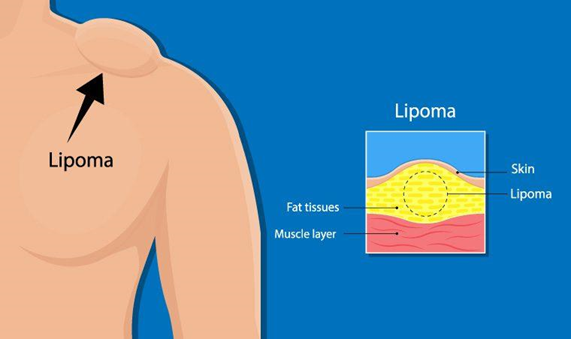
According to healthcare professionals, the exact cause of lipoma development remains unclear. However, they often have a genetic link, if a family member has a lipoma, your risk of developing one is higher.
Several conditions are also known to be associated with the formation of multiple lipomas, such as:
Lipomas are usually not painful, although they can be bothersome if they push against a nerve or form near a joint. Many patients with lipomas do not experience any symptoms. Lipomas are typically encapsulated and they do not disseminate to the surrounding tissues.
While scientific evidence supporting the effectiveness of home treatments for lipomas is limited, some traditional practitioners believe that certain herbs and plant-based ingredients may offer benefits for managing the condition. Below is a list of popular natural remedies to consider but keep in mind that none of these can cure or prevent lipomas.

To support your body and reduce inflammation, include healthy fats, especially omega-3 fatty acids, in your meals. These essential fats are known to calm inflammation and promote overall wellness. At high enough levels, omega-3s help reduce inflammatory compounds in the body, such as cytokines and reactive oxygen species, which may play a role in fatty tissue growth.
Natural sources of omega-3 fatty acids include wild-caught salmon, sardines, flaxseeds, walnuts, chia seeds, and hemp seeds. You can eat them directly or use their oils in cooking or homemade remedies. When used consistently, these nutrient-rich fats can support the body’s natural balance and may help reduce discomfort linked to lipomas5.

Bioactive compounds found in Moro orange extract (found in blood orange) have demonstrated lipolytic effects, meaning they help break down fat cells. Studies6 suggest that these compounds, particularly anthocyanins like cyanidin-3-glucoside, may support the reduction of abdominal fat by enhancing fat metabolism and reducing the accumulation of fat in adipose tissue. This makes Moro orange extract a potential natural aid in managing localized fat deposits, including those seen in conditions like lipomas.

Apple cider vinegar is rich in acetic acid, has been studied for its potential to reduce fat accumulation and support metabolism. Research7 on obese rats and mice suggests that acetic acid may help prevent fat buildup in the body. To gently support your system, consider a daily detox drink that includes apple cider vinegar along with natural ingredients like ginger and raw honey. This combination may aid in overall detoxification and offer subtle support in managing fatty growths like lipomas.

Adjusting your diet may help support the body’s natural balance in individuals with lipomas. Brightly coloured fruits and vegetables are rich in antioxidants, which may help lower fat levels in the blood and reduce oxidative stress. Prioritise foods like berries, leafy greens, and carrots for their vibrant nutrient content8,9.
Focus on eating natural, minimally processed foods to reduce exposure to environmental toxins and synthetic additives. Lastly, reduce alcohol consumption and avoid smoking, as both can negatively impact overall health and potentially worsen fatty tissue imbalances.
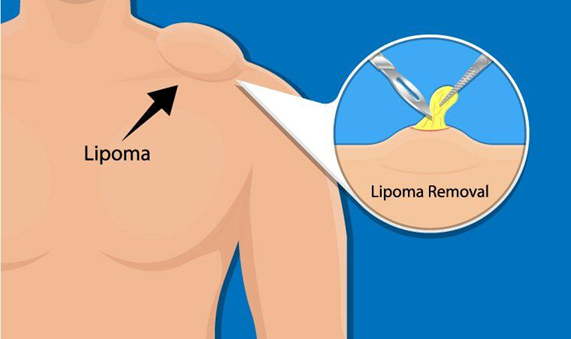
Consult a doctor if you notice a skin outgrowth, lump, or knot beneath your skin. It’s critical to get it checked and rule out any dangerous illnesses like liposarcoma (a type of cancer)2.
If you have a lipoma and experience any symptoms, such as acute discomfort, consult the doctor immediately. In case your lipoma is developing quickly (over weeks), feels firm or doesn’t move as readily when touched, you must seek medical attention. Your physician will physically examine the lipoma to determine the right treatment for it.
Also Read: Natural Home Remedies for Blood Clots
Lipomas are common and affect millions of individuals. While they can be bothersome or cosmetically unappealing, they rarely lead to serious health problems. Most lipomas don’t require treatment, but it’s important to have them evaluated by a healthcare professional. If a lipoma causes pain or shows rapid growth, be sure to consult your doctor. When removal is necessary, lipomas are typically taken out through minimally invasive surgical procedures.
Lipomas can form in any part of the body. Although multiple lipomas can grow, most people only have one. These mostly form just beneath the skin on the following areas:
-Arms or legs
-Back
-Neck
-Shoulders
-Trunk (chest and torso)
-Forehead
If a lipoma causes discomfort or concern, the doctor can surgically remove it. Lipoma removal is a simple and quick procedure and in most cases, patients are able to return home the same day. As an alternative, liposuction may be considered. In this procedure, a physician uses a thin, hollow instrument to extract fatty tissue from the lump. The choice of treatment depends on the size, location, and nature of the lipoma, and should be discussed with a qualified medical practitioner.
Lipomas are common and affect about one in every 1,000 people. Lipomas more frequently occur in people between the ages of 40 and 60 but can occur at any age, including at birth. Lipomas are found in both men and women, though some studies2 suggest that they are more prevalent in women.
Disclaimer: The information provided here is for educational/awareness purposes only and is not intended to be a substitute for medical treatment by a healthcare professional and should not be relied upon to diagnose or treat any medical condition. The reader should consult a registered medical practitioner to determine the appropriateness of the information and before consuming any medication. PharmEasy does not provide any guarantee or warranty (express or implied) regarding the accuracy, adequacy, completeness, legality, reliability or usefulness of the information; and disclaims any liability arising thereof.
227
10
The coconut tree is known as the “tree of life” due to its variety of uses and nutritional content. Coconut trees do not require extensive attention during their growth or lifespan; therefore, it is called lazy man’s crop. Indonesia, India, and the Philippines are currently among the largest producers of coconuts worldwide.
The scientific name of coconut is Cocos nucifera. Coconut milk is a white liquid extracted from the grated flesh of mature coconuts and is known for its distinctive nutty flavour.
It is commonly used in a variety of dishes, including fish, poultry, meat, and vegetable preparations, as well as in baked goods. This is particularly true in many Asian and Pacific countries where coconuts are naturally abundant and form an integral part of the local cuisine.
Coconut milk is widely available in several processed forms, such as canned, tetra pack, and dehydrated varieties. These have gained considerable popularity in the global market due to their convenience and extended shelf life1.
The nutritional value of 100gm of coconut milk is as follows2:
Coconut milk has the following properties:
The benefits of drinking coconut milk are as follows:

Coconut milk contains medium-chain fatty acids, which are metabolised differently from long-chain fats. These fatty acids are typically transported directly to the liver, where they may be rapidly converted into energy rather than being stored as fat. However, further research is needed to confirm its effectiveness as a consistent energy source4. Always consume in moderation and seek medical advice if unsure.

The medium-chain fatty acids in coconut milk are generally easier to digest and absorb. These fats may be broken down quickly without requiring pancreatic enzymes, potentially offering support for those with digestive difficulties. However, more research is needed, and individuals should consult a healthcare professional before using it for this purpose1. Further research on the effect of coconut milk on digestion is required.

Coconut milk may help fight against viruses like herpes and HIV. Monolaurin in coconut milk may disrupt the lipid membranes of the virus, causing disintegration of the viral envelope and restricting its activity5. However, further studies are required to assess the effect of coconut milk on viral infections. Some viral infections are dangerous. In such cases, you must consult your doctor instead of self-medicating.

Some studies6 suggest that coconut milk may exhibit antifungal properties, particularly against Candida albicans. A compound found in coconut milk, monolaurin, is believed to disrupt fungal cell membranes. However, further research is needed, and coconut milk should not be used as a substitute for medically approved antifungal treatments. More research is required to confirm the anti-fungal activity of coconut milk and if you suspect a fungal infection, you must immediately consult your doctor and seek proper treatment.

Coconut milk is thought to possess mild antimicrobial properties. Some research7 indicates it may act against certain bacterial strains, including Staphylococcus, Streptococcus, and E. coli. Monolaurin, a compound present in coconut milk, is believed to disrupt bacterial cell membranes. However, coconut milk should not be considered a replacement for medically prescribed antibacterial treatments. Further studies are required to confirm the anti-bacterial properties of coconut milk. You must consult your doctor if you suspect a bacterial infection and get treated instead of self-medicating.
Coconut milk may be beneficial for cancer. Various studies5 on cell lines have shown that coconut milk may help in the case of cancer. Coconut milk may kill the cancer cells and suppress the growth of cancer-causing cells. Coconut milk may fight against cancer cells due to its antioxidant properties. Further clinical studies are required to determine the effect of coconut milk on cancer. However, cancer is a serious disease and get proper medical checkups rather than self-medicating.
Some studies8 suggest that the fatty acids in coconut milk may influence cholesterol levels. Research involving healthy adults aged 25–60 indicated a potential decrease in LDL (bad) cholesterol and an increase in HDL (good) cholesterol. However, more evidence is needed, and coconut milk should be consumed in moderation as part of a balanced diet. It is vital to check your cholesterol levels regularly and consult your doctor in case of abnormal cholesterol levels.
Animal studies9 suggest that coconut milk may have antioxidant properties that could help manage anxiety, possibly due to nutrients like vitamin C, vitamin E, selenium, and zinc. However, human studies are needed to confirm these effects. Anyone experiencing anxiety or panic attacks should seek professional help from a psychiatrist or therapist.
Coconut is known for its antibacterial effects. Based on this understanding, coconut milk may contribute to reducing the presence of some unwanted bacteria in the mouth, thereby offering a mild supportive role in maintaining oral health. However, it is essential to emphasise that coconut milk is not a substitute for regular dental hygiene practices11.
Dr. Rajeev Singh, BAMS
Coconut milk is the liquid that is pressed from grated and ripe coconut. It can be included in the diet as part of various dishes, serving as an ingredient in curries, soups, smoothies, whipped cream, and yoghurt.
You must consult a qualified doctor before taking coconut milk in large quantities or any herbal supplements. Do not discontinue or replace an ongoing treatment of modern medicine with an ayurvedic/herbal preparation without consulting a qualified doctor.
Coconut milk is generally well tolerated and considered safe for most people when consumed in moderation. However, due to its high calorie and fat content, excessive intake may contribute to weight gain.
Although coconut milk is a natural product, adverse reactions may occasionally occur. If you experience any unusual symptoms after consuming it, seek medical attention promptly. It is also advisable to consult your Ayurvedic physician or healthcare provider for appropriate guidance.
Also Read: Top Health Benefits of Buttermilk
As with any dietary or natural product, general precautions should be observed when consuming coconut milk. Pregnant women and breastfeeding mothers are advised to consult a doctor before including it in their diet.
Caution is also recommended when offering coconut milk to children or the elderly. In such cases, it should be consumed only under the guidance or prescription of a qualified medical professional.
Some emerging research8 suggests that including coconut milk as part of a balanced, high-protein diet may support the regulation of factors such as abdominal fat, body weight, appetite, cholesterol, and triglyceride levels. These findings, however, are still under scientific investigation and should be interpreted with caution. While coconut milk can be a nourishing addition to one’s diet due to its natural fat content and unique flavour, it should be consumed in moderation. This is particularly important as it is relatively rich in fats and carbohydrates, which, if consumed excessively, may contribute to weight gain12.
Dr. Siddharth Gupta, B.A.M.S, M.D (Ayu)
Coconut milk may interact with certain medications. For example, it has been suggested that coconut milk could reduce the rate and extent of absorption of isoniazid, a drug commonly used to treat tuberculosis. This may also lower the bioavailability of the medication.
Individuals taking isoniazid or any other prescription medication should consult their doctor before consuming coconut milk regularly10.
Also Read: 10 Health Benefits of Eating Yoghurt Every Day!
Coconut milk is a versatile and nutritious ingredient with potential health benefits ranging from improved digestion to antimicrobial and antioxidant properties. While it can be a valuable addition to a balanced diet, it should be consumed in moderation and not used as a substitute for medical treatment.
Also Read: Benefits of Pineapple for Health, Skin and Hair
Coconut milk may fight against bacterial, viral, and fungal infections. It may act as a quick source of energy. Coconut milk may enhance digestion. It may also protect against breast cancer. Coconut milk may increase good cholesterol levels and reduce bad cholesterol levels. It may also be beneficial to manage anxiety.
The fat content of coconut milk is 12.5 g.
Coconut milk may contain fats, carbohydrates, sugar, potassium, calcium, fatty acids, and other beneficial nutrients.
Yes, there are several benefits of drinking coconut milk to support human health. However, individual health needs vary, and what may be beneficial for one person may not be suitable for another. Consult a doctor to know if incorporating coconut milk to your diet is right for you.
Coconut milk may cause weight gain. It may also interact with isoniazid; a drug prescribed for tuberculosis.
Disclaimer: The information provided here is for educational/awareness purposes only and is not intended to be a substitute for medical treatment by a healthcare professional and should not be relied upon to diagnose or treat any medical condition. The reader should consult a registered medical practitioner to determine the appropriateness of the information and before consuming any medication. PharmEasy does not provide any guarantee or warranty (express or implied) regarding the accuracy, adequacy, completeness, legality, reliability or usefulness of the information; and disclaims any liability arising thereof.
Links and product recommendations in the information provided here are advertisements of third-party products available on the website. PharmEasy does not make any representation on the accuracy or suitability of such products/services. Advertisements do not influence the editorial decisions or content. The information in this blog is subject to change without notice. The authors and administrators reserve the right to modify, add, or remove content without notification. It is your responsibility to review this disclaimer regularly for any changes.
16
4


