
Is your breast pain the cause of your worry? It might just be because of your upcoming menstrual period. Breast pain is also called mastalgia or mastodynia, and it can occur due to a variety of reasons, the most common being the menstrual period. Unlike popular belief, breast pain does not always mean breast cancer1. However, if you feel a few lumps in your breast that won’t go away along with soreness of breasts, you should visit a doctor and get things clarified. Mostly, breast pain is manageable and can go away with a few lifestyle modifications.
The common causes of breast pain are listed below:
Breast pain itself is a symptom which can occur due to the above-stated causes. However, the pain can be of different kinds and can differ depending on whether you have cyclic (coincides with menstrual cycles) or non-cyclic (doesn’t coincide with the menstrual cycle) breast pain1. If it’s cyclic breast pain, you’ll feel:
If you have non-cyclic breast pain, then you might experience the following symptoms:
Symptoms of non-cyclic breast pain may stay for a long time or may come and go over time.
Also Read: Simple Home Remedies for Prolonged Periods
Your breast pain might go away with your periods. But, if you feel a lot of discomfort and are looking for natural remedies for breast pain, we have a few for you. You can try a few or all of these home remedies for breast pain and choose whichever suits you best. However, it’s better to also consult a doctor and get things clarified.
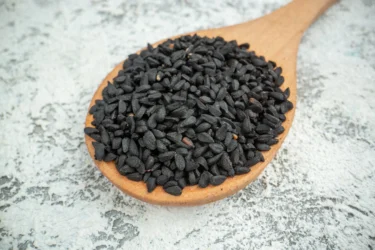
The seeds of kalonji, also known as Nigella sativa or fennel flower, contain many bioactive compounds, and essential oil is obtained from them. The essential oil of kalonji was used for a study to determine the effectiveness of kalonji in managing breast pain. When mixed in water and honey, this study3 showed that the syrup of kalonji oil and paraffin might help with breast pain. You can use kalonji as a natural remedy for breast pain by taking a few kalonji seeds, making a powder out of it, mixing the powder in water and honey and drinking it.

Scientifically known as Oenothera biennis, the evening primrose is medically valuable due to the high presence of fatty acids in it. It may alleviate inflammation by inhibiting certain compounds responsible for inflammation. The most important activity of evening primrose is that it is good for managing breast pain3. In a study3, it was found to have similar effects as Vitamin E on breast pain. You can use the essential oil obtained from evening primrose as a quick remedy for breast pain by adding a few drops in tea and drinking it. You can also add it to hot water and drink it. Sometimes, it can be mixed in a carrier oil and used for massaging the breasts.
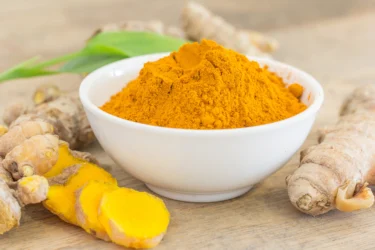
Turmeric might have antioxidant properties similar to vitamins E and C. A study3 showed that curcumin given to women before their menstrual period helped reduce the breast pain that they experienced. You can mix a little turmeric powder in warm milk and drink it before your periods begin to decrease breast pain. It may prove to be a useful hack for cyclic breast pain.
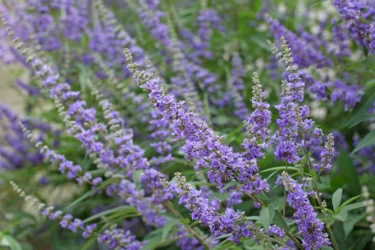
The chaste tree, also known as Vitex agnus-castus, is a plant with long-fingered leaves. Traditionally, it was used to deal with women’s fertility disorders, including PMS and breast pain (cyclic mastalgia). A study5 on humans shows that the chaste tree might be helpful in managing breast pain. You can use a few drops of chaste tree oil by mixing in warm water or tea with a little bit of honey. This remedy might help reduce your breast pain.
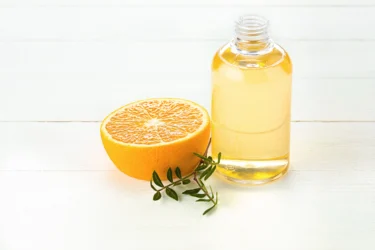
The oil of orange skin (Citrus sinensis) contains many components that might benefit the central nervous system, such as pain reduction, muscle relaxation, and mood elevation. A study3 showed that consuming orange skin essential oil over time could reduce the effects of PMS on the body. Therefore, it may be used as a remedy to get relief from breast pain. Add a few drops of orange skin essential oil to a cup of warm water and drink it. To reap its beneficial effects for breast pain, you might have to follow the remedy diligently. However, it is better to consult a doctor if the pain persists or the condition worsens. he pain persists or the condition worsens.
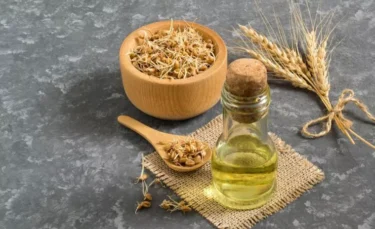
Wheat germ contains multiple nutrients, minerals and vitamins, making it helpful for managing various diseases. So, a study6 was conducted to see if it is effective in alleviating breast pain. In this study, it was seen that wheat germ consumption significantly reduced breast pain in women. You can include wheat in your diet to obtain the benefits of wheat germ. You can also try wheat germ oil by mixing a few drops in a glass of water and honey and drinking it.

The extract of the plant Ginkgo biloba was found to be useful in the management of breast pain. The effectiveness of this plant extract was seen in a study3 when the extract was consumed over a while. You can use dried Gingko that is often available in the market and boil it in water to obtain a decoction.

A quick remedy for breast pain would be to apply heat or cold to it. To the most painful area on your breast, you can apply heat, but make sure to protect your skin. You can use a hot or cold pack for application on the breast, but if it is too hot or too cold, it can damage your skin, so make sure that you use an optimum temperature for heat or cold compress. Though there are studies that show the benefits of the given herbs and home remedies for breast pain, these are insufficient, and there is a need for further studies to establish the true extent of the benefits of these herbs and home remedies on human health. Thus, these should only be taken under the guidance and supervision of your doctor.
A clinical breast examination supplemented with an ultrasound or a mammogram are good starting points to diagnose causes of persistent breast pain.
Dr Ashish Bajaj, M.B.B.S M.D. in Clinical Pharmacology and Toxicology
Also Read: Natural Home Remedies for Ear Pain
You should visit a doctor and seek their advice if you notice the following:
You must not completely rely on home remedies for the management of breast pain. You should consult a qualified doctor for any advice related to breast pain and related symptoms.
The most common type of breast pain is linked to the menstrual cycle. It is nearly always hormonal. Some women begin to have pain around the time of ovulation. The pain continues until the start of their menstrual cycle which doesn’t require any treatment
Dr. M.G. Kartheeka, MBBS MD(Pediatrics)
Also Read: Breast Cancer: Foods to Have and Avoid During and After Treatment
Breast pain, also called mastalgia, can occur due to many reasons such as hormone changes (puberty, pregnancy and menopause), certain medications, increased caffeine intake, smoking, etc. It is very common and can occur along with menstrual period (cyclic) or not (non-cyclic), and it varies in severity with each person. Although it goes away on its own, you can try a few natural remedies for breast pain like turmeric, orange skin oil, wheat germ or cold compress. You can try a few of them and see what sticks with you. However, if the pain persists for more than a few days, or you notice a discharge from the nipples or have signs of infection (redness, swelling and fever), you should visit a doctor.
Also Read: Can You Increase Your Breast Size Naturally? Here’s What Doctors Want You To Know
Yes, turmeric has curcumin which was found to be effective in relieving breast soreness in studies7. You can use a little bit of turmeric powder by mixing it in warm milk and drinking it daily. But it is advisable to consult a doctor for proper advice.
You can use an ice pack or hot compress to apply to the sore area of your breast as a quick home remedy for breast pain. Ensure that the object you use for the hot compress is not too hot as it can damage your skin.
There are several home remedies for breast pain which you can use, like turmeric, evening primrose, chaste tree, orange skin oil, kalonji, etc. You can try a few or all of them to relieve breast pain. However, if the problem persists, you should consult your doctor.
No. Breast pain does not always indicate breast cancer. You can have breast pain due to your menstrual period, pregnancy, menopause, certain medicines, smoking, increased caffeine intake, etc. However, if you feel lumps in your breast that don’t go away, you should visit a doctor.
No. There is inadequate research supporting the use of methi for the management of breast pain. There is a need for more scientific studies to back the use of methi for breast pain.
Disclaimer: The information provided here is for educational/awareness purposes only and is not intended to be a substitute for medical treatment by a healthcare professional and should not be relied upon to diagnose or treat any medical condition. The reader should consult a registered medical practitioner to determine the appropriateness of the information and before consuming any medication. PharmEasy does not provide any guarantee or warranty (express or implied) regarding the accuracy, adequacy, completeness, legality, reliability or usefulness of the information; and disclaims any liability arising thereof.
 23
23
 3
3
Water apple is a small, bell-shaped juicy fruit. It is glossy and pink to red in appearance with a sweet, low acidic taste and has white flesh with a rose-scented aroma. The luscious water apple is scientifically known as Syzygium aqueum and belongs to the botanical family Myrtaceae. The water apple plant is native to Indonesia and Malaysia and grows in all tropical regions of Africa and Southern Asia, including India and Thailand1,2.
Water apples are considered fruit crops. They were used in traditional and folk medicine systems due to their vast amount of essential nutrients. The common names of water apples are rose apple, Malabar plum, and plum rose1,2.
So, readers come along with us to know more about this deliciously juicy fruit.
The water apple contains essential nutrients, such as vitamins, minerals, fibre, carbohydrates and proteins. The water apple is a low caloric fruit due to its low fat and calorie content and high water content, which is approximately 90%1. The nutritional value of water apple is as follows:
The water apple contains various bioactive compounds that may show multiple biological properties that may benefit human health1. Water apples might have the following properties:
In my view, eating water apples may have some incredible benefits for your skin. They are loaded with antioxidants that might help fight off those unwanted signs of ageing, like wrinkles. So, next time you’re craving a snack, reach for a water apple and give your taste buds along with your skin a little extra love4.
Dr. Siddharth Gupta, B.A.M.S, M.D (Ayu)
The water apple plant may have various medicinal properties. Traditionally various parts of the plant, including water apple fruit, were used for potential value4.
Some of the potential uses of water apple are described as follows:

Water apple may have beneficial properties associated with constipation. The water apple contains a good amount of dietary fibre, which may support the digestive system. It may help in the waste materials movement. These properties of water apple may be helpful to those who are facing irregular stools or constipation issues. This might help in the overall support to maintain a healthy weight4. There is a need for further research to say that the water apples might benefit constipation.

Water apple may be valuable against heart diseases due to its antioxidant activity. The bioactive antioxidant such as vitamin C present in the fruit may fight the free oxygen radicals. These free oxygen species are formed in the body during the food breaking down processes or when the body is exposed to certain radiations or while smoking. Vitamin C may help in reducing oxidative damage and thus may enhance the smooth functioning of the heart. It might also lower the chances of stroke and inflammation4.
The studies are insufficient, and further studies are required to support the potential use of water apple to overcome a stroke in humans.

The potential anti-diabetic properties of water apple may be valuable for patients who have diabetes. A review4 of scientific literature by Sridevi R et al.have stated that using water apple might lower blood glucose levels by enhancing the activities of specific carbohydrate metabolising enzymes. Other than the fruit of this plant, the studies have shown the positive effects of the leaf extract in lowering blood glucose levels due to the presence of specific bioactive compounds.
There is a need for more studies to establish the potential positive effect of water apple on diabetes.

Water apples are composed of 90% of water. During the hot and the humid summers, water apple is an excellent choice of fruit which might help fulfil the feeling of thirst. It may also be effective in dealing with sunstroke. It might help remove the bad effect of dehydration by providing its usefulness in driving off the summer heat2.
More research is needed to develop the effect of water apple on human health. People should always consult a doctor before taking any herbal supplements. We advise you to not replace or discontinue any ongoing medications with any Ayurvedic preparation without consulting a doctor.

Though there are studies that show the benefits of water apples in various conditions, these are insufficient, and there is a need for further studies to establish the true extent of the benefits of water apples on human health.
In the light of what I’ve observed, water apples might help protect against various health conditions. This property may be attributed to it being loaded with polyphenols. These incredible compounds are found in abundance throughout the different parts of the plant and may offer numerous nutritional advantages. But that’s not all—polyphenols might also play a vital role in managing chronic diseases5.
Dr. Rajeev Singh, BAMS
Water apple is a colourful luscious fruit with a delicious sweet taste and rose-like aroma1. The uses of water apple are given as follows:
You should consult a professional doctor before taking herbal supplements. Do not replace or discontinue your ongoing medications with Ayurvedic or herbal preparations without consulting a qualified physician.
Also Read: Ice Apple: Uses, Benefits, Side Effects and More!
No major study reports the side effects of water apples. Hence, more studies are required to confirm the side effects of water apple on human health.
However, if any harmful effects or discomfort are observed after having water apples, please get in touch with your Ayurvedic physician, who advised you to have the herb. They will provide the appropriate treatment to overcome the side effects.
Also Read: Jackfruit Seed: Uses, Benefits and Side Effects By Dr. Rajeev Singh
Water apples might be safe when taken in a moderate dose. However, general precautions have to be followed.
Also Read: Mangosteen: Uses, Benefits, Side Effects and More!
There is not enough documented scientific evidence to indicate the interactions of water apple with other drugs. However, people should not assume that there are no interactions at all. Therefore, it is better to follow the advice of your Ayurvedic doctor. They will prescribe you the best way to have it.
Water apple vitamins include vitamin A, vitamin B1, vitamin B2, vitamin B3 and vitamin C2,3.
Water apple is called by various vernacular names such as Bellfruit and Watery rose-apple in English, Gulaabijiamikaayalu in Telugu, Jambu and Panneer naval in Tamil, Jambakka in Malayalam, Vattenapple in Swedish, Asserjambuse in German, Tambis in Spanish, Jambu in Malay and Jambo in French4.
Water apple contains a high amount of vitamin C. It may play an important role in free radical scavenging. It may boost immunity which might be beneficial to counteract cold. It might also enhance white blood cell production. However, insufficient studies on humans make it hard to tell the beneficial effects of water apple on humans4.
Water apples might be beneficial in constipation and other diseases. They may have effective detoxification properties for removing toxins from the body. And also might be helpful in dehydration due to its high water content. However, there are insufficient studies on humans to confirm its medicinal uses2,4.
There is not enough scientific information regarding the side effects of water apple during pregnancy. Therefore, it is better to avoid it or take advice from a doctor.
1. Yassir M, Bakrim W, Mahmoud M, Drissi B, Kouisni L, Sobeh M. Watery Rose Apple: A Comprehensive Review of Its Traditional Uses, Nutritional Value, Phytochemistry, and Therapeutic Merits against inflammation-related disorders. Hindawi. 2022 May 27;2022(7502185):1–17. Available from: https://onlinelibrary.wiley.com/doi/pdf/10.1155/2022/7502185
2. Santhi Sirisha K, Shreeja K. Rose apple: A systematic review. The Pharma Innov J. 2019 Jun 27;8(7):673–676. Available from: https://www.thepharmajournal.com/archives/2019/vol8issue7/PartL/8-7-104-823.pdf
3. United States Department of Agriculture [Internet]. Rose apples, raw; 2019 Apr 1.[cited 2022 Jun 20]. Available from: https://fdc.nal.usda.gov/fdc-app.html#/food-details/168171/nutrients
4. Sridevi R, Monisha P, Shabna E, Subhashri S. Phytochemistry And Pharmacology Of Syzygium Aqueum: A Critical Review. Euro J of Bio and Pharm Sci. 2018 May 15;5(6):271–276. Available from: https://www.ejbps.com/ejbps/abstract_id/4564
5. Yassir M, Bakrim WB, Mahmoud MF, Drissi B, Kouisni L, Sobeh M. Watery Rose Apple: A Comprehensive Review of Its Traditional Uses, Nutritional Value, Phytochemistry, and Therapeutic Merits against Inflammation-Related Disorders. Oxid Med Cell Longev. 2022 May 29;2022:7502185. doi: 10.1155/2022/7502185. Retraction in: Oxid Med Cell Longev. 2024 Jan 9;2024:9834349. doi: 10.1155/2024/9834349. PMID: 35677104; PMCID: PMC9168099. Available from: https://pmc.ncbi.nlm.nih.gov/articles/PMC9168099/
Disclaimer: The information provided here is for educational/awareness purposes only and is not intended to be a substitute for medical treatment by a healthcare professional and should not be relied upon to diagnose or treat any medical condition. The reader should consult a registered medical practitioner to determine the appropriateness of the information and before consuming any medication. PharmEasy does not provide any guarantee or warranty (express or implied) regarding the accuracy, adequacy, completeness, legality, reliability or usefulness of the information; and disclaims any liability arising thereof.
Links and product recommendations in the information provided here are advertisements of third-party products available on the website. PharmEasy does not make any representation on the accuracy or suitability of such products/services. Advertisements do not influence the editorial decisions or content. The information in this blog is subject to change without notice. The authors and administrators reserve the right to modify, add, or remove content without notification. It is your responsibility to review this disclaimer regularly for any changes.
16
2
Reducing belly fat is a common goal for many, not just for appearance but also to lower health risks like diabetes, obesity, and heart disease[¹]. Belly fat, also known as visceral fat, accumulates in the abdominal area and is also common among men[¹]. While regular exercise and a balanced diet are essential for reducing belly fat, there are also simple home remedies that can support your journey toward a healthier and more active life.
Friendly Reminder: The information shared here is for educational purposes only and the reader should consult a registered medical practitioner before implementing any changes to their health routine.
Reasons that can cause fat accumulation in your body are:
Some other factors can also lead to fat accumulation in the body:
Today, more and more people are becoming aware and want to have a healthy body. Here are some home remedies that might help to lose belly fat.

Doing a moderate amount of physical exercise may help combat belly fat. You can start by doing 30 minutes of moderate to high-intensity exercise each day to help manage belly fat and reduce weight. You can slowly increase your exercise duration. Exercising with weights (strength training) is an effective way to manage belly fat. Other effective options are sit-ups and crunches[¹].

Diet plays an important role in fat deposition in the body. Pay close attention to the quality and quantity of food that you eat. Make vegetables, fruit, and wholegrain a part of your everyday diet. Avoid simple carbohydrates like white bread, sugary drinks, and refined grains[¹]. Here are some good eating habits that you can follow for healthy living:
Making suitable diet changes and changing eating habits is an effective way to reduce belly fat.
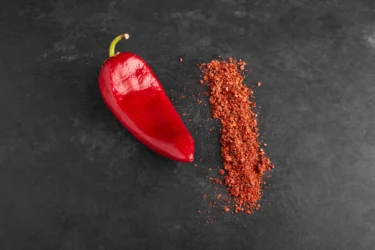
Intake of capsicum or chilli pepper may help reduce accumulated fat in the body. Also, capsicum might be valuable to promote the use of fat collected in the body[5]. You can add capsicum to your foods but remember to use it in moderation.
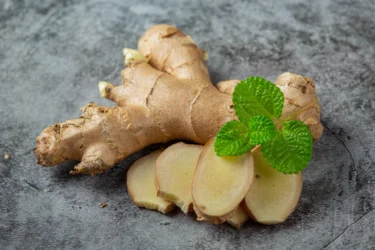
Ginger may offer many health benefits for people wanting to reduce belly fat. Taking ginger is associated with enhanced fat metabolism in the body. Ginger could also facilitate the usage of fat in the body. Taking ginger also helps reduce fat storage in the body, causing an overall reduction in body weight[5].
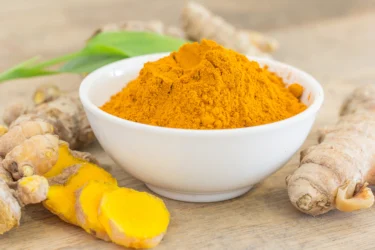
Turmeric has many health advantages. Turmeric may reduce the fat deposit in the body. It could help reduce body fat and body weight as per studies[5]. You can mix some turmeric in a glass of warm water and consume it every morning may help reduce belly fat.
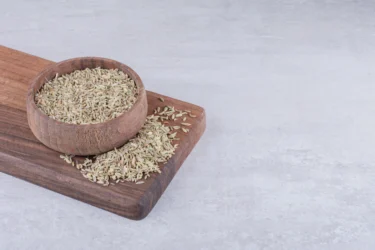
Cumin or jeera is a common seed used as a spice in many Indian households. Cumin has many health benefits and is often used for dealing with diarrhoea and other stomach diseases. In addition, intake of cumin may help enhance fat breakdown in the body and reduce appetite[6]. These benefits of cumin might help you reduce belly fat and attain a healthy weight yourself.
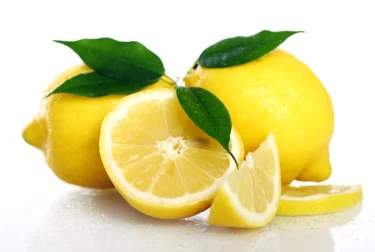
Lemons are known to promote fat metabolism and manage body weight and fat accumulation[7]. Lemon might help reduce the accumulation of belly fat in some cases. Add some lemon juice to a glass of warm water and drink it first thing in the morning. Do not consume lemon or lemon juice if it does not suit you.
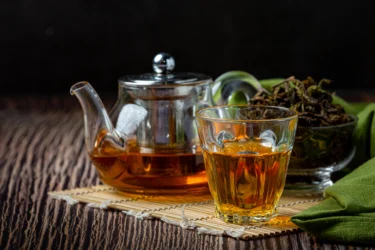
Green tea is a popular beverage used to maintain health and helps prevent numerous diseases and it could also reduce fat accumulation in the body. Use your choice of freshly brewed green tea (avoid plastic tea bags) to replace sugary beverages like tea or other packaged drinks. Other benefits like reduction in body weight and fatty tissues have also been observed[8]. Brew a cup of green tea and drink it every morning to help reduce belly fat and manage weight.
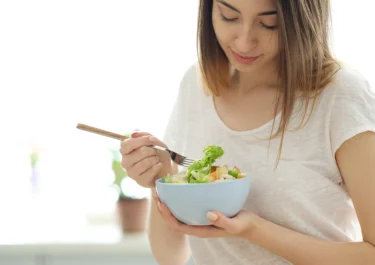
Stay aware of your eating habits and physical activity with positive intent. Mindful eating may help with gaining satisfaction and reduce the chances of overeating. Make healthy choices and manage portions.

Yoga asanas can help reduce weight and do wonders in managing stress. Stress is a known risk factor for weight gain and can contribute to belly weight. Learn yoga under the guidance of a certified yoga trainer for best results[9].
While some studies suggest that certain herbs and home remedies like those mentioned above may help reduce belly fat, the evidence is not comprehensive enough. More research is needed to understand the actual benefits of these remedies. Hence, they should be approached with caution and should never replace substitute medical treatment.
Also Read: Best Exercises to Lose Belly Fat That You Should Try
You can contact your doctor and seek medical help:
You must not rely on home remedies alone for the management of belly fat. It is also advisable to consult a qualified doctor for advice if your condition doesn’t improve.
Also Read: 10+ Easy Home Remedies To Reduce Weight
Belly fat, or abdominal obesity, is not just a matter of appearance; it’s a well-established risk factor for serious health conditions such as heart disease and type 2 diabetes. With growing awareness of these health risks, more people are making healthy lifestyle choices to reduce belly fat. However, it’s important to remember that underlying factors such as chronic conditions, hormonal imbalances, and ongoing medications can also contribute to belly fat. Addressing these root causes is important for long-term success. Always consult your doctor for guidance on managing abdominal obesity effectively.
Also Read: Acidity Problems? 21 Home Remedies That Can Help
Herbs like turmeric, ginger, green tea, chilli pepper, cumin and lemon might help you burn the fat accumulated in the belly. There is no evidence to prove these benefits. Doing regular physical exercise and maintaining a healthy diet are other proven ways to help you reduce belly fat[¹].
Yes, some studies have found green tea to be an effective option for reducing belly fat. This is because green tea contains active compounds that help reduce fat accumulation in the body[8]. It is important to understand that reducing fat depends on overall diet (calorie intake) and physical activity (calorie expenditure) along with other factors.
You need to avoid sugary drinks, simple carbohydrates like white bread and foods made of refined grains[¹]. Cut down on oily, fried and processed foods.
Excessive buildup of fat in the belly can lead to obesity, diabetes, heart diseases, kidney diseases, high blood pressure, fatty liver disease, and cancer. It can also lead to problems in pregnancy in women[4].
1. Harvard Health. Abdominal fat and what to do about it [Internet]. [cited 2022 Jun 8]. Available from: https://www.health.harvard.edu/staying-healthy/abdominal-fat-and-what-to-do-about-it
2. Penn Medicine. Obesity – Symptoms and Causes [Internet]. [cited 2022 Jun 8]. Available from: https://www.pennmedicine.org/for-patients-and-visitors/patient-information/conditions-treated-a-to-z/obesity
3. Healthdirect. Obesity – signs, symptoms, causes and complications [Internet]. [cited 2022 Jun 8]. Available from: https://www.healthdirect.gov.au/obesity
4. NIDDK. Health Risks of Overweight & Obesity [Internet]. [cited 2022 Jun 8]. Available from: https://www.niddk.nih.gov/health-information/weight-management/adult-overweight-obesity/health-risks
5. Jiang TA. Health Benefits of Culinary Herbs and Spices. Journal of AOAC INTERNATIONAL [Internet]. 2019 Mar 1 [cited 2022 Jun 8];102(2):395–411. Available from: https://academic.oup.com/jaoac/article/102/2/395/5658185
6. Taghizadeh M, Memarzadeh MR, Abedi F, Sharifi N, Karamali F, Kashan ZF, et al. The Effect of Cumin cyminum L. Plus Lime Administration on Weight Loss and Metabolic Status in Overweight Subjects: A Randomized Double-Blind Placebo-Controlled Clinical Trial. Iranian Red Crescent Medical Journal [Internet]. 2016 Aug 1 [cited 2022 Jun 8];18(8):34212. Available from: https://pubmed.ncbi.nlm.nih.gov/27781121/
7. Fukuchi Y, Hiramitsu M, Okada M, Hayashi S, Nabeno Y, Osawa T, et al. Lemon Polyphenols Suppress Diet-induced Obesity by Up-Regulation of mRNA Levels of the Enzymes Involved in β-Oxidation in Mouse White Adipose Tissue. Journal of Clinical Biochemistry and Nutrition [Internet]. 2008 [cited 2022 Jun 8];43(3):201. Available from: https://pubmed.ncbi.nlm.nih.gov/19015756/
8. Sae-Tan S, Grove KA, Lambert JD. Weight control and prevention of metabolic syndrome by green tea. Pharmacological Research. 2011 Aug 1;64(2):146–54. Available from: https://www.sciencedirect.com/science/article/abs/pii/S1043661810002380
9. Cramer H, Thoms MS, Anheyer D, Lauche R, Dobos G. Yoga in women with abdominal obesity—a randomized controlled trial. Dtsch Arztebl Int. 2016 Sep 30;113(39):645-652. PMID: 27776622. [cited 2025 Feb 25]. https://pmc.ncbi.nlm.nih.gov/articles/PMC5098025/
Disclaimer: The information provided here is for educational/awareness purposes only and is not intended to be a substitute for medical treatment by a healthcare professional and should not be relied upon to diagnose or treat any medical condition. The reader should consult a registered medical practitioner to determine the appropriateness of the information and before consuming any medication. PharmEasy does not provide any guarantee or warranty (express or implied) regarding the accuracy, adequacy, completeness, legality, reliability or usefulness of the information; and disclaims any liability arising thereof.
Links and product recommendations in the information provided here are advertisements of third-party products available on the website. PharmEasy does not make any representation on the accuracy or suitability of such products/services. Advertisements do not influence the editorial decisions or content. The information in this blog is subject to change without notice. The authors and administrators reserve the right to modify, add, or remove content without notification. It is your responsibility to review this disclaimer regularly for any changes.
74
5
Seeds obtained from the plant Elettaria cardamomum of the family Zingiberaceae are a source of small cardamom or green cardamom. It is also called genuine or true cardamom and is locally known as ‘elaichi’1,2. Cardamom plantations are commercially done in south India, Sri Lanka, Southeast Asia, and Central America1. Due to its pleasant aroma and flavouring versatility, cardamom is known as the ‘queen of spices and is used in many foods and beverages. It may have several applications as a traditional regional home remedy1. It is one of the world’s most expensive and highly prized spices, ranking third after saffron and vanilla2.
There are two major types of cardamom (elaichi):
A report by Savan et al. 2013 states that cardamom comprises 67 compounds representing 96.9% of the cardamom oil.
Did you know?
As per the Indian Ayurvedic system, it has been used to reduce fat deposition in the body and manage skin and urinary problems. Other beneficial properties of the seeds of cardamom are as follows3:
Animal studies have shown the following properties of cardamom:
Did you know that cardamom is a dental marvel? Yes, researchers believe that cardamom might have anti-bacterial properties, and hence its extracts might fight five known bacteria that cause dental caries4.
Dr. Siddharth Gupta, B.A.M.S, M.D (Ayu)
Studies may show the benefits of cardamom in various ailments; however, these are insufficient and require more human studies. Some of the potential uses of cardamom are described as follows.

According to a report by Sharma et al. 2011 cardamom extract was studied for its stomach-benefiting activity. It was found that the extract inhibited lesions in an animal model (a region in an organ or tissue that has suffered damage through injury or disease) caused due to the gastric ulcer by nearly 100%2. However this study was conducted on animals, not humans. Therefore, we require more human studies to suggest the benefits of cardamom in managing stomach ulcers.

According to studies, powdered cardamom was found to significantly decrease diastolic blood pressure (blood pressure when the heart muscles relax). It may also enhance fibrinolysis (the natural body process of preventing clot formation by the breakdown of clots) and antioxidant status without drastically changing fibrinogen levels and blood lipids in patients having high blood pressure2. However, this information is insufficient, and we require large scale human trials to provide the benefits of cardamom in humans. Hypertension or high blood pressure is a serious health problem hence, a proper diagnosis and treatment are needed.

Cardamom (Elaichi) seeds may exhibit anti-inflammatory and spasm-relieving properties:
Anti-inflammatory activity: The oil extract of cardamom was studied for its action on rat paw oedema, and a reduction in inflammation was observed2.
Anti-spasmodic activity: According to laboratory studies, cardamom relieved spasms in animal models2. However, this information is insufficient for humans as these studies are done on animals. Thus, more studies on humans are required to back this claim. Therefore, it is essential to first speak to your doctors and only use it if prescribed.
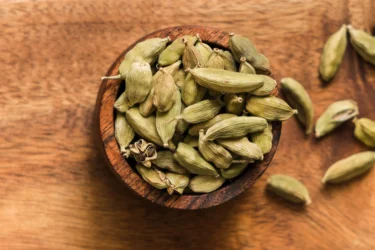
Cardamom oil may act as a natural antioxidant in the body2. Different animal studies give evidence and indicate that cardamom administration may enhance antioxidant defences and inflammatory markers levels. This might suggest the ability of cardamom to suppress oxidative stress and inflammatory processes1. However, more studies on humans are required to suggest the positive effect of cardamom oil in managing human oxidative stress.
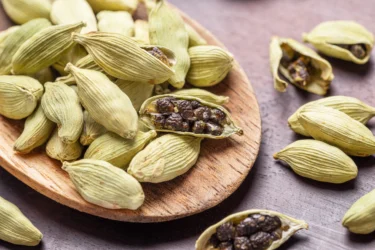
Studies on cardamom were conducted to analyse inhibitory activity on human platelets. It was found that cardamom may enhance fibrinolysis activity as well as the blood’s antioxidant status2,3. However, this data is insufficient and requires more research on humans to provide complete knowledge of cardamom involvement in fibrinolysis.
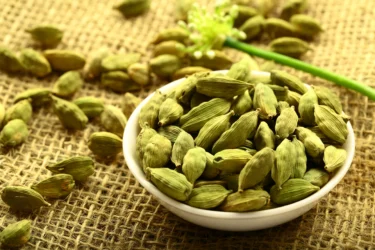
An Ayurvedic formulation called Unmadnashak Ghrita contains cardamom as one of the components. It may possess anticonvulsant activity (managing seizures) and may also exhibit central nervous system depressant activity, which may have calming effects (sedation)2. However, this information requires doctors confirmation. Therefore before using Unmadnashak Ghrita, please consult your doctors.

Cardamom, along with other plants, may be used for managing itching, blisters or pimples on the skin containing pus and enhancing skin complexion2. However, this information requires confirmation from human studies. Therefore, people should never use cardamom to self medicate themselves.
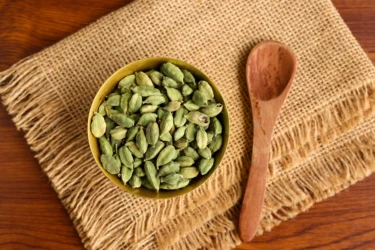
Cardamom seeds may be effective in reducing cigarette addiction. Chewing some cardamom seeds may be safe to minimize the number of cigarettes being smoked, and the chronic addiction to chain smoking may slowly be reduced2. Though there are studies that show the potential uses of cardamom in various conditions, these are insufficient and there is a need for further studies to establish the true extent of the benefits of cardamom on human health.
Discover the ancient secret to soothing swollen eyelids and finding relief! From high blood pressure to cancer, asthma to stomach acidity, let cardamom be your trusted ally on the path to wellness. Cardamom is believed to have anti-inflammatory nature.
Dr. Rajeev Singh, BAMS
Cardamom (Elaichi) can be used to enhance flavours in both sweet and savoury dishes. It can be used in the form of:
Powdered or whole seeds may be used in spice mixtures, beverages such as tea and coffee, curries, confectionaries, baked foods and meat products3. Flavour and Extract Manufacturers Association approve its use in foods1. You may consult your Ayurvedic physician for the form and dosage. In addition, we advise you to not replace or quit your current medications with any herbal preparations made from cardamom without talking to a physician or an Ayurvedic doctor.
Let’s talk about unveiling the potential of cardamom in snakebite management. While cardamom holds a special place in culinary delights, its potential healing properties extend beyond the kitchen. Cardamom may aid in the treatment of snake bites due to its anti-convulsant property.
Dr. Smita Barode, B.A.M.S, M.S.
US Food and Drug Administration categorizes cardamom as generally recognized as safe1. Some adverse effects of cardamom consumption have been reported in humans. These may include minor reports of the following1:
Other toxic effects of the extracts due to overdose include2:
Therefore, if you experience any of such side effects, seek immediate medical help from your doctor who has prescribed it to you. They will be the best guide for providing proper treatment to overcome side effects.
Also Read: Pancharishta: Uses, Benefits and Side Effects By Dr. Rajeev Singh
Also Read: Saraswatarishta: Uses, Benefits, Side Effects, and More!
It was determined through a laboratory analysis that α-terpinyl acetate present in cardamom might indirectly inhibit the metabolism of drugs such as bupropion, tamoxifen, propofol, and methadone. Nevertheless, studies on living organisms are yet to be conducted to confirm any possible interference by cardamom with the metabolism of these drugs1. Therefore, we recommend you consult an Ayurvedic physician. They will direct you to the better way to have cardamom as a herb.
Also Read: Jatamansi (Spikenard): Uses, Benefits, Precautions & More!
Small cardamom is also locally known as elaichi. It is popularly called the ‘queen of spices’. This spice is obtained from the seeds of Elettaria cardamomum Maton, a perennial plant.
Yes, in ancient traditional medicines, cardamom was used to manage weight. Some enzymes in cardamom might be responsible for managing heavy weight-related metabolic disorders. However, further studies are required to establish this property of cardamom1. However, it is always better to consult a doctor dietician for weight loss suggestions.
Cardamom may help in relieving stomach discomfort during pregnancy, but more data is required regarding its safe consumption during pregnancy1. It should be taken under the supervision of a doctor.
Gahwa is a beverage consumed in the Middle East. Cardamom with coffee is traditionally used in Gahwa preparation3.
Guatemala is currently the largest producer of cardamom. India ranks second as the largest cardamom producer. International markets consider Indian cardamom to be of top quality2.
Disclaimer: The information provided here is for educational/awareness purposes only and is not intended to be a substitute for medical treatment by a healthcare professional and should not be relied upon to diagnose or treat any medical condition. The reader should consult a registered medical practitioner to determine the appropriateness of the information and before consuming any medication. PharmEasy does not provide any guarantee or warranty (express or implied) regarding the accuracy, adequacy, completeness, legality, reliability or usefulness of the information; and disclaims any liability arising thereof.
Links and product recommendations in the information provided here are advertisements of third-party products available on the website. PharmEasy does not make any representation on the accuracy or suitability of such products/services. Advertisements do not influence the editorial decisions or content. The information in this blog is subject to change without notice. The authors and administrators reserve the right to modify, add, or remove content without notification. It is your responsibility to review this disclaimer regularly for any changes.
17
Clove is an unopened flower bud growing on the tree Syzgium aromaticum, belonging to the family Myrtaceae. Cloves have a deep brown colour and a powerful fragrant odour that is warm, strongly sweet, pungent, and slightly astringent1.
Clove is known by several names like Laung, Lavang, Laumg in Hindi; Lavanga, Lavangaka, Lavangam, Bhadrasriya, Devakusuma, Haricandana, Devapuspa, Varala in Sanskrit; Luvang in Marathi; Lavang in Gujarati; Lavanga in Bengali; Laung in Punjabi; Labanga in Oriya; Laung, Loung in Urdu; Grampu, Karayampu, Karampu in Malayalam; Lavanga, Krambu; Daevakusuma in Kannada; Kaaravallu, Devakusumamu, Lavangalu, Lavangamu in Telugu; Kirampu, Kiraambu, Kirambu, Grambu, Ilavankam in Tamil1.
Clove is considered the symbol of dignity and is a valuable and precious spice of the world. It is commonly used in garam masala, salads, pickles, and biryanis1. Clove is mainly produced in countries like Indonesia, Malaysia, India, Sri Lanka, Tanzania, and Madagascar. Clove may have several medicinal properties like antioxidant, pain-killing, anti-bacterial and anti-viral2.
Did You Know?
Clove contains the following nutrients (per 100g)1:
Some studies11 suggest that the intake of clove along with ginger may have anti-diabetic properties. Its consumption might help in reducing blood sugar levels in type 2 diabetes.
Dr. Siddharth Gupta, B.A.M.S, M.D (Ayu)
Clove may show the following properties:
The potential uses of clove are given as follows.

Clove was tested for antimicrobial activities against several fungi and bacterial strains. During lab trials, clove showed bacteria-killing activity against all foodborne pathogens, including E. coli, Bacillus cereus, and Staphylococcus aureus7. Clove oil was found to be efficient against Staphylococcus species. Aspergillus niger (fungi) was highly sensitive to clove oil. Also, clove oil showed germicidal effects against Klebsiella Pneumoniae, Pseudomonas aeruginosa, Clostridium perfringens, S. aureus, E. coli, and Candida albicans during a lab study6. It was also found to kill Bacillus tuberculosis efficiently1. The antimicrobial properties have been observed in lab studies. More trials are required to support clove against infectious diseases in humans. Therefore, do not use clove oil before consulting your healthcare provider.

The clove extract was tested for liver protective activity in an animal model8. The clove extract restored the activity of aspartate aminotransferase, alanine transaminase, and alkaline phosphatase enzymes in serum and therefore showed liver protective activity. However, if you are experiencing any liver problems, consult your healthcare provider before using clove as a remedy.

Clove oil (eugenol) may help clear the respiratory passages and act as an expectorant for managing several upper-respiratory diseases like bronchitis, cough, cold, asthma, and sinus conditions. Clove contains various flavonoids like β-caryophyllene, kaempferol, and rhamnetin that might contribute to its antioxidant and anti-inflammatory activity3. You must talk to your healthcare provider before using clove or its oil for any inflammatory conditions.
Clove and eugenol have shown strong antioxidant properties in trials. Clove has a high capacity to reduce lipid peroxidation and give off hydrogen1. In the database of the United States Department of Agriculture, along with universities and private companies, it is indicated that clove has a higher content of polyphenols and other antioxidant compounds. Clove bud extract may be used as a food antioxidant2. In some studies9, it was observed that kidney functions, liver functions, and antioxidant status were improved with clove use. Before using clove or any herb for its health benefits, you need to contact your healthcare provider and get a proper diagnosis.
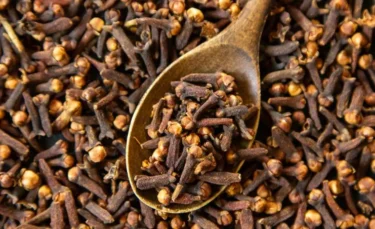
The pain-killing effect of clove has been documented since the 13th century. Clove oil might be effective in dealing with joint pain, tooth pain, and spasmodic pain2. Clove oil has been widely used as an analgesic (pain killer) agent in dental clinics as it can relieve toothache. It may suppress inflammatory mediators (leukotriene) and prostaglandin. Also, it is thought to suppress the sensory receptors responsible for signalling pain. You should use clove under the supervision of a healthcare provider or after a doctor’s consultation only.

Clove oil helps deal with bloating and gas. In addition, clove oil may be an effective remedy for stomach-related conditions like motion sickness, nausea, hiccups, and vomiting2,4. If you are suffering from any stomach problems, you should talk to your doctor to come up with a diagnosis. Using herbs or remedies without talking to your doctor can worsen the situation.

Clove oil is believed to stimulate the circulatory system, which might help manage insomnia, anxiety, memory loss, depression, fatigue, and mental exhaustion4. Clove oil was tested for managing depression in an animal model10. It was found to be helpful as it showed an anti-depressant effect. However, do not use clove oil as an alternative to medicinal treatment. If you are suffering from psychological distress, always talk to your doctor or psychiatrist.

Because of the potential antioxidant activity of clove, it is thought to have an anti-cancer effect. It was found to have anti-cancer activity against the skin, lungs, and digestive cancers. The anti-tumour action may be due to the presence of oleanic acid. Also, it has been reported to show anti-cancer activity against colorectal, breast, and leukaemia cancer cells4. Large human-scale studies are required to support the use of clove against cancer in humans. Therefore, you are advised to adhere to the doctor’s treatment and advice for cancer.
Though there are studies showing the benefits of clove in various conditions, these are insufficient and there is a need for further studies to establish the true extent of the benefits of clove on human health.
According to some research12, clove extracts and clove oil might possess inhibitory properties against certain enzymes like acetylcholinesterase, which are responsible for the destruction of certain neurotransmitters like acetylcholine. Such effects of clove extract and clove oil to act as an anti-cholinesterase agent might be beneficial against diseases like Alzheimer’s disease.
Dr. Rajeev Singh, BAMS
Clove can be used as:
These are used in several dental products like toothpaste, dental creams, throat sprays, and mouthwashes1.
You must consult a qualified doctor before taking cloves or any herbal supplements. Likewise, do not discontinue or replace an ongoing modern medical treatment with an ayurvedic/herbal preparation without consulting a qualified doctor.
The side effects associated with clove use are given below.
Before using clove or any herb for its health benefits, talk to your healthcare provider about the possible side effects associated with its use. It will help you avoid unwanted side effects.
Also Read: Black Salt: Uses, Benefits, Side Effects, Precautions & More!
Here are some general precautions you need to take while using cloves.
Also, before you use clove for any of its benefits on health, talk to your healthcare provider about the possible precautions and limitations of using clove. It will help you make well-informed choices.
Also Read: Sabudana (Sago Pearls): Uses, Benefits, Side Effects & More!
Clove may increase the risk of bleeding or enhance the effects of warfarin therapy.
If you are taking medicines for any disease, talk to your doctor about the possible interactions of medication with other herbs and drugs. It will help you avoid unwanted herb-drug interactions.
Also Read: 15 Amazing Health Benefits of Turmeric Milk!
Clove is an unopened flower bud growing on the Syzgium aromaticum tree.
Yes, clove oil is widely used as a painkiller in dental clinics as it can relieve toothache. However, if you are experiencing tooth pain or dental problems, do reach out to your dentist for a check-up. Using herbal remedies without consulting your dentist first can worsen the condition.
Clove can be used in the form of whole spice, powder or oil. You are advised to talk to a doctor before using cloves for their health effects. He will advise the exact dosage and form of the herb to be taken, as per your condition.
Clove may be suitable for health as it has antioxidant and anti-inflammatory properties. It may manage stomach-related diseases (loose motions, flatulence, nausea, indigestion, vomiting, gastric irritability, diarrhoea), respiratory conditions (cold, cough, bronchitis, sinusitis, asthma) and many more. But it must be consumed in the right amount. An overdose can cause side effects too. Side effects include rare allergic reactions, local irritation, contact dermatitis, haemorrhagic pulmonary oedema, bronchitis, pneumonia, occupational allergic contact dermatitis, and central nervous system depression. Therefore, use clove after consulting with a qualified physician only.
Yes, clove might be good for the lungs. Its oil, when inhaled, may soothe cold, cough, bronchitis, sinusitis, and asthma. It may also clear the nasal passage. But lung problems can be severe, and you are advised to contact your healthcare provider and receive a proper diagnosis and treatment.
Yes, clove may help relieve bloating. Clove oil is known to aid digestion and reduce gas pressure in the stomach. However, it should be used only after consulting a healthcare professional.
It is safe for children, but in the right dose/amount. Clove oil in higher doses is a cytotoxin and causes severe acute kidney or liver injury in children. Therefore, please take precautions before giving cloves to children. Do not use cloves for any health issues in children unless recommended by the doctor.
Disclaimer: The information provided here is for educational/awareness purposes only and is not intended to be a substitute for medical treatment by a healthcare professional and should not be relied upon to diagnose or treat any medical condition. The reader should consult a registered medical practitioner to determine the appropriateness of the information and before consuming any medication. PharmEasy does not provide any guarantee or warranty (express or implied) regarding the accuracy, adequacy, completeness, legality, reliability or usefulness of the information; and disclaims any liability arising thereof.
Links and product recommendations in the information provided here are advertisements of third-party products available on the website. PharmEasy does not make any representation on the accuracy or suitability of such products/services. Advertisements do not influence the editorial decisions or content. The information in this blog is subject to change without notice. The authors and administrators reserve the right to modify, add, or remove content without notification. It is your responsibility to review this disclaimer regularly for any changes.
140
2
You might feel pressure on your face and think that it is just because of a cold or allergies that you’ve got. But, along with that, you might feel heaviness in your forehead and between the eyes. It might not be just because of the cold. It might be due to a condition called sinusitis. Sinusitis is the most common sinus problem. When the spaces in our head (sinuses) that are usually filled with air get filled with fluid, it is called sinusitis. This is also known as rhinosinusitis, where rhino means nose. Swelling of the sinuses almost always implies a swelling in nose tissue as well, hence the name1. Let’s find out more about what can cause this condition and how we can use natural remedies to get relief from it.
Blocking of air-filled spaces (sinuses) of the head with fluid due to swelling in its tissue lining is what causes sinus problems or sinusitis. The swelling can be caused by bacteria, fungi, or viruses1. Specific conditions in which this can occur are:
The key to the treatment of sinusitis is to reduce the triggers. Patients should be urged to quit smoking. In addition, the early empirical use of antibiotics should be avoided. The outcomes depend on the cause, but irrespective of treatment, recurrences are common and lead to poor quality of life.
Dr. M.G. Kartheeka, MBBS, MD(Pediatrics)
You might find it difficult to differentiate a sinus problem from a common cold and allergies1. Here are a few common symptoms of sinusitis:
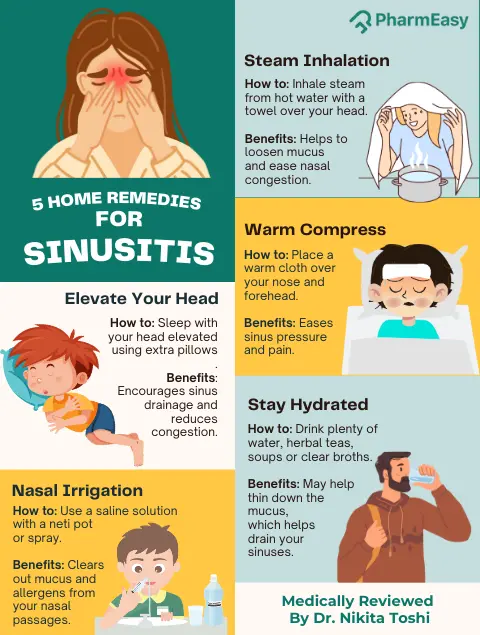
If you’ve had sinusitis, you know how it feels. There is pressure between the eyes and forehead, headache, and a blocked nose1. It can be pretty inconvenient and can cause a lot of discomforts. However, there are a few natural home remedies listed below that you can try to rid yourself of these symptoms.

Pineapples have many benefits for sinusitis. The clinical trial findings show that pineapples can help relieve the inflammation of nose mucosa, alleviate breathing difficulty, and lower nasal discomfort. All of these properties are beneficial in managing the symptoms of sinusitis2. Therefore, you can use pineapples as a home remedy just by eating them as a fruit or drinking it as fruit juice.
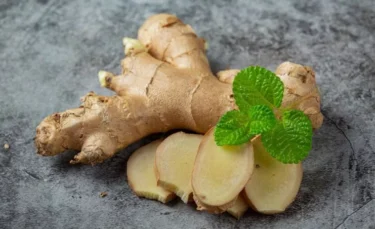
Ginger has the properties of alleviating inflammation and acting as an antioxidant. This might be responsible for its benefits for sinus problems. Ginger, along with green tea, can be highly beneficial for allergies and sinusitis as it suppresses inflammation2. Therefore, you can add ginger to your green tea and drink it to reap its benefits.
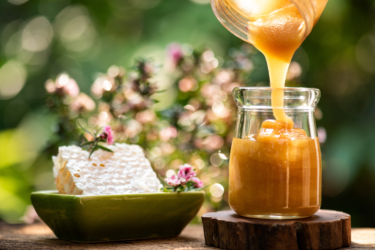
Manuka honey is a different kind of honey that is obtained from the flowers of the species Leptospermum (tea tree). These tea tree flowers are native to Australia and New Zealand. Manuka honey has potential activity against bacteria, especially Pseudomonas aeruginosa and Staphylococcus aureus2. Therefore, it might help manage rhinosinusitis. You can use Manuka honey by mixing it in warm water and drinking it as tea.
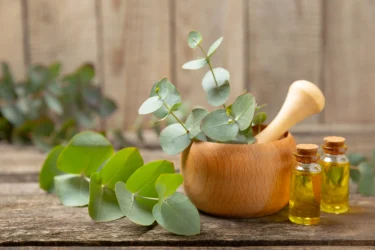
Cineole is a common derivative of eucalyptus oil. It is present in many plant-based essential oils and has various therapeutic effects. It stops inflammation, increases the clearance of the mucous lining of the nose, and reduces pain as well. In addition, it might help alleviate the symptoms of sinusitis2. You can make use of cineole which is present in many oils, and apply it to your forehead, nose, and ears. You can also add a few drops of the oil to warm water and drink it.
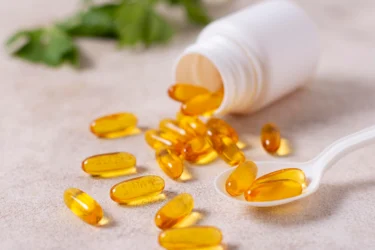
In a study, cod liver oil as a treatment option for rhinosinusitis was studied, and the results were positive. Most of the participants of the study showed improvement in the symptoms of sinusitis and a decrease in the number of hospital visits as well2. However, there is a need for more studies in this area as there is limited research showing the efficiency of cod liver oil for sinusitis. You can use fish liver oil or cod liver oil found in the markets in liquid form and use it for cooking or mixing a little bit of it in water or milk and drinking it.
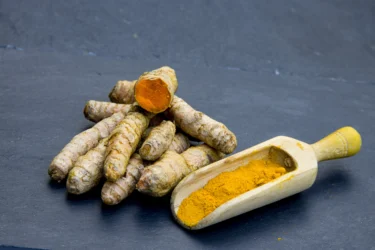
Turmeric, also called Haldi, is used widely for its medicinal properties, especially in India and China. It has various biochemical components that impart the property of alleviating inflammation and acting as an antioxidant. The uses of turmeric are broad; therefore, it finds its use in dealing with sinusitis as well. In Ayurveda, turmeric is used for managing sinusitis, cold, cough, and runny nose3. Turmeric powder can decrease the triggering of allergies, which may cause sinusitis3. So, you can make use of it by mixing a little bit of turmeric in warm milk and drinking it.

A few herbs and oils are used for relieving sinusitis. These oils are used as nasal drops, also known as nasiyam. The leaf or flower extract of thumbai (Tamil name), also known as Chhota halkusa or Gophaa in Hindi, is beneficial for managing sinusitis. You can add a few drops to your nose and inhale them. Dried ginger oil can also be used as nasal drops to deal with sinusitis5.

Steam inhalation can be helpful for sinusitis as it causes clearance of the nasal passages leading to drainage of the sinuses easily. It is a straightforward remedy, and all you need to do is boil water and inhale the steam. For added benefits, you can add a few ingredients like lemon leaves, the whole plant of thumbai (Gophaa), or tulsi leaves in the water while it’s boiling4.
Also Read: Home Remedies For Tonsillitis
Generally, self-care seems to help with sinus problems. However, if you notice that your sinusitis worsens or if the infection persists, you should seek the advice of a medical expert. Though it is rare, sinusitis can also cause infection of the eyes, brain, surrounding bones, and the layers surrounding the brain and the spinal cord (meningitis) when left untreated. When you visit a doctor, they might prescribe you medicines or ask you to get specific tests done for further evaluation1.
Also Read: Simple Home Remedies for Sneezing
Sinusitis can cause much discomfort, and gaining relief from it can feel like a reward. It is the swelling of the inner lining of the sinuses and can be caused due to allergies, cold, cough, nasal polyp, or deviated nasal septum. You can try a few home remedies like steam inhalation, pineapples, turmeric, or Manuka honey, which might be the natural solution to your sinusitis. However, even after self-care, if your symptoms do not subside, you should visit a doctor.
Also Read: Home Remedies For Asthma By Dr. Siddharth Gupta
Yes. Bacterial sinusitis is not contagious, but viral sinusitis is. So, if your friend has viral sinusitis, you can get it too. However, if proper hand hygiene and sneezing and coughing etiquette are followed, its spread can be prevented1.
No. There is no evidence of sinusitis leading to permanent loss of hearing.
Yes, sinusitis can occur due to pollen allergy. Allergies of any type can cause sinusitis1.
Although rare, untreated sinus infections can cause infection of the eyes, nearby bone, brain, and meningitis1.
No. A physician diagnoses sinus infection by examining the patient thoroughly. They might ask for additional tests like an endoscopy or computed tomography scan1.
No. Sinusitis can get better with self-care, rest, and increased fluid intake also. Home remedies like pineapples, cod liver oil, ginger, or Manuka honey can also help manage sinusitis. Your doctor may prescribe antibiotics if you have bacterial sinusitis1,2.
1. Sinusitis (sinus infection) [Internet]. Cleaveland Clinic. 2017 [cited 2022 May 25]. p. 1–3. Available from: https://my.clevelandclinic.org/health/diseases/17701-sinusitis
2. Taw MB, Nguyen CT. Complementary and Integrative Treatments Rhinosinusitis. Otolaryngol Clin North Am [Internet]. 2013;46(3):345–66. Available from: https://www.sciencedirect.com/science/article/pii/S0030666513000169?via%3Dihub
3. Prasad S, Aggarwal B. Turmeric, the Golden Spice. In: Benzie, IFF and Wachtel-Galor S, editor. Herbal Medicine: Biomolecular and Clinical Aspects: Second Edition [Internet]. 2nd ed. Boca Raton (FL): CRC Press/Taylor & Francis; 2011. p. 263–88. Available from: https://www.ncbi.nlm.nih.gov/books/NBK92752/
4. Little P, Bryan S, Kelly J, et al. Effectiveness of steam inhalation and nasal irrigation for chronic or recurrent sinus symptoms in primary care: a pragmatic randomised controlled trial. BMJ Open. 2016;6(3):e009153. PMCID: PMC5026511. Available from: https://pmc.ncbi.nlm.nih.gov/articles/PMC5026511/
5. Deve L, Poduval J. Effectiveness of over-the-counter intranasal preparations: A randomized trial. Indian J Otolaryngol Head Neck Surg. 2019 Nov;71(Suppl 3):1923–1928. doi: 10.1007/s12070-018-1331-6. PMCID: PMC6848630. Available from: https://pmc.ncbi.nlm.nih.gov/articles/PMC6848630/
Disclaimer: The information provided here is for educational/awareness purposes only and is not intended to be a substitute for medical treatment by a healthcare professional and should not be relied upon to diagnose or treat any medical condition. The reader should consult a registered medical practitioner to determine the appropriateness of the information and before consuming any medication. PharmEasy does not provide any guarantee or warranty (express or implied) regarding the accuracy, adequacy, completeness, legality, reliability or usefulness of the information; and disclaims any liability arising thereof.
Links and product recommendations in the information provided here are advertisements of third-party products available on the website. PharmEasy does not make any representation on the accuracy or suitability of such products/services. Advertisements do not influence the editorial decisions or content. The information in this blog is subject to change without notice. The authors and administrators reserve the right to modify, add, or remove content without notification. It is your responsibility to review this disclaimer regularly for any changes.
17
1
Cataracts may not be life-threatening, but they can impair your eyesight if not treated on time. It is a very common disorder and clarity of eyesight can easily be restored with a simple surgical procedure1. The good news is that there are natural methods that you can use to help reduce cataract risks. If you are looking for home remedies and natural ways to deal with your cataract better, you are at the right place. In this article, we will discuss some home remedies and lifestyle changes that can help lower the risks of cataracts as well as be helpful for a person with cataracts.
Age-related changes and other medical conditions cause proteins and fibers within the lenses to break down and clump together, which leads to clouding of the lenses of the eyes. In this condition, the opaque and cloudy lens partially blocks and scatters the light passing through it, leading to blurred vision. Although you can develop cataracts in both eyes, they usually do not develop at the same time. Cataracts are more common in older people2.
Common symptoms of cataracts include4:
Most people begin developing cataracts around the age of 40. Most people become aware of the symptoms after the age of 60. Cataracts are rarely seen at birth. Cataract development can, however, be influenced by certain factors:
There are no proven results of home remedies or natural ways to cure cataracts. However, according to studies, there are a number of home remedies and natural ways that can help with the symptoms of cataracts and may also reduce the risks of Cataracts. These home remedies promote good health of the eyes and can be helpful for you. Here are the top 10 home remedies to know for cataracts:
Home remedies can help in delaying the progression of cataract and help in preventing it. But once a cataract is developed it has to be treated surgically by an Ophthalmologist.
Dr. M.G. Kartheeka, MBBS, MD (Pediatrics)
The consumption of fruits and vegetables that are rich in antioxidants can help protect the eyes from cataract-causing oxidative stress4. Additionally, antioxidants help in protecting your eyes from the formation of cataracts by maintaining the enzymatic pathways. Add plenty of fresh fruits and vegetables to your diet.
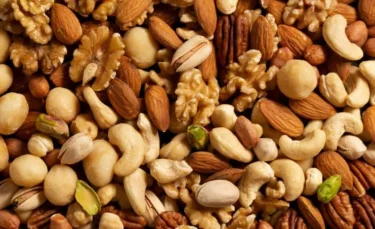
Vitamin E is an antioxidant found in nuts and seeds that protects the cells of the eye membranes from free radical damage. The health of your eyes can be improved by eating nuts such as almonds, walnuts, hazelnuts, peanuts, and sunflower seeds. These, along with fatty fish, are a good source of omega-3 fatty acids6.

Sun exposure can lead to a cataract developing in the eye if the eyes are exposed to harmful UV rays. The ultraviolet light can cause the proteins in the eye to oxidize. Sunlight’s UV rays increase the risk of cataracts the more your eyes are exposed to it. If you are outdoors, you should wear sunglasses in order to protect your eyes from ultraviolet light. A pair of sunglasses should block at least 99% of UVA and UVB radiation7. This can help with the risks of a cataract.

There are some lifestyle habits that can increase your risk of developing cataracts. Smoking and alcohol consumption both contribute to this risk. Alcohol consumption is associated with a moderate risk of cataracts, according to studies. Drinking more frequently tends to increase the risk. The risks of cataracts are also greater for smokers compared to nonsmokers. Cutting down on both smoking and alcohol can help with the risks of cataracts.

A dehydrated body can accumulate toxins, which can increase health problems. The body detoxifies and flushes out toxins when you drink enough water. Drinking enough water helps keep your body as well as your eye health safe.

Even if you don’t have any symptoms, an eye examination at regular intervals is essential, especially after the age of 40. Your doctor can check for signs of cataracts, glaucoma, macular degeneration, and other vision disorders during routine visits. Consequently, early intervention can be instituted and eye health and vision problems can be addressed more effectively.

People with uncontrolled diabetes are at a higher risk of developing cataracts8. Take your medications on time and monitor your blood sugar regularly to reduce the risk of further complications.
There’s no right time to go for a cataract surgery, it all depends on the degree of blurred vision, lifestyle preferences, and personal choices. Sudden vision loss is an indicator to visit your ophthalmologist.
Dr. Ashish Bajaj, M.B.B.S., M.D. in Clinical Pharmacology and Toxicology
There are many ways that may help to reduce your risk of getting cataracts, but none of these guarantees 100% prevention. Maintaining a healthy diet and lifestyle can prove beneficial for your eyes and body. But regular health checkups play an equally important role in detecting cataracts early on. This can help your doctor address the underlying causes and help you manage the condition better.
A kitchen herb, saffron, is also known for helping with the symptoms of cataracts, along with fennel. Saffron may also help slow down eyesight degeneration among the elderly. This, however, depends on various other health factors of an individual and may not work similarly in every case.
Unfortunately, no. The only way to get rid of cataracts completely is through cataract surgery. However, there are some ways your doctor can tell you to slow down the progress of cataracts if needed.
Ans. In order to keep a healthy diet, it’s important to avoid processed foods, fried foods, sugary snacks, and soft drinks, all of which are linked to an increased risk of cataracts and other health problems like diabetes.
1. National Eye Institute. Cataracts [Internet]. Bethesda (MD): National Institutes of Health; c2024 Dec 10 [cited 2025 Nov 24]. Available from: https://www.nei.nih.gov/learn-about-eye-health/eye-conditions-and-diseases/cataracts
2. Nizami AA, Gurnani B, Gulani AC. Cataract. [Updated 2024 Feb 27]. In: StatPearls [Internet]. Treasure Island (FL): StatPearls Publishing; 2025 Jan-. Available from: https://www.ncbi.nlm.nih.gov/books/NBK539699/
3. National Eye Institute. Causes of Cataracts [Internet]. Bethesda (MD): National Institutes of Health; c 2024 Dec 5 [cited 2025 Nov 24]. Available from:https://www.nei.nih.gov/learn-about-eye-health/eye-conditions-and-diseases/cataracts/causes-cataracts
4. NHS. Cataracts in adults [Internet]. London: NHS; reviewed 12 March 2025 [cited 2025 Nov 24]. Available from:https://www.nhs.uk/conditions/cataracts/
5. Falkowska M, Młynarczyk M, Micun Z, Konopińska J, Socha K. Influence of Diet, Dietary Products and Vitamins on Age-Related Cataract Incidence: A Systematic Review. Nutrients. 2023 Oct 28;15(21):4585. doi: 10.3390/nu15214585. PMID: 37960238; PMCID: PMC10650191. Available from: https://pmc.ncbi.nlm.nih.gov/articles/PMC10650191/
6. Kaur A, Gupta V, Christopher AF, Malik MA, Bansal P. Nutraceuticals in prevention of cataract – An evidence based approach. Saudi J Ophthalmol. 2017 Jan-Mar;31(1):30-37. doi: 10.1016/j.sjopt.2016.12.001. Epub 2016 Dec 18. PMID: 28337060; PMCID: PMC5352946. Available from: https://pmc.ncbi.nlm.nih.gov/articles/PMC5352946/
7. Roberts JE. Ultraviolet radiation as a risk factor for cataract and macular degeneration. Eye Contact Lens. 2011 Jul;37(4):246-9. doi: 10.1097/ICL.0b013e31821cbcc9. PMID: 21617534. Available from: https://pubmed.ncbi.nlm.nih.gov/21617534/
8. Bixler JE. Cataracts and Their Treatment in People with Diabetes. In: Prevention and Management of Diabetes-Related Eye Disease. Arlington (VA): American Diabetes Association; 2019 May. Available from: https://www.ncbi.nlm.nih.gov/books/NBK544518/ doi: 10.2337/db20191-6
Disclaimer: The information provided here is for educational/awareness purposes only and is not intended to be a substitute for medical treatment by a healthcare professional and should not be relied upon to diagnose or treat any medical condition. The reader should consult a registered medical practitioner to determine the appropriateness of the information and before consuming any medication. PharmEasy does not provide any guarantee or warranty (express or implied) regarding the accuracy, adequacy, completeness, legality, reliability or usefulness of the information; and disclaims any liability arising thereof.
Links and product recommendations in the information provided here are advertisements of third-party products available on the website. PharmEasy does not make any representation on the accuracy or suitability of such products/services. Advertisements do not influence the editorial decisions or content. The information in this blog is subject to change without notice. The authors and administrators reserve the right to modify, add, or remove content without notification. It is your responsibility to review this disclaimer regularly for any change
39
9
Sitopaladi churna is an Ayurvedic preparation used for digestive problems and various respiratory issues. Sitopaladi churna helps balance the kapha and pitta doshas. It is made from ingredients like cardamom (elaichi), cinnamon (twak), bamboo (vanshlochan), long pepper (pippali), and sugar candy (khandasharkara).
All these ingredients are cleaned and crushed to obtain a fine powder. The powder is then filtered to remove any coarse particles. Sitopaladi churna has a madhura (sweet) and katu rasa (bitter taste). This churna may help to eliminate ama (harmful toxins) out of the body1.
The quantity of ingredients in sitopaladi churna is2:
The inorganic elements present in sitopaladi churna are calcium, sodium, potassium, iron, magnesium, sulfate, phosphate, carbonate, nitrate, and chloride. The organic elements present in sitopaladi churna are carbohydrates, proteins, amino acids, steroids, flavonoids, alkaloids, tannins, and phenolic compounds2.
Did you know?
The various beneficial properties of sitopaladi churna may include3:
I would suggest sitopaladi churna in allergic disorders. There’s an important chemical called piperine found in the sitopaladi formulation. Owing to its capacity to stabilise mast cells, sitopaladi churna may be a justified treatment for allergic disorders13.
Dr. Siddharth Gupta, B.A.M.S, M.D (Ayu)

Sitopaladi churna contains expectorant properties that may help expel mucous from the airways. According to Ayurveda, cough is grouped into five categories: vata (dry cough that produces some mucous), pitta (cough that produces moderate and sticky mucous), ksataja (cough that occurs due to chest injury), and ksaya (cough that occurs due to tuberculosis-like chronic diseases).
Sitopaladi churna may be an helpful for all these types of coughs. It may be taken with honey, ghee, water, or other herbal medications. Sitopaladi churna may help with cough by acting on the central nervous system3. However these effects of sitopaladi churna may need further studies.

Sitopaladi churna contains deepan (appetizing) and pachan (digestive) properties that may help to enhance digestion. It also contains carminative properties that might be helpful in gas accumulation and bloating3. The studies seem insufficient to validate these claims, therfore consult an ayurvedic physician before taking sitopaladi churna for its effect on digestion.
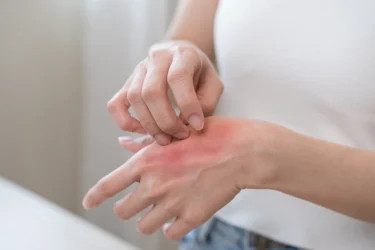
The immune system in people with allergies responds to allergens like dust, pollen, dander, etc. by releasing a substance called histamine. Due to this, the person might experience symptoms like watery eyes or a running nose. Sitopaladi churna contains antihistaminic properties and might protect you from allergies4. You must visit a doctor immediately for relief in case of any allergic reactions.
The digestive enzyme amylase has to break down complex carbohydrates before they are absorbed. Carbohydrates are broken down into simple sugars and enter the blood leading to an increase in blood sugar levels. Sitopaladi churna may show α-amylase inhibition properties. This property might help prevent the body from absorbing these carbohydrates and prevents a spike in blood sugar after meals3. Diabetes is a major health condition and requires appropriate diagnosis and treatment from a professional doctor. Therefore, human trials of Sitopaladi churna are necessary to provide its potential usage for managing blood sugar levels in humans.

Anaemia can lead to shortness of breath, dizziness, tiredness, and irritability. The most common cause of anaemia is iron deficiency. Sitopaladi churna may help increase iron absorption by the body and thus helps in nutritional anaemia3. Further studies are needed to establish the claim of effect of sitopaladi churna for anaemia.

Sitopaladi churna combined with other herbal medications, along with modified diet and lifestyle modifications like 8 hours of proper sleep, 30-60 min of morning or evening walk, and abstaining from smoking and drinking proved to be effective in the management of migraine5. However these claims need further studies, you must consult a doctor for proper advice on migraines.

Sitopaladi churna may be helpful in conditions like fever related to flu, cold, chest congestion, pneumonia, tuberculosis, bronchitis, and other respiratory illnesses. This herbal preparation may help control respiratory infections due to its anti-inflammatory and antioxidant properties2. However, respiratory conditions may need medical supervision and diagnosis. Consult a qualified doctor for treatment of any respiratory condition.

Vocal nodules occur due to abuse or misuse of the vocal cords. Some professions require high-volume speech. This might lead to the formation of vocal nodules. Sitopaladi churna along with other herbal formulations may be used for managing vocal nodules. Studies show that it may give some relief from the symptoms and the person can regain their original voice6. But consult a doctor for advice before consuming sitopaladi churna on your own.
Though there are studies showing the benefits of sitopaladi churna in various conditions, these are insufficient. There is a need for further studies to establish the true extent of the benefits of sitopaladi churna on human health. Furthermore, every person may respond differently to these herbs. Therefore, it is important to consult a doctor before using sitopaladi churna for any medical condition.
In my opinion, when we combine the herbal product from Bambusa arundinacea found in sitopaldi churna with other medicines, it might create a powerful anti-inflammatory drug. It’s like a dream team for treating chronic inflammatory conditions like rheumatoid arthritis with peptic ulcers, which are quite common. This combination may also offer hope for long-term treatment and relief in the said conditions14.
Dr. Rajeev Singh, BAMS
Sitopaladi churna is available in two forms:
Sitopaladi churna can either be taken with honey, water or ghee10. One should always take the advice of an Ayurvedic physician before having sitopaladi churna. In addition, we recommend you do not replace or discontinue your ongoing medications with any ayurvedic or herbal preparations without seeking the medical advice of a qualified doctor. They will guide you with the best form and dosage in which the herb can be used per your health condition.
Also Read: Avipattikar Churna: Uses, Benefits, Side Effects and More!
There is not sufficient evidence for sideeffects of Sitopaladi churna and it may be safe when used by children and pregnant women. It is essential to consult an Ayurvedic physician and take only take prescribed doses3.
Also Read: Multani Mitti: Uses, Benefits, Side Effects & More!
Also Read: Ragi (Finger Millet): Health Benefits and Tasty Recipes for Losing Weight
Due to its kapha and vata dosha balancing qualities, sitopaladi churna might be helpful in the management of asthma symptoms. It helps to breathe easily by clearing the air pathways7,8. Every person may respond differently to these herbs. Therefore, it is important to consult a doctor before using sitopaladi churna for any medical condition.
Intercostal neuralgia is nerve pain right under you’re the ribs. There can be pain in the chest and upper back region. Sitopaladi churna may be helpful in the management of intercostal neuralgia9. It is however, important to consult a doctor before using sitopaladi churna for any medical condition.
The ingredients of sitopaladi churna are taken separately, crushed well to form a powder, and filtered through a clean cotton cloth. The ingredients are then mixed together to form a uniform mixture and then stored in an air-tight container10.
According to a case report Sitopaladi churna might be helpful in post-covid lung complications due to its affinity towards the respiratory system11. This may be followed under supervision and guidance of a qualified doctor.
Sitopaladi churna is also known by the names- sitopaladi choorna, sitopaladi choornam, sitopaladi chooran, etc12.
Yes, Sitopaladi Churna’s soothing properties can help ease the discomfort of a sore throat by reducing inflammation and providing relief from irritation. Mixing it with honey and consuming it may be beneficial for a sore throat.
Sitopaladi Churna is typically taken orally with honey or warm water. The dosage and frequency may vary depending on the individual’s age, condition and the Ayurvedic practitioner’s recommendation.
Sitopaladi Churna contains sugar candy, which may impact blood sugar levels. Individuals with diabetes should consult their healthcare provider or an Ayurvedic practitioner before using it and consider alternatives without sugar candy.
Sitopaladi Churna generally has a pleasant taste due to the combination of sweet and aromatic herbs like sugar candy and cardamom. Mixing it with honey or warm water can enhance its taste.
Ayurvedic practitioners often recommend taking Sitopaladi Churna after meals for better absorption and to avoid any potential discomfort on an empty stomach.
Disclaimer: The information provided here is for educational/awareness purposes only and is not intended to be a substitute for medical treatment by a healthcare professional and should not be relied upon to diagnose or treat any medical condition. The reader should consult a registered medical practitioner to determine the appropriateness of the information and before consuming any medication. PharmEasy does not provide any guarantee or warranty (express or implied) regarding the accuracy, adequacy, completeness, legality, reliability or usefulness of the information; and disclaims any liability arising thereof.
Links and product recommendations in the information provided here are advertisements of third-party products available on the website. PharmEasy does not make any representation on the accuracy or suitability of such products/services. Advertisements do not influence the editorial decisions or content. The information in this blog is subject to change without notice. The authors and administrators reserve the right to modify, add, or remove content without notification. It is your responsibility to review this disclaimer regularly for any changes.
66
1
Sexual health and intimacy are important aspects of life, but they come with responsibilities and care. While most people focus on enhancing the experience, they often overlook the importance of what happens before and after.
From avoiding certain habits to understanding essential hygiene practices, knowing what not to do is just as important as knowing what to do. This blog covers some critical ‘don’ts’ before and after sex to help you stay healthy, comfortable, and confident.
Friendly Reminder: The information shared here is for educational purposes only and the reader should consult a registered medical practitioner before implementing any changes to their health routine.
If you intend to have sex, reduce the amount of spice you consume. Spicy foods, such as curry and peppers, can cause acid reflux symptoms[10] such as heartburn and a burning sensation in the throat, making it difficult to relax. Rich, heavy foods high in fat, like fried chicken, carbonated drinks and caffeinated beverages, can all cause heartburn because they are more difficult for your body to digest. So, take it easy on your stomach. Bananas, oatmeal, apples and graham crackers are less likely to cause heartburn.
Alcohol is a known risk factor for Erectile Dysfunction (ED)[2], a condition that makes it difficult to obtain or maintain a strong enough erection. Though a few alcohol-related incidents do not necessarily indicate that you have ED, frequent heavy boozing can lead to long-term problems. Remember there is no safe level of drinking alcohol[1], and it should be avoided in the best interest of your health.
Shaving makes the skin around your genitals more fragile, sensitive and prone to irritation from sex friction. Reduce your risk by shaving the day before you’re going to be intimate. Hair removal is a personal choice. It’s absolutely alright if you do not prefer to shave or wax your intimate areas[5].
It is important to maintain your hygiene. Shower every day and brush your teeth properly. Wear fresh and clean clothes. This reduces the risk of body odour and bad breath, which may ruin your mood.
Depending on your mutual understanding, use a suitable mode of precaution to reduce the risk of sexually transmitted infections and unwanted pregnancies.
Also Read: Female Condom: What It Is, Benefits, Side Effects, and How to Use It
You are likely to feel relaxed and sleepy due to the hormones released after sex. Even if you’re tired, there are a few things you should not do right after sex to keep your body as healthy as possible.
So let’s take a look at what not to do after sex:
Using the bathroom before and after sex can help reduce the risk of urinary tract infections (UTIs)[11]. Emptying your bladder flushes out any bacteria that may have entered the urethra during intimacy. While it’s not mandatory to go immediately, making it a habit can support better hygiene and urinary health. So, listen to your body and prioritise a quick bathroom break when needed.
An after-sex shower is good; however, jumping into a warm bathtub right after sex is not good. As a response to sexual stimulation, the vagina opens a little more. But when you take a warm bath or shower just after that, you become more vulnerable to infections.
Dr. M.G. Kartheeka, MBBS, MD(Pediatrics)
While scented soaps, gels, washes, lotions and other genital health products are good, they can irritate internal and external skin and should be avoided after sex. Soaps and products with a lot of added fragrances can alter the good and normal bacteria. Washing the genitals with simply normal to lukewarm water is recommended. To avoid irritating the genital area with harsh scents or chemicals, keep your post-sex cleansing routine as simple and gentle as possible.
Also Read: Is Daily Sex Good for Health?
Although douching[1] after sex is frequently marketed as a safe and healthy way to prevent pregnancy or sexually transmitted infections, experts advise against it because it alters your normal vaginal flora and increases your risk of UTIs, yeast infections and bacterial vaginosis, a condition caused by vaginal inflammation caused by bacterial overgrowth[3].
Also Read: Home Remedies For Vaginal Yeast Infection
Because excess bodily fluids and friction can spread bacteria, it’s best to allow for proper airflow and drainage. That’s why tight-fitting nightwear should be avoided.
Being present with your partner at the moment increases your intimate connection and is a great way to bond with one another. Regular STI testing is also an important part of sexual health, but you shouldn’t wait until after you’ve had sex to communicate openly and honestly with your partner about any concerns you may have.
Also Read: Human Papillomavirus (HPV): What Is It, Causes, Symptoms, and Prevention
It’s advisable to avoid heavy meals before sex as digestion may divert blood flow from intimate areas, affecting performance and comfort.
Excessive alcohol can impair judgment and physical function. It’s best to limit alcohol intake to ensure a more enjoyable and safe experience.
Smoking[9] can reduce blood flow and impact arousal. Quitting or avoiding smoking before sex can lead to a better intimate experience.
Foreplay[7] is important for arousal and comfort. Skipping it may make the experience less satisfying for both partners.
Not all lubricants are suitable for intimate activities. Choose water-based or silicone-based lubes[8] for a smoother experience. Avoid oil-based options as they can damage condoms.
Intense exercise[6] may lead to fatigue or reduced energy for sexual activity. Opt for light exercise to maintain energy levels.
Disclaimer: The information provided here is for educational/awareness purposes only and is not intended to be a substitute for medical treatment by a healthcare professional and should not be relied upon to diagnose or treat any medical condition. The reader should consult a registered medical practitioner to determine the appropriateness of the information and before consuming any medication. PharmEasy does not provide any guarantee or warranty (express or implied) regarding the accuracy, adequacy, completeness, legality, reliability or usefulness of the information; and disclaims any liability arising thereof.
338
21
Skin ageing is a complex natural process that occurs because of inborn or natural factors (hormones, cellular metabolism, genetics and metabolic processes) or external factors (chemicals, pollution, long-term exposure to light, toxins and ionising radiation)1. The skin ageing process that is controlled by genetics is known as intrinsic ageing, while environmentally induced aging is known as extrinsic aging or photo-aging1.
Fine wrinkles and a thinner epidermis (the outermost layer of skin in the body) are common signs of intrinsic ageing as people become older2. Anti-aging is a therapeutic process that requires several steps as it is a combination of several methods for the restoration of different layers of skin1. There is a rise in demand for healthier options for anti-ageing skincare approaches. This includes a good skincare routine and exploring the relevance and potential of diverse natural resources2. Read along to find out some home remedies that can come in handy.
Did you know?
Biologically, aging occurs due to the build-up of a range of molecular and cellular injuries over time. As a result, there is a gradual reduction in the physical and mental capacities of individuals as well as an increased risk of disease and eventually death. These changes are not constant and are only related to a person’s age in years3. The surroundings in which people grow up along with their traits influence how they age in the long run. There are two types of factors that cause ageing; these are intrinsic and extrinsic factors. There are different pathways and mechanisms for intrinsic and extrinsic ageing, but there is synergy in the effect of both the types for every individual2.
The changes that can be noticed in your skin due to ageing are:
Several natural and sustainable remedies are available for anti-aging. Several measures that involve simple changes in lifestyle can be beneficial. These include avoiding excessive sun exposure, maintaining a healthy diet and following appropriate skin care practices1,2. Different home remedies for anti-aging include:

The three types of moisturising agents are emollients, occlusives and humectants2.
Anti-ageing remedies like moisturizers can plump up fine lines in a few days, but most products take at least six weeks to three months at times to work. Be patient and give the product time to work.
Dr. Ashish Bajaj, M.B.B.S., M.D. in Clinical Pharmacology and Toxicology
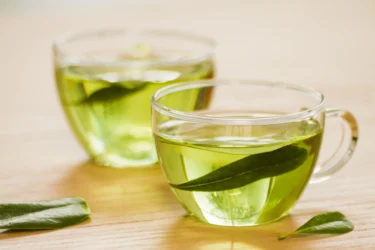
Anti-oxidants nourish the skin and protect it from free radical damage by substituting for the skin components that free radicals normally destroy. Anti-oxidants can be grouped into water-soluble anti-oxidants and oil-soluble anti-oxidants. Water-soluble anti-oxidants include vitamin C, coffeeberry, green tea and glutathione. Oil-soluble anti-oxidants include vitamin E and vitamin A2.
Red wine has anti-ageing properties and is present in different anti-oxidant skincare formulations. Apart from this compound, certain compounds present in peanuts and alfalfa sprouts help to manage and prevent wrinkles due to ageing2. There are two ways to take anti-oxidants for skin, i.e., dietary inclusion and topical application.

Vitamins play an essential role in skincare. Vitamins that are commonly used in skincare include vitamin A, vitamin E and vitamin C.
There are two ways to use vitamins for skin-oral intake and topical application.
Vitamins C, B3, and E are the most important antioxidants because of their ability to penetrate the skin through their small molecular weight.52 The water-soluble, heat-labile local L-ascorbic acid (vitamin C) in concentrations between 5 and 15% was proven to have a skin anti-aging effect . So whenever choosing fruits or creams look for these ingredients.
Dr. M.G. Kartheeka, MBBS, MD(Pediatrics)
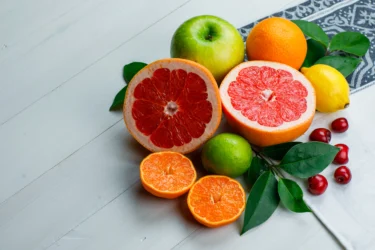
These acids are also referred to as fruit acids. They are known due to their anti-ageing effects, such as reducing fine wrinkles, spots, discoloured skin and dryness. Hydroxy acids are grouped into alpha-hydroxy acids and beta-hydroxy acids2.
The alpha-hydroxy acid group includes citric acid (obtained from citrus fruits), lactic acid (obtained from fermented fruits), glycolic acid (obtained from sugarcane), and tartaric acid (obtained from grapes) and malic acid (from fruits)2.
Alpha-hydroxy acids are helpful in managing dry and ageing skin. Beta-hydroxy acids can be used on oily and acne-prone skin2. Topical applications of alpha-hydroxy acids can be used for skin care.
Also Read: Simple Home Remedies For Acne Scars
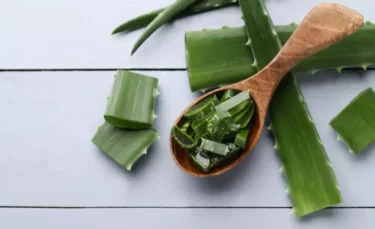
Sunburns, dark patches, discolourations, sagging or leathering, and wrinkles are all caused by ultraviolet (UV) B radiation, which is a shorter wave UV ray. Several natural remedies are known to protect from sun exposure. These include aloe vera, coconut oil, ginger, green tea, shea butter, vitamin E, caffeic acid and tamanu oil2. Topical applications of these herbs can be made for skin care in the following manner:
Some sunscreen can be taken and applied to your face. You can use a moisturiser after applying sunscreen. Sunscreen can be used every day before you are exposed to the sun.

These agents work by decreasing the quantity of melanin (the pigment responsible for skin pigmentation). Skin lightening agents are helpful in skin problems such as dark age spots, dullness and hyper-pigmentation, which are common conditions associated with ageing. Several natural agents are used as skin lightening agents, such as white mulberry extract, bearberry extract, vitamin B3, liquorice extract, citrus extract and Indian gooseberry2. These agents can be mixed with ingredients such as yoghurt and honey and then applied to the face.

These are useful ingredients in the skincare regimen for strengthening skin barrier function and boosting overall skin health. Natural oils have fatty acids that play an important role in maintaining the skin barrier and preventing ageing2.
The two groups of essential fatty acids include omega-3s and omega-6s. Omega-3s are present in flaxseed oil, chia oil and walnut oil. Omega-6s are present in safflower oil, sunflower oil, grapeseed oil and evening primrose oil2. A few drops of these oils can be taken on your palm, rubbed to make it warm and then massaged on your face.
Also Read: Natural Home Remedies for Itchy Skin
You can visit the doctor in the following cases:
Also Read: How to Get Rid of Skin Tags: A Step-by-Step Guide Based on Science
A variety of lifestyle measures such as avoiding excessive sun exposure, maintaining a healthy diet and following appropriate anti-ageing skincare practices can help in graceful ageing. With age, a lot of changes can be observed in the skin, such as less elasticity, thin and more fragile skin. Skin becomes more susceptible to bruising. Age spots and skin tags become very common as you age. With age, you can also develop dry skin. Natural ingredients are considered safe and effective for managing the symptoms of ageing. Home remedies such as cocoa butter, avocado oil, almond oil, castor oil, honey, jojoba oil, beeswax, green tea, shea butter, oats, turmeric and sunflower oil can be used on the face for anti-ageing benefits. It is essential to consult your physician if your condition starts affecting your mental health or if there are visible signs of premature ageing.
Also Read: Home Remedies For Dark Underarms
Avoiding smoking, overexposure to the sun, stress, following proper nutrition and physical activity and maintaining general health are some ways to delay signs of ageing1.
Age spots, also called liver spots, are flat, brown spots associated with ageing. These occur mostly due to long periods of exposure to the sun. They are bigger than freckles in appearance and commonly develop on the face, arms, hands, feet and back. Using sunscreen can help to prevent age spots2,4.
An anti-ageing skincare routine generally consists of vitamins along with other components. These can enhance skin texture and elasticity. Vitamins are vital for skin care as they reduce the appearance of wrinkles. Some of the commonly used vitamins in skincare include vitamins A, E and C. Vitamins can either be consumed or applied topically for benefits2.
With age, the skin becomes thinner and losses elasticity and even becomes more fragile as the fatty tissue content below the skin reduces. There is also reduced production of natural oils that makes the skin drier. Some of the visible signs of skin ageing are age spots, wrinkles and small growths called skin tags4.
Disclaimer: The information provided here is for educational/awareness purposes only and is not intended to be a substitute for medical treatment by a healthcare professional and should not be relied upon to diagnose or treat any medical condition. The reader should consult a registered medical practitioner to determine the appropriateness of the information and before consuming any medication. PharmEasy does not provide any guarantee or warranty (express or implied) regarding the accuracy, adequacy, completeness, legality, reliability or usefulness of the information; and disclaims any liability arising thereof.
Links and product recommendations in the information provided here are advertisements of third-party products available on the website. PharmEasy does not make any representation on the accuracy or suitability of such products/services. Advertisements do not influence the editorial decisions or content. The information in this blog is subject to change without notice. The authors and administrators reserve the right to modify, add, or remove content without notification. It is your responsibility to review this disclaimer regularly for any changes.
8
1


