
Pneumonia is a respiratory infection that affects the lungs. It can range from mild to severe and is caused by bacteria, viruses, or fungi. Pneumonia is a common illness that affects millions of people every year, and it can be especially dangerous for young children, the elderly, and people with weakened immune systems. Let us discuss and learn more about the different types of pneumonia, their symptoms, and their characteristics1.
There are several types of pneumonia that can cause respiratory distress and discomfort. Let us see more about in detail:
Bacterial pneumonia is a type of lung infection that is caused by bacteria. There are a few types of bacterial pneumonia, they include:
Causes
Bacterial pneumonia is caused by different types of bacteria like:
Symptoms
Diagnosis
Diagnosis of bacterial pneumonia involves clinical evaluation, laboratory evaluation, and radiological evaluation.
Viral pneumonia is a condition where the alveoli (air sacs) in the lungs are inflamed due to a viral infection or immune response5.
Causes
Viral pneumonia is caused by different types of viruses like:
Symptoms
Symptoms of viral pneumonia develop gradually over several days:
Symptoms of viral pneumonia in newborns and infants:
Symptoms of viral pneumonia in older adults and people with serious illnesses or weak immune systems:
Diagnosis
Diagnosing viral pneumonia is important because there are specific treatments available. While history and physical examination may not provide a definitive diagnosis, laboratory tests can help identify the virus causing the pneumonia. Some common diagnostic tests for viral pneumonia are:
Mycoplasma pneumonia is a type of bacteria that can infect people and cause respiratory infections, including pneumonia. While it typically affects the upper respiratory system, it can also lead to more serious lung infections6.
Causes
Symptoms
Symptoms commonly associated with Mycoplasma pneumonia include:
Symptoms usually appear within 1 to 4 weeks after the bacteria has infected the body8.
Diagnosis
Fungal pneumonia is a type of lung infection caused by certain types of fungi. It usually affects people who have weakened immune systems or chronic health problems, or who have been exposed to fungi from contaminated soil or bird droppings9.
Causes
Symptoms
Fungal pneumonia can cause symptoms that develop gradually over several days or weeks. They include:
Diagnosis
When food or liquid is inhaled into the lungs or airways as opposed to being swallowed, it leads to aspiration pneumonia11.
Causes
Here are the causes of aspiration pneumonia:
Symptoms
Diagnosis
The following tests are used to diagnose aspiration pneumonia:


Having good hygiene is an important step in the prevention of pneumonia.

Here are some lifestyle changes you can make to prevent pneumonia:
Also Read: Walking Pneumonia: What Is It, Causes, Symptoms, Diagnosis & Treatment
Also Read: Pneumococcal Vaccine: Types, Side Effects, and Who Needs It
In conclusion, understanding the different types of pneumonia is crucial for proper diagnosis and treatment. Identifying the specific type of pneumonia and its underlying cause is essential for selecting the appropriate treatment plan. Although some types of pneumonia can be prevented with vaccines and good hygiene practices, anyone can still contract pneumonia, and it is vital to seek medical attention if you experience symptoms.
Also Read: Natural Home Remedies for Pneumonia
Disclaimer: The information provided here is for educational/awareness purposes only and is not intended to be a substitute for medical treatment by a healthcare professional and should not be relied upon to diagnose or treat any medical condition. The reader should consult a registered medical practitioner to determine the appropriateness of the information before consuming any medication. PharmEasy does not provide any guarantee or warranty (express or implied) regarding the accuracy, adequacy, completeness, legality, reliability, or usefulness of the information; and disclaims any liability arising thereof.
Links and product recommendations in the information provided here are advertisements of third-party products available on the website. PharmEasy does not make any representation on the accuracy or suitability of such products/services. Advertisements do not influence the editorial decisions or content. The information in this blog is subject to change without notice. The authors and administrators reserve the right to modify, add, or remove content without notification. It is your responsibility to review this disclaimer regularly for any changes.
 2
2

Heart rhythm refers to the regular pattern of electrical impulses that control the contraction and relaxation of the heart muscle. It is typically measured as the electrical activity recorded by the electrocardiogram (ECG). Normal heart rhythm is referred to as sinus rhythm, which is characterized by a regular pattern of beats. Other types of heart rhythms include tachycardia (fast heartbeat), bradycardia (slow heartbeat), and arrhythmia (irregular heartbeat).
Sinus arrhythmia is a type of heart rhythm that is usually considered a normal and healthy variation. It is characterized by an irregular heartbeat, where the time between beats varies by more than 0.12 seconds. This variation is caused by changes in the activity of the vagus nerve, which is part of the autonomic nervous system that helps regulate heart rate and other bodily functions.
It is important for healthcare professionals to carefully evaluate patients who exhibit abnormal or persistent sinus arrhythmia, and to consider further testing or treatment as needed1.
Let us explore and learn about the symptoms, causes and prognosis of sinus arrhythmias.
Did you Know?
Sinus arrhythmia is a common finding in heart tests and is usually considered normal. Patients with sinus arrhythmia usually don’t have symptoms, but if they do, it’s depicting an underlying cause. Symptoms include:
Let us see some causes for sinus arrhythmias:
In my opinion, respiratory sinus arrhythmia is considered a normal variation. Your heart rate increases when you breathe in. When you exhale, it becomes slower. The ‘P-P interval’ is simply the amount of time between each heartbeat. There is a minute fluctuation of less than 0.16 seconds in most persons. When someone has a respiratory sinus arrhythmia, the P-P interval during exhalation will usually be more than 0.16 seconds14.
Dr. Siddharth Gupta, B.A.M.S, M.D (Ayu)
Let us see some risk factors that can increase the likelihood of developing sinus arrhythmia:
Sinus arrhythmia is more commonly seen in younger individuals, with the prevalence decreasing with age. If these arrhythmias persist as you age that could be a sign you need to consult a doctor1.
Studies6 have shown that females may have a higher prevalence of sinus arrhythmia than males.
Some individuals may have a higher risk of sinus arrhythmia due to genetic factors. There is some evidence to suggest that individuals of African descent may be more likely to have sinus arrhythmia due to genetic factors. However, more research is needed in this area7,12.
Certain medical conditions, such as hypothyroidism, hyperthyroidism, heart disease, or lung disease, may increase the likelihood of developing sinus arrhythmia5.
Factors such as stress, anxiety, lack of sleep, excessive alcohol or caffeine consumption, and drug use can increase the likelihood of experiencing sinus arrhythmia8,9.
Here are some points to highlight when a doctor’s visit is needed during pregnancy-related sinus arrhythmia:
If you are experiencing any concerning symptoms or have questions about your heart health, it is always best to speak with a healthcare professional.
Since respiratory sinus arrhythmia is found in young, otherwise healthy adults, it may be difficult to cope with. As people age, it often declines, particularly in those with diabetes or heart trouble. In general, people can benefit from making an effort to keep their hearts healthy1.
Dr. Rajeev Singh, BAMS
Sinus arrhythmia is a normal variation in the human body and rarely causes any complications. However, in some cases, it can be a sign of underlying heart or lung disease that may require further investigation and treatment. Additionally, if sinus arrhythmia is accompanied by symptoms such as shortness of breath, chest pain, or fainting, it may be an indication of a more serious heart condition and requires immediate medical attention.
Furthermore, in rare cases, sinus arrhythmia can progress to a more severe form of arrhythmia, such as atrial fibrillation, which can increase the risk of stroke and heart failure. Therefore, it is essential to seek medical attention if you experience any symptoms of sinus arrhythmia1.
Your doctor will come to the diagnosis of sinus arrhythmia using the following methods:
Treatment of sinus arrhythmia is not typically required as it is a harmless condition mostly, unless otherwise indicated. The treatment options for sinus arrhythmia include:
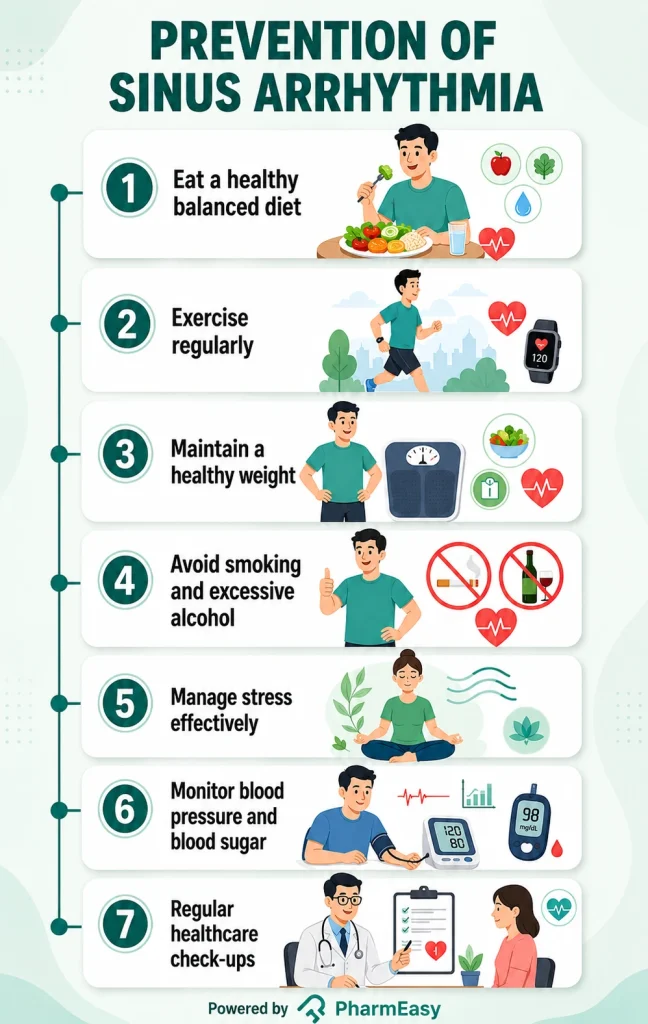
Sinus arrhythmia is a benign condition and generally does not require specific prevention measures. However, adopting a healthy lifestyle can reduce the risk of developing underlying conditions that may cause sinus arrhythmia, such as cardiovascular disease, diabetes, and hypertension.
Some preventive measures to consider include:
Also Read: What Is a Dangerous White Blood Cell Count and How to Increase White Blood Cells?
Sinus arrhythmia is usually a normal finding, and most people with sinus arrhythmia do not need to see a doctor specifically for this condition. The signs which do need a professional opinion are:
If you have any concerns about your heart health or are experiencing any concerning symptoms, it is always a good idea to consult with your doctor1,2.
Also Read: Low HDL (Good) Cholesterol: Causes, Symptoms & How to Increase It
Sinus arrhythmia is a common and, in most cases, harmless variation in heart rhythm that is closely tied to normal breathing patterns and vagal nerve activity rather than underlying heart disease. Most people have no symptoms and require no treatment beyond routine monitoring, though certain risk factors, such as age, underlying thyroid or heart conditions, and pregnancy, can influence how it presents. Because its absence, rather than its presence, can sometimes signal an underlying chronic condition, any unusual symptoms like dizziness, palpitations, chest pain, or breathlessness should be evaluated promptly. Staying on top of regular check-ups and maintaining a heart-healthy lifestyle remain the best ways to keep both sinus arrhythmia and its potential underlying causes in check.
No, in most cases sinus arrhythmias do not cause any harm to the individual.
In most cases, no treatment is required for sinus arrhythmia. However, if the arrhythmia is causing symptoms or is associated with an underlying medical condition, treatment may be necessary.
In some cases, sinus arrhythmia may be associated with dizziness or light-headedness, especially if the arrhythmia is causing a significant change in heart rate.
Sinus arrhythmia is not generally considered to be hereditary, although certain genetic factors may increase the risk of developing the condition.
Sinus arrhythmia is more common in children than in adults.
Disclaimer: The information provided here is for educational/awareness purposes only and is not intended to be a substitute for medical treatment by a healthcare professional and should not be relied upon to diagnose or treat any medical condition. The reader should consult a registered medical practitioner to determine the appropriateness of the information and before consuming any medication. PharmEasy does not provide any guarantee or warranty (express or implied) regarding the accuracy, adequacy, completeness, legality, reliability or usefulness of the information; and disclaims any liability arising thereof.
Links and product recommendations in the information provided here are advertisements of third-party products available on the website. PharmEasy does not make any representation on the accuracy or suitability of such products/services. Advertisements do not influence the editorial decisions or content. The information in this blog is subject to change without notice. The authors and administrators reserve the right to modify, add, or remove content without notification. It is your responsibility to review this disclaimer regularly for any changes.
4
0
Cancer appears as a solid tumor (lump) that is malignant1. Penile cancer is a cancer of the penis (the external part of the male urinary and reproductive system). The cells present in the tissues of the penis give rise to different types of penile cancer.
Depending upon the type of cell affected in the penis, the type of penile cancer is determined. Following are the type of penile cancers: Squamous cell cancer, Melanoma, Basal cell cancer, Adenocarcinoma (Paget’s disease of the penis), and Sarcoma2. Penile cancers can start in any part of the penis.
Most commonly it has been found to begin on the head or foreskin of the penis. This cancer goes untreated in many individuals since it is associated with psychological distress. Males suffering from this type of cancer often delay seeking medical opinion because they fear and suffer embarrassment4 . Males who are over 55 years are most often detected with penile cancer. However, people who are under the age of 40 can also develop this type of cancer.
Did you know?
Irrespective of the type of penile cancer, mostly the foreskin and the tip of the penis (glans) get affected. Therefore, penile cancer symptoms are first visible on this part of the penis5.
Signs of penile cancer are listed as under:
The following are the symptoms of penile cancer:
Penile cancer is a rare form of cancer that starts in the tissues of the penis. The exact cause of penile cancer is not clear, but several factors have been identified that may increase the risk of developing this type of cancer:
Risk factors are not the factors causing penile cancer but these factors increase the chance of occurrence of developing penile cancer. Below are some of the risk factors3:
Upon visiting the doctor following diagnostic protocols are carried out to understand the developing penile cancer in an individual. The mean age of diagnosis of penile cancer is at the age of 60 years4.
Treatment strategy for penile cancer depends on the size of the tumour, cancer stage, spread of the cancer, and its likelihood of relapsing after the treatment3. Often, treatment options are combined to have maximum therapeutic effect, following is a list of treatments that might be employed for treating penile cancer:
In my experience, a healthy skin cell may become a cancer cell when you have penile cancer. Uncontrolled cancer cell growth results in the formation of a tumour that pushes the healthy cells aside. As time passes, cancer cells have the potential to invade further organs and tissues in your body. I strongly recommend routine complete body checkups for those who have a family history of cancer3.
Dr. Rajeev Singh, BAMS
Following are the possible preventive measures7:
Also Read: Does Masturbating Increase Risk of Prostate Cancer or Vice Versa?
Penile cancer complications are like any complication that arises due to surgical incidents such as:
Did you know squamous cell carcinoma (SCC) makes up 95% of penile cancer cases? This type of cancer develops in the epithelium that is the top layer of your skin. Different types of tissues may develop other forms of penile cancer: basal cell carcinoma (BCC), melanoma, and sarcoma. Out of these, the malignancy melanoma is more dangerous3.
Dr. Siddharth Gupta, B.A.M.S M.D (Ayu)
One should visit the doctor if the following conditions are observed. As a regular practice, one should look for the mentioned changes that occur in and around the penis:
Also Read: How Exercise Can Help You Deal with Breast Cancer
Penile cancer, though rare, is a serious condition that requires timely recognition and treatment. The stigma, fear, and lack of awareness surrounding male reproductive health often lead to delayed diagnoses, affecting outcomes. Understanding the symptoms, risk factors, and causes, especially the role of HPV and poor hygiene can empower men to take preventive steps early on.
Fortunately, with advancements in diagnostics and treatment, many cases can be managed effectively when detected in time. Maintaining proper genital hygiene, avoiding tobacco, practicing safe sex, and not ignoring unusual symptoms are key pillars of prevention. If you notice any persistent changes in or around the penis, do not hesitate to consult a doctor. Early action can make a significant difference, not just in treatment success but also in overall well-being and quality of life.
Also Read: Jaundice: Symptoms, Treatment, Causes and Types
As soon as your doctor confirms penile cancer, treatment strategies should be discussed with the doctor.
Most men can typically have an erection and continue their sexual life normally after the cancerous area has been removed (wide local excision)9. Most men can typically have an erection and continue their sexual life normally after the cancerous area has been removed (wide local excision)9.
Penile tissue is kept alive during many cancer therapies. This means that your penis finally recovers to resemble its pre-treatment appearance almost exactly. You’re still able to urinate when standing10.
A surgical oncologist, a urologist who focuses on urinary tract issues, a medical oncologist, and a radiation oncologist are frequently on a penile cancer team.
This occurs often 7 to 14 days following your operation11.
Disclaimer: The information provided here is for educational/awareness purposes only and is not intended to be a substitute for medical treatment by a healthcare professional and should not be relied upon to diagnose or treat any medical condition. The reader should consult a registered medical practitioner to determine the appropriateness of the information and before consuming any medication. PharmEasy does not provide any guarantee or warranty (express or implied) regarding the accuracy, adequacy, completeness, legality, reliability or usefulness of the information; and disclaims any liability arising thereof.
3
0
Pregnancy is a critical time when the growing baby relies on the placenta to receive oxygen and essential nutrients from the mother’s bloodstream. In some cases, the placenta may attach itself to the bottom of the uterus, blocking the cervix, completely or partially, causing a condition called placenta previa. This condition makes it extremely difficult for the baby to be delivered vaginally, and it requires medical attention. The primary goal of treatment is to manage the symptoms and prolong the pregnancy until at least 36 weeks.
Let us explore more about placenta previa, its causes, symptoms, diagnosis, and treatment options in detail1.
Did you know?
The signs and symptoms of placenta previa can include:
Placenta previa is a condition during pregnancy where the placenta blocks all or part of your baby’s exit from your vagina. The most common symptom is vaginal bleeding in the second half of pregnancy. People with placenta previa typically need a C-section delivery3.
Dr. M.G. Kartheeka, MBBS MD(Pediatrics)
The exact reason why placenta previa occurs is not known. However, research has shown that having scar tissue or damage in the lining of the uterus may increase the risk of developing this condition. This damage can be caused by a C-section or a surgery of the uterus done previously such as myomectomy (a surgery to remove non-cancerous growths called fibroids from the uterus, while leaving the uterus intact). It’s important to remember that not all women who have had these surgeries will develop placenta previa, and some women without any of these risk factors can still develop this condition3.
There are several risk factors that can increase the likelihood of developing the condition:
Placenta previa is typically diagnosed by pregnancy care providers using ultrasound imaging to check the position of the placenta in relation to the cervix. The following tests may be used to diagnose placenta previa:
Both types of ultrasounds produce images on a monitor or screen, allowing healthcare providers to determine the extent to which the placenta covers the cervix.
Placenta previa can be identified during a routine ultrasound at around 20 weeks of pregnancy, or it may be discovered if a person experiences symptoms such as vaginal bleeding.
If placenta previa is diagnosed, healthcare providers will monitor the placement of the placenta through regular ultrasounds and determine the appropriate treatment plan based on the extent of the condition2.

Placenta previa treatment depends on several factors, including bleeding severity, gestational age, placenta position, and maternal and fetal health. Treatment options include:
Placenta previa cannot always be prevented. Many of its risk factors, such as a previous cesarean delivery, prior uterine surgery, or advancing maternal age, are not within a person’s control. However, the following steps may help lower your risk where possible and support a safer pregnancy:
Placenta previa poses risks for both the mother and the baby. Here are some potential complications:
Additionally, placenta previa can lead to haemorrhage, emergency C-sections, and placenta accreta spectrum, which is a group of conditions where the placenta grows into or through the wall of the uterus, increasing the risk of bleeding during pregnancy or delivery. Close monitoring by healthcare providers can help reduce the risk of these complications2.
Also Read: Are Blood Clots During Your Period Normal? Causes and Treatment Options
Placenta previa is a serious but manageable pregnancy complication in which the placenta partially or completely covers the cervix. While it cannot always be prevented, most cases are identified through routine ultrasound and can be safely managed with close monitoring, activity modification, and, when needed, a planned cesarean delivery, typically between 36 and 37 weeks. Prompt reporting of any vaginal bleeding, regular prenatal care, and open communication with your healthcare provider remain the most important steps toward a safe delivery for both mother and baby.
In most cases, a C-section is necessary for the safe delivery of the baby.
In some cases, the placenta can move away from the cervix as the uterus grows.
Every 1 in 200 pregnancies, on average, can show placenta previa.
No, there is no evidence to suggest that placenta previa is hereditary.
Yes, some women may have placenta previa without experiencing any symptoms.
Disclaimer: The information provided here is for educational/awareness purposes only and is not intended to be a substitute for medical treatment by a healthcare professional and should not be relied upon to diagnose or treat any medical condition. The reader should consult a registered medical practitioner to determine the appropriateness of the information and before consuming any medication. PharmEasy does not provide any guarantee or warranty (express or implied) regarding the accuracy, adequacy, completeness, legality, reliability or usefulness of the information; and disclaims any liability arising thereof.
Links and product recommendations in the information provided here are advertisements of third-party products available on the website. PharmEasy does not make any representation on the accuracy or suitability of such products/services. Advertisements do not influence the editorial decisions or content. The information in this blog is subject to change without notice. The authors and administrators reserve the right to modify, add, or remove content without notification. It is your responsibility to review this disclaimer regularly for any changes.
1
Hepatomegaly, also known as an enlarged liver, occurs when the liver swells beyond its normal size, indicating some health issues. It is not a disease in itself but it is often considered a symptom of underlying liver disease. The liver performs essential functions in the body, including filtering toxins from the blood and regulating cholesterol. An enlarged liver can indicate a potential problem with these functions, and prompt investigation is necessary to identify and address the underlying cause1,2.
Let’s take a closer look at what is hepatomegaly, its causes, diagnosis and treatment.
Hepatomegaly may not cause noticeable symptoms on its own. However, it may be accompanied by signs and symptoms like:
If you experience any of these symptoms, consult with your healthcare provider promptly for a timely diagnosis and appropriate treatment1,3.
Did you know?
The causes of liver enlargement refer to the various medical conditions that lead to an increase in liver size. Several conditions can cause the liver to enlarge. The possible causes include:
Fatty liver which a very common cause of hepatomegaly is on the rise primarily because of an increase in obesity, type 2 diabetes, and consumption of alcohol. Appropriate lifestyle changes and early diagnosis helps to beat it.
Dr. M.G. Kartheeka, MBBS MD
The causes of hepatomegaly may vary and are not the same as risk factors. Risk factors increase the likelihood of developing liver problems but do not necessarily cause liver enlargement. Hepatomegaly, or an enlarged liver, can be caused by a variety of factors, including:
To diagnose an enlarged liver, your doctor may perform the following procedures4:
The treatment for hepatomegaly depends on the underlying cause of the disease. Here are some key points regarding the treatment of hepatomegaly:
Your healthcare provider will advise on the best course of treatment for your specific situation1,4.
To prevent the risk of developing hepatomegaly, here are some do’s and don’ts to follow:
Also Read: Hepatitis B: What It Is, Causes, Symptoms & Treatment
Hepatomegaly, or an enlarged liver, can lead to several complications, especially if left untreated. Some of the common complications of hepatomegaly are:
Hepatomegaly with or without elevated liver function tests may be secondary to multiple causes, which include drug side effects, active lupus infection, fatty infiltration, hepatic vein or artery thrombosis, and congestion secondary to right heart failure.
Dr. Ashish Bajaj, M.B.B.S. M.D. in Clinical Pharmacology and Toxicology
Also Read: Palmar Erythema (Liver Palms): Causes, Symptoms, Treatment & More
If you suspect any swelling or tenderness in the liver area or have unusual symptoms, it is essential to seek medical attention. Don’t hesitate to contact your healthcare provider if you notice persistent fever, confusion or disorientation, weakness, lightheadedness, or yellowing of the eyes or skin. These signs may indicate a more severe underlying condition and require immediate evaluation and treatment. So, if you are concerned about any symptoms or changes in your body, it’s always better to consult with a medical professional right away1.
Also Read: Natural Home Remedies for Fatty Liver
No, hepatomegaly itself is not typically fatal. However, the underlying conditions that cause hepatomegaly, such as liver disease or cancer, can be life-threatening if left untreated.
Yes, other viral infections such as cytomegalovirus (CMV) and Epstein-Barr virus (EBV) can also cause hepatomegaly.
Yes, hepatomegaly may be reversible in certain cases. However, it is important to consult with your healthcare provider to see the extent of your disease and to get the best possible care1.
Hepatomegaly is a relatively common medical condition and can occur in both adults and children.
No, hepatomegaly is not contagious, but certain underlying conditions that cause hepatomegaly such as tuberculosis may be contagious.
Disclaimer: The information provided here is for educational/awareness purposes only and is not intended to be a substitute for medical treatment by a healthcare professional and should not be relied upon to diagnose or treat any medical condition. The reader should consult a registered medical practitioner to determine the appropriateness of the information and before consuming any medication. PharmEasy does not provide any guarantee or warranty (express or implied) regarding the accuracy, adequacy, completeness, legality, reliability or usefulness of the information; and disclaims any liability arising thereof.
Links and product recommendations in the information provided here are advertisements of third-party products available on the website. PharmEasy does not make any representation on the accuracy or suitability of such products/services. Advertisements do not influence the editorial decisions or content. The information in this blog is subject to change without notice. The authors and administrators reserve the right to modify, add, or remove content without notification. It is your responsibility to review this disclaimer regularly for any changes.
5
1
अश्वगंधा या Withania somnifera, आयुर्वेदिक चिकित्सा प्रणाली में उपयोग की जाने वाली एक लोकप्रिय जड़ी बूटी है। यह एक तरह की छोटी झाड़ी है जो Solanaceae परिवार का एक हिस्सा है। यह अलग-अलग रोगों के लिए और ज़्यादातर एक नर्व टॉनिक के रूप में (नसों पर आरामदायक प्रभाव डालने वाला) उपयोगी हो सकता है। अश्वगंधा को आमतौर पर इंडियन जिनसेंग या इंडियन विंटर चेरी कहा जाता है। अश्वगंधा अपने रसायन (टॉनिक) गुण के लिए जाना जाता है। रसायन एक हर्बल या मैटेलिक फ़ॉर्मूलेशन है जो एक ताज़गी भरे शारीरिक और मानसिक स्वास्थ्य के साथ-साथ खुशी का अहसास भी दिलाता है।
अश्वगंधा की खेती दक्षिण एशिया, अफ्रीका और मध्य एशिया के खुश्क इलाकों में की जाती है। अश्वगंधा के पौधे के अलग-अलग भागों से 50 से अधिक रासायनिक घटकों को अलग किया गया है।[1]
100 ग्राम अश्वगंधा में जो पोषक तत्व पाए जाते हैं वो इस प्रकार हैं:
| पोषक तत्त्व | वैल्यू |
| एनर्जी | 250 g |
| टोटल डाइटरी फाइबर | 25 g |
| कार्बोहाइड्रेट | 75 g |
टेबल 1: अश्वगंधा की न्यूट्रीशनल वैल्यू 2
अश्वगंधा की शानदार खूबियाँ इस प्रकार हैं:
मानव स्वास्थ्य के लिए अश्वगंधा के शानदार उपयोग इस प्रकार हैं

अश्वगंधा में एंग्ज़योलिटिक (घबराहट से राहत देने वाले) गुण हो सकते हैं जो लॉराज़ेपाम नामक दवा की तरह ही होते हैं। पशुओं में किए गए एक अध्ययन के अनुसार, अश्वगंधा और लोराज़ेपम दोनों ही पशु मॉडल में चिंता को कम करने में मदद कर सकते हैं। अश्वगंधा में एंटीडिप्रेसेंट गुण भी हो सकते हैं। इससे यह पता चलता है कि अश्वगंधा डिप्रेशन और घबराहट को कम करने में मदद कर सकता है।1 हालाँकि, इस दिशा में अभी और शोध की आवश्यकता है। डिप्रेशन और घबराहट ऐसी स्थितियाँ हैं जिन पर गंभीर ध्यान देने की आवश्यकता हो सकती है और इसके लिए किसी डॉक्टर से मेडिकल सहायता लेनी चाहिए।
अश्वगंधा में आर्थराइटिस के इलाज के लिए शानदार गुण हो सकते हैं जिन्हें बड़े पैमाने पर स्वीकार और रिपोर्ट किया जा सकता है। अश्वगंधा नर्वस सिस्टम को शांत करके दर्द को दूर करने में मदद कर सकता है। एक प्रायोगिक अध्ययन में, रोगियों को अश्वगंधा वाला फ़ॉर्मूला दिया गया। इस अध्ययन में यह पाया गया कि यह हर्बल फ़ॉर्मूलेशन दर्द और विकलांगता की गंभीरता को कम कर सकता है।1,4 हालांकि, आर्थराइटिस एक गंभीर स्थिति है और इसकी पहचान और इलाज डॉक्टर द्वारा किया जाना चाहिए।

अश्वगंधा एक लोकप्रिय आयुर्वेदिक रसायन है और रसायन के एक उप-समूह मेध्या रसायन से संबंधित है। मेध्या का अर्थ है मानसिक/बौद्धिक क्षमता। अश्वगंधा याददाश्त और बुद्धि को बढ़ाने में मदद कर सकता है। कोगनीशन के लिए अश्वगंधा का शानदार लाभ कमज़ोर याददाश्त वाले बच्चों और वृद्धावस्था में एनेकडॉटल एविडेंस के रूप में देखा गया।1 हालांकि, ऐसे दावों का कोई वैज्ञानिक आधार नहीं होता। इसलिए, इस दिशा में अभी और शोध की आवश्यकता है।

मानसिक तनाव के कारण सर्कुलेटरी सिस्टम और दिल के स्वास्थ्य पर उल्टा असर पड़ता है। तनाव शरीर के एंटीऑक्सीडेंट डिफेन्स सिस्टम को भी प्रभावित करता है। अश्वगंधा शरीर को तनाव झेलने के लिए तैयार करने में मदद कर सकता है। यह मानसिक और शारीरिक स्वास्थ्य को बेहतर बनाने में भी प्रभावी हो सकता है।5 हालांकि, ऐसे दावों को साबित करने के लिए अभी और ज़्यादा शोध की आवश्यकता है।
एक अध्ययन में पाया गया कि प्लेसिबो की तुलना में अश्वगंधा के एक एक्वस एक्सट्रैक्ट के साथ किए गए इलाज ने दर्द की सीमा (एक बिंदु जिसके आगे एक ट्रिगर दर्द पैदा करता है) को बढ़ाने की क्षमता दिखाई, जिससे पता चलता है कि अश्वगंधा एक एनाल्जेसिक एजेंट (दर्द कम करने वाला) हो सकता है।4 हालांकि, इन्हें ठोस तथ्यों के रूप में दिखाने के लिए अभी और शोध की आवश्यकता है।

अश्वगंधा नींद से संबंधित समस्याओं से आराम दिलाने में मदद कर सकता है और इसमें नींद लाने वाले गुण हो सकते हैं। यह जल्दी नींद लाने में भी मदद कर सकता है और नींद को आरामदायक बनाने में भी काफ़ी लाभदायक है।7
हालांकि, अलग-अलग परिस्थितियों में अलग-अलग अध्ययन अश्वगंधा के शानदार उपयोग दिखाते हैं, लेकिन ये अध्ययन काफ़ी नहीं हैं और मानव स्वास्थ्य पर अश्वगंधा के लाभ कितने कारगर हैं यह पक्का करने के लिए आगे और अध्ययन की आवश्यकता है।
अश्वगंधा के खास फ़ॉर्मूलेशन में शामिल हैं:
यह चाय, गोलियों, गम्मीज़ या टिंचर के रूप में भी उपलब्ध है। अश्वगंधा की जड़ें, बीज, पत्ते और फूल औषधीय कार्यों के लिए उपयोग किए जा सकते हैं।1,7,8
कोई भी हर्बल सप्लीमेंट लेने से पहले आपको किसी अनुभवी डॉक्टर से सलाह लेनी चाहिए। किसी अनुभवी डॉक्टर से सलाह लिए बिना अपने आधुनिक चिकित्सा के जारी इलाज को न तो बंद करें और न ही इसके बजाय कोई आयुर्वेदिक/हर्बल प्रिपरेशन लेना शुरू करें।
लंबे समय तक अश्वगंधा के उपयोग की सुरक्षा को लेकर कोई भी पुख्ता जानकारी उपलब्ध नहीं है। हालांकि, अश्वगंधा के सबसे आम साइड इफ़ेक्ट इस प्रकार हैं:
जो साइड इफेक्ट्स कम देखने को मिलते हैं:
अश्वगंधा (Ashwagandha) से लिवर डैमेज भी हो सकता है। अगर आप किसी भी साइड इफेक्ट्स का अनुभव करते हैं, खासतौर पर खुजली वाली त्वचा या पीलिया जैसा लिवर डैमेज की स्थिति में होता है, तो अपने डॉक्टर से तुरंत बात करना बहुत ज़रूरी है।7 इसलिए, अश्वगंधा का उपयोग करने से पहले कृपया किसी आयुर्वेदिक चिकित्सक से सलाह ज़रूर लें। वे आपके स्वास्थ्य की ज़रूरतों के हिसाब से आपको सही सलाह देंगे।
कुछ स्थितियों में अश्वगंधा के उपयोग से बचना चाहिए जैसे:
कृपया अपना इलाज खुद करने की ग़लती न करें, न ही किसी जारी इलाज को बदलें, हटाएं या बंद करें। कृपया डॉक्टर से सलाह ज़रूर लें।
नीचे बताई गई चीज़ों के साथ अश्वगंधा का उपयोग करते समय सावधानी बरतना आवश्यक है:
यह जानने के लिए अपने डॉक्टर से सलाह लेना बहुत ज़रूरी है कि कहीं दूसरी दवाओं के साथ अश्वगंधा का टकराव तो नहीं होता है।4
Read in English: Ashwagandha: Uses, Benefits & Side Effects
अश्वगंधा आयुर्वेदिक चिकित्सा में इस्तेमाल होने वाली एक प्रसिद्ध जड़ी बूटी है। इसके आम नाम विंटर चेरी और इंडियन जिनसेंग भी हैं। यह Withania sominfera नाम की एक छोटी सदाबहार झाड़ी से मिलता है। अश्वगंधा कई तरह की बीमारियों के इलाज में मददगार साबित हो सकता है।
भारत में अश्वगंधा की खेती उत्तर प्रदेश, गुजरात, राजस्थान, पंजाब और मध्य प्रदेश में की जाती है।4
अश्वगंधा की जड़ों का काढ़ा सर्दी-जुकाम में बहुत आरामदायक हो सकता है। इस जड़ की छाल अस्थमा के इलाज में भी मददगार साबित हो सकती है।4 कृपया अपना इलाज खुद करने की ग़लती न करें। आम सर्दी-ज़ुकाम के लिए अश्वगंधा लेने से पहले डॉक्टर से सलाह ज़रूर लें।
आयुर्वेदिक चिकित्सा में, अश्वगंधा की जड़ का उपयोग आयुर्वेदिक चिकित्सक द्वारा ट्यूमर, सूजन, स्क्रोफुला (कंठमाला) (एक प्रकार की टी.बी.) और रूमेटॉय्ड आर्थराइटिस (जोड़ों और हड्डियों को प्रभावित करने वाली स्थिति) से निपटने के लिए सूजन कम करने वाली दवा के रूप में किया जाता है।4 हालांकि, आपको सलाह दी जाती है कि ऊपर बताई गई स्थितियों के लिए अश्वगंधा का उपयोग अपनी मर्ज़ी से न करें। कृपया इसके लिए किसी आयुर्वेदिक चिकित्सक से सलाह लें।
अश्वगंधा को सिंकोप (मस्तिष्क में रक्त का भरपूर प्रवाह न मिल पाने पर कुछ समय के लिए होश खोना), बवासीर, ट्यूमर, सर्वाइकल लिम्फैडेनाइटिस (गर्दन की लिम्फ नोड्स का बढ़ना), गाउट (एक प्रकार का गठिया), त्वचा के रोग, विटिलिगो (एक स्वास्थ्य समस्या जिसके कारण त्वचा का रंग फीका पड़ जाता है), लॉकजॉ, हार्ट फेलियर, फोड़े (मवाद इकट्ठा होना जिसमें दर्द होता है), घुटने की जकड़न, कैशेक्सिया (मांसपेशियों और वज़न में कमी आना), हड्डी का फ्रैक्चर, और डायबिटिक कार्बनकल (दर्द भरे फोड़ों का एक गुच्छा) जैसी स्थितियों के लिए दिया जाता है।4 कृपया डॉक्टर से सलाह ज़रूर लें। अपना इलाज खुद करने की ग़लती न करें।
अश्वगंधा पुरुषों की ताकत, सहनशक्ति और प्रजनन क्षमता में सुधार कर सकता है। यह भी मानसिक तनाव को कम करने और प्रतिरक्षा प्रणाली को मजबूत करने में मदद कर सकता है।
उपयुक्त अश्वगंधा खुराक व्यक्ति के स्वास्थ्य स्थिति, उम्र, और उपयोग के उद्देश्य के आधार पर भिन्न होती है। सामान्यतः, 1 से 3 ग्राम की दिन में दो बार खुराक सुझाई जाती है। लेकिन इससे पहले चिकित्सा पेशेवर से परामर्श करना उचित होगा।
अश्वगंधा का प्रभाव व्यक्ति के शारीरिक स्वास्थ्य, उम्र, और उपयोग के आधार पर भिन्न होता है। कुछ लोगों को इसके प्रभाव को 1-2 हफ्तों में महसूस हो सकता है, जबकि अन्यों को इसे लेने में अधिक समय लग सकता है। इसलिए, यह व्यक्ति के शारीरिक और मानसिक प्रतिसाद पर निर्भर करता है।
आश्वगंधा वजन बढ़ाने के लिए एक संतुलित आहार और प्रयासों के साथ मदद कर सकता है, परन्तु यह यौगिक तौर पर वजन बढ़ाने का कारण नहीं है। इसका उपयोग वजन नियंत्रण, तनाव प्रबंधन, और ऊर्जा बढ़ाने के लिए किया जा सकता है।
हाँ, कुछ अध्ययनों के अनुसार, आश्वगंधा टेस्टोस्टेरोन को बढ़ाने में मदद कर सकता है। इसका उपयोग पुरुषों में हॉर्मोनल संतुलन को सुधारने और शारीरिक ताकत को बढ़ाने के लिए किया जा सकता है।
हां, कुछ अध्ययनों के अनुसार, आश्वगंधा चिंता को कम करने में मदद कर सकता है। यह एक प्राकृतिक अडैप्टोजेन है, जो शरीर को तनाव का संचालन करने में मदद करता है और विश्राम को बढ़ावा देता है। हालांकि, व्यक्तिगत प्रतिक्रियाएँ भिन्न हो सकती हैं और चिकित्सा पेशेवर की सलाह लेना उचित है।
नहीं, आश्वगंधा शरीर का तापमान बढ़ाने में मदद नहीं करता है। वास्तव में, यह एक प्राकृतिक शांतिदायक होता है जो तनाव को कम करने और शारीरिक संतुलन को संरक्षित करने में सहायक होता है।
गर्भावस्था के दौरान आश्वगंधा का सेवन करने से पहले, आपको अपने डॉक्टर से परामर्श करना चाहिए। कुछ अध्ययनों में इसका असर नकारात्मक हो सकता है, इसलिए सुरक्षित अनुमति के लिए विशेषज्ञ की सलाह लें।
हां, बहुत से लोग रोजाना आश्वगंधा का सेवन करते हैं। यह एक प्राकृतिक औषधि है जो दिनचर्या में सम्मिलित की जा सकती है। लेकिन जरूरी है कि आप इसे अपने स्वास्थ्य प्रश्नों और डॉक्टर की सलाह के अनुसार लें।
Disclaimer: The information provided here is for educational/awareness purposes only and is not intended to be a substitute for medical treatment by a healthcare professional and should not be relied upon to diagnose or treat any medical condition. The reader should consult a registered medical practitioner to determine the appropriateness of the information and before consuming any medication. PharmEasy does not provide any guarantee or warranty (express or implied) regarding the accuracy, adequacy, completeness, legality, reliability or usefulness of the information; and disclaims any liability arising thereof.
Links and product recommendations in the information provided here are advertisements of third-party products available on the website. PharmEasy does not make any representation on the accuracy or suitability of such products/services. Advertisements do not influence the editorial decisions or content. The information in this blog is subject to change without notice. The authors and administrators reserve the right to modify, add, or remove content without notification. It is your responsibility to review this disclaimer regularly for any changes.
26
4
Hippocrates, “the father of medicine,” has rightly described Nature as the best physician. Since ancient times, different parts of plants like leaves, seeds, flowers, roots and stems have been used for their medicinal value. One such plant which is of great significance is dronapushpi. Dronapushpi is a herb commonly found in India, from the Himalayas and down to Ceylon. The scientific name of this plant is Leucas aspera, and it belongs to the family Lamiaceae. In Sanskrit, it is known as dronapushpi, chitrak-shupa and chitrapathrika. In Hindi, it is called goma madhupati. It is known as thumbai, bahuphul in Marathi and Tunni in Southern India. In this article, we will learn more about dronapushpi, its health benefits, side effects, precautions, etc1.
Dronapushpi contains different types of phytochemicals, which include phytosterols (plant sterols) like β-Sitosterol and its glycoside and terpenes (organic compounds found in oils) like norlabdane, labdane, abietane-leucasdins A, B, C and leucastrins A and B. The oil of dronapushpi contains fatty acids like adipic acid, laballenic acid, tridecanoic acid, lauric acid and glutaric acid2.
Dronapushpi shows numerous scientifically proven properties, some of which are mentioned below:
Based on a study2 I read, it was found that dronapushpi flower balls might provide a satisfying combination of carbohydrates, fats, proteins, iron, and calcium. Thus, they may offer a convenient and tasty option that may be enjoyed as a snack while providing the body with valuable nourishment.
Dr. Smita Barode, B.A.M.S, M.S.
Some of the potential benefits of dronapushpi are described below.

Literature states that dronapushpi may have the potential to kill harmful fungi. Prajapati et al. conducted a study1 in 2010. The findings of this study showed that leaves obtained from dronapushpi plant helped in killing fungi like Microsporum gypseum and Trichophyton rubrum. This indicates that it may have the potential to manage hair, skin, scalp and nail infections caused due to these fungi. However, we have yet to claim these results with greater reliability. It is further advised not to self-medicate and consult your physician for proper treatment of any fungal infection.

Ayurvedic literature supports the use of different plant extracts that may help manage bacterial infections. A study1 conducted by Prajapati et al. in 2010 stated that the oil extracted from dronapushpi might arrest the growth of bacterias like S.aureus, S.typhi, K.aerogenes, E.coli and P.vulgaris and may have the potential to manage pneumonia, typhoid, urinary tract infections and diarrhoea caused by these bacteria. However, due to limited studies, it is advised not to rely on dronapushpi as a remedy and kindly consult your physician for the proper management of any bacterial infections.

Ever wondered what happens to the food that we eat? The food that we eat is broken down into glucose by enzymes like alpha-glucosidase and alpha-amylase. Verma et al. 2017 conducted a study8, and the results of this study show that dronapushpi may help lower blood glucose and may have a positive impact on diabetes. This effect is due to the inhibition of alpha-amylase, which helps in reducing blood glucose levels. However, we need more studies to claim these results with greater reliability. Also, it is advised not to consider dronapushpi as an alternative to modern medicine; you should always consult your doctor for proper management of diabetes3.
Literature studies support the use of herbs like dronapushpi for managing fever. A study1 conducted by Prajapati et al. in 2010 stated that dronapushpi might help reduce body temperature if you have a fever. Additionally, it may help manage the cough. This indicates that this herb may positively impact fever and cough. The exact mechanism behind these effects is unclear, and thus, you should not rely on dronapushpi for the treatment of fever or cough. It is best to consult your doctor for the proper treatment.
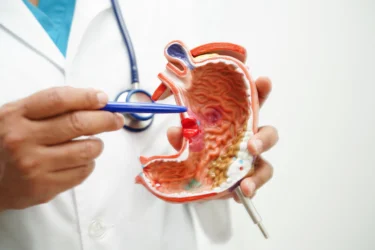
Peptic ulcer or gastric ulcers are sores on the lining of the stomach, food pipe (esophagus) or small intestine. Ulcers are usually associated with stomach pain, indigestion and acid reflux. Many literature studies2 support the use of herbal preparations like dronapushpi for managing ulcers. Hiremath et al., in 2022 stated that this herb may help in reducing gastric acid production and, thus, help manage ulcers. However, it is advised not to consider dronapushpi as an alternative to modern medicine, and you should consult your doctor for the proper management of peptic ulcers.
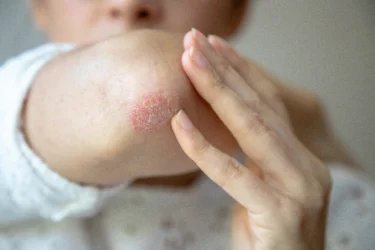
Psoriasis is a skin disease that causes rashes, itchiness, and scaly skin. A review4 conducted by Singh et al. in 2022 stated that the presence of antioxidants in dronapushpi may help eliminate the harmful radicals from the body and helps relieve skin itchiness and rashes. This indicates that dronapushpi may positively impact psoriasis. However, you should not consider it as an alternative to modern medicine; it is always advised to consult a physician for the proper management of psoriasis.

Studies show that compounds extracted from different parts of the plants may positively impact prostate cancer. Anjusha et al. conducted a study5 in 2017, the results showed that dronapushpi might have the potential to manage prostate cancer. To claim these results with greater reliability, we need more studies. It is further advised not to consider dronapushpi as an alternative to modern medicine; kindly consider your doctor for the proper management of prostate cancer5.
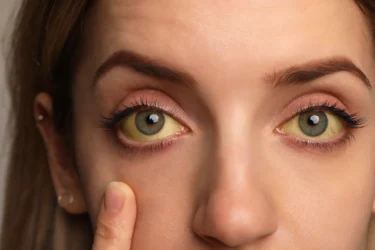
Jaundice is a disease condition characterised by the yellowing of skin, nails and eyes due to an increase in bilirubin (a breakdown product of red blood cells). Literature studies6 support the use of dronapushpi to reduce bilirubin. A review which was conducted by Das et al. in 2012 stated that the hot water extract of the entire plant of dronapushpi might help manage jaundice. However, you should not consider this herb as an alternative to modern medicine and should consult your doctor for proper treatment of jaundice.
Though there are studies that show the benefits of dronapushpi in various conditions, these are insufficient, and there is a need for further studies to establish the true extent of the benefits of dronapushpi on human health.
From what I have read, the utilisation of the entire dronapushpi plant in a particular herbal composition has been patented for its effectiveness in dealing with epileptic convulsions and cerebral function disorders. This indicates that researchers may have found positive outcomes in using a combination of different parts of the dronapushpi plant, constituting 70% of the herbal composition, to address conditions such as seizures and problems related to brain function9.
Dr. Siddharth Gupta, B.A.M.S, M.D (Ayu)
You must consult a qualified doctor before consuming any herbal supplements. You should not discontinue or replace your ongoing treatment of modern medicine with an ayurvedic/herbal preparation without consulting your doctor.
One interesting but surprising use I have come across is the smoking of dried dronapushpi inflorescences and exhaling the smoke through the nose to possibly address nose bleeds. This unique practice suggests that dronapushpi may have been traditionally employed as a remedy for managing nose bleeding9.
Dr. Rajeev Singh, BAMS
Hiremath et al. conducted a study5 in 2022 which found that dronapushpi may result in CNS depression or slowing down of brain activity, which can result in nausea, vomiting, reduced heart rate and breathing, confusion and memory loss.
Dronapushpi is considered a safe formulation; however, if you experience any adverse reactions to dronapushpi, it is advised to discontinue its intake and immediately contact a doctor or your Ayurvedic physician who has prescribed it, as they will guide you properly for your symptoms.
Also Read: Triphala Ghrita: Uses, Benefits, Side effects & more!
Consuming dronapushpi is okay if taken in moderate amounts. However, the following considerations must be taken:
Also Read: Kabasura Kudineer: Uses, Benefits and Side Effects By Dr. Rajeev Singh
However, you must always seek the advice of your Ayurvedic physician about the possible interaction of dronapushpi with other drugs.
The scientific name of dronapushpi is Leucas aspera, and it belongs to the family Lamiaceae1.
In Hindi, dronapushpi is called as goma madhupati1.
Hiremath et al. conducted a study5 in 2022 which found that dronapushpi may result in CNS depression which can result in nausea, vomiting, reduced heart rate and breathing, confusion and memory loss.
Yes, studies have supported the use of dronapushpi may help in reducing blood glucose and may help manage diabetes2.
The safety of dronapushpi during pregnancy is not well-established; it is therefore advised to avoid its use and consult your doctor for the same.
Disclaimer: The information provided here is for educational/awareness purposes only and is not intended to be a substitute for medical treatment by a healthcare professional and should not be relied upon to diagnose or treat any medical condition. The reader should consult a registered medical practitioner to determine the appropriateness of the information before consuming any medication. PharmEasy does not provide any guarantee or warranty (express or implied) regarding the accuracy, adequacy, completeness, legality, reliability, or usefulness of the information; and disclaims any liability arising thereof.
Links and product recommendations in the information provided here are advertisements of third-party products available on the website. PharmEasy does not make any representation of the accuracy or suitability of such products/services. Advertisements do not influence the editorial decisions or content. The information in this blog is subject to change without notice. The authors and administrators reserve the right to modify, add, or remove content without notification. It is your responsibility to review this disclaimer regularly for any changes.
0
0
Yoga is the science and art of healthy living”. It is a spiritual practice that attempts to bring harmony between the body and mind. The science of yoga is rooted in Indian origin and is now well-established worldwide. The practice of yoga was first described in Yoga Sutras, a classic text by Patanjali1. Yoga is known to integrate our physical, mental, and spiritual components to improve our overall health. This mind-body activity involves moving through a series of asanas (body postures) or pranayamas (breathing techniques). In this article, we will explore the health benefits of one such asana, parivrtta parsvakonasana.
Parivrtta parsvakonasana is a standing asana coupled with a spinal twist, in which one leg is stretched straight and the upper body is twisted, giving an intense stretch. The name comes from the Sanskrit words; “parivrtta”, which means turned round or revolved, “parsva”, which means side, “kona”, which means angle, and “asana”, meaning yoga pose or posture. This translates to revolved lateral angle pose in English2.
Did you know?
Parivrtta parsvakonasana must be done correctly for maximum health benefits. Let us now learn how to do parivrtta parsvakonasana:
Note: it is best to practice any asana empty stomach or a minimum of four hours have elapsed since you had a meal, whichever is sooner. The best time to practice parivrtta parsvakonasana is early morning, as the body is active and fresh.
Researchers believe that regular practice of yogasanas, including parivrtta parsvakonasana, may aid in diabetes. The yogasanas are believed to massage the internal organs and improve insulin sensitivity, which may lower blood sugar levels. Additionally, yogasanas like the Surya Namaskar may burn fat and glucose, lowering blood sugar levels7.
Dr. Rajeev Singh, BAMS
Keeping the origin and history in mind, let us now discuss some benefits of parivrtta parsvakonasana, which will make this asana worth trying. Enlisted below are a few health benefits of parivrtta parsvakonasana.
Arthritis is the swelling and inflammation of one or more joints in the body, which results in pain and stiffness in the joints. B.K.S. Iyengar, in his book3 “Light on Yoga”, states that the practice of parivrtta parsvakonasana may help in managing arthritis. However, there are no studies conducted yet to claim these effects and it is advised not to consider the practice of parivrtta parsvakonasana as an alternative to modern medicine. You should consult your doctor for proper treatment of arthritis. Additionally, you should practice this asana strictly under the guidance of a qualified trainer.
In my experience, osteoporosis, a bone disorder, may be reversed upto some extent with the regular practice of yogasanas, including Parivrtta Parsvakonasana. Parivrtta Parsvakonasana is known to enhance posture, produce better equilibrium, and expand the range of motion8.
Dr. Siddharth Gupta, B.A.M.S, M.D (Ayu)

Cardiovascular fitness tells about how well your body delivers oxygen to different body parts during prolonged periods of exercise. Moore et al. conducted a study4 in 2007 to assess the effect of yoga asanas on health. The results of this study showed that the practice of parivrtta parsvakonasana may help improve cardiovascular fitness. However, to claim these effects with greater reliability, we will need more studies. It is therefore advised to consult your doctor for the proper treatment and not rely on this asana alone. Additionally, its practice should be strictly done under the supervision of a qualified trainer.
A lipid panel is a test which is done to measure cholesterol in the blood. Literature studies show that the practice of yoga asanas may positively impact lipid panels. Marian et al. in 2016, conducted a study4, the findings of which showed that the practice of yoga asanas like parivrtta parsvakonasana may help in increasing good cholesterol and decreasing bad cholesterol. Thus, the practice of parivrtta parsvakonasana may positively impact lipid panel, but the practice of this asana should not be considered an alternative to modern medicine. So, consult your doctor for proper treatment and do not rely on this asana alone. Additionally, one should practise parivrtta parsvakonasana under the supervision of a qualified trainer.
Literature studies show that the practice of yoga may have a positive impact on anxiety. Street et al. 2020 conducted a study6, the results showed that the ashtanga yogasanas like parivrtta parsvakonasana may help in managing anxiety, improving sleep quality and may help in reducing stress. Thus, there is a potential that this asana may positively impact anxiety. However, it is recommended not to rely on this asana alone and consult a doctor for proper treatment. Additionally, it is best to practice this asana under the supervision of a qualified trainer.
Gastric function includes the initiation of digestion of food by secretion of gastric acid or gastric juices; the undigested food is then removed from the body in the form of urine. Literature studies3 show that the practice of yoga asanas may have a positive impact on gastric function. B.K.S. Iyengar in his book “Light on Yoga”, has stated that the practice of parivrtta parsvakonasana asana may help in contracting and improving blood circulation to the abdominal organs and help improve digestion. It may also help in managing acidity and help remove the waste matter via the colon without straining. This indicates that the practice of parivrtta parsvakonasana may improve gastric function, but you should not consider this asana as an alternative to modern medicine. It is advised to consult your doctor for proper management of any gastric function abnormality. Also, you should practice this asana strictly under the guidance of a qualified trainer.

Note- The benefits mentioned above of parivrtta parsvakonasana are studied in a limited human population. To ascertain these claims in humans, more studies are required.
Although the practice of Yoga may help in the development of the mind and body, however, you should not consider yoga as an alternative to modern medicine. It is advised not to rely on Yoga alone to treat any condition. Kindly consult a qualified doctor for proper treatment. Additionally, any asana practice should be done under the supervision of a qualified trainer.
Also Read: Benefits of Utthita Trikonasana (Extended Triangle Pose) and How to Do it By Dr. Ankit Sankhe
While performing parivrtta parsvakonasana, caution needs to be taken in:
Following are the contraindications of parivrtta parsvakonasana:
Also Read: Benefits of Kurmasana (Tortoise Pose) and How to Do it by Dr. Himani Bisht
Parivrtta parsvakonasana is a standing asana coupled with a spinal twist, in which one leg is stretched straight and the upper body is twisted, giving an intense stretch. The name comes from the Sanskrit words “parivrtta”, which means turned round or revolved; “parsva” which means side, “kona”, which means angle, and “asana”, meaning yoga pose or posture. This translates to a revolving lateral angle pose in English. The practice of this asana may have a positive impact on arthritis, fitness, lipid panel, acidity and anxiety.
Also Read: Benefits of Baddha Padmasana (Bound Lotus Pose) and How to Do it By Dr. Himani Bisht
Parivrtta parsvakonasana is known as the revolved lateral angle pose in yoga.
Parivrtta parsvakonasana targets the Manipura chakra, which is known to control energy in the body.
Parivrtta parsvakonasana is a standing asana coupled with a spinal twist. It is a variation of parsvakonasana and is part of Iyengar yoga and ashtanga yoga.
There is limited information regarding the safety of parivrtta parsvakonasana in pregnancy. It is therefore advised to consult your doctor for proper guidance.
No, there are no studies which support the practice of parivrtta parsvakonasana on hair growth. Therefore, you should not rely on this asana alone and consult your doctor for proper treatment of hair loss.
1. Consulate General of India, Birmingham. Yoga: Origin, History And Development [Internet]. Birmingham: Consulate General of India Birmingham; 2015 Apr 25 [cited 2026 Jan 14]. Available from: https://cgibirmingham.gov.in/headline/display/11
2. Karuna Yoga Vidya Peetham. parivrtta Parsvakonasana – Revolved Side Angle Pose [Internet]. Slideshare; [cited 2026 Jan 14]. Available from: https://www.slideshare.net/slideshow/prevolved-side-angle-posepptx/261246509
3. Live With Yoga. Therapeutic Yoga for Arthritis [Internet]. Jaipur (IN): Live With Yoga; [cited 2026 Jan 14]. Available from: https://livewithyoga.org/yoga-for-arthritis/
4. Papp ME, Lindfors P, Nygren-Bonnier M, Gullstrand L, Wändell PE. Effects of High-Intensity Hatha Yoga on Cardiovascular Fitness, Adipocytokines, and Apolipoproteins in Healthy Students: A Randomized Controlled Study. J Altern Complement Med. 2016 Jan;22(1):81-7. doi: 10.1089/acm.2015.0082. Epub 2015 Nov 13. Erratum in: J Altern Complement Med. 2017 May;23(5):396. doi: 10.1089/acm.2015.0082.correx. PMID: 26565690; PMCID: PMC4739349. Available from: https://pmc.ncbi.nlm.nih.gov/articles/PMC4739349/
5. Ghazvineh D, Daneshvar M, Basirat V, Daneshzad E. The Effect of Yoga on the Lipid Profile: A Systematic Review and Meta-Analysis of Randomized Clinical Trials. Front Nutr. 2022 Jul 14;9:942702. doi: 10.3389/fnut.2022.942702. PMID: 35911119; PMCID: PMC9329825. Available from: https://pmc.ncbi.nlm.nih.gov/articles/PMC4739349/
6. Aakash. The impact of Ashtanga yoga on stress management and mental well-being: A systematic review of recent evidence. J Sports Sci Nutr [Internet]. 2024;5(2):95–104 [cited 2026 Jan 14]. Available from: https://www.researchgate.net/publication/399648445_The_impact_of_Ashtanga_yoga_on_stress_management_and_mental_well-being_A_systematic_review_of_recent_evidence_Aakash
7. Khedikar SG, Erande MP. Management of diabetes mellitus through aasana and pranayama. Int J Curr Med Pharm Res [Internet]. 2018 Sep 28 [cited 2026 Jan 14];4(9A):3656-60. Available from: https://www.researchgate.net/profile/Sachin-Khedikar/publication/328305138_MANAGEMENT_OF_DIABETES_MELLITUS_THROUGH_AASANA_AND_PRANAYAMA/links/5bc56bfe458515f7d9bf2675/MANAGEMENT-OF-DIABETES-MELLITUS-THROUGH-AASANA-AND-PRANAYAMA.pdf
8. Fishman LM. Yoga vs. Osteoporosis and Scoliosis: Series 1 with Scoliosis Session [Internet]. Manhattan (NY): Manhattan Physical Medicine and Rehabilitation; 2022 Dec 20 [cited 2026 Jan 14]. Available from: https://ipivot-now.com/wp-content/uploads/2023/01/2022-Final-OST-Manual-Ser-1-with-Scoliosis-Dec-20-2022.pdf
Disclaimer: The information provided here is for educational/awareness purposes only and is not intended to be a substitute for medical treatment by a healthcare professional and should not be relied upon to diagnose or treat any medical condition. The reader should consult a registered medical practitioner to determine the appropriateness of the information and before consuming any medication. PharmEasy does not provide any guarantee or warranty (express or implied) regarding the accuracy, adequacy, completeness, legality, reliability or usefulness of the information; and disclaims any liability arising thereof.
Links and product recommendations in the information provided here are advertisements of third-party products available on the website. PharmEasy does not make any representation on the accuracy or suitability of such products/services. Advertisements do not influence the editorial decisions or content. The information in this blog is subject to change without notice. The authors and administrators reserve the right to modify, add, or remove content without notification. It is your responsibility to review this disclaimer regularly for any changes.
1
1
Yoga is an age old method of asanas (poses or postures) and pranayamas (breathing techniques). This yoga offers physical and mental benefits for all age groups. Yoga finds root in the Sanskrit word “Yuj” meaning union or to join. Mind body fitness involves muscular activity and a focus on awareness of self, energy, and breathing. Yoga is more like an art than a restricted workout routine, which believes that healing comes from within. Regular yoga training may help you feel better from head to toe. This section will highlight one asana called Konasana1,2. Let us discuss the Konasana and its health benefits.
Konasana is also known as the sideway bending pose or the angle pose yoga. The word is derived from the Sanskrit words “Kona” meaning angle, and “asana” meaning pose or posture, translating to the angle pose in English. This posture has two variations, Konasana I and Konasana II both involve sideways stretching using both hands3.
Konasana must be done properly for maximum health benefits. One may perform Konasana in the following manner:
Did you know?
Konasana benefits are as follows:
Diabetes (Type I and Type II) is a metabolic disorder or issue characterized by elevated blood glucose levels due to reduced synthesis or resistance of a hormone called insulin which regulates blood glucose. A study by Mahapure et al. in 2015 stated that yogasanas like Konasana might help reduce blood glucose levels. It is assumed that a side stretch during Konasana may result in alternate abdominal contractions and relaxations, which may result in increased secretion of insulin (the hormone that regulates blood glucose). Additionally, Konasana may help reduce oxidative stress, which is important in diabetic complications. This indicates that Konasana may help in managing diabetes. However, this asana should not be considered an alternative to modern medicine. Kindly consult a doctor for proper treatment. Additionally it is advised to exercise this asana under the supervision of a qualified trainer4.

Hypertension or high blood pressure has no noticeable symptoms, but if left untreated, it may become a risk factor for many other diseases. Lack of exercise and inactivity can lead to hypertension. Yoga may reduce high blood pressure. Along with pranayamas (breathing techniques), a few selected yogasanas, like Konasana, are prescribed for managing hypertension. Thus asanas like Konasana may positively impact blood pressure, but this asana should not be considered an alternative to modern medicine. Kindly consult your doctor for the proper treatment of hypertension. Additionally, it is recommended to perform this asana under the supervision of a qualified trainer5.
According to what I’ve observed, regular practice of Konasana might support clearer and healthier skin. It may help with frequent boils and managing pimples on the skin6.
Dr. Siddharth Gupta, B.A.M.S, M.D (Ayu)

A brain attack damages the brain due to the blockage of the blood supply. It has been found that the Konasana may improve blood circulation to the brain and help manage and may reduce the risk of stroke. The Health Ministry of India approves the Konasana and its potential for preventing stroke. This indicates that the Konasana may positively impact stroke. However, it is recommended not to rely on this asana alone and consult a doctor for proper stroke treatment. Additionally, one should perform this asana under the guidance of a qualified trainer3,5.

Regularly performing different yogasanas and pranayamas may help in reducing the symptoms of depression. Asanas like Konasana are approved by the Ministry of health and Family Welfare, India, for managing depression. Thus, the Konasana may help in alleviating depressive symptoms. However, it is advised to consult a doctor for proper treatment of depression and not rely on this asana alone. Additionally, one should perform this asana under the supervision of a qualified trainer5.

Obesity is the accumulation of more body fat which may increase the risk of several diseases. It is now evident that regular yoga (Konasana) may positively impact obesity by reducing body weight and excess body fat. The Ministry of Health and Family Welfare approved the Konasana for managing obesity. However, one should not consider this asana an alternative to modern medicine. Kindly consult your doctor for proper treatment. Additionally, it is recommended to exercise this asana under the supervision of a qualified trainer5.

Asanas like Konasana is approved by the Ministry of Health and Family Welfare, India, for managing asthma. This sideway stretch may help in opening chest muscles and improving breathing. Thus, the Konasana may positively impact asthma. It may not help in clinically treating asthma but may provide symptomatic relief. However, it is advised to consult a doctor for proper treatment of asthma and not rely on this asana alone. Additionally, one should follow this asana under the supervision of a qualified trainer5.
Also Read: Benefits of Sarpasana (Snake Pose) and How to Do it By Dr. Himani Bisht

The above-mentioned benefits of Konasana are not yet proven in any human study and are based on a literature search.
Yoga exercise may help develop the mind and body it is not an alternative to modern medicine or treatment. You Should not rely on Yoga alone to treat any condition. Instead, please consult a qualified doctor who can assess your condition and advise accordingly. However, it is necessary to perform and learn Yoga under the supervision of a yoga master to avoid any injuries.
In my view, Konasana may have potential benefits for increasing height. By practising this yoga asana, you engage in a deep side stretch and twist, which may enhance overall body flexibility and alignment. However, it’s important to note that individual results may vary, and maintaining a healthy lifestyle with proper nutrition is essential for optimal growth and development6.
Dr. Smita Barode, B.A.M.S, M.S.
Also Read: Benefits of Shashankasana (Rabbit Pose) and How to Do it By Dr. Himani Bisht
Conditions, and contraindications of Konasana, include3:
It is advised to perform Konasana under the guidance of a qualified trainer. Additionally, this asana should not be considered a substitute for modern medicine.
I may provide you with a beneficial tip. Practising Konasana slowly and mindfully may offer relief from sciatica. However, always remember to listen to your body and consult a healthcare professional if needed6.
Dr. Rajeev Singh, BAMS
Konasana yoga is also known as the sideway bending pose or the angle pose yoga. The word is derived from the Sanskrit words “Kona” meaning angle, and “asana” meaning pose or posture, translating to the angle pose in English. This asana may positively impact diabetes, asthma, hypertension, obesity, stroke, and depression. Additionally, Konasana may help tone and strengthen side muscles, improve digestion, and relieve constipation and back pain.
Also Read: Benefits of Vakrasana (Spinal Twist Pose) and How to Do it By Dr. Himani Bisht
Konasana is also known as the sideway bending pose or the angle pose. The word is derived from the Sanskrit words “Kona” meaning angle, and “asana” meaning pose or posture, translating to the angle pose in English3.
Konasana yoga has two variations, Konasana I and Konasana II; both involve sideways stretching using both hands3.
First, roll out a mat and stand in Tadasana. Ensure your body is aligned from head to toe, your feet are placed at shoulder level, and your neck is straight. Take a deep breath and proceed. Next, slowly raise your right arm over the head, up in the sky, and bend your upper body to the right meanwhile, the left hand will be placed sideways, touching the left thigh. Keep the legs and hips fixed only curve the spine sideways, giving it a side stretch. Continue to hold this position for six seconds. Next, exhale and return to the original position. Repeat the above steps with the left arm. This sequence completes one round of Konasana3.
Regular training in this asana may help in reducing diabetes, hypertension, asthma, stroke, and depression and managing obesity. Further, this asana may help strengthen the side muscles, relieve constipation, and improve digestion4,5.
People with hypertension and other cardiac complaints, spinal or neck injuries, and pregnant women should avoid doing this asana3.
Disclaimer: The information provided here is for educational/awareness purposes only and is not intended to be a substitute for medical treatment by a healthcare professional and should not be relied upon to diagnose or treat any medical condition. The reader should consult a registered medical practitioner to determine the appropriateness of the information before consuming any medication. PharmEasy does not provide any guarantee or warranty (express or implied) regarding the accuracy, adequacy, completeness, legality, reliability, or usefulness of the information; and disclaims any liability arising thereof.
Links and product recommendations in the information provided here are advertisements of third-party products available on the website. PharmEasy does not make any representation of the accuracy or suitability of such products/services. Advertisements do not influence the editorial decisions or content. The information in this blog is subject to change without notice. The authors and administrators reserve the right to modify, add, or remove content without notification. It is your responsibility to review this disclaimer regularly for any changes.
1
0
Although, it is rightly said that ‘don’t judge a book by its cover’, it’s difficult not to be moved by the glowing face of a person. Beauty is just a higher form of health and healthy-looking skin is always considered beautiful. The basic aim of “Swasthavritta” is to keep a healthy person well by preventing sickness. Kumkumadi tailam, an ancient recipe, includes rare ayurvedic ingredients. High-quality saffron oil is called kumkumadi tailam. This special combination of oils and kumkumadi tailam promotes youthful and healthy-looking skin. Kumkumadi tailam might help to heal uneven skin, brighten skin and add radiance1.
Friendly Reminder: The information shared here is for educational purposes only and the reader should consult a registered medical practitioner before implementing any changes to their health routine.
The kumkumadi tailam is made of ingredients mixed in equal amounts (48gms each) given below2:
Other ingredients used are goat milk, sesame oil, Kesar and rose water Q.S.(quantity sufficient). These ingredients are mixed to finally obtain the ayurvedic preparation called kumkumadi tailam.
The potential properties of kumkumadi tailam are:
Some of the potential uses of kumkumadi tailam are discussed as follows.

When kumkumadi tailam is applied locally to the lips, it helps to dilate the blood vessels at the affected lip region. As a result, the active ingredient in the herb may easily penetrate the skin and enter the bloodstream through the capillaries at the affected lip areas1.
Nitin Jathar et al. (2020) conducted a study3 on 30 patients suffering from discoloured lips due to smoking. They were treated with kumkumadi tailam by applying it locally. This demonstrated improvement in the lip colour significantly. Since the primary dosha that may cause lip discolouration might be pitta, kumkumadi tailam might improve lip colour by relieving pitta1. This may indicate the potential of kumkumadi tailam in helping in improving lip discolouration. However, there is a need for more studies in this area. You must consult an Ayurvedic physician to understand the exact benefits of the herb for humans.
Let me tell you about the wonders of kumkumadi tailam. This magical oil can work wonders for your skin! It may act on the inflammation in the top layer of your skin, known as the epidermis. It has chemicals that may change how your skin cells called melanocytes and immune cells behave. By doing so, it might help lighten dark spots and hyperpigmentation2.
Dr. Smita Barode, B.A.M.S, M.S.

Many herbs present in the herbal preparation of kumkumadi tailam might have wound-healing properties and anti-inflammatory, antiviral and antibacterial characteristics. Combining these herbs might help stop bleeding in wounds and injuries, heal skin ulcers and expedite the regeneration of the tissue in wounds2. These benefits of this herb in the formulation need to be further evaluated by studies. You must consult a doctor before using any herb for its medicinal benefits.

Antioxidant, anti-inflammatory and anti-hyperpigmentation properties might be present in kumkumadi tailam. The formulation might also exhibit anti-ageing, skin hydration, anti-wrinkle, moisturising benefits and potential improvement in skin texture. Thus, using kumkumadi oil for the face can brighten skin, increase skin softness and decreases pigmentation making the skin radiant. It might also decrease the amount of melanin pigment released. Moreover, it may improve skin lustre while reducing the appearance of scars, dark circles under the eyes and hyperpigmentation1,2.
In my opinion, in addition to its potential benefits of kumkumadi tailam for dark spots and hyperpigmentation. It may also help help those struggling with patchy skin. This Ayurvedic formulation may help manage dryness and improve overall skin texture3.
Dr. Rajeev Singh, BAMS

One of the major kumkumadi oil ingredients is saffron. Golmohammadzadeh et al. (2010) studied4 that saffron present in kumkumadi tailam might have properties that can be used as a natural UV-absorbing agent. Thus, it might be used as sunscreen.
On regular applications, kumkumadi tailam may also remove the damage caused by prolonged sun exposure like sun tan, blemishes, dark spots, etc. However, the studies conducted on the exact benefits of this formulation are insufficient to prove its benefits. It is better to get professional advice from qualified doctors2.

Several other potential uses of kumkumadi tailam need to be studied further to prove its exact efficacy. Some of these are:
Though there are studies showing the kumkumadi tailam benefits in various conditions, these are insufficient and there is a need of further studies to establish the true extent of kumkumadi tailam on human health.
I would suggest giving kumkumadi tailam a try if you’re looking for a natural solution for acne. This ayurvedic product might be beneficial for certain skin disorders, specifically acne5.
Dr. Siddharth Gupta, B.A.M.S, M.D (Ayu)
To obtain kumkumadi tailam benefits for the skin, you may take some amount of the oil on your palms, and then gently rub it all over the skin regularly for clear and radiant skin. You may gently apply it on affected areas like lips using your fingers for targeted benefits. It is best to apply it before bedtime1,2.
You must consult a qualified doctor before taking any kumkumadi tailam supplements. Do not discontinue or replace an ongoing modern medical treatment with an ayurvedic/kumkumadi tailam preparation without consulting a qualified doctor.
Kumkumadi tailam is generally considered safe if used in the recommended dosages. Further, the local application of kumkumadi tailam on lips might not cause side effects such as allergic reactions, itching, etc. However, ayurvedic kumkumadi oil side effects cannot be completely denied as herbs may react differently in each person’s skin depending on their condition and body responses. Therefore, you must consult a qualified Ayurvedic doctor before using any herb for medicinal purposes2.
Also Read: Cardamom (Elaichi): Uses, Benefits, Side Effects and More!
Just like any remedy or treatment, general precautions need to be followed while using kumkumadi tailam. People should take extra precautions before giving them to children, the elderly and pregnant and lactating women. Please do not try to self-medicate with herbs. Ayurvedic herbs may have potential benefits, but it is advisable to consult a qualified Ayurvedic physician before their usage.
Also Read: Kalmegh: Uses, Benefits, Side Effects, Precautions & More!
The possibility of certain drugs reacting with herbs like kumkumadi tailam cannot be denied. Therefore, you must consult an Ayurvedic physician before using any herbal item in more than the prescribed quantities. Your Ayurvedic physician can appropriately modify the dosage and prescribe as per your current medications, conditions and requirements.
Also Read: Kodo Millets: Uses, Benefits, Side Effects, And More
Several Ayurvedic ingredients are mixed together to make the formulation called kumkumadi tailam. A few major ingredients of the kumkumadi oil are: Kumkuma, Usheera, Kaaleeya, Laksha, Yashtimadhu, Chandana, Nyagrodha, Padmaka, Neelotpala, Manjishta, etc1.
To prepare kumkumadi tailam, we first need to prepare a coarse powder of all herbs and soak them in water for a few hours. Further, a kwatha can be prepared by boiling this water with herbs until it is reduced to 1/4th of its volume. Then, this decoction can be filtered. Then you can prepare a herbal paste using herbs like Manjistha, Yashtimadhu, Mahua, Lac and Pattanga. Finally, this herbal paste, sesame oil and goat milk are mixed in a vessel, the mixture is boiled and simmered until the oil remains. Once this oil is taken out, we can mix a paste of saffron with rose water into this oil and preserve it in a glass bottle. This final preparation is called kumkumadi tailam2.
If consumed in the proper dosages, kumkumadi tailam is usually regarded as safe. Furthermore, patients may not have any negative side effects from the local application of kumkumadi tailam to their lips, such as allergic reactions, irritation, etc. It is better to consult your ayurvedic physician before using any herb for medicinal purposes.
Kumkumadi tailam might have properties that can be used as a natural UV-absorbing agent. It may also reverse sun damage to some extent. However, these properties have yet to be studied extensively. It would be best if you took advice from a qualified doctor before using it.
The herbs that combine to form kumkumadi tailam may be effective against bacteria, viruses and generalized inflammation in addition to healing of wounds. Combining these herbs may speed up the process of regeneration of wound tissue, stop untimely bleeding in wounds and heal skin ulcers. However, more studies should be conducted to better assess the advantages of using this herb in the formulation. Before utilising any herb for its therapeutic properties, you must visit a doctor.
Disclaimer: The information provided here is for educational/awareness purposes only and is not intended to be a substitute for medical treatment by a healthcare professional and should not be relied upon to diagnose or treat any medical condition. The reader should consult a registered medical practitioner to determine the appropriateness of the information and before consuming any medication. PharmEasy does not provide any guarantee or warranty (express or implied) regarding the accuracy, adequacy, completeness, legality, reliability or usefulness of the information; and disclaims any liability arising thereof.
Links and product recommendations in the information provided here are advertisements of third-party products available on the website. PharmEasy does not make any representation on the accuracy or suitability of such products/services. Advertisements do not influence the editorial decisions or content. The information in this blog is subject to change without notice. The authors and administrators reserve the right to modify, add, or remove content without notification. It is your responsibility to review this disclaimer regularly for any changes.
12


