




How to Prevent Cancer: Effective Ways to Reduce Your Cancer Risk
By Dr. Vishesh Bharucha +2 more

Medically reviewed by Dr. Vishesh Bharucha
Last updated: Sep 11, 2026 Published on: Aug 27, 2026


Get,

to manage your symptom
Get your,

4 Cr+ families
benefitted

OTP sent to 9988776655



You’ve successfully subscribed to receive
doctor-approved tips on
Whatsapp

Get ready to feel your best.


Register to Avail the Offer
Send OTPBy continuing, you agree with our Privacy Policy and Terms and Conditions
Hi There,
Sign up on PharmEasy now!!


Trusted by 4 crore+ families

OTP sent to 9988776655
You have unlocked 25% off on medicines


Code: NU25

By Dr. Vishesh Bharucha +2 more
Table of Contents
Cancer is considered one of the major health concerns worldwide. Cancer can affect any organ or tissue, and based on these, the causes, symptoms, and treatments can vary from case to case. Though not all cancers are preventable, adopting some healthy lifestyle habits and limiting the known risk factors can help in reducing the risk of developing certain types of cancers. This blog helps you understand what cancer is, its risk factors, how to prevent cancer, its diagnosis, treatment and when to seek medical advice to avoid unnecessary concerns and make informed decisions about one’s health.
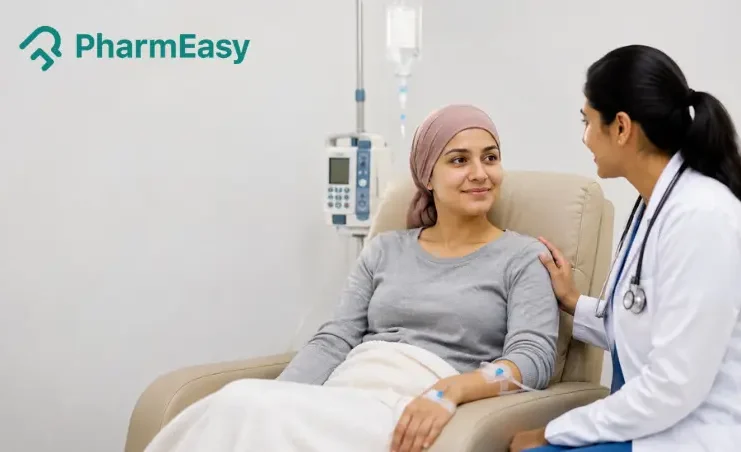
Cancer is a disease in which certain cells in the body grow and multiply uncontrollably. In the human body, a natural process takes place as new cells are formed along with the removal of old, damaged cells. Normally, this process is controlled by many factors and in cancer, this normal mechanism is disturbed, which leads to the increased growth and multiplication of damaged cells.
Cancer cells behave differently from normal cells with regard to the processes involved in cell growth, division, repair, death and response to body’s immune system1.
Did You Know?
Cancers are caused by changes (mutations) in genetic materials which control the normal cell division process1. Several factors can control this, and avoiding these can help in the prevention of cancer occurrence. However, not every cancer is preventable, as some factors are non-modifiable, such as age and family history. However, 30%-50% of deaths due to cancer can be prevented by avoiding the risk factors and adopting evidence-based measures3.
Factors which might put a person at an increased chance for being affected by cancer are termed risk factors. These include:
Increasing age is considered one of the common risk factors of cancer. However, the age at which cancer may develop can vary based on the type of cancer. Cancers affecting the breast, colon, lung, and prostate usually occur around 63-72 years of age, while cancers like leukaemia are more common in children4.

Certain cancers can run in families through the passing down of genetic changes, which might increase the risk of cancer from their parents. This does not mean that cancer itself is passed down from the parents; rather, the changes in genes that put the person at an increased risk can be passed5.

Alcohol intake is linked with mouth, throat, liver and breast cancers. While, there is no completely risk-free level of alcohol consumption with to respect to cancer, the risk can be higher for those people who drink alcohol along with the use of tobacco6.
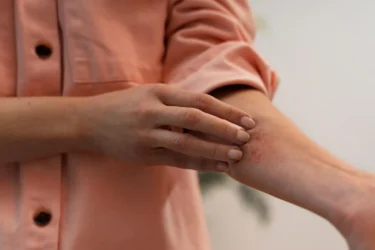
Certain infectious agents can increase the risk for developing cancer. Some viruses act by disturbing normal cell proliferation, and some infections might lead to weaker immunity and thereby to cancer. Viruses such as Epstein-Barr Virus (EBV), Hepatitis B and C viruses (HBV and HCV), Human immunodeficiency virus (HIV), human papillomavirus (HPV), human T-cell leukaemia virus (HTLV-1) and a bacterium named Helicobacter pylori (H.pylori) might increase the risk of certain cancers. Certain parasitic flatworms can also be involved in cancer development7.
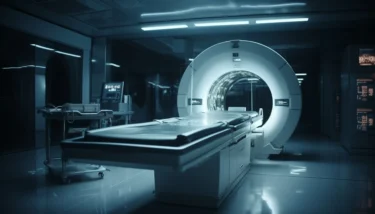
High-energy radiation such as X-rays and gamma rays is most involved in the incidence of certain cancers. Some of the diagnostic procedures, including X-rays, computed tomography (CT), or positron emission tomography (PET) scans, might produce small changes in cells, though the risk for developing cancers is limited. Low-energy radiation such as that from cell phones and visible light has not proved to induce cancers in humans8. Radiotherapy on the other hand, intentionally uses high doses of ionizing radiation and can cause DNA damage to normal tissues; however, its benefits usually outweigh the long-term secondary-cancer risk when appropriately indicated.
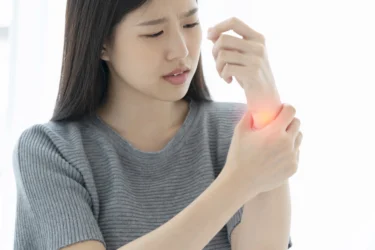
Inflammation that lasts for a prolonged period might be caused by some infections, certain conditions such as obesity and abnormal immune reactions. The changes induced by these can also be reflected in DNA abnormalities and thereby lead to cancer. Chronic inflammatory diseases such as ulcerative colitis and Crohn’s disease can increase the risk of developing colon cancer9.
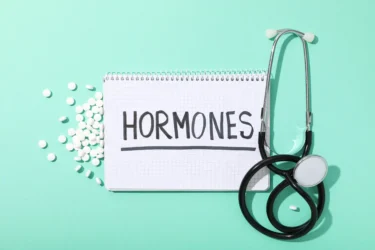
Hormones such as oestrogen are found to be associated with an increased risk for developing cancers, though they possess some normal functions in the human body. Evidence highlights the risk of breast cancer in women is more linked with the production of hormones such as oestrogen and progesterone from their ovaries. Long exposure to these hormones from early menstruation (menarche) and late permanent stoppage of monthly periods (menopause), delayed pregnancies and no history of any childbirth can be considered risk factors10.

In healthy individuals, under normal physiologic conditions, certain types of cancer cells can be detected by the body’s immune system, which tries to eliminate these abnormal cells. But, in people who have undergone organ transplants, certain immunosuppressive medicines are given to avoid rejection by the body. When these immunosuppressive drugs are taken, or under in case of certain infections like HIV, which weakens the immune system, these cells fail to detect the cancer cells. In HIV affected people, most cancers caused by certain viral infections are seen, although some non-infectious related cancers such as lung cancers can also be seen11.

Obese people are more prone to get affected with cancers of the breast, colon, rectum, kidney cancer, pancreas and gallbladder, although some other factors can also contribute to the development12.

Ultraviolet radiation (UVA and UVB) in sunlight is considered an inducing factor of cancer development. These radiations can accelerate skin ageing and cancers. People of any skin tone can develop skin cancer; however, people with a light skin tone are more prone to develop it13.
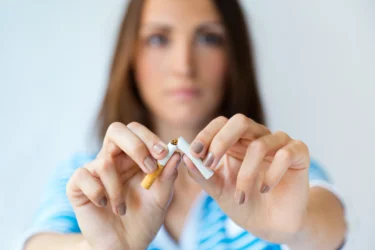
Use of tobacco is considered one of the common causes of death due to cancers. People who use tobacco or who are constantly exposed to environmental tobacco smoke might develop cancer due to the presence of certain chemicals in it. They are more prone to develop lung, mouth, throat, kidney, liver, stomach, colon and rectum cancers. Smokeless tobacco is involved in inducing mouth cancers, and it increases the risk of oesophageal or pancreatic cancers14.
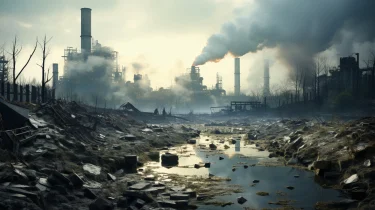
Certain chemicals in the environment, including the ones in the air, water, food or in the materials we use, might cause some DNA damage. Some of these can be avoided, such as tobacco smoke, radiation, and UV rays. Other substances that might also cause cancer are arsenic, cadmium, radon, untreated mineral oils, etc. However, chances of developing cancers depend on many other factors, including the exposure duration and amount15.
These risk factors can be modifiable, that is those which can be altered by adopting some healthy lifestyle measures, or nonmodifiable, those which cannot be controlled. While nothing can be done about the nonmodifiable factors, reducing exposure or avoiding the modifiable risk factors might be helpful in cancer prevention.
Limiting or avoiding the modifiable risk factors along with adopting the evidence-based preventive measures are beneficial in preventing the deaths associated with certain cancers. The complications associated with these cancers can also be reduced by timely detection and early initiation of management strategies:
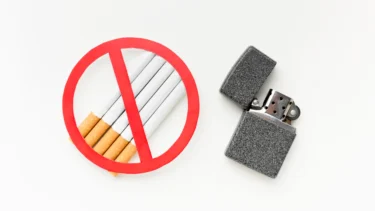
Avoiding all forms of tobacco, including smoking and smokeless tobacco is advised16.

Achieving a healthy weight can help in preventing obesity associated cancers16.

A diet including a lot of fruits and vegetables is recommended16.

Intake of alcohol can be seen linked with many cancers, such as mouth, throat, liver and breast and avoiding it can help in preventing the associated cancers6.

Regular exercise can help in prevention16. For adults, aiming for at least 150 minutes of moderate activity or at least 75 minutes of vigorous-intensity activity weekly is recommended17.
Also Read: Can Exercise Reduce The Risk Of Cancer?
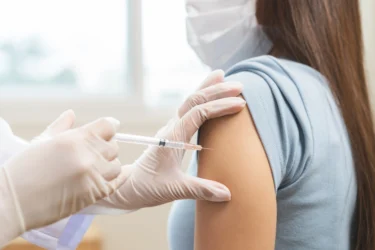
Vaccinations against hepatitis B virus (HBV) and human papillomavirus (HPV) can be beneficial in preventing the cancers caused by them3.

Limiting sun exposure, particularly between mid-morning and late afternoon, can be beneficial in preventing UV-induced cancers. Wearing a hat that covers the face, neck and ears, wearing sunglasses when under sunlight, and wearing dresses with long sleeves and pants are preferred. Application of sunscreen with sun protection factor (SPF) of at least 30 and 30 minutes before going outside is recommended. Reapplication every two hours or after swimming or sweating can provide an added advantage13.
Also Read: Can Sunscreen Cause Cancer? What the Research Says
Reducing unnecessary exposure to radiation from occupational sites or following safe medical use of radiation in diagnosis and management can help in the prevention of certain cancers8.
No single test is available to detect cancer. Your doctor can diagnose cancer by sequential diagnostic methods. However, these tests can vary from person to person based on the type of cancer and their symptoms18:
Note: Specific screening tests for selected cancers also need to be considered such as mammography for breast cancer, HPV testing for cervical cancer screening, sputum cytology for lung cancer, colonoscopy for colorectal screening etc.
Screening and early detection can reduce cancer mortality for selected cancers.
Many types of cancer treatments are available, and the type of treatment for one person may vary from another based on the type of cancer and how advanced it is. Most people will have a combination of treatments, though some have only one. These can include19:
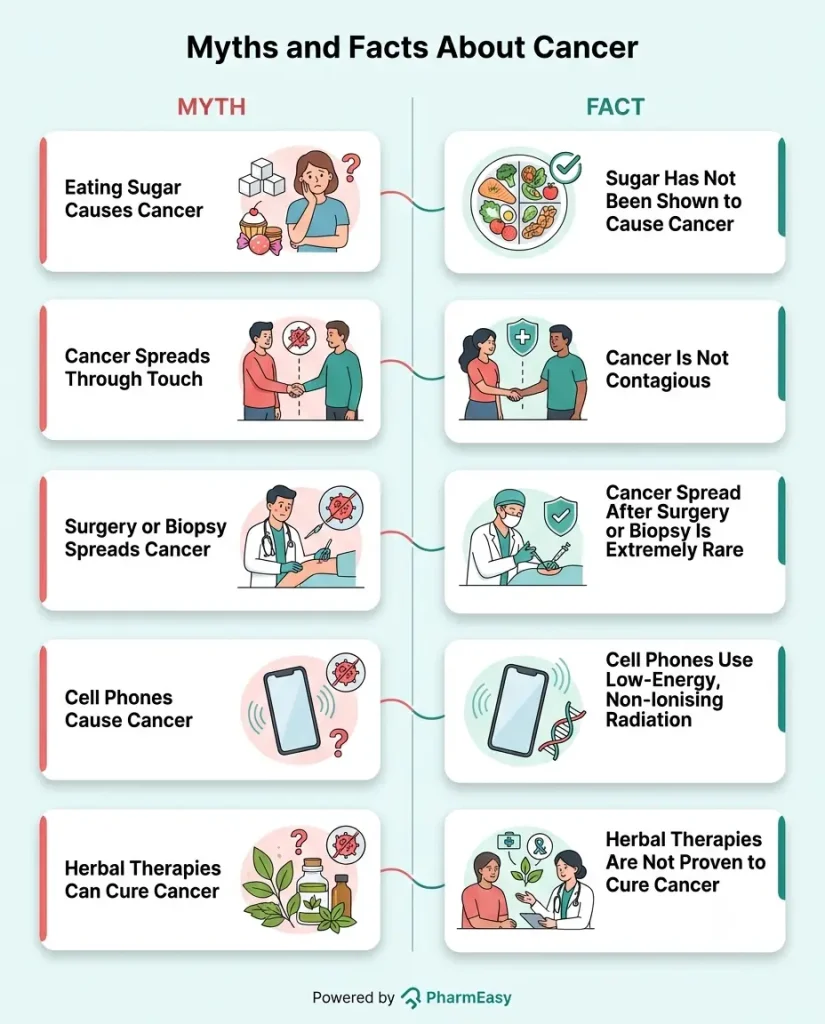
Certain common myths about cancer might lead to unnecessary concerns and related anxieties, which can lead to other complications. These myths can sometimes delay evidence-based preventive measures, timely identification and management strategies20:
Also Read: Early Warning Signs of Cancer You Should Know
If you notice any unusual symptoms such as new lumps, persistent fatigue or fever, unexplained weight loss or any changes that are not normal or if you are worried that these could be signs of cancer, you need to consult a doctor.
Cancer is considered one of the major health burdens worldwide. Cancer is considered the abnormal growth and multiplication of certain cells following certain mutations in associated genes. Cancer can affect any organ, and there can be several cancers which vary in their causes, symptoms, preventive measures, and treatment modalities. Having proper awareness about cancer can avoid unnecessary concerns and can help in timely medical evaluation and taking appropriate management measures.
Also Read: 10 Foods to Include in Your Diet for Lowering Your Cancer Risk
Though all cancers are not completely preventable or treatable, certain types of cancers can be prevented by adopting some healthy lifestyle measures such as limiting alcohol and tobacco, being physically active, avoiding UV radiation from sunlight and maintaining a healthy weight21. If persistent anxiety about cancer is affecting daily life, consulting a doctor is recommended.
Antioxidants are beneficial in preventing the damage caused by free radicals associated with cancer. However, limited evidence is available regarding the role of antioxidants in preventing the development of cancer. Some studies have shown an increased risk for cancer development linked with antioxidant usage22.
Regular exercise can help alter some risk factors associated with cancer occurrence. Being physically active can help maintaining a healthy body weight and lower inflammation, which have been linked to cancer development3.
Certain vaccines against hepatitis B and human papillomavirus (HPV) might help prevent the cancers that are caused by these viruses3. However, these vaccines might not prevent all cancers.
Autophagy is a natural process that occur in cells which involve transportation of cell components to lysosomes for their digestion. Autophagy is involved in several processes associated with cancer. It can limit cell death and inflammation and the spreading of tumour cells to other sites in the body. In contrast, it can also promote the invasion of tumour cells to new sites in its later stages. So, the role of autophagy as a lethal or protective factors are needed to be explored further23.
1. What Is Cancer? – NCI. September 17, 2007. Accessed August 14, 2026. https://www.cancer.gov/about-cancer/understanding/what-is-cancer
2. Cancer. Accessed August 14, 2026. https://www.who.int/news-room/fact-sheets/detail/cancer
3. Cancer. Accessed August 14, 2026. https://www.who.int/health-topics/cancer
4. Risk Factors: Age – NCI. April 29, 2015. Accessed August 14, 2026. https://www.cancer.gov/about-cancer/causes-prevention/risk/age
5. The Genetics of Cancer – NCI. April 22, 2015. Accessed August 14, 2026. https://www.cancer.gov/about-cancer/causes-prevention/genetics
6. Risk Factors: Alcohol – NCI. April 29, 2015. Accessed August 14, 2026. https://www.cancer.gov/about-cancer/causes-prevention/risk/alcohol
7. Risk Factors: Infectious Agents – NCI. April 29, 2015. Accessed August 14, 2026. https://www.cancer.gov/about-cancer/causes-prevention/risk/infectious-agents
8. Risk Factors: Radiation – NCI. April 29, 2015. Accessed August 14, 2026. https://www.cancer.gov/about-cancer/causes-prevention/risk/radiation
9. Risk Factors: Chronic Inflammation – NCI. April 29, 2015. Accessed August 14, 2026. https://www.cancer.gov/about-cancer/causes-prevention/risk/chronic-inflammation
10. Risk Factors: Hormones – NCI. April 29, 2015. Accessed August 14, 2026. https://www.cancer.gov/about-cancer/causes-prevention/risk/hormones
11. Risk Factors: Immunosuppression – NCI. April 29, 2015. Accessed August 14, 2026. https://www.cancer.gov/about-cancer/causes-prevention/risk/immunosuppression
12. Risk Factors: Obesity – NCI. April 29, 2015. Accessed August 14, 2026. https://www.cancer.gov/about-cancer/causes-prevention/risk/obesity
13. Cancer Risk Factors: Sunlight – NCI. April 29, 2015. Accessed August 14, 2026. https://www.cancer.gov/about-cancer/causes-prevention/risk/sunlight
14. Risk Factors: Tobacco – NCI. April 29, 2015. Accessed August 14, 2026. https://www.cancer.gov/about-cancer/causes-prevention/risk/tobacco
15. Cancer-Causing Substances in the Environment – NCI. March 18, 2015. Accessed August 14, 2026. https://www.cancer.gov/about-cancer/causes-prevention/risk/substances
16. Dart H, Wolin KY, Colditz GA. Commentary: Eight Ways to Prevent Cancer: a framework for effective prevention messages for the public. Cancer Causes Control CCC. 2012;23(4):601-608. doi:10.1007/s10552-012-9924-y https://pmc.ncbi.nlm.nih.gov/articles/PMC3631124/
17. Physical activity. Accessed August 26, 2026. https://www.who.int/initiatives/behealthy/physical-activity
18. Tests and Procedures Used to Diagnose Cancer – NCI. March 9, 2015. Accessed August 14, 2026. https://www.cancer.gov/about-cancer/diagnosis-staging/diagnosis
19. Types of Cancer Treatment – NCI. July 31, 2017. Accessed August 14, 2026. https://www.cancer.gov/about-cancer/treatment/types
20. Common Cancer Myths and Misconceptions – NCI. January 18, 2023. Accessed August 14, 2026. https://www.cancer.gov/about-cancer/causes-prevention/risk/myths
21. Risk Factors for Cancer – NCI. April 29, 2015. Accessed August 14, 2026. https://www.cancer.gov/about-cancer/causes-prevention/risk
22. Risk Factors: Diet – NCI. January 31, 2024. Accessed August 14, 2026. https://www.cancer.gov/about-cancer/causes-prevention/risk/diet
23. Bhutia SK, Mukhopadhyay S, Sinha N, et al. Autophagy: Cancer’s Friend or Foe? Adv Cancer Res. 2013;118:61-95. doi:10.1016/B978-0-12-407173-5.00003-0 https://pmc.ncbi.nlm.nih.gov/articles/PMC4349374/
Disclaimer: The information provided here is for educational/awareness purposes only and is not intended to be a substitute for medical treatment by a healthcare professional and should not be relied upon to diagnose or treat any medical condition. The reader should consult a registered medical practitioner to determine the appropriateness of the information and before consuming any medication. PharmEasy does not provide any guarantee or warranty (express or implied) regarding the accuracy, adequacy, completeness, legality, reliability or usefulness of the information; and disclaims any liability arising thereof.
Links and product recommendations in the information provided here are advertisements of third-party products available on the website. PharmEasy does not make any representation on the accuracy or suitability of such products/services. Advertisements do not influence the editorial decisions or content. The information in this blog is subject to change without notice. The authors and administrators reserve the right to modify, add, or remove content without notification. It is your responsibility to review this disclaimer regularly for any changes.


Comments

Leave your comment...
You may also like



















Comments