
Walnuts or Akhrot are often called the ‘brain food’ because their furrowed appearance resembles the human brain. The funny thing is, research has proven that consuming walnuts regularly does improve brain function. Easy to add to the diet, they are very rich in nutritional content. They are considered to be better than most other nuts because they have a high amount of polyunsaturated fat, vitamins, and minerals like potassium, iron, zinc, and magnesium. Here are some of the health benefits of walnuts.

Walnuts can combat the risks of cancer. They are rich in Omega-3 fatty acids and other antioxidants which have been shown to fight cancer. Walnuts are especially beneficial for prostate, breast and pancreatic cancer1.

Walnuts are rich in monounsaturated fatty acids like alpha-linolenic acid and linolenic acid. They encourage a healthy lipid balance by lowering bad cholesterol and increasing good cholesterol levels. They are also beneficial in reducing high blood pressure2.
According to a study, the consumption of walnuts is associated with a reduced risk of gall bladder removal. These nuts are rich in several compounds that may protect against gallstone disease.
Dr. Smita Barode, B.A.M.S, M.S.

Because of their high fibre content, walnuts help you feel full long after eating a handful. They are very rich in protein and help in healthy weight loss3.

Having walnuts can reduce the risk of developing diabetes (type 2). They provide an excellent serving of protein, healthy fat and fibre. Since they are low on carbs, diabetics can have them without worry4.
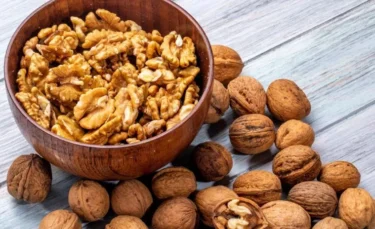
A handful of walnuts is enough to boost to a sluggish metabolism. They are replete with essential fatty acids and help with digestion, growth and development and other metabolic processes5.

Walnuts help with the increased absorption of calcium in the body. They also reduce the excretion of calcium during metabolic processes which help strengthen the bones5.
Magnesium, a mineral found in abundance in walnuts, is important for bone formation as it helps in the absorption of calcium by the bone.
Dr. Anuja Bodhare, B.A.M.S, M.D (Ayu)

Walnuts have anti-inflammatory properties. Many diseases like diabetes, rheumatism and arthritis amongst others are caused by chronic inflammation. Consuming walnuts every day helps in combating these diseases better6.
Walnuts are fibre rich. Because of this, they help clean the gut and detoxify the body. They add bulk to stools and aid in managing constipation. Walnuts also help promote the growth of good bacteria in your gut that help maintain gut health and also deal with inflammation7,8.
Having more health-promoting bacteria and other microbes can improve the health of your gut. One way of doing that is to consume walnuts. An unhealthy microbiota can result in inflammation in your gut, which can increase the risk of obesity, cancer and other chronic diseases. Hence, eating walnuts can prevent this from happening. For instance, incorporating it into your daily diet can increase butyrate-producing bacteria, which is a fat that improves gut health.
Walnuts are extremely healthy, but they are among the eight most allergenic foods. Individuals allergic to walnuts must avoid them.
Dr. Siddharth Gupta, B.A.M.S, M.D (Ayu)

There are multiple studies that have revealed the benefits of walnuts for brain functioning. The nutrients found in the nut may play a role in preventing oxidative damage and inflammation inside the brain. For instance, one research showed that walnuts had a role in improving their brain functioning, including better memory, faster processing speed, and overall mental flexibility9.
Including walnuts in their diet might be helpful for students. Nutrients in walnuts can help take away the stress of studies by improving their grasping power and cognitive capacity.
Dr. Ashok Pal, BAMS

Walnuts help in the production of melatonin. It is a hormone that helps induce sleep. Having them as an after-dinner snack may help you get a good-night sleep10.
Walnuts may help you get sound sleep. They contain a few compounds like melatonin, tryptophan and omega-3 fatty acids, which promote and regulate sleep.
Dr. Rajeev Singh, BAMS

Walnuts are proposed to help in the production of sperms and improve the sperm quality. They add to their vitality and mobility, thereby improving the chances of fertilisation11.

Free radicals in the environment cause the most damage to the body. They are responsible for creating dryness and wrinkles in the skin. Walnuts help fight these free radicals. Regular consumption of walnuts helps in reducing dark circles under the eyes and deal with dull, dry skin and hair12.

For proper foetal growth, pregnant women should take in sufficient amounts of folate. Walnuts are rich in Vitamin B complex and help with the healthy growth of the foetus13.
While initial studies have shown several health benefits of walnuts, further large-scale human trials are needed to confirm these benefits. Nonetheless, they are definitely worth a try when consumed in moderation.
Also Read: Pine Nuts (Pinoli): Uses, Benefits, Side Effects By Dr. Rajeev Singh
Apart from the traditional way of enjoying the healthy snack one by one, there are some other ways to consume it as well:
Also Read: Amazing Health Benefits of Dry Fruits
Walnuts are considered nutritionally superior to all other dry fruits because they are exceptionally rich in fibre, healthy-fats and antioxidants. They are healthy for the heart, gut, skin and bones and help to fight inflammation and support weight loss. You can add them to salads and desserts or just take them as a snack. But make sure to consult your doctor before including them in your routine diet if you have any medical conditions.
Also Read: How to Increase Your Metabolism Naturally
Disclaimer: The information provided here is for educational/awareness purposes only and is not intended to be a substitute for medical treatment by a healthcare professional and should not be relied upon to diagnose or treat any medical condition. The reader should consult a registered medical practitioner to determine the appropriateness of the information and before consuming any medication. PharmEasy does not provide any guarantee or warranty (express or implied) regarding the accuracy, adequacy, completeness, legality, reliability or usefulness of the information; and disclaims any liability arising thereof.
Links and product recommendations in the information provided here are advertisements of third-party products available on the website. PharmEasy does not make any representation on the accuracy or suitability of such products/services. Advertisements do not influence the editorial decisions or content. The information in this blog is subject to change without notice. The authors and administrators reserve the right to modify, add, or remove content without notification. It is your responsibility to review this disclaimer regularly for any changes.
 79
79
 2
2
Cinnamon or Cinnamomum Zeylanicum is also popularly known as ‘Dalchini’ in Hindi. It is a dried bark of a small tree, which grows mainly in southern/western parts of India. Its leaves are commonly called ‘Tejpatra’ in Hindi. For ages, it has been one of the most significant spices available as part of ‘Garam Masala’ in Indian kitchens. It is available in the markets as rolled and dried sticks1.
Ayurveda defines cinnamon as ‘Tvak. Cinnamon has a pungent and sweet taste, and it is hot in nature. It is considered beneficial in treating various conditions like oedema, flu, indigestion, cough etc., and thus, recommended for individuals having the ‘Kaphavata’ constitution1.
Cinnamon has the following nutritional value:
Since ancient times, cinnamon has been used as herbal medicine. The in vitro experimentation and animal trials suggest that cinnamon may have following beneficial properties:

Cinnamon has been found effective in maintaining oral health in studies. It may usually be used as toothpaste to relieve toothaches and other dental problems. Cinnamon can also act as a mouth freshener and treat bad breath. Thus, it is used as an ingredient in chewing gums4. However, more human studies are needed to estimate the extent to which it will be beneficial for human health.

Cinnamon (Dalchini) may help with bleeding from cuts and wounds as it may help in coagulating blood. Cinnamon may help to improve the blood circulation in the uterus, and further, it can support tissue regeneration4. However more human studies are needed to estimate the extent to which it will be beneficial for human health.
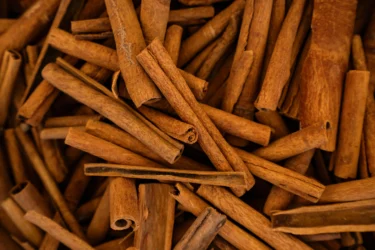
Extracts of cinnamon such as ether, methanolic, and aqueous extracts demonstrate a significant antioxidant activity in studies. Antioxidants can have a significant impact on human health since they respond to free radicals and help in reducing age-associated disorders and damage due to metabolic diseases4. These activities of cinnamon, however, are yet to be proved in humans.

Cinnamon consists of essential oils. When cinnamon and clove oils are combined, they might demonstrate anti-microbial activity against various bacteria and yeast4. Due to its anti-microbial effect, a paste of cinnamon powder with honey can help with wounds and cuts1. You must consult a qualified doctor for better advice.
Some fungi infections may respond well to the treatment with cinnamon oil. From my knowledge, cinnamon oil is helpful against a kind of Candida that affects the bloodstream, according to laboratory research done in 2016. Its antibacterial qualities might be to blame for this16.
Dr. Smita Barode, B.A.M.S, M.S.

Insulin-potentiating factor has been isolated from aqueous extract of cinnamon, and it demonstrated insulin-like activity in studies4. Cinnamon powder is thus used for lowering blood sugar levels (diabetic patients should use it with caution)1. However, serious conditions like diabetes must be diagnosed and treated by a doctor. Therefore, kindly consult a doctor and do not self-medicate.
Before beginning to use supplements containing cinnamon, I strongly recommend discussing with your doctor whether it will react adversely with your routine medications. They could alter the way treatments for diabetes, blood thinning, the heart, and other conditions operate15.
Dr. Rajeev Singh, BAMS

Powdered cinnamon mixed in food can be used to cure minor digestive disorders, stomachaches, and intestinal spasms1. However more human studies are needed to estimate the extent to which it will be beneficial for human health.

Several studies conducted on cinnamon have revealed the anti-inflammatory property of its bark and essential oils4.
Though various studies show the potential uses of cinnamon in various conditions, these are insufficient and there is a need for further studies to establish the true extent of benefits of cinnamon on human health.
Cinnamon is known for its medicinal benefits though sometimes it may cause trouble too. In my experience, most of the time, cinnamon has no ill effects. However, frequent usage might irritate your mouth, leading to sores. If you apply it to your skin, it might result in redness and irritation14.
Dr. Siddharth Gupta, B.A.M.S, M.D (Ayu)
The most common side effects related to the use of cinnamon are:
It is suggested that, despite no major reported side effects of cinnamon as a spice or flavoring agent, cinnamon may demonstrate significant undesirable effects as a medicinal product when we use it in higher doses or for a longer duration. A higher dosage of cinnamon should only be taken under clinical supervision4,8.
Also Read: Behada (Bibhitaki): Uses, Benefits, Side Effects & More!
If taken in large quantities, cinnamon may have an adverse effect when used as medication. Also, unsupervised and unmonitored cinnamon consumption by people having health conditions (like diabetes and liver diseases) may complicate or worsen some conditions6,8.
Cinnamon (Dalchini) is a well-known spice with notable medicinal potential, including antioxidant, anti-inflammatory, antimicrobial, and antidiabetic properties. It shows promise in supporting oral health, blood circulation, digestion, and blood sugar regulation. However, most evidence comes from animal or lab studies, and large-scale human trials are still needed. When used in culinary amounts it is generally safe, but higher doses may risk liver toxicity, low blood sugar, or allergic reactions. Those on medications for diabetes, blood thinning, or liver conditions should seek medical advice before using cinnamon as a supplement.
Also Read: Star Anise (Chakra Phool): Uses, Benefits, Side Effects and More!
Cinnamon is obtained from the dried bark of the cinnamon tree1.
Yes, we can obtain essential oils from different parts of a cinnamon plant (bark, leaf, and root-bark). These oils consist of varied components. The bark oil consists of cinnamaldehyde, the leaf oil has eugenol, and in the root-bark oil, we find camphor9.
Cinnamon also may have many applications in cosmetic products due to its antibacterial and antioxidant properties and presence of anti-tyrosinase agents (tyrosinase is known to increase melanin and age spots)4,10.
Cinnamon has a distinguished flavour and aroma because of the essential oils present in it. The essential oils extracted from cinnamon have cinnamaldehyde and trans-cinnamaldehyde (Cin), which give fragrance to cinnamon4.
To avoid an excessive dose of coumarin, adults shouldn’t consume more than 0.1 mg/kg of cinnamon per day since it may cause or worsen already existing liver problems6. More studies are required to understand the effect of cinnamon on liver, do not self-medicate.
Studies show that cinnamon extracts are effective against acne-causing bacteria, and hence, they can be used in anti-acne products11. Consult your dermatologist for better advice.
Cinnamon may help to reduce fat mass and raise serum antioxidants. It may also help in improving metabolism and reducing free radicals in our bodies. Thus, cinnamon can be considered an ayurvedic supplement that helps in weight loss, though we require more well-designed and structured studies to establish this property4,13.
Disclaimer: The information provided here is for educational/awareness purposes only and is not intended to be a substitute for medical treatment by a healthcare professional and should not be relied upon to diagnose or treat any medical condition. The reader should consult a registered medical practitioner to determine the appropriateness of the information and before consuming any medication. PharmEasy does not provide any guarantee or warranty (express or implied) regarding the accuracy, adequacy, completeness, legality, reliability or usefulness of the information; and disclaims any liability arising thereof.
Links and product recommendations in the information provided here are advertisements of third-party products available on the website. PharmEasy does not make any representation on the accuracy or suitability of such products/services. Advertisements do not influence the editorial decisions or content. The information in this blog is subject to change without notice. The authors and administrators reserve the right to modify, add, or remove content without notification. It is your responsibility to review this disclaimer regularly for any changes.
3
Coffee is a beverage enjoyed by many. Some people just want their fresh cup of coffee as soon as they get out of bed in the morning. For them, coffee is like the fuel that keeps their body battery charged up.
Black coffee is simply a mixture of boiled water and a tablespoon of coffee without the addition of milk, sugar, or honey. For lactose-intolerant people, black coffee is a boon since there is no milk required to prepare it. Although, black coffee can be healthy for the body if consumed in the right way, its taste may not appeal to many because of the bitterness. Also, it is high in terms of caffeine content and must be consumed wisely to avoid any potentially harmful effects.
In this blog, we will discuss in detail the potential health benefits of black coffee, black coffee uses, the possible risks with its regular consumption, and how you can safely include it in your routine.
Coffee is naturally rich in vitamin B-2, vitamin B-3, magnesium, potassium, and various phenolic compounds. Also, since it is black and free of milk or sugar, it contains 0% fat and carbohydrates or proteins. A cup of black coffee is also a good source of other micronutrients like manganese, sodium, riboflavin, and niacin. It is high in caffeine, which helps to make you more alert and improves performance. This is arguably the reason most people drink coffee. 100 g of brewed coffee made in tap water contains about 40 mg of caffeine. Lastly, coffee is naturally rich in antioxidants including melanoidins, which help fight inflammation in the body1.

Black coffee is a calorie-free beverage that may help maintain a healthy weight. It is rich in caffeine that may stimulate metabolism and increase your energy level, suppressing hunger.
Black coffee contains chlorogenic acid that helps to slow down the production of glucose. Hence, if you drink black coffee after a meal, it can help to slow down glucose formation. It also contains many antioxidants that can help manage weight2.
But do remember that weight loss requires a combination of regular exercise and healthy diet, and natural remedies like coffee can support these efforts better.

It is well known that caffeine stimulates the nervous system. This stimulation may help increase the adrenalin levels in blood. This hormone is known as ‘fight-or-flight’ hormone, which prepares the body for intense physical activity3.
Many studies4 suggest that drinking black coffee can help you fight diabetes risk effectively. Coffee may help to boost insulin production in the body that may manage blood glucose levels. But do not overdo the consumption of coffee, kindly check with your healthcare practitioner for the correct dosage.

We usually hear that caffeine helps to increase your blood pressure but that is not true. Regular intake of coffee may increase blood pressure but this effect may diminish with time. Studies4 show that regular consumption of coffee may help increase “good” HDL cholesterol, and reduce the risk of cardiovascular disease and stroke.
Did you know that caffeine, the beloved pick-me-up in your favorite drinks, actually has a diuretic effect? It means that it can make you produce more urine and potentially leave you feeling dehydrated. So, while savoring your caffeinated beverages, remember to stay hydrated by quenching your thirst with plenty of water to keep your body in balance and avoid feeling parched.
Dr. Smita Barode, B.A.M.S, M.S.

The liver is a vital organ that works silently to keep our body healthy. Black coffee may help to reduce the level of harmful liver enzymes found in the blood. Some studies concluded that coffee helps reduce the risk of liver cancer, fatty liver disease, hepatitis, and liver cirrhosis5.

Since coffee works as a diuretic (increases urine output), you might need to use the washroom more often than usual. This helps to flush out the toxic material from our body. It helps in keeping your stomach clean and healthy6.

Certain studies7 have shown that coffee may help reduce the risk of getting specific cancers such as liver cancer, colon cancer, and breast cancer. This can be attributed to its antioxidant content, which can help reduce internal inflammation.

Drinking black coffee may combat the normal functions of the brain and keep your brain healthy. It helps keep brain nerves strong and improve your memory8.

Coffee is a magical drink that may help you relax and destress. A cup of black coffee may instantly calm you down and make things better. It may stimulate the nervous system and help to increase neurotransmitters, such as dopamine and serotonin, which can help elevate your mood9.

Alzheimer’s disease affects the older age group, usually 65 years of age and above. Some studies10 have shown that drinking black coffee regularly may have a positive effect on your brain cells and help to reduce the risk of Alzheimer’s disease.
Although studies have shown health-beneficial properties of black coffee, further large scale human trials are needed to confirm these.
Here’s an interesting fact: Contrary to popular belief, darker roasts do not have more caffeine than lighter roasts. In fact, lighter roasts tend to contain a slightly higher concentration of caffeine.
Dr. Rajeev Singh, BAMS
Everything beyond a limit can be unhealthy, and so is coffee! Here are some effects of black coffee overdose:
It’s ideal to discuss with your healthcare provider before including black coffee routinely in your diet, especially if you have any medical conditions or undiagnosed symptoms.
Also Read: Natural Home Remedies For Dark Neck
It is recommended that you consume not more than 400mg of caffeine in a day. An ideal amount of coffee would be 1-2 cups in a day. Do not exceed coffee intake for more than 4 cups in a day. To ensure that coffee does not alter or interfere with your sleep, avoid consuming coffee at least 6 hours before your bedtime12.
Be careful with your coffee intake! While low to moderate doses of caffeine (50-300 mg) can offer benefits like increased alertness and energy, higher doses can have detrimental effects on your well-being. These may include feelings of anxiety, restlessness, difficulty sleeping, and a rapid heartbeat. Please be cautious and mindful of your caffeine intake to prevent these negative consequences and prioritize your overall health.
Dr. Siddharth Gupta, B.A.M.S, M.D (Ayu)
In conclusion, black coffee may offer a range of potential health benefits, from helping in weight management and boosting physical performance to potentially reducing the risk of chronic diseases like diabetes and Alzheimer’s. However, moderation is key, as excessive consumption can lead to adverse effects such as anxiety and sleep disturbances. With its rich antioxidant content and minimal calorie load, black coffee can be a valuable addition to a balanced diet, promoting both physical and cognitive well-being when enjoyed responsibly. But like with any other natural remedy, always ensure to consult your doctor before including it regularly in your diet, especially of you have any medical conditions.
Also Read: Black Coffee for Weight Loss: Benefits, Best Time to Drink, and How to Make It
Black coffee’s caffeine content may sometimes lead to loose motions for some individuals due to its stimulant effects on the digestive system. It’s advisable to opt for clear fluids and electrolyte-rich beverages to prevent dehydration and soothe the stomach during episodes of loose motions.
Black coffee may increase acidity for some individuals due to its high acidity levels. However, others may find that its compounds like chlorogenic acid can help regulate acid production. It’s best to monitor individual tolerance and consider factors like caffeine sensitivity and overall diet when managing acidity.
Black coffee’s caffeine content can temporarily elevate blood pressure, but regular consumption doesn’t seem to significantly increase the risk of hypertension in most individuals. However, those with existing high blood pressure should monitor their intake and consider alternatives or decaffeinated options to manage their condition effectively13. Its best to discuss this with your healthcare provider first.
There’s limited direct evidence linking black coffee consumption to acne. However, excessive caffeine intake may disrupt hormonal balance, potentially exacerbating acne for some individuals. Maintaining a balanced diet and hydration level while monitoring caffeine intake can help manage skin health.
Black coffee’s caffeine content can provide temporary relief from headaches by constricting blood vessels and reducing inflammation. However, excessive consumption may lead to caffeine withdrawal headaches, so moderation is key for managing headaches effectively.
Black coffee doesn’t naturally contain sugar, but if sweeteners or syrups are added, it can increase the sugar content. Opting for black coffee without additives ensures a sugar-free beverage.
Black coffee without additives like sugar or cream is generally considered compatible with intermittent fasting, as it contains minimal calories and doesn’t significantly impact insulin levels. However, adding high-calorie ingredients may break the fast by stimulating digestion and insulin response.
Black coffee can temporarily increase body heat due to its caffeine content, which stimulates metabolism and may lead to a slight rise in body temperature. However, any increase in body heat is usually mild and temporary.
Black coffee before a workout can boost performance by increasing alertness and energy levels, thanks to its caffeine content. It may also enhance fat metabolism, potentially improving endurance. However, individual tolerance varies, so moderation is key to avoid negative side effects like jitteriness or stomach discomfort.
Black coffee without sugar is low in calories and rich in antioxidants. It may help to improve metabolism, support weight management, enhance focus, and reduce the risk of certain chronic diseases like type 2 diabetes and cardiovascular disease when consumed in moderation.
Also Read: Everyday Benefits of Jeera Water That You Should Know!
Disclaimer: The information provided here is for educational/awareness purposes only and is not intended to be a substitute for medical treatment by a healthcare professional and should not be relied upon to diagnose or treat any medical condition. The reader should consult a registered medical practitioner to determine the appropriateness of the information and before consuming any medication. PharmEasy does not provide any guarantee or warranty (express or implied) regarding the accuracy, adequacy, completeness, legality, reliability or usefulness of the information; and disclaims any liability arising thereof.
Links and product recommendations in the information provided here are advertisements of third-party products available on the website. PharmEasy does not make any representation on the accuracy or suitability of such products/services. Advertisements do not influence the editorial decisions or content. The information in this blog is subject to change without notice. The authors and administrators reserve the right to modify, add, or remove content without notification. It is your responsibility to review this disclaimer regularly for any changes.
504
23
Garlic is a spice that is used in the kitchen for centuries. This herb is known to have curative and medicinal properties because of its antibacterial and antiseptic nature. These beneficial properties of garlic are because of a compound, allicin. Garlic is also rich in minerals like phosphorus, zinc, potassium, and magnesium. Vitamin C, vitamin K, folate, niacin and thiamine also are found abundantly in garlic1,2.
Here is the nutritional chart for 100 grams of raw garlic. Note that 1 medium to large garlic clove weighs between 3-8 grams each. The RDI- Percentage of recommended daily intake of garlic is as follows5:
Vitamins
Minerals

Benefits of eating raw garlic are many, as raw garlic has the potential to reduce cough and cold in children and adults3. Research4 suggests that using garlic may help relieve symptoms of congestion in children.

Garlic benefits cardiac health because allicin, a compound found in garlic stops the oxidizing of LDL (bad cholesterol). This reduces cholesterol levels and improves heart health. Regular consumption of garlic reduces the incidence of blood clots and thus helps prevent thromboembolism . Garlic also lowers blood pressure so is good for patients with hypertension1,3,6.
Several studies7 suggest that garlic may be beneficial for brain health because of its antioxidant and anti-inflammatory properties It may be effective in neurodegenerative diseases like Alzheimer’s and dementia6.

Digestive problems improve with the inclusion of raw garlic in the diet. It has shown beneficial effects on the intestines and also reduces inflammation. Eating raw garlic helps to clear out intestinal worms. The advantage of garlic is it promotes the growth of good bacteria and reduces the bad bacteria thus helping in better digestive health6.

Research1 suggests that those who have diabetes may observe their blood sugar levels improve by eating raw garlic, but always consult a doctor to know if this can be beneficial to your case before making changes to your diet.

Garlic may help reduce free radicals and damage to the DNA. The zinc in garlic may promote immunity and the vitamin C may help with infections. Garlic may also be beneficial in eye and ear infections because of their antimicrobial properties1,2.

Garlic helps prevent acne and lightens acne scars. Cold sores, psoriasis, rashes, and blisters may benefit from the application of garlic juice. It may also protect against UV rays and therefore may benefit from ageing8. Garlic may cause skin irritation and chemical burns so use it only under the guidance of a doctor.
Based on my observations, garlic has been potentially used in traditional medicine for ages. It’s pretty fascinating how it can be helpful in different things. For instance, studies2 have shown that garlic may be effective in dealing with warts, denture stomatitis, venous ulcers, and even skin wounds. So, if you’re dealing with any of these issues, using garlic might just do the trick.
Dr. Smita Barode, B.A.M.S, M.S.

Research1 suggests that garlic may benefit cancer and peptic ulcer because of the high amount of antioxidants. Garlic, may help protect the body against lung, prostate, bladder, stomach, liver and colon cancer. The antibacterial property of garlic helps prevent peptic ulcers as it helps remove the pathogen from the gut2,6.
Garlic reduces the expression of genes responsible for the formation of adipose cells which store fat. It also increases thermogenesis in the body and leads to the burning of more fat and the lowering of LDL (bad cholesterol)2.
Apart from the fact that it is good for weight loss, garlic is highly nutritional. In fact, one clove of raw garlic, which is around 3 grams, contains2,3:

Garlic is considered one of the best ”performance enhancing” substances. In olden times, garlic was used to treat fatigue and improve the work capacity of labourers. Studies on rodents suggest consuming garlic helps in improving exercise performance. People who had heart disease consumed garlic for 6 weeks and this resulted in a 12% reduction in their heart rate and better exercise capacity9.

Fresh garlic juice has the potential to reduce the growth of E. coli bacteria that cause urinary tract infection (UTI). It also helps prevent kidney infections.
Garlic reduces infections on wounds, promotes hair growth, bone health and liver health2. Most of the home remedies are effective only if garlic is consumed raw but should be done only with the supervision of a healthcare provider.

According to studies11 from Japan, raw garlic when aged in a mixture of water and alcohol may have significant effects on exercise endurance. Human studies have also been conducted that have shown that garlic can indeed improve the symptoms of exercise fatigue.
For people who are susceptible to lead poisoning due to occupational hazards, garlic may be the best organic solution. Research suggests that garlic is safer and better at reducing lead poisoning of the blood than d-Penicillamine, which is the common drug used to treat the same10.
Also Read: Natural Blood Thinners: Benefits, Risks, and Precautions

Menopause in older women has often been associated with a lack of the female hormone known as oestrogen due to irregular production of a protein known as a cytokine. Consumption of garlic has been seen to regulate this to some extent and therefore, may be effective in overcoming oestrogen deficiency after menopause1.

Consuming garlic in your regular diet can also help to prevent or reduce the onset of osteoarthritis. Research has shown that garlic contains a compound known as diallyl disulphide which helps to maintain bone density and therefore can potentially delay the onset of bone-related ailments like osteoarthritis.
From what I have seen, garlic oil might possess anti-inflammatory properties. In cases of soreness and inflammation in joints or muscles, applying garlic oil topically may be beneficial2. Rubbing the affected area with garlic oil can potentially help reduce inflammation and provide relief.
Dr. Siddharth Gupta, B.A.M.S, M.D (Ayu)

Garlic is also believed to help reduce the stickiness of the platelets in your blood. These platelets are responsible for the clotting of blood. Consuming a healthy dose of garlic can help reduce the excessive clotting effect of platelets on the blood. Therefore, it may help prevent unnecessary blood clots inside arteries that may reach up to your heart causing a heart attack.
I think that garlic might be good for your arteries and blood pressure. When we eat garlic, the sulphur in it gets converted into a gas called hydrogen sulphide2. This gas may help expand our blood vessels, which makes it easier to control blood pressure. However, it’s always a good idea to talk to your doctor about whether adding more garlic to your diet might be beneficial or not.
Dr. Rajeev Singh, BAMS
Also Read: 10 Health Benefits of Giloy – The Ultimate Immunity Booster
When you take cooked garlic by mouth it is usually, safe but can cause side effects such as bad breath, heartburn, gas, and diarrhoea. If you take raw garlic by mouth, the side effects are often worse and may increase the risk of bleeding and cause allergic reactions in some people.
Garlic products like gels and pastes are usually safe. But may cause skin damage that is similar to a burn, especially raw garlic may cause severe skin irritation.
One must avoid having excess amounts of garlic during pregnancy or if breastfeeding. Children can take it in doses of up to 300 mg three times daily for up to 8 weeks and not more than that, people with the bleeding disorders must avoid garlic, if you undergo surgery, do not consume garlic as it may prolong bleeding and interfere with blood pressure. Doctors may advise to stop having garlic two weeks before surgery and garlic may lower blood sugar levels.
Yes, garlic may reduce cholesterol levels, especially LDL (bad) cholesterol, when consumed regularly as part of a balanced diet. Its active compounds may help inhibit cholesterol synthesis in the liver and may improve overall cardiovascular health.
Garlic is generally not recommended for individuals with acidity or acid reflux problems. It can potentially worsen symptoms due to its ability to stimulate gastric acid secretion. People prone to acidity should limit garlic intake and consult a healthcare provider for personalised dietary recommendations.
Garlic has antioxidant and anti-inflammatory properties that may benefit liver health by supporting its detoxification processes. Regular consumption of garlic in moderation as part of a balanced diet can potentially help protect the liver from oxidative stress and inflammation. However, individual responses may vary, and consulting a healthcare provider is advisable for specific liver health concerns.
Yes, consuming excessive amounts of garlic can lead to digestive discomfort, such as upset stomach, bloating, and gas. In some cases, it may also cause heartburn or worsen acid reflux symptoms. Moderation is key to avoiding these issues while still benefiting from garlic’s health-promoting properties.
Garlic may help reduce creatinine levels by supporting kidney function and supporting overall cardiovascular health. Its antioxidant properties can help in reducing oxidative stress in the kidneys. However, specific benefits vary among individuals, and it should not replace medical treatment for kidney conditions.
Garlic is believed to have a positive impact on testosterone levels by enhancing antioxidant status and reducing oxidative stress, which may indirectly support testosterone production. However, more research is needed to establish garlic’s direct influence on testosterone levels in humans.
Garlic has been studied for its potential antibacterial properties, including against H. pylori, the bacteria associated with stomach ulcers. Its active compounds, such as allicin, may inhibit H. pylori growth and contribute to reducing bacterial load in the stomach. However, more research is needed to confirm garlic’s effectiveness as a treatment for H. pylori infection.
There is limited scientific evidence suggesting garlic can directly reduce high prolactin levels. However, its antioxidant properties may support overall hormone balance and contribute to general health benefits, potentially aiding in the regulation of prolactin levels indirectly. Consulting with a healthcare provider for appropriate treatment options is advisable for managing high prolactin levels.
Garlic is not acidic; in fact, it has a slightly alkaline pH. However, it can stimulate gastric acid secretion in some individuals, potentially exacerbating acidity or acid reflux symptoms. Monitoring individual tolerance is recommended when consuming garlic, especially for those prone to digestive issues.
Swallowing garlic may not directly help with acne. However, some people believe that the antibacterial properties of garlic, when ingested or applied topically, can potentially help with acne-causing bacteria. Its anti-inflammatory properties may also contribute to reducing inflammation associated with acne.
Yes, garlic is believed to have thermogenic properties that can increase body heat slightly when consumed in larger quantities. This effect is attributed to its ability to stimulate circulation and metabolism. However, the increase in body heat is typically mild and varies among individuals.
Garlic offers several health benefits. It has antioxidant properties that protect cells from oxidative damage, supports cardiovascular health by improving cholesterol levels and blood pressure, and may have antibacterial and anti-inflammatory effects. Regular consumption of garlic as part of a balanced diet can contribute to overall health and well-being.
Garlic is not recommended for dogs as it can be toxic, especially in large amounts. It contains compounds that can damage red blood cells in dogs, leading to a condition called haemolytic anaemia. It’s safer to avoid feeding garlic to dogs and consult a veterinarian for appropriate dietary choices.
Eating garlic on an empty stomach may boost immunity, improve digestion, lower blood pressure, and support heart health. It also helps detoxify the body and may aid in weight management. However, it is important to consume garlic under the guidance of a healthcare professional to avoid any adverse effects or interactions with medications.
Disclaimer: The information provided here is for educational/awareness purposes only and is not intended to be a substitute for medical treatment by a healthcare professional and should not be relied upon to diagnose or treat any medical condition. The reader should consult a registered medical practitioner to determine the appropriateness of the information and before consuming any medication. PharmEasy does not provide any guarantee or warranty (express or implied) regarding the accuracy, adequacy, completeness, legality, reliability or usefulness of the information; and disclaims any liability arising thereof.
877
8
Kala Namak is a form of rock salt commonly referred to as black salt. It comes from India’s, Pakistan’s, Bangladesh’s, Nepal’s, and other Himalayan salt mines. Ayurvedic medicine first used black salt for its holistic, medicinal powers1. It’s full of insoluble minerals, making it difficult for the body to absorb them.
Himalayan black salt, black lava salt, and black ceremonial salt are the three main varieties of black salt. Black lava salt is also known as Hawaiian black salt because it is typically found in Hawaii. Black ritual salt, also known as witch’s salt, is made up of ashes, sea salt, charcoal, and occasionally black pigment. It isn’t intended for human consumption.
Indian black salt, or kala namak, is another name for Himalayan black salt. It’s often used in cooking, especially in Asian and Indian cuisine, because of its pungent, savoury, and umami flavour. It’s also employed in vegan cuisine to produce an egg-like flavour because of its faint, sulphurous fragrance, which is similar to eggs.
Cooking with black salt is common, and it’s a popular element in Indian cuisine. It has volcanic origins and is composed of sulphur compounds that contribute to its odour and flavour. Iron and potassium chloride are also present2.
The nutritional components found in 100 grams of black salt3:
Ayurveda considers black salt to be a cooling spice that may be beneficial digestive and health benefits. Black salt is also known to have many beneficial properties2. These include:
Black salt is an extremely useful herb for many common ailments.

Black salt contains modest amounts of iron, which may contribute to the production of haemoglobin in the body. Thus, it can potentially help with iron-deficiency anemia symptoms5. It is, however, essential to consult your doctor before taking black salt for anemia.
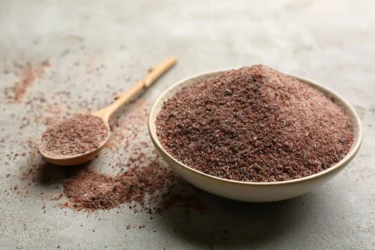
Black salt may have some effect on boosting a child’s immunity. It may also help get rid of intestinal gas, promote digestion, and eliminate excess phlegm from the body, making it suitable for babies older than one year2. We may need further studies that can give evidence for these benefits on humans. Further, you must always consult a doctor and use any herb for children and babies only if prescribed.
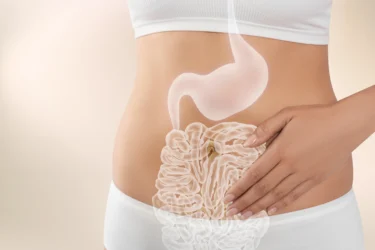
Black salt improves digestion by increasing the natural production of acid in the stomach and formation of bile juice in the liver. It may also help boost the absorption of nutrients in the small intestine. Bloating can be caused by a variety of factors, including overeating, allergy, constipation, inflammatory bowel syndrome, etc. Black salts have alkaline characteristics to neutralize excess acids in the stomach. The minerals it contains help to reduce the damage caused by acid reflux5. Moreover, for any conditions related to digestion you must be diagnosed and treated by a doctor.
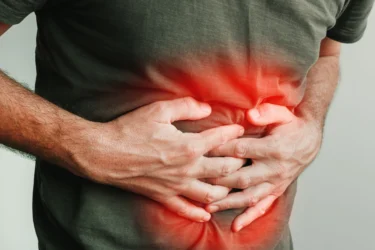
Due to its Rechana (laxative) properties, black salt may be beneficial for constipation5. It may soften hard stools and make moving bowels easier. More studies on humans are required to back this claim. Therefore, it is essential to first speak to your doctors and only use it if prescribed.

Insulin is a hormone generated by the pancreas and is in charge of controlling blood sugar levels. When a person’s body is unable to produce enough insulin or has become resistant to insulin, they are diagnosed with diabetes.
According to studies6, low sodium levels have been linked to a decrease in insulin release in the body. Regular consumption of black salt, which is high in sodium, helps produce insulin and hence helps control of blood sugar levels2.

Black salt has a high potassium content, which is important for muscular function. It might also aid in the absorption of other minerals. Thus, black salt may have the potential to relieve muscle cramps and spasms by relaxing them7.

The possible anti-inflammatory effects of black salt, and its abrasive texture, might help in the healing of cracked heels, sprains and swollen feet. Soaking feet in warm water containing black salt might help relieve the pain and swelling. It also functions as a cleanser, assisting in the opening of congested pores and providing a clear complexion7. The possible skin benefits from its high quantity of helpful minerals. Cracked skin can be healed by washing the afflicted region in lukewarm water with black salt. This may aid in the natural healing of skin. However, every person has a different response to different herbs. Therefore, it is better to consult a doctor before you use black salt for your skin problems.
Other than culinary uses, black salt might aid in the beautification of nails. Black salt is believed to remove dead skin debris and hence might clean the yellowness in the nail bed by using black salt as a scrub or soaking in the water containing black salt4.
Dr. Anuja Bodhare, B.A.M.S, M.D (Ayu)

Using black salt on a regular basis might help achieve luscious, and damage-free hair. It may contain important minerals that may end, reduce dandruff, and control of excessive hair fall2.

Black salt for weight loss is a great addition to diet if you’re trying to cut back on sodium while also avoiding bloating and water retention. Black salt helps to dissolve fats by increasing the solubility of digestive enzymes. When compared to regular table salt, it may speed up digestion and provide more nutrition to the body’s cells2. However more studies are needed to understand its effect on weight loss in humans. Consult a dietitian or a doctor to get better advice.

Black salt thins the blood and may be beneficial in people with high cholesterol2. However, people with high blood pressure, should limit their intake of black salt. Any heart-related conditions must be treated under a qualified doctor’s supervision.
Black salt helps to maintain good blood circulation, which may help prevent blood clots. However, it’s best to consult a doctor beforehand.

People suffering from respiratory problems or sinusitis can benefit from kala namak2.
You can speed up the clearing up of phlegm and the opening of nostrils by gargling with black salt in warm water or by steam inhalation or by adding it to warm water for gargling.
Talk about the effectiveness of black salt for arthritis! Researchers believe warm compresses with a bag of heated black salt on joints might help with arthritis problems2.
Dr. Siddharth Gupta, B.A.M.S, M.D (Ayu)
Black salt is available in three different forms:
You must consult a qualified doctor before taking any herbal supplements. Do not discontinue or replace an ongoing treatment of modern medicine with an ayurvedic/herbal preparation without consulting a qualified doctor.
Did you know black salt can aid in teeth whitening? Researchers believe that regular application of black salt mixed with mustard oil on the tooth surface might help in cleaning the debris from the tooth surface and hence, whitening the tooth4.
Dr. Smita Barode, B.A.M.S, M.S.
Also Read: Black Chana: Uses, Benefits, Side Effects By Dr. Rajeev Singh
In small quantities used in the regular diet, black salt is probably harmless. Black salt should not be consumed in excess.
Too much salt in the diet leads to excess secretion of calcium in the urine, resulting in the formation of kidney stones.
However, every herb may react differently in every individual. Therefore, if you experience any side effects, seek immediate medical help from your doctor. They will be the best guide for providing proper treatment to overcome side effects.
From what I have read, black salt is believed to maintain and regulate the serotonin and melatonin levels in our body, which helps to sleep and relax4.
Dr. Rajeev Singh, BAMS
If you have one or more of these conditions, it is important to consult with your doctor before taking Black salt.
Also Read: Pink Himalayan Salt: Uses, Benefits, Side Effects, Precautions & More!
Information is not available about the interaction of black salt with other drugs. However, every herb may react differently in every individual. Therefore, you must discuss your ongoing medications with your doctor who has prescribed it to you. They will be the best guide for providing proper treatment to overcome any possible interactions with other drugs.
Also Read: Toor Dal: Uses, Benefits, Side Effects & More!
Black salt, often referred to as Himalayan black salt, Indian black salt, or kala namak, is a volcanic rock salt produced in the Himalayan region. It contains varying amounts of sulphur compounds found naturally in the Himalayan mountains, in addition to sodium chloride (the primary chemical constituent in salt).
Inadequate salt consumption can reduce blood volume and have a negative impact on the placenta’s growth and function. When the placenta’s ability to function is compromised, the baby’s growth, development, and even life is jeopardised. Preeclampsia and fetal death may both be exacerbated by lack of salt in the diet.
Kidney stones are a painful condition caused by a buildup of minerals and acid salts into a lump that blocks the flow of urine and causes nausea. However, because of its medicinal characteristics, many traditional practitioners recommend swapping black salt for normal salt. You should consult a doctor for proper diagnosis and treatment for such conditions, it may be dangerous to self-medicate using herbs without proper information of its impact on your condition.
Black lava salt comes from Hawaii or Cyprus and is simply table salt mixed with activated charcoal. Use black lava salt as a finishing salt; it’s more for the aesthetic effect than the taste.
Indian black salt can be sprinkled on popcorn or kale chips for a unique flavour. Vegans can enjoy black salt because it gives egg-free foods the scent and flavour of eggs. It can also be used as a scrub or a soak while bathing.
Yes, you can use black salt for cooking. Black salt is now widely used in cooking and is a typical element in Indian cuisine. Black salt is perfectly safe to use in cooking.
No, black salt helps to decrease heartburn and bloating by stimulating bile production in the liver. It lowers acid levels and alleviates reflux. A pinch of salt can help to prevent gas production, bloating, and flatulence. You should consult a doctor for proper diagnosis and treatment for such conditions.
Because black salt does not contain iodine like table salt, you will need to supplement your diet with iodine sources.
Salt, as we all know, has no expiration date because it is a preservative in itself. Because salt packers are required to print the expiration date on the bag, the majority of them print it two years from the day of production.
Due to its Rechana (laxative) nature, black salt can produce diarrhoea if consumed in large quantities. However, limited human studies are available to establish this claim.
Black salt is another type of Himalayan pink salt. However, to infuse some therapeutic characteristics, this salt is burned at extremely high temperatures in kilns with charcoal, harad seeds, amla, and other ingredients.
Yes, black salt is good for blood pressure, as it contains more potassium and less sodium than table salt2. You should consult a doctor for proper diagnosis and treatment for such conditions, it may be dangerous to self-medicate.
Disclaimer: The information provided here is for educational/awareness purposes only and is not intended to be a substitute for medical treatment by a healthcare professional and should not be relied upon to diagnose or treat any medical condition. The reader should consult a registered medical practitioner to determine the appropriateness of the information and before consuming any medication. PharmEasy does not provide any guarantee or warranty (express or implied) regarding the accuracy, adequacy, completeness, legality, reliability or usefulness of the information; and disclaims any liability arising thereof.
73
4
Sesame (Sesamum indicum), often known as Til, is a flowering plant in the Sesamum genus. It is farmed for its edible seeds, which are produced in pods, and has become widely naturalized in tropical locations around the world. In 201823, the top producers were Sudan, Myanmar, and India. The cultivated type, S. indicum, is from India.
Sesame seeds may be small, but they pack a powerful punch when it comes to nutrition and health benefits. These tiny, oil-rich seeds have been a staple in cuisines and traditional medicine for centuries. Whether sprinkled on salads, blended into tahini, or used as a topping for bread, sesame seeds offer a unique combination of flavor and wellness. Sesame oil is most widely utilized in bakeries. The oil content of sesame is among the greatest of any seed. It is a common component in cuisines across the world because of its rich, nutty flavour.
Protein, vitamin B1, dietary fiber, phosphorus, iron, magnesium, calcium, manganese, copper, and zinc are all abundant in sesame seeds. Here are the nutritional components of sesame seeds per 100 grams3.
Studies have revealed that sesame seeds are not only packed with nutrients but also have an impressive composition. They contain approximately 21.9% protein and 61.7% fat17, making them a great source of these essential macronutrients. No wonder they have earned the reputation of being an ‘all-purpose nutrient bank’ and even the illustrious title of the ‘crown of eight grains.’
Dr. Rajeev Singh, BAMS
It is widely utilized for medicinal applications due to the presence of some unique phytochemicals. It may have following properties2.
It is a powerful energy source. Its seeds may be utilized for their various health-promoting properties, while its seed coat, a byproduct of sesame and a valuable source of fibers, may be a source for animal feedstuff2. Sesame seeds provide a wide range of health benefits, which are detailed below:
Plant polyphenols found in sesame seeds can aid hair health. Because of the vitamins and minerals in sesame seed oil, it is frequently massaged into the scalp, which may help with premature greying and hair growth2. The amino acids and antioxidants in sesame seed oil may also help dull hair regain its lustre. It can also be used to hydrate a dry scalp and prevent hair from the harmful effects of the sun and pollutants20. However, more research is required to prove such effects of sesame seeds.
Natural oil-soluble plant lignans found in sesame seeds may aid in the treatment of hypertension5. Furthermore, magnesium has long been recognised as a vasodilator (a substance that lowers blood pressure). Thus, it may have some effect on your heart health. However, it is advisable to consult a doctor for heart-related issues.
Did you know that sesame seeds, along with nuts and legumes, are not just delicious additions to your meals but also fantastic sources of phytosterols1? These magical compounds might have the power to maximize cholesterol reduction in your body.
Dr. Siddharth Gupta, B.A.M.S, M.D (Ayu)
Sesame seeds have a higher content of fibre that may be beneficial for good digestion. It may also help with symptoms like constipation6 and diarrhoea while also protecting the colon and lowering the risk of gastrointestinal disorders. You must consult a doctor for its benefits for digestion.
Sesame seeds may be useful in managing diabetes. It may have an effect on blood glucose levels and reduce or delay the absorption of glucose in the body7. However, serious conditions like diabetes must be diagnosed and treated by a doctor. Therefore, kindly consult a doctor and do not self-medicate.
Also Read: Diet Tips for Gestational Diabetes

Anti-arthritic, anti-inflammatory, and antioxidant effects of sesame seeds and sesame seed oil are owing to sesamol, a bioactive substance found in sesame seeds. It might be responsible for preventing pro-inflammatory chemical synthesis.
It may also lower the number of reactive oxygen species produced. Sesame seeds or seed oil may help to reduce the pain and inflammation associated with arthritis because of their qualities8,9. Pain and inflammation may be reduced by massaging joints with sesame seed oil11. However, since insufficient studies are available, for conditions of bones, it is important to consult your medical practitioner for advice, as the herb may have different effects on individuals.

The effects of sesame seeds on dental health may be perhaps the most apparent. Sesame seed oil pulling may have antibacterial and astringent effects on many aspects of dental health.
It may also be linked to lowering the presence of Streptococcus bacteria, a common bacterium that can cause problems in the mouth. Oil pulling with sesame oil can help reduce dental plaque as well as improve gum health10. You must consult a qualified dentist for proper advice and guidance.
Sesame seeds can aid in the treatment of Alzheimer’s disease. They might have anti-inflammatory and antioxidant properties. Sesame seeds may reduce the formation of pro-inflammatory molecules that may be linked to Alzheimer’s disease. Furthermore, they might manage Alzheimer’s disease by inhibiting the damage induced by reactive oxygen species to brain cells12,13. You must always consult a qualified professional for diagnosis and treatment.
Sesame seeds aid in the treatment of anaemia14. Iron is abundant in sesame seeds. They help in the production of haemoglobin, hematocrit, and red blood cells in the body. This effect of sesame seeds will need further studies to provide scientific evidence.

Due to its anxiolytic impact, sesame seeds can be beneficial in the treatment of anxiety. They might also have antioxidant capabilities, which aid in the elimination of free radicals and the reduction of stress-related anxiety15. You must consult a doctor and consume any herb only under their supervision.

Zinc is an important component of sesame seeds. Zinc is a necessary component in the synthesis of collagen, which helps strengthen muscle tissue, hair, and skin. Thus, consuming sesame seeds can help improve the health of hair and skin.
Due to the presence of antioxidants, sesame seed oil is helpful to the skin, and applying it to the face overnight softens and tightens the skin4. Because of its antibacterial and antifungal characteristics, it improves wound healing.
They prevent wound infection while also boosting wound healing. They fight common skin diseases with antibacterial and antifungal properties. They are also beneficial for wound healing because they help promote collagen production and cell proliferation16.
Though studies show the benefits of sesame seeds against various disease conditions, these studies are insufficient, and there is a need for further studies to establish the true extent of the benefits of sesame seeds on human health.
Not only are sesame seeds a great source of protein, but the protein they contain is also complete. In fact, the ratio of essential amino acid content in sesame protein is remarkably similar to that of the human body. This means that sesame seeds may provide us with all the essential amino acids our bodies need for optimal health17.
Dr. Smita Barode, B.A.M.S, M.S.
Also Read: Halim Seeds: Uses, Benefits, Side Effects and More By Dr. Rajeev Singh
Sesame seeds are available in six different forms:
You must consult a qualified doctor before taking sesame seeds or any herbal supplements. Do not discontinue or replace an ongoing treatment of modern medicine with an ayurvedic/herbal preparation without consulting a qualified doctor.
The historical text ‘Shennong Ben Cao Jing’ provides insights into the traditional medicinal uses of sesame seeds. According to this ancient document, sesame seeds were believed to have therapeutic properties, possibly in taking care of injuries, nourishing internal organs, boosting energy, promoting muscle growth, and replenishing the bone marrow.
Dr. Anuja Bodhare, B.A.M.S, M.D (Ayu)
The majority of studies have determined that sesame seeds are safe to eat and have no negative effects17. Excessive sesame seeds can result in some of the adverse effects described below.
It’s amazing how adding ground sesame seeds to salads can enhance the absorption of fat-soluble phytonutrients found in greens. Not only that, but sesame seeds also contain lignans, which are compounds known for their potential anti-cancer properties. These lignans may play a role in reducing the occurrence of breast cancer22.
Dr. Ashok Pal, B.A.M.S.
Before consuming sesame seeds, seek medical counsel if you have one or more of these conditions.
Also Read: 14 Amazing Health Benefits of Pumpkin Seeds!
It is critical to remember that none of these medications should be used with sesame seeds.
Also Read: Chia Seeds: Uses, Benefits, Side Effects, and More!
Raw sesame seeds are a delicious snack (hulled or unhulled). You can toast and bake them as well.
Consume one tablespoon of raw or roasted sesame seeds every day, or season salads with sesame seeds to taste.
Sesame seeds cause the fertilised ovum to be ejected by stimulating the uterine muscles. Sesame seeds should be avoided by all pregnant women throughout the first three to four months of pregnancy, according to experts.
Sesame seeds can be sprinkled in salads, stir-fries, and soups. Sesame seeds can be toasted to make them crunchier and to enhance their flavour. Sesame seeds can be toasted by spreading them out on a baking dish and roasting them at 350°F for 5-10 minutes.
Keep sesame seeds in an airtight container in a cool and dry place.
To make sesame oil at home, toast the seeds until golden brown, then combine them with your favourite cooking oil and blend until smooth. The sesame oil develops on top of the components at this point. Refrigerate sesame oil for up to two years so you can use it in a variety of dishes.
Yes, Sesame seeds, both black and white, are gluten-free.
No, Sesame oil, on the other hand, aids in the regulation of excess oils and has a healing impact on the skin.
Yes, sesame seeds can be frozen. Sesame seeds have a storage life of 6-8 months at room temperature and up to a year if refrigerated.
Disclaimer: The information provided here is for educational/awareness purposes only and is not intended to be a substitute for medical treatment by a healthcare professional and should not be relied upon to diagnose or treat any medical condition. The reader should consult a registered medical practitioner to determine the appropriateness of the information and before consuming any medication. PharmEasy does not provide any guarantee or warranty (express or implied) regarding the accuracy, adequacy, completeness, legality, reliability or usefulness of the information; and disclaims any liability arising thereof.
Links and product recommendations in the information provided here are advertisements of third-party products available on the website. PharmEasy does not make any representation on the accuracy or suitability of such products/services. Advertisements do not influence the editorial decisions or content. The information in this blog is subject to change without notice. The authors and administrators reserve the right to modify, add, or remove content without notification. It is your responsibility to review this disclaimer regularly for any changes.
25
1
Chamomile is a plant that has been in use for long for its health benefits. Mankind has known this plant, studied it, and utilized it since the medieval ages1. The chamomile plant belongs to the Asteraceae or Compositae family which is also known as the Daisy family. The generic name chamomile which is the name popularly used comes from the words ”Khamai”, which means on the ground, and ”melon” which means an apple in Greek. Chamomile term is used collectively to refer to many plants that belong to the family Asteraceae which includes the
The German and Roman chamomile are known as the true chamomile due to their beneficial properties. They are very similar in appearance but differ slightly in the chemical content of the oils obtained from them2,3,4. The German chamomile is the more commonly used of the two5.
Did you know?
Chamomile is authentic to the Southern and Eastern parts of Europe. It is grown in:
It found its way to India during the rule of the Mughal emperors and is currently grown in the Northern parts of the country. The most prominent producer of this plant is Hungary1.
The flowers and leaves of the plant are usually used, the flowers being the part that is most used. The flowers can be used fresh or dried. The plant is harvested during the flowering phase on a sunny day during the morning time. The flower of this plant has a characteristic fruity fragrance and is daisy-like in appearance. It has a yellow center that is around 1- 1.5 cm wide and white petals5,6.
Macronutrients Per 1 Cup (8 fl oz) of Chamomile Tea Brewed:
Micronutrients Per 1 Cup (8 fl oz) of Chamomile Tea Brewed:
This ayurvedic herb has diverse beneficial properties that help with its potential uses which are discussed as follows:
However, since insufficient studies are available, for conditions for brain it is important to consult your medical practitioner for advice as the herb may have different effects on individuals.
Chamomile tea can be taken to relieve the symptoms of a common cold. Another way in which the plant can be used for this purpose is by boiling the flowers in water and inhaling the steam so produced8. You must consult a doctor for a cold.

It is said that persons who consume more flavonoids might have a lesser risk of death due to coronary heart disease. Chamomile has a good amount of flavonoids, but more studies must be done to validate how useful it is in preventing coronary heart disease2.
In studies, chamomile has been found to help reduce blood sugar levels and diabetic complications by lowering blood sugar levels and increasing the storage of liver glycogen. Studies have also found it to be protective of the pancreas. However, more studies need to be done to determine its usefulness in the treatment of diabetes2.

Consumption of chamomile tea between meals might help to relieve heartburn, gastritis, gastric spasms (excessive gut muscle contraction), and flatulence3,9.
I strongly recommend the use of chamomile to relieve diarrhoea and, on the contrary, constipation too. Chamomile has the potential to assist with these problems by soothing the irritated or inflamed inner lining of your digestive tract21.
Dr. Rajeev Singh, BAMS
In osteoporosis, where the bone mass reduces, chamomile extract stimulates the bone-forming cells by interacting with the estrogen receptors (anti-estrogen effect) and may help improve the condition2. It is always better to consult a doctor before you use chamomile for your bone problems there may be several underlying causes that may need to to analyzed before prescribing chamomile for its benefits.
In eczema, where there are patches of irritated, inflamed, and cracked skin, external application of chamomile has been found to be useful in studies. Chamomile might be useful in case of bacterial infections, wounds, sunburns, corns, patchy areas on the scalp due to cradle caps used in infants, and skin irritation post-radiation therapy. Chamomile oil extract can be massaged, or a cloth can be soaked in chamomile tea and applied to the affected area. It might also be used as a cosmetic due to its anti-inflammatory and antioxidant properties2,3.

Its anti-inflammatory and antimicrobial actions are proven to help in wound healing2,10. However these benefits need further studies to establish this fact.

Chamomile might be useful in reducing inflammatory pains like sciatica and neuralgias, any types of swellings like abscesses, and inflammation of the vaginal lining (vaginitis), and lining of the mouth. For relief in vaginitis, a chamomile douche may be used2. It is, however, essential to consult your doctor before taking chamomile for such conditions.

Chamomile may have an antibacterial effect and is therefore useful for improving the health of the oral cavity2. A professional dentist might be the best person to advise.
Many animal studies have shown that chamomile aids in the reduction of cancer growth. This may be due to the apigenin chemical which is present in chamomile. Currently, human studies are being conducted on cancer with chamomile extracts9. Moreover, for cancer conditions you must be diagnosed and treated by a doctor.
I strongly recommend the use of chamomile mouthwash. Mouth sores brought on by cancer chemotherapy and radiation therapies may be relieved by using chamomile mouthwash. Your mouth’s lining is calmed by the calming effects of chamomile. Both gingivitis (gum disease) and sores may be effectively managed with mouthwashes containing chamomile tincture as well as caraway, clove oil, Echinacea, menthol, molmol, peppermint and sage21.
Dr. Siddharth Gupta, B.A.M.S, M.D (Ayu)
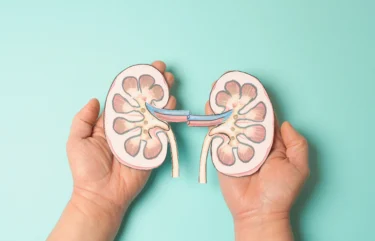
Chamomile may be used for kidney stones and bladder stones alone or in combination with other herbs in the Unani system of medicine in India4. Animal studies have demonstrated a mild increase in urine formation as the flowers of Roman chamomile show urine-stimulating properties4,11. However, we need more studies to provide scientific evidence for these benefits of chamomile.

Studies have shown that the oil extract of chamomile has very good mosquito-repellent activity. Out of all the chamomile flower variants, the German chamomile has the maximum mosquito-repellent property12.
Although studies show the benefits of chamomile in different health conditions, this information is insufficient. Hence, there is a need for further studies to establish the true extent of the benefits of chamomile on human health. Furthermore, every person may respond differently to these herbs. Therefore, it is important to consult a doctor before using chamomile for any medical condition.
You must consult a qualified doctor before taking any herbal supplements. Do not discontinue or replace an ongoing treatment of modern medicine with an ayurvedic/herbal preparation without consulting a qualified doctor.
US-FDA includes chamomile in its GRAS (Generally Recognized as Safe) list, but the safety in young children, during pregnancy or breastfeeding, in disease of the liver and kidney has yet to be established by conducting studies. Some of the know side effects are as follows:
Also Read: Nagarmotha (Cyperus rotundus): Uses, Benefits, Side Effects & More!
Chamomile is a time-tested herb with a broad range of potential benefits, from promoting sleep and reducing anxiety to supporting gut health, wound healing, and skin conditions. Its anti-inflammatory, antimicrobial, and antioxidant properties make it a valuable natural remedy across multiple systems of the body. However, most evidence remains preliminary, with many findings limited to animal studies. While generally safe for adults, caution is advised during pregnancy, breastfeeding, and in children, and it may interact with blood thinners and sedatives. Consulting a healthcare professional before use remains essential.
Also Read: Psyllium Husk (Isabgol): Uses, Benefits & Side Effects
In Hindi chamomile is called Babuna1.
The chamomile flower is the part that is used most, and it has a yellow center (1 – 1.5 cms wide) with white petals5.
The flower of this plant should be harvested near full bloom which is for a period of 3 – 6 weeks during March-April1,17.
In an airtight glass at room temperature, chamomile can be stored for long-term3.
Chamomile belongs to the daisy family (Asteraceae or Compositae) which includes a lot more plants as well4.
Chamomile (Matricari recutita) and Dandelions (Taraxacum officinale) both belong to the same Asteraceae family but are different species4,18.
Chamomile (Matricari recutita) and Feverfew (Tanacetum parthenium) both belong to the same Asteraceae family but are different species4,19.
Chamomile mainly contains vitamin A, vitamin B, magnesium, manganese, potassium, calcium, iron copper, zinc, and has around 0.47g of carbohydrates but no caffeine. Therefore, it is caffeine-free7.
Chamomile has some amount of coumarin which is a chemical that prevents blood from clotting thus it is a blood thinner and not to be taken if patients are on anticoagulants and antiplatelet drugs due to the risk of bleeding14. We may need further studies that can give evidence for these benefits on humans. Consult your doctor for better advice.
Chamomile contains chemicals that have insecticidal action. Therefore, can be used as a mosquito repellant11.
It is useful in dogs also, for various skin conditions20.
Traditionally it has been in use in babies in the past but currently, the safety is not fully established therefore use must be avoided2.
Disclaimer: The information provided here is for educational/awareness purposes only and is not intended to be a substitute for medical treatment by a healthcare professional and should not be relied upon to diagnose or treat any medical condition. The reader should consult a registered medical practitioner to determine the appropriateness of the information and before consuming any medication. PharmEasy does not provide any guarantee or warranty (express or implied) regarding the accuracy, adequacy, completeness, legality, reliability or usefulness of the information; and disclaims any liability arising thereof.
Links and product recommendations in the information provided here are advertisements of third-party products available on the website. PharmEasy does not make any representation on the accuracy or suitability of such products/services. Advertisements do not influence the editorial decisions or content. The information in this blog is subject to change without notice. The authors and administrators reserve the right to modify, add, or remove content without notification. It is your responsibility to review this disclaimer regularly for any changes.
6
1
Tejpatta is the dried leaves of the plant Cinnamomum tamala. It belongs to the family Lauraceae and genus Cinnamomum which has around 270 species of plants that grow authentically in Asia and Australia.
Tejpatta is also known as Indian bay leaf is a small evergreen or perennial tree, which means it grows throughout the year and bears fruits every year of its life span.
Typically, the tree grows up to 12 meters in height and the leaf of this tree is around 12-20 cm long and 5-8 cm wide in the center with three long nerves running from the base to the apex of the leaf.
The Indian Bay leaf grows naturally in the North-Western Himalayan region, Sikkim, Assam, Mizoram, Meghalaya, tropical and sub-tropical Asia, South Asia, the Pacific region, and Australia. As a spice, it is used in various cuisines, especially in northern Indian food and it imparts an aromatic odor and taste1.
The India Bay leaf is known by various English names like
It is also known by various names in the vernacular languages of India like
Over the years, I have observed that bay leaves might have a notable effect on the gastrointestinal system. It has been suggested that they might act as a diuretic, promoting increased urine production and potentially aiding in the elimination of toxins from the body.
Dr. Siddharth Gupta, B.A.M.S, M.D (Ayu)
Portion Size: 1 tsp = 0.6 g
Amount per Portion:
Portion Size: 1 tsp = 0.6 g
Amount per Portion:
The herb has diverse potential benefits and uses and benefits which are as follows2,5,6,7:
Many studies show that the Indian bay leaf extracts possess anti-depressant effects, that is it can elevate the person’s mood. It may have anxiolytic (reduces anxiety) effects, meaning it can produce calmness in a person experiencing anxiety. Thus, it may have some effect in the management of some psychological disorders5. However, you need to reach out to your healthcare provider if you experience psychological problems.
In my experience, I have observed that bay leaf essential oil might have anticonvulsant properties. This means that it could potentially help in reducing or avoiding seizures completely. It is believed that certain components present in the essential oil, such as eugenol, pinene, and methyleugenol, are responsible for this effect.
Dr. Rajeev Singh, BAMS

This plant has skin-brightening properties, as may have negative activity of the enzyme tyrosinase which is needed to produce melanin which is the dark pigment present in the skin5,6. Tejpatta oil may also be useful for eczema-like skin disorders where the skin is dry and flaky2. These potential benefits may be due to its antioxidant, antimicrobial, and anti-inflammatory properties. The leaf may be used to help against head lice due to its potential insecticidal activity7. You are advised to consult with a doctor if you encounter any such infestation as it may be disturbing.
It may help to lower blood sugar levels due to its antioxidant properties which may also have some effect on the body to use insulin better. It is may help to lower cholesterol and triglyceride levels as well when given to diabetic patients. Larger human studies could help demonstrate the efficacy of tej patta in preventing damage to vital organs due to long-standing diabetes. Therefore, avoid using tej patta or other herbal remedies for diabetes without talking to your healthcare provider.
Based on my experience, I have observed that Laurus nobilis (bay leaf) essential oil might exhibit antiviral properties against SARS-CoV and HSV-1. The constituents of the essential oil, such as beta-ocimene, 1,8-cineol, alpha-pinene, and beta-pinene, are believed to contribute to this antiviral effect.
Dr. Smita Barode, B.A.M.S, M.S.
Tejpatta may have some potential effect as an insect repellent as it contains lauric acid which gives it the insecticidal property. It may have properties to repel mosquitoes and to protect grains like wheat, rice, oats, and barley from insects7. More studies are required to support the use of tej patta as an insect repellent.

The herb may have potential benefits in treating the common cold as it reduces the running nose which is the primary symptom experienced by patients. It may be beneficial in bronchial asthma by reducing cough. It may also have some effects in cases of complications of tuberculosis. Due to its Kapha balancing property, it can potentially control the cough, may help release mucus, and may clean the air passages; therefore, it may be useful in all the above-mentioned conditions2. However the data available about its benefits on humans seems to be insufficient thus, avoid using tej patta or other herbal remedies for the lungs without talking to your healthcare provider.
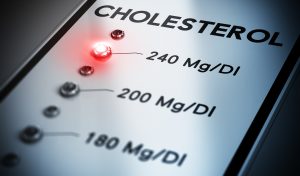
Tejpatta has been studied to reduce the bad cholesterol that is LDL-cholesterol increase good HDL cholesterol and reduce triglycerides. Therefore, it may help in reducing the risk of heart disease2,5,6. The effect of the blood sugar levels and the cholesterol level may make it cardio-protective which means it may help in protecting the heart. However, more research is required to ascertain the above-mentioned potential uses. You should consult a doctor for serious conditions such as cholesterol levels which must be diagnosed and treated by a doctor.

The ethanolic extract from this plant may show anti-ulcer action probably because it reduces acidity and has antioxidant action2,5,6. However, you need to reach out to your healthcare provider if you experience stomach problems.
Due to its potential antioxidant, anti-inflammatory, antimicrobial, and immunomodulatory effects, it may shorten the process of wound healing for minor cuts2,5,6. We need further studies to establish this fact.

This herb contains many compounds that reduce the damage caused by free radicals and reduce the risk of cancer2,5,6. You are advised not to use any herbal remedy to cure or prevent cancer without consulting your doctor.
Though there are studies that show the potential use of tejpatta in various conditions, these are insufficient and there is a need for further studies to establish the true extent of the benefits of tejpatta on human health.
You must consult a qualified doctor before taking tejpatta or herbal supplements. Likewise, do not discontinue or replace an ongoing treatment of modern medicine with an ayurvedic/herbal preparation without consulting a qualified doctor.
Also Read: Dhania (Coriander): Uses, Benefits & Side Effects
People may react differently to common herbs and foods. Therefore, if you experience any side effects after using fennel seeds, you should immediately reach out to your healthcare provider.
Also Read: Shankhpushpi – Benefits, Side Effects, Precautions & More
Tejpatta is a type of Bay leaf also called the Indian Bay leaf (Cinnamomum tamala)3.
Yes, they are different. Dalchini is the dried bark of a small tree called Cinnamomum zeylanicum while Tejpatta is the dried leaves of a tree called Cinnamomum tamala (Indian bay leaf)12.
Tejpatta and cinnamon are different. Tejpatta is the dried leaves of Cinnamomum tamala which belongs to the genus Cinnamomum. This genus has around 270 species of plants under it. The dried bark of the tree Cinnamomum verum (synonym Cinnamomum zeylanicum) is the one that is commonly known as the true cinnamon1,12,13.
The tree requires ample sunlight and must be planted at a spacing of 3 x 2 m in regular plantations. The seeds are sown closely on prepared beds during the month of June, and it takes 2-3 weeks for the seeds to develop into seedlings. When seedlings reach a height of 15 cm or turn four months old, they are shifted into polythene bags of 30×15 cm in size. Then, after 10-12 months, they are planted in the main field and take 6-9 years to attain the harvestable stage that is the leaves can be harvested when the trees turn 8-10 years. The leaves are usually harvested from the month of October to December and in some places, the collection is continued till March10.
Yes, only in the amount that is added in food and ground leaf for short periods can be consumed, the raw whole leaf is not to be eaten it is very difficult to digest the leaf and it may get stuck in the throat or damage the lining of the gut8.
Mainly the leaves and the bark of the herb may be used in various herbal benefits and food preparations7.
Disclaimer: The information provided here is for educational/awareness purposes only and is not intended to be a substitute for medical treatment by a healthcare professional and should not be relied upon to diagnose or treat any medical condition. The reader should consult a registered medical practitioner to determine the appropriateness of the information and before consuming any medication. PharmEasy does not provide any guarantee or warranty (express or implied) regarding the accuracy, adequacy, completeness, legality, reliability or usefulness of the information; and disclaims any liability arising thereof.
Links and product recommendations in the information provided here are advertisements of third-party products available on the website. PharmEasy does not make any representation on the accuracy or suitability of such products/services. Advertisements do not influence the editorial decisions or content. The information in this blog is subject to change without notice. The authors and administrators reserve the right to modify, add, or remove content without notification. It is your responsibility to review this disclaimer regularly for any changes.
2
Shankhpushpi is a plant native to India. It is scientifically called Convolvulus pluricaulis. Shakhpushpi is a Sanskrit word. This word basically means or stands for the plant with bell shaped or conch shaped flowers1,2. These flowers can be blue or white in color. In Ayurveda, it is recognized as ”Medhya Rasayana” which means a drug that rejuvenates, maintains and potentiates intellect and memory. This plant is used from its root to its tips and has a wide range of potential uses in man3.
In India, it is also known by various other vernacular names like:
The herb has diverse potential benefits for various systems of the body which are as follows1,4,5,6,7,8:
Shankhpushpi may have some benefits for brain:
Shankhpushpi may have nootropic potential i.e., it may have potential effect on memory, learning capacity and concentration in the person consuming it. It may be able to have some effect on conditions like attention deficit hyperactivity disorder (ADHD), which is usually seen in children, wherein the child has trouble paying attention, controlling impulsive behaviors or is overly active. However the studies available are insufficient to validate such claims and the exact effects on humans. You must consult a qualified doctor for proper advice and prescription.
Shankhpushpi may have neuroprotective potential, this indicates that it may have some beneficial effects on mental functions. Its antioxidant potential and anti-inflammatory potential may have possible benefit over brain functions like learning, thinking, reasoning, remembering, problem-solving, decision making, and attention. You must consult a qualified doctor for proper advice and guidance.
Due to its potential anti-depressant activity, shankhpushpi may be able to enhance the mood of the person consuming the herb. You must always take advise from a professional Ayurvedic doctor before consuming the plant preparations in depression-like conditions.
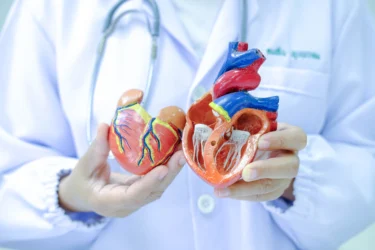
The herb shankhpushpi may have some effect on lowering blood pressure and is usually given to treat high blood pressure along with other herbal compounds. Various animal studies have revealed that its extracts lower Low-Density Lipoprotein-cholesterol (LDL-CH) which is the bad cholesterol, triglycerides (TG), and phospholipid levels. However, the studies on humans are insufficient to establish these benefits. Shankhpushpi may also be used in patients with high cholesterol due to its potential ability to lower cholesterol. Shankhpushpi may have the potential effect on these conditions. However, you must consult a qualified doctor for the mentioned conditions for proper prescription and detailed guidance.
The glycoprotein secretions of the herb may have shown some effect against various types of ulcers in the stomach. It may help in healing stomach ulcers. But we need further studies to establish these benefits.
It may make the skin glow. It may help with acne or pimples, which is usually very problematic in the teenage years of life. It may also help with skin infections. All these above potential uses are due to its anti-bacterial, antioxidant, and anti-inflammatory properties. You must consult a dermatologist for proper advice on skin conditions.
As is well-known with the brain-related effects of Shankhpushpi, it may also keep away the signs of ageing. Researchers think Shankshpushpi may be a natural anti-aging treatment. Antioxidants are thought to be abundant in it12.
Dr. Siddharth Gupta, B.A.M.S, M.D (Ayu)

The extract of shankhpushpi and compounds like tannins, saponins, coumarin, flavonoids, phenol and triterpenoids that are present in shankpushpi contribute to its activity against various bacteria.
Though studies show the benefits of shankhpushpi against various disease conditions, these studies are insufficient and there is a need for further studies to establish the true extent of the benefits of shankhpushpi on human health.
Did you know Shankhpushpi might be used for hair growth? Shankhpushpi oil is believed to reduce hair fall and enhance hair growth as a result of its rejuvenating nature13.
Dr. Rajeev Singh, BAMS
Shankhpushpi is available as a powder, tablet, capsule, juice, syrup and oil as well. Except for the oil that is massaged, rest all forms can be consumed with water or milk after meals preferably in the morning9.
You must consult a qualified doctor before taking shankhpushpi or any herbal supplements. Do not discontinue or replace an ongoing treatment of modern medicine with an ayurvedic/herbal preparation without consulting a qualified doctor.
Studies so far have not reported any major side effects of shankhpushpi. However, herbs react differently in different people and may have certain side effects and it should never be used for self-medication9,10. If you experience any discomfort, side effects or allergic reactions after using shankhpushpi, stop its use and contact your healthcare provider immediately.
Also Read: Medohar Guggulu: Uses, Benefits, Side Effects & More
Follow general precautions for any herb as per your doctor’s advice. Kindly do not self-medicate and do not substitute, alter or discontinue any ongoing treatment on your own. Other precautions to be followed are:
Also Read: Green Chilli: Uses, Benefits, Side Effects and More!
Mostly shankhpushpi is considered reasonably safe, but while using it the drugs mentioned below is to be avoided due to their interactions with the herb10.
Thus, patients taking blood pressure and seizure management medicines must consult their Ayurvedic physician before taking it. Moreover, Before consuming shankhpushpi for any health effects, talk to your doctor or physician about any precautions you might need to take. Consulting with your doctor will help you make better choices and avoid adverse health effects.
Also Read: Abhayarishta: Uses, Benefits & How to Use It
Ans: It has potential benefits in lowering blood sugar levels in diabetic patients. Various studies have been done to support this wherein on adding this herb to the patient on diabetic treatment the blood sugar reduction was higher6. However, these studies are insufficient to advise the exact effect on humans. Always consult a doctor for proper advice on serious conditions like diabetes.
There is no evidence currently available on which one is better than the other, but both may have potential as a memory enhancer and may be used either alone or in combination with other ingredients11.
Yes, they can be taken together; there are many syrups, capsules, and powders with the above combinations that are available in the market11.
The whole plant is used from top to bottom which includes the roots, stem and flowers of the plant9.
Yes, they are the same. Aparajita is another name for Shankhapushpi in the Hindi language1.
Disclaimer: The information provided here is for educational/awareness purposes only and is not intended to be a substitute for medical treatment by a healthcare professional and should not be relied upon to diagnose or treat any medical condition. The reader should consult a registered medical practitioner to determine the appropriateness of the information and before consuming any medication. PharmEasy does not provide any guarantee or warranty (express or implied) regarding the accuracy, adequacy, completeness, legality, reliability or usefulness of the information; and disclaims any liability arising thereof.
Links and product recommendations in the information provided here are advertisements of third-party products available on the website. PharmEasy does not make any representation on the accuracy or suitability of such products/services. Advertisements do not influence the editorial decisions or content. The information in this blog is subject to change without notice. The authors and administrators reserve the right to modify, add, or remove content without notification. It is your responsibility to review this disclaimer regularly for any changes.
17
1
Jaundice is a clinical condition characterised by a yellowish discolouration of the skin, sclerae (the white part of the eyes), and mucous membranes. This discolouration is caused by elevated levels of bilirubin in the bloods, a condition known as hyperbilirubinaemia. In India, a considerable proportion of the population is affected by jaundice annually, with varying degrees of severity.
Neonatal jaundice, which affects newborns, is particularly concerning due to its potential to cause serious health complications if not promptly diagnosed and treated. It remains a significant contributor to infant morbidity and mortality, especially in areas with limited access to early medical care. While no vaccine exists to prevent jaundice, early recognition and timely intervention are essential, particularly in vulnerable paediatric populations.
Most medical practitioners believe that jaundice is not a disease but a symptom of an underlying condition that affects the metabolic functions of the body. The effects of jaundice can range from minor complications to severe systemic dysfunction, and, in some cases even death if left untreated. In this article, we will examine the types, causes, symptoms, and available treatment modalities for jaundice in greater detail, with particular emphasis on both adult and neonatal presentations1.
Jaundice, also known as icterus, is a medical condition that causes a yellowish discolouration to the skin and the sclerae, resulting from elevated levels of bilirubin in your blood. Bilirubin is a breakdown product of haemoglobin that is processed by the liver and eliminated through bile into the intestines. When this process is disrupted due to liver dysfunction, bile duct obstruction, or other metabolic disturbances, bilirubin accumulates in the blood, leading to jaundice.
Neonatal jaundice, can result in severe complications such as Kernicterus (an irreversible form of brain damage) if not treated promptly. In adults, untreated jaundice may also lead to serious neurological consequences if bilirubin reaches toxic levels2.
Jaundice is not a disease in itself but a clinical sign of an underlying pathology, most often involving the liver, biliary system, or red blood cell metabolism. Accurate diagnosis is essential to determine the root cause, and medical treatment focuses on addressing this primary condition and reducing bilirubin levels to prevent further complications.
Bilirubin levels are measured through a blood test and are an important part of diagnosing and monitoring jaundice. Bilirubin exists in two main forms, and both are measured to help identify the type and cause of jaundice13. The general reference ranges in adults are as follows:
| Type of Bilirubin | Normal Reference Range |
| Total bilirubin | 0.3 – 1.2 mg/dL |
| Direct (conjugated) bilirubin | 0 – 0.20 mg/dL |
| Indirect (unconjugated) bilirubin | 0 – 0.9 mg/dL |
Visible jaundice usually appears when total bilirubin rises above approximately 2 to 3 mg/dL. It is important to note that reference ranges may vary slightly between laboratories, and results should always be interpreted by a doctor alongside symptoms and other tests. These reference ranges apply to adults. Normal bilirubin levels in newborn babies are different and are interpreted using age-specific guidelines.
To the best of my knowledge, jaundice is a condition characterised by yellowing of the skin and eyes, resulting from an elevated level of bilirubin in the blood. It stems from various causes like liver disease or hepatitis and presents symptoms like yellow skin, fatigue, abdominal pain, and dark-coloured urine. In adults, jaundice typically does not need specific treatment. Instead, the underlying causes and potential complications of jaundice may be addressed and managed. Jaundice are of different types categorised based on the metabolism of bilirubin, including the three different stages (pre-hepatic, hepatic, and post-hepatic), each with its unique causes and treatments12.
Dr. Siddharth Gupta, B.A.M.S, M.D (Ayu)
Since there are multiple reasons behind why jaundice can occur, it has been classified into 3 broad categories based on the causal factors1,2. The classification is done by studying which part of the liver is malfunctioning and how it affects the disposal of bilirubin from the bloodstream. The three major types of jaundice are outlined below.
Doctors also describe these same three types based on where the problem occurs in relation to the liver: before it, within it, or after it. The table below shows how the two naming systems line up1:
| Type | Where the Problem Lies | Mechanism | Common Examples |
| Pre-hepatic | Before the liver (in the blood) | Excess breakdown of red blood cells produces increased unconjugated bilirubin than the liver can process | Malaria, sickle cell anaemia, thalassemia, spherocytosis |
| Hepatic | Within the liver | The liver itself is damaged and it impairs bilirubin uptake, conjugation, and/or excretion. | Hepatitis, liver cirrhosis, liver cancer |
| Post-hepatic | After the liver (bile ducts) | Bile flow is blocked, preventing conjugated bilirubin from being excreted | Gallstones, bile duct cancer, pancreatic cancer, biliary atresia |
Each type is explained in more detail below.
Hepatocellular jaundice is a type of jaundice that occurs due to damage to the liver. This damage can be caused due to many reasons. When the parenchymal cells of the liver are damaged, whether due to infections or other underlying conditions, it can significantly impair hepatic function, leading to a reduction in the liver’s metabolic activity.
Hepatocellular jaundice can also be caused due to other diseases such as hepatitis wherein the liver is highly infected by the hepatitis virus, rendering it absolutely non-functional. Other medical conditions such as liver cancer or liver lacerations due to liver cirrhosis caused due to alcohol abuse can also cause hepatocellular jaundice.
Haemolytic jaundice happens when the red blood corpuscles in the bloodstream start to break down at a faster than normal pace causing an issue for the liver to keep functioning with such a large amount of bilirubin coming into the system. This condition marked by the excessive decomposition of the red blood cells is known as haemolysis and is a serious medical condition that can prove to be fatal very soon. Haemolytic jaundice can be defined as an imbalance between the RBC breakdown and bilirubin clearance procedure ratio of the blood and liver.
Haemolytic jaundice is highly common in patients who have malaria. In this condition, the malaria parasite quickly attacks and destroys red blood cells, which causes a rise in bilirubin levels in the blood. The body needs to make new red blood cells to replace the ones that are lost, but sometimes it can’t keep up. When red blood cells break down faster than they are made, it can lead to jaundice.
Obstructive jaundice is a kind of jaundice that occurs due to blocks that are formed between the bile ducts connecting the liver, gallbladder, and intestine. This obstruction or block prevents the liver from removing the excess bilirubin from the liver causing severe malfunctioning of the liver which in turn causes jaundice.
The bile duct comprises a network of tubes responsible for transporting bile from the liver to the gallbladder. Obstructive jaundice can arise due to multiple elements that can cause a block in the bile ducts. The best example of the same would be gallstones which can be present in the passages of the biliary system. Swollen lymph glands can also cause obstructive jaundice.
Studies12 have demonstrated jaundice is a medical condition characterised by the yellowing of the skin and eyes, often resulting from liver dysfunction, hepatitis, or bile duct blockage. Common symptoms include yellow discolouration, fatigue, and dark-coloured urine. Management varies based on the underlying cause and may involve managing the root cause including lifestyle adjustments or surgical procedures as necessary. Jaundice can be categorised into different types, such as obstructive, haemolytic, or hepatocellular, each associated with distinct causes and therapeutic approaches. Early diagnosis and tailored management are vital for effectively addressing jaundice and its related complications.
Dr. Rajeev Singh, BAMS
Jaundice presents with several recognisable clinical symptoms. However, the primary diagnostic challenge lies in identifying the underlying cause of liver dysfunction leading to jaundice. The symptoms listed below are among the most common indicators suggestive of jaundice and warrant further medical evaluation2:
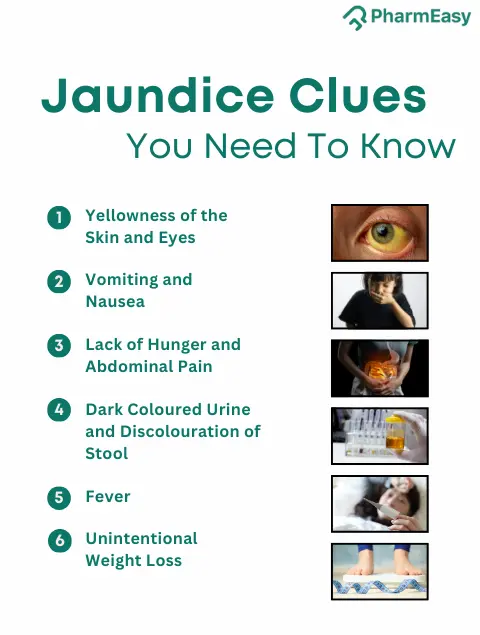
One of the most noticeable signs of jaundice is the yellowing of the skin and the whites of the eyes. This happens because there is too much bilirubin in the bloodstream, which naturally has a yellow colour.
Vomiting is yet another classic symptom of jaundice, especially in the early stages of jaundice. It happens when the liver isn’t working properly, which affects digestion and can cause indigestion. This often leads to vomiting.
High fever is also a symptom of jaundice, but it’s not very helpful for diagnosing it since many other conditions can cause fever too. A high fever is the body’s way of signalling that something is wrong and that it needs help. In the case of jaundice, when the body’s health quickly declines, it’s important to see a doctor as soon as the fever starts.
If you are affected with jaundice there are chances that your urine will turn extremely dark. This is because of the excess bilirubin that is getting excreted through the urethra. This is a very serious indicator that the bilirubin amount in the patient’s blood is rising at a fast pace.
If dark urine is noticed you need to get medical guidance immediately to ensure that there are no further complications that arise due to jaundice.
In individuals affected by jaundice, a marked decline in appetite is commonly observed. This may be attributed to gastrointestinal disturbances resulting from bile duct involvement, which can lead to symptoms such as indigestion and a burning sensation, both of which may contribute to reduced food intake. It is important to ensure that the patient continues to consume a minimal, nutritionally supportive diet, which will be discussed in detail later.
As jaundice gets worse, bilirubin (a substance that gives stool its normal colour) isn’t released in the stool, causing it to become pale or light in colour. This is a clear sign of jaundice. This can happen in obstructive (post-hepatic) jaundice and in some liver diseases that impair bile flow.
Stool tests are therefore very important to doctors as this might be a very strong indicator of jaundice.
One particularly important clinical clue is the combination of dark-coloured urine together with pale or clay-coloured stool. When these two signs appear together, they often point towards obstructive (post-hepatic) jaundice.
This happens because when bile flow is blocked, conjugated bilirubin cannot reach the intestines to give stool its normal brown colour, resulting in pale stool. At the same time, the excess bilirubin is filtered out through the kidneys and excreted in the urine, making it appear dark.
In clinical practice, this combination is considered a strong indicator that the problem may lie in the bile ducts rather than in the blood or liver cells. Anyone noticing dark urine alongside pale stools should seek medical evaluation promptly, as it may signal a blockage that requires timely intervention.
Abdominal pain localised to the area around the liver is another common symptom associated with jaundice. This type of pain happens because the liver experiences extreme discomfort due to overworking in the release of bilirubin or due to the blockage of the bile ducts in the case of obstructive jaundice. The pain next to the liver is never to be taken lightly and the patient should immediately consult the doctor to avoid further complications.
Weight loss, occurring faster than usual, can be a symptom of jaundice. This is primarily associated with hemolytic jaundice, where the production of bile decreases, leading to impaired nutrient absorption in the intestines. Additionally, this weight loss can result from other symptoms of jaundice, such as vomiting and loss of appetite.
There are several factors that can lead to jaundice. The underlying causes can often be identified and classified once the type of jaundice is determined. All three types of jaundice are linked to conditions that affect both the liver and the blood. Various infections and other diseases can also contribute to the progression of jaundice. In the following section, we will discuss some of the primary causes of jaundice2,3.
Malaria is a vector-borne disease that affects many individuals in India. The malaria parasite, transmitted through mosquito bites, infects red blood cells and derives its energy from them. This accelerated destruction of red blood cells can result in a rapid increase of bilirubin in the bloodstream, overwhelming the liver’s ability to process and eliminate it.
Sickle cell anaemia is a relatively rare genetic disorder characterised by crescent-shaped red blood cells, whereas healthy red blood cells are typically disc-shaped. This abnormal shape leads to the accelerated destruction of red blood cells, resulting in increased bilirubin production, which can contribute to the development of jaundice.
Spherocytosis is another genetic condition that causes the red blood cells to adopt a spherical shape rather than the typical disc shape. This abnormality leads to the rapid breakdown of blood cells, resulting in an accumulation of bilirubin in the bloodstream.
Thalassemia is a genetic disorder that impairs the body’s ability to produce an adequate number of red blood cells, leading to a low red blood cell count. This condition can also result in elevated bilirubin levels in the bloodstream, contributing to the development of jaundice.
Liver cirrhosis is a medical condition characterized by the scarring of liver tissue, which occurs over time as a result of prolonged exposure to infections and toxic substances, often due to alcohol abuse.
Hepatitis is a medical condition that causes inflammation of the liver, significantly impairing its function. It is considered a serious condition, as it hinders the liver’s ability to effectively process and eliminate excess bilirubin from the body, often resulting in jaundice.
This condition occurs when the bile ducts sustain significant damage, impairing their capacity to manage and direct bile flow. As a result, bilirubin regulation in the bloodstream is disrupted, leading to the onset of jaundice.
Liver cancer can cause serious damage to the liver affecting its normal functionality. It makes the liver work extremely hard with the presence of cancerous tissues within it. This makes it highly possible for someone affected with liver cancer to be affected with jaundice too.
Gallstones are calcium deposits that form in the gallbladder and can severely disrupt the normal function of the bile ducts. These bile ducts are essential for the excretion of bilirubin from the bloodstream.
Pancreatic cancer is a serious medical condition that can lead to jaundice. It occurs when malignant cancer cells develop within the pancreas, potentially obstructing the bile ducts and affecting bilirubin processing.
. A malignant tumour in the bile ducts can also result in jaundice. Such cancerous growths may significantly obstruct bile duct function, blocking the normal flow of bile and bilirubin.
Biliary atresia is a genetic condition characterised by the complete absence or significant narrowing of the bile ducts, leading to impaired bile duct function. This condition can also cause jaundice as the bile ducts are not able to excrete the excess bilirubin.
Apart from infections and structural problems, certain medications can also cause jaundice by harming the liver or interfering with bile flow. This is known as drug-induced liver injury. Some commonly implicated drugs include14:
The mechanism is usually either hepatotoxicity (direct injury to liver cells) or cholestasis (impaired bile flow). It is important never to stop or alter prescribed medication on your own. If you develop signs of jaundice while taking any medicine, consult your doctor, who can assess whether the medication is responsible and guide the next steps.
Both alcoholic hepatitis and viral hepatitis are common causes of hepatocellular jaundice, but they differ in important ways. The table below highlights some distinguishing features that help doctors tell them apart15.
| Feature | Alcoholic Hepatitis | Viral Hepatitis |
| AST/ALT pattern | AST is usually higher than ALT (often a ratio greater than 2:1) | ALT is usually higher than or equal to AST |
| Clinical history clues | History of long-term or heavy alcohol use | History of exposure, contaminated food/water, infected blood or bodily fluids unprotected sexual contact, or travel |
| Common causes | Chronic alcohol consumption | Hepatitis A, B, C, D, or E viruses |
| Key distinguishing features | May be associated with other signs of alcohol-related liver disease | Often linked to a specific viral infection confirmed by blood tests |
These patterns are general guides only. A doctor uses blood tests, history, and sometimes imaging to confirm the exact cause, as treatment differs significantly between the two.
The treatment for jaundice is primarily determined by the underlying condition causing the condition. The type of jaundice plays a crucial role in guiding the treatment approach. In most cases, treatment focuses on addressing the root cause rather than directly treating the jaundice itself. In the following section, we will discuss some of the common treatment methods used for managing jaundice1,4.
Haemolytic jaundice is caused by anaemia or other conditions that hinder the production of healthy red blood cells. Treatment primarily focuses on addressing the underlying cause. For jaundice induced by general anaemia, iron supplementation can support the recovery process. In conditions such as sickle cell anaemia and other genetic blood disorders, treatments like intravenous rehydration and blood transfusions may be necessary.
For jaundice caused by conditions such as thalassemia and spherocytosis, folic acid supplementation and, in some cases, spleen removal surgery are common treatment approaches. In severe cases, where the production of red blood cells is significantly impaired, more invasive procedures, such as bone marrow transplantation, may be required.
Liver damage leading to jaundice is primarily treated by addressing the underlying cause impairing liver function. In cases where the damage is due to infections, antiviral medications are used to prevent the infection from spreading and help it gradually subside. Hepatitis is one of the main conditions that can lead to jaundice. Patients with hepatitis may be treated with steroid medications for more effective results. Additionally, hepatitis vaccination plays a crucial role in reducing the risk of liver infection.
For individuals with liver scarring due to cirrhosis, doctors typically recommend a low-protein diet and advise complete avoidance of alcohol. Beta-blockers and intravenous antibiotics are also commonly prescribed for treatment. Biliary cirrhosis is often managed with bile-lowering medications, and antihistamines are used to alleviate severe itching. Additionally, bile reduction medication is administered, and bile acid supplements may be provided to assist with indigestion.
Liver cancer is another significant cause of jaundice, and standard cancer treatments are employed in these cases. Chemotherapy and targeted radiation therapies are commonly used. In more advanced cases, a liver transplant may be necessary for effective treatment.
Treatment typically involves surgical intervention to remove the obstruction. In cases where jaundice is caused by gallstones, doctors may recommend dietary changes to prevent further gallstone formation. Medications to dissolve the gallstones may also be prescribed to enhance treatment effectiveness. In more severe cases, surgery may be necessary to remove the gallstones or, in some instances, the entire gallbladder.
Obstructive jaundice caused due to the poor functionality of the bile ducts is treated using surgery. Some of the common issues that affect the bile ducts are conditions such as bile duct cancer or biliary atresia. An advanced medical procedure known as the Kasai method is used to remove and replace the faulty bile ducts to remove the obstruction causing jaundice. In the case of pancreatitis, treatment methods will be more focused on the pancreas and usually involve a lot of rest time for the patient. Surgery is done at times to remove the causal factors of inflammation of the pancreas.

While many cases of jaundice can be managed with timely treatment, certain warning signs indicate a potentially serious condition that requires immediate medical attention. Seek urgent care if jaundice is accompanied by any of the following:
These features may suggest severe liver dysfunction or a complication that needs prompt evaluation. When in doubt, it is always safer to consult a doctor without delay rather than waiting for symptoms to progress.
Home remedies have been used for the treatment of jaundice since a very long time. These treatments are mainly focused on flushing out the excess bilirubin from the bloodstream by focusing on alternative diets.
However, it is important to note that jaundice can progress rapidly in certain cases, and relying solely on home remedies without medical supervision may be dangerous and potentially life-threatening. Home remedies can be very effective, but it’s always safer to approach a doctor to understand the severity and cause of your jaundice.

Radish juice and radish leaves are traditionally believed to support the reduction of bilirubin levels in the body. Consuming radish juice, particularly when combined with extracts from its leaves, may aid in improving blood detoxification and supporting bowel movements, beneficial effects for individuals experiencing loss of appetite during jaundice5.
Although raw radish juice may have a strong and unpleasant taste, it can be made more palatable by diluting it with water or adding natural sweeteners such as honey. While these remedies may support liver health, they should be viewed as complementary and not as substitutes for medical treatment.
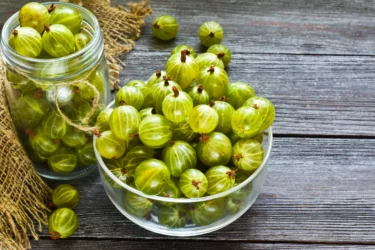
Indian gooseberry, rich in vitamin C, is commonly recognised for its potential health benefits. When combined with lemon, it forms a powerful natural remedy for individuals with jaundice. Indian gooseberry is thought to help protect liver cells by forming a protective layer around them. Additionally, vitamin C plays a role in regulating blood flow, which can support the body’s detoxification processes6.

Lemon is a fruit that can be very helpful among those who have jaundice7. Consuming lemon juice and also the water in which lemon leaves have been boiled can help with providing the needed relief for your damaged liver. In many countries, patients with jaundice are commonly advised by healthcare professionals to consume ample amounts of lemon juice.
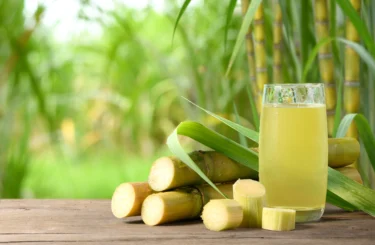
Sugarcane juice is believed to have beneficial properties for individuals with jaundice. The components in sugarcane juice may aid in liver recovery, which in turn helps normalise blood detoxification processes8.
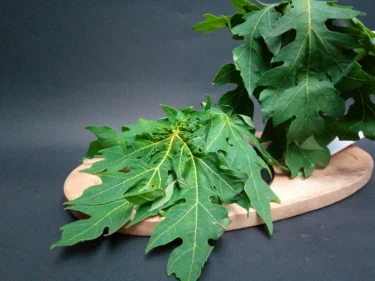
Papaya leaves are believed to help in liver recovery and support detoxification of the bloodstream. To use, crush the leaves into a paste and consume regularly until jaundice improves. Papaya leaves are also considered beneficial for maintaining platelet levels, particularly in dengue. However, these remedies should complement, not replace, professional medical treatment9.
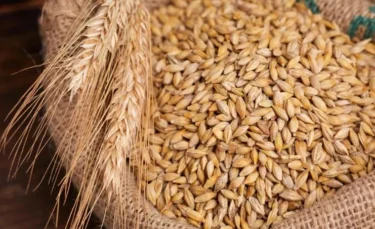
Barley is widely recognised for its traditional medicinal properties. Consuming well-boiled barley may act as a natural diuretic, potentially supporting the body’s detoxification processes by promoting the elimination of waste products through increased urine output. This may aid liver function and contribute to the overall cleansing of the bloodstream. As such, barley is often considered a supportive home remedy in the dietary management of jaundice. However, it should be used as a complementary measure and not as a replacement for medical treatment10.
Also Read: Can You Check Thyroid at Home
Maintaining a diet with low-complexity foods is crucial for supporting liver function during jaundice. Adequate hydration is also essential to assist the body in detoxifying effectively. Following a balanced diet that places minimal strain on the liver can aid in its recovery while it is under stress. Additionally, reducing salt intake is important to ensure normal blood flow and support overall health during jaundice11.
Jaundice is a dangerous condition that if left untreated can lead to serious complications and sometimes even death. It’s important to consult a doctor immediately as soon as you start seeing symptoms of the condition to start appropriate treatment.
If you notice symptoms such as yellowing of the skin or eyes, dark coloured urine, pale stools, or persistent fatigue, getting a Liver Function Test (LFT) can help identify the underlying problem early. An LFT is a simple blood test that gives valuable information about how well your liver is working16.
A standard LFT package usually includes:
Early testing allows for timely diagnosis and management. If you are experiencing symptoms of jaundice, consider consulting your doctor and getting an LFT done to better understand your liver health.
Also Read: What is Hepatitis A? Causes, Symptoms, and How It Spreads
Jaundice is a symptom of underlying liver or blood disorders, jaundice requires timely medical treatment, but supportive home remedies like lemon, gooseberry, and sugarcane juice may help with liver recovery. These should be used alongside and not as a substitute for professional medical care.
Also Read: Malaria: Types, Symptoms, Causes and Treatment
Yes, jaundice can be life-threatening if left untreated for an extended period. In severe cases, it may lead to fatal outcomes. It is essential to seek prompt medical attention at the earliest signs of jaundice to ensure timely diagnosis and appropriate management.
Yes, jaundice can be effectively managed and, in many cases, resolved if the underlying cause is accurately identified in a timely manner. Various treatment approaches are available, depending on the specific cause, to facilitate recovery and restore normal liver function.
Newborn babies are particularly vulnerable to jaundice, as their livers are still developing, making treatment more challenging. Medically referred to as neonatal jaundice, this condition can be severe and, if left untreated, may result in fatal outcomes.
Disclaimer: The information provided here is for educational/awareness purposes only and is not intended to be a substitute for medical treatment by a healthcare professional and should not be relied upon to diagnose or treat any medical condition. The reader should consult a registered medical practitioner to determine the appropriateness of the information and before consuming any medication. PharmEasy does not provide any guarantee or warranty (express or implied) regarding the accuracy, adequacy, completeness, legality, reliability or usefulness of the information; and disclaims any liability arising thereof.
52
3


