




Home Remedies for Jaundice By Dr. Siddharth Gupta
By Dr Siddharth Gupta +2 more

Medically reviewed by Dr. Avinav Gupta
Last updated: Oct 15, 2026 Published on: Sep 9, 2022


Get,

to manage your symptom
Get your,

4 Cr+ families
benefitted

OTP sent to 9988776655



You’ve successfully subscribed to receive
doctor-approved tips on
Whatsapp

Get ready to feel your best.


Register to Avail the Offer
Send OTPBy continuing, you agree with our Privacy Policy and Terms and Conditions
Hi There,
Sign up on PharmEasy now!!


Trusted by 4 crore+ families

OTP sent to 9988776655
You have unlocked 25% off on medicines


Code: NU25

By Dr Siddharth Gupta +2 more
Table of Contents
Do you know someone who started to appear yellow suddenly? It might be a possibility that they had pale/yellow eyes or nails. The most probable reason for this may be jaundice.
Jaundice is one of the most common liver disorders. It involves excess bilirubin circulating in the body. Bilirubin is a yellow-orange coloured bile pigment produced when the haemoglobin breaks down from the red blood cells. Jaundice is associated with yellow discolouration of the mucous membrane, skin, nail beds and the whites of the eyes1.

Jaundice is quite common in newborns since their liver is not completely developed to eliminate the accumulated bilirubin. It usually goes away with time2.
We will discuss more about the symptoms and causes of jaundice, and also share some preventive measures that may be helpful, but it is recommended to consult a doctor for proper diagnosis and treatment.
Jaundice can be caused at three stages.
They are: before, during and after the production of bilirubin. Problems associated with any of the three phases may cause jaundice.
The three stages where jaundice can occur along with their causes are:
Before the production of bilirubin (unconjugated jaundice):
During the production of bilirubin:
After production of bilirubin:
At times when jaundice is present, but without any visible symptoms, severity is predicted by finding the underlying cause of jaundice.
Various causes of jaundice may have a particular set of symptoms as given below:
Jaundice caused by infections may be accompanied by the following symptoms
If infections do not cause jaundice, you may have symptoms like:
Jaundice due to liver disease may be accompanied by the following symptoms:
Note: Jaundice is not a disease on its own but a clinical sign of an underlying condition affecting the liver, blood, or bile ducts. The symptoms and severity of jaundice depend on its root cause. Proper medical evaluation is essential for accurate diagnosis and treatment13.
Some of the natural remedies for jaundice are as follows:

Natural sunlight may be beneficial for neonatal jaundice. Sunlight includes a wide spectrum, which includes the bilirubin-absorbing range. Natural sunlight may be a replacement for phototherapy for neonatal jaundice3. However, natural sunlight is not a medically standardised or controlled substitute, and excessive exposure may carry risks3.
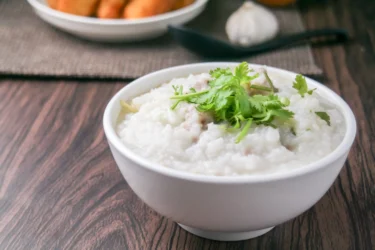
During the acute stages of jaundice, porridge without salt and tamarind or cooked rice is recommended in some traditional dietary practices. Oil, ghee and spices shall be avoided in jaundice. Non- vegetarian food should also be avoided. Meals may include vegetables without seasoning or tempering. Though there is limited evidence that restrictive diets cure jaundice. A light, easily digestible diet may support liver function during illness, but dietary changes alone do not treat the underlying cause.
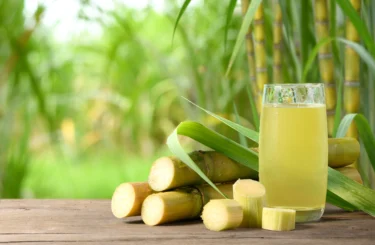
Sugarcane juice is commonly consumed in some traditional dietary practices during jaundice. However, there is insufficient scientific evidence to confirm that sugarcane juice keeps bilirubin levels under control and may help in jaundice4. Sugarcane juice is good for liver diseases. Sugarcane contains antioxidants and bioactive compounds, but its role in the management of jaundice has not been established4. For making sugarcane juice, the sugarcane is washed well, and the outer layer is removed. It is then cut into pieces, and the sugarcane extract and the juice are taken out. Squeeze the extract to remove any remaining juice.
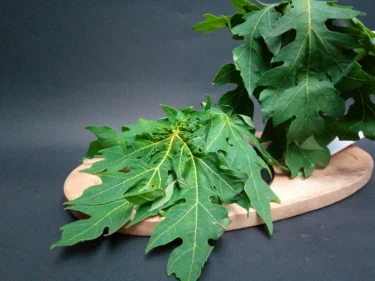
Enzymes like papain present in papaya leaves have been traditionally associated with jaundice management5. Papaya leaf extracts have been studied mainly for platelet-related and antioxidant properties. However, there is limited supporting evidence for their use in jaundice or liver disease treatment in humans14. Grind chopped papaya leaves using a mortar and pestle to extract the paste from the leaves. You can add honey to it and consume it.
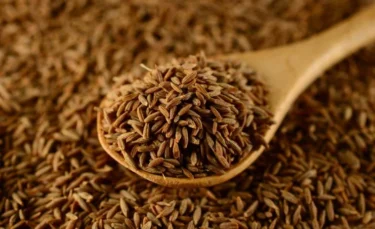
Black cumin, traditionally known as jeera, is used in various culinary and traditional practices. The phytoconstituents present in black cumin have been explored in relation to liver health6. Cumin has shown hepatoprotective and antioxidant effects in some animal and laboratory studies, but human clinical evidence for treating jaundice is insufficient and not conclusive15. Black cumin may be lightly toasted, then grounded and consumed during jaundice

Mint, commonly known as pudina, has been traditionally used in various dietary and folk practices. According to folk medicine, mint tea has been traditionally consumed during jaundice7. Although mint is traditionally used for digestive discomfort. While it contains bioactive compounds with antioxidant activity, there is insufficient scientific evidence that supports mint treats jaundice or affects bilirubin metabolism16. The juice from the mint leaves is mixed with honey and then consumed during jaundice.
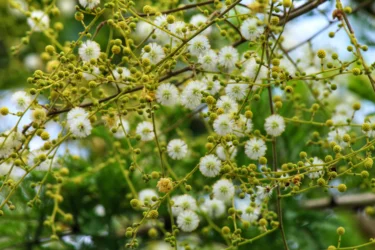
Babul has been traditionally used in various medicinal practices and contains phytoconstituents like flavonoids and alkaloids. The whole plant or the flower of babul has been traditionally used in some settings during jaundice8. Some experimental studies8 suggest the biological activity of compounds in babul, but there is a lack of evidence which supports its benefit in jaundice treatment. Babul powder is mixed with water and consumed during jaundice
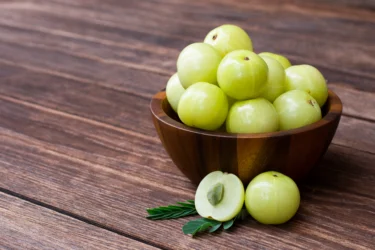
Amla is known as Indian gooseberry in English. The fruit, leaf and bark of the amla plantt have been traditionally used for jaundice in some traditional practices8. Amla is rich in vitamin C and antioxidants and has shown potential hepatoprotective effects in experimental studies. However, clinical evidence in jaundice patients is limited.
The bilirubin level may return to normal by consuming amla. The consumption of amla juice may cure jaundice. Dice three to four Indian gooseberries into small pieces. Add some water and black salt into a blender and blend till it is smooth. Strain the pulp obtained and extract the juice. Amla juice is ready to be consumed.
Though studies show the benefits of the given herb and home remedies for jaundice, these are insufficient. Therefore, there is a need for large-scale human studies to establish the true extent of the benefits of these home remedies on human health. Thus, these should only be taken cautiously and never as a substitute for medical treatment.
Note: Home care alone is not appropriate if jaundice is severe, worsening, or accompanied by symptoms such as high fever, severe abdominal pain, persistent vomiting, confusion, excessive sleepiness, bleeding, or difficulty breathing. Newborns, pregnant women, older adults, and individuals with known liver disease should seek immediate medical evaluation rather than relying solely on home remedies.
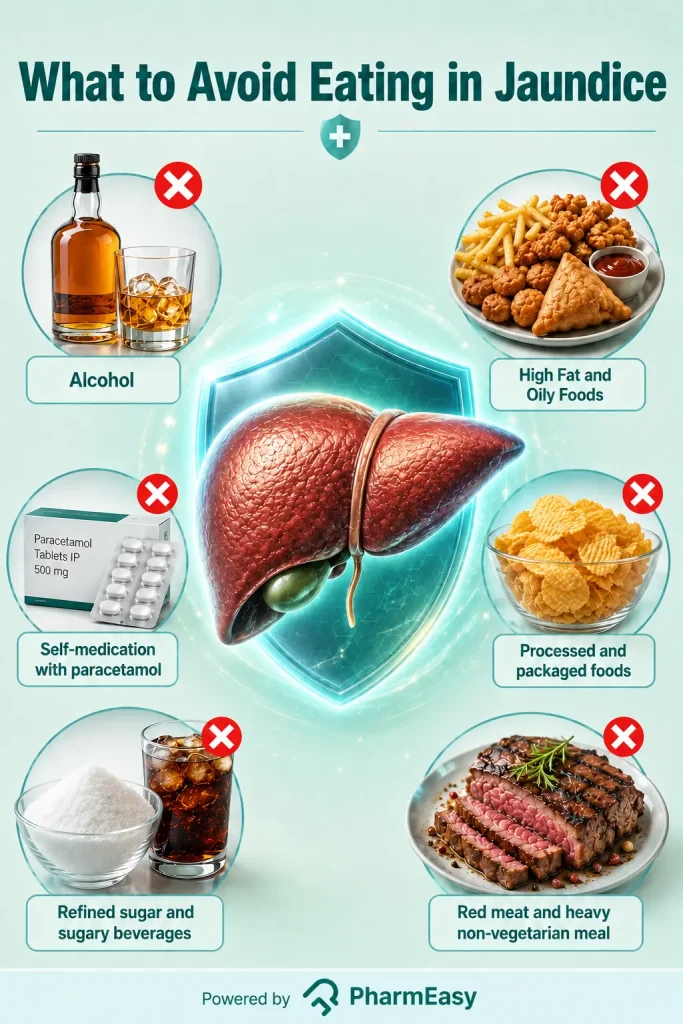
In jaundice, the liver is already under stress due to an underlying condition. Certain foods and substances can further burden liver function or worsen symptoms. The following are commonly advised to be avoided or used only under medical supervision:
The frequency of Liver Function Test (LFT) monitoring depends on the cause and severity of jaundice. In acute liver conditions, doctors may recommend repeating LFTs every few days to weeks to assess recovery and track bilirubin and liver enzyme levels. For chronic liver diseases, monitoring may be required at regular intervals as advised by the treating physician. Always follow your doctor’s recommendations regarding the timing and frequency of LFT testing.
Also Read: Everything To Know About the Influenza Vaccine & Its Importance
It is recommended to consult a doctor immediately for proper treatment for jaundice.
You must not rely on home remedies alone to treat the condition. Instead, you should consult a qualified doctor if the symptoms do not improve.
Also Read: Best Home Remedies for Uric Acid By Dr. Siddharth Gupta
Jaundice is a liver disease with an increased bilirubin level in the bloodstream. The mouth, skin and sclera turn yellow. It is found to be common among infants. Breastfeeding may be an effective at-home treatment for jaundice in newborns. A few common symptoms of jaundice may include yellow discolouration and flu-like symptoms.
Natural sunlight may help cure jaundice in adults and infants both. In addition, dietary modification, consuming sugarcane juice, papaya leaves’ paste, black cumin, amla, babul, and mint tea may be some natural remedies for jaundice.
Also Read: All You Need To Know About Typhoid!
Staying in natural sunlight for about 2 hours may help cure infant jaundice. Breastfeeding may also help treat jaundice.
Home remedies may help in the treatment of jaundice. Consuming a glass of sugarcane juice, having papaya leaves paste, black cumin, amla, babul, and mint tea are some home remedies that may help to cure jaundice.
Jaundice may be cured by consuming herbs like mint and black cumin.
Disclaimer: The information provided here is for educational/awareness purposes only and is not intended to be a substitute for medical treatment by a healthcare professional and should not be relied upon to diagnose or treat any medical condition. The reader should consult a registered medical practitioner to determine the appropriateness of the information and before consuming any medication. PharmEasy does not provide any guarantee or warranty (express or implied) regarding the accuracy, adequacy, completeness, legality, reliability or usefulness of the information; and disclaims any liability arising thereof.
Links and product recommendations in the information provided here are advertisements of third-party products available on the website. PharmEasy does not make any representation on the accuracy or suitability of such products/services. Advertisements do not influence the editorial decisions or content. The information in this blog is subject to change without notice. The authors and administrators reserve the right to modify, add, or remove content without notification. It is your responsibility to review this disclaimer regularly for any changes.
 29
29  2
2Comments

Leave your comment...
You may also like






















Comments