
If you are looking for healthy options to fill your plate, there are several types of dietary cereals available which can prove to be an appropriate choice. And one such healthy cereal is Bajra, a grain rich in fibres, micronutrients, vitamins, and amino acids.
Commonly categorized as millets, this grain possess numerous nutritional qualities and is good for consumption by all age groups of people, including infants, elderly, pregnant, and nursing mothers. There are some other variants of millets too, such as Sorghum (Jowar), Finger Millets (Ragi/Nachni), Proso Millets, Foxtail Millets, Little Millets (samai) that are used in various forms across the globe to enhance the nutritional value of regular meals1. However, bajra is commonly produced and consumed in India and is proposed to have several health benefits. It can help in managing diabetes by regulating blood sugar levels and also supports bone health. It is rich in antioxidants that help in protecting the body against chronic diseases2.
In this blog, we will discuss in detail about the nutritional value and health benefits of this marvel food.
Pearl Millet, commonly known as bajra is a profoundly nutritious and easy-to-digest cereal grain. Being non-glutinous makes it a healthy option for people with a gluten allergy and celiac disease. They are power-packed with carbohydrates, essential amino acids, antioxidants, multiple vitamins like thiamine, riboflavin, folic acid, niacin, beta carotene, and minerals like iron, phosphorus, magnesium, and zinc1.
Let me tell you about the special compounds in Bajra that might help manage diabetes. These compounds, called phenolic compounds, have antidiabetic activity, meaning they may help control blood sugar levels. That’s why pearl millet might be used to make a range of tasty food products suitable for people with diabetes2.
Dr. Siddharth Gupta, B.A.M.S, M.D (Ayu)
Per 100 gm of Pearl Millet Contains:
In my opinion, adding Bajra to your diet can be a smart and tasty choice! It might be great for people with high cholesterol. It contains a special compound called phytic acid that may help regulate cholesterol metabolism and keep it balanced in the body9.
Dr. Rajeev Singh, BAMS
Owing to their rich nutritional value, bajra or pearl millets have several health benefits. These include:
While the health benefits of bajra are mostly backed by scientific research, further large-scale human trials are needed to help corroborate the promising findings.
Based on my observations, including Bajra in your diet might be a natural way to support gallbladder health and reduce the chances of gallstone formation. When our intestines produce too much bile, it may worsen the condition of gallstones. The insoluble fibre found in pearl millet might help reduce the production of excess bile in our digestive system. It is high in fibre, which may also help reduce the risk of developing gallstones9.
Dr. Smita Barode, B.A.M.S, M.S.
Also Read: Poha: Uses, Benefits, Side Effects & More
Pearl millets or bajra can be found in various forms for daily consumption. You can use it as flour to make flatbreads or dosa, grains to make porridge, processed grains as poha or upma for breakfast, and ready to eat snacks like millet or multigrain cookies. The potential health benefits of bajra make it a perfect superfood, optimum for regular consumption by all.
You can combine your favourite millet recipe with protein-rich dishes containing lentils, cottage cheese, soya chunks, and some fresh fruits, and a vegetable smoothie or salsa to make a perfect platter of the recommended balanced diet.
In my opinion, Bajra may help in managing anaemia and increasing haemoglobin levels. Bajra is rich in iron, containing about 8mg of iron per 100g. Thus, by including Bajra in your diet, you may boost your iron intake and support healthy haemoglobin levels10.
Dr. Anuja Bodhare, B.A.M.S, M.D (Ayu)
Also Read: Urad Dal: Uses, Benefits, Side Effects, and More!
Bajra is a wonder cereal that is rich in essential nutrients, dietary fibre, proteins and even antioxidants. It has several health benefits ranging from healthy digestion to diabetes control as well as lowering risks of many diseases like high blood pressure and cardiovascular issues. It can therefore make up as a great component of a healthy and balanced diet. However, it’s important to note that like any other food item, bajra must also be consumed in moderation and incorporated in routine diet after doctor consultation in case you have any medical problems.
Also Read: Amazing Health Benefits of Makhana (Fox Nuts)
Disclaimer: The information provided here is for educational/awareness purposes only and is not intended to be a substitute for medical treatment by a healthcare professional and should not be relied upon to diagnose or treat any medical condition. The reader should consult a registered medical practitioner to determine the appropriateness of the information and before consuming any medication. PharmEasy does not provide any guarantee or warranty (express or implied) regarding the accuracy, adequacy, completeness, legality, reliability or usefulness of the information; and disclaims any liability arising thereof.
 94
94
 6
6
The Glycemic Index is the value assigned to a food item based on how quickly it releases glucose into the blood. The primary energy source in the blood is glucose. If a particular food item has a high glycemic index, it means that it releases energy into the blood at a quicker rate and vice versa1.
A faster energy release means a steeper spike in blood sugar levels, something that is not conducive to a person who has diabetes. Since they already have trouble with controlling the blood sugar in their bodies, sudden crests and troughs make their condition worse and put them at a higher risk of other organ failures. Therefore, it is advised that people with diabetes eat fruits with a low glycemic index, i.e., fruits suitable for diabetes.
Fruits are a healthy snack option for diabetics because the sugar, fructose, present in them is not readily absorbed by the human body. Therefore, the spike in blood sugar is gradual and good for the system. Also, fruits provide an excellent source of fibre and help you feel fuller for longer. This, in turn, leads to proper weight management and prevents obesity. Here are ten fruits for people with diabetes that have a low glycemic index.
Did You Know?

These have a glycemic index of 382. A versatile fruit, it can be poached, baked, or eaten as is. The healthiest option is to eat them with their peel on, as the amount of vitamins and minerals is highest just under the skin.

Oranges have a glycemic index of 40. Apart from providing a boost of vitamin C, oranges offer a good dose of fibre. Many people choose to have orange juice, which isn’t a healthy alternative, as the juice has all the calories but no fibre.

With a glycemic index of 394, apples provide you with fibre and a dash of crunch. They make a hearty salad, as well as baking and cooking options. Apart from this, they have an added advantage as they are gut-friendly and boost your iron levels.

The little fruits pack a punch. They have a glycemic index of just 20, but are abundant in nutrients. Rich in potassium, antioxidants, and fibre, cherries are good for your immune system and your heart5. They have a rather short growing season, so canned cherries can be substituted as long as they are low in sugar.

This citrus fruit has a glycemic index of 25. Vitamin C, antioxidants, potassium and fibre are some of the nutrients they are rich in. Grapefruits help maintain healthy heart function and are good for digestion. They also boost immunity6.

One of the favourites with young and old alike, Strawberries can be baked, cooked or had in their natural form. They make for exciting partners with drinks and food. Their glycemic index is 41.

These have a GI of 29. People who suffer from constipation swear by them as they are potent natural laxatives7. The fibre in prunes adds bulk to the stool and also reduces cholesterol.
From experience, let me tell you about the magic of tomatoes! It’s like a magical product that may aid diabetics. 32 calories, 7 grams of carbohydrates, and 2 grams of fibre are included in one cup of sliced or diced tomatoes3, making it an ideal food for people with diabetes.
Dr. Siddharth Gupta, B.A.M.S M.D (Ayu)
Also Read: How Helpful Is Homeopathy for Controlling Diabetes?

Succulent and juicy, what is there not to love about peaches? With a glycemic index of 45, they are a good option for people with diabetes. Rich in essential vitamins, minerals, and antioxidants8, peaches provide a delicious alternative to calorie-laden desserts.

Plums have a glycemic index of 40. Because they bruise quickly, you might have difficulty laying your hands on them. They are rich in antioxidants and are juicy9.

Grapes have a glycemic index of 53. They provide fibre, vitamin B-6 and other essential minerals in ample amounts10. They are good for digestion, boost one’s moods and support efficient brain function.

This dry fruit has a glycemic index of 32. It can be considered one of the low-glycemic index fruits. They provide vitamins A and E, as well as a bite-sized portion of copper. Like any other dried fruit, apricots contain a good amount of sugar11. Hence, make sure to consume them in smaller portions. One issue with having dried apricots is that they bruise quite easily. As a result, many ship them in to avoid this problem.

This is one fruit where its glycemic index depends on how ripe it is. In general, studies12 point to a number below 55, making it one of the lower GI fruits. Another research13 done on the Nigerian avocado reveals its index to be much more than 40! And wait till you hear this. A completely raw and peeled avocado is said to have a glycemic index of nearly zero.
Regardless of the indices, it is a fact that the fruit contains very little sugar. One of the main sugars found in it is called D-mannoheptulose, which is known to help monitor blood sugar management.
Some benefits of eating avocados include helping to lower the risk of metabolic syndrome, which can increase the chances of developing diabetes. It can also help in reducing the chances of many blood vessel diseases like kidney failure, heart disease, and even a stroke.
Also Read: Ketosis and Ketoacidosis: How Are They Different?

Guava is on the list of low-glycemic index fruits with a score of 12! You can add this fruit to a meal or simply have it as a snack. Due to its high fibre content, the fruit keeps you fuller for a longer time, which can help maintain good health. The fruit is also important in lowering blood sugar levels, especially in patients with type 2 diabetes14. A pro tip: eat the fruit without the peel, as it helps lower total serum cholesterol and triglycerides.

Having a GI score of 23, Tamarind is high in fibre. It is also packed with a variety of vitamins and minerals, including potassium, iron, B1, B2, C, K, and more. The fruit also has antioxidant and anti-inflammatory properties, which can help protect against diseases like cancer, diabetes, and heart-related conditions15.
The next time you feel hungry, opt for one of the prescribed fruits for diabetes.
I recommend all diabetics watch out for the quantity of mango they’re consuming. Consuming mango fruit is healthy! The necessary nutrients and fibre are present. However, some varieties may contain more naturally occurring sugar than others. From my observation, one mango, for instance, contains a staggering 46 grams of sugar, making it a poor choice if you’re trying to control your sugar intake or weight. You might have a few slices now and keep the remaining for afterwards.
Dr. Rajeev Singh, BAMS
Also Read: Is Coconut Water Good for Diabetes? A Fact-Based Discussion
Disclaimer: The information provided here is for educational/awareness purposes only and is not intended to be a substitute for medical treatment by a healthcare professional and should not be relied upon to diagnose or treat any medical condition. The reader should consult a registered medical practitioner to determine the appropriateness of the information and before consuming any medication. PharmEasy does not provide any guarantee or warranty (express or implied) regarding the accuracy, adequacy, completeness, legality, reliability or usefulness of the information; and disclaims any liability arising thereof.
Links and product recommendations in the information provided here are advertisements of third-party products available on the website. PharmEasy does not make any representation on the accuracy or suitability of such products/services. Advertisements do not influence the editorial decisions or content. The information in this blog is subject to change without notice. The authors and administrators reserve the right to modify, add, or remove content without notification. It is your responsibility to review this disclaimer regularly for any changes.
216
10
Right from ancient days, leafy green vegetables have been an important component of daily diet. Being power-packed with a variety of vitamins and minerals makes them a value addition to every healthy diet plan. The fat and sugar content of green leafy vegetables is minimal, which also makes them a good fit for a weight loss diet.
They also help protect your body by strengthening the immune system, slowing down signs of ageing, and helping avoid heart diseases, high blood pressure, and cancers.
Did you know?
Want to add green leaves to your diet, but all that comes to your mind is spinach? Well, a wide range of green leafy vegetables like kale, mustard greens, cabbage, coriander leaves, fenugreek leaves, moringa leaves, and amaranth leaves are available for consumption in various forms. This allows you to relish a variety of flavours by including different leafy greens and microgreens in your meals as per your taste and choice.
I would highly recommend eating dark green leafy vegetables to people with eye issues. Dark green leafy vegetables are rich in vitamin A and beta carotene, which is essential to maintain eye health16.
Dr. Rajeev Singh, BAMS
You may not always like your green leafy vegetables the way they are but consuming them is very important for your well-being. Here are some tips1 to make your meals a little bit more interesting while increasing your intake of green leafy vegetables:
Green leafy veggies should be an integral part of your routine diet as they can help you manage certain health conditions and illnesses like poor eyesight, mineral deficiencies, poor immunity, constipation, and even certain heart diseases5. Leafy green vegetables help with your daily nutrient intake because they contain a multitude of macro and micronutrients that are necessary for the body. Here are some more health benefits of adding leafy greens to your regular diet.

One of the biggest benefits of consuming leafy green vegetables is that they are extremely low in calories when compared to other foods. Despite being low in calories, they are often dense in nutrients, which is why they are a preferred food item in weight loss diets6.

Leafy green vegetables are added to weight loss diets because they contain vitamin K. This fat-soluble vitamin is extremely helpful in stimulating weight loss. Moreover, recent research also suggests that vitamin K can help reduce inflammation, manage diabetes, and reduce plaque formation in the arteries, and can even help delay the onset of bone ailments like osteoporosis7,8.

Since leafy green vegetables are full of vitamins and minerals that are needed to both help boost the immune system as well as maintain an overall healthy body, they have been known to help avoid certain diseases as well. For example, iron-deficiency anaemia, poor eyesight, weight troubles, signs of ageing, poor immunity, constipation, blood clotting, folate deficiency, weak bones, cancer, heart diseases, and high cholesterol1,2,7.

While leafy green vegetables may only be popular for being sources of vitamins and minerals (micronutrients), many of them also contain macronutrients like complex carbohydrates, fibre, protein, and even minute traces of fat1,2. For example, spinach, a classic dark green leafy vegetable, provides 2.64 g of carbohydrate and 2.91 g of protein in each 100g of serving9.

Green leafy vegetables are best known for being rich sources of micronutrients, and this is one of the reasons most people should be adding more of them to their daily diet. Although micronutrients may be required in lower quantities in the body, they play a major part in helping boost the immune system and several other functions of the body. Green leafy vegetables contain essential micronutrients like beta-carotene, lutein, and zeaxanthin. These can help avoid damage to the cells of our body and even enhance eyesight2,10.
Apart from these, green leafy vegetables are highly effective and beneficial for healthy skin and hair.
Including one serving of green leafy vegetables might help in slowing age-related cognitive decline in elderly people15.
Dr. Siddharth Gupta, B.A.M.S, M.D (Ayu)
There has been a lot of discussion and research on the change in the nutritional makeup of leafy vegetables after cooking. Studies suggest that there is a considerable loss in the number of vitamins and minerals after cooking. If you want to get the maximum amount of nutrients from these veggies, you should eat them uncooked. Many people love to consume these greens in the form of salads, green smoothies, and juices, as they not only provide you with abundant nutrition but also save you from the additional oil and spices added to your greens while cooking. This makes a good anti-inflammatory diet. But do make it a point to wash your greens well if you are consuming them raw1,11,12.
If you have oxalate kidney stones, you should limit your spinach intakeas it contains a high amount of oxalate13.
Green leafy veggies make an important component of a balanced diet. Eat them as you like – chop them in your salads, add them to your smoothies, stuff them in your wraps and sandwiches or cook them with your favourite flavours, but don’t forget to consume them in some or the other way daily to keep your body healthy and glowing.
Yes, some nutrients like vitamin C and folate can be reduced with overcooking. However, light cooking (like steaming or sautéing) can actually improve absorption of certain nutrients like iron and calcium.
Spinach, fenugreek leaves, and amaranth are great options. Pairing them with vitamin C-rich foods (like lemon or tomatoes) helps your body absorb iron more effectively.
Not always. Raw greens retain certain vitamins, but cooking helps break down tough fibers and improves mineral absorption. A mix of both raw and cooked forms is ideal.
Yes, they are low in calories and high in fiber, which keeps you full for longer. They also provide essential nutrients without adding excess calories.
Absolutely. They are rich in antioxidants, iron, and vitamins A and C, which support collagen production, improve skin glow, and help reduce hair fall linked to nutrient deficiencies.
Store them unwashed in the refrigerator, wrapped in a paper towel or cloth to absorb moisture. Wash only before use to prevent spoilage.
Disclaimer: The information provided here is for educational/awareness purposes only and is not intended to be a substitute for medical treatment by a healthcare professional and should not be relied upon to diagnose or treat any medical condition. The reader should consult a registered medical practitioner to determine the appropriateness of the information and before consuming any medication. PharmEasy does not provide any guarantee or warranty (express or implied) regarding the accuracy, adequacy, completeness, legality, reliability or usefulness of the information; and disclaims any liability arising thereof.
Links and product recommendations in the information provided here are advertisements of third-party products available on the website. PharmEasy does not make any representation on the accuracy or suitability of such products/services. Advertisements do not influence the editorial decisions or content. The information in this blog is subject to change without notice. The authors and administrators reserve the right to modify, add, or remove content without notification. It is your responsibility to review this disclaimer regularly for any changes.
18
2
Coconut water is never out of trend despite various attractive aromatic and nutritious drinks in the market. It has been consumed for centuries in tropical regions around the world.
Coconut water is a miraculous drink, which can be beneficial for our body in multiple ways. In Ayurveda, coconut water is believed to help in bodily processes such as digestion and urination. It helps provide an instant boost of energy and is also considered to be a diuretic.
In this blog, we will discuss in detail the suggested health advantages of this nutrition-packed drink and any possible side effects.

Coconut water is a great beverage to drink during and after a workout. It is rich in minerals, electrolytes, and antioxidants that can help to boost your energy level instantly1. It may help athletes to refuel their energy stores and recover faster. Drinking coconut water during exercise may help prevent fatigue and dehydration. Coconut water is a natural alternative to any sports drink. It contains more potassium and electrolytes, less sodium, and fewer carbohydrates than many sports drinks.

Coconut water is mildly sweet and has a nutty flavour. It is low in calories, sugar, and carbohydrates, unlike other sugary juices and sodas. This makes it a better choice for diabetics or individuals looking to reduce their consumption of added sugar. But remember, it still has calories and should be consumed in moderation.

Fresh Coconut water may be beneficial in weight management. It is lower in calories than other beverages like soda or juices, that can help support weight loss. 100ml of Coconut water contains only 19 calories1. So, completely swapping artificial sugary drinks for coconut water could not only boost hydration but may also help in managing weight.

Research3 shows that Coconut water may help to manage blood sugar levels and improve diabetes symptoms. It is a good source of manganese, which may increase insulin sensitivity and reduce blood sugar levels. But do make it a point to consult your doctor before adding coconut water to your routine diet.

Drinking Coconut water may be beneficial to prevent heart diseases. It may help manage cholesterol levels in the blood and maintain good heart health. Coconut water may help increase good cholesterol (high-density lipoprotein) levels, which decreases the risk of various heart diseases4.
Also Read: Foods That Naturally Help You Last Longer in Bed

Being high in potassium, Coconut water may help to manage blood pressure. Research suggests that potassium-rich diets can help support heart health by managing blood pressure and regulating the heart rate5.

Coconut water is rich in manganese that can help to regulate your bowel movements. It may prevent gaseous distension of the abdomen, constipation and acidity. Consuming coconut water regularly can potentially help alleviate digestive discomfort by its effect on gut microbiota and anti-inflammatory properties6.

Coconut water is versatile due to the presence of minerals, electrolytes and antioxidants. Coconut water is traditionally believed to help detoxify your body by providing hydration and antioxidants. Among other health benefits of coconut water, it may also contribute to healthier-looking skin. Coconut water contains vitamin C, and antioxidant properties, and may naturally stimulate collagen synthesis7.
Fun Fact9: In Vietnam, tender coconut water has been used as a substitute for fluids and nutrients for babies with diarrhoea. This refreshing drink, with its natural electrolytes and nourishing properties, helps replenish the body’s fluids and provides essential nutrition.
Dr. Smita Barode, B.A.M.S, M.S.

When you have a kidney stone, your doctor will advise you to drink a lot of water. Although plain water works wonderfully, coconut water can add to the benefits. Coconut water may help to prevent kidney stone formation when taken in moderate amounts. Among other health benefits, it is also suggested that coconut water may be able to flush out the chlorine and citrate in the urine of healthy people8.

Coconut water is known to be a diuretic (increase urine output). Hence, it may help to flush out toxins by way of urine. It makes you use the restroom/ bathroom more often and helps to keep urinary infections away

There are instances such as fatigue, stress where you feel lethargic and don’t want to eat or do anything. Sipping on a cup of Coconut water may help you feel relaxed as it calms your mind.
Although studies have shown potential health benefits of coconut water, further long-term human research may be needed to confirm these.
Did you know that tender coconut water9, apart from being a refreshing beverage, can also be used as an intravenous fluid in emergencies? Its electrolyte content closely matches that of our body’s fluids, making it an effective option for restoring hydration and balance in critical situations. Next time you enjoy a sip of tender coconut water, remember its potential as a natural and readily available intravenous fluid.
Dr. Rajeev Singh, BAMS
Also Read: 10 Benefits Of Drinking Water From Copper Bottle Vessels
Coconut water is overall beneficial for our health due to the presence of various nutrients. For healthy individuals, it is usually considered a good drink to consume every day. However, there are some exceptions:
Although coconut water can be a nutrient packed energy source, its best to discuss with your doctor before incorporating it in your daily routine specially if you suffer from any medical conditions.
Based on my experience9, I highly recommend incorporating tender coconut water into your diet. It is a nutritious and natural isotonic drink that closely resembles the composition of our body’s blood plasma. This means it can provide essential nutrients and hydration, making it a healthy choice to support overall well-being.
Dr. Siddharth Gupta, B.A.M.S, M.D (Ayu)
Also Read: 8 Health Benefits Of Cucumber That You Should Know
Coconut water benefits for the stomach are in fact believed to be the opposite. Its natural alkalinity can help avoid acidity and also contribute to soothing the stomach lining. It may be a good option for individuals prone to acid reflux or heartburn, providing a hydrating and calming solution for digestive comfort. But if you do experience discomfort, kindly discontinue and consult a healthcare professional.
There’s no scientific evidence to suggest that coconut water can delay periods. Menstrual cycles are regulated by hormonal changes, and dietary factors like coconut water are unlikely to have a significant impact on the timing of periods. If there are concerns about menstrual irregularities, it’s advisable to consult with a healthcare professional for personalized guidance.
Coconut water is generally safe for babies to consume after they start eating solid foods, usually around 6 months. However, it’s essential to introduce it slowly and watch for any allergic reactions or digestive issues.
Coconut water is generally well-tolerated and unlikely to cause gas. In fact, its natural properties may help soothe the digestive system and alleviate symptoms of gas or bloating for some individuals. However, if you have any gastrointestinal disorders, it is best to discuss with your doctor before routinely including anything new in your diet.
Coconut water is often considered beneficial for blood pressure management. Rich in potassium and electrolytes, it may help regulate blood pressure by balancing sodium levels, making it a hydrating and heart-friendly beverage. Further studies are needed though to corroborate this benefit.
Yes, coconut water can be given in fever. It may help replenish electrolytes, and provide hydration, and its natural nutrients may contribute to overall recovery by offering a gentle and easily digestible option.
Coconut water is unlikely to cause a sore throat; in fact, its hydrating and soothing properties may help alleviate throat irritation. However, individual reactions can vary, so it’s essential to consider personal sensitivities and hydration needs.
Yes, coconut water can be given to diabetic patients in moderation. It has a low glycemic index, which means it has a minimal impact on blood sugar levels, making it a relatively safe and hydrating option for individuals with diabetes. But do consult a healthcare professional before starting the same.
Coconut water is considered good for diarrhoea. Its electrolyte content aids in rehydration and its natural properties may assist in calming the digestive tract, providing relief during episodes of diarrhoea.
Yes, coconut water can go bad. Once opened, it is susceptible to bacterial contamination and should be refrigerated. Unopened, canned coconut water has a longer shelf life, but it’s essential to check for any signs of spoilage, such as an off odour or unusual appearance.
Disclaimer: The information provided here is for educational/awareness purposes only and is not intended to be a substitute for medical treatment by a healthcare professional and should not be relied upon to diagnose or treat any medical condition. The reader should consult a registered medical practitioner to determine the appropriateness of the information and before consuming any medication. PharmEasy does not provide any guarantee or warranty (express or implied) regarding the accuracy, adequacy, completeness, legality, reliability or usefulness of the information; and disclaims any liability arising thereof.
277
8
During summer, the intense heat and constant exposure to the sun can lead to excessive perspiration, resulting in significant fluid loss. This often leaves one feeling fatigued and low in energy, making everyday tasks feel more demanding than usual.
However, maintaining your energy levels during this time can be supported through appropriate dietary choices. Certain high-energy foods can support your metabolism and also give you an energy boost. Here’s a list of top foods that may help increase your energy levels.

Bananas are naturally sweet fruits that can be a valuable part of an energy-supporting diet. They are a good source of potassium and dietary fibre, and they contain natural sugars such as glucose, fructose, and sucrose. These components are easily absorbed by the body and may help provide a feeling of sustained energy1. In addition to their carbohydrate content, bananas are rich in fibre, which supports healthy digestion. A well-functioning digestive system contributes to overall wellbeing, and many people find that a balanced diet including fibre-rich foods helps them feel more energised.
Bananas can be consumed in many forms. Green bananas are a great source of fibre as it contains resistant starch which helps with digestion, maintains blood sugar levels, and makes you feel full. On the other hand, ripe bananas are sweet and nutritious. They are a great source of vitamins and minerals like potassium and vitamin B6 and provide instant energy for physical activity.
Dr. Siddharth Gupta, B.A.M.S, M.D (Ayu)

Dieticians and doctors emphasise the importance of consuming curd or yoghurt. It has a cooling effect on the body. Yoghurt is packed with magnesium, a mineral that instantly releases energy in the body, thus making it the ideal energy giving food3.
If you exercise during the summer months, it is beneficial to include yoghurt as part of your post-workout meals. Yoghurt is a good source of protein and can support the body’s recovery process after exercise, especially when included as part of a balanced diet.
In addition to its nutritional value, yoghurt is known for its cooling properties, making it a suitable dietary choice during hot weather. It also contains beneficial bacteria which may support digestive health. Many people find that yoghurt is gentler on the stomach and can serve as a suitable alternative to milk, particularly for those who experience discomfort from consuming milk directly3.

Coconut water is a cooling drink that can supplement your daily water intake. With a high water content and very little fat, it offers a light and hydrating option for those looking to stay cool and refreshed. It contains naturally occurring electrolytes such as potassium, magnesium, and sodium, which support the body’s fluid balance and may assist in maintaining optimal hydration levels, especially after physical activity. This makes coconut water a popular post-exercise drink during summer.
As a naturally occurring liquid found inside young coconuts, it is generally low in calories and fat. Due to its nutritional profile, it can be included as part of a varied and balanced diet, including for individuals managing their blood sugar levels. However, it is advisable to consult a healthcare professional regarding its suitability for specific health conditions5.
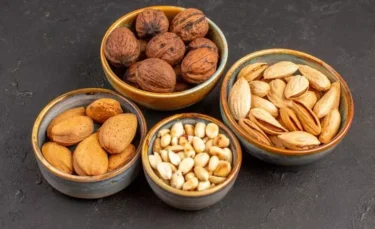
Dry fruits comprise dehydrated fruits like dates, raisins, cashews and apricots. Naturally sweet, they do not typically contain added refined sugars, making them a preferable option for those looking to reduce their intake of processed sweeteners. However, individuals with specific dietary requirements, such as those managing diabetes, should consult a healthcare professional before making significant changes to their diet.
These fruits contain natural sugars and vary in their glycaemic index, raisins have about 54, dates have 62, apricots have around 30. In addition to their natural sugar content, dry fruits are rich in potassium, dietary fibre, and a variety of vitamins, making them a nutrient-dense snack6.
Figs, for example, are often enjoyed as a wholesome snack, while prunes and raisins are commonly included in diets that aim to support digestive health. Apricots are also valued for their nutritional content and are sometimes used in skincare routines, though such uses should be approached cautiously and preferably under guidance6.
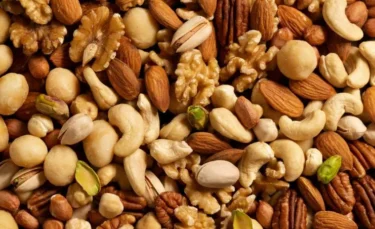
A notable quality of nuts is their ability to provide a consistent release of energy over time, rather than an immediate spike. This makes them an ideal snack for those seeking sustained energy throughout the day.
Pistachios and almonds are known as neutral foods, neither hot nor cold and make for good energy giving food during summers Nuts such as peanuts, almonds, cashews, and pistachios are rich in healthy fats, protein, and dietary fibre. These nutrients are digested slowly, which may contribute to prolonged satiety and help in maintaining steady energy levels7.

Chocolate contains sugar and caffeine, both of which may contribute to a temporary increase in energy by stimulating the release of hormones such as cortisol and adrenaline4. Consuming small portions of chocolate two to three times a day can offer a modest energy lift.
Additionally, chocolate contains antioxidants that are being studied for their potential to support cardiovascular health by contributing to the maintenance of healthy blood pressure and cholesterol levels.
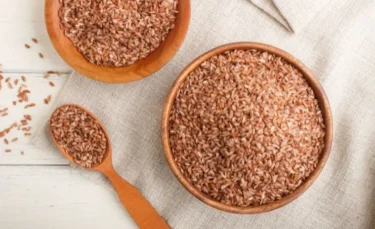
In addition to being highly nutritious, brown rice provides a substantial amount of energy and may help combat fatigue. It is a good source of manganese, a mineral that supports enzymes involved in breaking down carbohydrates and proteins to release energy. As brown rice is less processed than white rice, it retains a greater proportion of its natural nutrients9.

Eggs are not only delicious but also packed with protein, making them an excellent source of sustained energy. They contain leucine, an amino acid that plays a role in stimulating energy production within the body. Additionally, are rich in vitamin B complex, which supports the metabolic processes involved in converting food into energy11.

Sweet potatoes contain complex carbohydrates and fibre, which are digested slowly by the body, providing a steady and lasting source of energy. They are rich in manganese, a mineral that aids in the breakdown of nutrients to produce energy. A medium-sized sweet potato typically contains around 100 calories, 23 grams of carbohydrates, 4 grams of fibre, and 2 grams of protein12.
One of the advantages of these nutrient-dense foods is their versatility. They can be enjoyed individually or combined to create delicious fruit and nut bowls or homemade energy bars. Such combinations offer not only wholesome nutrition but also satisfying flavours that help curb hunger, support hydration, and keep you feeling refreshed on hot and humid days.

Fatty fish such as salmon and tuna are great sources of protein, fat, and omega-3 fatty acids. Including these fish in your diet can help meet your omega-3 requirements, which are known to support the reduction of inflammation, a common factor contributing to fatigue. This is particularly important for individuals recovering from illnesses such as cancer13.

Coffee provides a rapid energy boost due to its high caffeine content, which quickly enters the bloodstream and reaches the brain. Consumption of coffee stimulates the production of epinephrine, a hormone that activates both the body and mind, enhancing alertness and energy levels7.

Avocado is regarded as a superfood due to its numerous health benefits. It is rich in healthy monounsaturated fats, which help maintain optimal blood lipid levels and support heart health. Additionally, avocados provide essential vitamins, minerals, and fibre, contributing to overall wellbeing and sustained energy.
About 84% of the healthy fats in avocados come from monounsaturated and polyunsaturated fatty acids. Additionally, the fibre in avocados accounts for 80% of their carbohydrate content14.
Eating avocados daily might have positive effects on weight loss, in addition to improving body composition and metabolic parameters.
Dr. Rajeev Singh, BAMS
Also Read: Top Food Sources of Calcium for Your Bones
As with any diet plan, there are certain foods you should avoid, as they may slow down your metabolism and do not provide a sufficient energy boost.
Also Read: 11 Healthy Foods That Can Help You to Gain Weight
Choosing the right foods during summer can help maintain energy levels, support metabolism, and promote overall wellbeing. Nutrient-dense options like fruits, nuts, and whole grains are beneficial, while highly processed or sugary foods should be limited. A balanced diet is key to staying energised and resilient in the heat.
Also Read: Ajwain: Uses, Benefits, Side Effects, and More!
Disclaimer: The information provided here is for educational/awareness purposes only and is not intended to be a substitute for medical treatment by a healthcare professional and should not be relied upon to diagnose or treat any medical condition. The reader should consult a registered medical practitioner to determine the appropriateness of the information and before consuming any medication. PharmEasy does not provide any guarantee or warranty (express or implied) regarding the accuracy, adequacy, completeness, legality, reliability or usefulness of the information; and disclaims any liability arising thereof.
77
14
Dry fruits and nuts are some expensive yet essential food items that need to be a part of our routine diets as these are powerhouses of nutrients, providing a number of health benefits. Nuts like almonds and walnuts keep us full for long and thus can be some healthy and delicious snacking options for our in-between-meal cravings. They are highly nutritious, rich in vitamins and minerals and packed with proteins and dietary fibres, all great for our health. Let’s see how!
Did you know?
Dry fruits can help your body in many ways:
Dry fruits are loaded with essential oils, proteins, potassium, and calcium that help to increase your immunity. Also, the presence of antioxidants in it can help you to fight against various infections and illnesses1.
Dry fruits and nuts are good choices for weight loss support if you eat them moderately. They are low in fat, carbohydrates, sugar, and high in proteins and essential oils2.

Dry fruits can help you keep your skin radiant and glowing. They are rich in essential oils and antioxidants that help your skin to regenerate healthy skin cells and delay aging3.

Dry fruits contain a huge number of dietary fibres that help to fight against constipation and keep your gut healthy4.

Dry fruits are rich in antioxidants and phytonutrients which lower the activity of cancer-causing cells, thereby reducing the risk of occurrence of certain cancers5.

Dry fruits help balance cholesterol levels and normalize blood pressure. They also reduce the risk of heart disease, stroke, etc6.

Dry fruits are rich in proteins, calcium, and other micronutrients which help to maintain healthy bones and strengthen them7.

Dry fruits may help fight against depression and stress. They also aid in improving brain health and memory8.

Dry fruits like raisins and prunes are rich in iron, which in turn aids those who are suffering from anaemia. There are essential nutrients in dry fruits like Vitamin A, B, and K; minerals like copper, magnesium, and iron; and unsaturated fat that helps in regenerating red blood cells and haemoglobin in the body9.
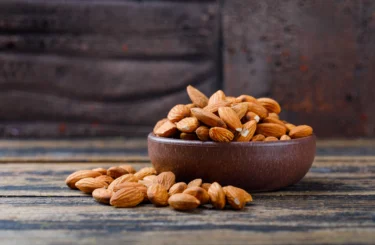
Almonds are one of most commonly consumed dry fruits. They are rich in vitamin E, essential oils, and antioxidants which are beneficial for both adults and children. Almonds can be eaten in raw or roasted form. A small quantity of soaked almonds can be consumed daily in the morning for a healthy and fit body10,11. The potential health benefits of almonds are as follows:
Almonds are known as the ‘king’ of dry fruits. They are loaded with nutrients. One ounce of almonds contains almost 165 calories, 6 grams of proteins and carbohydrates, 14 grams of fat and about 3 grams of fibre.
Dr. Anuja Bodhare, B.A.M.S, M.D (Ayu)
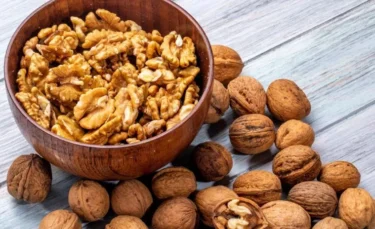
Walnuts are single seeded, hard stone like fruit filled with omega-3 fatty acids, vitamins, minerals, antioxidants, and proteins. They can be added to your daily diet because of their various health benefits. Fatty acids in walnuts may help to reduce fat in your body and keep your heart healthy. Here are some proposed benefits of walnuts10,11:
Dry fruits may exert positive effects on your oral health. Sorbitol’s present in dried fruits can offer protection against tooth decay16.
Dr. Siddharth Gupta, B.A.M.S, M.D (Ayu)

Cashews are very famous in India for their taste and creamy texture. They provide your body with vitamin E, vitamin B6, proteins, and magnesium in high amounts. Suggested health benefits of cashews include10,11:

Dates are tropical fruits that can be in dry or wet form. This iron-rich fruit helps your body in many ways to keep it healthy. Dried dates are full of digestive fibers which help to keep you full for a long time by stopping your cravings. The other potential benefits of dates are as follows12,15:

Apricots can suppress your hunger by providing you with essential nutrients such as vitamin A, vitamin E, magnesium, and copper. They are also full of antioxidants that help to fight against infections. Here are some benefits of Apricots12:
Dry Fruits- A powerhouse of nutrition. Dry fruits are a rich source of essential nutrients- carbohydrates, fibre, fats and essential minerals17.
Dr. Rajeev Singh, BAMS

Raisins are sweet and sour dried grapes. It is a rich source of iron and is very beneficial to treat anaemia. A daily handful of raisins can be excellent for your digestive system. The benefits of raisins are12,13:
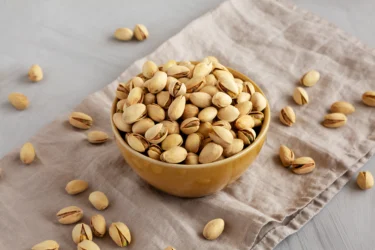
Pistachios are a good option to suppress your food cravings and help your body feel full for a longer time. They are rich in oleic acid and antioxidants, carotenes, vitamin E, copper, manganese, potassium, calcium, magnesium, iron, selenium, zinc, and polyphenol antioxidants. This heart-shaped dry fruit has anti-inflammatory properties that can have several possible health benefits which include10,11:
Dry fruits may help to keep your blood sugar levels in check since they have a low glycaemic index. The glycaemic index is a measure of how fast a particular food can increase your blood sugar level when consumed18.
Dr. Smita Barode, B.A.M.S, M.S.
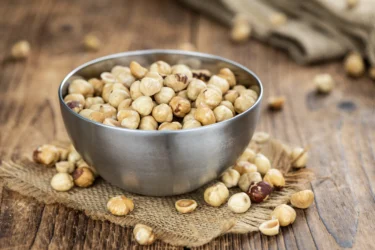
Derived from Corylus trees, hazelnuts are rich in vitamins, minerals, fats, and protein. Hazelnuts are sweet-flavoured nuts, consumed either raw, roasted or ground in a paste to be used as dips or as an addition to various dishes. Hazelnuts contain natural sugars that help you to stay full for a long time. These round-shaped fruits have the following potential health benefits10,11:
Prunes (dried plums) offer a plethora of health benefits. They are high in sugar content and also contain several nutritional compounds that are important for the body. Prunes have Vitamin A, K, carbohydrates, and fibres in abundance. It helps to satisfy your sugar rush and satiate your sweet tooth along with providing nutritional benefits such as12:

Figs are either green or purple in colour. Dried figs are slightly orangish-yellow with hundreds of tiny seeds inside them. Figs are full of vitamins, magnesium, iron, and calcium among other components. Mildly sweet, dried figs are packed with nutritional benefits such as12,14:
Although most dry fruits are suitable for everyone, however, in case of certain medical conditions, you may need to discuss with your doctor before including them in your routine diet. For e.g.: If you have diabetes, regular consumption of dry fruits like raisons and dates may not be suitable for you. In that case, your doctor can suggest the right amount/alternatives.
Also Read: 13 Amazing Health Benefits of Walnuts (Akhrot)
Dry fruits are an essential part of our diet as they contain a large number of nutrients and help curb food cravings. Consuming them in balanced quantities offers several health benefits such as boosting your immunity, raising haemoglobin levels, keeping your heart and bones healthy and helping with weight management. While there are several health benefits of dry fruits, it’s best to discuss with your doctor before including them in your routine diet if you have any medical issues.
Disclaimer: The information provided here is for educational/awareness purposes only and is not intended to be a substitute for medical treatment by a healthcare professional and should not be relied upon to diagnose or treat any medical condition. The reader should consult a registered medical practitioner to determine the appropriateness of the information and before consuming any medication. PharmEasy does not provide any guarantee or warranty (express or implied) regarding the accuracy, adequacy, completeness, legality, reliability or usefulness of the information; and disclaims any liability arising thereof.
Links and product recommendations in the information provided here are advertisements of third-party products available on the website. PharmEasy does not make any representation on the accuracy or suitability of such products/services. Advertisements do not influence the editorial decisions or content. The information in this blog is subject to change without notice. The authors and administrators reserve the right to modify, add, or remove content without notification. It is your responsibility to review this disclaimer regularly for any changes.
120
3
Diabetes is known as the ‘silent killer.’ In diabetes, blood sugar levels become elevated as the body gradually loses its sensitivity to insulin. As a long-term condition, it often requires lifelong use of prescribed medication. While effective, these treatments can sometimes be associated with side effects and may place a financial burden on individuals8.
Individuals can explore complementary approaches such as acupressure, acupuncture, and naturopathy to support their overall health. Within naturopathy, certain herbs are traditionally used to help maintain healthy blood sugar levels.
Below are a few herbs that may help lower blood sugar and support general well-being as part of a balanced lifestyle, though they should never replace medical treatment without professional guidance1.

The distinctive aroma found in many soups and curries often comes from rosemary. Traditionally used in cooking and herbal practices, rosemary is believed to support metabolism and may help in maintaining healthy blood sugar levels. Some studies2 also suggest it may contribute to improved cholesterol balance by lowering LDL (bad) cholesterol and supporting HDL (good) cholesterol.

Ginseng has been used for centuries in traditional Eastern medicine. It is known for its immune-supporting properties and has been studied for its potential role in maintaining healthy blood sugar levels. Research suggests that ginseng may help slow the absorption of carbohydrates and support the body’s natural insulin production3.

Research4 suggests that sage may help reduce blood sugar levels, particularly when consumed on an empty stomach. Adding sage to the diet may help increase the secretion of insulin and help manage diabetes better. Ginseng is best consumed in the form of tea.

Gurmar has been used in Ayurvedic practices in India for centuries in the management of high blood sugar9. It contains compounds known as gymnemic acids, which may temporarily reduce the ability to taste sweetness, potentially helping to reduce sugar cravings. It is also thought to support the body’s natural processes in utilising excess glucose in the bloodstream.
Those who have diabetes can safely consume jamun as it is low in calories. Additionally, the polyphenolic ingredients present in jamun play a significant role in the treatment of diabetes7.
Dr. M.G. Kartheeka, MBBS, MD (Pediatrics)

Oregano may offer supportive benefits for those managing high blood sugar. It is believed to encourage pancreatic activity, potentially aiding natural insulin production, and may help reduce cravings for sweet foods. Certain compounds in oregano are thought to support glucose metabolism and reduce carbohydrate formation in the body, while also contributing to overall immune health5.
Also Read: Top Health Benefits of Mint Leaves That You Should Know

Aloe vera, a fleshy plant widely used in traditional medicine across India, Mexico, Australia, and South America, is known for its soothing and anti-inflammatory properties. It has been used to support digestive health and reduce inflammation, an underlying factor in many chronic conditions, including diabetes3. Read more about the benefits of aloe vera for skin and hair.

Ginger is used extensively in Chinese and Indian cuisines. This aromatic herb has been used to helps with diabetes as it may increase the sensitivity of the body to insulin and helps in the increase of insulin secretion10.
Also Read: How to Reduce Blood Sugar Level Immediately
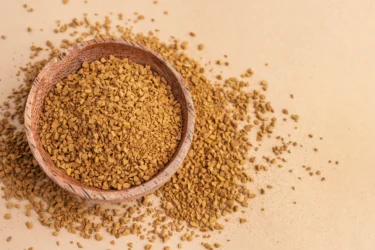
Fenugreek seeds and the herb itself have traditionally been used to support skin and digestive health. It is also thought to aid in managing metabolic conditions, including high blood sugar levels. Some studies suggest that fenugreek may contribute to improved blood glucose c
However, while herbs may help control some symptoms of diabetes, it is important to remember that they cannot cure a person. It is recommended to consult with a doctor before using any herbal remedies, particularly to ensure they are suitable based on your medical history and current treatment. Always use high-quality sources, as poor-quality herbs can be harmful. When used responsibly and under medical supervision, herbs may serve as a supportive complement to prescribed treatment3.
While home remedies may offer supplementary support, prescribed (allopathic) medicines remain essential in the management of diabetes and in preventing its complications6. It is important to attend regular follow-up appointments, at least annually, with your physician to monitor blood glucose levels and review any ongoing treatment.
Dr. Ashish Bajaj, M.B.B.S., M.D.
Managing diabetes effectively requires a balanced approach that combines conventional medicine with informed lifestyle and dietary choices. Herbs like rosemary, ginseng, and fenugreek may naturally support blood sugar control. However, they should complement and not replace prescribed diabetes medications. Always consult a doctor before starting any herbal remedies.
Also Read: HOMA-IR Test – A Test That Can Predict Diabetes
1. Aziz N, Wal P, Wal A, S. Saxena M. Evaluation of a Polyherbal Powder for Treatment of Diabetes Mellitus. Indian Journal of Pharmaceutical Sciences [Internet]. 2019 [cited 2025 May 26];81(6). Available from: https://www.researchgate.net/publication/338728855_Evaluation_of_a_Polyherbal_Powder_for_Treatment_of_Diabetes_Mellitus
2. Shawabkeh M, Jamal A. Effect of rosemary on fasting blood glucose, hemoglobin A1c and Vitamin B12 in healthy person and Type 2 diabetic patients taking glucomid or/and metformin. National Journal of Physiology, Pharmacy and Pharmacology [Internet]. 2017 [cited 2025 May 26];1. Available from: https://www.researchgate.net/publication/320698331_Effect_of_rosemary_on_fasting_blood_glucose_hemoglobin_A1c_and_Vitamin_B12_in_healthy_person_and_Type_2_diabetic_patients_taking_glucomid_orand_metformin
3. Choudhury H, Pandey M, Hua CK, Mun CS, Jing JK, Kong L, et al. An update on natural compounds in the remedy of diabetes mellitus: A systematic review. Journal of Traditional and Complementary Medicine [Internet]. 2018 Jul [cited 2025 May 26];8(3):361–76. Available from: https://www.ncbi.nlm.nih.gov/pmc/articles/PMC6035310/
4. Lima CF, Azevedo MF, Araujo R, Fernandes-Ferreira M, Pereira-Wilson C. Metformin-like effect of Salvia officinalis (common sage): is it useful in diabetes prevention? Br J Nutr. 2006 Aug;96(2):326-33. doi:10.1079/bjn20061832. PMID: 16923227. Available from: https://pubmed.ncbi.nlm.nih.gov/16923227/
5. Gutiérrez-Grijalva EP, Leyva-López N, Vazquez-Olivo G, Heredia JB. Oregano as a potential source of antidiabetic agents. J Food Biochem. 2022 Dec;46(12):e14388. doi:10.1111/jfbc.14388. Epub 2022 Sep 13. PMID: 36098212. Available from: https://pubmed.ncbi.nlm.nih.gov/36098212/
6. Kooti W, Farokhipour M, Asadzadeh Z, Ashtary-Larky D, Asadi-Samani M. An update on natural compounds in the remedy of diabetes mellitus: A systematic review. J Tradit Complement Med. 2018 Jul;8(3):361–76. doi:10.1016/j.jtcme.2017.08.012. PMID: 29992107. Available from: https://www.sciencedirect.com/science/article/pii/S2225411017301049
7. Saeed H, Shabbir MA, Rafi A, Din A, Khan MR, Gill P, Afzaal M, Ahmed F, Ahmad MF, Akram N, Hailu GG. Assessment of diabetes mellitus retrieving potential of low caloric Jamun (Syzygium cumini) drink through animal modeling. Food Sci Nutr. 2025 May 5;13(5):e70251. doi:10.1002/fsn3.70251. PMID: 40330204; PMCID: PMC12053304. Available from: https://www.ncbi.nlm.nih.gov/pmc/articles/PMC12053304/
8. Sapra A, Bhandari P. Diabetes. [Updated 2023 Jun 21]. In: StatPearls [Internet]. Treasure Island (FL): StatPearls Publishing; 2025 Jan-. Available from: https://www.ncbi.nlm.nih.gov/books/NBK551501/
9. ScienceDirect Topics. Gymnema sylvestre – an overview. [Internet]. Amsterdam: Elsevier; [cited 2025 Jun 3]. Available from: https://www.sciencedirect.com/topics/medicine-and-dentistry/gymnema-sylvestre
10. Li Y, Tran VH, Duke CC, Roufogalis BD. Preventive and protective properties of Zingiber officinale (ginger) in diabetes mellitus, diabetic complications, and associated lipid and other metabolic disorders: a brief review. Evid Based Complement Alternat Med. 2012;2012:516870. doi:10.1155/2012/516870. Epub 2012 Nov 22. PMID: 23243452; PMCID: PMC3519348. Available from: https://pmc.ncbi.nlm.nih.gov/articles/PMC3519348/
Disclaimer: The information provided here is for educational/awareness purposes only and is not intended to be a substitute for medical treatment by a healthcare professional and should not be relied upon to diagnose or treat any medical condition. The reader should consult a registered medical practitioner to determine the appropriateness of the information and before consuming any medication. PharmEasy does not provide any guarantee or warranty (express or implied) regarding the accuracy, adequacy, completeness, legality, reliability or usefulness of the information; and disclaims any liability arising thereof.
Links and product recommendations in the information provided here are advertisements of third-party products available on the website. PharmEasy does not make any representation on the accuracy or suitability of such products/services. Advertisements do not influence the editorial decisions or content. The information in this blog is subject to change without notice. The authors and administrators reserve the right to modify, add, or remove content without notification. It is your responsibility to review this disclaimer regularly for any changes.
300
21
Watermelon is well known for its cooling effect, but more than just that, this fruit has other health benefits too. It may help manage diabetes and fight free radicals that can make our body prone to chronic illnesses. It can also lower the risks of developing heart disease, asthma attacks and supports weight loss. This fruit is low on calories, and plenty of vitamin A and C that can keep you healthy.
In this blog, we will discuss about some interesting facts, the nutritional profile and potential health benefits of watermelon. We will also share some simple and tasty recipes of watermelon to help you soak in the benefits of this wonder fruit.
Here are some interesting facts about watermelon that you should know.
Watermelon is a hydrating, micronutrient-rich fruit with a host of vitamins while being low calorie. One cup or about 150 g of watermelon contain just 46 calories, with at least 0.6 g of fibre, along with 11.5 g carbohydrates of which about 9 g are sugars. Although it is not a great source of protein, the benefits of watermelon still contribute to a protein-rich diet with about 1 gram of protein in each 1-cup serving. Vitamin content is where the health benefits of watermelon really shine through, with 5% and 14% of the daily requirement of Vitamin A and C respectively. It also contains 4% each of the recommended Potassium and Magnesium intake1.
Other than being sweet and juicy, watermelon is said to be loaded with several health benefits. Here are some of the potential benefits of consuming this fruit.

This healthy fruit consists of 91% water, which means that it has the capability to meet our body’s hydration needs2. Staying hydrated not just helps with mouth dryness but is also good for our cardiovascular health. Staying hydrated helps keep the body cool during high summers. It helps cleanse the body and also keep skin healthy.

Watermelon is said to have a beneficial effect on blood sugar levels by regulating glucose metabolism and insulin response in the body. This fruit is rich in Citrulline (amino acid) that is converted into arginine (amino acid), which are both found to help protect you from diabetes3.
In case you are wondering how to reduce weight naturally, then don’t miss out on adding this healthy fruit to your weight loss diet. Since this fruit consists of mostly water, it gives you a feeling of fullness and this will curb your appetite from snacking on your favourite food4. Although remember that weight loss requires a combination of a proper fitness routine and a healthy diet. Choosing healthy foods like watermelon can just help in supporting your weight loss efforts.
Lycopene is a substance that is found in watermelon and this gives the fruit its reddish colour. Lycopene is a potent antioxidant that helps fight inflammation in the body. As watermelon is rich in lycopene and citrulline, it can help balance blood cholesterol levels and thereby reduce the risk of developing heart-related diseases5.
The consumption of watermelons increases the levels of arginine, citrulline, and ornithine in your body. these substances are required for the normal functioning of heart and immune systems12.
Dr. Smita Barode, B.A.M.S, M.S.

As mentioned, watermelon is a good source of lycopene which helps fight oxidative stress in the body. It is found to aid in reducing the effects of asthma by regulating airway muscle contraction and mucus secretion. This could mean that consuming watermelon daily can help you fight some of the severe effects of asthma6.

Owing to its healthy nutrient profile, regular consumption of watermelon can help avoid periodontal disease7. This condition affecting the gums and jaw bones, is a common dental problem characterised by tooth loss, infection and is also linked to the risk of heart diseases. The major substances in watermelon that help reduce the adverse effects of periodontal disease include vitamin C and lycopene.

The presence of chronic inflammation in the body is found to cause many serious diseases including heart disease, cancer, and fibromyalgia. Fighting inflammation is important to lower the risk of these conditions, and diet has an important role to play in this. Some studies have found that shifting to an anti-inflammatory diet including daily consumption of watermelon for a long period of time can help lower the levels of inflammation in the body8.

Watermelon can help regulate nerve function. Its high lycopene levels can help in reducing damage to nerve cells and enhance cognitive function9. Moreover, watermelon is rich in potassium and a glass of watermelon juice can help relieve symptoms such as numbness, tingling and muscle cramps caused by low potassium.
Lycopene is found abundantly in watermelon. It has antioxidant and anti-inflammatory potential. Some studies11 indicate it might also be helpful to improve mental processes and thinking.
Dr. Rajeev Singh, BAMS

Heatstroke is a dangerous problem faced by many people in the summer. Sometime this condition may become severe, marked by fever and other symptoms. Watermelon contains electrolytes that can reduce heat stroke risk. Just sip some watermelon juice before going out to keep your body cool and help regulate body temperature.
Regular watermelon consumption can help improve kidney function and enhance flushing of unwanted substances from the body. The main nutrients like potassium in watermelons can help in removing toxins from the body. Citrulline in watermelons is said to have protective effects for the kidney by preventing stone formation and promoting urination (diuresis)10.

Watermelons are rich in carotenoids, which may help avoid degeneration of the eye tissues. While there’s still more research needed to see how lycopene truly supports healthy eyes, for now, it looks promising that watermelon may indeed be good for the eyes.

Watermelon in fruit or juice form has been shown to improve athletic performance and reduce the soreness you feel after working out. It is thought to be related to the amino acid called citrulline. Citrulline may help your body boost nitric oxide production and lead to better blood circulation. Although further research is needed to confirm this health benefit, there’s no harm giving watermelon juice a try for your workout recovery!

Watermelon has both water and fibre, these two nutrients are essential for a healthy digestive system. A diet low in fibre can lead to constipation and other issues. Adding watermelon and other fibre-rich foods to your diet may help ease any indigestion or constipation issues.
Although studies have shown potential health benefits of watermelon, further large-scale clinical trials are needed to confirm these. Yet the rich nutrient profile of watermelon can make it a great addition to your routine diet.
The correct way to choose a ripe watermelon is to look for a pale yellow or cream-coloured spot. This is where the melon rests on the ground and it is light green or white in colour initially. This bald spot changes its colour after ripening of the fruit13.
Dr. Anuja Bodhare, B.A.M.S, M.D (Ayu)
Also Read: 12 Potential Health Benefits Of Watermelon Seeds
If you do find it tasty to consume watermelon on a daily basis, here are some healthy watermelon recipes that will help you enjoy its benefits in a better way.

Juicy watermelon topped with some coconut yogurt and berries can be a tasty and healthy alternative.
Ingredients:
Well, before preparing this healthy dish, here is what ingredients you will require first.
How To Prepare Vegan Watermelon Pizza
Now that you have all your ingredients ready, here is how you prepare this tasty, juicy and healthy watermelon pizza.
On average, a watermelon has 70% flesh and 30% rind. All parts of watermelon are edible14.
Dr. Ashok Pal, B.A.M.S

A homemade watermelon popsicle can be a great way to burn the heat this summer.
Ingredients
Here is a list of ingredients that you need to have to get yourself a watermelon popsicle.
How To Prepare Watermelon Popsicle:
Follow the below-listed instructions to get yourself a refreshing and healthy bite of a watermelon popsicle.
Plus, you can easily enjoy a glass of cold watermelon juice anytime or munch some salad out of it. These simple recipes can help you enjoy the taste and soak in the health benefits of this fruit.
Watermelon seeds have amazing health benefits too. These are loaded with nutrients like magnesium, folate, and fatty acids. They are rich in fibres, have low sugar content, and also contain citrulline.
Dr. Siddharth Gupta, B.A.M.S, M.D (Ayu)
Also Read: Incredible Health Benefits Of Muskmelon
Watermelon is a wonder fruit with a host of health benefits ranging from hydration and weight loss support to diabetes, kidney and heart benefits, this fruit can prove to be a great addition to your everyday diet! There are several ways to enjoy this fruit such as consuming its juice or freezing it into popsicles. However like any other food, watermelon too can have side effects if consumed in excess. To be on the safe side, make sure to consult your healthcare provider before incorporating any food item including watermelon to your routine diet , especially if you have any medical condition.
Also Read: 10 Foods To Reduce Body Heat Naturally
If you consume too much watermelon every day, you may end up having too much potassium and lycopene in your body. However, it is advised that you consume no more than 30 milligrams of lycopene every day. In case it exceeds 30 mg, then you may face diarrhoea, indigestion, bloating and nausea. So, all you need to do is to consume just one cup of watermelon every day and this will do you good. For more personalized advice basis your health conditions, do consult your doctor.
Watermelon may help the liver process ammonia which is a waste that is formed from proteins in the body. Thus, consuming water melon every day may aid in liver health.
There is no direct evidence to suggest that watermelon significantly increases testosterone levels. However, watermelon contains the amino acid citrulline, which may improve blood flow and circulation, potentially supporting overall sexual health. For targeted effects on testosterone, specific lifestyle changes and diet adjustments are more effective.
Watermelon can cause a mild increase in blood sugar levels due to its natural sugar content. However, it has a relatively low glycaemic load, meaning it has a less significant impact on blood sugar compared to other high-sugar foods. People with diabetes or blood sugar concerns should still consume it in moderation and monitor their blood sugar levels.
Watermelon is generally not known to cause acidity and is often considered soothing for the digestive system due to its high-water content and alkaline nature. However, individual reactions can vary, so it’s best to consume it in moderation and observe how your body responds.
When stored properly, a whole watermelon can last in the fridge for about one to two weeks. Once cut, it’s best to consume it within three to four days for optimal freshness. Wrapping the cut side in plastic wrap or storing it in an airtight container can help prolong its shelf life.
Yes, watermelon can be eaten during pregnancy. It’s hydrating and packed with essential vitamins and minerals like vitamins A and C. However, pregnant individuals should ensure that the watermelon is thoroughly washed before consumption to reduce the risk of any foodborne illnesses. As always, it’s essential to consult with a healthcare provider regarding dietary choices during pregnancy.
Watermelon is hydrating and contains vitamins A and C, which can support immune health. While there’s no direct evidence to suggest it treats coughs, its high-water content may soothe a dry throat. However, for persistent coughs, it’s essential to consult a healthcare professional for appropriate treatment.
Disclaimer: The information provided here is for educational/awareness purposes only and is not intended to be a substitute for medical treatment by a healthcare professional and should not be relied upon to diagnose or treat any medical condition. The reader should consult a registered medical practitioner to determine the appropriateness of the information and before consuming any medication. PharmEasy does not provide any guarantee or warranty (express or implied) regarding the accuracy, adequacy, completeness, legality, reliability or usefulness of the information; and disclaims any liability arising thereof.
73
2
When your blood sugar levels are higher than normal, carbohydrates such as cereals, pasta, certain fruits, desserts and bread are usually responsible. When one is diabetic, a meal plan is very important because it guides you on what kind of foods to eat. It should be good enough to fit in with your eating habits and also your schedule. A good meal plan should include consideration and optimization of the following:
Foods with low glycemic index values are better choices for stabilizing blood sugar than foods with high glycemic index values. The glycemic index basically depends on the physiological ability of dietary carbohydrates to lower or increase the level of blood sugar in reference to the type of food consumed by the diabetic patient. Relatively high glycemic index foods have ratings above 50, and often between 75-100. Check out the Glycemic Index Food Chart to find out the glycemic index values of foods that you can include in your Diabetes Diet Plan.
The purpose of a good meal plan is to help keep your weight on track, improve your cholesterol level, blood sugars and also blood pressure. According to past research1 & health educators from the American Diabetes Association (ADA), a healthy diet along with a healthy lifestyle of exercising to maintain a healthy weight can help to reduce diabetes type 2. You can check healthy, mouth-watering recipes for diabetes that can help you lower your blood sugar levels, without compromising on taste and variety!

These are rich in fibres & help you feel full for longer periods. Beans, including black beans, do contain carbohydrates, but they also contain a significant amount of dietary fibre, protein, and other nutrients that result in a relatively low glycemic index rating2. Consequently, they secure a prominent position in the Diabetes Food Chart.

This is an all-season vegetable that is a very good source of dietary fibres, vitamins, folate, chlorophyll, manganese, calcium, potassium, zinc, phosphorus, protein and carotene. Spinach’s glycemic index is very low and which is why it is very helpful for diabetic patients for stabilizing blood glucose levels3.

These are a part of the cruciferous vegetable family and include kale, rutabaga, brussel, broccoli, sprouts, cabbage, turnips, etc. They provide a lot of nutrients at low calories & are known to lower the blood glucose level in patients with type 1 diabetes and stabilize the lipids, insulin and blood glucose level type 2 diabetics.
I suggest kale if you’re looking to keep your blood sugar under control. It contains a mere 0.8 g of sugar. Packed with essential nutrients and fibre, kale may offer a powerhouse of benefits for your overall health.
Dr. Rajeev Singh, BAMS

Leaf-mustard is very low in calories (27 calories per 100g raw leaves) and fats4. However, its dark-green leaves carry ample amounts of phytonutrients, vitamins, and minerals. Additionally, it contains a very good amount of dietary fibre that helps control cholesterol levels by interfering with its absorption in the gut.
Best amongst the potato family, boiled sweet potatoes have a glycemic index of 44 which is why they are considered a superfood for diabetics. According to the American Journal5 of Clinical Nutrition, eating sweet potatoes in moderate amounts as compared to other potatoes, is likely to give lesser troubles with sugar control.

Berries contain a natural sugar called fructose which does not need to be metabolized; hence, the fruit is well tolerated in the body. It’s advisable to take two servings but always monitor what works best for you.

Fresh tomatoes, when consumed in moderation, are not a problem for managing your blood sugar levels. For example, 1 cup of cherry tomatoes contains 5.8 g of carbohydrates and 1.8 g of fibre, which is the equivalent of 4 g of net carbs, while 1 medium whole tomato has 4.8 g of carbohydrates and 1.5 g of fibre, or the equivalent of 3.3 g of net carbs. Its estimated glycemic index is 2 to 4.
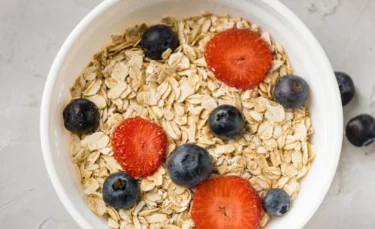
Studies6 have confirmed that eating whole grains and high-fibre foods helps in reducing the risk of diabetes by almost 35 to 42%. Oatmeal consists of high fibre and whole grains. In addition, it consists of soluble fibre that slows down the rate of glucose absorption in the GIT(gastrointestinal tract) thus ensuring the blood-sugar levels are kept at the right levels.
According to research7 from St. Michael’s Hospital and the University of Toronto, eating nuts every day could help control diabetes type 2. It is important to note that nuts have a much lower glycemic index which ranges from 14 to 21. They contain relatively minimal amounts of carbohydrates in comparison to the favourite snacks consumed by most people such as crackers.

Depending on the kind of mushroom you go for, the glycemic index might fluctuate although it is always considered as low. With their unique line of nutritional benefits, it also has the benefit of adding a whole new flavour to a meal. Portabella mushrooms are used as a meat replacement because of their beefy texture and nutritional value. It contains 22 calories per 100g.

Cruciferous vegetables such as cauliflower are very beneficial in terms of glycemic load. These vegetables are often seen in the health news since they are known for their heart disease and anti-cancer characteristics. If taken regularly, this unique blend of phytonutrients is very healthy and absorbed well in the body. One can rotate this kind of vegetables so as to avoid eating the same kind every day8.

This fruit ranks pretty low when it comes to the glycemic index. Though not as low as some vegetables, it’s considered healthy for diabetic people. It’s definitely a fruit to consider when making a listing of a low glycemic index food diet.

Coconut ranks highly in saturated fats, but if used sparingly, it is not a big threat to your blood glucose levels. Coconuts are used to flavour different types of dishes. Its different parts can be used, be it, coconut milk, coconut flour, its flesh and also coconut water. However, it’s important to know which part you are using to determine the glycemic index as well as nutritional benefits.

They say, an apple a day keeps the doctor away. This is because apples provide you with fibre, vitamins and minerals and a wide range of nutritional benefits while having a low glycemic index of 39. It requires very little preparation and no special storage, and it is also easy to carry9.
Let me share a delicious and healthy fruit recommendation with you: passion fruit! If you’re looking to control your blood sugar levels, passion fruit might be a great addition to your diet. Just 100 g of this tropical fruit contains approximately 11.2 g of sugar. Given that the type of sugar is 100% natural, it is advisable as a natural source to keep your blood sugar levels normal. Do consume in a small to moderate amount.
Dr. Siddharth Gupta, B.A.M.S, M.D (Ayu)
Peaches are a great food to stock in the season. You can enjoy the natural sweetness in them, and when eaten in moderation, they can keep the levels of blood sugars in check. Though the GI changes when peaches are used as a part of a dessert, eating fresh peaches shouldn’t raise concerns. Its GI ranking is 28.

Whole wheat bread has gained popularity in recent years. This is because white bread is regarded as unhealthy. However, wheat bread is ranked 49 in terms of GI. This is because it’s processed differently from white bread and hence, has more nutritional benefits10.

Beta carotene in carrots is known to help with eyesight and is also high in vitamin A. When mixed with peas, they can make a very delicious meal and still keep low glycemic content. Carrots have a glycemic index of 1911.

Broccoli is a superfood often seen in almost every healthy food listing. They are known for providing fibre, minerals, vitamins and nutritional value. They have a very low value of 10 on GI scales and therefore, the body can handle it very well12.

These contain 81 calories in every 100g serving. They also have high amounts of fibre and a fair amount of potassium. Also, it is a source of vitamin c and protein. Its glycemic index is 39.

Milk is known for providing calcium and vitamin D as well as high protein. Having a glass of milk when you are diabetic is totally acceptable since it falls under the low GI foods with a glycemic index of 3113.

Yoghurt is known because of its active and live cultures which help in the digestive issues by providing good bacteria. Whether you are eating unsweetened yoghurt or one with artificial sugars, it will still fall under low GI foods. However, low-fat yoghurt is recommended. Its glycemic index is 33. Also, it is advisable to consume natural flavoured yoghurt that is free of any type of artificial sweeteners14.
Another excellent option for managing blood sugar levels is tofu. If you’re looking for a protein-rich and low-sugar food, tofu might be a great choice. Only 0.62 g of sugar is included in 100 g of tofu.
Dr. Anuja Bodhare, B.A.M.S, M.D (Ayu)
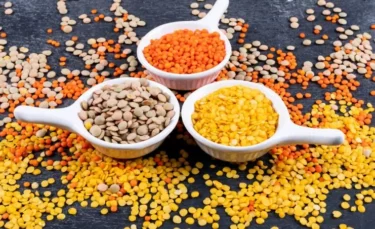
Lentils are very rich in fibre, minerals and vitamins. They are slowly gaining popularity and are often overlooked when it comes to a blood sugar conscious diet. Their Glycemic index rank is 3015.
Grapes are very sweet and many mistakenly believe they should be avoided when it comes to diabetics dieting. There are various types of grapes one can enjoy eating, be it red or white. Whichever kind you love the glycemic index is considered low & lies between 43 to 53 depending on the kind.
These are often compared to apples but they contain different nutrients as well as taste. They are a great choice when one is considering a low glycemic index food. Their glycemic index rank is 41.
Brown rice is one of the common foods that most diabetic people consume. This is because, compared to white rice, a serving is considered to have a glycemic rank of 87 whereas that of brown rice is 55.

Peanuts can either be enjoyed as a snack, with butter or even sauce. They are considered legumes and are very good at keeping someone alert. They are also very good at stabilizing blood sugars. Their glycemic index rank is 616.

Hummus is made up of chickpeas but ranks lower than them. This is due to other ingredients in them such as lemons, tahini, and olive oil. Their GI is virtually zero but you still need to watch portions so as to avoid gastrointestinal discomfort. The glycemic index is 617.
These are healthy nuts and can be taken as desired. They act to help the health of polyunsaturated and monounsaturated fats. It’s also a great source of magnesium and iron. Cashew nut butter is also healthy if one opts for an organic variety. They have a very low GI of 218.

Green beans are one of the most popular foods often consumed as a side dish. They are relatively low when subjected to the GI scale and are also an excellent source of fibre, vitamin c, and minerals. They help strengthen the immune system and also provide antioxidants that help battle free radicals so as to help avoid inflammation. Their Glycemic index rank is 15.
Oranges are known for their vitamin C content and it’s a great fruit to eat to boost your immune system when you notice early symptoms of a cold. They can be used as a smoothie, morning fruit or an all-time top-up. Its glycemic rank is 40.
These are considered to be low glycemic foods. Though they may vary in scale, they have a considerable amount of nutrition. The glycemic index for plums is 24 and 29 for prunes.
Fish are good for diabetic patients since it’s an excellent source of low proteins. They are known to be rich in omega 3, a kind of fat that strengthens the heart and potentially helps with management of diabetes. Including seafood in your diet and having at least two or more servings a week will help a great deal in blood sugar levels reduction19.

Although many sprinkle this in our drinks every morning, you might be surprised to realize the health benefits of this wonderful spice. Other than lowering the bad cholesterol, and raising the good cholesterol, cinnamon has been proven to lower blood sugars modestly.

Many people tend to fear garlic due to bad breath. But garlic extract is known to increase the levels of insulin available for diabetics. It has thereby been proven to reduce the levels of blood sugars20.
These are foods such as avocados, nuts, and salmon, tuna, trout and olive oil. They all contain monounsaturated fats that help lower insulin resistance.
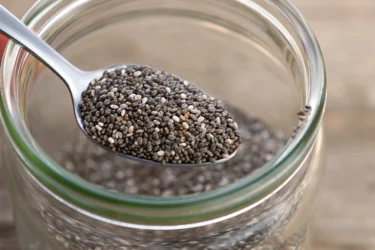
Chia seeds are minute dark, seeds with nutty flavours. They are rich in healthy fats, vitamins, fibre, and antioxidants. One of the studies21 published in ‘Diabetes Care’ found out that Chia seeds play a role in improving blood sugar. Also, it reduces the chances of heart diseases occurring in type-2-diabetic patients.

Capsicum is known to be cultivated for thousands of years and used for food, medicine and also for decorative purposes. The effectiveness of chilli peppers as medicine is that they can activate the transient receptor vanillin. This receptor is associated with neuropathic and inflammatory pain, anxiety and how our bodies process fats. It’s also an important insulin regulator. This study has led to the production of extracts aiming at pharmacological strategies to treat medical conditions such as diabetes22.

Vinegar has been used for centuries for a variety of health problems, including glucose management, dandruff, excessive sweating, fungal infections, and even heartburn. In a study23 published in Diabetes Care, two tablespoons of ACV at bedtime helped to regulate fasting blood glucose levels in patients with type II diabetes.

Protein foods are an important part of a diet plan. They include; fish, chicken, meats, soy products, and cheese. The difference between these foods is how much fat they contain and protein.

Although dried figs are available throughout the year, there is nothing more refreshing than the unique texture and taste of fresh figs. The leaves of fig have been known to contain anti-diabetic properties and can reduce the level of insulin needed by persons with diabetes.
Dates, along with other healthy but relatively unsafe foods for diabetes like peanuts and honey, often get a bad rap. These foods are, however, good for reducing bad cholesterol or LDL. For diabetics, in particular, portion control of these foods becomes very important.
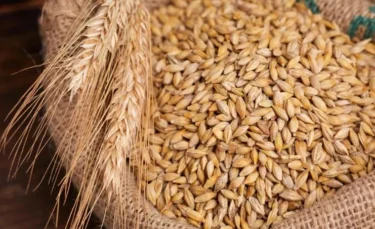
A cup of cooked whole-grain barley consists of 14 grams of fibre. The fibre is 3g soluble and 11g insoluble. 1 cup of cooked pearl barley consists of 6g fibre which is 2g soluble and 4g insoluble. Diabetic patients experience alterations in blood glucose levels after consuming carbohydrate-rich foods. Barley consists of a GI of 25.

Unlike white bread or potatoes, pasta is pretty low in terms of its glycemic impact. Many diabetics fear pasta because of its infamously high carbohydrate nutrients. However, with proper proportions, pasta can be safely indulged in a diabetic diet. Limiting portion size and choosing high-fibre whole grain pasta is the key to keeping the blood sugars low.
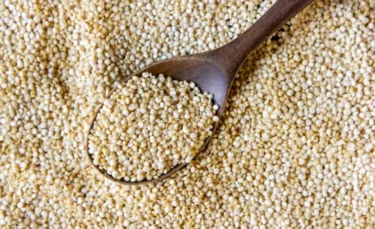
Quinoa is an excellent item to control your blood sugar. Whole grain with a low glycemic index to support even blood sugar, is packed with protein, fibre, vitamins, minerals, and phytochemicals. Quinoa is easy to cook and flavorful, and you can incorporate it into a healthy diabetic diet in a variety of ways24.
Apricots are sweet and have a delicate flavour. They have a wide range of nutrients and this makes them worthwhile to be added to a diabetic diet. Apricots can help you satisfy your sweet tooth without worrying about your blood sugars due to their low glycemic index. Dried apricots are also a great alternative when eaten in small amounts.
Let me share with you another fantastic option for maintaining healthy blood sugar levels: arugula! If you’re looking for a nutritious leafy green that won’t spike your blood sugar, arugula is a great choice. In just 100 g of raw arugula, you’ll find only 2 g of sugar.
Dr. Smita Barode, B.A.M.S, M.S.
Also Read: Karela (Bitter Gourd): Uses, Benefits, Side Effects and More!
Apart from the above list of foods to eat to lower blood sugar, there are other dietary and lifestyle changes you can use. Here are a few tips on diabetes control to get you started:
Weight management will be a major factor in your fight against diabetes, so be sure to follow your doctor’s instructions carefully.
Also Read: 8 Effective Herbs To Lower Blood Sugar Levels!
Apart from lowering the blood sugar within a short duration the foods also offer the body other benefits that include boosting body immunity, repairing worn-out cells and checking on most of the lifestyle diseases. However, this is not an exhaustive list of food items that can be eaten to control blood sugars. This list is meant to guide you on some of the locally available foods that have a low GI and which can be considered when regulating the blood sugar in the body. For those who are suffering from very high blood sugar levels, it is advisable that they seek the advice of a dietitian, clinical nutritionist and their family doctors so as to come up with the best treatment plan besides healthy eating.
Also Read: Best Home Remedies for Appendicitis Recovery
Disclaimer: The information provided here is for educational/awareness purposes only and is not intended to be a substitute for medical treatment by a healthcare professional and should not be relied upon to diagnose or treat any medical condition. The reader should consult a registered medical practitioner to determine the appropriateness of the information and before consuming any medication. PharmEasy does not provide any guarantee or warranty (express or implied) regarding the accuracy, adequacy, completeness, legality, reliability or usefulness of the information; and disclaims any liability arising thereof.
Links and product recommendations in the information provided here are advertisements of third-party products available on the website. PharmEasy does not make any representation on the accuracy or suitability of such products/services. Advertisements do not influence the editorial decisions or content. The information in this blog is subject to change without notice. The authors and administrators reserve the right to modify, add, or remove content without notification. It is your responsibility to review this disclaimer regularly for any changes.
91
2
Gokshura, often known as Tribulus Terrestris is a tiny leafy Ayurvedic herb that belongs to the Caltrop family. Because the fruits of this plant resemble cow hooves, its name is derived from two Sanskrit words: ‘Go’ meaning cow, and ‘Aakshura’ meaning hoof1.
Gokshura, also known as Goksuraka, Gokhuri, Gokshra, Devil’s thorn, Goat head, Small Caltrop, Gokharu, or Gokhri is a vital element used to cure urinary diseases, polycystic ovary syndrome (PCOS), prostate gland problems, heart ailments and kidney problems. It may also aid in the development of muscle growth, increased and cognitive activity1.
The fruit bears sharp thorns over its surface that are hard enough to puncture a cycle tire, earning it the name Trikanta or Puncture Vine. This herb’s active components, alkaloids, and phytosterols combine to make it an effective diuretic. Apart from urinary issues, gokshura can possibly help with hair loss, neurological disorders, rheumatic pain, headaches, obesity, stress, piles, bedwetting, and eye problems.
Gokshura has active components, the most important of which are the alkaloids, norharman and Harman. It also contains terrestrosins A E, flavonoid glycosides, and furostanol, which are steroidal saponins.
In India, gokshura may be used in Ayurvedic medicine to treat asthma, edema, cough, and renal problems, as well as to aid with hair loss, rheumatic pain, headache/stress, menstruation, weak nervous system, obesity, piles, and eye problems. This herb has been discovered to have hypotensive, anti-microbial, anti-cancer, aphrodisiac, and diuretic qualities by researchers.
Gokshura is also known to have many medicinal properties2. These include-
Gokshura may be an extremely useful herb for many common ailments.
Urinary conditions such as urinary incontinence, painful urination, and burning sensation when urinating may benefit from the Gokshura churn. When gokshura is mixed with cow’s milk, it may relieve pain and burning micturition, it may also encourage proper urination and it may help dysuria since it is a mild diuretic3.
Antimicrobial and antibacterial characteristics of gokshura may help against urinary infections. Your doctor will be able to assess your condition and prescribe dosage and form correctly.
Consuming Gokshura at the recommended dosage may provide the body with nutrients and minerals essential for muscle strength, making it a natural approach to potentially building healthy muscles. As the available data seems insufficient we may need further studies that can give evidence for these benefits on humans.
In my opinion, Gokshura is a special plant with some fantastic benefits. An animal study8 looked into the effects of a special extract from Gokshura on different muscle preparations. The results show that this mixture may help reduce muscle spasms and ease colic pains.
Dr. Smita Barode, B.A.M.S, M.S.
The traditional Gokshura churn supports kidney health by assisting in the elimination of excess uric acid and managing the uric acid level in the kidneys, thereby preventing or curing gout.
The anti-lithiasis (against stone formation) properties of Gokshura churn may help against the production of kidney stones, as well as breaking or reducing the size of those that may have already developed4. It may also work against polycystic kidney disease, kidney stones, and cystitis. It may aid in the management of diabetes and hence may combat underlying symptoms such as frequent urination. You must consult with your doctor for better advice.
Gokshura churn may have digestive qualities and has been discovered to be particularly helpful in improving digestion. It may increase the absorption of important nutrients and improve digestion by stimulating the release of digestive juices.
It also addresses symptoms of stomach pain, distension, ulcerative colitis, and irritable bowel syndrome, as well as preventing fluid retention. We may need further studies that can give evidence for these benefits on humans.
The analgesic and anti-inflammatory characteristics of Gokshura may help in reducing pain and inflammation, and the churn can be used to benefit rheumatoid arthritis and osteoarthritis1. The studies available currently are insufficient and therefore more scientific evidence is needed to back up this claim.
Gokshura churn is a traditional medicine that may have a beneficial effect on brain function. The powerful antioxidants in gokshura may help people with their memory, attention, concentration, tranquility, and alertness.
Regular use of the powder has been studied to have a positive effect on memory, reasoning, problem-solving, and other cognitive capacities, as well as being particularly helpful for psychotic diseases such as Alzheimer’s disease. You must consult a doctor before including any herb in your diet for its skin benefits as they may be able to assess your condition and prescribe dosage and form correctly.
Owing to powerful antioxidative properties, the Gokshura churn may be helpful for a variety of heart conditions. It may strengthen the cardiac muscles and keep lipids and other debris out of the blood vessels, preventing atherosclerosis. The bioactive ingredients in gokshura may lower the levels of non-esterified fatty acids (NEFA), which may help in lowering the risk of heart attacks, strokes, blood clots, and other cardiovascular diseases1.
It’s also important for keeping blood cholesterol levels in check. Your doctor will be able to assess your condition and prescribe gokshura dosage and form correctly.
I may have some good news for people trying to manage type 2 diabetes. In a study6 with 98 women, it was seen that Gokshura might help lower blood sugar levels. Thus, it might just be the natural support you’ve been looking for!
Dr. Rajeev Singh, BAMS
Gokshura may be an excellent natural antioxidant and cleanser for healing oxidative free radical damage caused by the sun’s rays. As a result, when used on a daily basis, the Gokshura mixture can help to reduce skin issues, fine lines, dark circles, spots, and some other symptoms of aging. It may also help with wounds, hives, itching, and skin infections while providing a smooth, radiant, regenerated complexion.
Gokshura may help with acne, which is very common among youngsters. It can be used to help with itching, skin irritations, skin eruptions, and eczema, among other dermatological issues.
You must consult a dermatologist before using anything for your skin.
I came across a study that may have shown some exciting benefits for postmenopausal women. In the study, women who took Gokshura experienced potential improvements in their sexual function, like desire, arousal, pain, and anorgasmia7. Thus, Gokshura might just be the secret ingredient you’ve been searching for!
Dr. Siddharth Gupta, B.A.M.S, M.D (Ayu)
Though there are studies that show the benefits of gokashura in various conditions, these are insufficient and there is a need for further studies to establish the true extent of the benefits of gokshura on human health.
Gokshura is available in five different forms
You must consult a qualified doctor before taking any herbal supplements. Do not discontinue or replace an ongoing treatment of modern medicine with an ayurvedic/herbal preparation without consulting a qualified doctor.
The majority of research has concluded that Gokshura is mostly safe to consume and has no harmful effects. Gokshura has the potential to upset the stomach and enlarge the size of the prostate in men. Before including Gokshura in the daily diet, consult with a qualified Ayurvedic doctor, and be cautious in the following situations.
If you experience any side effects from consuming gokshura, you must consult the doctor who prescribed it to you immediately.
If you have one or more of these conditions, it is important to consult with your doctor before taking Gokshura.
It is essential to keep in mind not to use Gokshura with any of these medications:
Gokshura could have a diuretic or water pill effect. Taking Gokshura may impair the body’s ability to eliminate lithium. This could cause side effects by raising the level of lithium in the body. If you are taking any of these medications, you should speak with a doctor.
Gokshura may help to lower blood sugar levels. If you use Gokshura with diabetic medication, your blood sugar may drop too low. As a result, the diabetes medication dose may need to be adjusted.
Blood pressure appears to be reduced with Gokshura. Consumption of Gokshura with hypertensive drugs might cause blood pressure to go too low.
Gokshura seems to lower blood pressure. Consumption of Gokshura with hypertensive drugs might cause blood pressure to go too low.
Gokshura is a well-known herb in Ayurveda that may help with many health problems, from kidney and urinary issues to muscle strength, heart health, and even brain function. Its natural properties like reducing inflammation, acting as a mild diuretic, and boosting energy, make it useful for a variety of common conditions. It may also help with skin problems, joint pain, and hormonal balance. While traditional use and early research show many possible benefits, more studies are needed to understand how it works in humans. Always talk to a qualified doctor before using Gokshura, especially if you have health conditions or take regular medicines. When used carefully, Gokshura might be a helpful addition to a healthy lifestyle.
Gokshura’s diuretic properties may aid in maintaining blood pressure by increasing urine output and helping to drain the excess fluid from the body that causes high blood pressure. This beneficial property of gokshura needs further studies to understand its potential use in humans.
Gokshura does not make you lose your hair. On the contrary, Gokshura may have some beneficial effects on hair loss in women. As a result, Gokshura may be helpful in the treatment of hair loss in women rather than inducing hair fall. It is advisable to consult your Ayurvedic physician to understand dosage, uses, and precautions as per your health condition.
Gokshura is helpful for numerous problems such as rheumatic pain, neural problems, headache, bedwetting, low water retention capacity, hair fall, stress, obesity, menstruation, piles, and eye problems. You must consult your Ayurvedic physician for proper advice as per your condition.
Yes, we can take Gokshura tablets on an empty stomach with milk.
Gokshura can be consumed via any of these forms based on your doctor’s prescription:
Gokshura Churna
Gokshura Capsule
Gokshura Kwath
Gokshura Tablet
Disclaimer: The information provided here is for educational/awareness purposes only and is not intended to be a substitute for medical treatment by a healthcare professional and should not be relied upon to diagnose or treat any medical condition. The reader should consult a registered medical practitioner to determine the appropriateness of the information and before consuming any medication. PharmEasy does not provide any guarantee or warranty (express or implied) regarding the accuracy, adequacy, completeness, legality, reliability or usefulness of the information; and disclaims any liability arising thereof.
39
1


